The Big Picture: Weaving These Trends into Your Home
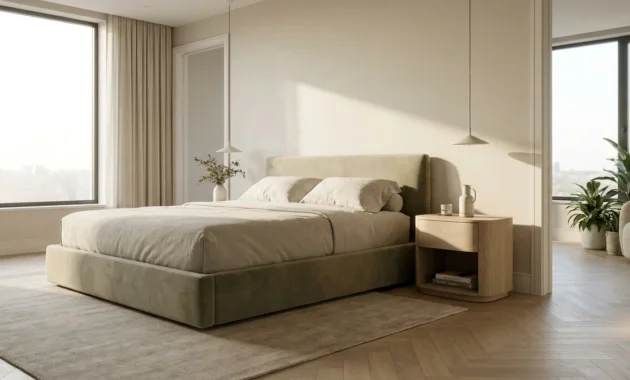
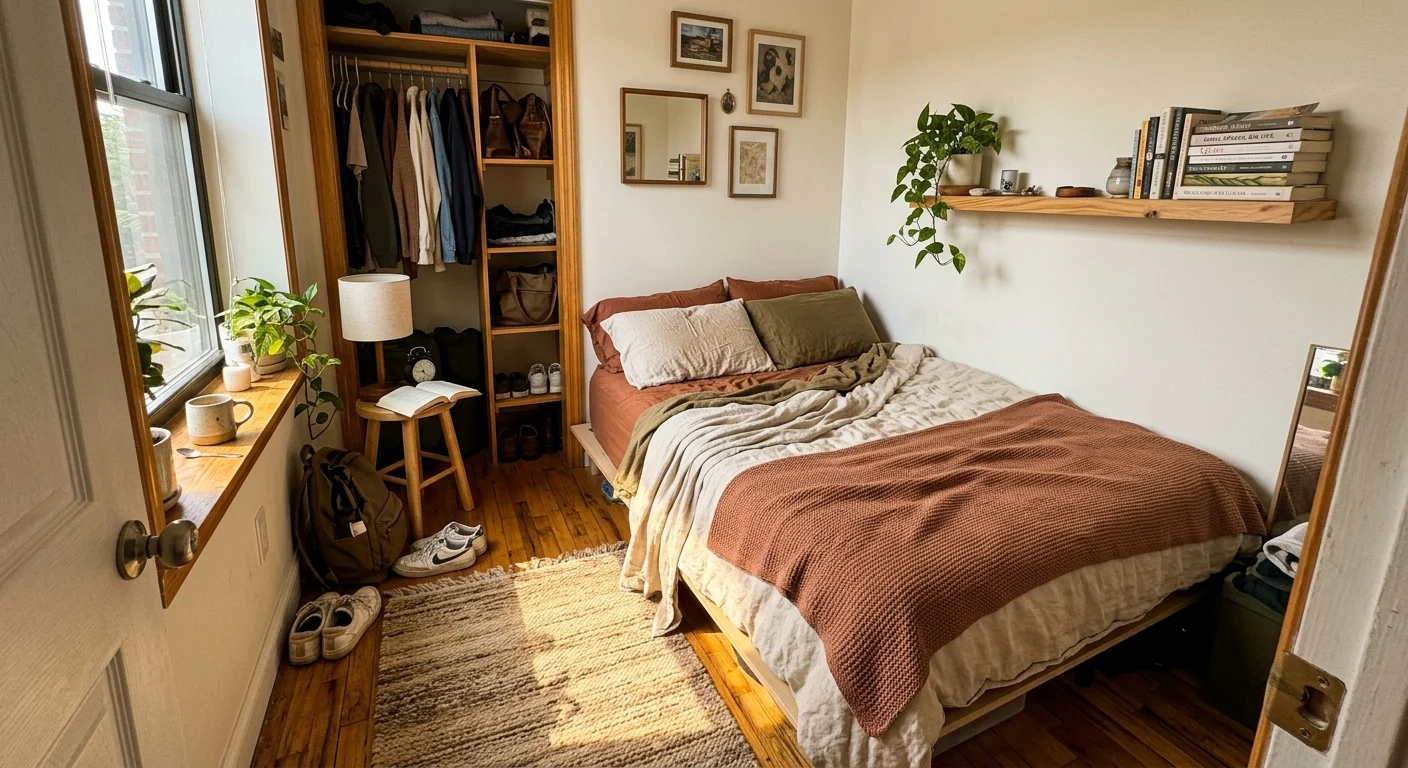
Maximizing space in a small bedroom should never feel like an exercise in aesthetic compromise. The most successful compact spaces harmonize strict functional requirements with rich materiality, timeless proportion, and intentional curation. As you reimagine your sleeping quarters, consider how your bedroom layout connects with the broader visual narrative of your home, including adjacent living rooms, dining rooms, and hallway transitions.
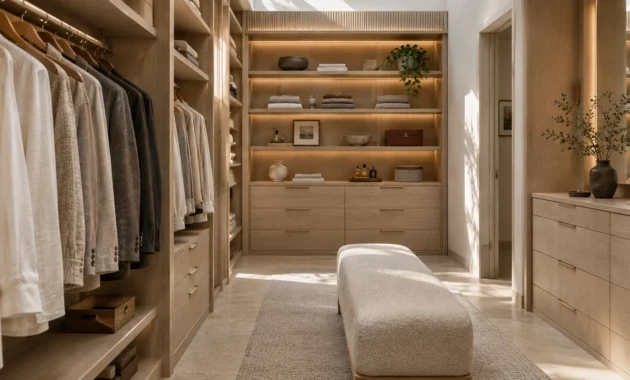
Begin by assessing your floor plan with rigorous honesty. Measure your space against established building standards and traffic requirements. If your room borders the 70-square-foot regulatory minimum, prioritize corner daybed alcoves or low-slung Japandi platforms to protect essential clearances. If your footprint allows for a Queen bed, invest in symmetrical wall joinery to consolidate your storage onto a single wall.
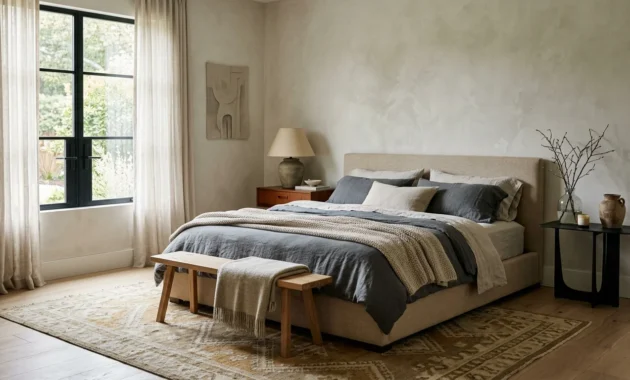
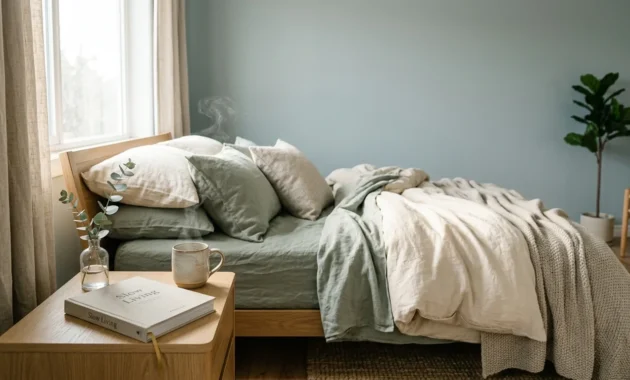
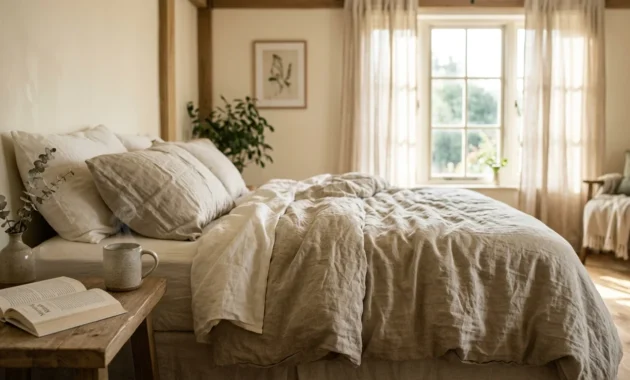
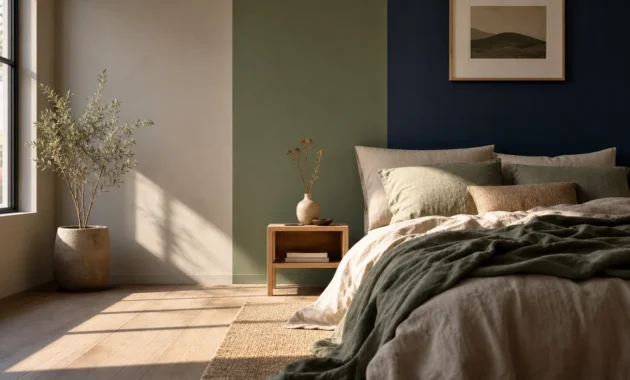
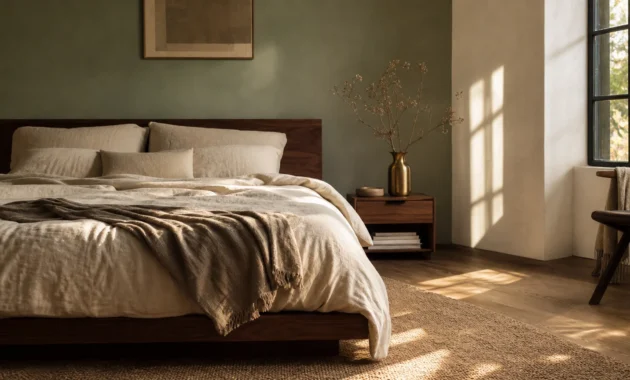
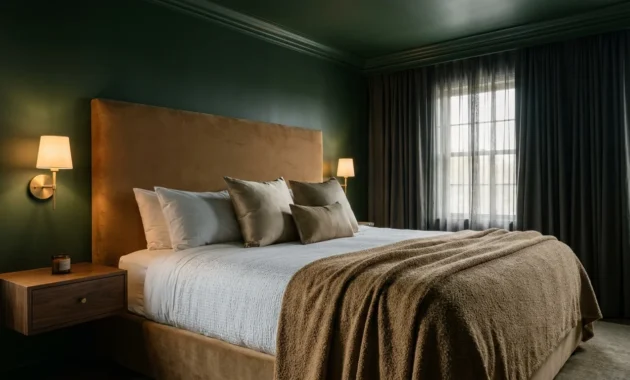
Integrate tactile natural materials—such as raw linens, honed stone, matte ceramics, and architectural timber—to introduce warmth and sensory depth without adding decorative clutter. Keep flooring transitions seamless from room to room, and select cohesive color palettes that allow natural daylight to bounce effortlessly across surfaces.
For the latest color forecasts, consult industry leaders like Pantone and paint companies like Benjamin Moore. For professional design standards, refer to the American Society of Interior Designers (ASID).
By balancing thoughtful spatial engineering with elevated aesthetic principles, you can transform the most modest bedroom into an inspiring, functional haven of quiet luxury that enriches your daily routine for years to come.
Disclaimer: This article reflects design trend analysis and predictions. Personal taste and timeless design principles should always guide your decorating choices.