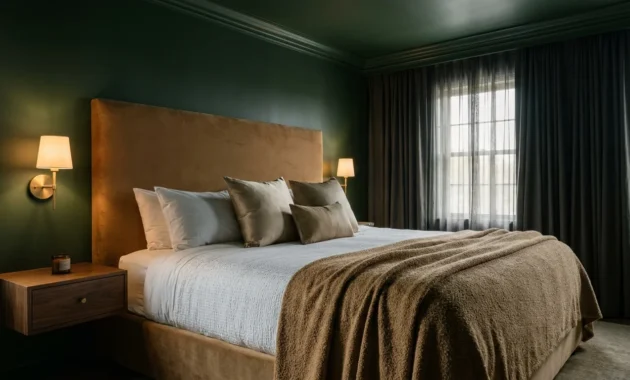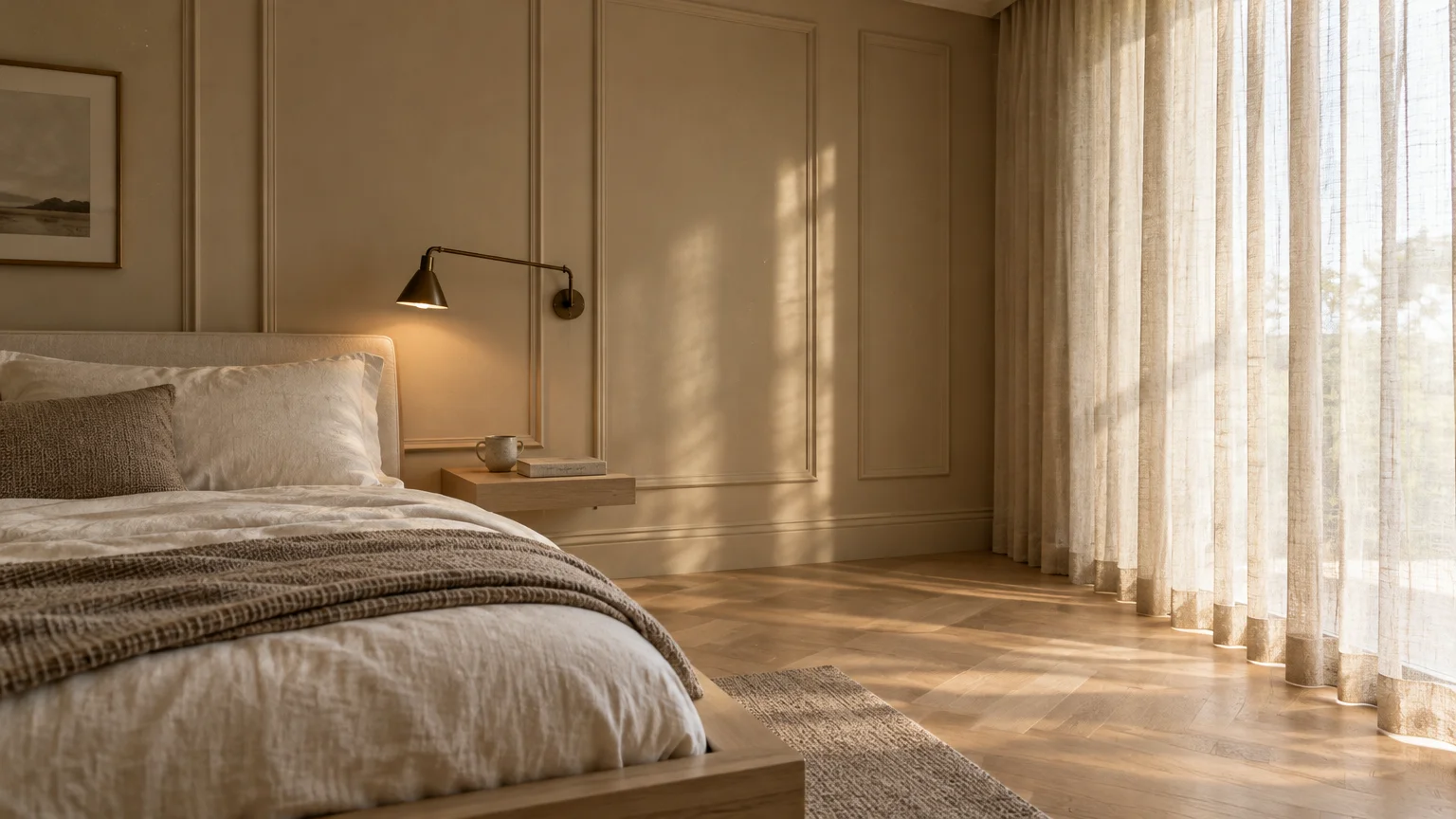
You can transform your personal quarters into a high-end sanctuary without depleting your savings account. Deliberate aesthetic shifts yield dramatic visual rewards that rival five-star boutique hotels.
Achieving an opulent aesthetic relies on proportion, tactile richness, and intentional restraint rather than exorbitant investments. When you master these foundational design principles, you curate a lavish environment tailored for rejuvenation.
Explore these ten bedroom makeover ideas that introduce quiet luxury into your floor plan. Each tactical solution delivers elevated visual impact while keeping your decorative expenses remarkably low.
Trend #1: Monochromatic Color Drenching
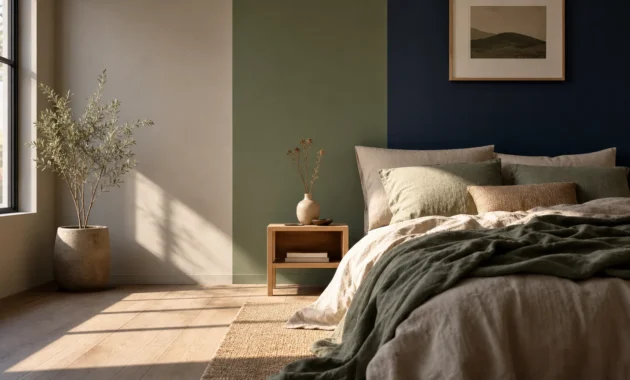
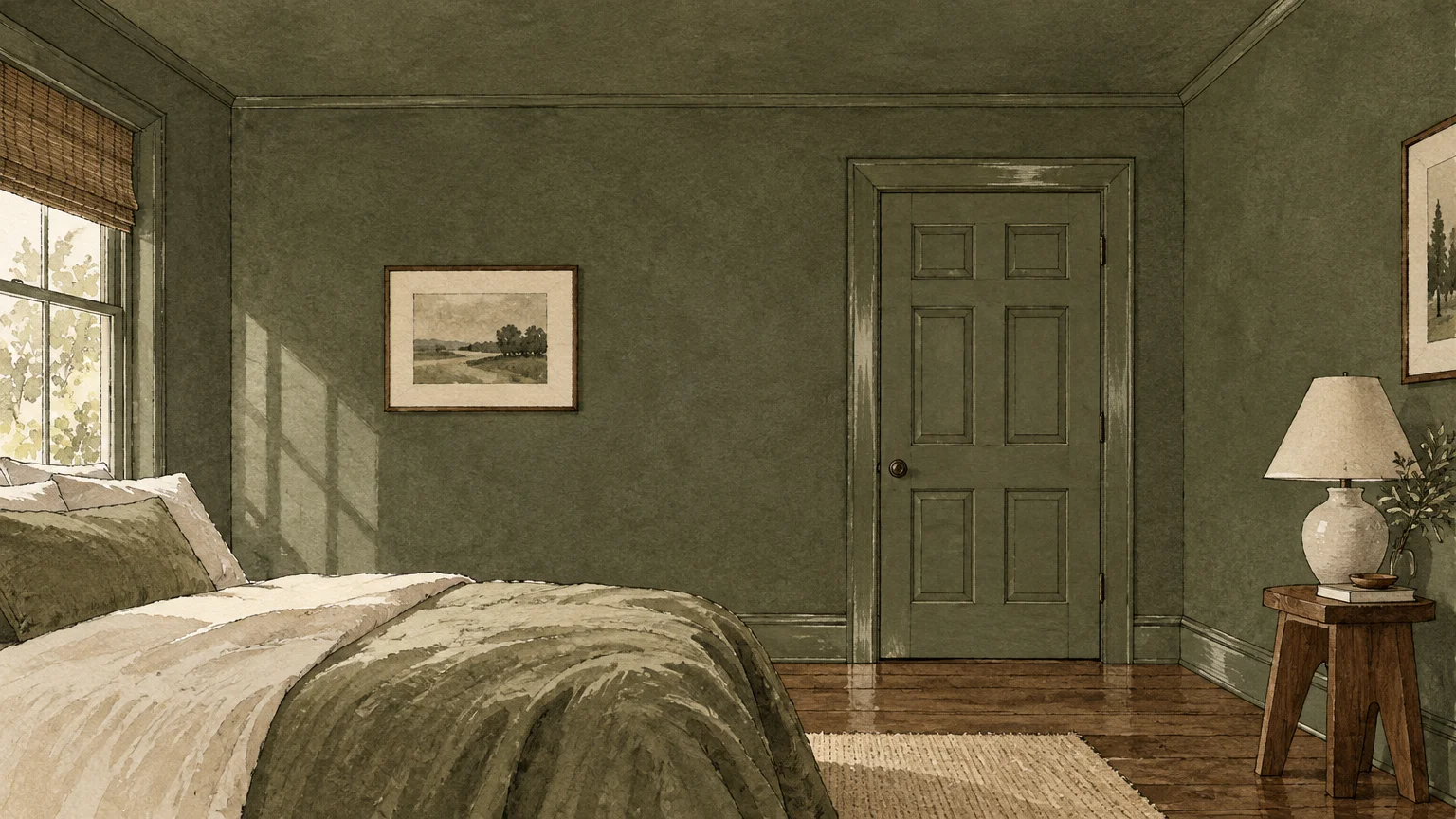
Monochromatic color drenching transforms an ordinary room into an immersive, tailored envelope. By painting the walls, baseboards, door frames, and ceiling in a single shade, you visually erase awkward boundaries.
This continuous wash of pigment elevates your bedroom architecture effortlessly. Interior designers frequently deploy this technique to make standard eight-foot ceilings feel significantly higher and more expansive.
Select saturated neutrals or muted earthy tones like slate olive, warm biscuit, or chalky taupe. These nuanced hues evoke quiet luxury without the visual noise of contrasting stark white millwork.
When executing this approach, vary the paint sheens across surfaces to maintain architectural dimension. Apply a rich matte finish on the walls and ceiling, while using durable eggshell or satin on trim.
This approach ranks among the most impactful cheap bedroom upgrades available. For the price of several paint gallons, your room gains the bespoke cohesion of a custom European suite.
Trend #2: Layered Tactile Bedscaping
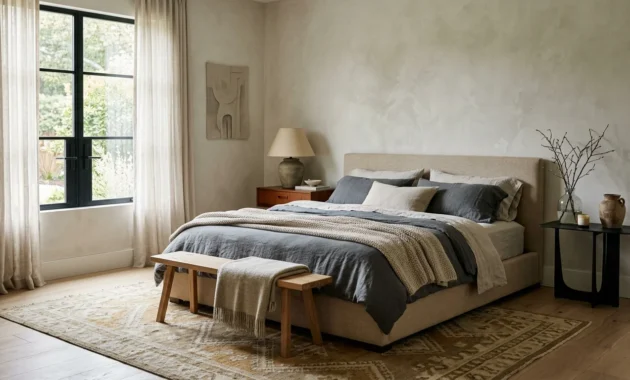
A lavish bed serves as the focal anchor of any high-end sleeping space. You can easily emulate a five-star hotel style bedroom by curating tactile textiles instead of purchasing costly new furniture.
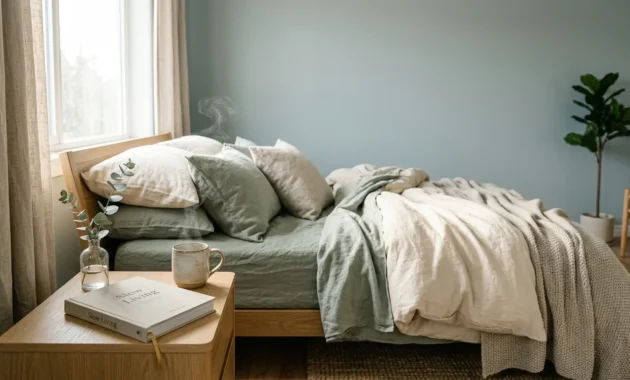
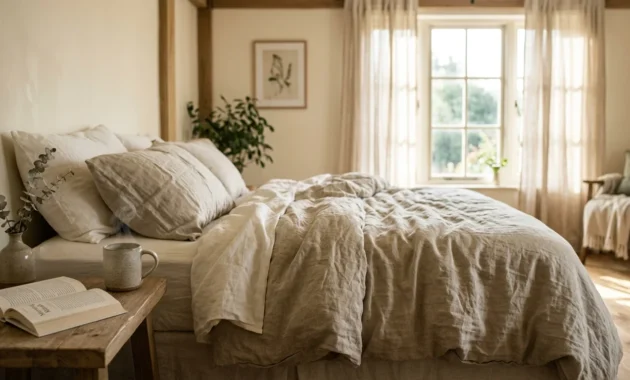
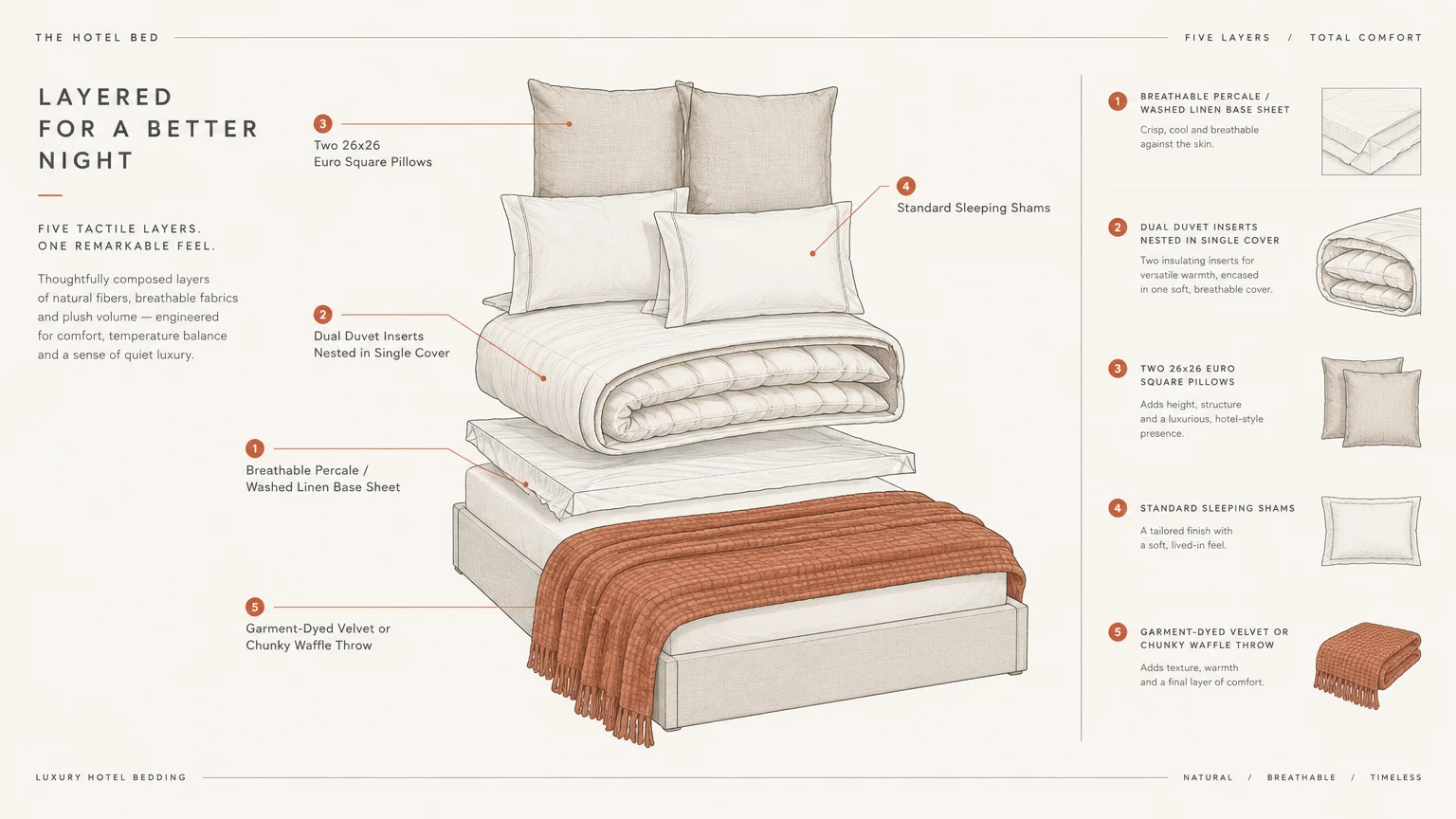
Begin with high-thread-count cotton percale or pre-washed linen sheets in crisp ivory or soft alabaster. The natural drape of these breathable fabrics establishes an effortless foundation of quiet luxury.
To achieve that coveted magazine volume, insert two duvets inside a single duvet cover. This simple industry trick instantly multiplies cloud-like loft without requiring expensive down-filled bedding.
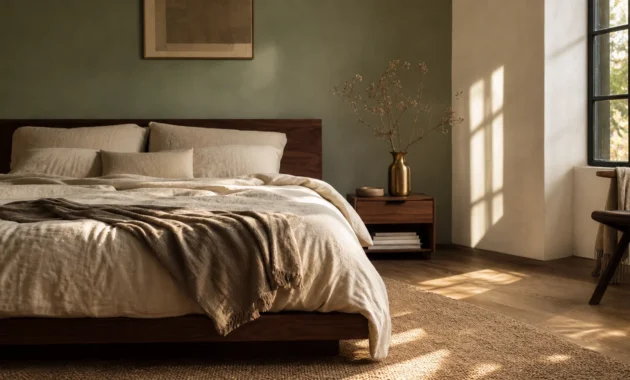
Layer a chunky waffle throw or a garment-dyed velvet coverlet across the bed’s lower third. This introduces textural depth and tonal contrast, which prevents monochromatic schemes from appearing flat or sterile.
Complete the arrangement with two oversized European square pillows set behind standard sleeping shams. This vertical layering conceals imperfect headboards while framing your bed with deliberate architectural poise.
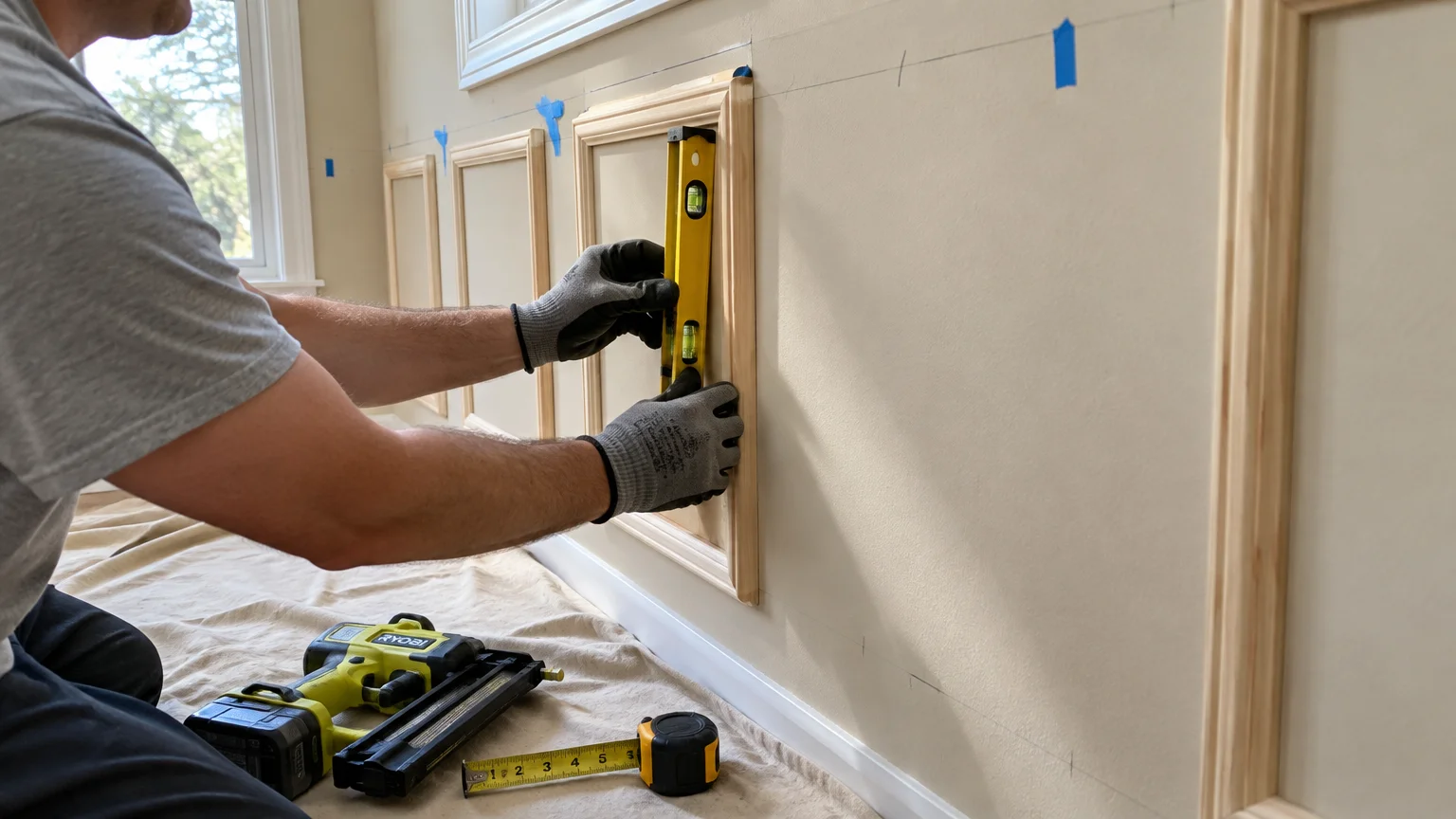
Trend #3: Applied Architectural Wall Moulding
Applied picture frame moulding imparts instant historic provenance to plain drywall. This classic millwork technique anchors modern furniture while lending pre-war charm to contemporary suburban architecture.
You can purchase primed base cap mouldings or inexpensive pine lattice strips at any home center. Once you measure consistent rectangular boxes, secure the trim with construction adhesive and finishing nails.
Paint the moulding boxes in the identical color as your perimeter walls. This deliberate continuity produces subtle light play and elegant shadow lines without visually cluttering the bedroom.
Follow classical proportion guidelines by keeping frames spaced four to six inches apart. Aligning the top moulding rail with the upper window frame preserves harmonious sightlines across the space.
This architectural embellishment adds permanent value to your real estate while costing remarkably little. It provides a sculpted backdrop that makes even modest furnishings look curated and refined.
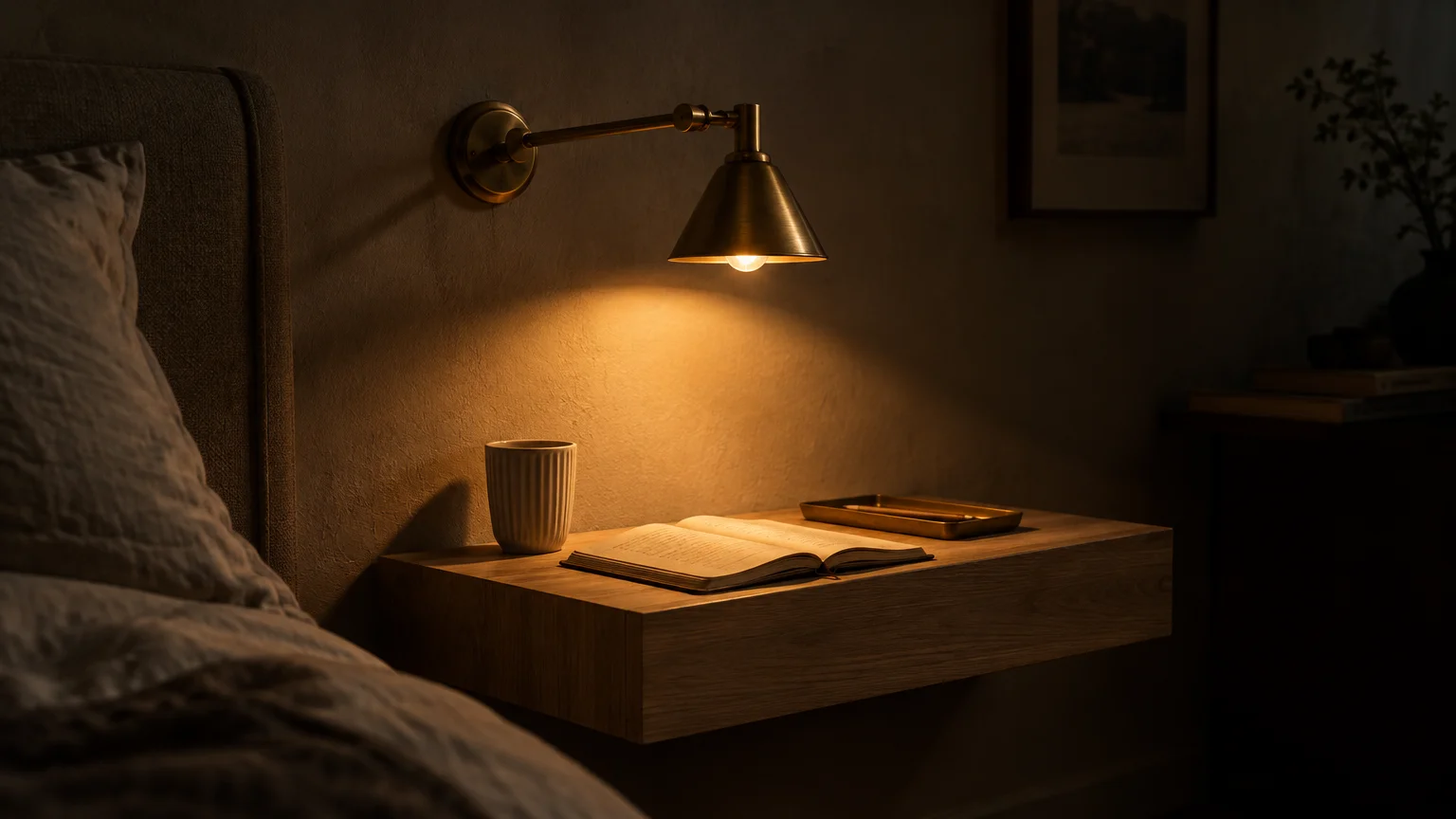
Trend #4: Low-Slung Sconce Lighting
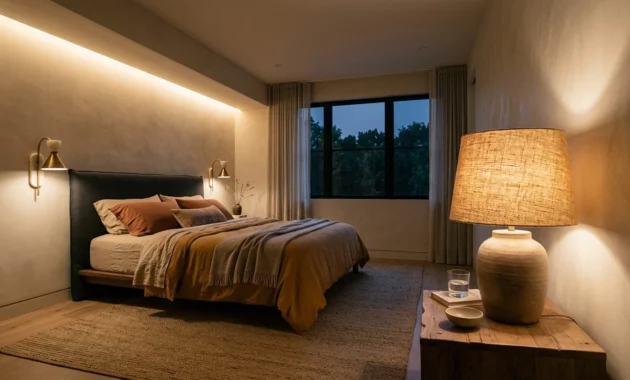
Lighting dictates the emotional resonance and perceived luxury of interior spaces. Replacing utilitarian flush mounts with thoughtfully placed bedside sconces provides an immediate upgrade in ambient warmth.
Hardwired wall sconces can require costly electrical work, but smart alternatives eliminate this hurdle. Select stylish plug-in fixtures equipped with metal cord concealers painted to match your wall color.
Position the light fixtures slightly lower than standard placements, around shoulder height when sitting upright. This low-slung placement produces intimate pools of atmospheric illumination ideal for evening unwind rituals.
Equip your fixtures with dimmable LED bulbs calibrated to 2700 Kelvins. This warm, golden glow mimics flattering incandescent light, avoiding the clinical cast of harsh white bulbs.
Wall-mounted illumination also clears valuable surface space on your bedside tables. Your bedroom instantly feels less cluttered, creating the streamlined aesthetic typical of bespoke suites.
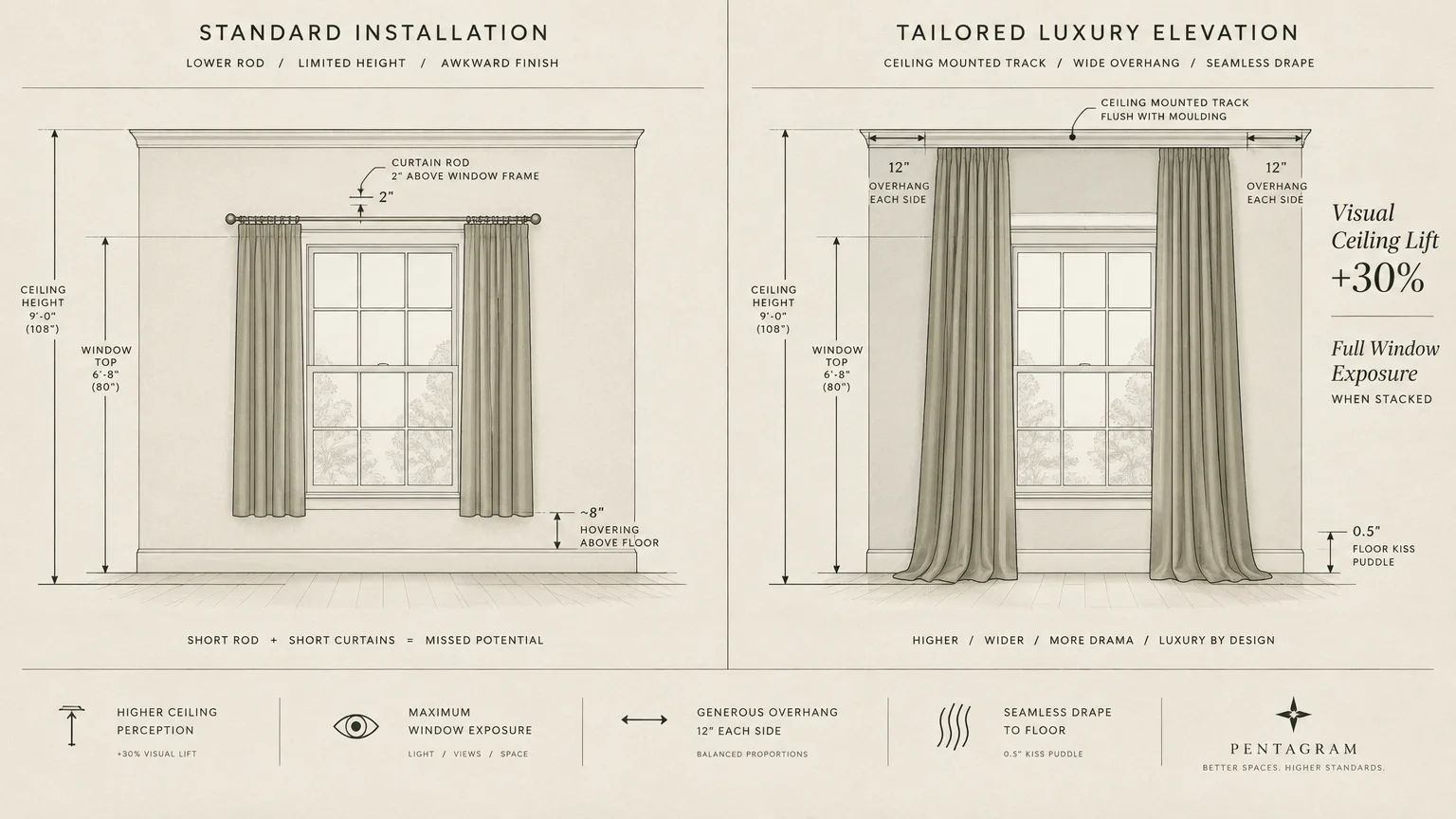
Trend #5: Floor-to-Ceiling Tailored Drapery
Window treatments reveal the true caliber of an interior design scheme. Skimpy, ill-hung curtain panels cheapen an entire room, whereas sweeping drapery instantly conveys grand architectural scale.
Mount your drapery rods directly beneath the ceiling crown rather than right above the window casing. Extending the rod ten to twelve inches past the frame widens your natural aperture.
This optical illusion creates dramatic vertical height and makes your bedroom windows appear substantially larger. Furthermore, hanging panels wide allows unobstructed daylight to flood the room during morning hours.
You do not need custom drapery to achieve this bespoke tailored aesthetic. Purchase budget-friendly linen-cotton curtains, apply iron-on pinch pleat tape, and hang them with drapery rings.
Ensure the fabric hem lightly grazes or puddles slightly upon your hardwood or carpet. This tactile weight adds acoustic dampening and sumptuous physical softness to your sleeping sanctuary.
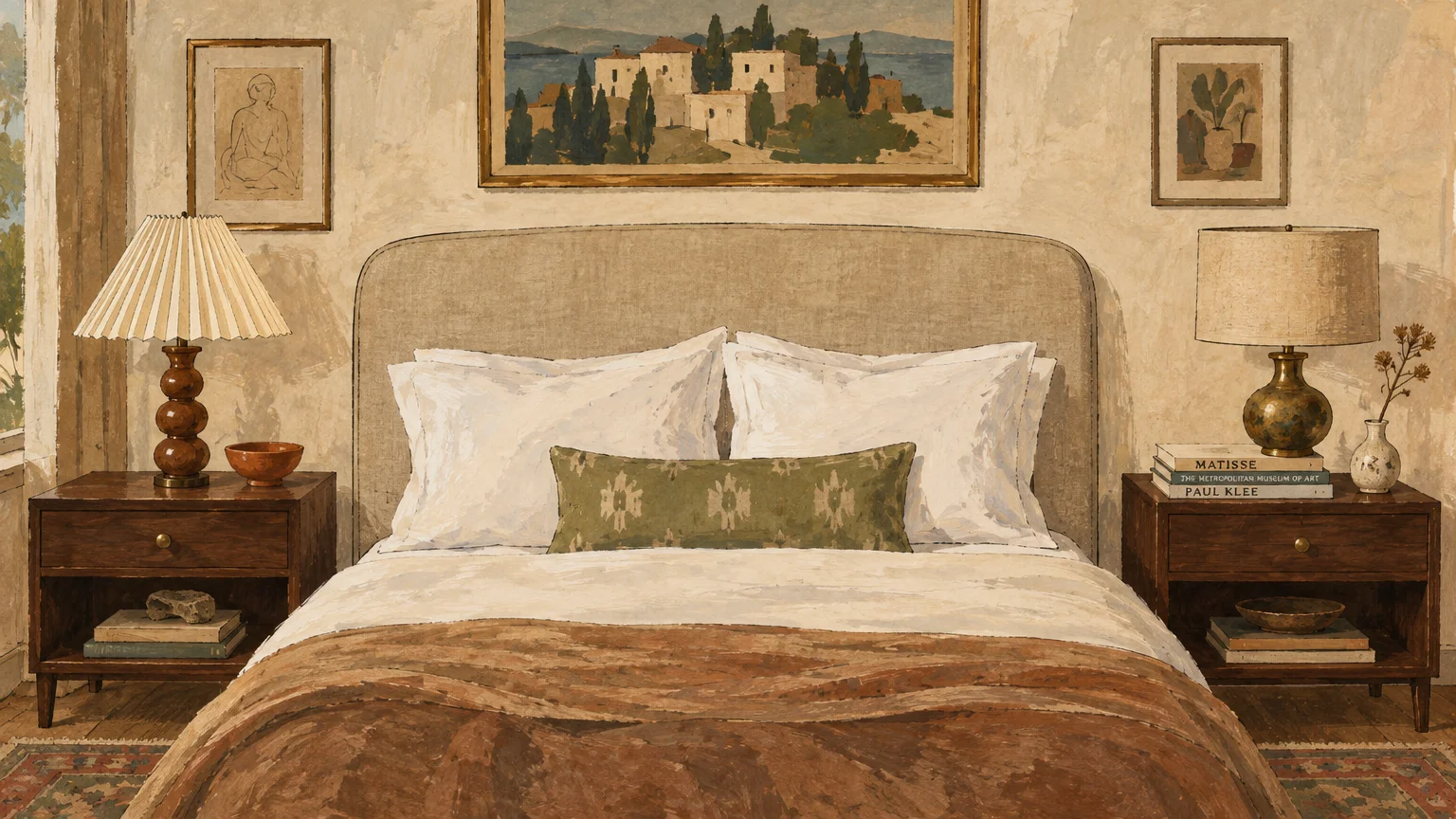
Trend #6: Symmetrical Styling with Curated Provenance
Visual symmetry registers immediately in the human brain as organized, calm, and expensive. Balancing your bedroom layout through mirrored elements establishes a soothing, stately foundation.
Pair identical bedside lighting, flanking artwork, or matching side pedestals on either side of the mattress. This formal balance creates the crisp order celebrated in luxury boutique hospitality.
Offset strict symmetry by incorporating vintage decorative objects carrying tangible provenance. An aged brass dish, a hand-turned wooden bowl, or a patinated stoneware vessel brings irreplaceable character.
Sourcing these items from local estate sales or flea markets keeps your expenditures nominal. Authentic vintage accents ensure your bedroom makeover ideas feel collected over decades rather than bought in one store.
This union of classical symmetry and layered history gives your private retreat distinctive character. Guests and visitors will perceive bespoke luxury rather than budget-conscious decor.
Trend #7: Bespoke Architectural Hardware Swaps
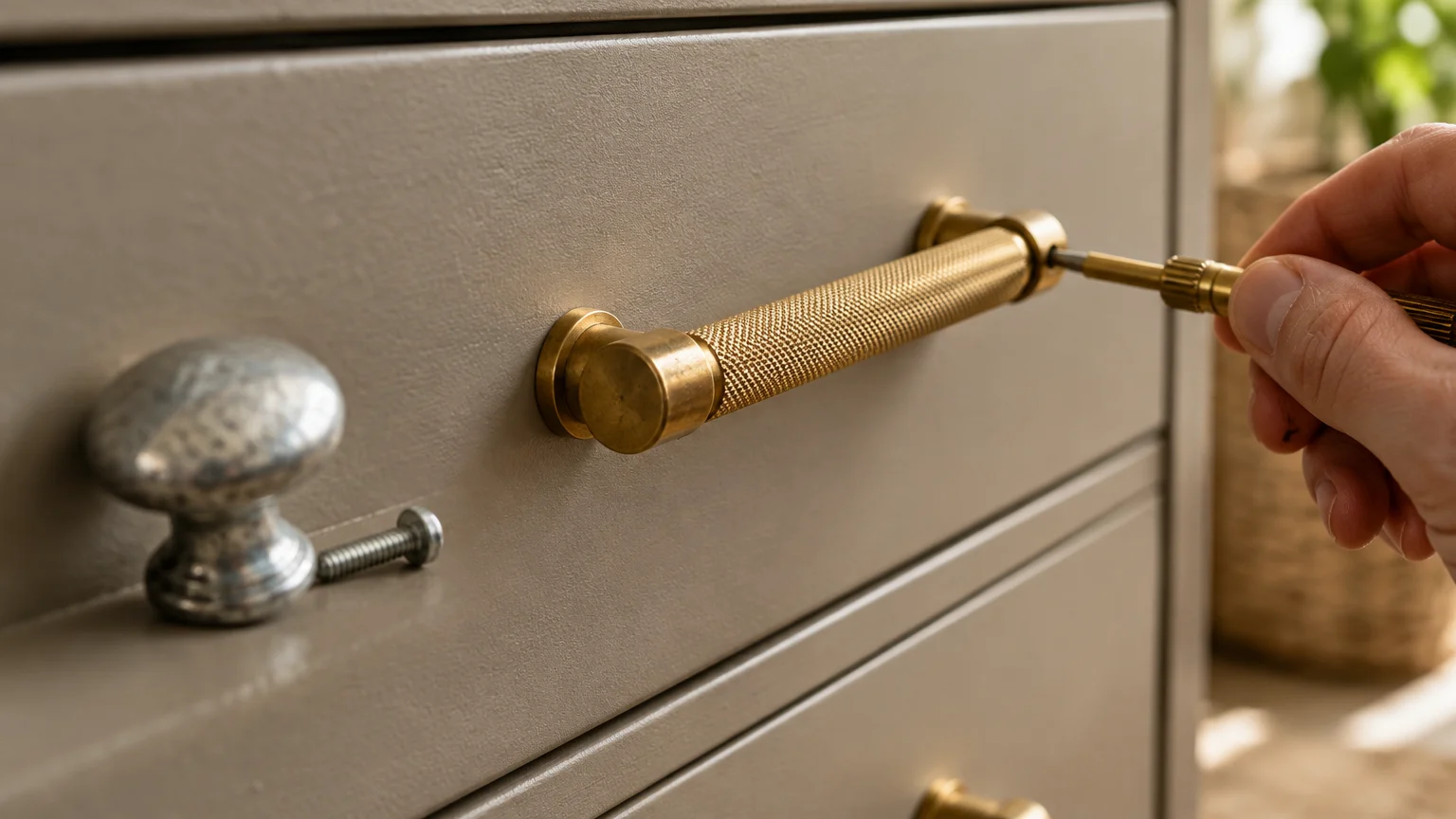
Cabinetry hardware represents the jewelry of interior architecture. Swapping generic knobs on builder-grade wardrobes or nightstands remains one of the simplest cheap bedroom upgrades available.
Mass-market furniture often utilizes lightweight, hollow hardware finished in artificial tones. Replacing these with solid unlacquered brass, knurled metal, or forged iron pulls completely transforms their physical presence.
Every time you interact with your storage pieces, substantial hardware communicates tactile quality and permanence. This tactile reinforcement shifts your daily sensory experience toward genuine luxury.
Explore diverse artisanal profiles such as elongated t-bars, geometric bin pulls, or organic horn-style handles. Pay close attention to center-to-center hole measurements to avoid drilling unnecessary holes.
Extending these hardware updates to your bedroom closet doors harmonizes the overall room aesthetic. Small finishing details like these unite your space into a unified, high-end design environment.
Trend #8: Oversized Grounding with Natural Area Rugs
A rug that is too small instantly shrinks the visual perimeter of your bedroom. Investing in generous scale anchors the furniture grouping and defines the sleeping zone with commanding authority.
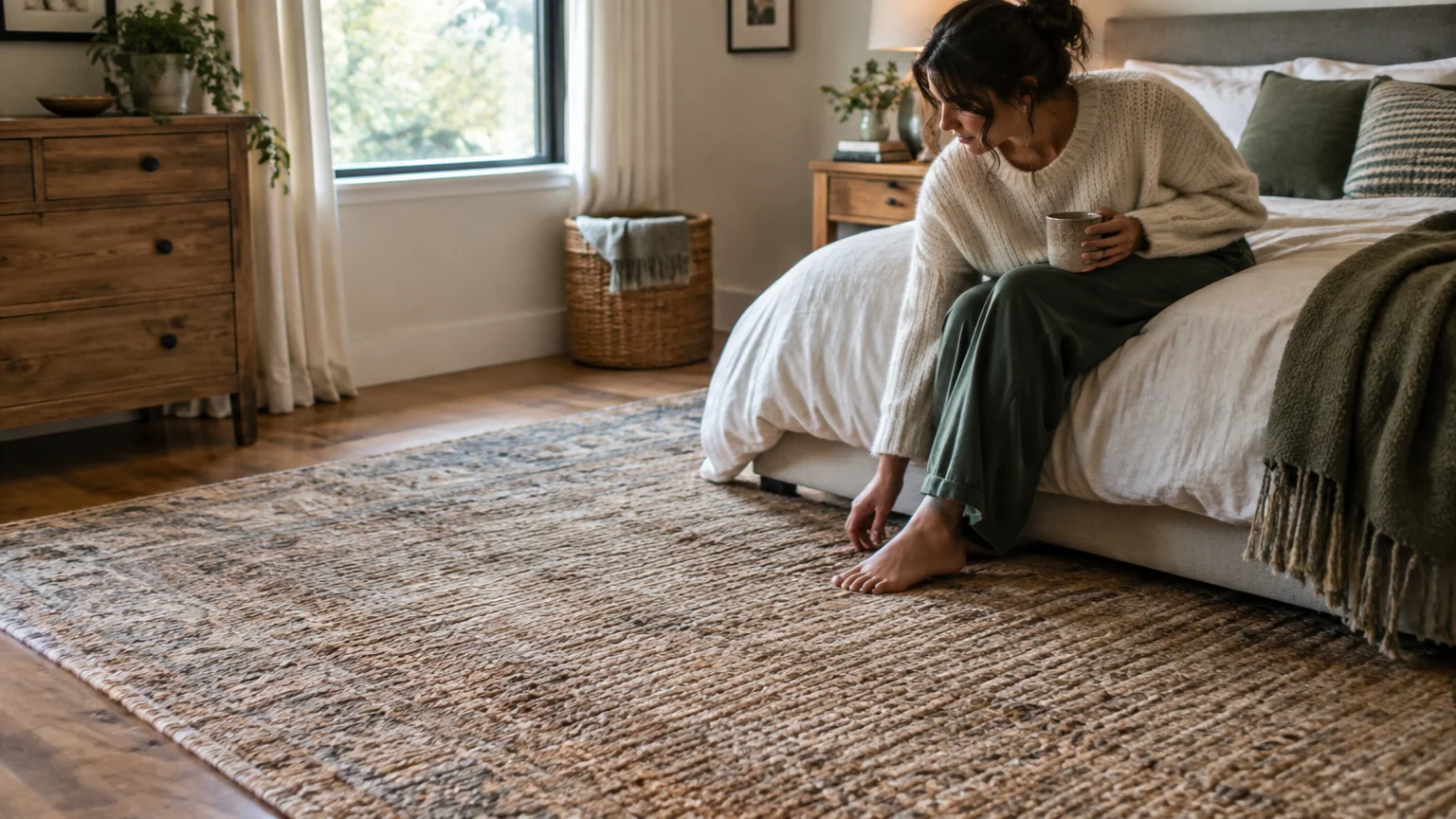
Rather than purchasing high-priced vintage wool rugs, select expansive natural fibers like woven jute, boucle, or sisal. These durable materials bring earthy texture and grounding warmth to any floor type.
Position the rug so it extends at least twenty-four inches beyond the sides and foot of your bed. This deliberate footprint ensures your feet touch warm, tactile weave every morning upon waking.
If you desire pattern or color, layer a smaller patterned antique rug over your neutral jute base. This layered look delivers high-end designer cachet at a fraction of the cost.
This grounding strategy works equally well when connecting bedroom schemes to adjacent living rooms and corridors. Consistent flooring textures create an uninterrupted, luxurious rhythm throughout your home.
Trend #9: Minimalist Floating Furniture
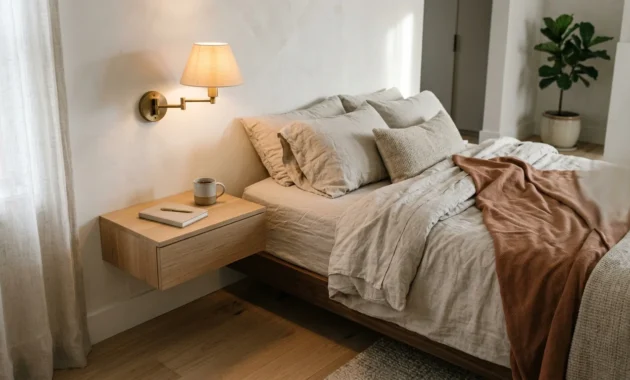
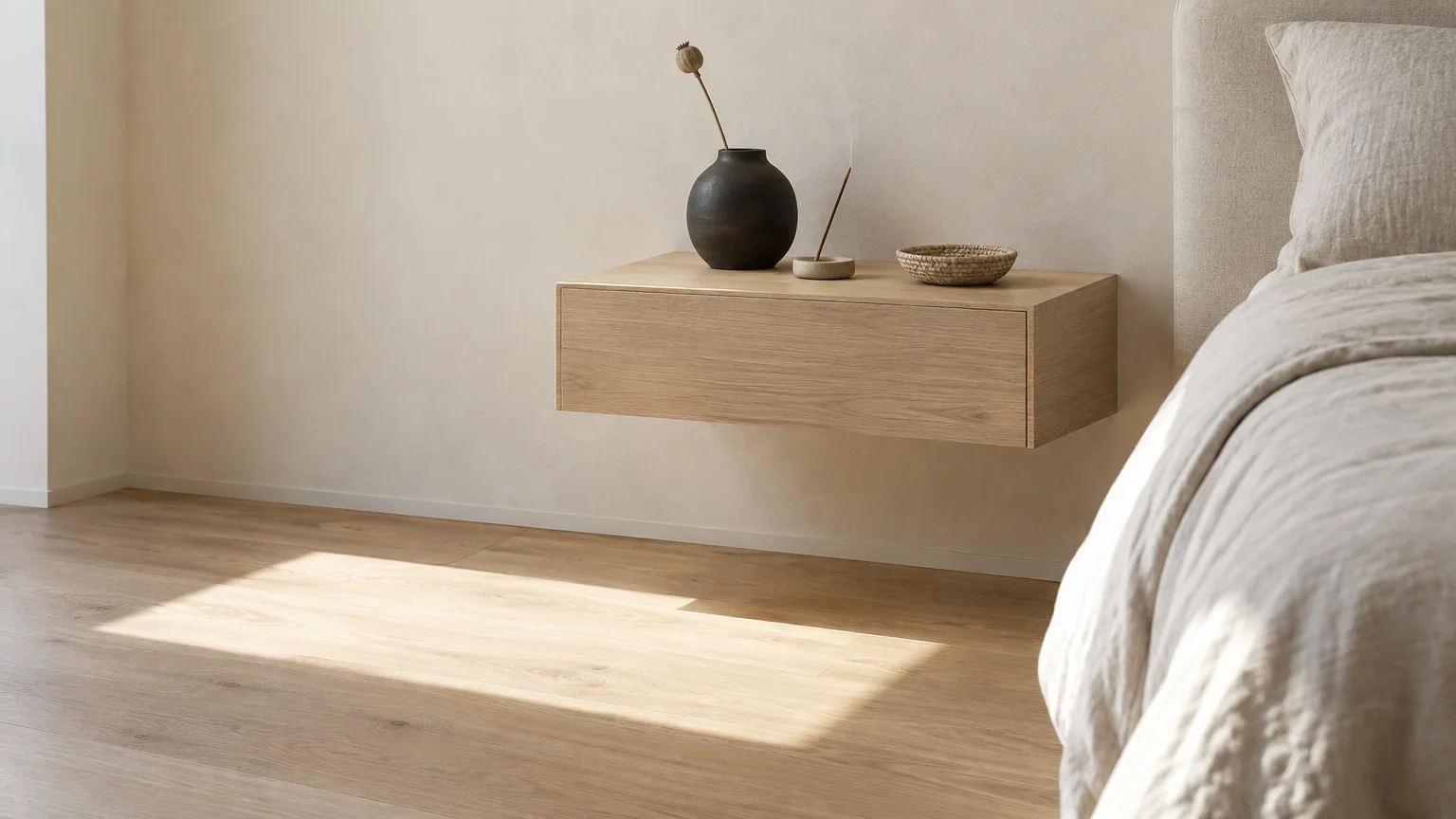
Heavy, boxy nightstands tend to overcrowd bedrooms and generate visual clutter. Shifting toward minimalist floating shelves or slender plinths imparts a sleek, modern architectural aesthetic.
Suspending bedside storage on the wall exposes uninterrupted floor space beneath the tables. This uninterrupted expanse fools the eye into perceiving a significantly larger, more airy interior footprint.
Construct simple floating boxes using warm oak or walnut edge-glued lumber and concealed mounting brackets. Sand the wood smooth and seal it with a matte clear coat for an organic modern finish.
Keep surfaces deliberately uncluttered to maintain the feeling of restful spaciousness. A single art monograph and a carafe of water provide sufficient styling for a disciplined, serene bedside.
This minimalist intervention strips away extraneous weight while showcasing clean structural lines. The result is an upscale, design-forward sanctuary that breathes effortless modern poise.
Trend #10: Sculptural Biophilic Accents
Incorporating living elements is vital for designing a luxury bedroom on a budget. Biophilic design bridges organic architecture with holistic human well-being, refreshing the atmosphere of enclosed spaces.
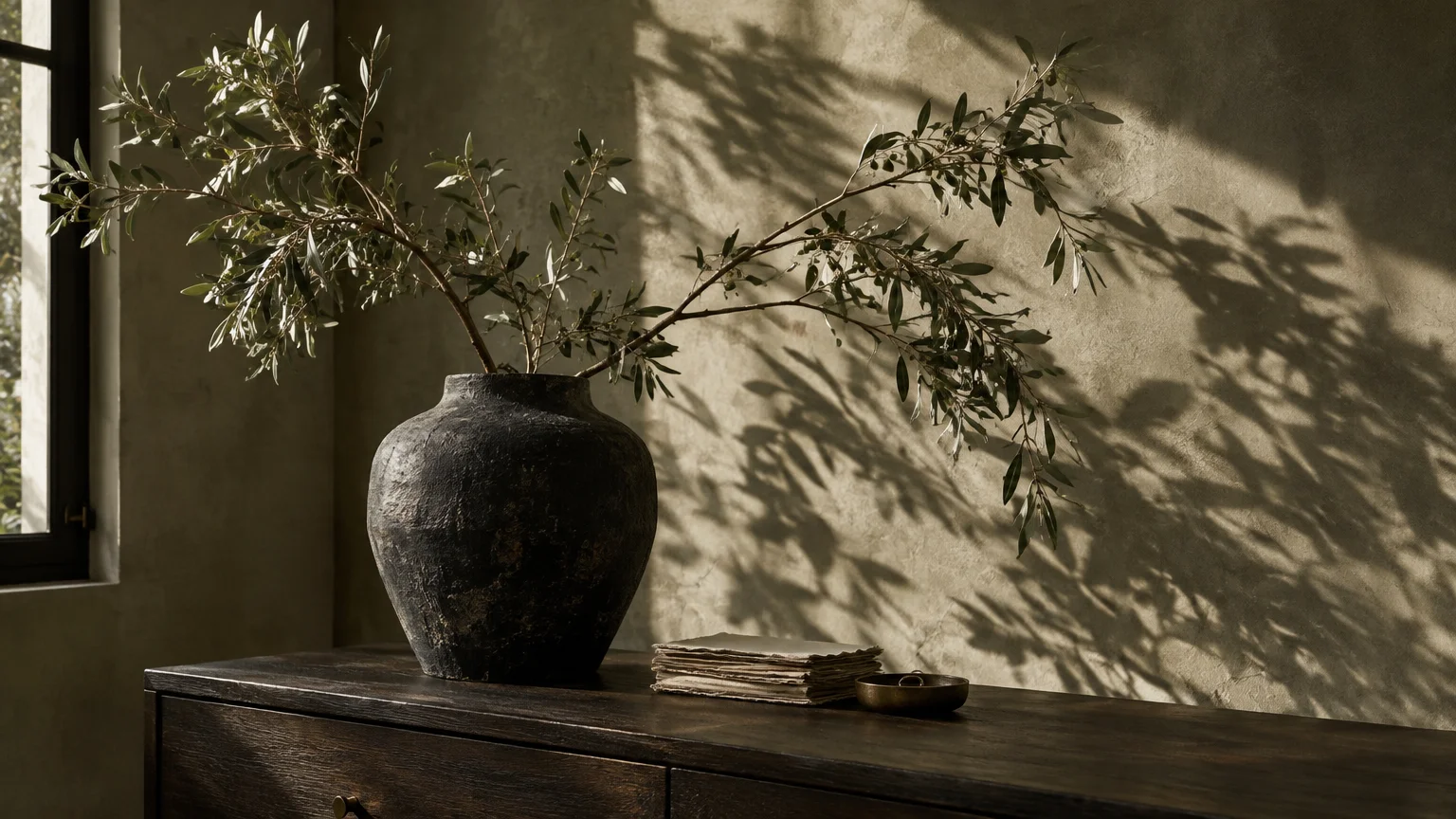
Skip pedestrian floral bouquets in favor of oversized, sculptural branches foraged directly from your outdoor landscape. Stems from olive, fig, magnolia, or fruit trees add striking architectural silhouette and vertical scale.
Display these tall botanical cuttings in an unglazed ceramic urn or a heavy, patinated stoneware vessel. The contrast between rough earthenware and delicate foliage adds rich organic character.
Place your botanical statement on a low dresser, an empty corner pedestal, or a wide windowsill. The dynamic silhouette draws the gaze upward, framing the natural light with sculptural artistry.
These living focal points cost virtually nothing to curate yet animate your bedroom with poetic grace. Rotating greenery seasonally keeps your decor fresh, intentional, and intimately tied to the outdoors.
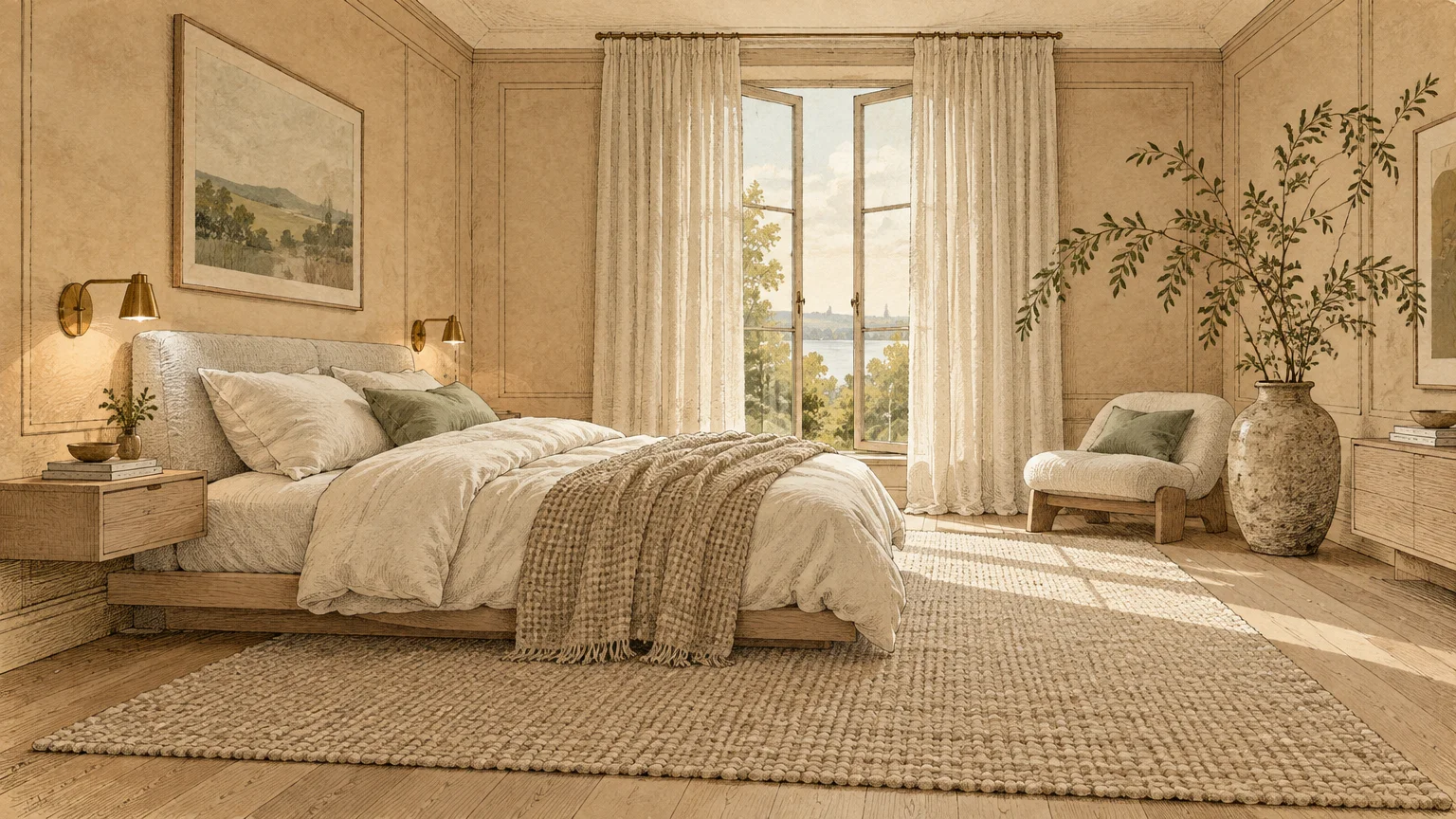
The Big Picture: Weaving These Trends into Your Home
Creating a truly luxurious home requires establishing harmony between your private retreat and communal living areas. The principles transforming your bedroom can easily cascade into living rooms, dining rooms, and welcoming entryways.
Begin by defining an overarching color palette that transitions fluidly through connecting corridors and doorways. Using consistent undertones ensures that each room feels like an intentional chapter in a singular story.
Avoid adopting every trend simultaneously, which risks creating an artificial, showroom atmosphere. Select two or three high-impact improvements first, observing how natural light and daily routines interact with them.
Balance contemporary minimalism with pieces that possess authentic soul, tactile patina, and personal sentiment. Luxury is not about sterile perfection; it reflects thoughtful curation and unhurried comfort.
Invest your resources where physical touch occurs, such as fine bed linens and solid architectural door hardware. Visual tricks like tall drapery and wall moulding will deliver the grandeur without draining your wallet.
By thoughtfully executing these practical bedroom decor tips, you craft an enduring sanctuary of refinement. Your home will radiate quiet elegance that looks effortlessly bespoke and wonderfully livable.
For the latest color forecasts, consult industry leaders like Pantone and paint companies like Benjamin Moore. For professional design standards, refer to the American Society of Interior Designers (ASID).
Disclaimer: This article reflects design trend analysis and predictions. Personal taste and timeless design principles should always guide your decorating choices.
Frequently Asked Questions
How do I choose between dramatic color drenching and a soft neutral palette in a small bedroom?
Assess the direction and quantity of your room’s natural daylight before making a final commitment. Rooms starved of natural light often blossom under moody, saturated hues that lean into intimate drama.
Conversely, spaces with abundant southern exposure excel with warm, layered neutrals that bounce sunshine softly. Both strategies generate high-end results when you match trim, walls, and ceiling in unified tones.
What is the single most impactful upgrade for achieving a boutique hotel aesthetic?
Focus your initial energy and resources entirely on professional bed dressing and tactile layering. Because the bed dominates the room’s visual weight, crisp white linens and a double-stuffed duvet transform immediate perception.
Pairing tailored bedding with flanking warm lighting creates that coveted hospitable warmth instantly. This delivers ninety percent of luxury hospitality ambiance before touching paint or replacing hardware.
Will applied architectural wall moulding go out of style in modern interiors?
Wall moulding has remained an essential element of high architectural design across multiple centuries. Its enduring classical proportions transcend fleeting decorative fads, providing permanent historic grace.
To ensure timeless appeal, maintain clean, geometric grid lines rather than overly ornate Victorian profiles. Painting the millwork the same color as the surrounding drywall keeps the statement fresh and contemporary.
How can I incorporate vintage items without making my bedroom feel cluttered or dated?
Practice disciplined curation by selecting only one or two antique accents with distinctive silhouettes and authentic patina. An aged brass lamp or weathered wooden stool adds soul without chaotic distraction.
Pair each vintage find alongside clean, streamlined contemporary elements to create deliberate visual tension. This juxtaposition highlights the character of older pieces while maintaining a polished modern standard.