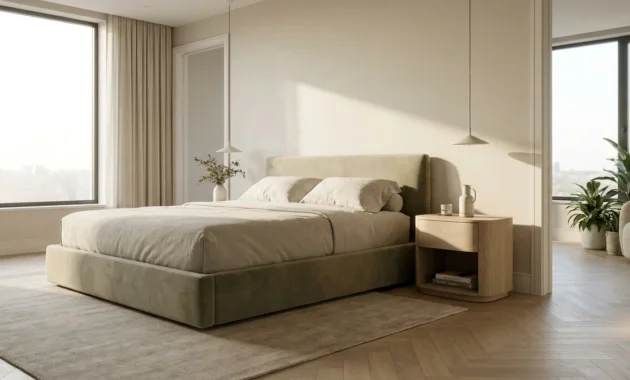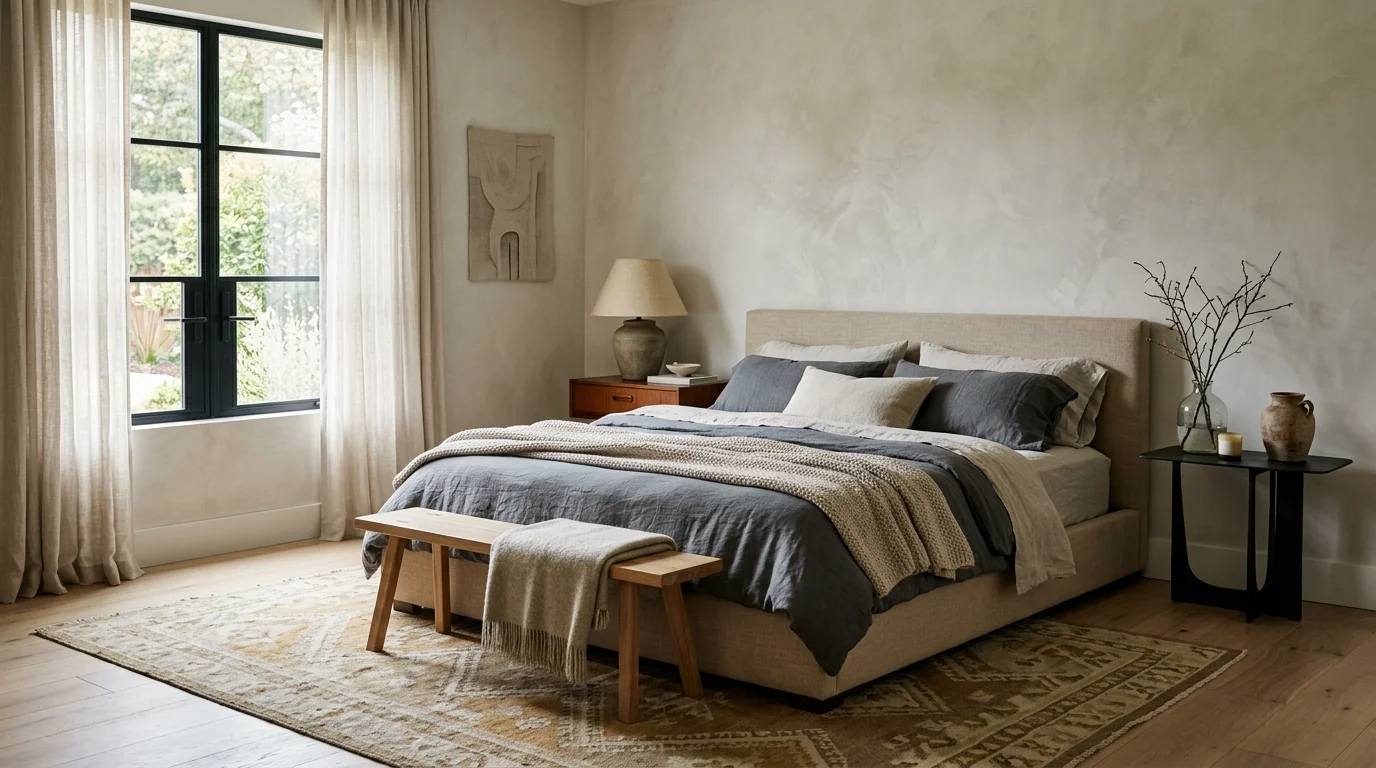
Your bedroom should function as a bespoke sanctuary rather than a generic department store showroom. When leading interior designers evaluate a sleeping space, specific aesthetic missteps instantly disrupt the environment’s peaceful harmony.
From harsh illumination to disjointed spatial proportions, common interior design ick factors quietly undermine your everyday comfort. Recognizing these home decor mistakes to avoid empowers you to elevate your private retreat with intentional artistry.
Here, top design authorities reveal the outdated bedroom trends you should retire immediately; they also share sophisticated designer bedroom tips for achieving timeless, quiet luxury.
Trend #1: The Matchy-Matchy Catalog Bedroom Suite
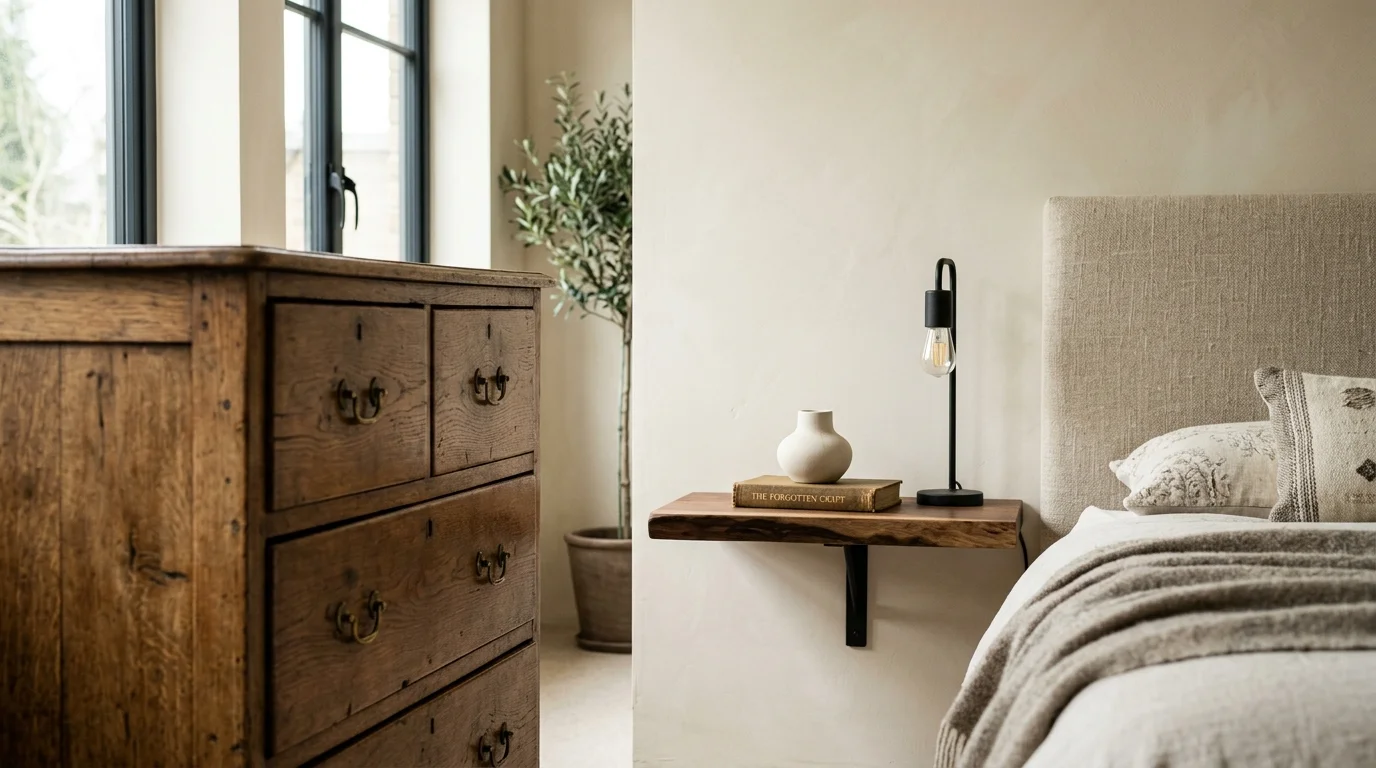
Few bedroom design mistakes drain a room of character faster than purchasing an entire matching furniture suite. Buying your bed frame, bedside tables, and dresser from the same product line results in a flat, uninspired showroom aesthetic.
High-end residential design embraces provenance, visual contrast, and curated material dialogue. Designers prioritize spaces that appear collected over generations rather than delivered in a single matching flat-pack crate.
You can instantly dissolve this monotony by juxtaposing complementary textures and contrasting silhouettes. Pair an upholstered Belgian linen headboard with floating walnut nightstands and a vintage oak chest of drawers.
This deliberate contrast cultivates organic modernism and adds narrative depth to your private quarters. Combining blackened iron hardware with warm burl wood veneers anchors the perimeter with architectural confidence.
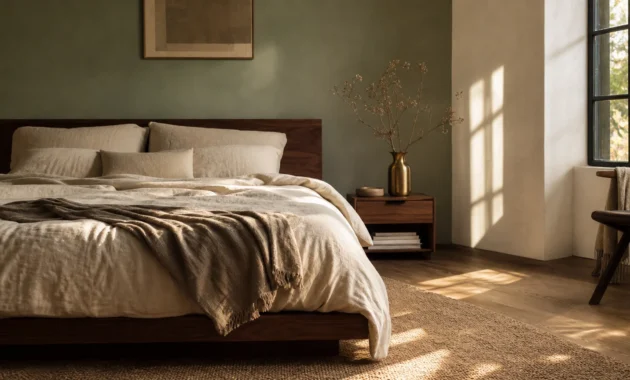
Look for shared undertones rather than identical finishes across your wood furnishings. When your case goods harmonize through warmth and scale rather than matching stains, your space achieves effortless elegance.
Mastering this dynamic balance requires trusting your eye rather than relying on catalog bundles. Curating individual pieces injects authentic soul and distinct personality into your bedroom retreat.
Seek out vintage case goods at estate sales or antique fairs to anchor your layout. A single heirloom piece breaks repetitive modern lines and establishes genuine historical dimension.
Layering disparate eras showcases confidence and deliberate aesthetic curation. Your bedroom should celebrate your personal evolution rather than mirroring a single mass-retail collection.
Trend #2: Harsh, Clinical Overhead Lighting
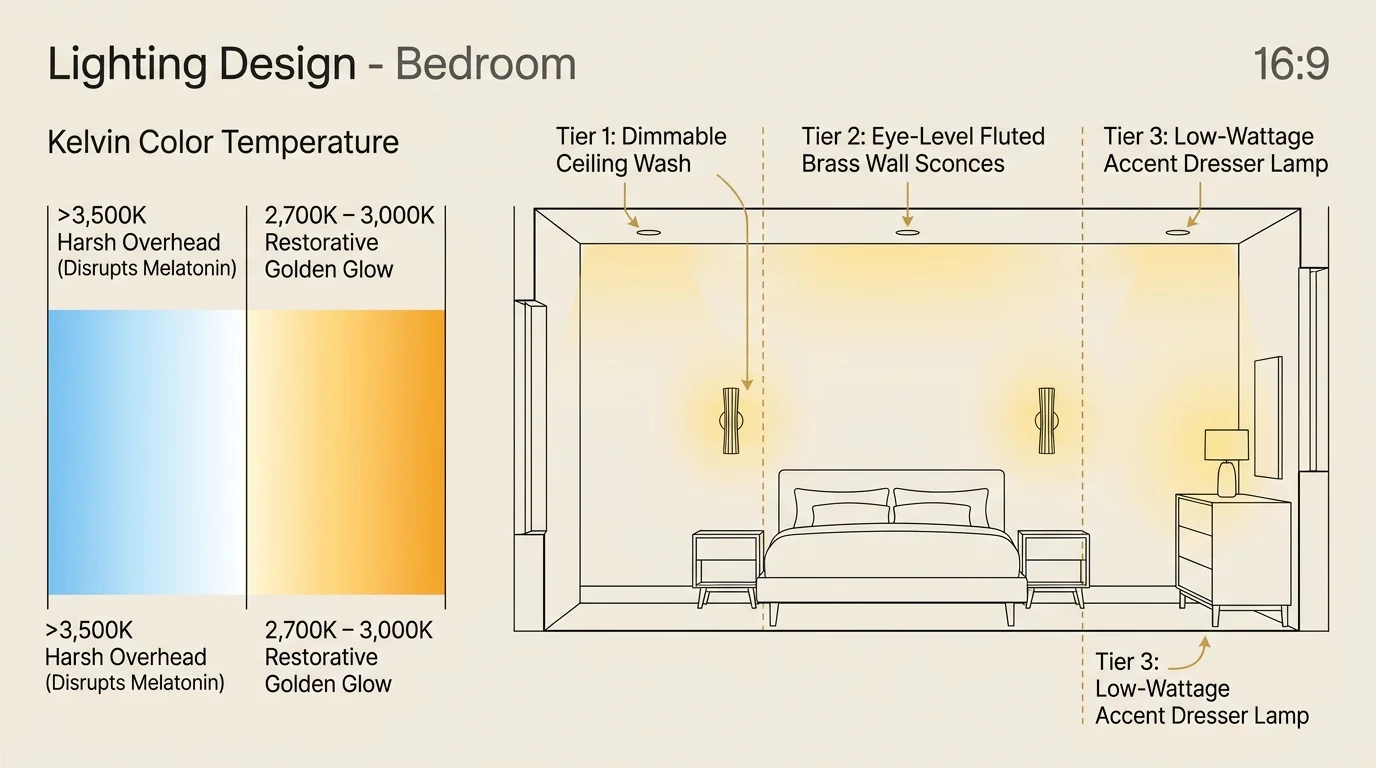
Illuminating your bedroom with cold, high-kelvin overhead bulbs creates an aggressive atmosphere reminiscent of an office cubicle. Harsh daylight bulbs above 3,500 Kelvin shock your optical nerves and disrupt natural melatonin production before sleep.
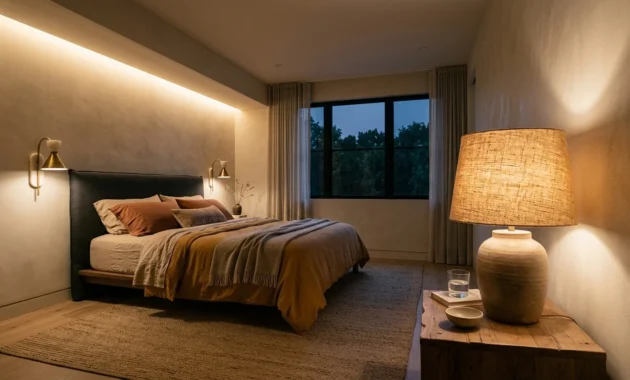
Designers uniformly recommend outfitting domestic sleep zones with warm LED illumination rated between 2,700K and 3,000K. This golden color temperature casts an inviting glow across architectural surfaces and creates a deeply restorative environment.
Relying on a solitary flush-mount central fixture represents another major interior design ick factor. A single downward light source casts unflattering shadows and visually flattens your room’s textural details.
Build a layered lighting scheme that distributes soft illumination across three distinct vertical planes. Combine dimmable architectural recessed ceiling lights with sculptural bedside pendants and low-wattage accent lamps on dressers.
Install dedicated dimmer switches on every hardwired lighting circuit in your primary suite. Modulating brightness levels as evening approaches signals your nervous system that it is time to rest.
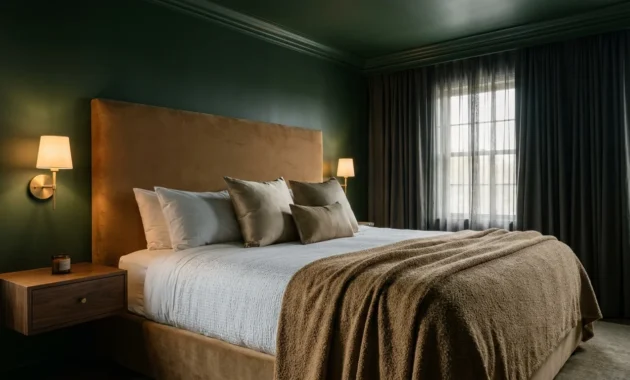
For refined luxury, mount plaster or fluted brass wall sconces flanking your headboard. These fixtures free up nightstand surface area while casting gentle indirect washes along your walls.
Incorporate small accent uplights behind indoor plants or decorative urns in shadowy corners. This subtle technique deepens room depth and transforms ambient shadows into sculptural design elements.
Thoughtful illumination transforms ordinary drywall into a tranquil, enveloping cocoon. Light should caress your bedroom surfaces rather than interrogate them.
Trend #3: The Floating Postage-Stamp Area Rug
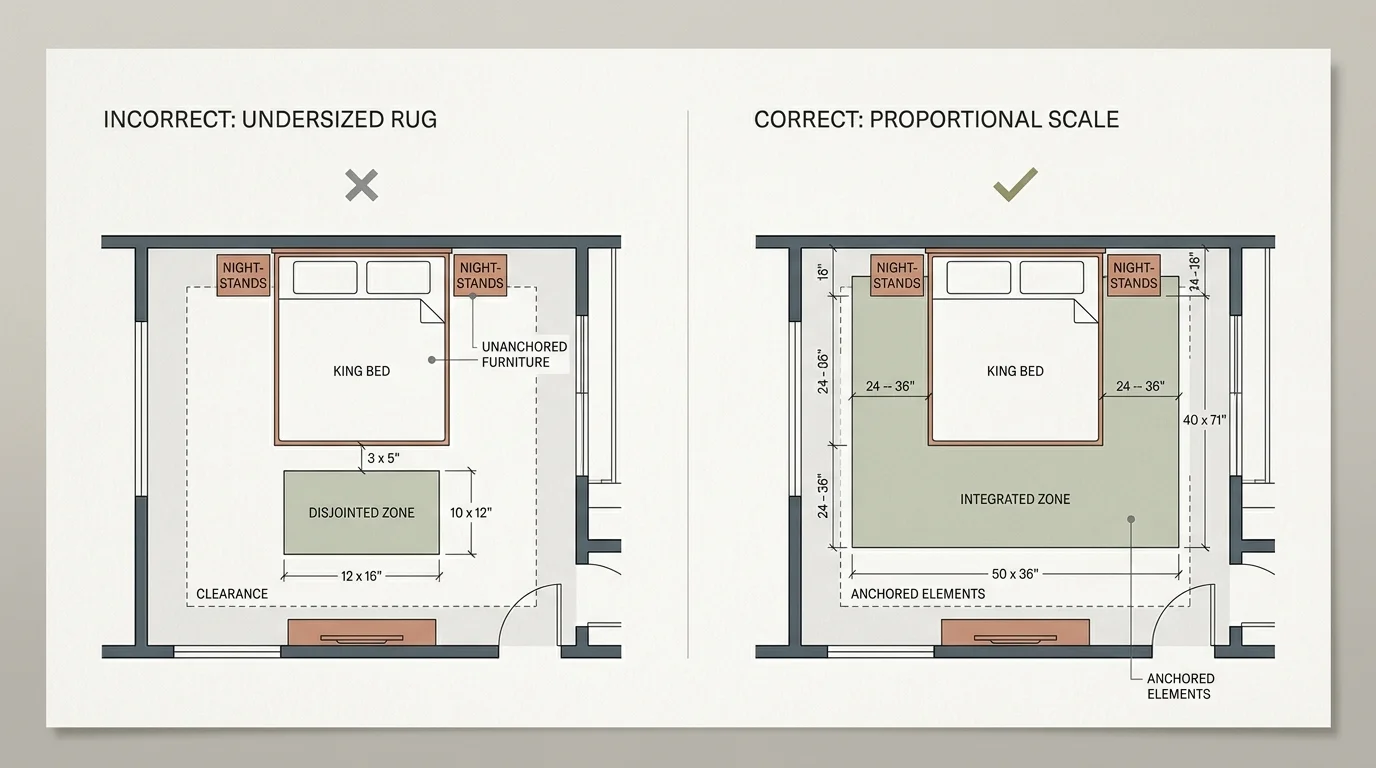
Placing an undersized area rug under the foot of your bed dramatically distorts your perception of room scale. This frequent decorating blunder leaves furniture floating awkwardly and makes even spacious master suites feel visually pinched.
Top interior designers treat the bedroom rug as an essential architectural anchor. Your chosen floor covering must extend generously beneath both the bed frame and its accompanying nightstands.
If you sleep on a standard queen mattress, select an 8’×10′ rug at minimum to achieve balanced proportions. King-size beds demand a 9’×12′ or 10’×14′ foundation to maintain proper visual weight.
Ensure your rug projects at least 18 to 24 inches beyond every edge of your mattress. This proportional border ensures a plush, comfortable landing whenever you step out of bed in the morning.
Choose tactile, high-performance natural fibers such as hand-tufted wool, natural silk blends, or woven jute. Avoid thin, synthetic printed rugs that crease easily and slide dangerously over polished floorboards.
A substantial rug absorbs airborne sound waves and softens acoustic reverberation across hard flooring. Investing in generous dimensions establishes immediate visual serenity and physical coziness underfoot.
Position the top edge of your rug just in front of your nightstands if wall vents prevent full coverage. This layout maintains structural unity while respecting your home’s unique architectural features.
A properly scaled floor covering pulls disparate furniture pieces into a unified, cohesive zone. Think of your area rug as the canvas upon which your entire bedroom design rests.

Trend #4: The Impenetrable Mountain of Decorative Pillows
Mounding eight to twelve decorative cushions across your headboard creates visual clutter rather than five-star hotel indulgence. When preparing for sleep requires a ten-minute excavation, your styling works against your lifestyle.
Designers openly despise bedroom arrangements where excess pillows inevitably spend the night piled on dusty floorboards. Practical luxury should elevate your everyday routine without introducing frustrating, unnecessary maintenance.
Embrace a refined and disciplined pillow arrangement by utilizing the classic rule of three. Stand two European square shams against the headboard, place standard sleeping pillows forward, and finish with one tailored lumbar.
Alternatively, invest in a single custom extra-long bolster pillow spanning the width of your mattress. A long bolster wrapped in rich mohair, bouclé, or Belgian linen offers a sleek, modern architectural finish.
Prioritize premium feather-down or high-resilience hypoallergenic inserts that hold a soft, tailored shape. A few well-filled, substantial pillows project far greater sophistication than a chaotic pile of under-stuffed cushions.
This streamlined approach allows your headboard’s craftsmanship and beautiful sheeting to take center stage. You achieve an editorial aesthetic while maintaining effortless bedtime functionality.
Select pillow fabrics that subtly echo other textures within your room, such as drapery or accent upholstery. This deliberate harmony ties your bedroom scheme together without relying on overwhelming volume.
Restraint in accessory styling always signals refined confidence. When each pillow possesses intrinsic textural beauty, you require fewer accents to make a powerful visual statement.
Trend #5: Mass-Produced “Fast Art” and Word Art Signs
Scripted typographical signs and commercial canvas prints from big-box retailers represent an unmistakable interior design ick factor. Phrases like “Always Kiss Me Goodnight” instantly diminish the sophisticated character of your sleeping quarters.
Generic mass-market wall art creates a cookie-cutter atmosphere devoid of genuine personality or soul. Your bedroom walls deserve original curation, tactile depth, and pieces that resonate with your personal journey.
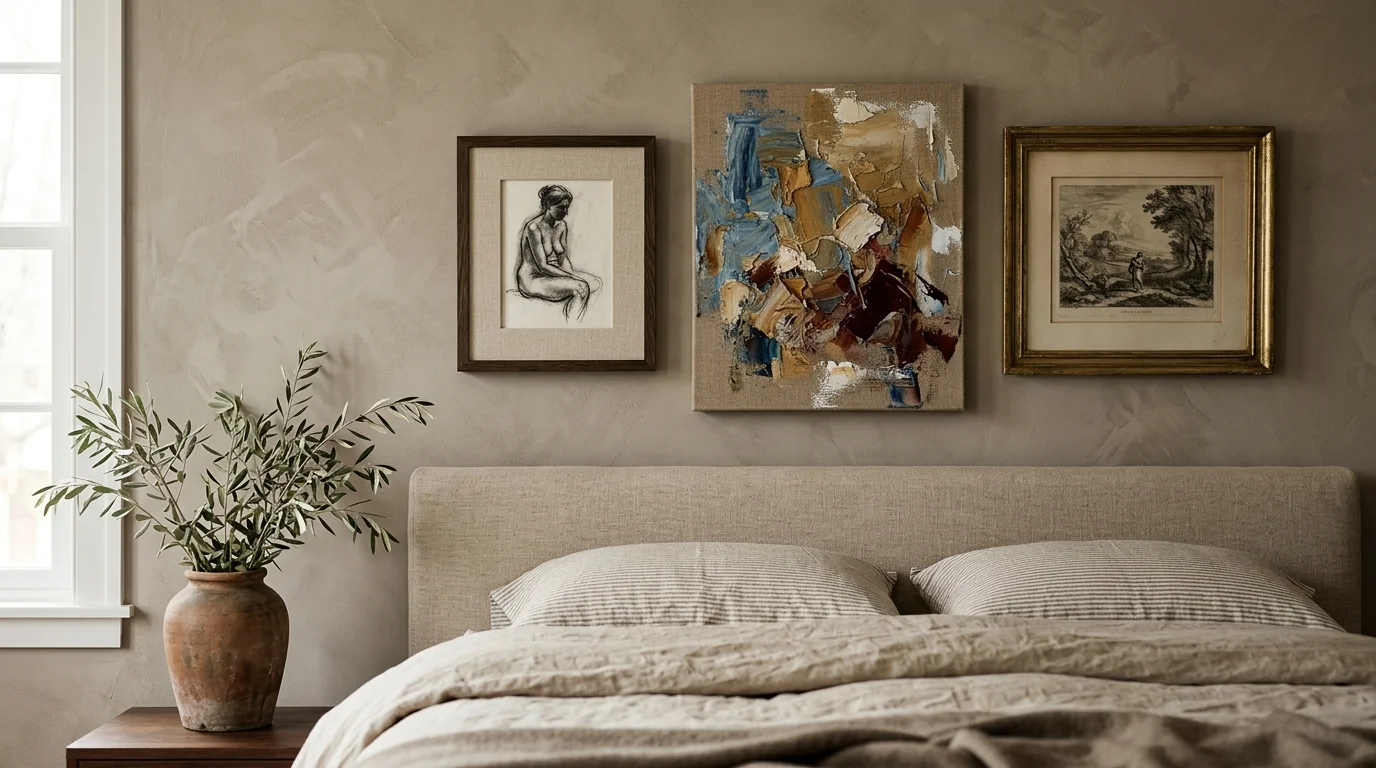
Replace commercial prints with original works on paper, vintage botanical studies, or framed architectural charcoal drawings. Scour local galleries, vintage markets, and artisan studios to build a meaningful, idiosyncratic art collection.
Consider installing three-dimensional plaster reliefs or framed woven textile art above your headboard. These textured mediums introduce acoustic softening and organic biophilic qualities to your sleep sanctuary.
Pay close attention to scale and mounting height when hanging artwork over headboards or credenzas. Your art display should span approximately two-thirds the width of the furniture piece beneath it to preserve visual harmony.
Use custom museum-quality framing with non-reflective glass and wide linen mats to elevate even modest sketches. Professional framing transforms humble personal sketches into striking gallery-worthy focal points.
Investing in authentic art supports independent makers while enriching your daily domestic experience. Original artwork imparts enduring charm and distinguished individuality to your private retreat.
Surround yourself with imagery that sparks quiet contemplation and emotional connection. Thoughtful art elevates your bedroom from a utilitarian room into an evocative private gallery.
Trend #6: Low-Grade Synthetic Microfiber Bedding
Synthetic polyester and microfiber bedding represents a major design and wellness misstep. While marketed as budget-friendly and wrinkle-free, petroleum-derived textiles trap heat, promote night sweats, and generate annoying static electricity.
Synthetic bedding also displays an artificial plastic sheen that immediately lowers the perceived luxury of your bedscape. Furthermore, low-grade microfiber fibers pill quickly after minimal washing, leaving surfaces rough and scratchy.
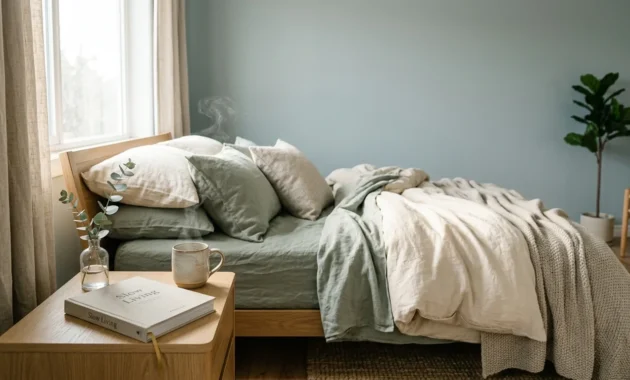
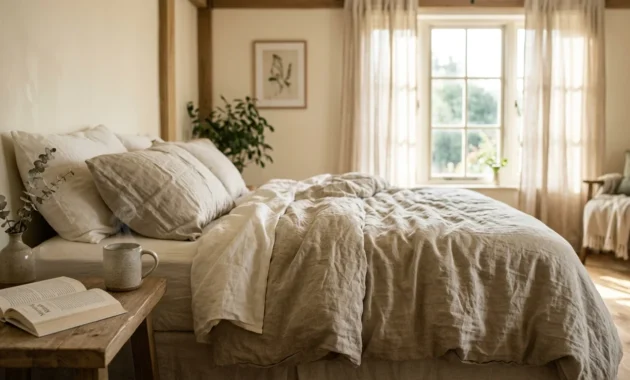
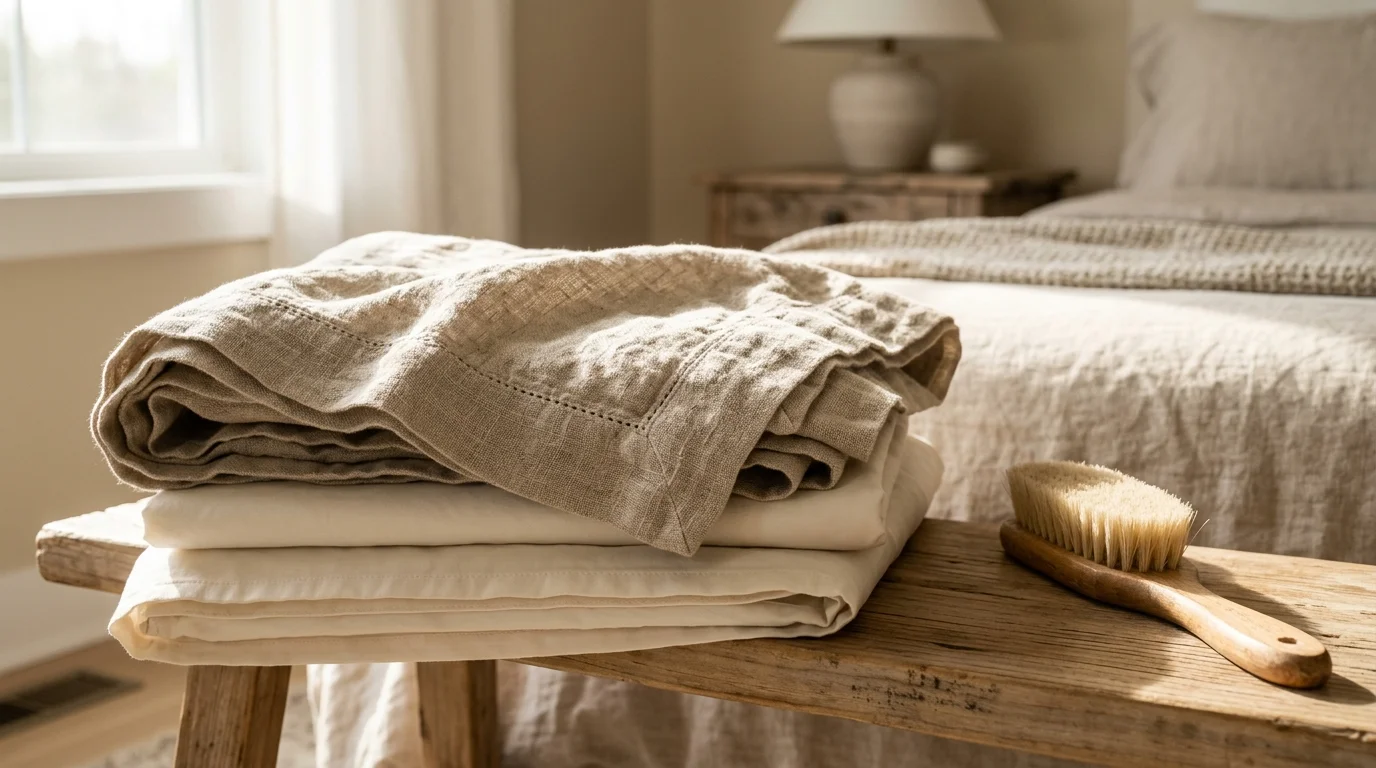
Upgrade your sleep experience by investing in breathable, high-grade natural fibers like pure French or Belgian linen. Pure linen regulates your body temperature effortlessly throughout the year and softens with every wash cycle.
If you prefer a crisp, smooth hand-feel, select long-staple organic cotton percale with a matte finish. Percale provides an airy, cool touch that mimics the pristine luxury of boutique luxury hotels.
Layer your bed with a waffle-weave organic wool blanket or a garment-washed silk coverlet. Combining distinct botanical weaves creates an inviting, tactile landscape that feels as magnificent as it looks.
Prioritizing certified organic textiles supports environmental health while elevating your nightly rest. High-quality natural bed linens represent an indispensable long-term investment in your physical well-being.
Wash your natural linens with mild, plant-based detergents and line-dry when possible to protect fiber longevity. Proper textile care ensures your bedding retains its luxurious drape for years to come.
The sensory pleasure of pure organic fibers transforms your sleep routine into a daily indulgence. Natural textiles breathe with your body, promoting deeper and more restorative sleep cycles.
Trend #7: Neglected Spatial Clearance and Corner-Pushed Beds
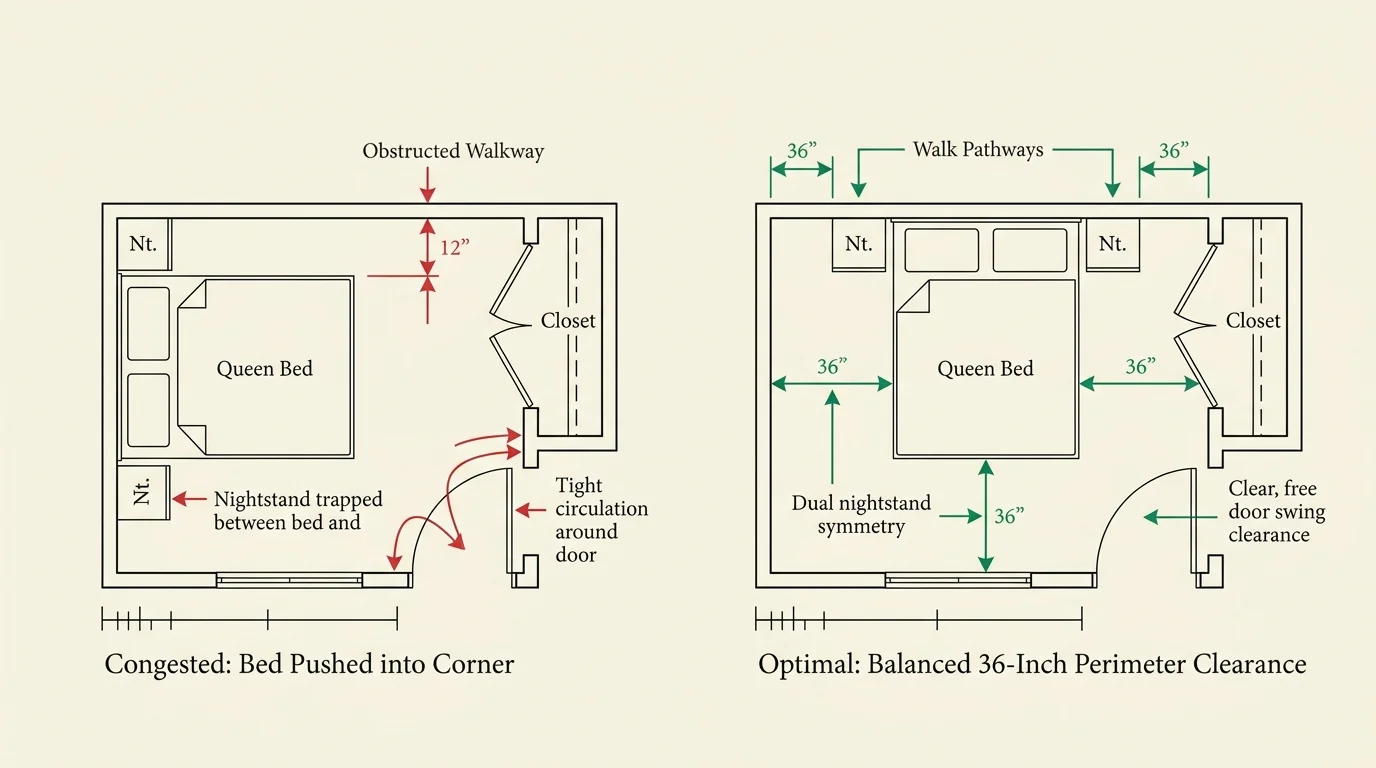
Pushing an adult bed frame against a corner wall disrupts spatial flow and compromises natural room symmetry. This awkward placement creates an unrefined dorm-room aesthetic that denies your primary suite its intended architectural poise.
Poor spatial planning also occurs when homeowners purchase oversized headboards that overwhelm modest room footprints. When bedside tables block closet doors or radiator covers, daily routines become unnecessarily frustrating.
Design professionals recommend maintaining 30 to 36 inches of unobstructed clearance along all primary pathways. Ensure at least 24 inches of open space on both sides of the mattress for seamless navigation and easy bed-making.
Center your bed along the room’s main architectural focal wall, balancing windows and doors symmetrically. Centered positioning establishes grounding equilibrium and visually enhances your ceiling height.
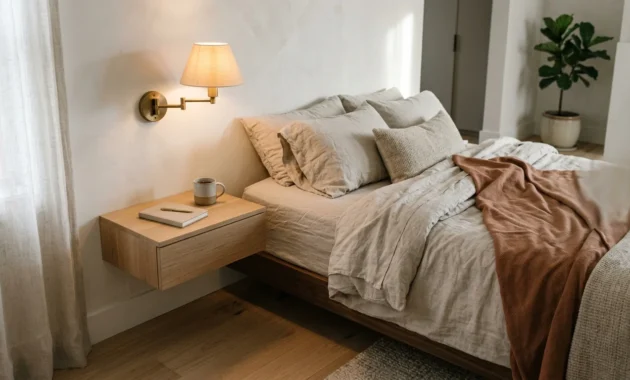
In compact rooms, choose a streamlined low-profile platform bed rather than a bulky sleigh frame. Pair your slim frame with floating wall-mounted nightstands to maintain continuous, airy sightlines across the floor.
Respecting walkway clearances allows natural daylight and fresh air to circulate unimpeded throughout your room. Furnishings positioned with generous breathing room immediately communicate tranquil, effortless luxury.
Carefully measure your room before acquiring new furniture pieces to avoid scale and clearance miscalculations. Thoughtful spatial planning forms the indispensable foundation of an elevated, functional primary suite.
Allowing adequate space between architectural elements imparts an immediate sense of grandeur. Balance, proportion, and fluid circulation turn even modest square footage into an expansive haven.
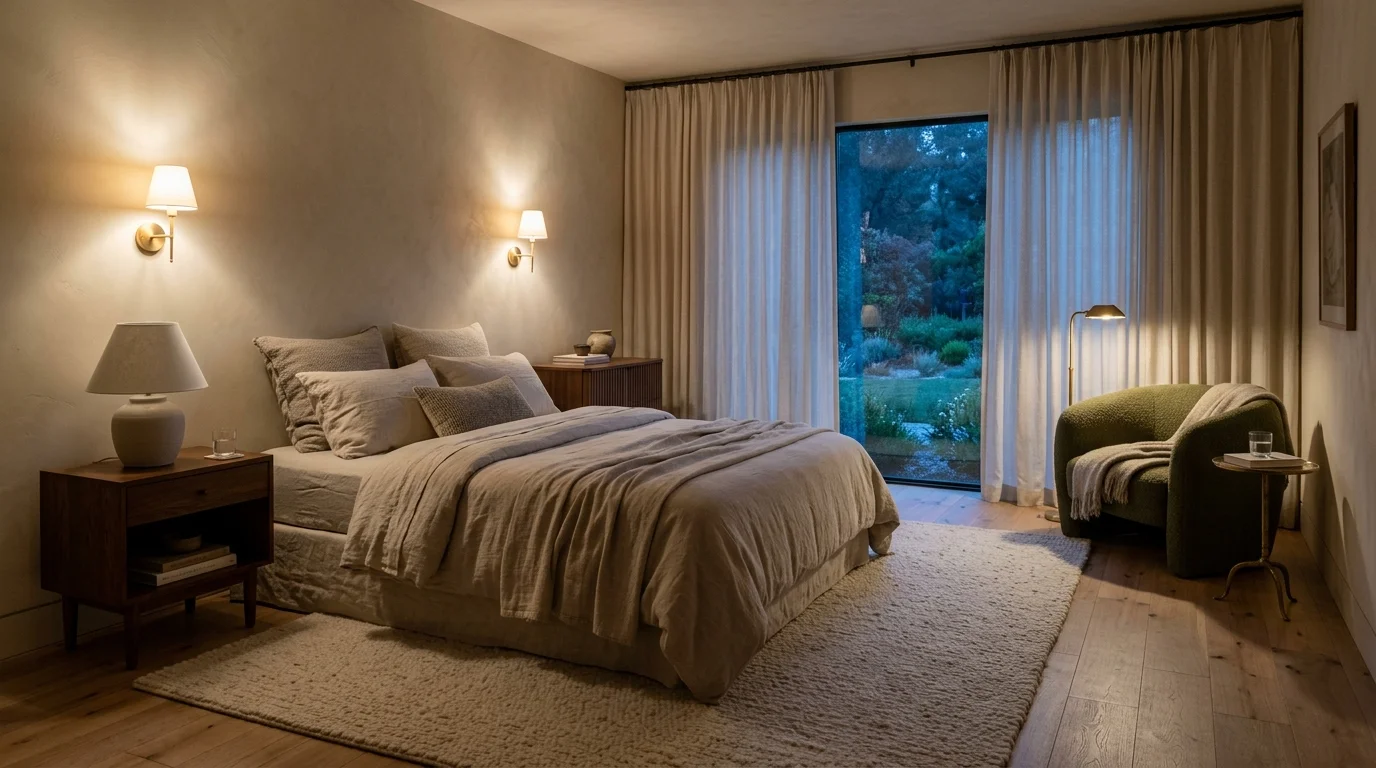
The Big Picture: Weaving These Trends into Your Home
Refining your bedroom does not require a costly, full-scale renovation or discarding all your existing furnishings. Successful interior styling relies on disciplined curation, authentic materials, and intentional spatial balance.
Begin by eliminating visual clutter, removing excess decorative cushions, and banishing uninspiring synthetic textiles. Evaluate your room’s natural lighting conditions and architectural bones with a fresh, discerning perspective.
Blend cherished vintage pieces with crisp contemporary forms to cultivate an environment filled with personal provenance. An antique oak chest paired with a sculptural modern ceramic table lamp creates compelling visual contrast.
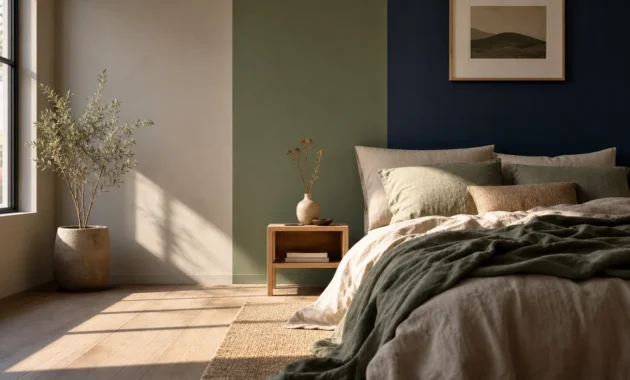
Harmonize your color scheme around muted, nature-inspired tones accented by rich mineral or botanical pigments. Layering tactile finishes—such as lime-washed walls, raw timber, and washed linen—builds warmth without visual noise.
True luxury focuses on how your private sanctuary supports your quietest, most vulnerable moments of rest. By steering clear of common bedroom design mistakes, you create an enduring haven that rejuvenates your spirit daily.
Trust your instincts, embrace intentional negative space, and invest in enduring craftsmanship rather than fleeting fads. An authentic, well-considered bedroom transcends seasonal trends to deliver lasting beauty and restorative comfort.
For the latest color forecasts, consult industry leaders like Pantone and paint companies like Benjamin Moore. For professional design standards, refer to the American Society of Interior Designers (ASID).
Disclaimer: This article reflects design trend analysis and predictions. Personal taste and timeless design principles should always guide your decorating choices.
Frequently Asked Questions
How do you successfully mix different wood finishes in a bedroom?
Keep the underlying color temperature consistent across all timber species throughout your room. Pair warm-toned woods like walnut and white oak, while avoiding clashing orange stains with cool gray washes.
Distribute distinct wood tones evenly across the space rather than concentrating one material in a single corner. This balanced distribution makes your furniture collection appear thoughtfully curated over time.
What is the most common lighting mistake people make in primary bedrooms?
The most frequent error is relying on a single, high-kelvin overhead fixture without secondary accent lamps. Bedrooms require layered illumination with warm 2,700K bulbs to support circadian rhythms and foster relaxation.
Always install dimmer switches on all hardwired fixtures to regulate light levels as night approaches. Adding directional reading sconces provides targeted functional light without overwhelming the entire sleeping zone.
How do I know if my bedroom area rug is the correct scale?
Your area rug should extend at least 18 to 24 inches past the sides and foot of your bed frame. It must comfortably anchor your mattress while maintaining balanced margins from the surrounding perimeter walls.
If your rug leaves more than three feet of bare flooring on all sides, it is undersized. A properly scaled rug visually anchors your furniture and dampens sound across hardwood flooring.
Can you create a luxurious bedroom on a reasonable budget?
Focus your budget on high-impact sensory elements like 100% Belgian linen bedding and warm 2,700K LED bulbs. Upgrading standard cabinetry knobs with solid brass pulls also elevates existing case goods instantly.
Source vintage solid wood dressers from local estate auctions and refresh them with natural beeswax polish. Thoughtful curation and disciplined editing create far more lasting luxury than purchasing mass-produced furniture sets.