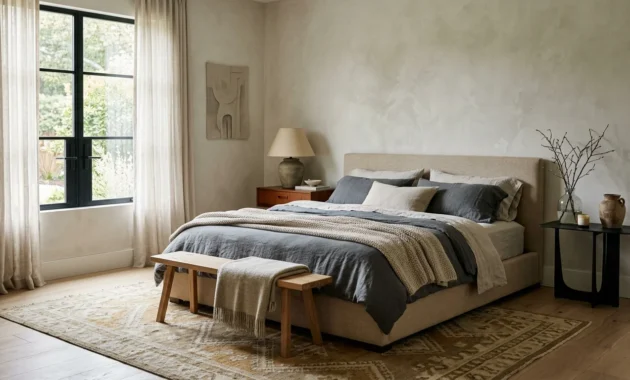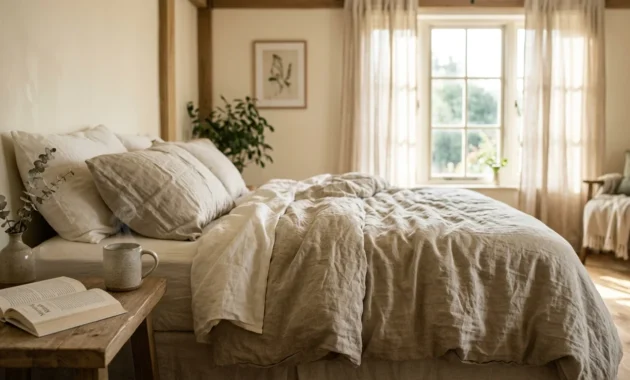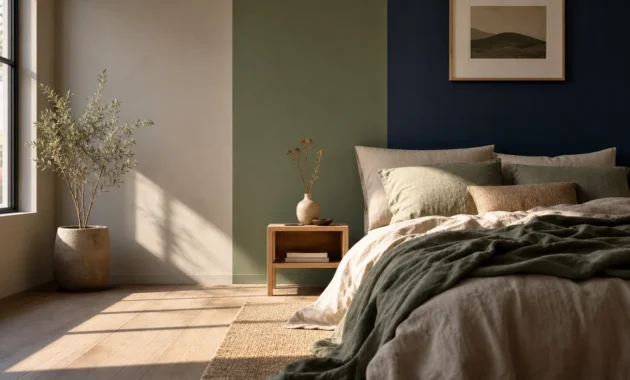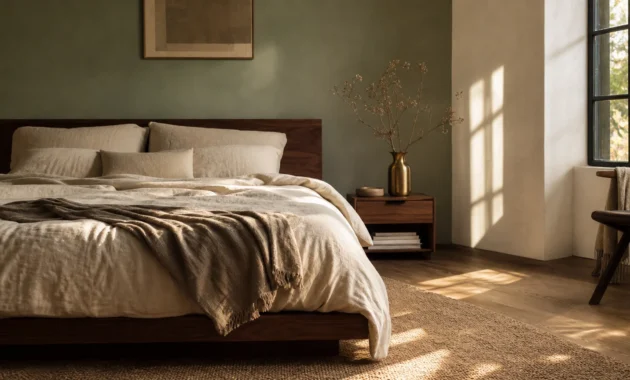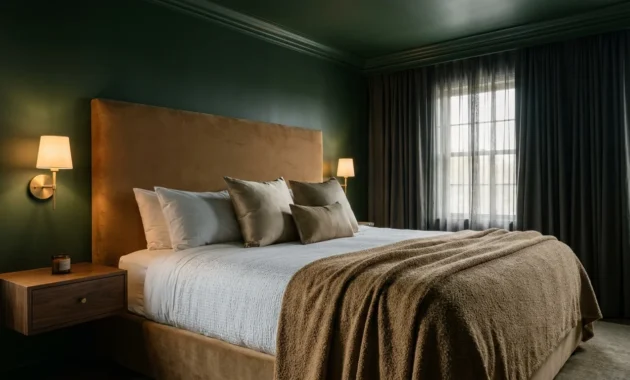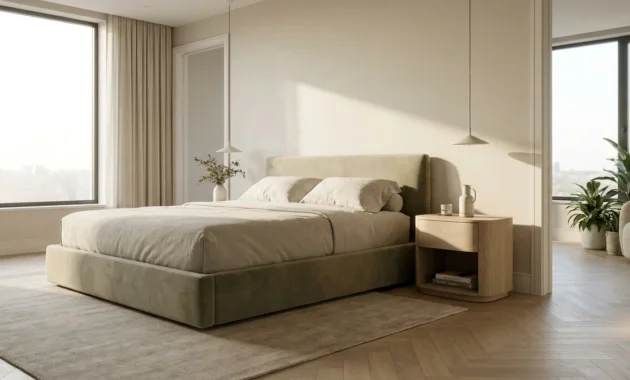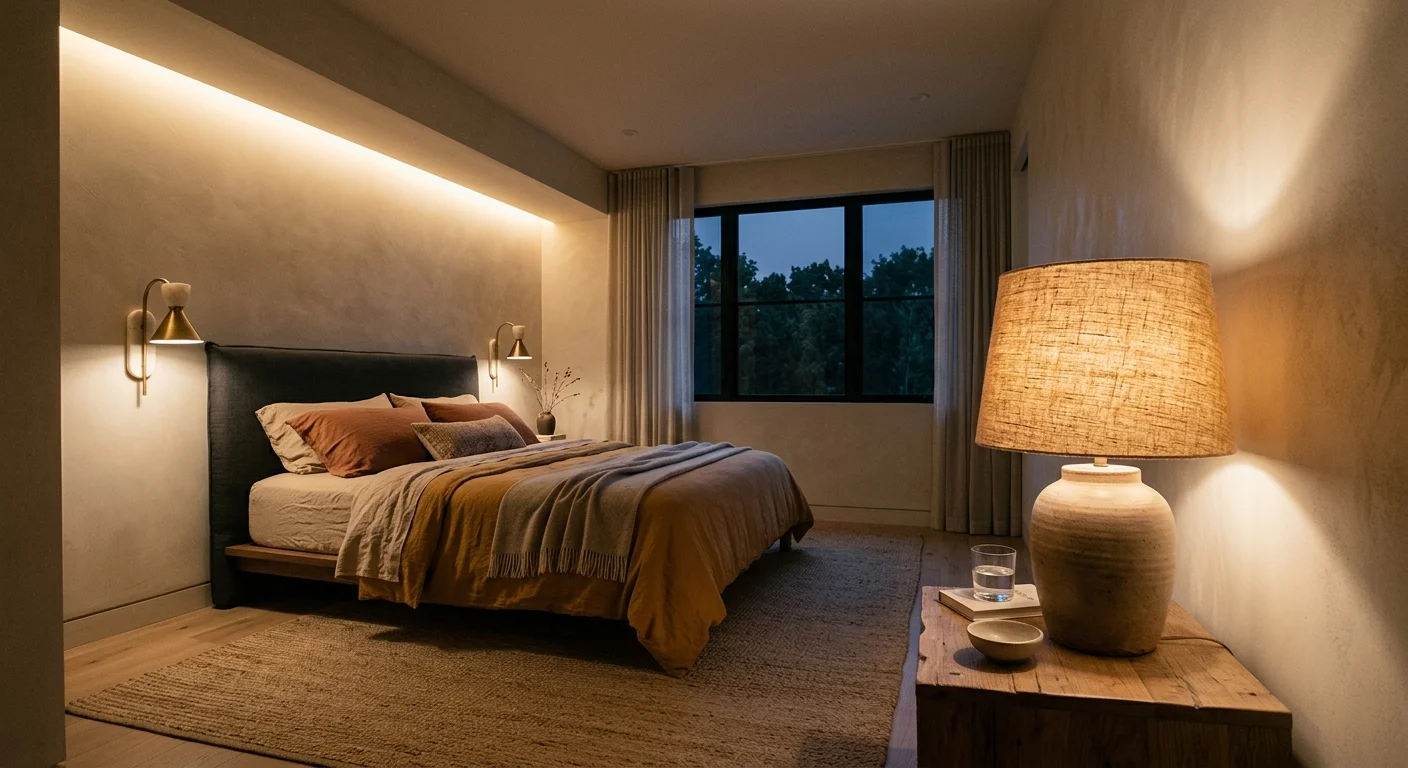
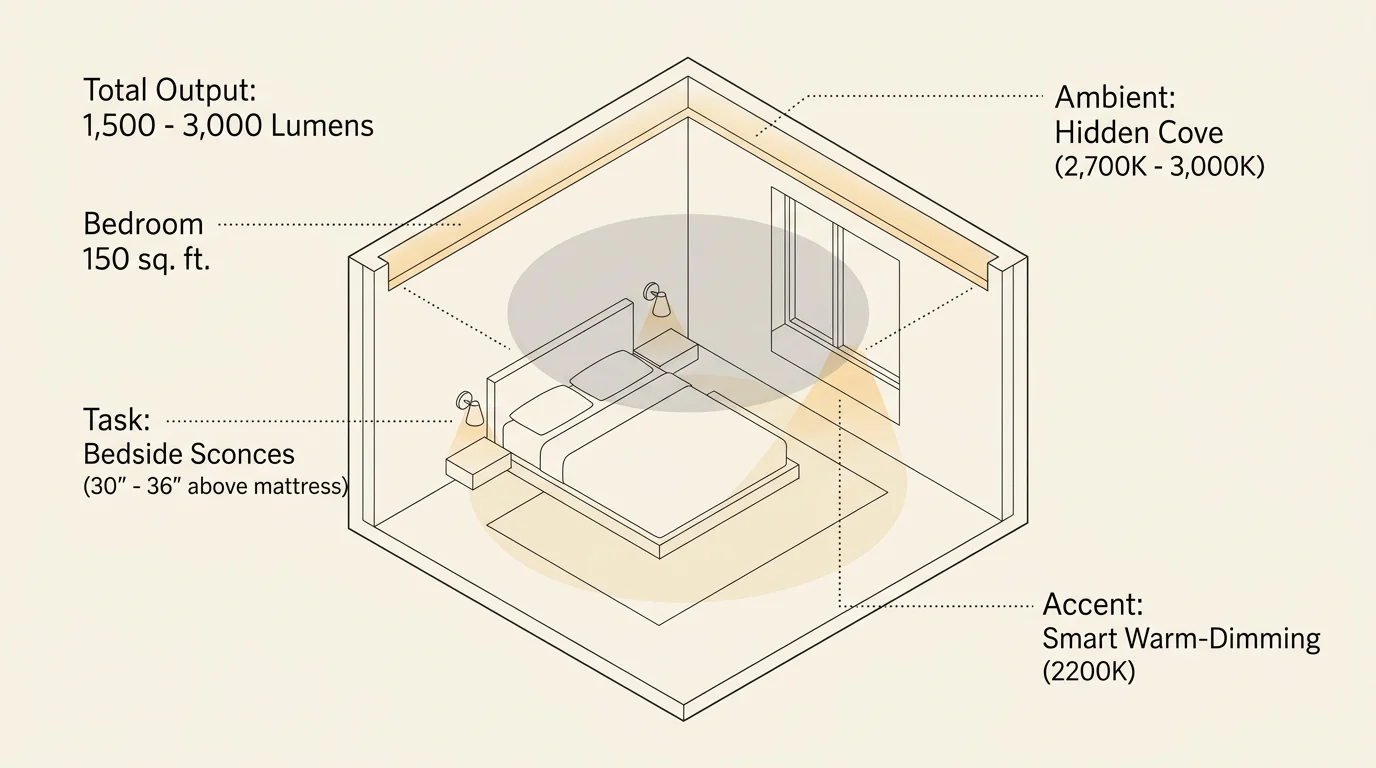
Executing the best bedroom lighting plan transforms your private sanctuary from a simple sleeping area into a layered, restorative retreat. By combining architectural ambient fixtures, tailored task options, and atmospheric accent lamps, you curate an environment that supports your daily rhythms while enhancing your room’s aesthetic sophistication. According to standards from the Illuminating Engineering Society (IES), an average 150-square-foot bedroom requires a total output of 1,500 to 3,000 lumens, translating to roughly 10 to 20 lumens per square foot. Harnessing warm color temperatures alongside energy-efficient LED technologies lets you master both functional illumination and intimate ambiance across any layout.
Trend #1: Low-Profile Architectural Cove Lighting
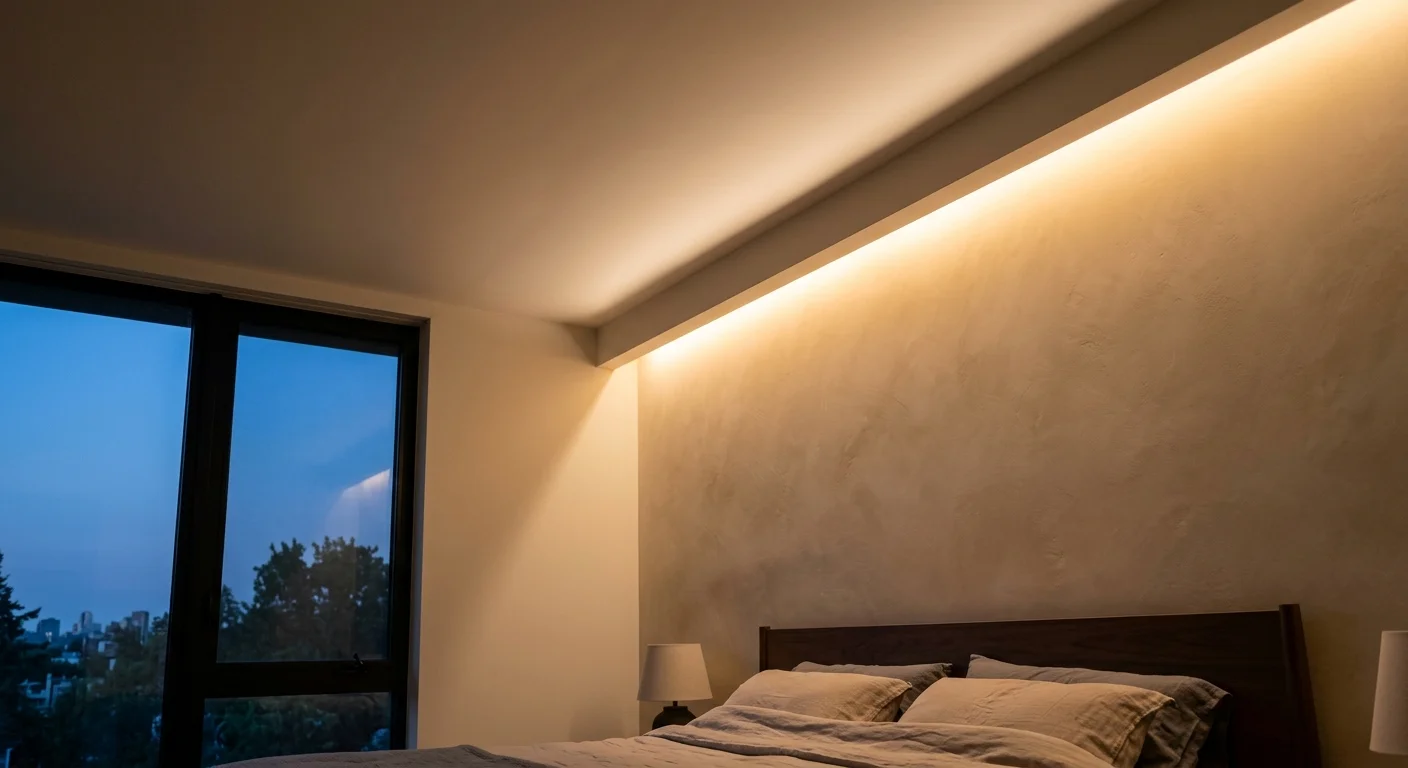
Architectural cove lighting concealed within drywall returns or perimeter drop ceilings represents the pinnacle of quiet luxury in contemporary master bedrooms. Rather than flooding your space with harsh, direct light from central overhead bulbs, indirect cove illumination casts a continuous, soft wash of light across the ceiling plane. Professional interior designers calibrate these concealed LED channels within a precise warm color temperature range of 2,700K to 3,000K, which fosters a peaceful visual environment conducive to rest while providing generous ambient light across the entire room footprint.
This sophisticated technique highlights subtle architectural details and elevates modern interior spaces without exposing visible hardware or intense glare. Pair perimeter channels with smooth plaster ceiling finishes or soft lime wash paints to catch the delicate highlight gradients created by the hidden light source. When evaluating your bedroom lighting ideas, integrating architectural coves ensures that foundational ambient light remains entirely soft and shadow-free.
Trend #2: Sculptural Wall Sconces as Bedside Art
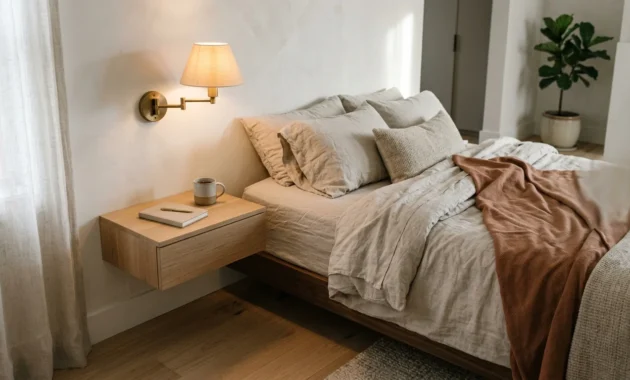
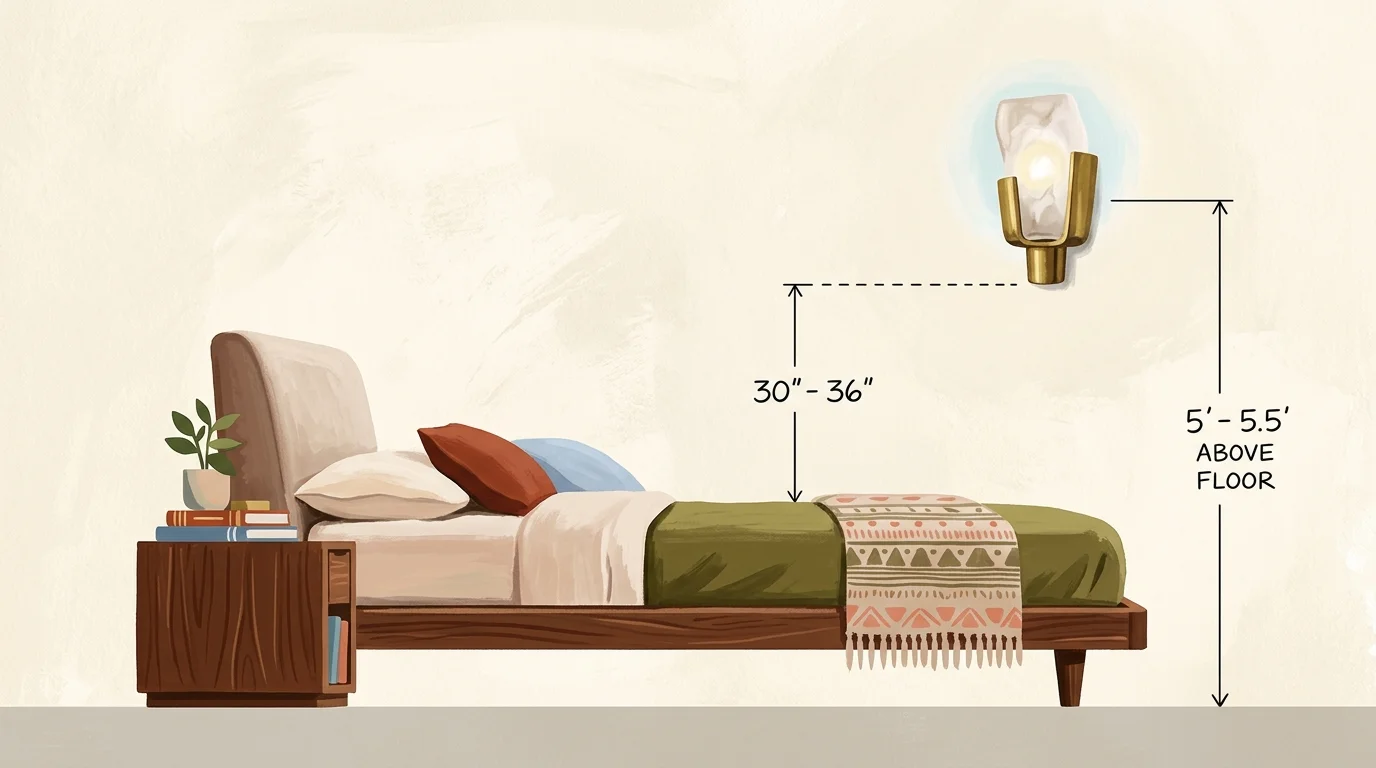
Fixed bedside sconces have evolved from utilitarian reading lamps into highly expressive wall sculptures that define modern bed focal points. Contemporary lighting designers craft these fixtures using raw alabaster, mouth-blown opal glass, aged bronze, and hand-hammered unlacquered brass; these rich materials transform functional sconces into captivating visual artwork even when switched off. By mounting your fixtures directly onto the wall surface, you eliminate bulky table lamps, which provides an ideal layout solution when designing lighting for small bedroom spaces where nightstand real estate remains precious.
Opt for articulated or swinging arm designs if you enjoy late-night reading, or choose fixed translucent diffusers to create an ethereal wall wash. When positioned roughly 30 to 36 inches above your mattress line, sculptural sconces deliver optimal ergonomic task light without disrupting your partner’s sleep or cluttering your bedside table.
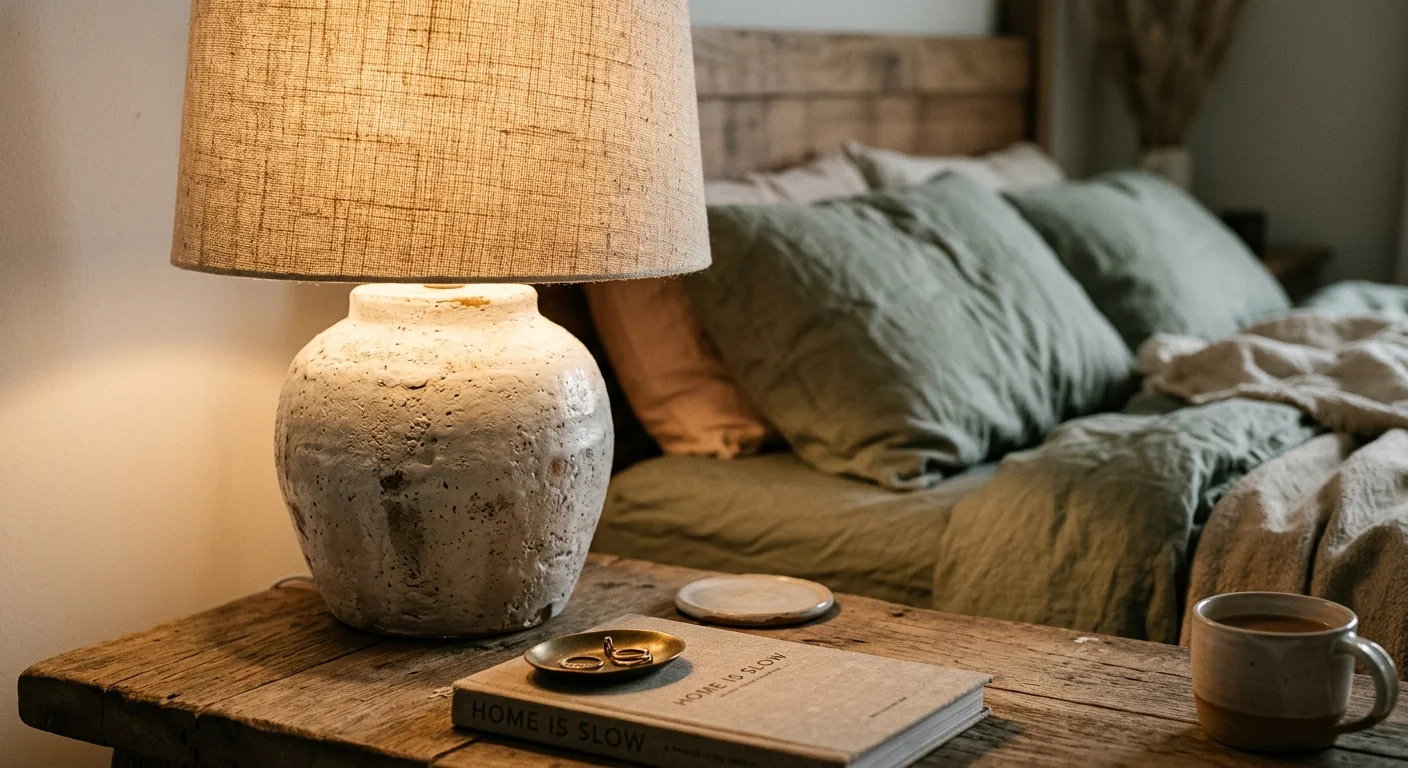
Trend #3: Tactile Ceramic and Plaster Table Lamps
The growing preference for biophilic texture and artisan craftsmanship has brought hand-thrown ceramic and sculpted plaster bases to the forefront of lamp design. These tactile fixtures embrace natural imperfections and organic shapes, providing a grounding balance to sleek modern furnishings. Paired with slub-linen shades or woven paper drum diffusers, these bedroom lamp ideas add welcoming depth and touchable materiality to refined sleeping quarters.
Color palettes for these fixtures favor earthy neutrals— such as chalky whites, warm Terracotta, deep taupes, and muted sage tones. Placing a pair of heavy, artisan-crafted ceramic lamps on your nightstands visually anchors your headboard wall, bridging the gap between decorative art objects and functional task illumination.
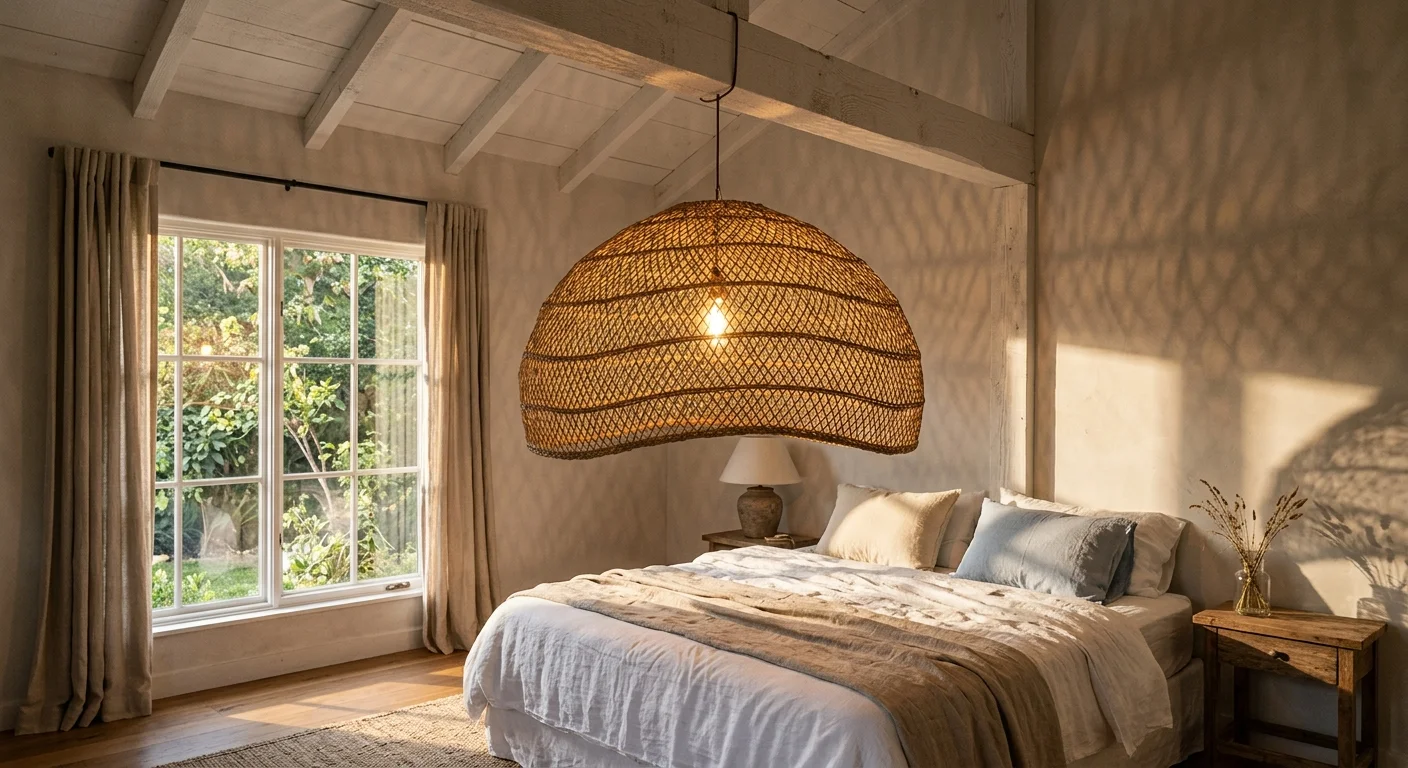
Trend #4: Oversized Woven Natural-Fiber Pendants
Oversized ceiling pendants woven from natural materials like rattan, abaca fiber, or light bamboo bring relaxed, organic elegance to ceiling design. Hanging a dramatic yet lightweight woven pendant as your main central fixture instantly softens hard architectural lines while infusing cozy bedroom lighting across the space. The open weave pattern filters illumination naturally, casting intricate, dappled light patterns across your walls and ceiling as dusk sets in.
To achieve ideal visual proportions without overwhelming the room layout, suspend the base of your pendant approximately 7 feet above the floor, or higher if positioned directly over the foot of your bed. This fixture style works exceptionally well in rooms featuring high or pitched ceilings where introducing natural texture balances crisp painted walls.
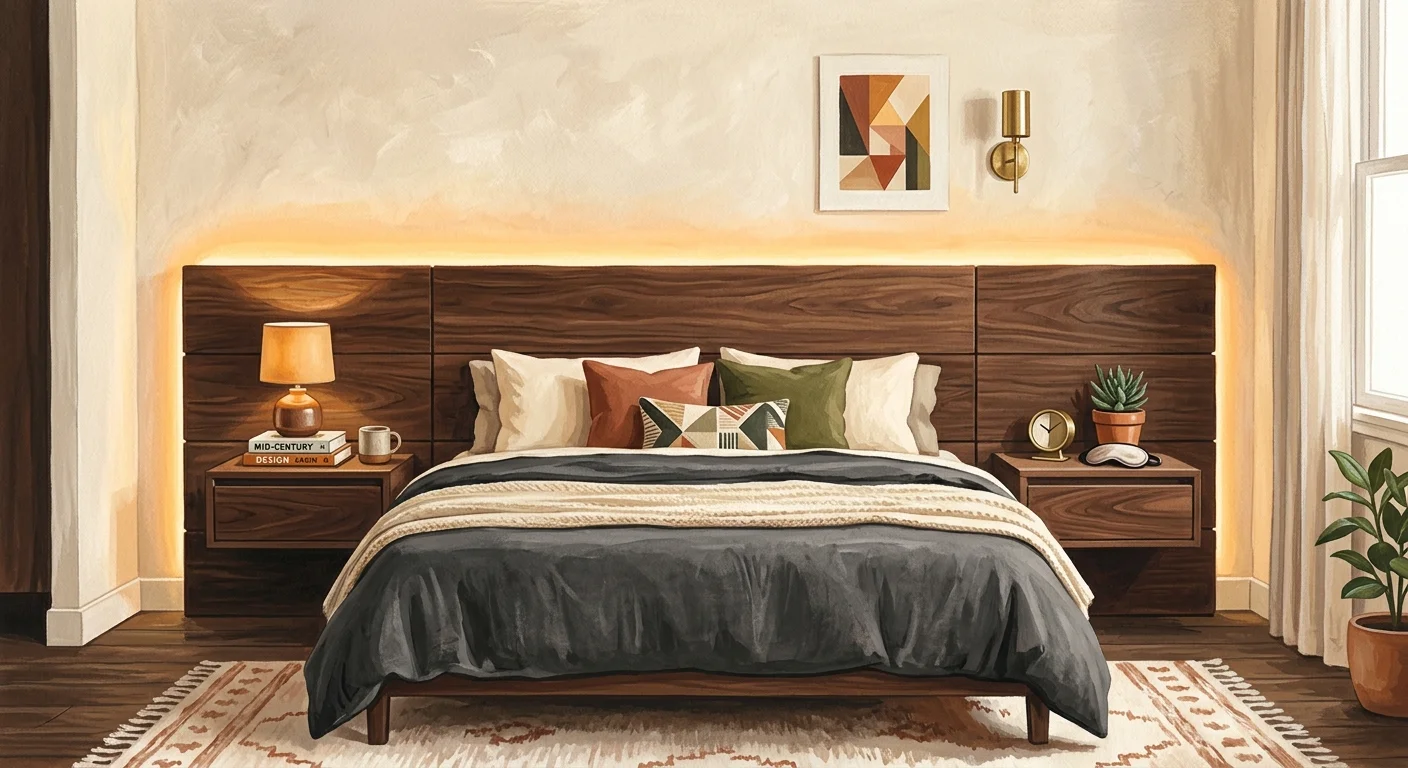
Trend #5: Integrated Headboard Backlighting and Joinery LED Strips
Modern architectural millwork seamlessly integrates linear lighting strips into custom wood headboards, open shelving niches, and floating bed platforms. Concealing continuous LED tape behind a fluted oak, ash, or walnut headboard projects a gentle halo of light upward and outward, framing your sleeping area with dramatic visual depth. Following current efficiency regulations enforced by the U.S. Department of Energy (DOE)—which require general service lamps to deliver high lumen output—these integrated micro-LED systems offer outstanding energy savings while operating safely on low voltage.
This indirect backlight creates a striking floating effect for your bed frame while serving as a low-glare light source during late hours. You can easily operate these integrated strips via flush touch-dimmers built directly into your bedside wood joinery.
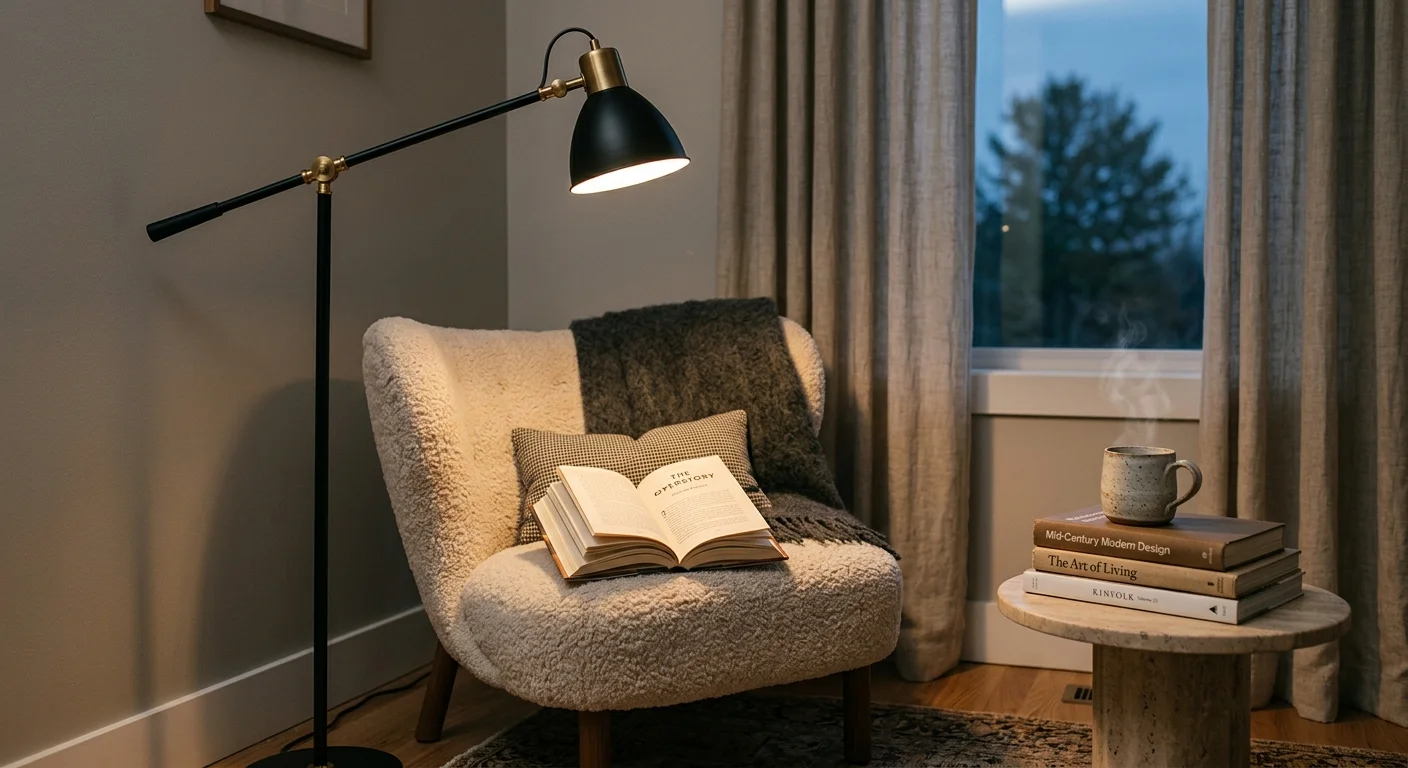
Trend #6: Mid-Century Modern Articulated Floor Lamps
Incorporating a tall, multi-jointed mid-century floor lamp into a corner reading chair layout introduces dynamic vertical lines and flexible directional light. Fixtures featuring matte black metal stems, polished brass adjustment knobs, and articulated cone shades allow you to direct focused task brightness exactly where you need it—whether highlighting a cozy armchair or illuminating a vanity mirror.
This iconic style balances soft, ambient fixtures by adding sharp architectural structure to your bedroom corners. When curating the best bedroom lighting scheme, placing an articulated floor lamp diagonally across from your main entryway creates a balanced light plan that draws your eye effortlessly across the entire room space.
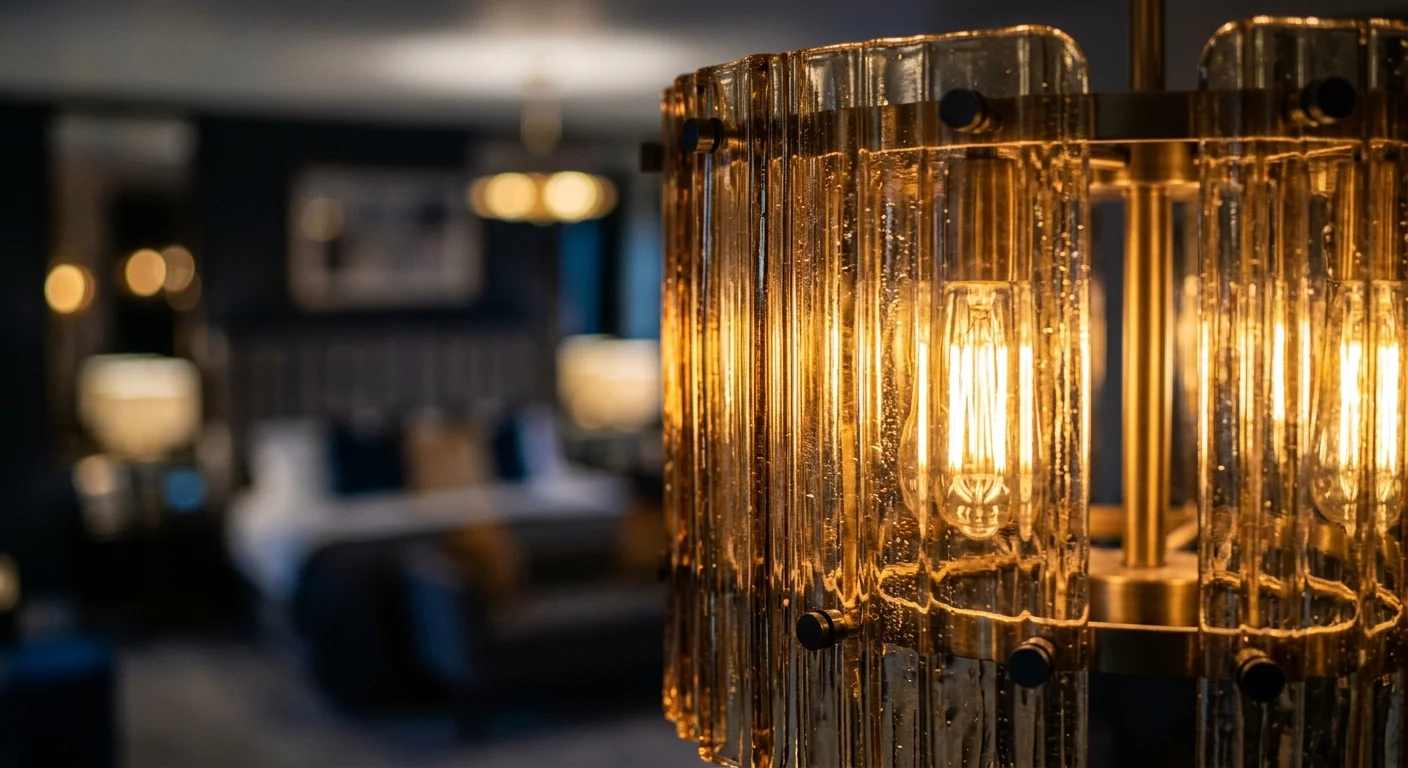
Trend #7: Fluted Amber Glass and Smoked Crystal Chandeliers
Central ceiling lighting is taking center stage again through fluted amber glass, hand-blown globes, and smoked crystal chandeliers. Rather than relying on clear glass or exposed light bulbs that produce harsh glare, elevated fixtures utilize rich tinted glass to diffuse and warm the emitted light. Amber, champagne, and smoked grey tints cast a rich glow that flatters skin tones, enhances warm paint undertones, and brings out deep wood grain details.
Hanging a fluted amber glass fixture above your bed establishes an atmosphere of quiet luxury without sacrificing functional ambient light. The subtle light refractions bouncing off ribbed glass surfaces add mesmerizing visual texture to your ceiling plane throughout the day and evening.
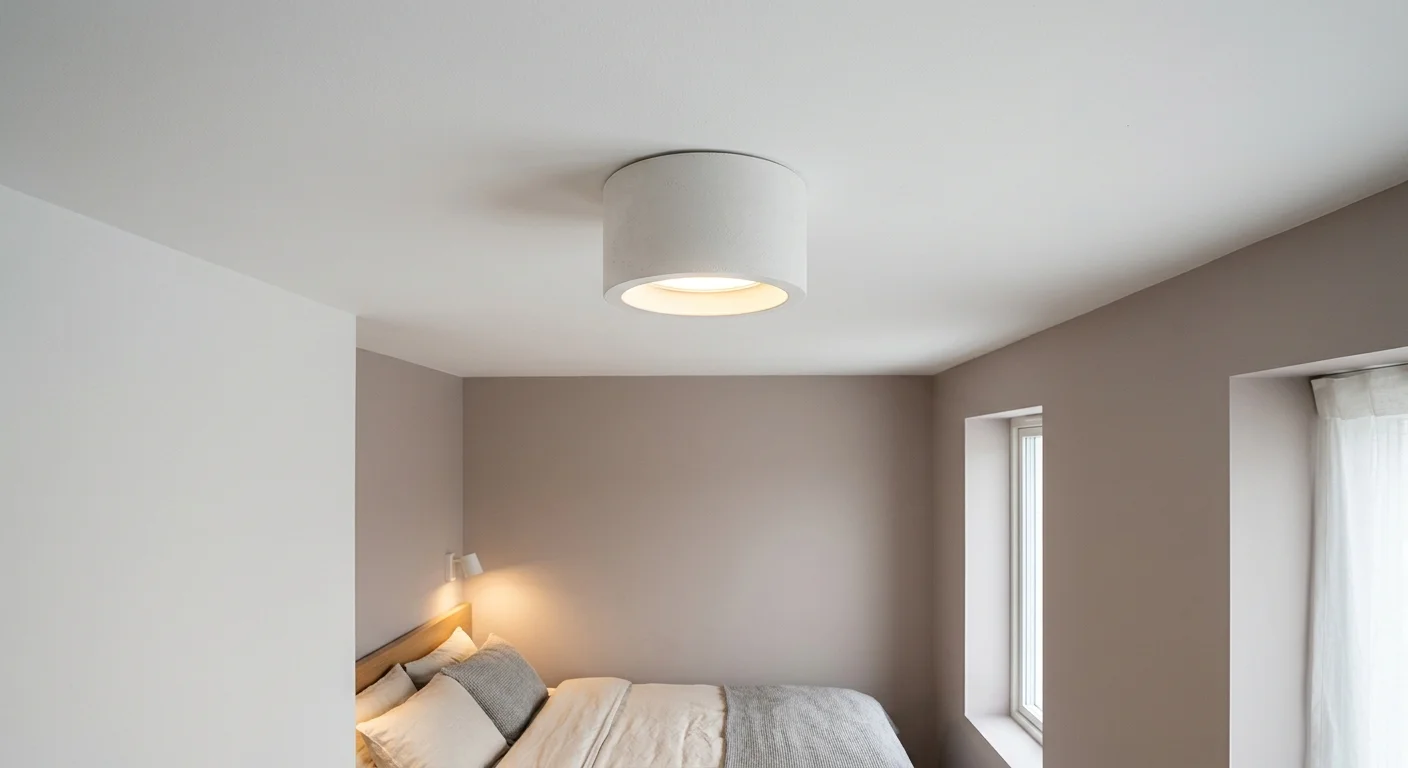
Trend #8: Architectural Flush Mounts for Compact Spaces
Low ceiling heights no longer mean you must compromise on design. Contemporary architectural flush mount fixtures combine low-profile bodies with high design, utilizing brushed bronze frames, frosted opal glass diffusers, and tactile fabric wraps. These sleek fixtures represent essential lighting for small bedroom plans with standard eight-foot ceilings.
A well-designed flush mount distributes wide, even illumination across your room without breaking vertical sightlines or feeling intrusive. Choose a fixture equipped with integrated warm LEDs; this design guarantees an ultra-slim silhouette that fits snugly against your ceiling while meeting current residential energy standards.
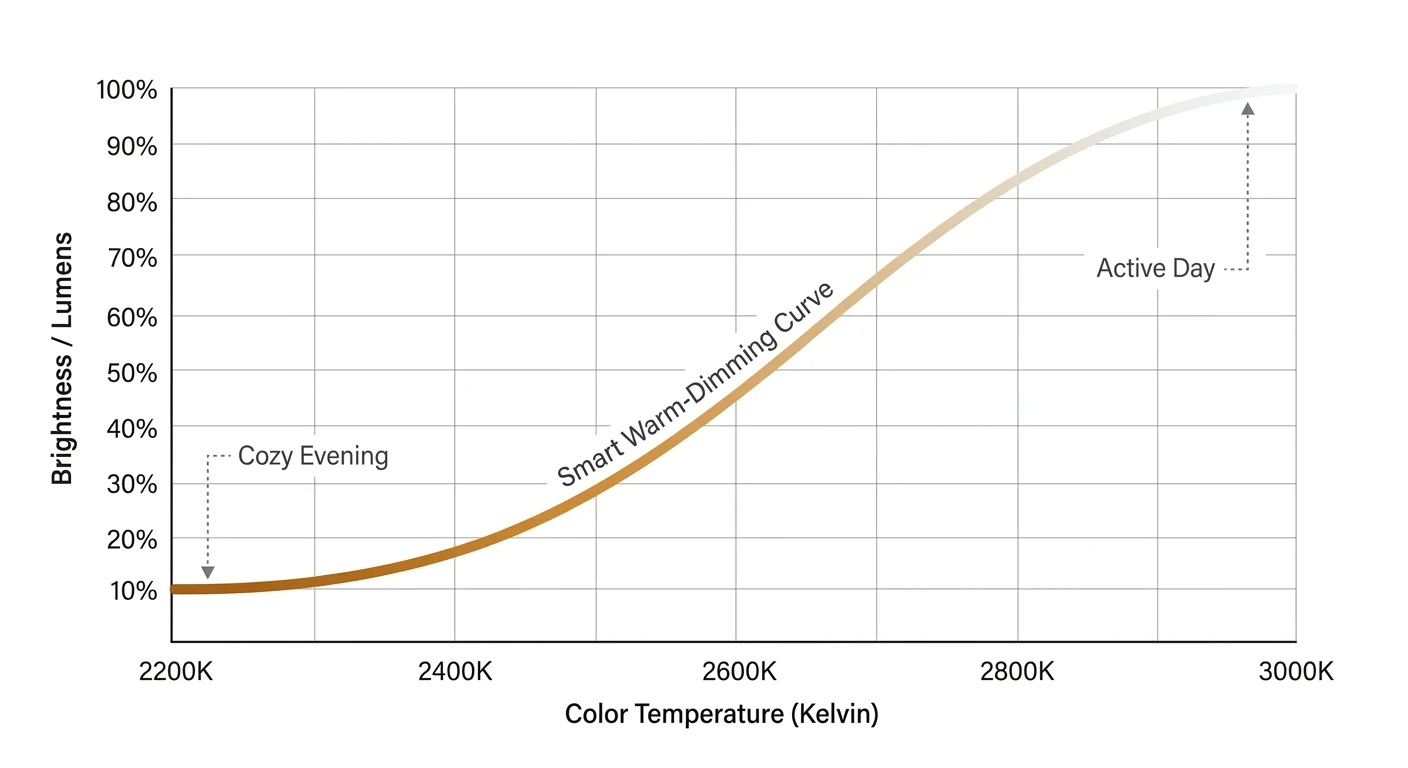
Trend #9: Smart Warm-Dimming Technologies
Human-centric lighting technology has transformed residential interiors through smart warm-dimming LED systems. Unlike traditional dimmers that simply lower light output while retaining a cool light hue, warm-dimming technology shifts color temperature dynamically—moving smoothly from a clear 3,000K during daylight hours down to an ultra-warm 2,200K amber tone as night approaches.
This gradual transition mimics natural dusk patterns, supporting your body’s natural circadian rhythm and promoting healthy sleep cycles. Integrating smart wall switches or mobile controls allows you to automate evening lighting scenes, turning your bedroom into a soothing retreat that automatically prepares your mind for restful sleep.
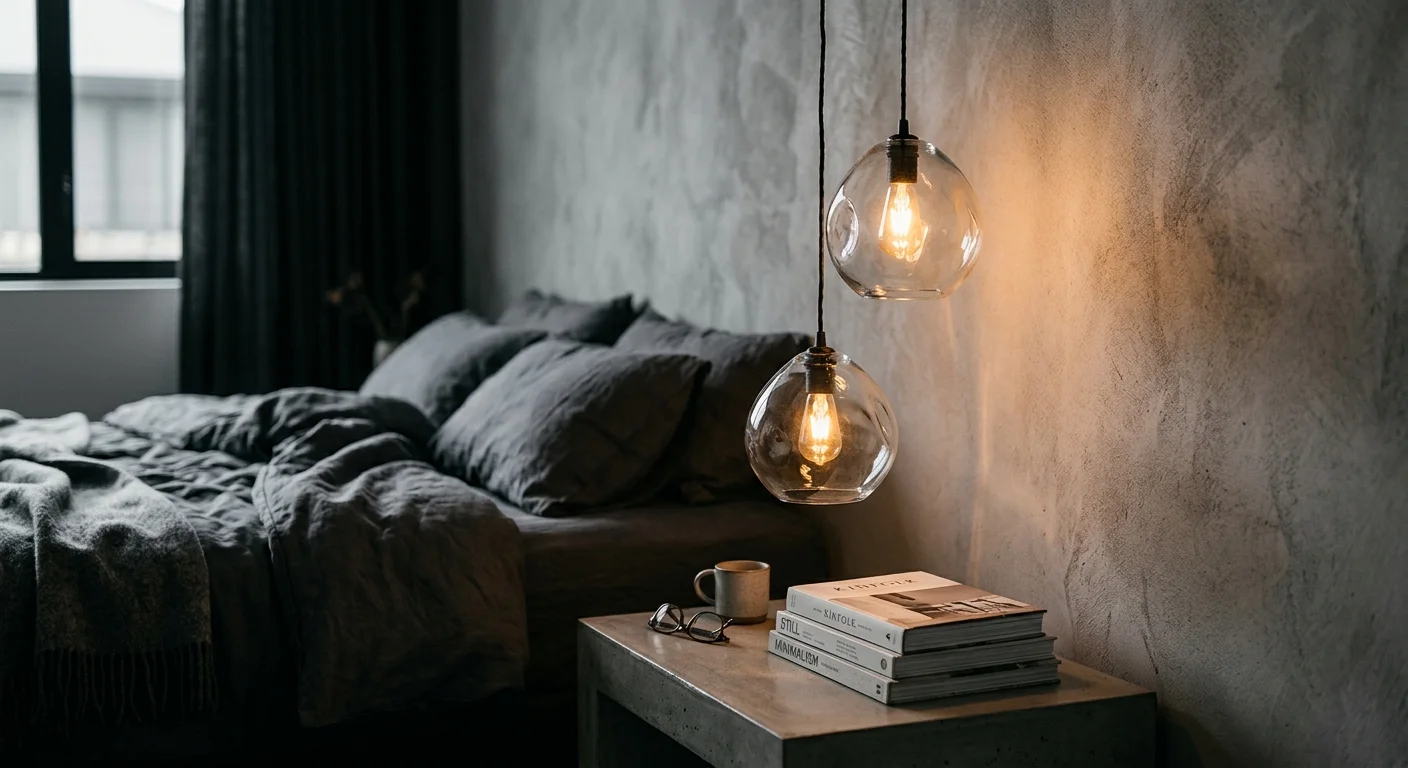
Trend #10: Asymmetrical Layered Pendant Drops
Breaking away from traditional symmetry, asymmetrical lighting layouts suspend a low-hanging pendant light on one side of the bed while placing a low-profile table lamp or ceramic object on the opposite side. This curated approach introduces dynamic visual interest and contemporary artistic edge, moving away from rigid, matching bedroom furniture sets.
When executing an asymmetrical concept, maintain material cohesion—such as matching brass finish accents or glass finishes across different fixture forms—to preserve overall harmony. This expressive strategy excels in boutique-inspired spaces where personalized, unscripted interior details take center stage.
The Big Picture: Weaving These Trends into Your Home
Creating a masterful bedroom lighting strategy requires balancing functional requirements with aesthetic warmth. Rather than adopting every trend simultaneously, focus on layering three essential levels of illumination: general ambient overhead light, targeted task lighting for reading areas, and subtle accent lighting to highlight architectural details or artwork. Keep your color temperatures uniform between 2,700K and 3,000K across all fixtures to ensure seamless visual warmth throughout your space.
As federal efficiency standards evolve—with upcoming U.S. Department of Energy rules setting efficiency targets above 120 lumens per watt by July 2028—investing in quality, dimmable LED fixtures guarantees future-proof performance and lower energy consumption. Combining natural materials like linen, mouth-blown glass, and warm brass with modern smart controls will allow you to curate an inviting, multi-functional lighting layout tailored specifically to your lifestyle.
For the latest color forecasts, consult industry leaders like Pantone and paint companies like Benjamin Moore. For professional design standards, refer to the American Society of Interior Designers (ASID).
Disclaimer: This article reflects design trend analysis and predictions. Personal taste and timeless design principles should always guide your decorating choices.
Frequently Asked Questions
How many total lumens do I need for my bedroom?
According to guidelines established by the Illuminating Engineering Society (IES), a bedroom requires 10 to 20 lumens per square foot. For an average 150-square-foot bedroom, aim for a combined total output of 1,500 to 3,000 lumens spread across ceiling fixtures, bedside lamps, and accent lighting.
What is the best color temperature for bedroom light bulbs?
The optimal color temperature for bedroom lighting ranges between 2,700K and 3,000K. This warm white spectrum minimizes disruptive blue light exposure in the evening, promoting relaxation while providing crisp visual clarity for reading and dressing.
Can I mix different metals across bedroom light fixtures?
Yes, mixing metals creates sophisticated visual contrast when executed purposefully. Limit your bedroom palette to two primary metal finishes—such as matte black and brushed brass—and ensure one finish dominates while the second accentuates sconces or floor lamps.
How high should I hang a central pendant fixture over my bed?
When hanging a central pendant over the foot of your bed, position the bottom edge of the fixture roughly 7 feet off the floor. If suspending pendants directly over nightstands for task light, hang the base 28 to 32 inches above the nightstand top surface.