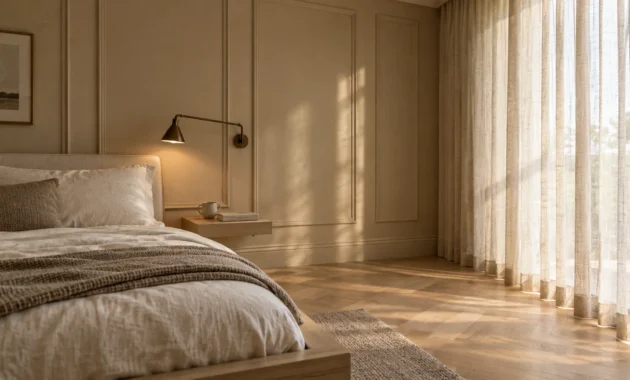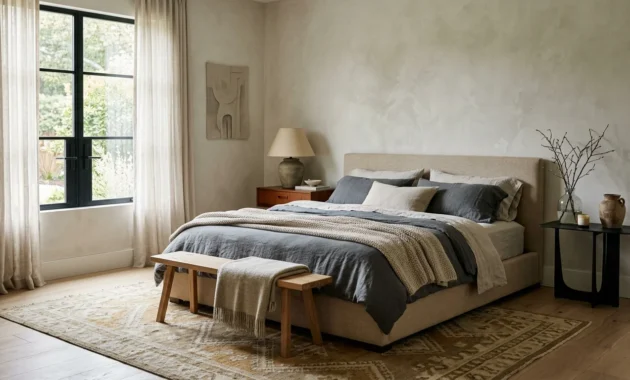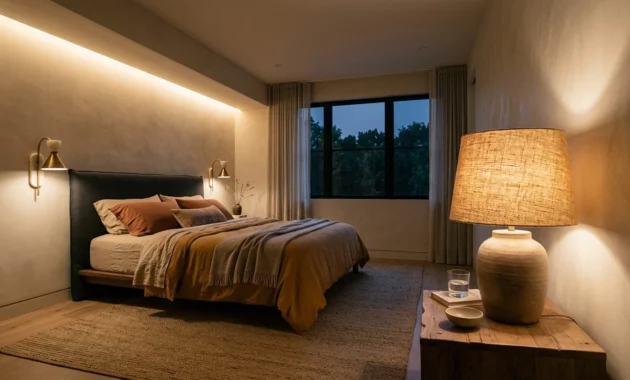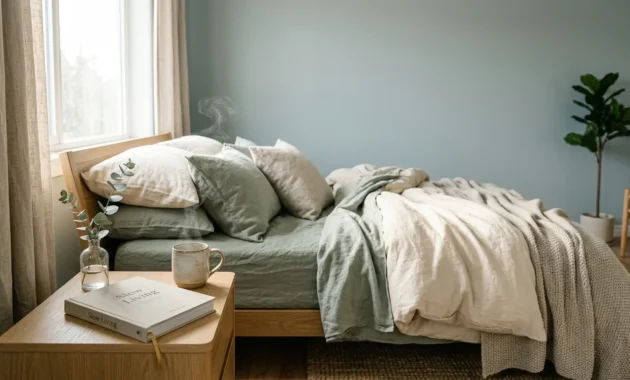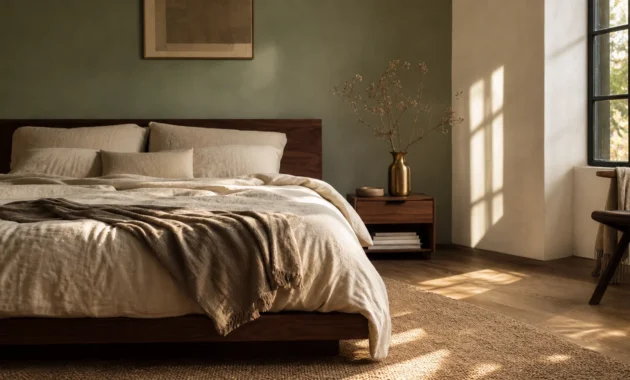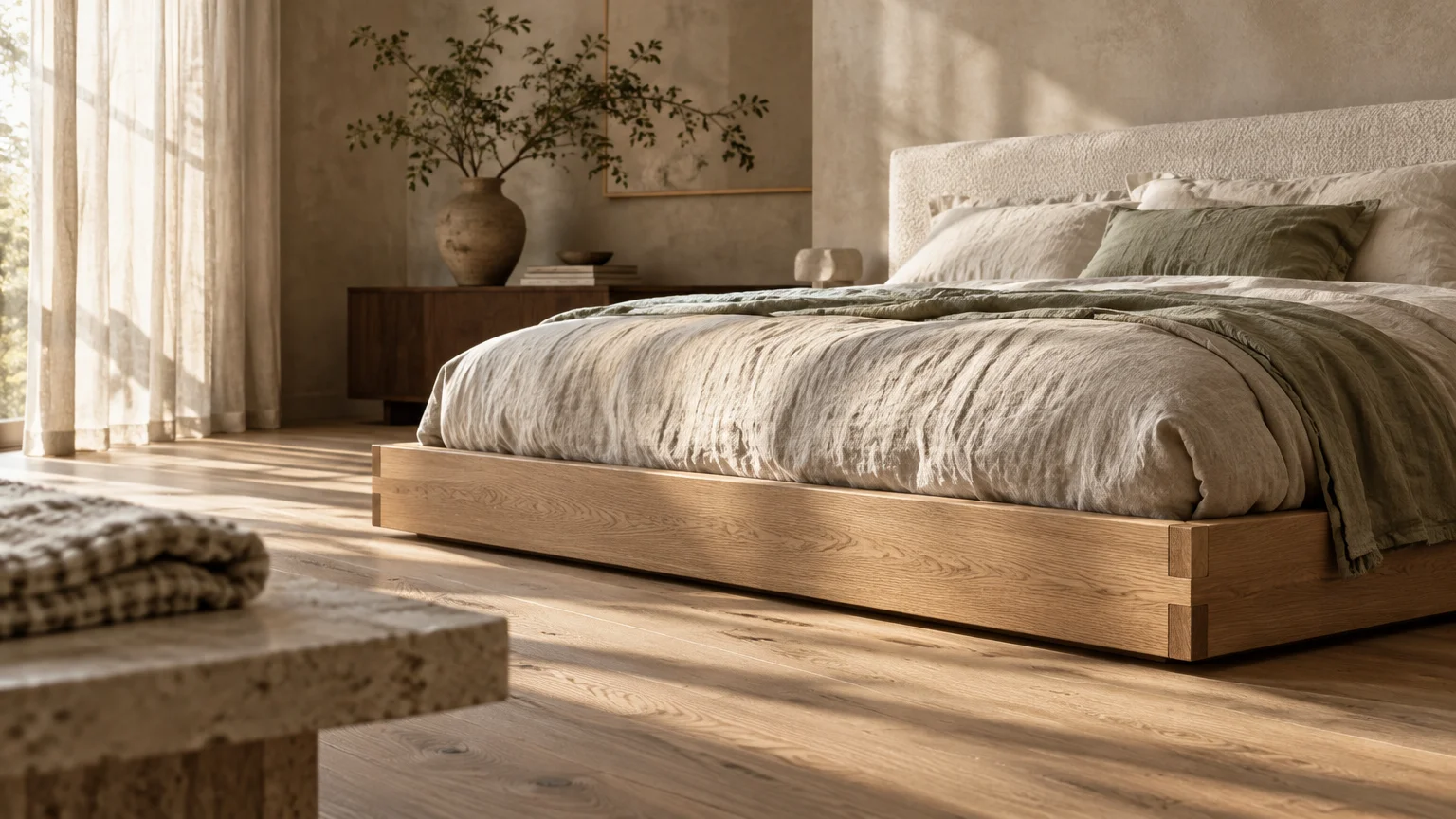
Your bedroom should serve as an intentional sanctuary of restorative comfort and refined aesthetic harmony. When your mattress loses its form or your bed frame wobbles, both your spinal alignment and interior ambiance suffer.
Discerning homeowners frequently overlook subtle foundation fatigue until broken sleep diminishes daily vitality. Recognizing early structural breakdown empowers you to invest in restorative furniture long before chronic exhaustion sets in.
Elevating your sleep environment requires diagnosing worn components while embracing modern architectural design. Here are twelve unmistakable clues that signal it is time to upgrade your sleep foundation and refresh your space.
Trend #1: Sagging Topography and the Shift to High-Density Cores
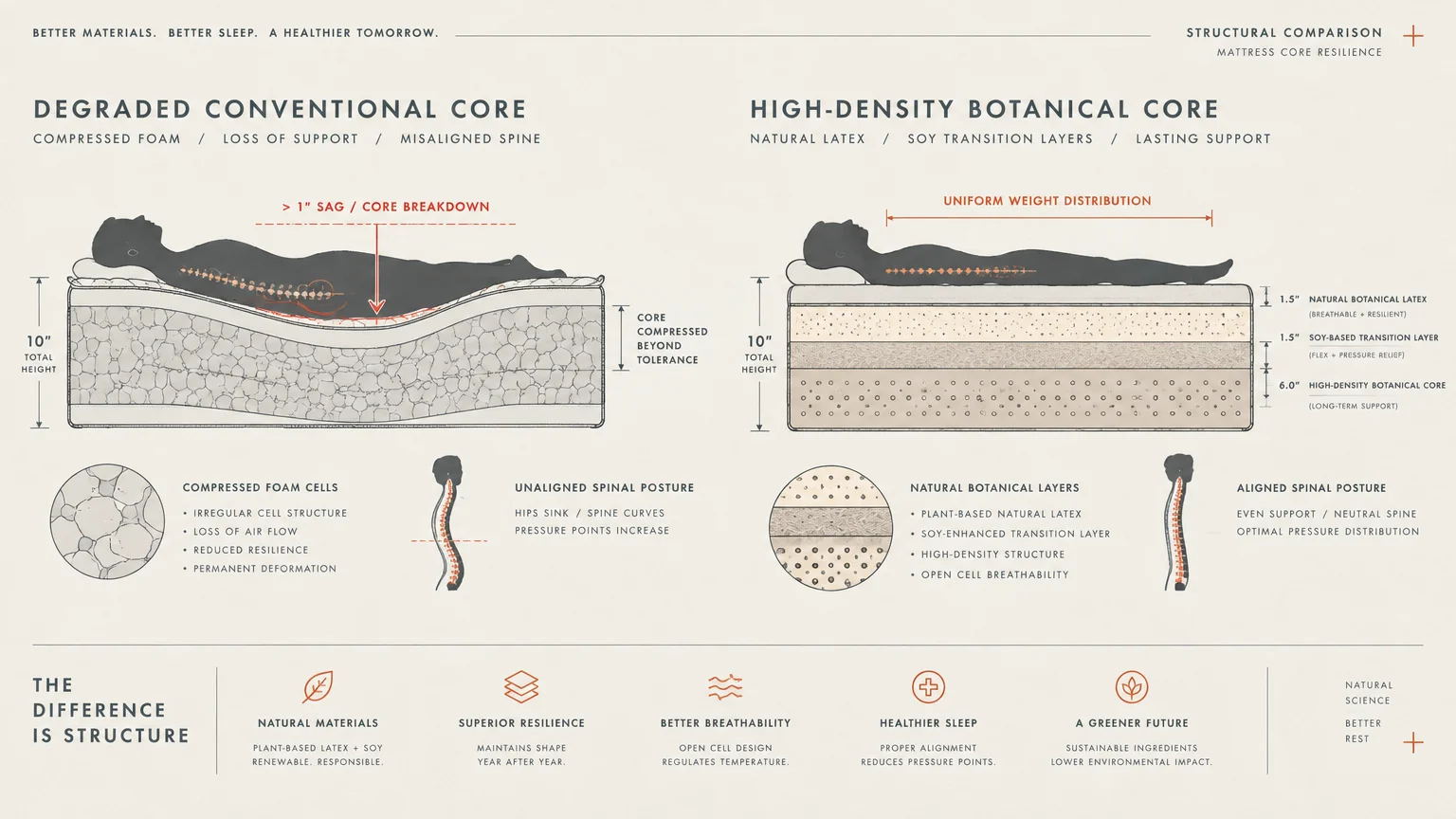
Visible indentations and body depressions disrupt the crisp horizontal planes of a well-designed bedroom suite. When a mattress sags deeper than an inch, it signals permanent internal core breakdown.
This physical decline represents one of the most prominent replace mattress signs you will encounter. As materials compress, the mattress loses its ability to distribute body weight evenly across the sleep surface.
Contemporary master bedrooms reject hollow indentations in favor of resilient high-density cores. Designers now specify natural botanical latex and multi-layered soy foams that resist permanent compression.
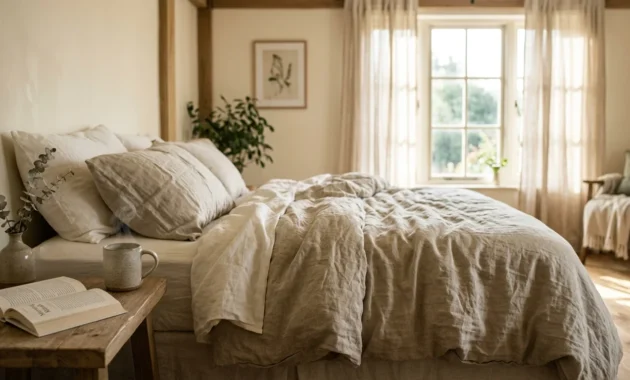
Pair these modern cores with crisp Belgian linen bedding in understated oatmeal or warm alabaster. The clean, unwrinkled silhouette instantly restores architectural symmetry to your sleeping quarters.
Upgrading to high-resilience support ensures your bed remains a sculptural centerpiece that supports your spine flawlessly.
Trend #2: Creaking Frame Joinery and Muted Acoustic Upholstery
Every shift in posture should occur in serene silence rather than eliciting metallic groans or wood creaks. Auditory friction from loose hardware or dry joints signals that bed frame replacement is overdue.
Structural instability not only fragments your sleep cycles but also shatters the calm atmosphere of your home. A noisy bed frame compromises the peaceful environment essential for deep mental decompression.
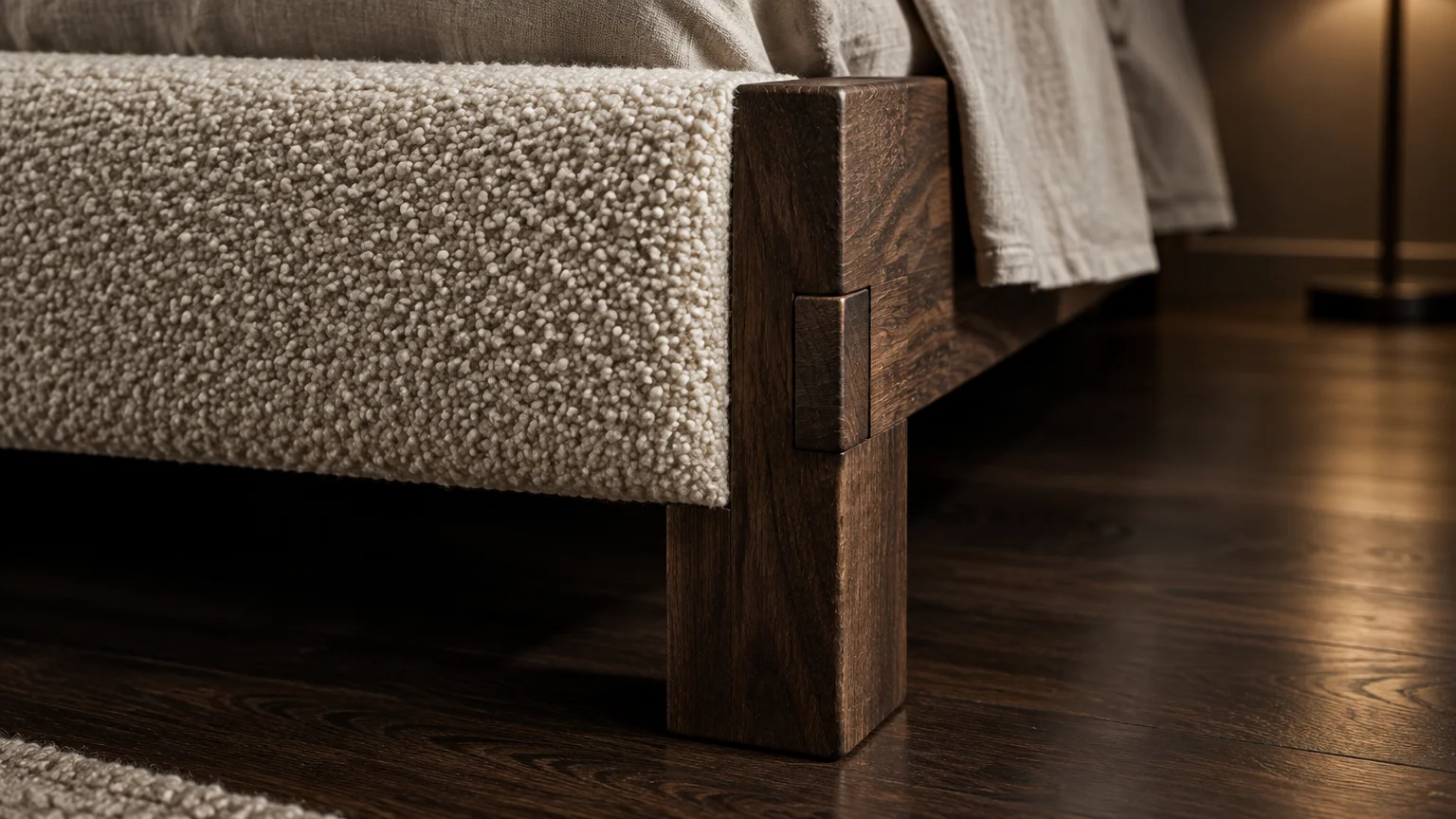
Forward-thinking interiors address bedroom acoustics through the lens of quiet luxury. Upholstered frames wrapped in textured bouclé, heavy wool, or tailored velvet absorb ambient sound while dampening structural vibration.
Designers celebrate mortise-and-tenon solid wood joinery finished in deep espresso or smoked walnut. These robust connections eliminate hardware fatigue while creating tactile warmth against polished hardwood flooring.
By eliminating mechanical creaks, you transform your bedroom into an acoustic haven that fosters undisturbed recovery.
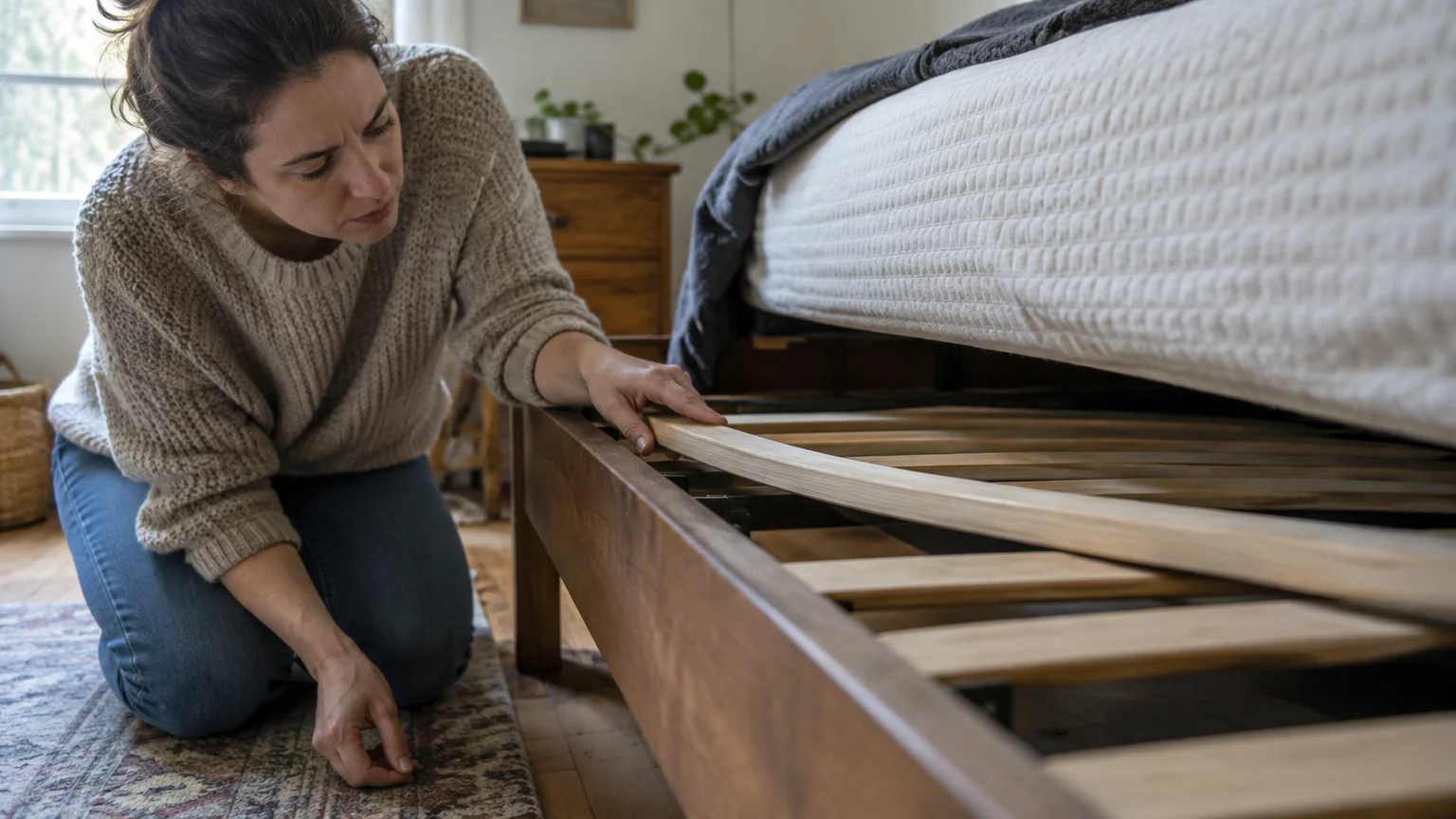
Trend #3: Bowing Foundation Slats and Biophilic Solid Wood Platforms
Foundation slats that bend, splinter, or flex downward indicate a failing support architecture beneath you. Slats spaced more than three inches apart allow modern mattress cores to sink and warp prematurely.
A compromised substructure invalidates mattress warranties and ruins the ergonomic benefits of premium bedding. Even the most sophisticated mattress collapses when resting upon an unstable, sagging slatted base.
This structural necessity aligns with the broader interior design movement toward biophilic, solid wood construction. Homeowners are embracing solid American walnut and European white oak platform systems with integrated rigid decks.
Natural timber foundations introduce organic provenance and grounding warmth into modern bedroom layouts. Earthy palettes of terra-cotta, sage, and raw timber create seamless continuity with adjoining dining and living zones.
Investing in a rigid wood platform protects your mattress investment while anchoring your bedroom aesthetic.
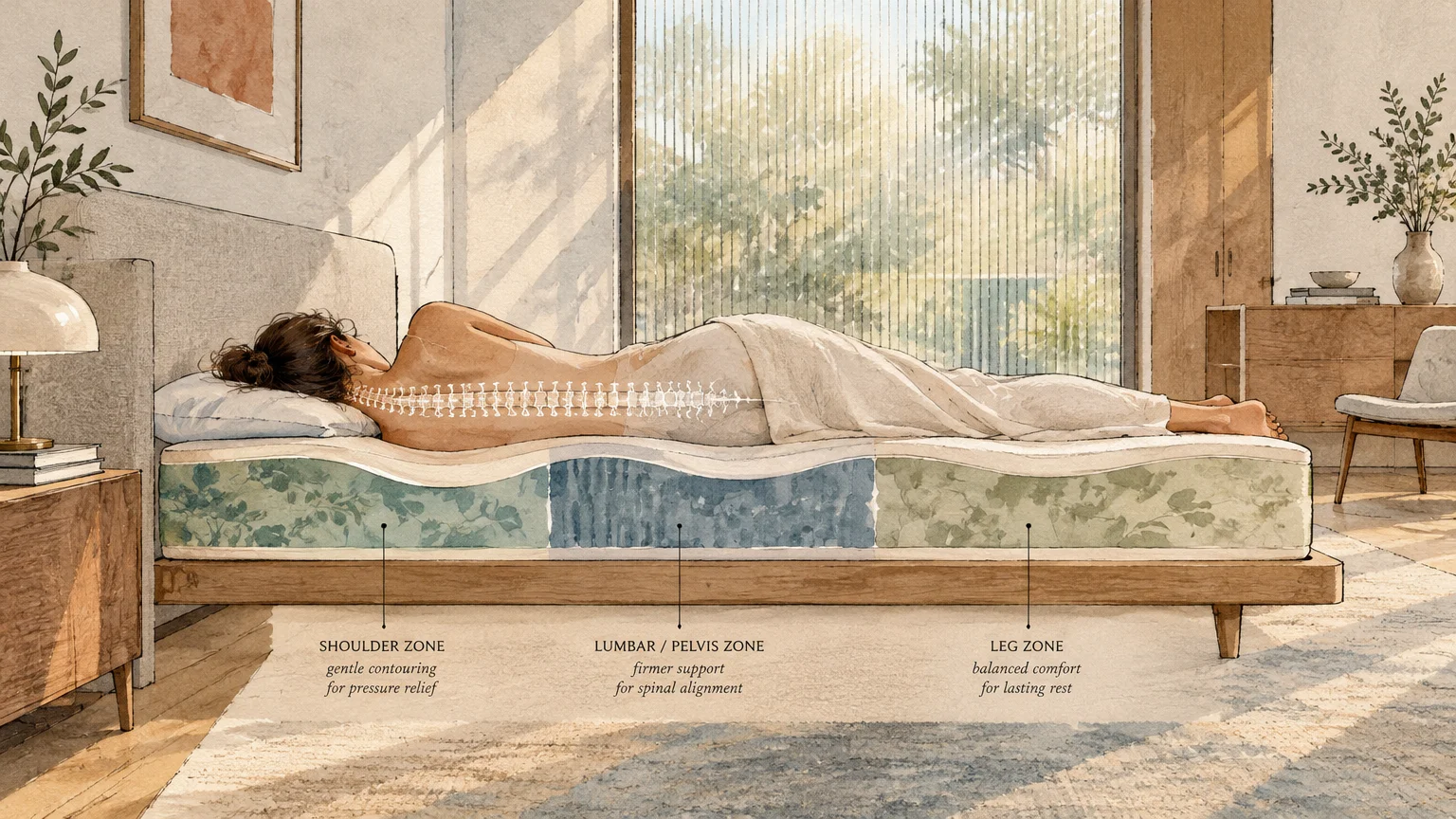
Trend #4: Morning Lumbar Stiffness and Zoned Ergonomic Architecture
Waking with persistent lower back tightness that dissipates within an hour points directly to mattress failure. When comfort layers collapse, your spine arches unnaturally, creating musculoskeletal fatigue and diminishing sleep quality.
You should not require a morning stretching regimen simply to recover from your sleep foundation. Physical soreness serves as an urgent diagnostic indicator that your mattress has surrendered its ergonomic integrity.
The industry responds with zoned ergonomic architecture that mirrors the natural curvature of the human frame. Modern mattresses incorporate firmer support beneath the lumbar zone and yielding pressure relief at the shoulders.
Layered natural latex combined with variable-tension pocket springs ensures neutral spinal positioning throughout the night. Complement this ergonomic shift with breathable percale cotton sheeting in muted mineral and slate tones.
Restorative spinal alignment revitalizes your daily physical posture and complements an active, design-conscious lifestyle.
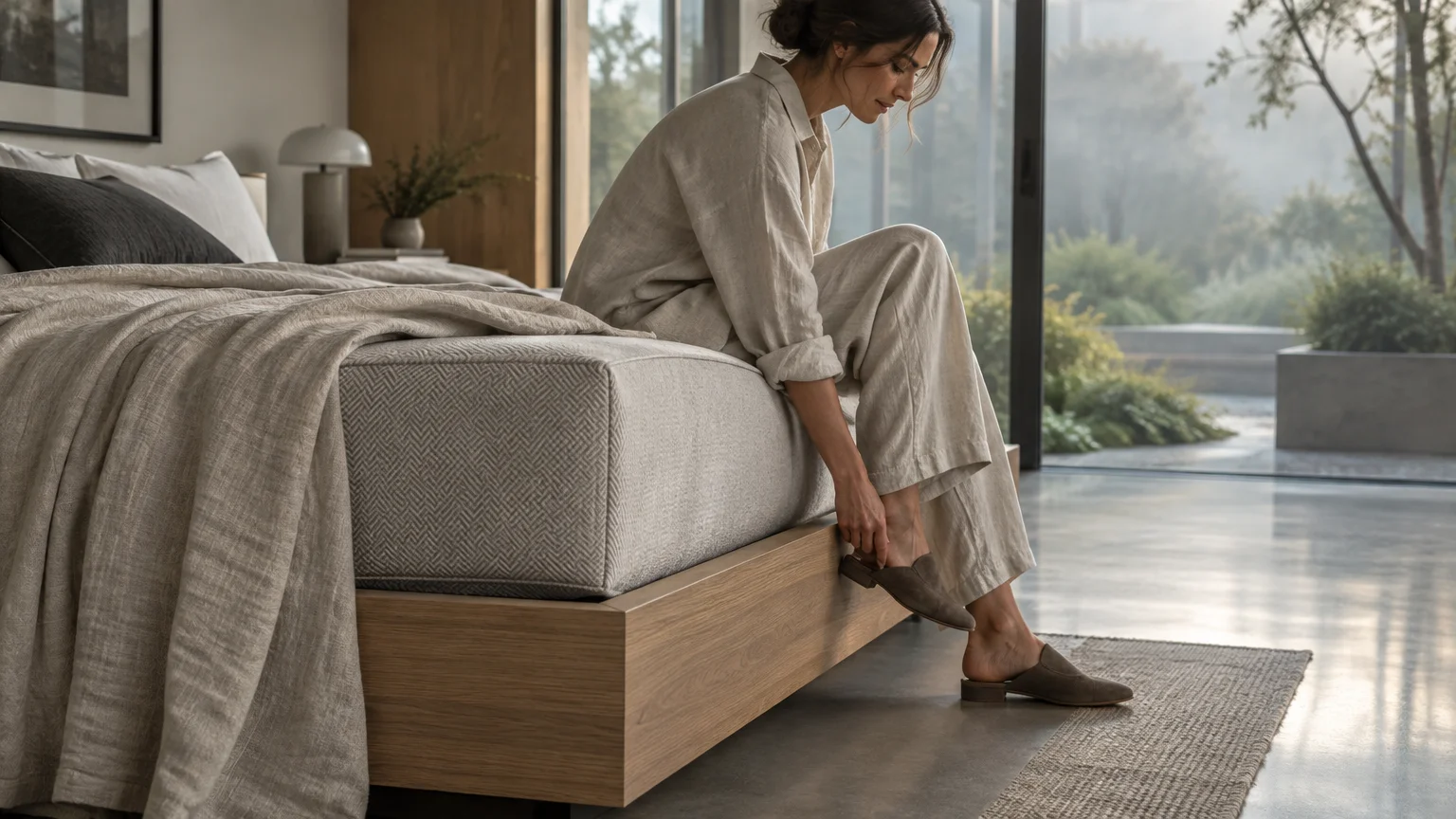
Trend #5: Collapsing Perimeter Edges and Tailored Platform Framing
Slipping toward the floor when sitting on the edge indicates complete failure of perimeter reinforcement. Compromised edge support shrinks your usable sleeping surface and forces you toward the mattress center.
Learning when to replace a mattress prevents the frustrating sensation of rolling out of bed unexpectedly. Beyond comfort, collapsed edges produce an unsightly, slovenly drape in your tailored duvets and bedspreads.
Contemporary interior architecture solves perimeter instability through reinforced high-gauge pocket coils and wide platform ledges. Tailored platform frames provide a physical perimeter that frames the mattress like a tailored work of art.
Designers frequently specify extended bench platforms upholstered in saddle leather or tailored tweed to define borders. These architectural edges introduce rich visual texture while providing purposeful transitions between bed and floor.
Firm perimeter construction preserves crisp bed tailoring and maximizes your usable sleeping sanctuary.

Trend #6: Crossing the Ten-Year Lifespan and Circular Renewal
Even meticulously maintained sleep systems degrade after thousands of compression cycles and nightly thermal shifts. Surpassing the standard mattress lifespan guarantees that core fibers and internal springs have suffered structural fatigue.
Microscopic material breakdown compromises hygiene, elasticity, and pressure relief over a decade of continuous use. Clinging to an ancient mattress undermines both your physical wellness and the contemporary beauty of your suite.
The high-end design world addresses renewal through circular, eco-conscious materials built for timeless durability. Today’s premier mattresses avoid petro-chemical adhesives in favor of hand-tufted organic wool, horsehair, and botanical latex.
These circular materials promote natural breathability and decompose harmoniously at the end of their functional cycle. Incorporate neutral palettes of unbleached ecru, cream, and warm flax to emphasize sustainable provenance.
Proactive replacement every seven to ten years protects your health while keeping your sanctuary modern.
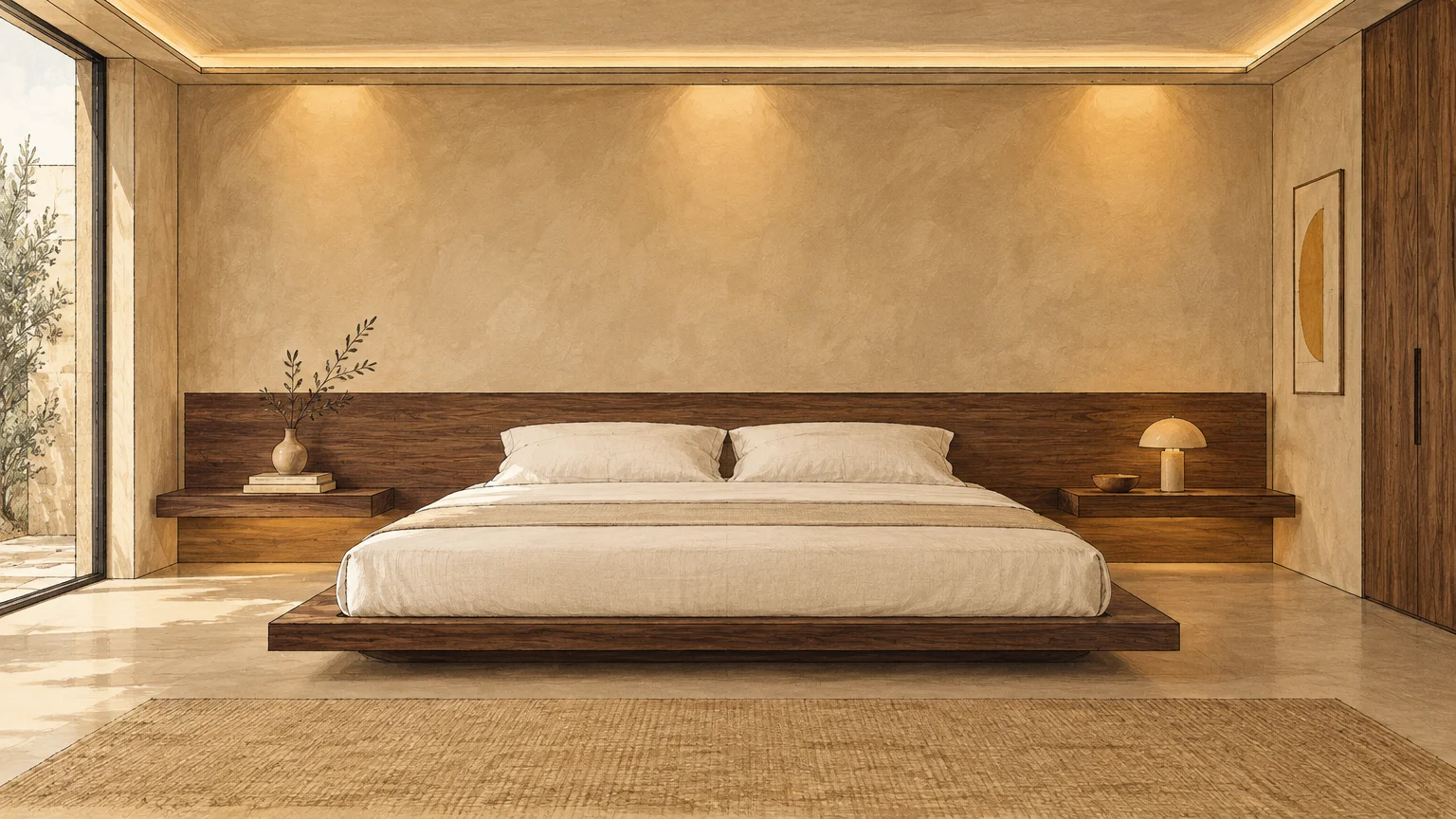
Trend #7: Frame Instability and Architectural Low-Profile Minimalism
A bed frame that sways laterally or wobbles against baseboards demonstrates compromised mechanical joinery. Over time, metal fatigue and stripped threaded inserts render traditional frame assemblies structurally unsound.
This mechanical looseness damages your flooring and introduces unsightly abrasions against your master bedroom walls. Unstable framing also generates uneven stress that accelerates premature mattress deterioration.
Design luminaries counter frame wobble by embracing low-profile platform beds rooted in minimalist Japanese-Scandinavian aesthetics. These low-slung foundations feature solid timber plinths that ground the bed directly to the flooring plane.
Finished in brushed ash, bleached oak, or matte black steel, low platform beds create remarkable vertical volume. By lowering the visual center of gravity, you make bedroom ceilings feel dramatically taller and more expansive.
Sturdy platform geometry stabilizes your nocturnal foundation while establishing a calm, grounded architectural environment.

Trend #8: Allergen Saturation and the Breathable Natural Textile Movement
Waking with unexplained nasal congestion, watery eyes, or irritated skin points to accumulated micro-allergens within older mattresses. Mattresses naturally collect dust mites, dead skin cells, and humidity over years of nightly occupation.
When deep vacuuming and seasonal sanitizing fail to alleviate symptoms, these replace mattress signs demand immediate attention. Breathing compromised air each night directly degrades your immune vitality and sleep depth.
Luxury interior design champions hypoallergenic sleeping environments through certified organic textiles and natural fibers. Manufacturers utilize unbleached organic cotton, needle-punched wool, and eucalyptus-derived Tencel for superior airflow and mite resistance.
Pair these breathable mattresses with washed French linen duvets in soft moss, stone, or clay hues. These organic textiles regulate microclimates naturally, complementing the biophilic materials popular in modern dining and living spaces.
Purifying your sleep surface fosters healthy respiratory recovery and enhances your overall home wellness.
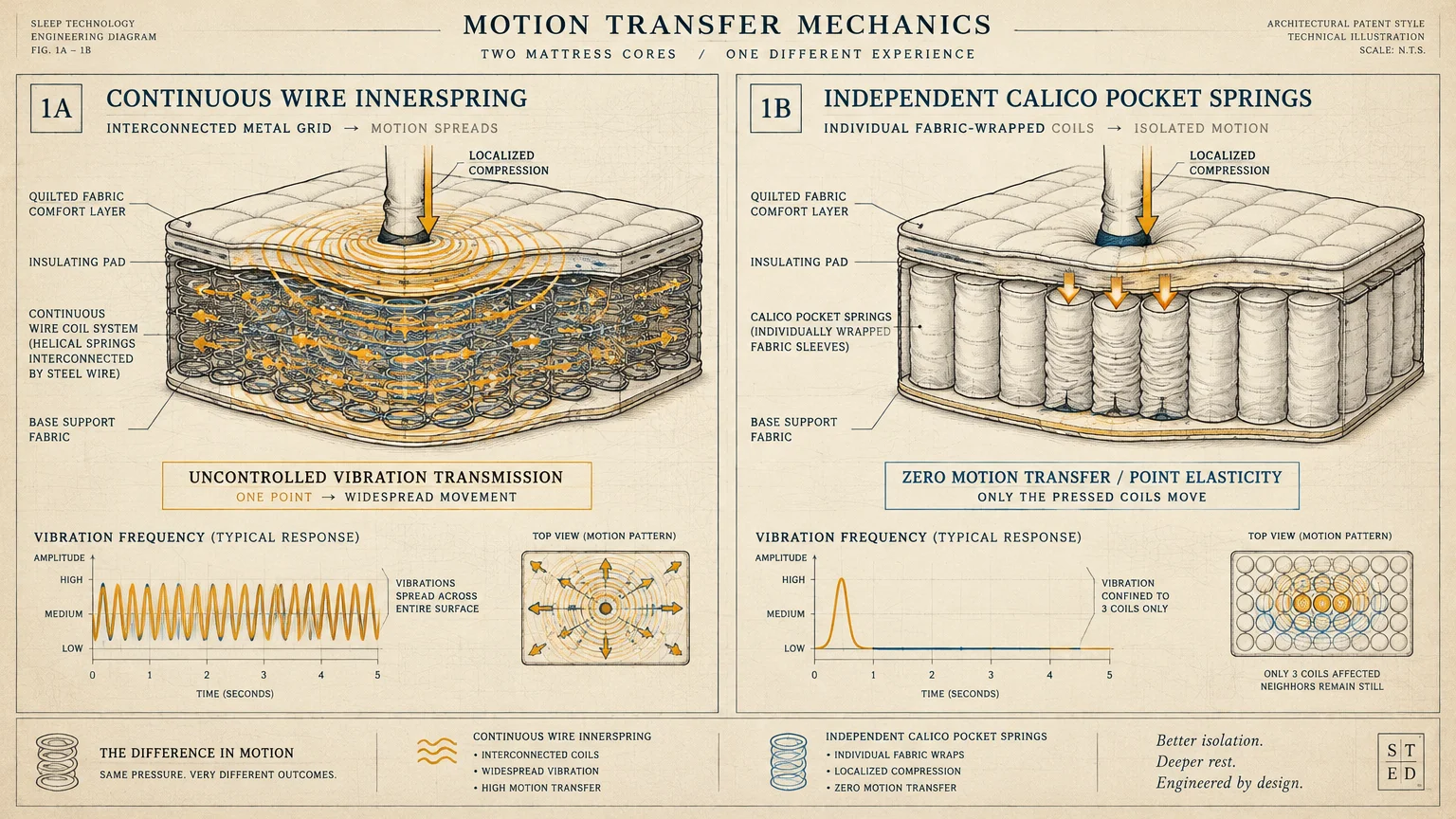
Trend #9: Escalated Motion Transfer and Pocket Spring Innovation
Waking whenever your sleeping partner turns or repositions indicates that your mattress has lost vibration isolation. Aging interconnected innerspring systems act like mechanical transmitters, transferring kinetic motion directly across the bed.
Interrupted rest diminishes deep sleep cycles, leaving you mentally fatigued and irritable during demanding daylight hours. High sleep quality demands isolated support that absorbs movement without disturbing the adjacent sleeper.
Sophisticated sleep engineering resolves motion transfer through individually wrapped pocket coils encased in acoustic non-woven sleeves. Because each coil responds independently, kinetic energy dissipates locally rather than rippling across the surface.
Modern master bedrooms layer these responsive hybrid cores beneath dense memory foam infused with graphite or gel. Dress your bed with textural cashmere throws in charcoal or ivory to mirror the interior’s quiet sophistication.
Independent coil mechanics deliver undisturbed nocturnal solitude while elevating your bedroom to five-star resort standards.
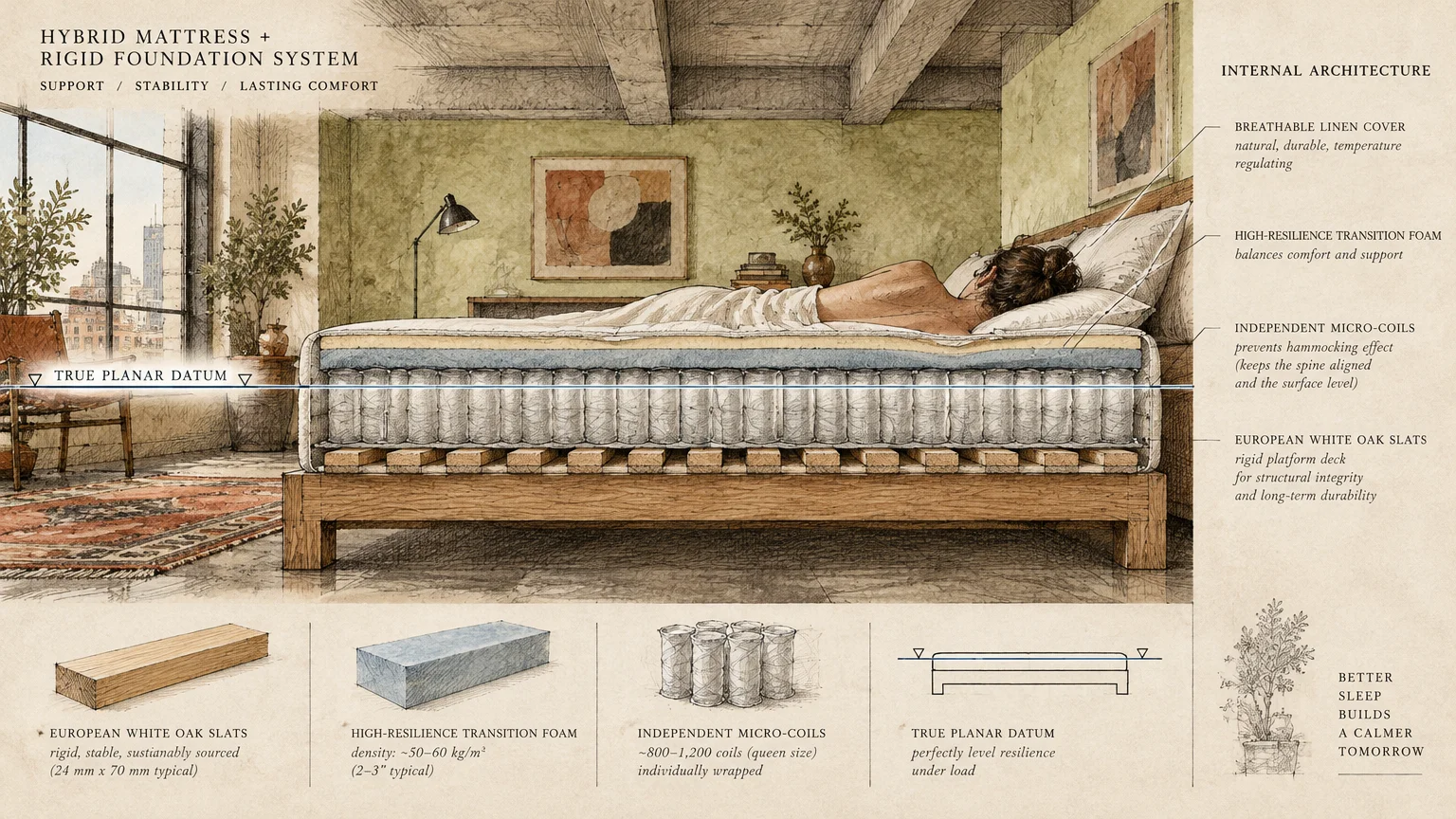
Trend #10: Hammocking Indentations and Precision Hybrid Foundations
Rolling involuntarily toward the center of the bed reveals the classic, dreaded hammocking effect. This structural cavity occurs when the center core collapses under sustained pressure, forcing your body into a slouched posture.
Hammocking places severe torque on the hips and lumbar spine while accelerating overall mattress breakdown. It serves as a definitive indicator for when to replace a mattress before chronic skeletal pain arises.
Leading designers pair multi-layered hybrid mattresses with precision-engineered foundations featuring heavy-duty steel center stringers. These rigid underpinnings eliminate mid-span deflection and maintain a flat, level surface under all conditions.
Style these level sleep surfaces with tailored coverlets and crisp geometric bolster pillows in contrasting textures. Symmetrical bed styling reinforces the clean sightlines and balanced architecture established throughout the rest of your home.
A level foundation eliminates nightly rolling and preserves the crisp visual plane of your designer bedroom.
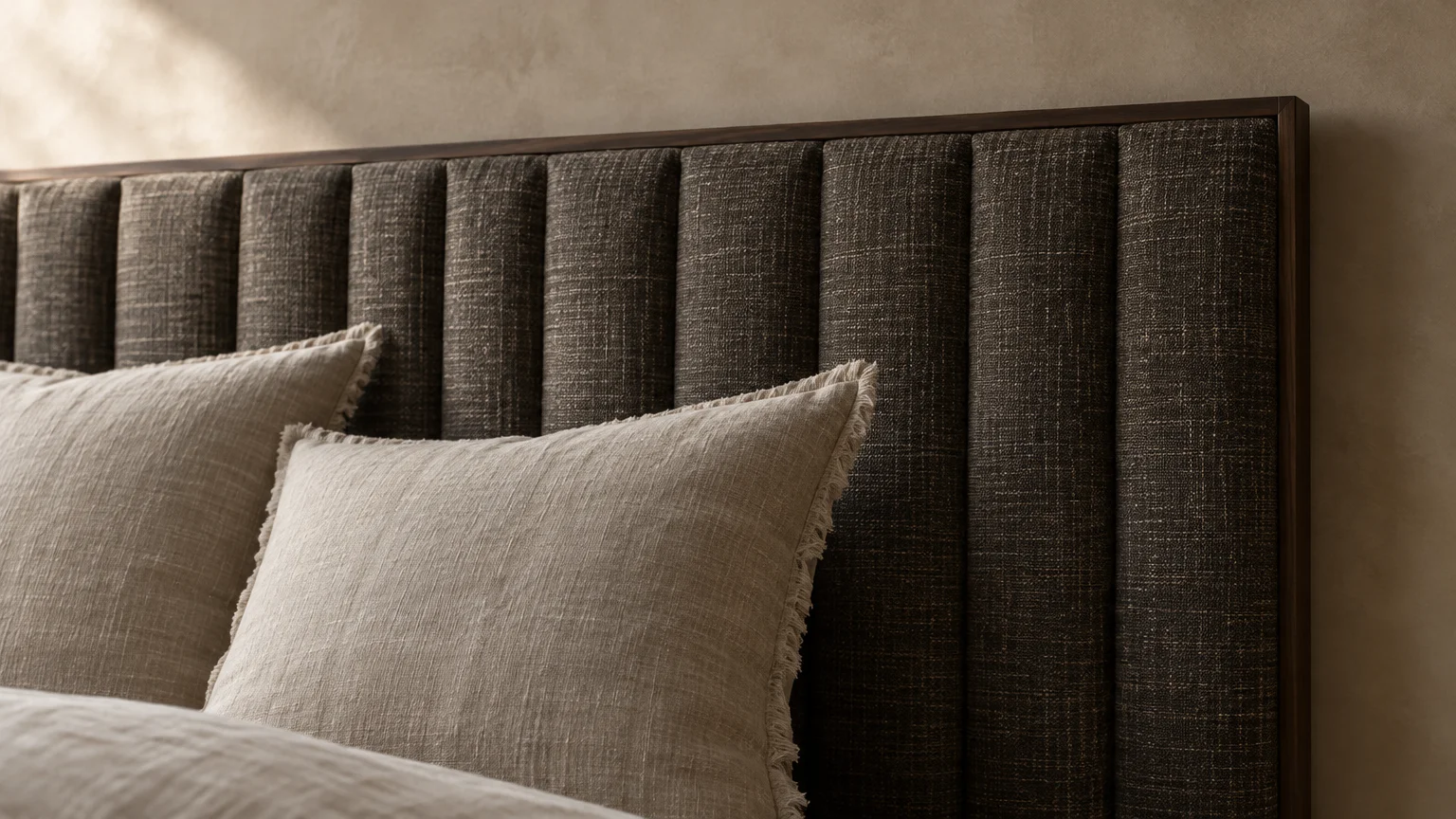
Trend #11: Deteriorating Headboard Finishes and Tactile Quiet Luxury
Peeling faux leather, stained fabric panels, or chipped veneer on your bed frame signal cosmetic and material exhaustion. Worn surfaces instantly degrade the curated elegance of an otherwise immaculate master bedroom design scheme.
Visual decay on your primary furniture piece distracts the eye and diminishes your bedroom’s restful ambiance. When surface materials fray and structural adhesives fail, complete bed frame replacement offers the most elegant remedy.
Current design sensibilities embrace tactile quiet luxury through tailored upholstery and artisan-applied finishes. Sculptural headboards featuring channeled bouclé, rich mohair, or hand-finished wire-brushed oak create unforgettable focal points.
Select sophisticated shades of warm sand, rich olive, or deep espresso to establish understated warmth. These tactile textures create visual harmony with sculptural lounge chairs and hand-knotted wool rugs in adjoining spaces.
Upgrading your headboard restores tactile splendor and establishes your bed as an intentional design centerpiece.
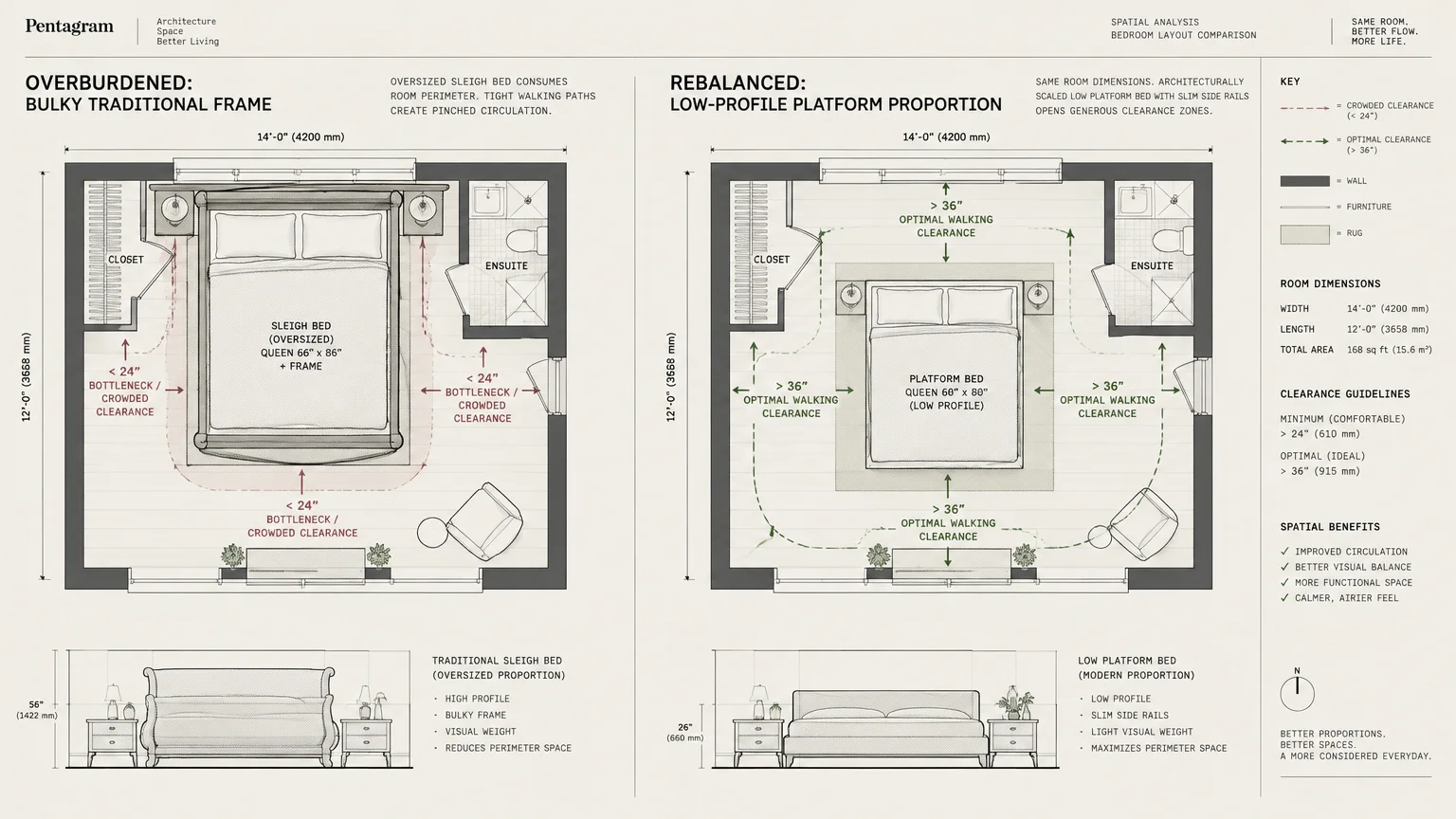
Trend #12: Spatial Scale Mismatch and Proportion Rebalancing
A bed frame that crowds adjacent nightstands or dwarfs your bedroom windows disrupts spatial harmony. Conversely, an undersized mattress in a cavernous master suite creates an awkward, floating appearance that feels incomplete.
Outdated frames with towering footboards obstruct natural sightlines and interrupt traffic flow between the bed and dressing areas. Modern spatial design prioritizes unobstructed sightlines and effortless movement throughout private quarters.
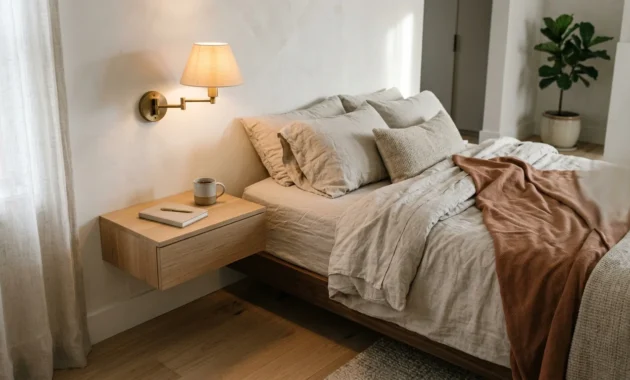
Top interior designers rebalance suite proportions using custom platform dimensions and floating headboard installations. Extended headboards that span behind integrated floating nightstands unify the bedroom wall into an architectural composition.
Balance wide headboards with low-profile platform frames and organic linen drapery in soft neutral tones. This approach mirrors open-concept living arrangements, allowing wide-plank hardwood flooring to flow seamlessly through the space.
Aligning furniture proportions with room scale transforms your bedroom into a balanced, architecturally cohesive retreat.

The Big Picture: Weaving These Trends into Your Home
Replacing your mattress and bed frame offers a rare opportunity to rethink your entire bedroom ecosystem. Rather than treating foundation furniture as purely utilitarian, view it as the anchor of your interior vision.
Unify your newly selected platform frame with surrounding architectural finishes, from wide-plank oak flooring to tailored linen drapery. Select organic wood stains and textured upholstery that echo finishes found in your living and dining areas.
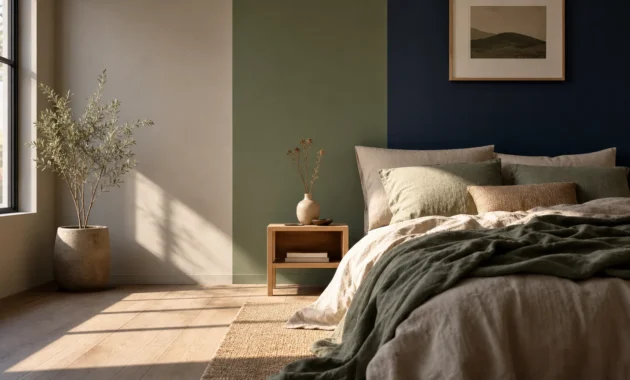
Layer subtle color palettes across your bedding to create sensory warmth without overwhelming your visual senses. Soft neutrals, rich taupes, and muted earth tones establish a tranquil baseline that encourages mental decompression.
For the latest color forecasts, consult industry leaders like Pantone and paint companies like Benjamin Moore. For professional design standards, refer to the American Society of Interior Designers (ASID).
Prioritize authentic craftsmanship and certified non-toxic materials to safeguard your personal health and environmental wellness. When your bed system marries ergonomic support with bespoke beauty, your home achieves true sanctuary status.
Frequently Asked Questions
How often should you replace a mattress to maintain optimal support?
Most high-quality mattresses maintain optimal structural support for seven to ten years of regular use. After this threshold, core foams lose resilience and internal spring systems surrender their original tensioning capabilities.
If you experience morning discomfort or notice visible sagging before ten years, replace the mattress sooner. Your physical comfort and spinal health should always determine the replacement timeline.
Can you place a new mattress on an old bed frame?
You should inspect your existing bed frame thoroughly before setting a new mattress upon it. Warped slats, loose joints, or missing center supports will ruin a new mattress and void its warranty.
Pairing a premium mattress with an architecturally sound platform frame ensures balanced weight distribution and longevity. A cohesive set also elevates the visual sophistication of your bedroom suite.
What are the clearest signs that a bed frame needs replacement?
Persistent creaking, bowed slats, wobbly joinery, and visible aesthetic damage indicate that your frame has failed. If tightening screws fails to stop lateral movement, the internal hardware has stripped permanently.
A compromised frame provides uneven support, which quickly destroys your mattress and disrupts your rest. Investing in a solid timber or reinforced metal frame restores quiet stability to your room.
How do modern low-profile platform beds affect bedroom aesthetics?
Low-profile platform frames lower the visual center of gravity, creating an airy and expansive atmosphere. This design choice makes ceilings appear higher and allows natural light to circulate freely across the room.
Their clean, minimalist lines harmonize beautifully with contemporary flooring materials and minimalist bedside lighting. This restrained aesthetic creates a serene backdrop that highlights luxurious bedding textiles.
Disclaimer: This article reflects design trend analysis and predictions. Personal taste and timeless design principles should always guide your decorating choices.