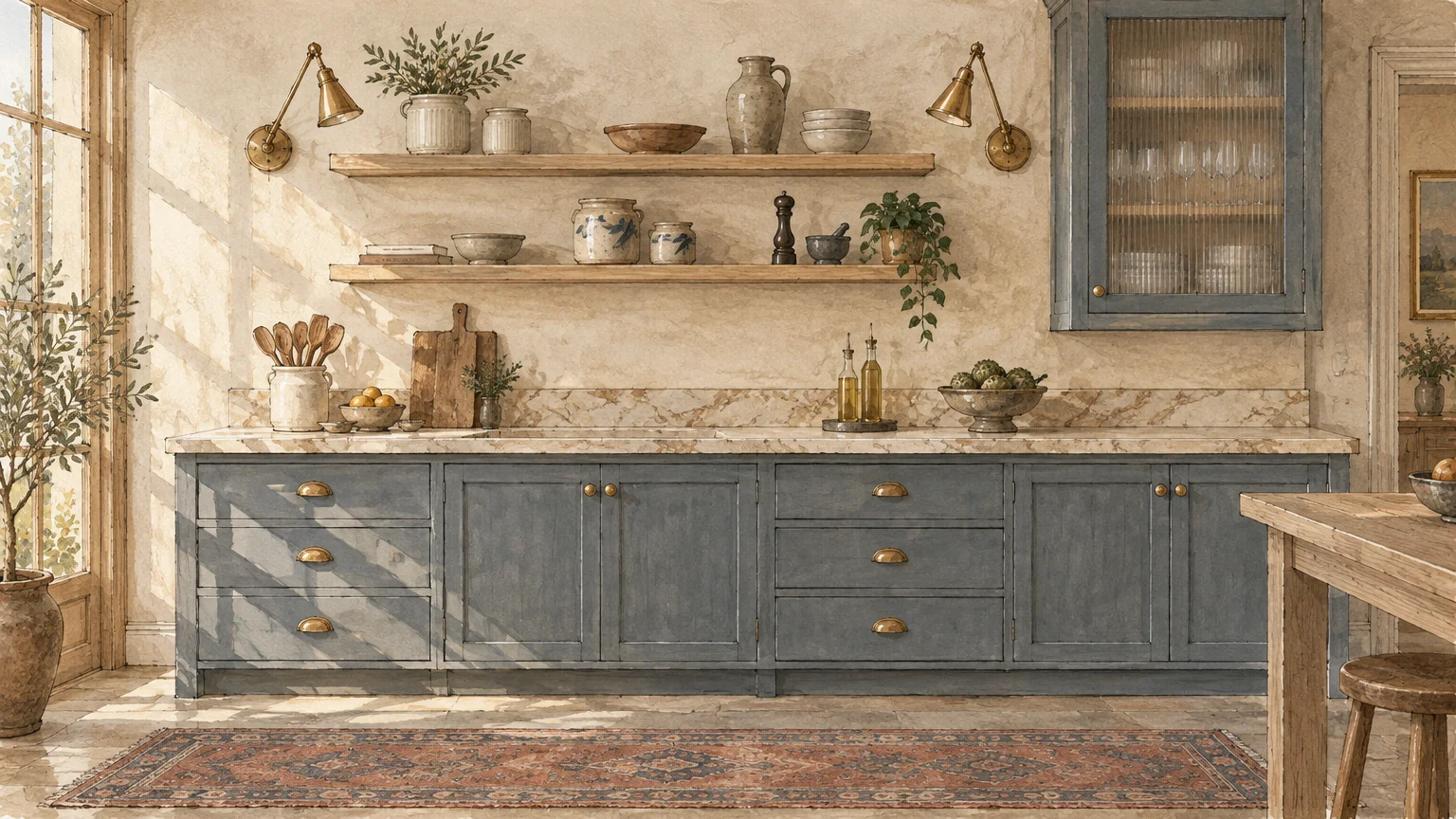
You can transform your culinary space into a bespoke design showcase without enduring months of demolition and dust. Strategic design interventions elevate your daily environment while preserving the architectural integrity of your existing floor plan.
By focusing on high-impact tactile surfaces, refined hardware, and layered lighting, you create an intentional aesthetic that mirrors quiet luxury. These kitchen refresh ideas establish high visual value quickly and cleanly.
Executing targeted kitchen updates without remodel chaos allows you to invest selectively in heirloom finishes. This curated approach delivers elevated living with minimal domestic disruption.
Trend #1: Curated Architectural Hardware
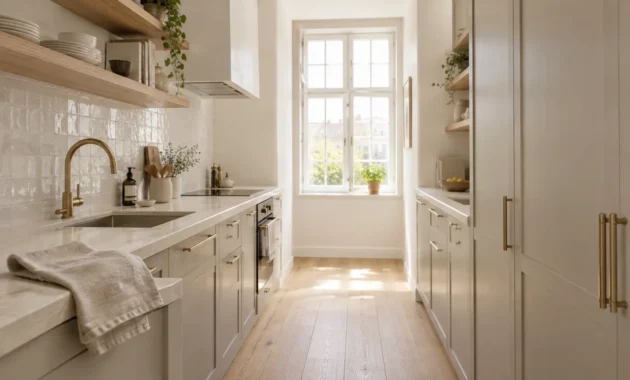
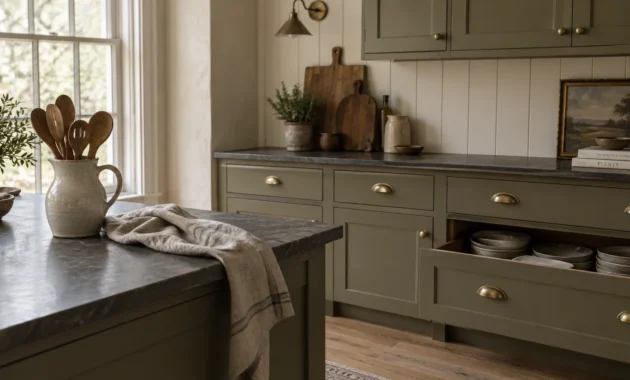
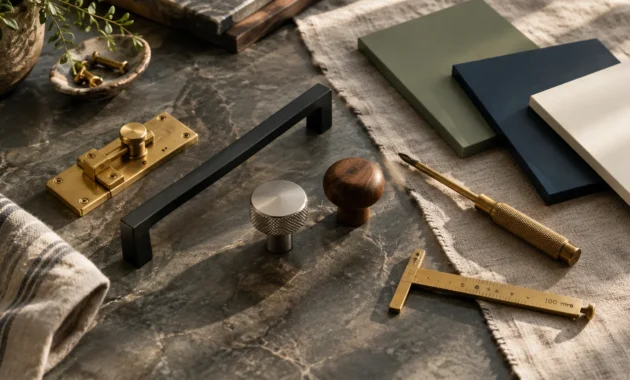
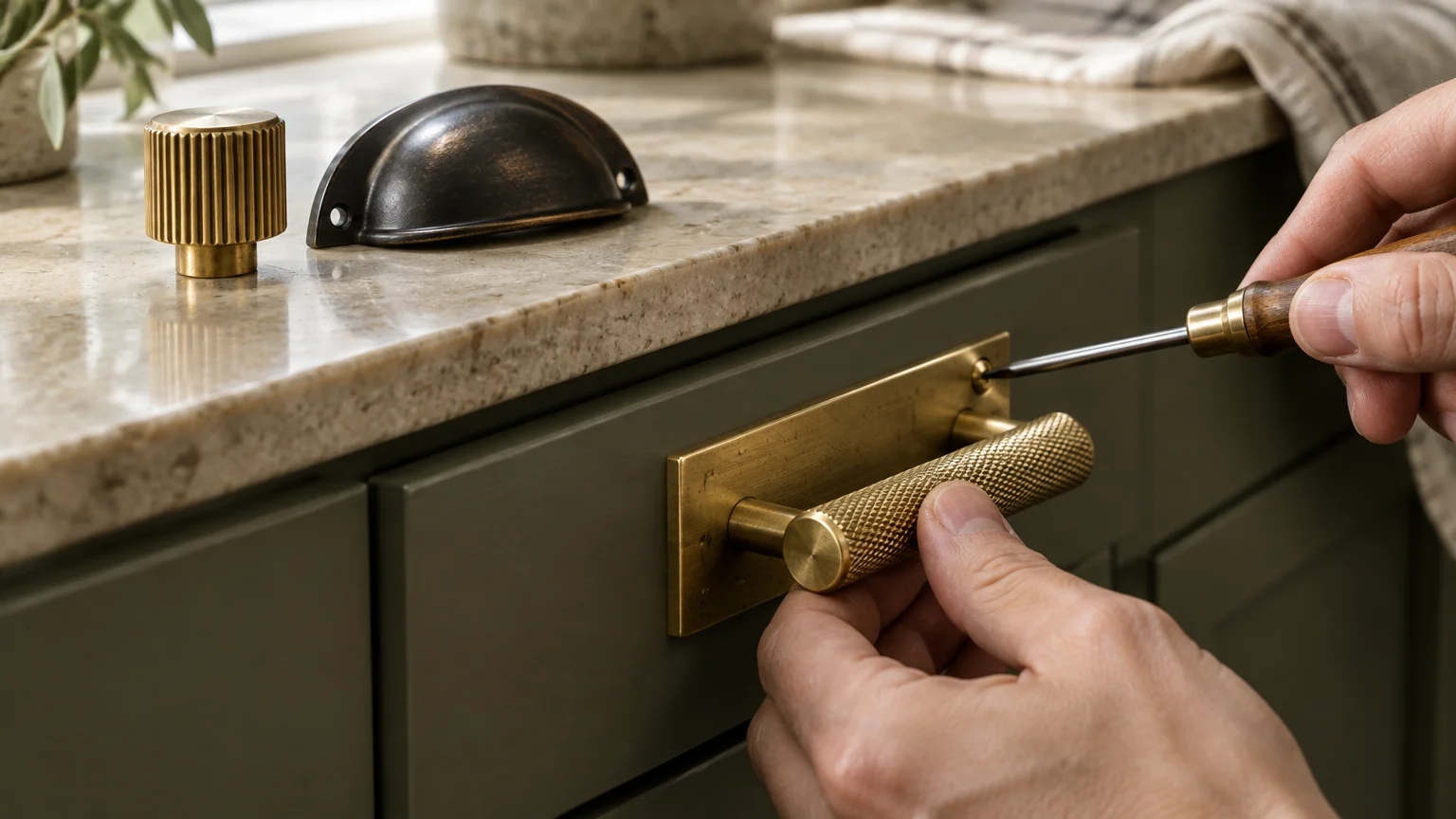
Cabinet hardware serves as the functional jewelry of your kitchen; replacing standard pulls delivers an immediate visual elevation. Swap dated brushed nickel handles for unlacquered brass, oil-rubbed bronze, or knurled blackened steel.
Unlacquered brass introduces a living finish that patinates organically over time, bringing historic provenance into modern homes. Look for solid-cast backplates and knurled latches that offer substantial, weighted resistance every time you open a drawer.
To master this look, mix your profiles thoughtfully across cabinet runs rather than repeating identical hardware everywhere. Pair sleek cylindrical knobs on upper cupboards with elongated reeded pulls on lower drawers for textural nuance.
Measure your existing hole center-to-center distances carefully before ordering replacements to avoid unnecessary drilling or wood filling. When existing holes do not match your dream pulls, select backplate-mounted hardware to conceal old drill marks seamlessly.
These easy kitchen updates require only a screwdriver, yet they completely reset the perceived quality of standard cabinetry. Prioritize timeless silhouettes that balance ergonomic comfort with refined, artisanal design.
Trend #2: Saturated Mineral Cabinet Pigments
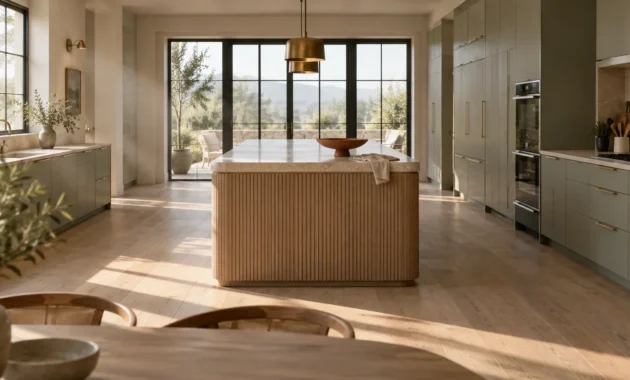
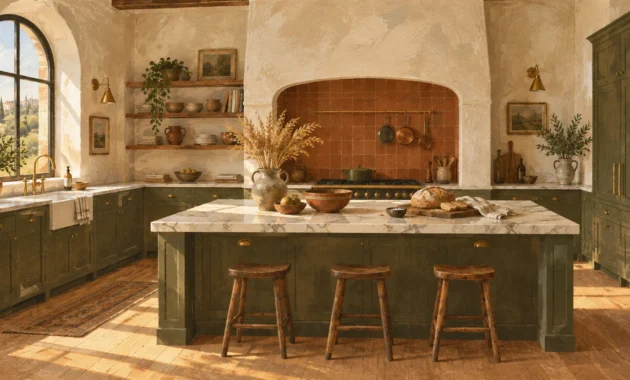
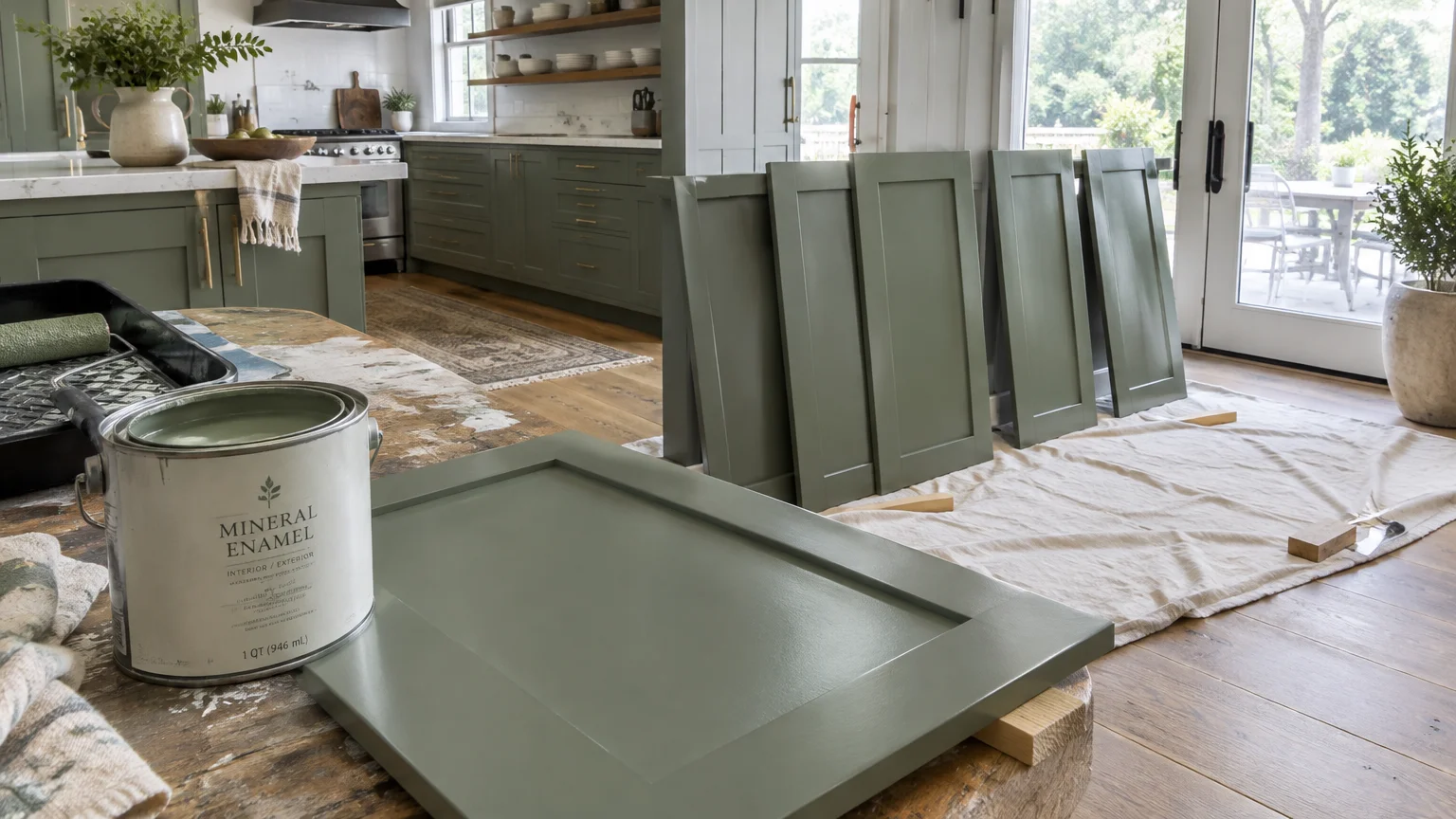
A professional paint application revives dated millwork for a fraction of full replacement costs. Shift away from stark, sterile whites in favor of deeply saturated mineral hues that ground the room.
Earthy sage, muted terracotta, and stormy slate evoke the grounding principles of biophilic design. These complex undertones shift dynamically throughout the day as natural daylight evolves.
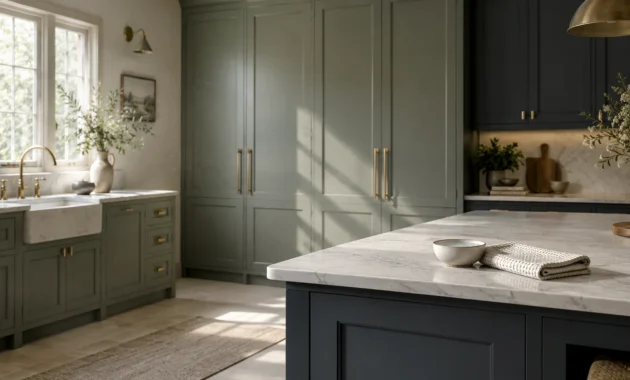
For a balanced composition, apply darker shades to your perimeter base cabinets and island while reserving softer tones for upper panels. This anchoring strategy stabilizes your visual horizon and creates an expansive, airy vertical feeling.
Always select a dedicated cabinet enamel with a satin or velvet sheen to resist daily culinary wear. Thorough degreasing, scuff sanding, and bonding primer ensure your new finish endures for years to come.
Spraying your cabinet doors off-site produces a smooth factory finish that brush painting cannot match. If you paint by hand, apply multiple thin coats with high-density foam rollers to eliminate unsightly lap marks.
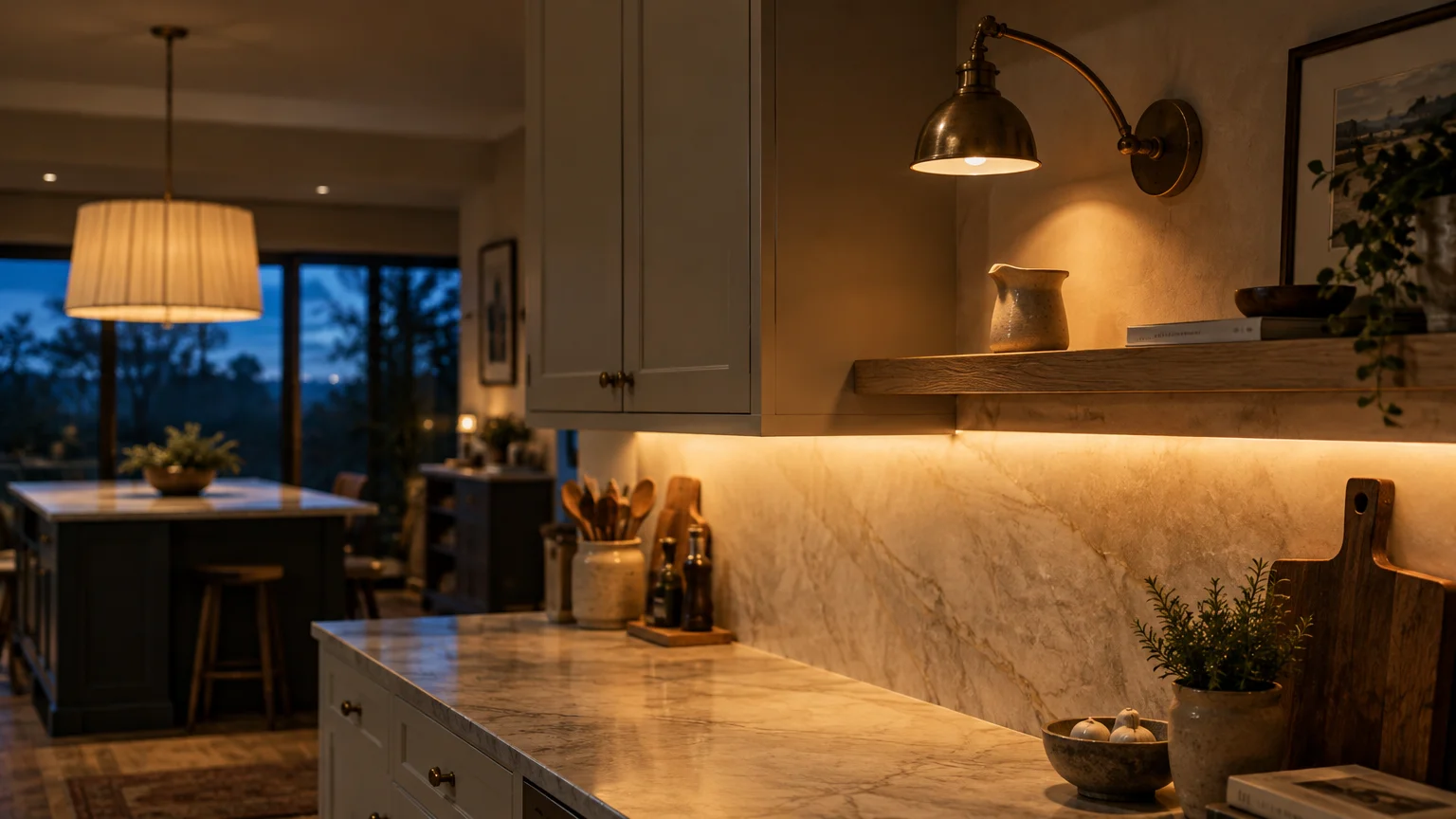
Trend #3: Sculptural Layered Illumination
Most kitchens suffer from flat, clinical illumination caused by grids of recessed ceiling fixtures. You can instantly infuse warmth and atmosphere by establishing multiple vertical layers of ambient and task lighting.
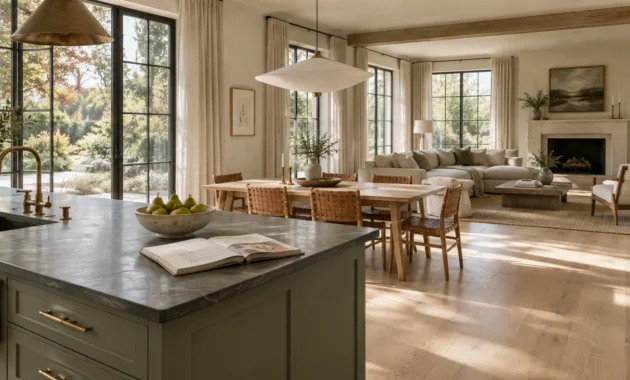
Replace generic island pendants with sculptural ceramics, pleated linen drums, or alabaster discs that double as suspended art. These natural materials soften the hard stone and metallic surfaces below.
Mount plug-in or hardwired articulating brass sconces directly above open shelving or window trim. They wash targeted surfaces in a luminous glow while framing key architectural focal points.
Tuck ultra-slim, warm LED strip channels under your upper cabinets to illuminate prep surfaces evenly without shadows. Diffused channel extrusions hide raw diode spots, producing continuous ribbons of gentle illumination.
Ensure you install dimmers on every circuit and standardize your bulbs to a warm 2700K color temperature. This simple technical calibration turns a functional workspace into an intimate evening retreat.
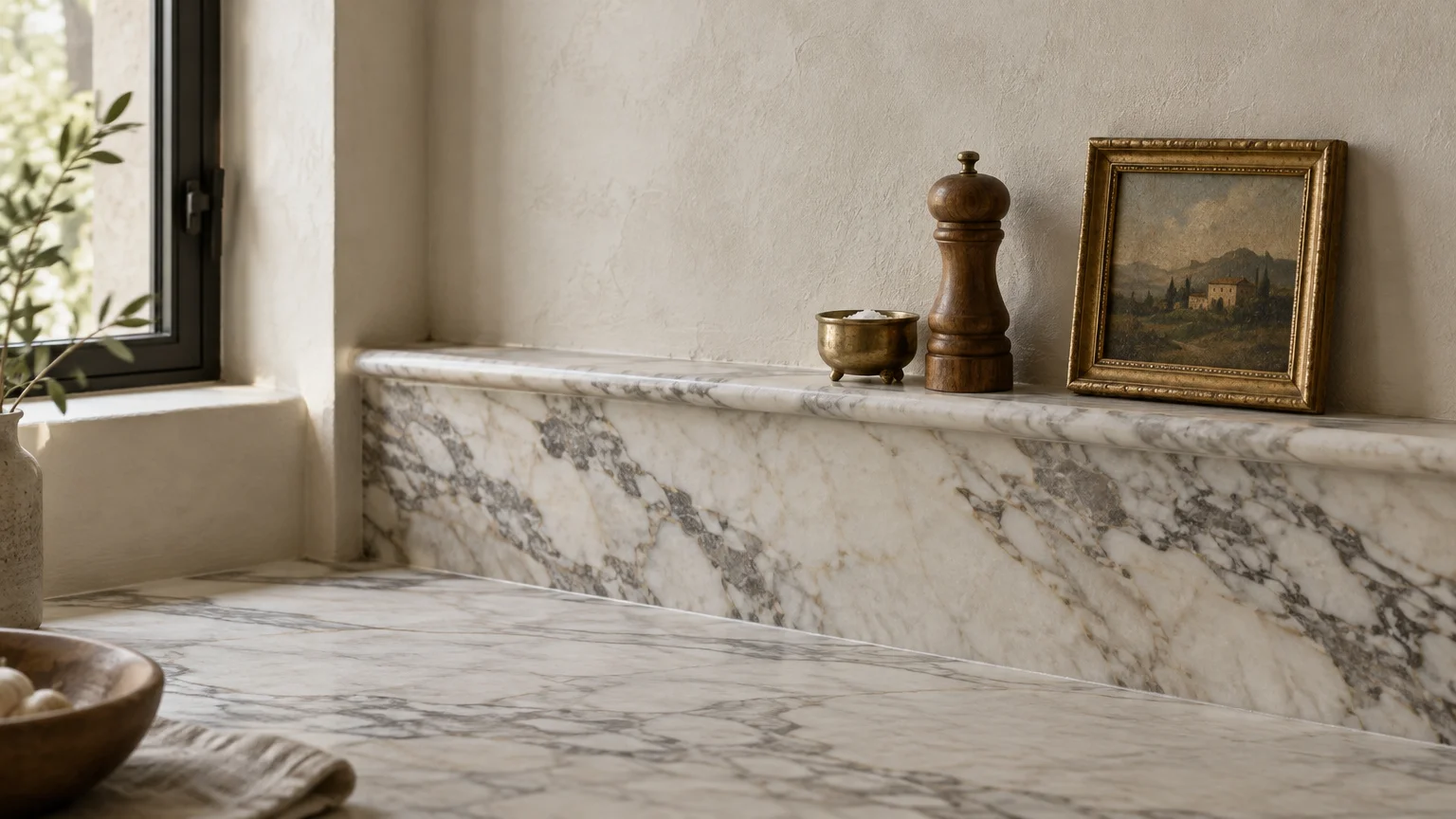
Trend #4: Micro-Slab Marble Splashbacks
You do not need to tear out entire walls to upgrade your backsplash surface. Instead, introduce a low-height stone micro-slab or shelf above your primary countertop to establish an architectural perimeter.
A six-to-eight-inch ledge fabricated from Calacatta Viola, soapstone, or honed Carrara marble delivers immediate drama. It creates a refined perch for decanted oils, artisanal salts, and rotating culinary art.
Alternatively, install hand-molded Moroccan zellige tiles directly over outdated backsplashes. Their undulating surfaces and tonal variations catch light unevenly, injecting raw, artisanal authenticity into otherwise clean-lined interiors.
Running continuous tile to the ceiling behind your range hood magnifies vertical proportions and draws the eye upward. This accent zone acts as a focal tapestry without requiring you to tile the entire kitchen footprint.
Seal natural stone and handcrafted porous clay thoroughly with an impregnating sealer to guard against grease splatters. Routine reapplication keeps your artisanal backsplash pristine without altering its honed, organic sheen.
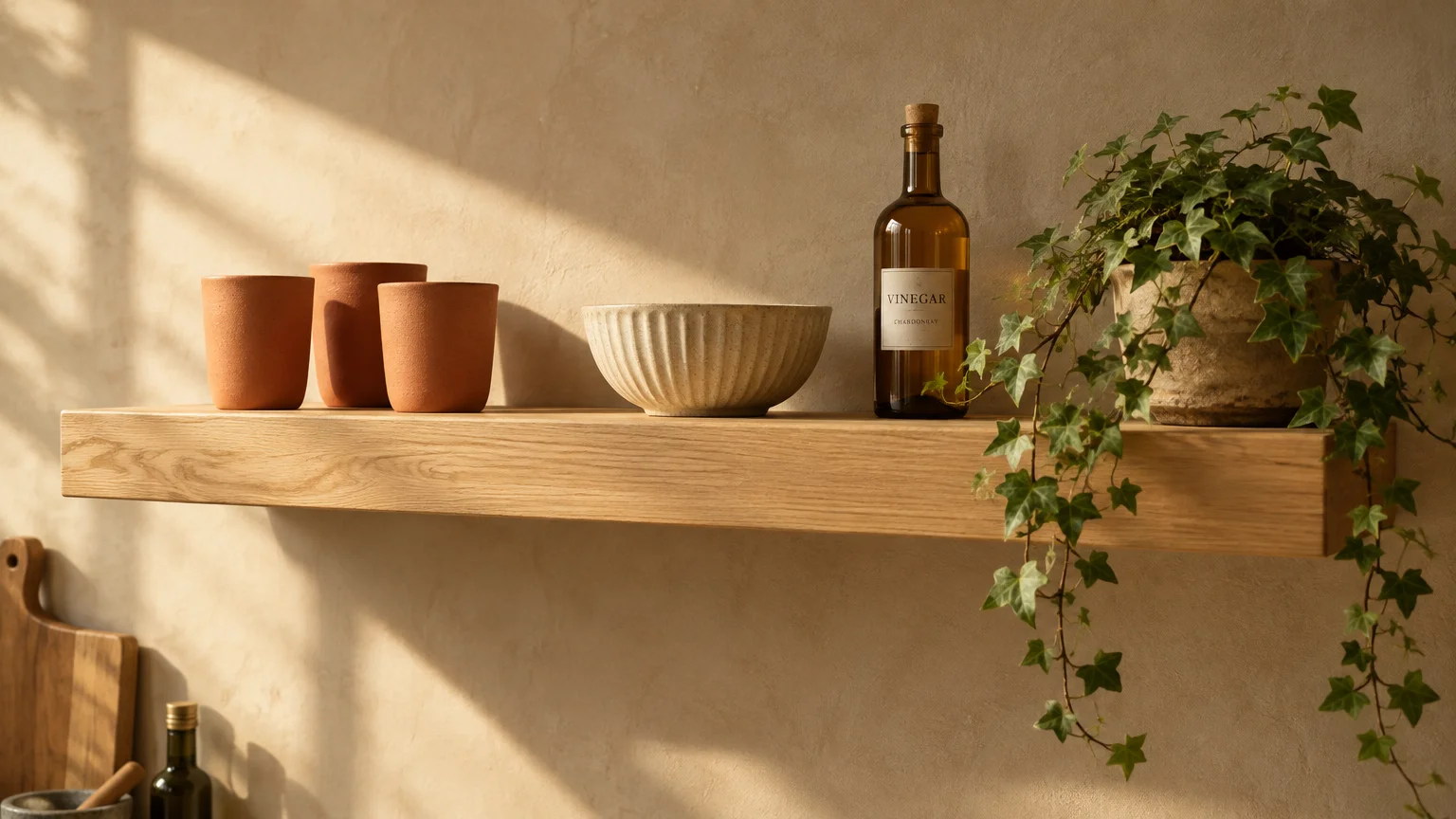
Trend #5: Biophilic White Oak Floating Shelving
Remove one or two bulky upper cabinets to release visual tension along your primary cooking wall. Replacing solid boxes with thick-cut floating shelves introduces breathing room and celebrates modern biophilic openness.
Select quarter-sawn white oak, walnut, or reclaimed elm finished with an ultra-matte, natural sealant. The exposed organic grain brings authentic natural warmth to painted or tiled kitchen environments.
Style these open ledges with functional items you reach for every day, such as stoneware plates, fluted glasses, and sculptural wooden boards. This prevents dust accumulation while displaying curated items that tell your personal story.
Anchor heavy floating brackets directly into structural wall studs to guarantee secure, sag-free load support. Concealed internal steel rods maintain clean horizontal lines while safely holding stacks of heavy heirloom dishware.
Weave trailing pothos or potted culinary herbs between ceramic pieces to purify indoor air and soften angular millwork lines. Living greenery instantly transforms utilitarian storage into a serene, organic vignette.
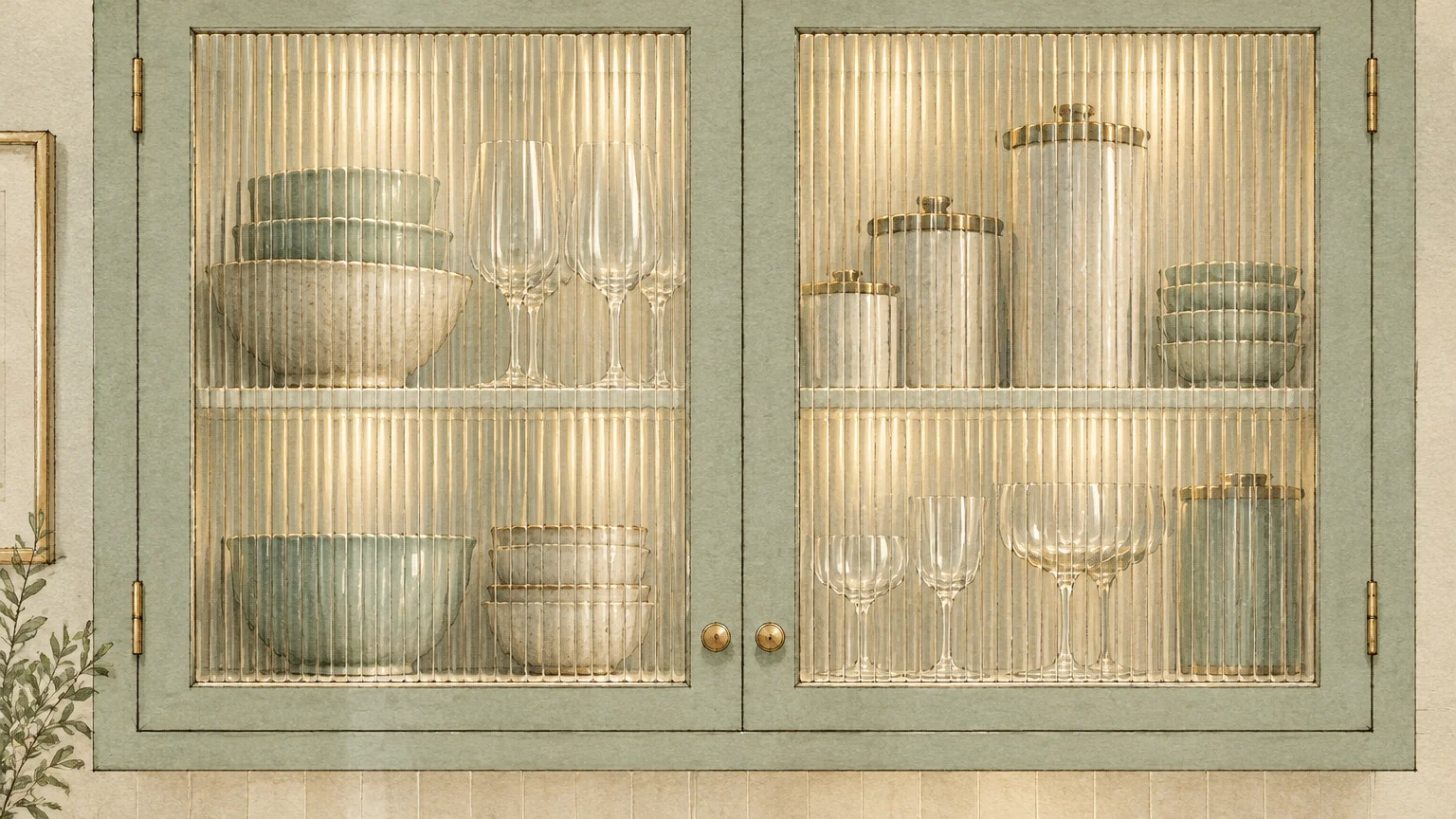
Trend #6: Fluted and Reeded Glass Inserts
Solid cabinetry can sometimes feel heavy and monolithic in compact or galley floor plans. You can break up repetitive casework by converting standard solid door panels into textural reeded or fluted glass inserts.
A skilled local carpenter can route out the inner wood panel of your existing cabinet frame in an afternoon. You then secure custom-cut textured glass panes using simple silicone beading and trim clips.
Reeded glass introduces linear rhythm and delicate Parisian elegance while artfully obscuring mismatched dishware inside. It catches ambient sunlight, scattering luminous reflections across your countertops throughout the morning.
Line the cabinet interiors behind the reeded glass with contrasting wood veneer or soft contrasting paint. This subtle backdrop amplifies the depth of the fluted texture while highlighting silhouettes stored within.
This budget kitchen makeover technique provides the airy transparency of open shelving without exposing your pantry essentials to cooking grease. It strikes a balance between practical everyday storage and high-end design craftsmanship.
Trend #7: Bespoke Island Furniture Styling
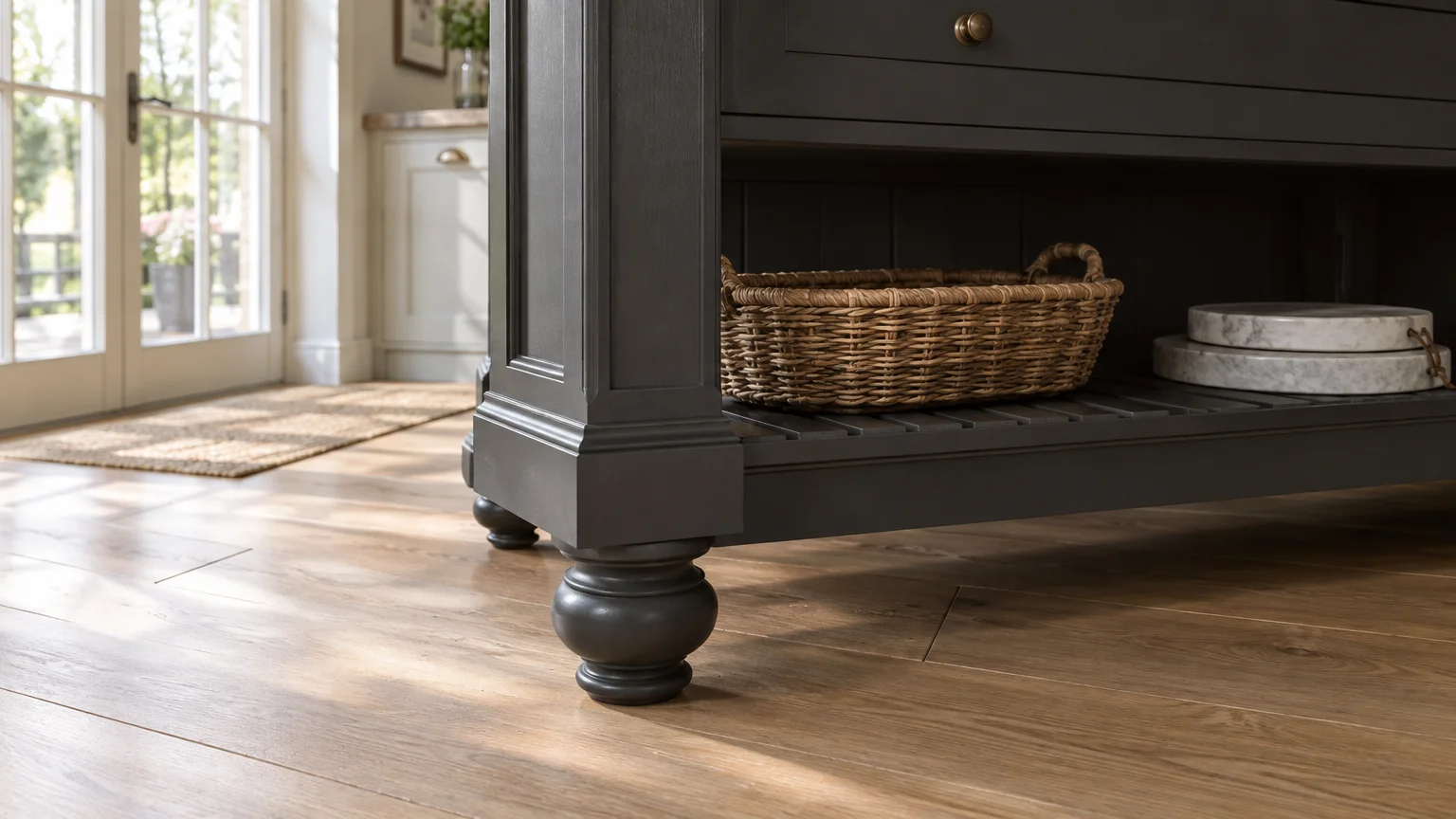
Builder-grade kitchen islands often resemble generic rectangular drywall boxes parked in the middle of the room. You can transform your island into an heirloom focal point by applying decorative architectural cladding to its perimeter.
Install vertical wood tambours, slim white oak battens, or classic tongue-and-groove beadboard along the exterior seating apron. These linear elements inject rich textural relief and protect lower drywall surfaces from scuffs and shoe kicks.
Affix turned wooden furniture feet or sculptural plinths to the base corners to create a freestanding furniture silhouette. This classic millwork technique anchors your island, making it appear custom-crafted rather than mass-produced.
Upgrade the overhang support brackets by replacing utilitarian steel L-brackets with carved wooden corbels or flush steel plates. Clean underside lines elevate the legroom area and establish an upscale, intentional architectural finish.
Finish the transformation by applying a contrasting mineral paint shade that distinguishes the island from surrounding perimeter counters. The island instantly commands the room as an independent centerpiece.
Trend #8: Patinated Bridge Faucets and Sculptural Fixtures
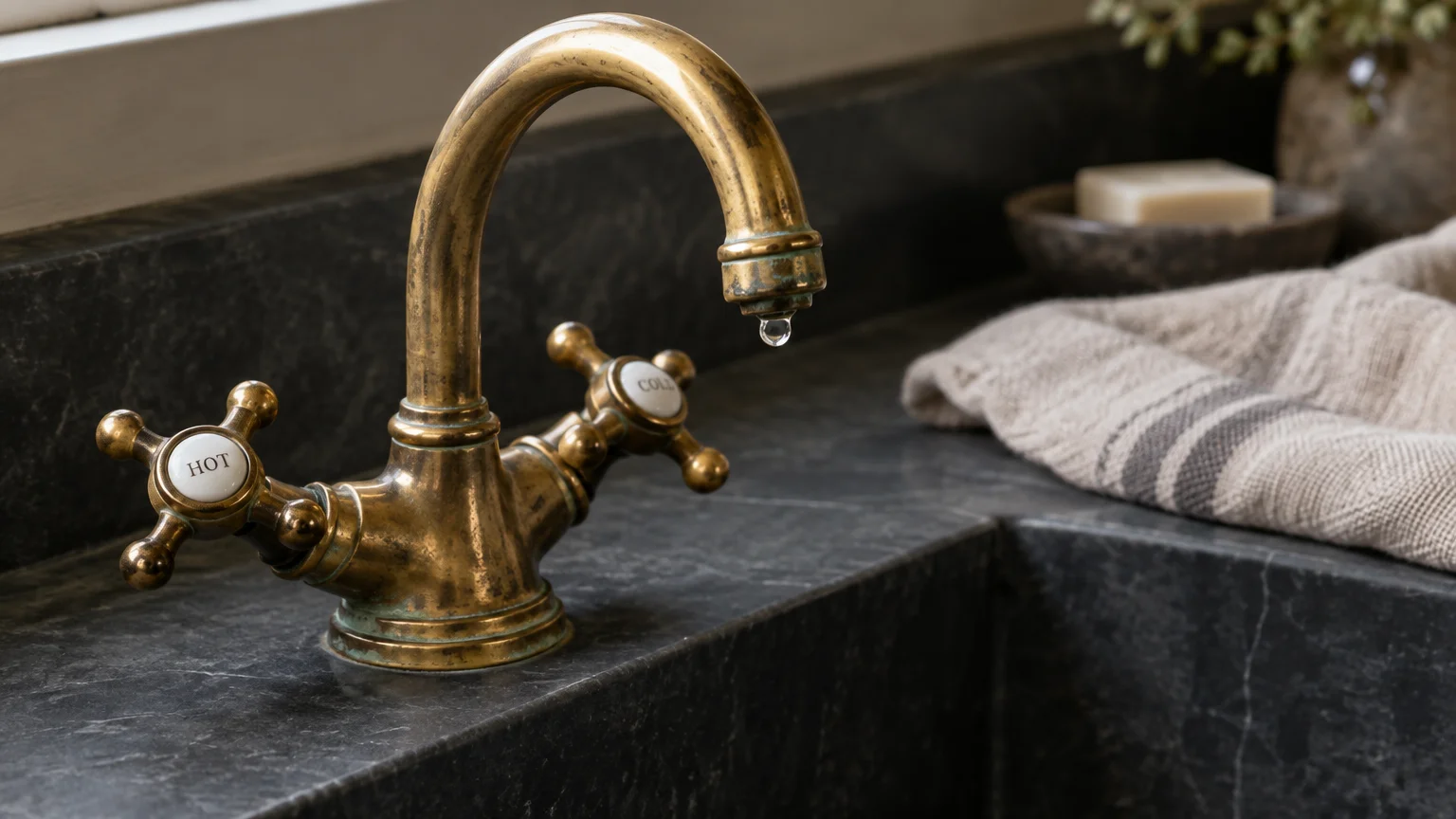
Your kitchen sink area commands heavy daily traffic, making plumbing fixtures prime candidates for impactful kitchen upgrades. Swapping an ordinary pull-out sprayer for an elegant gooseneck bridge mixer instantly redefines the washing zone.
Select hand-finished materials like aged brass, polished unplated nickel, or raw copper that develop rich patinas. These classic metals infuse your kitchen with a sense of historic permanence and quiet luxury.
Pair your sculptural bridge faucet with an integrated, matching side sprayer and an under-counter brass soap dispenser. This intentional hardware grouping eliminates clutter while reinforcing a cohesive, tailored finish along the sink ledge.
If you have an undermount sink, replace a scratched stainless steel basin with a deep, non-porous fireclay apron-front sink. Fireclay withstands heavy cookware impact while providing an artisanal, handcrafted presence at your workstation.
The sculptural silhouette draws the eye, transforming an everyday chore station into an arresting focal point. High-end plumbing fixtures offer exceptional functional reliability while delivering immediate tactile pleasure.
Trend #9: Custom Integrated Appliance Disguises
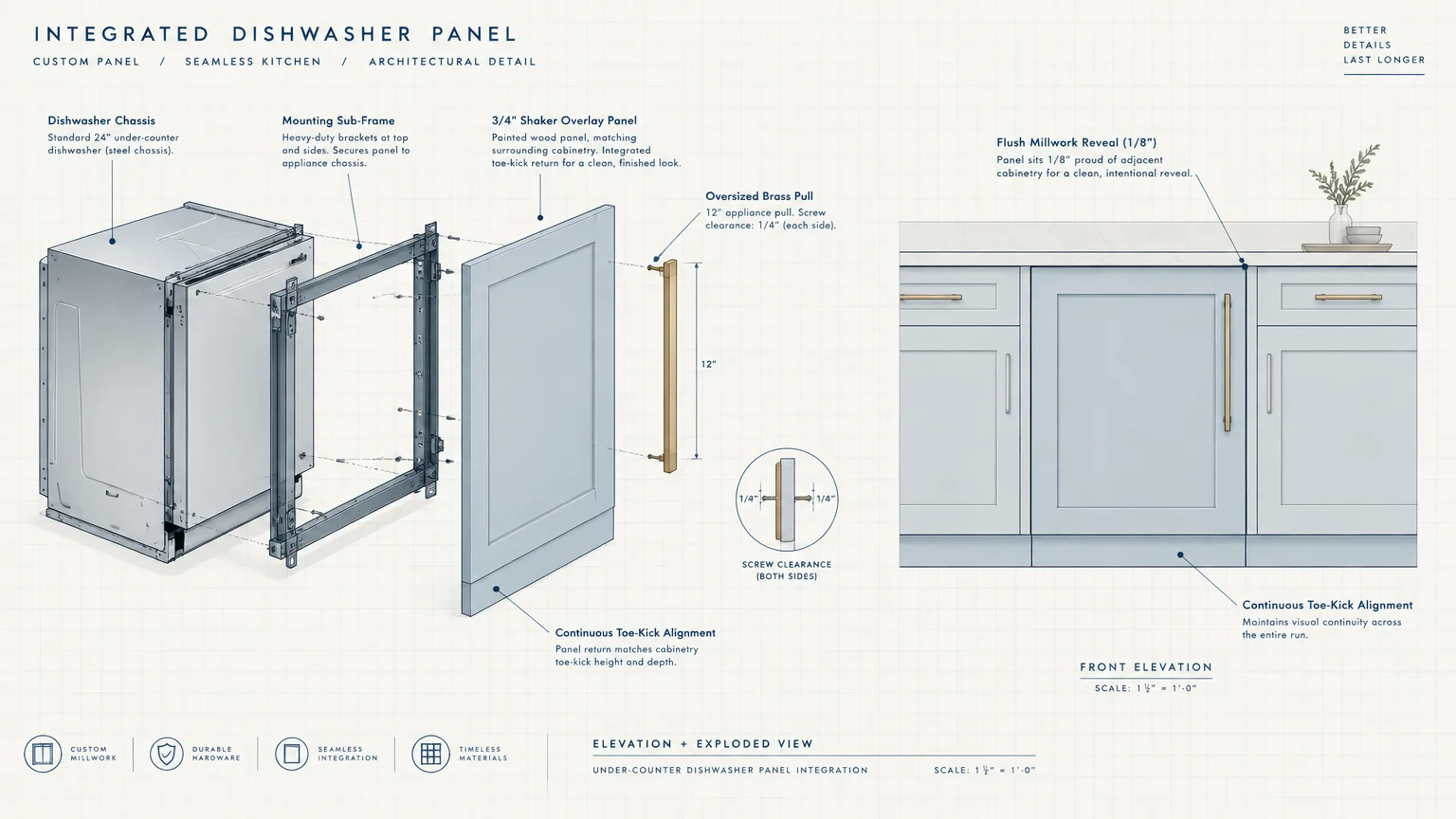
Exposed stainless steel appliances can sever the visual continuity of a thoughtfully curated kitchen perimeter. You can create a streamlined, furniture-like atmosphere by integrating panel-ready retrofits and custom architectural casings.
If you own panel-ready dishwashers or under-counter beverage refrigerators, order custom cabinet fronts that mirror your existing joinery. Blending appliances seamlessly into surrounding casework visually expands the room’s apparent footprint.
For standalone refrigerators, construct a slim perimeter enclosure using matching plywood panels and crown molding. Capping the enclosure with a deep upper cabinet creates a built-in look without structural framing alterations.
Disguise functional countertop appliances behind a dedicated tambour appliance garage or bi-fold pocket doors. Clearing small toasters and blenders off counter surfaces maintains uninterrupted stone spans and visual calm.
You can also replace utilitarian range hood shrouds with custom plaster, fluted timber, or blackened steel covers. This simple exterior wrap turns an industrial appliance into a commanding architectural centerpiece.
Trend #10: Heritage Runners and Layered Flooring Accents
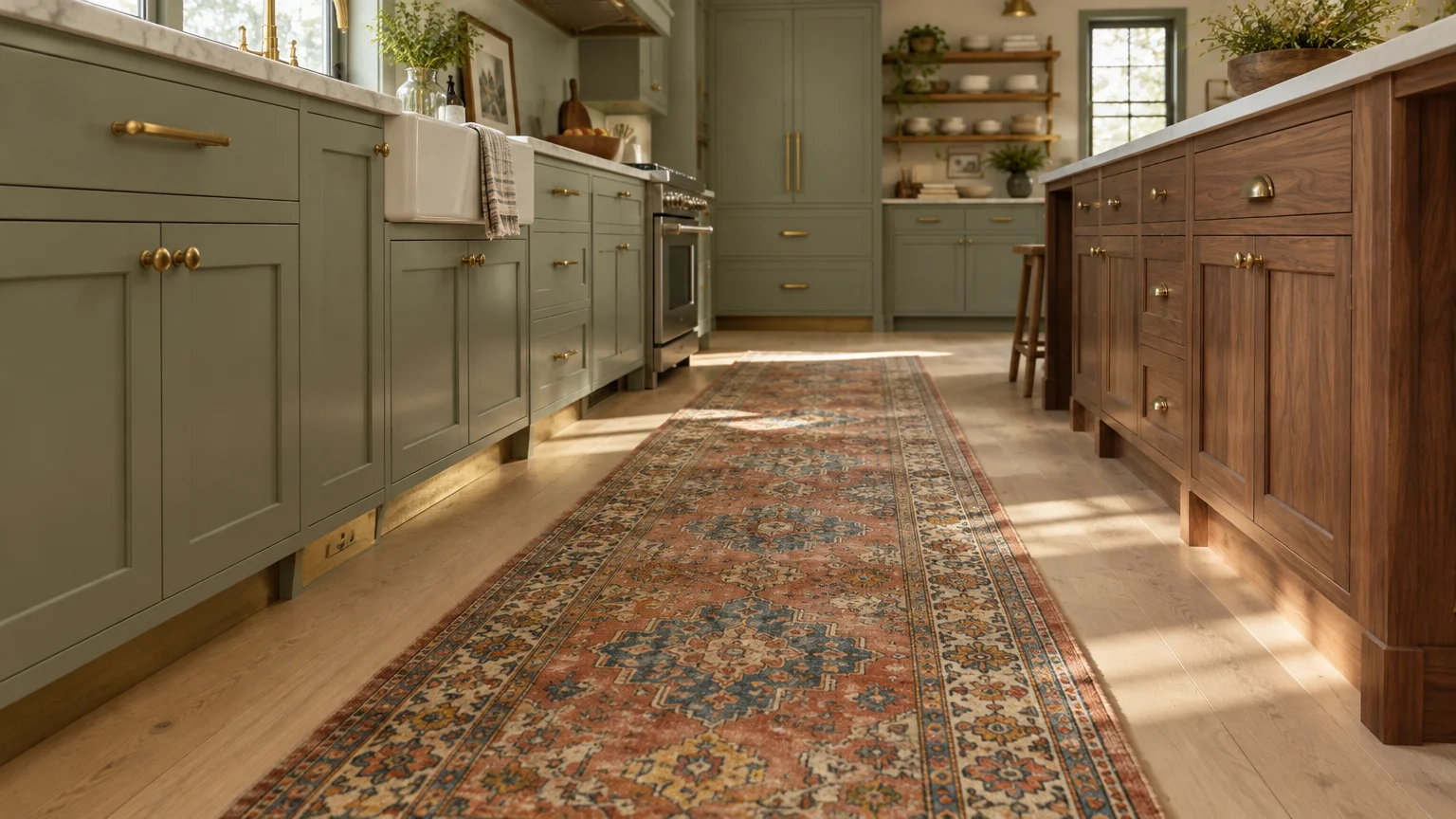
Replacing cold ceramic tiles or tired sheet vinyl requires messy, expensive demolition that disrupts entire households. You can completely alter your kitchen’s color foundation by introducing vintage runners and rich, tactile floor textiles.
Source vintage hand-knotted wool runners, such as Turkish Oushaks or Persian Kazaks, to infuse historical provenance into your kitchen. Wool naturally repels moisture and stains thanks to its innate lanolin content, making it remarkably resilient.
If you prefer low-maintenance alternatives, choose modern flatweave rugs woven from recycled performance fibers that resist food spills. Position an elongated runner along the corridor between your island and perimeter cabinetry to elongate sightlines.
Always place a thick, dual-surface non-slip rug pad beneath runners to prevent slippage on smooth floors. The extra underfoot cushioning dampens sound and reduces back fatigue during long hours of cooking and hosting.
The rich patterns ground your color scheme while providing ergonomic comfort during extended meal preparation. This soft intervention brings warmth, acoustic buffering, and cozy living-room sensibilities directly into functional culinary spaces.
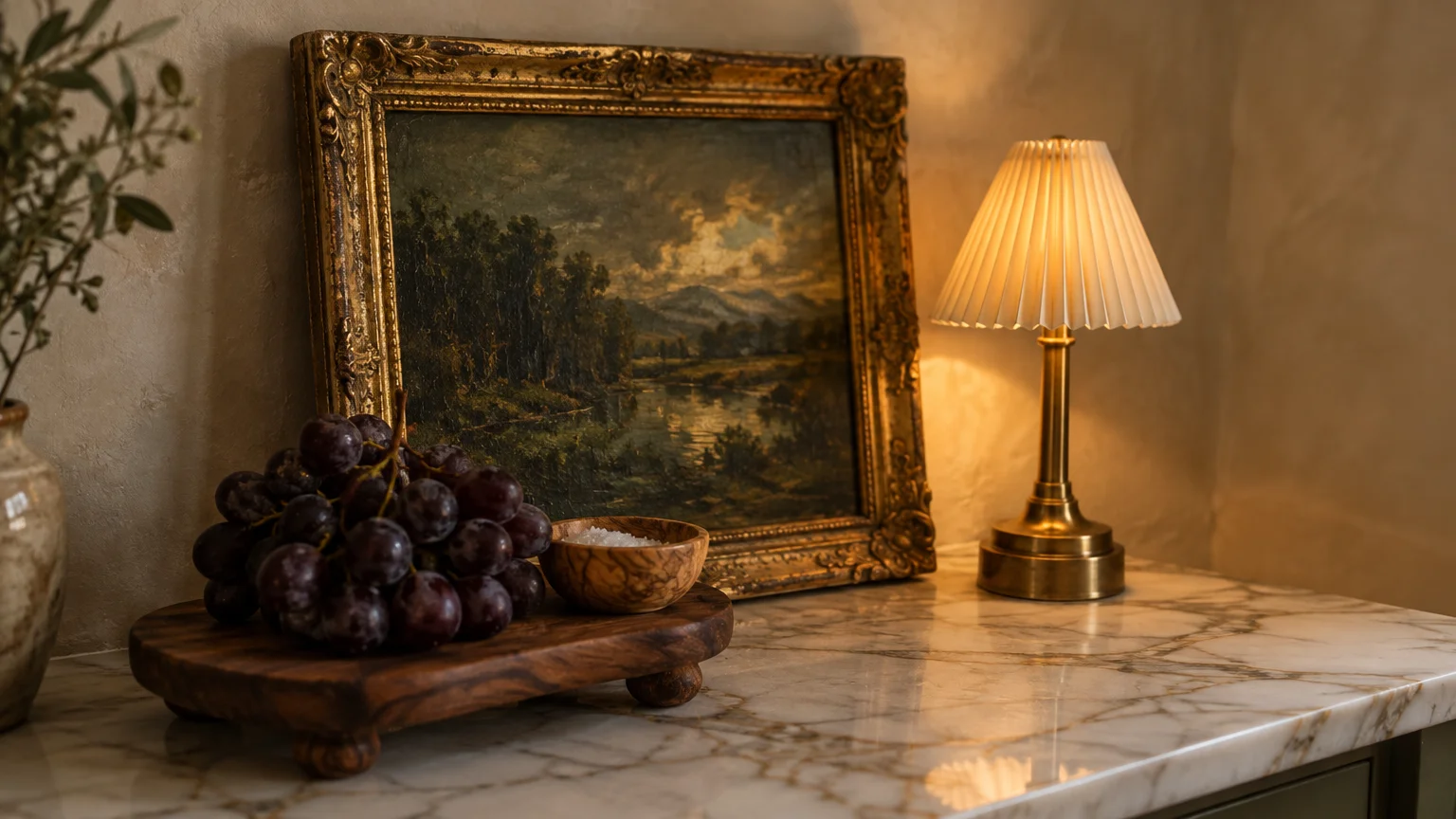
Trend #11: Curated Wall Art and Vignette Styling
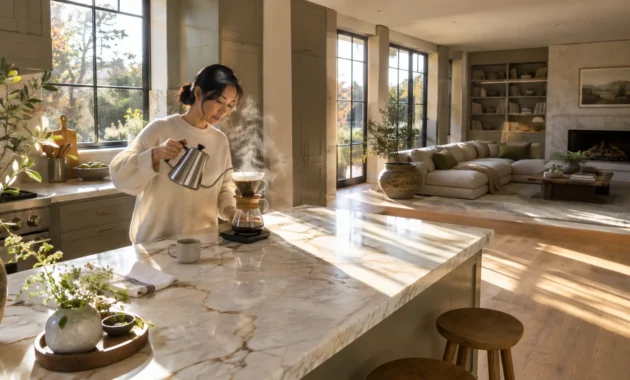
Modern kitchens increasingly function as fluid extensions of our primary living spaces rather than isolated work laboratories. You can soften sterile utility by curating oil paintings, antique prints, and sculptural styling vignettes across empty wall expanses.
Lean a moody framed landscape or vintage still life against your backsplash, positioning it safely away from high-heat burners. The juxtaposition of fine art beside culinary tools introduces surprising domestic warmth and intellectual depth.
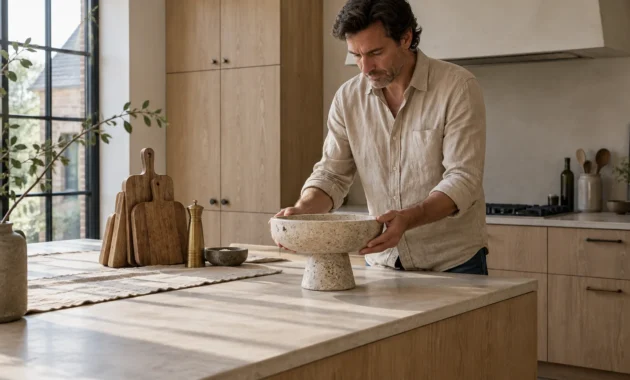
Curate countertop essentials on marble pedestals, footed wooden trivets, and vintage ironstone platters. Grouping everyday items like olive oils, pepper mills, and tasting spoons on designated trays instantly creates intentional order.
Swap utility plastic soap bottles for amber glass vessels or artisanal stoneware dispensers. Small, thoughtful containers elevate mundane daily rituals and keep counter perimeters uncluttered and visually serene.
Incorporate small ceramic table lamps on unused counter corners to cast an ambient, welcoming golden glow after dusk. These thoughtful, curated touches transform a utilitarian cooking zone into a soulful sanctuary.
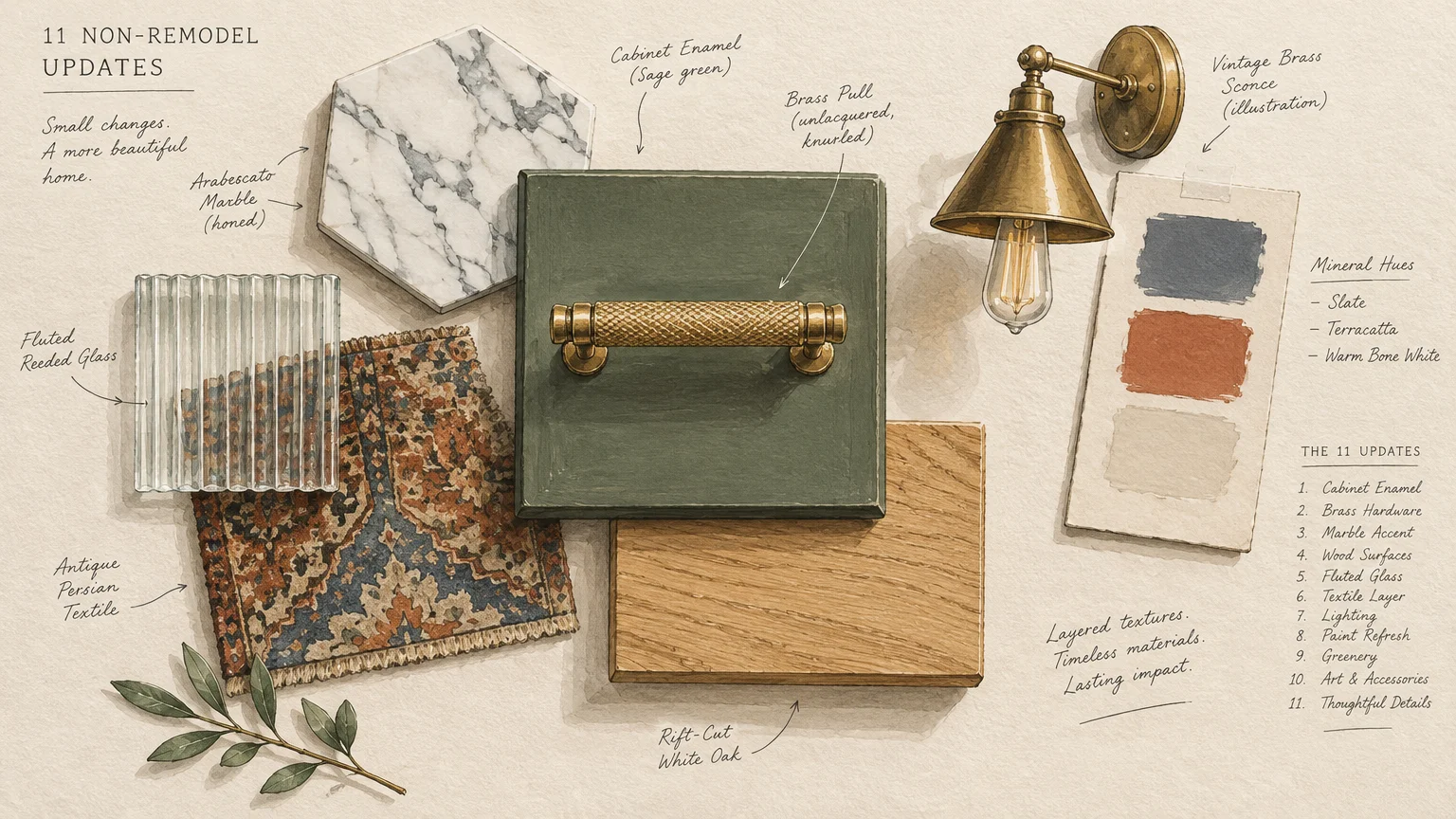
The Big Picture: Weaving These Trends into Your Home
Successful kitchen upgrades rely on restraint rather than applying every emerging aesthetic trend simultaneously. Choose two or three complementary interventions that directly resolve your room’s greatest design weaknesses.
Pair tactical cabinet repainting with updated hardware to establish an immediate, transformative foundation. Once you complete the primary surfaces, layer in ambient sconces, textured rugs, and curated artwork to refine the atmosphere.
Maintain cohesive material dialogue by carrying metallic finishes and timber species across adjoining dining and living zones. This visual continuity harmonizes your open-concept floor plan, making your refresh feel organic and architecturally integral.
Prioritize quality over quantity by investing in genuine, patinating materials like solid brass, natural stone, and solid hardwood. Authentic materials age gracefully, ensuring your space gains character rather than dating quickly.
Focus on ergonomic joy and personal lifestyle requirements throughout your update process. When your culinary space supports your daily routines with beauty and effortless function, you achieve lasting design success.
For the latest color forecasts, consult industry leaders like Pantone and paint companies like Benjamin Moore. For professional design standards, refer to the American Society of Interior Designers (ASID).
Frequently Asked Questions
How do I choose between repainting cabinets and replacing cabinet hardware first?
Address cabinet painting first, as refreshing surface color fundamentally shifts the chromatic undertones of your entire kitchen. Once your new paint cures, you can select hardware finishes that contrast cleanly against the fresh hue.
Choosing hardware after painting also allows you to fill old mounting holes before applying primer and topcoats. This sequencing gives you absolute freedom to choose different handle sizes without worrying about leftover holes.
Can I mix different metal finishes in a kitchen refresh without it looking chaotic?
You can confidently mix metals by adhering to a clear two-finish hierarchy throughout the room. Establish one dominant metal for approximately seventy percent of fixtures, such as unlacquered brass for hardware and sconces.
Introduce a secondary accent metal, like matte black or polished nickel, across your faucet and pendant details. This deliberate contrast creates depth and a curated, collected-over-time aesthetic rather than a rigid showroom appearance.
What is the most durable paint finish for high-traffic kitchen cabinets?
A satin or semi-gloss urethane-modified alkyd enamel delivers the ultimate balance of durability, cleanability, and sophisticated luster. These hybrid formulations dry into an ultra-hard, scratch-resistant shield that repels moisture and cooking oils.
Avoid flat or matte wall paints on cabinetry, as porous sheens absorb grease and scuff under frequent scrubbing. Quality cabinet enamels level out smoothly during application, leaving a washable surface that withstands daily kitchen activity.
How can I make a small kitchen feel larger without removing structural walls?
Maximize vertical sightlines by replacing one bank of heavy upper cabinets with open white oak shelves. Continuing your backsplash tile or paint color up to the ceiling visually stretches the vertical volume.
In addition, introduce reflective textures like reeded glass cabinet doors and layered ambient sconces to disperse shadow pockets. Uniform flooring and cohesive tonal cabinetry expand floor space visually without knocking down a single wall.
Disclaimer: This article reflects design trend analysis and predictions. Personal taste and timeless design principles should always guide your decorating choices.