You can transform your sleeping quarters with custom craftsmanship that rivals luxury showroom centerpieces. Building a tailored frame lets you bypass inflated retail markups while securing pristine architectural proportions.
Mastering a high-end diy platform bed requires understanding structural joinery, proportion, and refined surface finishing. With the right platform bed plans, you can build your own bed that effortlessly commands attention.
Our curated design guide details elevated silhouettes, helping you execute rewarding woodworking projects that redefine your sanctuary with enduring elegance.
Furniture Trend #1: The Japandi Low-Profile Floating Bed
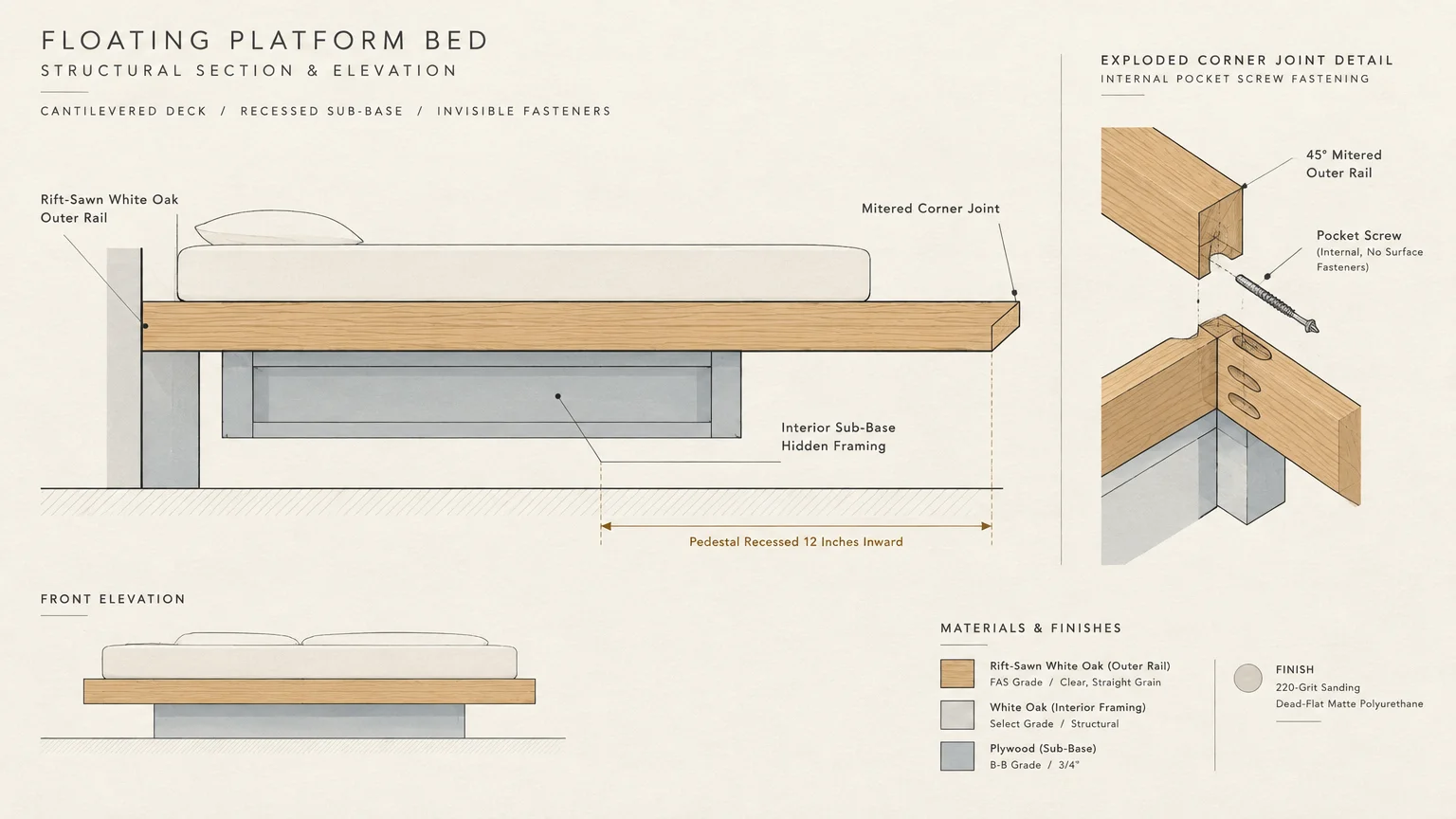
You can bring serene minimalism into your space by building a platform that appears to hover above the floor. This silhouette relies on a deeply recessed interior sub-base hidden well beneath the mattress perimeter.
High-end retailers charge thousands for this illusion, but you can replicate it with standard framing lumber and quality hardwood facing. Build your lower pedestal at least twelve inches inward from the outer rail edge.
Select rift-sawn white oak or Nordic pine for the exterior perimeter to achieve an authentic Scandinavian-meets-Japanese aesthetic. Use mitred corner joints secured with internal pocket screws to preserve clean, unbroken grain lines.
Sand your outer boards up to two hundred and twenty grit before applying a dead-flat matte polyurethane. This transparent finish protects the timber while preserving its organic, tactile grain texture.
Pair this low-slung frame with organic linen bedding and low-profile ceramic table lamps to amplify its grounded, architectural presence. The resulting composition grounds the bedroom in restorative simplicity, offering functional elegance that honors natural wood tones.
Furniture Trend #2: The Tactile Bouclé Upholstered Platform
Upholstered bed frames dominate contemporary showrooms, offering visual softness and rich textural depth. You can create an atelier-grade statement piece by tailoring thick bouclé wool over a sturdy plywood box core.
Construct your outer rails using three-quarter-inch cabinet-grade birch plywood to prevent warping under tension. Coat the structural frame with high-density foam padding, beveling the top edge to create a gentle, inviting radius.
Stretch your heavyweight cream or charcoal bouclé fabric taut over the foam, stapling it cleanly beneath the bottom lip. Pay close attention to corner folds, executing hospital corners for a sharp, tailored appearance.
Add a low, channel-tufted headboard to elevate the design from basic craft to bespoke luxury diy bedroom furniture. Spacer battens cut from pine create crisp, recessed vertical channels that catch room light beautifully.
Complement the dense fabric with brushed brass accents and soft silk-blend drapery to ground your master suite in cozy sophistication. This tactile combination softens hard bedroom surfaces while introducing sculptural, lounge-inspired comfort to your nightly retreat.
Furniture Trend #3: The Architectural Fluted Oak Platform
Fluted timber profiles bring dynamic rhythm and tactile relief to contemporary furniture design. Wrapping a platform frame in solid oak tambour slats delivers an artisanal finish that rivals high-end Italian case goods.
Build the core chassis from standard dimensional lumber, adding curved medium-density fiberboard corner blocks at forty-five-degree angles. These radiused corners allow flexible timber tambour sheeting to wrap smoothly around the entire perimeter.
Fasten the fluted wood wrap using industrial contact adhesive, reinforcing the seams along the base with hidden brad nails. Ensure each vertical reed aligns perfectly perpendicular to your floor to preserve visual harmony.
Seal the raw oak with a tinted hardwax oil to emphasize the vertical fluting without raising the grain. The resulting soft luster catches ambient light, highlighting the rhythmic shadows cast by each wooden ridge.
Style this sculptural frame alongside minimalist smoked-glass sconces to create an intimate, boutique-inspired nighttime atmosphere. The textured perimeter draws the eye downward, making standard ceiling heights feel soaring and expansive.
Furniture Trend #4: The Mid-Century Tapered Leg Platform
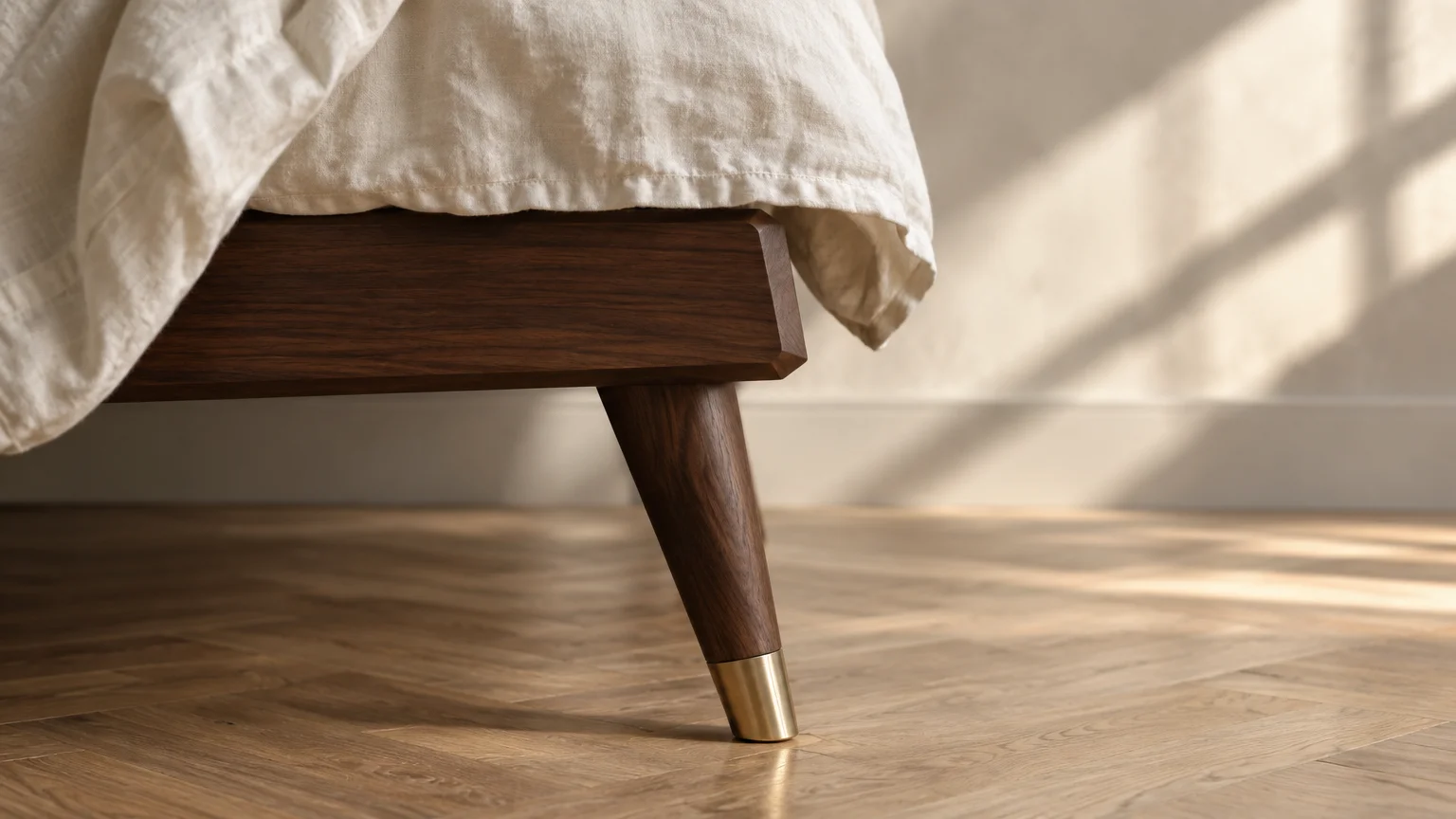
Mid-century modern silhouettes retain timeless appeal thanks to their airy elevations and geometric grace. You can build a sophisticated vintage-inspired frame by pairing rich walnut lumber with angled, turned legs.
Frame your mattress foundation using five-quarter black walnut, chamfering the bottom outer edge at fifteen degrees. This subtle under-bevel lightens the profile visually, mimicking iconic twentieth-century Danish masterworks.
Secure heavy-duty angled mounting plates inside the inner corners to receive eight-inch turned timber legs. Splay the legs outward at a ten-degree angle to provide optimal stability and classic retro poise.
Finish the rich walnut boards with several hand-rubbed coats of Danish oil to draw out the natural auburn highlights. Polish the cured surface with microcrystalline wax for a silky, satin sheen that resists moisture.
Pair this elevated design with woven wool throws and sculptural spun-metal pendant lights for an authentic modernist look. The elevated frame allows light to pass underneath freely, cultivating an expansive sense of open floor space.
Furniture Trend #5: The Monolithic Plywood Box Platform
Plywood has evolved from a utilitarian substrate into a darling of modern architectural furniture design. Premium Baltic birch offers multi-ply voidless edges that look striking when left intentionally exposed and polished.
Cut three-quarter-inch Baltic birch panels into wide horizontal aprons that form an oversized, grounded box foundation. The wide exterior border can double as an expansive platform ledge for resting books or your morning coffee.
Join the intersecting corners with exposed finger joints or precise half-laps to celebrate structural honesty. These exposed mechanical connections telegraph authentic artisan provenance, transforming simple plywood into high-design furniture.
Sand the exposed edge plys meticulously to a glassy four-hundred grit before sealing with a natural water-based polycrylic. The light, untreated tone of Baltic birch pairs naturally with industrial concrete floors or minimalist urban interiors.
Top the extended ledge with hand-thrown ceramic vessels and minimalist brass reading lights to balance the structural geometry. This monolithic silhouette brings deliberate visual weight to your master suite, creating an unapologetic architectural focal point.
Furniture Trend #6: The Modernist Woven Cane Platform
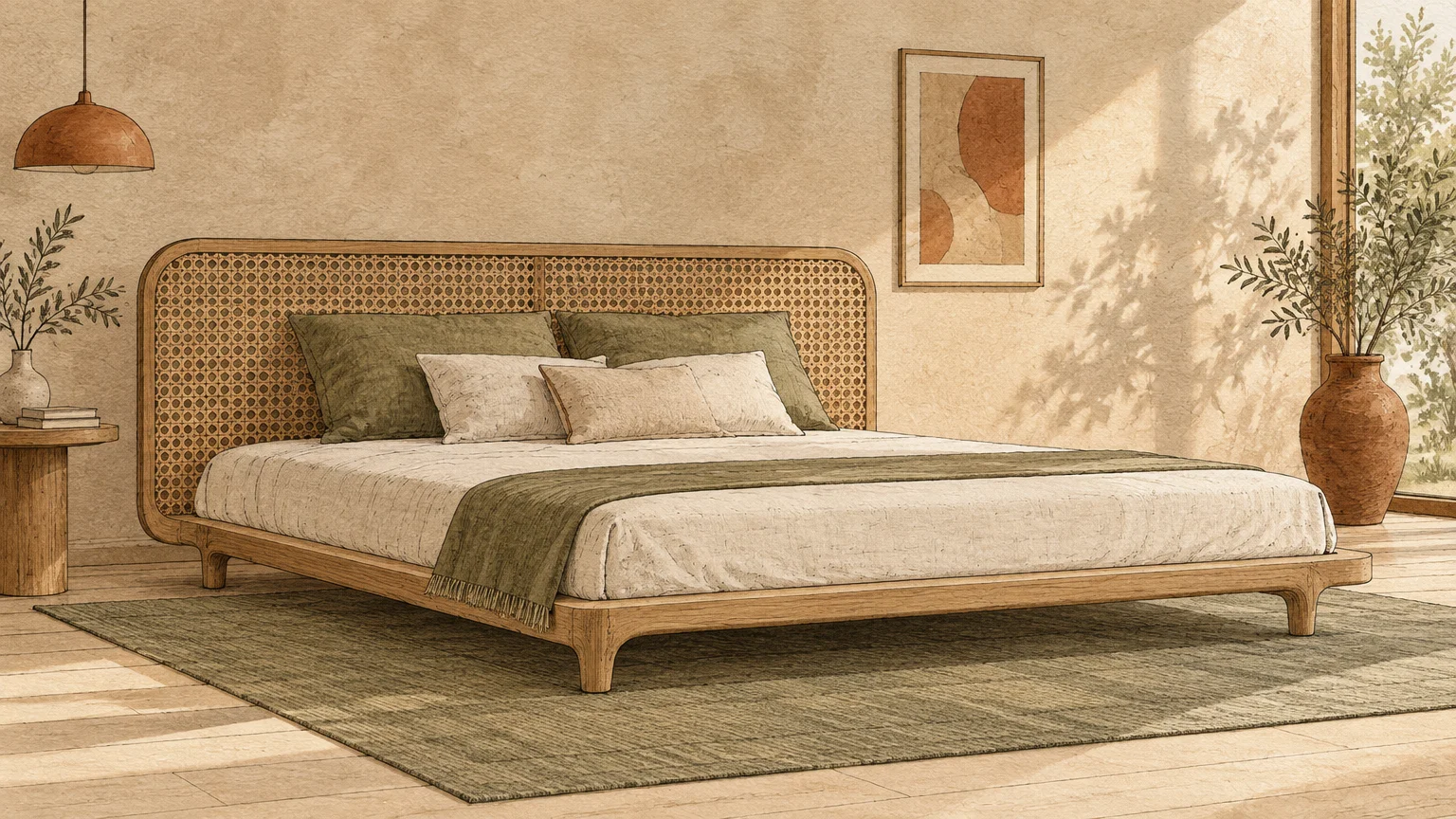
Organic modernism seamlessly integrates natural woven textures with clean architectural woodwork. You can craft a light, airy platform bed by integrating traditional French cane webbing into a solid ash frame.
Construct an open timber rail structure, routing a clean groove along the inner interior borders. Soak pre-woven natural rattan cane sheets in warm water for thirty minutes to make the fibers pliable before installation.
Press the moist cane tightly into the routed grooves, securing it firmly with wooden spline and PVA glue. As the natural rattan dries, it shrinks taut like a drumhead, creating a strong, resilient decorative panel.
Apply a clear, non-yellowing matte lacquer over the pale ash framing to highlight the organic dialogue between wood and fiber. The woven pattern softens ambient bedroom acoustics while bringing an effortless resort sensibility indoors.
Layer crisp percale cotton bedding and terracotta accent ceramics to harmonize with the warm golden tones of the cane. The translucent cane weave filters light softly across the floor, infusing the bedroom with airy, botanical warmth.
Furniture Trend #7: The Recessed Ambient LED Plinth Platform
Modern luxury hotels leverage integrated architectural lighting to produce a soothing, weightless visual illusion. You can recreate this high-end effect at home by routing concealed channels for diffused illumination beneath your bed.
Build a heavy-duty inner frame from pine, elevating it off the floor with a dark, deeply set pedestal box. Paint the pedestal base matte black so that it visually dissolves completely into the ambient bedroom shadows.
Route a half-inch rebate along the underside perimeter of the upper frame to house continuous warm-white LED channel extrusions. Snap frosted silicone diffusers over the diodes to eliminate harsh light hotspots and create a continuous golden glow.
Wire the strip lights into a smart home dimmer switch or install an under-bed motion sensor for nighttime navigation. This subtle architectural wash elevates your diy bedroom furniture into a futuristic sanctuary of calm.
Finish the outer rails in muted charcoal or dark-stained oak to accentuate the radiant halo of ambient perimeter illumination. The diffused uplighting casts soft atmospheric reflections across flooring, generating effortless boutique hotel drama without visual clutter.
Furniture Trend #8: The Brutalist Chunky Timber Platform
Brutalist interior trends celebrate bold geometric weight, raw materiality, and unapologetic physical mass. You can construct a commanding focal point using solid six-by-six cedar or reclaimed Douglas fir structural beams.
Mill your timber beams square, cutting interlocking half-lap joints at every corner with a handsaw and chisel. These beefy overlapping timber joints lock the frame together rigidly without requiring external hardware or brackets.
Torch the raw wood surface lightly with a blowtorch using the traditional Japanese Shou Sugi Ban charring method. Wire-brush the charred surface to reveal deeply textured grain before sealing it with dark penetrating oil.
The resulting blackened timber exudes sculptural presence and organic maturity, reminiscent of gallery-grade art furniture. This hefty construction anchors expansive master bedrooms, bringing an elemental, grounded character to your floor plan.
Soften the frame’s severe geometric weight with plush alpaca blankets and muted travertine side tables. The profound tactile texture of charred grain adds depth, grounding your sanctuary with primal craftsmanship and enduring strength.
Furniture Trend #9: The Integrated Case-Good Storage Platform
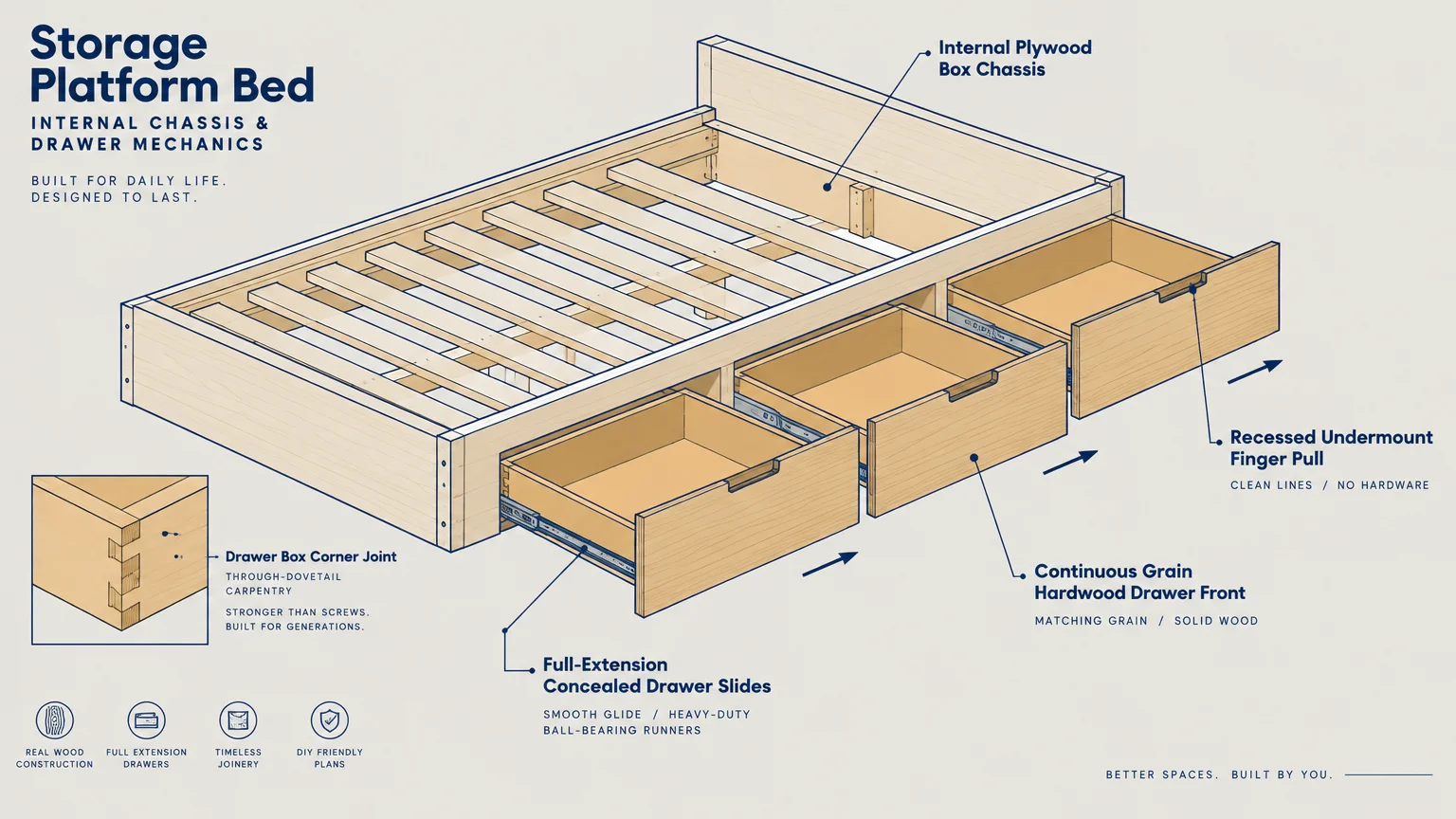
Urban living requires functional utility that never compromises architectural elegance or visual restraint. You can build your own bed with flush-mounted, push-to-open drawers concealed seamlessly within the structural side rails.
Construct an internal structural web using three-quarter-inch cabinet plywood, creating distinct compartments for heavy-duty ball-bearing drawer slides. Face the drawer fronts with continuous-grain hardwood boards cut consecutively from a single wide plank.
Install mechanical touch latches so the drawers spring open with a light press of your foot or knee. Omitting external pulls or hardware keeps the frame perimeter clean, preserving the illusion of a solid solid-wood rail.
Sand and finish the drawer faces in unified tandem with the bed rails to maintain continuous horizontal grain flow. This concealed storage maximizes spatial efficiency in smaller bedrooms while presenting a pristine, custom-built facade.
Balance this multi-functional platform with wall-mounted cantilevered nightstands to keep floor areas clear and visually uncluttered. The hidden storage compartments swallow bulky winter linens effortlessly while preserving immaculate minimalist lines throughout your space.
Furniture Trend #10: The Extended Headboard Ledge Platform
Expansive wall-to-wall headboards are a hallmark of five-star luxury suites, framing the bed as an integrated architectural installation. You can emulate this silhouette by extending your backboard horizontal rails several feet past the mattress.
Fasten solid white oak or walnut shiplap boards horizontally across a concealed French cleat hanging system. Anchor the floating platform frame directly into this timber backplate, unifying your sleeping area and bedside surface zones.
Cantilever matching floating bedside ledges directly from the extended backboard, integrating cord-pass grommets for hidden device charging. This thoughtful detailing eliminates tangled cables, preserving the uncluttered calm of your personal retreat.
Finish the expansive timber wall with an ultra-matte hardwax oil that resists finger marks while enhancing timber figure. The panoramic horizontal orientation visually widens compact rooms, creating a cohesive, professionally designed sleeping suite.
Crown the integrated shelf with framed monochrome art prints and sculptural plaster sconces to establish sophisticated visual symmetry. This sweeping horizontal installation anchors the entire wall, delivering custom millwork sophistication on an accessible maker budget.
Curating Your Space: Choosing Timeless Pieces
When planning woodworking projects for your sanctuary, prioritize structural longevity and authentic tactile materials over passing fads. High-grade hardwoods like walnut, white oak, and maple age gracefully, developing an attractive patina over decades of service.
Avoid composite particleboards that sag over time under standard mattress loads. Solid wood frames anchored by central support beams ensure your platform bed plans yield an heirloom-quality foundation.
Balance clean linear frames with soft textile layering to prevent your bedroom from feeling stark or uninviting. Incorporate washed linen, ribbed velvet, and tactile bouclé to introduce rich dimensional contrast against smooth timber surfaces.
Evaluate the scale and ceiling height of your bedroom carefully before selecting timber apron widths and leg elevations. Low-profile platforms enhance vertical volume in rooms with standard ceilings, while chunkier silhouettes suit cavernous loft spaces.
Track emerging furniture design at global fairs like Salone del Mobile Milano. For design history context, reference collections curated by the Museum of Modern Art (MoMA).
Investing your time into pristine joinery and authentic materials guarantees a bespoke showpiece that elevates your daily living ritual.
Frequently Asked Questions
What is the best lumber for a DIY platform bed?
Hardwoods such as white oak, ash, and black walnut offer superior durability, stability, and stunning grain patterns for exterior rails. For hidden internal supports and slats, kiln-dried construction fir or structural yellow pine provides exceptional load-bearing strength.
How far apart should platform bed slats be spaced?
Space your mattress support slats between two and three inches apart to provide proper airflow and prevent mattress sagging. Gaps wider than three inches void many foam and hybrid mattress warranties by failing to distribute weight evenly.
How can I make my DIY bed look store-bought rather than homemade?
Focus on meticulous surface preparation by sanding thoroughly through sequential grits up to two hundred and twenty. Conceal all fasteners using internal pocket screws or dowels, and finish the wood with professional-grade matte hardwax oils.
Do platform beds require a box spring?
Platform beds do not require a traditional box spring because their rigid slat systems support your mattress directly. Omitting the box spring maintains the sleek, low-slung aesthetic that defines modern architectural bedroom furniture.
How do you prevent a wooden platform bed from squeaking?
Apply adhesive felt tape along the top of all support rails before laying down your slats. Secure internal frame corners with heavy-duty structural corner brackets and lock washers to eliminate movement between timber components.
Disclaimer: This article reflects design trend analysis and predictions. Personal taste and timeless design principles should always guide your decorating choices.