
Curating a refined home should never mean draining your renovation budget on preventable retail markups. Yet countless homeowners and DIY enthusiasts quietly surrender hundreds of dollars at checkout by overlooking store policies and timing rules.
Mastering how big-box pricing, return deadlines, and loyalty perks actually work transforms how you source architectural materials. Spot these eleven common traps before your next project to protect your renovation budget.
Smart home improvement shopping lets you channel more capital toward timeless millwork, custom color, and elevated finishes. Here are the costly habits driving up your receipts right now.
Trend #1: Skipping Free Pro Xtra Rewards on Paint and Finishes
Architectural color sets the mood for quiet luxury, a design ethos built on understated sophistication and rich finishes rather than loud spending. Paying full retail for premium coatings is one of the easiest home depot shopping mistakes to avoid.
Pro customers represent roughly 10% of the retailer’s customer base yet drive approximately 50% of total sales. Because trade buyers dominate revenue, some of the strongest pricing tiers sit inside the free Pro Xtra loyalty program.
You do not need a contractor license or business tax ID to enroll online or at the Pro Desk. Once registered, simply type your phone number at checkout to trigger automatic Pro Xtra Paint Rewards.
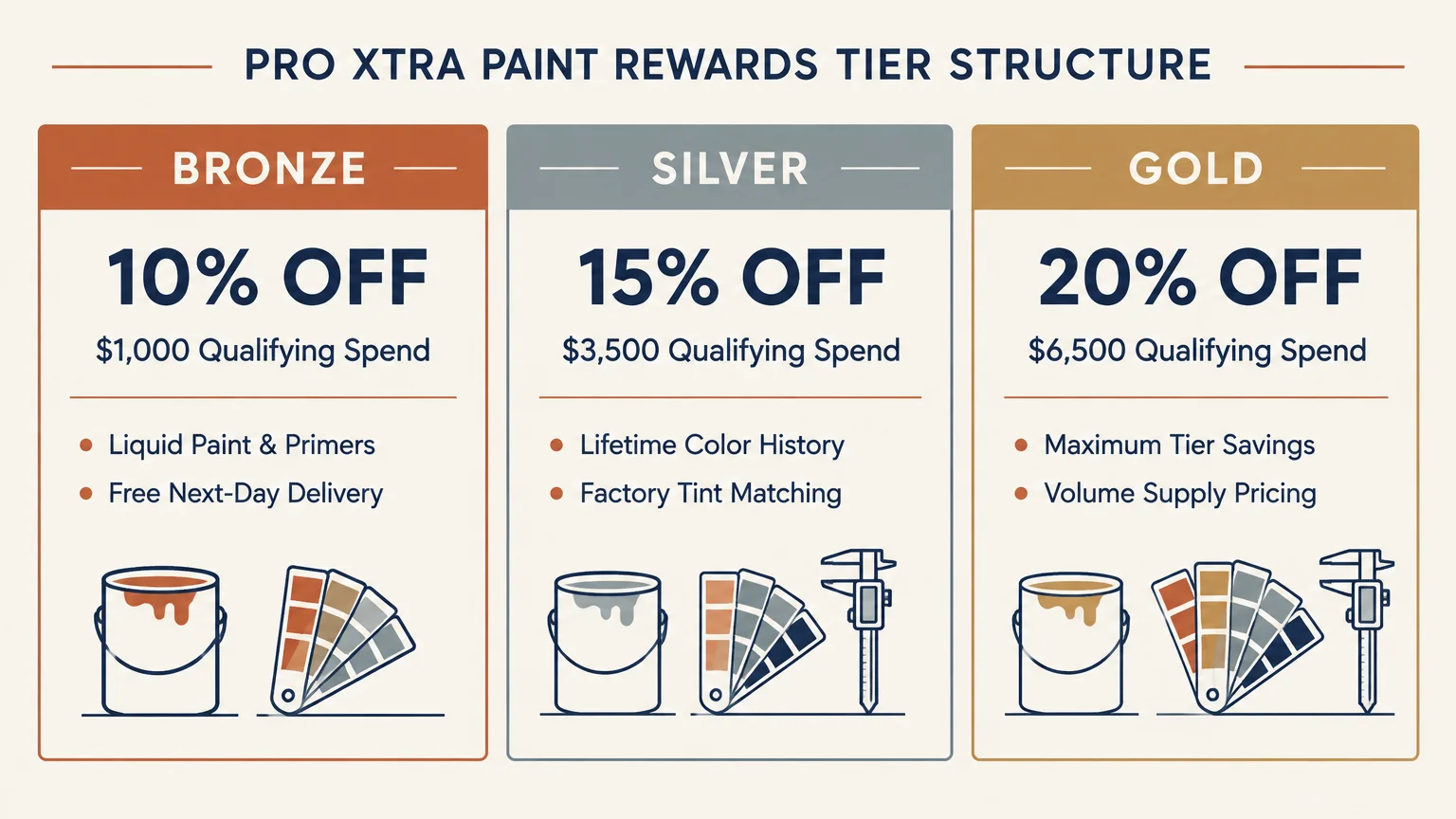
Spending $1,000 or more unlocks Bronze tier savings of 10% off liquid paint, stains, primers in one-gallon containers or larger, and paint supplies. Reaching $3,500 moves you to 15% off at Silver, while $6,500 delivers 20% off at Gold.
Membership also provides free next-day job-site paint delivery and complimentary factory tinting or color matching from a quarter-sized sample. Your account saves your lifetime color history, making future wall touch-ups effortless.
Following these simple home depot tips frees up room in your budget for bespoke accent trims or designer hardware. Never swipe your card at the paint counter without entering that Pro Xtra number first.
Trend #2: Paying Retail Instead of Using the Pro Desk for Large Lists
Designing a cohesive interior often requires substantial material volume, from wide-plank oak flooring to biophilic cedar paneling that connects rooms with nature. Buying those materials piecemeal off the shelf forces you to pay maximum sticker prices.
Many shoppers bypass the Pro Desk entirely because they assume commercial counters only serve full-time builders. In reality, any homeowner organizing a major room overhaul can submit a consolidated materials list there for Volume Pricing.
Qualifying project orders reaching the $2,500 threshold unlock custom bulk quotes well below standard aisle tags. Grouping your drywall, subflooring, trim, and framing lumber into a single transaction turns separate errands into meaningful savings.
Before tapping your card at self-checkout, assemble your entire room specification sheet with exact quantities and SKUs. Present that list to a Pro Desk associate and ask them to run it through the Volume Pricing system.
Even when a remodel spans multiple rooms, staging your core structural purchases together easily clears that $2,500 mark. Smart preparation transforms routine supply runs into strategic procurement.
Planning ahead separates disciplined renovators from stressed weekend browsers committing preventable diy store mistakes. Consolidating your order preserves capital for artisan tilework or sculptural lighting that truly anchors a space.
Trend #3: Falling for the $299 Deferred-Interest Credit Card Trap
Financing an ambitious kitchen refresh on store plastic can quietly sabotage your budget if you misread the fine print. The Home Depot Consumer Credit Card promotes six months of special financing on purchases of $299 or more, stretching up to 24 months during select events.
That promotional offer relies on deferred interest rather than true 0% APR financing. If even a single dollar remains unpaid when the countdown expires, the lender bills all interest from the original purchase date retroactively on your full starting balance.
As of September 2026, that card carries a steep 29.99% standard APR alongside a $2 minimum interest charge. While it has a $0 annual fee, late payments can add up to $40, and returned payments reach up to $41.
Furthermore, the consumer card earns zero ongoing cash back or everyday percentage discounts. By contrast, Lowe’s competing store card gives cardholders 5% off eligible purchases every day.
If you still claim the new-card welcome bonus valid through January 27, 2027, pay the balance off immediately. Opening an account grants $25 off orders from $25 to $299, $50 off $300 to $999, or $100 off $1,000 or more within 30 days.
Note that tax, delivery charges, gift cards, and tool rentals do not count toward that welcome discount. For multi-year renovations, compare the Home Depot Project Loan instead, which covers $50 to $55,000 at 0% to 9.99% APR as of September 2026.
At 9.99% APR over 120 months, borrowing runs $13.21 per month for every $1,000 financed without deferred-interest traps. Business buyers using a Commercial Account Card can also capture a 2% early pay discount by settling invoices online within 20 days.
Trend #4: Missing the 48-Hour Window on Major Appliances
Sleek, panel-ready refrigeration and induction ranges define modern culinary design, yet delivery day carries strict return clocks. One of the costliest home depot shopping mistakes happens when renovators stash boxed appliances in the garage until cabinets arrive.
Major appliances—including refrigerators, washers, dryers, ranges, dishwashers, and over-the-range or built-in microwaves—follow a tight 48-hour deadline. You must report any shipping damage or defects to Customer Solutions at 1-800-455-3869 within 48 hours of delivery, excluding weekends.
Worse still, you must complete any major appliance return within that same 48-hour window, even if the crate stays unopened and factory-sealed. Waiting until your contractor unboxes the unit weeks later voids your standard return safety net.
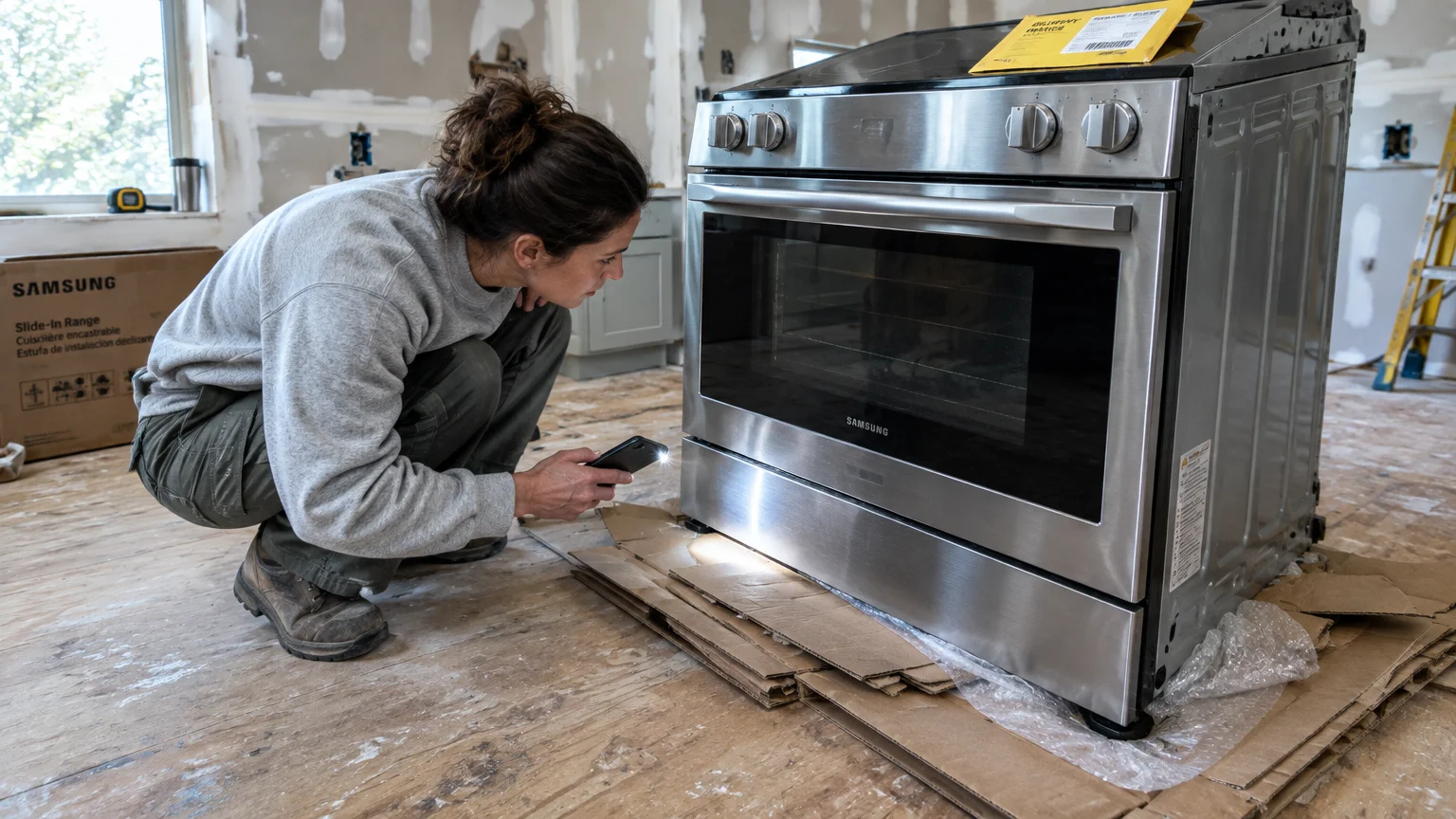
Unpack every appliance immediately upon arrival and inspect stainless panels, glass cooktops, and interior shelving under bright light. Photograph every angle and verify model numbers before your delivery crew pulls out of the driveway.
Double-check doorway clearances and utility rough-ins before finalizing your delivery slot so sizing surprises never collide with that 48-hour cutoff. A five-minute tape-measure check saves thousands in stranded hardware.
Schedule appliance drop-offs only when your space is ready for prompt testing and hookup. Protecting that narrow window prevents you from absorbing replacement costs on dented statement pieces.
Trend #5: Assuming Every Return Gets a Full 90 Days
Most homeowners assume a paper receipt guarantees three full months to return leftover renovation gear. While standard merchandise enjoys a 90-day return and receipt-lookup window, high-demand categories follow much shorter clocks.
Paying with The Home Depot Consumer Credit Card, Pro Xtra Credit Card, or Commercial Account extends standard merchandise returns to 365 days. Even then, category exceptions override that generous timeline and catch weekend builders off guard.
Furniture, consumer electronics like TVs and computers, paint sprayers, tractors, framing and roofing compressors, and listed gas-powered yard tools carry a strict 30-day return limit. You must keep those items unused and factory-sealed to qualify for a full refund.
Effective July 7, 2026, Halloween decor and Holiday decor also dropped from 90 days to a 30-day unused return window with proof of purchase. Seasonal stylists who overbuy wreaths or exterior lighting now face a far faster countdown.
Climate and power equipment shrinks the clock even further to just seven days. Dehumidifiers, gas pressure washers, window and portable air conditioners, and portable gas generators all expire after one week.
Under the same July 7, 2026 policy update, pumps, portable evaporation units, and portable heaters moved into that seven-day cutoff too. Track your receipt dates on a calendar so unused equipment never becomes permanent garage clutter.
Trend #6: Ignoring the 15% Restocking Fee on Special Orders
Bespoke design relies heavily on provenance, meaning the documented origin and craftsmanship behind custom millwork, architectural hardware, or statement fixtures. Yet ordering custom pieces without triple-checking specifications invites painful cancellation fees.
Special Order returns and cancellations may incur a steep 15% restocking fee, and you must return items to the exact store of purchase. Ordering $4,000 worth of custom cabinetry doors only to swap finishes later costs $600 right away.
Certain specialty third-party brands impose dramatically higher penalties when buyers change their minds. Big Ass Fan products, for instance, carry a 25% restocking fee when unopened and a 50% fee once opened.
Also keep refund logistics in mind before putting large cash deposits down on custom tickets. Home Depot may issue any cash or cash-equivalent return exceeding $1,000 via mailed corporate check instead of instant register cash.
Order physical finish swatches, confirm exact hinge swings, and verify ceiling heights before approving any custom order. Careful design verification keeps your budget invested in finished rooms instead of restocking penalties.
Treat special orders as final architectural commitments rather than flexible try-at-home decor. That mindset shift eliminates some of the most expensive diy store mistakes in residential remodeling.
Trend #7: Leaving 30-Day Price Matches and Adjustments Unclaimed
Savvy renovators treat the checkout receipt as the starting point of price protection rather than the finish line. Skipping price-match verification ranks among the easiest ways to save money home depot shoppers routinely overlook.
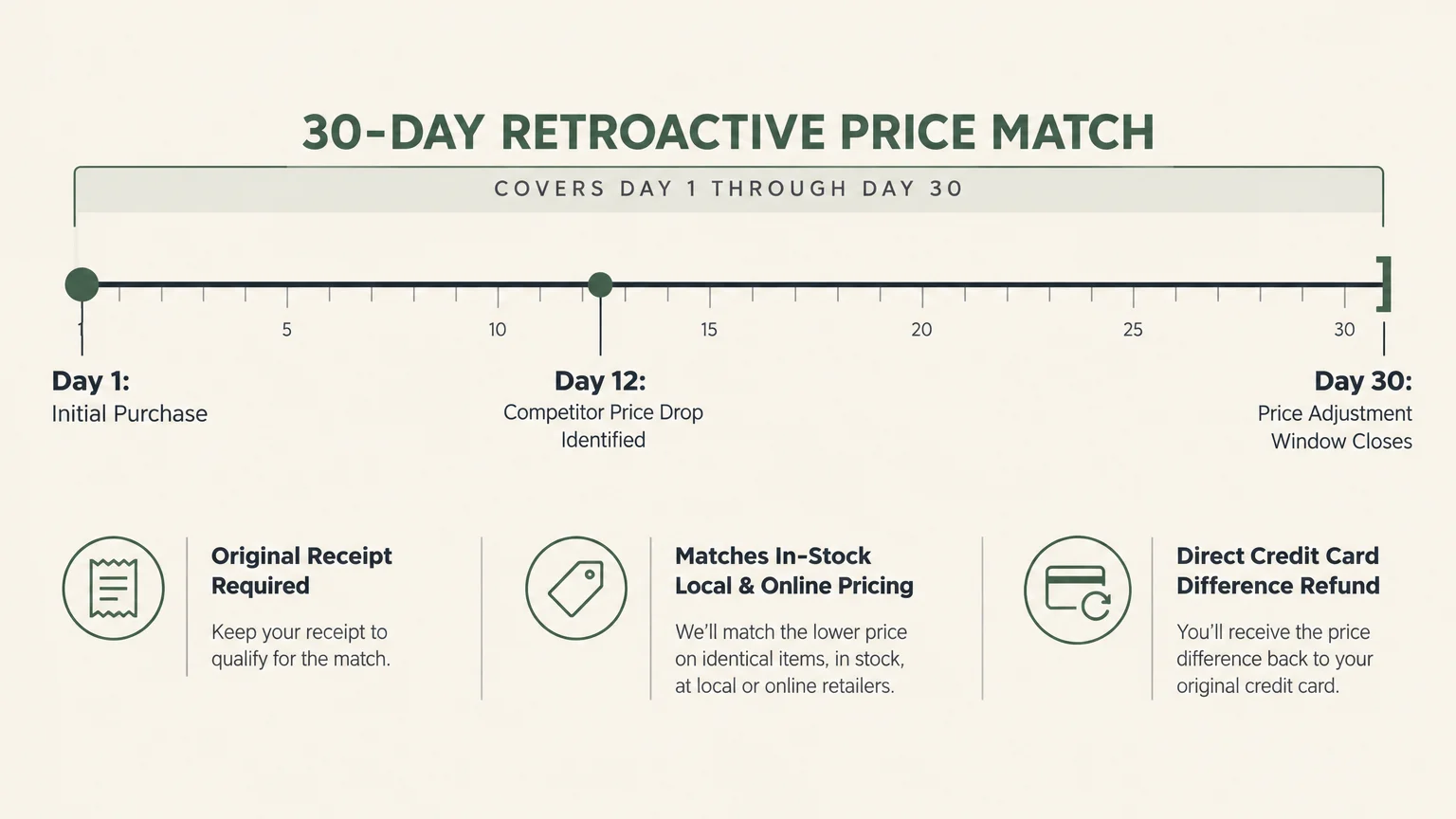
The store matches identical, in-stock merchandise carrying the exact same model number, color, size, and specifications sold directly by competitors like Lowe’s, Walmart, and Amazon. Contrary to lingering internet rumors, official policy provides a straight one-to-one match rather than an extra 10% cut.
Even better, price protection continues working after you load your trunk. If you spot a lower qualifying price at Home Depot or an eligible competitor within 30 days of buying, request a refund for the price difference.
Before waiting in customer service lines, confirm that your item avoids the fine-print exclusions. Third-party marketplace sellers on Amazon or eBay, clearance tags, closeouts, Black Friday promos, bulk discounts, and open-box items do not qualify.
Home Depot also excludes custom special-order products like custom window blinds and store-exclusive model numbers from price matching. Manufacturers sometimes tweak a single digit on a model number specifically to block cross-store comparisons.
Always scan barcodes through competing retailer apps right in the aisle before rolling toward the register. Pairing quick comparisons with a 30-day calendar reminder ensures you never overpay for identical hardware.
Trend #8: Accepting Sticker Quotes on HVAC, Water Heater, and Carpet Installs
High-style interiors depend on invisible infrastructure, from whisper-quiet climate systems to plush acoustic carpet underlayment. Many homeowners negotiate hard on decorative tile yet pay initial service quotes on major installations without blinking.
For HVAC and water heater installations, Home Depot Authorized Service Providers match written like-for-like quotes from licensed, insured local contractors. Failing to gather a second bid leaves substantial labor and equipment savings behind.
Timing matters for climate upgrades, so keep your paperwork organized from day one. Any competing HVAC quote must carry a date within 30 days of the Home Depot quote and arrive before installation, with a limit of one adjustment per order.
Flooring projects enjoy similar protection when you compare apples to apples across reputable installers. Carpet price matching covers identical carpet along with the total installed project cost, including padding and labor.
Line up two written estimates covering identical equipment capacity, warranty terms, or carpet fiber weights before signing any service contract. Presenting transparent documentation lets you secure dependable installation without inflated project pricing.
That smart due diligence reflects core home depot tips every homeowner should apply before authorizing major mechanical or flooring labor. Never sign the first installation proposal you receive.
Trend #9: Leaving Your $400 Annual Military Discount Unverified
Eligible service members and military families frequently forget to link their credentials before picking up weekend project supplies. Leaving that standing benefit idle quietly inflates every paint, lighting, and hardware run throughout the year.
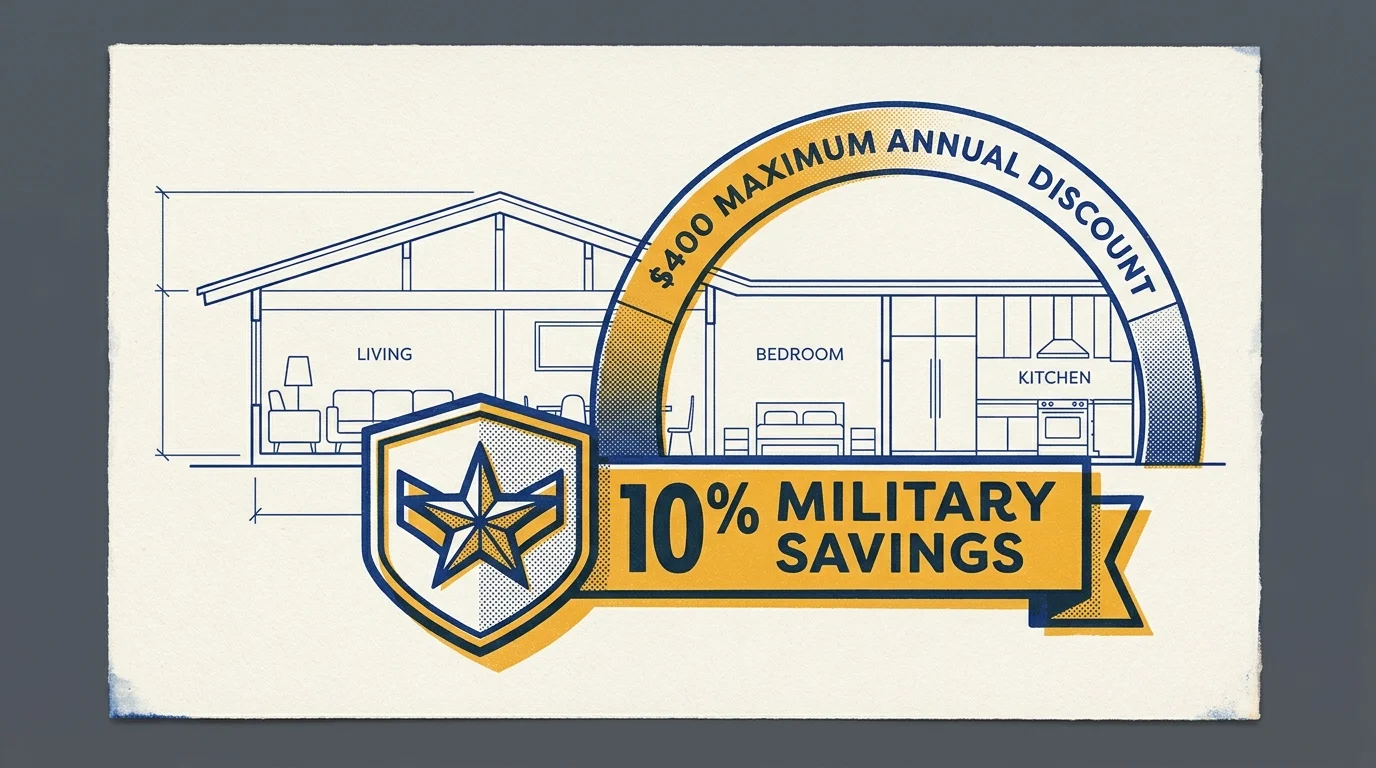
Active-duty personnel, reservists, veterans, retirees, National Guard members, NOAA, USPHS, and eligible spouses or Gold Star spouses receive 10% off select in-stock purchases. That perk applies up to a $400 maximum annual discount that resets each calendar year.
Activation takes just minutes through a one-time ID.me verification inside the store app or online account portal. Once verified, you simply scan your digital barcode at checkout or apply the benefit seamlessly to online carts.
Keep track of your annual $400 cap so you deploy that 10% cut strategically on eligible full-price materials. Saving $400 each year can easily fund designer brass sconces, artisan cabinet pulls, or upgraded dimmer switches.
Remember that the discount targets select in-stock merchandise, so verify eligibility inside your cart before checking out. Every eligible dollar saved strengthens your design budget.
Help eligible relatives verify their profiles before starting spring garden refreshes or interior paint projects. Claiming earned benefits is one of the simplest ways to lower home improvement shopping costs immediately.
Trend #10: Misreading Yellow Clearance Tags and Skipping Hidden Aisles
Hunting clearance racks feels thrilling until you misunderstand how store-level markdowns actually operate. Unlike national flash sales, Home Depot sets clearance prices store by store with zero uniform national schedule.
A sculptural vanity or brass pendant can remain at full retail in one neighborhood store while sitting deeply discounted three miles away. Checking only your closest branch blinds you to local price drops nearby.
Seasoned bargain hunters often watch yellow clearance tag endings: .00 for initial markdowns, .06 for mid-stage drops, .03 or .02 for final reductions, and $0.01 for final floor removal. However, store tags no longer follow .06 and .03 cents endings reliably across locations.
Worse yet, many stores leave discounted items sitting in regular aisles rather than moving them to marked clearance endcaps. Shoppers call these unadvertised markdowns hidden clearance, and hurried buyers walk straight past them.
Instead of guessing from cents digits alone, inspect the tag print date alongside the original WAS price. Scan the shelf label with the Home Depot app to verify the live register price at that exact store.
Combining app checks across two or three nearby locations turns casual browsing into surgical sourcing. Patience on clearance lighting and hardware brings heirloom-worthy accents home for a fraction of retail.
Trend #11: Buying Big-Ticket Appliances and Paint Outside Peak Sale Windows
Impulsive timing costs renovators almost as much as ignoring loyalty programs or return deadlines. Ordering major appliances or multi-gallon paint batches during calm off-peak weeks guarantees you pay top dollar.
Home Depot structures its deepest seasonal markdowns around predictable calendar anchors. Spring Black Friday and Memorial Day events reliably feature steep appliance savings of up to 40% off select models alongside buy-one-get-one tool and battery bundles.
Those spring promotional windows also deliver standout paint rebates, such as $5 off single gallons and $20 off five-gallon pails. On a whole-home repaint using architectural matte finishes, waiting a few weeks saves hundreds instantly.
Autumn brings the second major wave, with Black Friday promotions kicking off as early as November 5, 2026. Early seasonal launches mean you no longer need to wait until late November to lock in deep appliance or tool bundles.
Map your renovation calendar backward from Spring Black Friday, Memorial Day, and early November sales whenever possible. Timing big-ticket purchases around proven sale cycles is how experienced designers save money home depot shoppers routinely pay away.
Reserve off-season trips strictly for urgent repair parts and small consumables. Holding major appliance and paint orders for seasonal promos keeps your project financially disciplined from start to finish.
The Big Picture: Weaving These Trends into Your Home
Elevating your interiors is rarely about spending more; it is about directing every renovation dollar toward pieces with lasting visual impact. Eliminating hidden retail waste lets you afford richer architectural moldings, custom wall colors, and enduring fixtures.
Treat your project like a professional studio would, uniting Pro Xtra paint tiers, consolidated Pro Desk quotes, and verified price matching into one repeatable workflow. Smart sourcing builds an effortless bridge between budget discipline and magazine-worthy design.
When your materials arrive on time and on budget, you gain freedom to invest in thoughtful spatial flow and tactile materials. Every percentage saved on basic building supplies upgrades the visible finishes you live with daily.
For the latest color forecasts, consult industry leaders like Pantone and paint companies like Benjamin Moore. For professional design standards, refer to the American Society of Interior Designers (ASID).
Pair color and spatial expertise with disciplined retail habits, and your next home transformation will look bespoke without ever busting your budget. Intentional shopping is the quiet foundation behind every extraordinary room.
Frequently Asked Questions
Do I need a contractor license to join Pro Xtra and save money at Home Depot?
No, anyone can join Pro Xtra completely free online or at the store Pro Desk without a contractor license. Entering your registered phone number at checkout unlocks tiered Paint Rewards starting at 10% off once you cross $1,000 in paint spend.
You can also bring qualifying material lists totaling $2,500 or more to the Pro Desk for Volume Pricing quotes. That makes Pro Xtra one of the easiest home depot tips for everyday homeowners tackling room renovations.
How long do I have to return a damaged or unopened refrigerator or washer?
Major appliances—including refrigerators, washers, dryers, ranges, dishwashers, and over-the-range or built-in microwaves—carry a strict 48-hour deadline. You must report damage or defects to Customer Solutions at 1-800-455-3869 within 48 hours of delivery, excluding weekends.
Even unopened, factory-sealed major appliances require return completion within that same 48-hour window. Always unbox, inspect, and measure your delivery immediately rather than storing appliances in a garage during construction.
Is the Home Depot Consumer Credit Card financing truly zero percent interest?
No, the promotional six-month financing on purchases of $299 or more uses deferred interest rather than true 0% APR. Leaving even a tiny balance past the deadline triggers retroactive interest from the original purchase date on the full starting amount.
As of September 2026, the standard APR sits at 29.99%, and the card earns zero ongoing cash back. If you need multi-year financing, compare the Project Loan’s 0% to 9.99% APR terms instead.
Does Home Depot still offer an extra 10% off when matching a competitor’s price?
No, current policy provides a straight one-to-one price match on identical, in-stock products sold directly by competitors like Lowe’s, Walmart, and Amazon. You can also request a price-difference refund within 30 days after purchase if a qualifying price drops.
Remember that third-party marketplace sellers, clearance items, Black Friday promos, custom orders, and store-exclusive model numbers do not qualify. Always check the exact model SKU before heading to customer service.
Do yellow clearance tags ending in .06 or .03 always signal exact markdown stages?
Not anymore, because store tags no longer follow .06 and .03 cents endings reliably across every location. Home Depot sets clearance prices store by store, and many markdowns remain mixed into regular aisles rather than dedicated endcaps.
Checking the tag print date, comparing the WAS price, and scanning the barcode in the Home Depot app gives you an accurate live price. Cross-checking nearby store branches often uncovers steep local markdowns on lighting and hardware.
Disclaimer: This article reflects design trend analysis and predictions. Personal taste and timeless design principles should always guide your decorating choices.