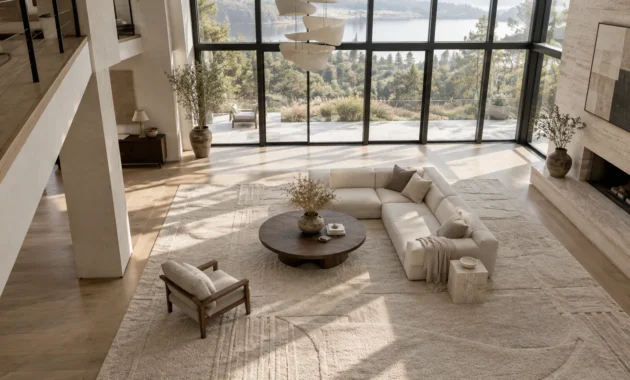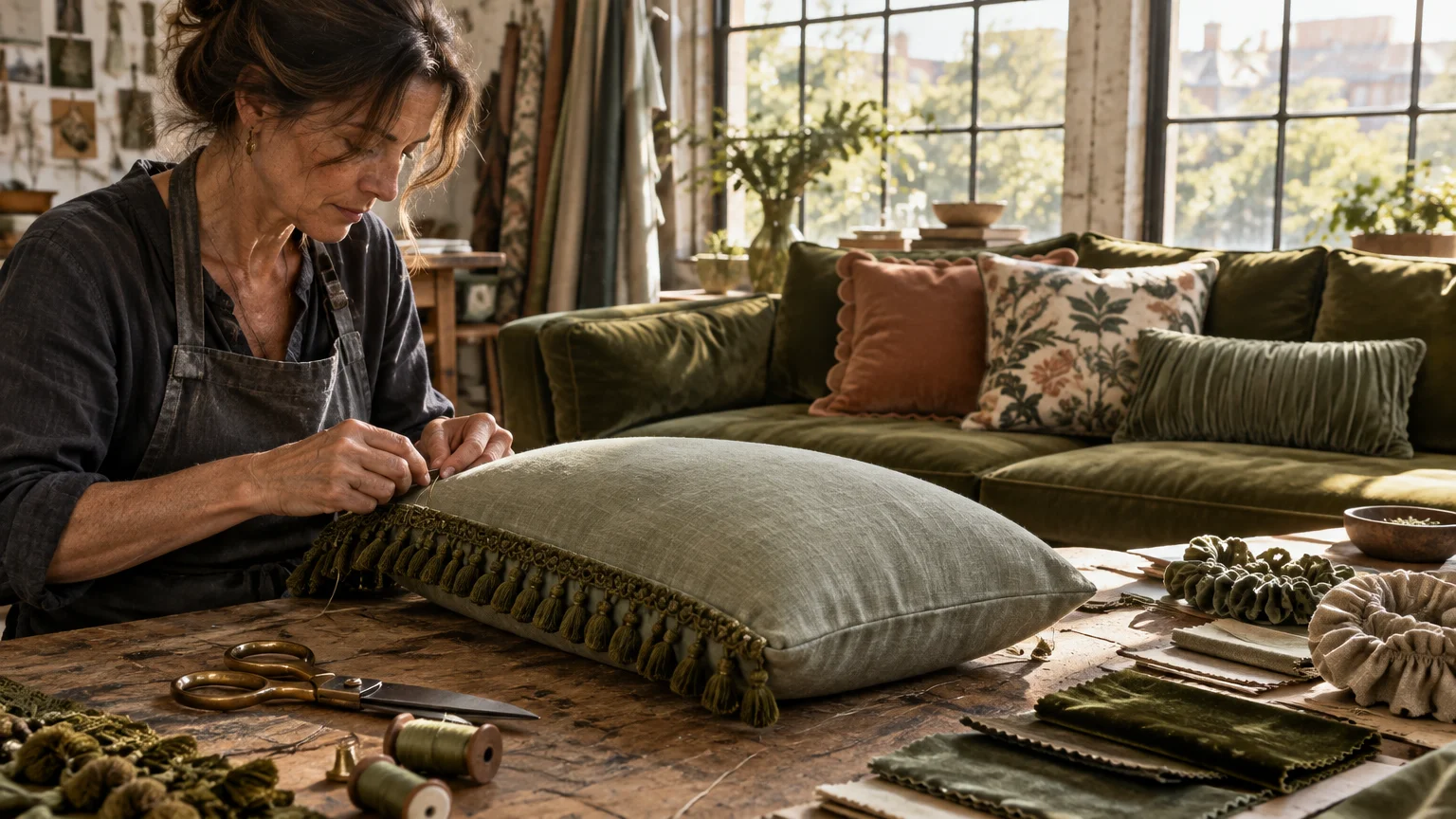
Your living room seating is undergoing a profound transformation as tactile depth and historical soul replace clinical minimalism. Designers are turning to sofa cushions as the primary architectural anchor for color, comfort, and character.
Over the coming seasons, plush silhouettes and expressive dressmaker details will redefine how you curate your living space. Exploring these emerging shifts allows you to invest thoughtfully in pieces that feel both contemporary and timeless.
Here is your definitive guide to the sofa cushion trends 2027 forecasts highlight for refined living rooms.
Trend #1: The Botanical Green Spectrum
Green has officially dethroned cool grey as the foundational neutral for living room upholstery. Designers are utilizing nuanced, nature-inspired shades to bring biophilic calm and quiet luxury into contemporary living spaces.
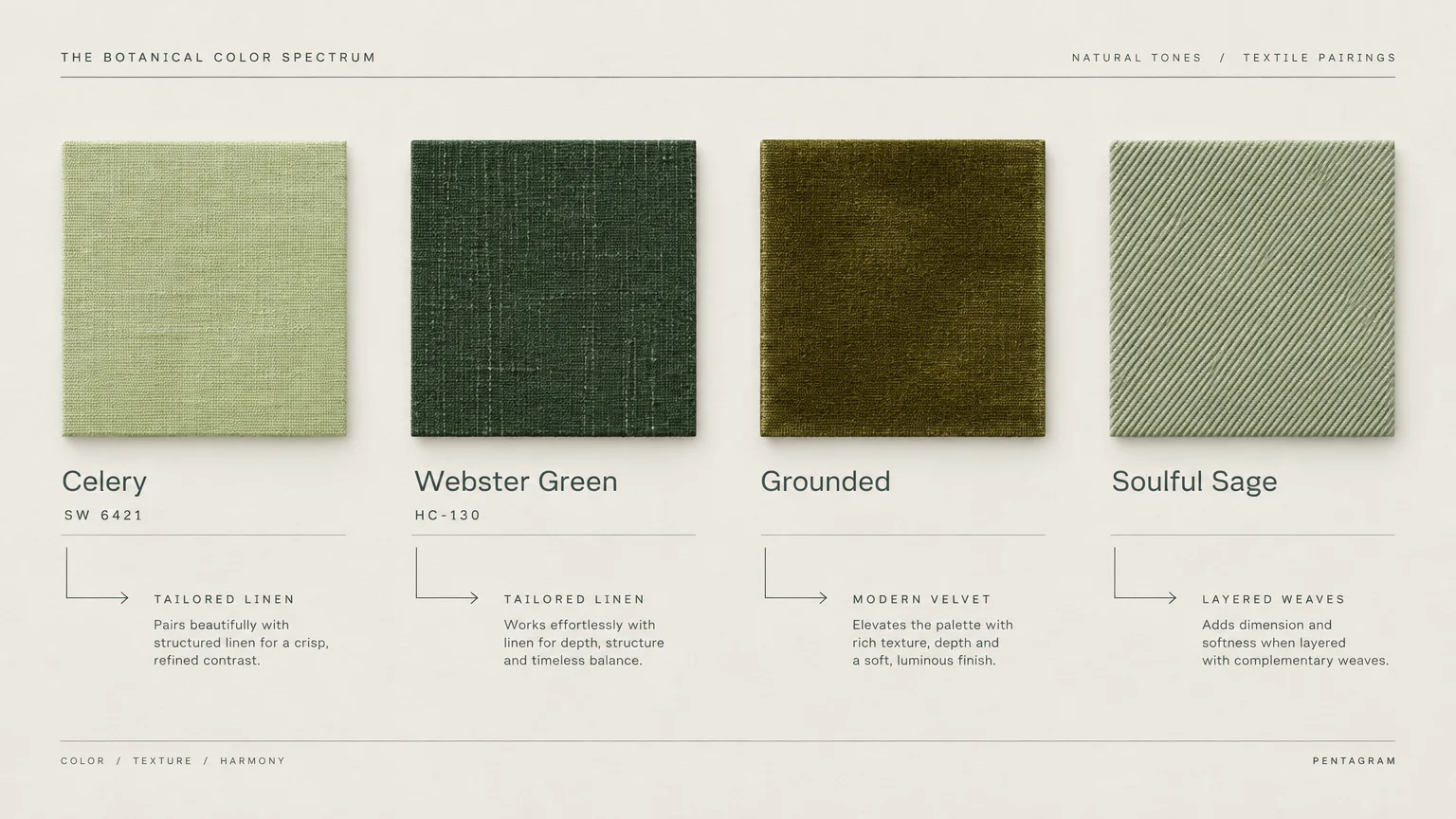
Paint leaders have validated this natural evolution across their future palette selections. Sherwin-Williams named Celery (SW 6421), an airy apple green, as its signature 2027 shade to evoke freshness.
In contrast, Benjamin Moore selected Webster Green (HC-130) to provide historic prestige and grounded comfort. This rich, botanical tone pairs effortlessly with warm neutrals on tailored linen cushion covers.
Behr also embraced earthy foliage by selecting Grounded, an olive green enriched with warm brown undertones. This color brings an organic, stabilizing weight to modern velvet accent cushions.
Dulux complements this movement with Soulful Sage, a soft green that reflects light across textured weaves. Using these varied greens on your sofa creates an inviting, restorative atmosphere.
You can mix these tonal greens across varying cushion sizes to produce layered depth without visual clutter. The palette instantly softens angular modern sofas while enhancing organic, wooden design elements.
Trend #2: Heritage Maximalism and Ornate Dressmaker Trims
Clean knife-edge seams are stepping aside in favor of elaborate, vintage-inspired haberdashery. Homeowners and decorators are embracing heritage maximalism to imbue modern rooms with historic provenance and bespoke craftsmanship.
Custom workrooms report a significant surge in requests for nostalgic trims on accent pillows. Parker Home Designs identifies decorative borders and intricate edges as dominant preferences shaping custom textile fabrication.
Brush fringe, contrast bullion, and delicate moss trims are leading this decorative revival. These tactile embellishments frame cushions with theatrical flair while celebrating time-honored artisanal upholstery methods.
Flirtatious ruffled borders and gathered pleats are also making a noticeable return to living room seating. These dressmaker details add dimensional charm to simple washed linens and floral prints.
Scalloped flanges offer another tailored alternative to conventional square seams. You can introduce scalloped velvet pillows to balance clean-lined architectural furniture with subtle, feminine romance.
These tactile borders catch natural room light beautifully throughout changing daylight hours. By choosing cushions with distinctive edges, you transform basic seating into an artistic focal point.
Trend #3: Enlarged Botanical and Heritage Motifs
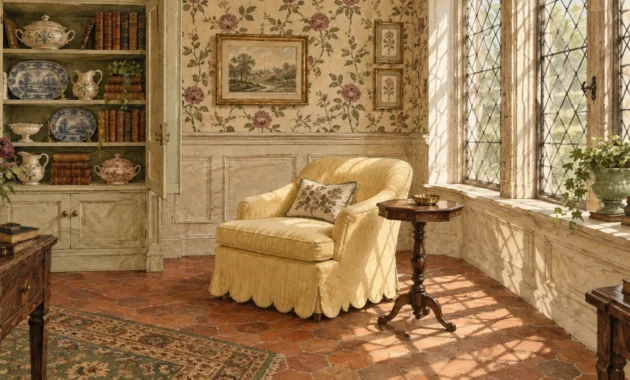
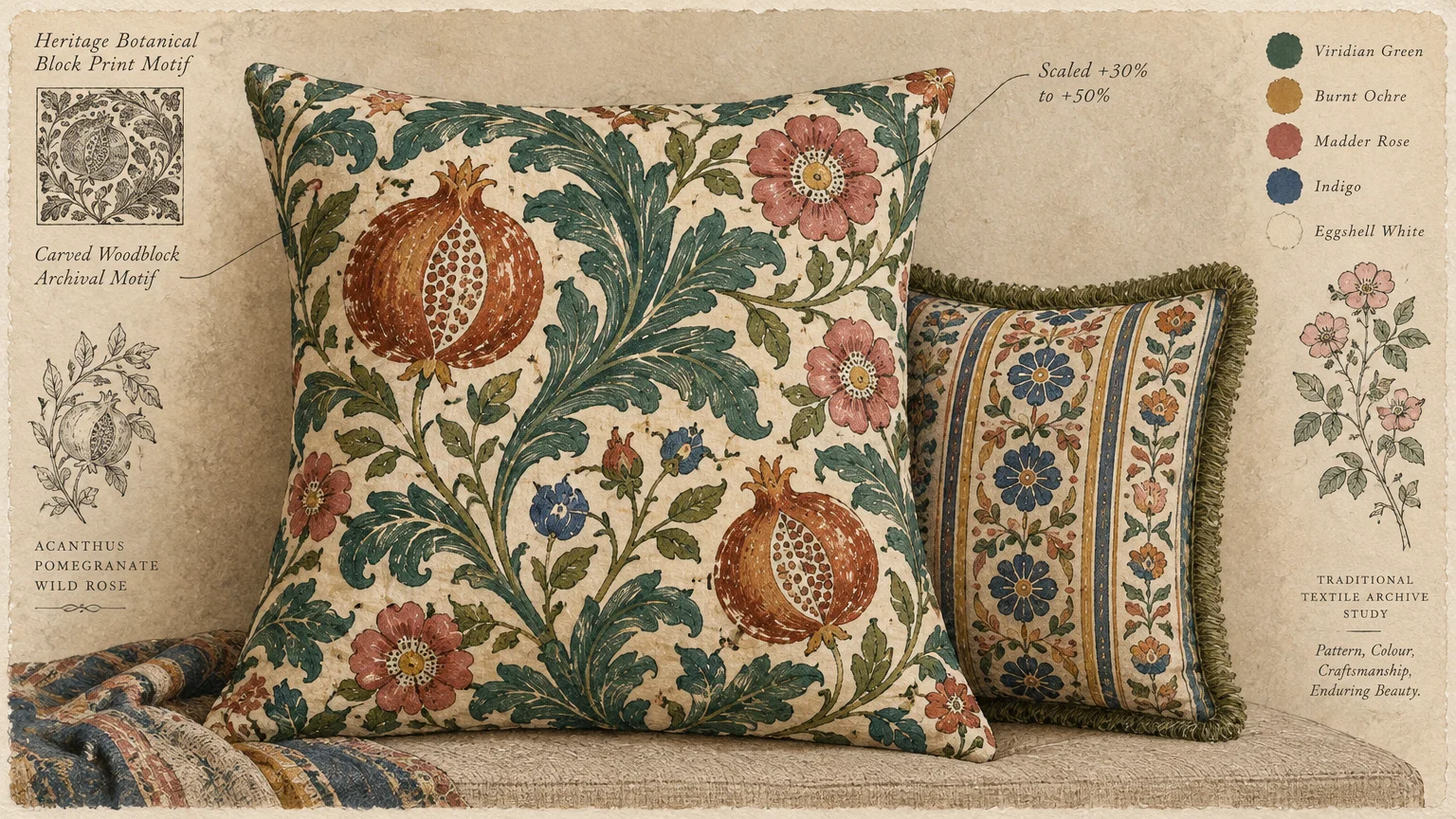
Dainty florals and frantic geometric designs are giving way to larger, narrative-driven heritage motifs. Pattern choices now celebrate historic craftsmanship through oversized botanical prints, romantic paisleys, and timeless William Morris archives.
Designers are scaling up heritage motifs by 30% to 50% compared to traditional apparel-weight fabrics. This strategic enlargement ensures intricate historic patterns do not look busy or chaotic across spacious seating.
Carved wooden block-print patterns continue to gain massive momentum across modern sitting rooms. Their deliberate human imperfections introduce organic texture that machine-printed textiles simply cannot replicate.
Large-scale leafy foliage and sprawling tree-of-life patterns ground living rooms in pastoral elegance. These expressive textiles bridge the gap between historic English manor style and relaxed modern living.
When selecting patterned throw pillows, pair one dominant oversized print alongside complementary solids or quiet micro-stripes. This deliberate contrast keeps your sofa sophisticated, curated, and visually resting.
The resulting composition feels accumulated over decades rather than purchased in a single shopping afternoon. Scaled botanical prints anchor the eye and establish an enduring narrative across your home decor 2027 schemes.
Trend #4: Sculptural Lumbar Proportions and Low-Profile Seating
The classic square cushion is no longer the automatic default for luxury sofa styling. Interior designers are increasingly favoring elongated lumbar silhouettes that emphasize clean horizontal lines and superior lumbar support.
This aesthetic transition mirrors significant architectural shifts occurring within contemporary sofa design. Seating collections for 2027 prioritize deep, low-profile frames characterized by generous proportions and softer, continuous curves.
Roche Bobois showcased this architectural evolution in their Fall-Winter 2026/27 releases. Iconic designs by Sacha Lakic, such as the Margaux and Ambre sofas, feature plump built-in lumbar cushions.
These integrated bolster forms cradle the body while preserving a sleek, uncluttered profile across the sofa back. Replacing multiple small pillows with a single expansive lumbar cushion yields a crisp, tailored appearance.
Extra-long lumbar cushions stretching up to 48 inches create an intentional, sculptural statement on oversized sectionals. They eliminate visual clutter while maximizing practical comfort during daily lounging.
You can use rounded cylindrical bolsters at the sofa arms to introduce architectural rhythm. These sculptural forms bridge European modernism with ergonomic comfort, elevating your living room decor trends.
Trend #5: Tactile Mismatching and Curated Textures
Uniformity has vanished from high-end living spaces as designers reject predictable matching cushion sets. Today’s most compelling rooms celebrate tactile mismatching, combining disparate fabric weights to build sensory warmth.
You can layer washed natural linen against thick, coloured bouclé to achieve an effortless balance of textures. Adding ribbed corduroy or tactile chenille introduces depth that invites touch.
Dry textured wools juxtaposed with luminous jewel-toned velvets create an alluring contrast of finishes. The velvet captures shifting interior light, while the matte wool absorbs it gracefully.
This deliberate contrast satisfies our growing human craving for sensory-rich interior environments. It aligns directly with the quiet luxury movement, where fabric quality and texture outshine loud logos.
To master this look, combine three distinctly different textural finishes within a single cohesive color family. This styling strategy gives your living room seating an authentic, curated sensibility.
The outcome avoids looking like a staged showroom display. Instead, your seating reflects layered complexity, elevated craftsmanship, and personalized interior design trends.
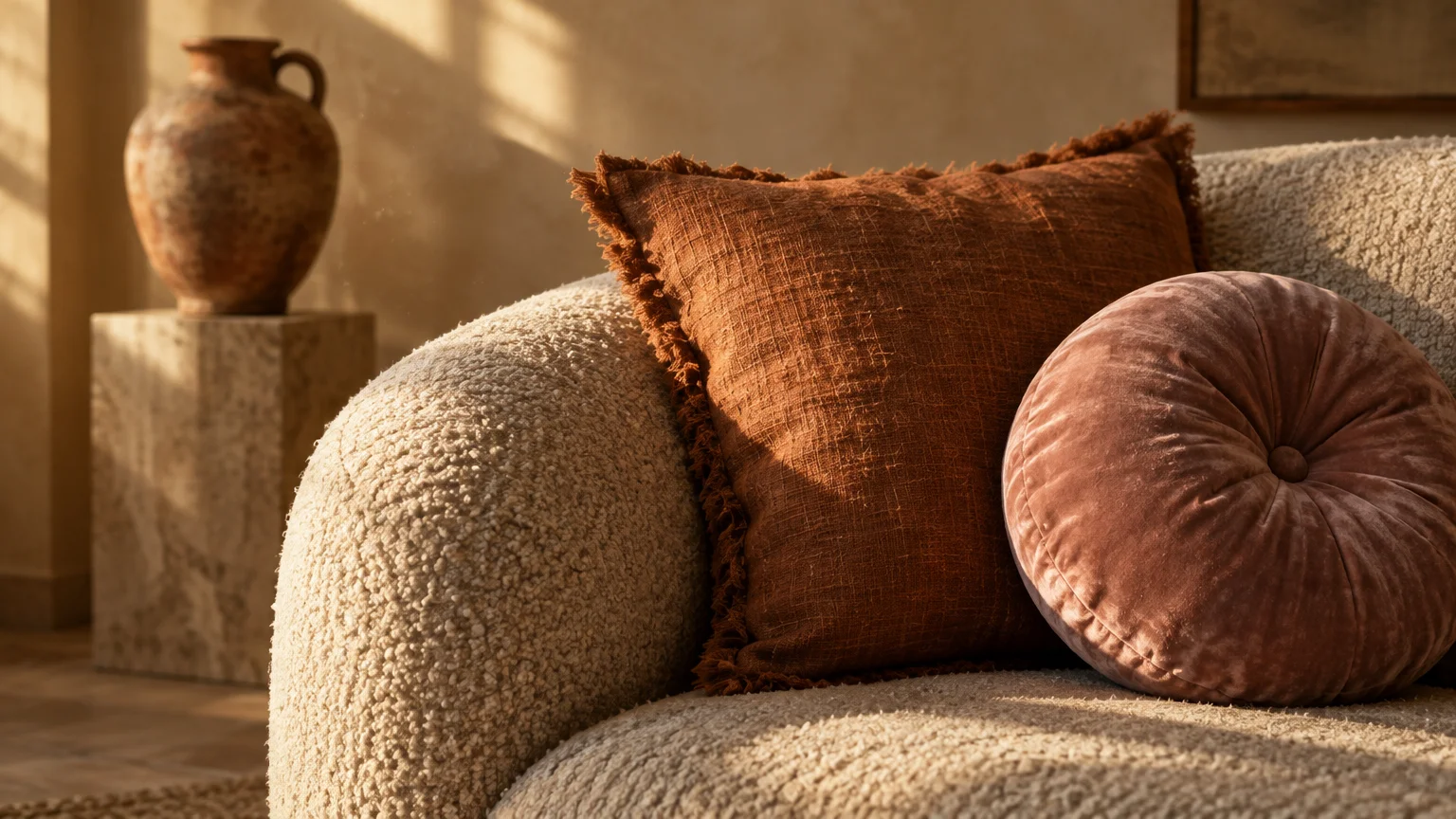
Trend #6: Saturated Mineral Accents and Rosy Earth Tones
Sterile white and cold charcoal palettes are completely disappearing from directional textile collections. Modern living rooms are warming up through saturated mineral jewel tones and sun-baked earthen pigments.
WGSN and Coloro selected Luminous Blue as their 2027 Color of the Year. This sapphire-adjacent hue injects electric vitality when styled alongside rich, grounded earth tones.
C2 Paint introduced Pueblo as their 2027 Color of the Year to spearhead their Rural Renaissance movement. This rosy plum shade infuses warmth into neutral upholstery while complementing deep wood finishes.
Graham & Brown captured a similar mood with Rose Earth, an Italian clay tone chosen for their 2027 palette. This versatile terra-cotta hybrid acts as an inviting neutral that flatters natural leather.
Designers are pairing these dusky clays, terracotta shades, and burnt ochres with chocolate brown and deep burgundy. These robust pigments add historic gravity to casual, modern slipcovered seating.
You can use jewel-toned cushions as high-impact accents against neutral linen sofas. A single sapphire or rich plum cushion breaks up monotony and immediately energizes your living space.
Trend #7: High-End Indoor Performance Weaves
Practical durability and sumptuous luxury are no longer mutually exclusive categories in residential textile design. Advanced performance weaves have entered the custom workroom, offering stain resistance alongside buttery softness.
The broader home accents sector reflects this accelerating consumer demand for long-lasting, resilient comfort. Market analysts value the global decorative pillow market at $4.3 billion in 2026.
Business Research Insights projects this sector will expand to $7.26 billion by 2035 at a 6% compound annual growth rate. Homeowners are investing heavily in textiles that endure active family living without sacrificing beauty.
Similarly, Grand View Research valued the overall global pillows market at $21.3 billion in 2026, rising from $20.0 billion in 2025. They project it will reach $33.4 billion by 2033 at a 6.6% CAGR.
North America holds the largest regional market share at 33.7%, underscoring a strong domestic appetite for elevated soft furnishings. Consumers increasingly demand resilient textiles that withstand daily pets, children, and entertaining.
Modern performance velvets and textured bouclés resist spills while maintaining the luxurious hand of heirloom fabrics. You can now showcase pale cream or delicate Celery cushions without constant anxiety over staining.
The Big Picture: Weaving These Trends into Your Home
Successfully applying modern throw pillow trends requires balancing expressive ornamentation with thoughtful restraint. Avoid adopting every design trend at once on a single piece of seating.
If your sofa cushions feature dramatic brush fringe or gathered ruffles, select understated, textured fabrics. Conversely, if you prefer bold oversized botanical prints, frame them with clean, tailored edges.
Consider the adjacent textiles within your living room to build a harmonious overall environment. The throw blanket market is projected to grow at over 5% annually from 2026 through 2035.
This steady market expansion reflects a cultural desire for cozy, deeply layered seating environments over sparse interiors. Pair a chunky knit throw with contrasting smooth velvet and washed linen pillows.
Always inspect the interior inserts before finalizing your bespoke cushion selections. High-density feather-and-down inserts provide the malleable, luxurious drape essential for high-end styling.
For the latest color forecasts, consult industry leaders like Pantone and paint companies like Benjamin Moore. For professional design standards, refer to the American Society of Interior Designers (ASID).
Disclaimer: This article reflects design trend analysis and predictions. Personal taste and timeless design principles should always guide your decorating choices.
Frequently Asked Questions
How many cushions should you style on a standard three-seater sofa?
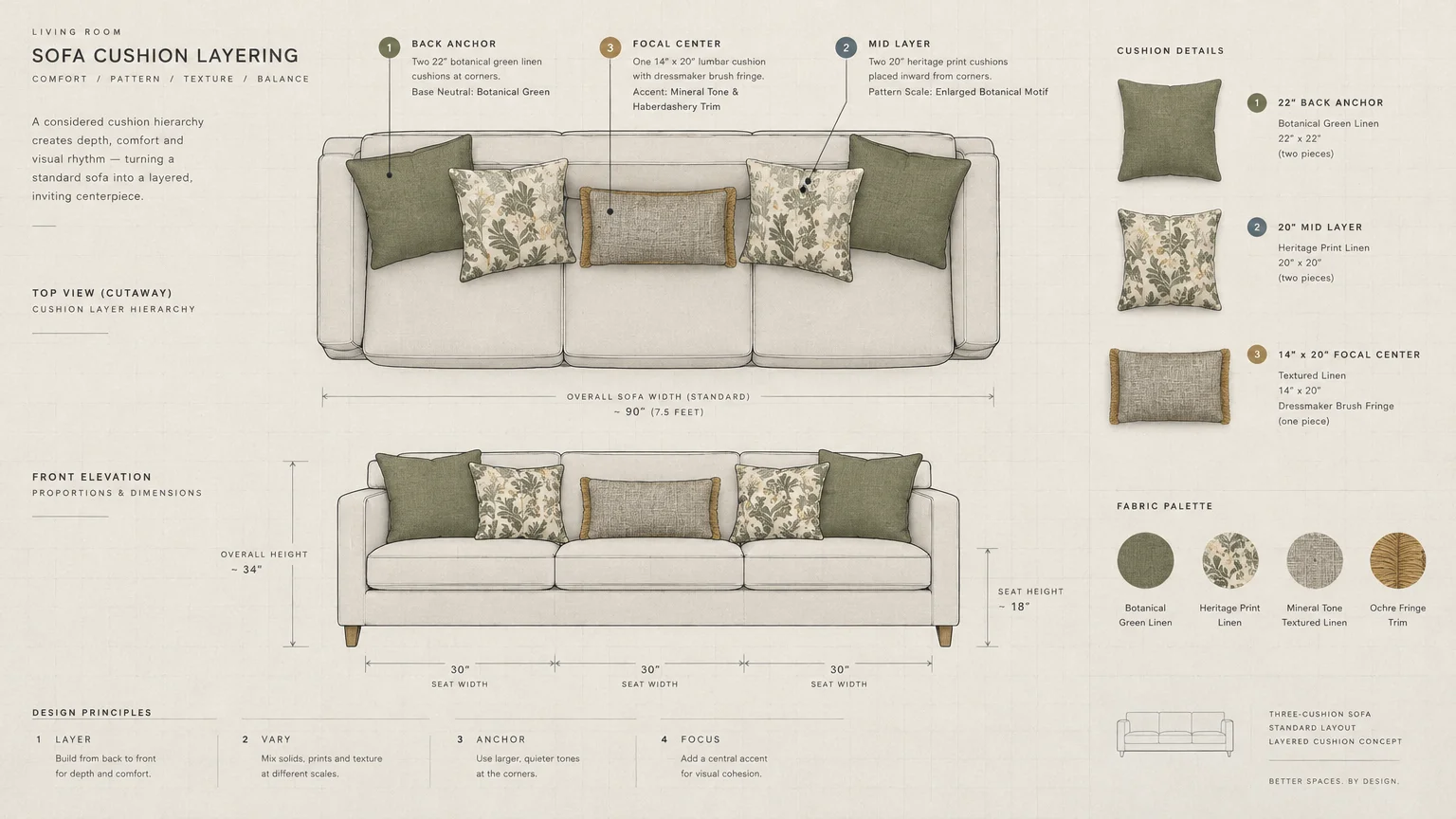
Designers generally recommend using an odd number of cushions, typically three or five, to maintain natural asymmetry. An asymmetrical arrangement creates visual movement and feels more relaxed than rigid, mirrored pairs.
Alternatively, you can style a single extra-long lumbar cushion across the center for a streamlined, contemporary aesthetic. This minimal approach provides exceptional comfort without overcrowding valuable seating space.
Are matching three-piece cushion sets completely out of style?
Identical cushion sets that perfectly match the sofa fabric feel dated and visually flat in modern living rooms. Contemporary design prioritizes intentional textural contrast and complementary, tonal palettes over strict uniformity.
Instead of matching textiles exactly, select cushions that share an underlying undertone while offering distinct textures. This subtle relationship builds sophisticated visual depth across your entire seating arrangement.
How do you successfully mix patterns on a single sofa?
Begin with a dominant large-scale pattern, such as an oversized botanical or historic William Morris motif. This primary fabric will anchor your color story and establish the primary visual theme.
Next, introduce a secondary pattern that is significantly smaller in scale, such as a delicate stripe or block print. Ground the combination with one or two solid textured cushions in chenille or bouclé.
Which cushion insert delivers the best designer look and longevity?
Inserts composed of a down-and-feather blend provide the most luxurious comfort and hold that classic designer chop effortlessly. Synthetic down alternatives made from recycled microfiber also offer impressive resilience for allergy-sensitive households.
Always choose an insert that measures two inches larger than your cushion cover dimensions. This standard custom sizing ensures plump corners and prevents loose, wrinkly fabric.
Can you combine vintage fringe trims with modern minimalist furniture?
Mixing ornate trims with clean-lined contemporary sofas produces a captivating aesthetic tension. A fringed or ruffled cushion softens the rigid geometry of low-profile modern frames.
Keep the color palette monochromatic when mixing these contrasting styles to maintain visual balance. A cream velvet cushion with tonal brush fringe adds warmth without overwhelming minimalist architecture.
What is the most versatile cushion size for contemporary deep sofas?
A generous 22-inch square cushion paired with an oversized lumbar pillow offers the most versatile proportions for modern deep seating. These larger scales balance the substantial depth of contemporary sofas effortlessly.
Standard 18-inch pillows often appear too diminutive on deep luxury furniture. Investing in larger proportions ensures your cushions look intentional and provide genuine ergonomic support.