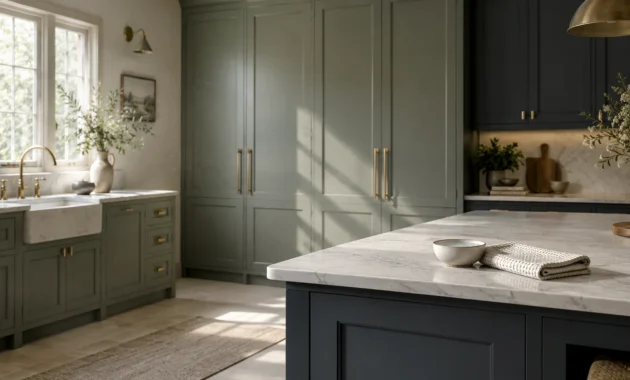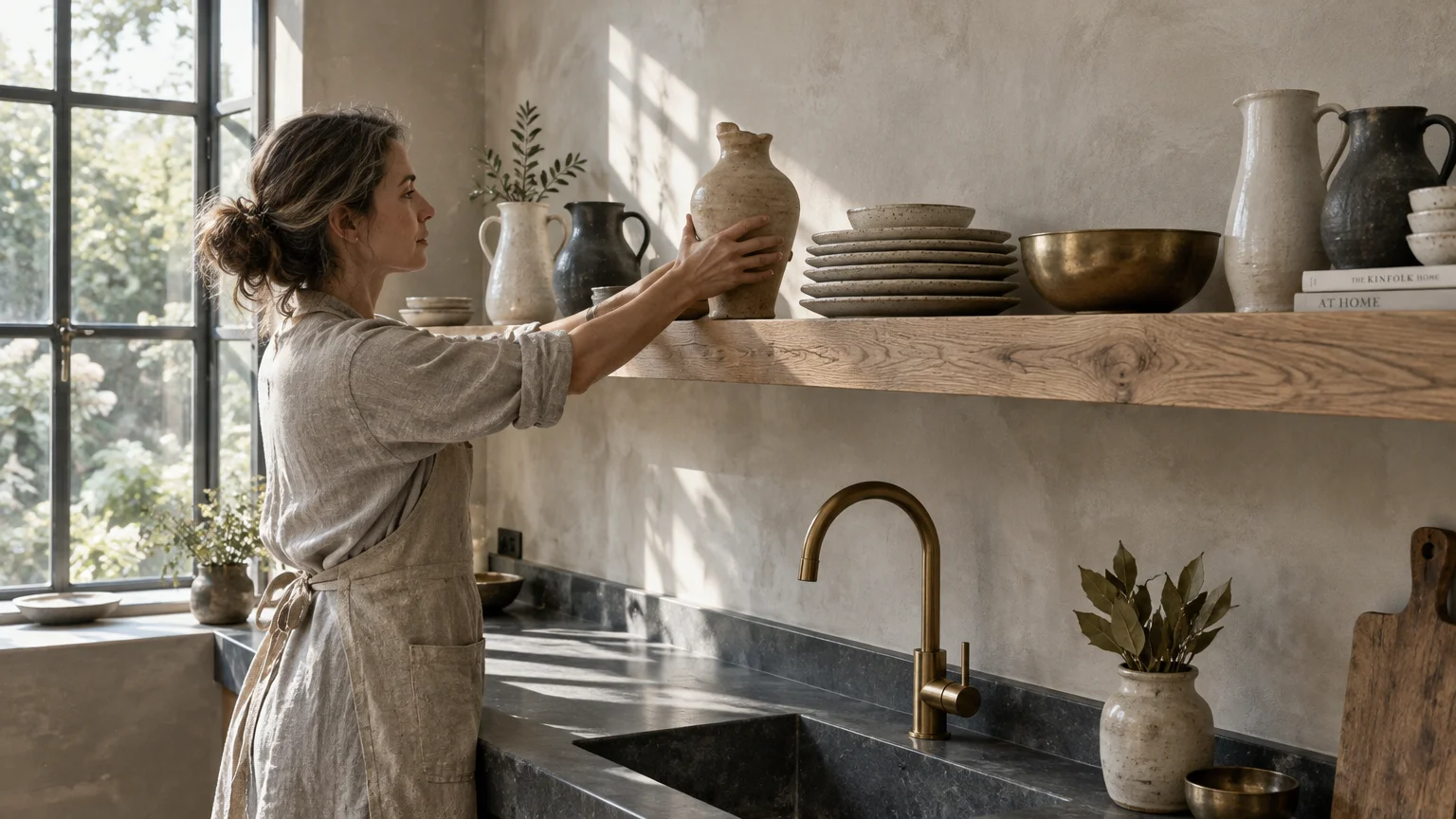
Open shelving elevates modern kitchen design by replacing bulky upper cabinetry with airy, intentional display. When you balance functional storage with refined materials, open shelves remain striking and relevant for decades.
Achieving enduring style requires thoughtful proportion, durable materials, and disciplined editing. The right setup keeps your daily essentials accessible while transforming everyday stoneware into curated architectural art.
Explore these eight enduring open shelf kitchen ideas to anchor your next renovation in timeless sophistication. Each concept merges elevated craftsmanship with practical culinary workflow.
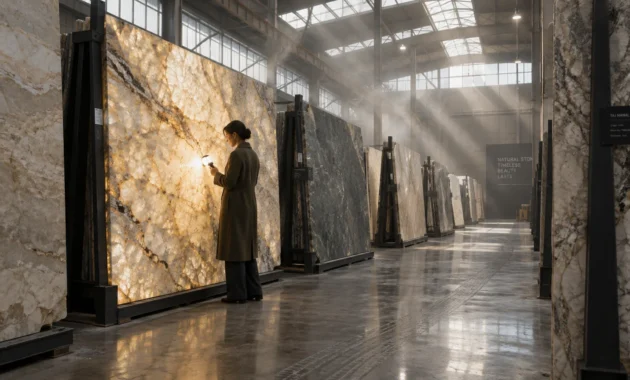
Kitchen Trend #1: Monolithic Stone Ledges with Continuous Backsplashes
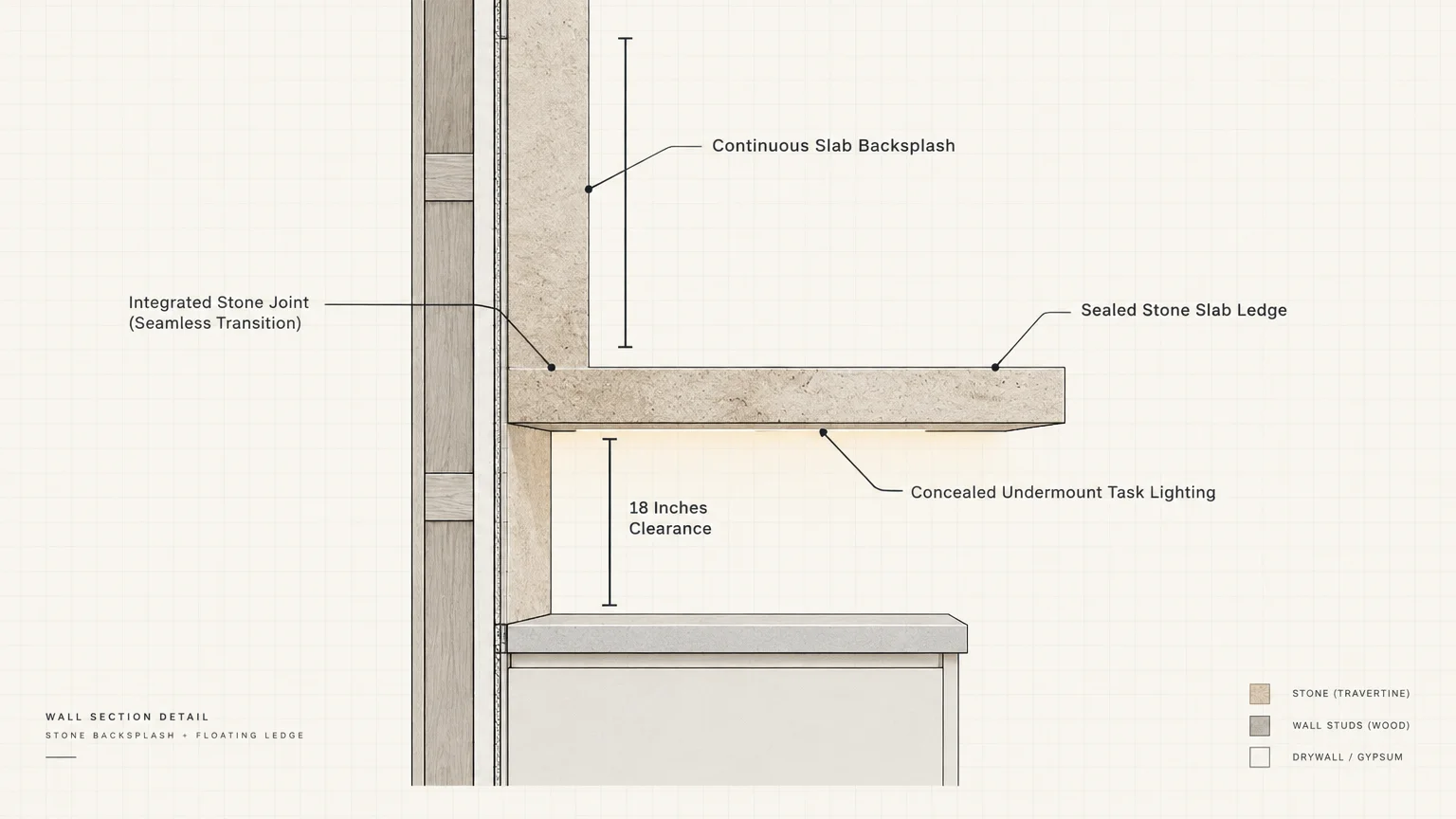
Extending your countertop material up the wall creates seamless visual continuity. When you carve a matching stone shelf directly out of that slab, the entire installation feels permanent and architectural.
Calacatta marble, quartzite, and rich soapstone provide natural veining that acts as living artwork. This integrated ledge eliminates visible mounting hardware, keeping the focal point clean and sculptural.
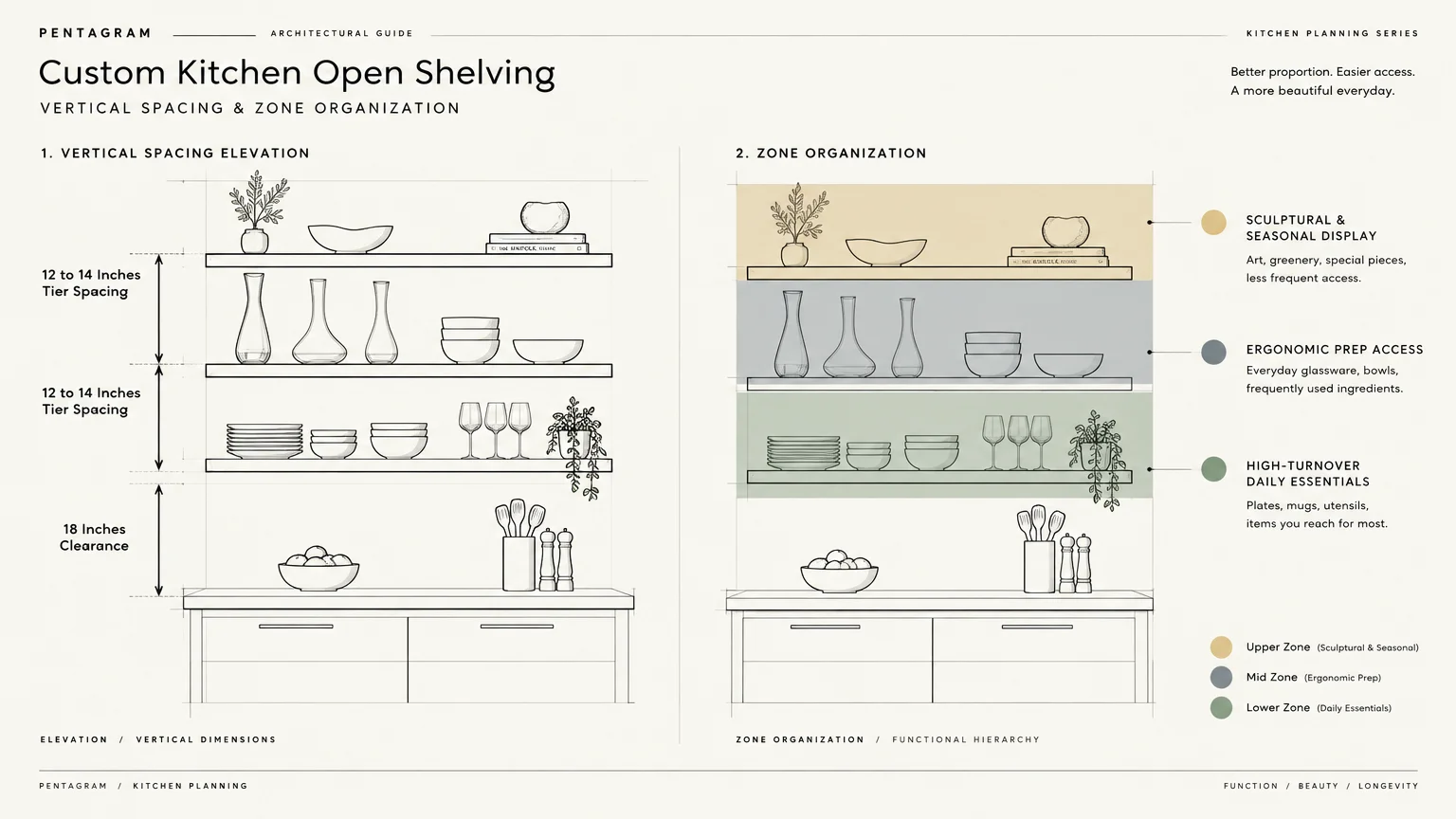
Place your stone ledge approximately eighteen inches above the prep counter to maintain ergonomic clearance. This height ensures you reach oils, salts, and small ceramics without encroaching on cutting zones.
Pair this micro-luxury surface with concealed undermount task lighting. Gentle ambient illumination highlights the stone grain while brightening your workspace below.
A monolithic ledge naturally resists humidity and grease far better than painted millwork. You simply wipe the non-porous or sealed surface clean during your standard kitchen cleanup routine.
For maximum visual restraint, display only monochrome ceramic pieces and hand-carved wooden spoons. Limiting your color palette ensures the stone veining commands full attention.
This approach delivers an ultra-clean aesthetic that honors historic European kitchens while serving contemporary minimalism. It proves that durable stone engineering never loses its quiet elegance.
Pair this treatment with integrated induction cooktops to emphasize a sleek, continuous plane throughout your cooking zone.
Kitchen Trend #2: Natural White Oak Shelves with Concealed Supports
Solid white oak brings grounded warmth to modern kitchen design. Its tight, linear grain softens crisp plaster surfaces and cool metal appliances effortlessly.
Internal steel rod brackets anchor these floating shelves directly into wall studs. This concealed structural support allows the wood to carry heavy cast iron and stacks of dinnerware securely.
Choose a matte, low-sheen polyurethane or hardwax oil finish to preserve the raw texture of the timber. Untreated wood absorbs cooking grease, while high-gloss finishes cheapen the organic feel.
Space your oak shelves with generous vertical breathing room. Allowing twelve to fourteen inches between tiers accommodates tall glassware, wine carafes, and sculptural bowls without visual cramping.
Consider tapering the front edge slightly for an elegant, slimline profile. This subtle detail reduces visual bulk while preserving heavy-duty load capacity at the rear mounting point.
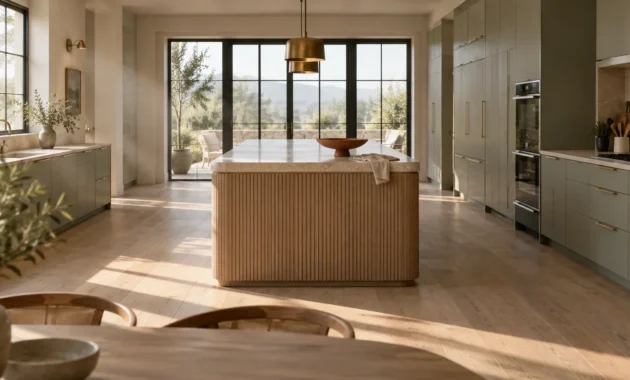
Oak floating ledges pair beautifully with fluted cabinet bases and brushed brass hardware. The harmonious balance of warm wood and metallic accents prevents open shelving kitchen concepts from feeling sterile.
Use these shelves to organize your most frequently used everyday plates and bowls. High turnover keeps dust from settling, ensuring your open storage remains as practical as it is stylish.
By keeping dinnerware in constant rotation, you maintain effortless kitchen shelf styling without endless dusting routines.
Kitchen Trend #3: Ceiling-Mounted Architectural Metal Frameworks
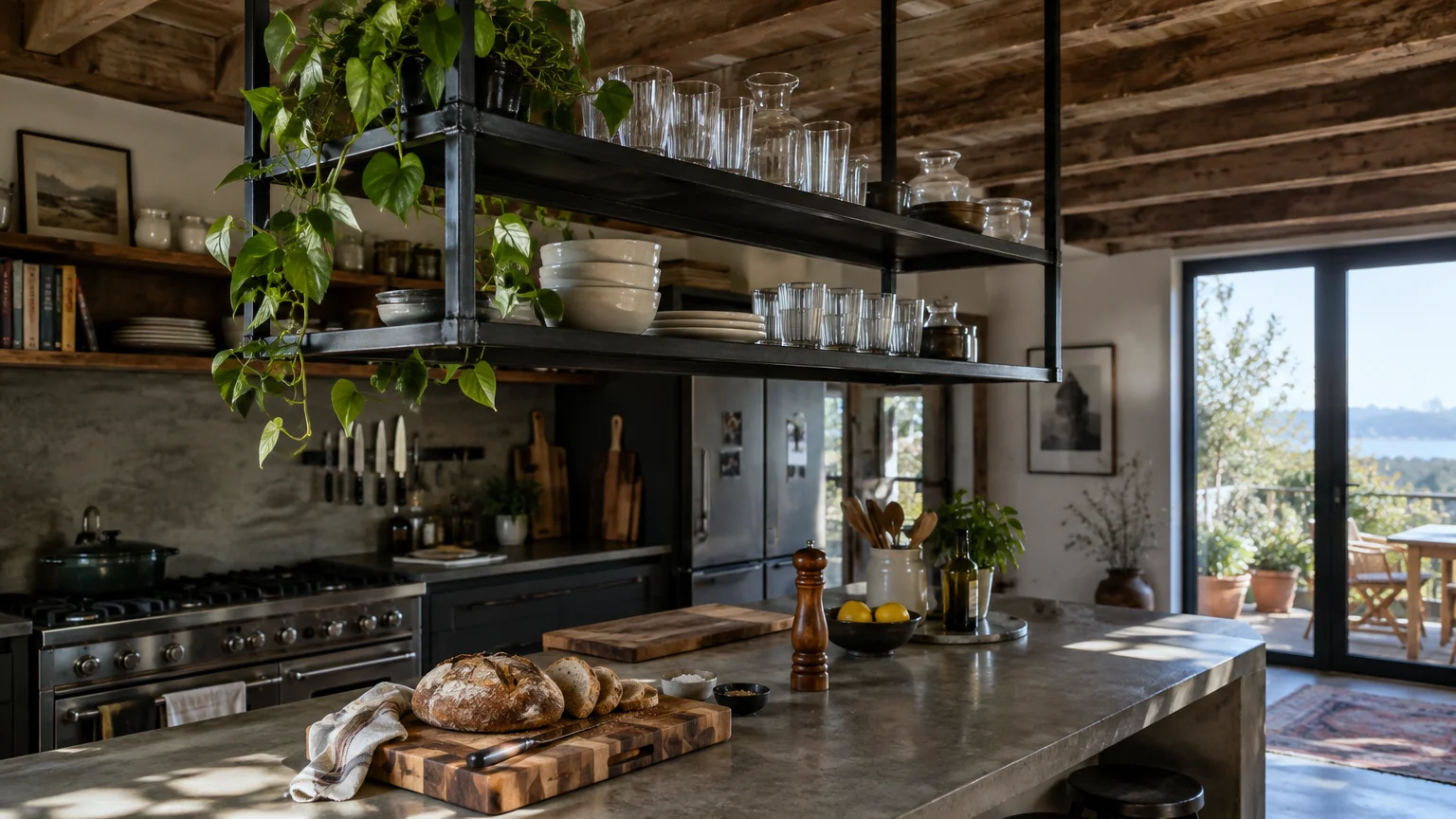
Suspended steel or brass shelving units turn vertical air space into functional architectural sculpture. Hanging directly from ceiling joists, these frames establish clear structural zoning without building solid walls.
In open-concept layouts, ceiling racks define the kitchen perimeter while preserving natural sightlines into adjoining dining spaces. You enjoy expansive storage without sacrificing light or conversational flow.
Powder-coated blackened steel offers an industrial edge, whereas patinated unlacquered brass brings warmth and historic depth. Select a metal finish that echoes your plumbing fixtures for cohesive luxury.
Integrate solid glass or ribbed metal inserts across each tier to safely support stemmed glassware. These airy inserts let light filter downward through the entire framework.
Hang a suspended rack directly above an expansive kitchen island equipped with integrated refrigeration and prep sinks. This layout keeps copper cookware, tasting bowls, and strainers right where prep work happens.
Remember to coordinate structural blocking during rough framing to support the total suspended weight. Proper planning ensures the frame remains rigid and safe under heavy culinary loads.
This hanging concept delivers sophisticated urban character while delivering brilliant kitchen storage ideas for compact, high-ceilinged homes. It maximizes volume while celebrating raw structural geometry.
You can even drape trailing herbs from the top tier to introduce vibrant, living green accents.
Kitchen Trend #4: Integrated LED Channel Lighting on Floating Profiles
Thoughtful illumination separates amateur open shelving from high-end architectural millwork. Recessing micro LED strip channels into the underside of each shelf delivers targeted, glare-free task lighting.
Route the aluminum channels flush with the bottom surface before mounting to conceal wiring completely. The result is a smooth plane that emits a soft, atmospheric wash over your work surfaces.
Select warm color temperatures between 2700K and 3000K to flatter food, pottery, and natural stone textures. Cooler blue tones feel clinical and undermine the cozy ambiance of your home.
You can also route channels along the top rear edge to project an upward wash across textured backsplashes. This indirect glow enhances handcrafted zellige tiles and subtle plaster variations dramatically.
Connect your shelf lighting to smart dimming controls or automated scene programming. Transition effortlessly from bright culinary prep light to low-lumen dinner party mood lighting with a single tap.
Illuminating open shelves also prevents deep wall shadows that often make open concepts feel flat. Dimensional lighting creates depth, making smaller kitchens feel substantially more open and expansive.
This functional innovation turns your everyday kitchen shelf styling into a dynamic lighting installation after sunset. It blends utility with gallery-inspired luxury.
Your glassware catches the warm light, casting delicate refractions across adjacent walls.
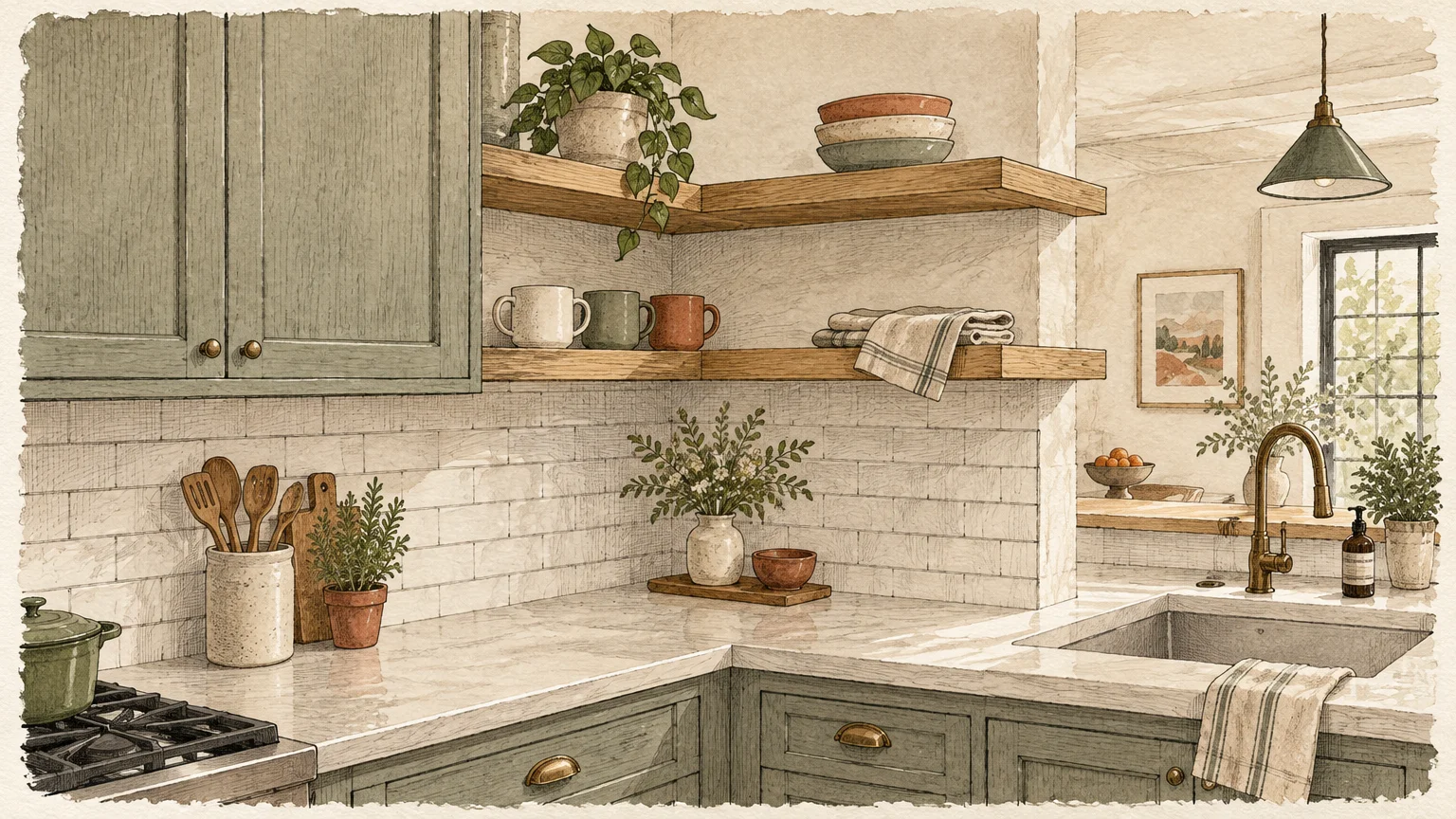
Kitchen Trend #5: Asymmetric Corner Shelving to Balance the Work Triangle
Traditional upper corner cabinets often create awkward, dark caverns that frustrate daily meal prep. Replacing bulky corner boxes with open asymmetric shelving unlocks forgotten corners with graceful utility.
Let one shelf extend past the corner while terminating the adjacent shelf several inches shorter. This offset rhythm breaks visual monotony and introduces modern architectural interest into your layout.
Situate these corner shelves between your primary prep sink and range to support an efficient work triangle. You can effortlessly grab mixing bowls, sea salts, and oils mid-recipe.
Wrapping shelves around an exterior wall corner similarly connects the kitchen zone to a breakfast pantry. This smooth visual transition creates seamless spatial flow throughout open floor plans.
Mix ceramic jars and stacked stoneware to anchor the visual weight toward the inside corner. Keeping lighter glassware near the outer shelf edges prevents the arrangement from appearing top-heavy.
Ensure your wall brackets provide balanced structural reinforcement across both intersecting walls. Mitered corner joints must be carefully joined to prevent sagging over decades of use.
This asymmetric approach transforms utilitarian storage into an eye-catching design statement. It proves practical kitchen storage ideas can overcome challenging floor plan constraints with ease.
The resulting open sightlines make compact cooking zones feel airy, spacious, and inviting.
Kitchen Trend #6: Deep Architectural Alcoves with Hand-Applied Plaster
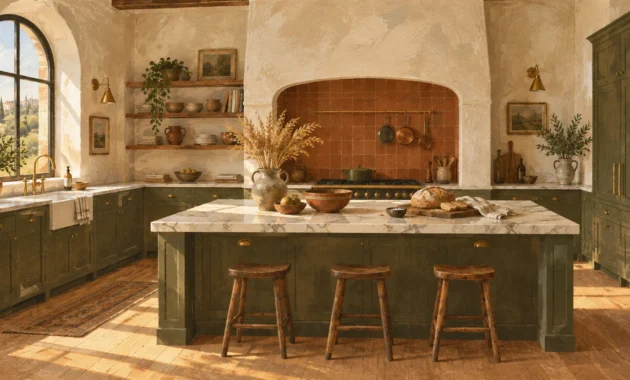
Recessed alcoves carved into framed partition walls offer an organic alternative to surface-mounted brackets. Finished in lime wash or tadelakt plaster, these niches evoke serene Mediterranean and desert modernism.
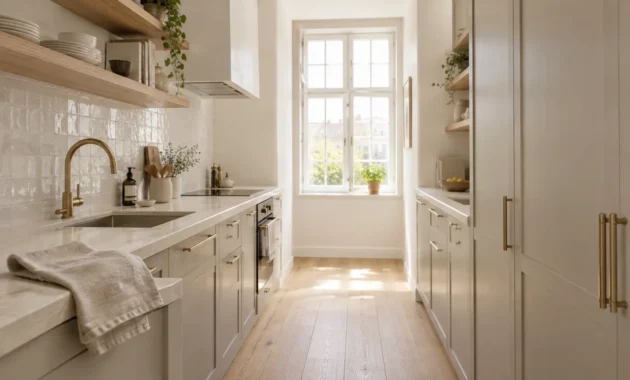
Because the shelves sit flush within the wall plane, they do not protrude into your walkways. This makes alcove shelving ideal for narrow galley kitchens and high-traffic circulation paths.
Line the niche base with slab remnants or thick hardwood inserts to protect the plaster from wet ceramics. This thoughtful detail defends delicate lime finishes against chips and everyday scuffs.
Plaster finishes develop a subtle patina over time, lending soulful character to modern kitchen design. The velvety, light-absorbing texture provides an exceptional backdrop for earthy terracotta and artisanal stoneware.
Frame the alcove with a gentle parabolic arch or soft radius corners to soften rigid rectangular architecture. Curves balance hard quartz countertops and stainless steel appliances naturally.
Limit displays within alcoves to a few sculptural vessels, curated cookbooks, and hand-thrown mugs. Giving each item ample breathing space accentuates the custom architectural envelope.
Built-in niches feel permanent, intentional, and integrated directly into the home structure. They deliver functional storage while avoiding the transient look of temporary wall shelving.
You create an artful focal point that draws admiring glances from every corner of the room.
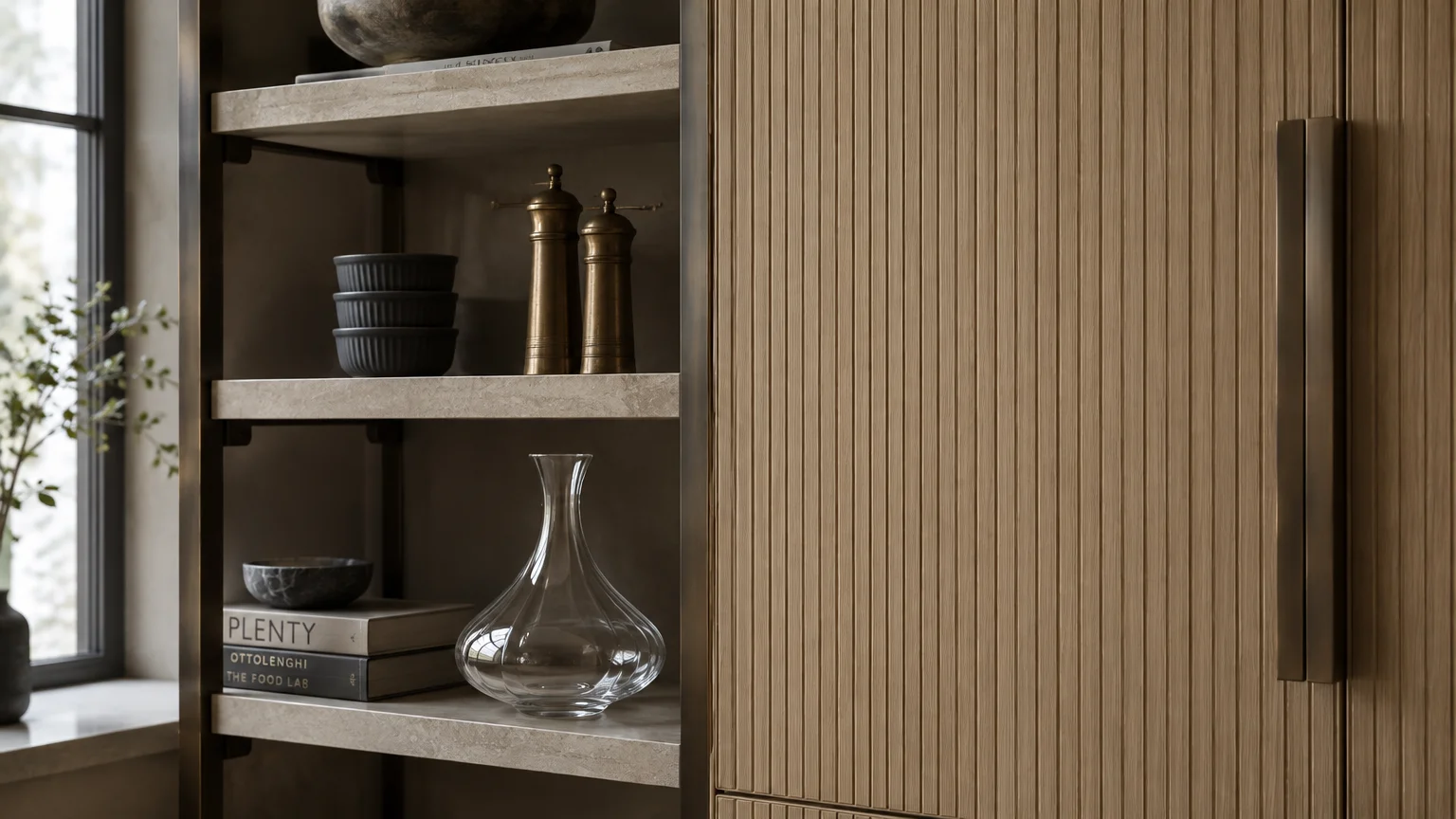
Kitchen Trend #7: Mixed-Material Shelving Framing Paneled Appliances
Modern kitchens increasingly disguise large appliances behind seamless custom cabinet panels. Framing integrated refrigeration with flanking open shelves creates a balanced, built-in furniture aesthetic.
Combining metal vertical uprights with thick timber shelves introduces rich tactile contrast against painted flat-panel doors. This juxtaposition breaks up towering walls of solid cabinetry without sacrificing valuable storage.
Flanking tall refrigerator columns with open shelves visually lightens massive appliance walls. Your eye travels past the integrated units toward the warm wood grains and displayed art objects.
Line the shelf backs with smoked mirrors or textured ribbed wood paneling to amplify visual depth. Reflections bounce ambient daylight into deep kitchen corners, expanding the room perceptually.
Reserve the lower tiers of these framed towers for high-frequency items like breakfast bowls and coffee mugs. Higher shelves can house entertaining platters, cocktail glassware, and vintage decanters.
Align the horizontal lines of your shelving precisely with adjacent cabinet reveals and door headers. Strict horizontal alignment preserves architectural harmony across the entire wall expanse.
This tailored combination merges high-performance appliances with artisanal craftsmanship. It ensures your kitchen looks like an extension of your living space rather than a commercial laboratory.
The open shelving kitchen concept thrives when balanced against robust closed storage elements.
Kitchen Trend #8: Single Linear Cooktop Spans for Curated Essentials
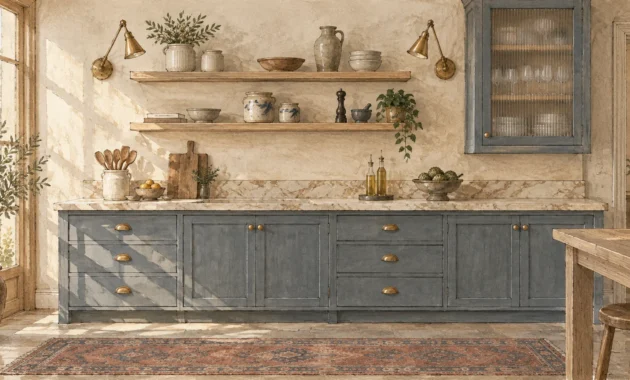
Sometimes the most sophisticated design choice is restraint. A single, dramatic floating shelf stretching across the entire cooktop wall makes a powerful minimalist statement.
This continuous linear shelf anchors the room visually, drawing the eye horizontally across the cooking zone. It eliminates upper cabinet clutter while highlighting stunning slab backsplashes or designer tile.
Mount the single ledge well above cooking steam and heat plumes to preserve your displayed items. Durable quartz, honed granite, or sealed stainless steel work best in this high-temperature zone.
Curate this focal shelf with deliberate economy. Display small cruets of everyday olive oils, brass salt mills, and framed artwork protected behind glare-free museum glass.
Pair this streamlined approach with a concealed, custom-paneled range hood. Blending the ventilation unit into the wall prevents heavy metal hoods from disrupting your linear shelf sightline.
With only one shelf to manage, maintenance stays remarkably quick and simple. A quick swipe with a microfiber cloth keeps grease, moisture, and dust completely under control.
This ultra-clean configuration proves that open shelf kitchen ideas can look exceptionally polished. It delivers a modern, unencumbered space where culinary creativity takes center stage.
You achieve maximum aesthetic impact with minimal clutter, establishing an effortlessly elevated atmosphere.
Bringing It Together: Designing Your Dream Kitchen
Successfully implementing open shelving requires balancing display with hardworking closed cabinetry. Pair open ledges with deep lower drawers to conceal bulky appliances, pantry overflow, and mismatched cookware.
Maintain strict alignment between your shelf heights, countertop thickness, and window casings. Cohesive proportions ensure your kitchen feels professionally designed rather than casually assembled.
Edit your displayed items with intention to prevent visual fatigue. Group ceramics in odd numbers, mix complementary textures, and embrace negative space between collections.
Factor your daily cooking style into shelf placement. Keep delicate glassware far from sizzling fry pans, reserving open zones near ranges for high-heat cooking essentials.
Timeless kitchen architecture always prioritizes clean maintenance and durable surfaces. Choosing stain-resistant stone and sealed hardwoods ensures your open displays stay pristine for years.
When planned with care, open shelving enhances daily cooking rituals and boosts long-term resale appeal. It transforms utilitarian storage into an ongoing expression of personal style.
For professional standards in kitchen planning, rely on the National Kitchen + Bath Association (NKBA). Discover appliance innovations unveiled at the Kitchen & Bath Industry Show (KBIS).
Frequently Asked Questions
How do you keep open kitchen shelves from getting dusty and greasy?
Place open shelves away from high-heat frying zones, and install a powerful, properly vented range hood. Using high-efficiency ventilation captures airborne grease droplets before they settle onto open surfaces.
Store your everyday plates and glassware on lower open tiers where constant rotation prevents dust buildup. Reserve decorative objects for higher shelves and wipe them down during regular cleaning routines.
What is the ideal thickness for floating kitchen shelves?
Solid wood floating shelves perform best at two to two-and-a-half inches thick. This generous profile conceals internal steel mounting hardware while preventing heavy stacks of stoneware from sagging over time.
Natural stone ledges often feature a one-and-a-quarter inch slab with a mitered apron edge. This gives the illusion of substantial mass without adding unnecessary dead load to your wall framing.
Can open shelving hurt the resale value of a home?
Eliminating all closed upper cabinetry can deter potential buyers who prioritize concealed storage. However, incorporating balanced accent shelving alongside ample tall cabinets and base drawers enhances market appeal.
Thoughtful kitchen shelf styling provides prospective buyers with an open, modern aesthetic without compromising everyday utility. Highlighting premium materials like white oak and marble communicates enduring luxury.
How much weight can floating kitchen shelves safely hold?
When securely anchored into solid wall studs with heavy-gauge steel brackets, floating shelves hold substantial weight. Quality commercial brackets routinely support forty to fifty pounds per linear foot.
Always verify stud locations with a reliable sensor and avoid relying on hollow-wall drywall anchors. Proper structural installation ensures your favorite cast iron cookware remains safely supported.
Disclaimer: This article reflects design trend analysis and predictions. Personal taste and timeless design principles should always guide your decorating choices.