The Big Picture: Weaving These Trends into Your Home
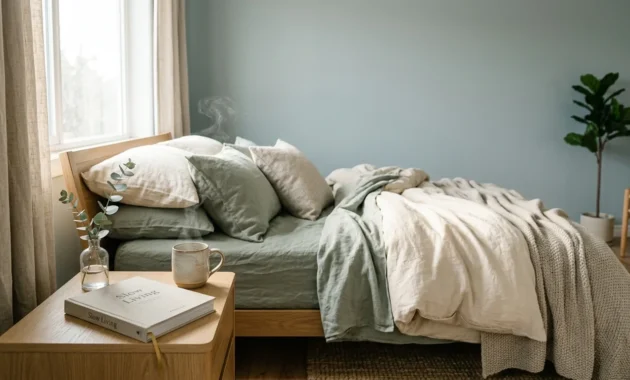
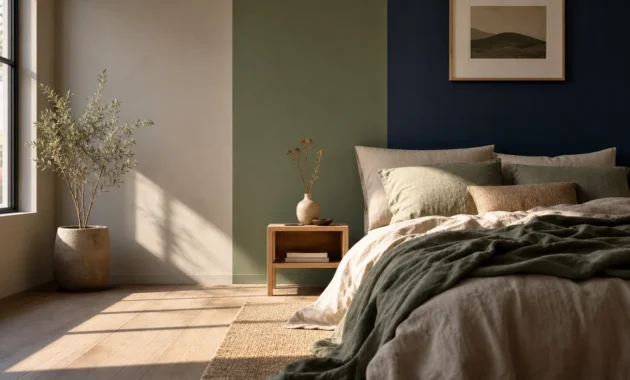
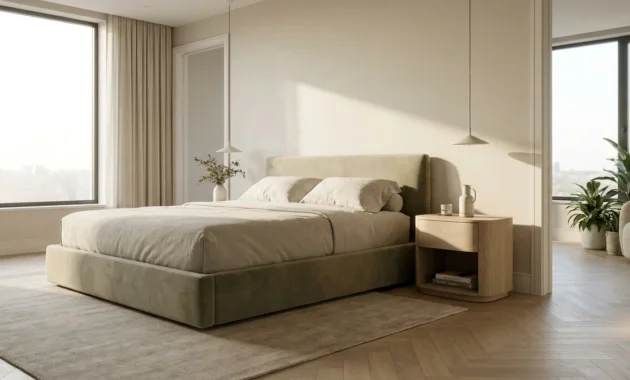
Understanding which bedding colors to avoid represents only the first step in mastering your bedroom design; the true artistry lies in how you weave sophisticated, restorative hues into your broader home decorating scheme. The most successful interior design trends currently emphasize cohesion, layered textures, and a seamless flow from one room to the next. Your bedroom should not exist as an isolated aesthetic island, but rather as the most private, tranquil extension of your home’s overarching narrative.
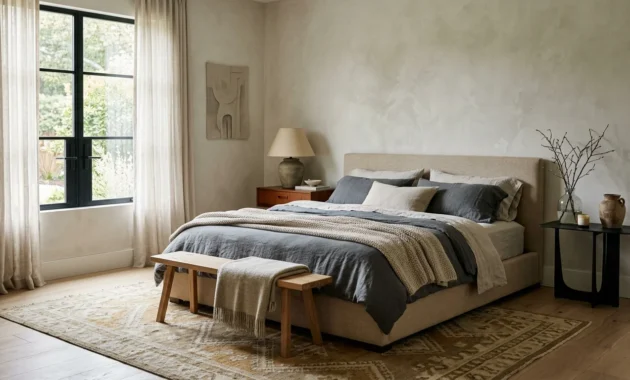
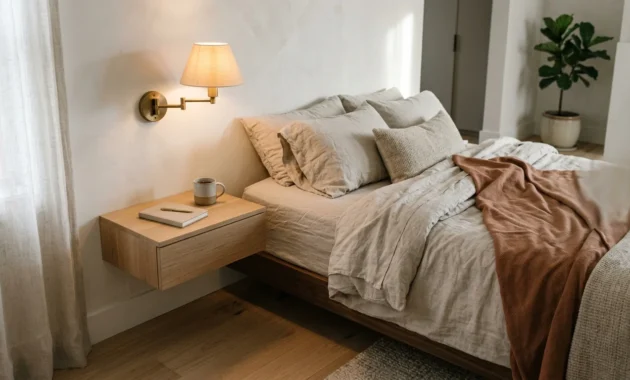
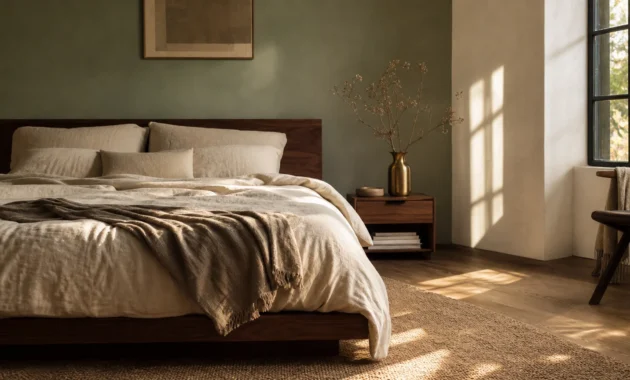
To build a truly timeless bed, start with a foundation of high-quality neutrals. Use unbleached linen, warm ivory percale, or soft taupe sateen for your fitted sheets and duvet covers. This neutral base provides ultimate flexibility, allowing you to introduce deeper, more complex colors through easily interchangeable elements. A textured throw blanket in deep rust, or a pair of velvet accent pillows in dusty mauve, adds profound visual interest without committing the entire room to a single color.
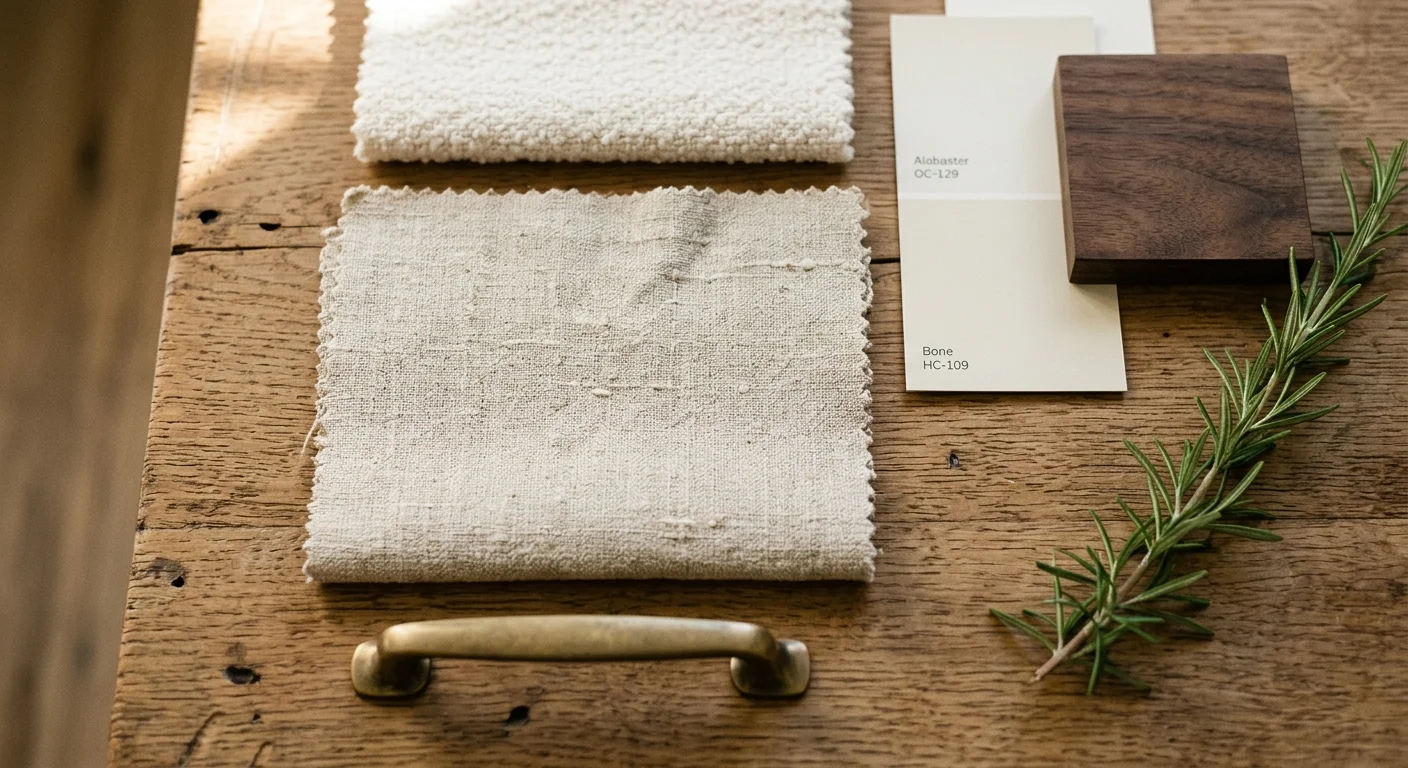
Always consider the tactile quality of your fabrics alongside their color. A beautifully complex shade of mushroom gray will still fall flat if printed on cheap, shiny polyester. Conversely, the natural slubs of raw silk or the relaxed crinkle of stonewashed linen will elevate even the simplest alabaster hue. By combining sophisticated, earth-grounded colors with undeniably premium textures, you guarantee a bedroom decor scheme that feels expertly curated, deeply restorative, and immune to the rapid turnover of fleeting design fads.
Frequently Asked Questions
How can I introduce meaningful color to my bedroom decor if I prefer a highly neutral foundation?
If you favor a tranquil, neutral base, introduce color through rich, textural layering rather than massive blocks of solid dye. Opt for a warm ivory or oatmeal duvet, and layer a heavyweight, saturated throw blanket—such as deep ochre or muted burgundy—across the foot of the bed. You can also utilize contrasting pillowcases or a patterned lumbar pillow that incorporates elegant, desaturated tones. This approach allows you to enjoy the vibrancy of color while maintaining the serene, quiet luxury of a neutral sleep space.
Do my specific bedding colors impact the overall interior design trends of my entire home?
Absolutely. While the bedroom remains a private sanctuary, successful home decorating relies on a cohesive visual thread that connects every room. If your home features a warm, earthy, biophilic palette, introducing stark hospital white or neon bedding will create a jarring psychological disconnect when moving from the hallway into the primary suite. Ensure your bedroom colors share similar undertones and saturation levels with the rest of your home to maintain a seamless, professionally designed flow.
Are exceptionally dark colors like charcoal, navy, or forest green still acceptable for bedroom design, or are they considered outdated like dreary gray?
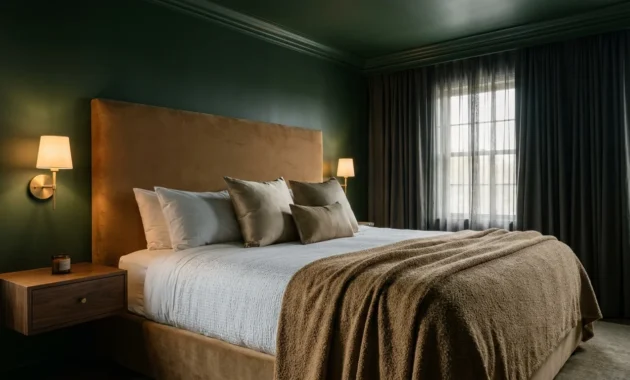
Deep, enveloping colors remain highly favored by top designers, provided they possess warmth and complexity. Unlike flat, dreary builder-grade gray, colors like rich navy, dark aubergine, or deep forest green create a moody, cocoon-like atmosphere that many find incredibly conducive to sleep. The key to executing dark bedding successfully lies in the texture; utilize materials with a slight sheen or profound depth, such as washed velvet or high-quality sateen, to prevent dark colors from reading as flat or heavy.
How does natural and artificial lighting affect the way bedding colors appear in my space?
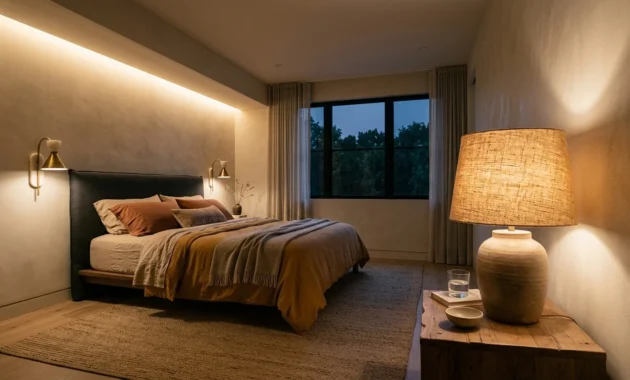
Lighting fundamentally dictates how the human eye perceives color. A color that looks perfectly warm in a brightly lit showroom may appear dreary and flat in a north-facing bedroom with cool natural light. Furthermore, the color temperature of your bedroom lamps heavily alters the appearance of your textiles; warm LED bulbs will enhance the red and yellow undertones of terracotta or ivory, while cool bulbs will wash them out. Always test fabric swatches in your specific bedroom under both morning sunlight and evening lamp light before committing to a new bedding palette.
For the latest color forecasts, consult industry leaders like Pantone and paint companies like Benjamin Moore. For professional design standards, refer to the American Society of Interior Designers (ASID).
Disclaimer: This article reflects design trend analysis and predictions. Personal taste and timeless design principles should always guide your decorating choices.