Trend #3: Dreary Builder-Grade Gray
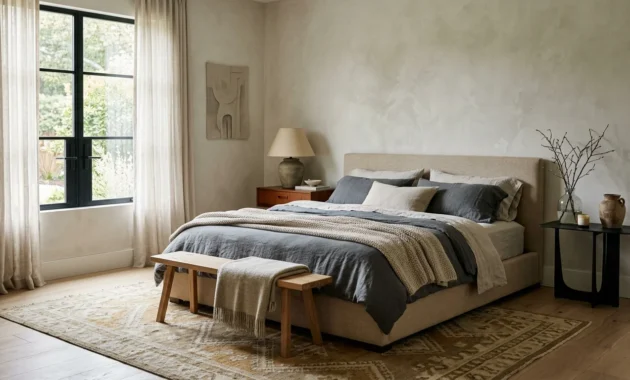
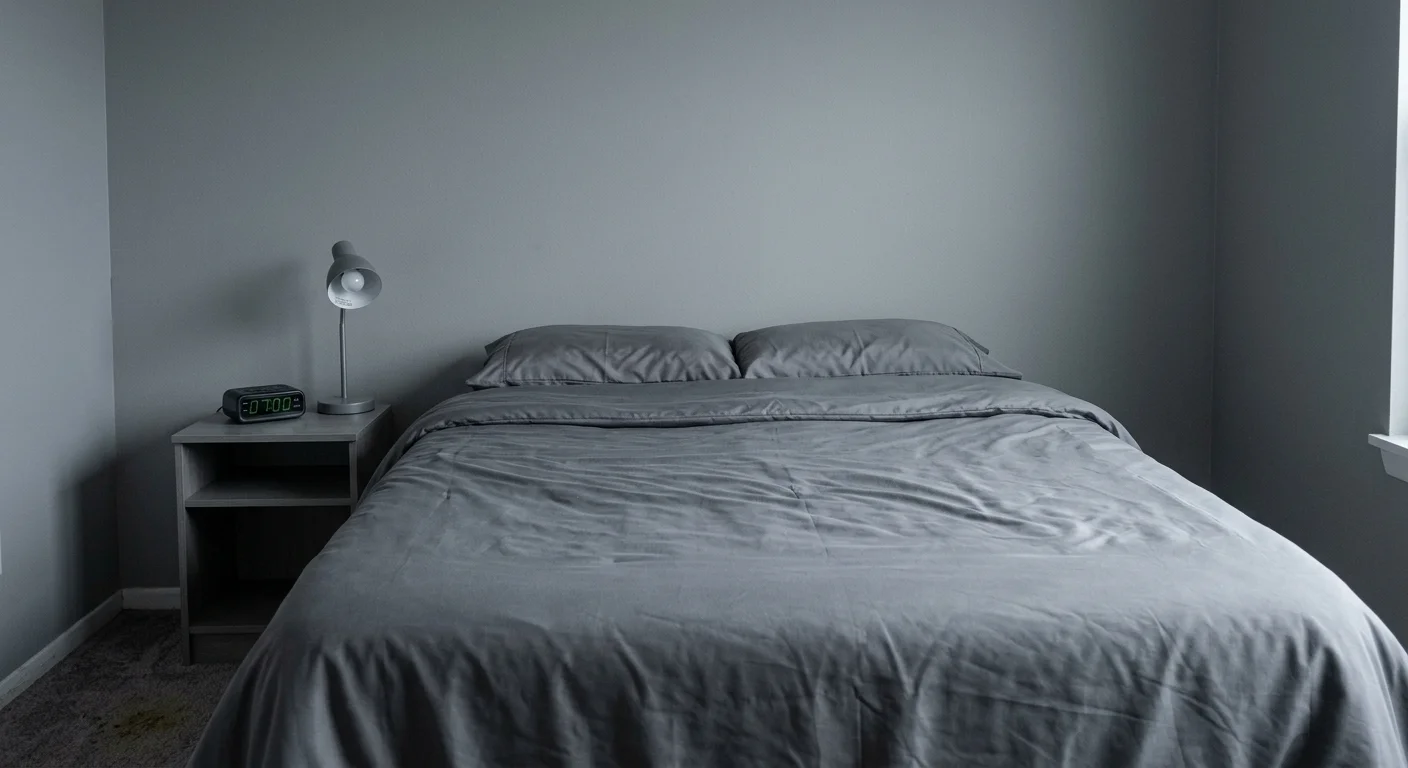
The 2010s witnessed an unprecedented explosion of gray in home decorating; from walls to floors to bedding, flat gray saturated the market until it lost all its original sophistication. Today, elite designers actively avoid dreary, cool-toned gray bedding, viewing it as the fastest way to drain the life and energy out of a meticulously planned space. Often dubbed “millennial gray,” this specific hue has transitioned from a safe, modern neutral to a tired, corporate cliché.
Cool-toned grays carry dominant blue or purple undertones that act as visual black holes in a bedroom decor scheme. Instead of reflecting light, they absorb it, creating a shadowy, cavernous atmosphere that feels inherently melancholic.
In north-facing rooms or spaces with limited natural light, gray bedding takes on a grim, concrete-like quality that mimics a rainy sky. Furthermore, cool gray notoriously casts a sallow, unflattering hue on human skin, which completely undermines the goal of creating a romantic or pampering environment.
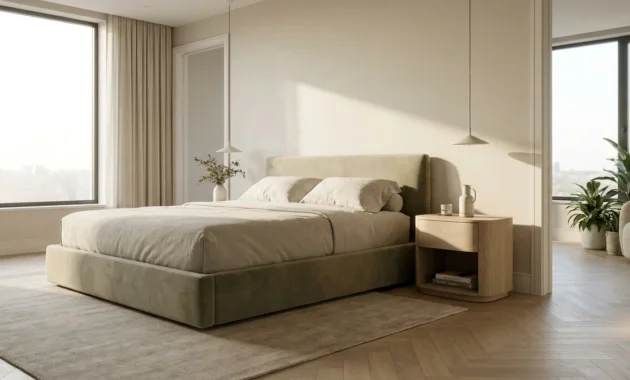
The prevailing interior design trends have firmly pivoted back toward warmth, rendering these chilly, flat grays entirely obsolete. Modern design celebrates environments that envelop and comfort the inhabitant, a psychological need that stark gray fundamentally fails to meet. Continuing to use flat gray bedding instantly timestamps your bedroom, anchoring your aesthetic to a past decade rather than moving it forward.
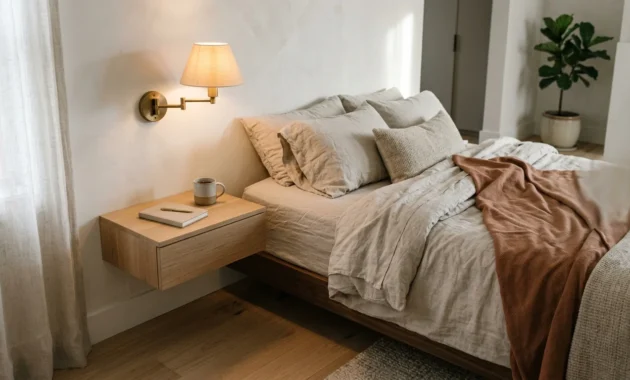
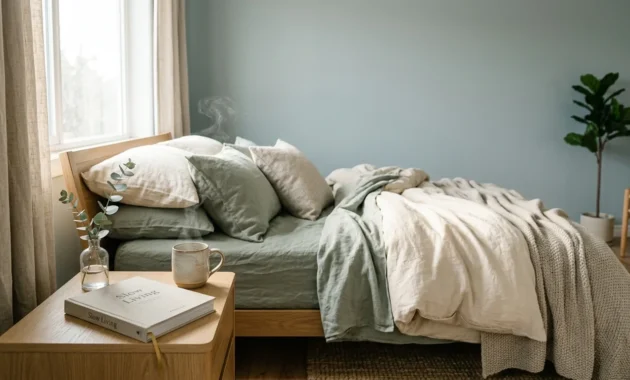
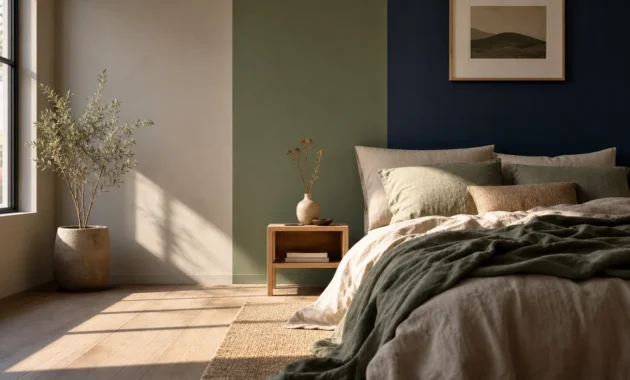
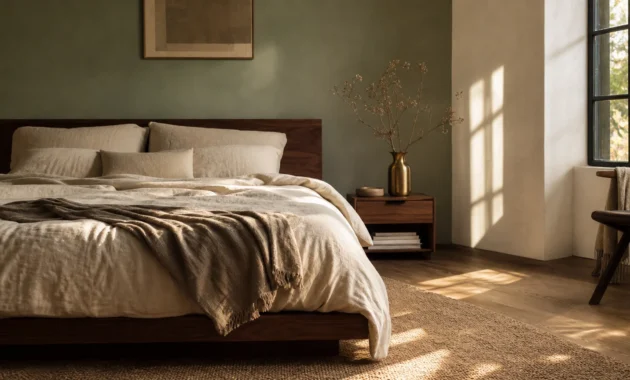
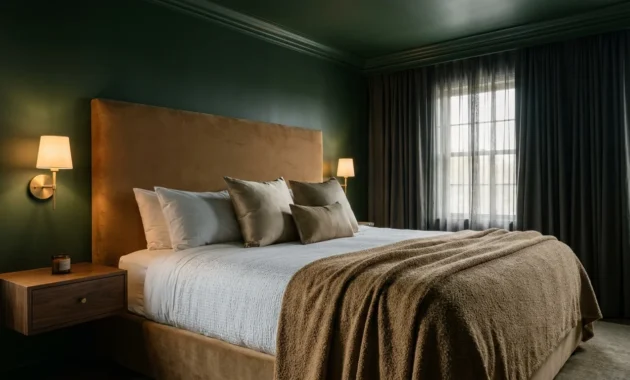
To update a neutral bedroom gracefully, swap out cool grays for complex, inherently warm alternatives. Taupe, mushroom, greige, and warm stone offer the immense versatility of gray but incorporate crucial brown or green undertones.
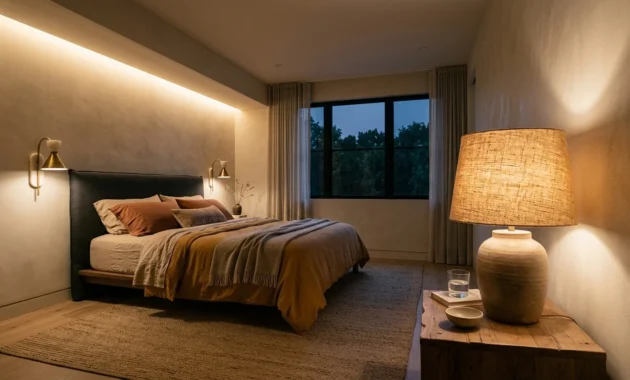
These multifaceted neutrals shift dynamically throughout the day, looking crisp in the morning light and incredibly cozy in the evening. They provide a highly sophisticated foundation that effortlessly supports both minimalist and maximalist design philosophies.