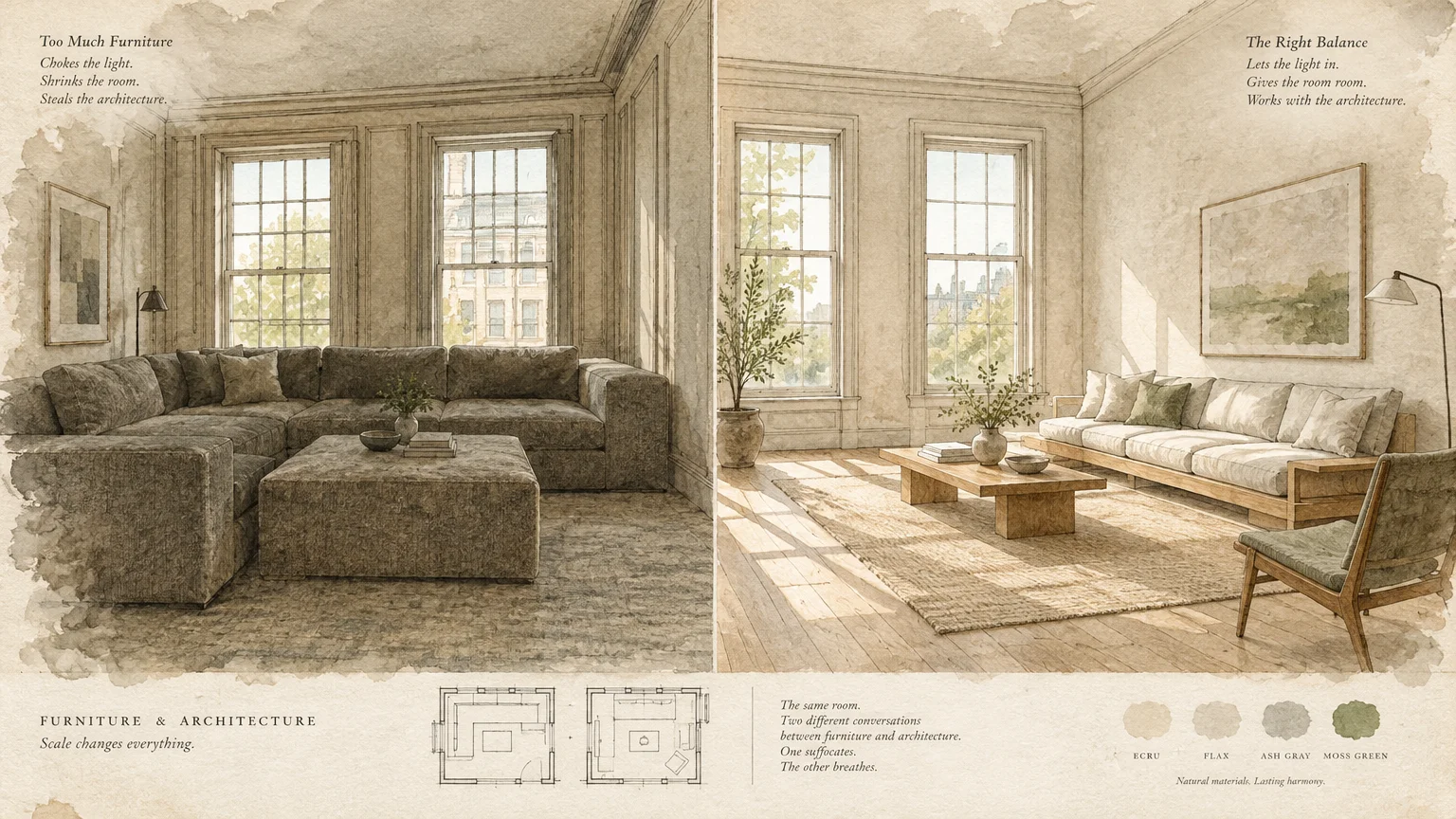
Your sofa anchors your living room, yet an ill-fitting silhouette instantly destabilizes your entire interior layout. Recognizing subtle spatial friction in your space enables you to curate a cohesive, balanced sanctuary.
When scale, tactile resonance, or movement pathways feel disrupted, your furniture works against your home rather than elevating it. Addressing these fundamental design missteps restores intentional elegance to everyday living.
Discover whether your current seating honors classic spatial proportions or if emerging design movements offer a superior solution. The following cues will help you assess your arrangement with an expert eye.
Trend #1: Proportion Distortion — Embracing Low-Slung Organic Modernism
If your sofa dominates the room and swallows sightlines, your layout suffers from severe scale distortion. A bulky profile makes surrounding architectural details appear cramped and diminutive.
A primary sign that your sofa doesn’t fit living room dimensions is the loss of breathing room around key features. Windows, fireplaces, and entryways should frame your seating rather than compete with it.
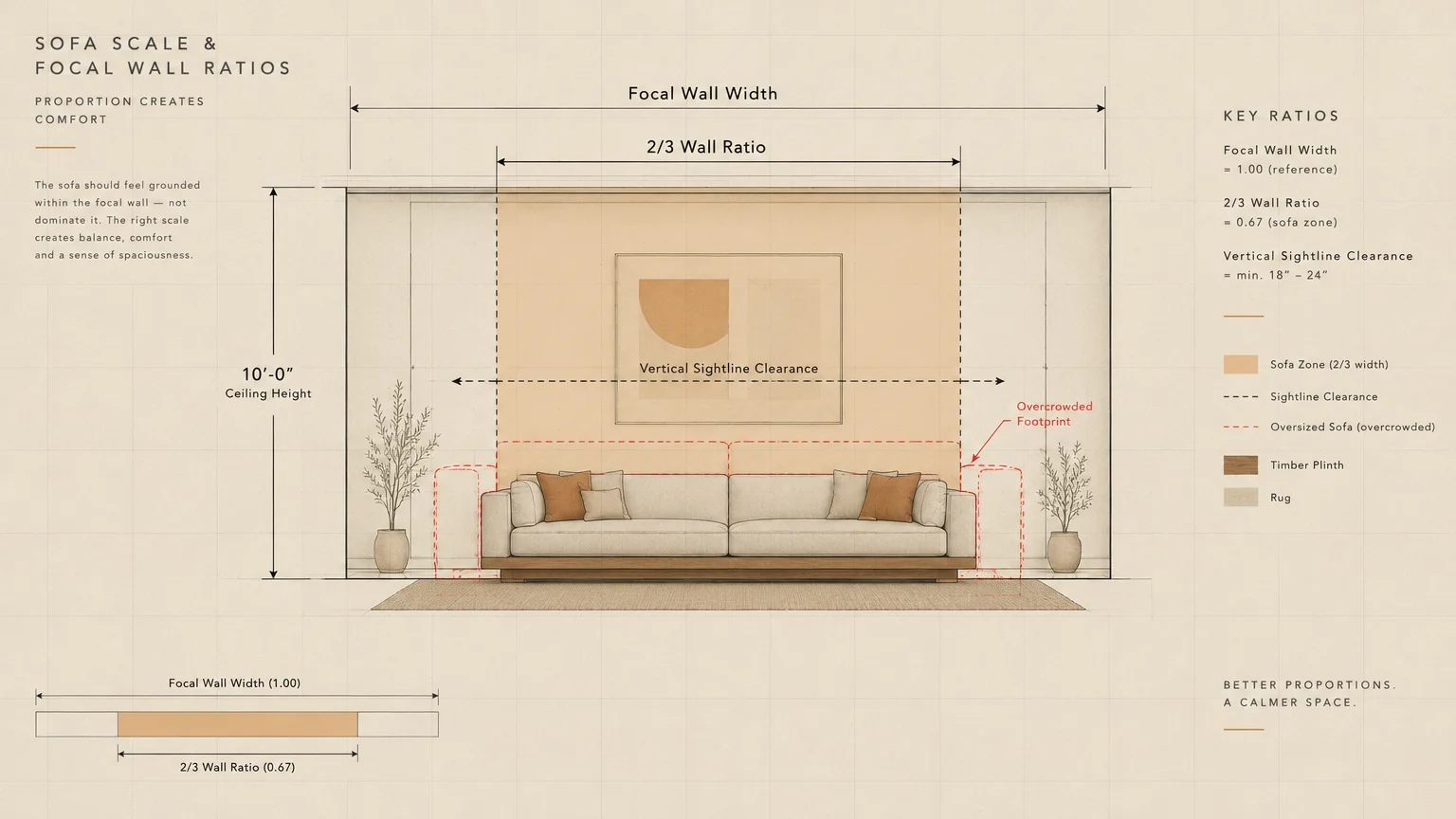
Interior designers rely on an authoritative couch size guide to preserve spatial equilibrium. As a general benchmark, your primary sofa should occupy approximately two-thirds of the focal wall behind it.
When a monolithic sofa exceeds this proportion, the room feels constricted and visually overwhelmed. The current design zeitgeist resolves this tension through the philosophy of organic modernism.
Organic modernism favors low-slung, grounded frames that preserve expansive vertical sightlines throughout the home. These pieces create an anchored presence without encroaching upon the room’s perceived vertical volume.
Natural white oak, raw ash, and slubbed linen replace heavy, boxy structures wrapped in synthetic fabrics. The resulting silhouette invites natural light to travel unimpeded across your living area.
This aesthetic trend stems from a collective desire for calm, uncluttered environments that prioritize airiness over sheer mass. Homeowners increasingly favor minimalist restraint over bulky, overstuffed living room furniture.
Before making an investment, study critical sofa buying tips that emphasize ceiling clearance and footprint. Lower profiles visually expand wall height, allowing your artwork and architectural molding to stand out.
When you replace an oversized sofa with an organic modern design, the entire room feels instantly revitalized. The space shifts from feeling overcrowded to feeling deliberately curated.
This transition highlights the room’s authentic architectural bones rather than concealing them beneath excessive upholstery foam. You gain both physical comfort and visual harmony.
If you must squeeze past bulky cushions to enter a room, your sofa is actively sabotaging your layout. Low-profile organic designs restore the natural flow your home deserves.
Look for pieces that incorporate recessed plinths or continuous timber bases. These architectural details ground your seating while maintaining an elegant, understated footprint.
Trend #2: Linear Rigidity — The Rise of Curvilinear Silhouettes
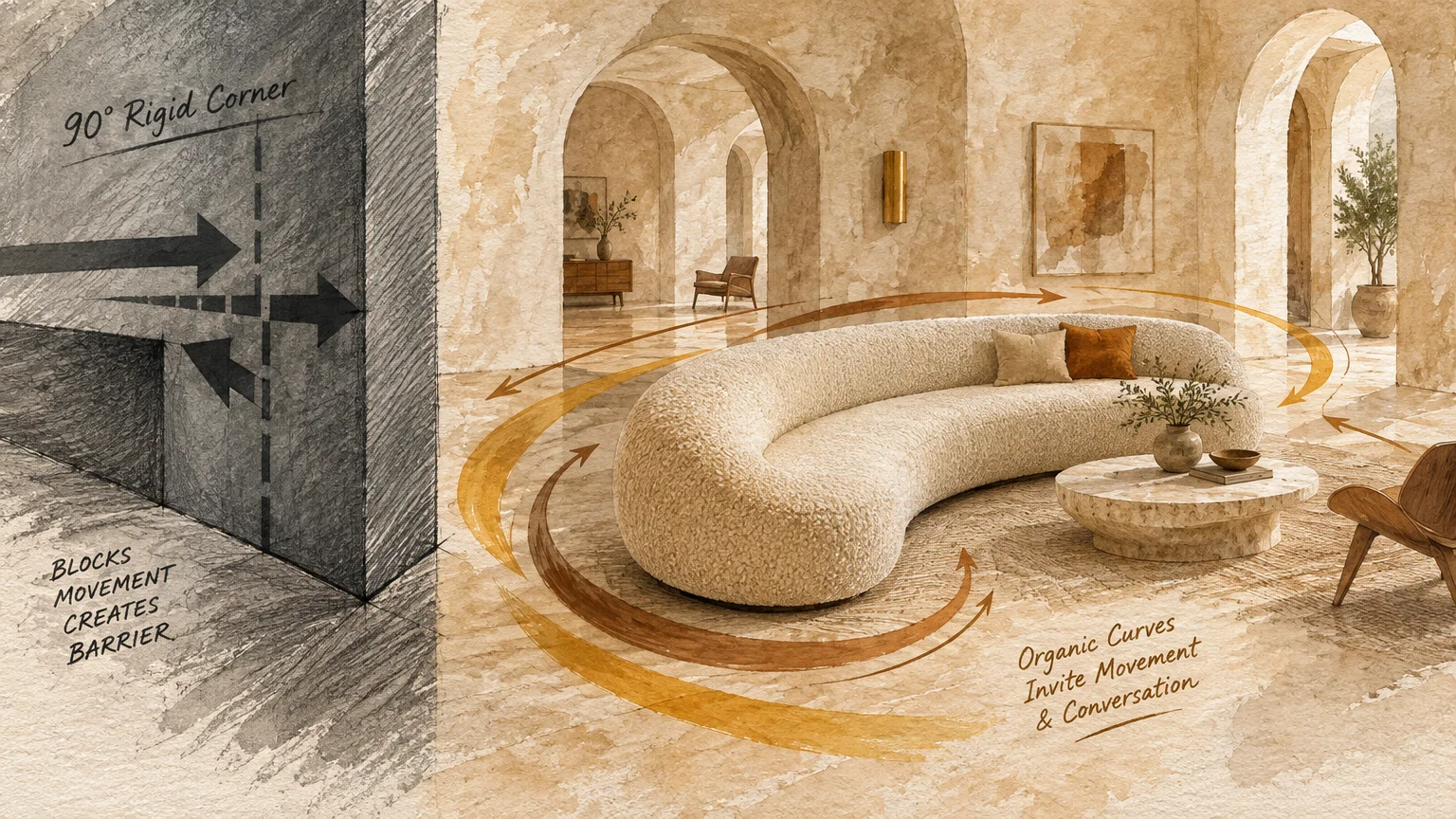
A sofa with harsh, geometric corners can make an otherwise welcoming room feel uncomfortably rigid and cold. When every furniture edge forms a ninety-degree angle, your gathering space loses its conversational energy.
This severe boxiness represents one of the most frequent interior design mistakes in modern spaces. Long, rectangular sectionals often sever open layouts into awkward, uninviting corrals.
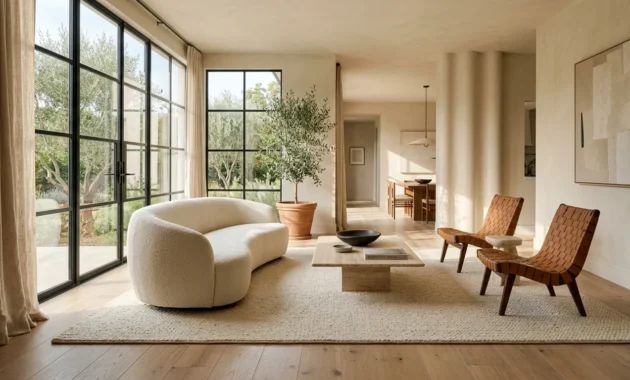
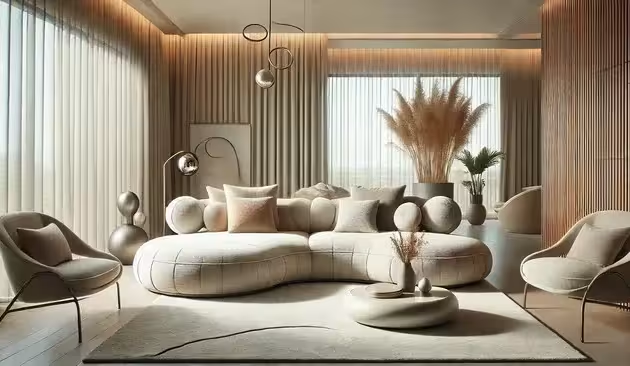
Leading designers actively counteract this stiffness by specifying soft, curvilinear silhouettes. Curved sofas introduce graceful kinetic movement, guiding your eye seamlessly through the living environment.
Drawing inspiration from mid-century European masters, these sculptural contours foster natural conversation circles. The gentle arc positions guests toward one another, establishing effortless social intimacy.
Tactile materials accentuate these sweeping curves and heighten overall comfort. Textured wools, looped bouclé, and dense velvet wrap these organic shapes with luxurious dimension.
Warm mineral tones like travertine, pale oatmeal, and soft camel complement these fluid lines. Natural light creates gentle gradients across rounded corners, infusing the room with dynamic visual warmth.
The popularity of curved seating reflects our growing desire for softer, restorative home environments. Fluid contours break the monotony of rectangular rooms and rigid drywall planes.
If your current couch makes your living room feel like a commercial office lobby, consider curved geometry. Introducing rounded contours instantly elevates your home with tailored, artistic presence.
You do not need curved architectural walls to pull off this sophisticated look. In fact, a curvilinear sofa provides an exquisite visual counterbalance against crisp, straight architectural lines.
Floating a curved frame in the center of your space invites movement around all sides. It turns an ordinary seating area into a true sculptural focal point.
This approach encourages intuitive room navigation and creates a distinctly welcoming atmosphere. Your living space becomes a chic retreat built for lingering and engaging conversations.
Embrace rounded forms to soften the hard edges of modern residential construction. The resulting interior feels refined, serene, and profoundly inviting.
Trend #3: Chromatic and Tactile Inertia — Quiet Luxury and Earthy Textures
Your sofa fails your room when its upholstery feels flat, synthetic, and emotionally detached from your aesthetic. Lifeless gray fabrics and sterile weaves drain the warmth out of an otherwise well-designed room.
Thoughtful sofa buying tips always emphasize tactile resonance alongside everyday practicality. When your seating lacks texture, your entire living room runs the risk of feeling dull and two-dimensional.
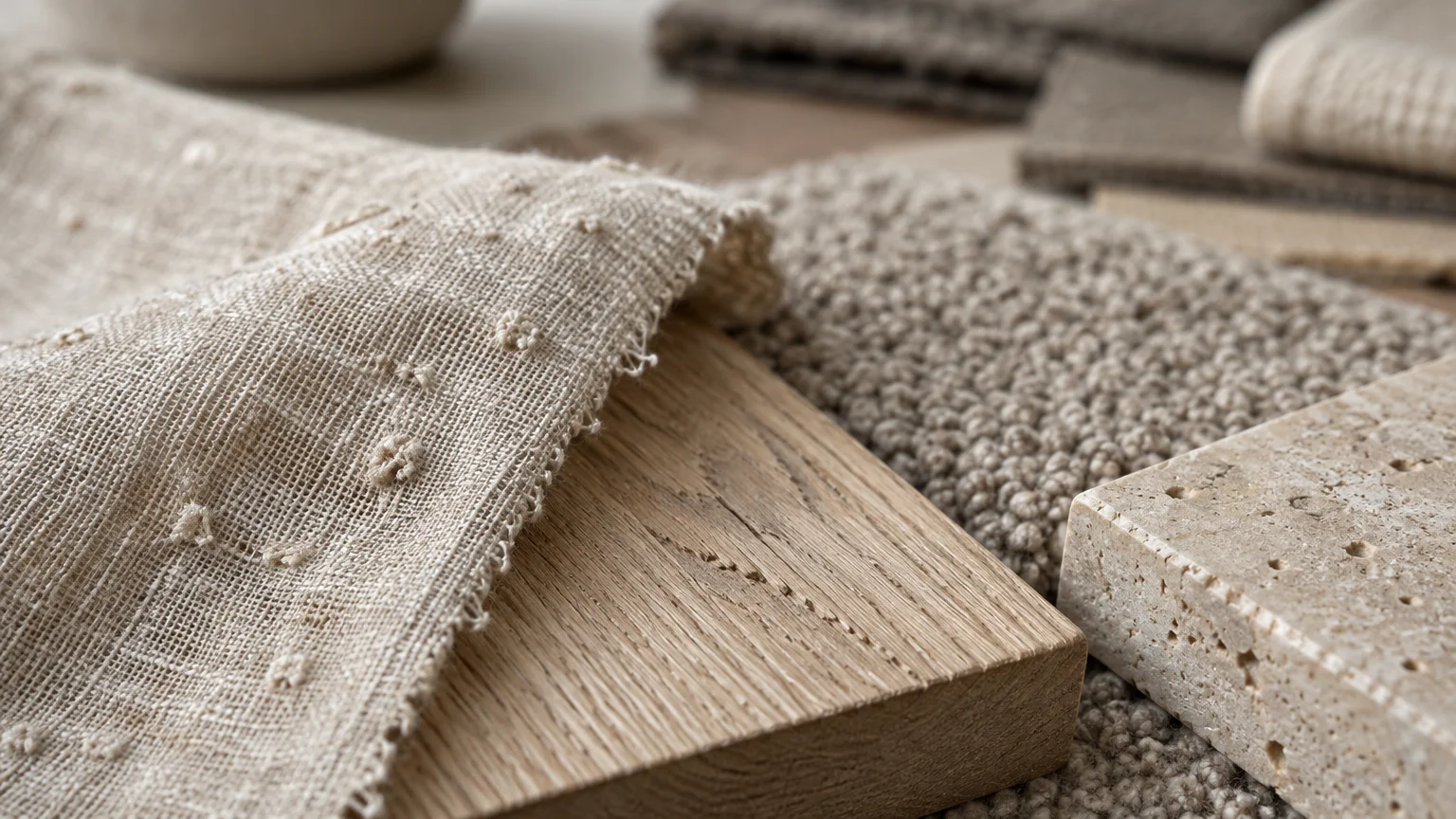
The design community has pivoted toward quiet luxury, prioritizing subtle craftsmanship, material honesty, and deep textural variation. This philosophy trades high-gloss artificiality for timeless, understated elegance.
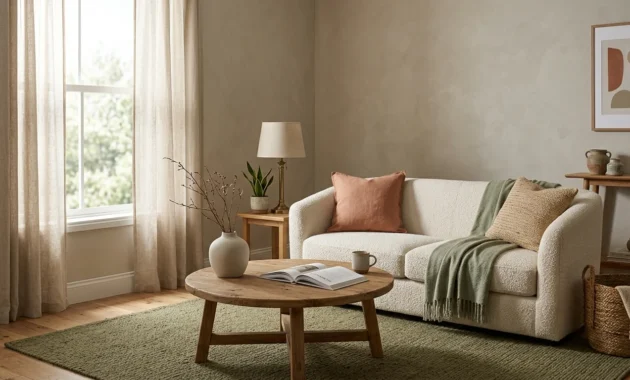
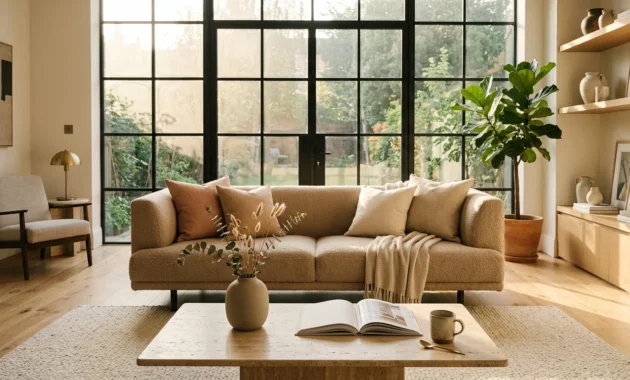
Discerning decorators now favor chunky slub linens, nubby wools, and heavyweight textural cottons. These layered fabrics create rich sensory depth that transforms standard upholstery into an artisanal statement.
Modern color directions draw inspiration directly from the earth’s mineral palette. Tones of baked terracotta, warm umber, sage, and deep espresso ground modern living rooms with effortless sophistication.
This movement represents a widespread departure from disposable furniture and generic synthetic covers. Homeowners now value provenance, artisanal manufacturing, and materials that mature gracefully over decades.
Pay close attention to how natural sunlight interacts with your sofa fabric throughout the day. Flat synthetic weaves remain uninspiring, while multi-dimensional textured threads produce rich, shifting highlights.
If your sofa feels completely disconnected from your rugs and window treatments, texture is usually the missing link. Infusing woven complexity ties disparate design elements into a unified, harmonious composition.
Textured fabrics also offer superior durability by naturally camouflaging slight everyday wear. Choosing a multi-tonal weave protects your investment while dramatically enhancing your living room’s visual caliber.
This tactile strategy elevates your space without relying on loud, distracting decorative accessories. It proves that luxury is something you feel as much as something you see.
Look for fabrics blended with natural fibers that provide both durability and a soft hand. Quality upholstery rewards you every time you settle in for the evening.
Replacing a flat, uninspiring couch with a deeply textured piece will instantly warm your living room. The entire space gains an aura of composed elegance and enduring comfort.
Trend #4: Circulation Obstruction — Floating Legged Frames and Biophilic Flow
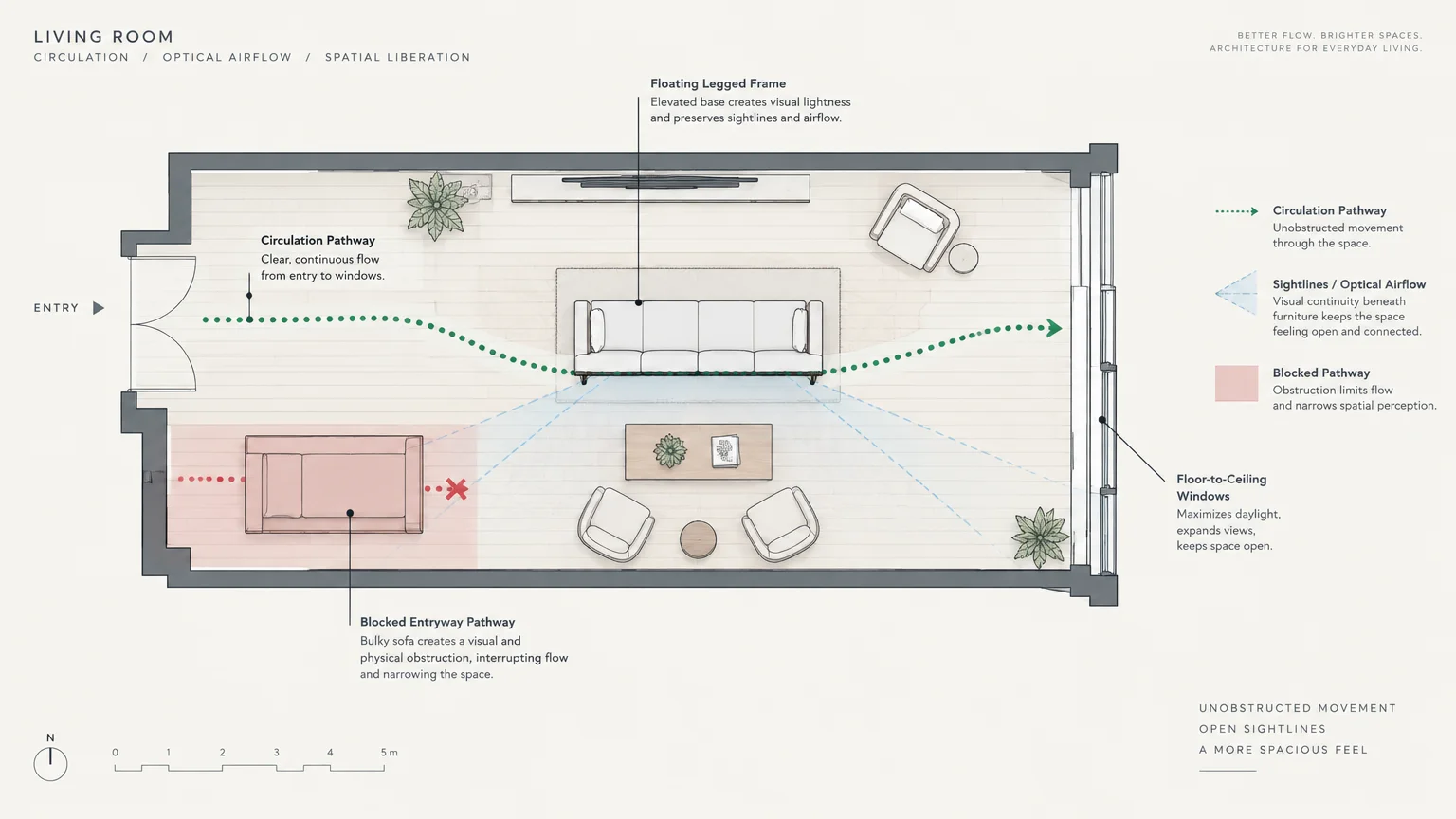
A sofa that suffocates foot traffic compromises both the functional utility and psychological ease of your home. Heavy, skirted furniture that drops directly to the floor often creates massive visual obstacles.
Standard design guidelines dictate maintaining 30 to 36 inches of clearance along every major walkway. Ignoring this standard can make your home feel cramped, chaotic, and difficult to navigate.
Furthermore, you should always preserve 14 to 18 inches between your sofa edge and the coffee table. Neglecting these essential dimensions makes relaxing and reaching for beverages uncomfortably awkward.
To resolve these circulation issues, leading interior architects embrace elevated frames mounted on visible, architectural legs. Lifting the main body of the sofa off the ground allows daylight to pass freely underneath.
This design strategy aligns directly with biophilic interior design principles. Maximizing unbroken flooring and daylight paths makes interior spaces feel fundamentally brighter, airier, and more restorative.
Leading designers often specify slender blackened steel legs, sculpted timber supports, or cast bronze footings. These delicate structural elements provide robust stability while creating an impression of visual weightlessness.
The surge in elevated seating styles answers the demands of modern open-concept architectural floor plans. Clear sightlines connect your living, dining, and outdoor spaces into a fluid, cohesive whole.
If your current seating acts like a visual roadblock at the room’s entrance, consider an elevated replacement. Revealing the flooring beneath your furniture instantly enlarges the perceived square footage of the room.
This airy approach prevents compact living rooms from feeling boxed-in or overcrowded. Your living space transitions into a relaxed, breathable retreat that supports your daily lifestyle routines.
Light flowing beneath the sofa also highlights premium hardwood, polished concrete, or natural stone flooring. It celebrates the permanent finishes of your home instead of hiding them from view.
Elevated sofas also make routine cleaning and maintenance remarkably effortless. You eliminate dust traps and maintain a cleaner, healthier living environment.
Choose a legged silhouette whenever your room feels visually crowded or physically hemmed in. It represents one of the easiest ways to bring modern architectural clarity to your home.
Trend #5: Showroom Homogeneity — Curated Provenance and Tailored Eclecticism
A sofa feels unmistakably out of place when it resembles a generic fixture from a mass-market showroom catalog. Purchasing matching three-piece furniture suites robs your living space of personal identity and authentic charm.
This showroom homogeneity remains one of the most widespread interior design mistakes seen in contemporary residences. A truly refined interior thrives on dynamic contrast between different periods, finishes, and forms.
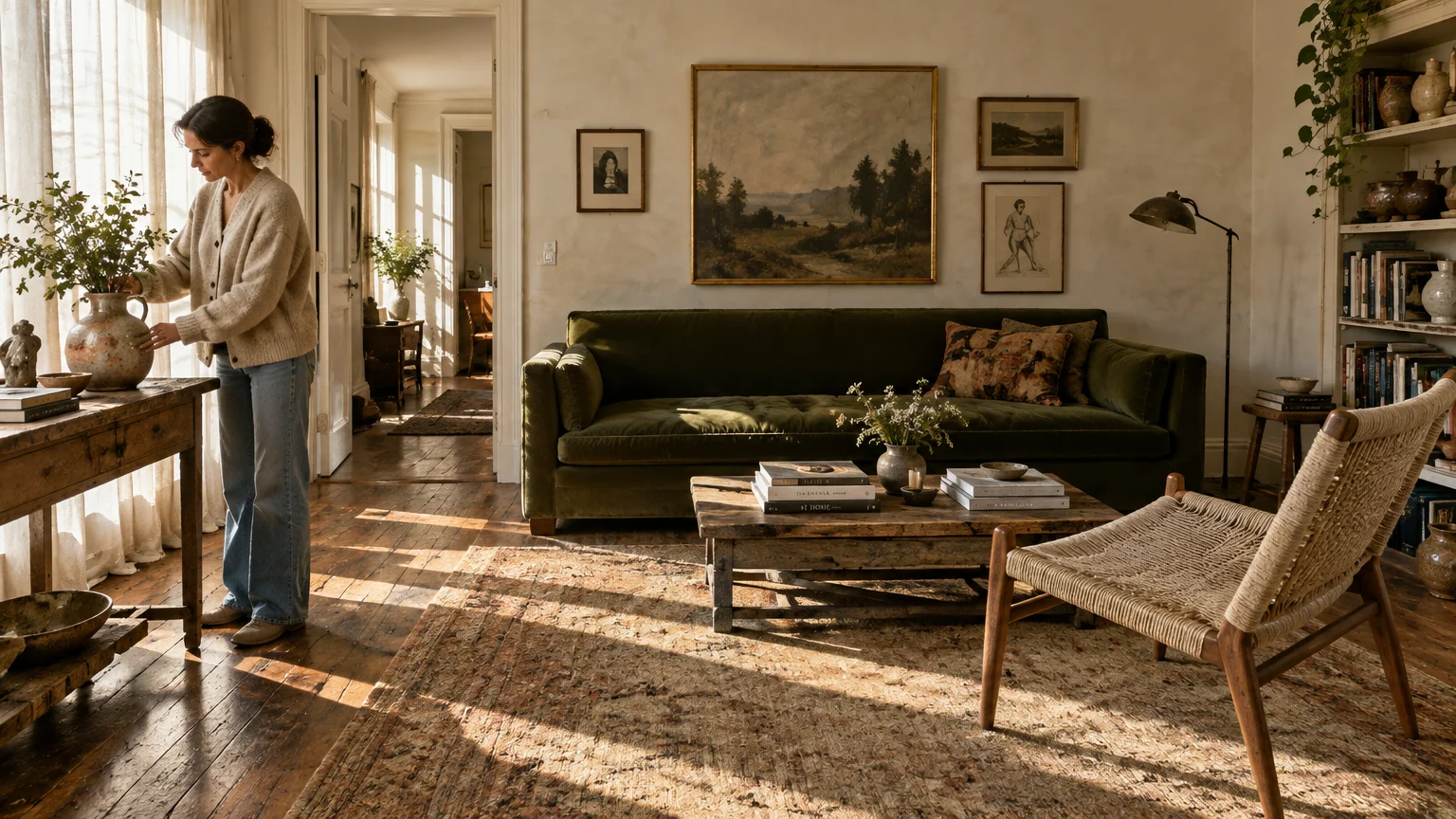
The design world currently celebrates curated provenance, where a room tells an evolving story over time. Designers now pair custom upholstered sofas with distinct vintage accents, sculptural tables, and eclectic lighting.
In this design framework, your sofa acts as a bespoke anchor rather than a standardized commodity. Custom details like welted seams, wood accents, and deep channel tufting infuse distinct personality into your arrangement.
Rich materials define this trend, pairing patinated cognac leather with Belgian linens and aged walnut frames. These authentic surfaces age beautifully, gaining character and narrative depth throughout their lifespan.
This movement stems from an intentional rejection of throwaway culture and cookie-cutter decorative packages. Today’s design enthusiasts want homes that authentically express their individuality, personal heritage, and travel experiences.
If your sofa could belong to just anyone, it does not truly belong in your living room. Your primary seating should honor the architectural style and historic context of your home.
Pair a tailored, modern sofa with an antique side chair or a handcrafted brutalist coffee table. This juxtaposition builds a captivating visual dialogue that elevates the overall sophistication of the space.
Moving past matching furniture sets lets you discover your own unique design voice. You create a deeply personal room that feels collected and timeless rather than staged.
Focus on custom fabrication or vintage restoration when searching for your next statement couch. These avenues ensure your primary seating remains one-of-a-kind and impeccably crafted.
A curated sofa becomes an enduring heirloom rather than a temporary decorative fix. It anchors your living room with lasting authority and unmistakable style.
Invest in furniture pieces that resonate with your personal story and aesthetic sensibilities. When you prioritize provenance over mass production, your living room naturally commands respect and admiration.
The Big Picture: Weaving These Trends into Your Home
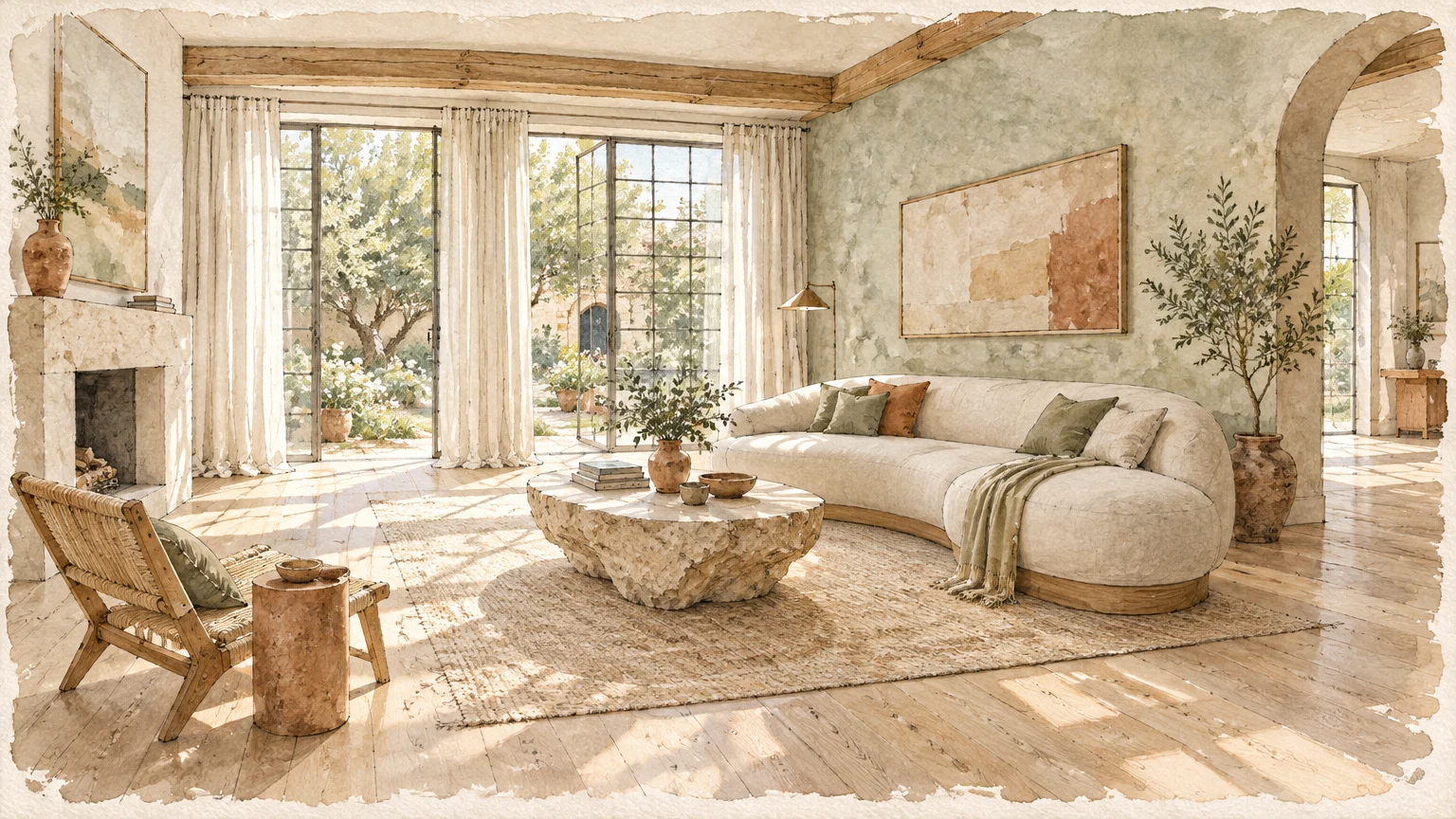
Redesigning your living space does not mean chasing every decorative trend you see on social media. Lasting interior refinement comes from merging forward-looking trends with timeless spatial planning fundamentals.
Start by evaluating your room’s primary architectural anchor, whether that is a fireplace or expansive floor-to-ceiling windows. Your sofa must complement and frame this focal feature rather than compete with it.
Measure your available floor footprint carefully before purchasing any new living room furniture. Adhering strictly to recommended walkway clearances ensures your living space remains practical and effortless to enjoy.
Balance clean modern silhouettes with natural textures, incorporating woven wool rugs and solid wood accent tables. Layering contrasting materials keeps a contemporary, tailored room from feeling cold or unapproachable.
Prioritize durable, high-quality upholstery fabrics that offer exceptional tactile appeal and longevity. A well-built hardwood frame wrapped in natural fibers delivers years of continuous aesthetic and physical pleasure.
For the latest color forecasts, consult industry leaders like Pantone and paint companies like Benjamin Moore. For professional design standards, refer to the American Society of Interior Designers (ASID).
Let your practical lifestyle routines guide your final furniture decisions at all times. Even the most stylish designer sofa fails if it does not support how you truly live.
Take your time curating accent pieces rather than purchasing everything in a single shopping trip. An evolved, collected living room offers an enduring charm that outlasts passing retail cycles.
When every piece in the room serves a functional and aesthetic purpose, true harmony emerges. Your living room becomes a polished sanctuary that elevates your daily routine.
Frequently Asked Questions
How do I know if my sofa is too big for my living room?
If your sofa blocks entry doorways or disrupts walkways, it is definitely too large for the room. You should always preserve 30 to 36 inches of clear walking space around the perimeter.
Additionally, your sofa should never exceed two-thirds the length of the wall against which it sits. Exceeding this golden ratio creates an uncomfortable, crowded atmosphere.
Can I pair a curved sofa with traditional linear furniture?
Yes, pairing a curved sofa with linear pieces creates an exciting and balanced aesthetic contrast. The fluid curve softens sharp rectangular shelving and linear coffee tables.
Just maintain consistent material tones across your pieces to keep the arrangement cohesive. This subtle repetition ensures your eclectic pairings look intentional and sophisticated.
Are low-slung organic modern sofas comfortable for everyday lounging?
Low-slung sofas offer exceptional comfort when built with generous seat depths and ergonomic, multi-layer cushioning. High-resilience foam paired with down padding provides cloud-like support without sacrificing structure.
However, if you or your guests need extra mobility assistance, test seat heights before buying. Standard seat heights of 17 to 19 inches offer an ideal balance of ease and style.
How do I choose a sofa fabric that balances luxury with pet-friendly durability?
Select tight, multi-tonal weaves such as performance bouclé, commercial-grade chenille, or top-grain semi-aniline leather. These durable materials resist snags, conceal light soiling, and wipe clean easily.
Avoid loose basketweaves and delicate silks that pull or stain under everyday family use. Today’s performance textiles allow you to enjoy elevated luxury without constant anxiety.
Disclaimer: This article reflects design trend analysis and predictions. Personal taste and timeless design principles should always guide your decorating choices.