Trend #1: Stark Hospital White
The stark, optical white bed once stood as the ultimate symbol of boutique hotel luxury, dominating interior design trends for over a decade. However, the industry has fundamentally shifted away from this clinical aesthetic in favor of spaces that feel lived-in, organic, and deeply personal.
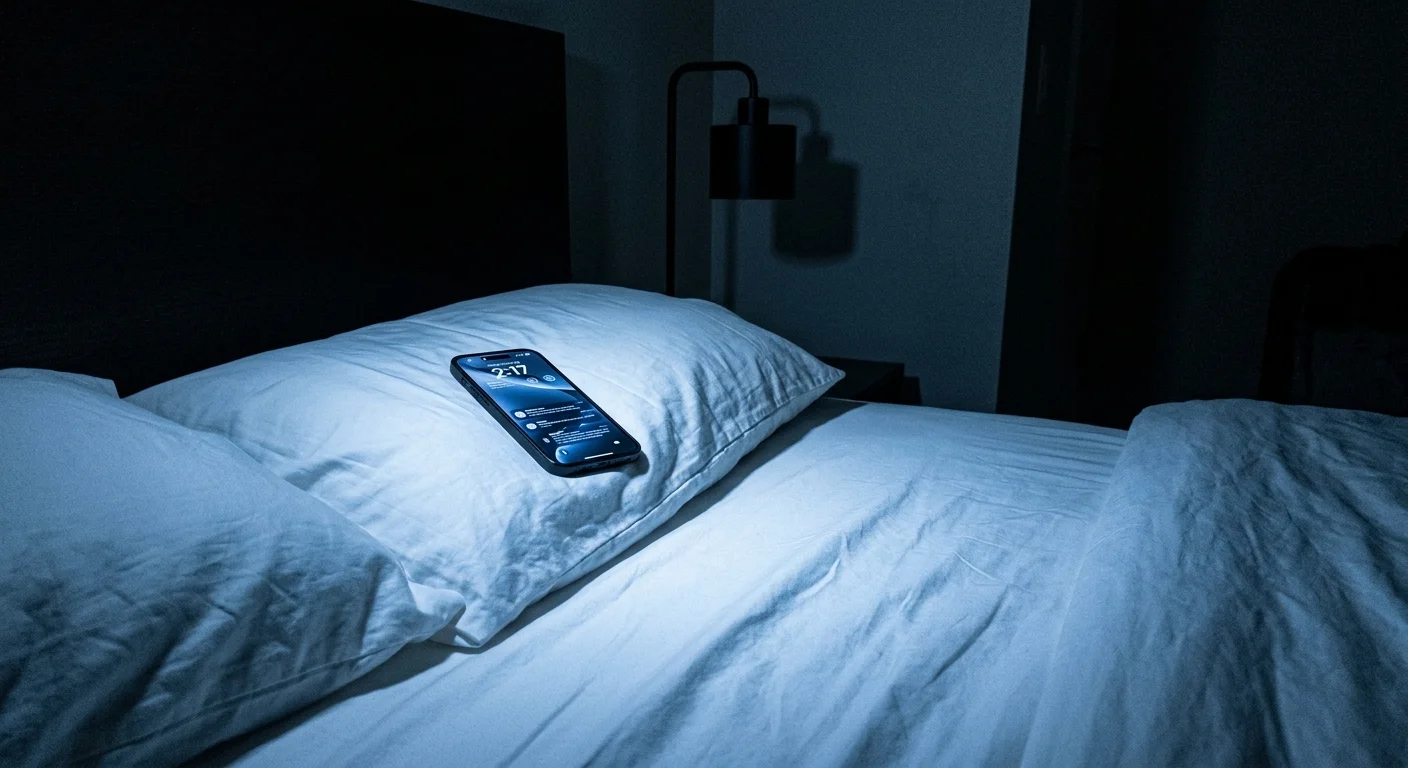
Designers now recognize that bleached, cool-toned white lacks the necessary warmth to create a restorative sanctuary. Instead of feeling opulent, stark white bedding often reads as sterile and unforgiving; it reflects harsh blue light from ambient lamps and digital screens in a way that actively disrupts your natural circadian rhythm.
The severity of optical white instantly flattens the visual depth of a bedroom design. When you drape a large mattress in pure white, you sacrifice the subtle shadows and delicate highlights that give textiles their essential character. This specific color choice demands an impossible level of perfection that feels unlivable; a single wrinkle, a stray thread, or the slightest discoloration becomes an immediate, glaring focal point that ruins the aesthetic illusion.
Furthermore, the aggressive chemical bleaching process required to achieve this blinding white strips the raw fabric of its natural provenance. This manufacturing reality completely contradicts the growing industry movement toward biophilic design, which emphasizes an authentic connection to the natural world. Modern homeowners want their textiles to tell a story of craftsmanship and natural origins rather than chemical processing.
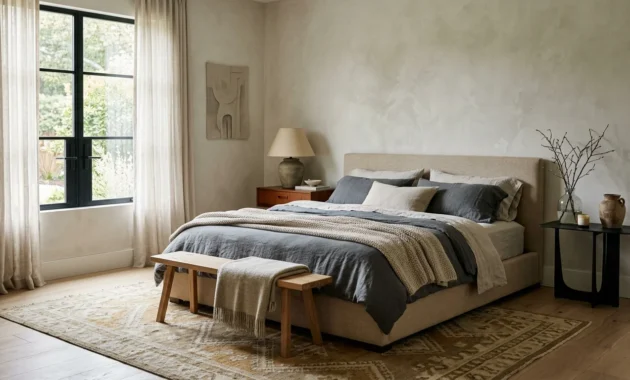
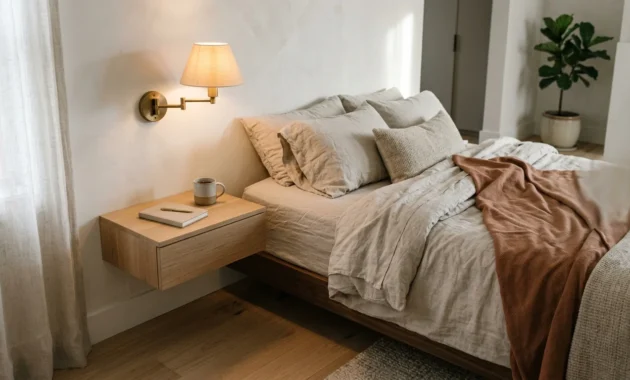
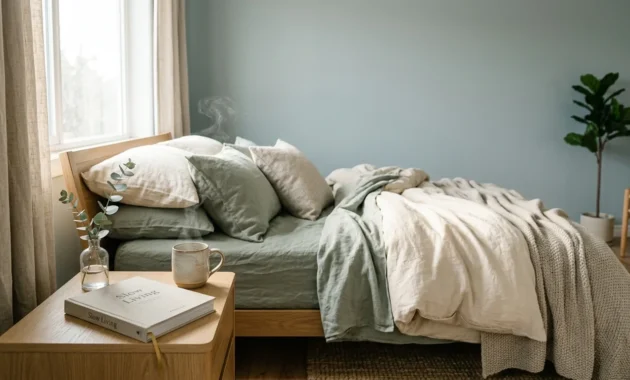
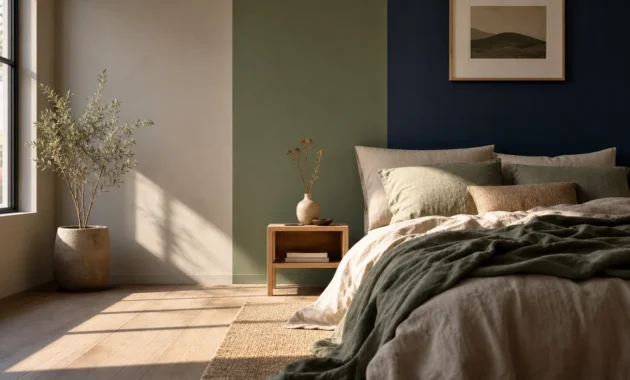
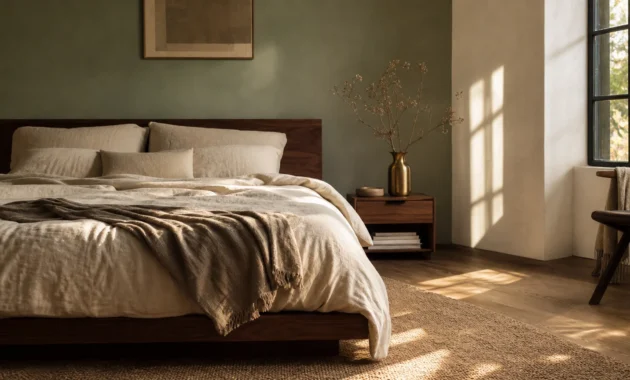
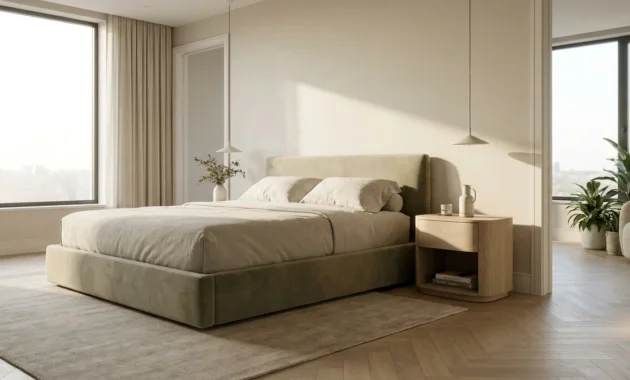
To achieve a fresh, luminous look without the aggressive glare, design professionals now turn to warm, complex neutrals. Ivory, alabaster, bone, and unbleached oatmeal offer the exact same light-reflecting benefits while maintaining a soft, enveloping atmosphere.
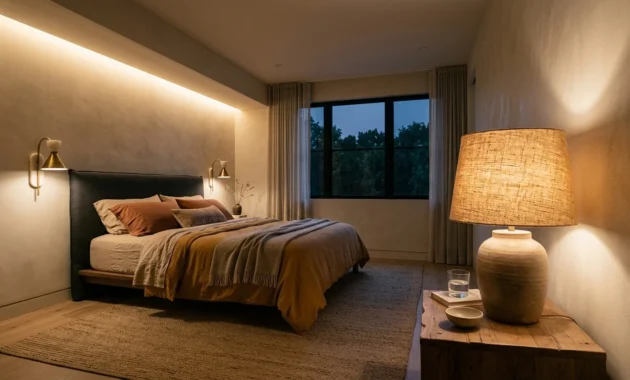
These nuanced shades interact beautifully with natural sunlight and cast a deeply flattering, warm glow under evening lighting. By selecting a high-quality Belgian flax linen in a natural oat tone, you embrace the core tenets of quiet luxury—allowing the focus to remain entirely on the rich, tactile quality of the material rather than a visually jarring, artificial color.