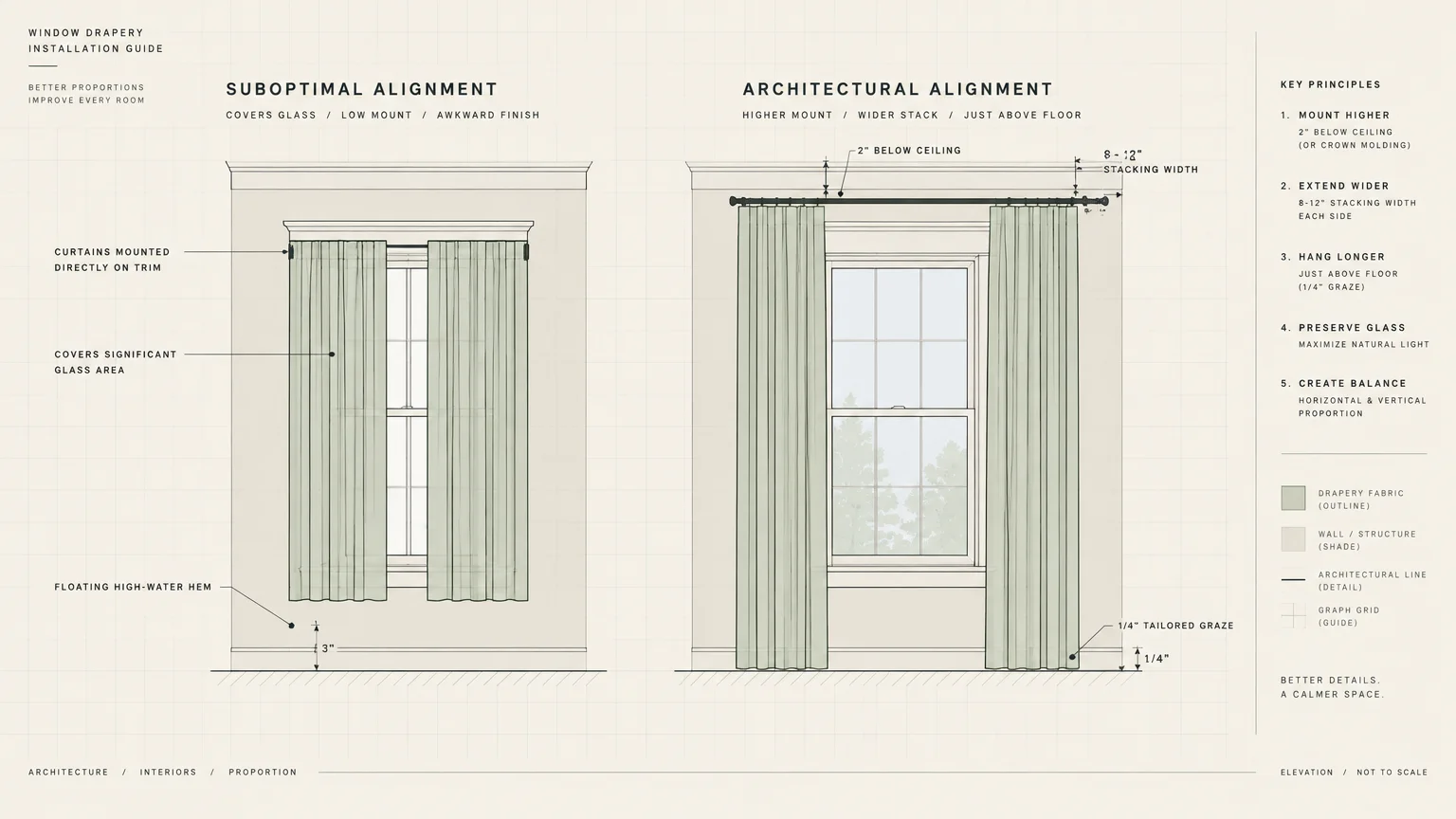
Ill-fitting curtains can quietly sabotage an otherwise immaculate room by distorting visual proportions and dulling natural light. When you align your window treatments with intentional architectural principles, you instantly elevate your entire interior aesthetic.
Many homeowners inadvertently introduce common curtain mistakes that disrupt harmony across their living rooms and dining spaces. Recognizing how fabric, scale, and hardware interact will transform your drapery from an afterthought into a commanding design statement.
Examining your windows with an editorial eye reveals subtle shifts that redefine high-end residential spaces today. Here are the ten defining signs your current panels conflict with your home decor and the modern styling tips that rectify them.
Trend #1: Floor-Skimming Tailoring (Sign: The High-Water Floating Hem)
Curtains that dangle several inches above your flooring create an awkward visual break across the room. This common home decor mistake truncates wall height and makes high ceilings feel surprisingly squat.
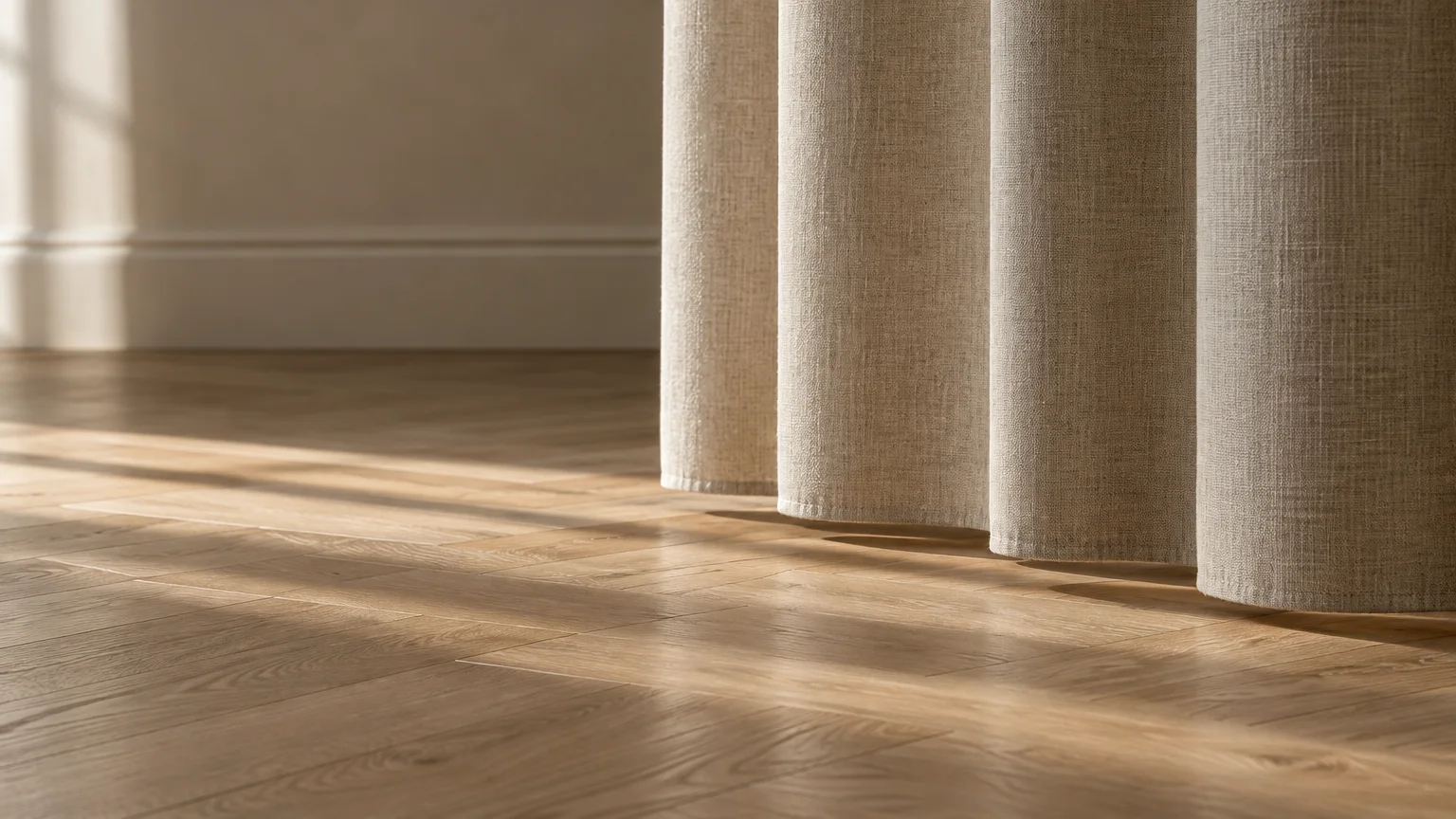
Leading interior designers prioritize tailored hem lengths that kiss the floorboards or puddle luxuriously. This floor-skimming discipline creates an uninterrupted vertical line that draws the human eye directly upward.
For modern living rooms, specify a tailored graze where fabric hovers exactly a quarter-inch above the surface. This fractional clearance prevents fabric edges from collecting dust while keeping the visual boundary crisp.
If you desire a relaxed aesthetic, allow an extra inch of linen to break softly upon hardwood flooring. This soft break introduces organic romance without gathering unruly piles of debris.
True puddling requires three to four inches of surplus length, suiting formal dining rooms draped in heavy velvet. Avoid excessive fabric puddles in high-traffic zones where pets and children play.
Always measure drops from the installed rod rather than trusting generic store packaging. Bespoke adjustments transform off-the-rack curtains into custom architectural assets.
Trend #2: High-Mounted Hardware (Sign: Rods Fastened Directly to the Frame)
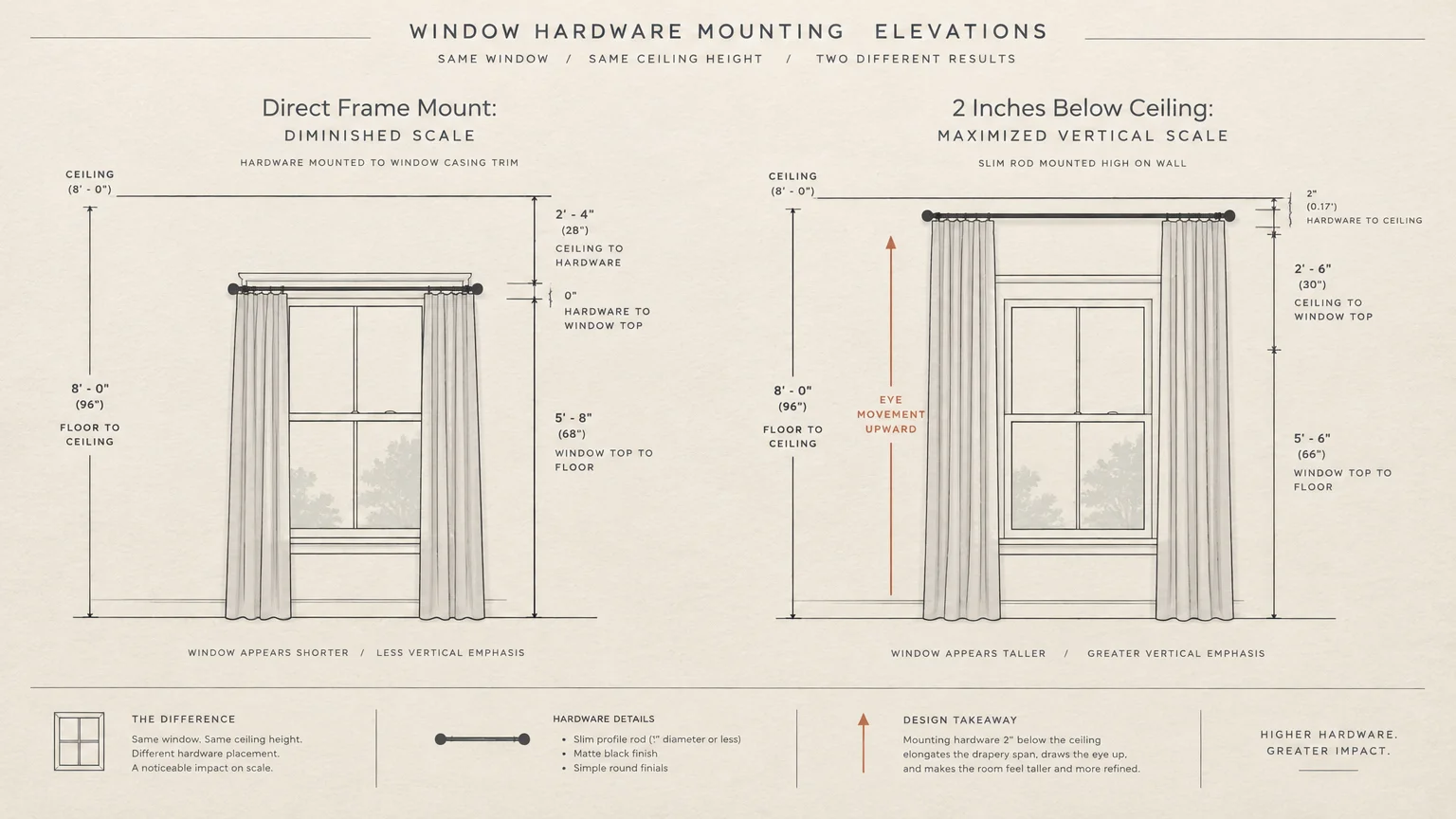
Securing curtain hardware directly onto window molding shrinks the perceived scale of your window opening. This placement restricts daylight penetration and cramps the surrounding architecture.
Current window treatment ideas focus on mounting rods significantly higher than the window casing. Positioning your hardware near the ceiling line tricks the brain into perceiving grand vertical volume.
Aim to position the rod halfway between the upper trim and the ceiling crown molding. For homes with standard eight-foot ceilings, mounting rods two inches below the ceiling yields dramatic visual height.
This elevated installation draws the eye upward and showcases fine ceiling craftsmanship. Even modest builder-grade windows gain the imposing presence of floor-to-ceiling glass installations.
Extend this height strategy across every window within the room to maintain a unified sightline. Consistent hardware elevation establishes visual rhythm and balances your overall layout.
Ensure you select sturdy mounting brackets capable of supporting this elevated, elongated drapery span. Firm anchor points prevent unattractive downward bowing across wide spans.
Trend #3: Expansive Stacking Width (Sign: Curtains Obstructing Natural Glass)
When drawn-open curtains cover portions of the glass, they starve interior spaces of daylight. Obstructed window panes cast dull shadows and make living rooms appear dim and uninviting.
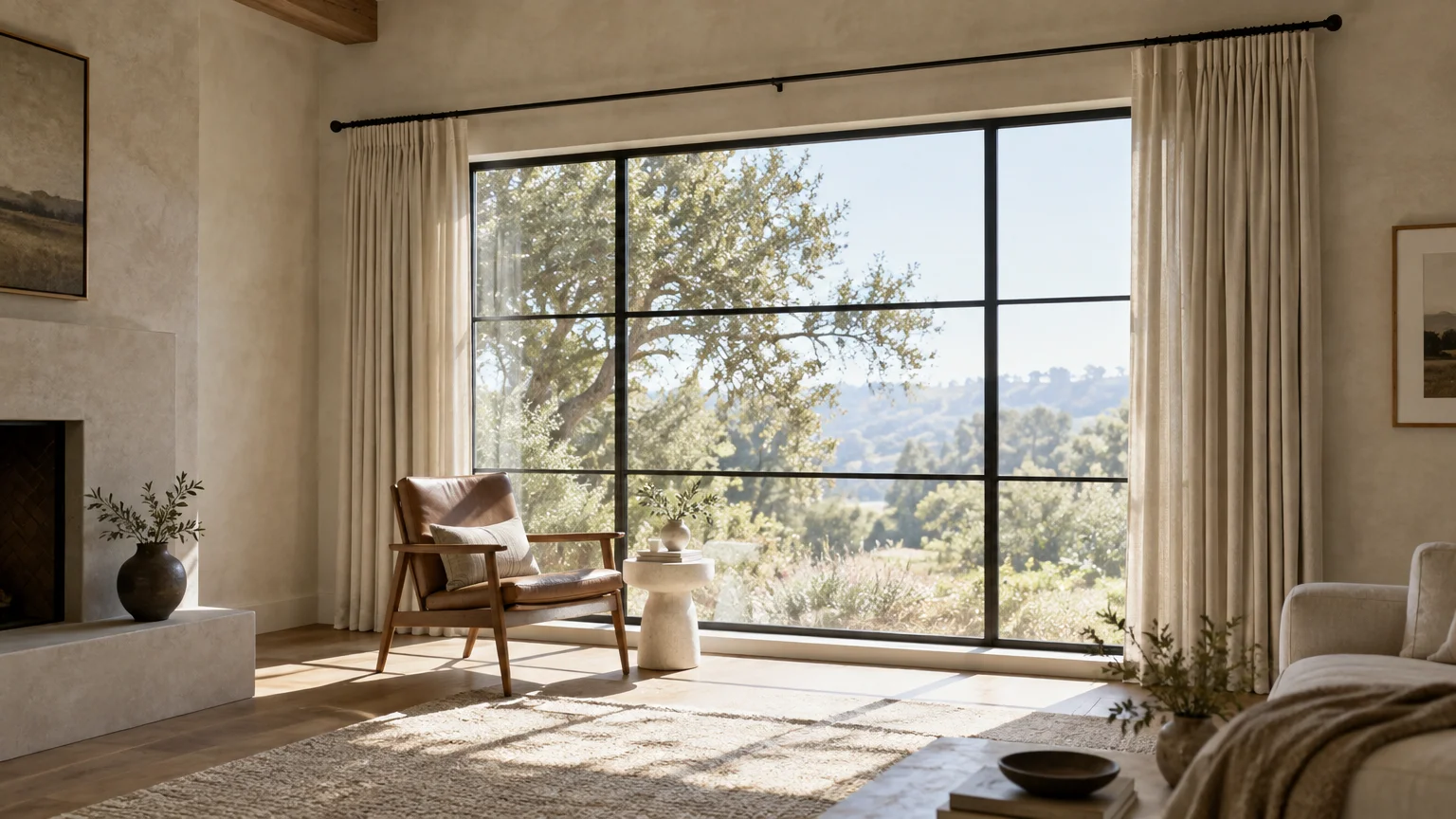
Modern curtain styling tips demand rods that extend well beyond the window frame on both sides. This generous width creates dedicated resting space for your fabric panels when fully drawn open.
Extend your rod eight to twelve inches past each edge of the casing. When pushed aside, the curtain fabric should frame the glass entirely without overlapping the glass perimeter.
This simple layout choice tricks the eye into perceiving much wider, more expansive architectural openings. Your panels rest against dry wall, adding textural warmth while flooding the room with clear daylight.
For wide sliding doors or bank windows, widen the hardware rod even farther into surrounding wall space. Generous stack-back ensures seamless passage and preserves unhindered views of your exterior landscape.
Calculate your panel fullness carefully so compressed pleats gather into tidy, controlled bundles. Ample stacking space makes ordinary windows appear twice their actual horizontal dimension.
Trend #4: Textural Biophilic Fibers (Sign: Flimsy Synthetic Sheers)
Flimsy polyester drapery with a synthetic sheen instantly degrades a room aesthetic. These artificial textiles lack tactile depth, hang stiffly, and billow chaotically in the slightest draft.
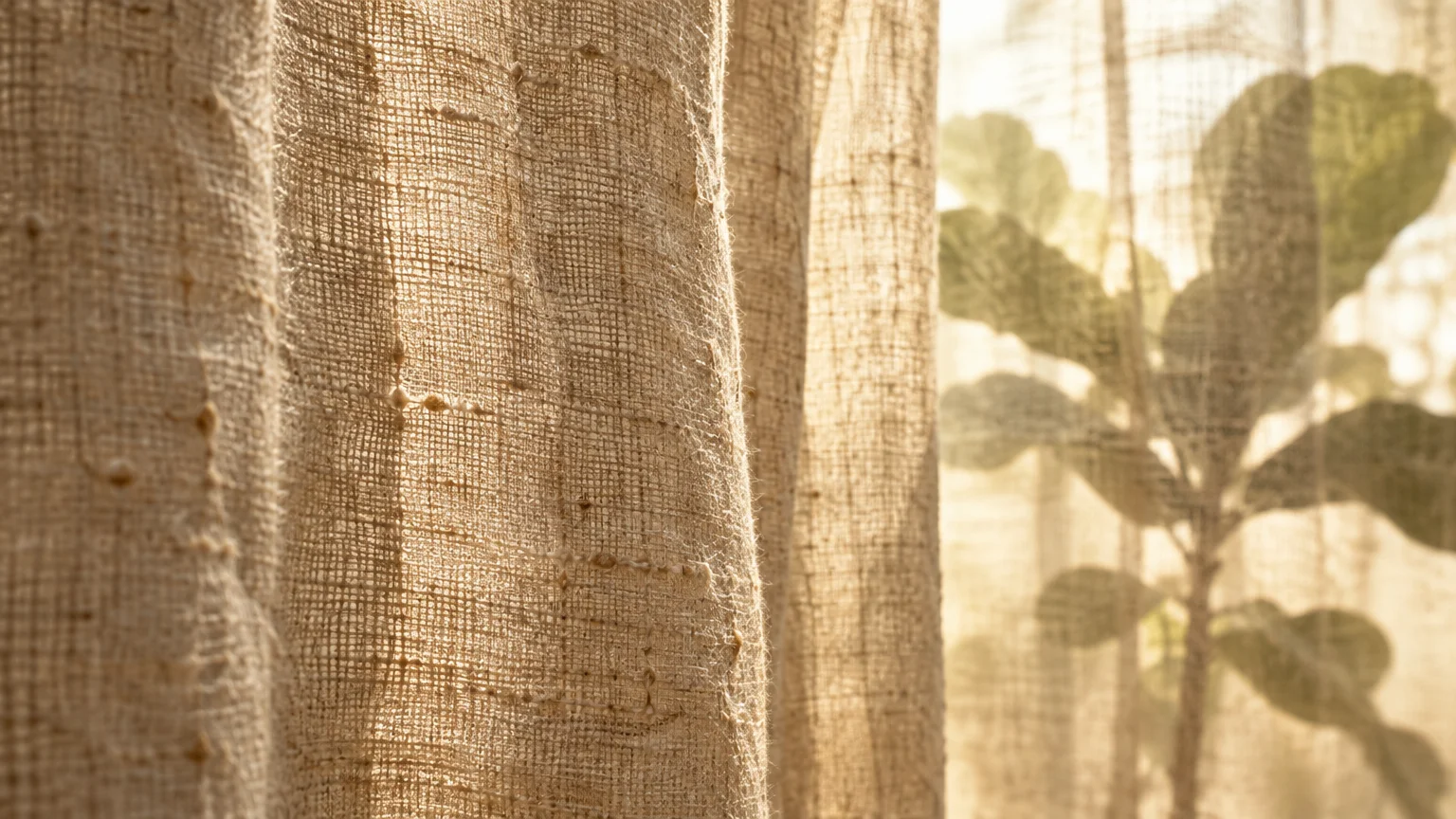
Contemporary interior trends champion biophilic fibers that reflect natural origins and authentic provenance. Heavyweight linens, slubbed cottons, and woven wools introduce organic texture into high-end residential interiors.
Heavy linen drapes with a substantial, earthy weight fall in graceful, structural folds. Their organic irregularities diffuse harsh solar radiation into a soft, ambient glow across your flooring.
Earthy textiles establish tactile resonance in minimalist environments that might otherwise feel cold. Pairing linen drapery with natural stone and raw timber finishes deepens the sensory dimension of your space.
Swap out slick synthetic fabrics for loosely woven flax sheers to introduce effortless privacy. You will filter light effectively while infusing your home with artisanal, quiet luxury sensibilities.
Natural fibers age with distinction, softening gracefully over time rather than degrading under sun exposure. Investing in pure plant-based textiles creates lasting value for mindful homeowners.
Trend #5: Tonal Palette Harmony (Sign: Curtains Clashing with Wall and Floor Tones)
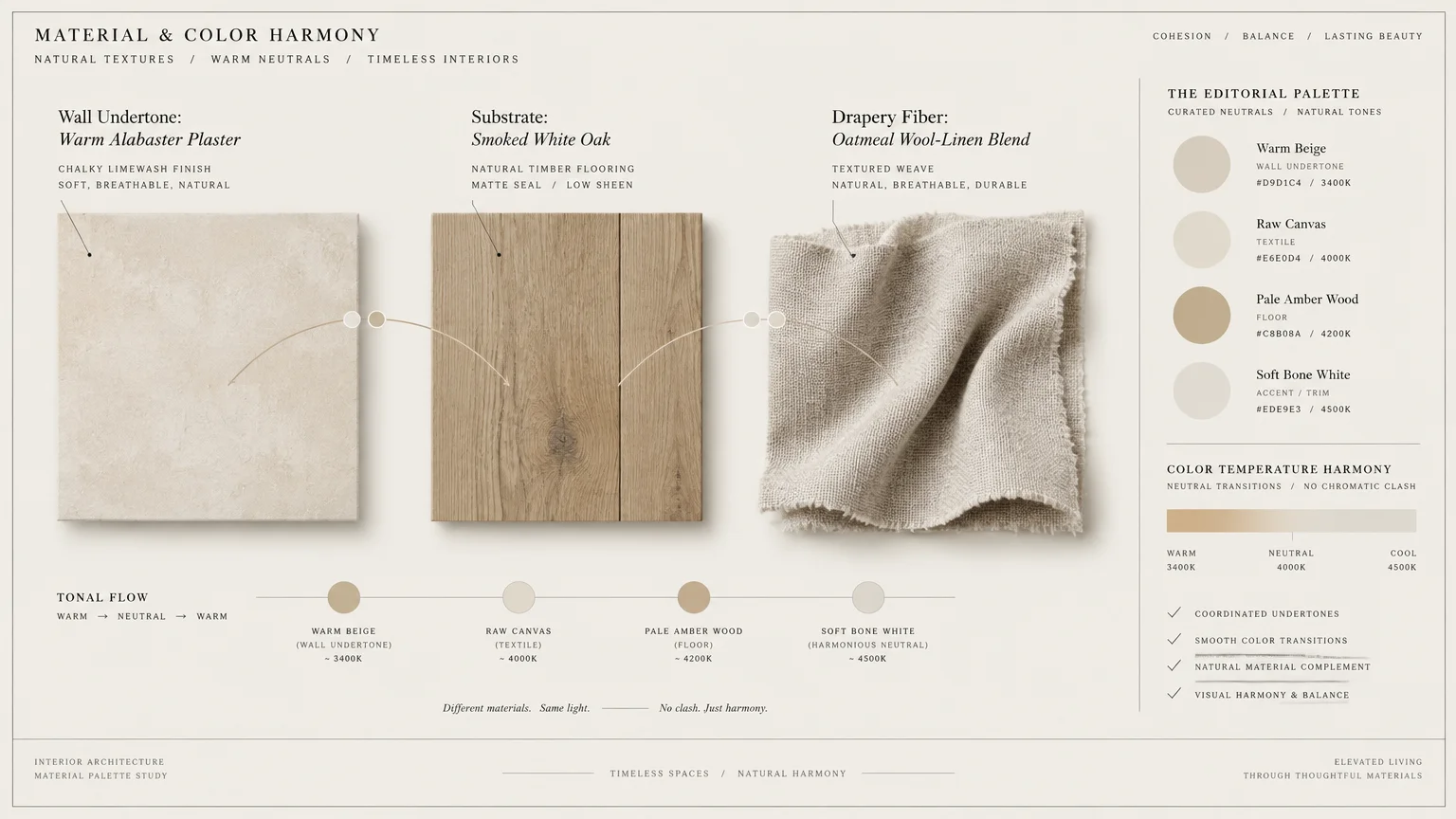
Curtains clash with decor when fabric undertones contradict surrounding paint and flooring selections. Pairing cool, icy gray curtains against warm, buttery ivory walls produces unsettling visual friction.
Sophisticated designers practice tonal harmony, choosing drapery that blends seamlessly with the room envelope. This intentional color alignment creates calm, continuous expanses that enlarge interior spaces visually.
Match your curtain fabric precisely to your wall paint or choose a pigment two steps deeper. This restrained tonal contrast provides gentle framing without dividing the room into jarring, disjointed blocks.
Examine your hardwood or tile floors to identify underlying warm or cool color temperatures. Connecting drapery hues to flooring undertones grounds the room and reinforces design intent.
Always inspect generous fabric swatches on-site during morning, afternoon, and evening lighting conditions. Fabric dyes react dramatically to changing daylight and ambient indoor lightbulbs.
Steer clear of chaotic, high-contrast novelty prints that compete with your statement furniture. Monochromatic and tonal palettes ensure your window treatments remain enduringly timeless.
Trend #6: Architectural Wave Pleating (Sign: Outdated Grommets and Pinched Rings)
Large metal grommets and stiff commercial pinch pleats can easily date an otherwise curated room. Metal eyelets slide clumsily and evoke dorm-room utility rather than sophisticated custom tailoring.
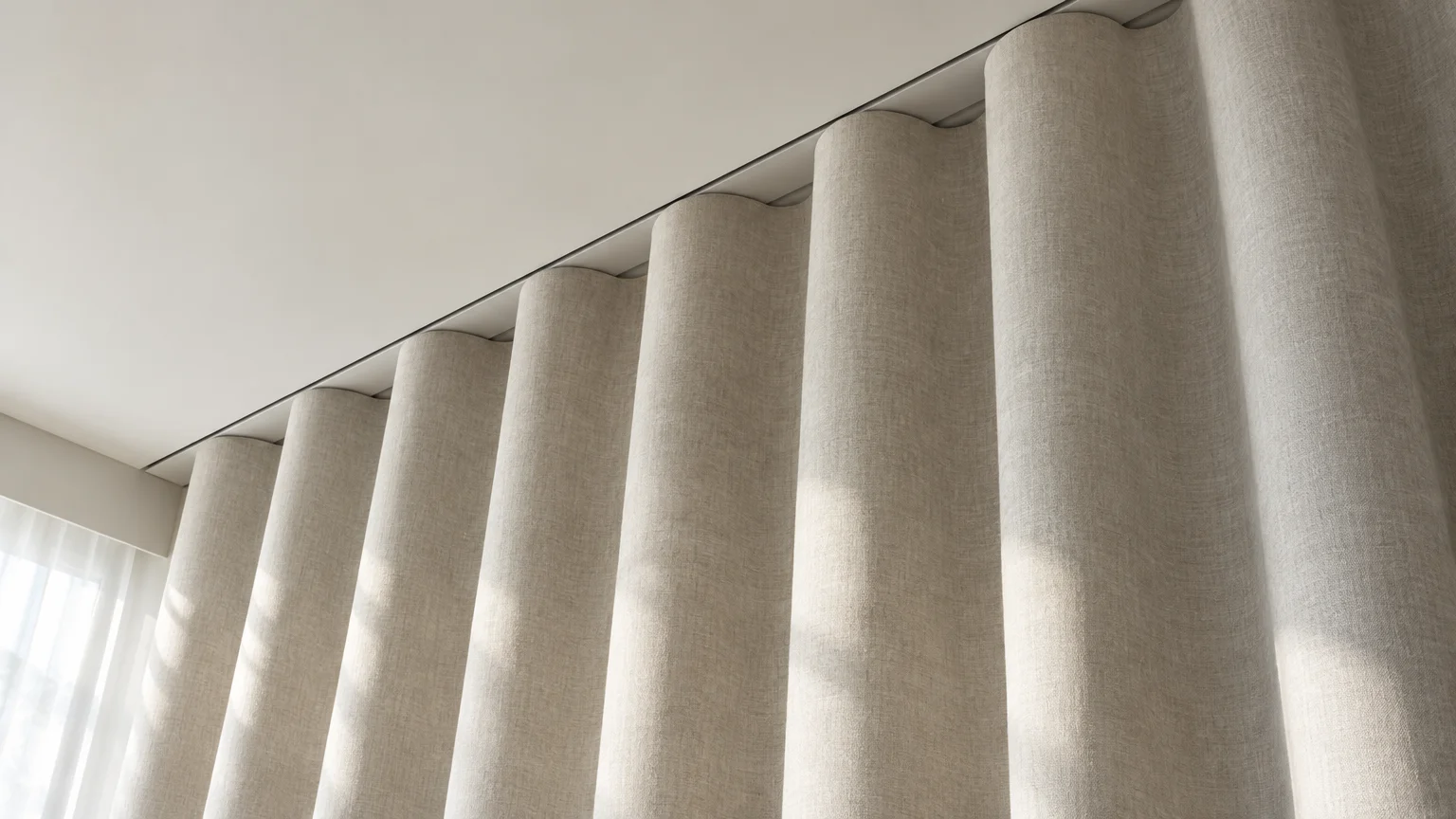
Modern design sensibilities embrace ripple fold systems that generate fluid, uninterrupted S-curve waves along the entire track. This architectural format glides seamlessly on discreet ceiling tracks or slender contemporary rods.
The rhythmic regularity of wave pleating complements modern architecture and transitional homes equally well. The drapery retains identical neatness whether drawn fully across the glass or stacked tightly aside.
If you prefer classic tailoring, select tailored Euro pleats pinched exclusively at the top header. This clean variation maintains elegant drape without the fussy bulk of traditional three-finger pleating.
Banish cheap pocket-top curtains and exposed clip rings that pull fabric unevenly along the bar. Dedicated drapery pins and hidden glider tracks produce immaculate, professional hanging lines.
Refined heading styles elevate even simple solid fabrics into custom architectural installations. Meticulous pleating demonstrates disciplined design attention.
Trend #7: Proportionate Visual Density (Sign: Heavy Textiles in Compact Rooms)
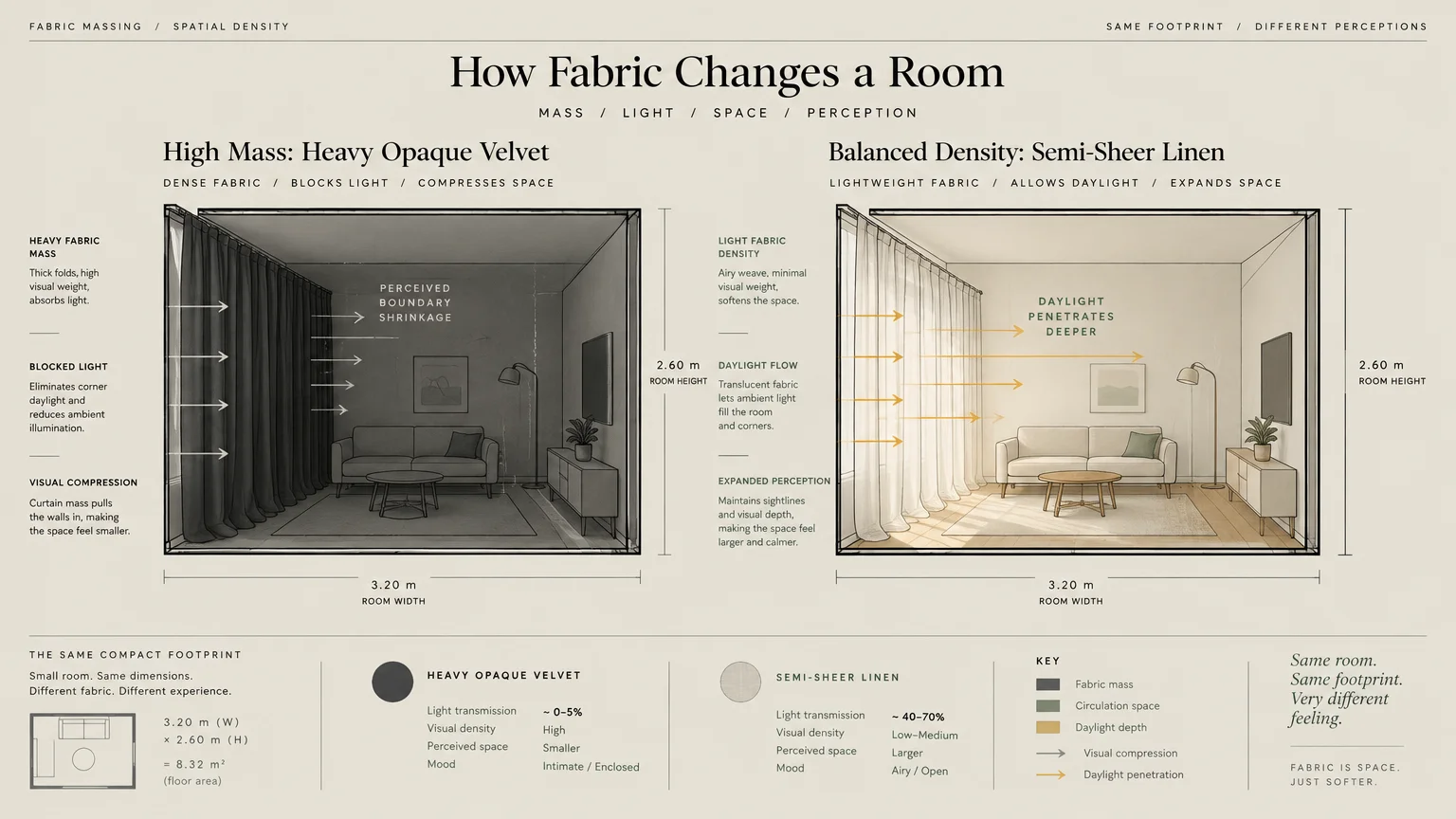
Hanging thick, dark brocades in compact, low-ceiling spaces suffocates the room and blocks airflow. Excessive textile bulk overwhelms modest square footage and makes cozy rooms feel cramped.
Modern window treatment ideas balance textile weight directly against room proportions and available light. Calibrating fabric density preserves an open, breezy atmosphere while delivering necessary privacy and sun shading.
Reserve opulent velvets and heavy chenilles for sprawling dining spaces with lofty ten-foot ceilings. These heavyweight textiles absorb acoustic reverberation and grant formal rooms an intimate, dignified gravitas.
For compact bedrooms and home offices, choose breathable mid-weight cottons or semi-sheer wools. These medium weights provide sufficient structure and privacy without dominating the physical space.
Match the physical fullness of your curtains to the scale of your surrounding furniture pieces. Slender mid-century silhouettes look best framed by crisp, lightweight drapery panels.
Evaluating the spatial volume before ordering yardage prevents serious curtain mistakes. Tailoring fabric density to room capacity guarantees an effortless, balanced aesthetic.
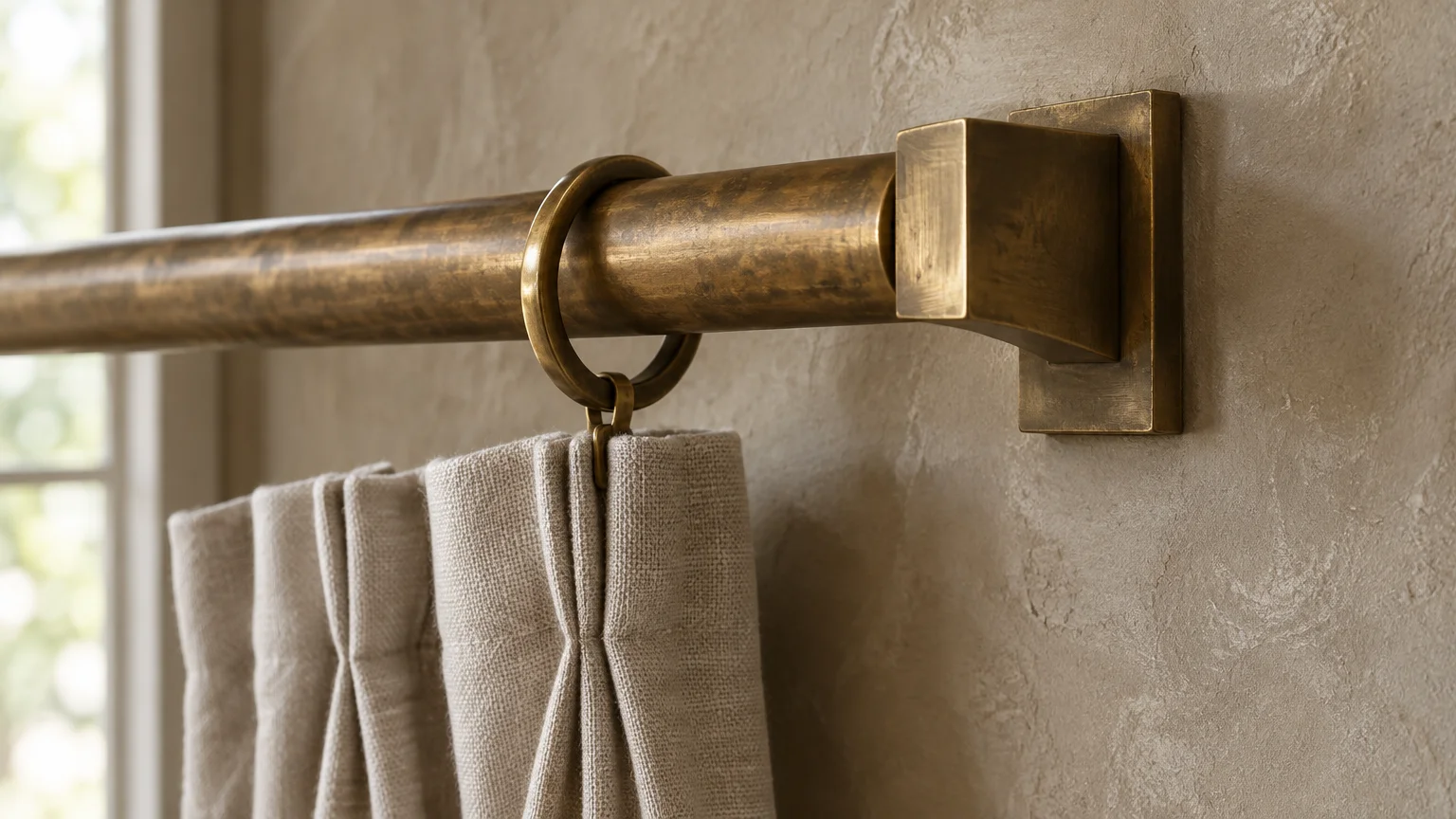
Trend #8: Cohesive Architectural Hardware (Sign: Flimsy Rods and Clashing Metals)
Thin, flexible curtain rods that sag in the center ruin the architectural integrity of your windows. Spindly hardware undermines expensive drapery panels and signals careless, hurried decorating.
The prevailing quiet luxury movement favors substantial hardware finished in matte black, warm bronze, or brushed unlacquered brass. Sturdy rods anchor the window composition and hold heavy yardage without bending.
Coordinate your drapery hardware finish with surrounding light fixtures, door handles, and side table accents. Harmonizing metals throughout the room unifies disparate decorative elements into a cohesive statement.
Select rods with a diameter of at least one to one-and-a-half inches for standard residential windows. Substantial proportions guarantee structural stability while conveying a sense of permanence.
Swap out ornate, oversized finials for clean end caps or minimalist flush-mount returns. Simplified hardware profiles allow the tailored drape of your fabric to remain the true star.
Invest in sturdy center brackets whenever your rod spans more than four feet in length. Solid installation hardware prevents long-term sagging and ensures flawless daily operation.
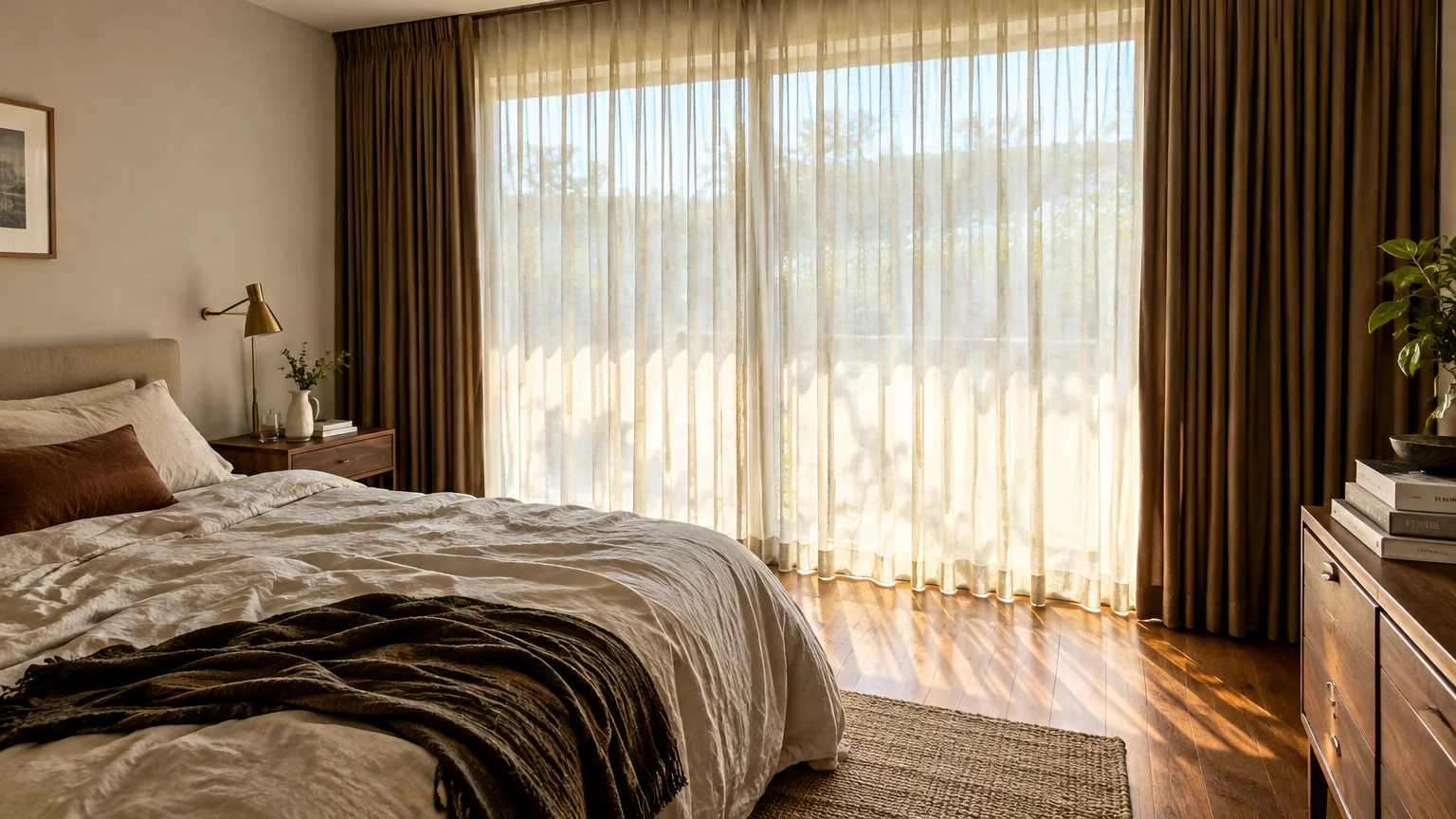
Trend #9: Coordinated Multi-Layering (Sign: Harsh Binary Light Conditions)
Relying on a single set of blackout panels forces an unappealing choice between stark glare and gloomy darkness. This rigid setup limits everyday comfort and leaves windows looking flat and uninspired.
Design experts implement layered window systems to achieve dynamic, responsive light control throughout the day. Combining transparent sheers with lined privacy drapes provides unmatched versatility and rich visual depth.
Install dual-track hardware that pairs an airy linen sheer against the glass with lined panels forward. This configuration filters intense midday sun while letting you secure cozy evening seclusion.
Alternatively, pair tailored Roman shades made from natural woven reeds with floor-length drapery panels. This juxtaposition introduces tactile contrast, blending raw organic fiber with soft flowing fabric.
Multi-layered treatments also deliver superior thermal insulation, moderating indoor temperatures through sweltering summers and freezing winters. Functional flexibility enhances daily lifestyle comfort considerably.
Layering creates dimensional shadow lines and movement that single-panel treatments simply cannot replicate. Your window wall becomes an artful composition of complementary textures.
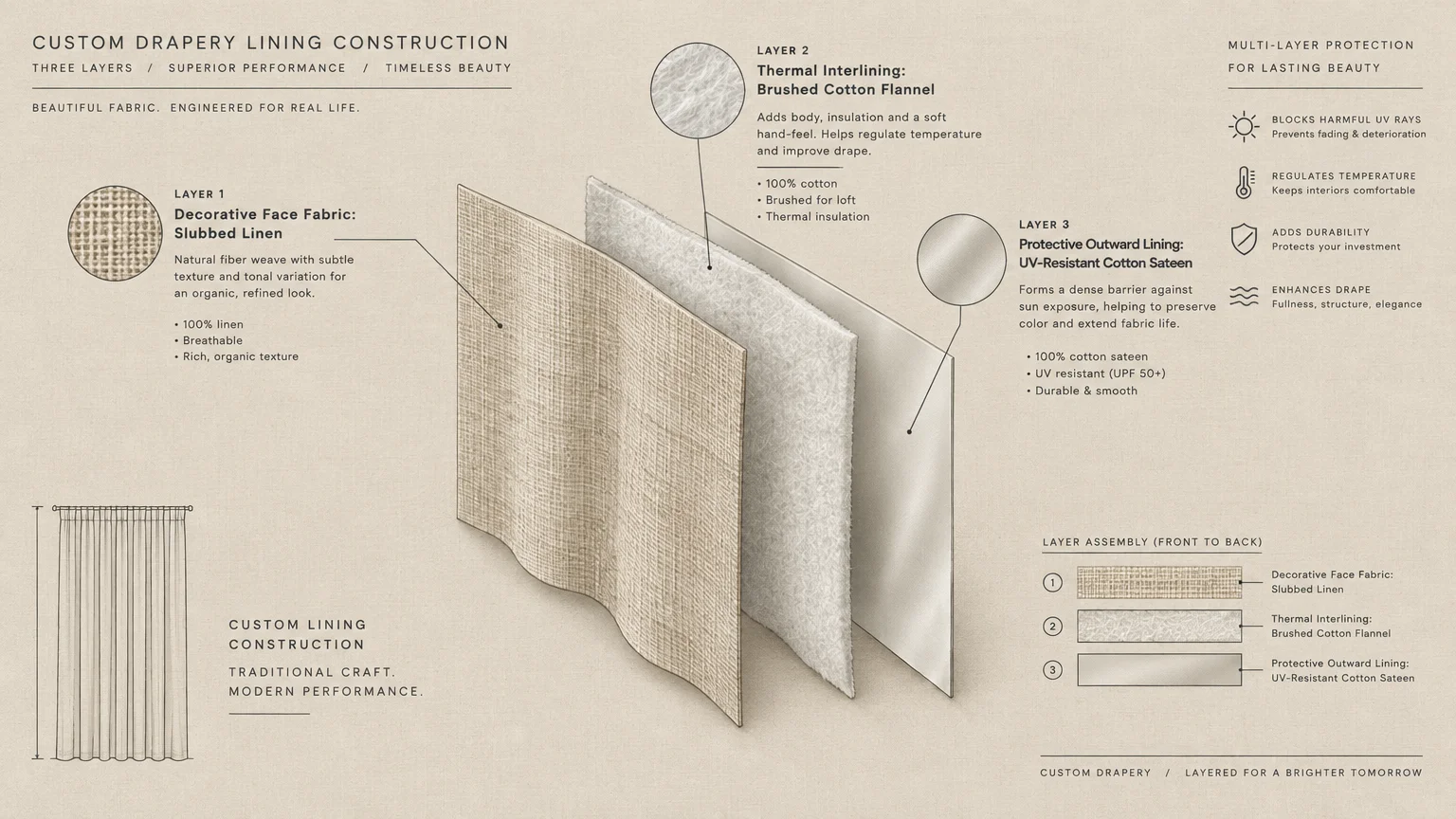
Trend #10: Quiet Luxury Linings (Sign: Unlined Panels Fading and Losing Body)
Unlined drapery panels quickly degrade under sustained ultraviolet exposure, suffering bleaching and brittle fabric decay. Without structural backing, raw fabrics hang limp and fail to hold elegant, crisp pleats.
True quiet luxury relies on premium interlinings that provide structural support and longevity to your window treatments. Cotton flannel interlinings insert a plush cushion between layers, creating sumptuous body and graceful folds.
Protective blackout or cotton sateen backings shield decorative face fabrics from sun bleaching and airborne dust. Quality linings significantly prolong the life of expensive linen or silk textiles.
Interlining also dampens outdoor street noise, transforming busy urban bedrooms into serene, acoustic sanctuaries. This sound buffering creates an immediate, palpable sense of residential calm.
From the home exterior, coordinated white or ivory linings present a uniform, tidy appearance across all windows. Curbside coherence dramatically enhances the exterior architectural value of your property.
Never treat professional lining as a dispensable expense when sourcing custom drapery panels. Structural linings are the essential backbone of enduring textile craftsmanship.
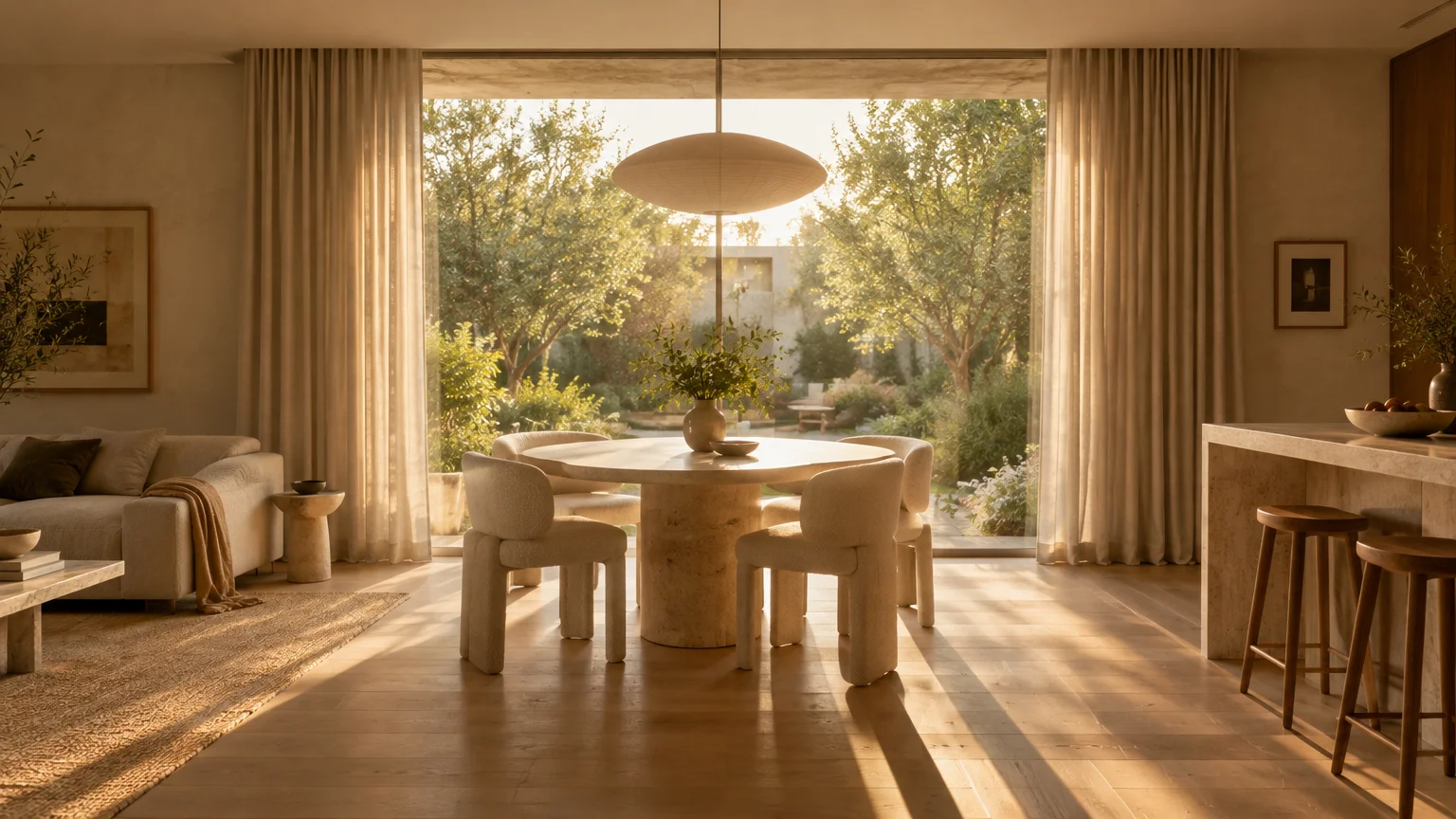
The Big Picture: Weaving These Trends into Your Home
Revamping your window dressings does not require an immediate, costly overhaul of every room in your home. Begin by auditing one central entertaining space, such as your living room or dining room.
Identify which curtain mistakes currently affect your space, focusing first on hardware placement and hemline length. Adjusting rod height and expanding stack-back width yields dramatic visual dividends with minimal expenditure.
When selecting new textiles, prioritize tactile authenticity and timeless neutrality over ephemeral seasonal fads. Natural linen, brushed wool, and tailored cotton harmoniously bridge traditional and contemporary aesthetics.
Evaluate your room palette holistically, ensuring drapery fabrics complement your wall paint, trim, and flooring. A unified chromatic scheme creates an inviting sanctuary that feels cohesive and thoughtfully composed.
Blend functional requirements like blackout protection and thermal control seamlessly into your aesthetic vision. Purposeful interior design always balances daily practicality with breathtaking visual impact.
For the latest color forecasts, consult industry leaders like Pantone and paint companies like Benjamin Moore. For professional design standards, refer to the American Society of Interior Designers (ASID).
Disclaimer: This article reflects design trend analysis and predictions. Personal taste and timeless design principles should always guide your decorating choices.
Frequently Asked Questions
How do I fix curtains that are too short without buying new ones?
You can lower your curtain rod slightly if it currently sits well above the casing. Alternatively, take down the panels and release the bottom hem allowance to gain several inches.
Another sophisticated solution involves sewing a contrasting fabric band along the bottom or top header. A wide velvet or linen color block adds intentional architectural character to shortened drapes.
Can I mix different curtain styles across the same open-concept floor plan?
Yes, you can combine Roman shades and full-length drapery across shared living spaces. Maintaining identical fabric color and fiber content ensures cohesive harmony between different window treatments.
Reserve full-length drapery for large focal windows and patios while installing tailored Roman shades on compact side windows. This approach balances functional clearance with rich textile layering.
Do floor-length curtains have lasting design longevity?
Floor-grazing drapery remains an enduring hallmark of classic interior design that outlasts fleeting trends. Panels that kiss the floorboards convey timeless elegance and architectural permanence.
Unlike trendy novelty prints or synthetic fabrics, tailored neutral curtains adapt gracefully to evolving decor styles. Investing in quality floor-skimming panels guarantees decades of refined style.
What is the ideal fabric fullness for custom living room drapery?
Aim for a fullness ratio between two and two-and-a-half times the width of your window opening. This calculation ensures luxurious, gentle pleats even when curtains are drawn completely closed.
Skimping on fabric width produces flat, stretched panels that look cheap and unfinished. Generous fullness is the primary secret behind high-end residential window treatments.