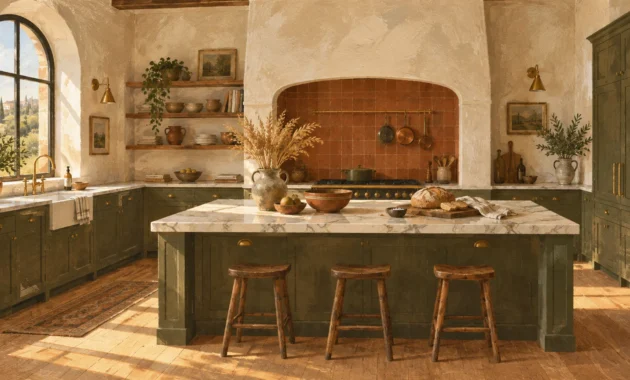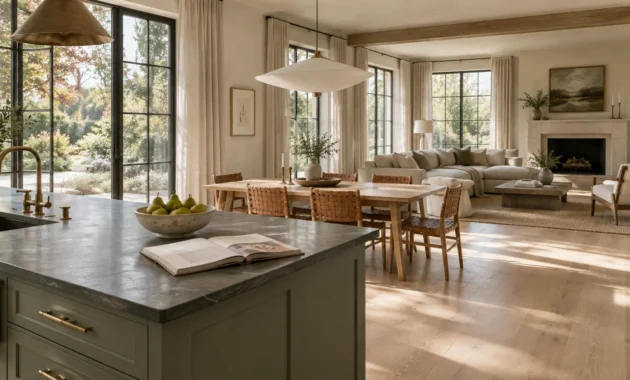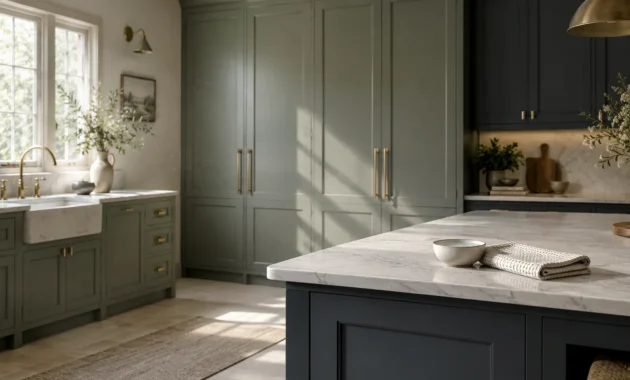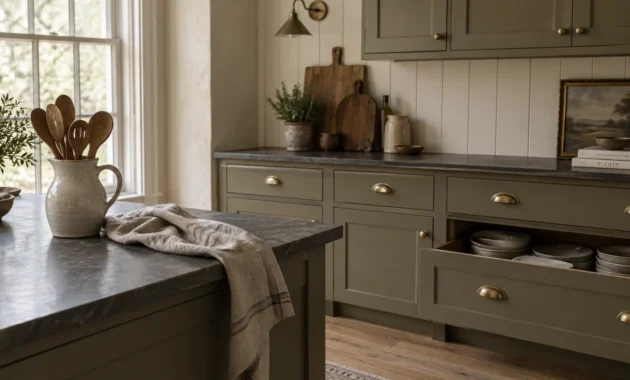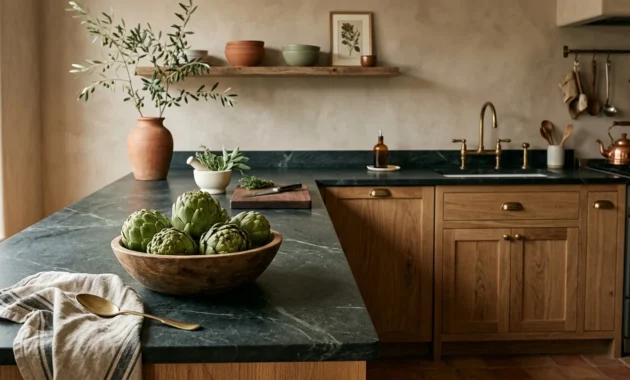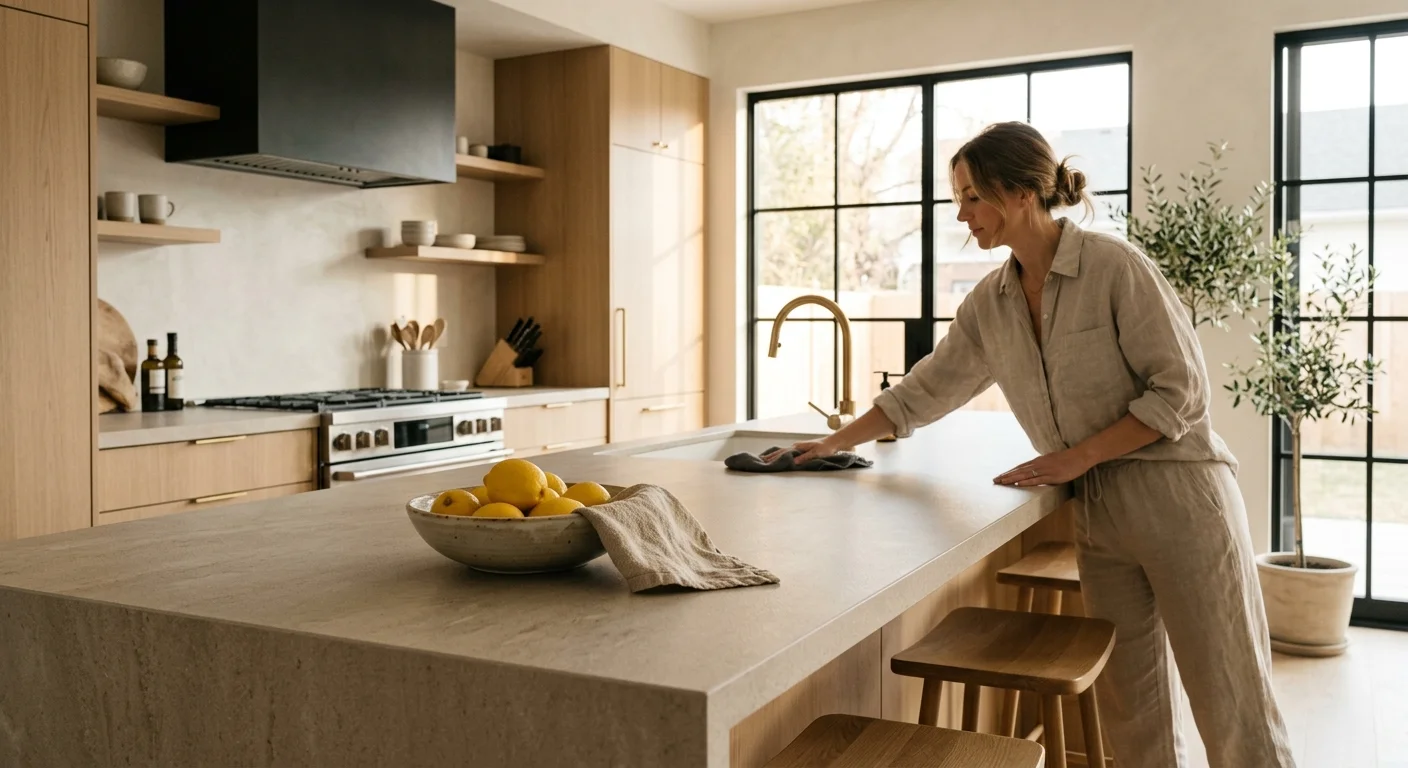
Selecting the best kitchen countertop materials defines your daily culinary experience and anchors your home’s visual narrative. Modern kitchen designs demand surfaces that seamlessly unite refined elegance with resilient, low-maintenance performance.
Discerning homeowners are moving away from delicate natural stones that require arduous sealing every six months. Instead, contemporary renovations celebrate durable countertops that resist stubborn stains, withstand heavy use, and clean effortlessly.
This curated kitchen remodel countertop guide reveals the most dependable, easy-care countertops commanding today’s interior design landscape. Explore how these innovative surfaces elevate your lifestyle while dramatically reducing your cleaning routine.
Trend #1: Ultra-Compact Porcelain Slabs
The Monumental Architectural Shift
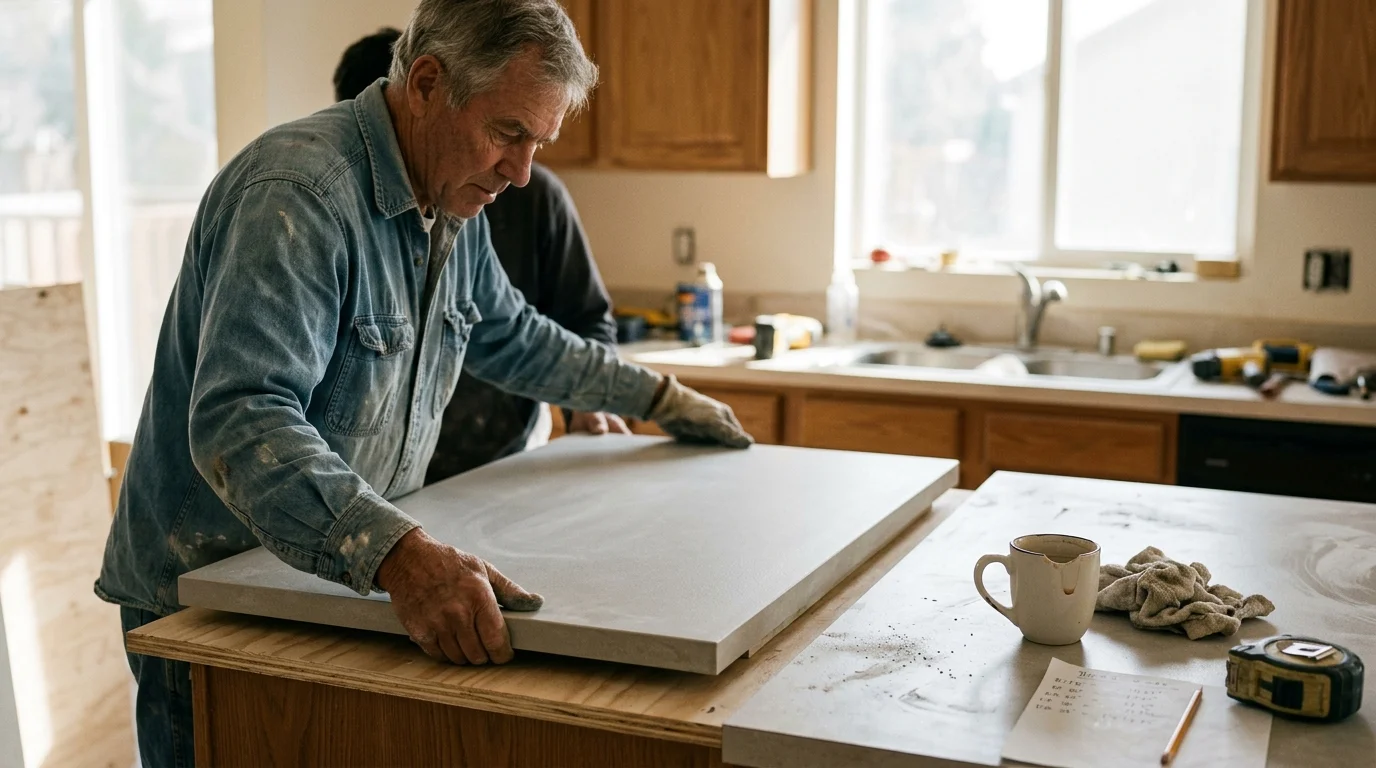
Porcelain slabs represent an extraordinary engineering triumph in contemporary kitchen architecture. They deliver the evocative luxury of quarried Italian marble without its notorious vulnerabilities to etching.
Fabricators fire these oversized slabs at temperatures exceeding 2,100°F. This intense manufacturing process produces a dense, vitrified material with a Mohs hardness rating between 6 and 8.
Because porcelain is harder than granite, you can chop vegetables directly on its surface. Knife blades will dull before they can leave a visible scratch on the stone.
Installation costs for porcelain countertops typically range from $50 to $120 per square foot. This balance of cost and resilience makes porcelain an intelligent long-term investment for high-end kitchens.
Porcelain exhibits virtually zero porosity, completely eliminating the need for periodic penetrating sealers. Spilled red wine, turmeric, and acidic citrus juice wipe away cleanly with a damp sponge.
The material remains entirely impervious to ultraviolet light, preventing fading in sun-drenched, open-plan spaces. You can also place searing cast-iron skillets directly onto the surface without causing thermal shock.
Designers frequently specify full-height porcelain backsplashes that match the island countertop. This continuous vertical application creates a dramatic, monolithic presence that expands visual space across the kitchen.
Pair porcelain with warm timber accents and textured plaster walls to balance its crisp geometry. The combination fosters an inviting organic modern atmosphere that flows into your adjacent dining room.
Trend #2: Engineered Quartz with Hyper-Realistic Veining
The Uncontested Standard of Quiet Luxury
Engineered quartz continues to rank as the number one countertop material in residential kitchen surveys. It remains a beloved staple because it effortlessly combines authentic mineral beauty with dependable durability.
Manufacturers compose quartz using roughly 90 to 93 percent pulverized natural quartz crystals bound with advanced polymers. This formulation yields a non-porous structure that permanently bars bacteria and liquids.
Quartz eliminates the hassle of recurring sealants, saving you hundreds of dollars in seasonal upkeep. You will never need to apply protective topcoats or schedule professional stone reconditioning.
Typical installation costs span between $50 and $140 per square foot installed. Standard kitchen layouts average roughly $4,500 for professional fabrication and full installation.
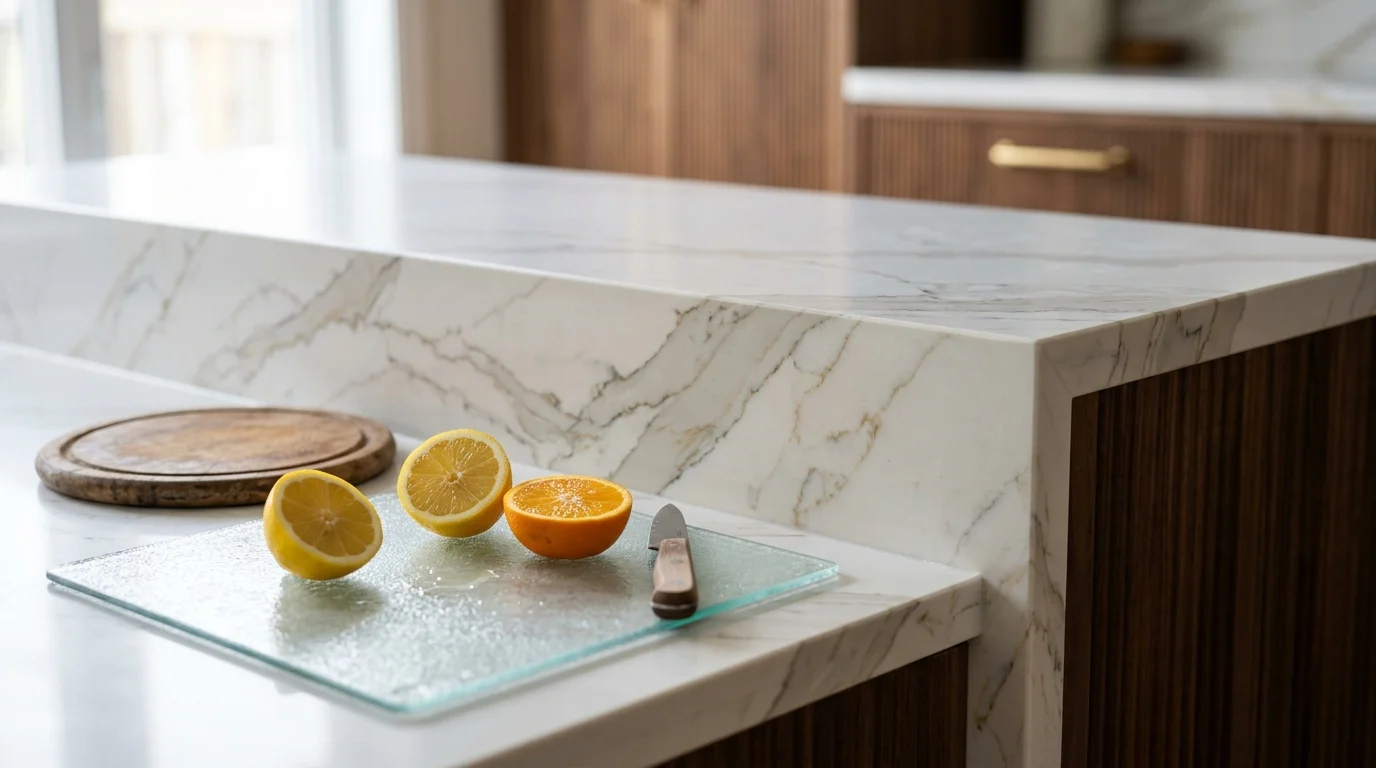
Modern quartz slabs feature intricate, through-body veining that rivals the finest Calacatta and Statuario marbles. These graceful fluid lines flow naturally over dramatic mitered waterfall edges.
Keep in mind that polymer resins within quartz can discolor under temperatures exceeding 300°F. Always use decorative trivets or wooden boards beneath boiling cookware to safeguard your countertop.
The material offers exceptional stain resistance against stubborn household culprits like balsamic vinegar and coffee. A simple wash with warm water and pH-neutral soap restores its pristine factory shine.
In open-concept floor plans, quartz works harmoniously alongside natural white oak floors and fluted millwork. It provides a luminous, grounding centerpiece that visually unites living and culinary zones.
Trend #3: Monolithic Seamless Solid Surface
Sculptural Form and Infinite Renewability
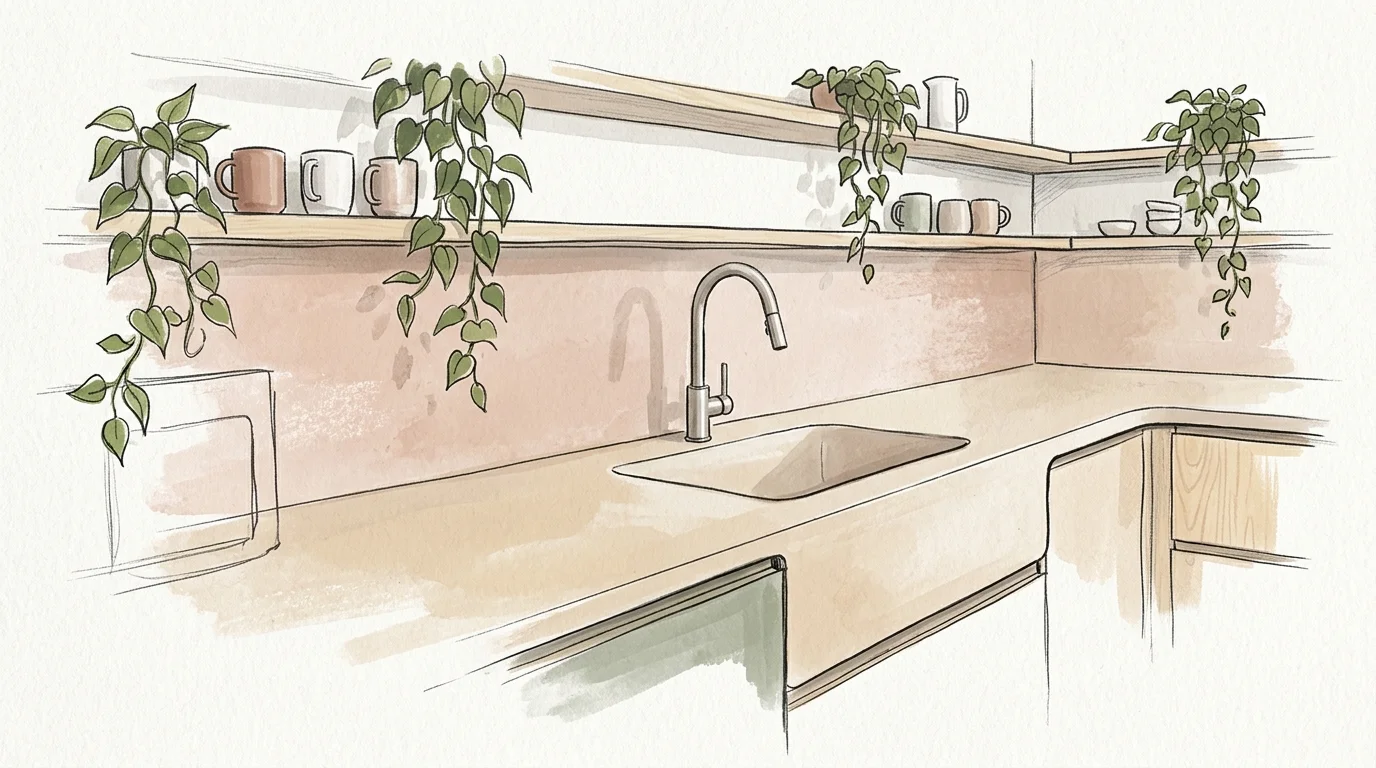
Solid surface materials, famously led by Corian, are capturing the hearts of modern minimalists. They provide an unbroken, velvety surface that celebrates clean lines and tactile warmth throughout the kitchen.
The material blends roughly 33 percent acrylic or polyester resins with 66 percent natural minerals. This non-porous composition ensures that neither moisture nor food debris can penetrate the interior.
Fabricators can thermoform solid surface sheets into gentle curves, custom draining boards, and seamless coved backsplashes. This unique malleability eliminates dirt-collecting seams around your cooking and preparation zones.
Solid surface installations range from $35 to $80 per square foot for standard profiles. Elaborate custom curves and sculptural waterfall builds can reach up to $150 per square foot.
Because the color and texture run uniformly through the entire material, solid surfaces are completely renewable. Homeowners can easily buff out minor surface scratches using a standard abrasive scouring pad.
Solid surface is significantly softer to the touch than natural stone or cold porcelain. It dampens kitchen acoustics, softening the impact noise of glassware in bustling family living spaces.
Designers often incorporate seamlessly integrated sinks made from the same continuous sheet of material. This creates a streamlined, trough-like aesthetic that makes daily wipe-downs remarkably quick and effortless.
Complement solid surface counters with minimalist flat-panel cabinetry and matte black hardware. The combination delivers a sophisticated, uncluttered look that resonates with contemporary Scandinavian interior design.
Trend #4: Industrial-Grade Stainless Steel
Utilitarian Elegance for the Modern Epicurean
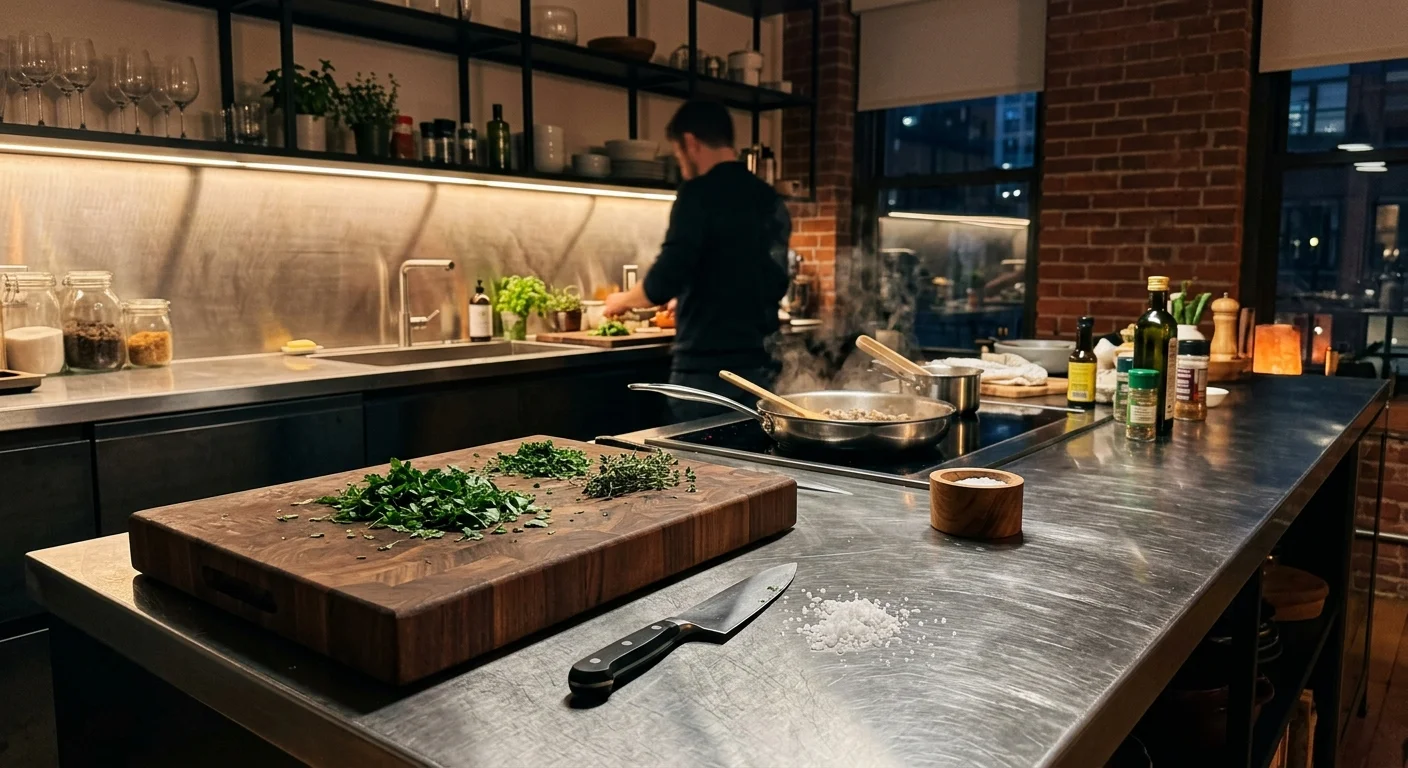
Stainless steel countertops have stepped out of commercial restaurants and into luxurious private residences. They offer an unapologetic, professional aesthetic that appeals to passionate home cooks and design connoisseurs.
Residential installations typically utilize heavy 16-gauge stainless steel sheets wrapped securely over durable wood substrates. This robust structure eliminates hollow ringing noises during active meal preparation.
Professional stainless steel fabrication costs between $90 and $210 per square foot installed. Although it demands a higher initial investment, its lifetime durability provides unmatched long-term value.
Stainless steel is non-porous, naturally hygienic, and completely impervious to heat or thermal shock. You can set boiling stockpots and roasting pans directly onto the counter without hesitation.
Over years of culinary exploration, the surface develops a gentle patina of fine micro-scratches. Design enthusiasts embrace this unique texturing as an authentic record of cherished home cooking.
The non-porous metal prevents bacterial colonization and will never absorb odors or stubborn cooking oils. Daily maintenance requires only a quick spray of warm water and a clean microfiber cloth.
Pair brushed stainless steel with rich walnut cabinetry, exposed brick, and warm terracotta floor tiles. The juxtaposition of industrial metal and organic earthy textures creates a captivating, layered ambiance.
For an ultra-sleek appearance, ask your fabricator to weld an integrated sink bowl into the countertop. This creates an impervious, zero-leak station that elevates modern culinary efficiency.
Trend #5: Next-Generation High-Pressure Laminate
Tactile Innovation and Accessible Style
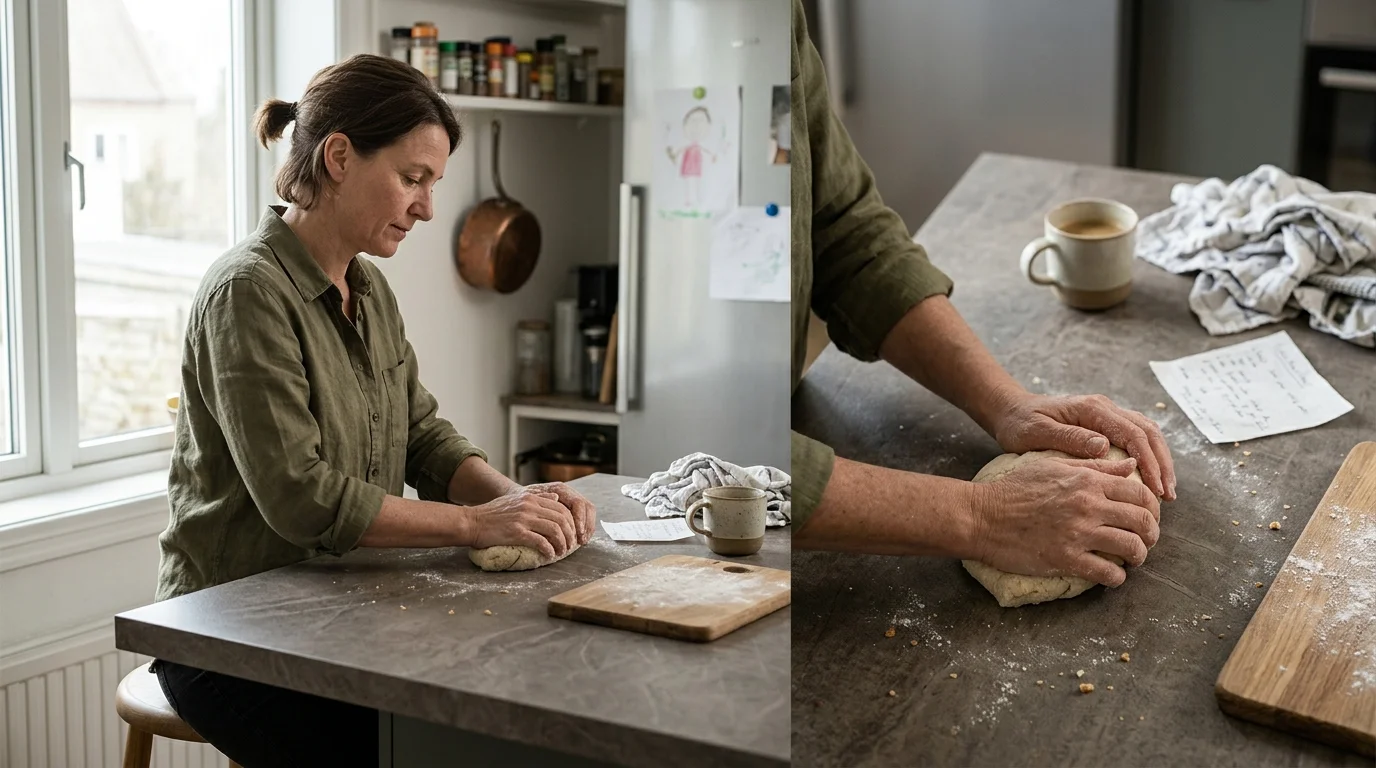
High-pressure laminate has evolved far beyond the basic, uninspired patterns of past decades. Today’s premium laminates incorporate advanced laser-printed graphics, deep matte coatings, and micro-embossed textures.
Laminate remains exceptionally budget-friendly, costing between $20 and $50 per square foot installed. For capable do-it-yourself enthusiasts, raw material costs range from $10 to $25 per square foot.
The dense resin-treated surface provides robust stain resistance against grease, coffee, and dark condiments. It never requires chemical sealants or special stone polishes to preserve its color clarity.
Innovative manufacturing replicates the look of soapstone, oxidized steel, and wire-brushed oak with astonishing fidelity. These realistic finishes allow you to achieve high-end design aesthetics on a sensible budget.
You should take care to seal all countertop seams and perimeter edges during installation. Water entering exposed core joints can cause core materials to swell and delaminate over time.
Always utilize cutting boards during food preparation to protect the decorative resin layer from deep scratches. With standard household care, modern high-pressure laminate provides fifteen to twenty years of dependable performance.
Use laminate in secondary kitchenettes, sculleries, and utility laundry spaces to maximize your budget. It frees up renovation resources for statement lighting and architectural dining furniture in primary living spaces.
Pair warm wood-grained laminates with sage green painted cabinetry and unlacquered brass pulls. This charming palette creates a cozy, biophilic atmosphere that effortlessly connects with your home’s natural surroundings.
Trend #6: Sintered Stone and Compact Mineral Surfaces
Elemental Purity and Indestructible Composition
Sintered stone represents the cutting edge of mineral surface technology in contemporary interior design. It harnesses intense pressure and extreme heat to create a material of unmatched physical density.
Fabricators compress refined natural minerals under 400 bars of pressure before sintering them at 2,200°F. This method mimics the volcanic formation of natural metamorphic stone in mere hours.
Installed costs for sintered stone countertops typically range from $60 to $130 per square foot. It offers all the raw mineral beauty of quartzite without requiring recurring annual sealers.
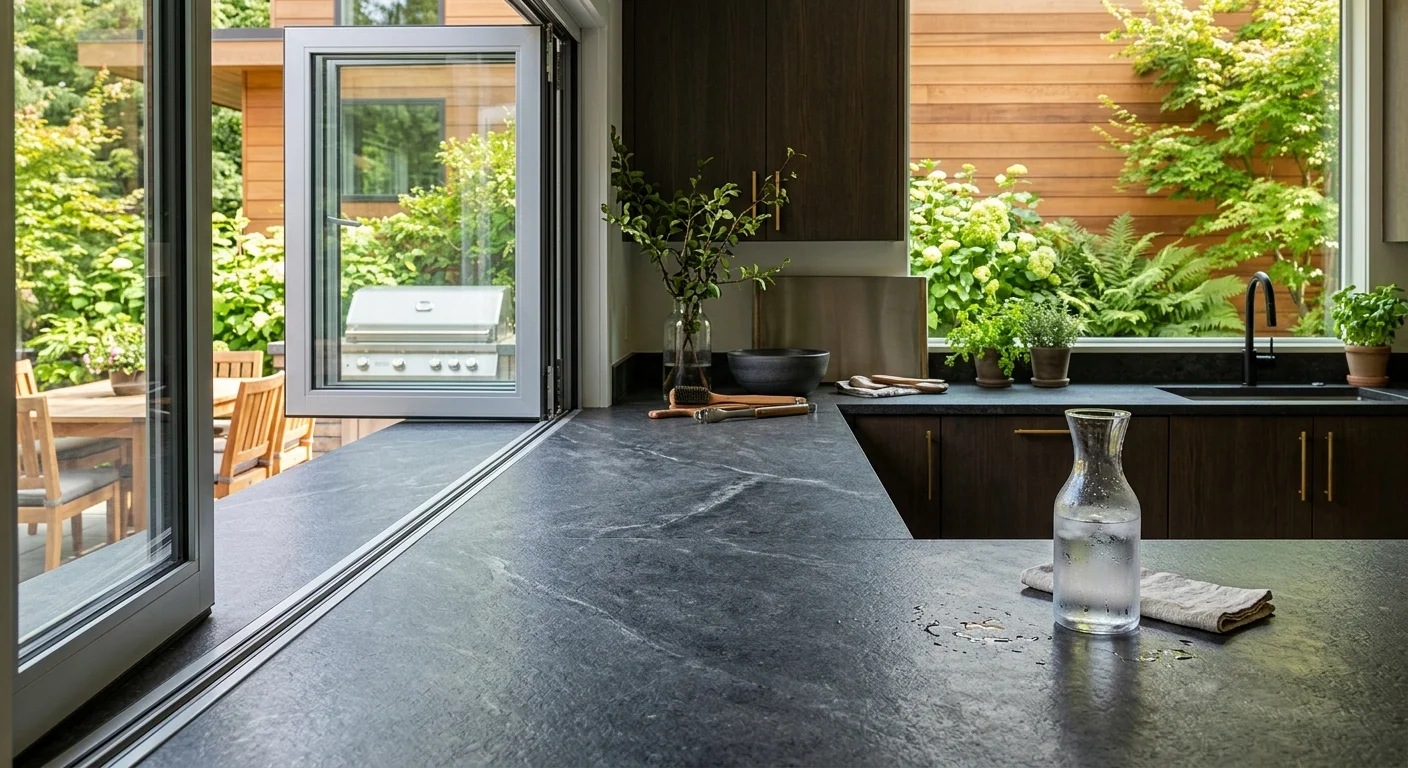
Sintered stone resists direct flames, sub-zero cold, and intense ultraviolet sunlight without warping or fading. These extraordinary properties make it the ideal choice for indoor-outdoor kitchens and patio serving stations.
Because it contains zero synthetic resins or petroleum-based polymers, sintered stone is completely non-combustible and chemically inert. It emits zero volatile organic compounds, supporting healthy air quality inside your home.
The material’s impenetrable density prevents food oils and dyes from absorbing into the slab. Even stubborn stains like dried grease or permanent marker lift away with warm soapy water.
Modern designers celebrate sintered stone for its slender, lightweight profile options down to twelve millimeters. These slim proportions allow for cantilevered breakfast bars and graceful floating kitchen islands.
Pair dark sintered stone worktops with fluted travertine accents and bronze light fixtures. This moody, tactile combination imbues open dining areas with timeless, quiet luxury.
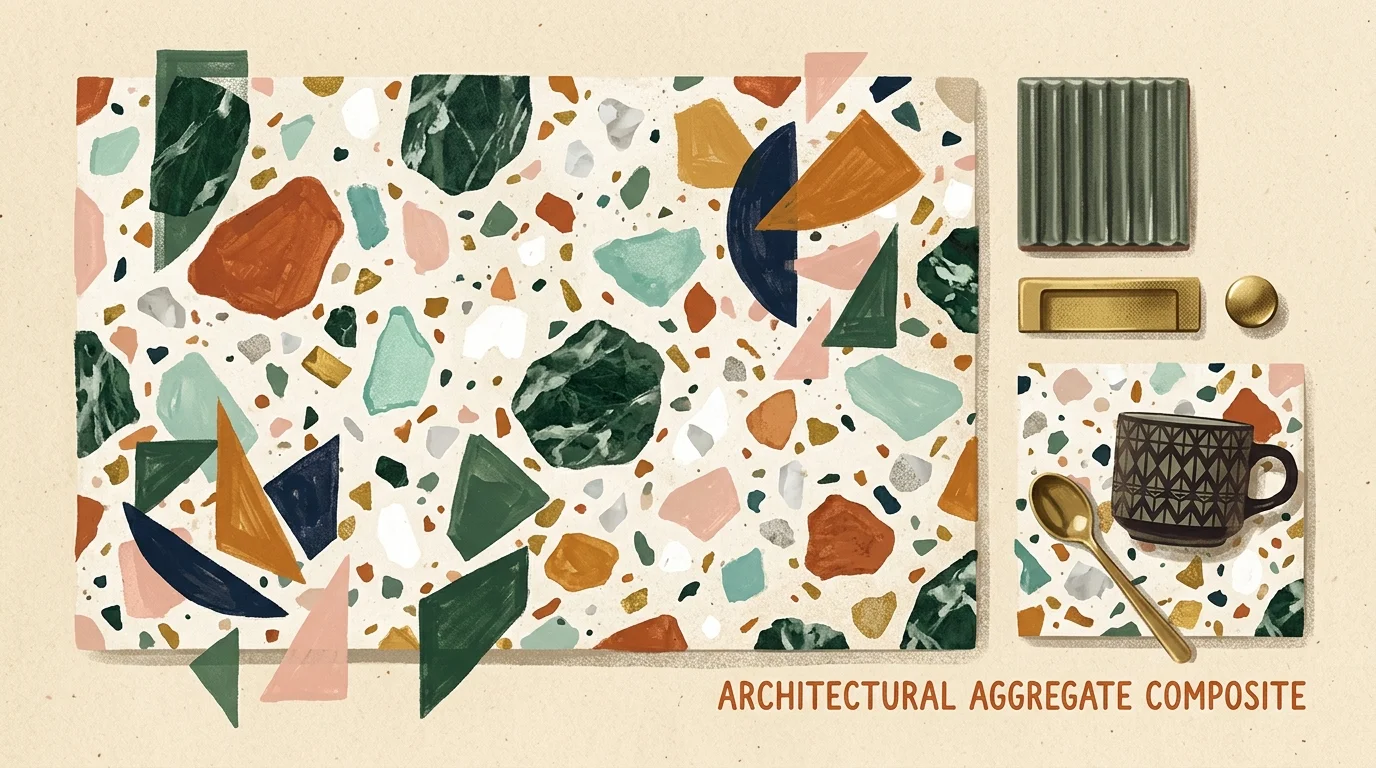
Trend #7: Architectural Terrazzo and Engineered Composites
Playful Textures and Sustainable Provenance
Engineered terrazzo and recycled composites are bringing joyful, bespoke character into modern culinary spaces. They offer a refreshing antidote to monochromatic minimalism through tactile, aggregate-rich patterns.
Modern engineered terrazzo embeds recycled marble chips, quartz fragments, and granite flecks into advanced resin binders. This fusion creates an impermeable surface that avoids the fragility of traditional cement terrazzo.
Slabs range from $65 to $120 per square foot installed, depending on aggregate rarity and customization. Their enduring composition ensures decades of vibrant visual appeal with minimal maintenance.
Unlike historic cementitious terrazzo, resin-bound slabs require no tedious annual sealing or waxing rituals. Their non-porous structure repels moisture, spills, and everyday culinary stains effortlessly.
The scattered aggregate chips cleverly camouflage minor dust, crumbs, and everyday wear between cleanings. A routine wipe with mild dish soap keeps the polished composite looking pristine.
Designers use terrazzo to introduce subtle accent colors that tie into adjacent living room furnishings. A counter with forest green and ochre specks harmonizes effortlessly with surrounding velvet upholstery.
Pair aggregate counters with flat-front oak cabinetry and minimalist architectural downlighting. The juxtaposition allows the lively countertop pattern to serve as the signature artistic statement of your kitchen.
The Big Picture: Weaving These Trends into Your Home
Curating Cohesion Beyond the Kitchen Perimeter
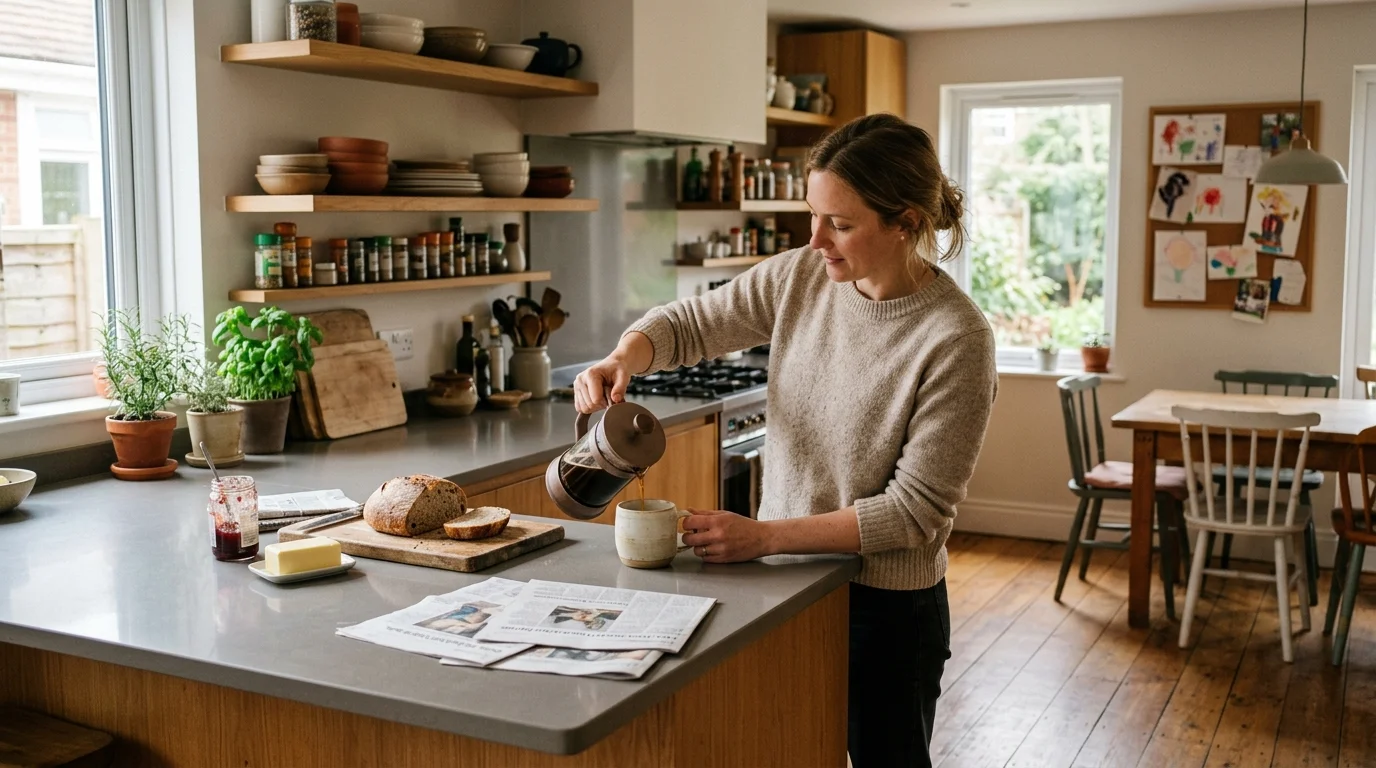
Selecting the right low-maintenance countertops is just the first step in creating a balanced, harmonious home. Your kitchen worktop must converse gracefully with adjoining dining areas and living spaces.
Consider how surface sheens influence your home’s natural light and spatial perception. Polished surfaces bounce illumination through dark rooms, while honed finishes create a calm, organic mood in open-plan spaces.
Repeat your kitchen countertop material as an accent throughout nearby entertaining zones. Crafting a matching fireplace hearth or dining table top creates an intentional, cohesive architectural thread.
Pay close attention to flooring selections to establish a grounded, balanced foundation. Warm wide-plank hardwood and natural stone tile soften the sleek lines of engineered worktops.
Layer your lighting plan with dimmable under-cabinet strips, recessed task lighting, and sculptural pendants over islands. Thoughtful lighting illuminates the subtle veining and tactile textures of your durable surfaces.
For the latest color forecasts, consult industry leaders like Pantone and paint companies like Benjamin Moore. For professional design standards, refer to the American Society of Interior Designers (ASID).
Partner with certified, experienced stone fabricators to execute precise miters and seamless edge profiles. Impeccable craftsmanship transforms durable, easy-care materials into timeless works of residential art.
Disclaimer: This article reflects design trend analysis and predictions. Personal taste and timeless design principles should always guide your decorating choices.
Frequently Asked Questions
How do low-maintenance countertops compare to natural marble in long-term cost?
Natural marble requires professional resealing every six to twelve months to prevent irreversible staining and etching. Over a decade, these routine chemical applications and polishing visits add thousands in extra costs.
Engineered quartz, porcelain, and solid surfaces require zero recurring sealants or restorative treatments. Their resilience preserves your initial investment while saving you significant time and maintenance expenses over time.
Can I place hot cookware directly on low-maintenance countertops?
Porcelain, sintered stone, and stainless steel easily handle direct contact with scorching pots and pans. They withstand high cooking temperatures without blistering, cracking, or discoloring.
Engineered quartz and solid surface composites contain synthetic resins that can scorch above 300°F. Always set sizzling skillets onto protective trivets to safeguard resin-based countertops.
Which easy-care countertop material is best for seamless integrated sinks?
Solid surface acrylic is the premier choice for seamless integrated sinks. Fabricators chemically weld the sink directly to the deck, creating a smooth transition with zero dirt-trapping seams.
Stainless steel also allows fabricators to weld and buff an integrated basin seamlessly. Both options streamline daily kitchen cleanup by letting you sweep debris directly into the bowl.
What countertop finish is most effective at hiding fingerprints and daily smudges?
Honed, matte, and leathered finishes conceal fingerprints, grease smudges, and water marks far better than high-gloss surfaces. They diffuse light evenly, keeping the countertop looking immaculate throughout the day.
If you prefer stainless steel or dark quartz, choose brushed textures or fine veined patterns. These surface variations naturally disguise minor cooking splatters between thorough wipe-downs.