Replacing your outdated backsplash instantly redefines your kitchen’s entire architectural narrative without demanding a full-scale renovation. While classic white subway tile served kitchens dutifully for over a decade, design sensibilities have evolved toward dimensional depth, bespoke craftsmanship, and tactile authenticity. Today, exploring alternatives to subway tile backsplash options allows you to inject genuine personality, organic texture, and visual drama into your culinary workspace. From sweeping natural stone slabs that eliminate tedious grout scrubbing to handcrafted artisanal tiles with light-bouncing glazes, these forward-looking kitchen backsplash trends replacing subway tile prioritize longevity and rich character. Discover how cutting-edge surfaces can elevate your home into an inspiring, high-end sanctuary.
Trend #1: Continuous Solid Slabs and the Seamless Countersplash
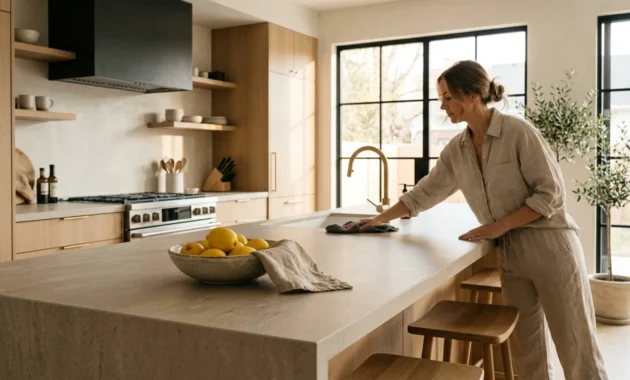
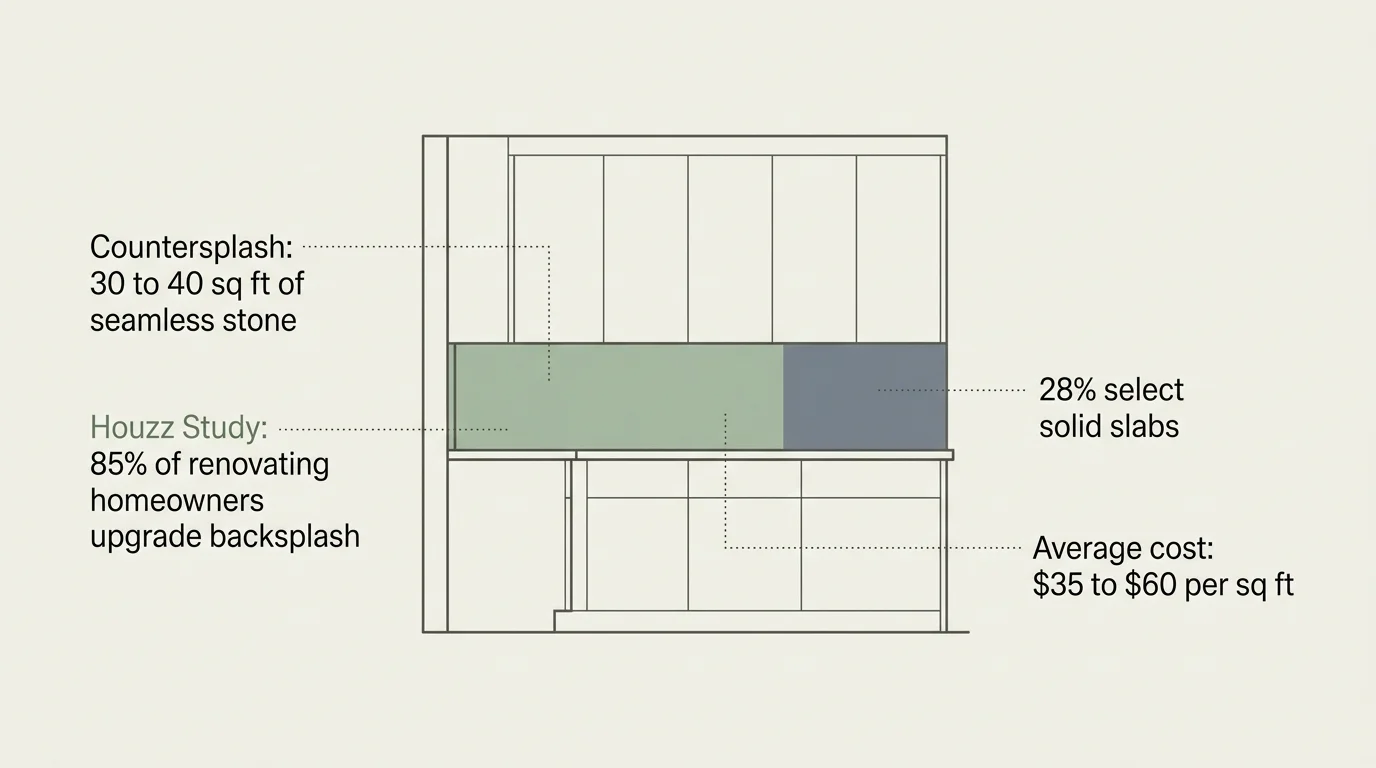
Running your countertop material directly up the wall to create a monolithic countersplash represents one of the most significant aesthetic shifts in contemporary kitchen design. According to the Houzz Kitchen Trends Study, approximately 85% of renovating homeowners upgrade their kitchen backsplash, and solid slabs now capture 28% of those projects. By extending a single piece of engineered quartz, dramatic marble, or durable quartzite across the standard 30 to 40 square feet of wall area, you eliminate grout lines completely; this creates a serene, uninterrupted visual plane that makes compact kitchens feel expansive.
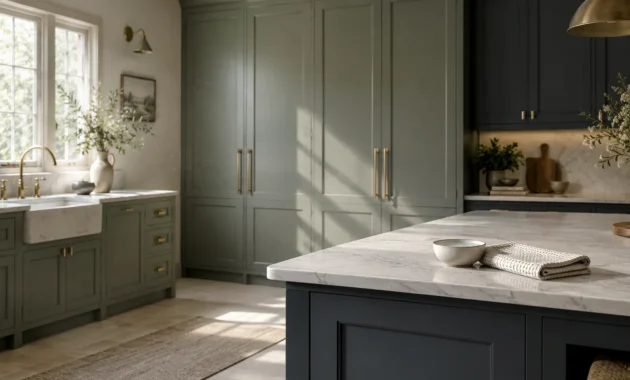
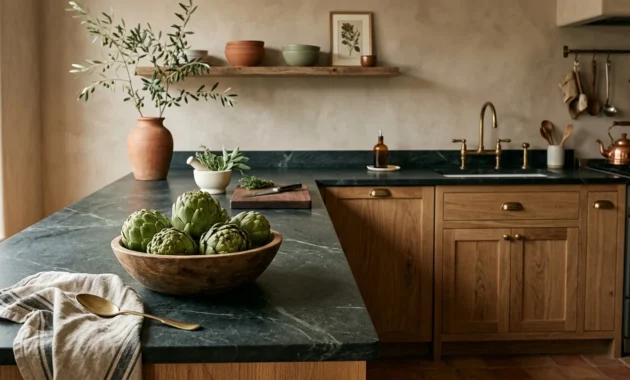
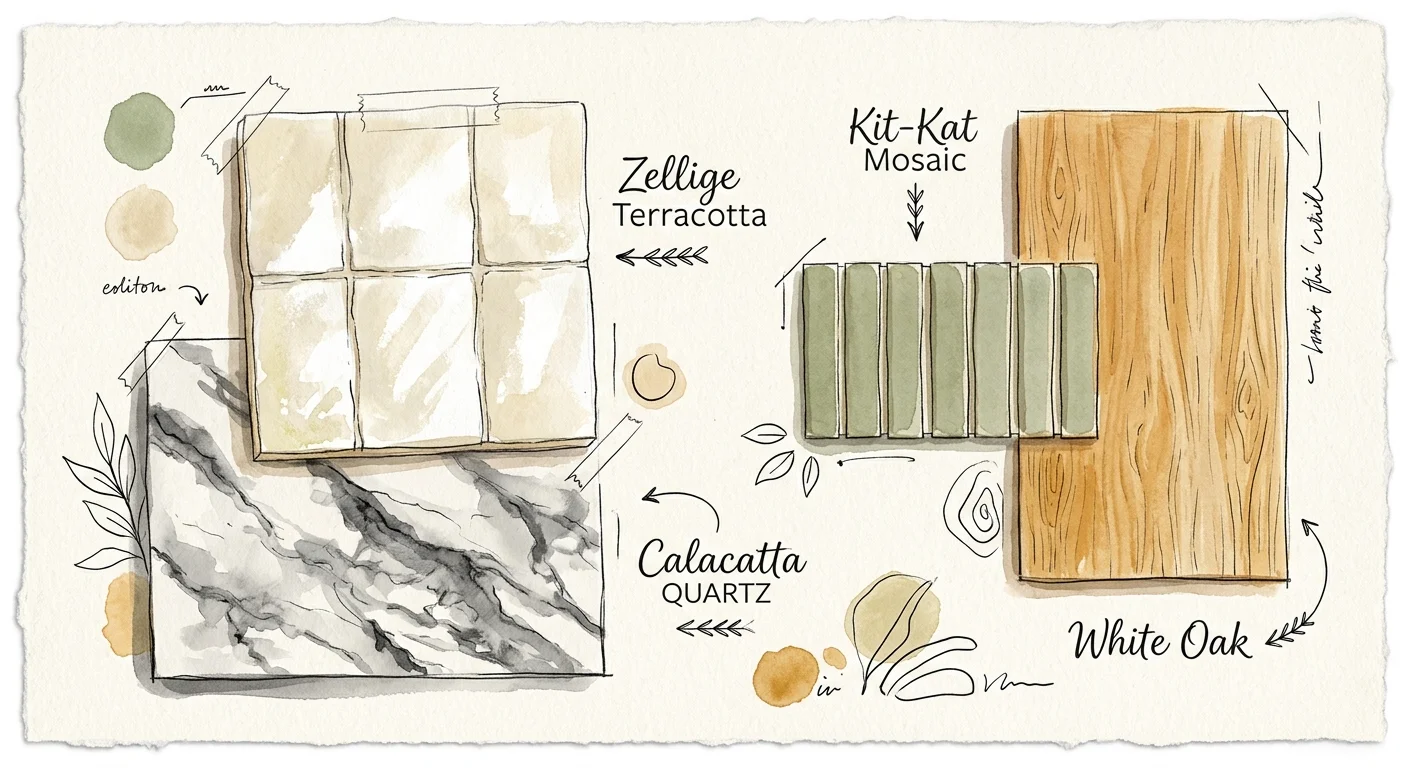
Beyond its striking visual minimalism, the solid slab delivers exceptional functionality. Cooking splatters wipe away effortlessly from the non-porous surface, saving you hours of tedious grout scrubbing. While stone and engineered quartz slabs average $35 to $60 or more per square foot installed, the streamlined installation process offsets the higher material expenditure. Pair a heavily veined Calacatta quartz countersplash with warm white oak cabinetry, or match a honed soapstone slab to dark charcoal millwork for a tailored, quiet-luxury aesthetic.
Trend #2: Handcrafted Moroccan Zellige and Glazed Terracotta
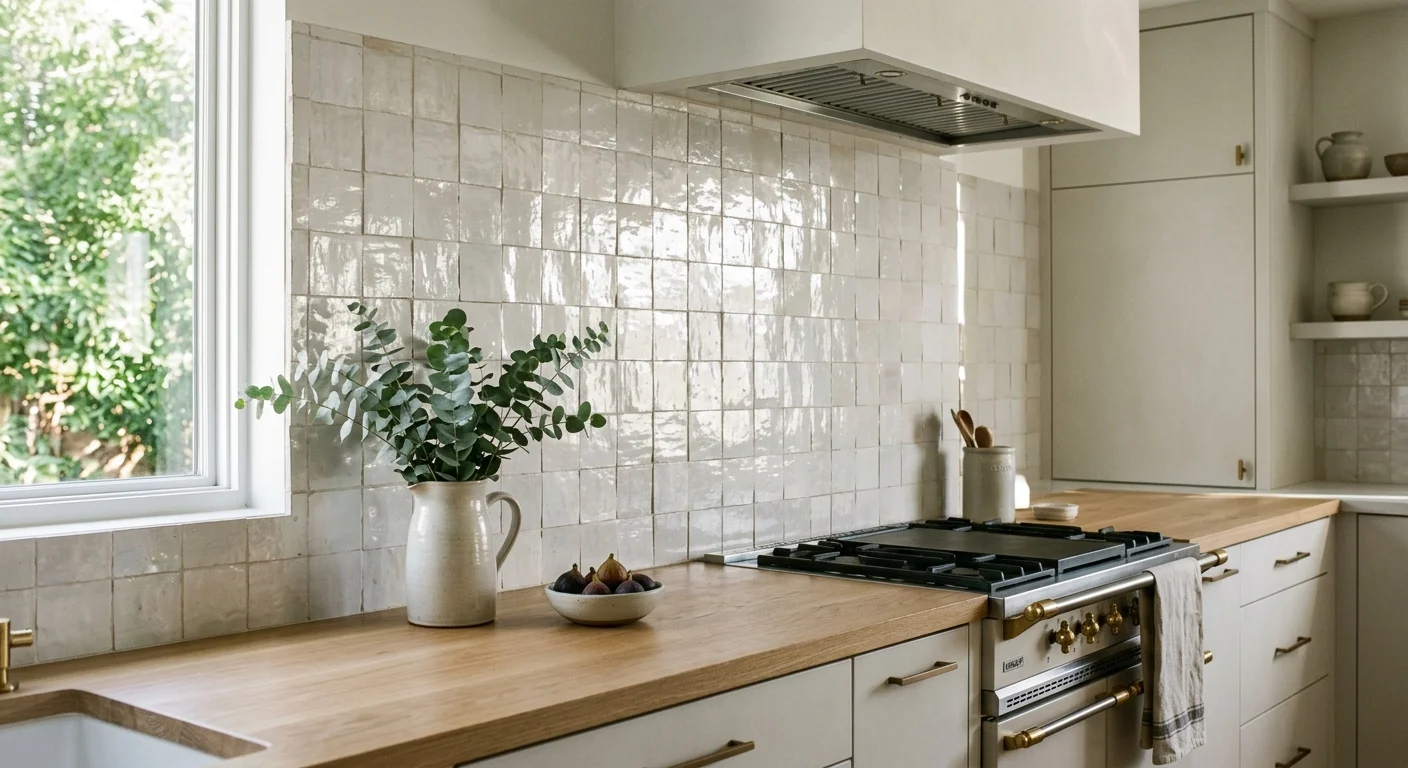
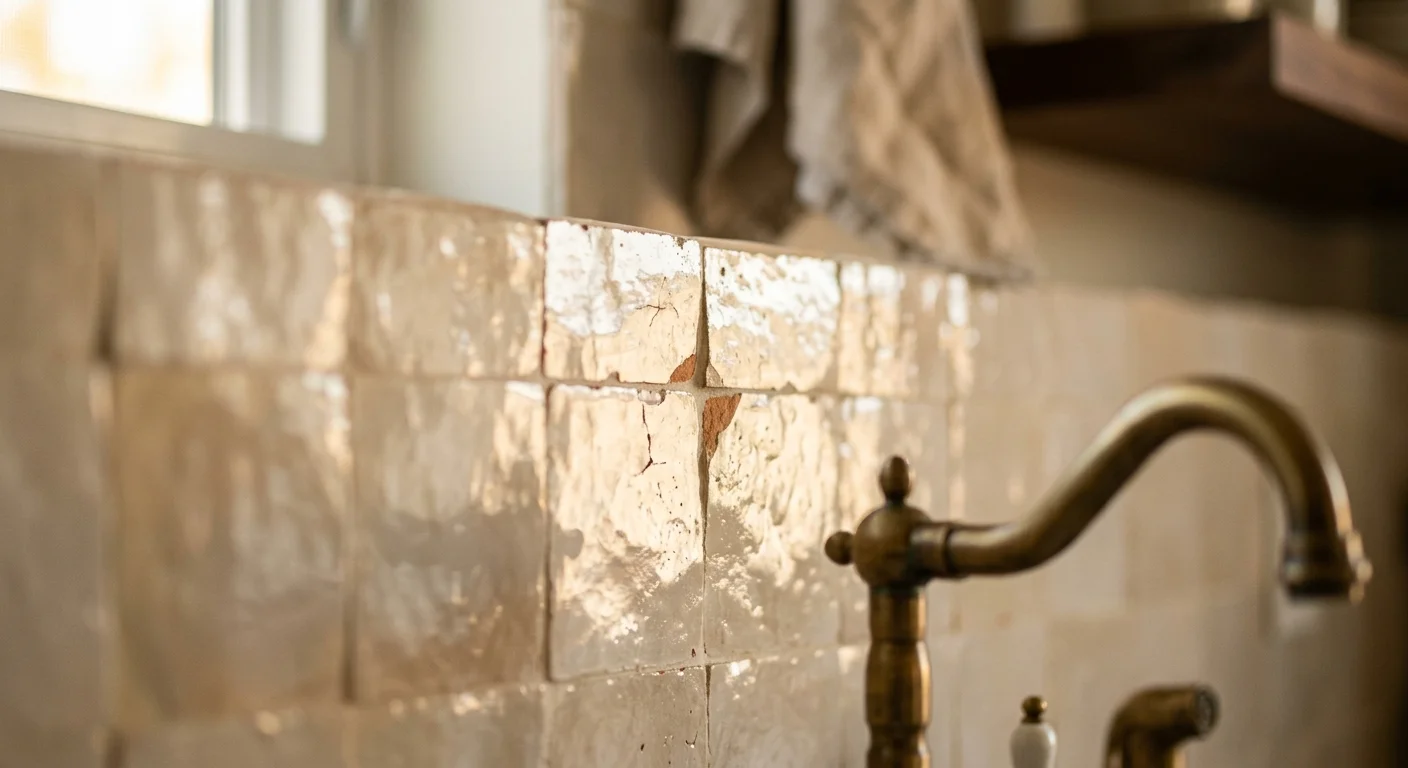
Homeowners are abandoning uniform, machine-pressed perfection in favor of artisanal provenance and the poetic imperfections of Moroccan Zellige. Master artisans hand-chisel and kiln-fire these glazed terracotta tiles, producing deliberate variations in thickness, tonal saturation, and edge geometry. When sunlight catches these multifaceted surfaces, the glossy glaze reflects light across your kitchen in dynamic, shimmering waves that flat ceramic simply cannot replicate.
Authentic Moroccan Zellige tiles typically range from $15 to $35 or more per square foot for materials, while ceramic lookalikes offer a budget-friendly alternative at $8 to $12 per square foot. To achieve an authentic Old-World look, instruct your tile installer to butt the tiles as closely together as possible using a minuscule 1/16-inch grout line. Choose soft, earthy hues such as pearlescent white, warm ecru, olive green, or faded terracotta to introduce tactile warmth that complements both modern flat-panel and traditional shaker cabinetry.
Trend #3: Vertical Stacked Finger and Kit-Kat Mosaics
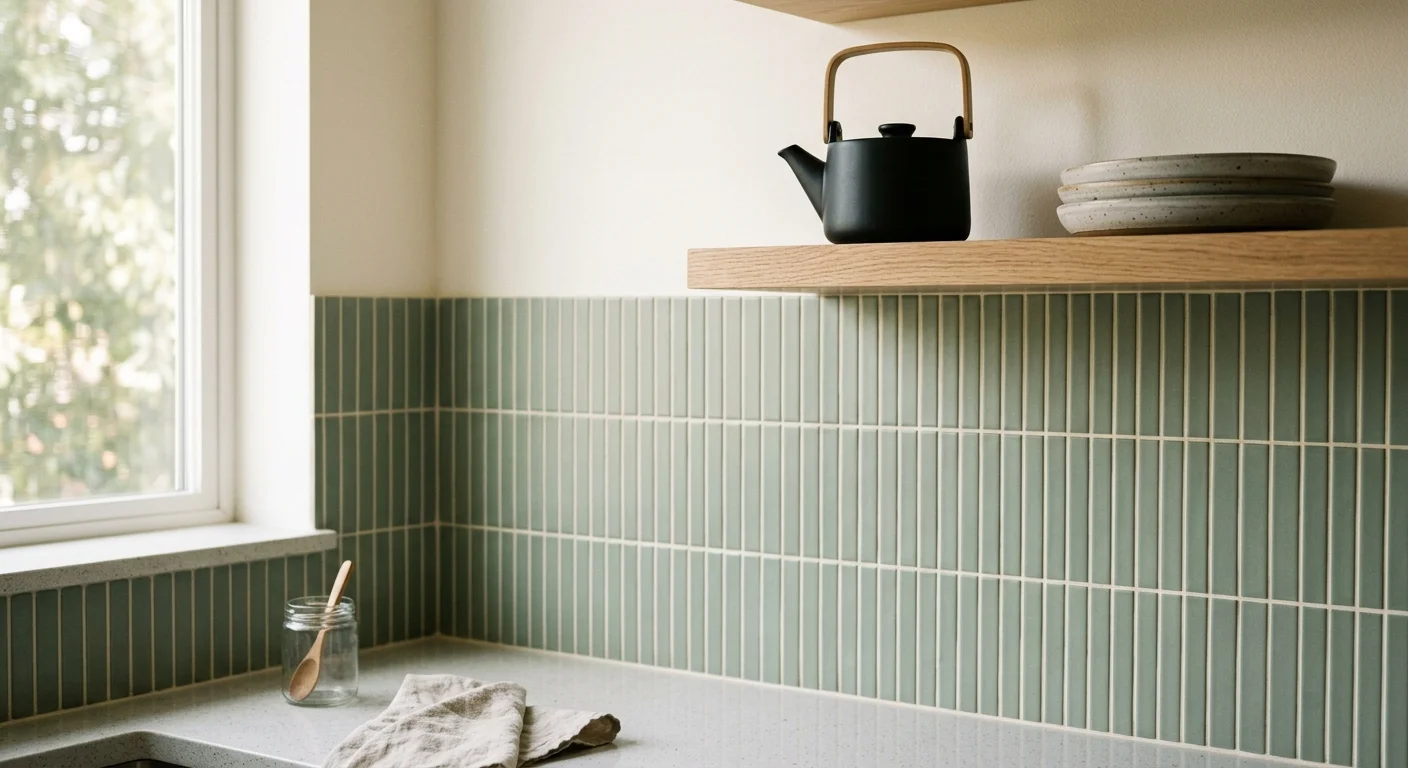
Linear architectural rhythm takes center stage with vertical stacked finger tiles, frequently referred to in design circles as Kit-Kat mosaics. While classic horizontal brick layouts still represent 39% of tile installations, vertical straight-stacked patterns now account for 7% of renovations and continue to climb in popularity. Orienting these ultra-slender ceramic or porcelain battens vertically draws the eye upward, visually elevating standard eight-foot ceiling heights and creating an airy, structured ambiance.
These micro-linear tiles introduce subtle texture without overwhelming your broader decorative scheme. However, because precise vertical alignment requires meticulous spacing and numerous cuts around electrical outlets, professional labor rates can reach $20 to $45 per square foot. You can accentuate their rhythmic geometry by pairing a matte sage or powder-blue Kit-Kat tile with contrasting light gray grout, completing the vignette with floating walnut shelving and integrated LED strip lighting.
Trend #4: Textured and Fluted Dimensional Ceramic Tile
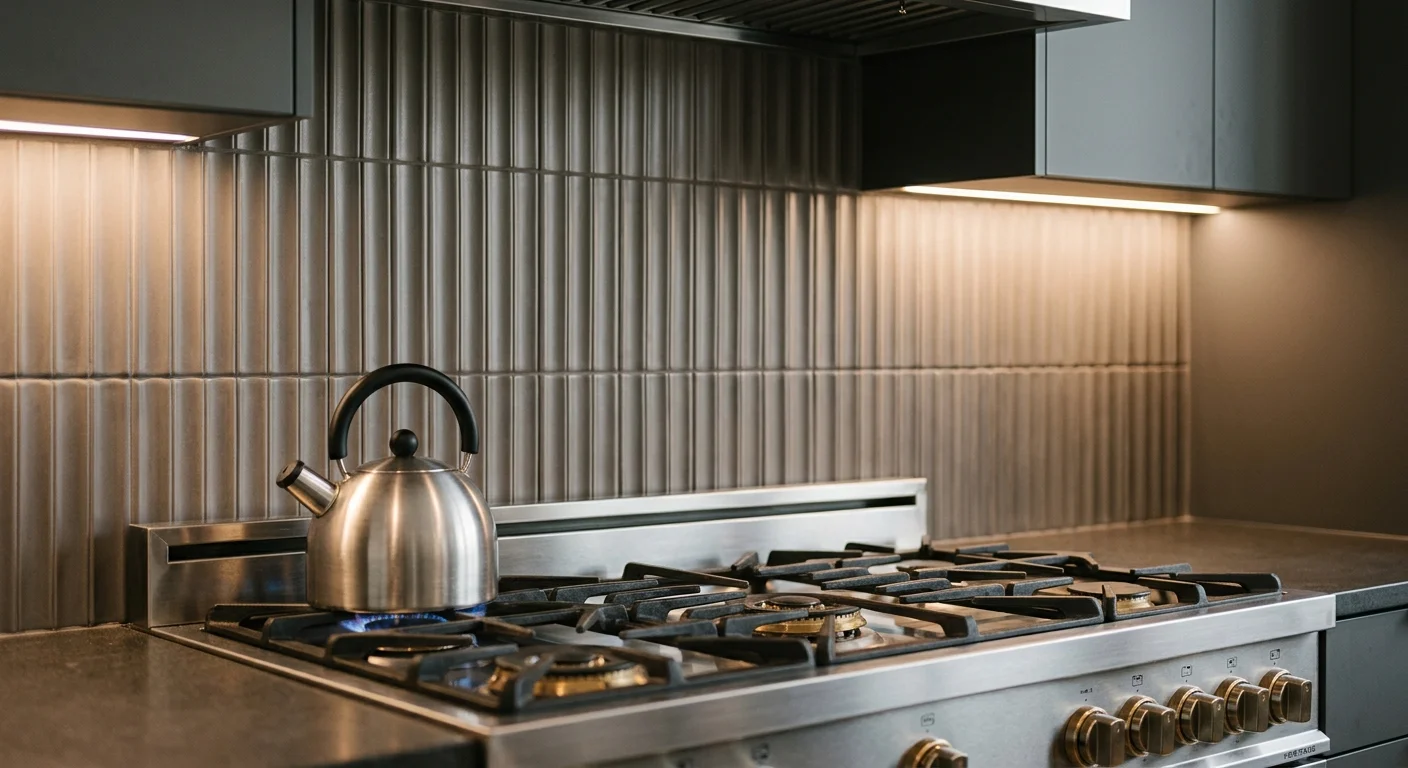
Tactility serves as a core pillar of modern backsplash ideas 2027, making three-dimensional, ribbed, and fluted ceramic tiles an exceptional alternative to flat subway patterns. Rather than relying solely on color contrast to build visual interest, dimensional tiles employ bas-relief profiles to manipulate light and shadow. As ambient daylight shifts throughout the day, the contoured ridges generate dynamic highlights that lend architectural substance to your perimeter walls.
When selecting fluted tiles, pay close attention to finish and placement. Matte finishes in chalky biscuit, charcoal, or warm putty soften the utilitarian appearance of stainless-steel cooktops and professional ranges. Because deep grooves can accumulate grease splatters over time, consider positioning deeply sculpted profiles along prep zones and dry bars, while reserving smoother dimensional tiles or solid stone behind high-heat gas ranges for easier cleaning.
Trend #5: Antiqued Mirror and Smoked Glass Panels
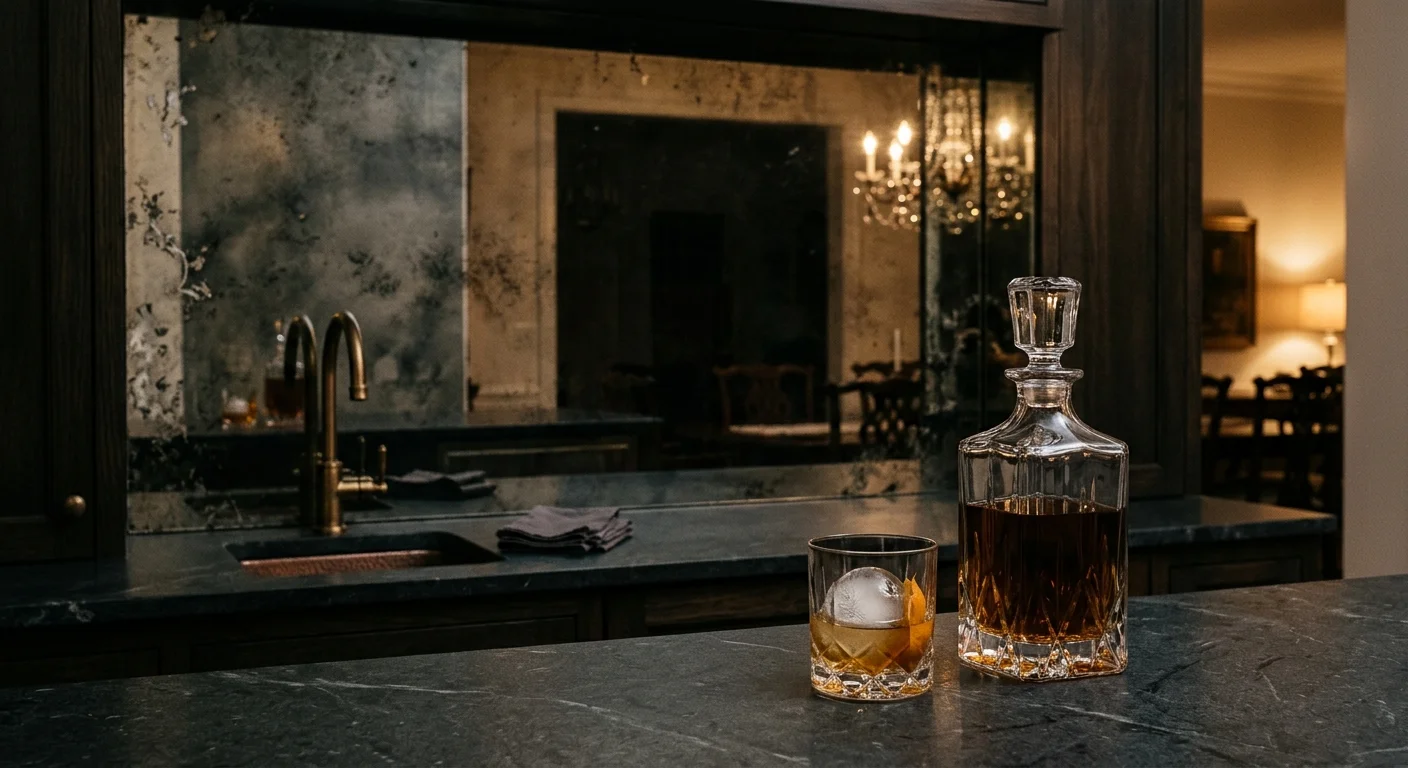
For kitchens with limited natural light or modest square footage, antiqued mirror and smoked glass panels offer an alluring combination of spatial expansion and moody glamour. Unlike commercial silver mirrors, antiqued glass undergoes specialized silvering and distressing treatments that produce cloudy, foxed edges and warm bronze or charcoal patinas. This surface visually doubles the perceived depth of your countertops while reflecting ambient light gently across your dining and living spaces.
Custom-tempered glass backsplashes provide a completely seamless, non-porous barrier that resists heat, water, and cooking oils. To incorporate this trend seamlessly, install large antiqued glass panels behind your primary prep zone or within a dedicated coffee bar niche. Pair smoky bronze-tinted glass with unlacquered brass bridge faucets, dark walnut cabinetry, and honed quartzite countertops to cultivate a sophisticated, speakeasy-inspired atmosphere.
Trend #6: Bookmatched Dramatic Quartzite and Marble
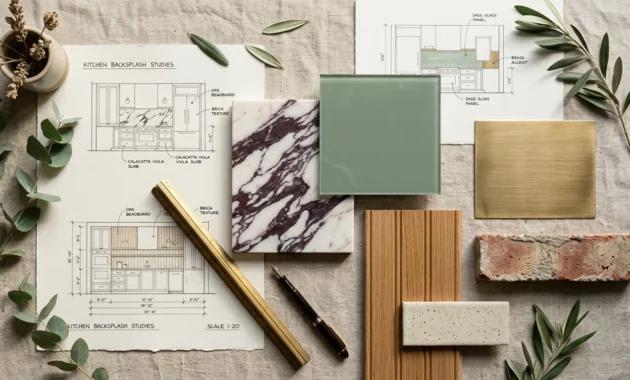
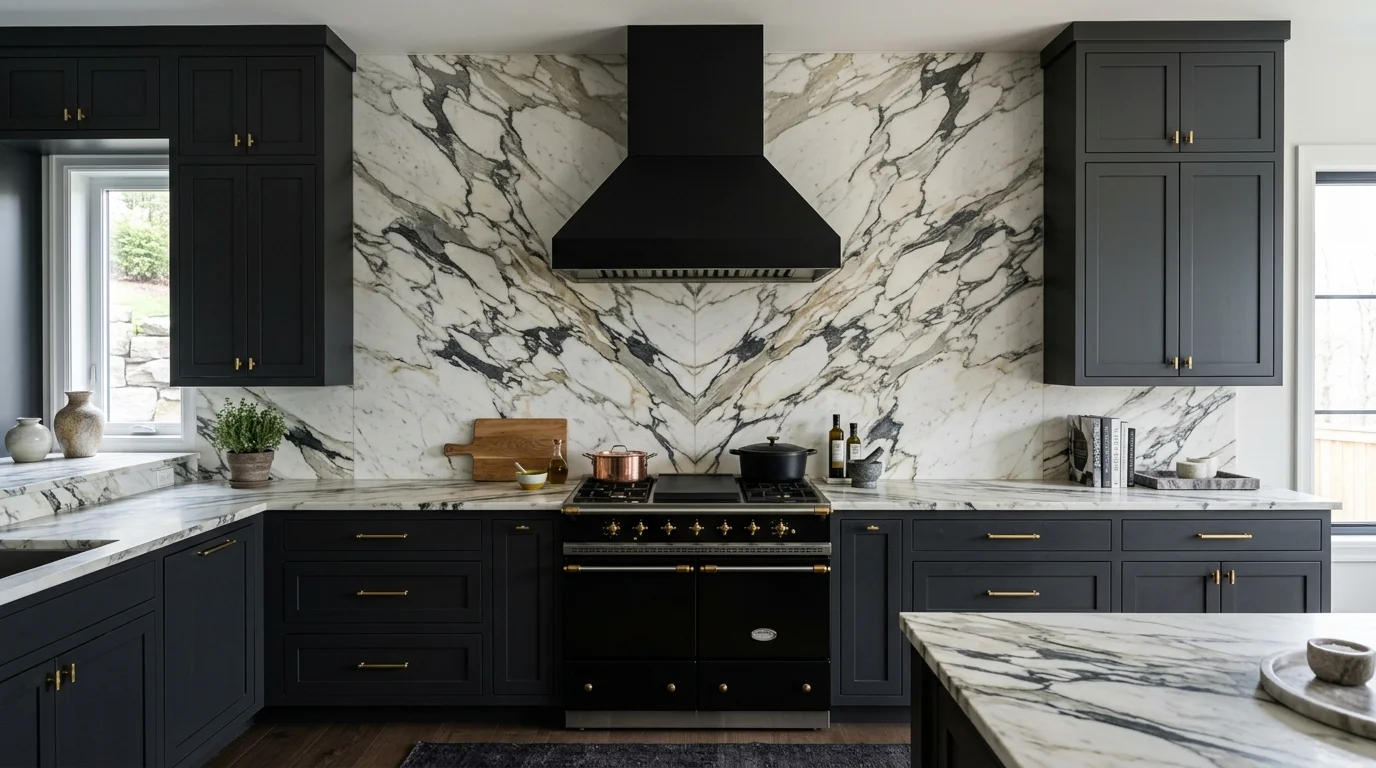
Elevating the kitchen backsplash from a simple utilitarian backdrop to a curated work of art, bookmatched stone slabs make an unforgettable architectural statement. By mirroring two consecutive slabs of natural stone along a center joint, fabricators create an arresting, butterfly-patterned composition behind your cooktop or primary focal wall. Boldly veined stones such as Calacatta Viola, Breccia Capria, and Arabescato introduce dramatic strokes of burgundy, emerald, and charcoal that anchor the entire kitchen.
Industry data reveals that 67% of renovating homeowners extend their backsplash upward to the upper cabinetry or range hood, while 12% run the material entirely to the ceiling. Utilizing an expressive bookmatched stone across this full-height vertical span delivers maximum visual impact. If you cook frequently with acidic ingredients like lemon juice or tomato sauce, choose dense crystalline quartzites like Patagonia or Taj Mahal, which provide the luxurious veining of marble alongside exceptional scratch and acid resistance.
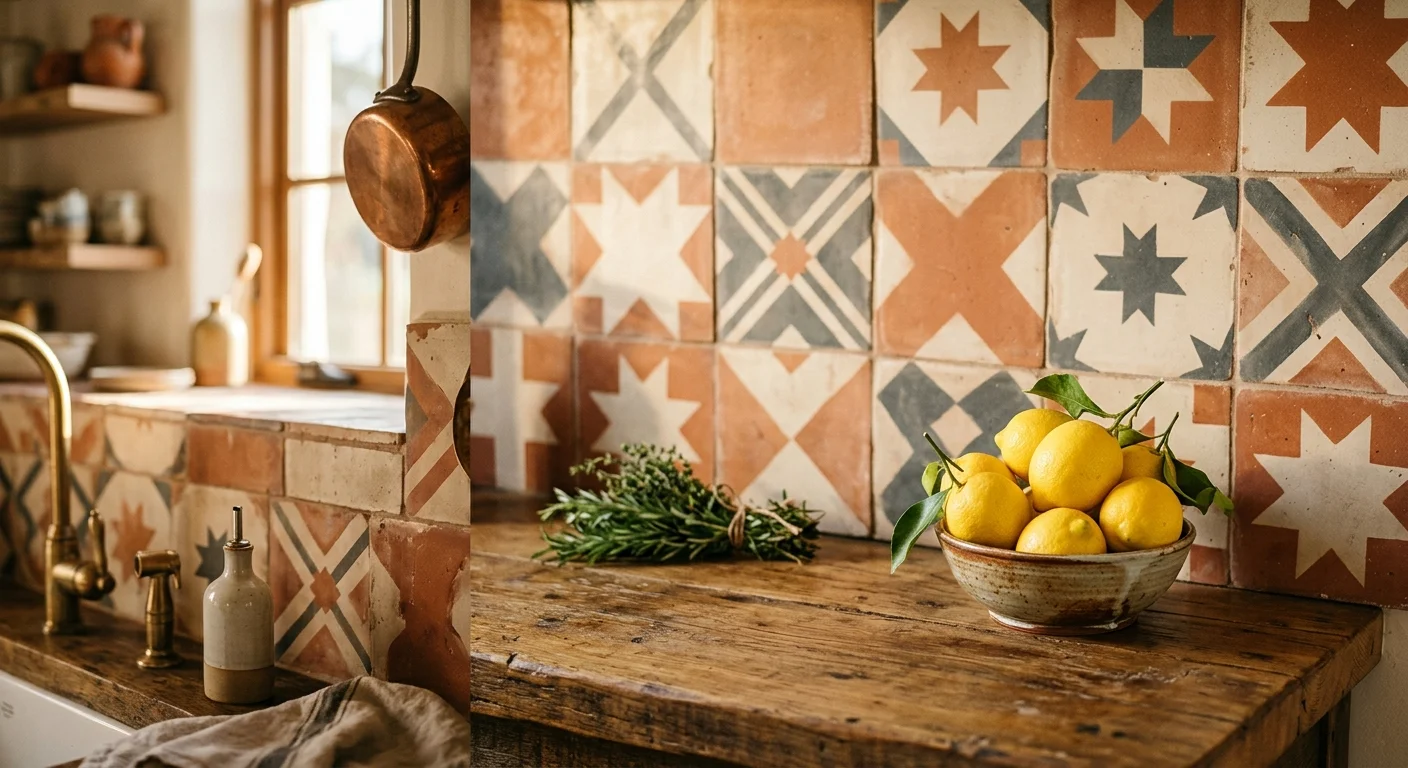
Trend #7: Earthy Matte Terracotta and Encaustic Geometrics
Emphasizing biophilic design and grounding organic materials, unglazed terracotta and matte encaustic tiles offer a restorative alternative to cold, glossy surfaces. These trending kitchen backsplash materials feature warm clay, rich ochre, muted terracotta, and dusty charcoal tones that create an immediate connection to natural elements. Matte finishes absorb direct glare from under-cabinet fixtures, giving your kitchen walls a soft, velvety appearance.
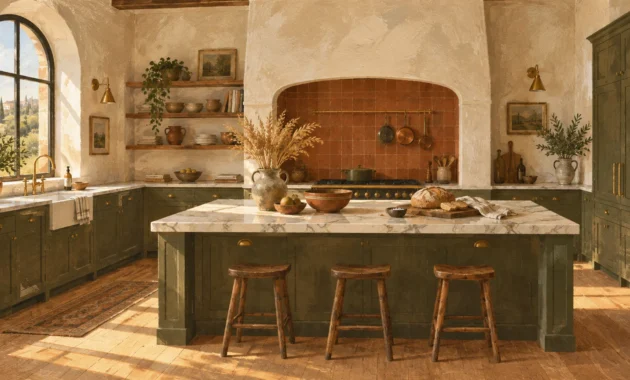
Geometric star-and-cross motifs, hexagonal pavers, and soft encaustic patterns introduce subtle Mediterranean and southwestern influences without feeling dated. Because unglazed terracotta and cement-based encaustic tiles are naturally porous, you must apply a high-grade penetrating sealer before and after grouting to prevent staining. Complement these earthy tiles with soapstone counters, raw timber beams, and unlacquered copper accents for an authentic, layered interior.
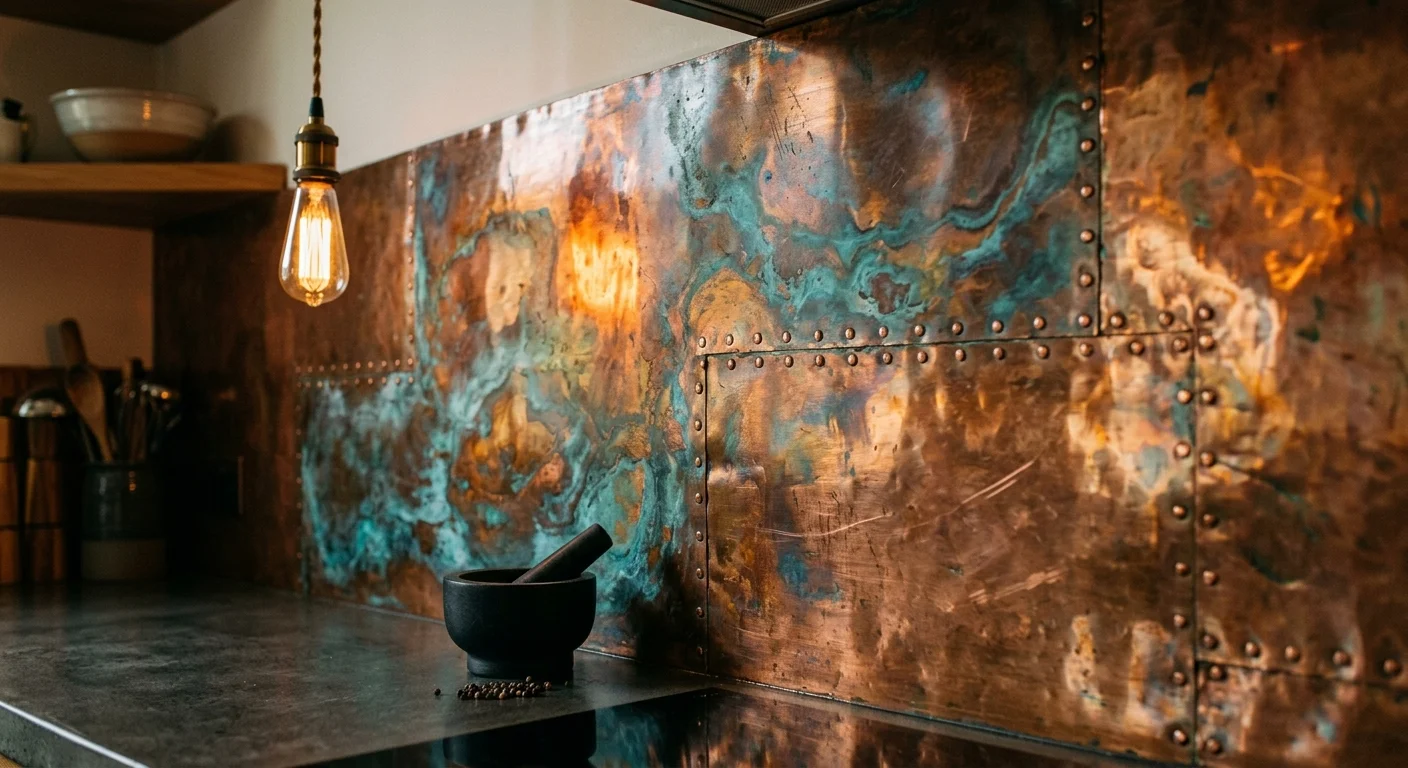
Trend #8: Metallics, Antiqued Brass, and Hand-Patinated Copper
Solid metal backsplashes are stepping into luxury residential kitchens, offering warmth, industrial elegance, and unmatched longevity. Solid sheets of brushed brass, hand-hammered pewter, quilted stainless steel, and chemically patinated copper replace repetitive tile grids with rich, luminous planes. Over time, unlacquered metals evolve gracefully, developing an authentic, living patina that reflects your home’s unique daily rituals.
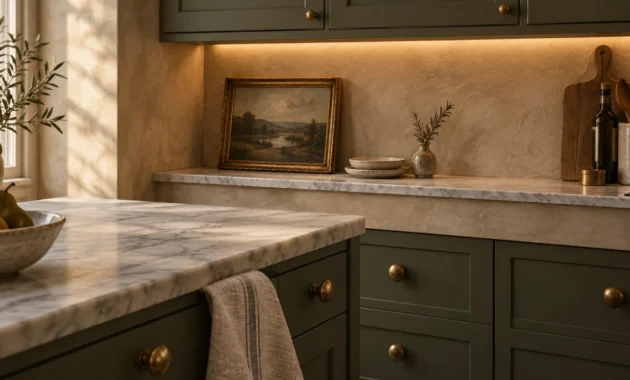
Beyond full metal sheets, metallic mosaic tiles and pressed metal panels provide accessible ways to inject reflective warmth into compact kitchens. Sheet metal backsplashes eliminate joint maintenance completely; a quick wipe with a damp microfiber cloth removes cooking residue immediately. To maintain balance, pair warm brass and copper backsplashes with matte paint finishes, such as deep forest green, navy, or creamy off-white cabinetry, grounding the room with wide-plank hardwood flooring.
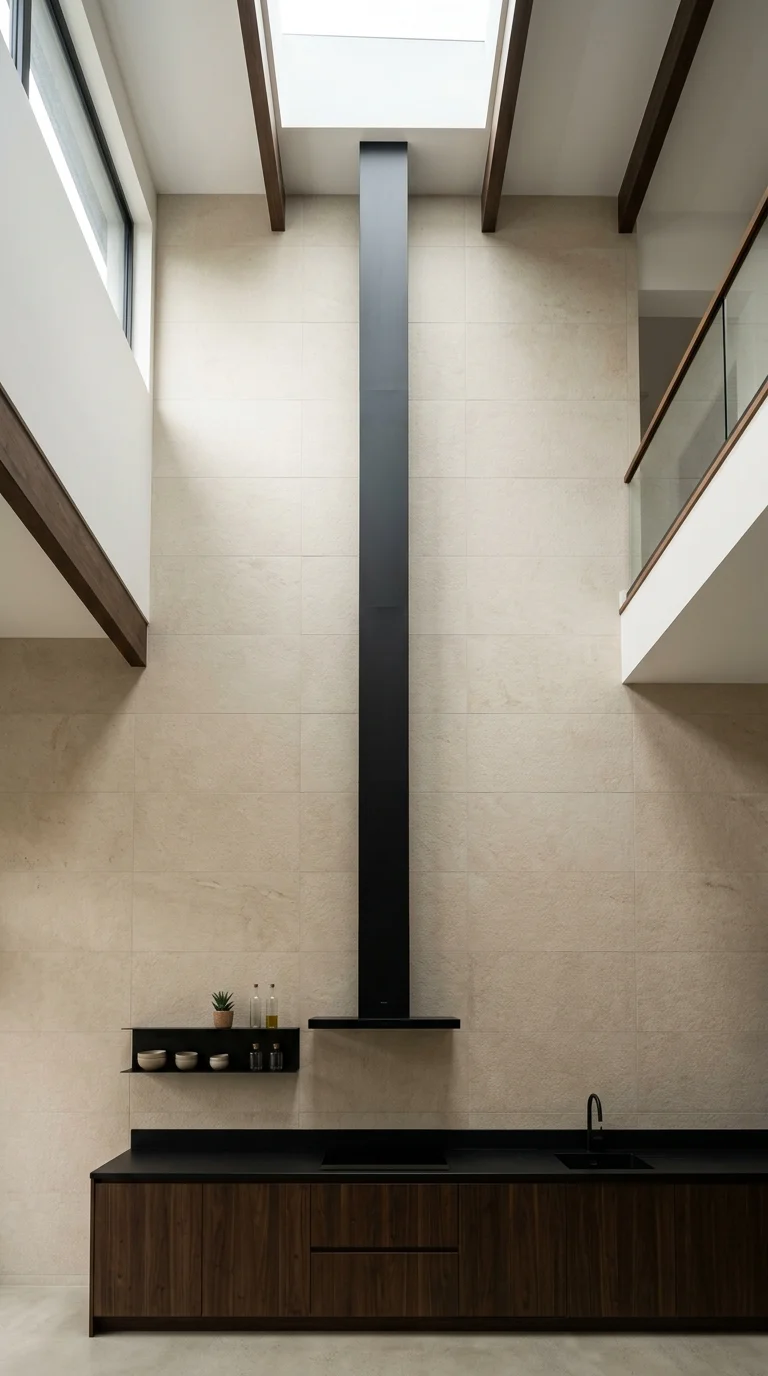
Trend #9: Ceiling-Height Stacked Large-Format Porcelains
Large-format porcelain slabs deliver the monumental look of natural quarried stone at a fraction of the weight, cost, and maintenance. Available in expansive dimensions such as 24×48 inches or ultra-slim 48×96-inch sheets, these new kitchen backsplash designs minimize grout joints down to hairline seams. By extending these lightweight porcelain panels all the way to your ceiling, you create a continuous, soaring backdrop that amplifies the vertical volume of your kitchen.
Porcelain manufacturing technology now replicates the complex crystalline structure and tactile veining of fine Italian marbles and travertines with extraordinary accuracy. Porcelain is impervious to thermal shock, UV fading, and acidic etching, making it one of the most resilient surfaces available. Turnkey installations typically range from $30 to $55 per square foot, providing an exceptional blend of high-end design, durability, and cost efficiency.
The Big Picture: Weaving These Trends into Your Home
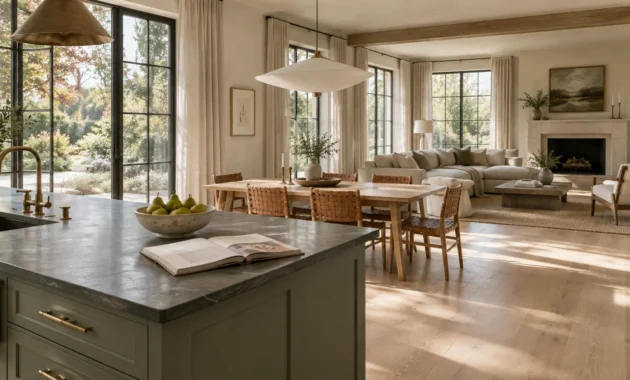
Successfully integrating modern backsplash ideas 2027 into your home requires viewing your kitchen as an interconnected element within your broader architectural landscape. Because open-concept layouts often connect kitchens directly with living and dining rooms, your backsplash material must harmonize with adjacent color palettes, millwork tones, and flooring choices. Select your backsplash early in the design phase alongside your countertops to ensure that undertones, veining scales, and sheen levels complement rather than compete with one another.
Layering lighting is equally critical when showcasing dimensional, glossy, or slab backsplashes. Install 2700K to 3000K warm-dim LED channel lighting beneath upper cabinetry to wash light smoothly down textured surfaces without producing harsh glare. Balance a bold backsplash focal wall by keeping surrounding cabinetry simple, and extend hardwood or natural stone flooring throughout adjacent living spaces to establish unbroken visual cohesion across your home.
For the latest color forecasts, consult industry leaders like Pantone and paint companies like Benjamin Moore. For professional design standards, refer to the American Society of Interior Designers (ASID).
Frequently Asked Questions
Are subway tiles completely outdated for modern kitchens?
Standard white 3×6-inch subway tiles laid in a traditional horizontal offset pattern no longer represent the cutting edge of interior design. However, subway tiles have not disappeared entirely; designers have reinvented them using handmade Zellige finishes, rich organic color palettes, and vertical straight-stacked layouts to deliver modern height and texture.
How much does it cost to replace a kitchen backsplash?
The national average cost to install a new kitchen backsplash ranges between $600 and $1,500, with complete turnkey projects averaging $30 to $75 per square foot for materials and labor combined. Intricate mosaic patterns or handmade tiles requiring specialized cuts can push professional labor rates from standard $5 to $20 rates up to $20 to $45 per square foot.
How do I choose between a full-slab countersplash and individual tiles?
Choose a continuous slab countersplash if you prioritize seamless cleanability, minimal grout lines, and a sleek, monolithic appearance that unifies your horizontal and vertical surfaces. Opt for individual artisanal or geometric tiles if you want to introduce tactile texture, handcrafted character, and dynamic color variation at a generally lower initial material investment.
Which backsplash material requires the lowest maintenance over time?
Engineered quartz slabs, solid large-format porcelain panels, and tempered glass backsplashes offer the lowest maintenance. These non-porous surfaces eliminate grout scrubbing entirely, resist heat and acidic stains effortlessly, and wipe clean in seconds with mild soap and warm water.
Disclaimer: This article reflects design trend analysis and predictions. Personal taste and timeless design principles should always guide your decorating choices.