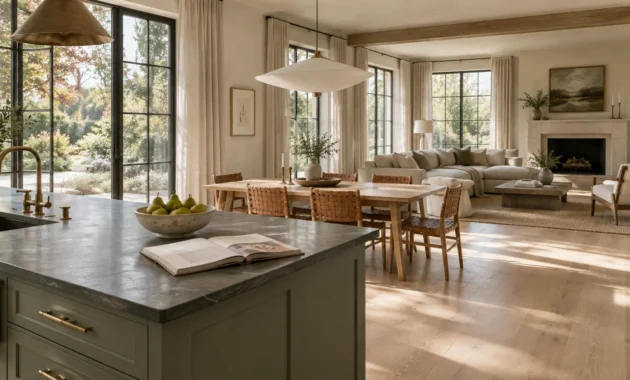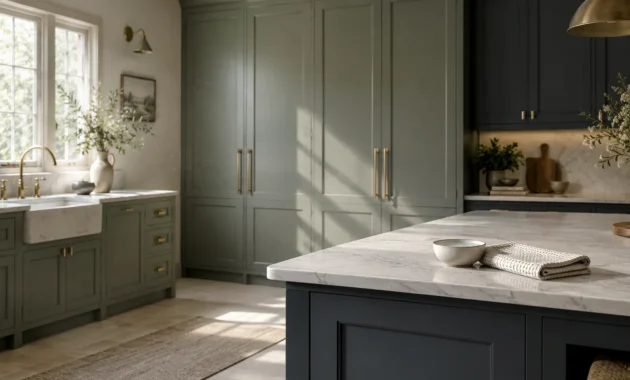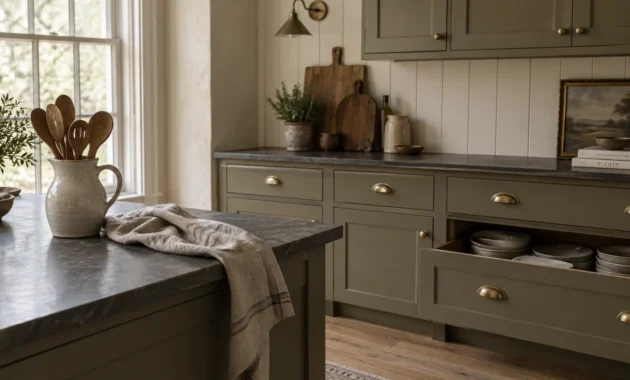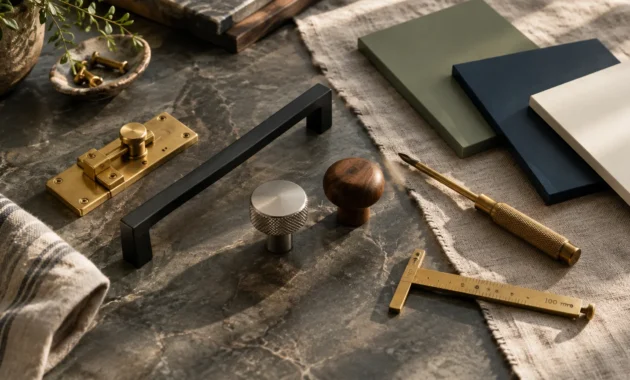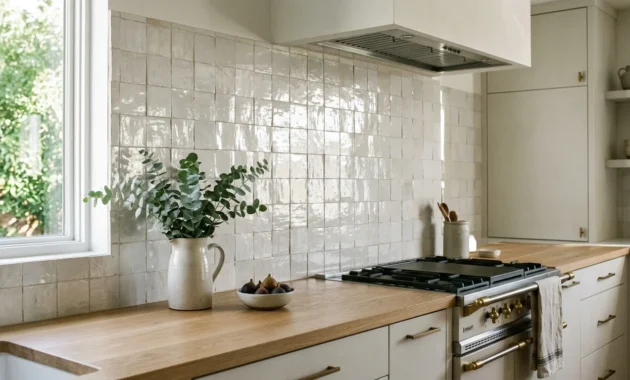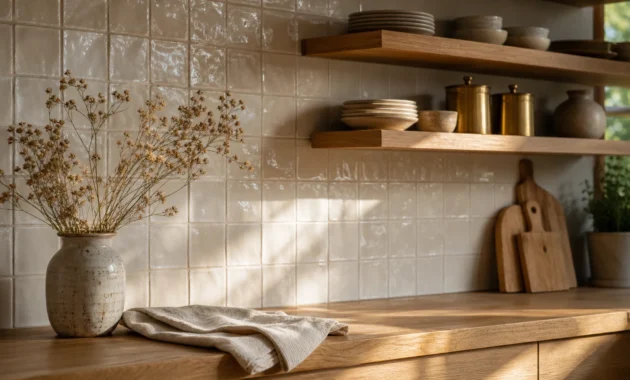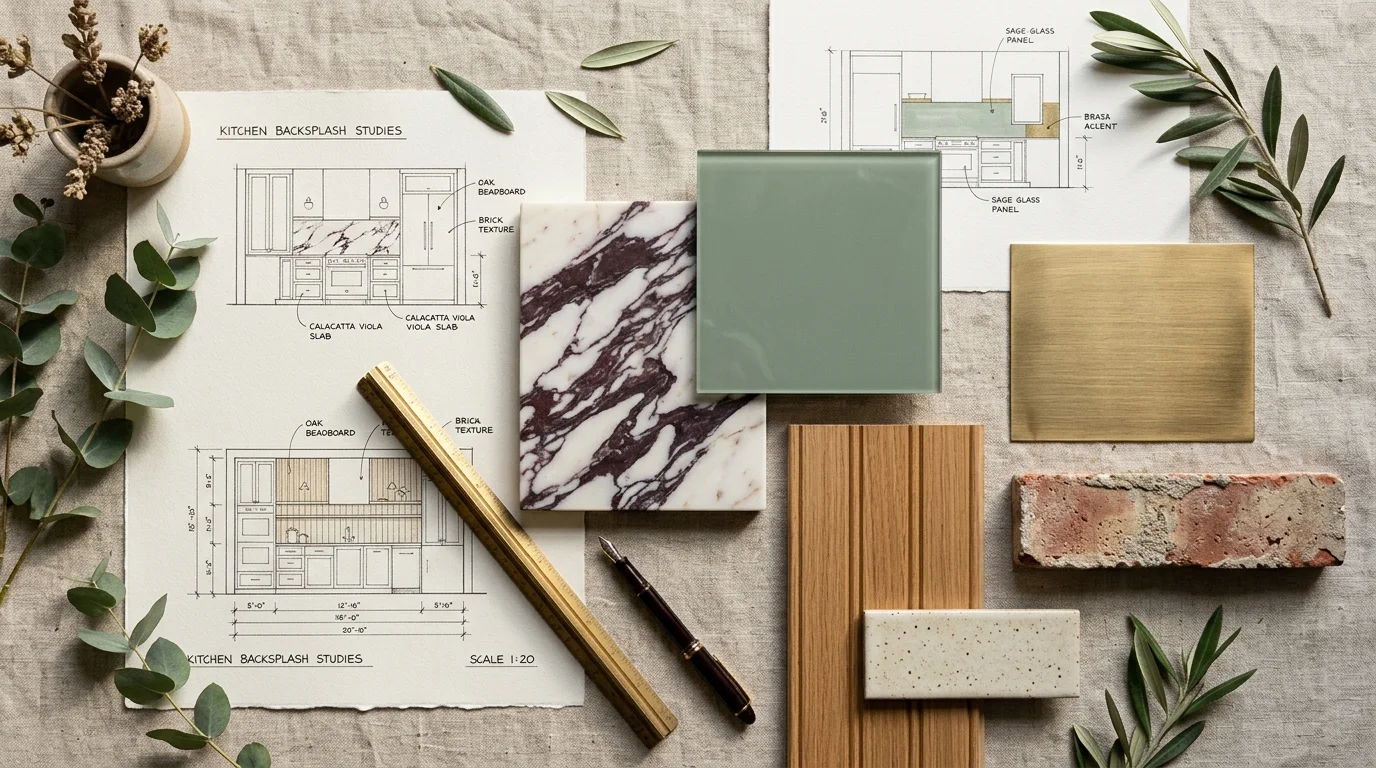
Upgrading your kitchen backsplash yields an immediate aesthetic return, but standard ceramic subway tile no longer satisfies the craving for modern architectural character. Today, visionary homeowners and top interior architects look far beyond traditional ceramic to elevate culinary spaces with sculptural depth, seamless hygienic surfaces, and rich tactile storytelling. Moving past conventional grid lines allows you to integrate continuous stone slabs, industrial metals, and luminous glass panels that dramatically transform your cooking environment. By expanding your kitchen backsplash material options, you create a tailored sanctuary that reflects authentic provenance and quiet luxury. Exploring alternatives to ceramic tile backsplash ensures your design stays distinct, durable, and ahead of prevailing industry trends.
Trend #1: Continuous Natural Stone and Quartz Slabs
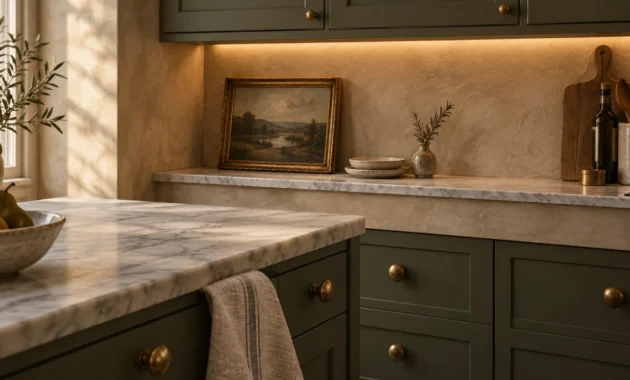
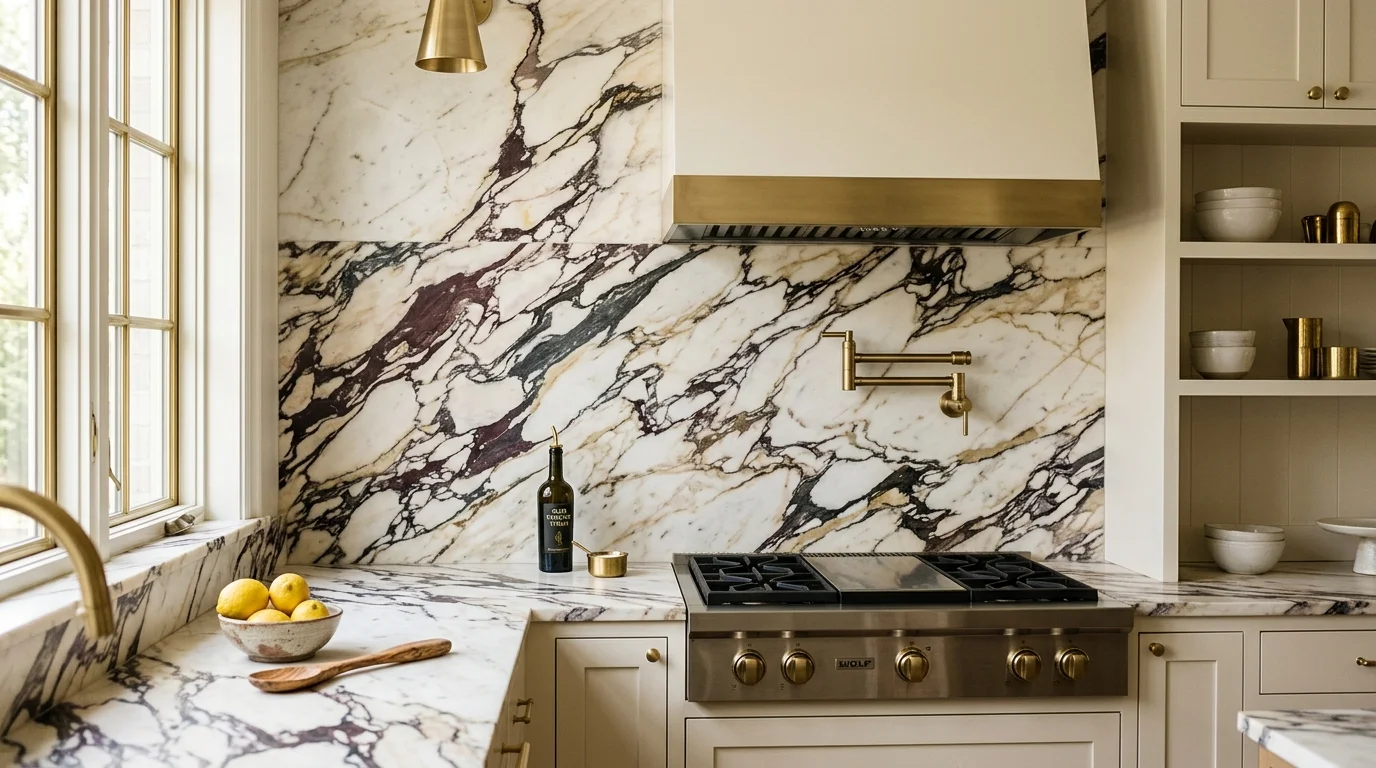
The movement toward quiet luxury has fundamentally transformed how interior designers approach wall surfaces. Instead of breaking up a wall with hundreds of individual tiles and grout lines, top designers now extend full-height solid stone slabs directly from the countertop up to the cabinetry or ceiling. This continuous installation creates a breathtaking monolithic feature that showcases the uninterrupted natural veining of fine stone.
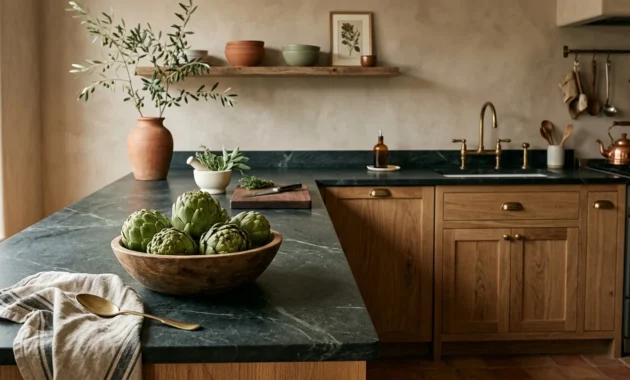
When selecting your slab, consider high-contrast marble like Calacatta Viola, subtle honed Taj Mahal quartzite, or rich, velvety soapstone. Engineered quartz slabs also offer exceptional stain resistance while mimicking exotic natural marble patterns. Biophilic design principles drive this trend; bringing raw, unrefined organic patterns into your daily cooking environment grounds the home and enhances personal well-being.
From a practical investment perspective, continuous stone slabs represent a premium choice among unique backsplash materials. Solid natural stone and engineered quartz slabs generally cost between $30 and $150 per square foot installed. While this sits above the standard national average backsplash project expenditure of $600 to $1,500 (or $30 to $75 per square foot), the investment pays off by eliminating tedious grout cleaning entirely. To maximize visual impact, request that your stone fabricator bookmatch the slab seams behind your range hood, creating a symmetrical, art-like focal point.
Trend #2: Back-Painted Tempered Glass Sheets
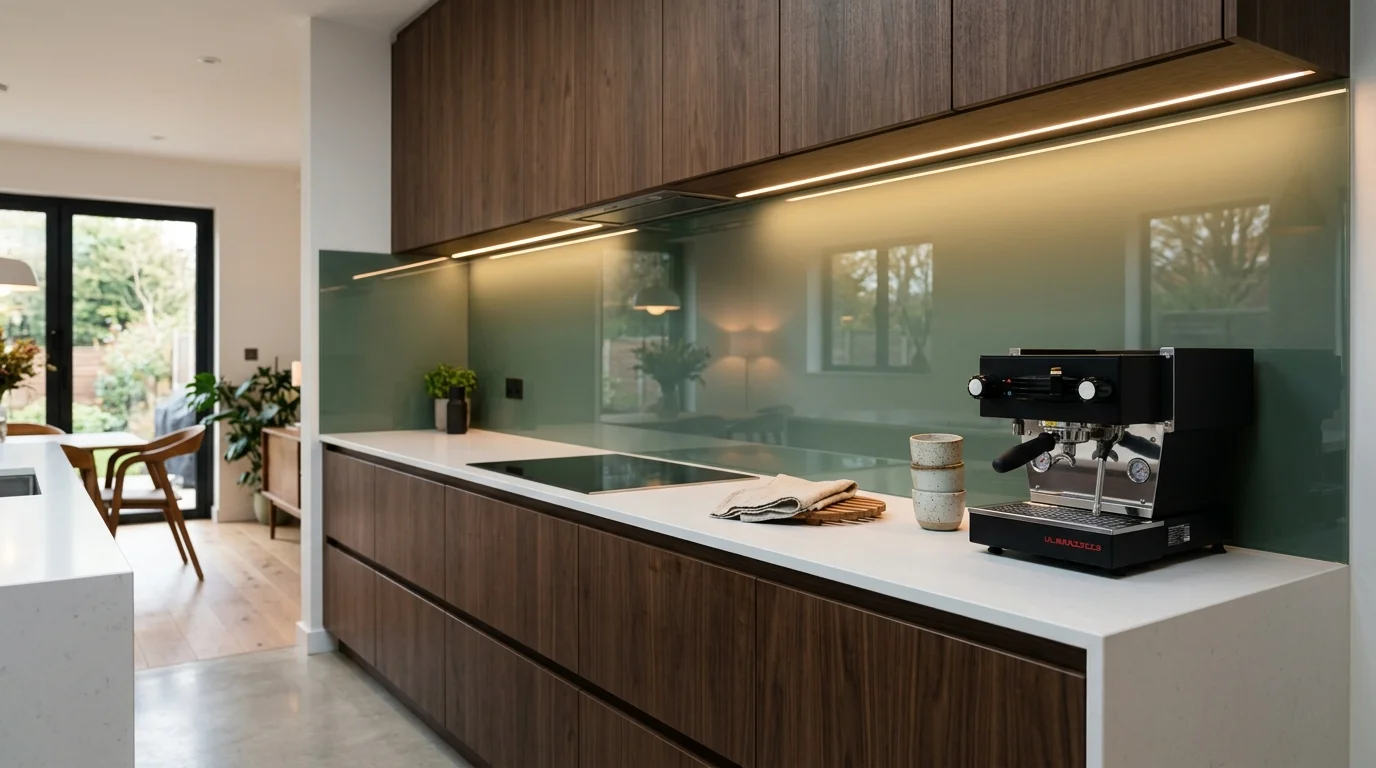
If your aesthetic leans toward clean-lined modernism, seamless back-painted tempered glass sheets deliver an incomparable luminous quality. Glass naturally bounces ambient light across the room, making small or narrow kitchens feel instantly expansive and airy. By applying color directly to the reverse side of low-iron tempered glass panels, you achieve a glossy, ultra-smooth surface with stunning color depth.
Current color forecasts favor soft organic tones over bright whites. Consider muted sage greens, warm greige, slate blues, or deep charcoal tones that complement custom millwork. The non-porous nature of glass renders it entirely hygienic and impervious to grease splatters, acidic tomato sauces, or water spots.
Cost considerations for seamless glass reflect its bespoke fabrication requirements. Continuous back-painted tempered glass panels range between $45 and $150 per square foot installed. By comparison, individual glass mosaic or field tiles cost $15 to $50 per square foot; however, full glass sheets offer the distinct advantage of zero grout maintenance. You can even embed understated LED strip lighting along the upper edge of the glass sheet to create a soft, ambient glow that doubles as mood lighting during evening entertaining.
Trend #3: Architectural Stainless Steel and Warm Metals
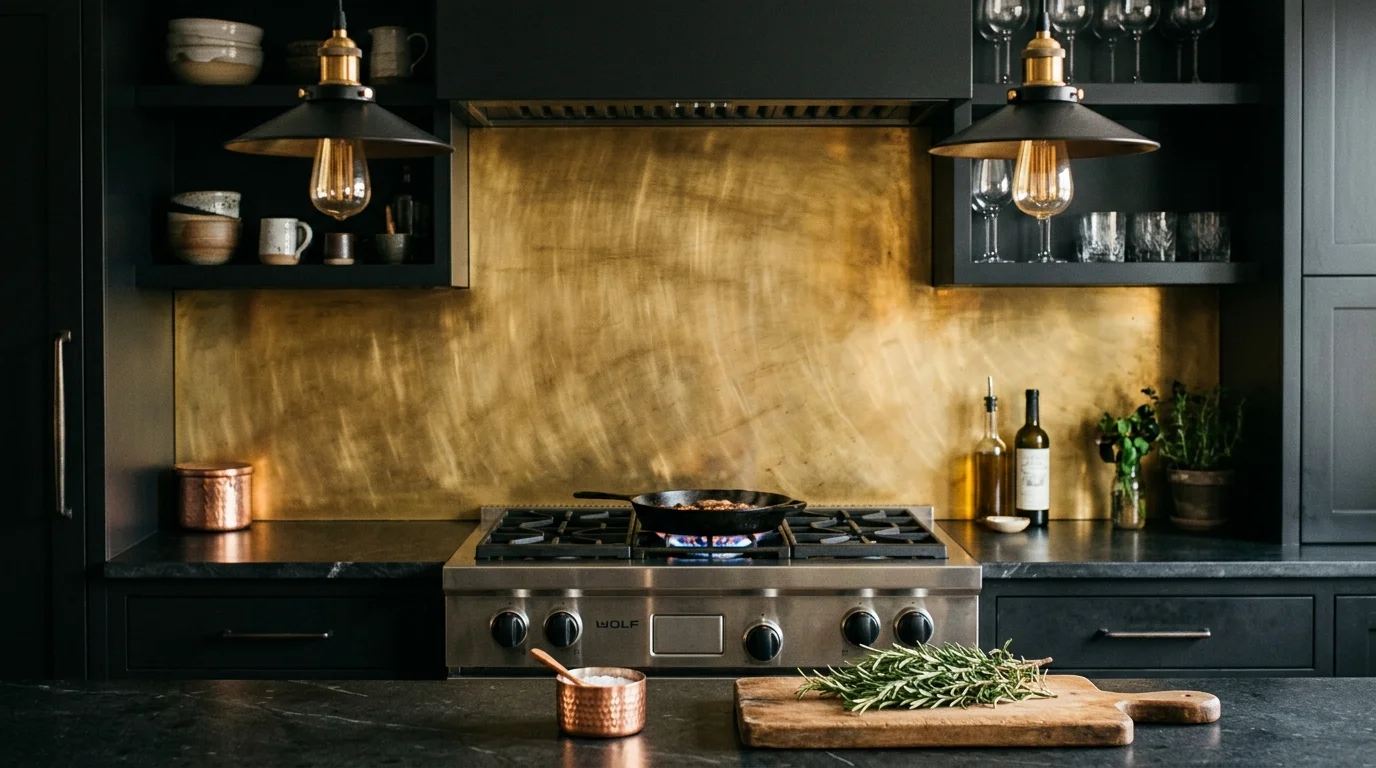
Professional chef kitchens have long relied on stainless steel for its unmatched heat resistance and hygienic properties; however, modern residential design transforms this industrial staple into a refined design statement. Today’s metal backsplashes branch far beyond plain commercial sheeting. Designers now specify brushed brass, antiqued copper, patinated bronze, and textured stainless steel panels to introduce warm metallic shimmer into the culinary space.
Metal backsplashes bridge the gap between hard surface architecture and delicate decorative accents. A brushed brass sheet behind a dark walnut kitchen island adds rich historical character, while quilted or hammered stainless steel panels reflect kitchen lighting while disguising stray fingerprints. Because metal naturally resists extreme temperatures, it handles intense cooktop heat without cracking or scorching.
Architectural sheet metal stands out as one of the best kitchen backsplash materials for longevity and heat tolerance. Stainless steel and custom metal paneling typically cost between $15 and $75 per square foot installed, making it surprisingly cost-effective compared to luxury stone slabs. To keep metal surfaces looking pristine, clean them with a microfiber cloth and warm water infused with mild dish soap; avoid abrasive scouring pads that might scratch the factory-applied finish.
Trend #4: Reclaimed Thin Brick Veneer
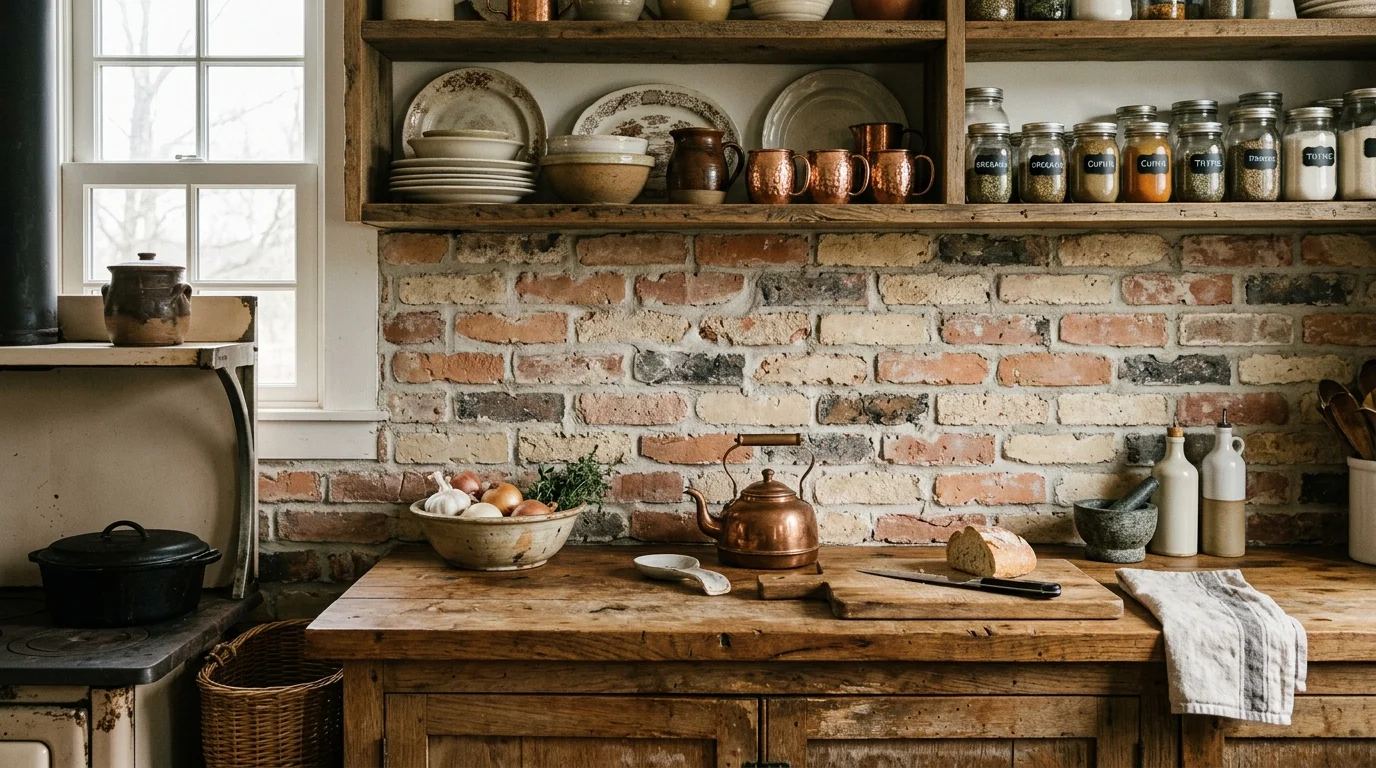
For homeowners seeking authentic tactile depth and historical soul, thin brick veneer presents one of the most compelling alternatives to ceramic tile backsplash installations. Thin brick offers the visual mass and rugged warmth of traditional brick masonry, yet sliced into lightweight sections that mount directly to standard drywall using thin-set mortar.
This material excels in rustic modern, urban loft, and transitional interiors. You can opt for raw red brick to evoke historic industrial charm, whitewashed brick for a breezy European farmhouse look, or dark painted masonry for dramatic moodiness. The uneven texture catches light in fascinating ways, creating dynamic shadows throughout the day that smooth ceramic tile simply cannot replicate.
In terms of pricing, thin brick veneer remains exceptionally accessible. Expect to pay between $10 and $40 per square foot for brick veneer materials and professional installation combined. Because brick is naturally porous, you must apply a high-quality, penetrating siloxane sealer after grouting. This transparent barrier prevents cooking grease, steam, and food stains from penetrating the masonry while preserving its natural, matte finish.
Trend #5: Tonal Wood Beadboard and Shiplap Paneling
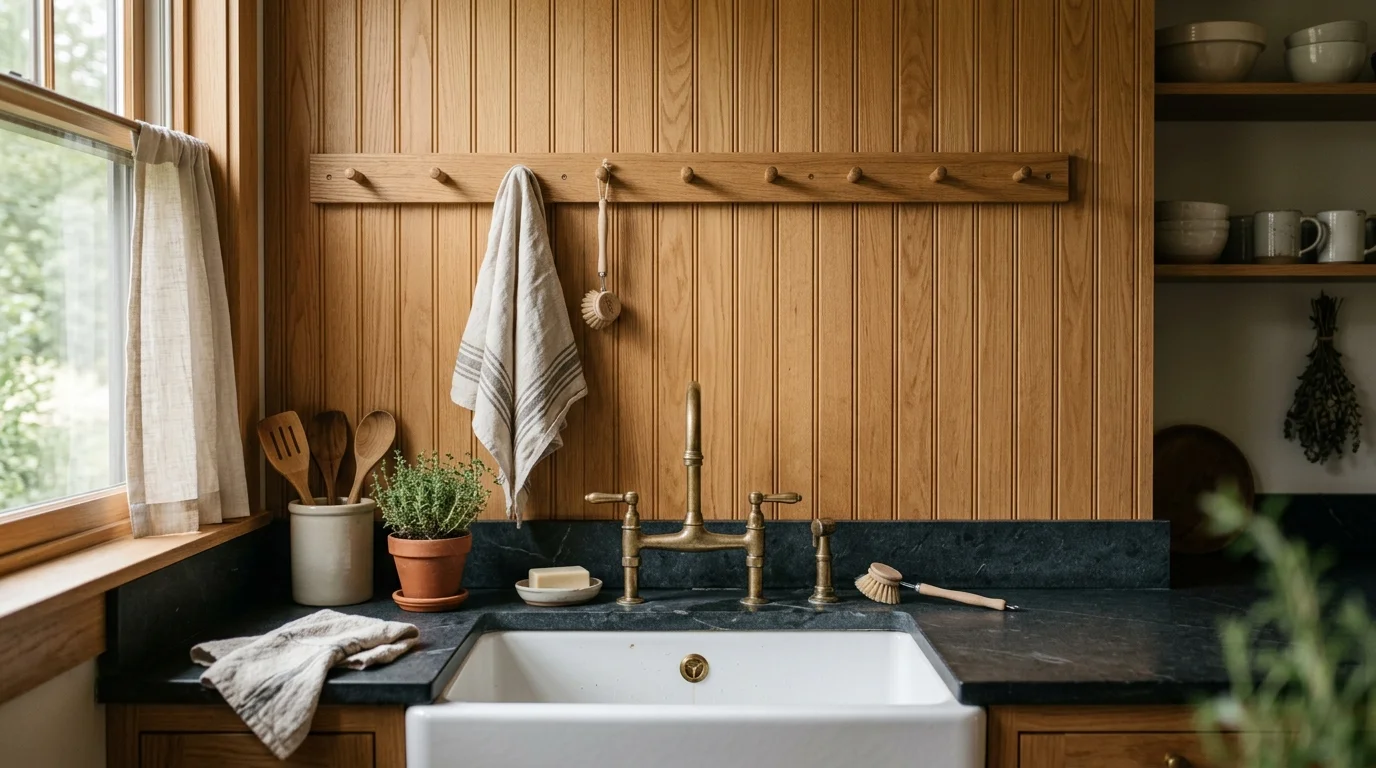
Wood paneling has staged a major comeback, shedding its outdated reputation to embrace fresh, architectural expressions. Vertical beadboard and wider shiplap paneling bring cozy English cottage charm, coastal texture, and structured lineality to modern kitchens. Running wood paneling vertically draws the eye upward, instantly accentuating ceiling height in compact rooms.
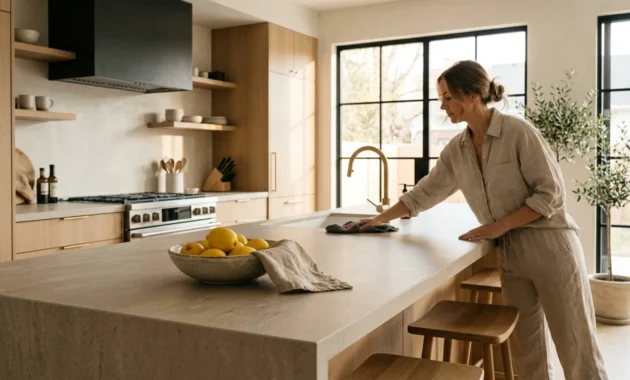
To keep wood paneling modern, paint it in tonal hues that match your kitchen cabinetry or choose rich natural stains like clear-coated white oak or dark walnut. Wood adds an organic warmth that balances cold stone countertops and hard stainless steel appliances, producing a layered, welcoming atmosphere.
When installing wooden backsplash ideas beyond tile, safety regulations must dictate your layout. According to the International Residential Code (IRC G2447.5), you must maintain a minimum vertical clearance of 30 inches between a cooktop and unprotected combustible materials like wood beadboard or shiplap. However, you can safely reduce this clearance to 24 inches if you install an approved range hood, non-combustible substrate, or heat shield behind the cooking surface. Wood paneling installation costs roughly $18 to $26 per square foot installed; ensure your contractor finishes the wood with a marine-grade clear polyurethane to resist moisture and steam.
Trend #6: High-End Peel-and-Stick and Metallic Vinyl Panels
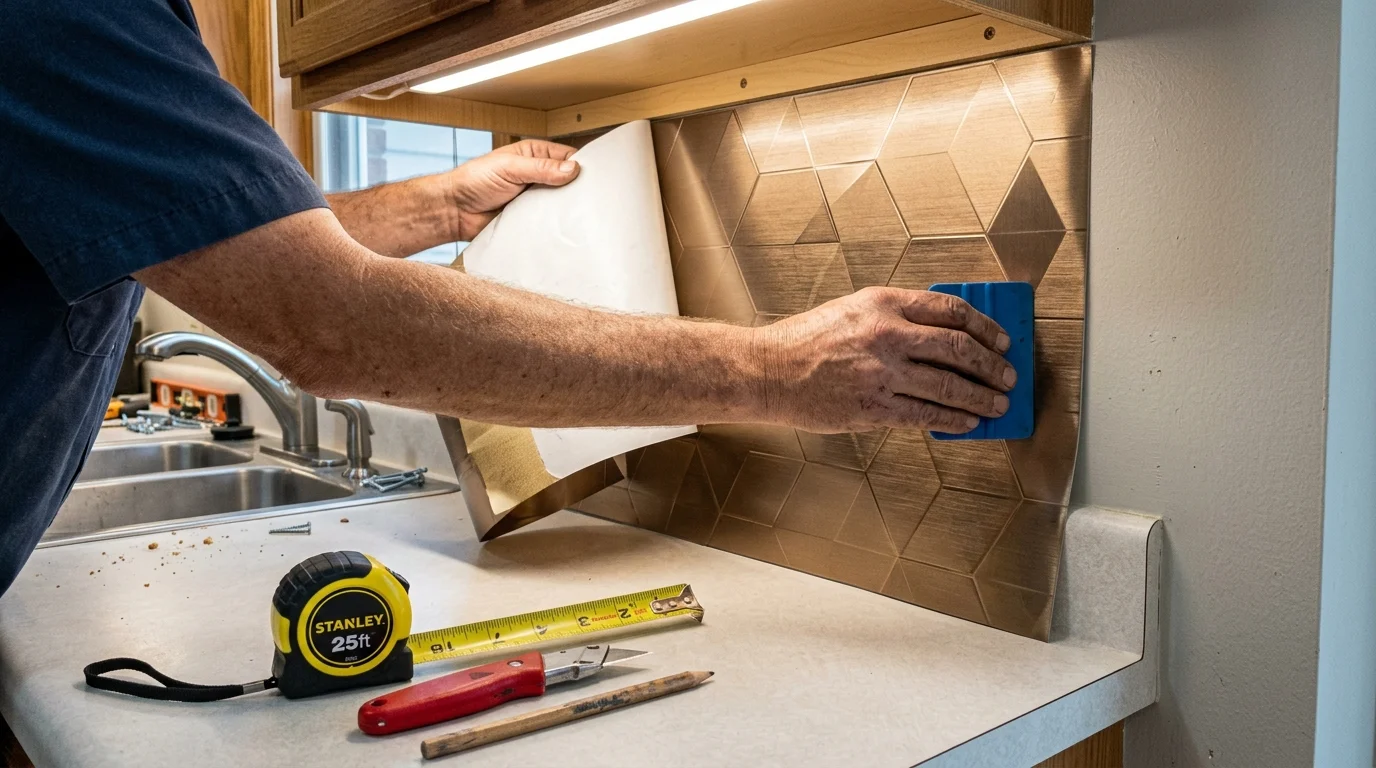
Temporary design solutions no longer look cheap or flimsy. Advanced printing technologies and embossed polymer manufacturing have elevated peel-and-stick tiles and adhesive vinyl panels into sophisticated wall coverings. Modern high-end peel-and-stick materials replicate brushed metals, realistic stone grains, and intricate geometric patterns with astonishing realism.
This material serves as an exceptional choice for renters, budget-conscious renovators, or design enthusiasts who love updating their interiors frequently. Because you can install these lightweight panels directly over existing clean surfaces without heavy tools or mortar, installation requires minimal time and effort.
Financial accessibility remains the primary driver for adhesive options. High-end peel-and-stick and metallic vinyl panels cost between $3 and $22 per square foot for materials alone. This low price point allows you to achieve a high-end look at a fraction of the national average backsplash installation cost of $600 to $1,500. For optimal longevity, prepare your walls thoroughly with trisodium phosphate (TSP) cleaner before application, and avoid applying self-adhesive vinyl within 6 inches of direct open flames.
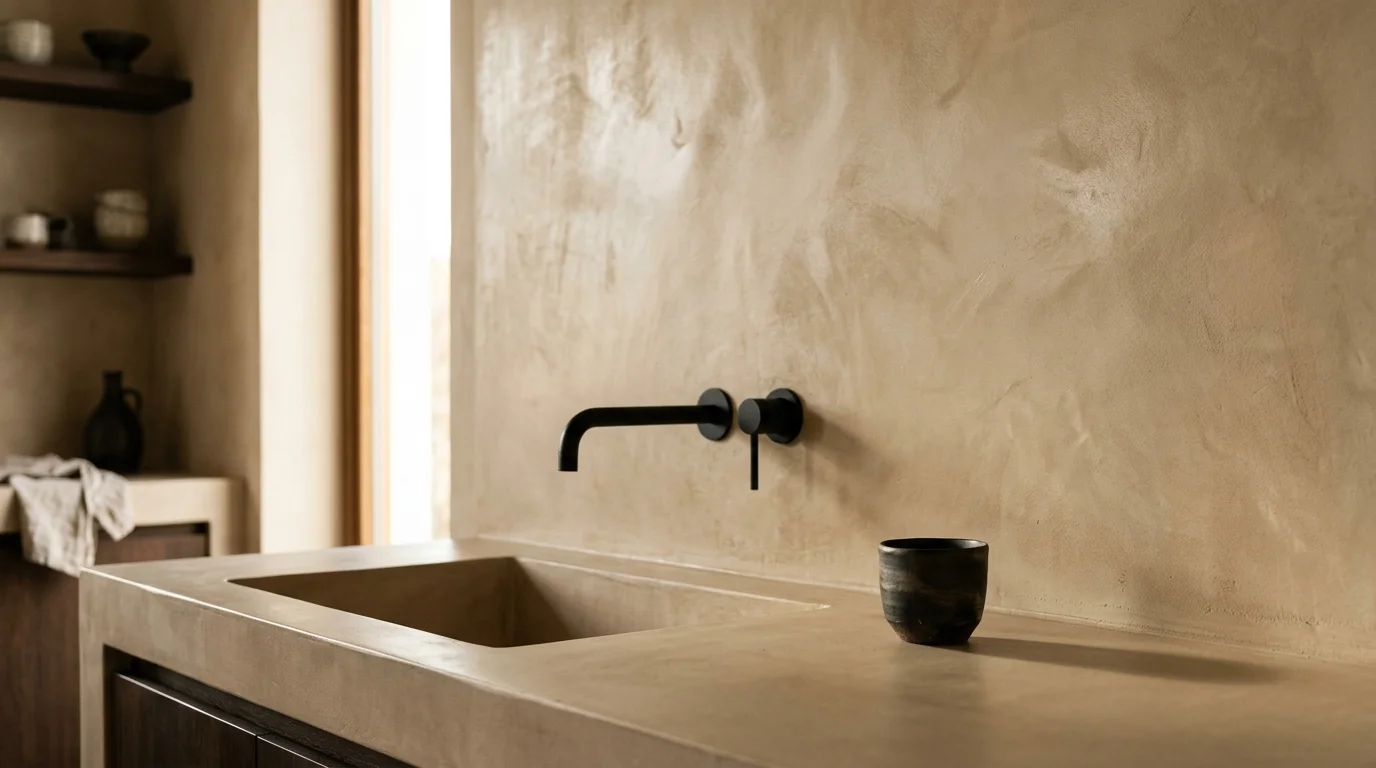
Trend #7: Venetian Plaster and Waterproof Tadelakt
Artisanal wall finishes bring a soft, Old World painterly quality into contemporary home design. Lime-based Venetian plaster and traditional Moroccan Tadelakt create smooth, hand-troweled surfaces with subtle shade variations that radiate earthy elegance. These plaster finishes suit Mediterranean, Organic Modern, and wabi-sabi interior aesthetics where soft imperfections and natural textures take center stage.
Moroccan Tadelakt stands out as a unique waterproof plaster finish. Craftsmen apply lime plaster and burnish it with polished river stones while rubbing olive-oil soap into the surface. The soap reacts chemically with the lime, forming a completely waterproof, seam-free hydrophobic membrane that repels water and steam effortlessly behind sinks and cooktops.
While Venetian plaster and Tadelakt require skilled master artisans for installation, the resulting velvety finish provides an artistic backdrop unmatched by manufactured tiles. The absence of vertical or horizontal seams creates a soothing visual continuity that unifies your kitchen walls with surrounding living and dining spaces. To clean plaster walls, wipe them gently with a damp microfiber cloth and avoid aggressive chemical cleaners that could degrade the protective wax or soap coating.

The Big Picture: Weaving These Trends into Your Home
Selecting non-traditional kitchen backsplash material options requires a holistic view of your home’s total interior design ecosystem. Rather than viewing the backsplash as an isolated feature wall, treat it as an architectural bridge connecting your kitchen, dining area, and adjacent living spaces. When you transition from standard ceramic tile to continuous stone slabs, warm metals, or textured plaster, you establish a tactile dialogue that elevates the overall home aesthetic.
Achieving design harmony depends on balancing contrasting surface textures. If your kitchen features sleek polished quartz countertops, introduce visual depth with a rustic thin brick veneer or a tactile Venetian plaster wall. Conversely, if your perimeter cabinets display heavily grained oak or textured shaker doors, a seamless back-painted glass panel or smooth stainless steel sheet introduces necessary visual relief. Maintain chromatic continuity by echoing undertones from your hardwood flooring, living room paint schemes, or dining room lighting fixtures into your chosen backsplash material.
Ultimately, choosing alternatives to ceramic tile backsplash installations allows you to step away from predictable builder-grade choices and embrace authentic personal style. Whether you invest in full-height quartzite slabs or craft a moody cottage aesthetic with painted beadboard, these unique backsplash materials establish your kitchen as an enduring showcase of modern craftsmanship.
Frequently Asked Questions
How do I choose the best kitchen backsplash materials if I cook frequently with oils and heavy spices?
Prioritize non-porous, seamless surfaces that resist heat and intense staining. Continuous natural stone slabs with protective sealants, back-painted tempered glass panels, and stainless steel sheets represent the best kitchen backsplash materials for heavy home cooks. These materials eliminate grout lines entirely, allowing grease splatters and food particles to wipe away instantly without leaving permanent discoloration.
Can I combine two different backsplash ideas beyond tile within a single kitchen design?
Yes, mixing materials creates a custom, designer-curated look when executed intentionally. A common professional strategy involves installing a focal feature—such as a continuous marble slab or brushed brass sheet—directly behind the range, while using a complementary material like painted wood beadboard or Venetian plaster along the surrounding perimeter walls. Ensure both materials share a cohesive color palette to avoid visual clutter.
What safety codes must I follow when installing combustible backsplash materials near my stove?
Always verify local building codes and reference the International Residential Code (IRC G2447.5). Wood paneling, shiplap, beadboard, and certain vinyl products are considered combustible materials. The IRC mandates a minimum 30-inch vertical clearance between a cooktop and unprotected combustible materials. Installing an approved range hood or heat shield can safely reduce this clearance to 24 inches.
Do non-tile backsplash materials cost more to install than traditional ceramic subway tile?
Project costs vary widely depending on your material choice. While standard backsplash installations average between $600 and $1,500 total ($30 to $75 per square foot installed), options like thin brick veneer ($10 to $40 per sq ft) or wood beadboard ($18 to $26 per sq ft) are very budget-friendly. Solid stone slabs ($30 to $150 per sq ft) and custom back-painted glass panels ($45 to $150 per sq ft) carry higher material and labor costs due to custom fabrication demands.
For the latest color forecasts, consult industry leaders like Pantone and paint companies like Benjamin Moore. For professional design standards, refer to the American Society of Interior Designers (ASID).
Disclaimer: This article reflects design trend analysis and predictions. Personal taste and timeless design principles should always guide your decorating choices.