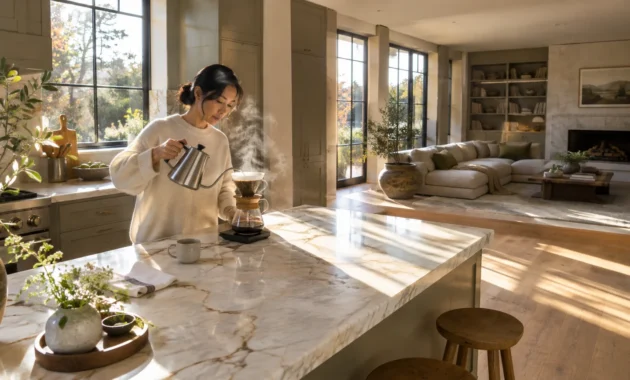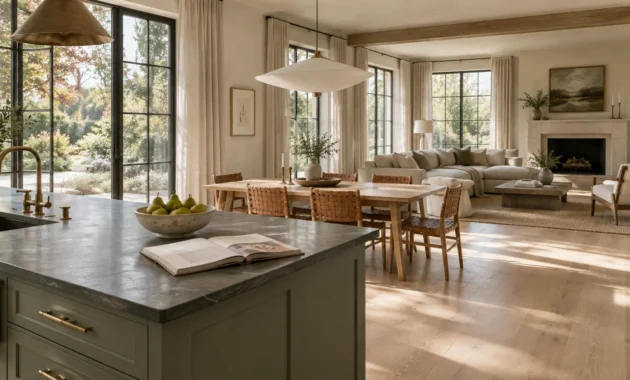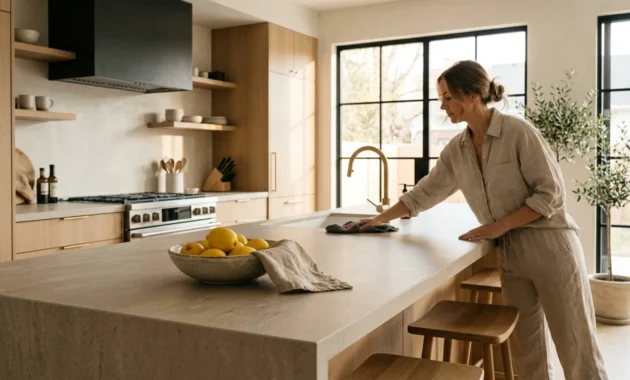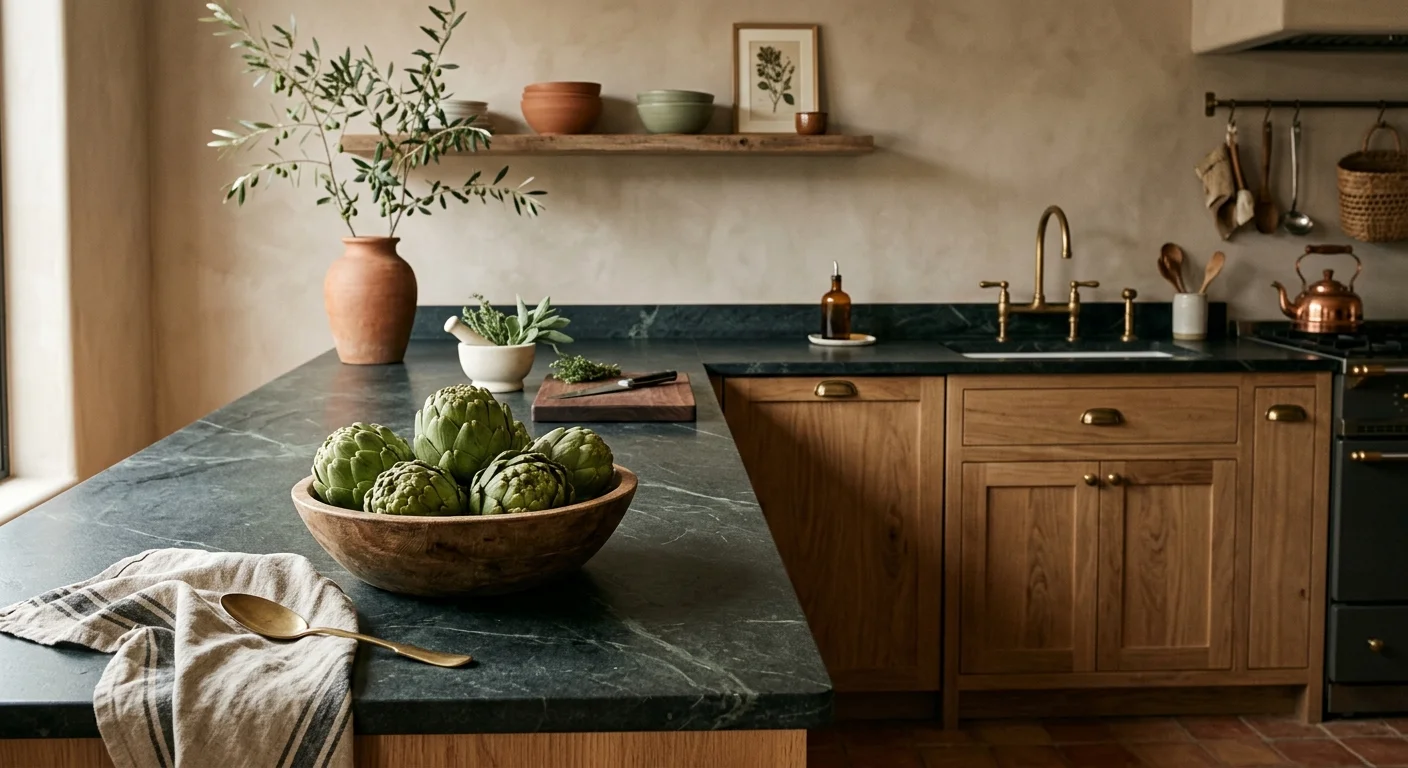
Sterile, stark white kitchens are swiftly stepping aside to make way for dynamic, character-rich spaces brimming with warmth, texture, and organic luxury. Homeowners and interior designers are abandoning clinical monochromatic looks in favor of nuanced color schemes, tactile wood grains, and architectural stone surfaces that infuse real personality into the heart of the home. Modern kitchen design ideas now prioritize grounded warmth and bespoke materiality over icy minimalism, creating culinary spaces that feel curated rather than sterile. By integrating rich earthy neutrals, architectural slab backsplashes, and expressive wood tone alternatives to all white kitchen designs, you can transform your space into a sophisticated sanctuary that elevates daily living and retains long-term value.
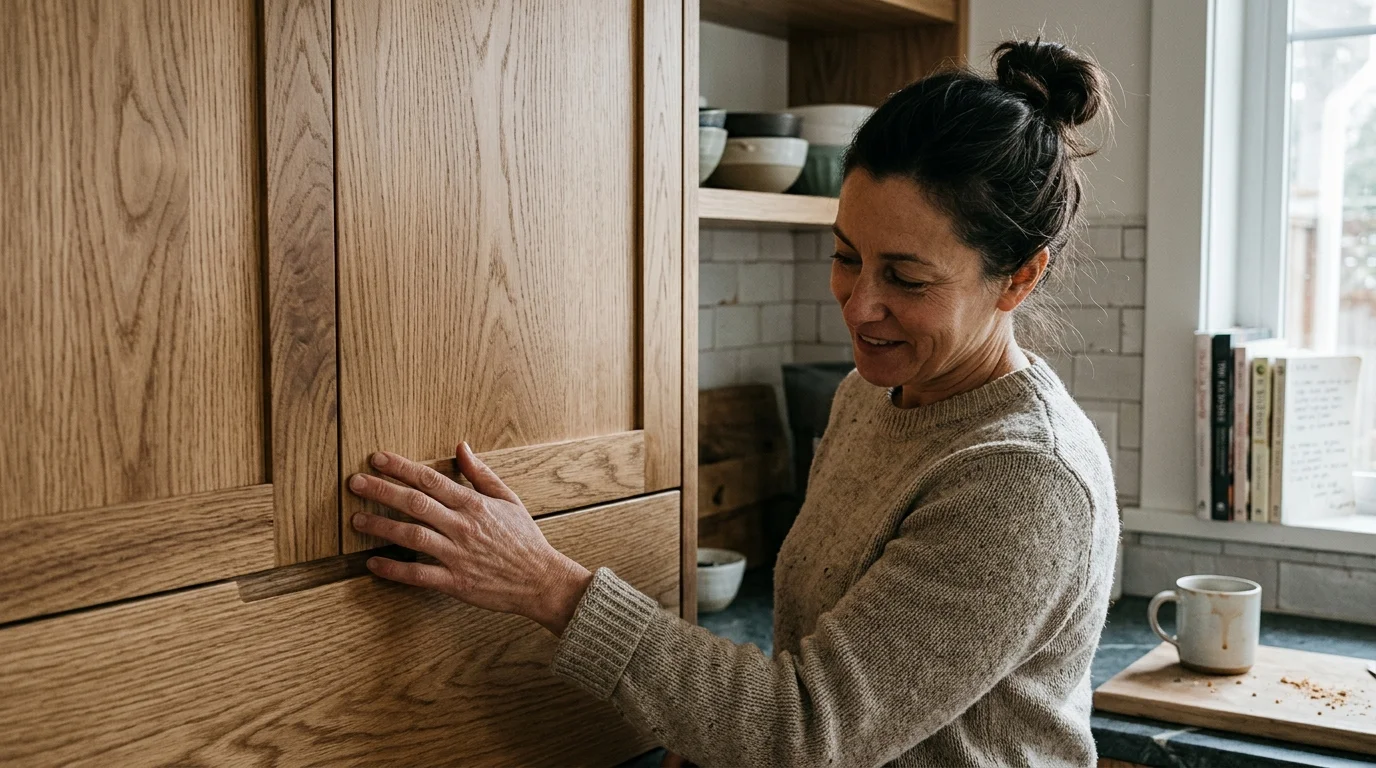
Trend #1: Warm Wood Cabinetry and Expressive Grain
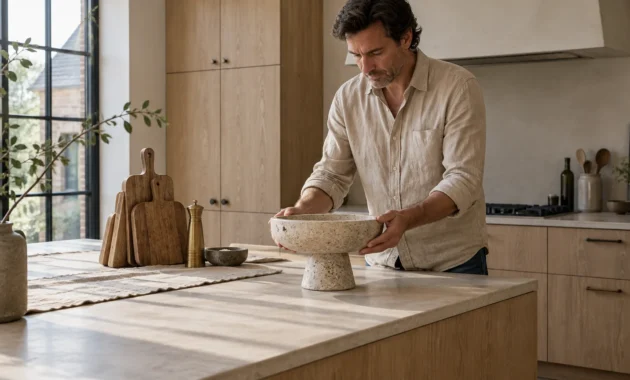
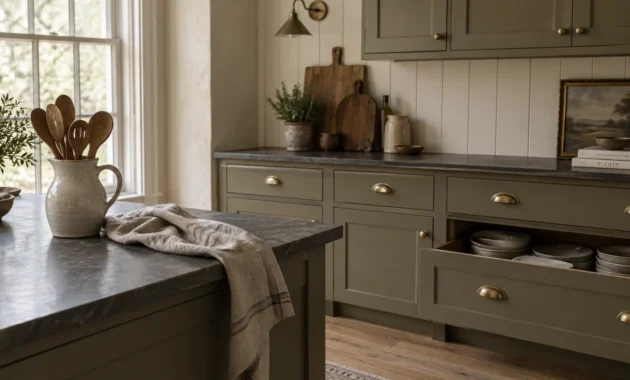
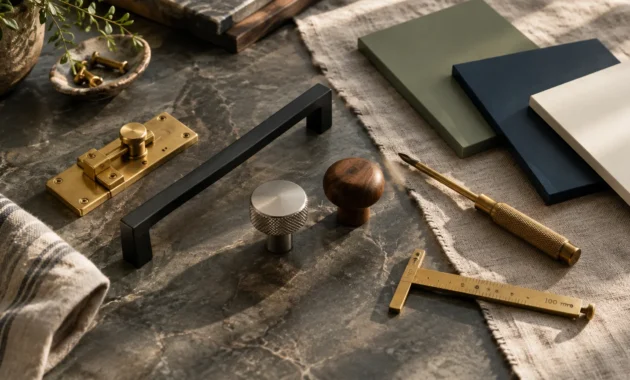
For years, white paint masked the inherent beauty of natural timber, but a profound cultural shift toward organic modernism has placed warm wood cabinetry at the forefront of kitchen design trends 2027. Recent industry studies reveal that natural wood cabinetry has officially dethroned white cabinets, with 29% of renovating homeowners choosing warm wood surfaces over the 28% who still opt for traditional white. Designers now favor wood species that exhibit tactile grain patterns, with plain-sawn white oak leading the movement—selected by an overwhelming 51% of kitchen design professionals. Medium wood tones account for 15% of choices, while light wood follows closely at 11%, proving that homeowners crave the grounding presence of natural materials. Integrating raw, wire-brushed, or lightly stained wood cabinetry introduces a sense of tactile depth and quiet luxury that flat white paint simply cannot replicate. When planning your layout, pair white oak base cabinets with sleek unlacquered brass hardware or honed dark countertops to create a balanced, earthy composition that ages gracefully.
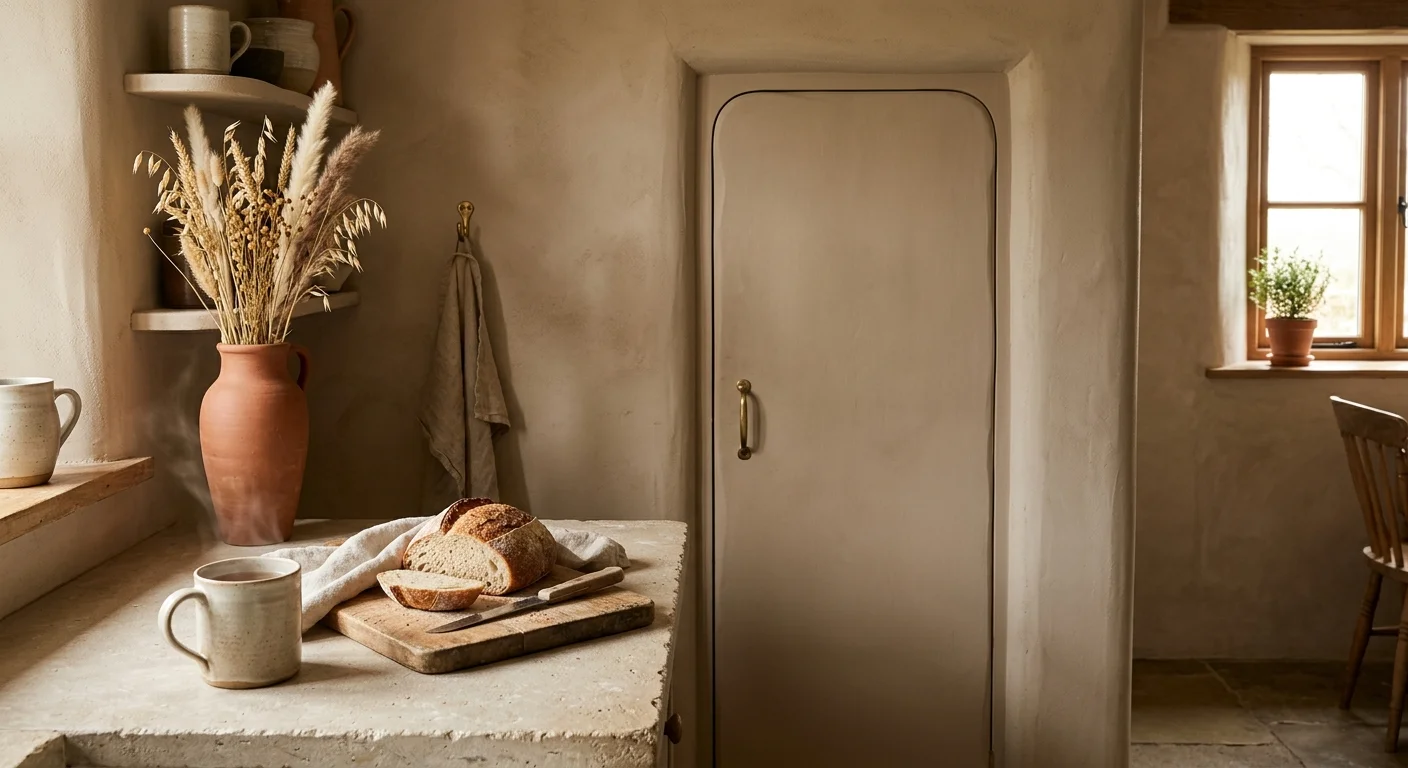
Trend #2: Grounded Earthy Neutrals and Warm Terracotta Tones
While bright monochromatic white is waning, neutral color schemes remain supreme, capturing 96% of overall kitchen palette preferences. However, today’s neutrals lean toward grounded, sun-drenched earth tones rather than clinical, blue-toned whites. Light brown and tan shades lead this shift, with 67% of design professionals incorporating these warm hues into contemporary culinary environments. Incorporating shades like warm taupe, clay, mushroom, and soft terracotta introduces visual warmth while maintaining a refined, bright ambiance. These earthy tones absorb and reflect natural sunlight with a soft, inviting radiance, eliminating the harsh glares associated with high-gloss white lacquer. You can easily embrace this trend by painting your surrounding walls or full-height pantry cabinets in a rich tan or mushroom hue, balancing the look with creamy limestone floors and warm alabaster plaster ceilings. This approach retains an open, airy feeling while delivering the cozy sophistication of bespoke interior design.
Trend #3: Biophilic Greens and Deep Botanical Shades
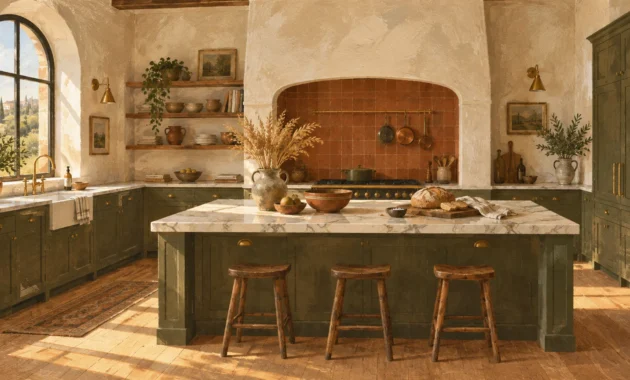
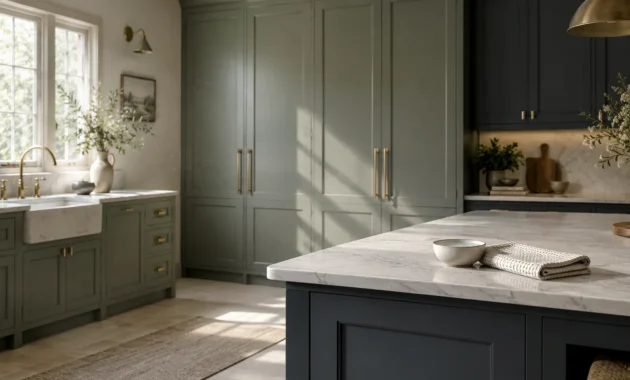
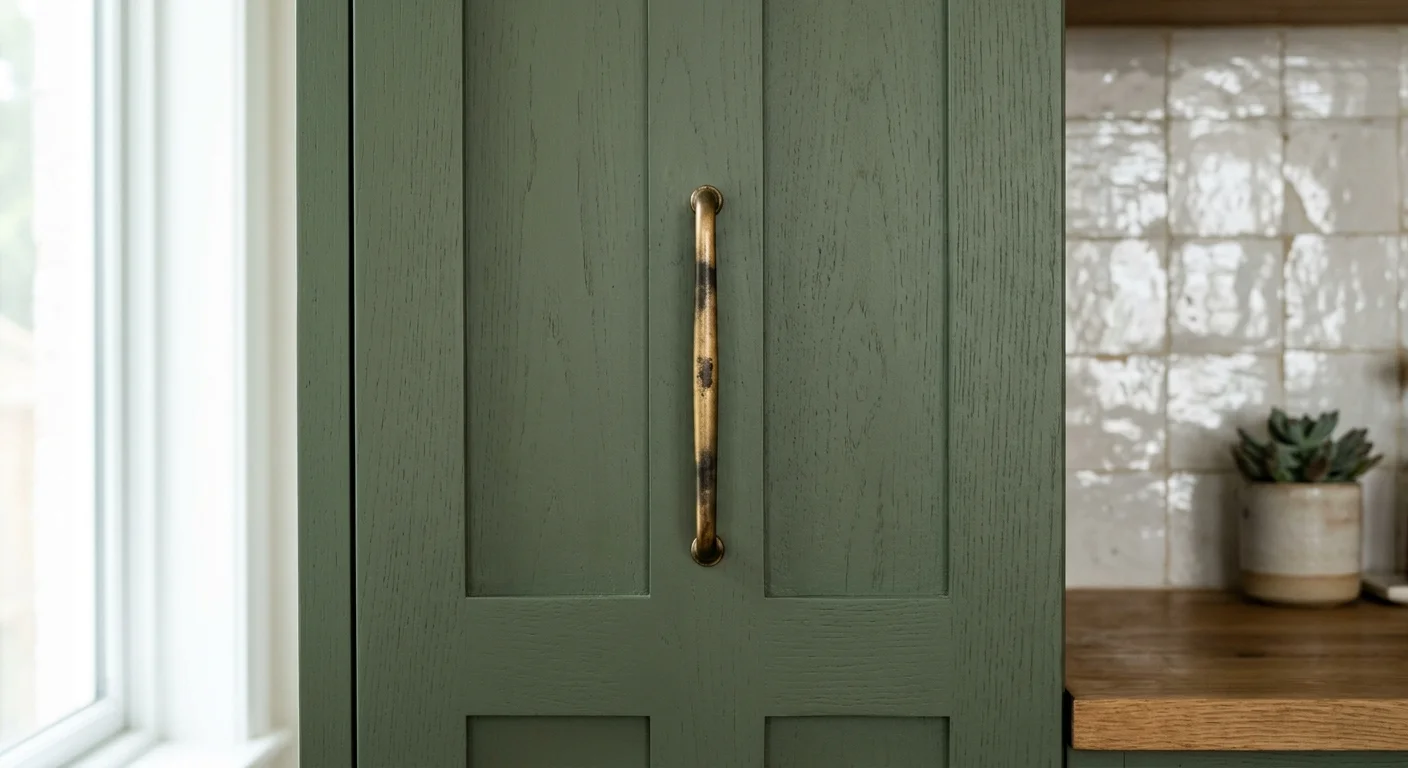
Biophilic design—the practice of connecting indoor environments with the natural world—has redefined how we select color palettes for kitchen renovation trends. Green has established itself as the undisputed leader among non-neutral accent colors, embraced by 86% of interior designers seeking to inject life and serene energy into residential spaces. Deep forest green, olive, sage, and muted eucalyptus offer a grounding alternative to sterile white walls, establishing an organic backdrop that pairs effortlessly with rich timber and natural stone. The appeal lies in green’s unique psychological quality; it acts as a soft, restorative background hue that calms the senses during daily meal prep. To execute this look seamlessly in your home, consider applying a muted sage or mossy olive paint to your perimeter cabinetry while keeping your upper shelving open and styled with handcrafted ceramics. The green undertones accentuate natural wood graining, transforming your culinary workspace into a serene, garden-inspired retreat.
Trend #4: Contrast-Driven Two-Tone Cabinetry
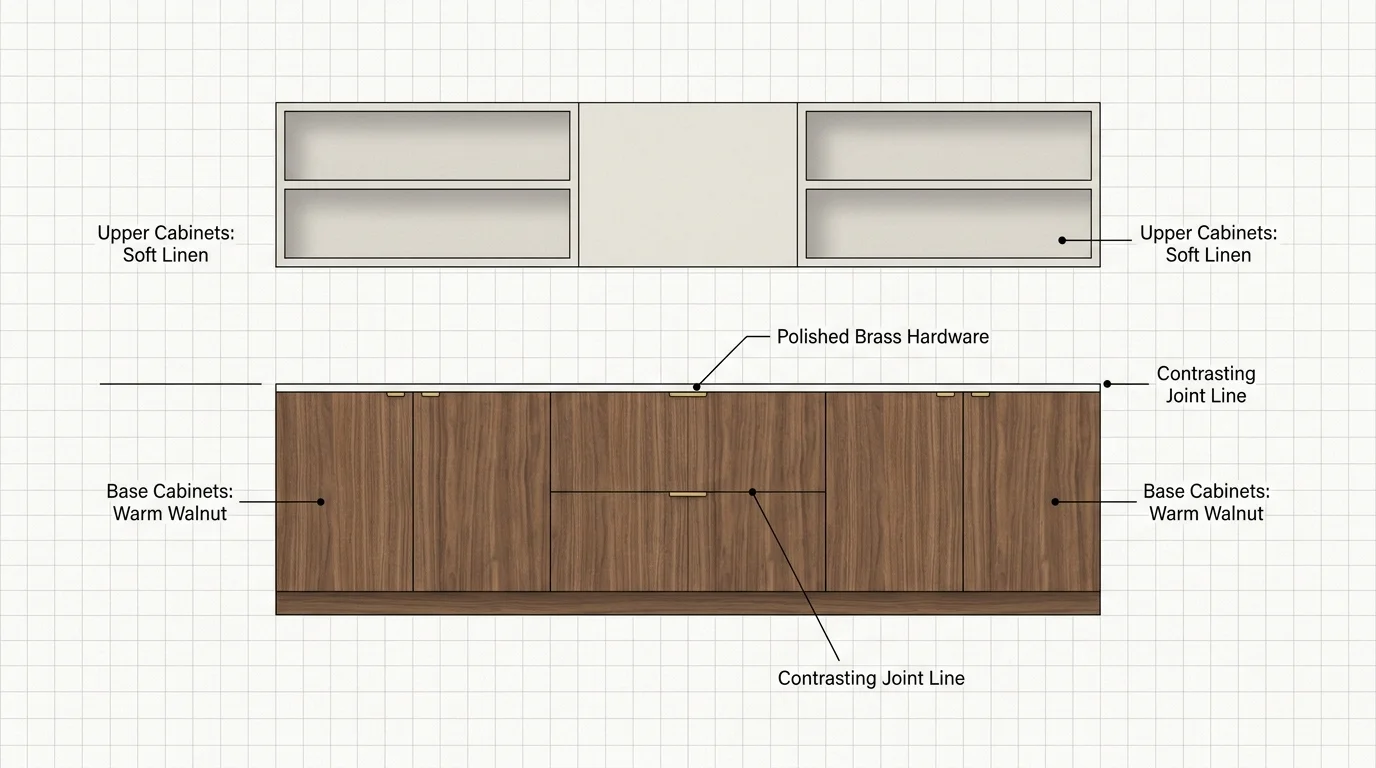
If you feel hesitant about entirely relinquishing light tones, contrast-driven two-tone cabinetry offers a visually arresting compromise that adds architectural height and depth. Industry data shows that 31% of renovating homeowners choose contrasting colors for their upper and lower kitchen cabinets. Green stands out as the single most popular contrasting color for lower cabinets, chosen by 21% of homeowners seeking to ground their space. Placing darker, weightier colors on base cabinetry anchors the floor plan, while applying lighter wood tones or soft off-whites to upper cabinets prevents the room from feeling top-heavy or enclosed. This dual-tone strategy allows you to experiment with bold hues like deep forest, slate gray, or rich navy without overwhelming the room’s visual scale. Pair dark olive lower cabinets with natural rift-sawn white oak upper storage to establish a balanced visual hierarchy that draws the eye upward while keeping the workspace anchored.
Trend #5: High-Impact Focal Islands in Statement Colors
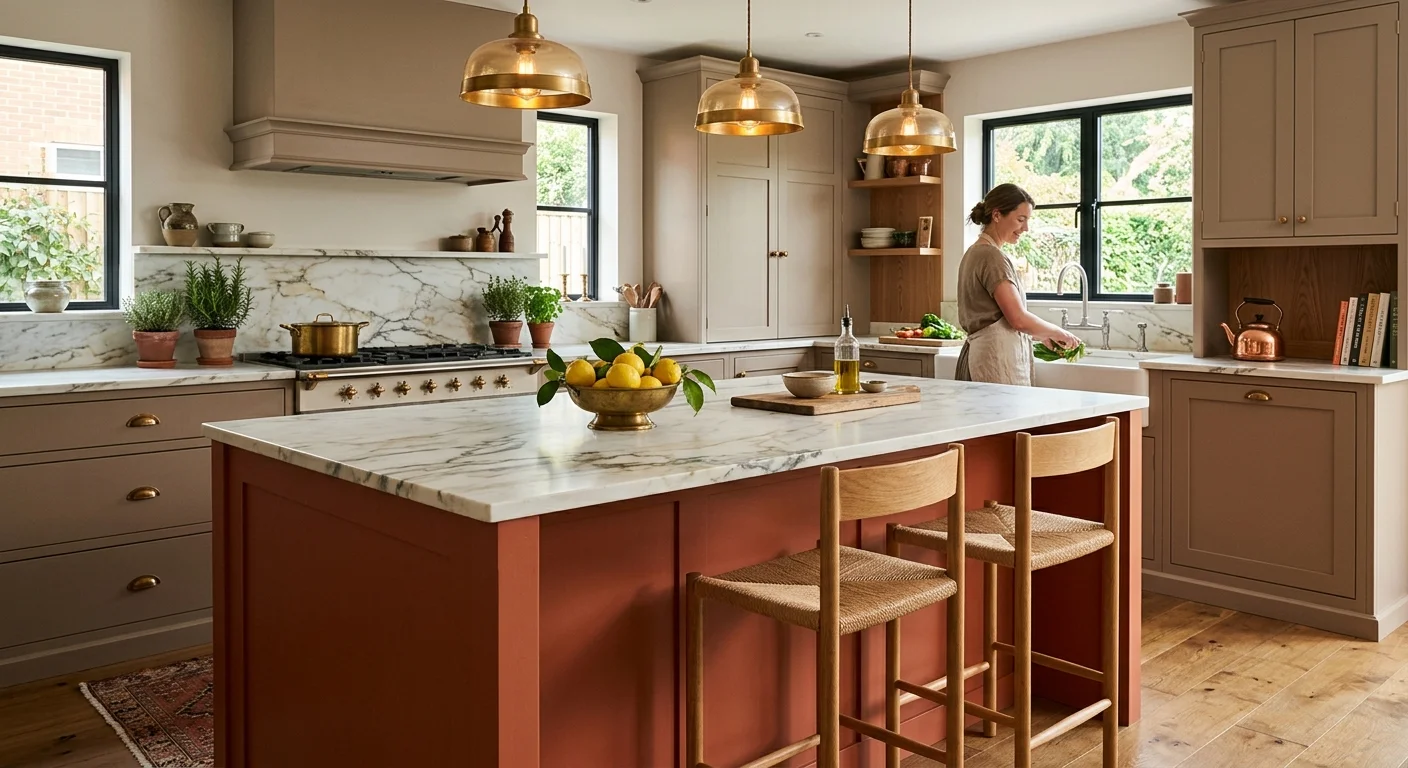
Rather than drenching every wall in dramatic color, modern kitchen design ideas increasingly favor applying intense shades to centralized, architectural elements. Design professionals report that 57% of homeowners now apply bold statement color specifically to kitchen islands, transforming these functional prep zones into stunning centerpieces. Non-neutral accent palettes are heavily dominated by deep blues, with 78% of designers specifying rich indigo, midnight blue, or cobalt for high-impact zones. A contrasting island acts as a functional sculpture within an open-concept living space, breaking up expansive rows of perimeter cabinetry. You can execute this look by selecting a moody navy blue or deep charcoal finish for your center island, contrasting it against natural oak perimeter cabinetry and seamless light stone surfaces. This targeted application delivers a captivating focal point that anchors your room without compromising a bright, airy aesthetic.
Trend #6: Continuous Stone Slabs and Natural Quartzite
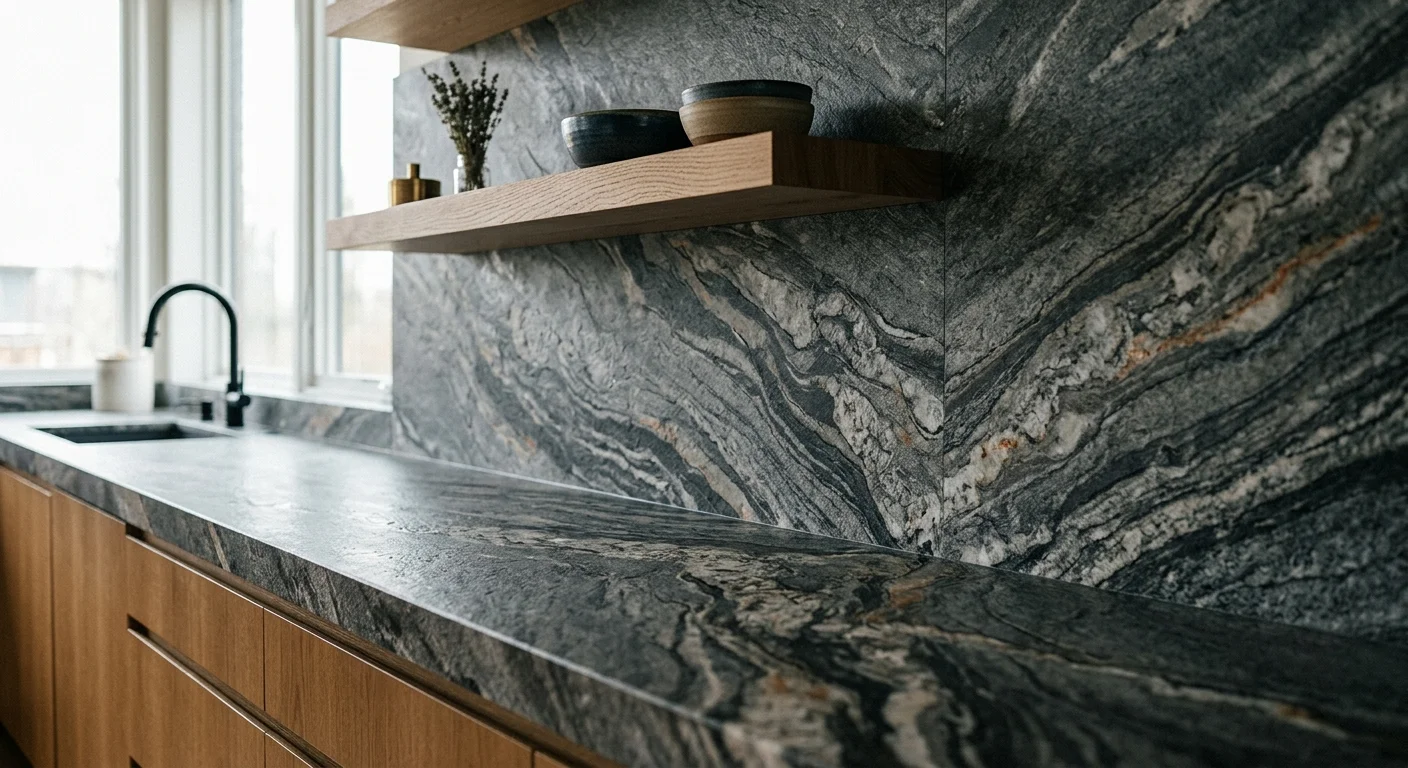
Small subway tiles and busy mosaic backsplashes are rapidly giving way to sweeping, uninterrupted vertical planes of natural stone. A remarkable 62% of renovating homeowners now opt for continuous slab backsplashes that extend from the countertop directly up to the range hood or ceiling. Concurrently, natural quartzite has surged in popularity, specified by 62% of design professionals for countertops and 61% for vertical slab backsplashes. Unlike manufactured quartz or white carrara marble, quartzite offers breathtaking, dramatic veining patterns alongside superior heat and scratch resistance. Installing a continuous quartzite slab eliminates grout lines entirely, yielding a sleek, hygienic surface that showcases nature’s artistic variance. To incorporate this high-end trend into your kitchen, select a quartzite slab featuring subtle golden, green, or charcoal vein structures, running it uninterrupted up the back wall to create a gallery-worthy centerpiece that defines the entire room.
Trend #7: Tactile Backsplashes and Textural Wall Coverings
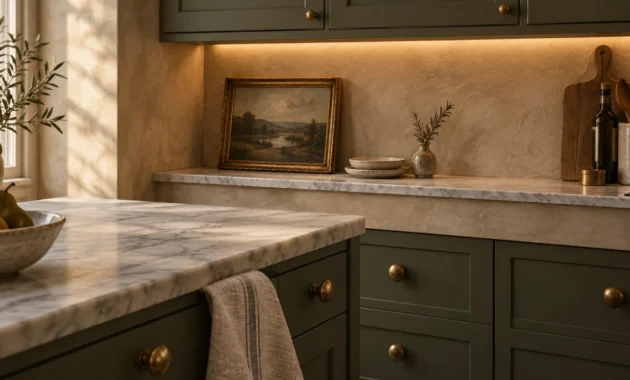
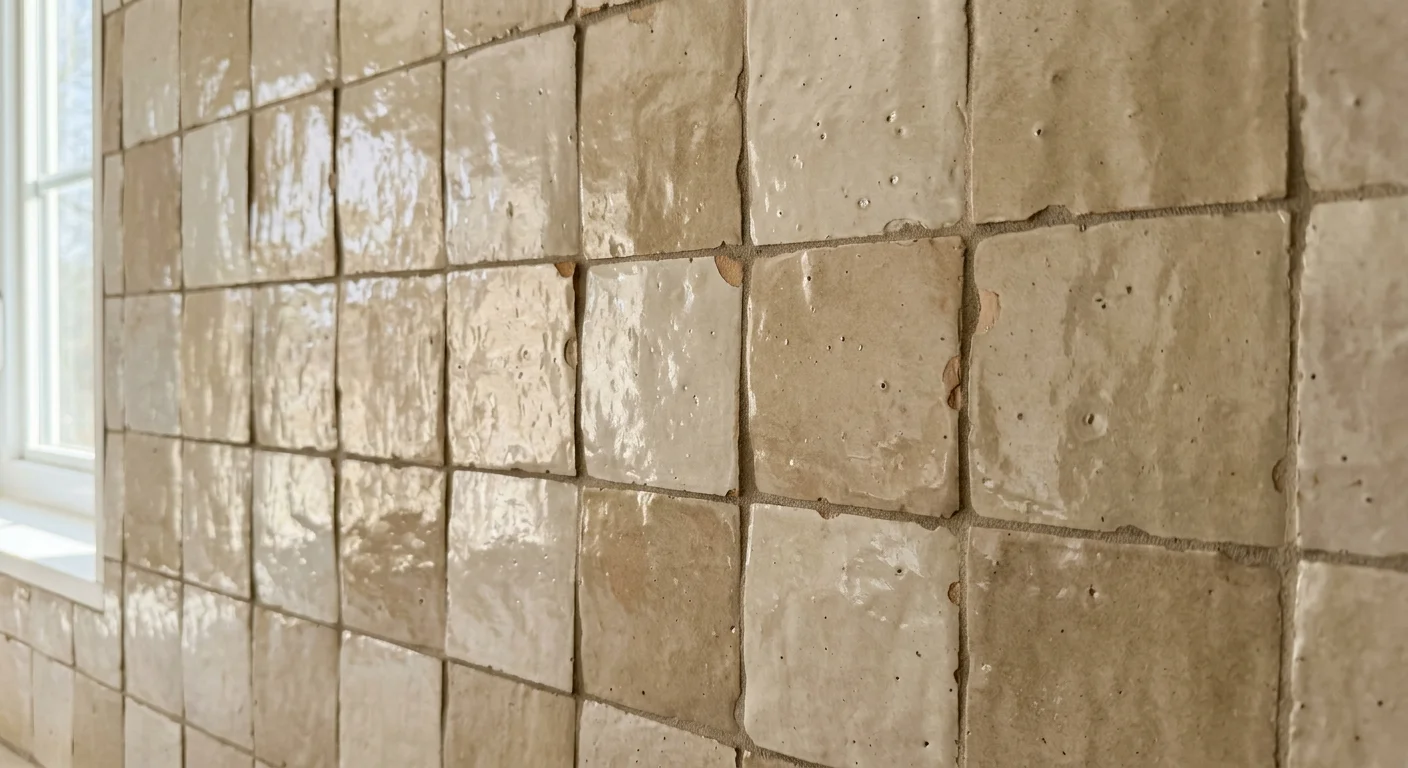
Texture has officially replaced gloss in high-end kitchen renovation trends, providing tactile dimension where flat white paint once felt monotonous. Designers report that color and texture are applied primarily to backsplashes (60%) and wallpaper (60%) to introduce artisanal warmth and character. Hand-molded Zellige ceramic tiles, rough-hewn stone cladding, Roman clay finishes, and subtle plaster textures reflect light irregularly, creating dynamic shadow effects throughout the day. Textural wallcoverings in warm jute, linen, or subtle botanical prints are also taking center stage in dry zones and dining nooks. When designing your backwall, forego factory-perfect subway tile in favor of square, hand-finished tiles with variable glaze surfaces. The subtle imperfections, surface variations, and rich tactile quality will elevate your kitchen, imbuing it with an authentic sense of provenance and timeless craftsmanship.
Trend #8: Flat Slab Doors and Streamlined Minimalist Profiles
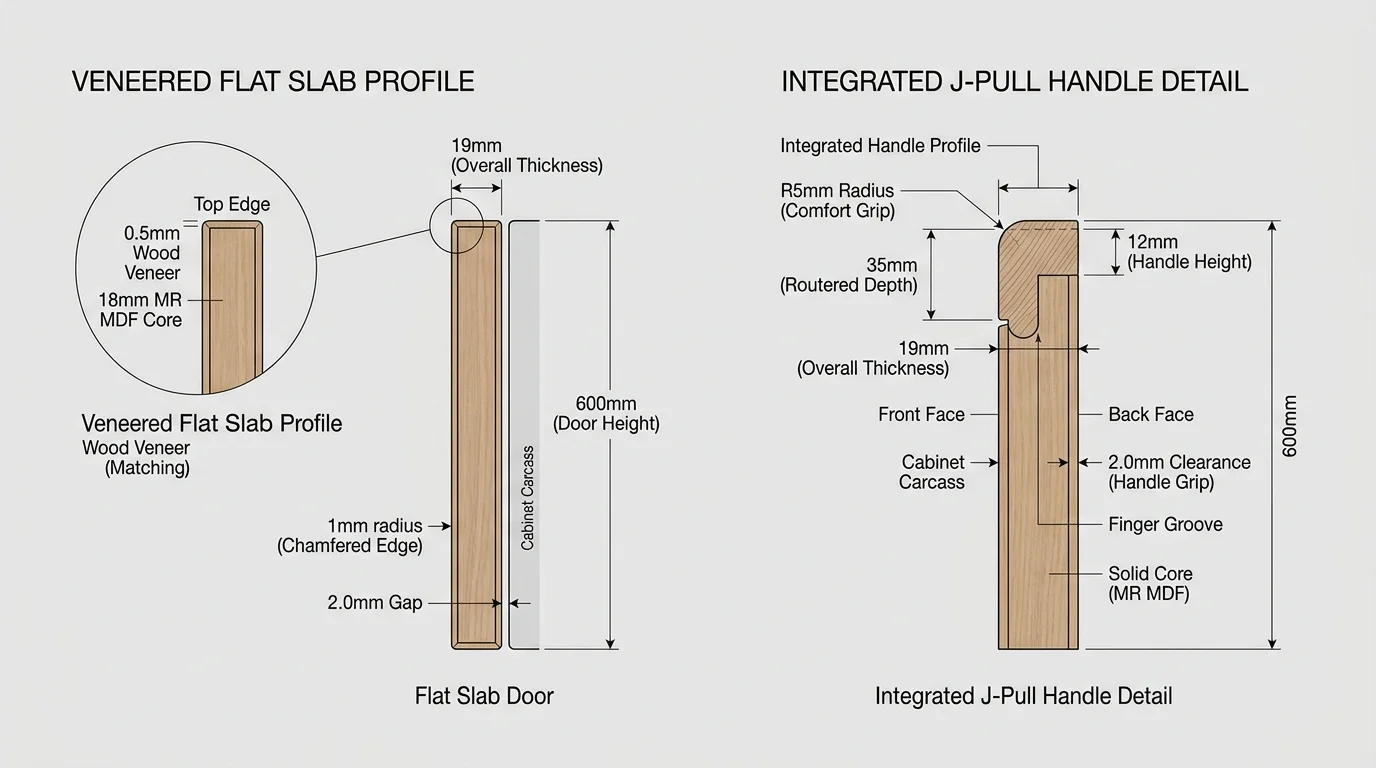
Ornate traditional doors and detailed raised paneling are making way for sleek, uncluttered cabinet silhouettes that highlight material beauty over decorative ornamentation. A substantial 69% of design professionals now favor flat slab door styles, which perfectly complement the rising demand for transitional design (72%) and contemporary minimalism (60%). Flat slab doors provide an uninterrupted canvas that showcases the raw beauty of natural wood grain, matte lacquers, or rich earth-toned stains. By stripping away heavy molding and traditional shaker bevels, flat slab profiles allow statement lighting, natural stone veining, and warm metal hardware to take center stage. To adopt this look, select flat slab cabinet fronts in light or medium white oak paired with integrated edge-pull hardware or touch-latch mechanisms. This streamlined aesthetic creates a serene, harmonious environment that feels sophisticated, spacious, and effortless to maintain.
Trend #9: Atmospheric Blues and Deep Jewel Tones
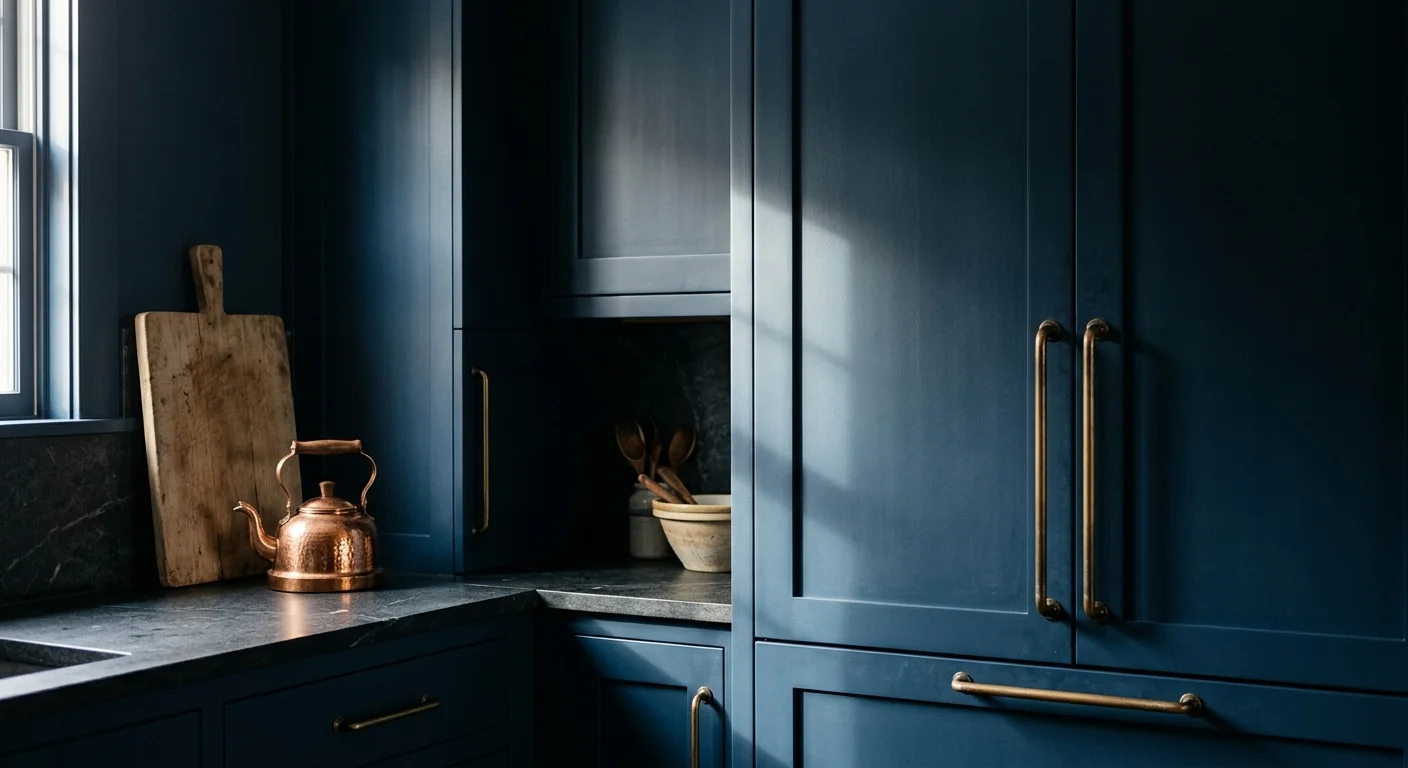
Deep jewel tones are proving that dark colors can feel just as serene and inviting as light palettes when styled with proper balance and lighting. Blue accents remain a powerhouse in color forecasts, chosen by 78% of designers looking to create atmospheric, moody spaces. Shades like deep navy, stormy slate, ocean blue, and rich plum offer an elegant alternative to stark white, bringing a sense of formal elegance to modern kitchens. These dramatic hues establish deep visual depth, making room boundaries feel expansive rather than restricted. To integrate atmospheric blues into your kitchen design without darkening the environment, balance dark blue cabinetry with crisp white quartzite countertops, warm brass plumbing fixtures, and strategic under-cabinet LED task lighting. The interplay between dark matte surfaces and reflective metallic accents produces an intriguing, sophisticated ambiance suitable for entertaining.
Trend #10: Architectural Curves and Reeded Details
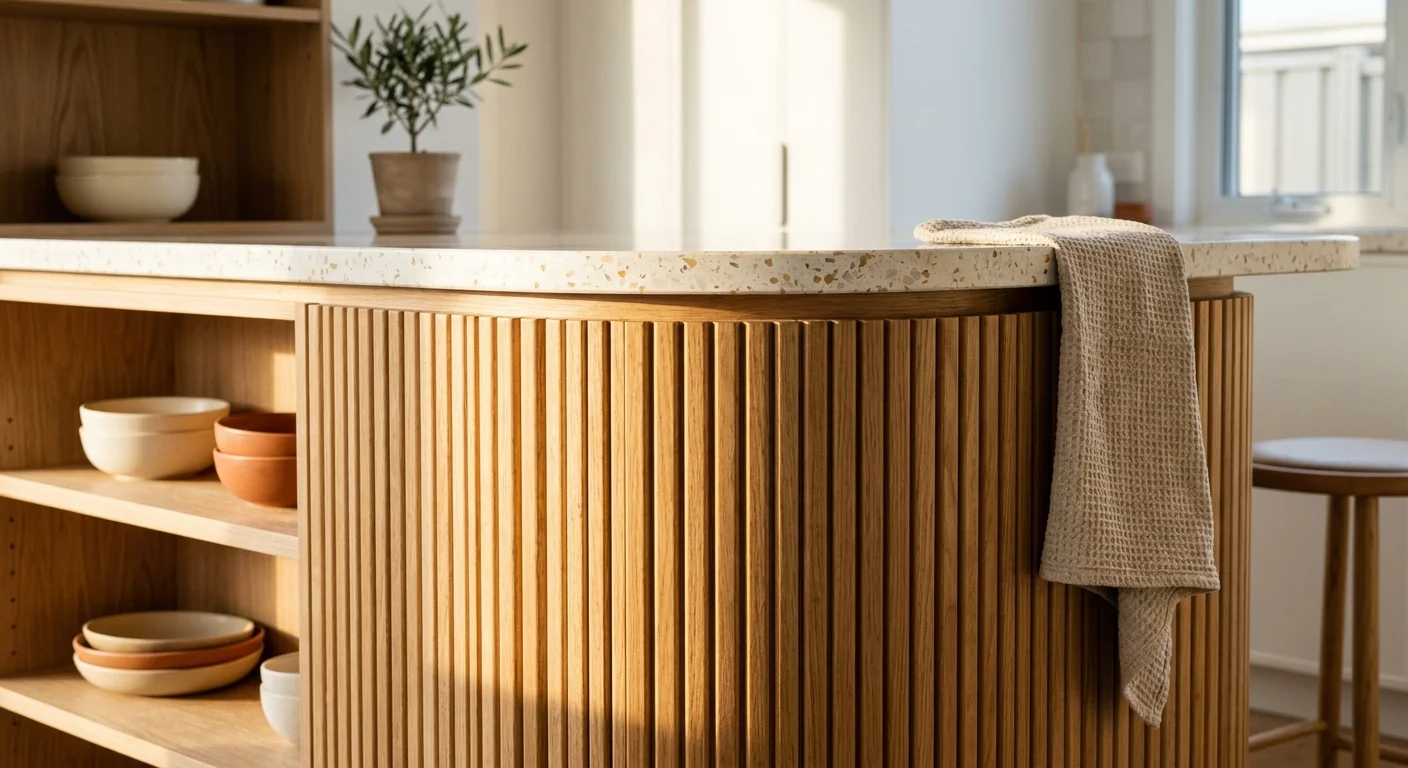
Rigid sharp corners and blocky rectangular layouts are softening as architectural curves and tactile fluting sweep through high-end interior architecture. Organic natural design elements are favored by 58% of design professionals, prompting a surge in rounded island ends, arched pantry casing, and reeded cabinet facades. Fluted wood details wrap island bases and appliance panels, introducing vertical shadow lines that draw the eye smoothly around the space. Curves break the rigid grid structure typical of culinary spaces, improving foot traffic flow and creating a welcoming, ergonomic environment. You can introduce this curvilinear trend by opting for a rounded marble island top with a fluted white oak base, or by framing your pantry entrance with a gentle plaster arch. These soft structural details reduce visual harshness, transforming a hard-working kitchen into an inviting, sculpture-rich living area.
The Big Picture: Weaving These Trends into Your Home
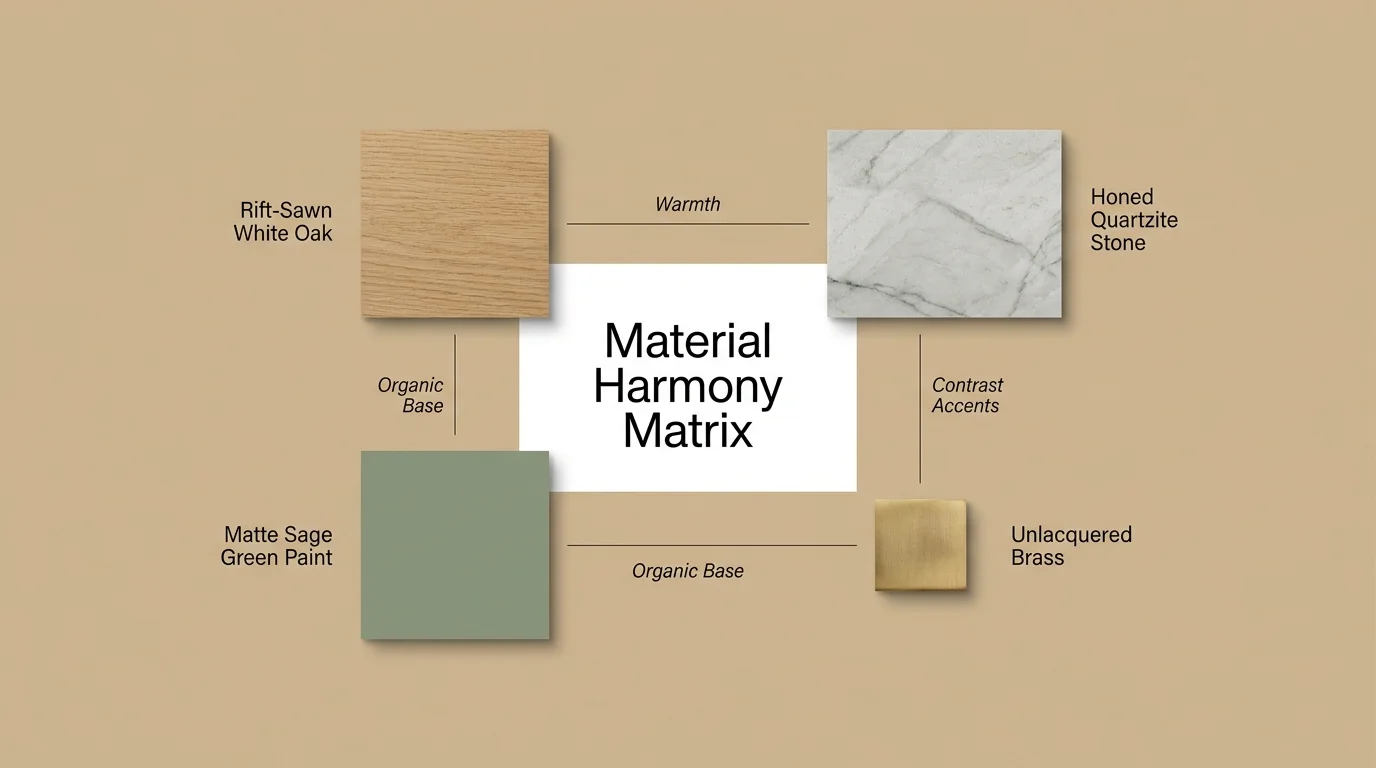
Integrating new kitchen color trends and material shifts into your home does not require adopting every movement simultaneously; rather, successful design relies on cohesive, intentional curation. To replace an outdated all-white scheme effectively, begin by identifying a dominant natural hero material, such as plain-sawn white oak cabinetry or a stunning quartzite countertop slab. Build your palette outward from this foundational piece, selecting subtle earth-toned paints like soft tan or sage green to harmonize with the wood’s natural undertones.
Maintain a sense of visual equilibrium by balancing rich, heavy colors with light-reflecting surfaces. For instance, if you select deep forest green lower cabinets, balance them with light slab backsplashes, exposed timber shelving, and warm ambient lighting fixtures. Avoid mixing too many competing focal points; allow one or two architectural elements—such as a fluted central island or a floor-to-ceiling quartzite backsplash—to take center stage while supporting elements maintain quiet luxury. By focusing on authentic materials, tactile textures, and thoughtful color placement, you will create a timeless, inviting kitchen that effortlessly outlasts short-lived decor fads.
For the latest color forecasts, consult industry leaders like Pantone and paint companies like Benjamin Moore. For professional design standards, refer to the American Society of Interior Designers (ASID).
Frequently Asked Questions
Will moving away from an all-white kitchen lower my home’s resale value?
Not when you choose timeless natural materials. While clinical white kitchens are losing dominance, warm neutrals, white oak cabinetry, and natural stone countertops hold immense universal appeal. Industry data shows that transitional and organic designs represent over 70% of professional kitchen projects today, making warm wood and soft earth tones extremely safe investments for long-term resale value.
How can I add color to my kitchen without committing to painted cabinets?
Focus your color application on flexible, high-impact surfaces like backsplashes, accent walls, or kitchen islands. Applying deep green or navy paint to just your island or introducing textured wallpaper in an adjoining dining nook allows you to experiment with color without repainting your main cabinetry. You can also incorporate color through counter seating, art prints, and decorative ceramic accessories.
How do I mix warm wood cabinets with painted surfaces without clashing?
Ensure your wood grain and paint selections share consistent undertones. Warm white oak pairs naturally with earth-toned greens, warm tans, terracotta, and cream, while dark walnut harmonizes well with moody blues and slate grays. Follow the two-tone cabinetry approach by grounding your lower base cabinets in wood or dark paint, keeping your upper surfaces lighter to maintain visual balance.
Are natural quartzite slabs high-maintenance compared to traditional quartz?
Quartzite is a genuine natural stone that offers superior heat resistance and durability compared to engineered quartz. While it requires routine sealing once a year to prevent staining from acidic liquids, its high density renders it remarkably scratch-resistant. Its continuous slab installation also eliminates grout lines, making daily cleaning and surface maintenance simpler than tile options.
Disclaimer: This article reflects design trend analysis and predictions. Personal taste and timeless design principles should always guide your decorating choices.