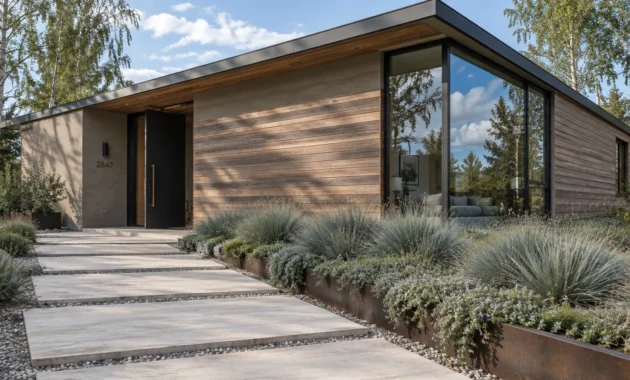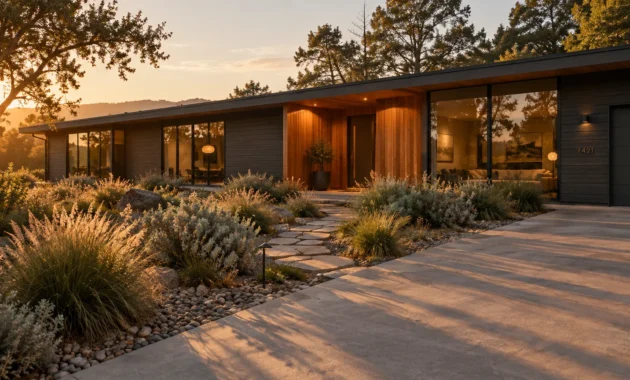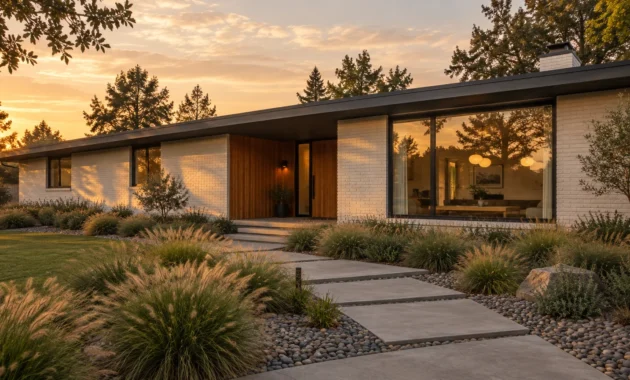
You can shield your outdoor living space from inquisitive eyes without enclosing your property in an unsightly, fortress-like boundary. Strategic design elements establish immediate outdoor privacy while simultaneously elevating your home’s architectural value.
Most municipal codes cap boundary fences at a restrictive six feet, leaving second-story neighbor windows with direct sightlines into your patio. Layering architectural features and lush botanical textures allows you to cultivate an intimate sanctuary that effortlessly bypasses local height ordinances.
Discover how thoughtful exterior features deliver refined privacy without a fence, transforming exposed backyards into secluded, designer-grade retreats.
Trend #1: Sculptural Living Hedges and Dense Botanical Screens
Living greenery creates an organic barrier that feels immersive rather than restrictive. Fast-growing evergreens soften property perimeters while providing year-round privacy landscaping without a fence.
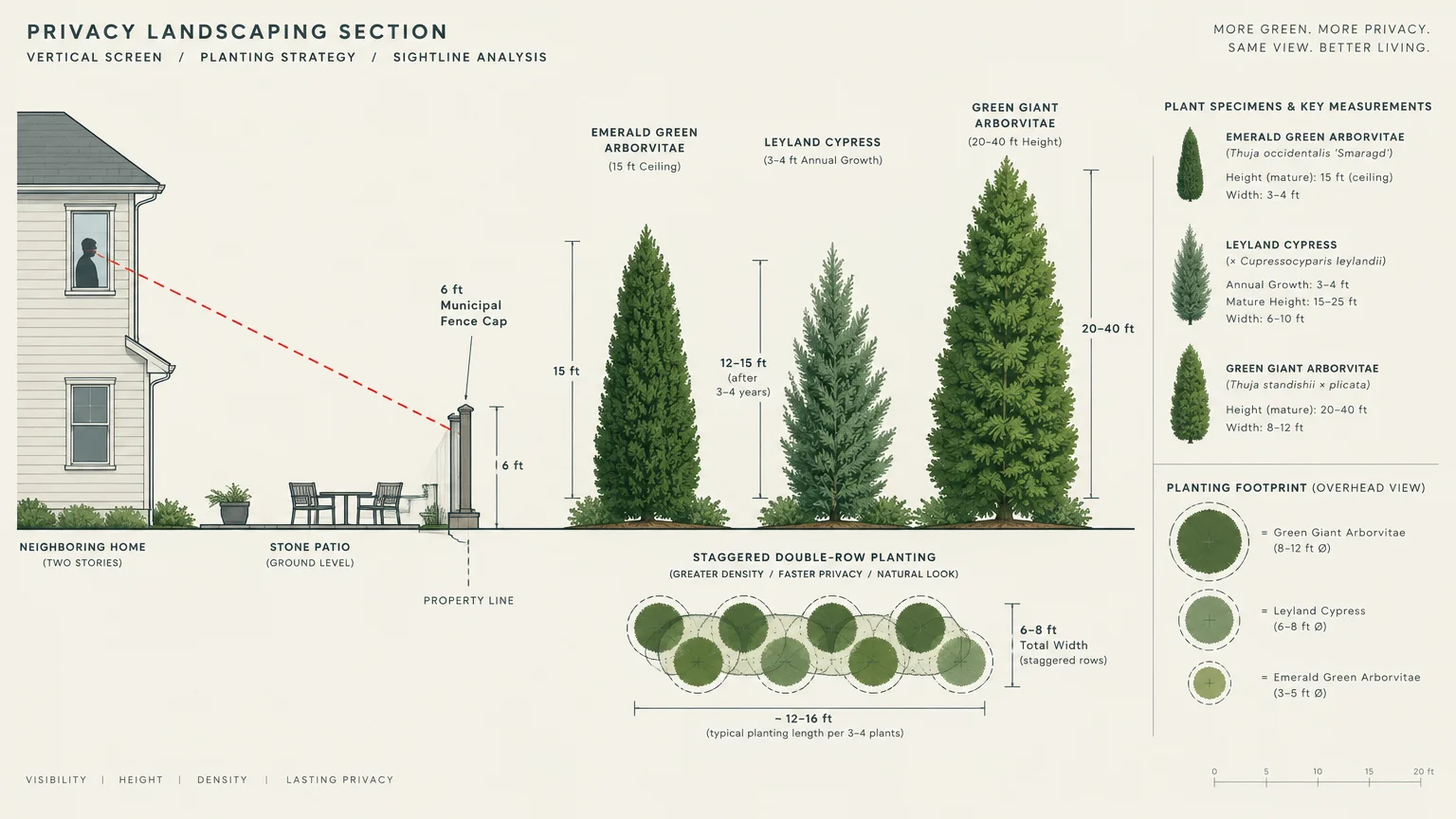
Most municipal zoning codes cap perimeter fences at six feet, leaving patios exposed to multistory windows. Living botanical hedges naturally bypass these municipal restrictions, providing dense vertical foliage that extends twenty feet or higher.
The national average cost to install a living privacy hedge ranges from $500 to $2,200. Homeowners typically spend between $10 and $45 per linear foot for professional installation.
If you require immediate seclusion, pre-grown mature instant hedges provide instant coverage. Expect these premium, specimen-grade installations to run between $1,000 and $1,600 per ten linear feet.
Cultivar selection determines long-term maintenance and spatial density. The Green Giant Arborvitae grows at a rapid rate of three to five feet annually, reaching heights between twenty and forty feet.
Leyland Cypress offers comparable velocity, expanding three to four feet each season. For compact lots, the Emerald Green Arborvitae provides a narrower footprint, growing one to two feet per year toward a fifteen-foot ceiling.
This biophilic approach replaces cold boundary walls with vibrant micro-ecosystems. Rich emerald tones establish a timeless, tranquil backdrop that complements any exterior architectural style.
Staggering evergreen shrubs in a double row creates superior acoustic and visual density. This staggered planting technique blocks sightlines far more effectively than a single straight line of saplings.
Trend #2: Architectural Louvered Pergolas and Floating Shade Sails
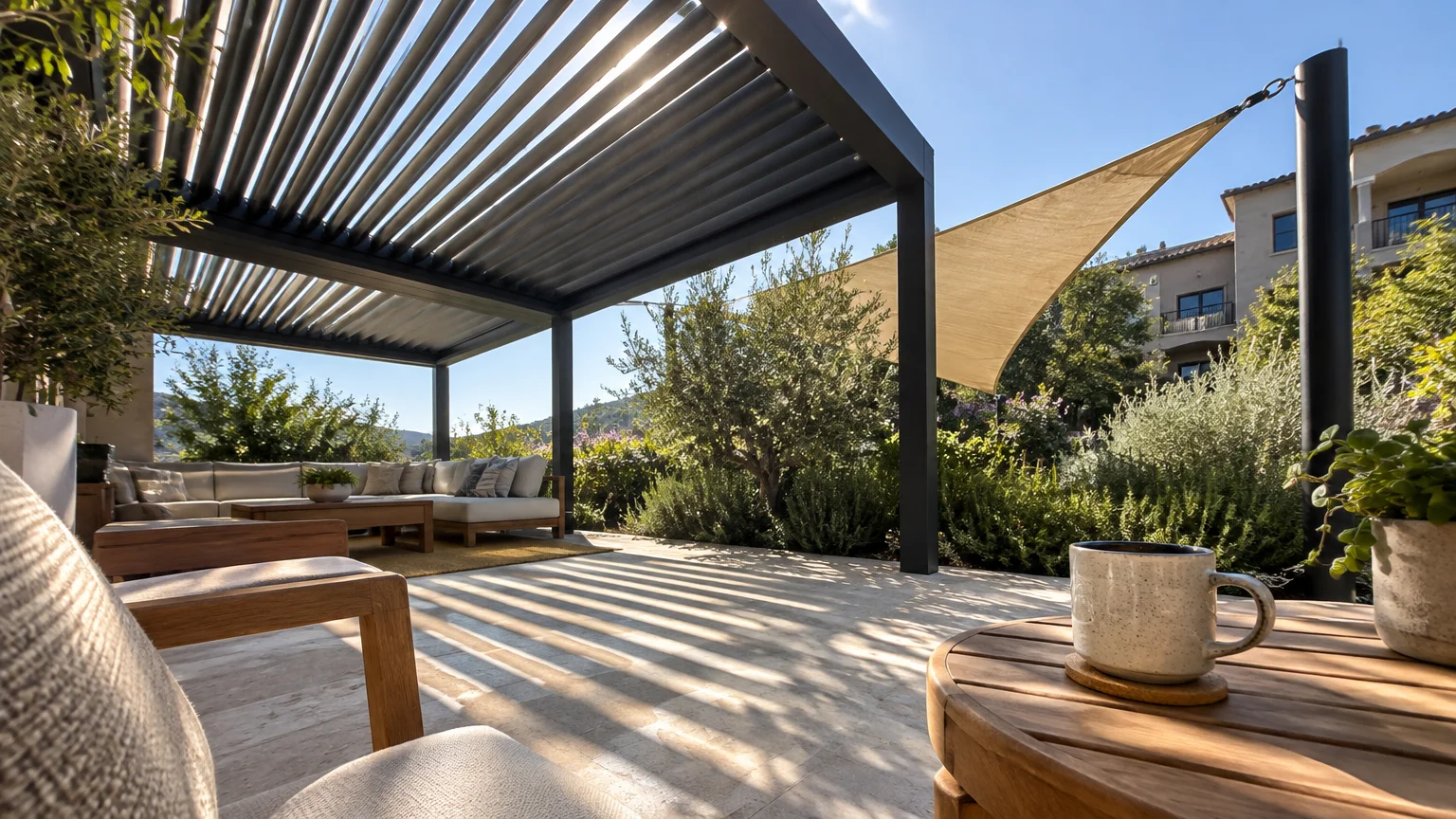
Overhead sightlines from elevated neighbor decks frequently compromise your patio seclusion. Louvered pergolas and structural shade sails offer targeted outdoor privacy from vertical vantage points.
Louvered roof systems allow you to rotate motorized aluminum slats at will. You can capture morning sunlight or seal the overhead louvers to block views from towering adjacent residences.
Professional installation of a standard 100-square-foot pergola averages $4,250 nationwide. Most residential project budgets fall within a practical range of $2,100 to $6,400.
Structural material specifications account for roughly eighty percent of your total project expense. Durable aluminum and vinyl framing cost $10 to $30 per square foot, whereas architectural hardwoods require $25 to $50.
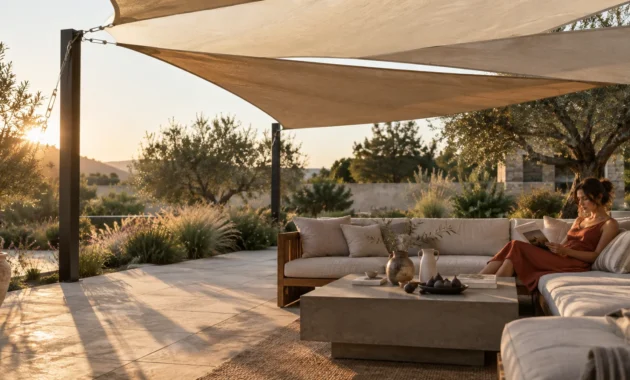
Architectural shade sails offer an accessible, contemporary alternative for overhead shielding. UV-treated fabric triangles start between $30 and $50, anchoring securely to exterior walls or sleek steel posts.
Suspending sails at dynamic, overlapping angles creates an artistic focal point above seating areas. This geometry deflects inquisitive views while allowing cooling coastal breezes to circulate freely.
These structural overheads redefine outdoor living rooms by framing functional gathering zones. They establish distinct spatial boundaries without requiring a single solid boundary wall.
Integrating warm LED strip lighting beneath pergola crossbeams enhances nighttime intimacy. The soft glow keeps focus inside your outdoor lounge while casting surrounding darkness as a natural visual veil.
Trend #3: Laser-Cut Metal Screens and Geometric Slatted Partitions
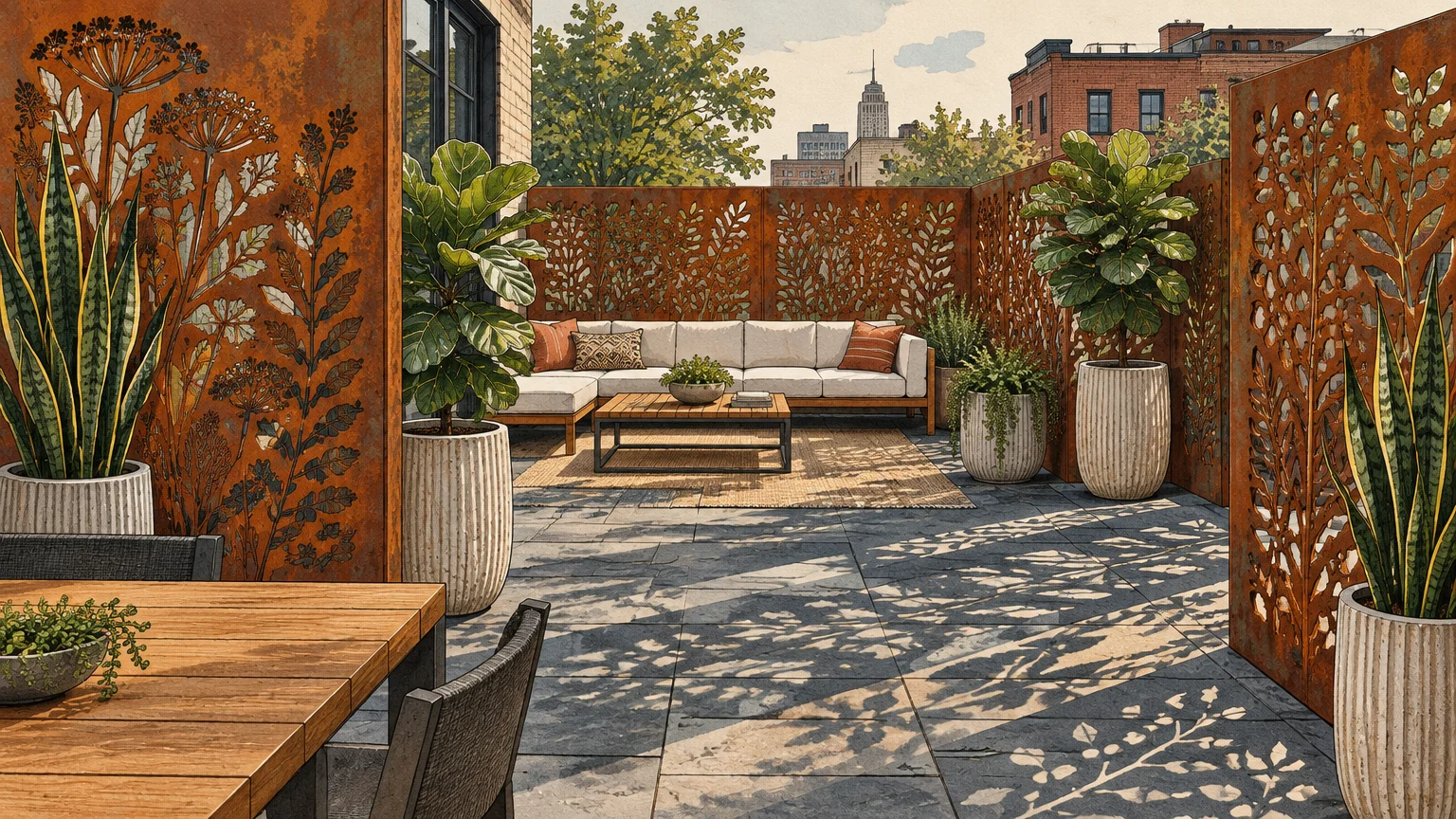
Freestanding artisan panels deliver graphic visual interest while concealing intimate patio lounges. These privacy screen ideas provide a deliberate architectural statement that feels like curated outdoor art.
Weathering Corten steel panels develop a warm, oxidized patina that contrasts beautifully against manicured foliage. Alternatively, powder-coated aluminum in matte black introduces crisp, mid-century modern lines to your terrace.
Freestanding DIY privacy screens made from horizontal cedar slats or composite boards average $150 to $600 per panel in materials. They install quickly on existing decking or concrete footings.
Staggering multiple panels creates an intriguing broken-plan layout across expansive landscapes. This technique obscures direct sightlines while inviting visitors to explore hidden garden rooms.
The deliberate perforations in laser-cut panels cast intricate shadow patterns throughout the afternoon. You gain functional screening without casting your outdoor dining area into gloomy shade.
By selecting custom aperture densities, you control the precise degree of visual transparency. Tight botanical patterns protect hot tubs and reading nooks from outside observation.
Horizontal composite slats resist warping, rotting, and insect damage over decades of exterior exposure. They deliver clean architectural lines that beautifully frame adjacent exterior lounge furniture.
Backlighting decorative screens with low-voltage warm uplights turns your privacy barrier into a dramatic garden sculpture at dusk. The glowing screens draw eyes away from nearby neighboring properties.
Trend #4: Acoustic Water Spillways and Reflective Bubbler Fountains
True sanctuary requires more than visual concealment; you must also manage the acoustic environment. Unwanted street noise and neighboring conversations disrupt outdoor tranquility just as quickly as open sightlines.
Dynamic water features generate steady, soothing broadband white noise between 40 and 60 decibels. This acoustic blanket effectively masks outdoor speech, preserving your backyard privacy ideas.
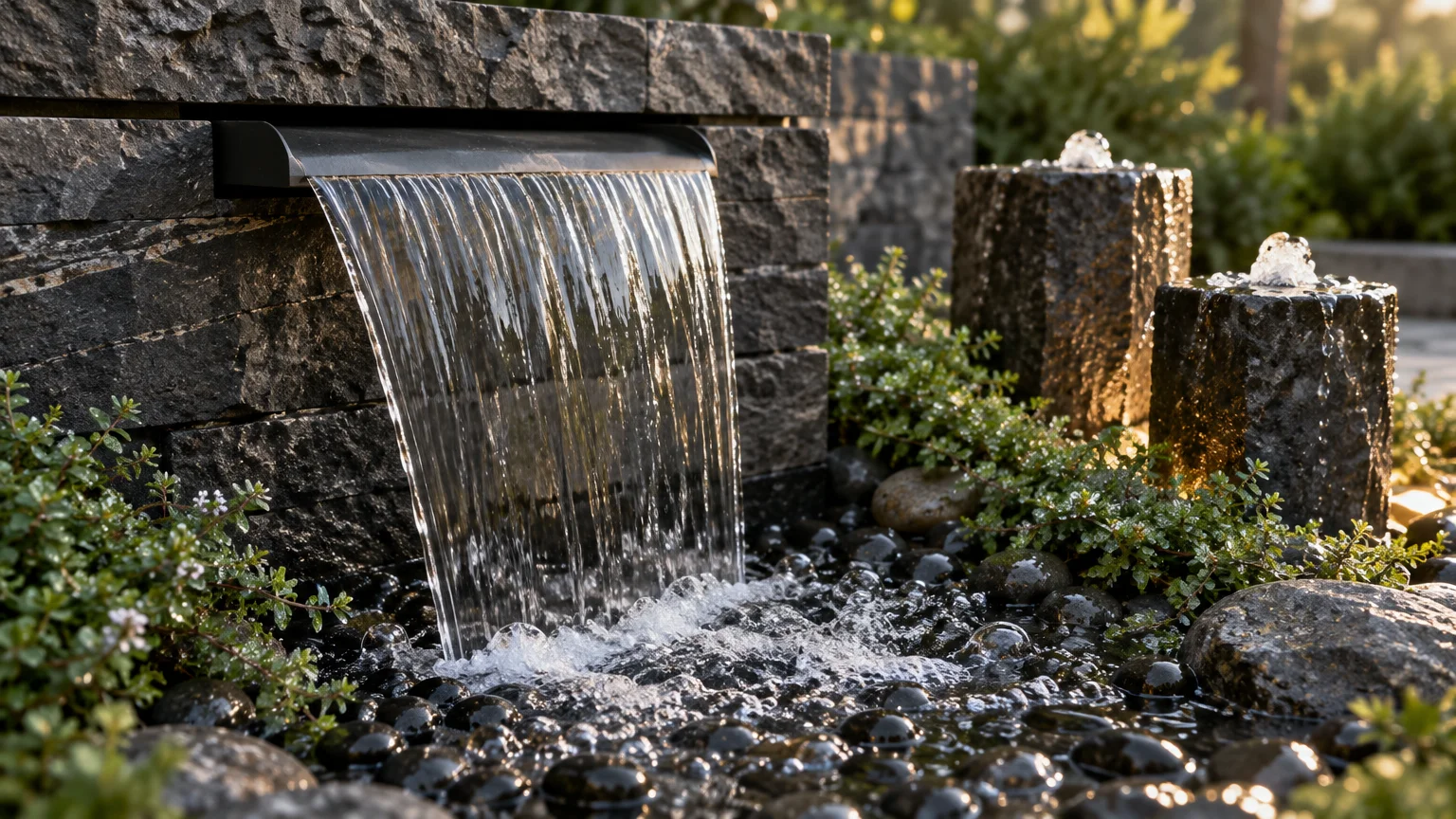
Modern architectural spillways integrated into stone retaining walls create continuous sheets of falling water. The crisp acoustic note neutralizes ambient urban hums and nearby foot traffic.
Reflective basalt bubbler fountains offer a more understated auditory profile for compact courtyards. Their gentle bubbling sound produces an intimate soundscape tailored to relaxed terrace conversations.
Moving water also captures natural light, reflecting dynamic shimmers across adjacent walls and ceilings. This visual kinetic energy draws the eye inward, distracting guests from surrounding perimeter boundaries.
Pair your fountain with dark granite or blackened slate to evoke quiet luxury. The resulting installation anchors your patio with sensory depth and complete auditory peace.
Recirculating water systems require minimal seasonal water replenishment when fitted with submerged pumps. They run efficiently all day while consuming modest electrical power.
Surrounding your water feature with smooth river rocks dampens harsh splash echoes. This creates a refined, melodic acoustic rhythm that transforms your patio into an oasis.
Trend #5: Tiered Sunken Living Lounges and Sculpted Earth Berms
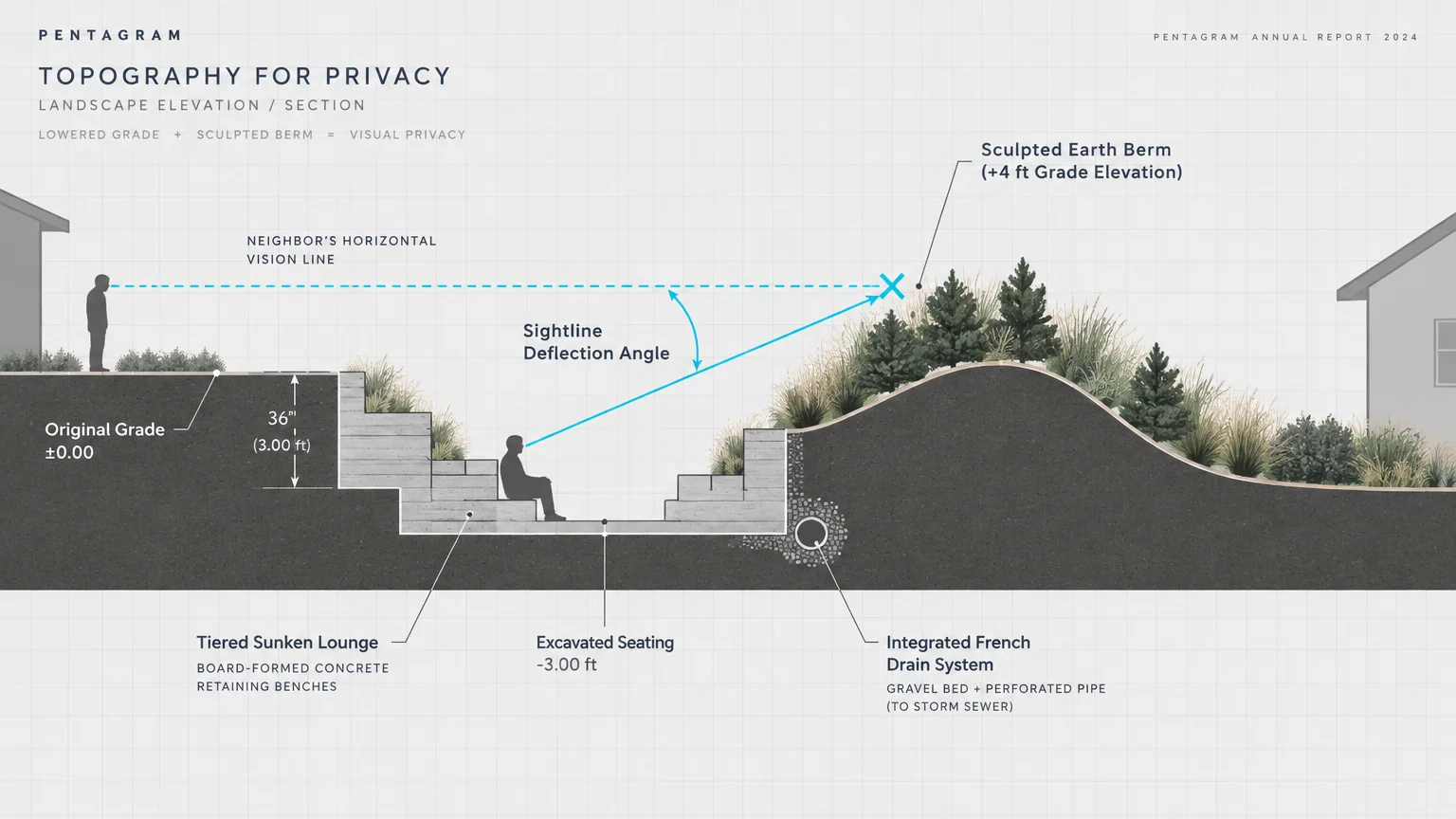
Manipulating your property’s topography establishes profound seclusion without erecting vertical perimeter barriers. Lowering your gathering area below grade naturally removes seated guests from neighborhood sightlines.
Sunken conversation pits carve out subterranean intimacy within open landscape architecture. Retaining walls constructed from board-formed concrete or stacked limestone form protective structural envelopes around your lounge.
By dropping the patio floor two to three feet, surrounding lawn grades form natural sightline shields. You preserve expansive skyline vistas above while cloaking your seating area from street view.
Sculpted earth berms offer an organic, above-ground elevation technique along exposed boundaries. These raised landscape mounds elevate ornamental planting beds by several critical feet.
A three-foot earthen mound topped with four-foot shrubs creates seven feet of screening immediately. This terraced approach softens property margins far more gracefully than any flat timber fence.
Integrate flush linear drainage systems to ensure sunken spaces remain dry during heavy rainstorms. The result is an architectural hideaway that feels deeply grounded in its natural surroundings.
Built-in banquettes lining the interior retaining walls maximize seating without cluttering the sunken patio floor. Layering outdoor cushions brings cozy interior living room comfort directly into the landscape.
Planting low creeping groundcovers along the upper lip of the berm softens structural concrete edges. The cascading greenery draws the eye across continuous textures rather than abrupt property demarcations.
Trend #6: Dense Ornamental Grass Borders and Whispering Perennial Buffers
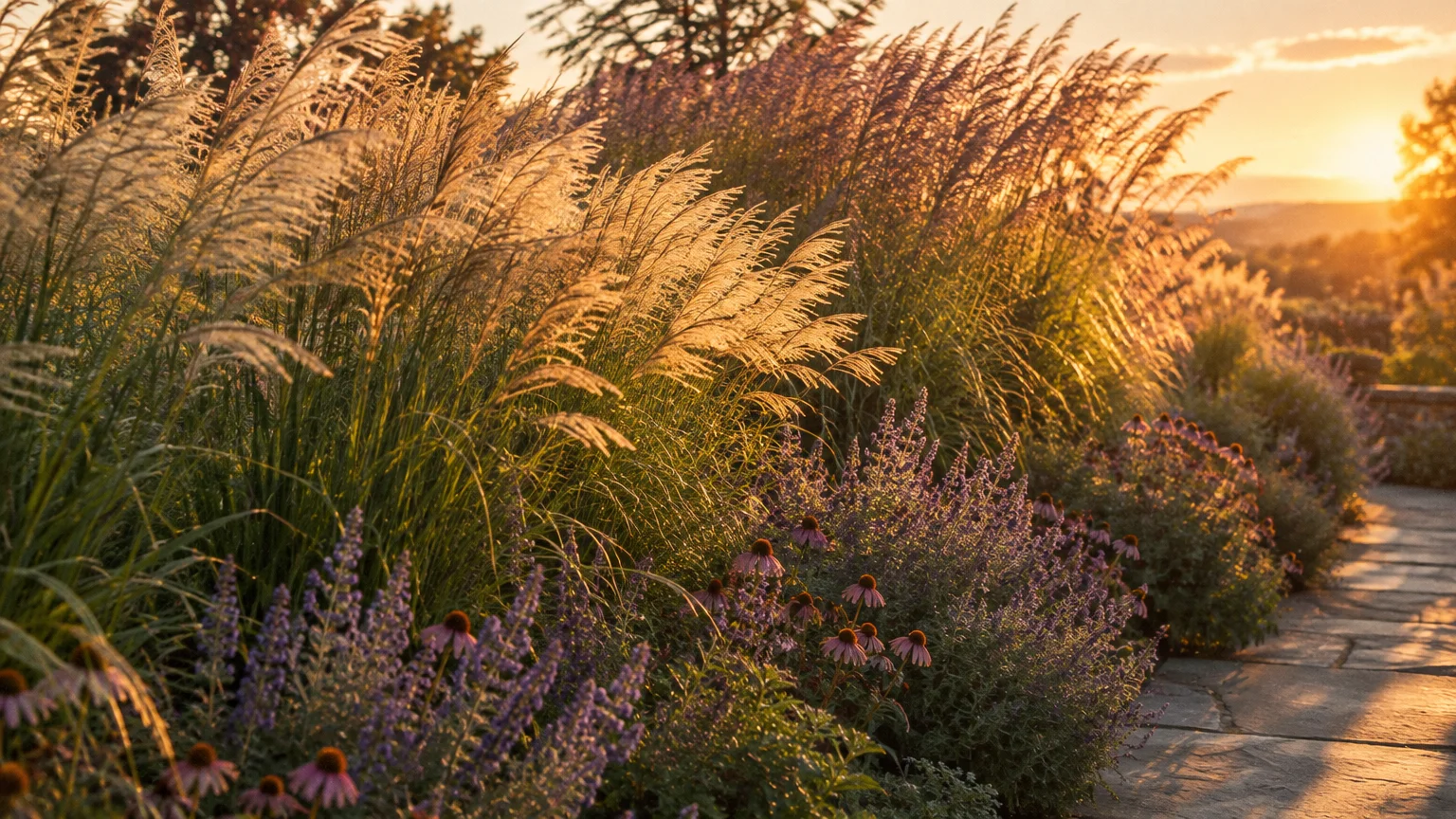
Mass plantings of tall ornamental grasses introduce soft movement and organic seclusion to boundary lines. They create a kinetic barrier that filters sightlines while swaying gracefully in garden breezes.
Feather reed grass varieties like Karl Foerster shoot upright stems five to six feet tall by midsummer. Their tight vertical architecture forms a translucent, golden veil that lasts well into winter.
Pair upright grasses with broader species such as maiden grass or switchgrass for textured density. These perennials expand substantially each season, providing an economical form of privacy landscaping.
The gentle rustling sound of windblown grass blades adds a secondary acoustic benefit. This continuous organic murmur softens distant neighborhood sounds throughout warm summer afternoons.
Ornamental grasses require minimal supplemental irrigation once established in well-drained soil. Simply prune them back in early spring to stimulate vigorous, dense new growth for the coming season.
Incorporating perennial flowers like purple coneflower and black-eyed Susan enriches the screen’s visual tapestry. This layered ecosystem attracts pollinators while sealing your patio from wandering eyes.
Grouping grasses in deep, overlapping swathes creates organic depth that rigid fencing cannot replicate. The textural plumage catches early morning backlight, framing your outdoor space with glowing amber radiance.
Ornamental grasses also thrive in oversized containers along paved patio borders. This modular flexibility lets you position living screens precisely where you require seasonal sightline protection.
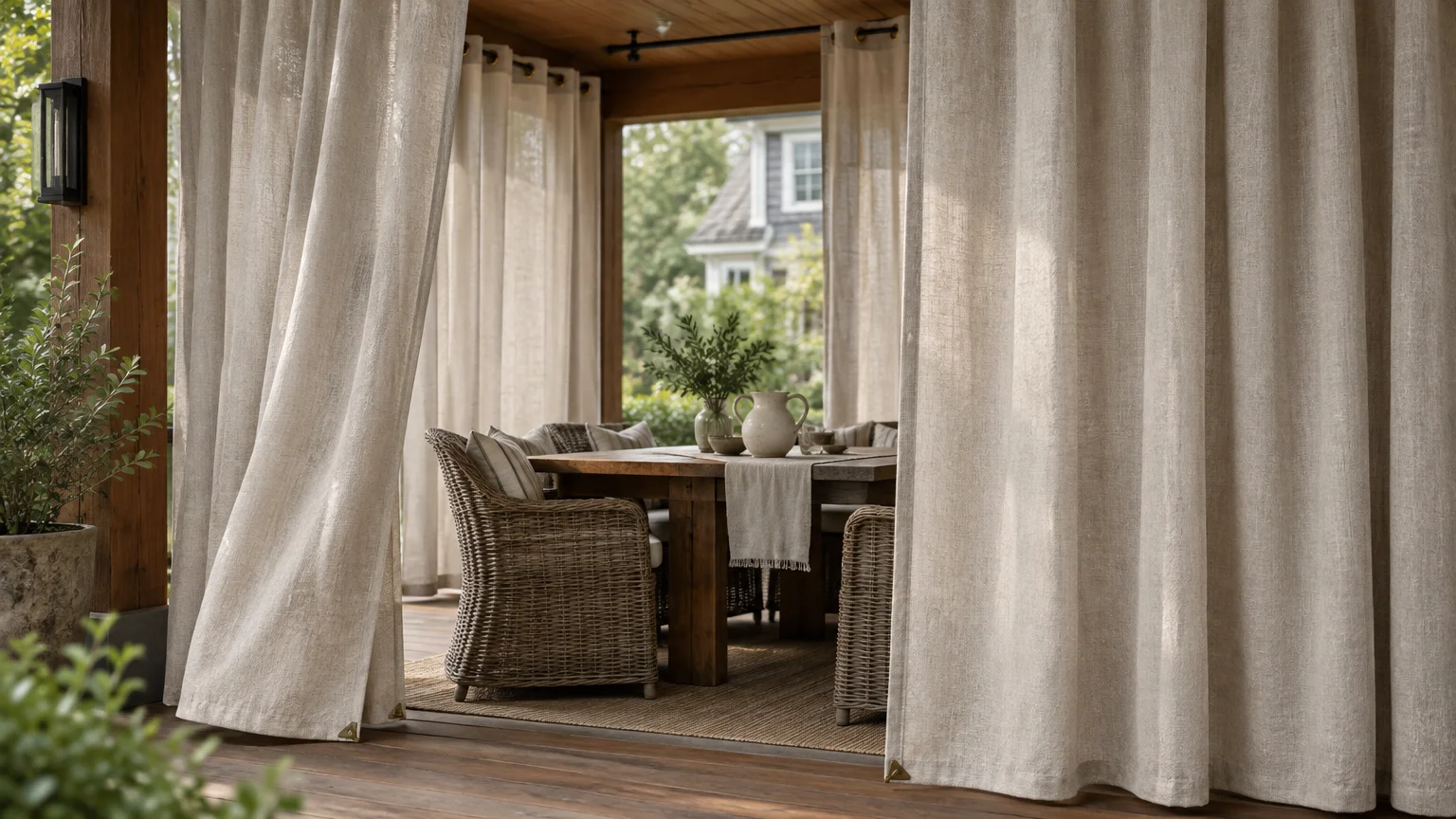
Trend #7: Tailored Outdoor Drapery and High-Performance Textiles
High-performance exterior drapery introduces theatrical elegance and bespoke flexibility to outdoor structures. Fabric panels allow you to modify sightlines instantly according to the time of day.
Weather-resistant outdoor curtain panels crafted from solution-dyed acrylics start at an approachable $30 to $50. They withstand intense ultraviolet radiation, resisting mildew and persistent sun fading across multiple seasons.
Install commercial-grade marine track hardware along pergola beams or veranda ceilings for smooth operation. You can draw curtains closed for secluded evening dinners or pull them back with tailored ties.
Billowing drapery softens the severe geometric angles of modern outdoor stone and composite hardscaping. The textural fabric brings interior living room refinement directly onto your open terrace.
Crisp white, warm ivory, and neutral oatmeal palettes evoke the relaxed elegance of Mediterranean resorts. These light hues reflect afternoon heat while maintaining a breezy, luminous atmosphere within your enclosure.
Heavy weighted hems keep curtain panels hanging straight during windy afternoons. This tactical detailing prevents fabric from billowing erratically into dining tables and lounge seating.
Pairing sheer and opaque outdoor fabrics provides adjustable levels of privacy throughout the day. Sheers soften bright direct sunlight while solid drapes close completely for private nighttime dining.
High-performance textiles clean easily with simple mild soap and water rinses. Their low-maintenance durability ensures your cabana drapery maintains a pristine resort aesthetic year after year.
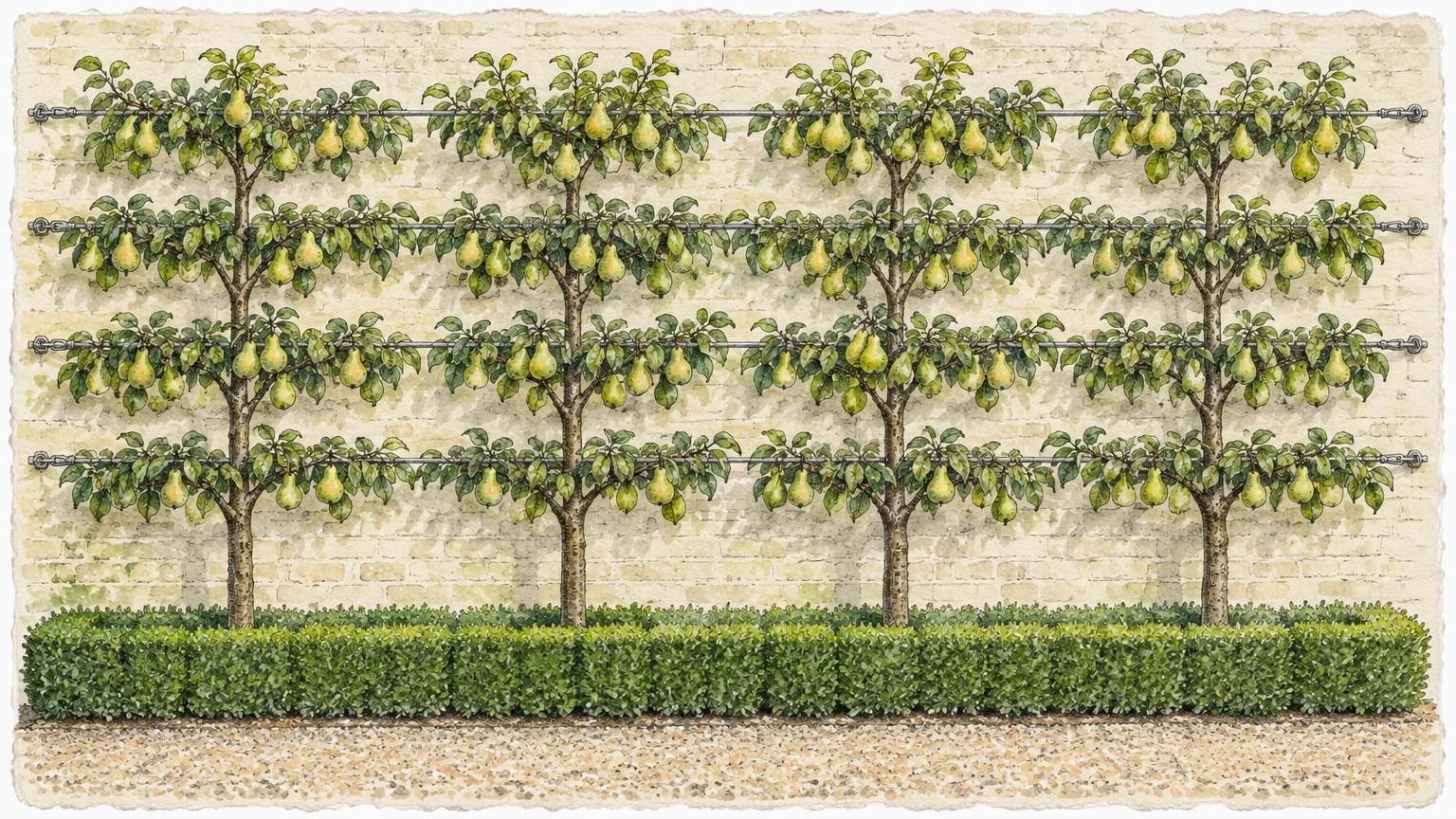
Trend #8: Espaliered Fruit Trees and Structured Pleached Allées
Architectural pruning techniques elevate classic European garden traditions into high-end privacy barriers. Espalier training shapes fruit trees into flat, geometric green screens along horizontal cable systems.
This historic method consumes minimal ground space, making it ideal for narrow side yards and courtyard perimeters. You cultivate fresh apples or pears while establishing a sophisticated, productive living screen.
Pleached allées represent another sophisticated horticultural strategy for elevating privacy without a fence. Trees with straight trunks are trained so their foliage forms an elevated, continuous leafy hedge atop clear stems.
Hornbeam, linden, and beech trees respond exceptionally well to this rigorous architectural discipline. The raised canopy provides sightline screening precisely where neighboring two-story windows overlook your backyard.
Because the lower trunks remain bare, pleached trees preserve valuable ground-level garden square footage. You can install low perennial beds or stone pathways directly beneath the floating foliage screen.
These living architectural statements celebrate refined craftsmanship and timeless horticultural pedigree. They infuse your outdoor environment with quiet luxury and enduring visual composure.
Annual winter pruning maintains the crisp geometric planes of your espaliered framework. This seasonal cadence keeps growth compact while stimulating abundant spring blossoms and summer fruit.
Anchoring espalier cables to sturdy masonry walls or independent stainless steel posts ensures rigid support. The tensioned wires support heavy branches as they mature into dense, architectural barriers.
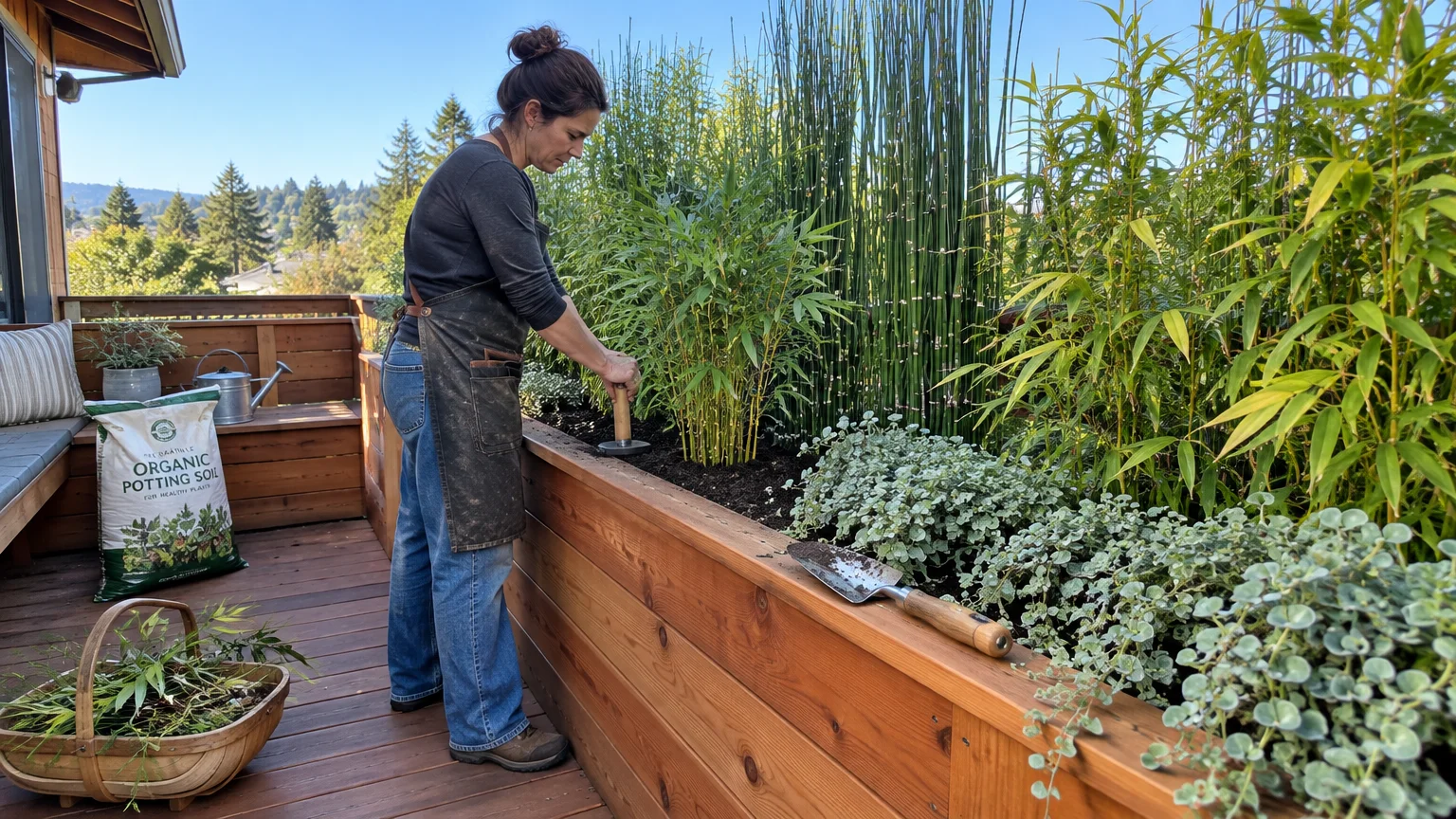
Trend #9: Elevated Planter Boxes and Integrated Modular Buffers
Built-in planters constructed from poured concrete, brick, or cedar add instant vertical height along exposed perimeters. These modular structures delineate property zones while lifting foliage directly into your natural sightline.
A two-foot raised planter bed elevates three-foot shrubs to five feet above patio grade immediately. This elevated foundation accelerates your privacy shielding without requiring years of plant growth.
Integrating perimeter bench seating directly into the planter walls optimizes spatial efficiency on compact decks. You gain generous seating capacity while wrapping the lounge in lush, sheltering greenery.
Choose deep container beds to ensure robust root insulation and consistent soil moisture during summer heat. Incorporating automated drip irrigation lines keeps planter foliage vibrant and thriving with minimal effort.
Modern black or textured aggregate finishes lend substantial architectural gravitas to these raised planter walls. They establish permanent, defined boundaries that look integral to your home’s structural footprint.
Fill these elevated containers with layered bamboo, Japanese maples, or structural boxwood spheres. The resulting vertical composition commands attention, redirecting focus away from nearby properties.
Using clumping bamboo varieties inside raised masonry planters completely prevents invasive root spread. The tall, dense canes form an impenetrable privacy screen ten to twelve feet overhead.
Integrated low-voltage step lights tucked beneath planter caps illuminate walkways safely at night. The indirect lighting enhances evening atmosphere without disrupting the calm seclusion of your outdoor room.
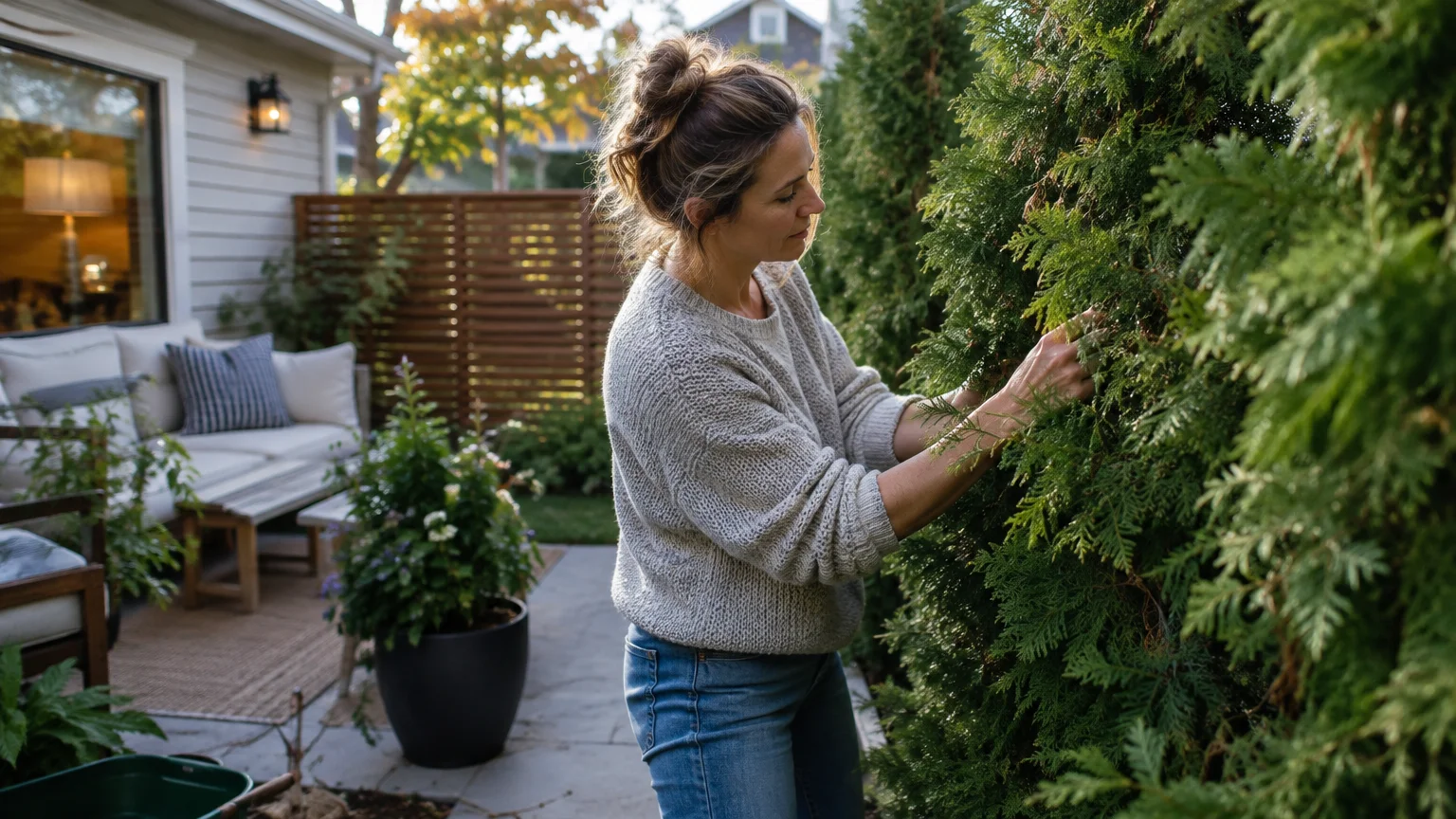
The Big Picture: Weaving These Trends into Your Home
Designing an exposed backyard into an intimate retreat requires a holistic, layered design strategy. Relying on a single boundary solution rarely yields a dynamic or visually engaging outdoor environment.
Combine structural hardscaping with lush botanical features to create depth, shadow, and varied visual textures. A pergola paired with ornamental grasses and a bubbling fountain delivers complete sensory seclusion.
Balance your outdoor palette against your home’s interior finishes to establish seamless indoor-outdoor transitions. Matching exterior stone hues to interior flooring creates a unified aesthetic continuity that expands perceived living space.
Strive for deliberate spatial zoning by using screens and plantings to define separate open-air rooms. Carving out distinct dining, lounging, and reading zones makes any yard feel far more expansive and secluded.
For the latest color forecasts, consult industry leaders like Pantone and paint companies like Benjamin Moore. For professional design standards, refer to the American Society of Interior Designers (ASID).
Focus on enduring materials that weather gracefully rather than fleeting seasonal trends. High-quality cedar, patinated metal, and resilient stone ensure your exterior sanctuary maintains lasting architectural appeal.
Layer your lighting thoughtfully so that nightfall enhances privacy rather than exposing illuminated gathering spots. Indirect illumination draws eyes toward artful focal points while keeping conversation lounges comfortably shadowed.
Frequently Asked Questions
How do exterior privacy features overcome municipal fence height limits?
Most municipalities cap solid perimeter fences at six feet, which leaves second-story neighbor windows unobstructed. Living botanical screens, pleached trees, and pergolas are typically classified as landscape elements or shade structures.
Because they are exempt from standard fence codes, you can legally extend screening to fifteen or twenty feet. Always review local municipal ordinances before commencing major structural pergola installations.
What is the most cost-effective way to achieve privacy without a fence?
Installing ornamental grasses and juvenile evergreens offers the most budget-conscious privacy landscaping solution. Bare-root or container-grown arborvitae provide significant coverage for an entry cost of $10 to $45 per linear foot.
Tensioned shade sails and weather-resistant outdoor curtain panels also offer exceptional value starting under $50. They deliver immediate overhead and lateral screening while your botanical buffers mature.
How can I create privacy in a very small backyard or urban courtyard?
Emphasize vertical features with narrow footprints to maximize usable floor area in tight spaces. Slim laser-cut metal screens, pleached fruit trees, and wall-mounted water spillways consume minimal ground space.
Louvered pergolas and elevated planters establish immediate spatial boundaries without crowding the patio. These tailored elements shield your lounge from upper-floor apartments while preserving open circulation.
Do water features genuinely block neighborhood noise?
Moving water produces consistent broadband acoustic masking between 40 and 60 decibels. This dynamic sound frequency overlaps human speech patterns and distant traffic noise, rendering them unintelligible.
Positioning a fountain close to your primary seating area maximizes this protective acoustic perimeter. You enjoy tranquil conversations without hearing adjacent neighbor activities or street disruption.
Disclaimer: This article reflects design trend analysis and predictions. Personal taste and timeless design principles should always guide your decorating choices.