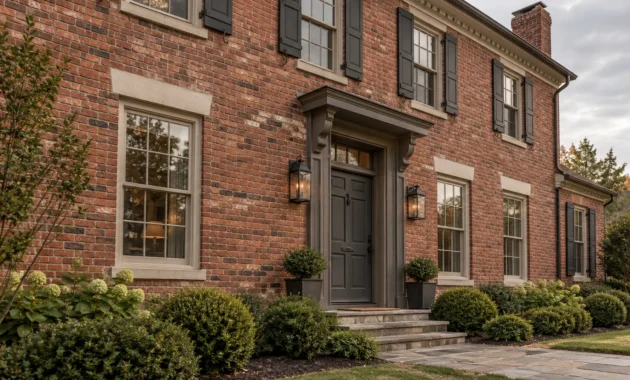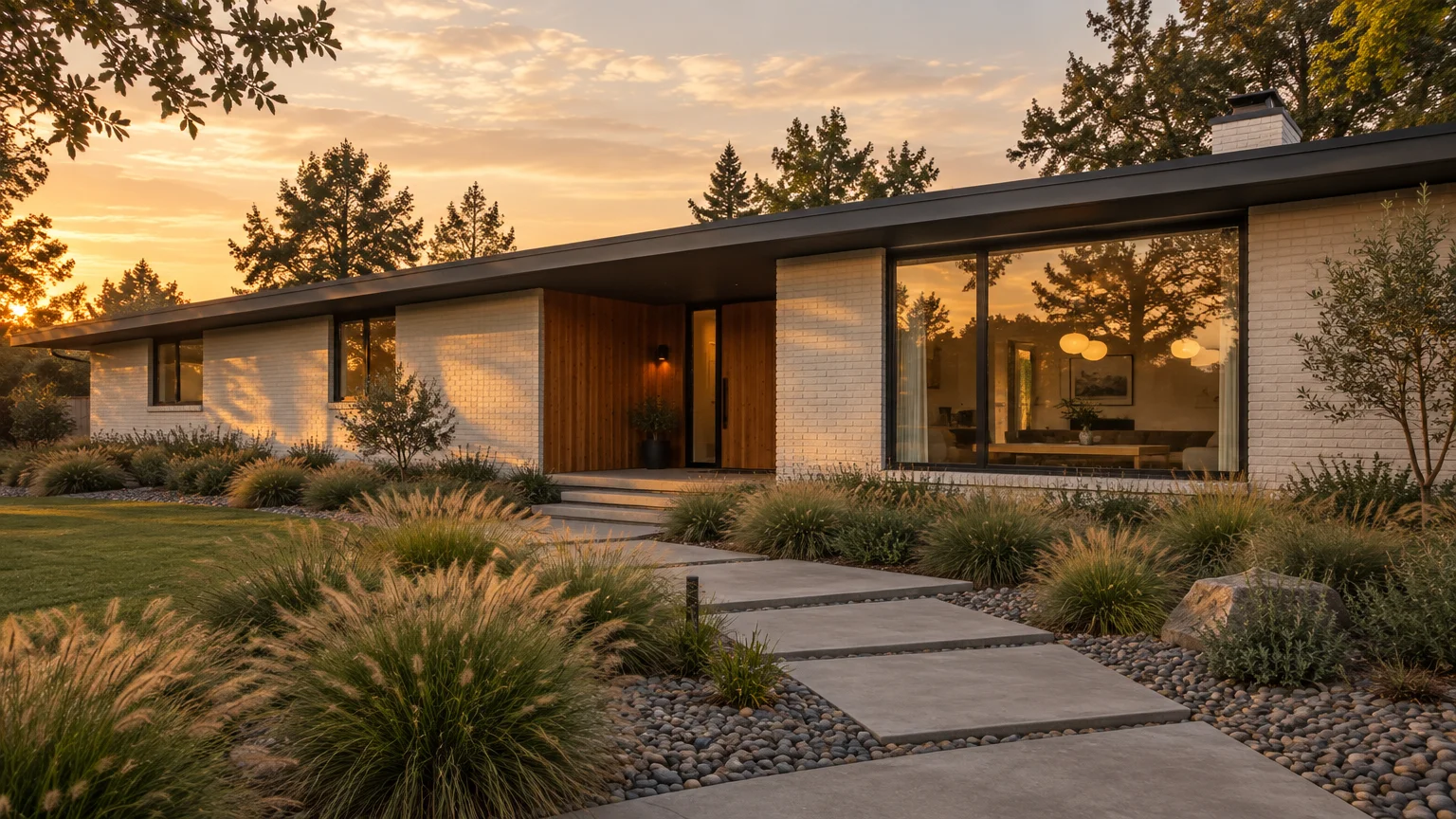
You can transform a mid-century silhouette into an architectural showpiece simply by rethinking your palette. The right exterior colors ranch home owners choose will celebrate low-slung rooflines while creating an unmistakable custom feel.
Strategic color choices elevate broad horizontal siding into an intentional design statement. By curating bespoke tones, you immediately boost your property value and accentuate distinctive structural details.
Whether your property boasts original California redwood or atomic-era brick, sophisticated ranch house paint colors unlock undeniable designer appeal. Here is your definitive guide to nine transformative, high-end palettes.
Trend #1: Warm Alabaster and Soft Chalk
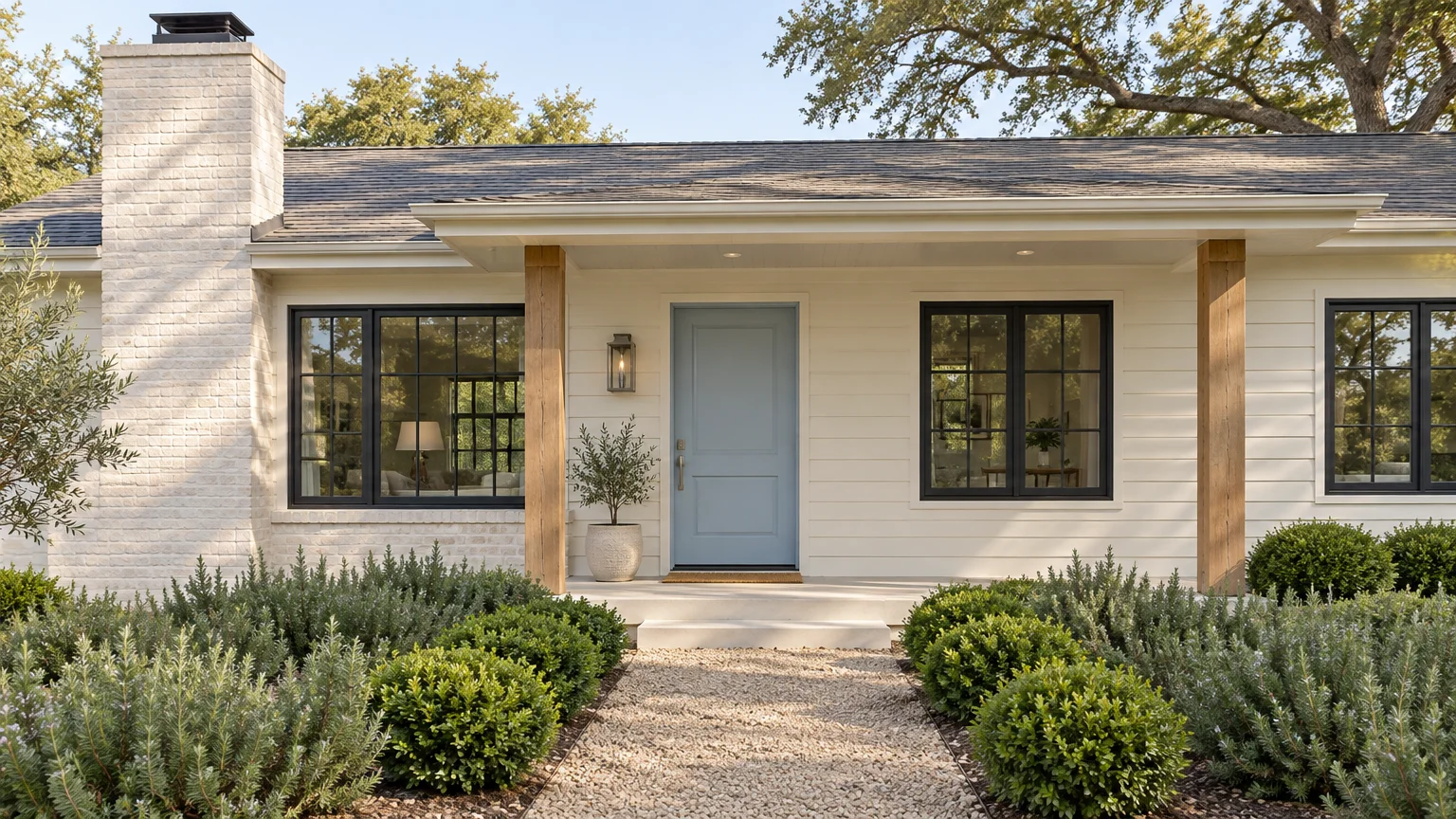
Stark, clinical whites often wash out the wide expanses of single-story facades. In contrast, warm alabaster infuses sprawling elevations with nuanced depth and welcoming luminosity.
This tailored shade reflects sunlight gracefully without producing harsh glare across long eaves. It serves as an architectural blank canvas, allowing lush landscaping and dark window mullions to pop.
When designing a custom-looking ranch home, pair creamy chalk siding with white oak porch posts. Natural wood accents prevent the pale exterior from feeling flat against wide neighborhood streetscapes.
Consider your home’s orientation before committing to a specific undertone. South-facing light amplifies warm pigments, while north-facing light can pull cooler shadows out of neutral paints.
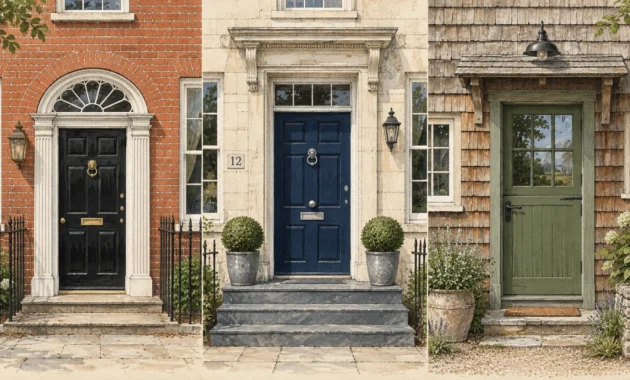
According to Zillow research, off-white exteriors paired with a soft light-blue front door can command a substantial $5,023 offer premium. This refined pairing balances classic curb appeal with a modern, design-forward sensibility.
You can introduce textural warmth by applying limewash or chalky paint to exterior brick fireplaces. This subtle technique creates an artisanal, handcrafted appearance that elevates standard suburban masonry.
Specify satin finishes on siding to gently diffuse daylight across broad lap boards. Use a durable semi-gloss on architectural trim to create subtle, multi-dimensional texture.
Trend #2: Organic Olive and Muted Moss
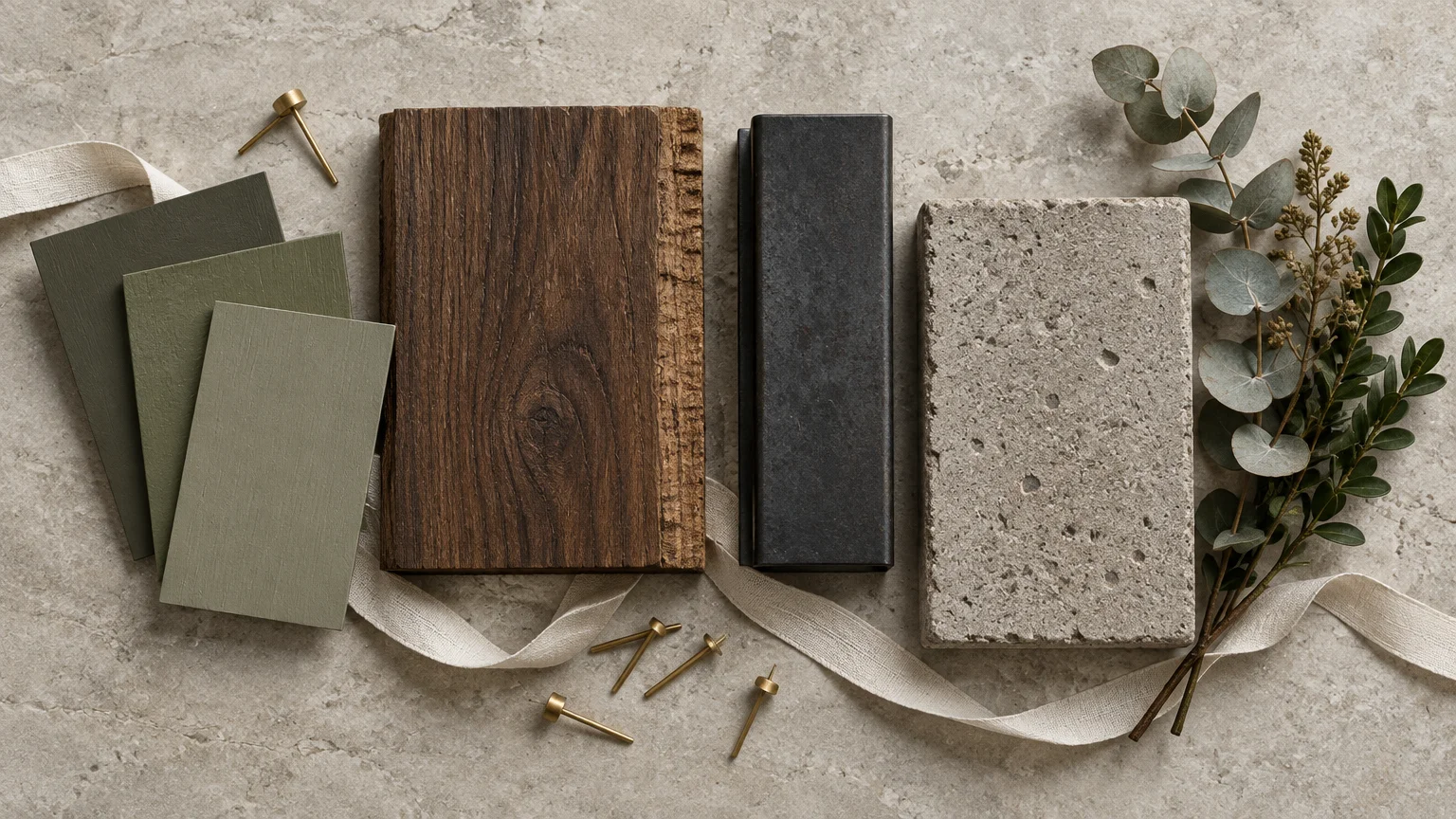
Biophilic architecture seeks harmony between built environments and the natural world. Muted olive hues anchor ranch homes deeply into their surrounding topography.
Because ranches sit close to the earth, earthy green siding creates a seamless dialogue with mature foundation shrubs. It softens sprawling elevations, turning boxy volumes into serene woodland retreats.
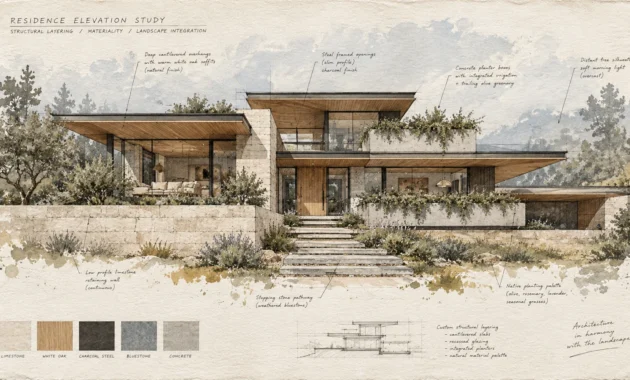
Complement deep moss siding with matte charcoal fascia and rich walnut accents. This juxtaposition delivers an organic modernism aesthetic that feels curated rather than builder-basic.
Earth-derived greens bridge the gap between mid-century heritage and 21st-century luxury. They honor atomic-era architectural roots while avoiding dated 1970s avocado cliches through subtle, desaturated undertones.
For homeowners seeking distinctive exterior paint ideas, muted green provides remarkable longevity. It weathers changing seasonal light with sophisticated subtlety, avoiding trendy fatigue.
Pair mossy siding with architectural concrete pavers and black iron planters along the front walk. This material interplay introduces a crisp urban edge to an otherwise pastoral palette.
Ensure your selected green carries a heavy slate or gray undertone. Desaturated pigments prevent your facade from reading neon under intense midday sun.
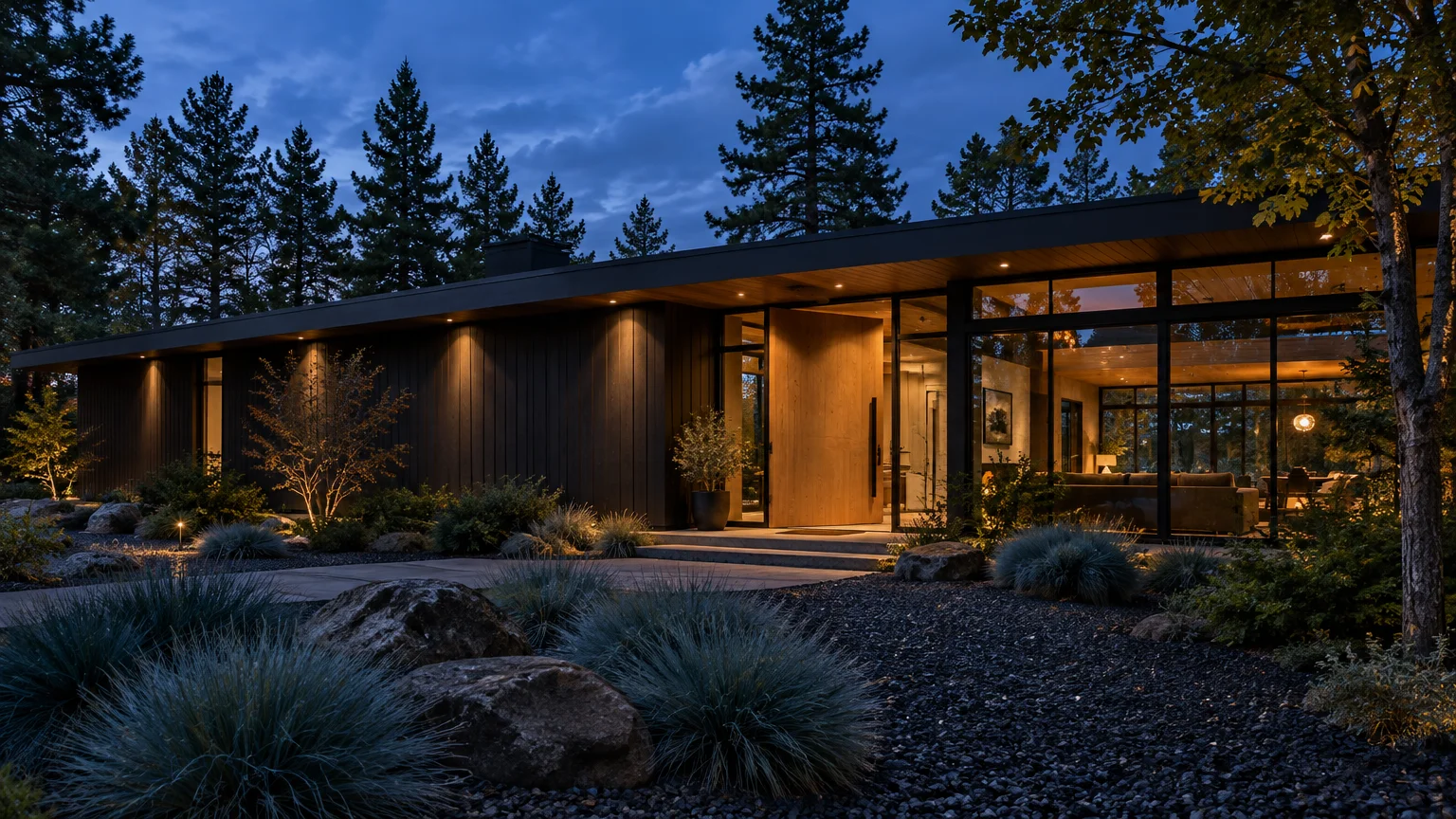
Trend #3: Deep Iron Ore and Charcoal Slate
Dark, saturated exteriors represent a powerful shift toward quiet luxury in contemporary residential design. Enveloping a single-story home in deep iron ore delivers sudden, striking drama.
Dark charcoal tones visually recede, emphasizing the crisp horizontal lines that define classic mid-century architecture. They transform humble board-and-batten into an edgy, museum-quality finish.
Contrast is essential when executing saturated palettes on wide ranch silhouettes. Pair charcoal cladding with warm cedar eaves and black bronze exterior light fixtures to introduce critical warmth.
Monochromatic charcoal styling also minimizes disjointed exterior add-ons like utility meters or mismatched gutters. By painting these elements into the background, the house presents a tailored, unified presence.
Real estate data indicates that homes featuring charcoal gray accents on exterior brick secure an average $3,753 sales premium. It instantly modernizes dated red or orange masonry without requiring structural alterations.
Frame broad picture windows in matching black trim to create seamless glass transitions. This modern glazing technique draws the eye across your facade, accentuating expansive horizontal proportions.
Always test dark swatches on multiple exposures across daylight hours. Saturated pigments capture intense heat, so select premium exterior acrylic formulations engineered for heat resistance.
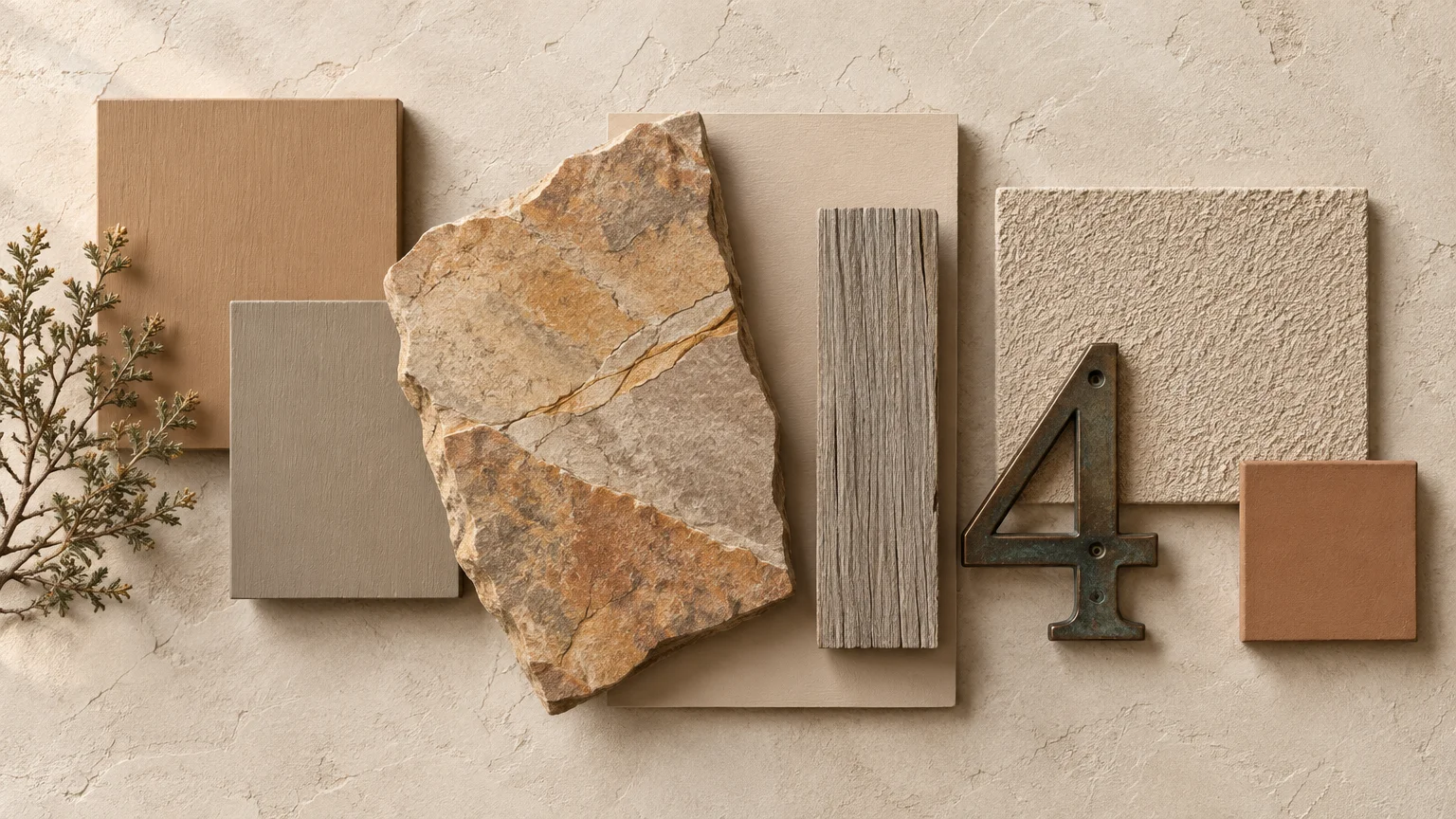
Trend #4: Earthen Greige and Desert Sand
Earthen greige bridges the gap between traditional beige and contemporary gray. This versatile neutral gives horizontal siding an understated, tailored presence.
Zillow market analysis reveals that neutral, earth-toned siding sells for approximately $3,496 more than dated, flat tans. The right neutral creates an inviting, upscale aura that buyers immediately recognize.
Greige harmonizes effortlessly with varied masonry materials, including flagstone and split-face brick. It establishes visual cohesion across mixed-material elevations that frequently challenge ranch renovations.
On elongated ranch homes, greige avoids the clinical chill of stark cool grays. Its subtle warmth grounds the architecture into expansive lawns, creating an effortlessly balanced street presence.
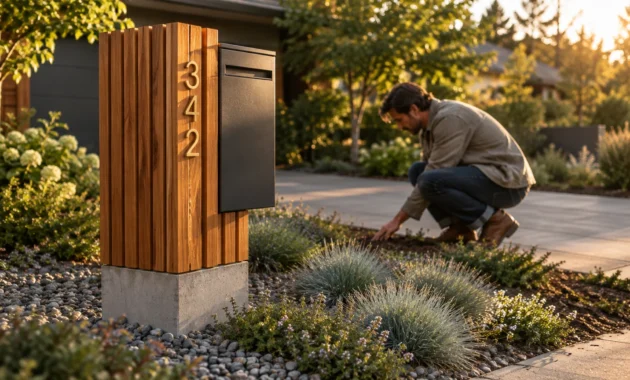
Integrate brushed brass house numbers and warm copper sconces against greige siding. These reflective metallic moments prevent the neutral body color from appearing flat or uninspired.
Complete this balanced palette with creamy warm trim and dark bronze hardware. The resulting exterior radiates quiet confidence while maintaining neighborhood harmony.
Opt for a greige with gentle umber undertones to avoid cold, concrete-like reflections. This ensures your facade remains warm even under overcast winter skies.
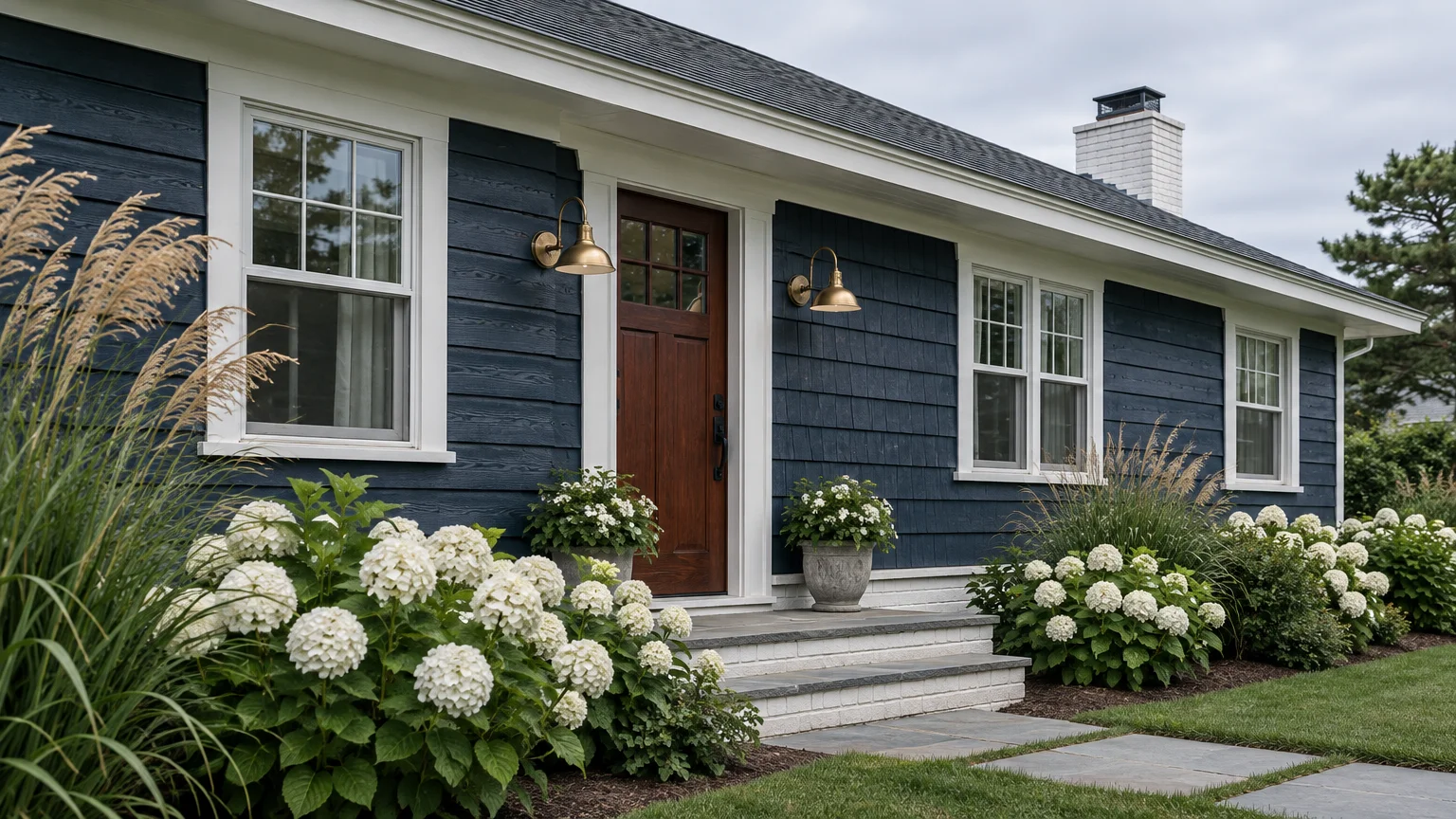
Trend #5: Weathered Navy and Midnight Indigo
Weathered navy delivers aristocratic refinement without the starkness of pure black. Its nautical depth offers a fresh perspective on mid-century ranch house paint colors.
On broad ranch elevations, deep indigo grounds elongated forms, imparting tailored substance. It provides an exquisite backdrop for bright brass lanterns and manicured botanical plantings.
Balance the weight of dark blue siding with crisp off-white eaves and fascia. This high-contrast detailing draws the eye upward, celebrating the roofline’s clean geometry.
In coastal regions or wooded acreage, indigo captures ambient light with magnetic allure. It transitions from a rich royal twilight tone to an understated slate gray at noon.
For an unexpected design moment, introduce a natural mahogany entry door. The rich reddish-brown wood grain cuts through indigo siding with undeniable bespoke elegance.
Complement this deep shade with light flagstone walkways and silvery-blue landscape plantings like blue fescue. These soft textures balance the saturated facade, producing captivating curb appeal.
Keep in mind that deep blues require top-tier UV-resistant coatings to prevent premature fading. Invest in advanced resins that withstand relentless afternoon solar exposure.
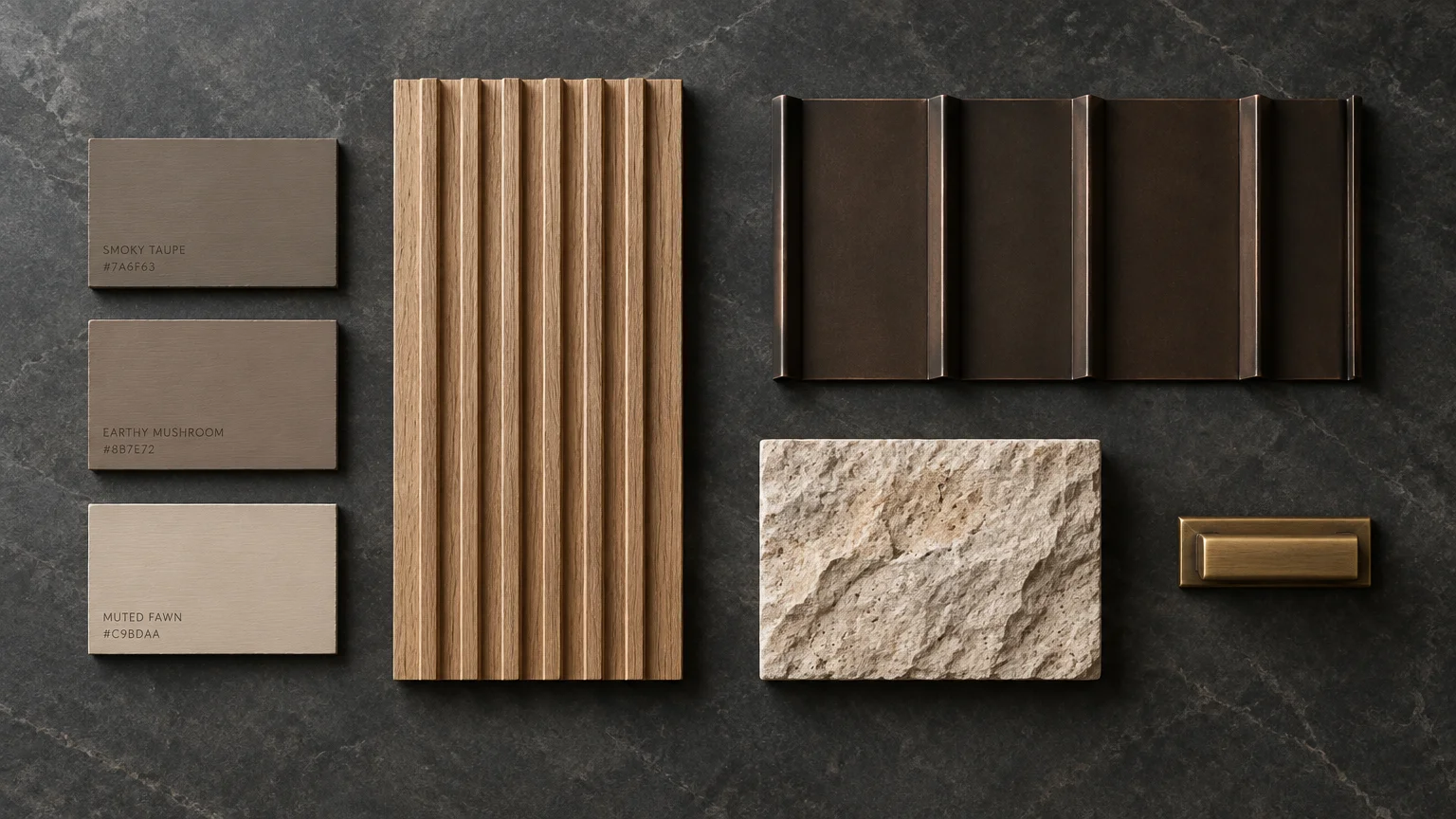
Trend #6: Smoky Taupe and Mushroom
Mushroom and smoky taupe introduce tactile, earthy warmth that reflects European architectural sensibilities. These nuanced tones represent a sophisticated departure from clinical modernism.
Taupe siding highlights architectural provenance, effortlessly flattering natural fieldstone accents and vintage chimney brickwork. It wraps your ranch home in quiet luxury that feels both historical and modern.
Layer this neutral exterior with tone-on-tone trim in slightly lighter or darker taupe variations. A monochromatic palette streamlines exterior clutter, making sprawling ranches appear cohesive and statuesque.
This understated hue also elevates contemporary additions, such as modern horizontal fencing or pergola-covered patios. It unites original mid-century elements with fresh outdoor living spaces seamlessly.
Incorporate modern textured elements, such as fluted composite panels or reeded glass entryways. These architectural details capture shifting shadows, adding depth to muted taupe surfaces.
Pair taupe clapboards with blackened iron gutters and downspouts. These dark linear accents outline your home like crisp pencil sketches, reinforcing horizontal architecture.
Select taupe formulations with minimal violet undertones. Test large sample boards along both shaded north walls and sunlit southern elevations before committing.
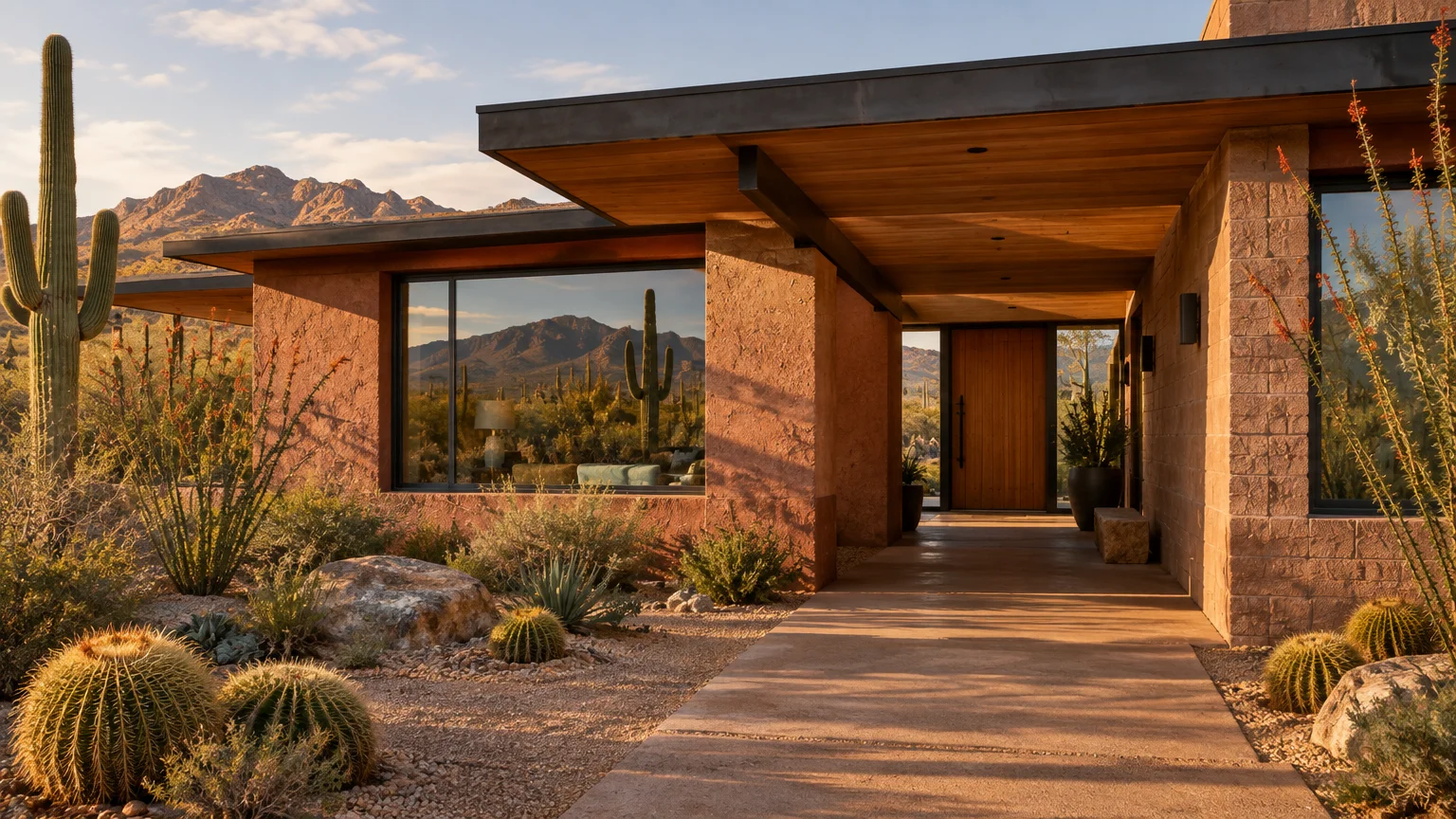
Trend #7: Terracotta and Sun-Baked Ochre
Terracotta captures the romantic, sun-drenched spirit of desert ranches and Mediterranean estates. This rich earthen hue imbues single-story architecture with vibrant warmth and soulful character.
Sun-baked ochre tones flatter stucco and horizontal lap siding alike. They create a luminous glow during golden hour, accentuating low roof profiles against open skies.
Temper the vibrancy of terracotta with rich espresso trim or oxidized copper fixtures. This pairing anchors the energetic body color, lending an artisanal, historic patina.
In arid climates, warm terracotta mimics indigenous soil, making the home feel naturally carved from the landscape. It harmonizes with drought-tolerant landscaping like agave and native cacti.
Enhance ranch home curb appeal by pairing ochre facades with olive trees, ornamental grasses, and limestone pavers. This landscape synergy completes a high-end, resort-inspired aesthetic.
Integrate handcrafted ceramic house tiles and raw timber trellis elements near your front entry. These tactile materials enhance terracotta’s rustic elegance without feeling theatrical.
Choose chalky, flat matte finishes for clay-inspired tones. High-sheen paints undermine terracotta’s organic, mineral identity by creating artificial glare.
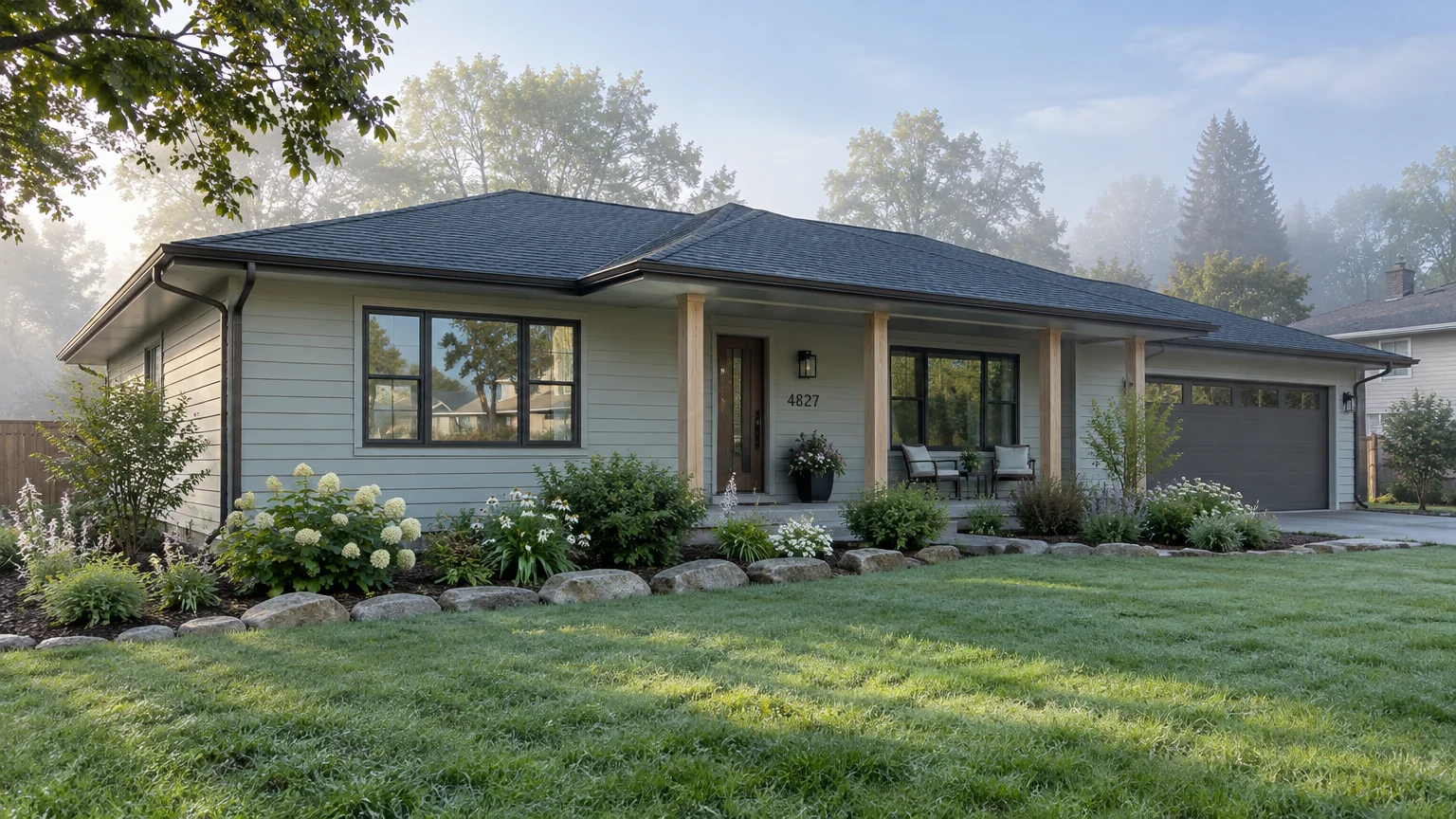
Trend #8: Pale Pewter and Silvery Sage
Pale pewter infused with whispers of sage captures light beautifully across wide elevations. This ethereal hue updates mid-century ranches with luminous, modern sophistication.
The faint green-gray undertones evoke quiet coastal landscapes and misty mornings. It visually expands compact ranches, lending horizontal layouts a lighter, airy presence.
Pair silvery sage siding with charcoal window casings and bleached teak outdoor furniture. This dynamic combination bridges cool minimalism and warm organic textures seamlessly.
Silvery sage acts as a chameleon color, subtly adapting to changing ambient weather. It appears cool and crisp under morning fog, yet radiates warm softness under bright afternoon sun.
The National Association of Realtors reports that exterior painting earns an impressive Joy Score of 8.8 out of 10. Homeowners consistently express immense satisfaction with gentle, uplifting color transformations.
Accent your entry with a natural slate porch floor and charcoal modern planters. These darker foundational elements anchor the airy pewter walls, creating balanced visual weight.
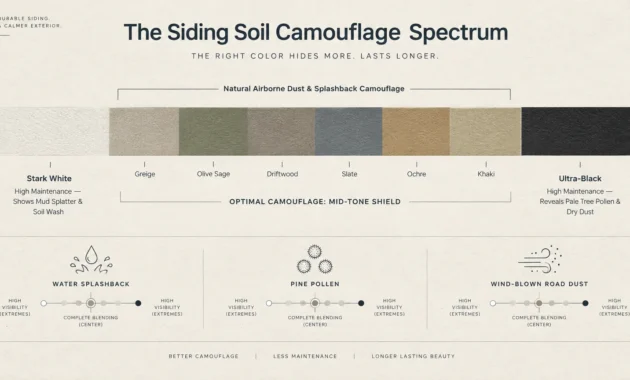
Silvery neutrals disguise dust and airborne pollen exceptionally well. They provide low-maintenance curb appeal that looks freshly detailed through every season.
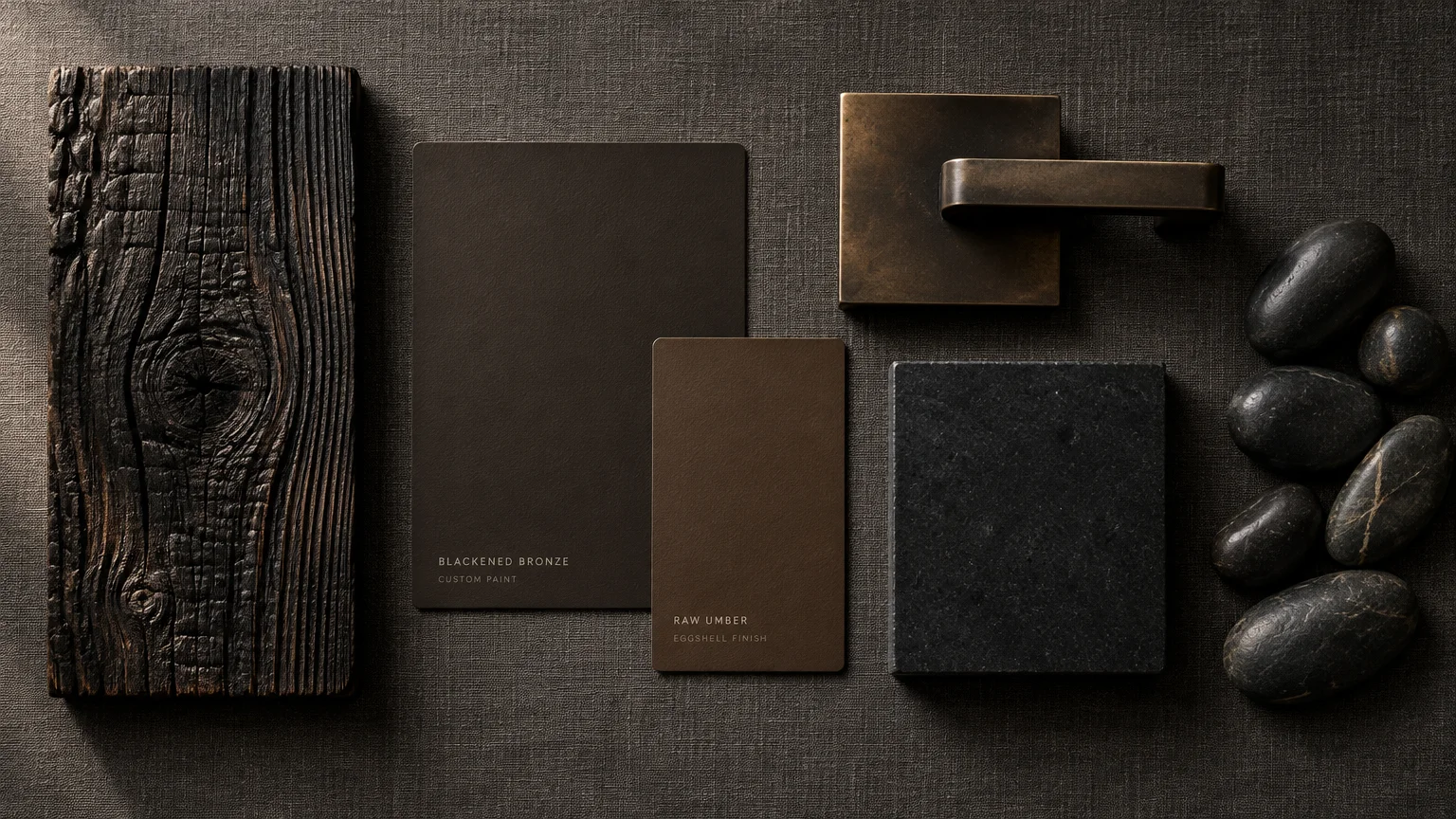
Trend #9: Blackened Bronze and Raw Umber
Blackened bronze offers a softer, more organic alternative to true black siding. Enriched with deep brown undertones, it evokes the patinated beauty of aged metal and volcanic stone.
This dramatic hue frames horizontal picture windows brilliantly, blurring the boundary between indoors and outdoors. It gives modest suburban ranches the commanding presence of an architect-designed retreat.
Accent raw umber cladding with honey-toned cedar soffits and exposed structural steel beams. The resulting textural contrast celebrates the raw, honest beauty of modern craftsmanship.
When applied to brick or vertical siding, blackened bronze minimizes visual clutter and creates monolithic elegance. It brings modern gravitas to otherwise plain mid-century facades.
Ensure your entry receives ample artificial illumination when selecting dark, monolithic tones. Strategic architectural up-lighting showcases siding texture while maintaining an inviting evening entrance.
Incorporate oversized river rock and Corten steel garden edging along the foundation. These rich, earthy textures echo the dark bronze body color, creating an immersive landscape design.
Avoid glossy sheens that call attention to substrate imperfections. A velvety low-luster finish absorbs light gracefully, accentuating the color’s bespoke, velvety depth.
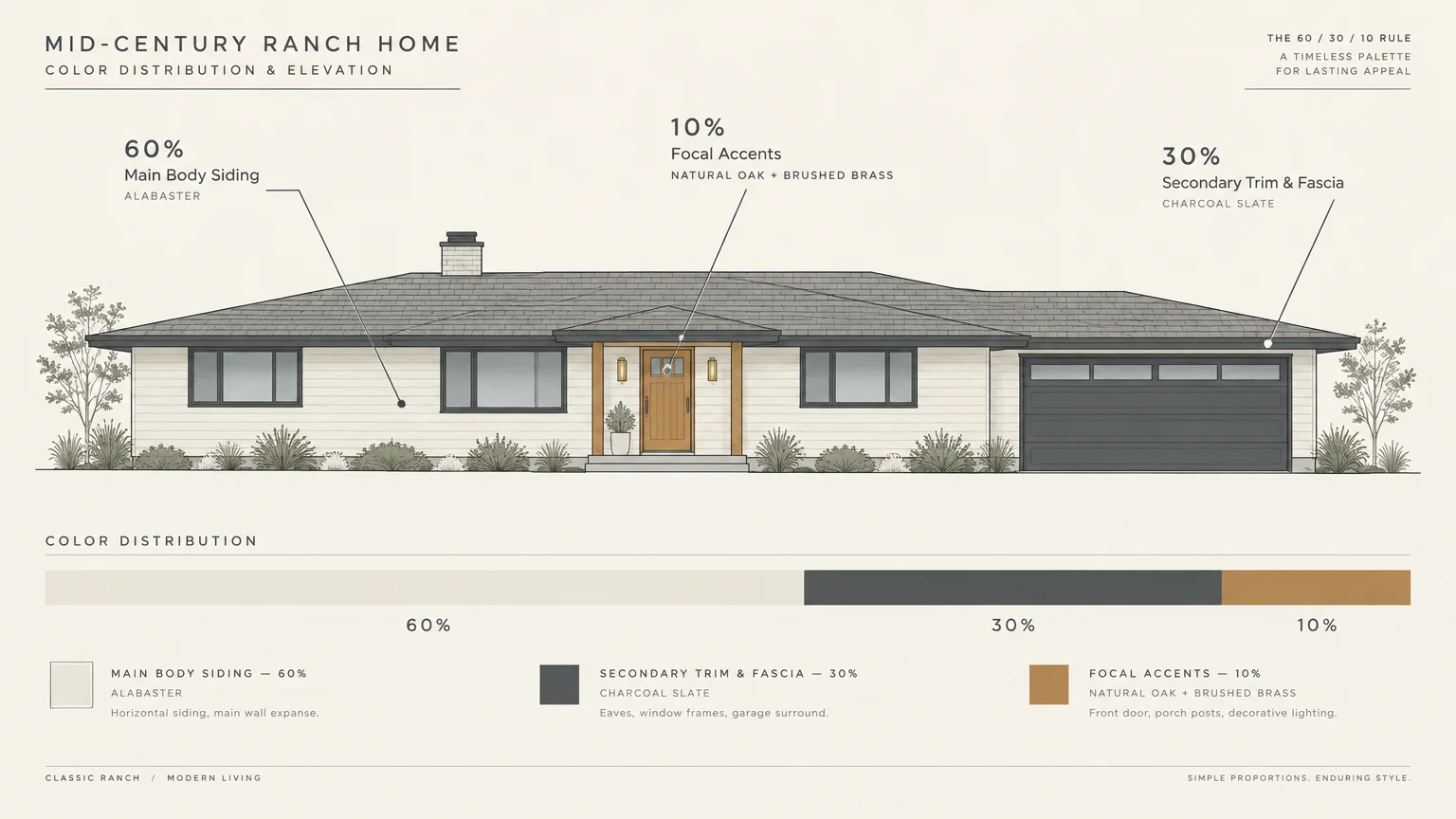
The Big Picture: Weaving These Trends into Your Home
Reimagining your ranch exterior requires balancing historical architecture with forward-looking personal style. Focus on the complete composition rather than treating siding color in isolation.
According to the National Association of Realtors, 50% of agents recommend painting exteriors before listing. It represents the single most impactful cosmetic improvement you can make.
Furthermore, 97% of real estate professionals confirm that curb appeal is critical for attracting serious buyers. Thoughtful palettes protect your property value and elevate neighborhood design standards.
Poorly matched palettes can severely penalize your investment. Zillow data indicates that unappealing exterior color choices can reduce buyer offers by as much as $6,738.
Budgeting is surprisingly manageable for single-story ranches. Professional exterior painting averages $3,178 nationally, typically ranging from $1,819 to $4,551, or $1.50 to $4.00 per square foot.
Because ranch homes lack second stories, you avoid the standard 50% height surcharge required for complex scaffolding. Ambitious homeowners tackling DIY execution can expect material costs between $400 and $1,200.
Check regulatory requirements before starting your renovation. If your ranch was built before 1978, the EPA Lead RRP Rule mandates lead-safe containment during scraping and sanding.
Working with an EPA-certified contractor ensures compliance and prevents hazardous lead dust dispersal around your property. Proper containment protects your household and prevents severe regulatory penalties.
Additionally, review your Homeowners Association covenants and Architectural Review Committee rules. Securing ARC approval prevents costly fines and the frustration of mandatory repainting.
For the latest color forecasts, consult industry leaders like Pantone and paint companies like Benjamin Moore. For professional design standards, refer to the American Society of Interior Designers (ASID).
Disclaimer: This article reflects design trend analysis and predictions. Personal taste and timeless design principles should always guide your decorating choices.
Frequently Asked Questions
How do I choose the best exterior paint sheen for ranch siding?
Satin or low-luster eggshell finishes work best on horizontal siding because they resist dirt while minimizing surface flaws.
Reserve semi-gloss finishes exclusively for front doors, architectural shutters, and window trim to provide elegant visual depth.
Flat or matte finishes look stunning on masonry and stucco, though they require more frequent gentle washing.
Can dark exterior colors make a low-slung ranch look smaller?
Counterintuitively, dark tones often make ranch homes appear larger by allowing low rooflines to merge with the landscape.
The deep silhouette creates an expansive horizontal sweep, especially when paired with high-contrast window frames and illuminated entryways.
Light roof overhangs and warm timber accents maintain vertical dimension while keeping the facade feeling open and welcoming.
How can I modernize ranch brick without painting every surface?
Apply a German schmear, mineral silicate wash, or limewash to soften abrasive masonry while preserving its natural breathability.
Alternatively, paint the adjacent siding a grounding charcoal or warm greige to complement existing brick undertones seamlessly.
Highlighting original masonry alongside updated siding honors mid-century character while imparting a bespoke architectural aesthetic.
What front door color pairs best with neutral ranch siding?
Zillow data shows that pairing off-white siding with a soft blue door yields an average $5,023 sales premium.
For warmer taupes or greens, rich natural wood stains or charcoal gray accents deliver effortless designer prestige.
Choose an accent shade that contrasts with your siding while harmonizing with surrounding exterior materials.