Frequently Asked Questions
How do I choose between a traditional frame gallery wall and a dimensional wall arrangement?
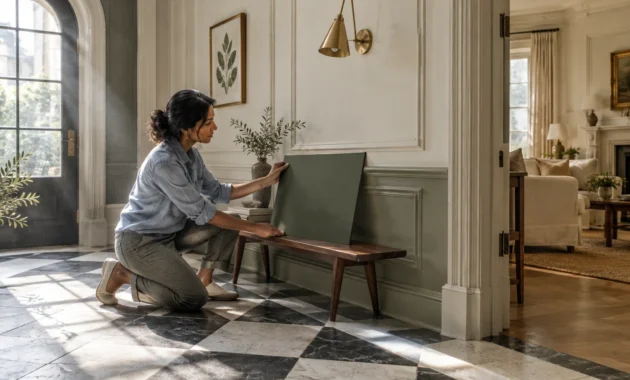
Consider the scale, lighting, and existing architectural features of your room. Traditional flat frame galleries work best in tight passageways, narrow staircases, or behind doors where protruding physical objects might obstruct physical movement. Dimensional wall combinations—such as floating ceramic ledges, metal reliefs, or fluted panels—shine in open-concept living rooms, grand entryways, and dining spaces where directional lighting can cast beautiful shadows and accentuate physical depth.
Will dimensional wall installations make a small living space feel cramped?
When you scale objects accurately, dimensional wall decor actually makes compact rooms feel larger by drawing the eye upward and creating rich spatial depth. Mirrors paired with textured plaster or floating glass ledges reflect ambient light and create an open visual illusion. Limit your composition to two or three carefully selected dimensional pieces with slender profiles rather than overcrowding small walls with bulky, heavy items.
How do I clean and maintain textured and three-dimensional wall objects?
Maintaining three-dimensional wall arrangements requires gentle, non-abrasive cleaning methods tailored to specific materials. Use a soft, static-charging microfiber duster or an extendable ostrich feather duster weekly to clear dust from ceramic urns, metal reliefs, and carved plaster tiles. For delicate preserved moss walls or woven tapestries, use a vacuum cleaner fitted with a soft brush attachment set on low suction to lift settled dust without damaging organic fibers.
What type of lighting works best for highlighting three-dimensional wall decor?
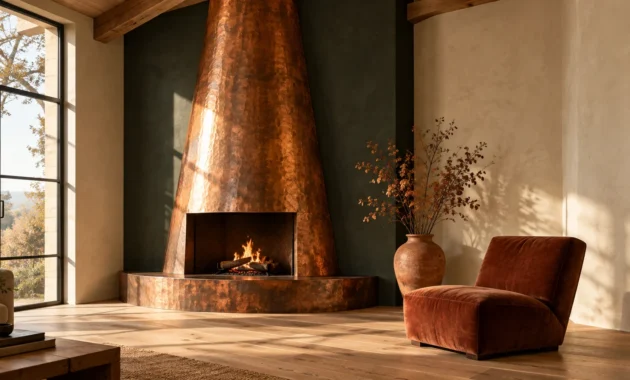
Directional accent lighting works best for revealing the contours, highlights, and shadows of dimensional wall art. Install dimmable ceiling recessed spotlights, slim brass picture lights, or adjustable wall sconces equipped with warm LED bulbs rated between 2700K and 3000K. Angle the light beams at 30 degrees toward your wall installation to produce soft downward shadows without creating harsh glare across glossy glazes or glass surfaces.
Disclaimer: This article reflects design trend analysis and predictions. Personal taste and timeless design principles should always guide your decorating choices.