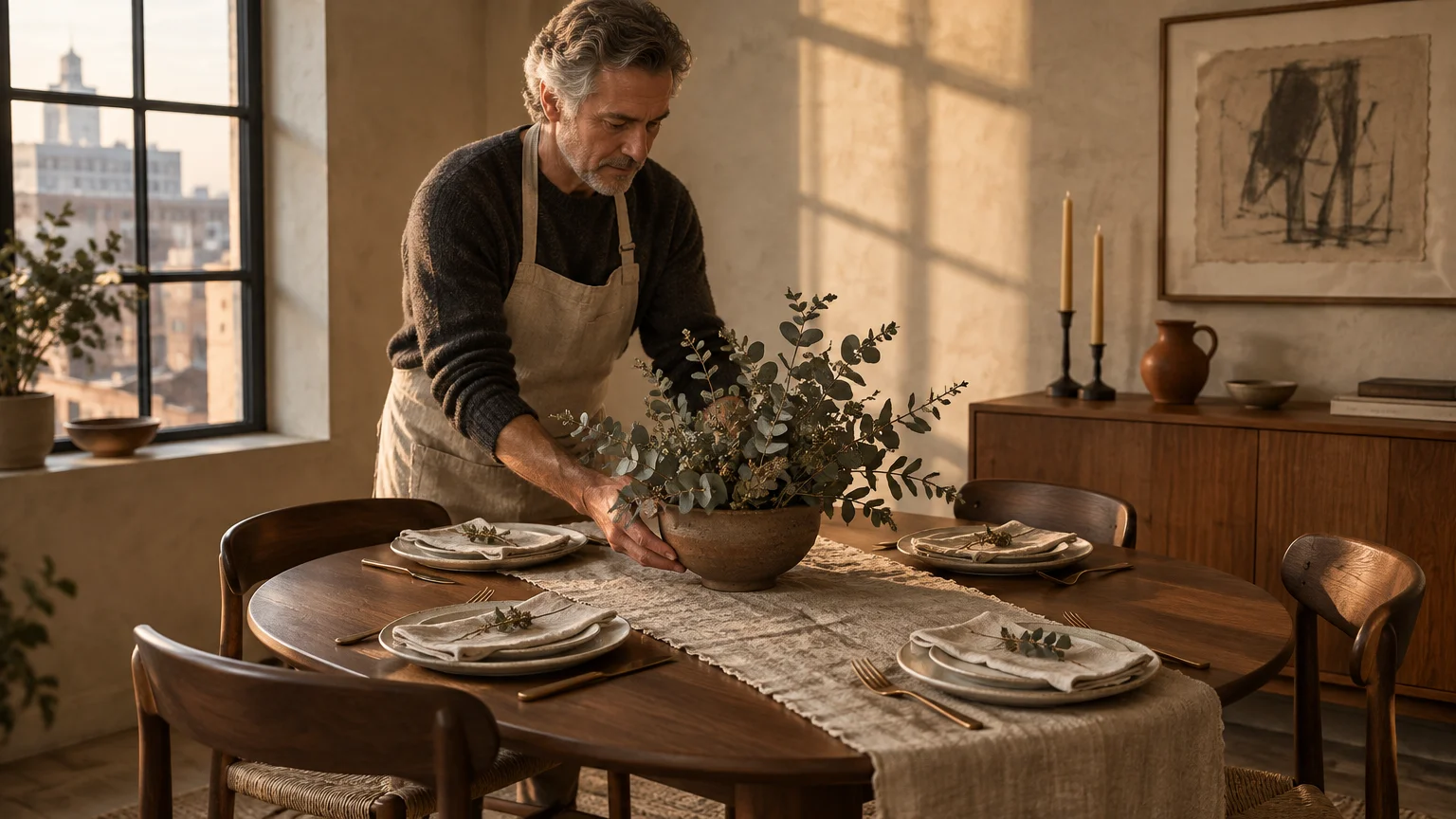
Intimate square footage never limits sophisticated holiday entertaining. You can transform your compact residence into a layered, welcoming autumnal retreat by embracing strategic design disciplines and intentional styling.
Curating effective small apartment thanksgiving decor demands a deliberate pivot away from oversized centerpieces toward architectural proportions. Thoughtful verticality and tactile textures instantly elevate your gathering without encroaching on vital dining surface area.
When apartment hosting thanksgiving becomes your seasonal focus, editing your aesthetic becomes your greatest superpower. These seven contemporary concepts balance spatial efficiency with refined warmth, proving that restrained proportions yield the most memorable celebrations.
Trend #1: Vertical Biophilic Installations
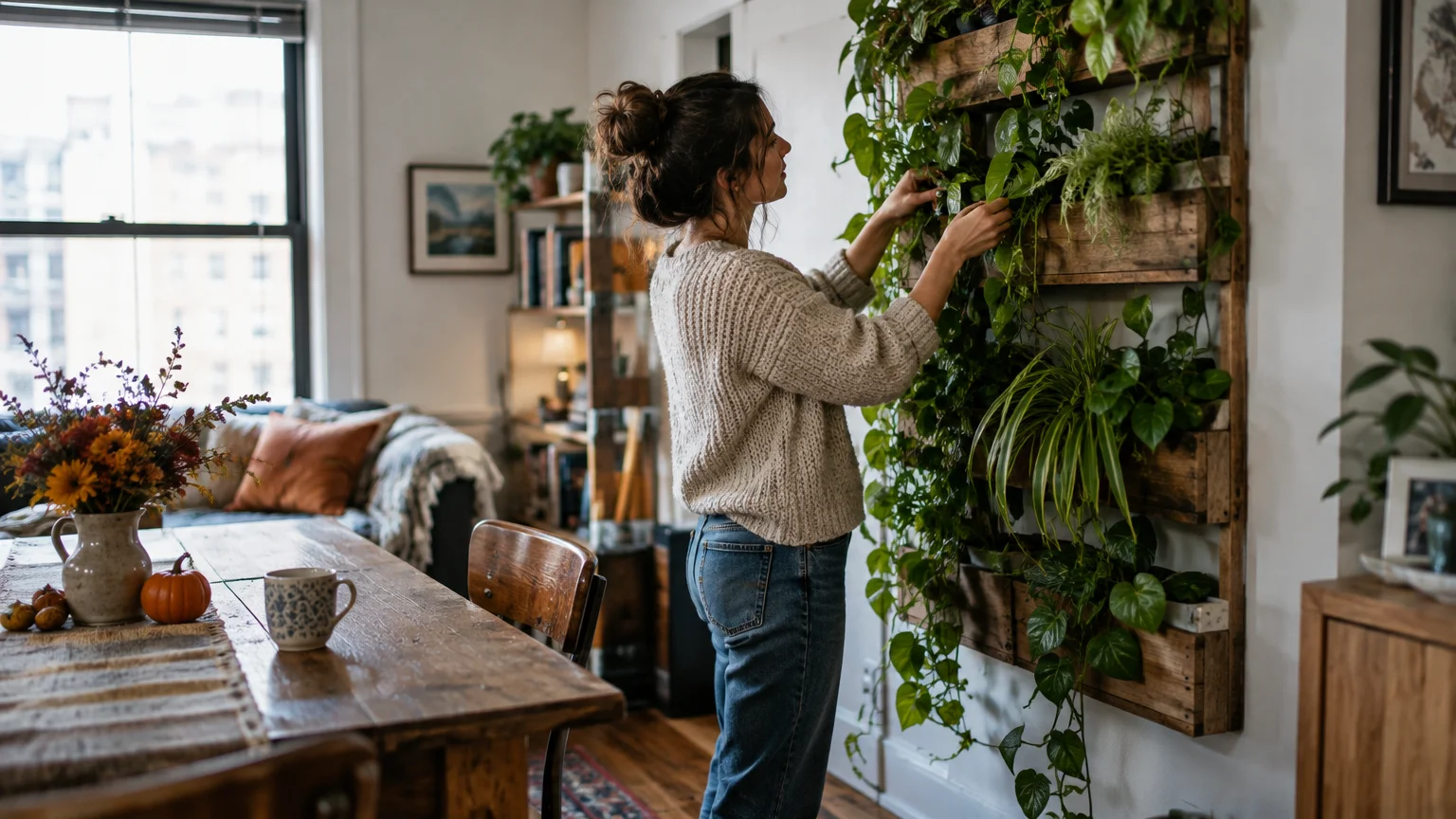
Biophilic design flourishes when you shift decorative focus from crowded surfaces to unencumbered air space above your dining table. Floating botanical installations draw the eye upward, immediately expanding the perceived volume of your dining corner.
Secure a slender birch branch or suspended brass rod above your seating zone using damage-free architectural anchors. Weave preserved magnolia foliage, dried seeded eucalyptus, and trailing amaranth across the suspension point for dynamic texture.
This aerial approach solves the classic dilemma of the thanksgiving table small space by liberating every square inch of tabletop real estate. Your guests enjoy uninterrupted sightlines across the table while marveling at an organic canopy overhead.
Ground the botanical palette in desaturated moss tones, dried umber, and parchment beige to maintain an organic, sophisticated environment. Avoid synthetic autumnal garlands that introduce visual noise and cheapen your overarching design narrative.
The underlying cultural shift reflects our collective desire for genuine natural immersion inside urban envelopes. By prioritizing vertical foliage, you introduce sculptural drama without sacrificing a single serving platter during dinner service.
Incorporate micro-pin lights with warm copper wiring into the suspended foliage to craft an ethereal evening glow. This delicate illumination eliminates harsh overhead shadows, bathing your compact gathering in flattering, museum-grade radiance.
Treat the installation as living art that remains captivating from arrival through late-night conversation. When square footage remains finite, airborne greenery delivers maximum aesthetic resonance with zero spatial footprint.
Position the installation at least thirty inches above the tabletop so it frames rather than crowds your guests. This precise clearance ensures safety, clear ambient sightlines, and effortless social interaction throughout the entire evening.
Trend #2: Monochromatic Quiet Luxury Tablescapes
Restraint defines modern holiday refinement. Embracing a monochromatic scheme establishes an uncluttered atmosphere that makes compact living quarters feel remarkably tranquil and visually expansive.
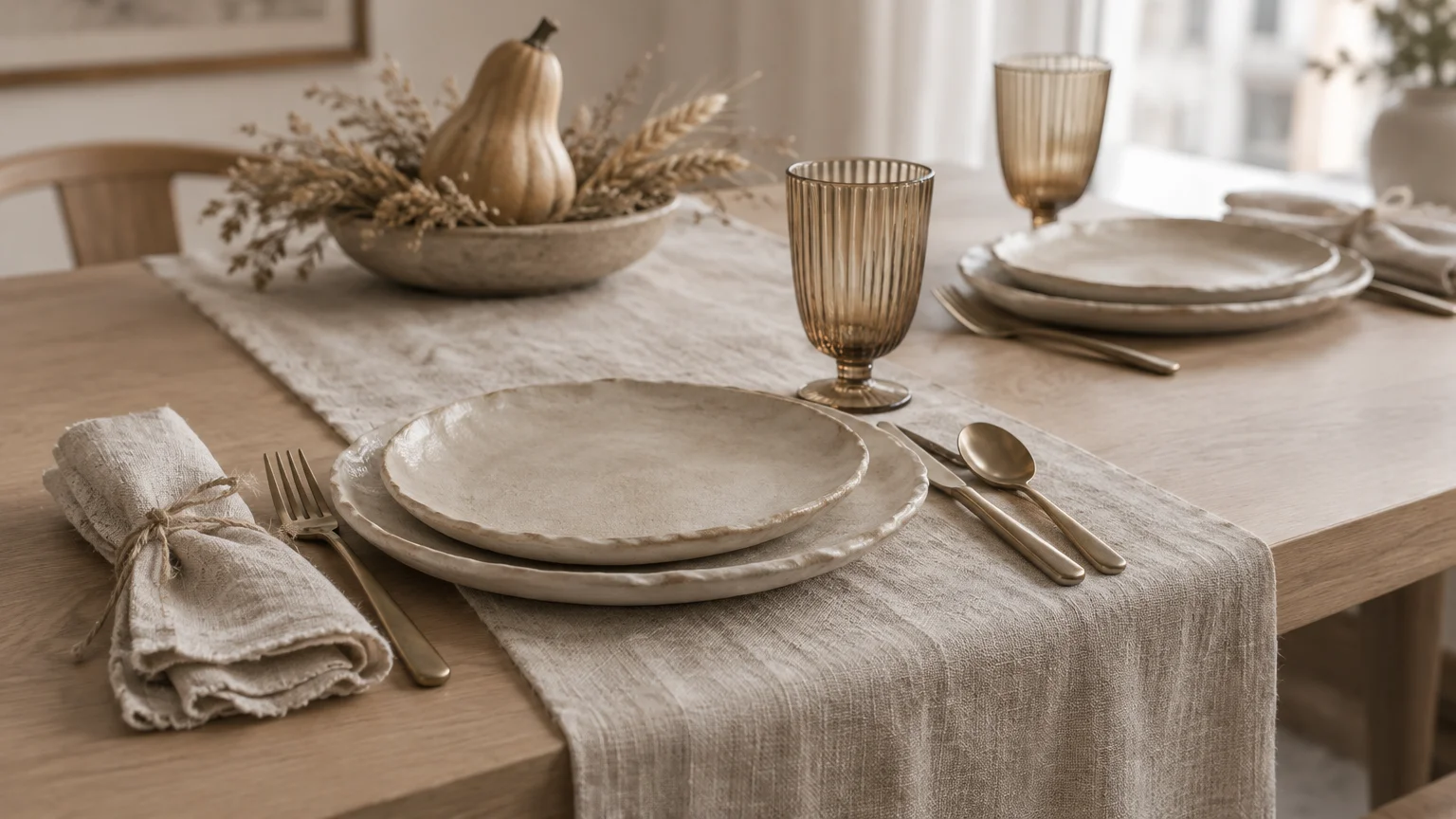
Replace garish holiday motifs with subtle tonal variations of oat, ecru, and warm camel. Layering slightly differing shades of identical hues creates visual depth without overwhelming small space holiday decor.
Select unbleached Belgian linen runners that drape gracefully down table edges rather than wide placemats that collide. This continuous visual line elongates your tabletop, directing the eye outward and establishing an illusion of architectural length.
Complement these soft textile foundations with unglazed ceramic plates possessing subtle organic imperfections. The juxtaposition of matte bisqueware against woven flax introduces quiet luxury through tactile intimacy rather than ostentatious pattern.
For flatware, choose brushed champagne bronze or matte black steel to ground your neutral composition with contemporary weight. Highly polished metals often produce distracting reflections under close dining proximity in modest apartments.
Modern homeowners increasingly gravitate toward this minimalist aesthetic to counteract the chaotic visual stimulation of city life. A tone-on-tone sanctuary invites guests to unwind, focus on genuine dialogue, and savor culinary craftsmanship.
Fold linen napkins into crisp architectural rectangles and secure each with a simple strand of raw hemp twine. This disciplined, sculptural simplicity underscores an elevated dining experience that celebrates intentional restraint over seasonal excess.
Keep glassware uniform by choosing thin-rimmed crystal stems that catch soft light without adding physical heaviness. Simplicity in form allows your curated table to feel spacious, serene, and exquisitely curated.
Trend #3: Multi-Functional Modular Entertaining Zones
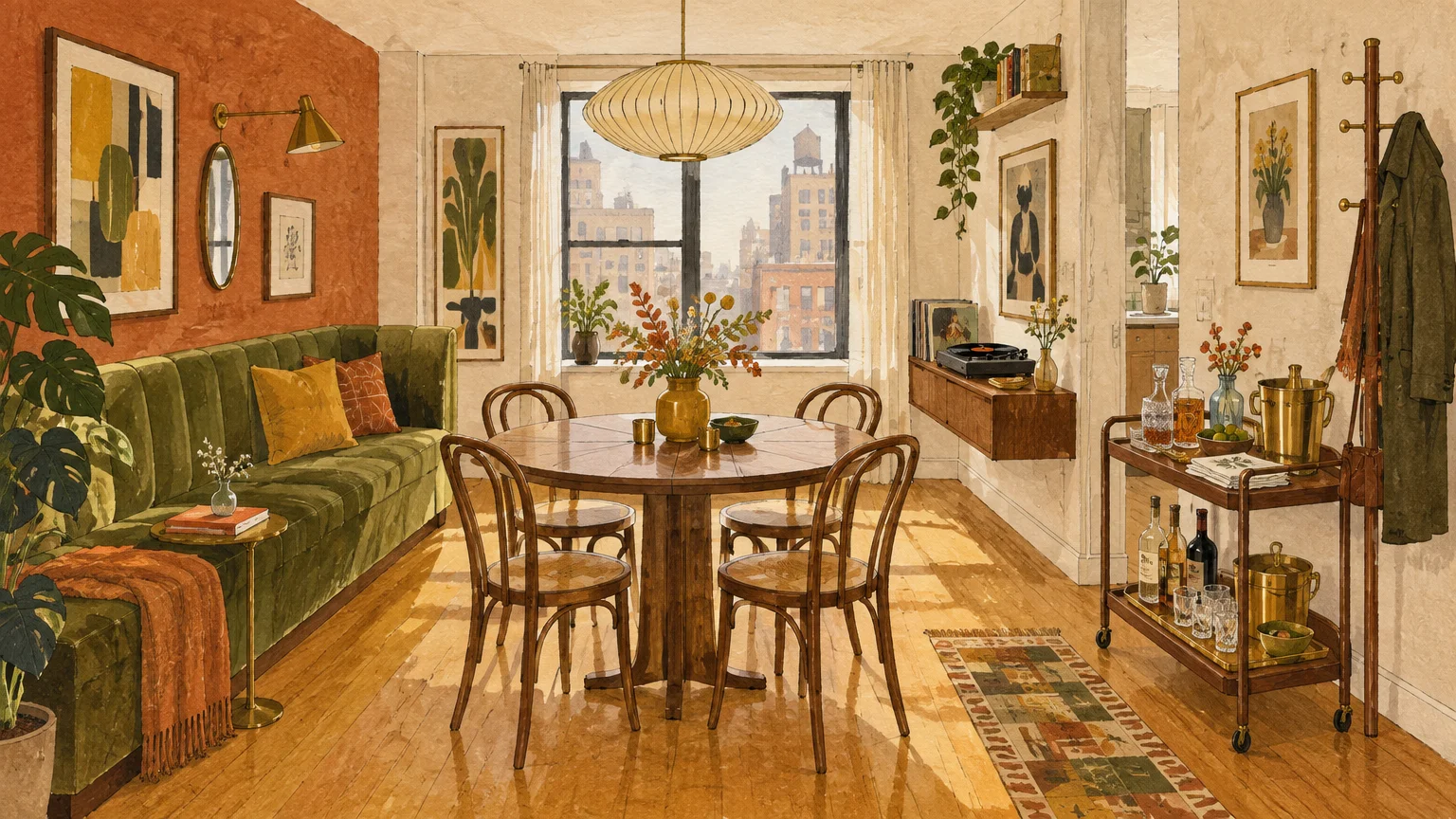
Traditional dining rooms remain a rare luxury in urban environments, prompting designers to reimagine how furniture operates during festivities. Forward-thinking thanksgiving decorating ideas pivot toward flexible pieces that adapt effortlessly as your celebration unfolds.
Transform your daily console table into a sophisticated standalone bar and appetizer station against an accent wall. Separating libations from the primary dining table prevents logistical bottlenecks and encourages gracious, fluid circulation through your living area.
Deploy nesting side tables around comfortable accent chairs to create secondary conversation lounges for overflow seating. These versatile surfaces provide guests with dedicated perches for cocktail glasses without monopolizing precious floor space.
Integrate upholstered storage ottomans that serve triple duty as footrests, cocktail tables, and plush guest seating. Choose stain-resistant bouclé or ribbed velvet upholstery to maintain high aesthetic standards while meeting rigorous functional demands.
This strategic zoning mirrors the hospitality design philosophy seen in boutique metropolitan hotels. Dividing your apartment into distinct sensory micro-environments makes a compact interior feel intentionally curated rather than spatially constrained.
Remove everyday clutter completely by stowing daily electronics and paperwork inside hidden storage credenzas before guests arrive. Streamlining your spatial envelope ensures every square foot contributes directly to hospitality and effortless social flow.
When dinner concludes, transition the console from an appetizer station into an ambient digestif and dessert presentation bar. Dynamic mobility allows your small apartment to accommodate multifaceted hosting traditions with seamless elegance.
Position lightweight stools beneath floating wall shelves so they remain completely out of footpaths until extra seating is required. Clever nesting habits ensure your home feels generous and hospitable rather than cramped and chaotic.
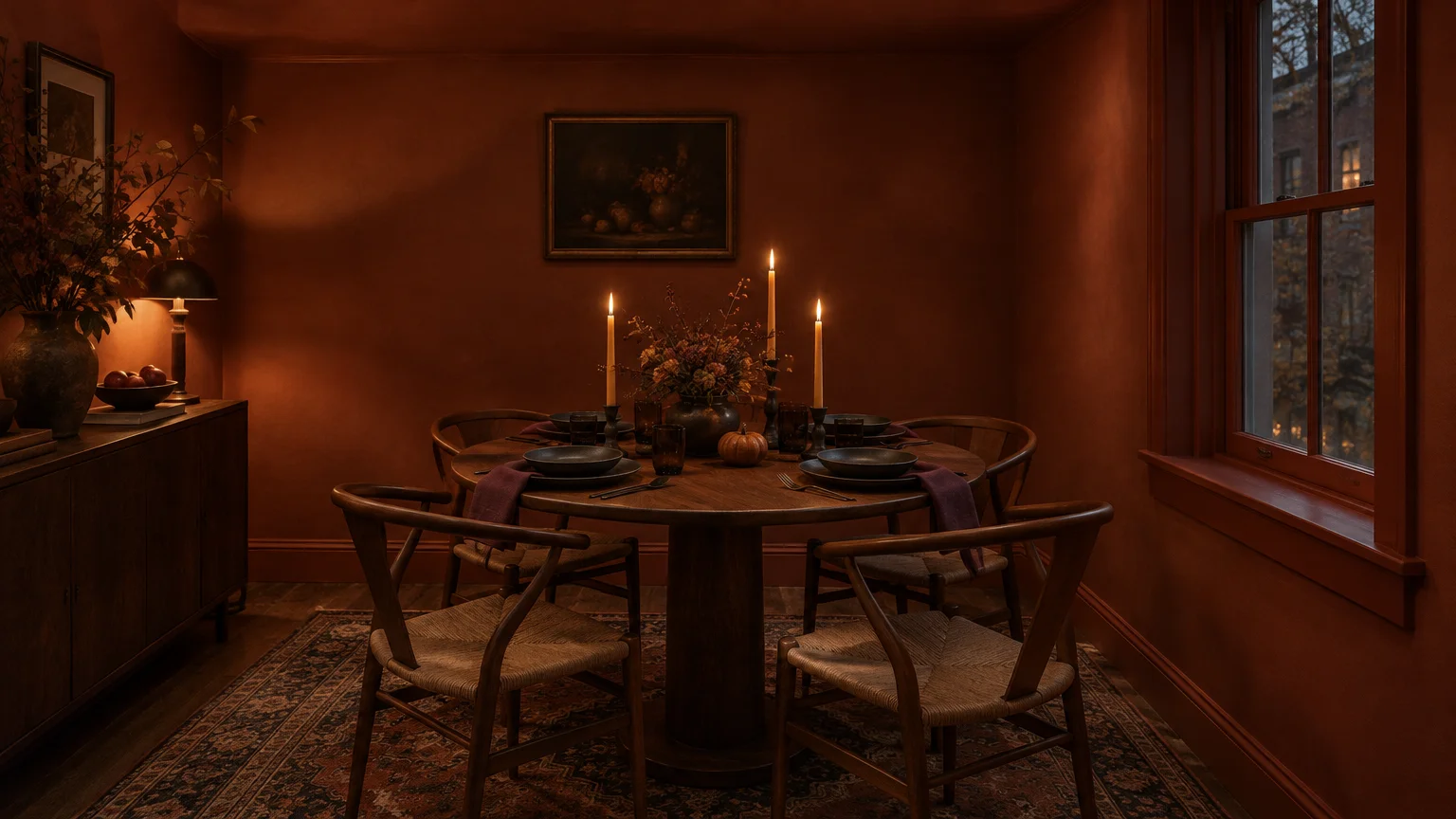
Trend #4: Rich Earth-Pigment Color Drenching
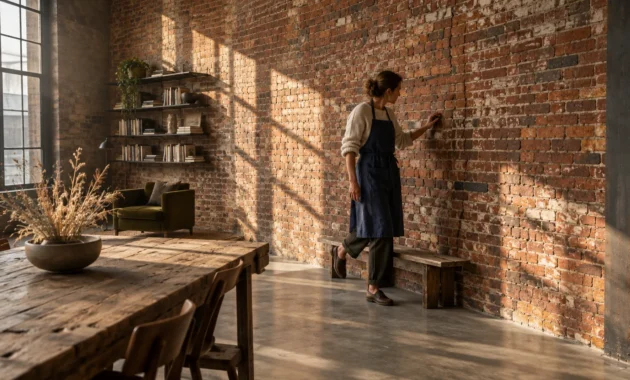
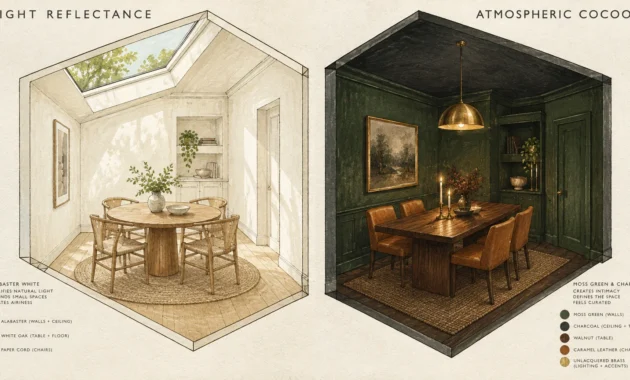
Compact spaces possess an innate capacity for intimate drama that cavernous homes simply cannot replicate. Rather than fearing deep saturation, forward-looking designers employ color drenching to blur structural boundaries and craft enveloping warmth.
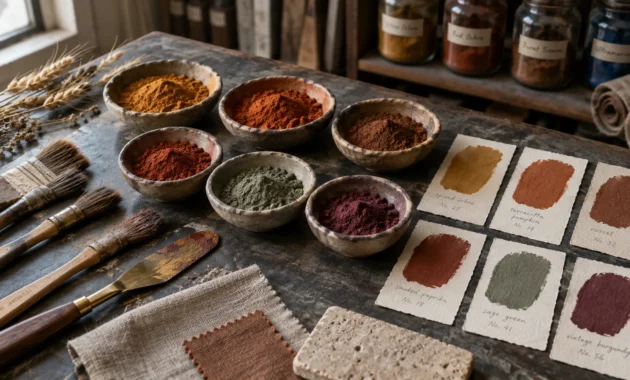
Introduce deep harvest pigments like burnt terracotta, oxblood, spiced saffron, and forest spruce through layered soft textiles. These mineral-rich tones invoke autumn’s harvest while delivering a moody, high-end atmosphere tailored for evening celebrations.
Dress your windows with floor-to-ceiling velvet drapery in resonant chestnut to insulate against drafts and add physical depth. Uniform color saturating key vertical planes visually dissolves wall corners, paradoxically making compact rooms feel boundless.
Accent your upholstered seating with throw pillows crafted from wool bouclé and washed silk in complementary saturated hues. Mixing varying textile sheens prevents single-color applications from appearing flat or visually lifeless under warm lighting.
This tonal immersion draws inspiration from historical salon culture, where dark, enveloping colors fostered intellectual intimacy. Guests naturally settle into spaces that feel cocooning, making your seasonal gathering feel profoundly memorable and relaxed.
Anchor the scheme with deep espresso wood accessories or smoked glass candleholders placed thoughtfully around the perimeter. These dark accents punctuate the drenched envelope, giving your holiday arrangement structural stability and grounded poise.
By embracing rich color across multiple design elements, you transform modest dimensions into an enviable asset. A daring, cohesive palette turns tight quarters into a jewel-box sanctuary of holiday hospitality.
Limit stark white accents in drenched spaces, as high contrast shatters the optical illusion of continuity. Instead, transition gradually between neighboring shades of amber, rust, and umber for a seamless aesthetic journey.
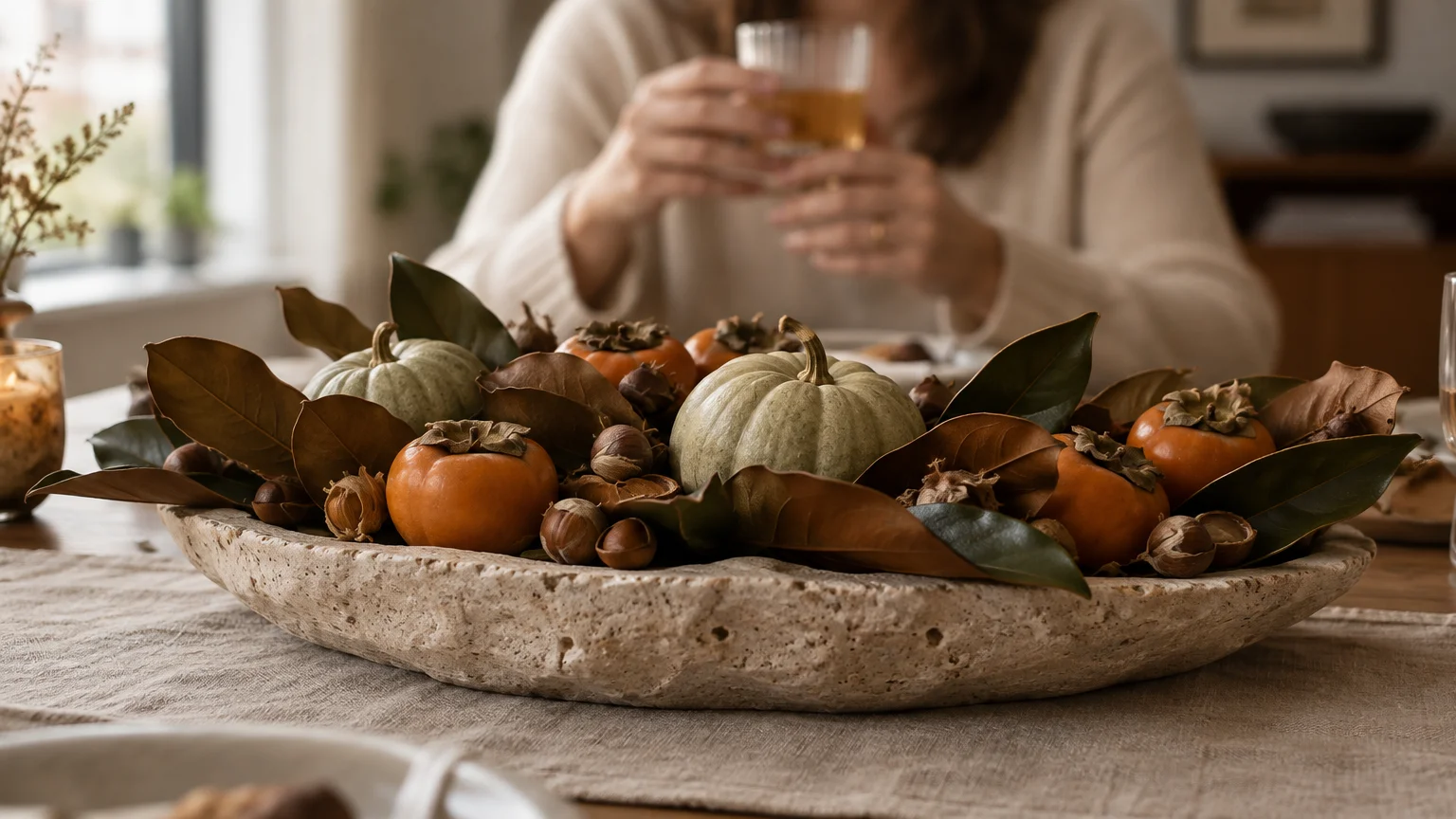
Trend #5: Sculptural Low-Profile Centerpieces
Vast floral arrangements frequently create physical and social barricades across a modest dining surface. Modern interior design prioritizes horizontal, low-profile centerpieces that preserve natural eye contact and effortless conversation among seated guests.
Adopt the principles of Japanese Ikebana by arranging select seasonal branches inside heavy cast-iron or shallow travertine vessels. Using pin frogs allows you to position single architectural stems with purposeful, sculptural balance and zero bulk.
Scatter smooth river stones, dried persimmons, and miniature heritage squash along a narrow center runner. Keeping botanical additions below chin level guarantees that your tabletop feels open, communicative, and refreshingly spacious throughout dinner.
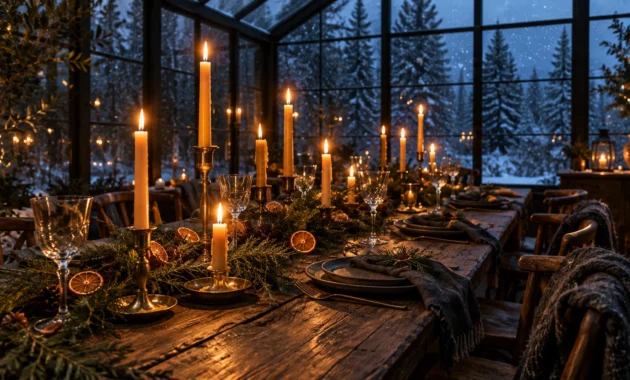
Integrate slender, dripless beeswax taper candles in varying heights to introduce vertical rhythm without obstructing guest sightlines. Their delicate silhouettes punctuate the horizontal plane, providing captivating movement and warm flickering light across your spread.
The move away from dense cornucopias reflects a cultural appreciation for negative space and architectural breathing room. Negative space allows each curated element, from artisanal dishware to polished flatware, to be genuinely appreciated.
When food service commences, this low-profile composition leaves ample clearance for serving platters and family-style dishes. True design intelligence balances refined visual beauty with undeniable functional hospitality.
Curate your centerpiece materials around subtle tonal gradients, pairing dusty sage with muted charcoal and warm bronze. This deliberate restraint produces a centerpiece that feels sophisticated, poetic, and perfectly scaled for compact living.
Remember that a centerpiece should anchor the setting rather than overwhelm the conversation. Selecting two or three sculptural branches creates more visual impact than a dense, sprawling floral bundle.
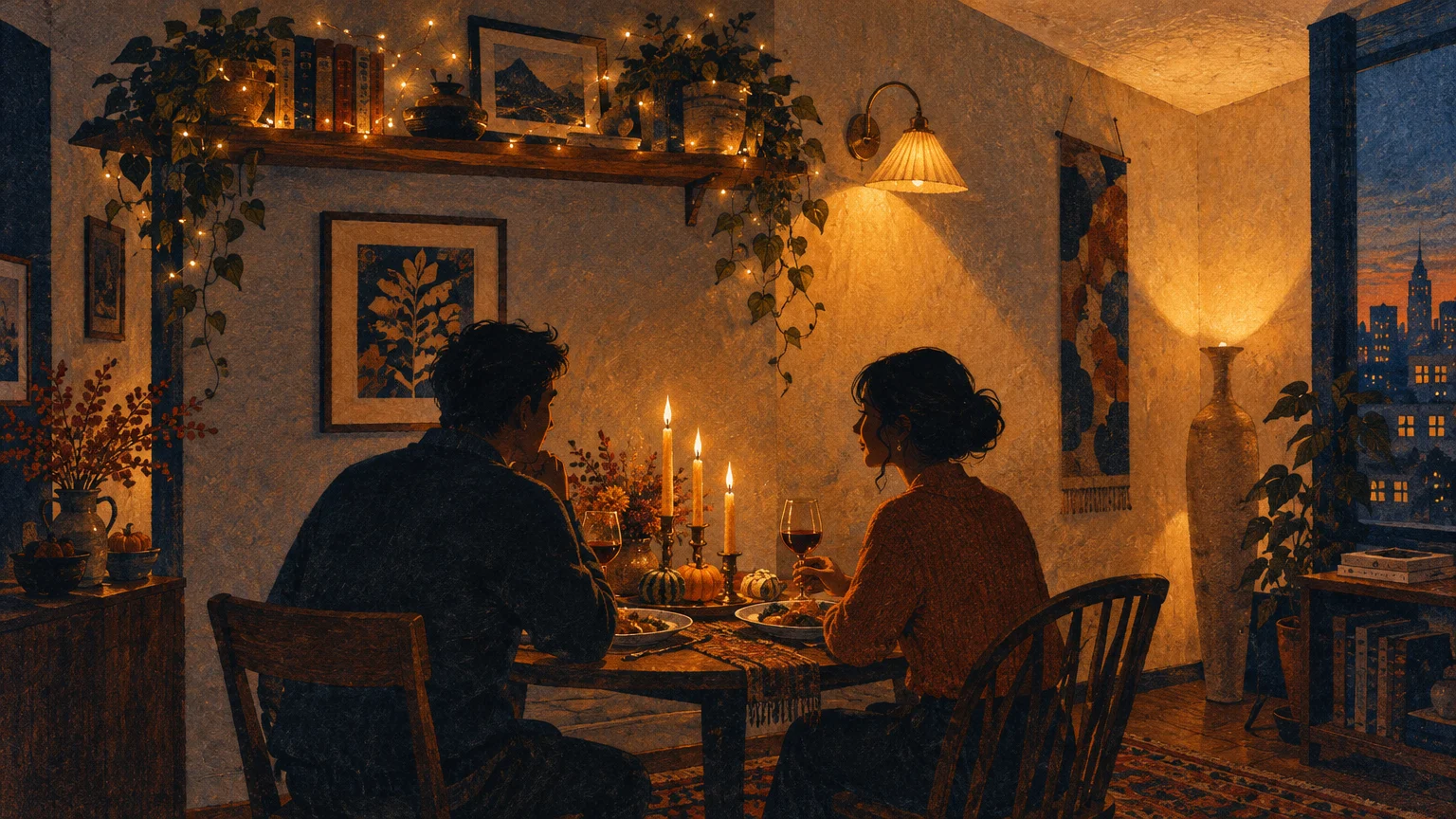
Trend #6: Ambient Layered Architectural Lighting
Overhead lighting can feel sterile and unflattering, instantly exposing the spatial boundaries of a compact room. Replacing harsh ceiling fixtures with layered, low-wattage illumination transforms your apartment into an atmospheric haven.
Position portable, rechargeable LED accent lamps featuring alabaster or fluted glass shades across shelves and side consoles. These cordless luminaires introduce soft pools of light into forgotten corners without creating unsightly cord hazards for guests.
Opt for warm 2200K to 2700K light temperatures to emulate the flattering, radiant quality of sunset. Warm illumination softens sharp architectural lines and imparts an immediate sense of seasonal welcome to everyone entering your home.
Group smoked glass votives in odd numbers along your windowsills to reflect warm flicker against dark glass panes. This optical reflection visually expands your interior boundary, suggesting an expansive retreat shielded from the autumn chill outside.
Hospitality professionals recognize that calibrated lighting dictates guest comfort and sets the emotional rhythm of gatherings. Low, diffused light encourages deeper conversation, prolonged relaxation, and a celebratory mood that lingers effortlessly.
Install simple dimmer switches or smart plug-in adaptors on existing floor lamps to dial back illumination as evening advances. Controlled lighting transitions signal the shift from appetizers to dinner, orchestrating an elevated sensory journey.
By sculpting the room through shadows and warm glow, you camouflage spatial limitations while emphasizing convivial atmosphere. Thoughtful illumination stands as the single most transformative tool for small apartment thanksgiving decor.
Avoid blue-spectrum LED bulbs or exposed bare filaments that cause uncomfortable optical glare across close-quarter dining settings. Frosted shades and indirect bounce lighting maintain an intimate, flattering environment for all your guests.
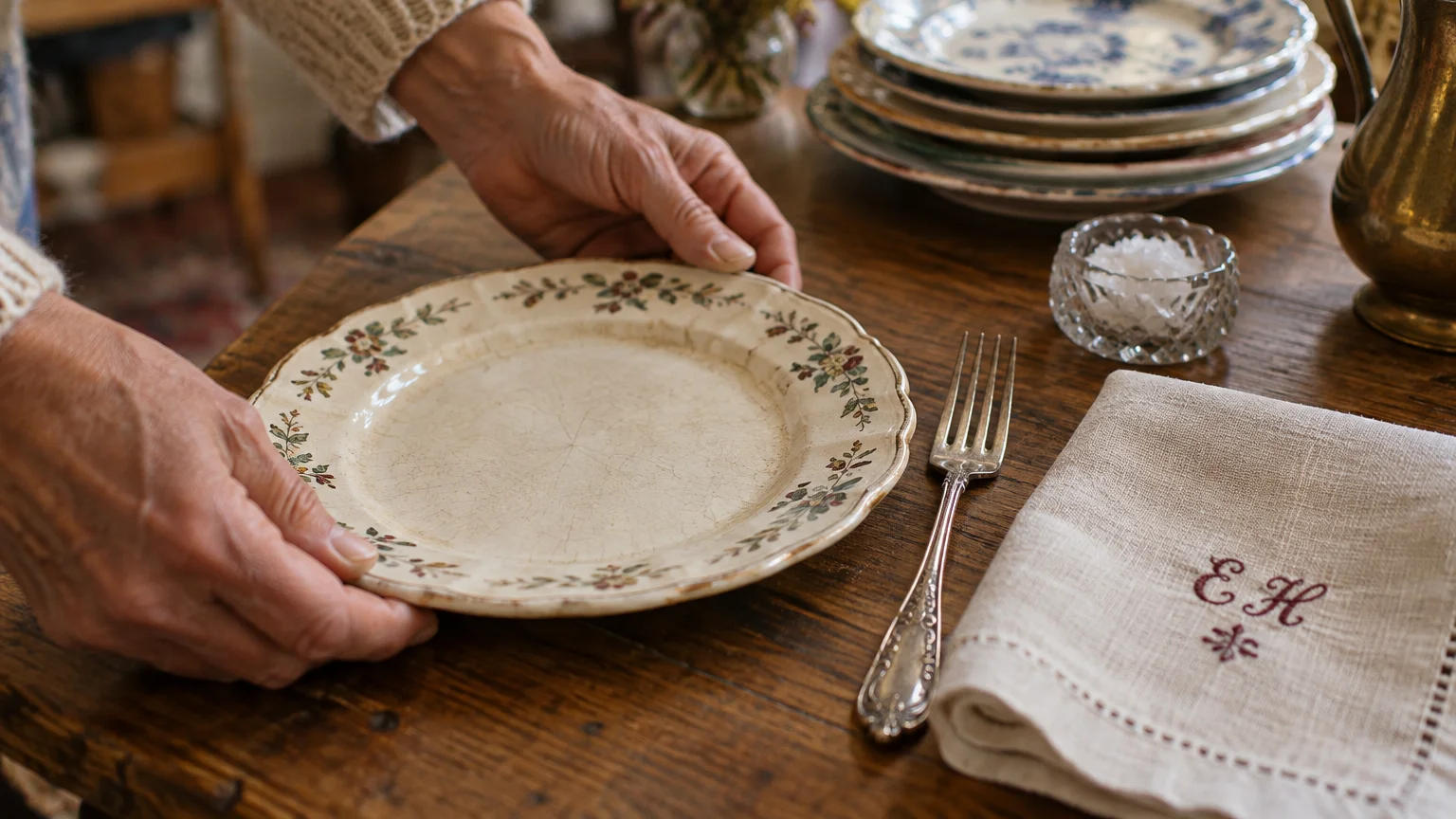
Trend #7: Curated Heritage and Tactile Provenance
Mass-produced seasonal novelties quickly clutter small environments, creating visual noise rather than sophisticated holiday charm. Today’s most discerning homeowners gravitate toward authentic vintage pieces that carry provenance, history, and unmistakable soul.
Source mismatched vintage silver-plated cutlery from estate sales or flea markets, polishing each piece to a soft, glowing patina. The gentle wear and unique hallmarks celebrate craftsmanship, bringing historical resonance directly to your contemporary table.
Pair antique flatware with hand-thrown stoneware platters sourced directly from local ceramicists. This marriage of historic metalwork and tactile earthiness grounds your thanksgiving decorating ideas in rich cultural narrative rather than seasonal cliché.
Introduce vintage French linen dishtowels as casual dinner napkins, appreciating their time-softened slubs and hand-stitched monograms. Highlighting objects with individual stories creates instant conversational touchpoints among your dinner guests.
The resurgence of heirloom accents aligns with sustainable design movements rejecting disposable holiday consumerism. Curating enduring, durable artifacts ensures your holiday decor remains deeply personal, environmentally responsible, and eternally stylish.
Display a curated arrangement of amber apothecary bottles filled with dried wheat or poppy seed pods on a bookshelf. This modest gesture evokes the rustic harvest season without requiring storage boxes for oversized seasonal ornaments later.
Authentic vintage accents offer immense decorative character within an exceptionally economical spatial footprint. Investing in provenance ensures your small space holiday decor exudes refined sophistication year after year.
Incorporating heirloom elements connects modern urban dwellers to generational culinary rituals. When every object possesses personal meaning, your celebration transcends physical square footage through authentic emotional richness.
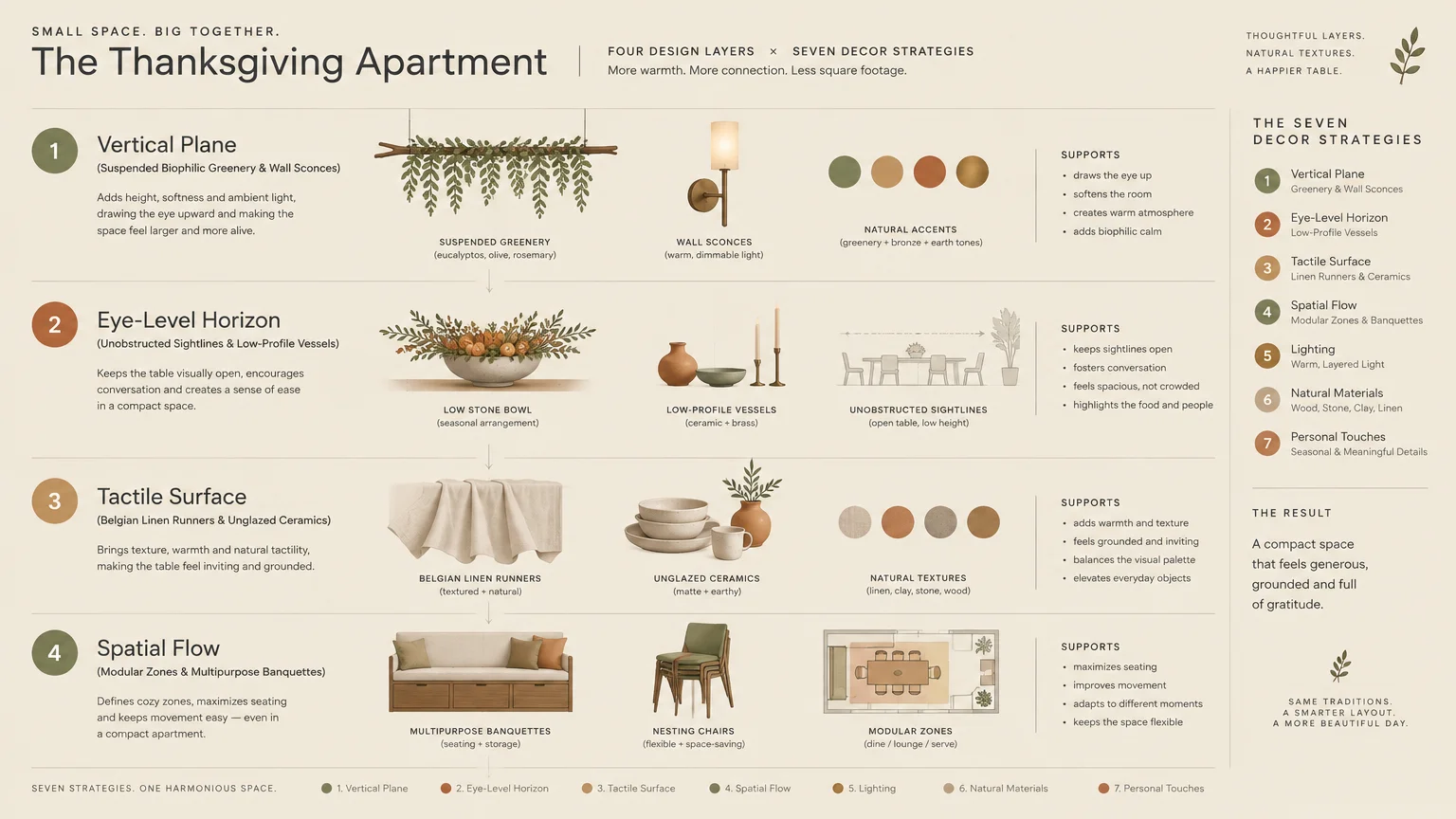
The Big Picture: Weaving These Trends into Your Home
Successfully merging seasonal trends into a compact interior hinges on maintaining structural discipline and a unified aesthetic narrative. Rather than implementing every design concept simultaneously, select three compatible elements that harmonize with your existing furnishings.
Evaluate your home’s permanent architecture, identifying sightlines and traffic patterns before repositioning any decorative elements. Ensure every pathway between your kitchen, dining area, and seating zone remains wide and entirely unobstructed.
Edit your surfaces ruthlessly before introducing seasonal accents, removing everyday books, mail, and ornamental knickknacks. Clearing base surfaces provides essential visual breathing room, allowing your Thanksgiving installations to command attention without feeling crowded.
Balance tactile textures across the room so that soft linens, cool ceramics, warm woods, and metals coexist in equilibrium. This thoughtful material balance establishes sensory richness, compensating for limited square footage with multifaceted tactile discovery.
Treat apartment hosting thanksgiving as an opportunity to prioritize human connection over grand spatial gestures. An expertly curated, intimate gathering invariably leaves a deeper impression on guests than an impersonal banquet in an echoing hall.
Create dedicated transition zones near your entryway where guests can store coats and bags without cluttering living spaces. Keeping entryways tidy preserves structural flow and establishes a calm, orderly ambiance the moment guests cross your threshold.
For the latest color forecasts, consult industry leaders like Pantone and paint companies like Benjamin Moore. For professional design standards, refer to the American Society of Interior Designers (ASID).
Disclaimer: This article reflects design trend analysis and predictions. Personal taste and timeless design principles should always guide your decorating choices.
Frequently Asked Questions
How do you serve family-style Thanksgiving dinner on a small dining table?
Set up a self-serve buffet station on your kitchen counter or a living room console. Keeping heavy serving platters off the table preserves room for plates, glassware, and low-profile decor.
This layout streamlines guest movement and ensures your intimate table feels graceful rather than overcrowded throughout the meal.
Which autumnal color palettes make a small apartment feel larger?
Monochromatic earthy neutrals like warm taupe, linen, and camel visually expand compact rooms by avoiding high-contrast breaks.
Alternatively, uniform color drenching in deep ochre or aubergine blurs room perimeters, crafting an expansive jewel-box effect.
How can you decorate for Thanksgiving without creating storage headaches afterward?
Focus on compostable botanical elements such as dried florals, seed pods, and edible heritage squash. You can compost these items post-holiday, completely eliminating the need for bulky off-season storage containers.
Invest in multi-use tabletop accessories like artisanal ceramics and linen napkins that transition effortlessly into daily year-round dining.
How many guests can comfortably dine in a small apartment without overcrowding?
Allocate at least twenty-four inches of table perimeter per seated diner to ensure comfortable elbow room.
For cocktail hours before dinner, maintain clear thirty-six-inch walkways to guarantee fluid movement between seating areas.