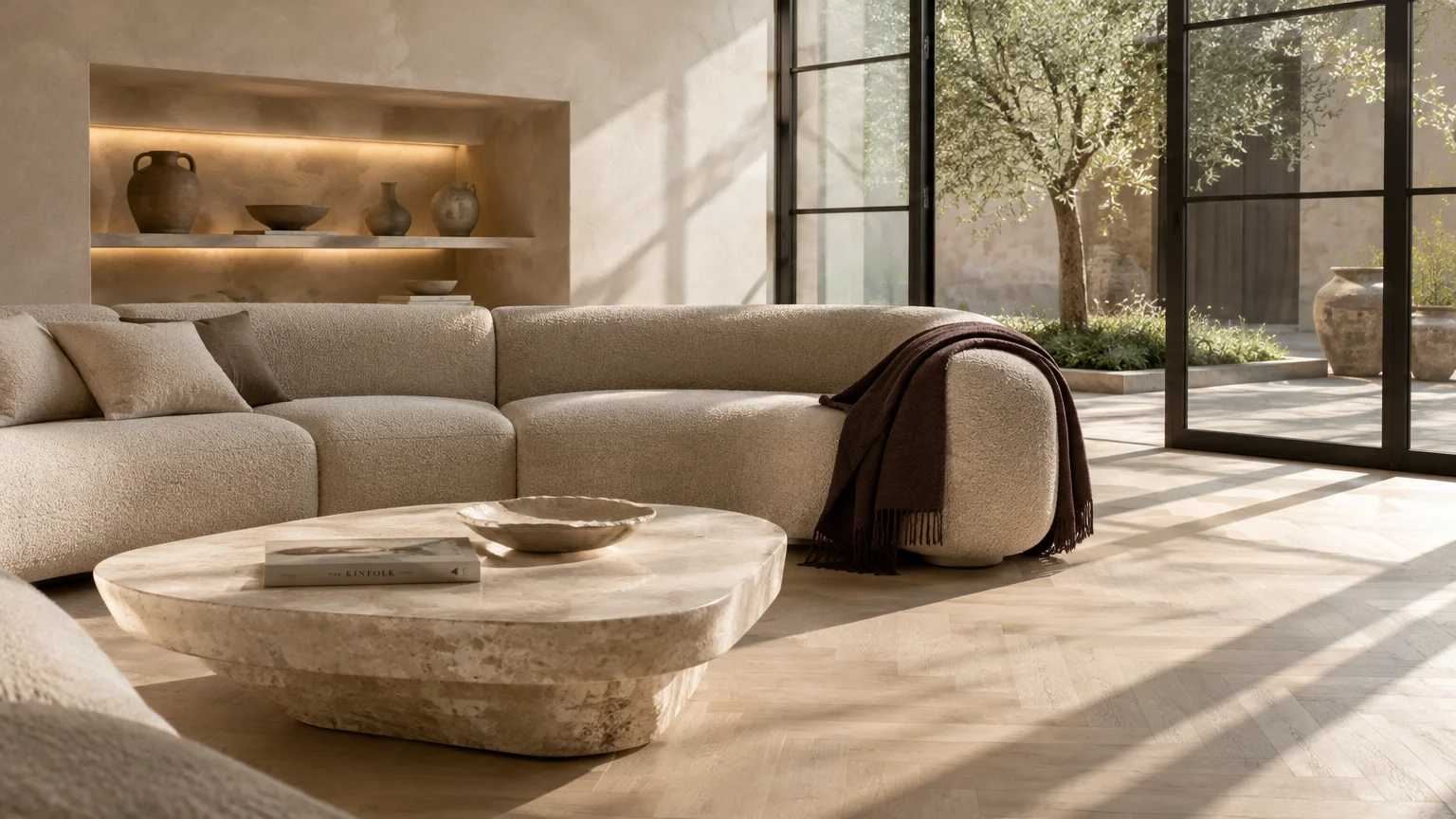
Modern living demands spaces that soothe your senses while adapting effortlessly to your shifting daily rhythms. Elevating your environment no longer requires an exhaustive demolition; deliberate, curated updates yield profound visual and emotional impact.
Whether you crave serene organic minimalism or rich architectural depth, current movements champion personal wellness and authentic materials. We have analyzed the twelve most defining aesthetic shifts transforming high-end residential spaces today.
Explore these fresh interior design ideas to infuse every room with lasting poise, tactile comfort, and deliberate artistry. Your next home evolution begins right here.
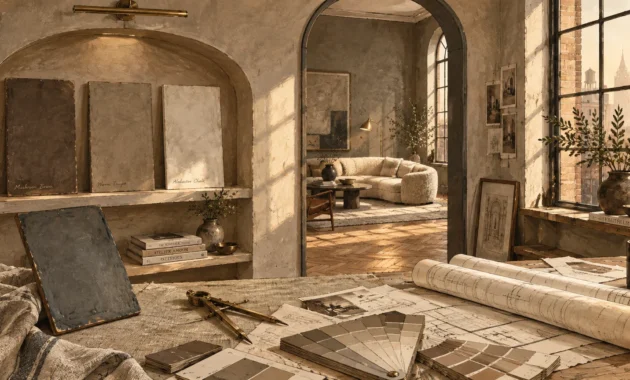
Trend #1: Sculptural Off-Whites and Tactile Monochromes
Flat, sterile white walls have officially left modern interiors. In their place, multi-dimensional, warm off-whites are establishing serene, light-filled sanctuaries throughout residential spaces.
Pantone captured this cultural mood by naming Cloud Dancer (PANTONE 11-4201) its 2026 Color of the Year. This airy, balanced hue represents the first white the authority has ever crowned.
Cloud Dancer acts as an expansive blank canvas, capturing daylight while projecting pure serenity. It avoids stark blue undertones in favor of gentle, warming pigments.
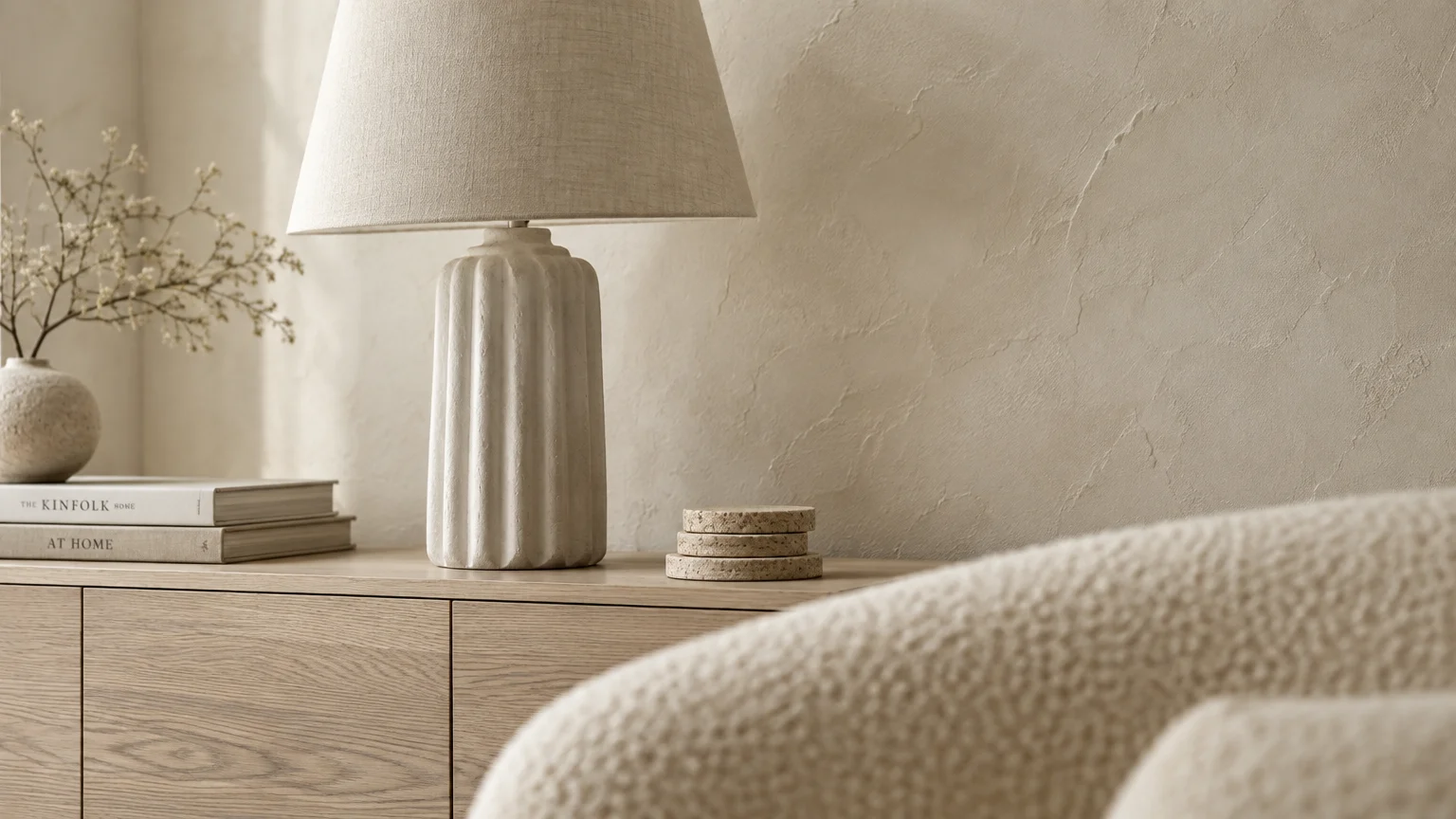
To execute this trend successfully, layer diverse tactile finishes rather than relying on contrasting paint colors. Pair chalky Roman clay walls with raw linen upholstery and bleached white oak millwork.
Nubby bouclés, brushed wool, and honed travertine accents prevent monochromatic rooms from feeling flat or sterile. Texture replaces graphic pattern, creating depth that invites your touch.
Introduce sculptural forms, such as fluted ceramic lamps or ribbed plaster mantels, to generate subtle shadows across light surfaces. This interplay of shadow and relief crafts effortless quiet luxury.
These soothing, unhurried surfaces reflect natural daylight beautifully across the morning and afternoon hours. They amplify interior architecture while maintaining an uncluttered visual field.
This fresh decor idea celebrates calm simplicity, granting your mind respite from digital overstimulation. It turns your living space into a restful retreat where your thoughts can truly breathe.
Trend #2: Tailored Depth with Espresso Plum Tones
While airy neutrals dominate sunlit spaces, deep architectural hues are reclaiming private lounges, dining rooms, and reading libraries. Modern design is moving beyond flat charcoal into multifaceted, moody darks.
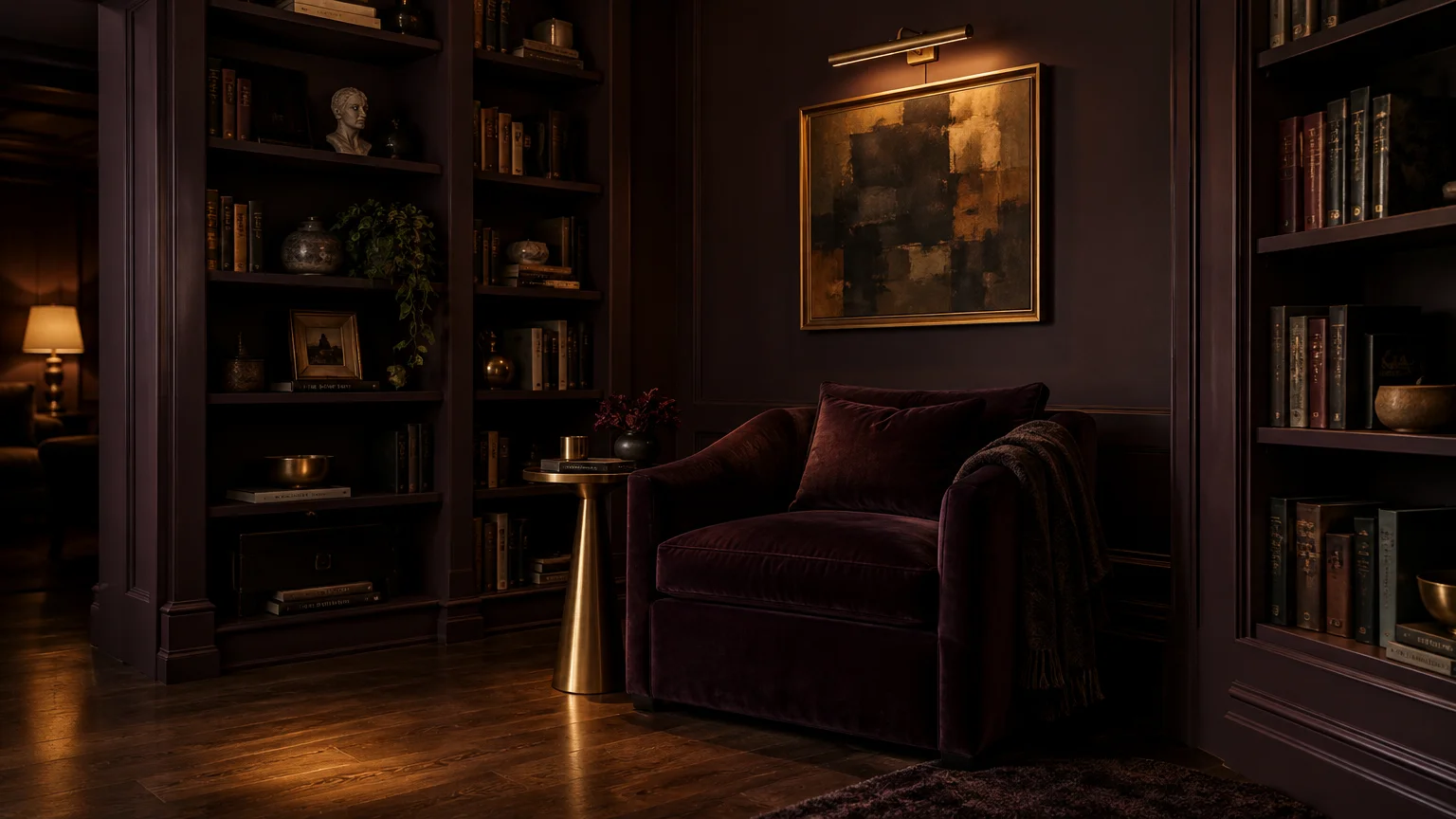
Benjamin Moore’s 2026 Color of the Year, Silhouette (AF-655), perfectly exemplifies this tailored evolution. This luxurious dark neutral seamlessly blends rich espresso brown with subtle charcoal and plum undertones.
The color possesses rare chameleon qualities, shifting from velvety cocoa in bright daylight to brooding blackberry under warm evening lamplight. It offers cocooning comfort without feeling visually oppressive.
Apply this palette using the color-drenching technique to envelop a room entirely. Coat your walls, crown molding, baseboards, and window trim in identical deep sheens to dissolve visual boundaries.
Balance these deep tones by incorporating unlacquered brass hardware, smoked glass, and lustrous velvet accents. Polished marble surfaces with striking burgundy or violet veining create dramatic, timeless contrast.
You can also introduce this mood through stained walnut case goods or espresso-finished oak flooring. Deep hues provide an exquisite backdrop that makes vibrant modern artwork pop off the wall.
Consider Silhouette for an intimate powder room, media den, or formal dining room. The dramatic atmosphere transforms ordinary evening gatherings into memorable sensory events.
This trend proves that embracing darkness fosters unparalleled intimacy and warmth. It turns standard square rooms into magnetic, cozy destinations designed for lingering conversations.
Trend #3: Grounded Earth Neutrals and Mineral Ochres
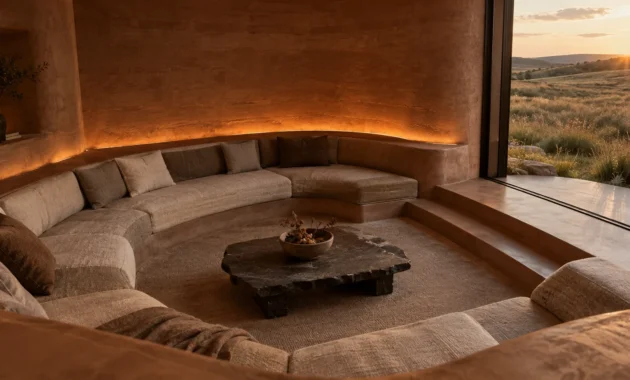
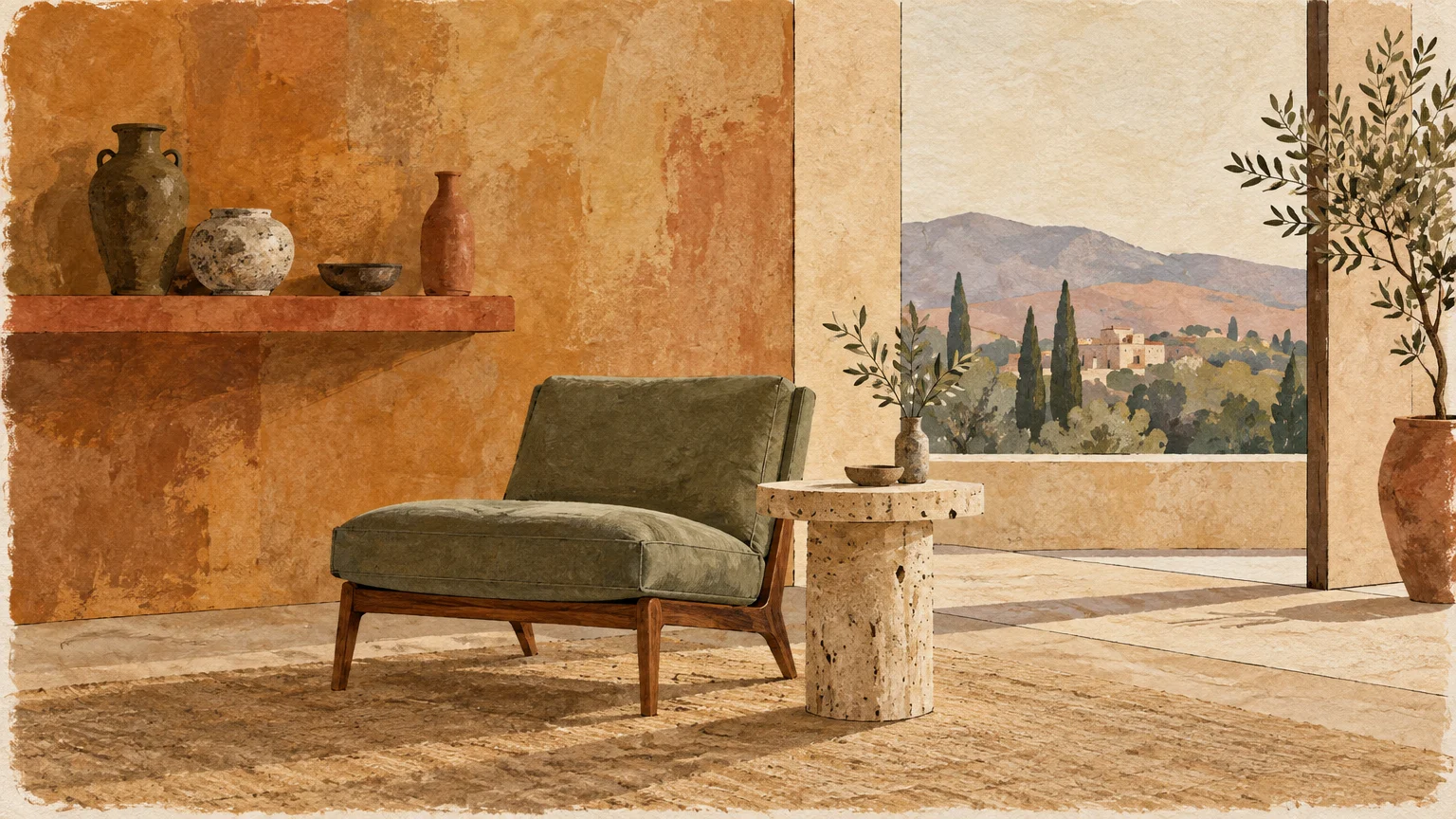
Cool architectural grays have retreated permanently from contemporary homes. In their place, warm, sun-baked earth neutrals are instilling modern interiors with quiet confidence and organic vitality.
Highlighting this grounded movement, Sherwin-Williams selected Universal Khaki (SW 6150) as its 2026 Color of the Year. This mid-tone neutral features comforting yellow-beige undertones that connect rooms directly to the earth.
Unlike the flat beiges of past decades, modern earth tones possess complex mineral pigments. They adapt seamlessly to changing sunlight, warming northern exposures and softening harsh southern light.
Build your room around these hues by pairing khaki wall surfaces with terracotta accents, saddle leather, and sand-washed ceramics. The resulting palette feels honest, grounded, and inherently restorative.
Incorporate natural materials like unpolished limestone, rattan weave, and oiled teak to accentuate the organic mood. These raw textures evoke a tactile connection to the outdoors.
Use warm neutrals as the unifying baseline for your open-concept living and dining areas. They connect expansive footprints while establishing a welcoming ambiance that never feels sterile.
Layer olive green and rust pillows over neutral linen sofas to add gentle seasonal variation. These earthy accents infuse energy without disrupting the serene baseline of your space.
By anchoring your home in organic earth pigments, you cultivate a timeless interior environment. It creates an enduring foundation that accommodates shifting trends with ease.
Trend #4: The Resilient “Forever Home” Layout
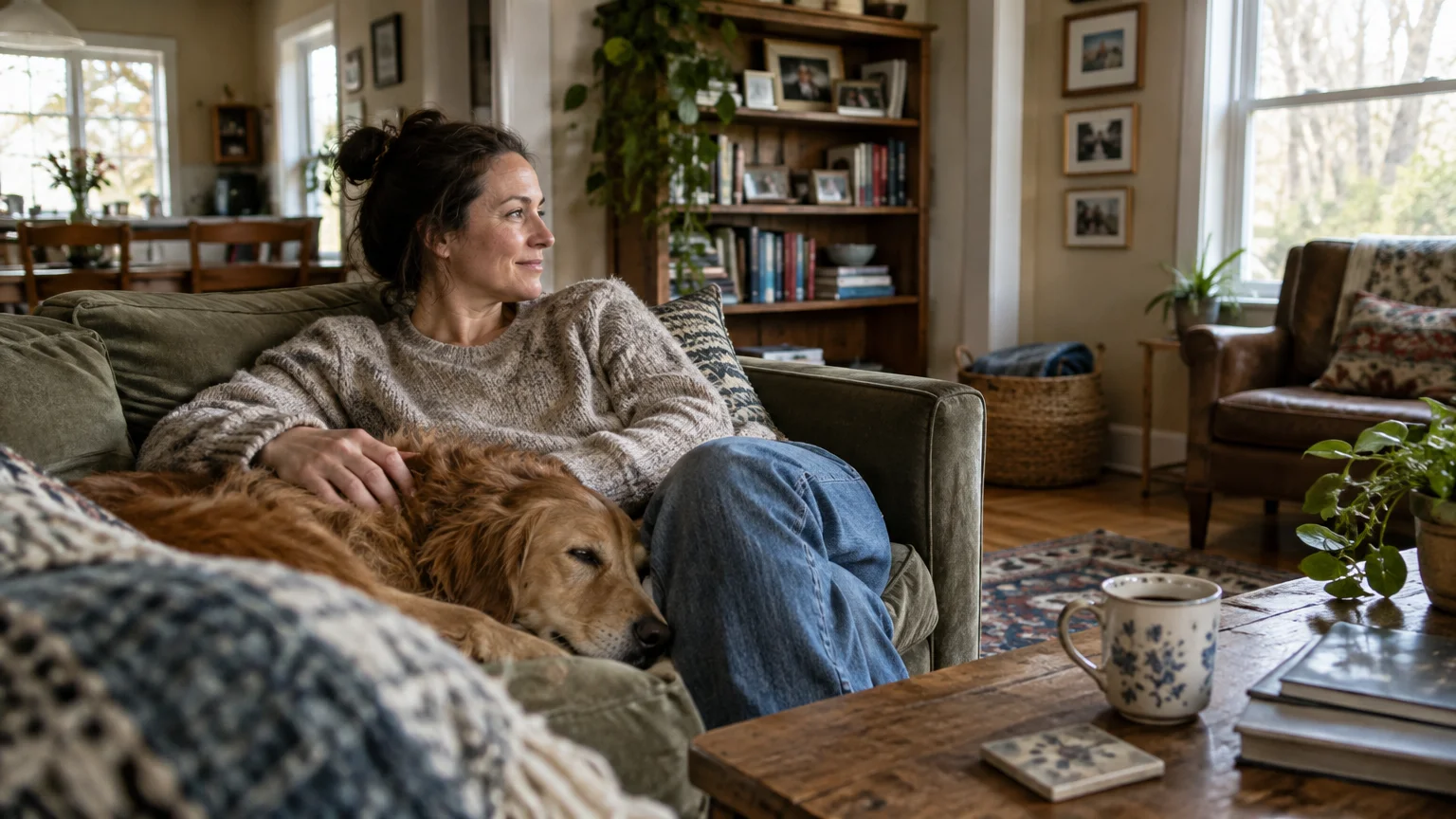
The frantic real estate cycle has given way to intentional, long-term habitation. Homeowners are turning away from speculative flips in favor of durable, highly customized living environments.
The 2026 U.S. Houzz & Home Study reveals that 61% of renovating homeowners plan to stay in their homes for 11 years or more. Furthermore, 44% consider their current residence their permanent “forever home.”
This mindset shift directly inspires flexible floor plans and universal design principles. Homeowners want spaces that age gracefully alongside them, supporting dynamic changes in physical mobility and multi-generational living.
Key lifestyle drivers influence these remodels, with 21% of renovating homeowners citing health or accessibility needs. Another 21% prioritize increased remote work capabilities to match evolving career realities.
Practical adaptations include curbless walk-in showers, zero-threshold floor transitions, and wider doorways that welcome all ages. When executed with bespoke materials, these accessibility elements elevate architectural beauty rather than looking clinical.
Flexible partitions, such as fluted glass pocket doors, allow open living areas to divide into private suites as family needs shift. Designing for resilience ensures your home stays functional for decades to come.
Plan for tomorrow by incorporating blocking behind drywall for future handrails and ensuring primary living spaces exist on the ground floor. Forward-thinking layouts grant peace of mind while protecting your financial investment.
Building for longevity transforms how you experience your living environment every day. It fosters deep emotional roots and turns your residence into an enduring sanctuary.
Trend #5: High-Function Kitchen Sanctuaries
The kitchen remains the absolute core of residential renovation, functioning as both an active culinary workshop and an entertainment showpiece. Its visual identity is shifting toward streamlined, clutter-free serenity.
Houzz reports that kitchens are the most popular space to upgrade, capturing 26% of renovating homeowners. Median spending on kitchen transformations has reached $24,000, reflecting a 9.1% year-over-year increase.
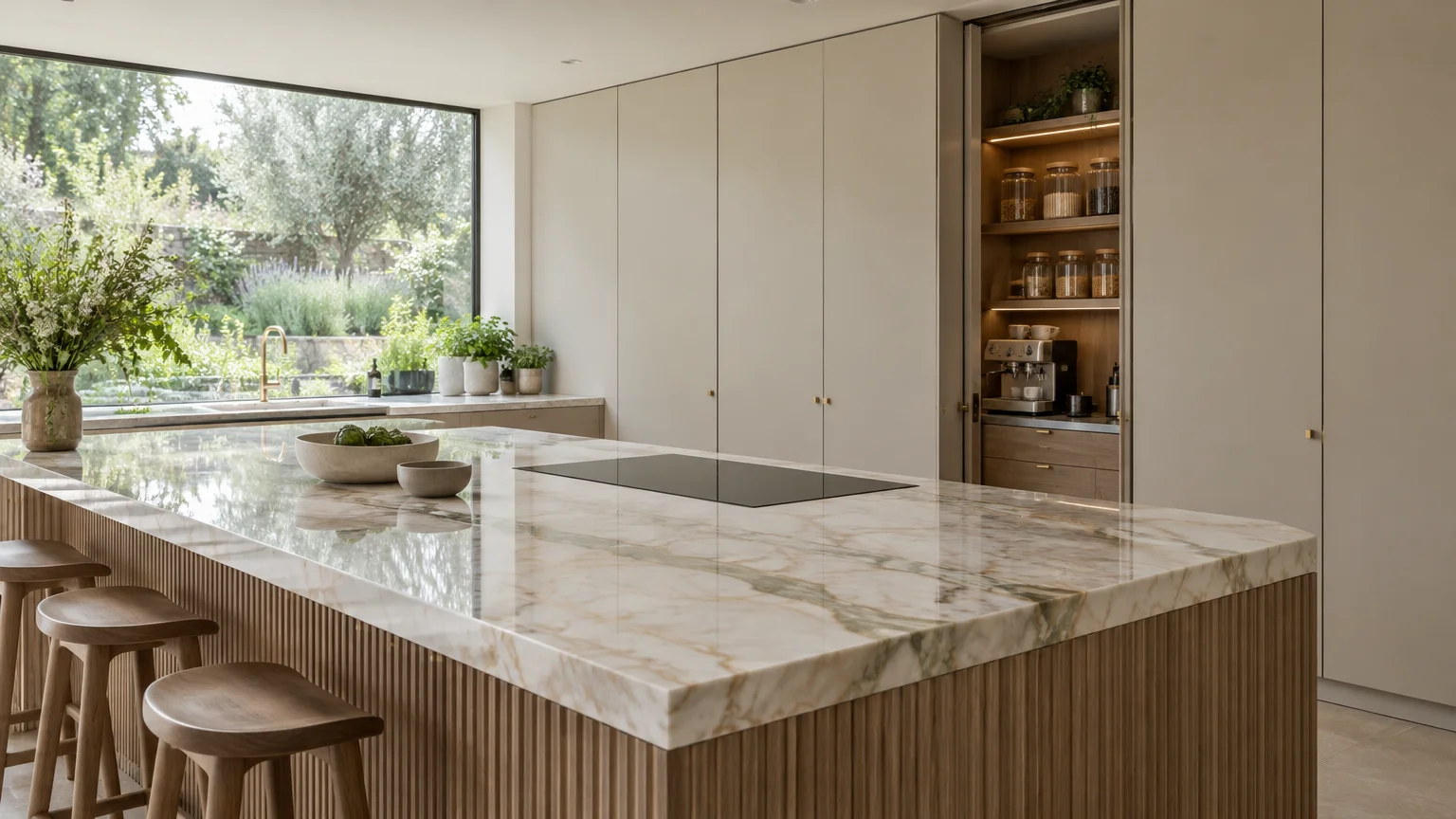
The modern kitchen sanctuary conceals utilitarian clutter behind bespoke, panel-ready cabinetry. Secondary back kitchens and hidden sculleries now house small appliances, keeping the primary perimeter immaculate.
Seamless stone slab backsplashes are rapidly replacing traditional subway tile. Extending quartz, marble, or quartzite continuously from countertop to ceiling creates a clean, monolithic presence devoid of grout lines.
Homeowners are pairing warm natural wood islands with fluted detail against painted perimeter cabinets. Matte bronze fixtures and concealed induction cooktops complete the understated aesthetic.
Invest in integrated under-cabinet LED strips with adjustable color temperatures. Warm lighting highlights the natural veining of your stonework while providing crisp task lighting for meal preparation.
Integrate customized drawer organizers and pull-out spice racks to maximize every square inch of storage. High functional efficiency ensures your work surfaces remain serene and uncluttered.
These streamlined culinary spaces merge chef-grade performance with peaceful living room aesthetics. They elevate everyday cooking into a calming, sensory experience you look forward to each evening.
Trend #6: Spa-Caliber Primary Bath Retreats
Primary bathrooms have evolved far beyond utilitarian grooming stations into private wellness retreats. Today’s designs borrow cues from luxury boutique spas to encourage daily decompression.
Data confirms this prioritization, with 23% of renovating homeowners updating primary bathrooms. Median project investments climbed 15.4% to reach $15,000, underscoring the demand for premium finishes.
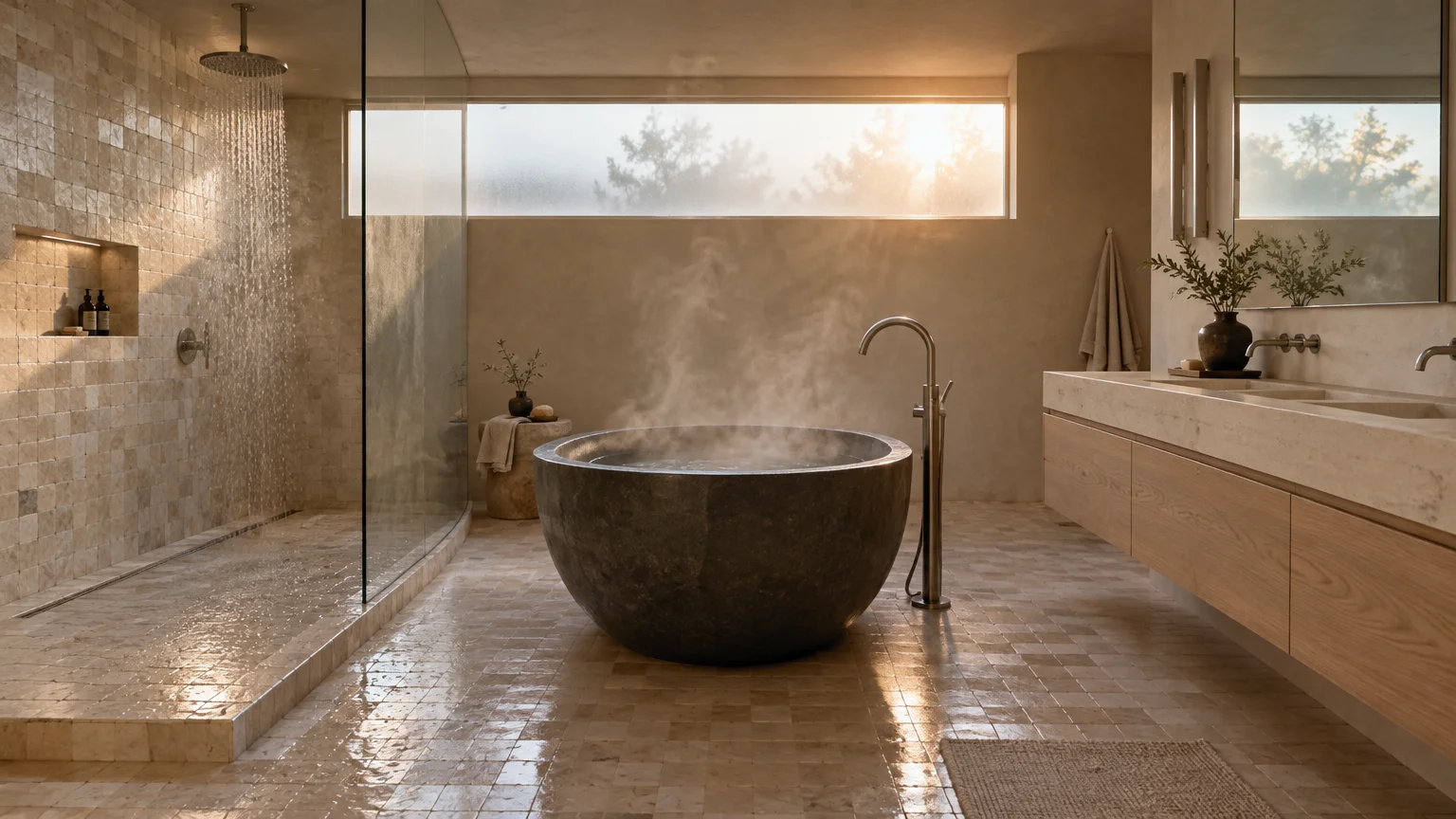
The dedicated “wet room” configuration sits at the peak of modern bathroom design. Enclosing a freestanding soaking tub and dual rainfall showerheads behind a single glass partition maximizes visual space and containment.
Designers are trading sterile porcelain tile for tactile plaster finishes, zellige tiles, and warm travertine slabs. Heated flooring and integrated steam showers introduce authentic thermal hydrotherapy into residential routines.
Floating wood vanities with reeded drawer faces lend architectural softness to hard surfaces. Wall-mounted brass faucets free up counter real estate and streamline daily maintenance.
Complete your bathroom sanctuary by hanging woven linen drapery and incorporating subtle niches for organic botanicals. Soft, dimmable perimeter lighting transforms your evening routine into an indulgent ritual.
Focus on sensory details like heated towel warmers and acoustic ceiling plaster to dampen sound. These subtle amenities create an immersive cocoon that melts away daily stress.
By treating the bathroom as a holistic wellness suite, you elevate self-care into an essential architectural component. It guarantees a serene start and peaceful conclusion to every single day.
Trend #7: Expressive Guest Powder Rooms
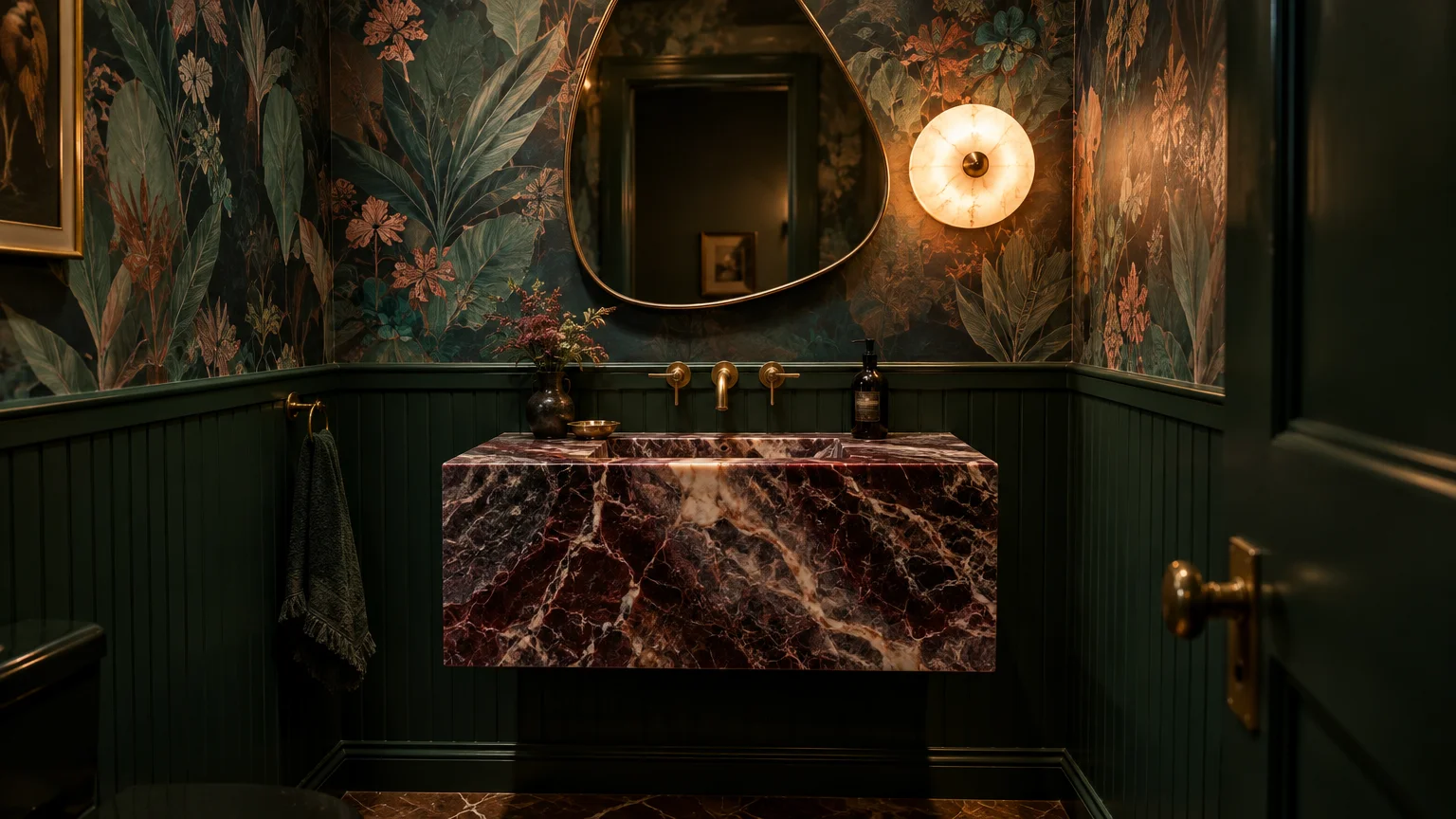
Compact powder rooms have emerged as prime laboratories for fearless, high-impact design. Free from the heavy moisture of full baths, these powder rooms let your decorative imagination run wild.
Renovations in guest bathrooms represent 25% of all home projects, with median spending surging 16.7% to $7,000. Homeowners happily allocate resources to transform small footprints into jewel-box statements.
Dramatic, large-scale botanical wallpapers and hand-painted scenic murals deliver instant visual drama in tight quarters. Dark backgrounds paired with flora and fauna create an enchanting, theatrical atmosphere.
Pair bold wallcoverings with a sculptural, freestanding pedestal sink carved from heavily figured marble like Calacatta Viola. The vibrant veining provides an organic counterpoint to whimsical prints.
Do not shy away from eccentric lighting in small spaces. A pair of blown-glass sconces or an antique pendant light casts warm shadows, enhancing the room’s moody mystique.
Because square footage is limited, premium materials require modest quantities, keeping overall material costs manageable. A powder room offers the perfect low-risk canvas to experiment with decadent materials.
Paint the ceiling in a rich gloss finish to mirror your statement lighting and expand visual height. The glossy reflection injects a surprising layer of architectural polish.
Guests remember these small, expressive spaces long after leaving your home. A daring powder room showcases your design personality with undeniable flair and sophistication.
Trend #8: Integrated Architectural Storage and Built-Ins
Visual tranquility begins with functional order. As open-plan living endures, integrated architectural storage has become essential for preserving clean, serene sightlines.
Houzz research reveals that 33% of homeowners updating their homes purchased specialized storage and organizational products. This statistic emphasizes the collective urge to eradicate daily clutter systematically.
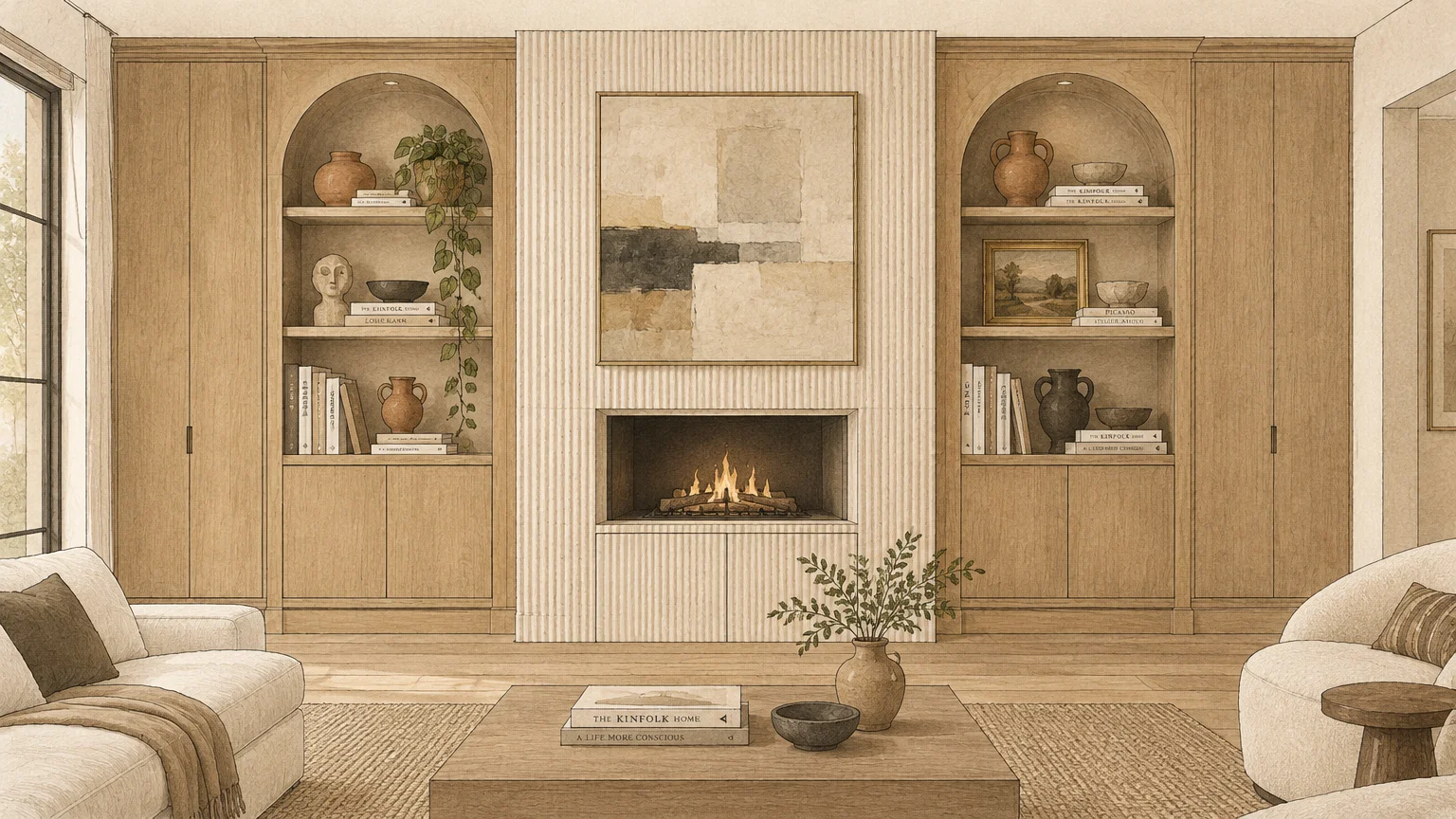
Custom floor-to-ceiling built-ins painted the exact color of the walls camouflage massive storage capacity. Push-to-open flat panels eliminate hardware, blending cabinetry seamlessly into the surrounding architecture.
Recessed alcoves lined with rift-sawn oak provide designated display niches for curated ceramics and books. Concealed lower cabinets hide media cables, gaming consoles, and board games safely out of sight.
In entryways and mudrooms, custom bench seating with pull-out shoe drawers establishes calm arrival zones. Everything receives an intentional home, preventing everyday items from spilling into living quarters.
Thoughtfully designed storage systems do more than tidy your rooms; they enhance your spatial architecture. Clean surfaces foster mental clarity and highlight the beauty of your curated furnishings.
Add integrated low-voltage vertical light strips within open shelving units to illuminate your treasured art objects. This illumination brings dynamic depth to otherwise flat wall assemblies.
Investing in bespoke organization pays daily dividends in time and peace of mind. It ensures your home remains a clutter-free oasis, no matter how busy your schedule becomes.
Trend #9: The Dedicated Hybrid Work Alcove
The makeshift laptop setup at the dining table has reached permanent retirement. Modern homes now integrate intentional, ergonomically sound work alcoves that fold effortlessly into primary living zones.
Changing work habits remain a major design catalyst, with 21% of renovating homeowners citing increased remote work as their core renovation trigger. Functionality must coexist with residential beauty.
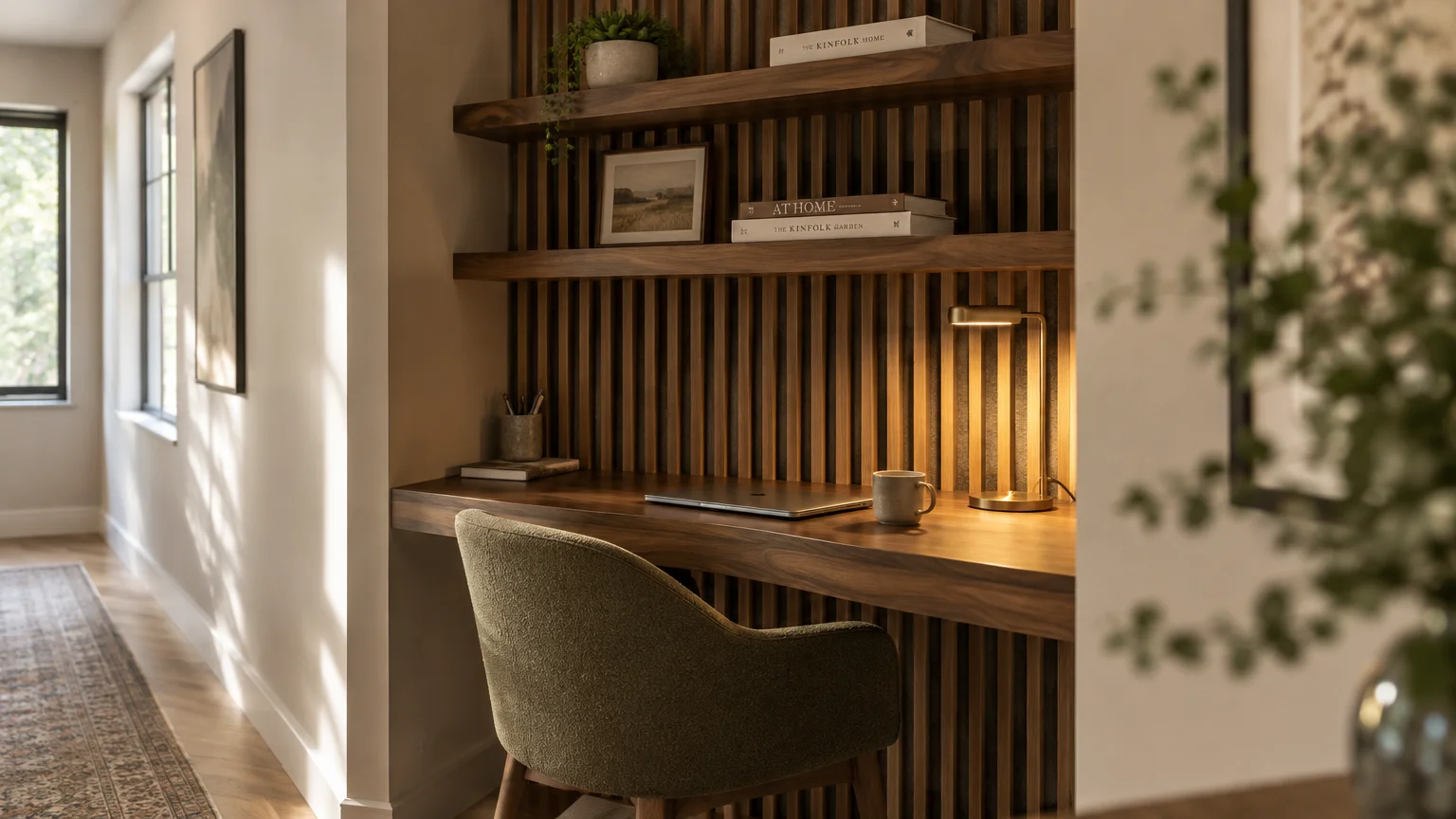
Instead of sacrificing an entire bedroom, designers are tucking sophisticated pocket offices into unused hallways, under stairs, or behind fluted sliding panels. These spaces close off when the workday concludes.
Integrate task lighting, concealed charging stations, and floating timber desks to optimize compact footprints. Acoustic felt wall panels or slatted oak screens dampen ambient noise during video meetings while adding texture.
Select an ergonomic desk chair upholstered in tailored bouclé or rich leather rather than black plastic mesh. This choice ensures your work setup complements the surrounding room’s design language.
Artful styling—such as framed prints and ceramic pen vessels—allows your desk to feel like an intentional design vignette. Seamless blending prevents your home from resembling a corporate satellite office.
Incorporate smart cable management channels inside hollow desk legs to eliminate cord tangles entirely. A tidy work surface promotes clear focus and sustained productivity throughout your day.
This thoughtful integration allows you to transition smoothly from productive work hours to relaxing evenings. Closing the pocket door physically and mentally signals the end of your workday.
Trend #10: Curated Longevity and Vintage Provenance
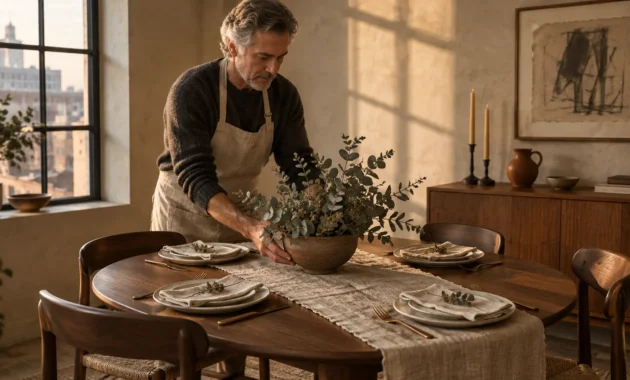
Fast furniture has lost its luster as discerning homeowners embrace quality, craftsmanship, and pieces with genuine historical provenance. Homes today celebrate collected history rather than catalog uniformity.
Solidifying this focus, 39% of homeowners updating spaces invested in quality furniture pieces. Homeowners are directing their budgets toward fewer, higher-grade items engineered to endure generations of use.
While the planned median renovation spend for 2026 adjusted to $15,000—down from $20,000 in 2025—homeowners are prioritizing high-impact vintage finds over mass-manufactured sets.
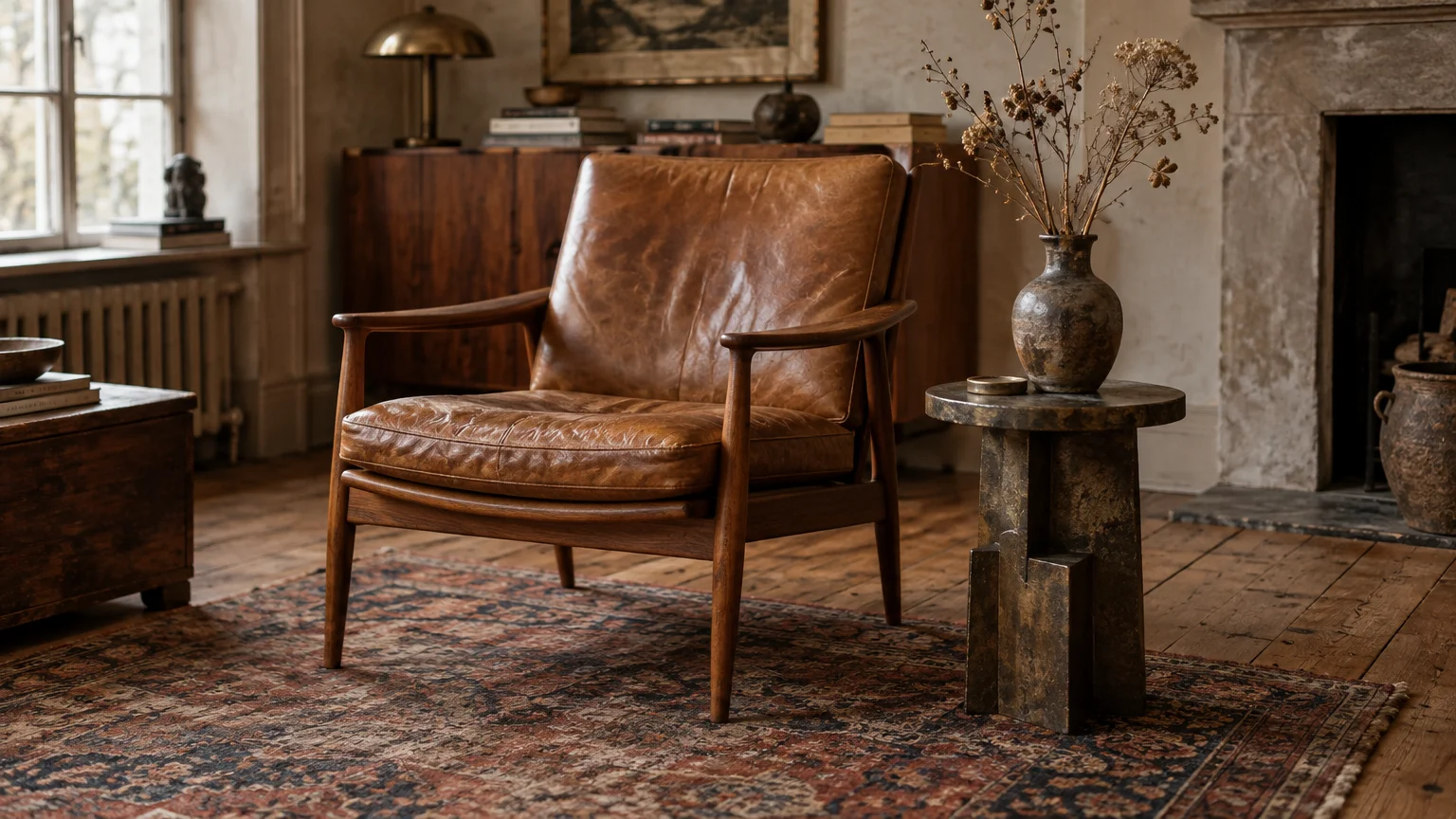
Blending a 1960s Danish teak credenza or an 18th-century French farmhouse table into modern architecture creates rich visual tension. Scuffs and patina tell authentic stories that brand-new pieces cannot replicate.
Source heirloom pieces through estate sales, local antique markets, and specialized vintage dealers. Reupholstering vintage armchairs in durable mohair or linen velvet revitalizes classic silhouettes for modern life.
An eclectic mix of vintage and contemporary designs protects your interior from looking trapped in a specific decade. This curated approach ensures your space develops timeless character that matures gracefully.
Seek out solid hardwoods like walnut, cherry, and quarter-sawn oak that withstand repeated refinishing over time. Investing in genuine craftsmanship proves both economically prudent and environmentally responsible.
Surrounding yourself with soulful antiques anchors your home in historical continuity. It gives your rooms an undeniable presence that transient mass-market decor can never provide.
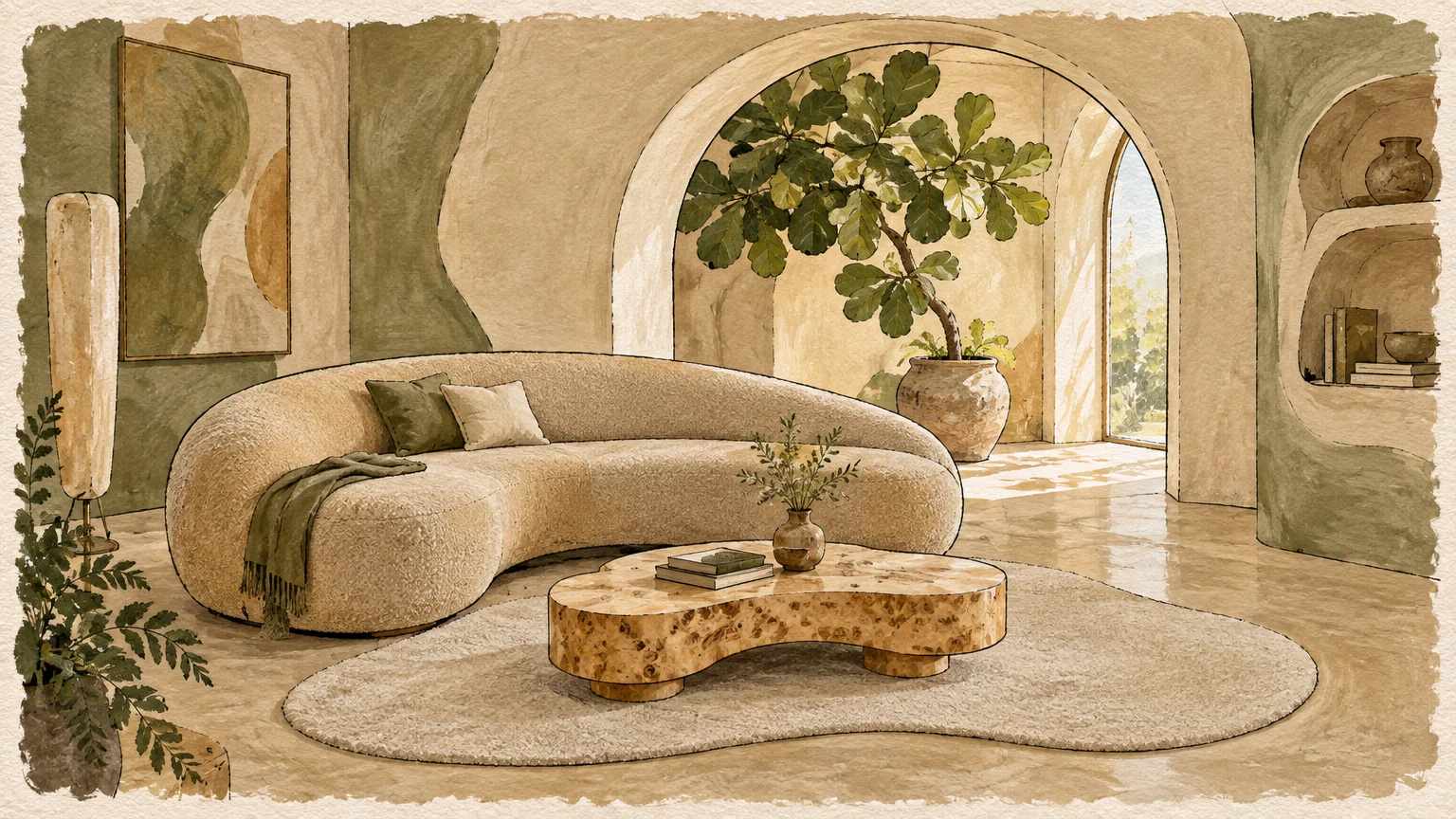
Trend #11: Biophilic Curves and Organic Silhouettes
Rigid geometric lines and sharp corners are giving way to gentle curves that emulate natural landscapes. Curved furnishings inherently soften residential interiors, encouraging fluid physical movement throughout the floor plan.
Biophilic design principles demonstrate that curved forms trigger subconscious feelings of safety and relaxation. Soft contours mirror the organic shapes found across riverbeds, sand dunes, and coastlines.
In living spaces, serpentine sofas and kidney-shaped coffee tables disrupt rigid rectangular seating arrangements. They encourage warmer, more intimate conversations among seated guests.
Architecturally, rounded doorway arches and curved plaster drywall corners soften traffic transitions between rooms. Waterfall kitchen islands with rounded edges transform heavy stone blocks into gentle sculptural anchor points.
Introduce this organic softness on a smaller scale through circular area rugs, ovular dining tables, and arched wall mirrors. These items immediately break up harsh vertical and horizontal gridlines.
Pair curved silhouettes with textured natural textiles to enhance their comforting appeal. The resulting interior envelops you in organic elegance, providing a gentle counterweight to industrial, linear architecture.
Choose dining chairs with barrel backs to gently cradle the body during leisurely dinners. Sculptural comfort invites your family and friends to linger long around the dinner table.
Embracing organic curvature brings a lyrical grace into everyday living environments. It softens modern living while cultivating a peaceful, restorative home sanctuary.
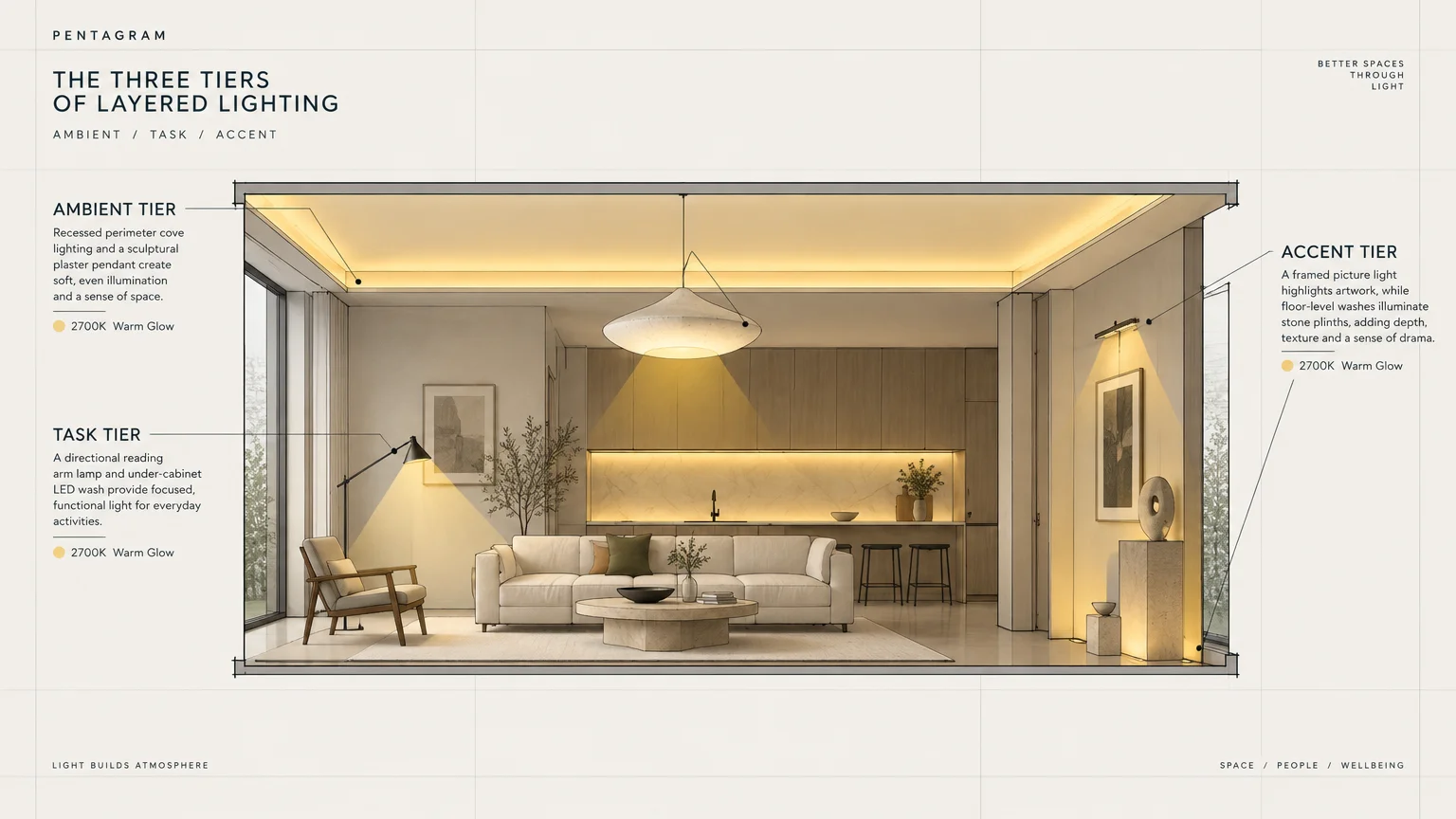
Trend #12: Layered Ambient and Sculptural Lighting
The reign of the solitary, blinding overhead recessed can light has come to a definitive end. Discerning interiors now rely on multi-tiered, sculptural illumination to craft atmosphere, intimacy, and mood.
Treat your lighting fixtures as functional works of art rather than mere electrical necessities. Pendant lights crafted from raw plaster, woven grasses, or hand-blown fluted glass anchor rooms with striking visual weight.
Establish three distinct layers of lighting in every room: ambient overhead glow, focused task lighting, and soft accent illumination. This multi-level approach allows you to modulate brightness as day turns to evening.
Rechargeable, portable table lamps have become essential tools for fresh decor ideas and home styling tips. Place them on bookshelves, cocktail tables, or deep windowsill ledges without wrestling with unsightly power cords.
Wall sconces installed at eye level cast flattering shadows and draw the eye across architectural planes. Always pair your light sources with smart dimmer switches calibrated to warm color temperatures.
Strategic lighting shapes the emotional resonance of your home more effectively than any other single decorative choice. It invites relaxation, flatters your guests, and elevates everyday routines into memorable sensory experiences.
Swap out cool-toned bulbs for warm 2700K or 2400K illumination to create a welcoming, candlelit glow after sundown. Warm lighting instantly softens architectural edges and enhances the textures of your furnishings.
Mastering the interplay of light and shadow unlocks the full design potential of your living spaces. It infuses your home with sophisticated drama and comforting warmth every single night.
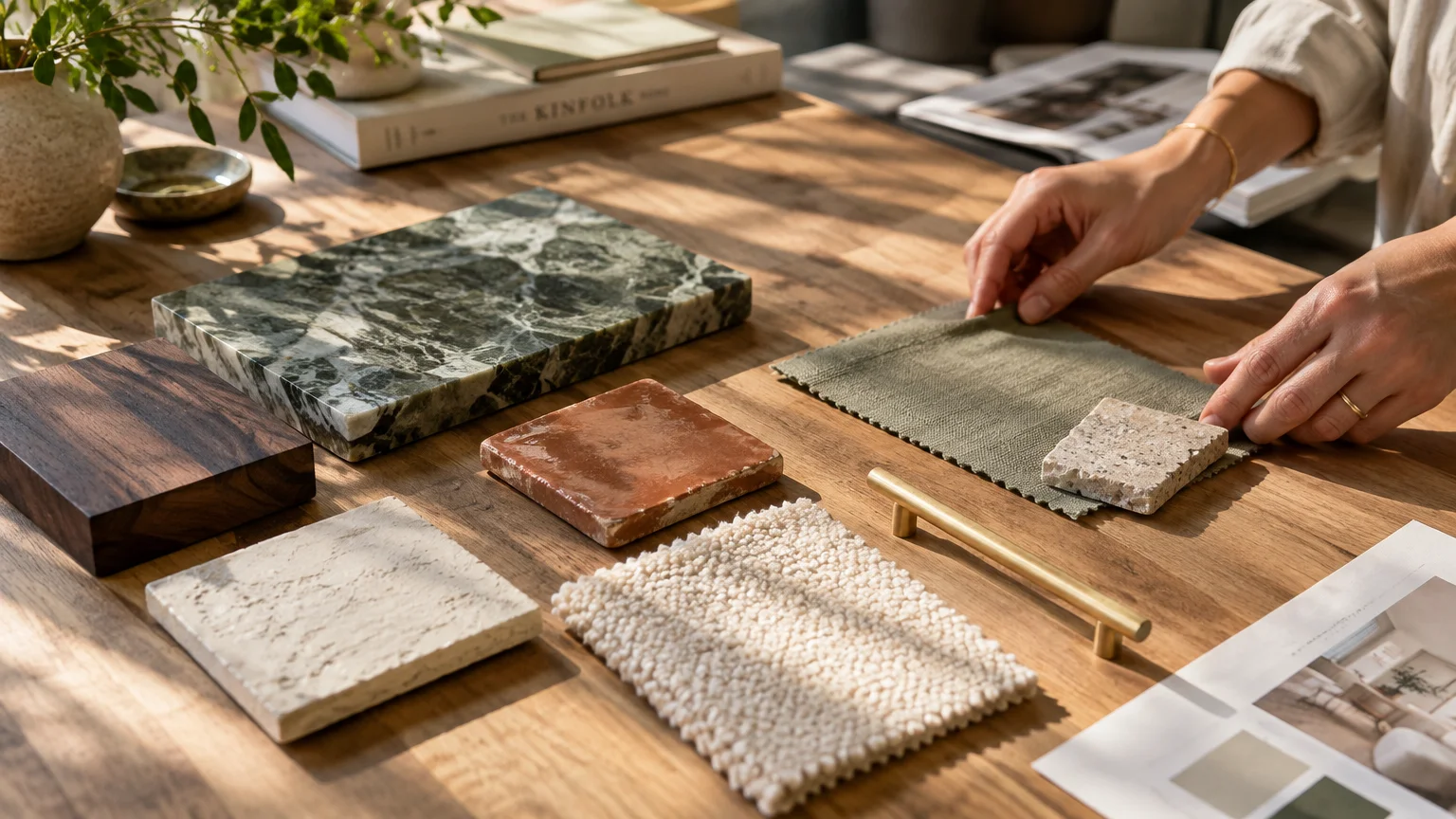
The Big Picture: Weaving These Trends into Your Home
Integrating modern design trends into an existing residence requires discernment rather than wholesale replication. The most captivating homes celebrate personal narrative over rigid obedience to showroom displays.
Begin your styling journey by taking stock of your home’s inherent architecture and lighting conditions. Identify functional pain points—such as cluttered entryways or dark rooms—before committing to decorative investments.
Adopt the 80/20 styling formula to maintain timeless equilibrium throughout your spaces. Dedicate 80% of your foundational elements to classic, enduring pieces, while reserving the remaining 20% for expressive, trend-forward accents.
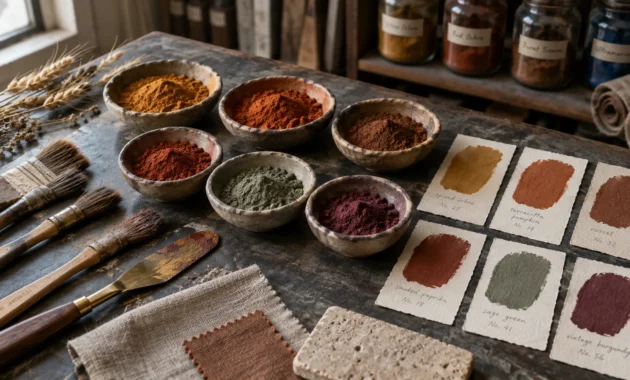
Test saturated paint colors like espresso plum in enclosed spaces like powder rooms before rolling them across main living spaces. Sample swatches in both morning sun and lamplight to observe their undertones.
Focus your renovation budget on high-impact zones that yield lasting daily satisfaction. Thoughtful investments in primary living spaces pay dividends in comfort, visual peace, and enduring home equity.
Remember that a truly chic home should cultivate peace and daily ease. By selecting trends that resonate with your authentic lifestyle, you craft an enduring sanctuary that evolves gracefully over time.
For the latest color forecasts, consult industry leaders like Pantone and paint companies like Benjamin Moore. For professional design standards, refer to the American Society of Interior Designers (ASID).
Frequently Asked Questions
How can I make trendy decor feel authentic rather than staged?
Anchor current home decor trends with personal heirlooms, vintage art, and travel mementos. Avoid purchasing full matching furniture suites from single retail showrooms to keep your home feeling genuinely collected.
Focus on tactile materials like raw timber, linen, and unlacquered brass that age gracefully with daily use. Natural wear introduces character that no mass-produced modern item can replicate.
Which home renovations offer the strongest return on daily enjoyment?
Kitchen and bathroom updates consistently provide the greatest daily satisfaction. With 26% of renovators prioritizing kitchens and 23% upgrading primary baths, these functional spaces deliver immense lifestyle comfort.
Installing quality lighting, walk-in curbless showers, and decluttering through custom storage directly improve your daily routine. Investing in functional comfort pays immediate emotional dividends.
Is dark paint suitable for smaller, light-deprived rooms?
Deep hues like espresso plum often excel in compact, dim spaces. Instead of fighting low natural light with pale paint that appears chalky, rich pigments lean into the shadows to create cozy drama.
Drench the walls, trim, and ceiling in the same hue to erase corners and expand visual depth. Add unlacquered brass hardware and warm 2700K lighting to illuminate the space beautifully.
How do I balance high-end interior design inspiration with a realistic budget?
Prioritize your capital where touch and longevity matter most, such as primary seating, faucets, and architectural lighting. Houzz data shows median renovation spends adjusting to $15,000, prompting smart, focused updates.
Balance high-end focal points with DIY paint refreshes, vintage furniture hunting, and curated thrift store styling. Thoughtful composition always creates a more luxurious atmosphere than lavish spending alone.
Disclaimer: This article reflects design trend analysis and predictions. Personal taste and timeless design principles should always guide your decorating choices.