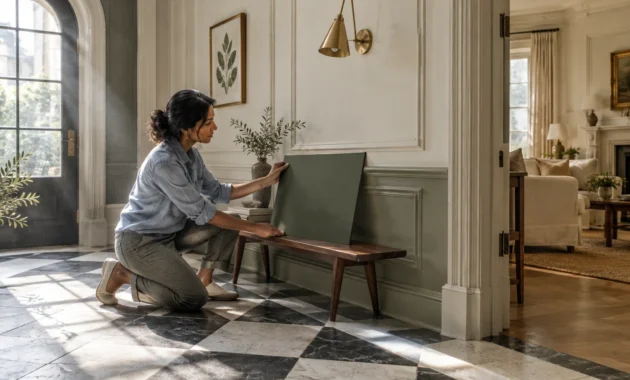
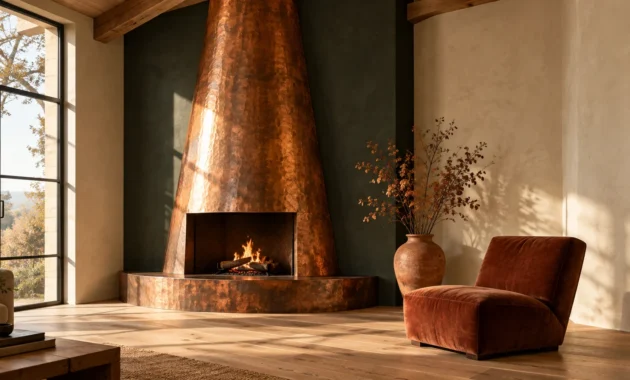
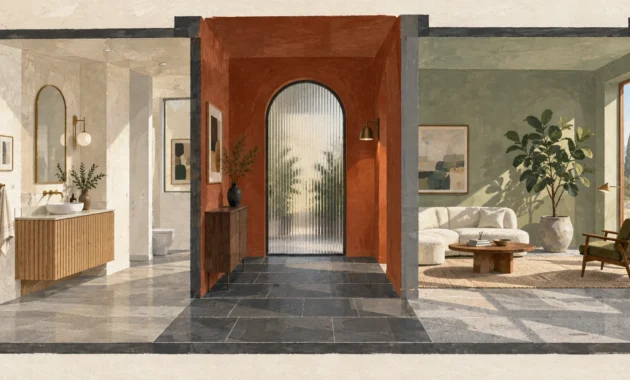
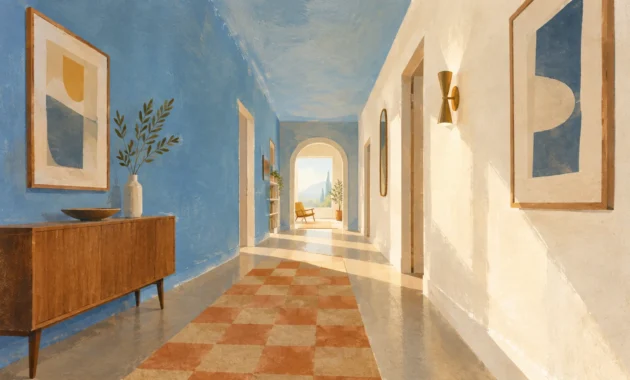
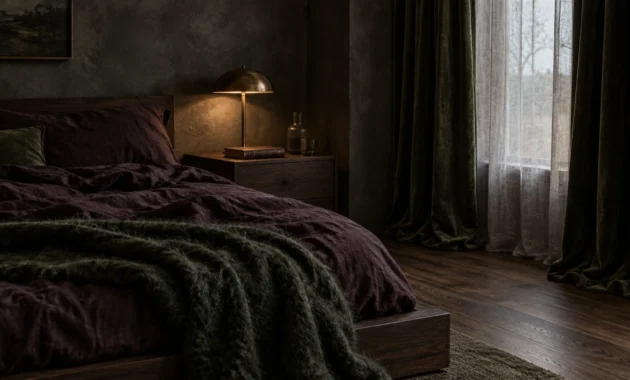
Dimensional design elevates your home beyond the predictable, flat grid of a traditional frame arrangement. Moving past conventional framing techniques allows you to curate rich, multi-layered vertical landscapes that blend depth, texture, and architectural interest. By combining tactile materials like hand-carved wood, sculptural ceramics, dimmable lighting, and woven textiles, you transform bare drywall into an immersive artistic statement. Explore these creative wall decor combinations that offer compelling alternatives to gallery walls, offering fresh inspiration for modern living rooms, dining spaces, and entryway foyers. Embracing tactile wall decor ideas beyond gallery walls will reshape how you experience light, shadow, and visual weight across your home’s interior spaces.

Trend #1: Architectural Floating Ledges and Artisanal Ceramic Vessels
Flat framed prints often fail to engage the physical space of a room. Installing deep, architectural floating ledges introduces real structural projection, turning an ordinary elevation into a dynamic display platform. Designers select ledges measuring four to six inches deep, crafted from rich hardwoods like quarter-sawn white oak or honed travertine stone. These robust ledges support hand-thrown ceramic urns, raw earthenware vases, and stoneware sculptures that cast shifting natural shadows throughout the day.
To execute this look effectively, vary the heights and silhouetted forms of your ceramics. Pair a tall, matte-black narrow urn alongside a squat, unglazed terracotta vessel. Leave generous negative space around each piece to allow the distinct silhouettes to breathe. The contrast between smooth wall surfaces and tactile, raw-clay vessels creates a refined aesthetic that brings organic modernism into contemporary living rooms and dining alcoves. Unlike paper prints under glass, three-dimensional ceramics catch ambient lighting, adding physical depth that grounds your entire interior color palette.

Trend #2: Oversized Textile Tapestries Anchored by Vintage Brass Sconces
Modern residential interiors often feature expansive hard surfaces—from hardwood flooring and floor-to-ceiling glass to polished plaster walls. While these surfaces create clean visual lines, they can introduce uncomfortable acoustic bounce and visual coldness. Hanging large-scale woven wall tapestries introduces essential physical softness and sound-absorbing acoustics while serving as a compelling focal point.
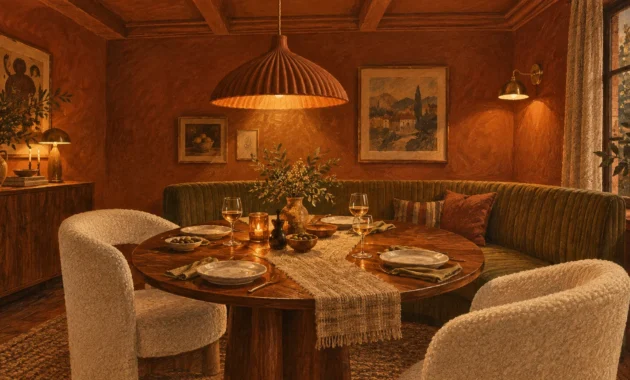
Flank a substantial wool or slubbed linen tapestry with a pair of hardwired brass wall sconces to amplify its tactile quality. Warm, directional illumination from dimmable 2700K LED bulbs skims down the face of the fabric, highlighting hand-spun knots, frayed fringe, and subtle tonal variations in the weave. This combination works exceptionally well behind a low-profile sofa or along an expansive dining room wall. The warm glow of patinated brass creates a striking visual frame around the soft fabric, striking a balanced equilibrium between structural architectural elements and organic warmth.

Trend #3: Antiqued Mirrors Offset by High-Texture Venetian Plaster
Standard clear mirrors often create clinical, harsh reflections that disrupt a cozy interior atmosphere. Swapping flat sheet glass for hand-foxed, antiqued mirrors creates an ethereal, soft-focus perspective that adds instant historical depth and quiet luxury to your home. When you pair an antiqued mirror with hand-troweled Venetian plaster or limewash walls, the interplay of textures produces a breathtaking visual dynamic.
The velvety finish of lime plaster absorbs light, while the mottled, patinated surface of the aged mirror gently bounces ambient light around the room. Position a large, arched antiqued mirror against a deeply textured sage or greige plaster wall over an entryway console table or living room mantle. The frame acts as a subtle transition between the matte wall finish and the reflective glass. This pairing expands visual boundaries without creating distracting glare, making it one of the most effective statement wall decor ideas for compact spaces.

Trend #4: Vertical Fluted Wood Paneling with Inset Canvas Art
Integrating fine art directly into architectural wall trim yields a sophisticated, custom-designed aesthetic. Vertical fluted wood paneling—crafted from rich walnut, warm oak, or deep smoked ash—adds rhythmic linear interest and rich shadow lines to flat drywall. Mounting a large-scale abstract painting over or within a recessed section of fluted paneling establishes a stunning contrast between rigid geometry and loose artistic brushwork.
Select a canvas with fluid movements, organic forms, and rich color saturation to contrast against the precise vertical lines of the wood slats. Secure the artwork with floating spacers so it hovers slightly above the timber paneling. This tiny spatial offset casts a subtle drop shadow, emphasizing the structural depth of the installation. This technique serves as one of the most compelling unique wall decorating ideas for defining dining areas or anchoring principal bedroom headwalls.

Trend #5: Sculptural Metal Reliefs Accompanied by Directional Picture Lights
Move beyond two-dimensional oil paintings by adopting dimensional metal reliefs forged from iron, brushed brass, or sheet copper. Three-dimensional wall sculptures project anywhere from two to eight inches off the wall, transforming a static plane into a living playground of highlight and shadow. As natural daylight turns into evening, these sculptural forms change character based on your room’s light sources.
Mount a museum-grade brass picture light directly above the metal sculpture to emphasize its physical topography. A warm, focused light beam grazing down over forged metal accents creates dramatic, elongated shadows across pale paint colors like soft cream or warm alabaster. This lighting strategy elevates ordinary wall art into a gallery-worthy installation, offering homeowner-friendly alternatives to gallery walls that demand attention in entryways and main stairwells.

Trend #6: Shadow Boxes with Curated Mineral Specimens and Floating Glass Shelves
If you prefer collecting unique objects over acquiring mass-produced art prints, curated shadow boxes paired with minimal glass shelves offer an ideal exhibition medium. Deep-set wooden shadow boxes lined with natural linen create secure, dust-free enclosures for raw mineral specimens, calcified corals, petrified wood slices, and geological artifacts. Arranging these natural treasures alongside floating tempered glass shelves introduces crystalline sparkle and structural variety.
Place natural quartz crystals, pyrite formations, and polished agate slabs within shadow box frames of varying depths. Mount ultra-clear glass ledges adjacent to the boxes to display larger mineral specimens or hand-carved stone artifacts. Sunlight passing through window glass refracts through the mineral facets and clear glass shelves, projecting shimmering light patterns across your walls. This arrangement turns bare vertical space into a personal cabinet of curiosities that invites up-close examination.

Trend #7: Preserved Biophilic Moss Strips Interlocked with Raw Hardwood Slabs
Biophilic design principles emphasize our innate connection to natural elements within built environments. Installing preserved biophilic moss panels interwoven with live-edge hardwood slabs brings natural landscapes straight into urban interiors. Preserved reindeer, cushion, and sheet moss retain their rich emerald tones and soft, spongy textures indefinitely without needing water, sunlight, or soil systems.
Contrast vibrant green moss matrices with vertical slabs of raw walnut or olive wood featuring exposed natural edges and rich grain patterns. Mount these composite panels in home offices, quiet reading nooks, or windowless hallways where living house plants struggle to survive. The rich contrast between raw, dark wood grains and velvety green moss provides instant stress-relieving ambiance, proving that creative wall decor combinations can enhance daily well-being alongside visual aesthetics.

Trend #8: Hand-Carved Bas-Relief Plaster Tiles Arranged with Monochromatic Wall Trims
Monochromatic color schemes rely on physical texture rather than color shifts to capture interest. Hand-carved bas-relief plaster tiles installed inside customized picture frame molding create a subtle, deeply elegant statement wall design. Bas-relief artwork features low-profile three-dimensional motifs—such as abstract botanical leaves, wave patterns, or geometric ripples—carved directly into gypsum or plaster panels.
Coat both the carved plaster tiles and the surrounding wall molding in the exact same paint color and finish, such as a velvety matte chalk paint. Eliminating color variation forces the eye to focus entirely on how natural light interacts with the raised plaster surfaces. Soft highlights accentuate the raised ridges while gentle shadows settle into the carved crevices. This refined approach delivers understated architectural luxury that feels completely tailored to sophisticated living spaces.

Trend #9: Floating Ceramic Wall Plates Layered over Textured Grasscloth Wallcoverings
Mounting decorative ceramic plates on walls is a classic interior design tradition, but pairing them with natural grasscloth wallcoverings creates a distinctly modern revival. Woven sisal, seagrass, or jute wallcoverings add an earthy, organic foundation across large wall surfaces. Securing artisanal stoneware plates over grasscloth creates a rich layered effect, highlighting the tactile difference between coarse natural fibers and glossy ceramic glazes.
Utilize invisible heavy-duty plate hangers to float ceramic art pieces two inches off the wall surface rather than pinning them flush against the wallpaper. Choose studio pottery featuring hand-painted botanical motifs, bold sgraffito patterns, or rich reactive glazes. Arrange five to seven plates in an asymmetrical, organic curve that flows across the wall space. The smooth, light-reflecting glaze of the pottery breaks up the matte texture of the woven grasscloth, adding architectural depth to dining rooms and breakfast parlors.

The Big Picture: Weaving These Trends into Your Home
Mastering three-dimensional wall styling requires balancing spatial proportion, lighting contrast, and material variety across your home. Before installing any heavy or dimensional decor items, evaluate the functional pathways and primary light sources in your room. Heavy physical objects like floating stone ledges or metal relief sculptures need strong anchor points attached directly to wall studs, along with generous clearance in high-traffic hallways to avoid physical collisions.
Avoid applying bold dimensional combinations to every vertical plane in a single room. Choose one primary focal wall—such as the space above a fireplace mantel, behind a main sofa, or along a main dining accent wall—to house your three-dimensional masterpiece. Balance this focal statement by keeping adjacent walls relatively uncluttered with clean sightlines. Vary your material pairings across adjacent rooms: if your living room features fluted wood paneling with inset art, consider introducing an antiqued mirror over Venetian plaster in your entryway foyer. This deliberate approach ensures a harmonious, layered home layout that feels intentionally curated over time rather than overly styled.
For the latest color forecasts, consult industry leaders like Pantone and paint companies like Benjamin Moore. For professional design standards, refer to the American Society of Interior Designers (ASID).
Frequently Asked Questions
How do I choose between a traditional frame gallery wall and a dimensional wall arrangement?
Consider the scale, lighting, and existing architectural features of your room. Traditional flat frame galleries work best in tight passageways, narrow staircases, or behind doors where protruding physical objects might obstruct physical movement. Dimensional wall combinations—such as floating ceramic ledges, metal reliefs, or fluted panels—shine in open-concept living rooms, grand entryways, and dining spaces where directional lighting can cast beautiful shadows and accentuate physical depth.
Will dimensional wall installations make a small living space feel cramped?
When you scale objects accurately, dimensional wall decor actually makes compact rooms feel larger by drawing the eye upward and creating rich spatial depth. Mirrors paired with textured plaster or floating glass ledges reflect ambient light and create an open visual illusion. Limit your composition to two or three carefully selected dimensional pieces with slender profiles rather than overcrowding small walls with bulky, heavy items.
How do I clean and maintain textured and three-dimensional wall objects?
Maintaining three-dimensional wall arrangements requires gentle, non-abrasive cleaning methods tailored to specific materials. Use a soft, static-charging microfiber duster or an extendable ostrich feather duster weekly to clear dust from ceramic urns, metal reliefs, and carved plaster tiles. For delicate preserved moss walls or woven tapestries, use a vacuum cleaner fitted with a soft brush attachment set on low suction to lift settled dust without damaging organic fibers.
What type of lighting works best for highlighting three-dimensional wall decor?
Directional accent lighting works best for revealing the contours, highlights, and shadows of dimensional wall art. Install dimmable ceiling recessed spotlights, slim brass picture lights, or adjustable wall sconces equipped with warm LED bulbs rated between 2700K and 3000K. Angle the light beams at 30 degrees toward your wall installation to produce soft downward shadows without creating harsh glare across glossy glazes or glass surfaces.
Disclaimer: This article reflects design trend analysis and predictions. Personal taste and timeless design principles should always guide your decorating choices.