Exposed brick walls transform ordinary living spaces into tactile sanctuaries filled with architectural character and provenance. Stripping back drywall reveals authentic masonry, infusing immediate warmth, natural texture, and historical narrative into your home.
Today’s design movements elevate rustic brick surfaces far beyond predictable industrial warehouse aesthetics into refined, quiet luxury statements. Thoughtful styling, nuanced finishes, and curated lighting turn any exposed brick interior into an enduring architectural focal point.
Whether you uncover original historic clay or install authentic thin-brick veneer, intentional design choices produce a sophisticated backdrop for modern living. Explore these ten elevated directions to integrate masonry into your personal aesthetic with effortless confidence.
Trend #1: The Limewashed Heritage Wall
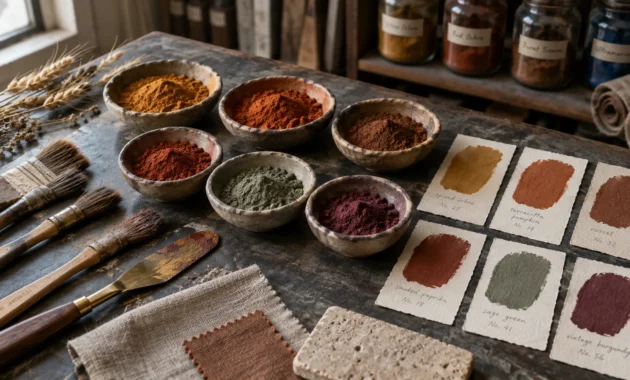
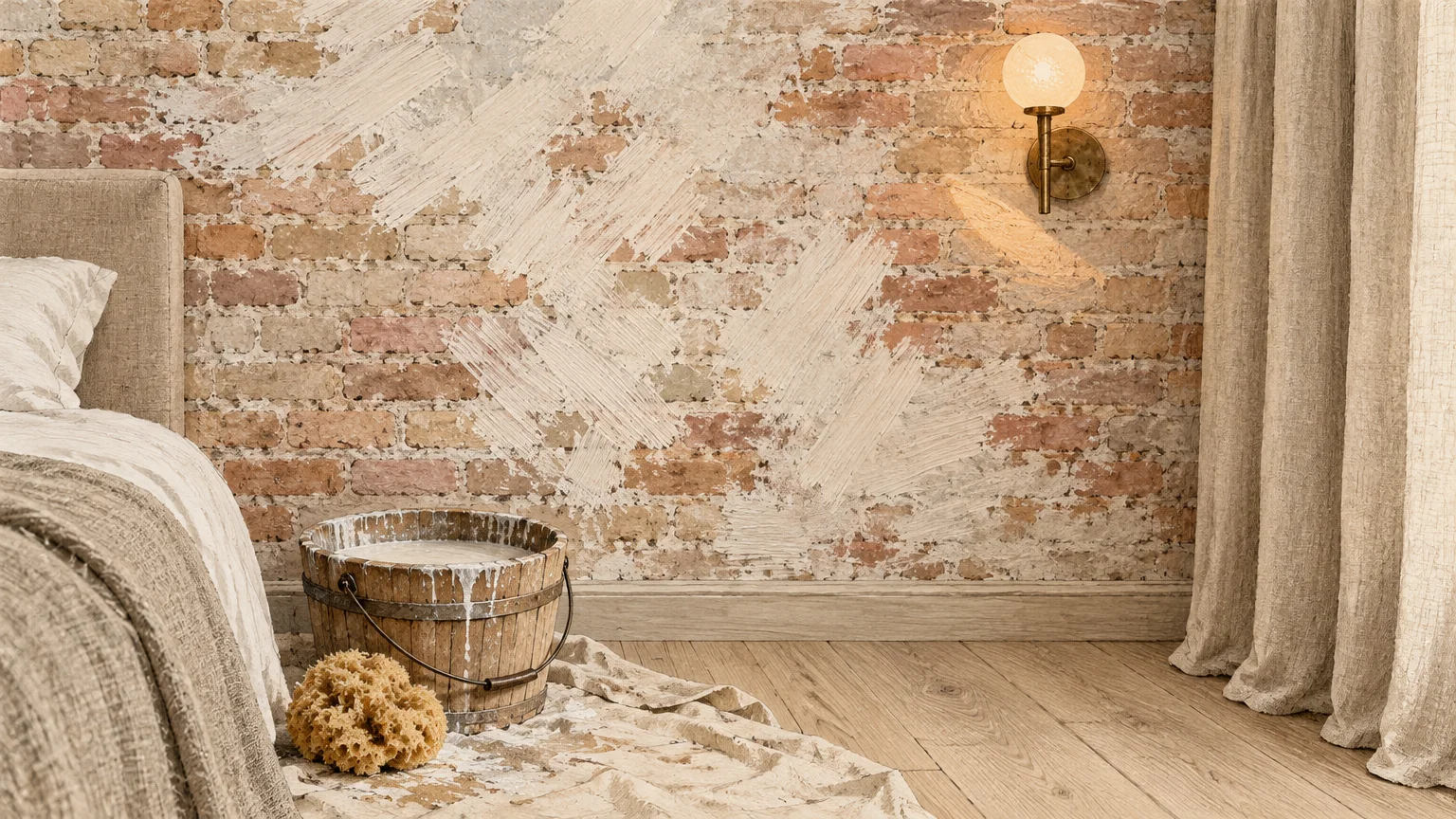
Limewashing softens the aggressive contrast of traditional red masonry without completely hiding its storied history. This centuries-old technique uses slaked lime and mineral pigments to create a breathable, chalky matte finish.
Unlike synthetic latex paint, natural limewash sinks deep into porous clay surfaces. It creates a luminous, distressed patina that prevents moisture entrapment while softening raw architectural edges.
Pair a limewashed brick accent wall with bleached European oak flooring and raw Belgian linen drapery. This neutral palette builds an atmosphere of quiet luxury and relaxed refinement throughout your room.
To achieve this look, dilute genuine slaked-lime paint and apply it with a wide masonry brush in cross-hatch motions. Wipe down high-contact zones with a damp sea sponge before the mixture cures to expose subtle brick undertones.
This technique suits living rooms and bedrooms where you want masonry character without visual heaviness. The resulting surface catches shifting sunlight, bringing dynamic organic movement to flat drywall environments.
Style the completed surface with warm, sculptural ceramic vessels and unlacquered brass wall sconces. These artisanal metallic accessories harmonize naturally with the chalky, hand-applied finish of the lime.
Trend #2: Industrial Biophilic Fusion
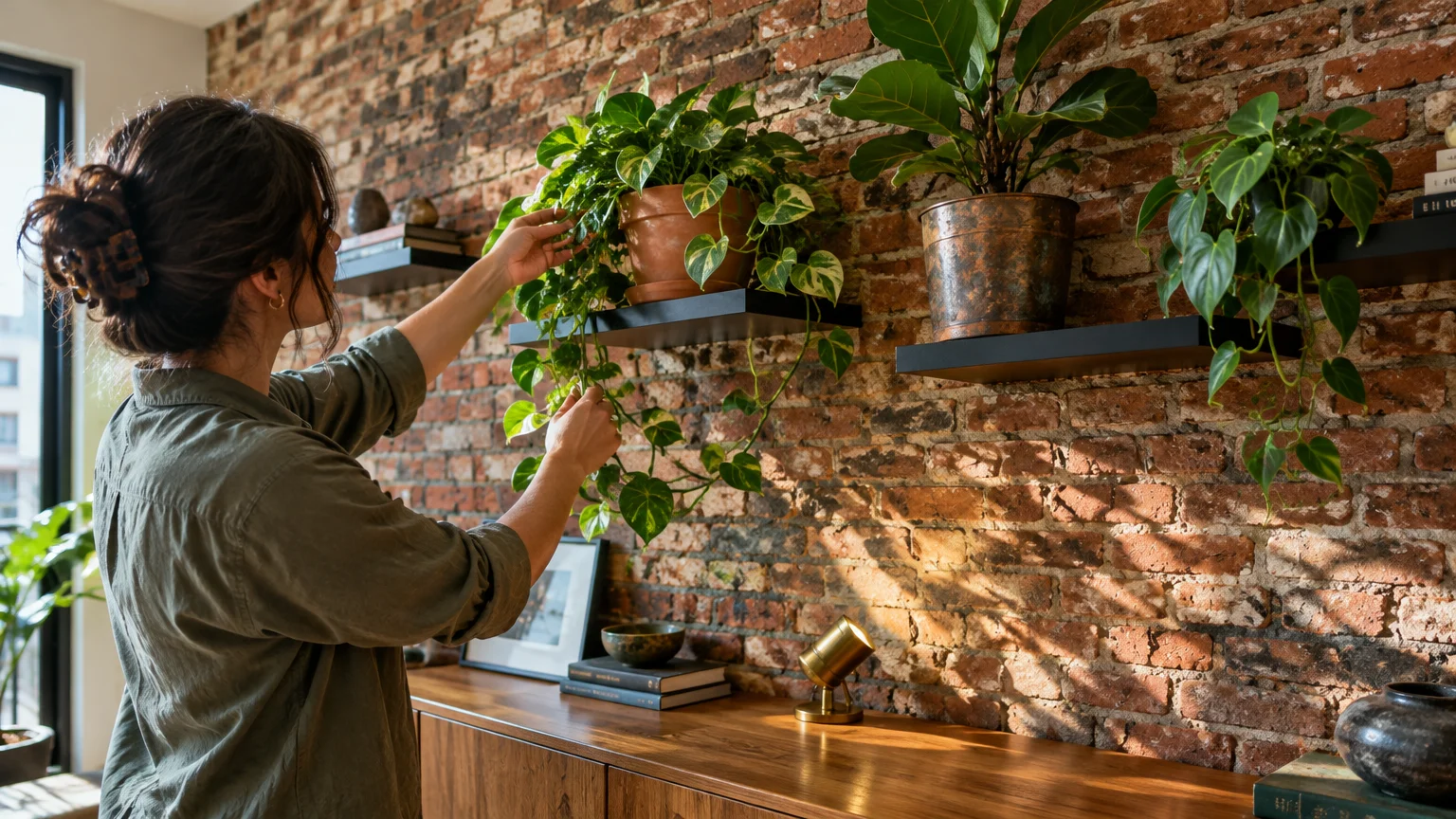
Juxtaposing organic flora against weathered red brick softens severe industrial decor into a restorative indoor conservatory. This biophilic approach celebrates the dynamic tension between manufactured structural elements and lush natural foliage.
The rich iron oxides in historic brickwork provide a grounded, complementary canvas for vibrant chlorophyll greens. Trailing vines and broad architectural leaves emphasize the tactile, rugged authenticity of natural masonry.
Mount powder-coated black steel shelving or floating walnut ledges directly onto the exposed brick interior. Style these planes with cascading pothos, philodendron cordatum, and upright fiddle-leaf figs to establish layered vertical gardens.
Incorporate directional brass spotlights angled upward into the leaves to cast dramatic sculptural shadows across mortar joints at dusk. This dynamic play of organic shadow instantly warms cool dining and living zones.
Avoid overcrowded arrangements that mask the masonry entirely. Allow substantial zones of raw brick to breathe between foliage clusters to preserve architectural balance.
Select unglazed terracotta planters and patinated copper pots to echo the raw minerals in the brickwork. These earthy vessels tie the living botanicals directly into the architectural envelope.
Trend #3: Monochromatic Midnight Brick
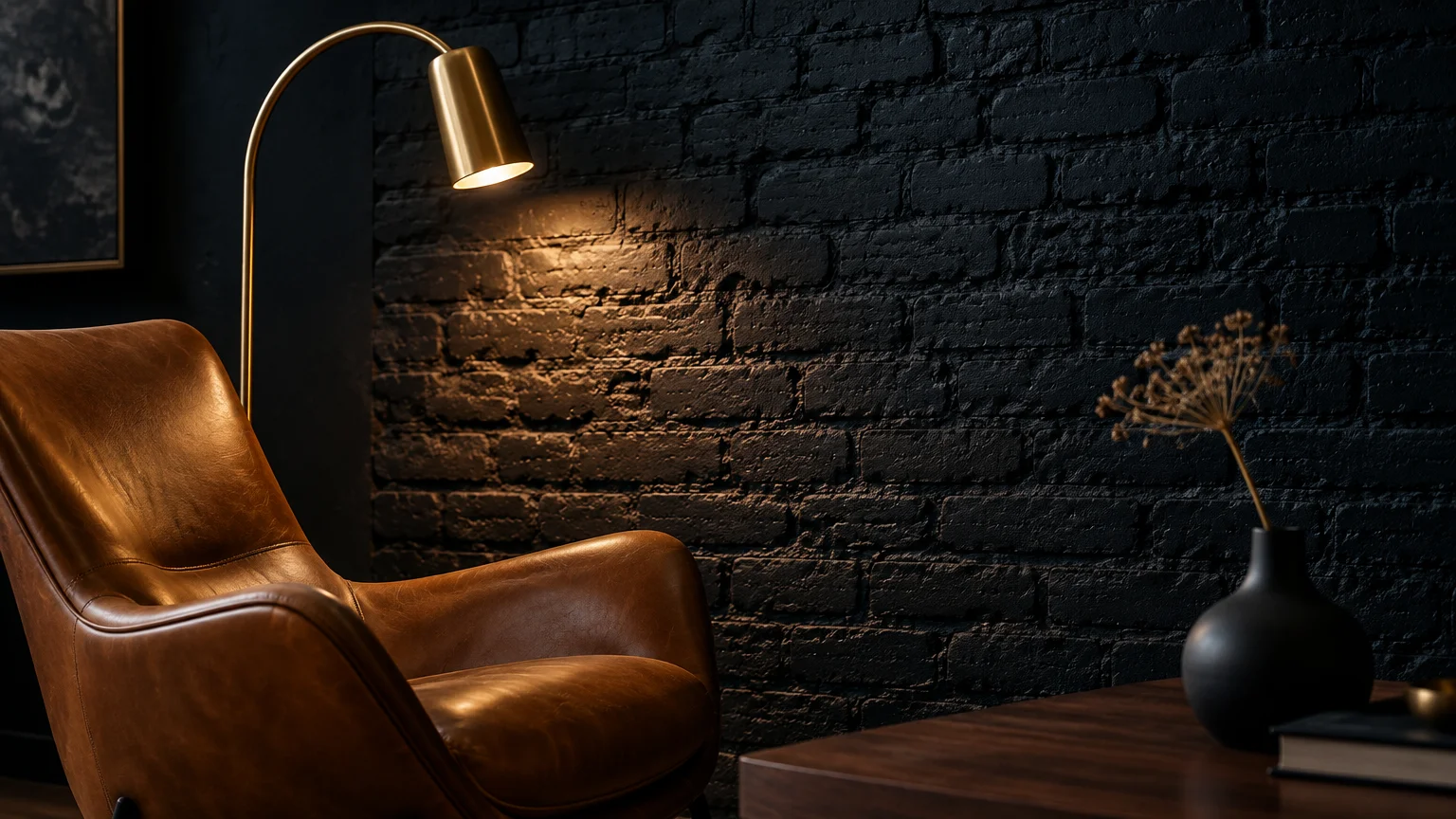
Coating an exposed brick wall in saturated midnight tones creates an intimate, theatrical environment. Charcoal, obsidian, and deep navy pigments absorb ambient light while accentuating the irregular, tactile relief of brick faces.
This moody aesthetic departs from rustic farmhouse conventions, anchoring modern living spaces with striking contemporary gravitas. The monochromatic treatment transforms coarse masonry into an intentional, high-fashion statement.
Choose ultra-matte mineral or chalk paints to preserve the wall’s stony texture without causing artificial plastic sheen. High-gloss finishes reflect glare and disrupt the masonry’s subtle, sculpted depth.
Balance the dark surface with reflective brass hardware, velvet furnishings in jewel tones, and warm alabaster lighting. These gleaming accents prevent the space from feeling cavernous or visually flat.
Ensure you apply an oil-based masonry primer before applying dark pigments. Proper preparation prevents efflorescence from bleeding through the color and compromising the rich finish.
Install warm directional downlights that graze the dark brick from above. The deep relief casts subtle charcoal shadows, lending dramatic depth to bedrooms and formal dining salons.
Trend #4: The Architectural Brick Archway
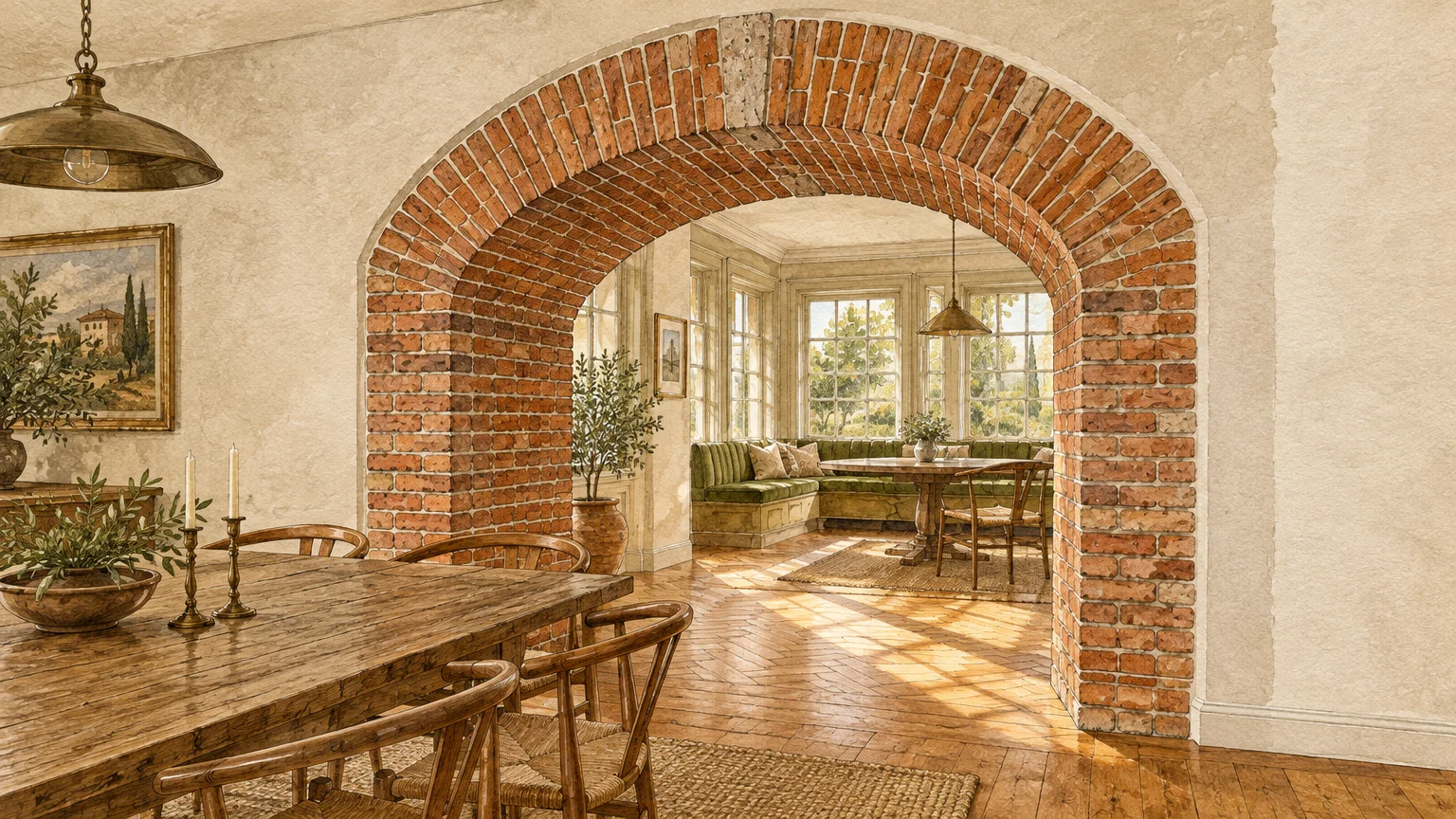
Exposing or carving structural masonry arches introduces classical architectural rhythm into open-concept floor plans. Curved brickwork softens angular modern construction, creating seamless transitions between adjoining entertaining spaces.
Masonry arches draw the eye upward, celebrating height and structural craftsmanship. They evoke historic European cloisters while functioning as sculptural room dividers that preserve acoustic connection.
Highlight the archway by keeping adjoining drywall crisp, flat, and minimally adorned. The stark contrast between smooth plaster and hand-laid voussoirs emphasizes structural provenance.
Frame interior views through the arch toward curated vignettes, such as a sculptural dining table or bespoke credenza. The curved brick silhouette acts as an architectural picture frame for your home.
If structural alteration is impossible, construct a timber framework wrapped in authentic thin-brick veneer. Pack the joints with aggregate mortar to achieve an authentic, time-worn appearance.
Illuminate the curve using hidden plaster cove uplights tucked inside the arch reveal. This gentle wash accents the masonry crown without exposing obtrusive light fixtures.
Trend #5: Gallery-Curated Salon Walls
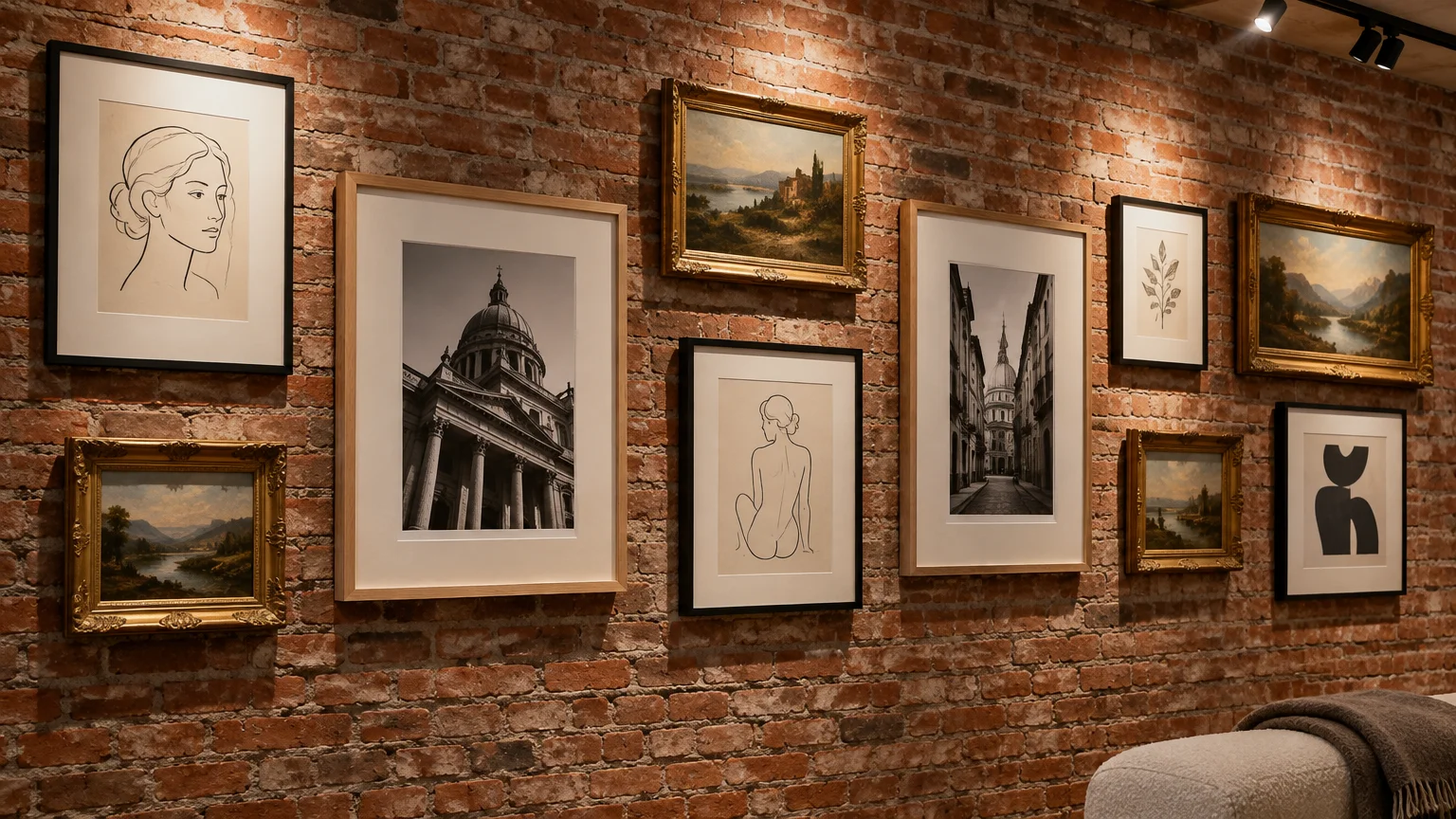
Hanging fine contemporary artwork against a rugged brick wall decor framework establishes a captivating gallery environment. The deliberate clash between pristine canvas framing and crumbling industrial texture generates elevated visual dialogue.
Modern white museum frames and floating plexiglass mounts stand out distinctly against uneven, mottled clay surfaces. This curated juxtaposition makes art pieces appear more striking and deliberate than on plain white drywall.
Anchor art using heavy-duty masonry anchors or suspend pieces from a ceiling-mounted picture rail system. A brass picture rail honors historic craftsmanship while protecting antique mortar joints from invasive drilling.
Mix large abstract oil paintings with minimalist black-and-white photography to balance the brick’s chaotic texture. Group frames intentionally, maintaining consistent reveal gaps to introduce clean order against rough masonry.
Illuminate the installation with slender brass picture lights mounted above key frames. Focused warm illumination highlights both brushwork and the surrounding masonry relief.
Keep furniture profiles beneath the art wall sleek and low-slung. Uncomplicated furniture silhouettes let the dynamic interplay between artwork and exposed brick command full attention.
Trend #6: Warm Minimalist Terracotta
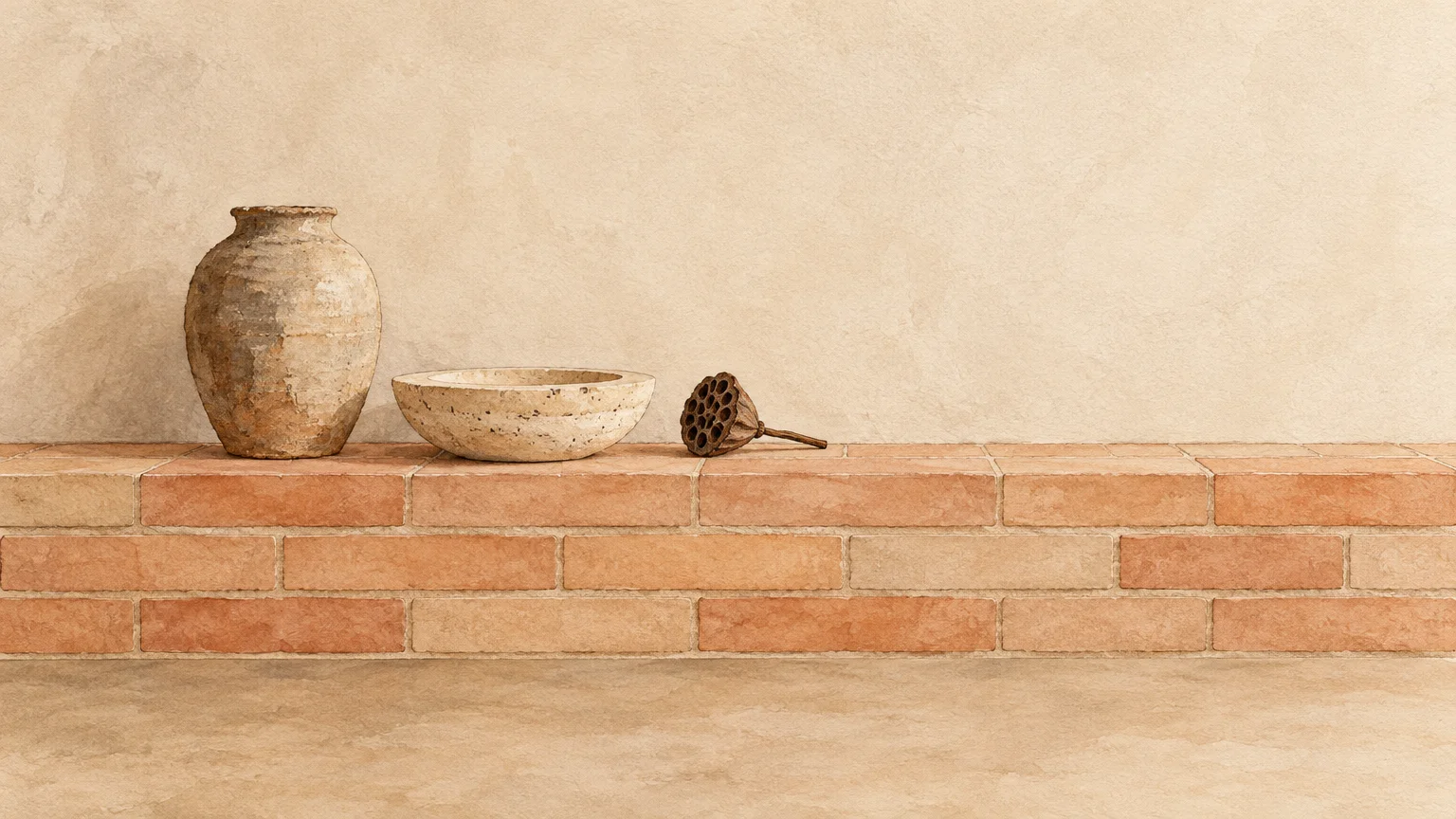
Warm minimalism strips away clutter while celebrating earthy materials, tactile honesty, and serene spatial proportions. Sanded terracotta brickwork forms the soulful anchor of this understated aesthetic.
Rather than dark red or orange brick, choose pale terracotta and apricot clay tones. These sun-baked hues reflect natural daylight, warming cool interior corridors without overwhelming small rooms.
Furnish the space with low-slung travertine coffee tables, boucle seating, and matte plaster lighting fixtures. These gentle, earthy textures echo the masonry’s mineral nature, fostering cohesive spatial serenity.
Seal untreated interior terracotta using an invisible, water-based matte impregnator to block household dust. A penetrating sealer keeps porous clay clean without altering its natural color or surface texture.
Keep adjoining window trims uncluttered and drapery sheer. Unrestricted natural sunlight brings out the warm, grounding mineral tones within every individual brick.
Ground the layout with hand-knotted wool rugs in oatmeal or ecru tones. Soft underfoot textures offer comforting tactile relief beside the firm, earthen brick wall backdrop.
Trend #7: Concealed Perimeter Grazing
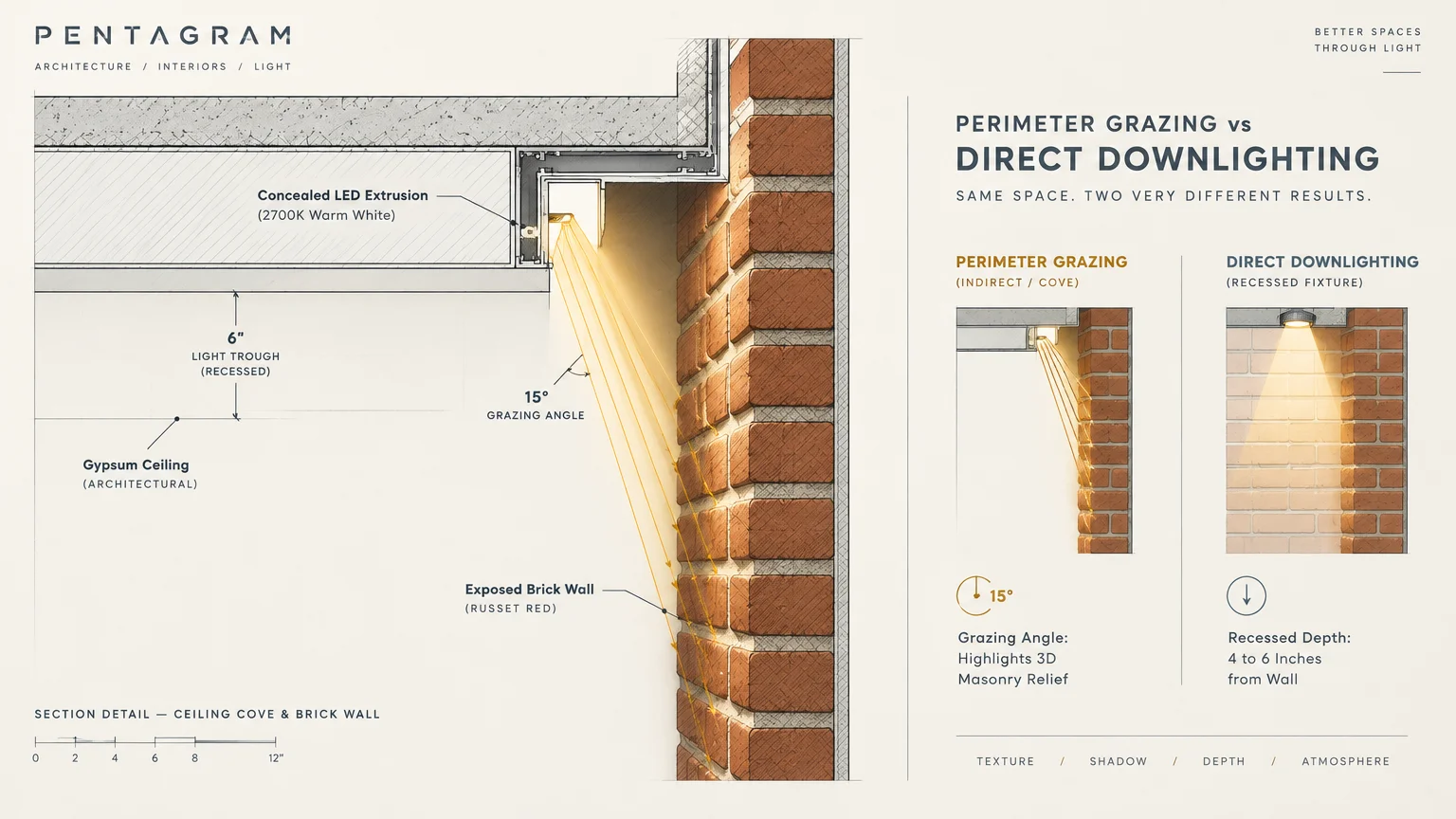
Lighting dictates how an exposed brick interior communicates within a room after daylight fades. Wall grazing positions linear illumination directly adjacent to the masonry surface, emphasizing its physical texture.
Recessed ceiling channels or floor-mounted LED troughs cast narrow, high-angle light along the masonry plane. This lighting angle highlights projecting brick lips, recessed mortar joints, and weathered clefts with dramatic contrast.
Select LED fixtures featuring a warm color temperature between 2400K and 2700K. Warm light enriches natural iron and clay tones, whereas cool light makes interior brick look clinical and synthetic.
Ensure the light source remains completely concealed behind a dropped architectural soffit or shallow floor reveal. Hiding the diodes prevents harsh glare and keeps attention on the illuminated brick facade.
Pair these grazing fixtures with dimming controls to adjust atmosphere seamlessly from daytime vibrancy to intimate evening warmth. Subtle lighting turns ordinary masonry into an ever-changing textural art installation.
Position the light channel two to four inches from the masonry face for optimal rake. This distance balances illumination coverage across the full wall height without blinding glare.
Trend #8: The Mixed-Material Kitchen Backsplash
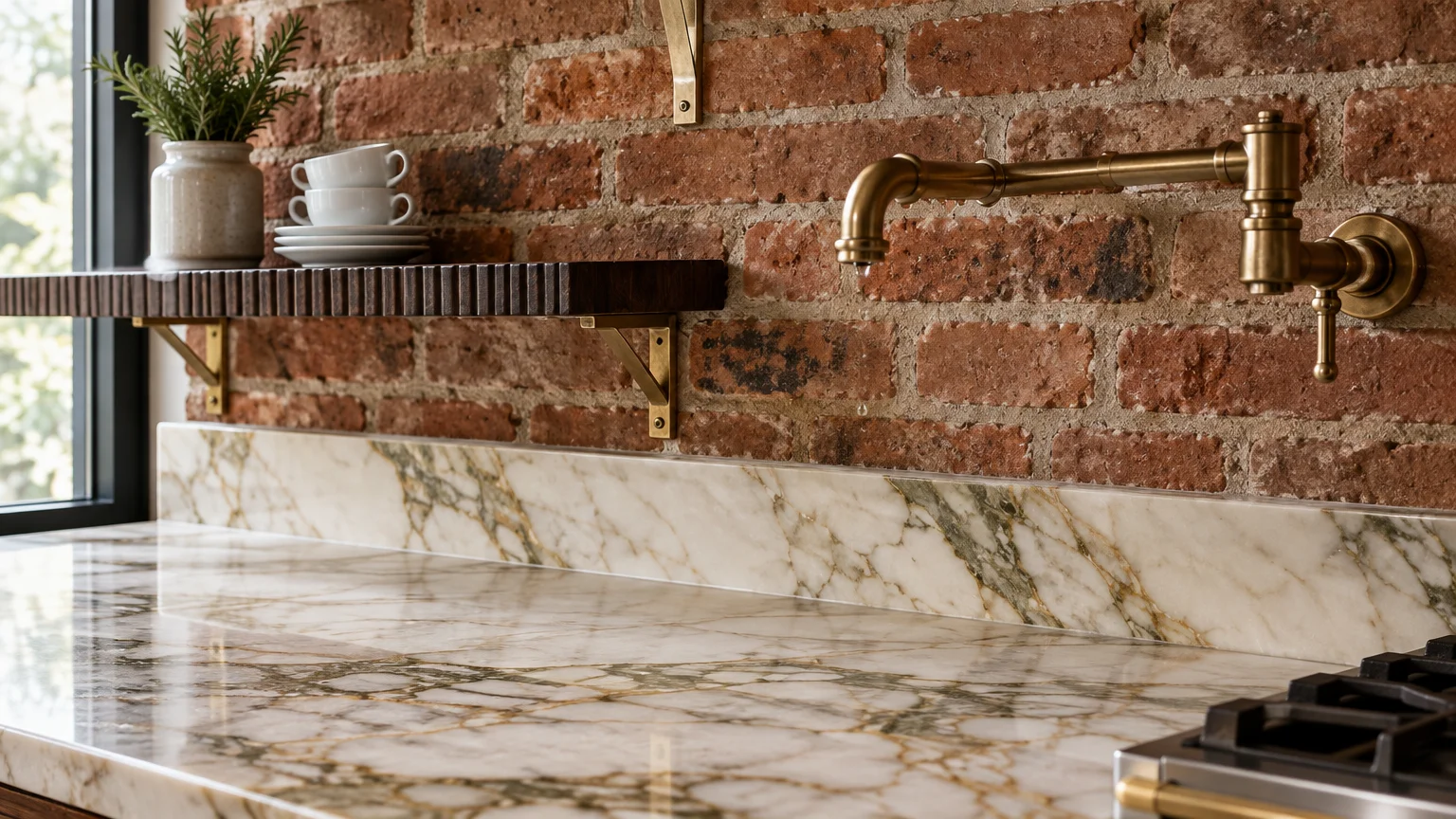
Integrating an exposed brick wall ideas concept behind a kitchen workspace unites utilitarian function with historic restaurant character. Brick brings timeless substance to modern culinary spaces dominated by sleek solid surfaces.
Combine raw brick walls with sleek waterfall marble countertops and seamless stainless steel cabinetry. The dramatic tension between smooth, veined stone and rough clay brick elevates high-performance kitchen designs.
Install a pane of low-iron tempered glass directly behind cooking ranges to safeguard masonry from grease splatters. Clear glass provides essential cleanability while displaying the authentic brick structure beneath.
Coat the remaining kitchen brick with an oleophobic, food-safe masonry sealer. This protective barrier repels moisture and oils without imparting a synthetic shine to the masonry.
Suspend floating solid bronze shelves across the brick backsplash to display ceramic tableware and artisanal glassware. Heavy metallic hardware visually anchors the masonry while providing functional culinary storage.
Contrast the rustic brickwork with crisp integrated cabinetry in matte fluted oak or painted sage. Natural wood balances the raw brick, yielding an inviting culinary gathering space.
Trend #9: German Smear and Mortar Washes
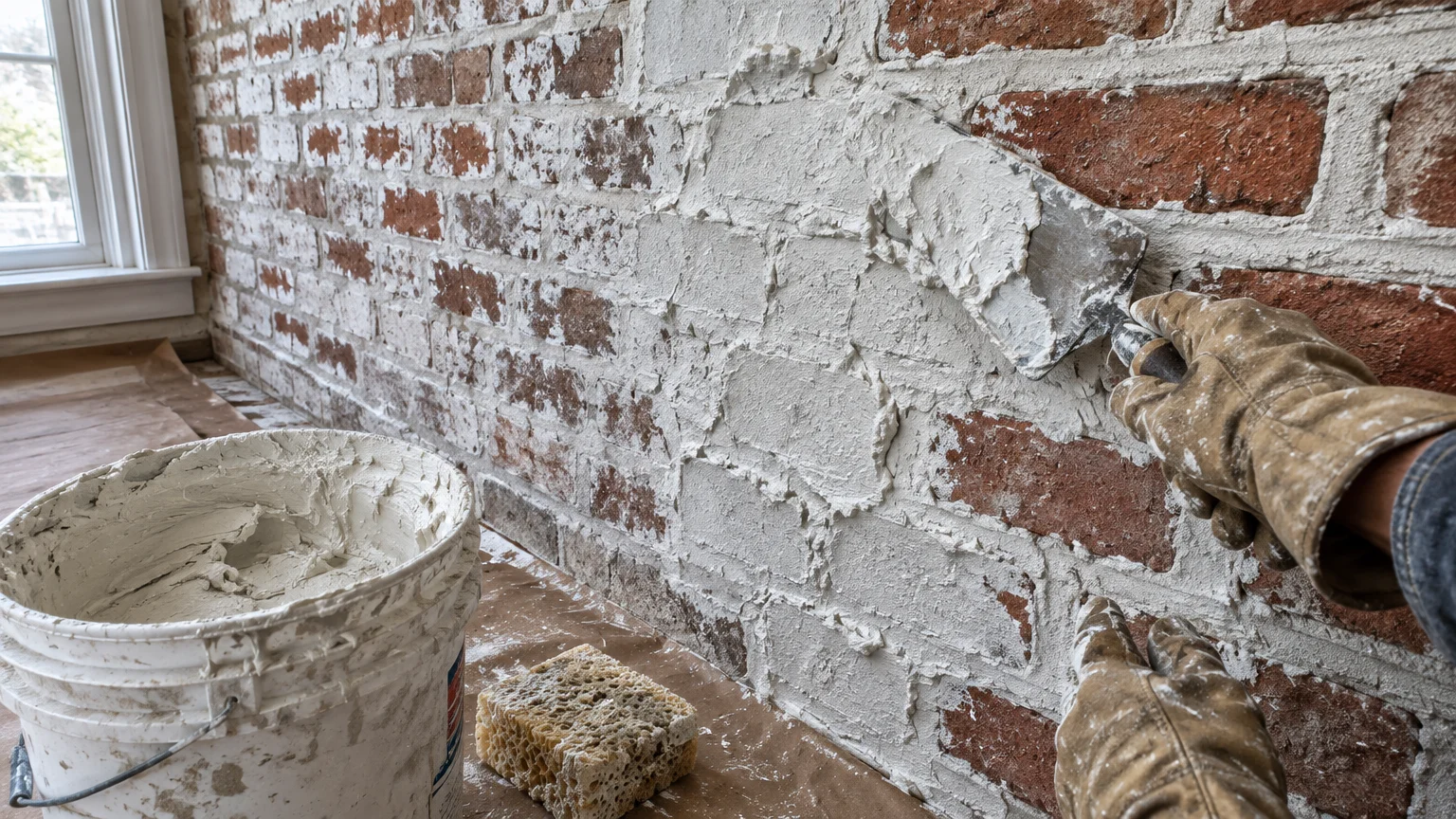
The German smear technique mimics the romantic, heavy-mortar masonry seen in centuries-old European cottages and stone barns. Troweling wet mortar across the brick face partially conceals individual units beneath an irregular plaster veil.
This approach softens harsh industrial decor, instilling a charming, weathered country presence in living and dining rooms. The varied mortar thickness creates captivating textural variance across the entire surface.
Prepare a creamy mixture of white Portland cement and fine masonry sand mixed with clean water. Butter the wet mortar onto pre-dampened brick using an authentic steel trowel.
Use a stiff wire brush or damp sponge to wipe away excess wet mortar from selected brick faces before it sets. This controlled removal reveals underlying clay highlights in dynamic, organic patches.
Because mortar wash forms a permanent mineral bond, test your application technique on loose sample boards first. Perfecting your trowel pressure guarantees an authentic, time-weathered installation on your main wall.
Pair this distressed texture with vintage French country furniture, tumbled flagstone flooring, and antiqued wrought iron accents. These historic furnishings anchor the European farmhouse aesthetic with curated grace.
Trend #10: Modern Loft Industrial Decor
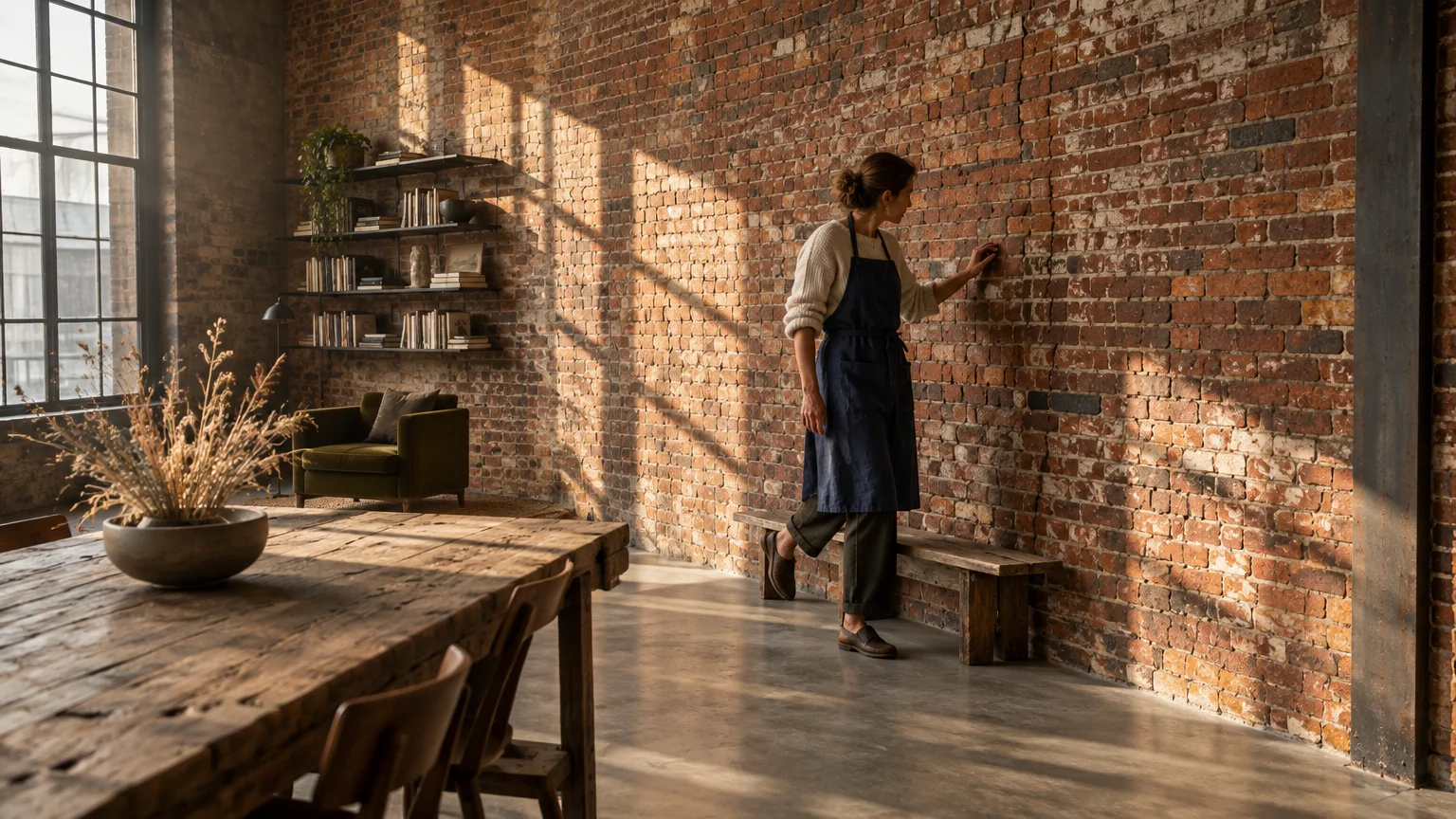
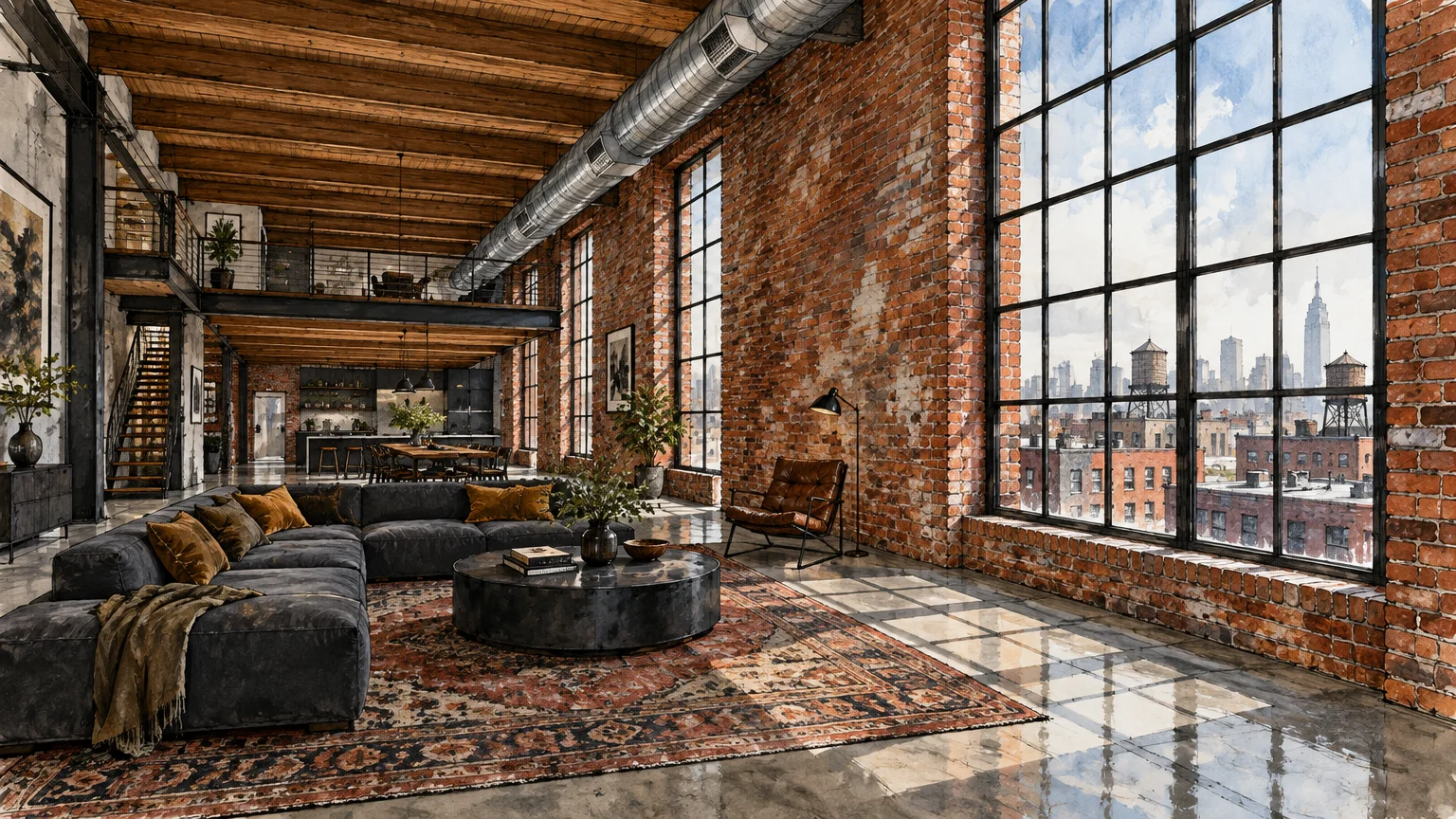
The urban loft aesthetic remains an iconic interior style, celebrating authentic architectural bones and structural honesty. Raw, unpainted brick walls define this look, creating a compelling dialogue with industrial design materials.
Team rugged red masonry with blackened steel beams, exposed electrical conduit, and poured concrete floors. This unapologetic celebration of construction materials delivers confident architectural drama in urban apartments and open-concept dwellings.
Introduce tactile softness through deep leather sofas, cashmere throws, and oversized wool rugs. Rich, plush textiles offset cold industrial surfaces, creating an inviting and balanced living environment.
Install large grid-pane black steel windows along adjacent walls to flood the exposed brick interior with bright daylight. Crisp industrial framing mirrors the linear rhythm of horizontal mortar courses.
Clean antique loft brick with a dry vacuum and gentle detergent before sealing with an invisible dust binder. A clear binder stabilizes historic clay and mortar, preventing persistent red dust in daily living spaces.
Select mid-century modern statement seating or vintage factory workbenches repurposed as dining tables. These conversation pieces highlight the structural grit of genuine urban loft architecture.
The Big Picture: Weaving These Trends into Your Home
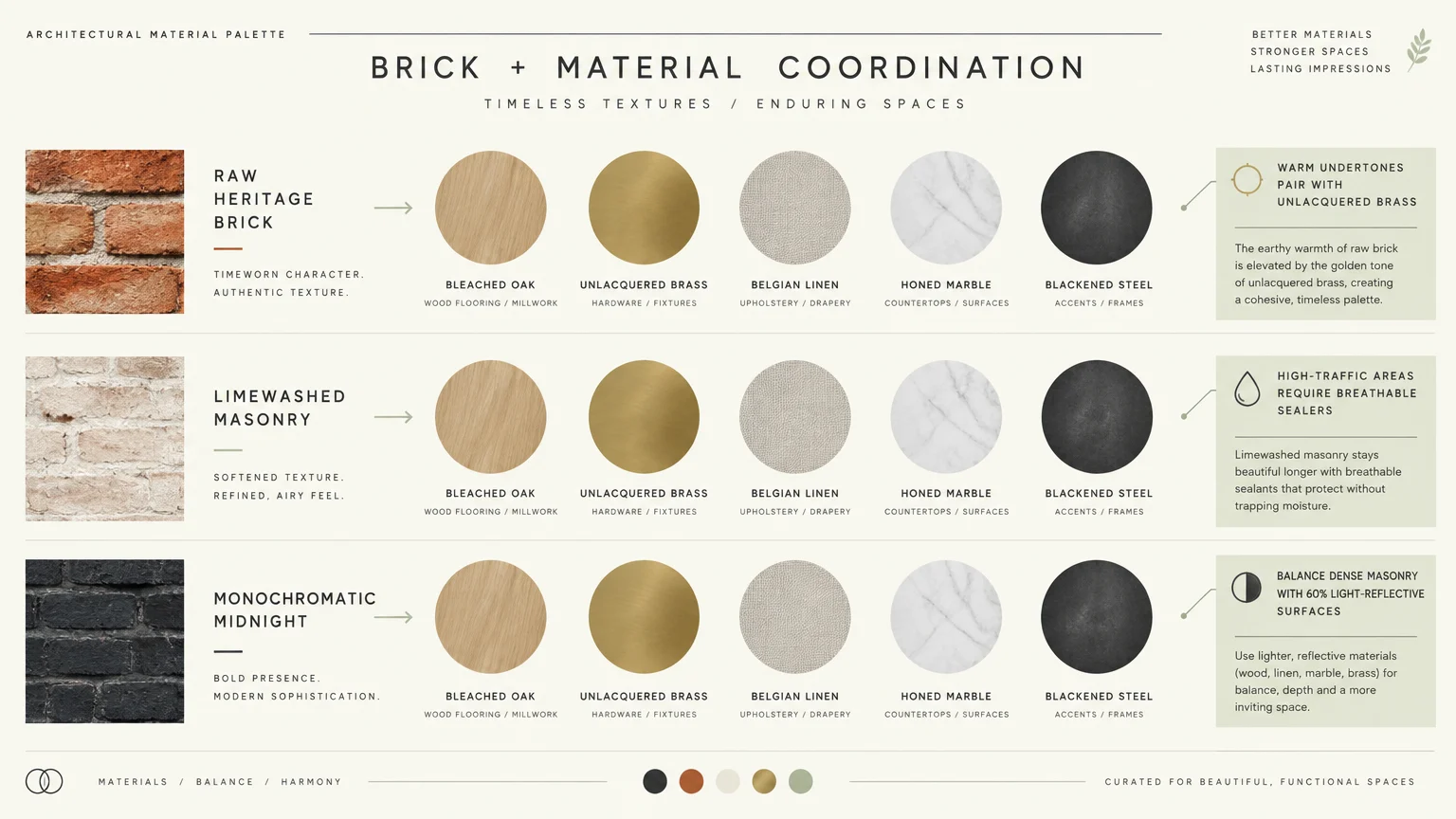
Successfully incorporating an exposed brick interior requires balancing rugged industrial character with refined comfort. Rather than letting masonry overpower your space, treat it as a foundational architectural anchor.
Balance coarse brickwork with tailored furnishings, soft organic fabrics, and smooth stone surfaces. This intentional friction between rough and polished finishes generates compelling visual depth throughout the home.
Consider the scale of your room before deciding whether to expose an entire wall or a focused alcove. In compact rooms, a full red brick wall can shrink perceived volume; a limewash or mortar smear keeps the space open.
Evaluate your existing architectural bones honestly before removing drywall or commissioning veneer installations. Authentic historic masonry possesses charming flaws, while modern thin-brick veneers require skilled craftsmanship to avoid looking flat.
Invest in proper sealing and dust mitigation early during the renovation process. Well-sealed masonry preserves mortar integrity and protects indoor air quality without sacrificing its natural matte texture.
Let the provenance of your home guide your stylistic decisions. When you honor the building’s authentic structural story, exposed brick feels timeless rather than trendy.
For the latest color forecasts, consult industry leaders like Pantone and paint companies like Benjamin Moore. For professional design standards, refer to the American Society of Interior Designers (ASID).
Disclaimer: This article reflects design trend analysis and predictions. Personal taste and timeless design principles should always guide your decorating choices.
Frequently Asked Questions
Does an exposed brick wall suit contemporary homes?
Yes, exposed brick walls integrate seamlessly into sleek contemporary homes when balanced with restrained minimalist furnishings. Limewashed surfaces, dark monochromatic paints, and modern steel details bridge historical masonry with crisp modern architecture.
Pairing rough brick textures with smooth materials like honed marble, glass, and polished concrete prevents your interior from feeling overly rustic or dated.
How do you stop red dust from flaking off interior brick?
Clean the masonry thoroughly using a HEPA-filtered vacuum and a stiff nylon brush to remove loose mortar granules. Avoid harsh wire brushes that can permanently scar vintage clay faces.
Apply a high-quality, breathable penetrating brick sealer with an invisible matte finish. This binds loose dust and prevents efflorescence while preserving the brick’s organic color and breathability.
Can you mix exposed brick with wallpaper or wood paneling?
You can pair exposed brick with adjoining timber paneling or wallpaper by maintaining tonal harmony between materials. Select wallpaper patterns or wood stains that reflect the undertones present within the masonry mortar.
Establish clear boundaries where materials meet, using metal transition trim or architectural casing to avoid visual confusion. Clean architectural junctions ensure diverse textures feel intentional and unified.
Is an exposed brick interior an enduring trend or a passing fad?
Exposed brick is an enduring design element celebrated for centuries across European and American architecture. Its celebration of honest construction, rich texture, and historical authenticity ensures it outlasts fleeting decorative fads.
Styling updates, such as modern illumination, bespoke artwork, and tailored furnishings, ensure your masonry feature feels fresh and relevant for decades to come.