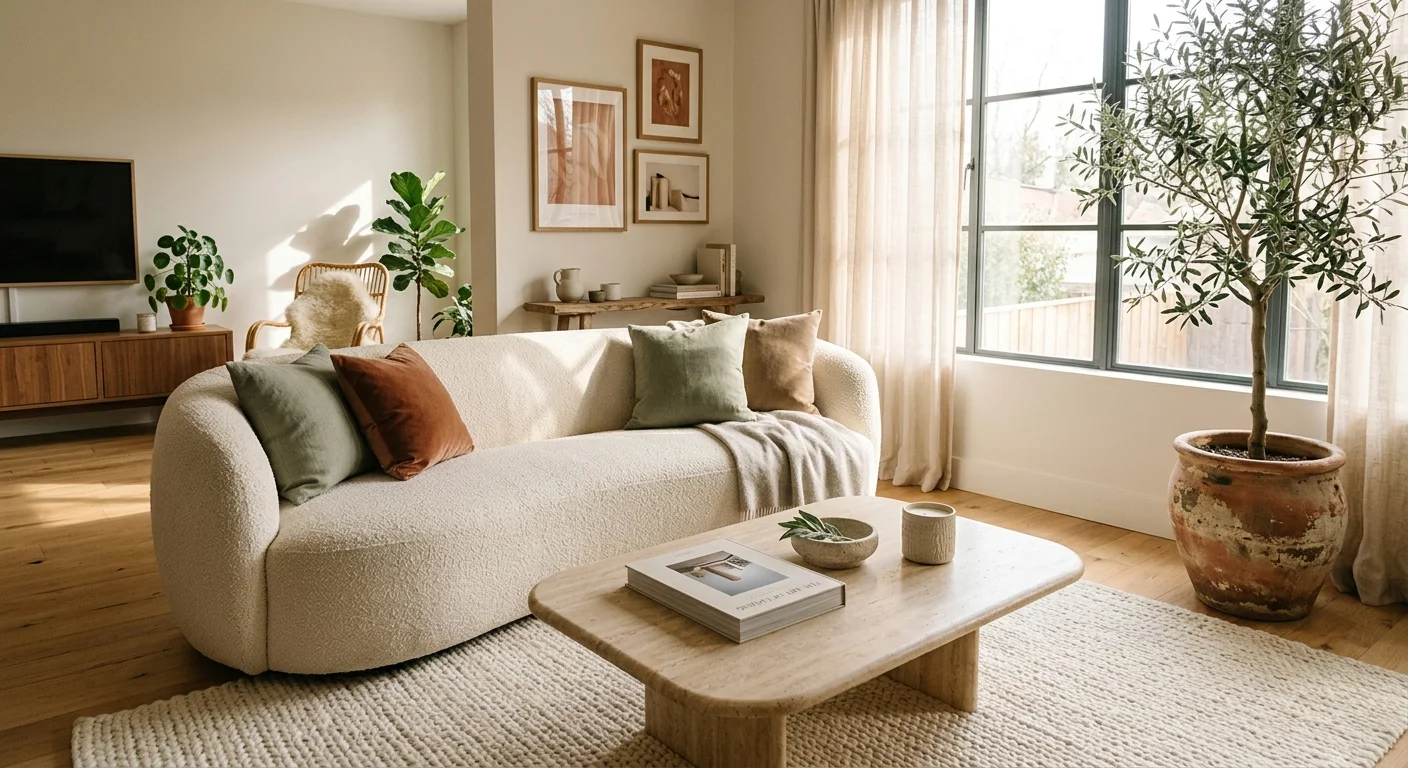
Your living room serves as the aesthetic heartbeat of your home, demanding a design that balances sophisticated style with everyday comfort. Implementing the right living room decorating ideas transforms an ordinary space into a curated sanctuary tailored to your lifestyle. Today’s most compelling interior design movements emphasize authentic materials, masterful color application, and spatial harmony, shifting away from generic showrooms toward highly personalized environments. By examining the cultural forces driving these trends—from the resurgence of quiet luxury to the embrace of biophilic design—you gain the insights needed to craft a space of enduring beauty. Elevate your home decor confidently by applying these ten forward-thinking concepts, ensuring your gathering space remains both exceptionally chic and deeply functional.
Trend #1: Quiet Luxury and Elevated Comfort
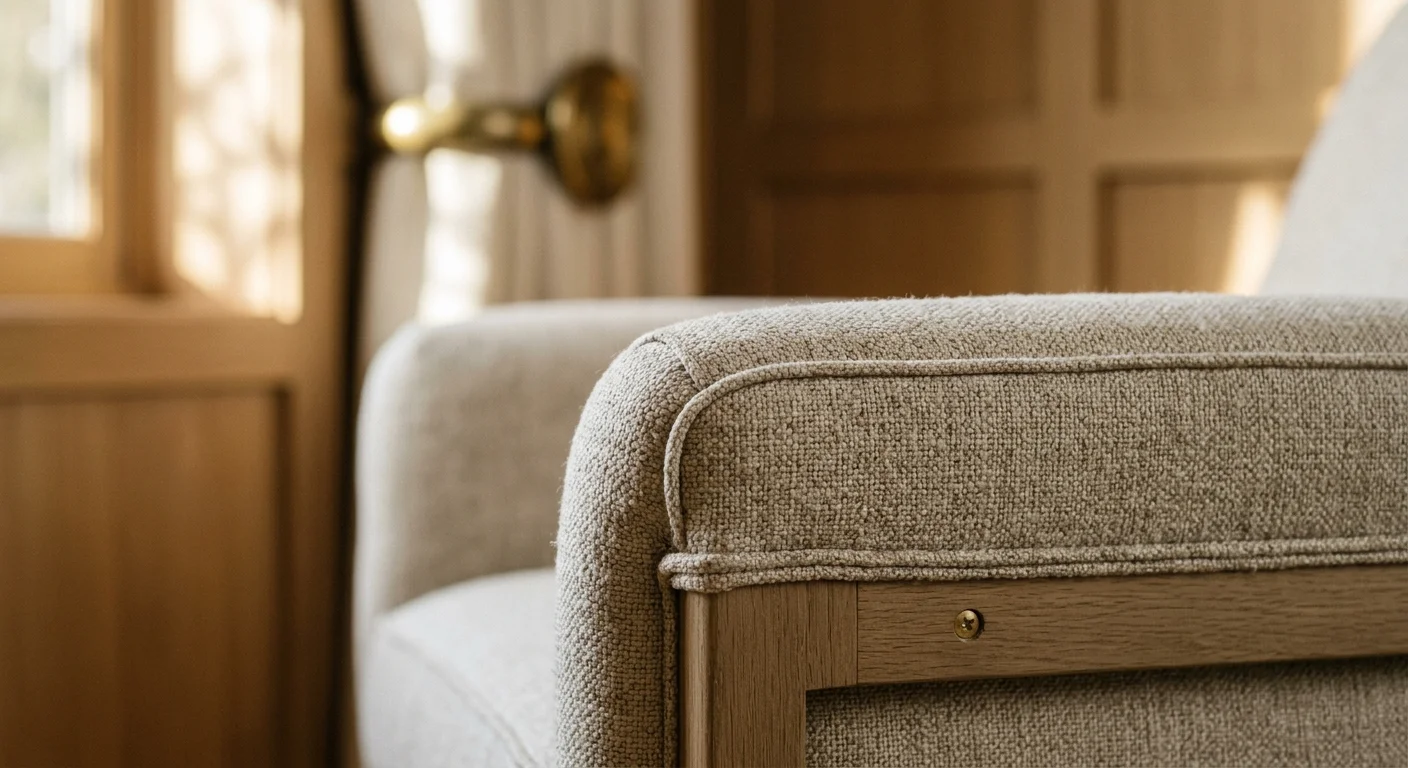
The interior design industry recently shifted its gaze toward quiet luxury, an aesthetic movement emphasizing enduring quality over flashy, easily identifiable branding. This approach champions provenance; you want to know the history, craftsmanship, and origin of the pieces anchoring your home. When exploring new living room design concepts, quiet luxury dictates that your investments go toward fundamental elements like custom millwork, natural hardwood flooring, and bench-made upholstery. You prioritize tactile richness and flawless execution over fleeting internet fads.
To achieve this elevated comfort, select an anchor piece—perhaps a bespoke, eight-way hand-tied sofa enveloped in a high-performance linen—and build your room around it. The subtle sophistication of this trend lies in the minutiae. Scrutinize the stitching on your armchairs, the weight of your unlacquered brass drapery hardware, and the traditional joinery of your wooden coffee tables. By curating a space governed by uncompromising quality, you create a living room that feels inherently relaxing and profoundly sophisticated; a true sanctuary from the relentless pace of modern life.
Trend #2: Biophilic Design and Organic Modernism
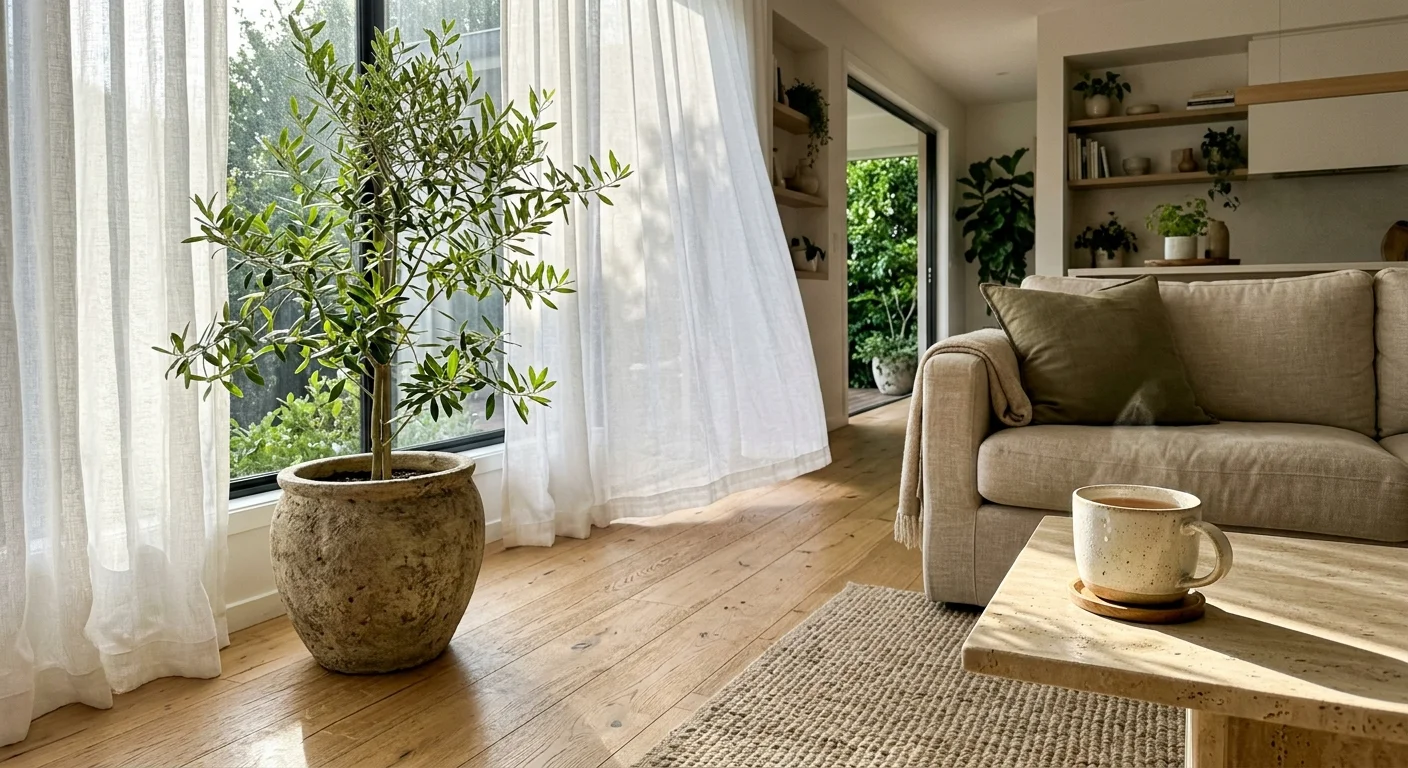
Biophilic design goes far beyond placing a potted pothos in the corner of a room. This philosophy fundamentally connects human occupants to the natural environment, utilizing organic materials, abundant natural light, and nature-inspired geometry. Our innate desire to commune with nature drives this trend, offering psychological grounding and reducing daily stress levels. The resulting aesthetic, often termed organic modernism, marries the clean, rigorous lines of modern interior design with the raw, imperfect beauty of the natural world.
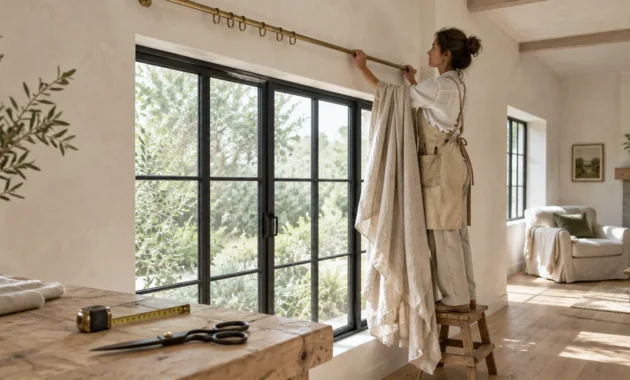
Implement biophilic principles by maximizing your architectural envelope. Replace heavy, synthetic window treatments with sheer, natural linen drapery that diffuses sunlight while maintaining your view of the outdoors. Incorporate raw materials like honed travertine, heavily grained oak, and tumbled marble into your surfaces. You can also introduce a focal point rooted in nature, such as a large-scale indoor olive tree or an integrated stone water feature. These elements work harmoniously to blur the boundary between your indoor living space and the outside world.
Trend #3: Sculptural and Curved Silhouettes
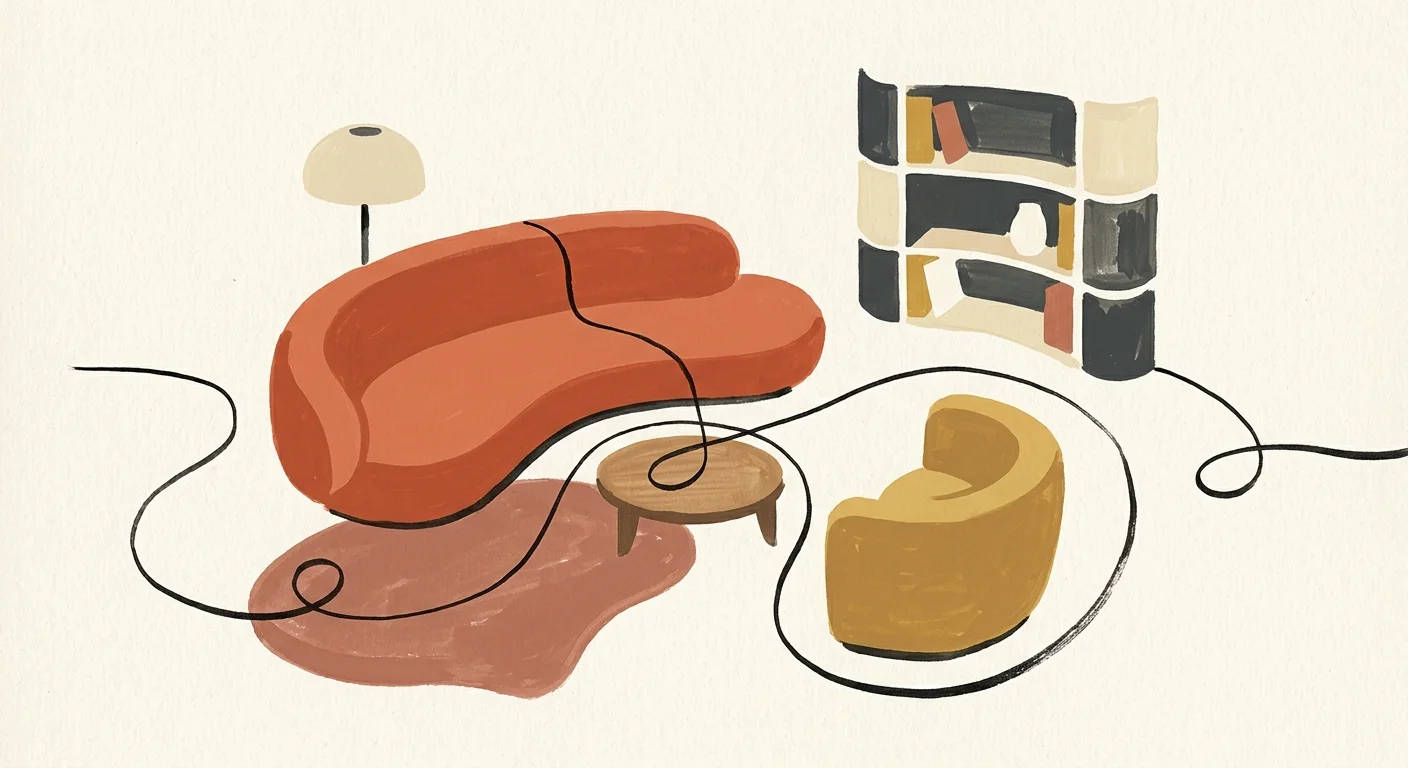
For decades, residential design heavily favored sharp, orthogonal lines and rigid, boxy furniture. Today, spatial psychology dictates a softer approach, recognizing that curved forms promote relaxation and facilitate better visual flow. Sculptural silhouettes soften the harsh geometry of standard square rooms, introducing a sense of movement and fluidity that invites occupants to linger. This trend represents a notable departure from rigid minimalism, offering a more forgiving and welcoming interpretation of modern home decor.
Integrate this concept by swapping out a sharp-edged sectional for a curved, kidney-bean-shaped sofa. If replacing large upholstery feels too drastic, introduce curves through secondary furnishings and architectural details. A circular burl wood coffee table, an arched floor mirror, or a round, deeply tufted ottoman instantly breaks up linear monotony. When you arrange these rounded pieces thoughtfully, they create intimate conversational circles that draw people together, enhancing both the aesthetic appeal and the social functionality of your living room.
Trend #4: Rich, Earth-Toned Color Palettes
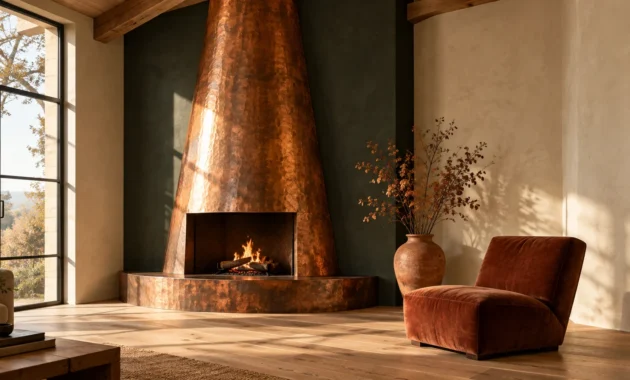
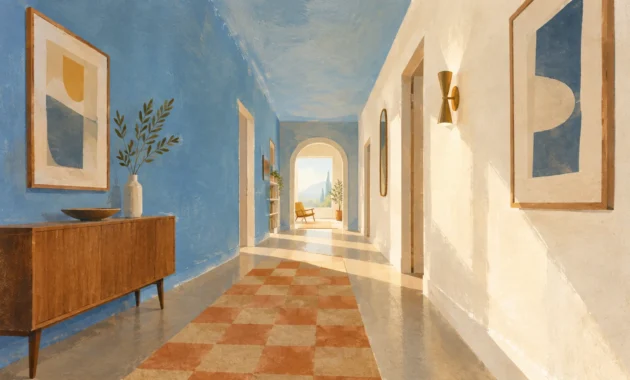
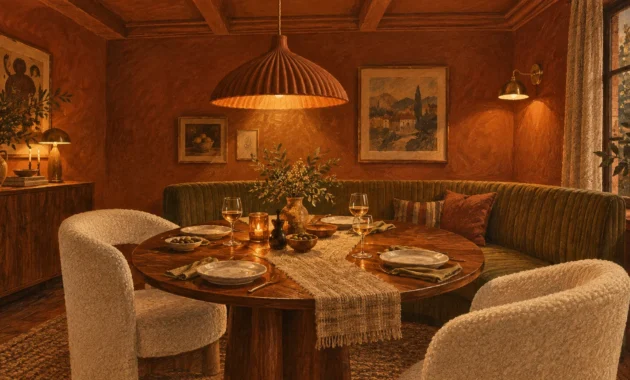
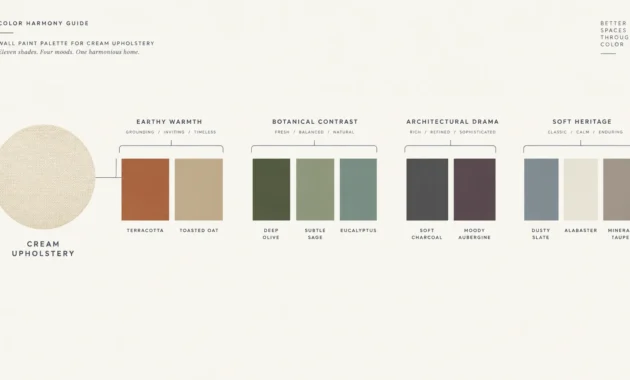
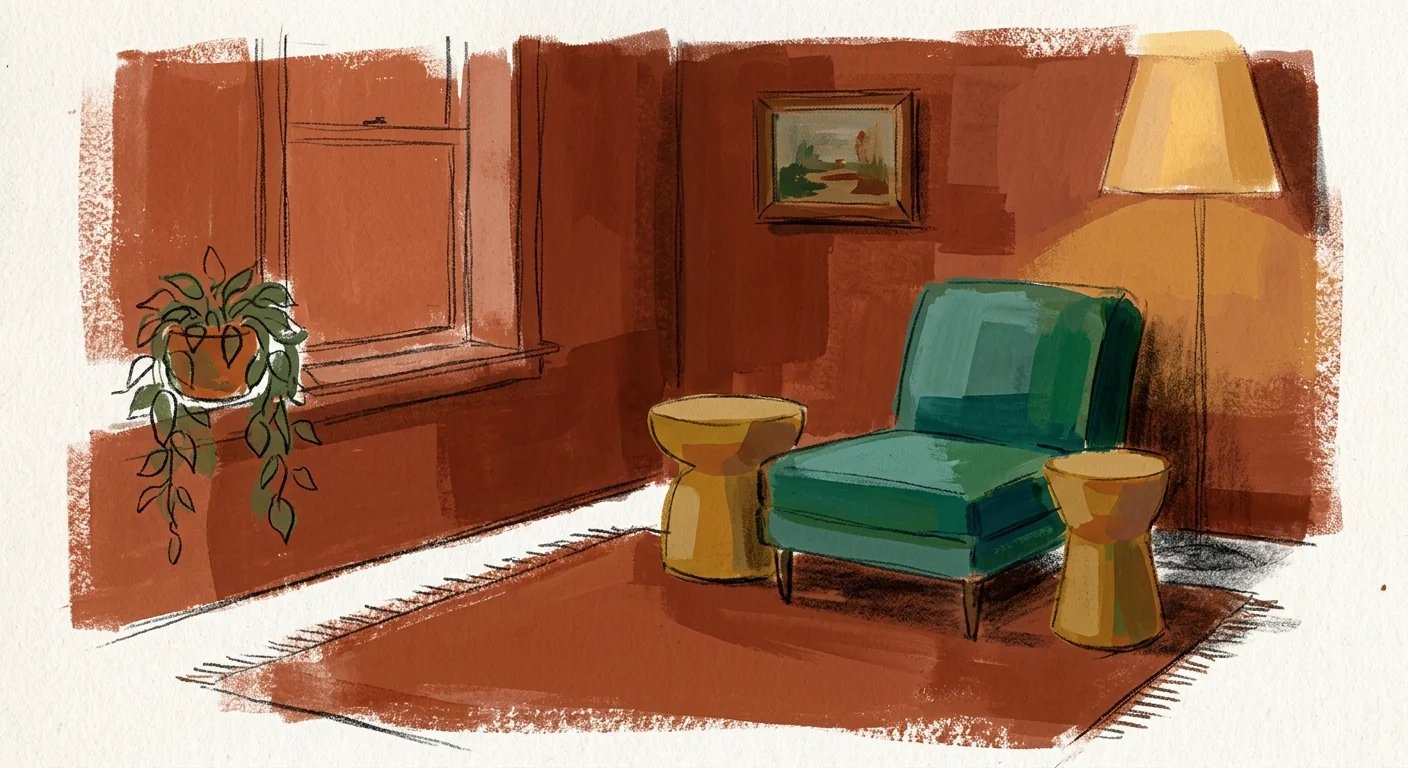
The era of stark, all-gray interiors has officially ended, making way for warm, enveloping colors that cultivate intimacy and depth. Designers now favor rich, earth-toned palettes featuring saturated shades of terracotta, deep ochre, olive green, and warm taupe. These natural hues reflect the changing seasons and bring a grounded, earthy energy into the home. If you want actionable decorating tips to immediately update your space, rethinking your color palette offers the highest return on investment.
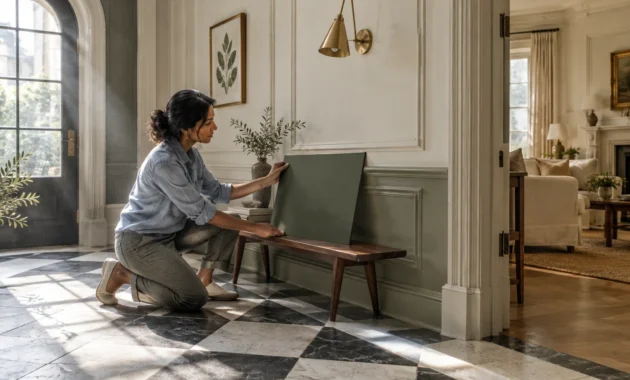
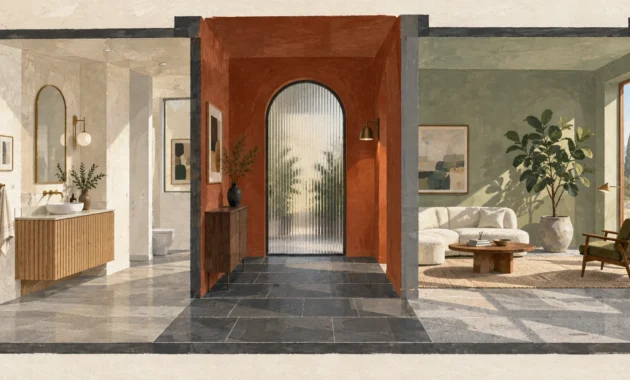
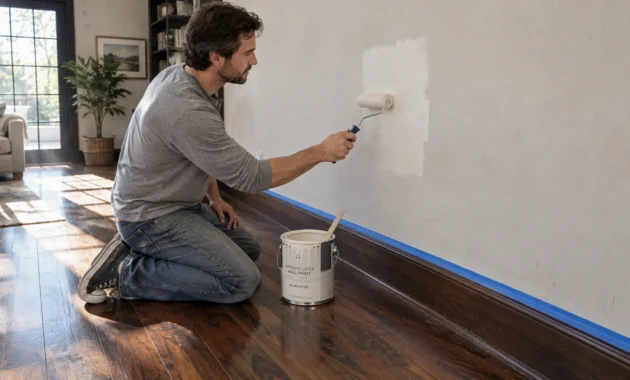
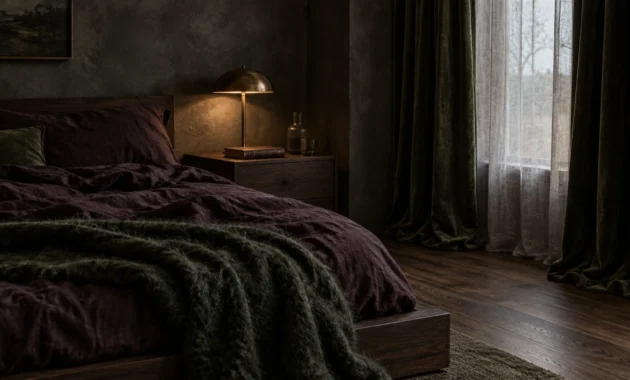
To fully leverage this trend, consider the technique of color-drenching. Instead of painting only your walls, apply a single rich color to the walls, baseboards, crown molding, and even the ceiling. This monochromatic layering eliminates visual boundaries, making ceilings appear higher while transforming the room into a cohesive, jewel-box environment. If a fully drenched room feels overwhelming, apply a deep plum or forest green to a prominent accent wall and carry the hue throughout the space using velvet throw pillows, ceramic table lamps, and woven area rugs.
Trend #5: Statement Lighting as Art
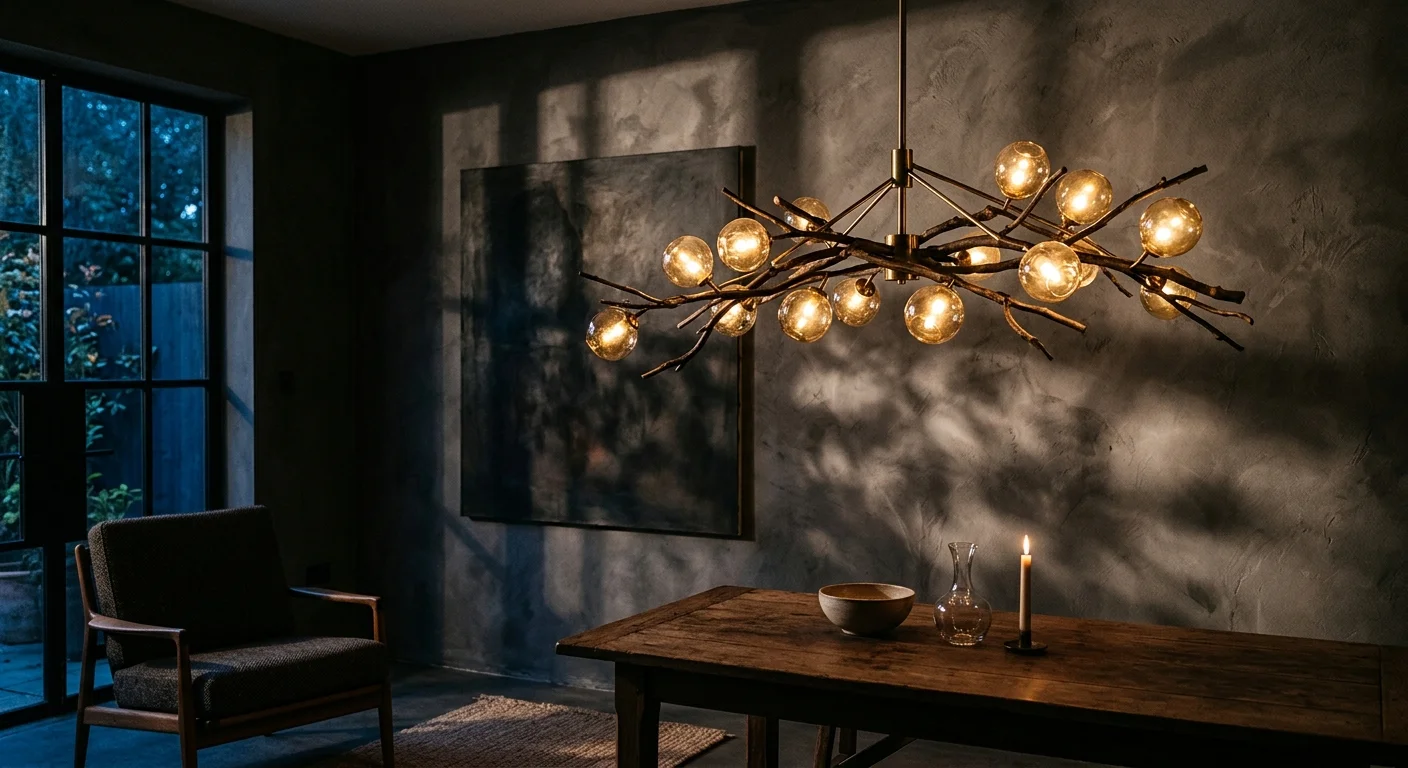
Lighting long served a purely utilitarian purpose, but modern sensibilities elevate fixtures into primary artistic statements. Statement lighting acts as the jewelry of your living room, drawing the eye upward and establishing the design narrative before a guest even takes a seat. From oversized, organically shaped paper lanterns to brutalist bronze sconces, today’s fixtures possess enough sculptural presence to command attention even when switched off.
Achieve spectacular results by executing a layered lighting strategy. Begin with a breathtaking central chandelier or an asymmetrical pendant light to anchor the room’s overarching aesthetic. Next, layer in localized task lighting via architectural floor lamps positioned near reading chairs. Finally, incorporate ambient accent lighting through strategically placed wall sconces or hidden LED strip lights illuminating your bookshelves. This multi-tiered approach allows you to dictate the mood of the room at any given hour, ensuring your living room feels vibrant during the day and exceptionally moody and warm by night.
Trend #6: Textural Layering and Tactile Fabrics
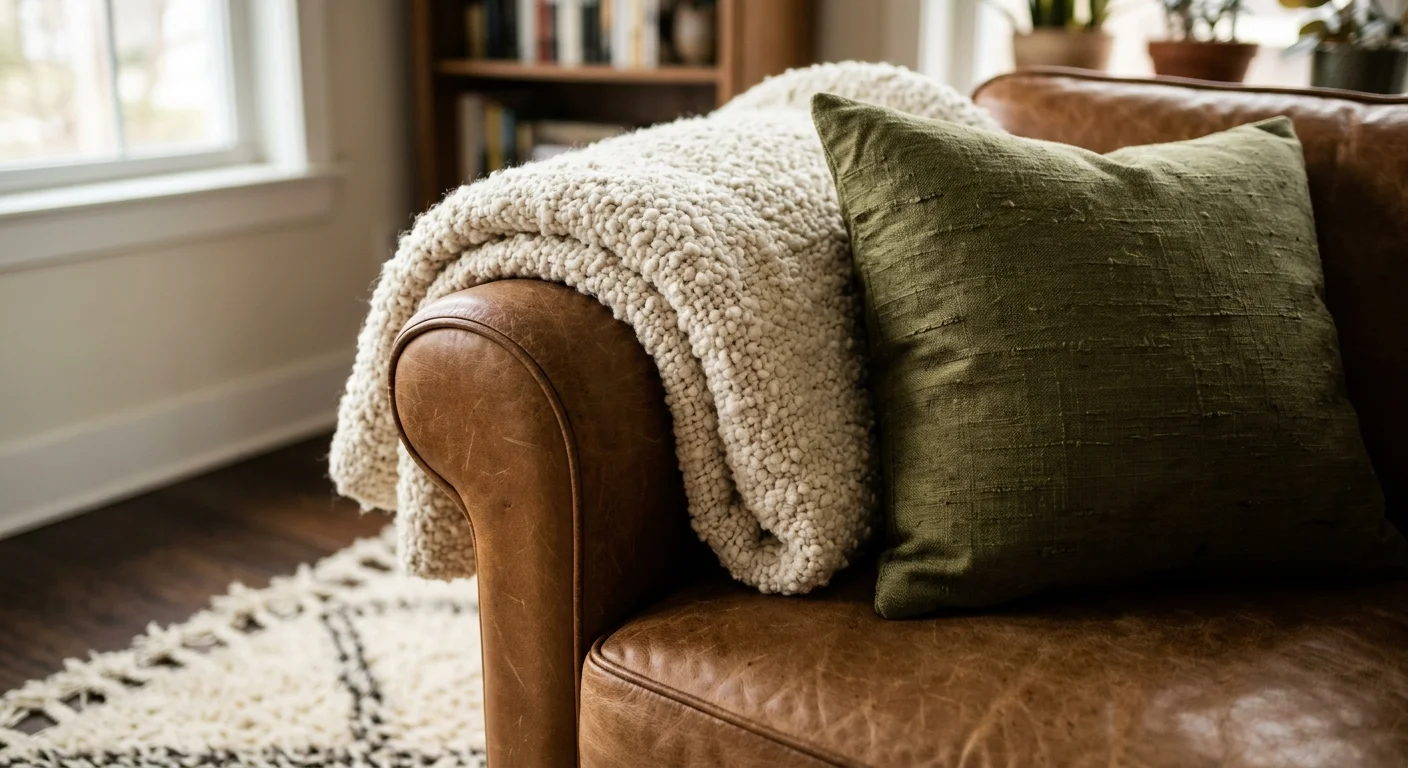
When you utilize a restrained color palette, texture must do the heavy lifting to prevent the room from appearing flat and sterile. The eye craves contrast, and incorporating a diverse range of tactile fabrics provides essential visual weight and complexity. This trend celebrates the sensory experience of a room; how a fabric feels against your skin matters just as much as how it looks in a photograph.
Master textural layering by juxtaposing highly contrasting materials within the same sightline. Layer a vibrant, low-pile vintage Persian rug directly over a vast, nubby sisal or jute carpet. On your seating, drape a heavy, chunky-knit alpaca throw blanket over a smooth, top-grain leather armchair. Mix matte and gloss finishes throughout your styling—pair highly polished marble coasters with rough-hewn wooden trays. By weaving these disparate textures together, you build a remarkably sophisticated living room design that rewards close inspection and provides an irresistible invitation to touch and relax.
Trend #7: Vintage Integration and Sustainable Provenance
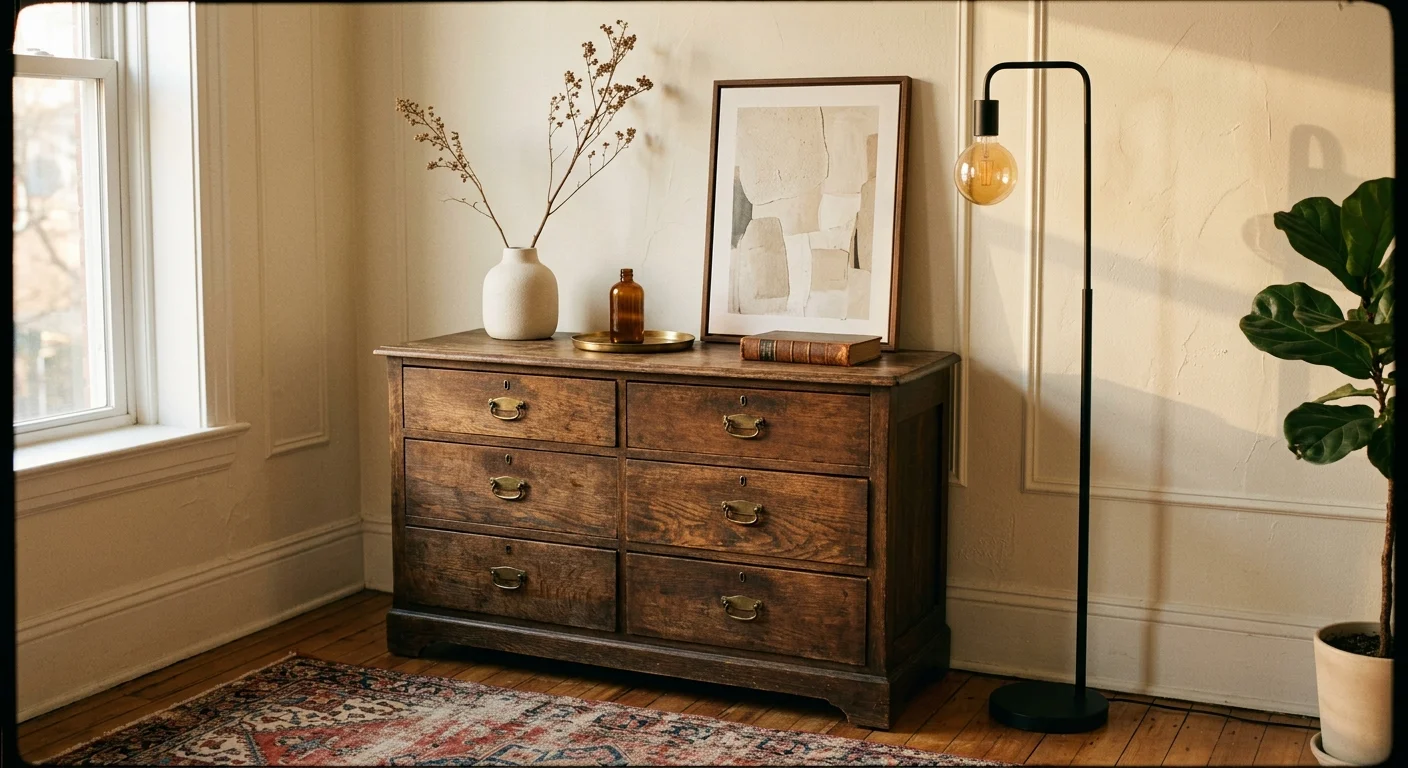
A beautifully designed room requires a soul, and buying everything brand-new from a single catalog guarantees a soulless result. Integrating vintage and antique pieces into contemporary spaces creates a collected-over-time aesthetic that feels deeply personal. Furthermore, sourcing heritage furniture aligns perfectly with growing environmental consciousness. Repurposing well-made antiques keeps materials out of landfills and reduces the carbon footprint associated with manufacturing new goods.
You do not need to live in a historic home to embrace vintage integration. The magic happens in the tension between old and new. Ground a sleek, contemporary television setup by mounting the screen above a mid-century modern teak credenza. Flank a streamlined, minimalist sofa with a pair of ornate, 19th-century French side tables. When you mix eras and styles with intention, you curate a dynamic, eclectic environment that sparks conversation and showcases your unique curatorial eye.
Trend #8: Maximalist Moments in Minimalist Spaces
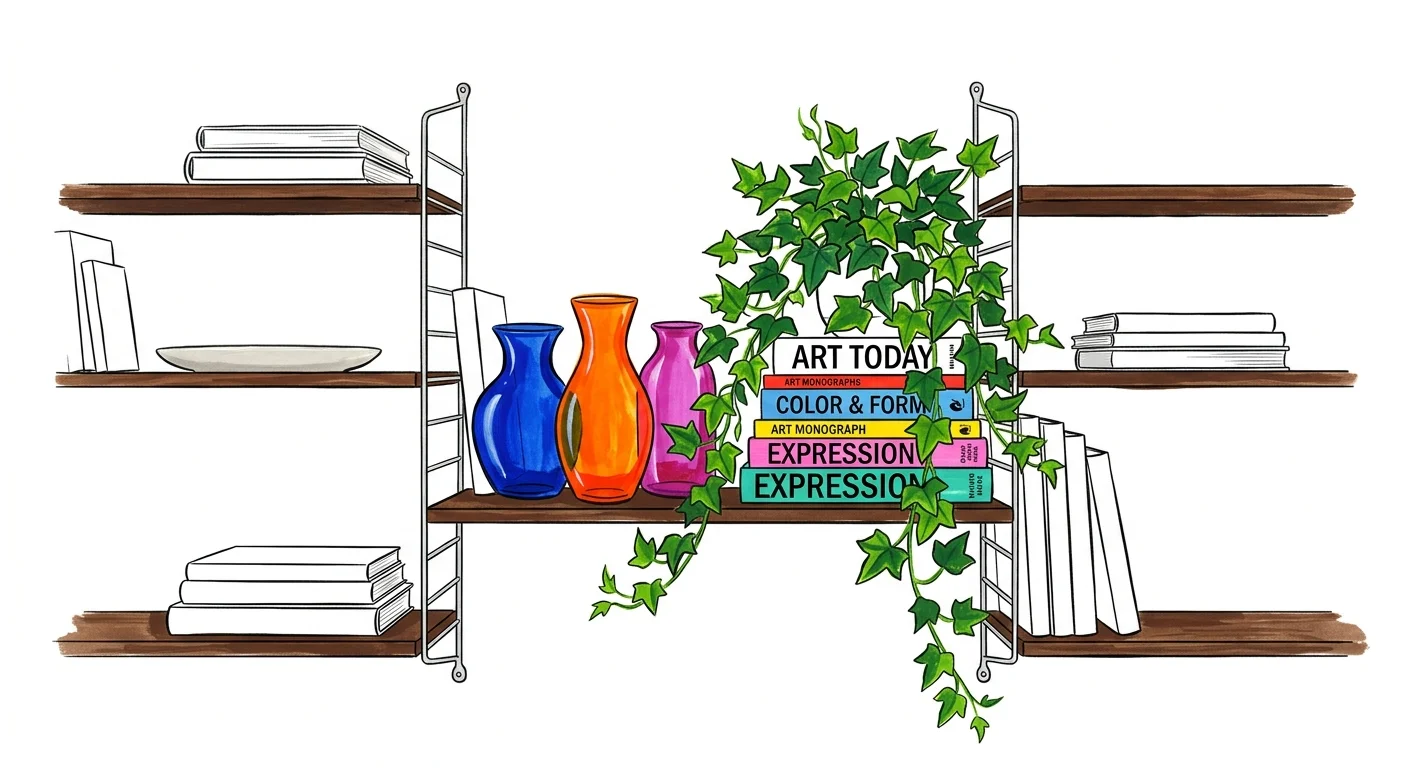
While full-blown maximalism can easily cross into visual clutter, restrained maximalist moments inject necessary joy and personality into minimalist environments. This concept involves maintaining a clean, highly organized architectural envelope while deploying hyper-focused, high-impact design choices. It offers the perfect compromise for those who appreciate the calm of minimalism but harbor a secret love for bold patterns and vibrant art.
Execute this strategy by choosing one specific area of your living room to break the rules. Apply a large-scale, fiercely vibrant botanical wallpaper exclusively to the ceiling, leaving the surrounding walls a crisp, gallery-white. Alternatively, invest in a massive, vibrantly colored abstract canvas to hang above a highly understated, neutral sofa. These localized explosions of personality prevent a minimalist room from feeling clinical, allowing you to showcase daring tastes without overwhelming your daily living experience.
Trend #9: Flexible and Zoned Layouts
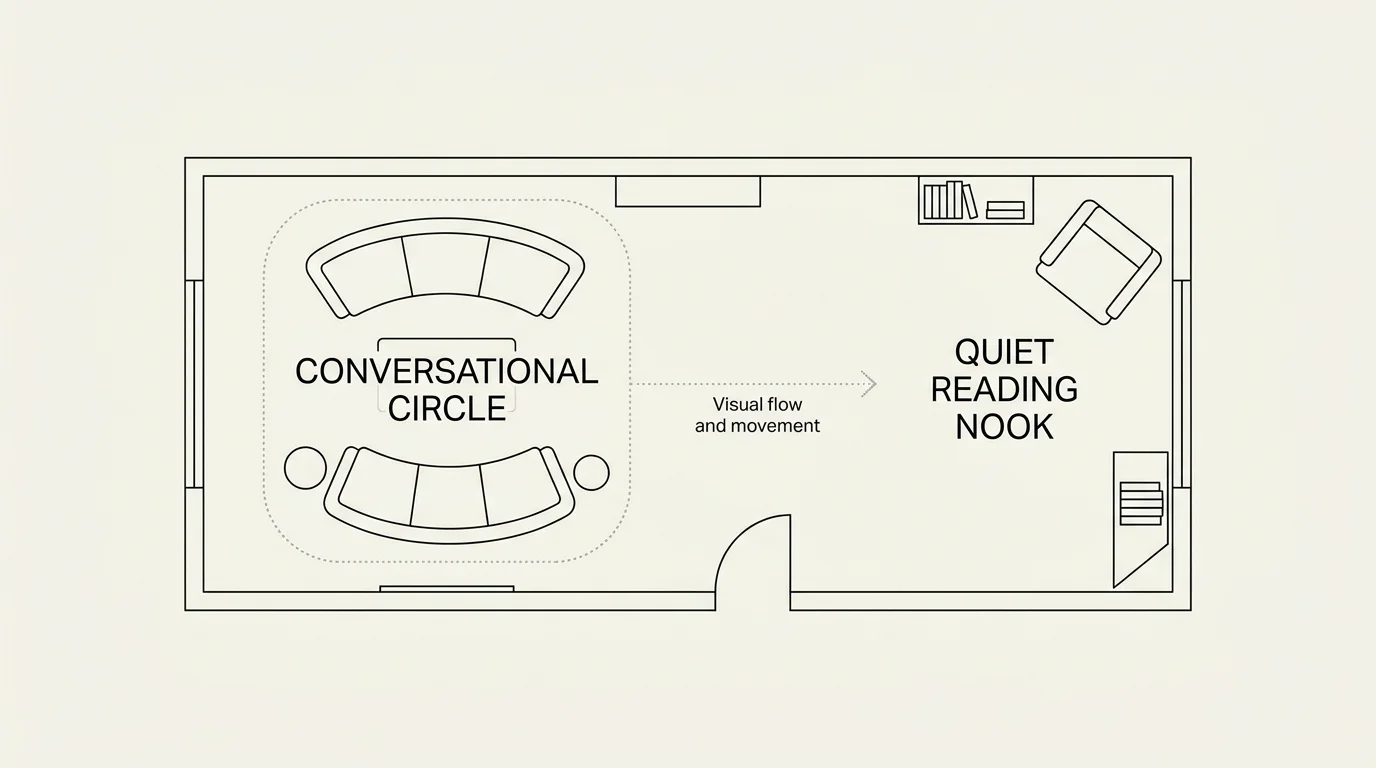
The dominance of the massive, boundaryless open-concept floor plan is steadily declining. Homeowners now crave defined spaces that offer acoustic privacy and distinct atmospheres. However, rather than erecting new drywall, smart designers use strategic furniture placement to establish flexible, zoned layouts within larger rooms. This ensures your living room can simultaneously accommodate a family movie night, a quiet reading session, and a lively cocktail hour.
Carve out these zones by utilizing visual dividers instead of physical walls. Float your main seating arrangement in the center of the room, anchored by a massive area rug, to establish the primary entertainment zone. Place a narrow, beautifully styled console table directly behind the sofa to serve as a boundary line. In an empty corner, set up a secondary vignette—perhaps a plush wingback chair, a small brass drinks table, and a dedicated reading lamp—to create an intimate retreat within the larger footprint of the space.
Trend #10: Artisanal and Handcrafted Accents
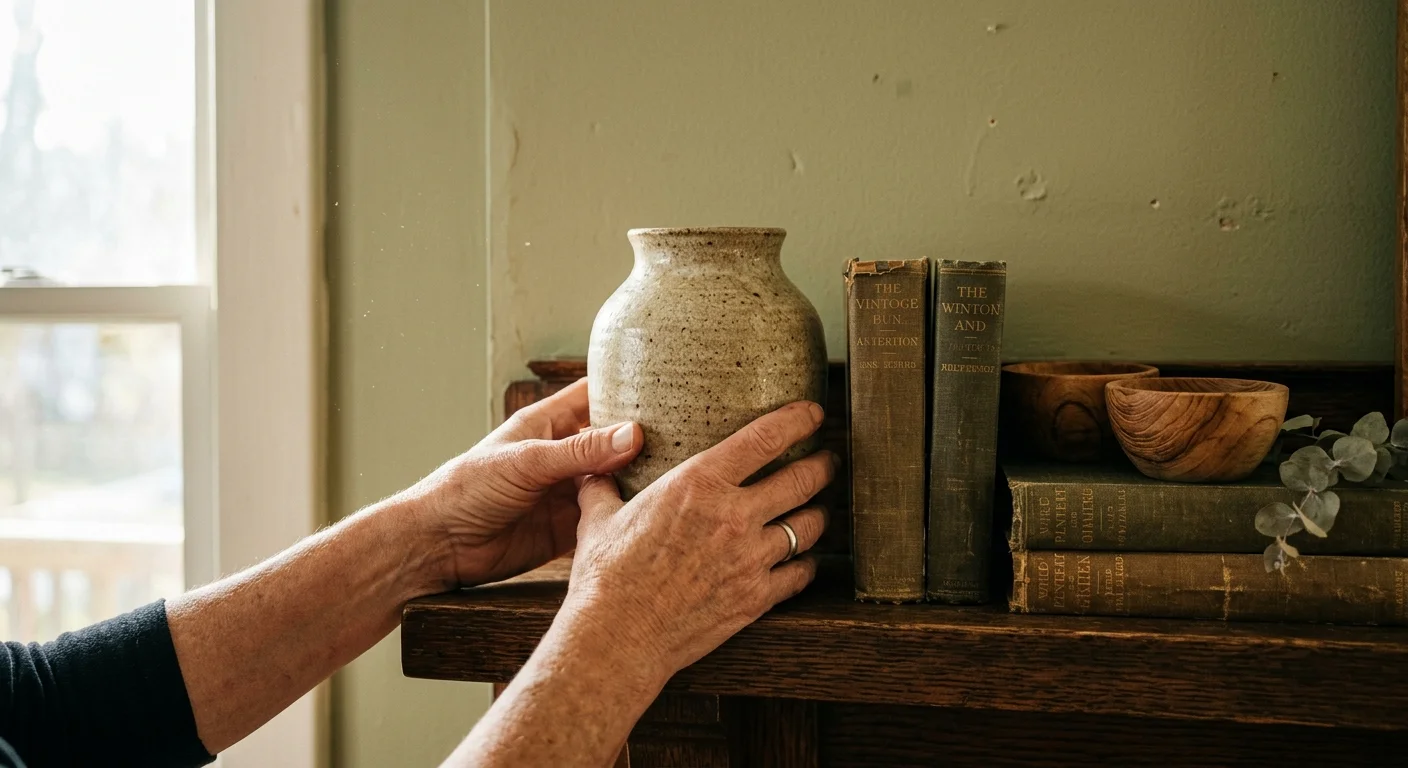
In an era dominated by mass production and digital perfection, interior design increasingly celebrates the human touch. Drawing inspiration from the Japanese philosophy of wabi-sabi, this trend highlights the beauty found in natural imperfections and handcrafted variations. Artisanal accents infuse a space with authenticity, serving as a subtle rebellion against the flawless, factory-made goods that saturated the market over the past decade.
Replace generic, big-box store accessories with items that tell a story of human craftsmanship. Display a collection of hand-thrown clay vessels on your built-in shelving, embracing their asymmetrical shapes and uneven glazes. Drape hand-loomed textiles featuring intricate, irregular weaves over your seating. Commission a local woodworker to build a custom side table utilizing live-edge lumber. These bespoke, artisanal elements bring a raw, earthy honesty to your living room, ensuring your decor remains entirely impossible to replicate.
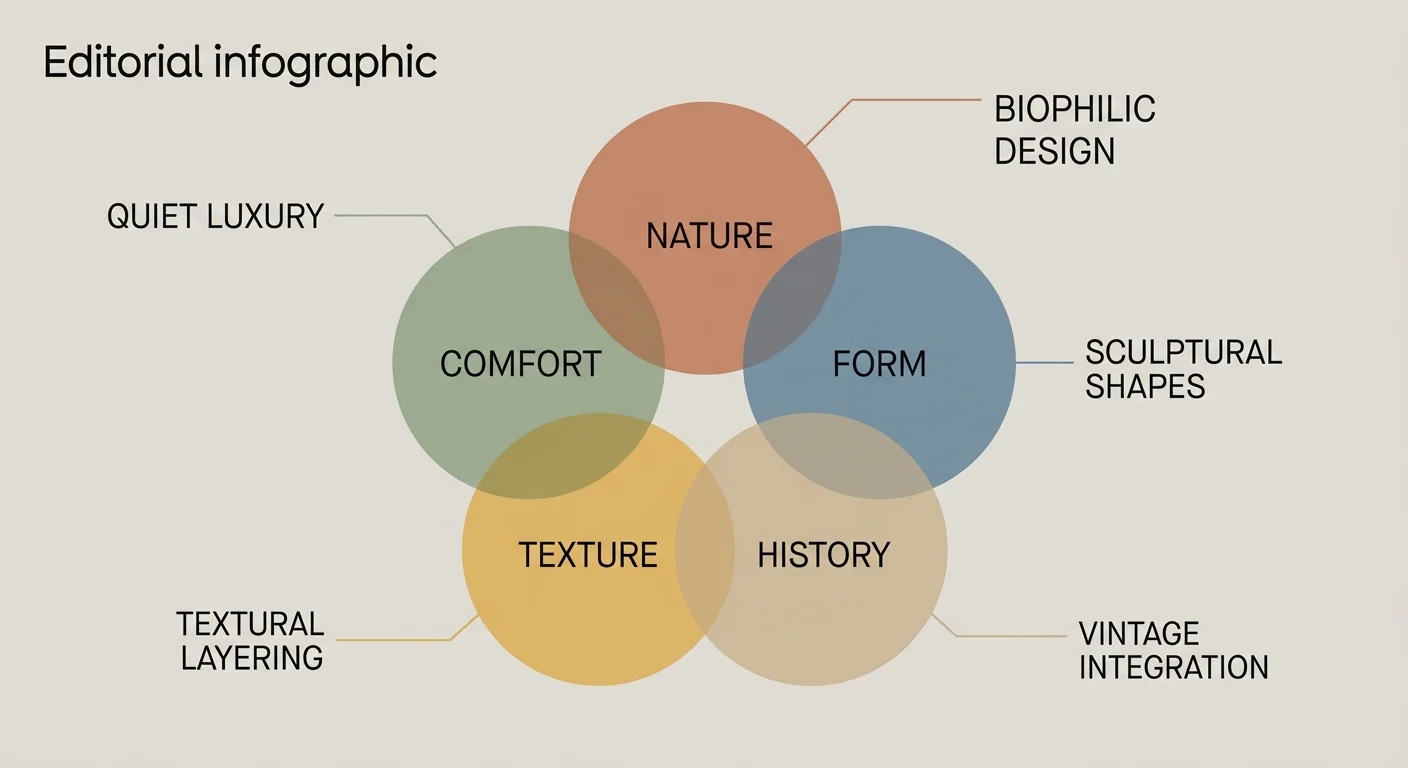
The Big Picture: Weaving These Trends into Your Home
Embracing new living room decorating ideas does not require a total demolition of your current space. The most celebrated interior design projects weave contemporary trends into an existing foundation, resulting in a home that feels both current and timeless. The secret to mastering these ten concepts lies in rigorous editing and intentional application. You do not need to implement every trend simultaneously; instead, select the three or four ideas that resonate most deeply with your personal aesthetic and the architectural reality of your home.
If you value tranquility, merge the concepts of quiet luxury, biophilic design, and earthy color palettes to build a serene retreat. If you lean toward the dramatic, combine sculptural silhouettes with statement lighting and maximalist moments to create an unforgettable entertainment space. Always remember that successful home decor requires balance. Pair the visual heaviness of vintage antiques with the airy lightness of organic modernism. Let your living room evolve naturally over time, ensuring every piece you add serves a functional purpose or brings you immense joy.
Frequently Asked Questions
How do I mix multiple decorating styles in one living room without creating visual chaos?
The key to mixing styles lies in establishing a unifying element to anchor the disparate pieces. Often, this unifier is a strict color palette. If your vintage Victorian armchair and your modern geometric coffee table share similar wood tones or are upholstered in complementary hues, they will look intentional rather than accidental. Additionally, pay close attention to scale and proportion; a delicate antique side table will quickly get lost next to a massive, overstuffed contemporary sectional. Balance visual weight across the room to maintain harmony.
Are curved furniture silhouettes a passing trend or a lasting interior design staple?
While the current hyper-focus on heavily curved, biomorphic furniture represents a specific trend cycle, the underlying principle of using curves to soften a room remains a timeless design tactic. Curvilinear furniture dates back centuries—consider the classic camelback sofa or the iconic mid-century modern egg chair. If you worry about longevity, avoid extreme, exaggerated shapes. Opt instead for subtly curved edges, rounded arms, or circular accent pieces that provide the necessary visual softness without dominating the entire aesthetic of the room.
What is the most cost-effective way to update my living room design for the new year?
Paint offers the highest transformative power for the lowest financial investment. Color-drenching your living room in a rich, enveloping earth tone instantly modernizes the space and changes the entire mood of your home. Beyond paint, updating your textiles—such as swapping out tired throw pillows for tactile velvet and heavy linen covers, or layering a new rug over your existing flooring—provides an immediate textural upgrade. Finally, rearranging your current furniture to create more functional, conversational zones costs nothing but a few hours of your time.
How can I implement dark, moody color palettes without making my living room feel small?
Dark colors do not inherently make a room feel smaller; they make a room feel cozier and more defined. To prevent a moody palette from feeling oppressive, you must prioritize lighting. Ensure you have adequate ambient, task, and accent lighting layered throughout the space to illuminate dark corners. Additionally, incorporate reflective surfaces—such as an oversized vintage mirror, metallic light fixtures, or a high-gloss paint finish on the ceiling—to bounce existing light around the room. Contrast is vital; balance dark walls with lighter upholstery or a pale, textured rug.
For the latest color forecasts, consult industry leaders like Pantone and paint companies like Benjamin Moore. For professional design standards, refer to the American Society of Interior Designers (ASID).
Disclaimer: This article reflects design trend analysis and predictions. Personal taste and timeless design principles should always guide your decorating choices.