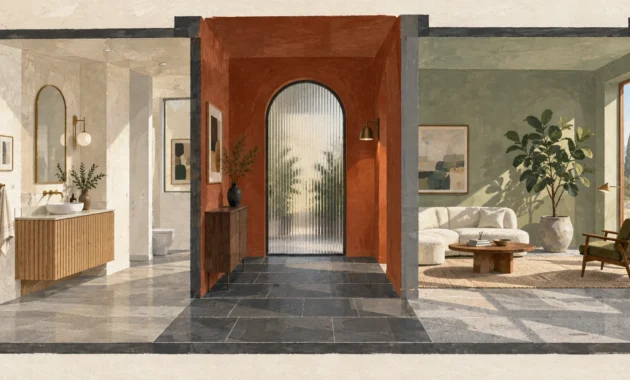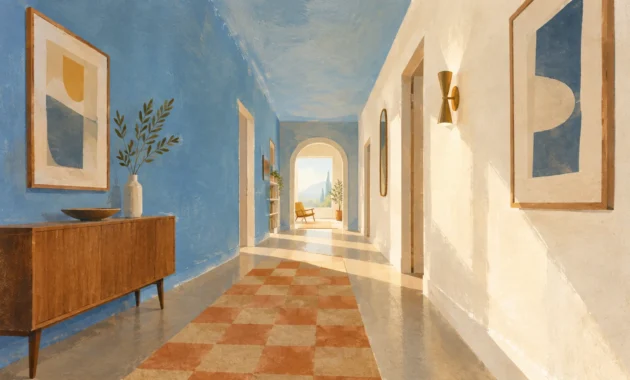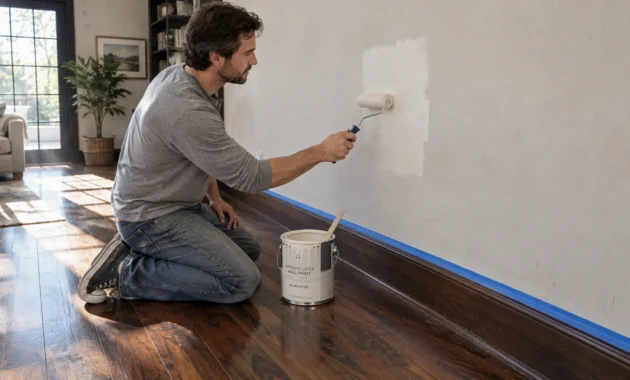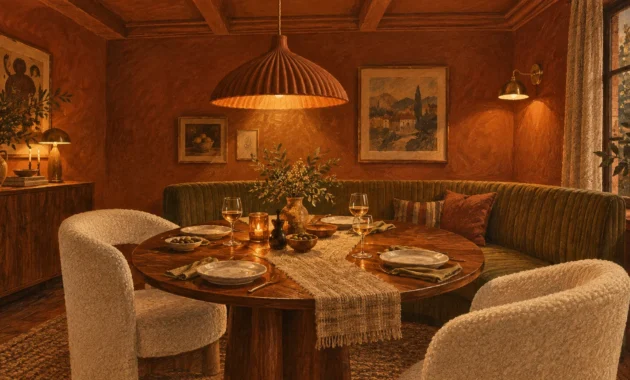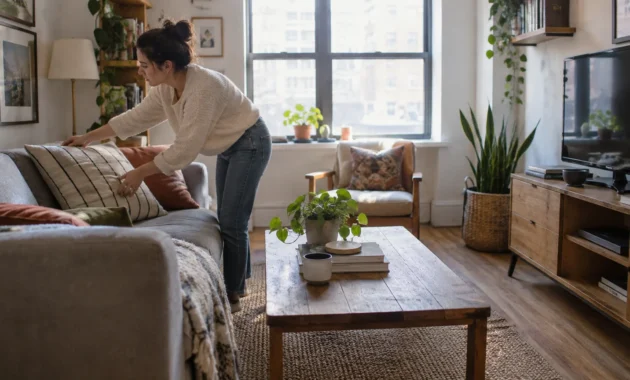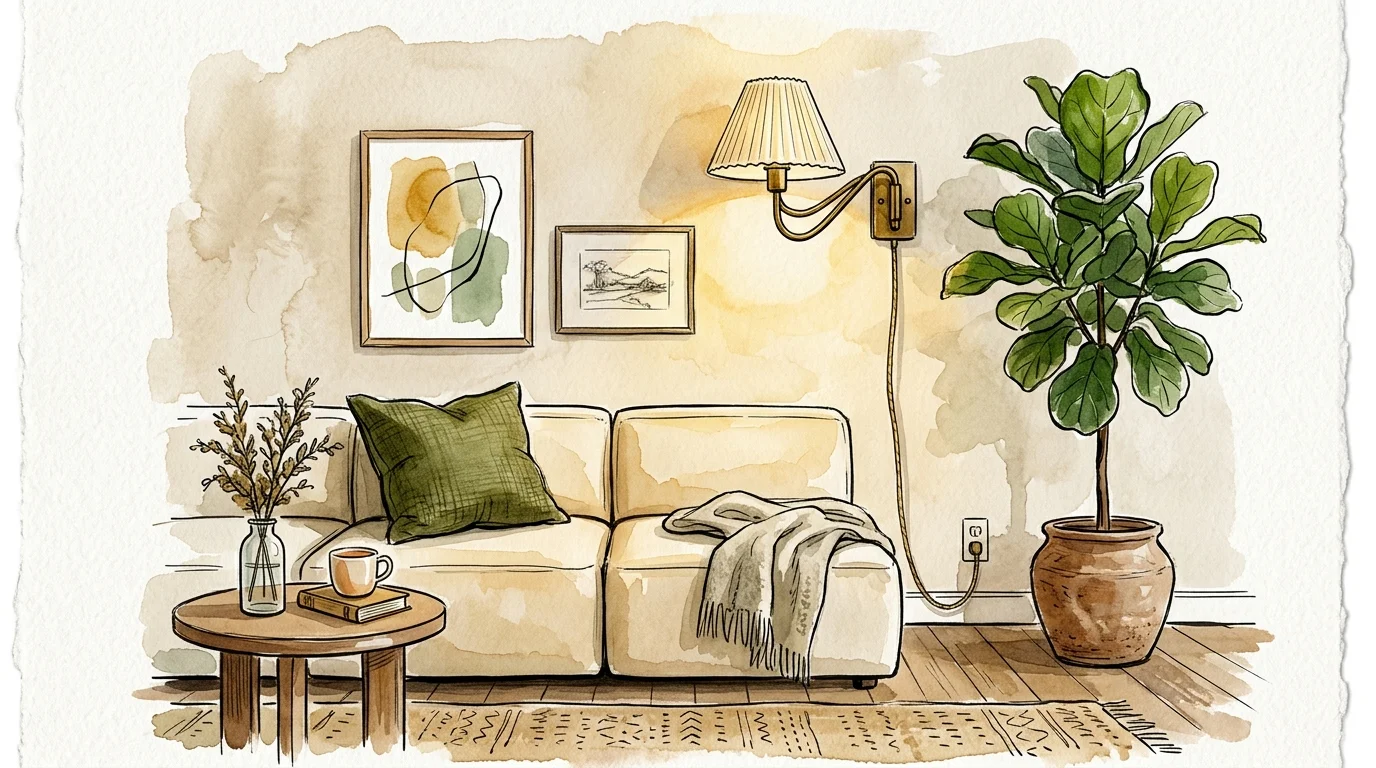
Transforming a leased property into a sophisticated sanctuary requires strategic design choices that bypass traditional renovation constraints while maximizing aesthetic impact. By focusing on high-impact, non-permanent spatial interventions, you can achieve a curated high end look for rentals without risking your security deposit or compromising on personal style. Elevating your living environment hinges on intentionally replacing builder-grade finishes with bespoke architectural elements, layered tactile textiles, and editorial lighting schemes. Understanding how to curate design elements that elevate a rental empowers you to treat your temporary space with the rigor of a permanent architectural design project, ultimately creating a refined home that showcases quiet luxury and personal provenance.
Trend #1: Tactical Architectural Hardware Upgrades
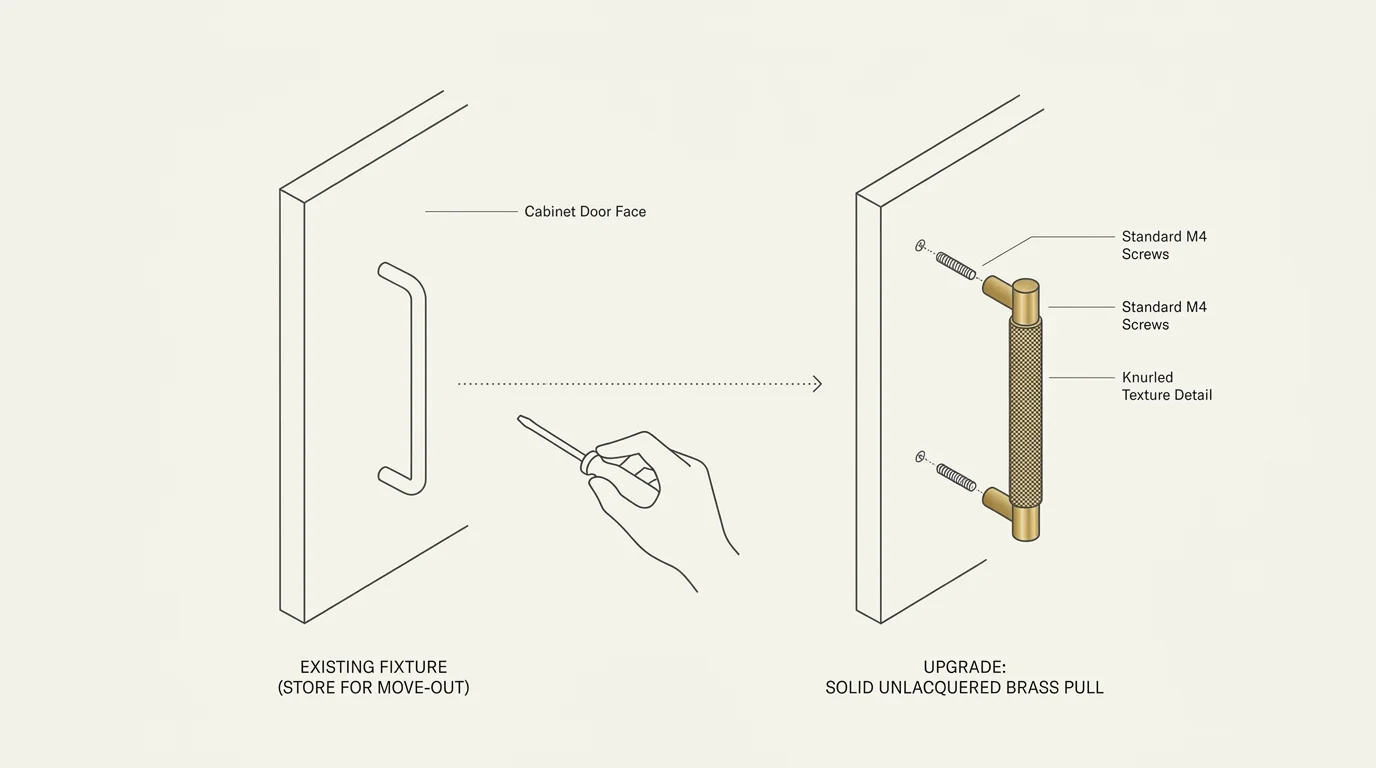
Standard rental properties routinely feature generic metal knobs, hollow-core door handles, and mass-produced stamped aluminum cabinet pulls. Replacing these default fixtures with solid, high-tactile hardware instantly refines your home’s sensory touchpoints. Focus on installing unlacquered brass knobs, hand-forged iron handles, or knurled solid bronze pulls across kitchen cabinets, bathroom vanities, and built-in wardrobes. Unlacquered brass acquires a rich, organic patina over time, signaling bespoke craftsmanship rather than cookie-cutter construction. Do not stop at cabinetry; swap out stamped plastic switch plates for heavy solid-brass or matte black wall plates with visible toggle switches. Store all original landlord-issued hardware in labeled storage bags so you can quickly restore the original fixtures before move-out. This simple upgrade requires nothing more than a screwdriver, yet it immediately elevates the tactile quality of your daily living routines, creating a solid, grounded feeling throughout your interior environment.
Trend #2: Gallery-Grade Plug-In Wall Sconces
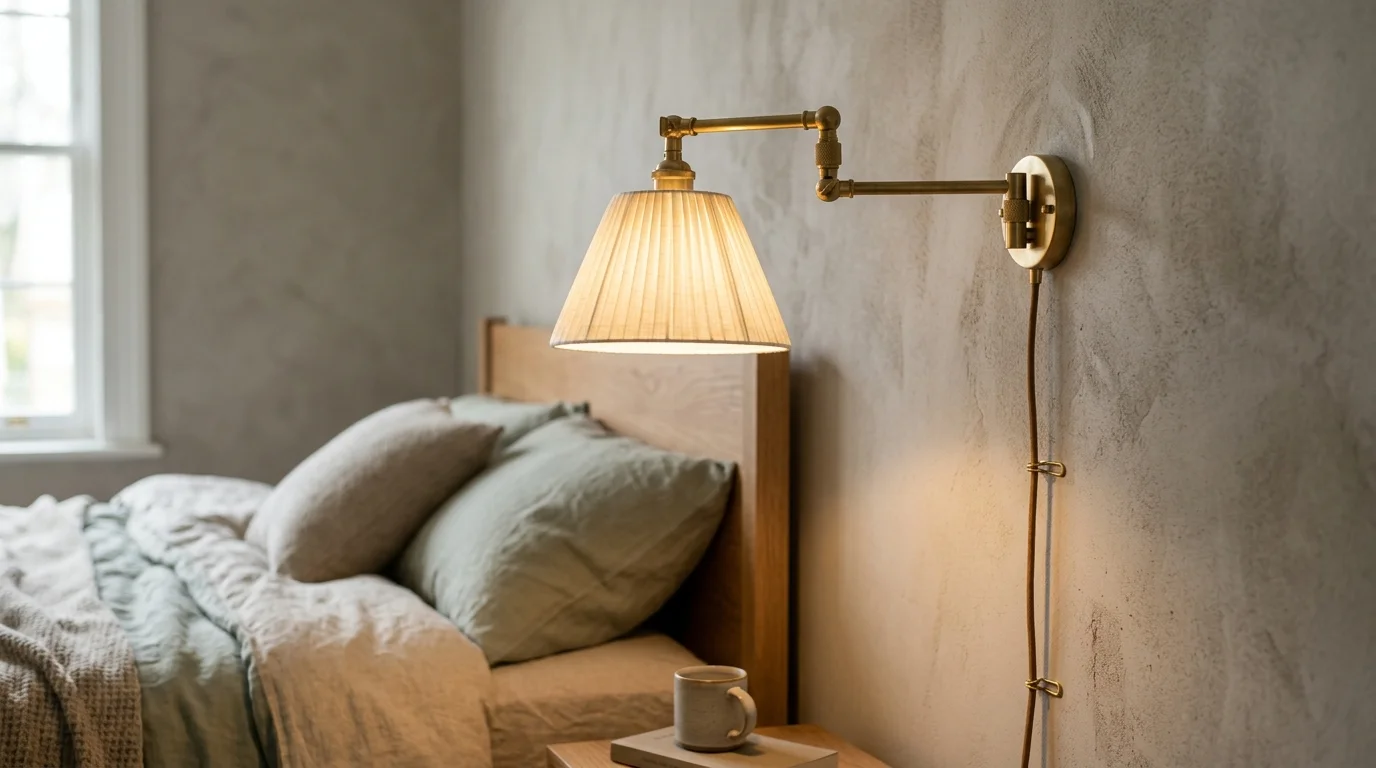
Harsh overhead lighting—often referred to by interior designers as the overhead big light—flattens room dimensions and casts unflattering shadows across living spaces. Mounting plug-in wall sconces allows you to introduce multi-layered lighting schemes at eye level without cutting into drywall or altering hardwired electrical circuits. Choose fixtures with strong sculptural presence, such as articulated raw brass swing-arms, plaster-coated conical shades, or pleated linen lanterns that throw soft upward and downward ambient glow. Run fabric-wrapped woven cords vertically down your wall using clear brass wire clips, turning necessary functional wiring into a deliberate design statement. Position sconces on either side of your bedroom headboard, above a dining room credenza, or flanking large framed artwork in your entry hallway. By controlling the light height and color warmth, you convert flat drywall surfaces into intimate, architectural vignettes that project calm, refined sophistication every evening.
Trend #3: Textured Peel-and-Stick Wall Murals
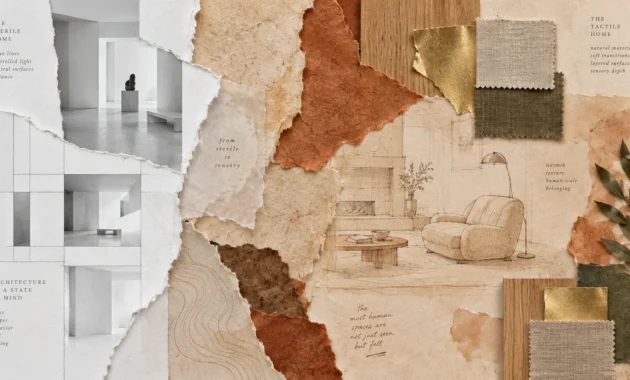
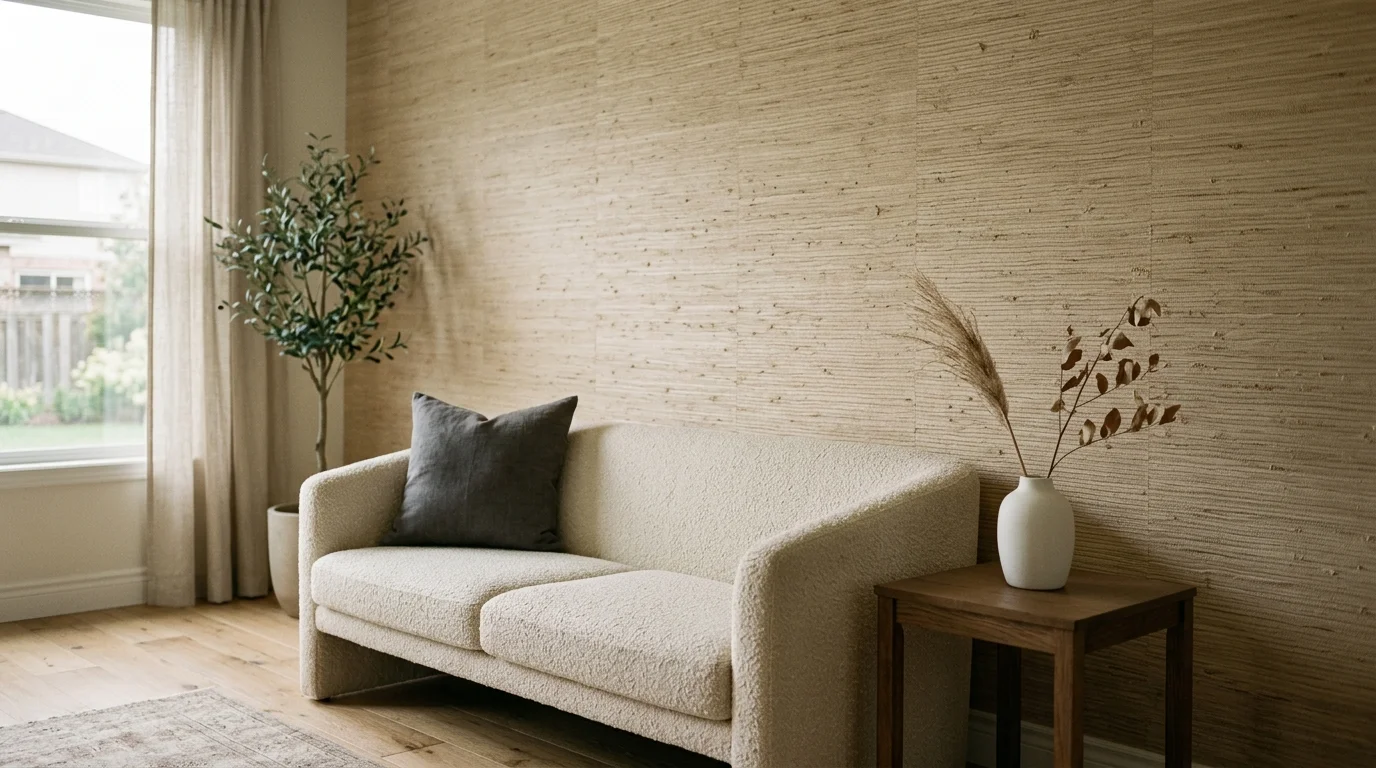
Upgrading a rental apartment look often feels challenging when builder-grade off-white walls visually flatten your space. High-definition removable wall murals and textured peel-and-stick wallpapers solve this problem by introducing depth, tone, and character without permanent adhesive damage. Instead of choosing high-contrast graphic prints that age quickly, opt for tactile substrates such as faux woven grasscloth, natural sisal textures, or monochrome botanical murals reminiscent of classical woodcuts. Apply a full mural wall behind your main living room sofa or behind your bed frame to create an anchor point for the entire room. Woven surface textures absorb and diffuse ambient daylight, softening harsh natural sun glare and adding complex visual dimension. Modern peel-and-stick backing formulas peel away cleanly during lease termination, allowing you to embrace bold architectural focal points while remaining completely compliant with lease agreements.
Trend #4: Scale-Altering Ceiling-Draped Textiles
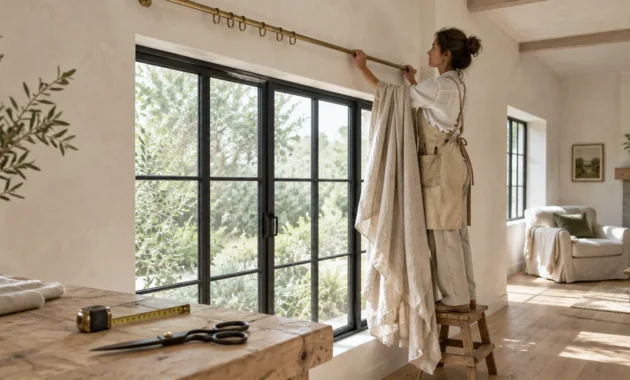
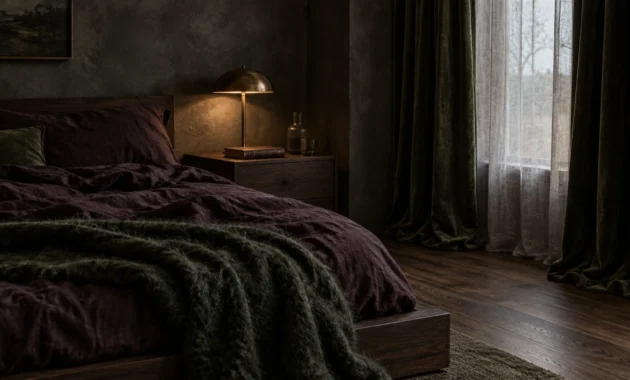
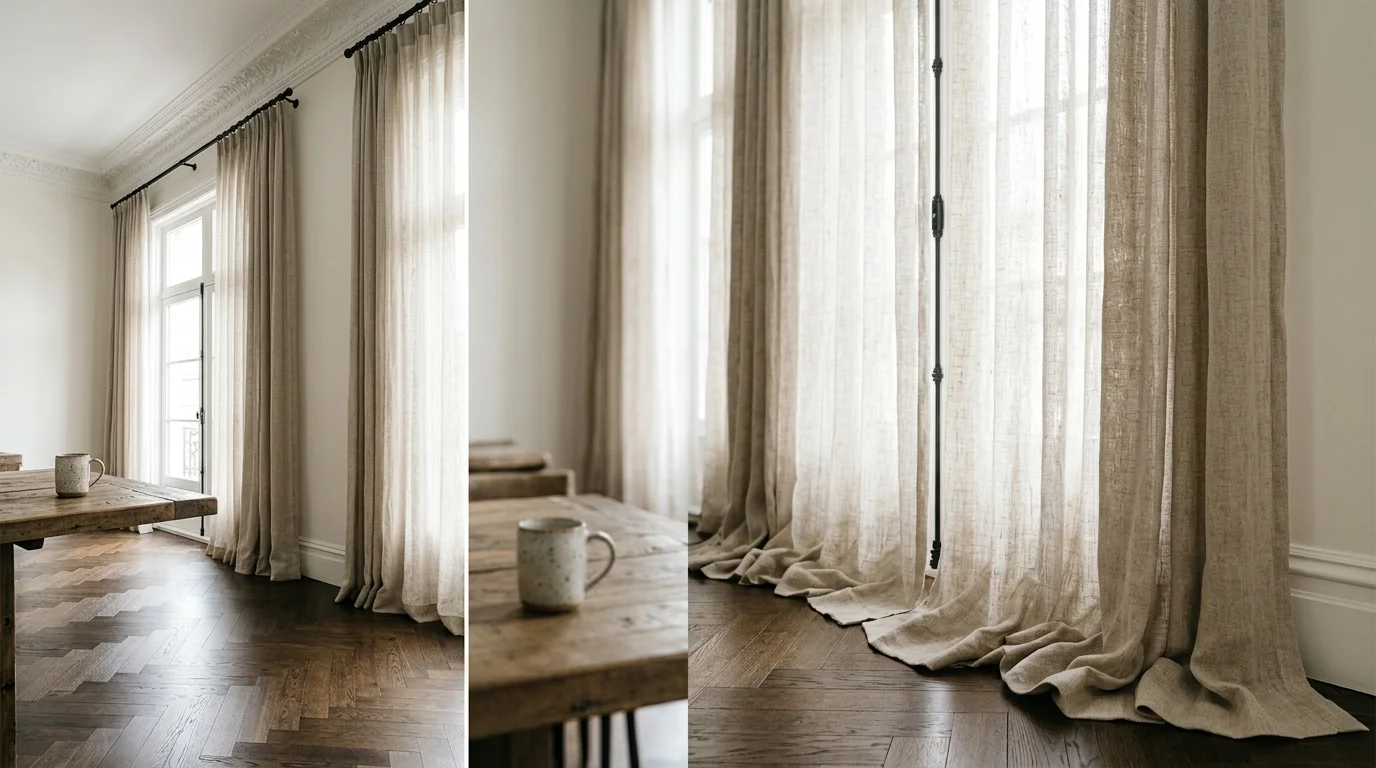
Standard rental window treatments usually consist of cheap vinyl blinds or flimsy aluminum slats that cheapen even the most spacious room. Installing custom-height drapery running from the ceiling to the floor dramatically alters the perceived proportions of your space. Mount continuous curtain tracks or minimal iron drapery rods directly beneath the ceiling line, extending the rod 12 to 18 inches beyond both sides of the window frame. Hang heavy, double-lined linen drapery or dense cotton-velvet panels that break gently on the floor. When drawn open, the fabric frames the window without blocking natural light, while the exaggerated vertical lines draw the eye upward to create the illusion of soaring ten-foot ceilings. Choose rich earthy tones like deep olive, warm terracottas, or textured alabaster to absorb noise, soften acoustic echo, and imbue your rental living room with the quiet weight of tailored luxury.
Trend #5: Layered Zonal Foundation Rugs
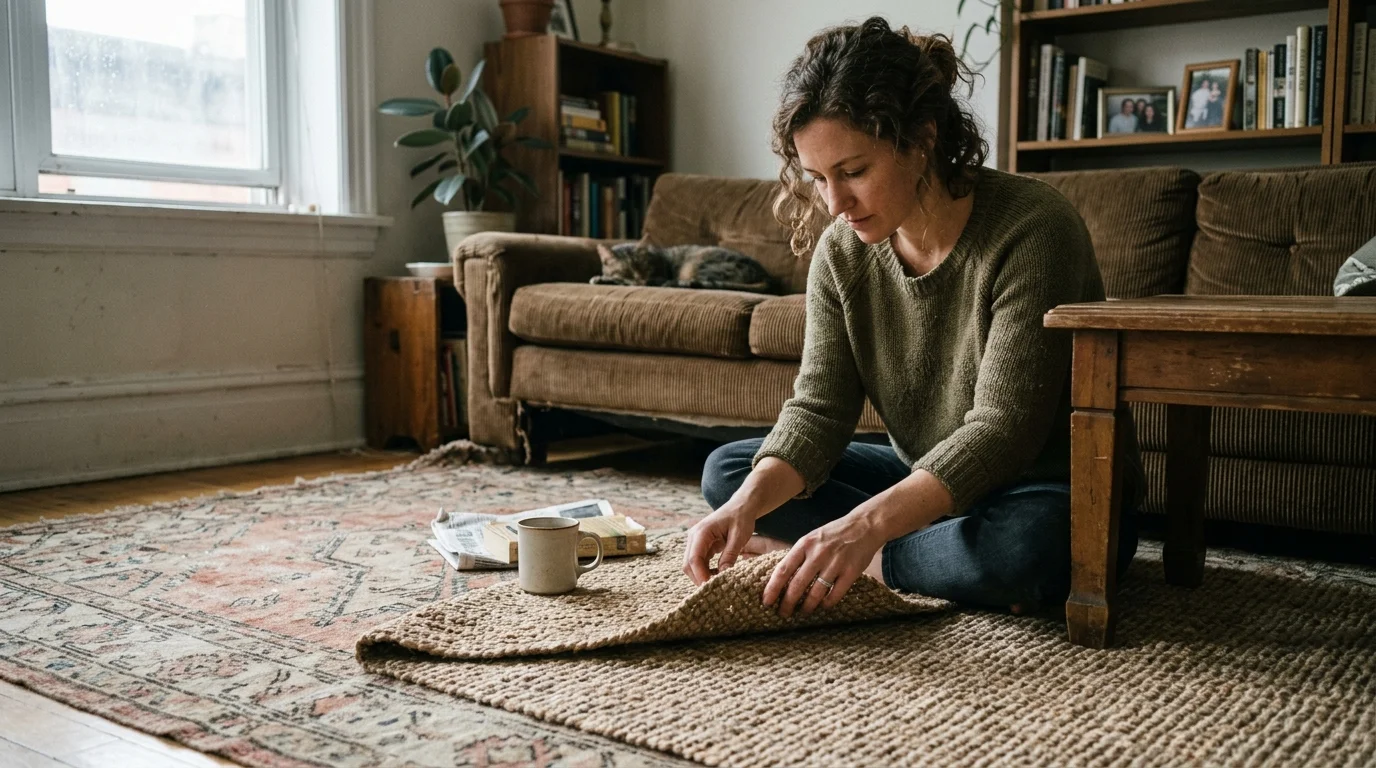
Unattractive hardwood, scratched laminate, or builder-grade beige carpeting frequently diminishes an otherwise elevated design scheme. Executing rental decor ideas that impress requires addressing floor surfaces with deliberate textile layering. Begin by laying a large, natural-fiber rug—such as woven jute, sisal, or seagrass—to cover as much floor area as possible, establishing a neutral, highly textured base. Next, overlay a smaller, high-character accent rug centered beneath your seating area or dining table. Use a vintage hand-knotted Persian rug, a plush Moroccan wool flatweave, or a geometric antique runner for this secondary layer. This technique hides unsightly flooring while visually defining distinct zones in open-concept apartment layouts. The dual-rug approach adds deep warmth, cushions foot traffic, improves room acoustics, and introduces rich historical color notes that tie your furniture ensemble together effortlessly.
Trend #6: Sculptural Monolithic Wall Mirrors
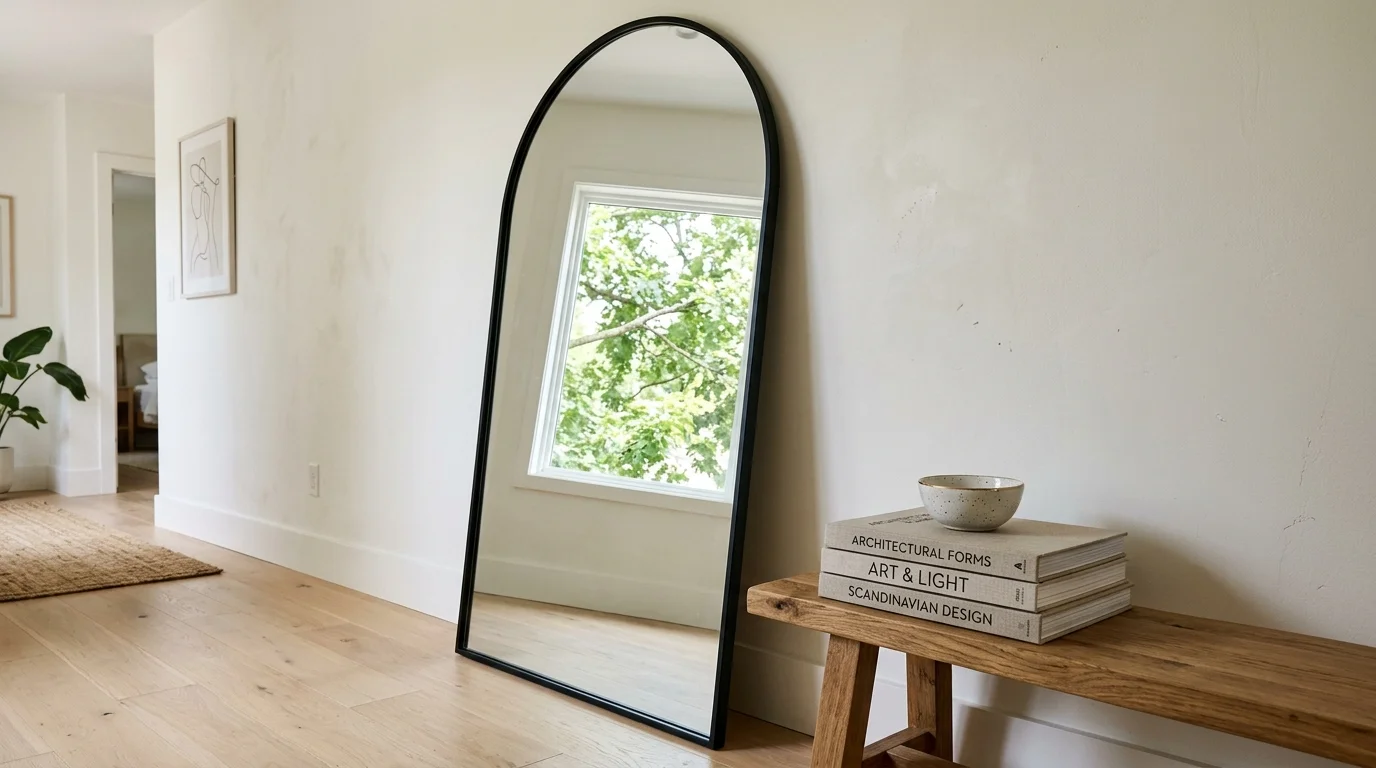
When structural alterations are impossible, large-scale mirrors offer an effective tool for expanding visual mass and redistributing natural light. A leaning floor mirror featuring a bold, sculptural frame acts as a non-permanent focal point that substitutes for missing architectural details like fireplaces or built-in alcoves. Seek out tall arched silhouettes, asymmetrical organic shapes, or dark bronzed metal frames standing at least six feet tall. Position the mirror opposite a prominent window or adjacent to a dark dining corner; this placement captures outdoor greenery and reflects ambient daylight deep into dark interior zones. The massive reflective glass doubles visual depth, giving smaller rental apartments an expansive, open feel. Furthermore, leaning a heavy mirror securely against a wall stud eliminates the need for heavy-duty wall anchors while delivering dramatic, high-end editorial presence.
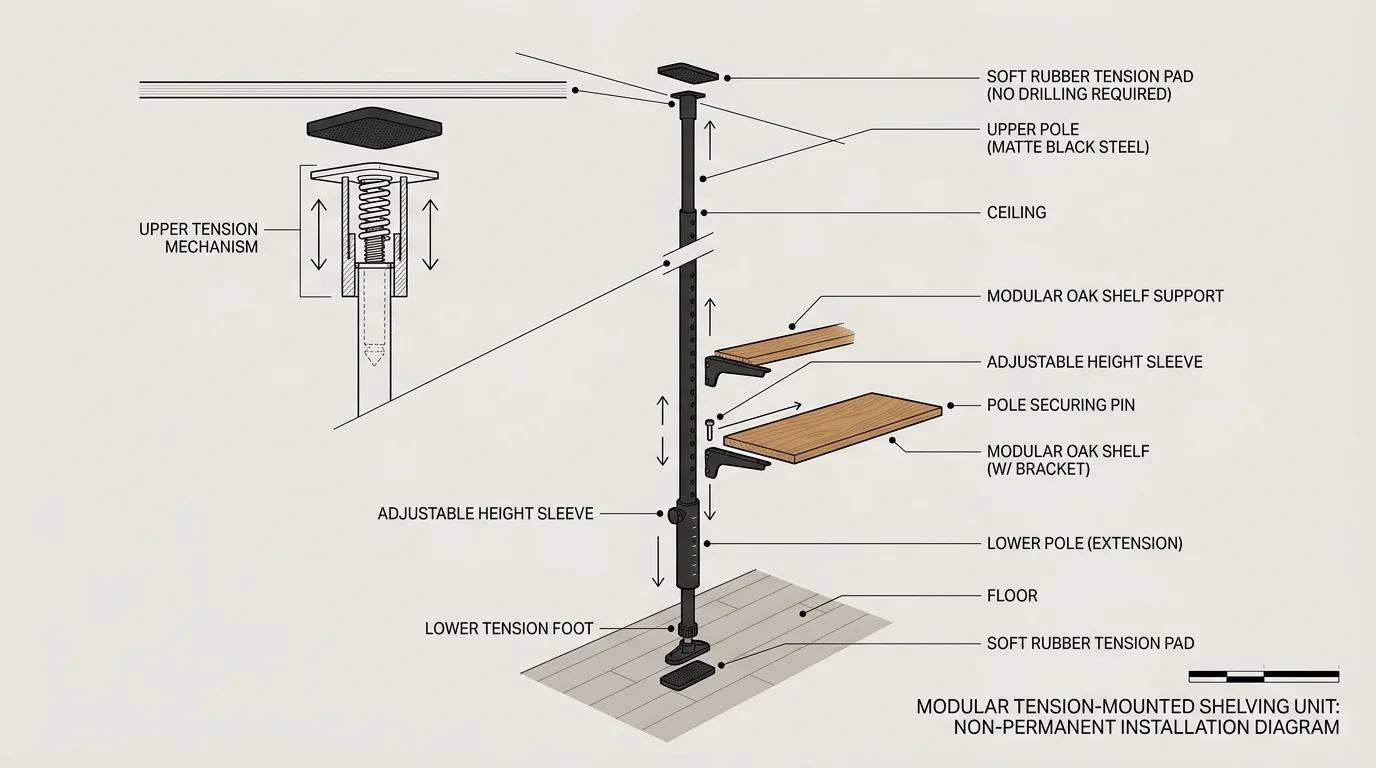
Trend #7: Architectural Tension-Mounted Wall Systems
Drilling dozens of individual anchor holes for wall shelving creates extensive repair work when your lease ends. Tension-mounted, floor-to-ceiling modular shelving units provide a sophisticated solution, offering floating storage without damaging plaster or drywall. Inspired by classic mid-century Danish wall units, these architectural systems rely on floor-to-ceiling compression posts equipped with non-marking rubber pads. You can customize your vertical layout with solid oak or walnut shelves, drop-front writing desks, and enclosed cabinet modules. Use these floor-to-ceiling displays to showcase curated ceramics, framed vintage photography, and personal design collections with authentic provenance. To elevate rental apartment design, organize your displayed objects with generous negative space, allowing the warm wood grain and slender metal posts to act as a structured, functional sculpture along your main wall.
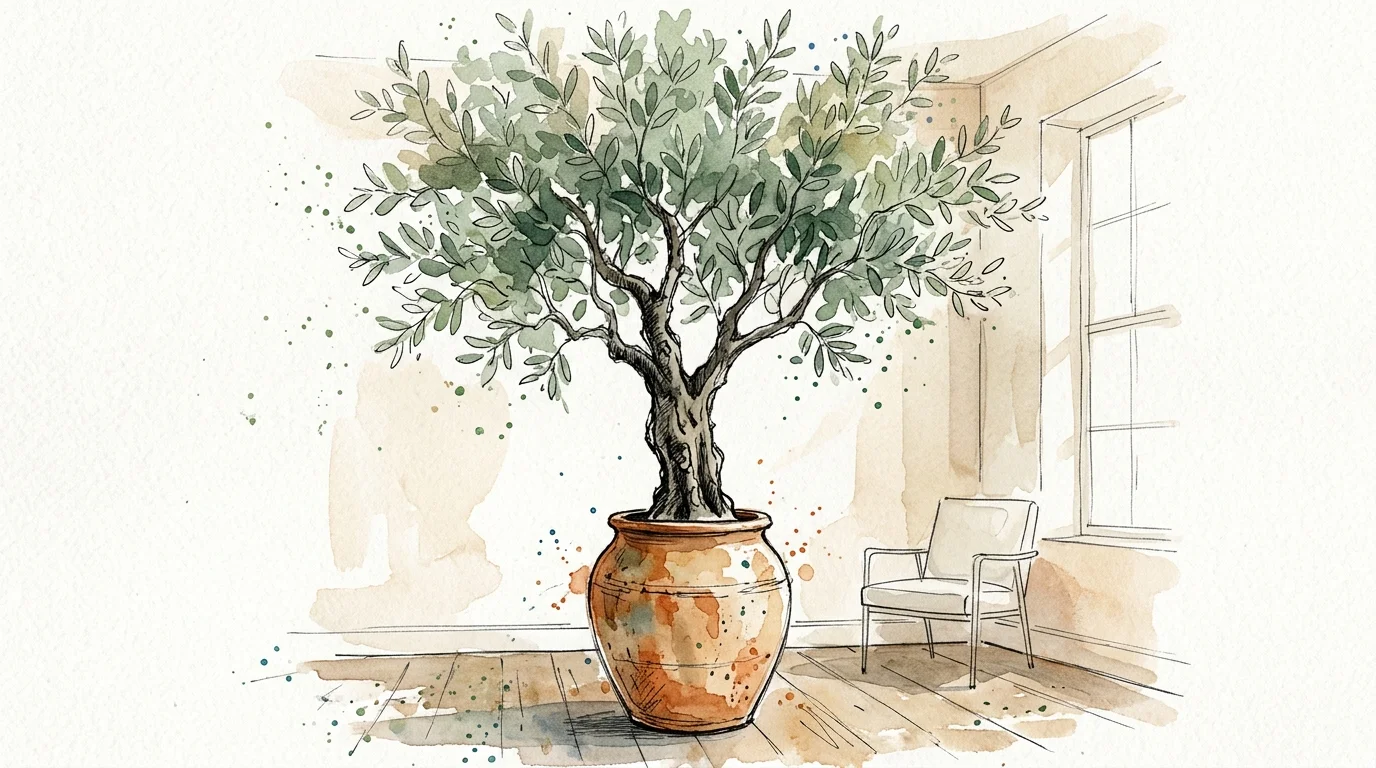
Trend #8: Biophilic Scale and Living Statement Botany
Scattering tiny succulent pots across windowsills often creates visual noise rather than an intentional organic aesthetic. High-end interiors rely on biophilic scale, incorporating large, mature botanical elements that act as living sculptures. Select one or two commanding indoor trees, such as a mature Ficus Audrey, an olive tree, or a dramatic broad-leafed Bird of Paradise. House your tree in a substantial, artisanal planter crafted from ribbed terracotta, hand-molded concrete, or weathered stoneware. A seven-foot-tall living tree draws the eye upward, breaks up rigid boxy apartment geometry, and fills empty structural corners with soft, organic movement. The vibrant green foliage introduces dynamic shadows across your walls as natural sunlight shifts throughout the day, anchoring your indoor environment with a refreshing, grounding connection to nature.
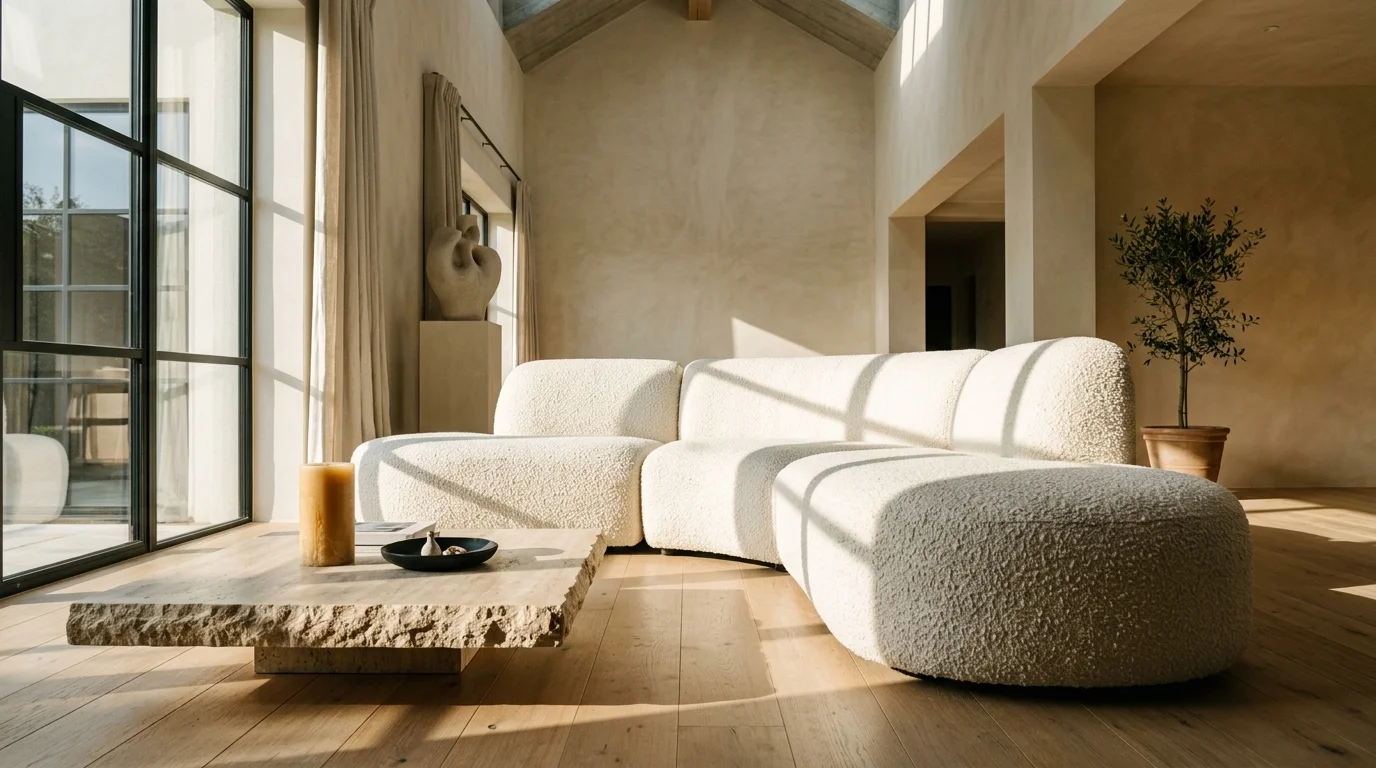
Trend #9: Low-Slung Sculptural Furniture
Conventional boxy sofas and high-backed traditional armchairs can overpower small rental floor plans, blocking sightlines and making rooms feel confined. Low-slung furniture with soft, curved silhouettes maintains low sightlines across living areas, allowing your space to feel significantly expansive and fluid. Choose sculptural sofas, kidney-shaped coffee tables, and barrel-backed accent chairs upholstered in rich, tactile fabrics like cream bouclé, ribbed corduroy, or slubbed mohair. The soft, rounded contours break up the harsh rectangular grid of standard apartment walls and utility soffits. By selecting furniture that feels like modern sculpture rather than heavy utility furniture, you draw immediate attention to design form and material craftsmanship, shifting the spotlight away from generic apartment backgrounds.
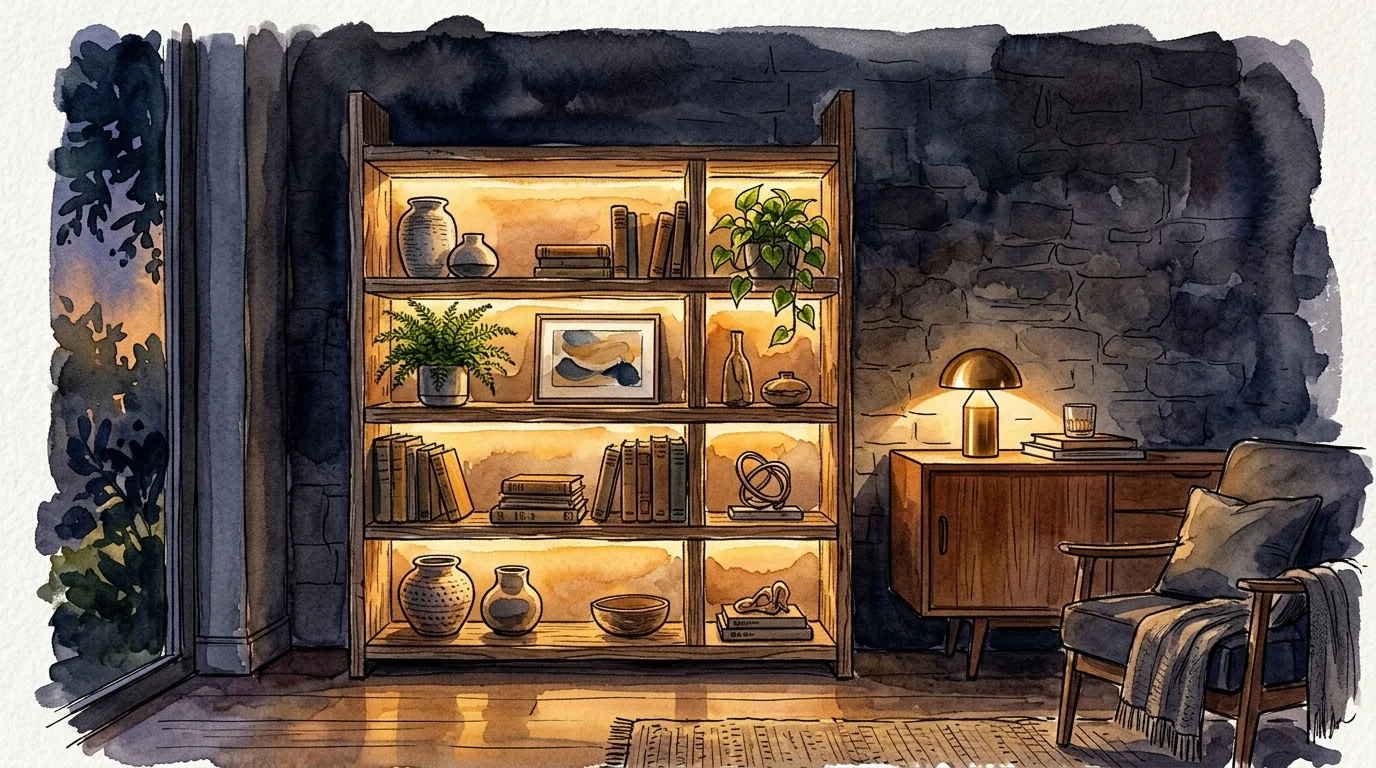
Trend #10: Layered Smart Micro-Lighting and Wireless Ambience
Creating atmospheric richness across temporary spaces requires precision light distribution that goes beyond standard floor lamps. Integrate rechargeable wireless table lamps, battery-operated LED picture lights, and concealed warm accent lighting strips to curate a high-end ambient light environment. Mount magnetic LED picture lights above your favorite wall art without running electrical wires down the plaster. Place portable, dimmable metal table lamps on accent shelves, inside bookcases, and atop kitchen marble counters to illuminate dark nooks. Ensure all light sources operate at a warm color temperature between 2700K and 3000K to produce an inviting, golden glow. Layering these flexible micro-light sources produces delicate shadows and focal highlights, instantly turning standard rental interiors into warm, luxurious late-night sanctuaries.
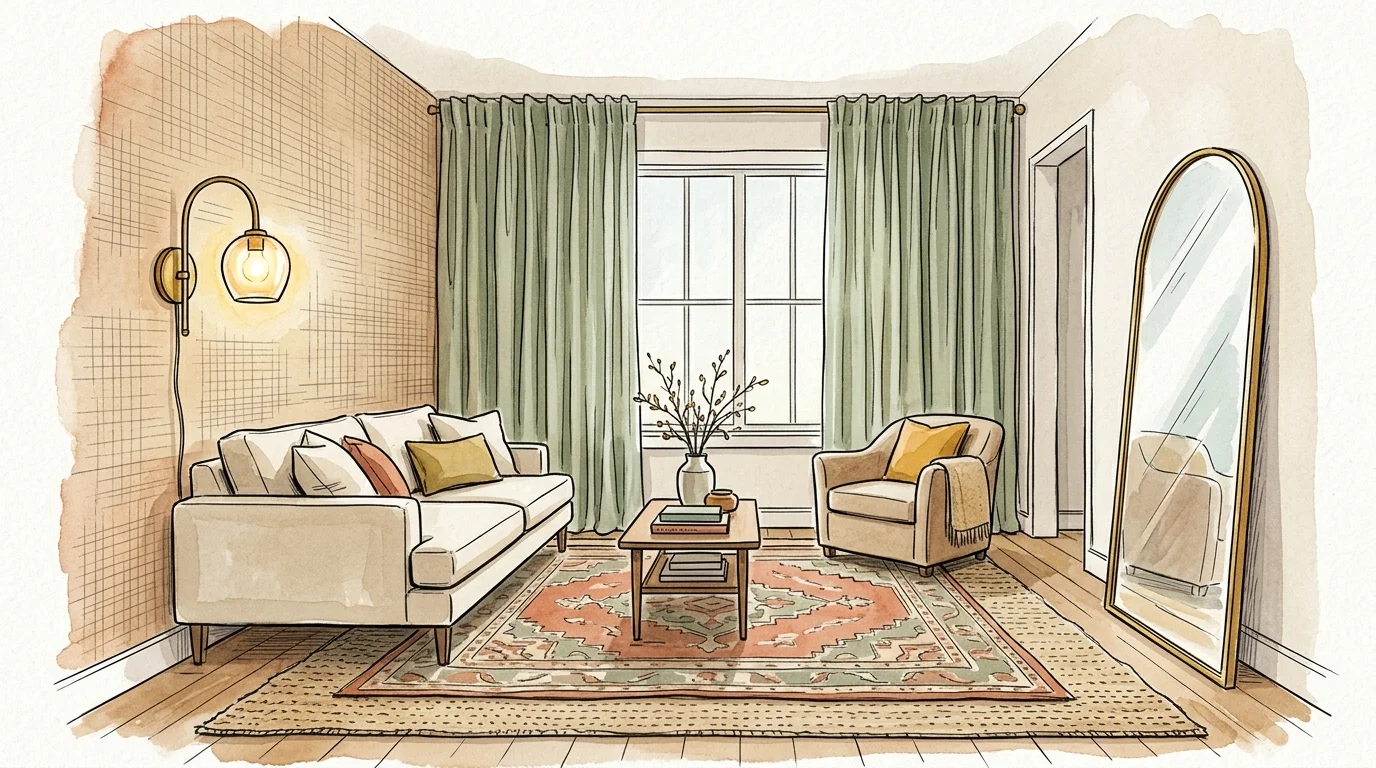
The Big Picture: Weaving These Trends into Your Home
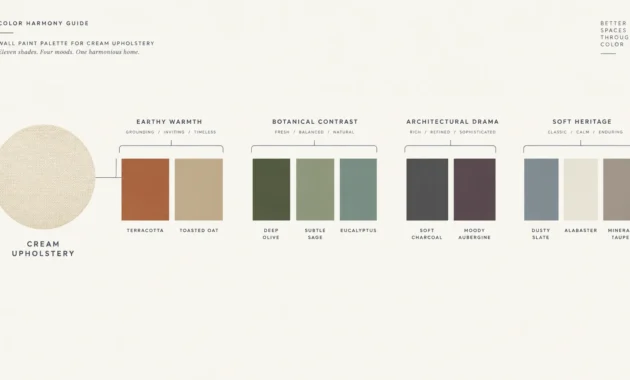
Elevating a rental space requires a disciplined design philosophy that balances high-impact aesthetic statements with quiet harmony. Rather than trying to implement every design trend simultaneously, focus on selecting four or five complementary elements that align with your lifestyle and space requirements. Start by establishing a grounded, low-contrast color palette anchored by organic neutral tones, rich wood finishes, and warm metallic accents. Pair architectural anchor pieces—such as custom-height drapery and layered foundation rugs—with refined tactile touchpoints like unlacquered brass hardware and plug-in gallery sconces. Maintain visual balance by honoring negative space, ensuring that every sculptural chair, mature plant, or wall mural has breathing room to express its form. Remember that true sophistication lies in restraint and intentional curation; mixing vintage items possessing rich personal provenance alongside modern non-permanent architectural upgrades results in a cohesive home that feels entirely permanent, personal, and profoundly refined.
Frequently Asked Questions
How can I allocate my decorating budget for maximum visual impact in a rental?
Focus your budget on large-scale, high-visibility elements that you can take with you when you move. Invest primary funds into custom-height drapery, high-quality layered rugs, and statement furniture with strong sculptural profiles. Secondary budget allocations should go toward architectural hardware upgrades and plug-in lighting, which offer high daily tactile satisfaction for a modest financial investment.
Will installing heavy peel-and-stick murals or drapery tracks damage landlord paint or plaster?
Modern premium peel-and-stick wall murals use low-tack acrylic adhesives engineered to peel away without removing sound interior paint or leaving sticky residue. For drapery tracks and heavy wall mirrors, drill minimal holes directly into wall studs or use appropriate drywall anchors. Patching a few screw holes with spackle and touch-up paint before move-out is straightforward and fully compliant with standard lease agreements.
How do I make low apartment ceilings feel taller without permanent millwork?
Combine ceiling-mounted floor-to-ceiling drapery tracks with tall, vertical design elements. Hang your drapery rods directly below the ceiling junction, place a tall six-to-seven-foot sculptural floor mirror leaning against the wall, and introduce a tall indoor tree. These strong vertical sightlines draw the eye upward, visually elevating the ceiling line while softening boxy room architecture.
Can I mix different hardware metal finishes throughout a rental apartment?
Yes, mixing metal finishes creates a layered, bespoke look that avoids the cold, uniform appearance of showroom displays. Combine a dominant metal finish—such as unlacquered brass or oiled bronze on primary door handles and cabinet pulls—with accent finishes like matte black or brushed nickel on plug-in light fixtures and decorative accessories. Keep the undertones balanced to maintain cohesive visual flow throughout your home.
For the latest color forecasts, consult industry leaders like Pantone and paint companies like Benjamin Moore. For professional design standards, refer to the American Society of Interior Designers (ASID).
Disclaimer: This article reflects design trend analysis and predictions. Personal taste and timeless design principles should always guide your decorating choices.