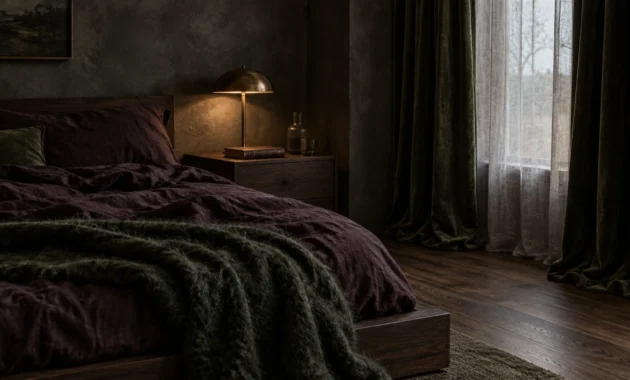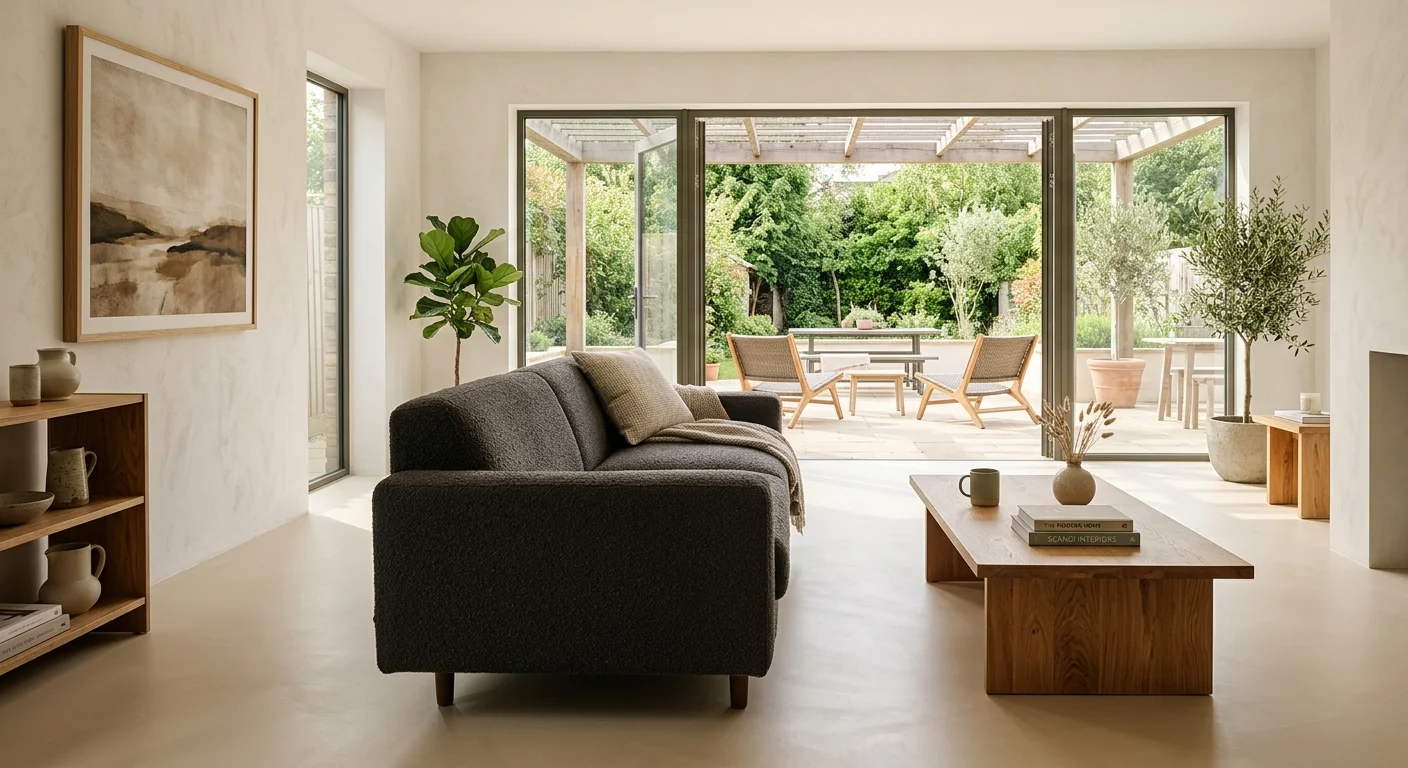
As residential architecture embraces seamless indoor-outdoor flow, acoustic comfort, and ecological integrity, classic timber planks are yielding space to revolutionary modern flooring materials. Hardwood now accounts for just 7.5 percent of total flooring market value and a mere 3.7 percent of volume; homeowners increasingly reject its high maintenance, susceptibility to moisture, and installation costs that range between 6 and 25 dollars per square foot. In 2027, cutting-edge interior design favors forward-thinking surfaces that deliver quiet luxury, textural depth, and authentic provenance. From carbon-negative bio-composites to monolithic mineral slabs, explore the eight transformative flooring trends replacing hardwood across discerning residential spaces.
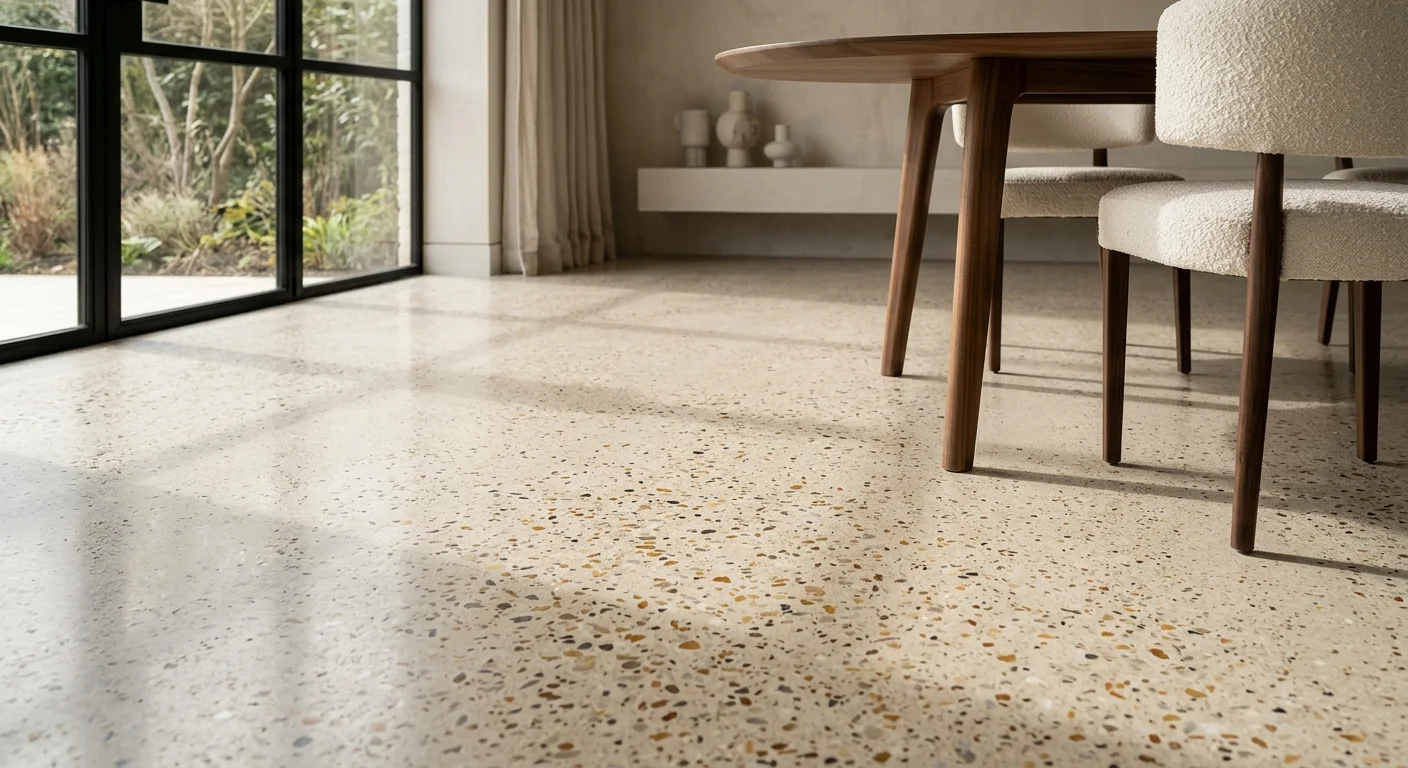
Trend #1: Monolithic Terrazzo and Honed Mineral Stone Slabs
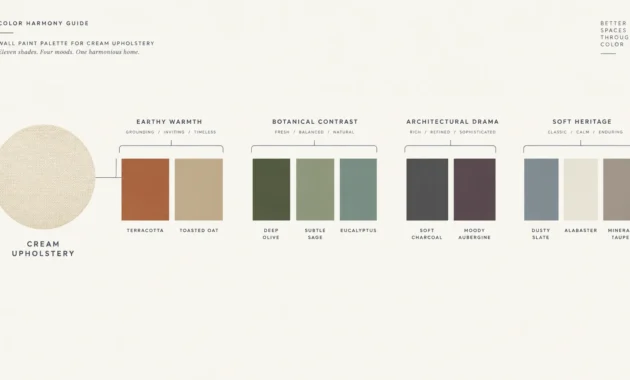
Architects and interior designers are turning toward monolithic terrazzo and large-format mineral slabs to create uninterrupted, grounded living environments. By swapping standard tongue-and-groove timber for large-scale composite stone, you eliminate visual fragmentation across open floor plans. The aesthetic centers on tactile, matte-honed finishes embedded with river pebbles, quartz fragments, and warm aggregate chips. Rather than the clinical, high-gloss floors of previous decades, 2027 terrazzo embraces artisanal warmth, featuring organic pigments like soft ochre, warm bone, umber, and muted sage.
The cultural shift driving this trend stems from a desire for architectural permanence. While traditional hardwood scratches under pet claws and fades under intense solar exposure, poured mineral surfaces and oversized stone slabs maintain pristine structural integrity for generations. When you integrate underfloor hydronic heating, stone acts as a remarkable thermal battery; it absorbs heat efficiently and radiates consistent warmth throughout your home long after the thermostat cycles off.
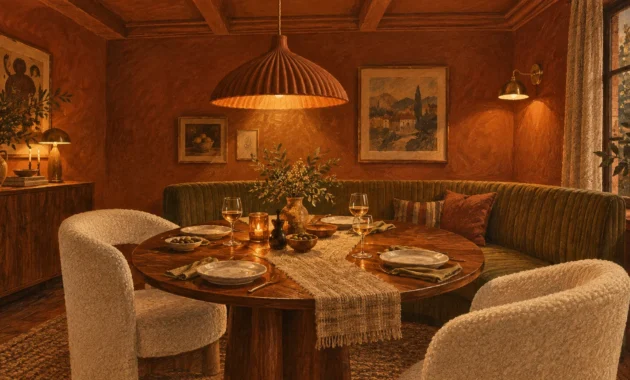
To style this trend, balance the mineral weight underfoot with soft textiles, tactile bouclé upholstery, and sculptural timber furniture. In sunlit dining and living rooms, a honed terrazzo base anchors the space, providing a continuous, cooling plane in summer and an enveloping, radiant surface during winter months.
Trend #2: High-Density Strand-Woven Bamboo
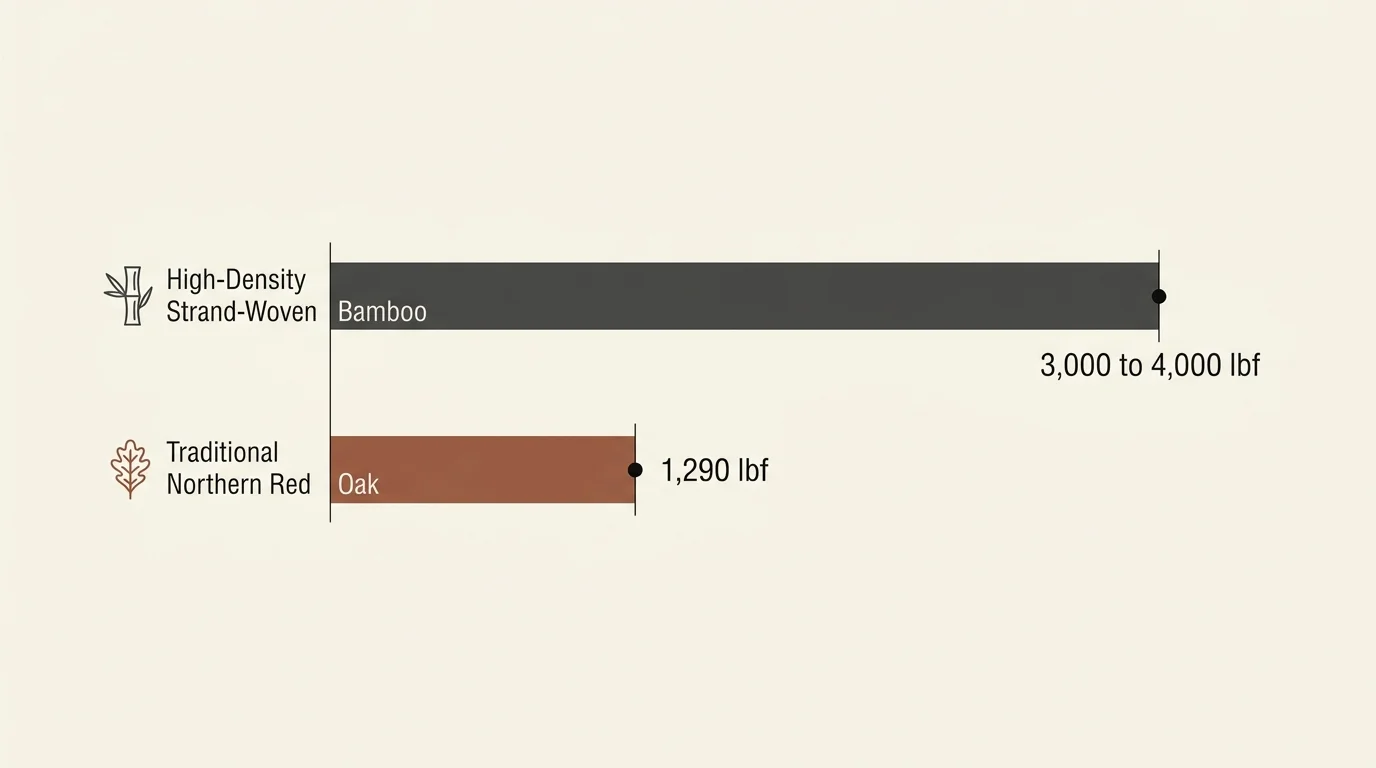
If you love the natural warmth of organic grain but require supreme structural toughness, high-density strand-woven bamboo represents one of the premier alternatives to hardwood flooring. Unlike standard horizontal bamboo strips that dent easily, strand-woven variations undergo high-pressure hydraulic compression with low-VOC resin binders. This engineering feat yields an ultra-dense board with a Janka hardness rating exceeding 3,000 to 4,000 pounds-force; this rating more than doubles that of traditional Northern Red Oak, which registers at approximately 1,290 pounds-force.
From an ecological standpoint, strand-woven bamboo satisfies modern biophilic design principles without depleting old-growth timber stands. Hardwood forests require 20 to 60 years or more to regenerate fully, whereas bamboo culms reach complete structural maturity in just four to six years. When harvested, the underground rhizome network remains intact, preventing soil erosion and sequestering carbon continuously.
In 2027 palettes, bamboo moves far beyond yellow-toned builder-grade finishes. Designers specify deep carbonized espresso tones, wire-brushed ash finishes, and soft smoked hues. These contemporary treatments highlight bamboo’s dense, fibrous striations; the result delivers a refined, textured foundation that withstands high-traffic foyers, bustling kitchens, and active households effortlessly.
Trend #3: Carbon-Negative Regenerative Cork Planks
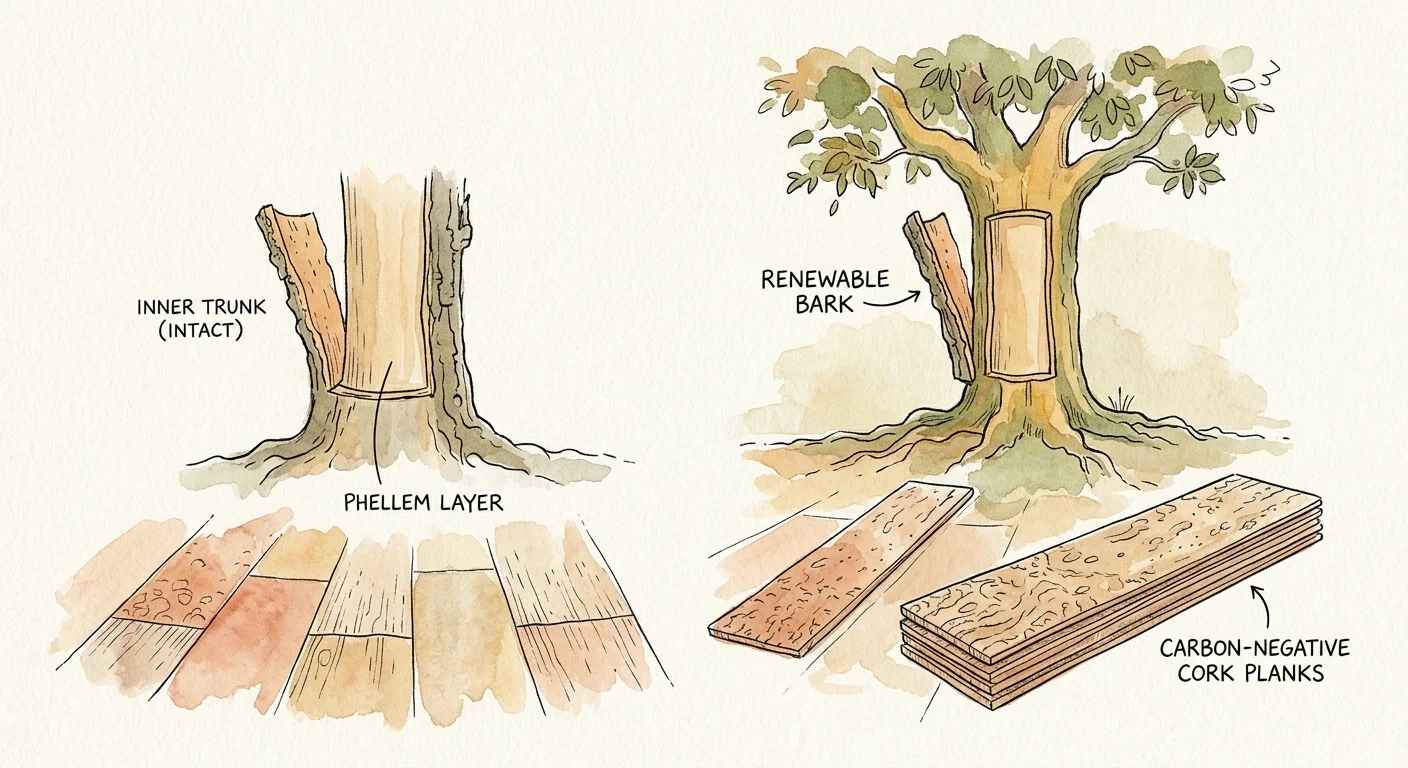
Driven by the global demand for sustainable home construction, the cork flooring market is expanding rapidly toward an estimated 2.48 billion dollars by 2032 at a compound annual growth rate of 6.5 percent. Cork stands out as one of the few genuinely carbon-negative materials available for residential interiors. Harvesters strip only the outer bark of the cork oak tree every 9 to 12 years; the tree remains unharmed and continues to absorb up to five times more carbon dioxide during its natural bark regeneration process.
Beyond its impeccable environmental credentials, cork delivers unmatched acoustic dampening and thermal comfort. Its cellular structure mimics an organic honeycomb, holding millions of microscopic air pockets per cubic centimeter. When you step onto cork, you experience a soft, forgiving surface that alleviates joint pressure and absorbs airborne sound, making it a stellar choice for upper-level suites, creative studios, and minimalist great rooms prone to unwanted echo.
Forget the dated, orange-tinted sheets of the 1970s. Modern cork planks boast high-resolution direct digital printing and refined botanical stains. You can select cork finished in velvety taupe, smoked slate, or creamy travertine visual patterns. These planks incorporate ultra-durable, plant-based ceramic coatings that protect against scuffs while preserving the warm, yielding softness that makes cork so irresistible beneath bare feet.
Trend #4: Seamless Poured Microcement and Polished Mineral Overlays
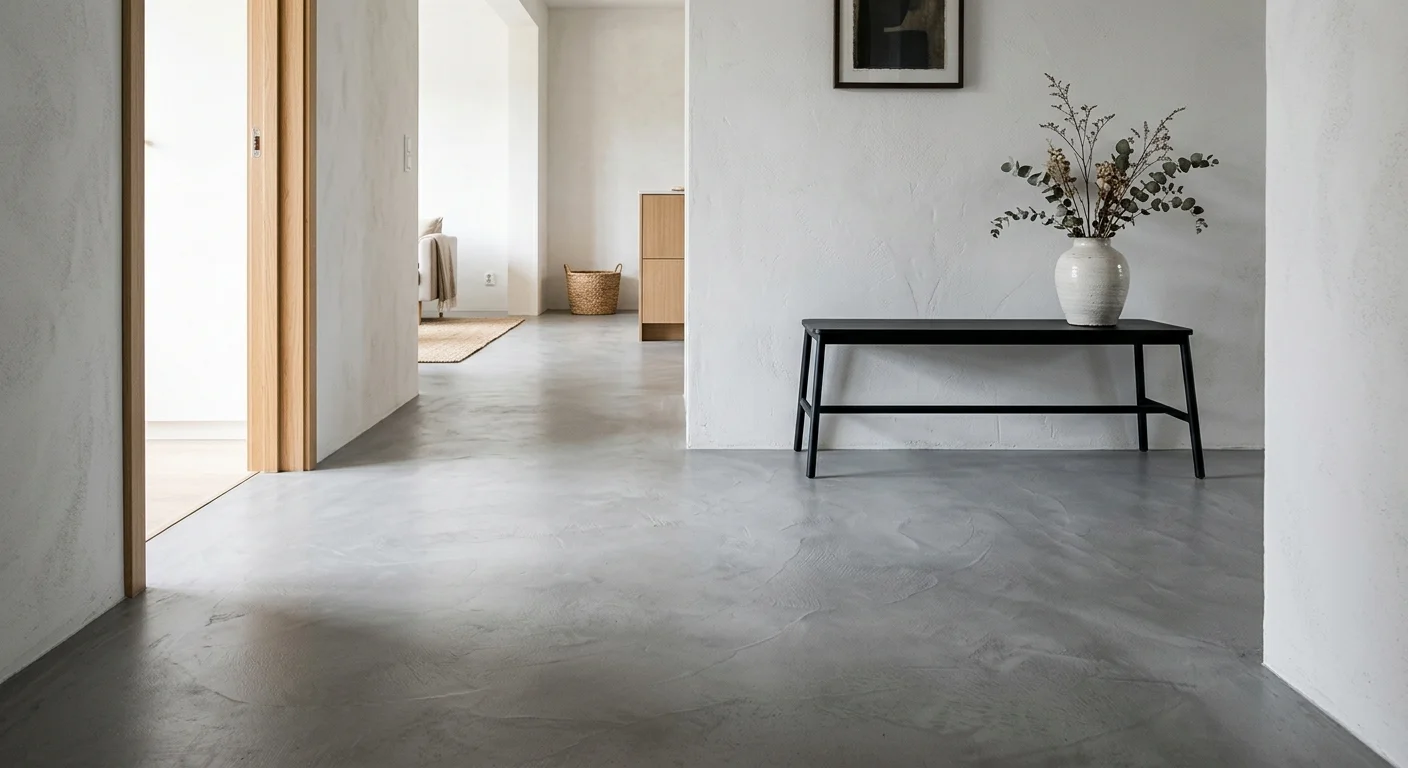
Continuous poured microcement continues its rapid rise as one of the most compelling 2027 flooring trends, offering a smooth, wabi-sabi alternative to segmented timber floors. Applying microcement creates a boundless, joint-free plane that flows gracefully from open-concept living rooms into transition-free kitchens and wet rooms. Applied by skilled artisans at a slender thickness of just two to three millimeters, this polymer-modified cement overlay bonds directly to existing subfloors, curing into an ultra-tough, moisture-impermeable membrane.
Microcement’s visual appeal lies in its delicate, hand-troweled movement and quiet matte appearance. It introduces subtle tonal variations that catch ambient natural light without producing distracting glare. Current color palettes steer away from cold industrial grays, favoring earthy limestone, gentle biscuit, warm mushroom, and sun-baked terracotta tones that harmonize with modern organic interiors.
Because microcement has no grout lines or expansion seams to accumulate grime, cleaning your floor requires nothing more than gentle pH-neutral damp mopping. You can run this durable mineral overlay directly up vertical shower walls and around bespoke hearths, establishing an enveloping, sculptural architectural envelope that unifies separate living zones into a cohesive whole.
Trend #5: Ultra-Realistic Rigid Core Mineral Composite (SPC)
Rigid core Stone Plastic Composite (SPC) flooring has completely disrupted residential remodeling, seizing considerable market share from solid wood. Solid timber installs at an average project cost between 2,500 and 7,000 dollars or more, whereas premium rigid core planks average 2 to 7 dollars per square foot for materials and 5 to 10 dollars per square foot installed. This dramatic 50 to 70 percent cost advantage enables you to allocate renovation budgets toward statement lighting, customized joinery, and architectural fixtures.
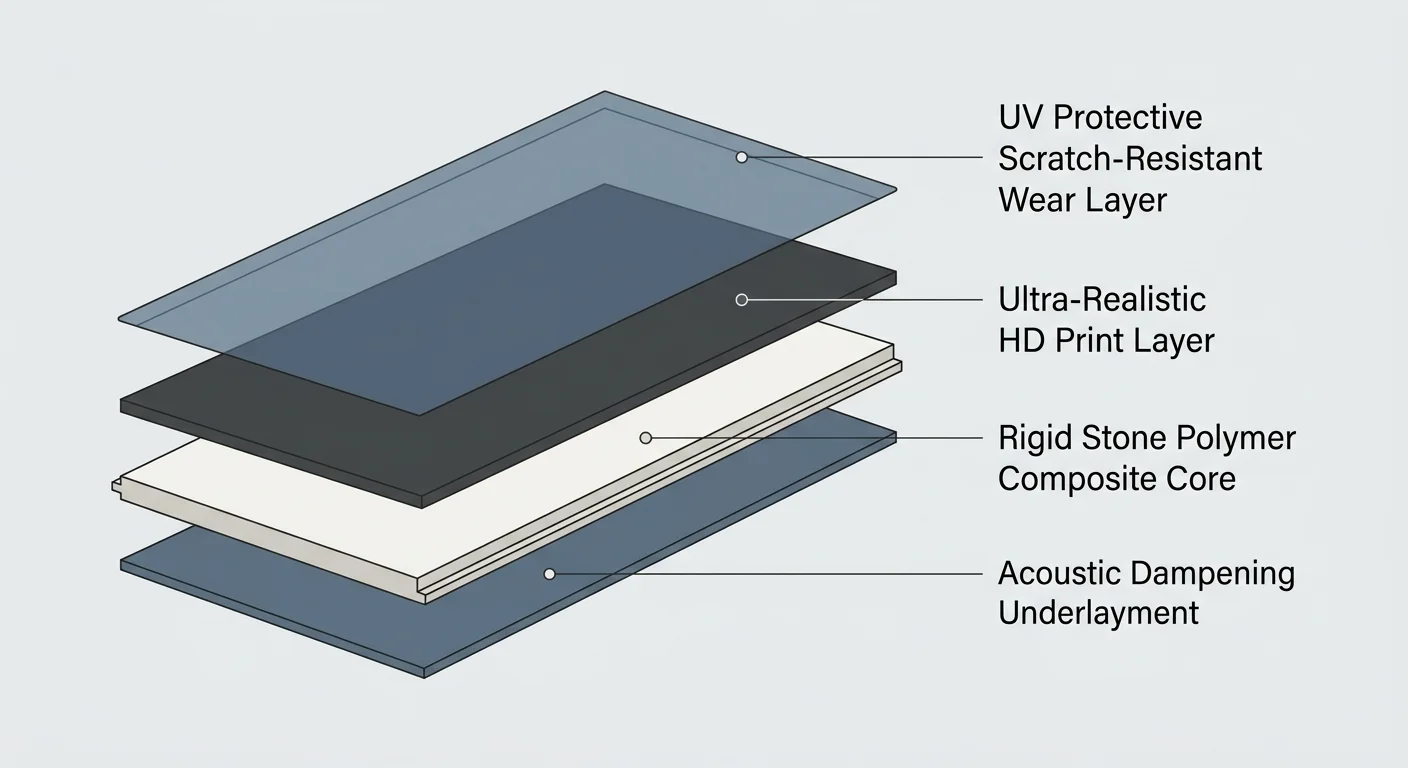
Performance remains the main catalyst behind this rapid market shift. Traditional hardwood buckles, cupping noticeably when exposed to water leaks, humidity shifts, or pet accidents. SPC combines limestone powder and polymer stabilizers into an impenetrable rigid core, producing a 100 percent waterproof plank that remains dimensionally stable through extreme climate shifts.
In 2027, advanced Embossed-in-Register (EIR) manufacturing elevates SPC into genuine luxury territory. Precision rollers synchronize tactile grain grooves, saw marks, and wire-brushed textures with high-definition visual layers, perfectly capturing the nuanced essence of raw Scandinavian oak or aged walnut. Ensure your selected planks hold FloorScore or GREENGUARD Gold certifications, confirming strict compliance with EPA TSCA Title VI and CARB Phase 2 standards for optimal indoor air quality.
Trend #6: Tactile Wood-Look and End-Grain Porcelain Slabs
Where real timber falls short in bathrooms, mudrooms, and sunrooms, oversized porcelain stoneware emerges as an indestructible aesthetic replacement. Featuring an ANSI-standard water absorption rate of under 0.5 percent and top-tier PEI IV and V wear ratings, modern porcelain withstands heavy footwear, standing water, and direct ultraviolet rays without fading, warping, or scratching.
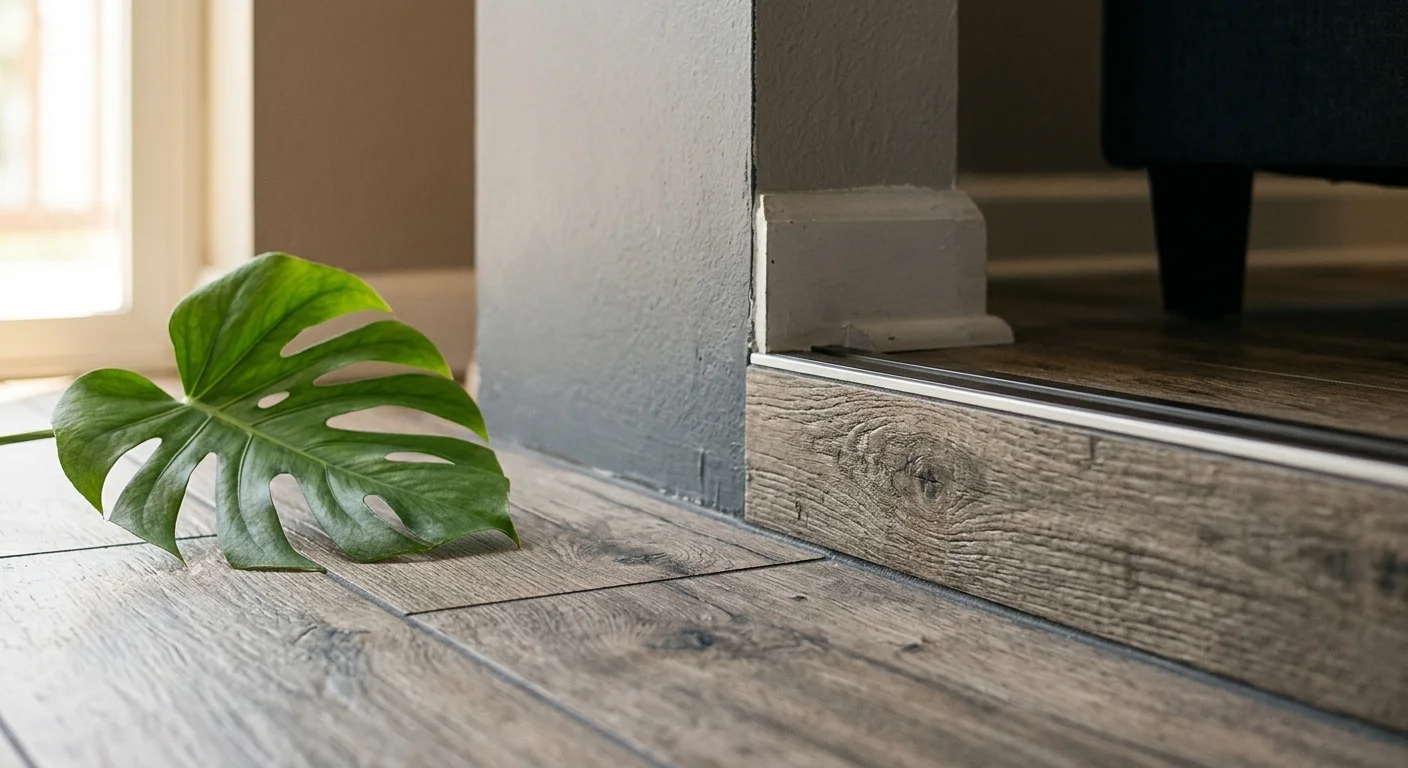
Recent breakthroughs in dry-glaze digital printing allow ceramicists to reproduce the complex end-grain patterns of cross-cut lumber, the textural relief of Japanese Shou Sugi Ban charred wood, and the historic patina of reclaimed French oak. The resulting porcelain planks showcase micro-rectified edges, permitting razor-thin one-millimeter grout lines filled with color-matched polymer grouts that render seams practically invisible.
These oversized porcelain formats excel when establishing indoor-outdoor transitions. You can lay the exact same wood-look porcelain slab across an interior living room floor and extend it directly through flush-mount sliding glass doors onto an outdoor patio. Because porcelain ignores freeze-thaw cycles and torrential rain, your home gains a continuous, weather-resistant living surface that dramatically expands your visual living footprint.
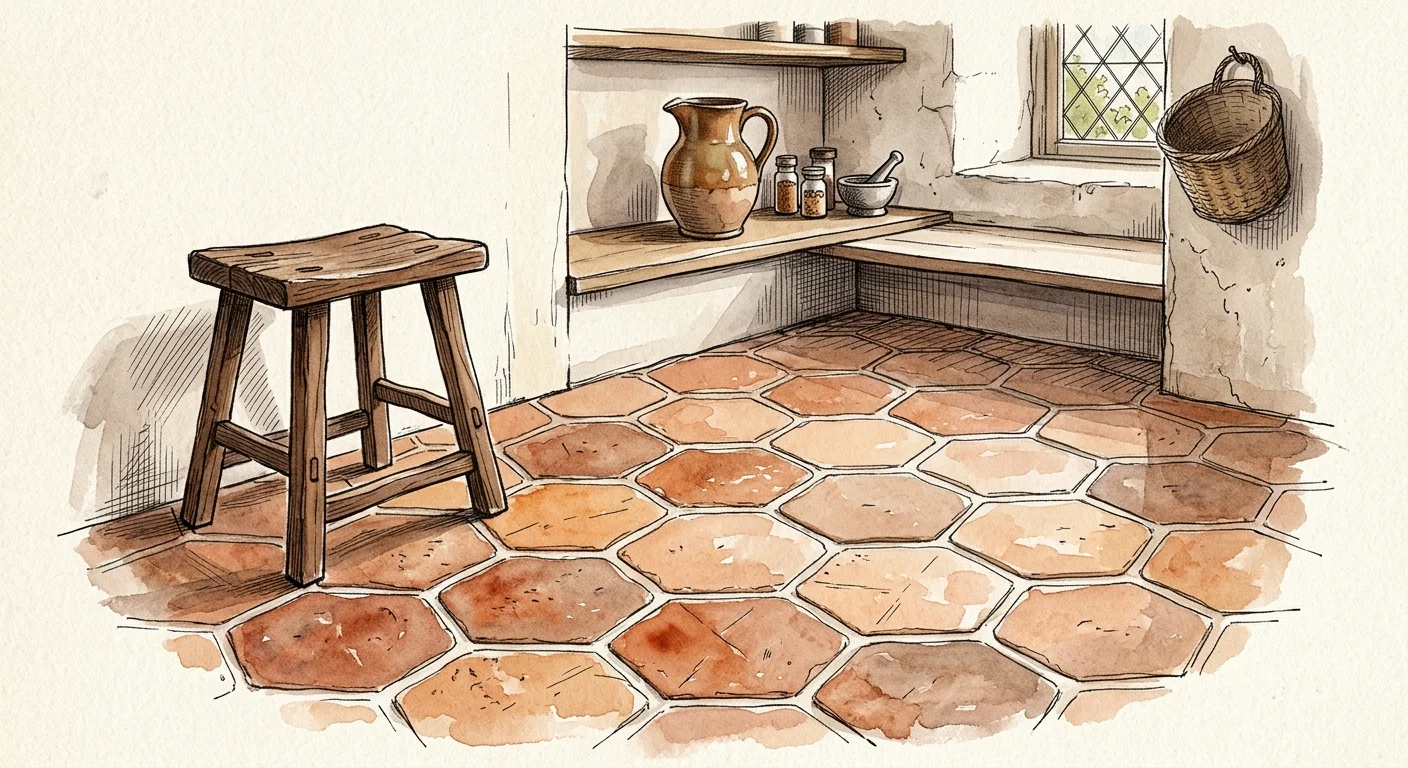
Trend #7: Handcrafted Terracotta and Matte Encaustic Tile Formats
As homeowners turn away from cookie-cutter builder finishes, handcrafted terracotta and matte encaustic tiles are enjoying a major design resurgence. These trending home flooring options introduce unmistakable provenance, irregular artisanal contours, and tactile richness that machine-milled hardwood planks simply cannot provide. Each tile displays gentle tonal shifts, slight kiln-fired variations, and an earthy presence that grounds contemporary interiors.
Rather than adopting the heavy, glossy Spanish colonial styles of the past, 2027 terracotta embraces geometric sophistication. Designers specify slender picket shapes, oversized hexagonal pavers, and sleek rectangular bricks arranged in refined herringbone and basketweave formats. Matte encaustic tiles feature soft, muted geometric motifs executed in charcoal, warm sand, sage, and pale ochre, creating bespoke rug-like floor installations in foyers, dining areas, and expansive kitchens.
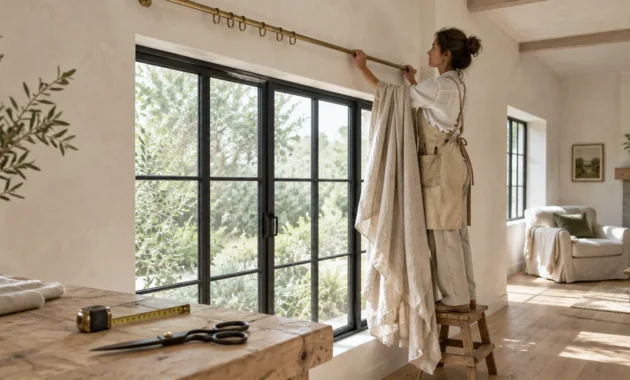
Terracotta naturally provides high thermal mass and breathable indoor climate regulation. When properly treated with modern breathable penetrating sealers, terracotta resists stains while developing an enchanting, low-luster patina over decades of residential use. Pair these warm, tactile tiles with lime-washed walls, linen drapery, and unlacquered brass hardware for an effortlessly elevated, timeless interior.
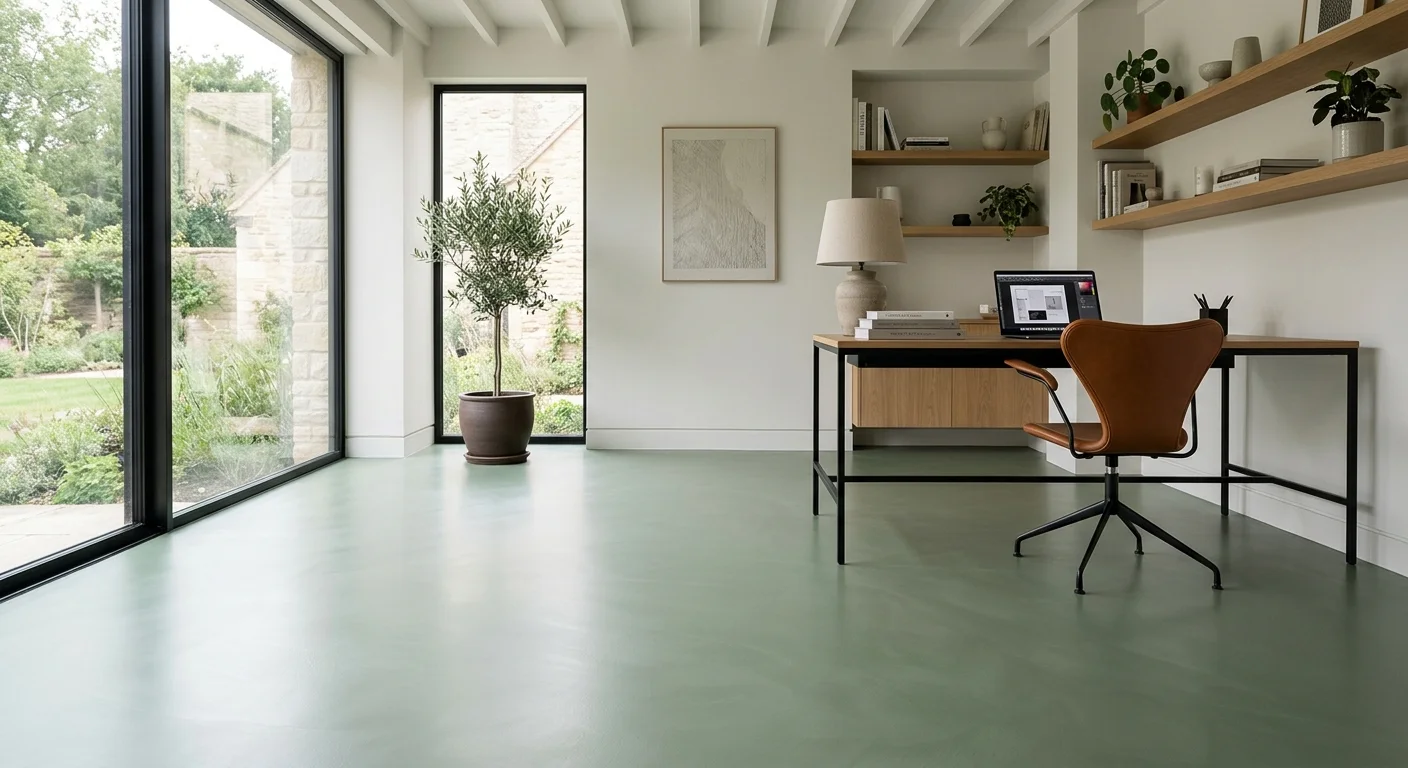
Trend #8: Monolithic Bio-Resin and Eco-Polymer Surfaces
For collectors of modern art and champions of forward-thinking minimalist design, bio-resin and plant-derived polymer floors represent the ultimate luxury surface. Cast as a seamless liquid across prepared subfloors, bio-resins cure into a silky, resilient surface free from grout joints, expansion trims, or plank seams. Formulated using rapidly renewable vegetable oils and natural mineral fillers, these advanced polymers offer an eco-conscious alternative to petroleum-based synthetic epoxies.
Bio-resin provides a bespoke canvas for custom color curation. You can tailor the floor pigment to match your exact interior vision, whether you desire a serene alabaster white, a deep charcoal, or a subtle warm greige. The cured resin exhibits a gentle satin sheen that softly diffuses interior light, making expansive living areas feel bright, luminous, and architecturally unified.
Resin surfaces offer surprising everyday comfort underfoot; they remain warm to the touch and possess natural elasticity that cushions footfalls and dampens room reverberation. Because the surface is entirely non-porous and seamless, allergens, pet dander, and dust find nowhere to hide. This pristine, easy-to-sanitize profile creates an exceptionally healthy indoor atmosphere without compromising on clean, gallery-level aesthetics.
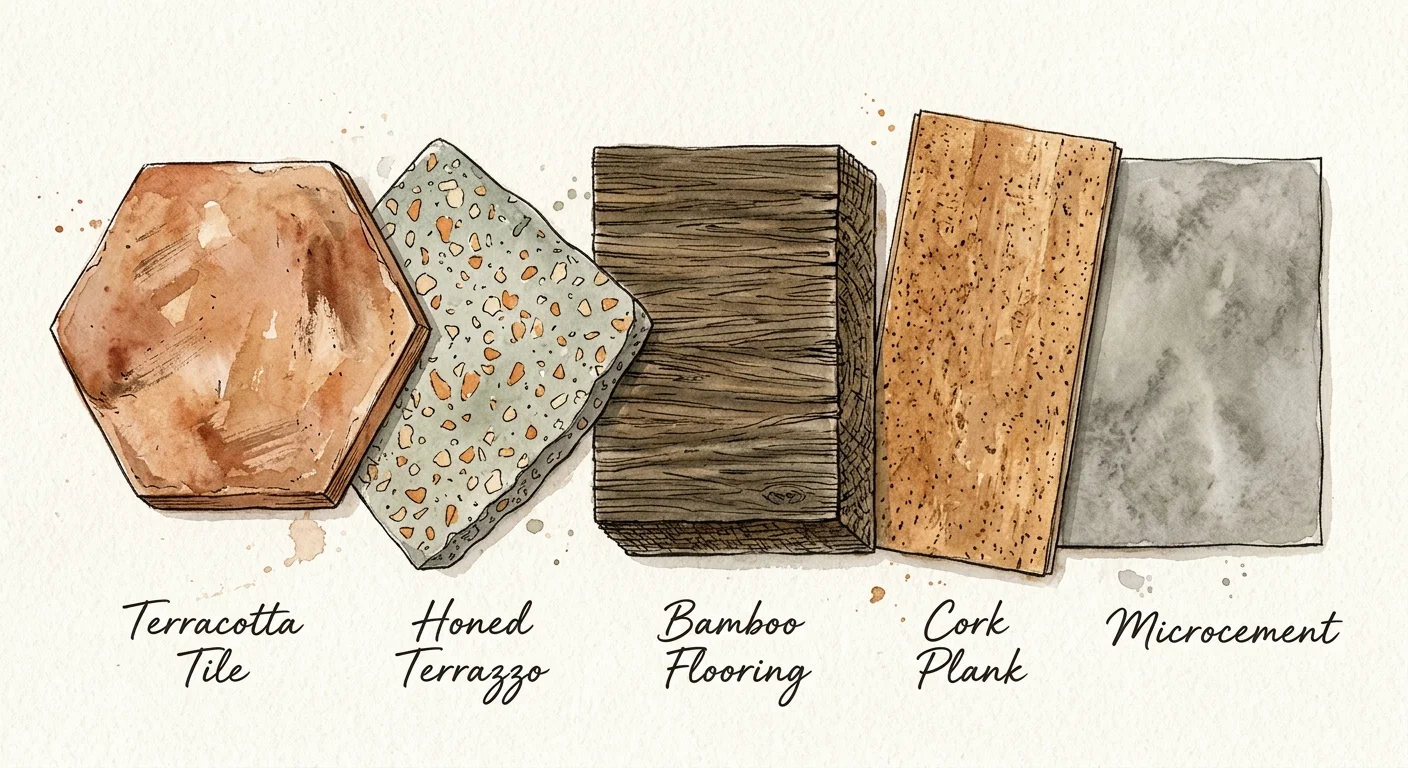
The Big Picture: Weaving These Trends into Your Home
Replacing standard timber flooring does not mean your home must feel stark or clinical. Successfully integrating modern flooring materials requires thoughtful balancing of texture, light, and functional zoning. Instead of relying on a single flooring material across every square foot of your property, use material transitions to delineate architectural zones and enhance practical living.
Consider applying seamless microcement or honed mineral slabs across high-traffic entryways, kitchen zones, and dining areas where moisture and spills occur frequently. Then, transition gracefully into the acoustic warmth of carbon-negative cork or strand-woven bamboo within private bedrooms, libraries, and listening lounges. To maintain design continuity, link these differing materials with a unified tonal palette, matching undertones across your selected finishes.
For the latest color forecasts, consult industry leaders like Pantone and paint companies like Benjamin Moore. For professional design standards, refer to the American Society of Interior Designers (ASID).
Soft furnishings play a pivotal role when you adopt mineral or poured floors. Layer plush wool rugs, textured bouclé fabrics, natural linen drapery, and warm timber accents overhead in ceiling beams or custom millwork. This strategic contrast preserves welcoming warmth while allowing your innovative flooring choices to stand out as sophisticated design statements.
Disclaimer: This article reflects design trend analysis and predictions. Personal taste and timeless design principles should always guide your decorating choices.
Frequently Asked Questions
Will hard mineral floors like microcement and terrazzo make my living room feel cold and echoey?
Not if you balance the room with purposeful acoustic and thermal strategies. Mineral surfaces like microcement and terrazzo possess high thermal mass, meaning they absorb and distribute heat evenly when paired with radiant underfloor heating systems. To manage acoustic reverberation in open-concept floor plans, introduce layered natural fiber rugs, heavy drapery, acoustic wall paneling, and upholstered seating. These plush elements absorb stray sound waves while letting your sleek floors showcase their modern architectural beauty.
How durable is strand-woven bamboo compared to traditional oak flooring?
Strand-woven bamboo is significantly more durable than standard domestic hardwoods. By compressing shredded bamboo fibers under immense hydraulic pressure with high-performance binders, manufacturers produce dense planks boasting a Janka hardness rating between 3,000 and 4,000 pounds-force. In comparison, standard Northern Red Oak rates at approximately 1,290 pounds-force. This exceptional density makes strand-woven bamboo highly resistant to high-heel impressions, energetic pet claws, and heavy furniture indentations.
Do alternatives to hardwood flooring lower the future resale value of my property?
High-end modern flooring materials frequently enhance modern home valuations. Today’s prospective buyers increasingly prioritize environmental sustainability, waterproof performance, low maintenance, and indoor air quality over fragile traditional timber. Premium architectural installations—such as honed terrazzo, poured microcement, or luxury rigid core planks with authentic Embossed-in-Register detailing—read as sophisticated, durable upgrades that alleviate buyer concerns regarding costly floor refinishing projects.
How can I verify that new synthetic or composite flooring materials are safe for indoor air quality?
Always review third-party environmental certifications before purchasing composite planks, resins, or underlayments. Look specifically for FloorScore and GREENGUARD Gold seals, which verify that the product meets stringent low-VOC emission thresholds. Furthermore, confirm that the flooring demonstrates full compliance with EPA TSCA Title VI and California CARB Phase 2 regulations, ensuring zero harmful formaldehyde emissions inside your home.