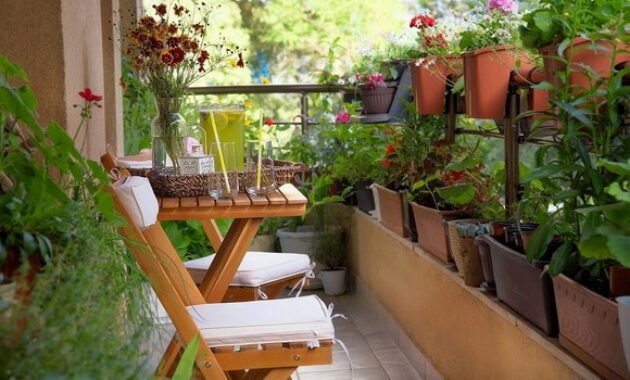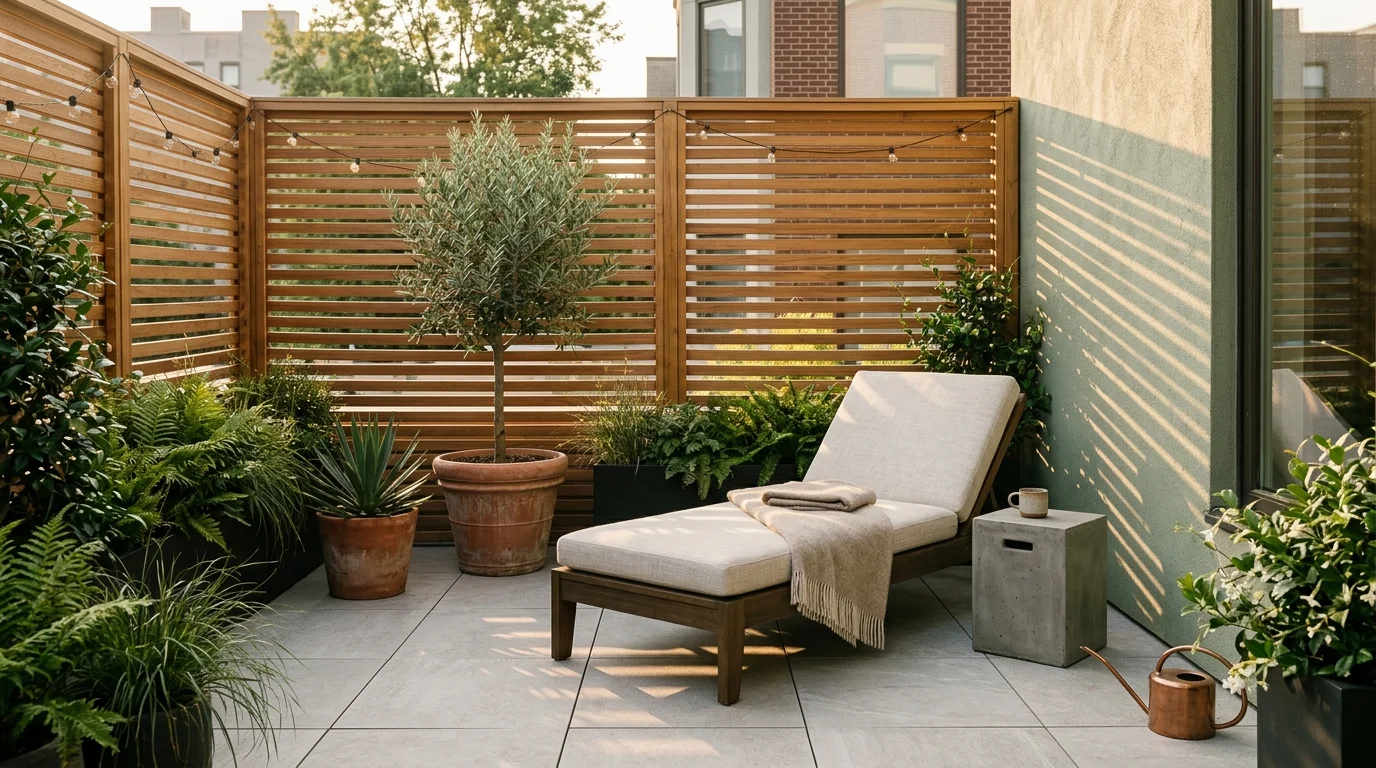
Transforming a compact terrace into an exquisite retreat requires a sharp eye for proportion, intentional materiality, and architectural purpose. Today’s outdoor living ideas for small spaces discard bulky, matching furniture sets in favor of curated environments that prioritize everyday comfort, tactile beauty, and seamless visual flow. Contemporary design data reveals that homeowners now focus heavily on personal sanctuary over speculative resale value, with interest in small patio gardens and courtyards climbing significantly. By orchestrating thoughtful layouts, embracing organic textures, and integrating multifunctional architectural elements, you can convert even an eighty-square-foot footprint into an expansive, restorative haven that elevates your daily lifestyle and mirrors the bespoke sophistication of your interior living spaces.
Trend #1: Biophilic Micro-Zoning and Sculptural Pocket Sanctuaries
Urban density and smaller property footprints have fundamentally changed how homeowners approach exterior layouts. Rather than treating a petite patio as an undifferentiated slab of concrete, current small patio outdoor living trends emphasize micro-zoning—the art of dividing limited square footage into distinct, purpose-driven lifestyle vignettes. Industry studies from the Houzz Outdoor Trends Study reveal that 83% of renovated outdoor spaces incorporate a dedicated lounge area, 53% feature quiet reading nooks, and 49% weave in vertical or container gardens. Dividing a space of just 80 to 100 square feet might seem counterintuitive, yet establishing distinct zones visually expands the terrain, making the entire area feel deliberate and layered.
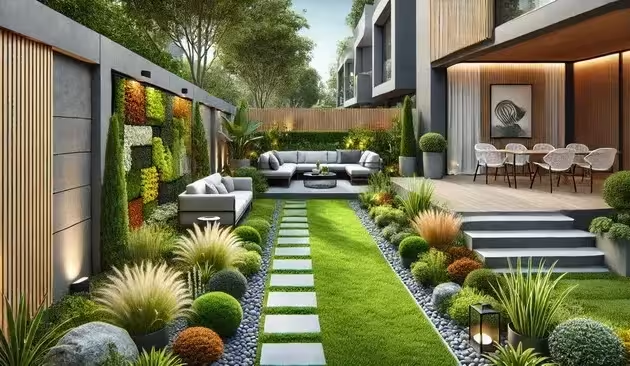
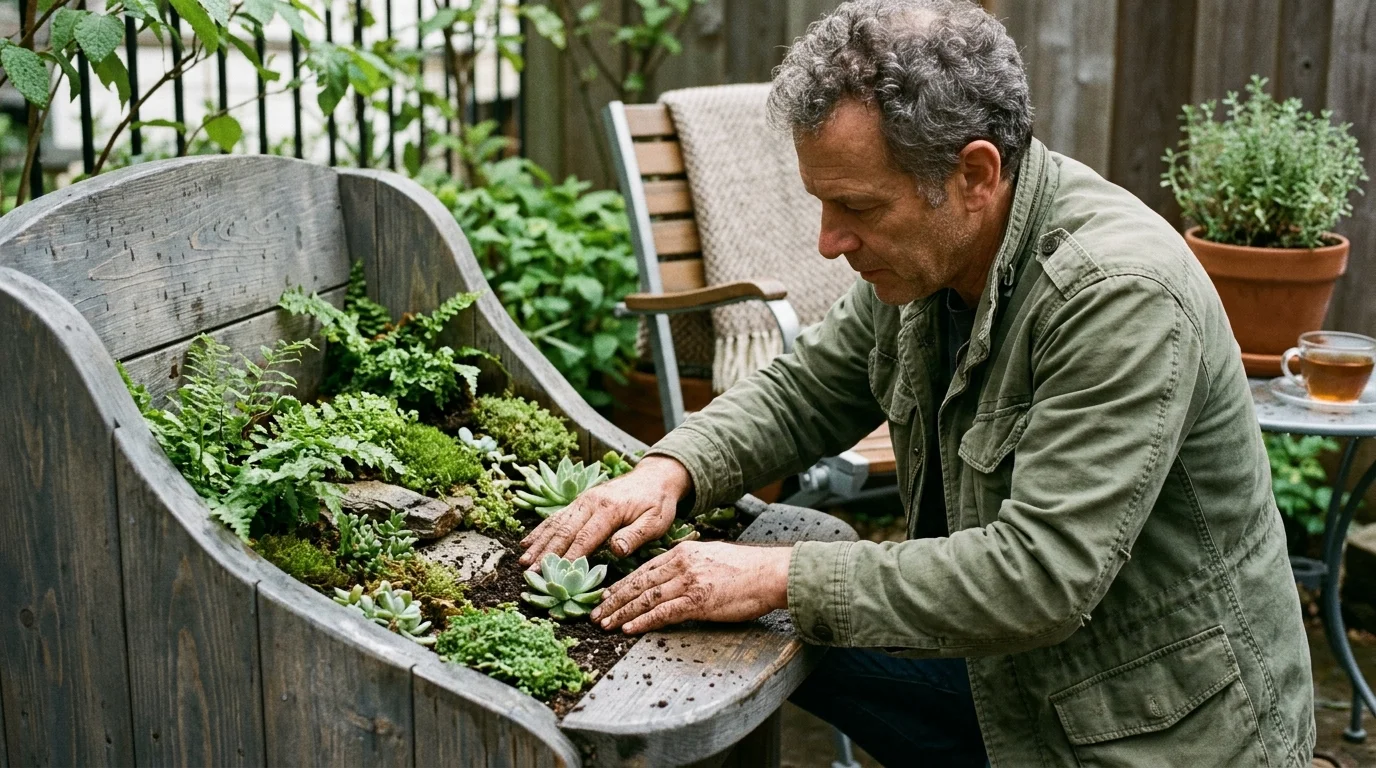
To execute this approach without constructing visual barriers, employ vertical biophilic screens and low-profile planters rather than solid dividers. Slatted cedar trellises draped with fragrant star jasmine or climbing hydrangeas grant seclusion while allowing natural light and cooling breezes to filter through. Layer sculptural terracotta vessels filled with textural Japanese forest grass, structural agaves, and dwarf olive trees along the perimeter; these green boundaries define the transition between a cozy reading corner and an intimate cocktail zone. By directing sightlines upward and framing targeted views, you establish a lush, private cocoon that insulates you from neighboring buildings while celebrating botanical richness.
Trend #2: Seamless Indoor-Outdoor Material Continuity
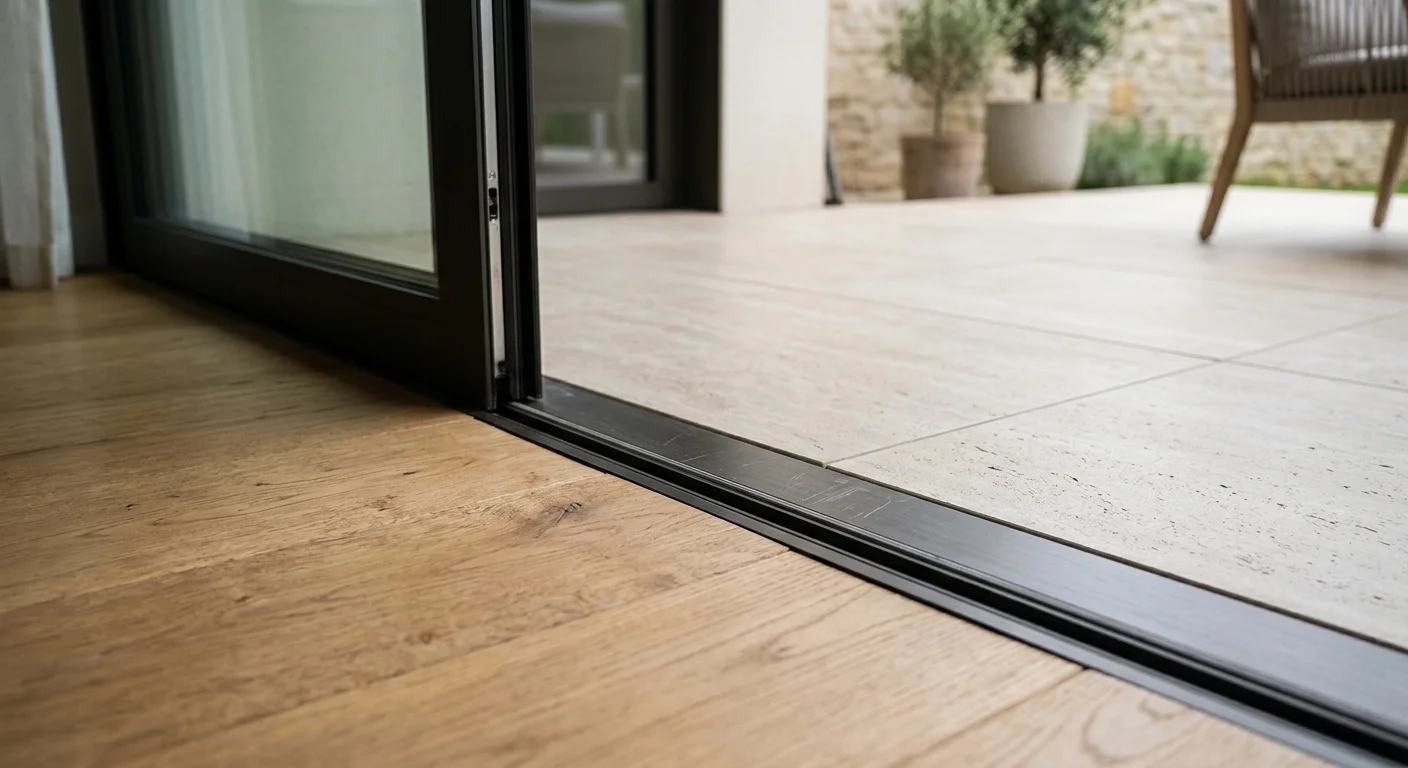
The contemporary aesthetic demands a continuous visual dialogue between your interior living room and exterior patio. High-end residential architecture increasingly eliminates abrupt transitions by pairing flush, zero-threshold sliding glass systems with matching floor surfaces. When your interior wide-plank white oak or warm limestone visually extends past the threshold onto the terrace, the eye perceives both zones as a single, expansive living environment. This design tactic dramatically magnifies small footprints, giving modest courtyards the grandeur of an open-air pavilion.
Achieving this seamless transition relies on resilient, high-performance materials that mirror interior finishes. Large-format porcelain pavers—engineered to replicate honed travertine, micro-cement, or Belgian bluestone—have become the premier choice for exterior flooring. While standard concrete slabs cost between $2.35 and $9 per square foot, investing $15 to $35 per square foot for rectified porcelain pavers or natural stone pays dividends in durability and visual continuity. Porcelain resists thermal shock, repels stains, and prevents moisture absorption, ensuring that your outdoor floor remains as immaculate as your indoor living room for decades. Keep your grout lines razor-thin and color-matched to the tiles to create an uninterrupted plane of refined materiality.
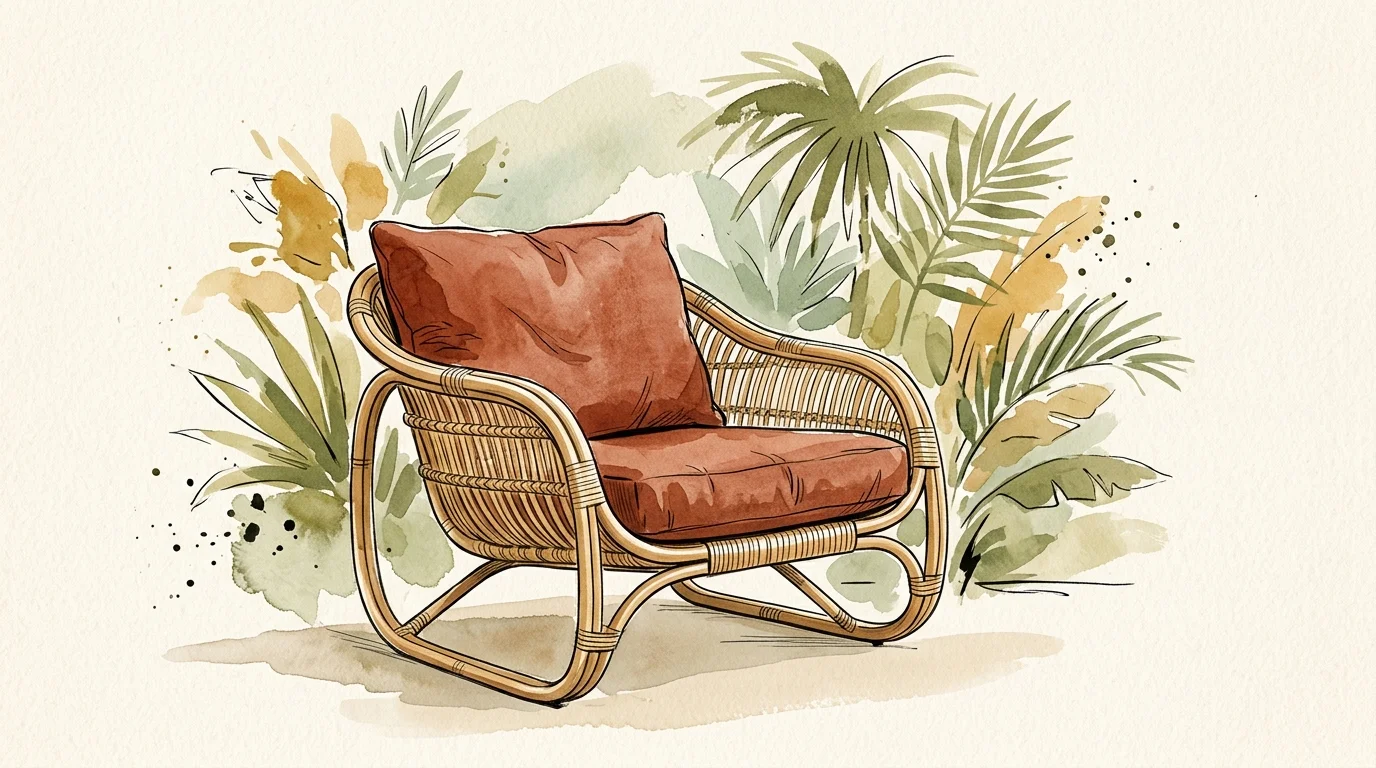
Trend #3: Sculptural Low-Profile Furniture and Organic Silhouettes
Bulky, boxy outdoor furniture instantly overwhelms compact footprints, creating visual clutter and choking critical circulation pathways. In response, trending small patio design ideas highlight low-slung, sculptural silhouettes characterized by soft curves, rounded profiles, and organic forms. Drawing inspiration from 1970s Italian modernism and minimalist Scandinavian warmth, these pieces sit lower to the ground, keeping sightlines open and ceilings—or open skies—feeling infinitely higher. Houzz reports that 71% of upgraded patios feature outdoor sofas or lounge chairs, yet the prevailing trend favors modular curved sectionals and armless slipper chairs over traditional high-backed sets.
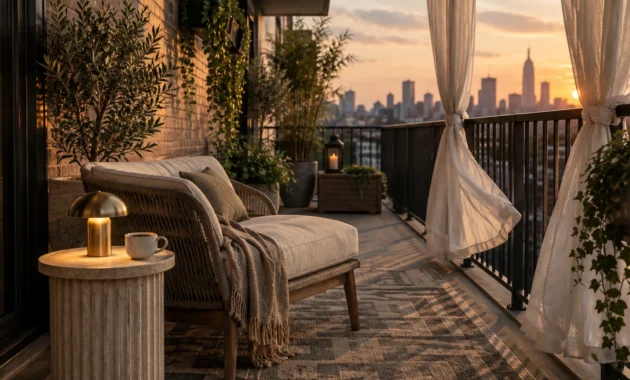
Select seating fabricated from tactile, weather-defying materials like rounded teak frames, woven marine-grade rope, and cast mineral compounds. An asymmetrical kidney-shaped sofa paired with a cylindrical travertine drink table introduces dynamic energy into a rectangular patio, softening harsh exterior masonry. Look for pieces with elevated, slender legs or open-weave rope backs that let light pass beneath and through the furniture; this visual transparency prevents the setting from feeling heavy. Dress these organic seats in high-performance acrylic textiles featuring bouclé weaves, linen-like textures, and subtle heathered finishes that deliver luxurious tactile comfort without compromising weather resistance.
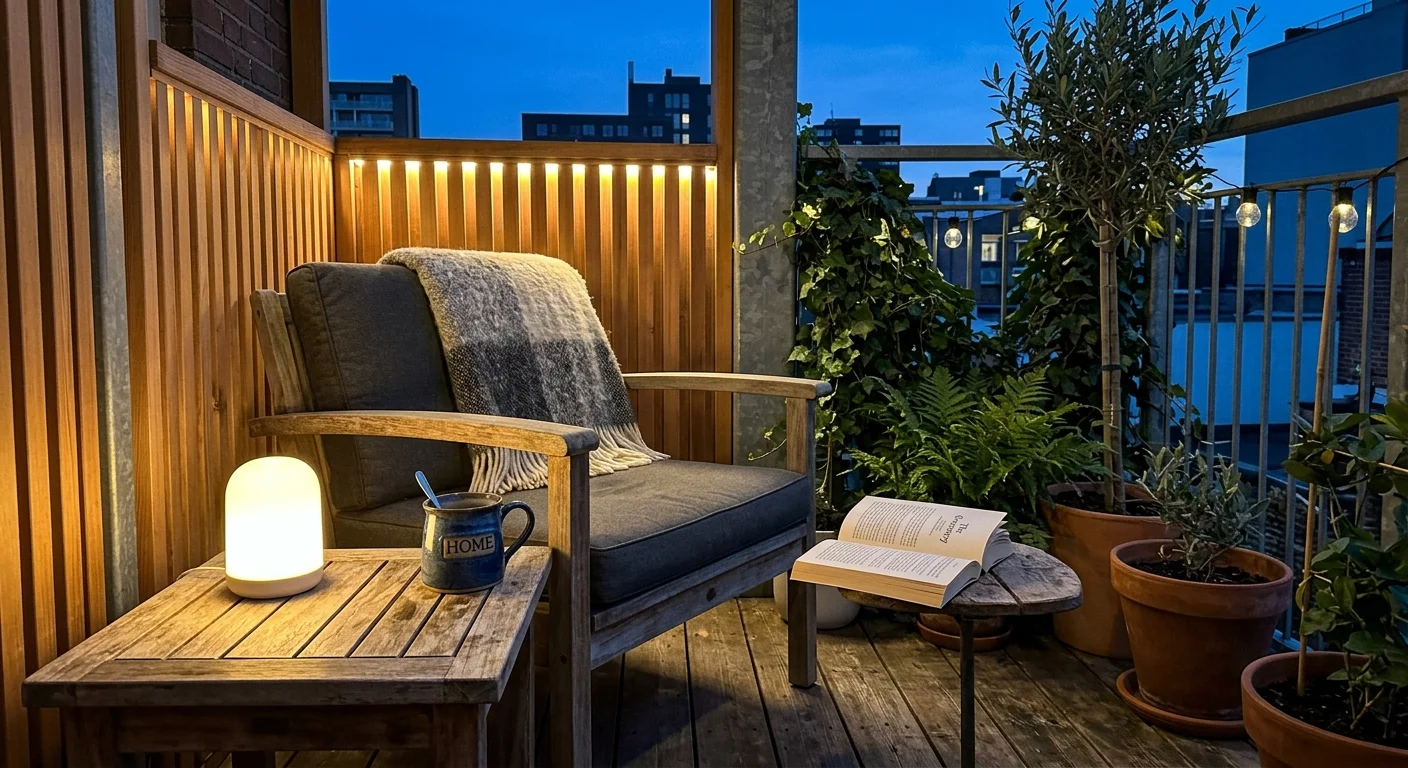
Trend #4: Layered Atmospheric Illumination and Cordless Luminaires
Lighting transforms a compact patio from a daytime sun trap into an enchanting evening salon. Modern exterior lighting abandons harsh, centralized floodlights in favor of a nuanced, multi-tiered illumination scheme. According to recent outdoor design studies, 66% of upgraded exterior lounges incorporate layered lighting systems, recognizing that balanced illumination establishes mood and extends usability long after twilight. In small outdoor living ideas for small spaces, lighting must sculpt the architecture, highlight organic textures, and foster an atmosphere of effortless intimacy.
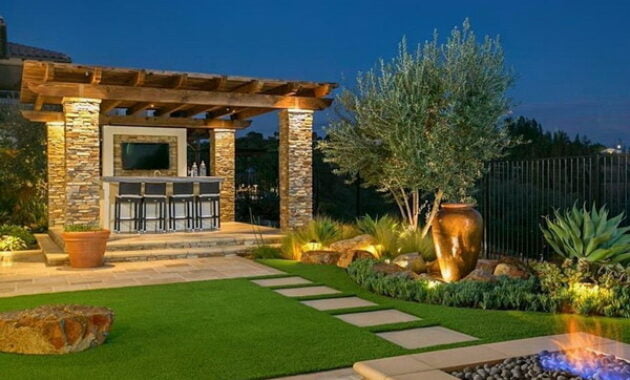
Create depth by combining three distinct layers of light: low-voltage ambient washes, focused architectural accents, and portable task illumination. Conceal miniature LED brass fixtures within perimeter planter beds to graze the foliage of specimen plants, casting delicate leaf shadows across limewashed masonry. Install warm-toned (2700 Kelvin) downward step lights along perimeter bench bases to produce a subtle floating effect. Complete the setting with rechargeable, cordless LED table lamps crafted from spun metal, fluted glass, or honed marble. These portable luminaires allow you to adjust the lighting level directly at table height, delivering the ambient charm of candlelight with modern, dimmable control.
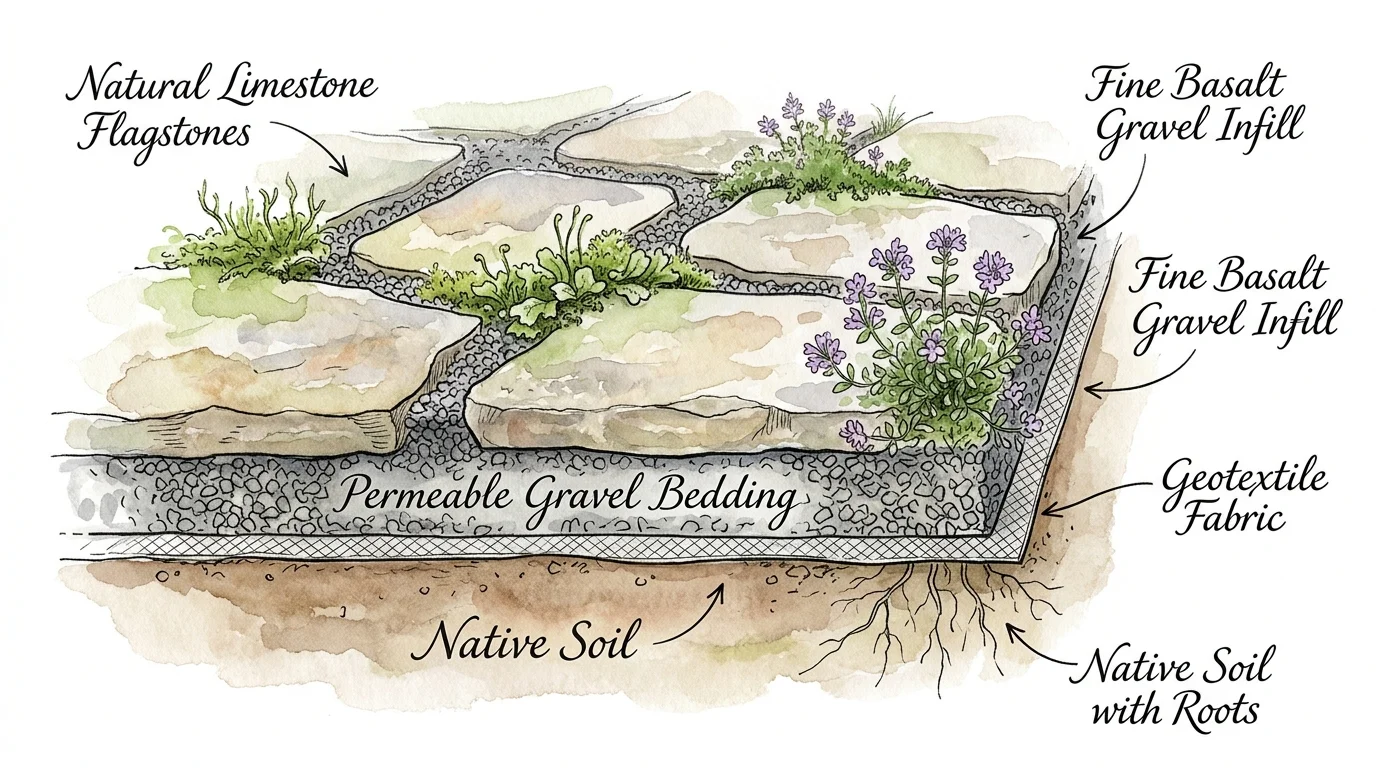
Trend #5: Permeable Earth-Conscious Hardscaping and Native Micro-Flora
Sustainability has evolved from a niche preference into an essential cornerstone of contemporary outdoor design. Data from the Houzz Emerging Trends Report reveals a stunning 137% surge in searches for permeable patios, accompanied by a 59% rise in queries for native landscaping. Discerning homeowners are moving away from impervious concrete slabs that exacerbate urban heat island effects and cause drainage complications. Instead, patio decor trends this year celebrate breathable, eco-conscious ground surfaces that honor the natural landscape while delivering grounded, tactile luxury.
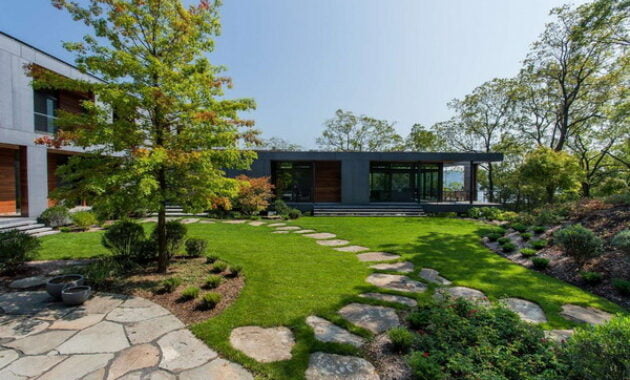
Construct your patio base using stabilized decomposed granite, fine pea gravel, or permeable clay pavers laid over an aggregate foundation. These permeable materials allow rainwater to filter directly into the subterranean water table, mitigating surface runoff while creating a pleasant, crunching sound underfoot reminiscent of Mediterranean estates. Pair this conscious hardscaping with drought-resilient native perennials, fragrant herbs, and ornamental grasses. The American Society of Landscape Architects notes that consumer demand for low-maintenance, native flora consistently exceeds 70% to 80%. Interplanting your stone pavers with creeping thyme, dwarf mondo grass, or Corsican mint introduces soft emerald ribbons between structural stones, releasing delicate herbal aromas whenever you step across your patio.
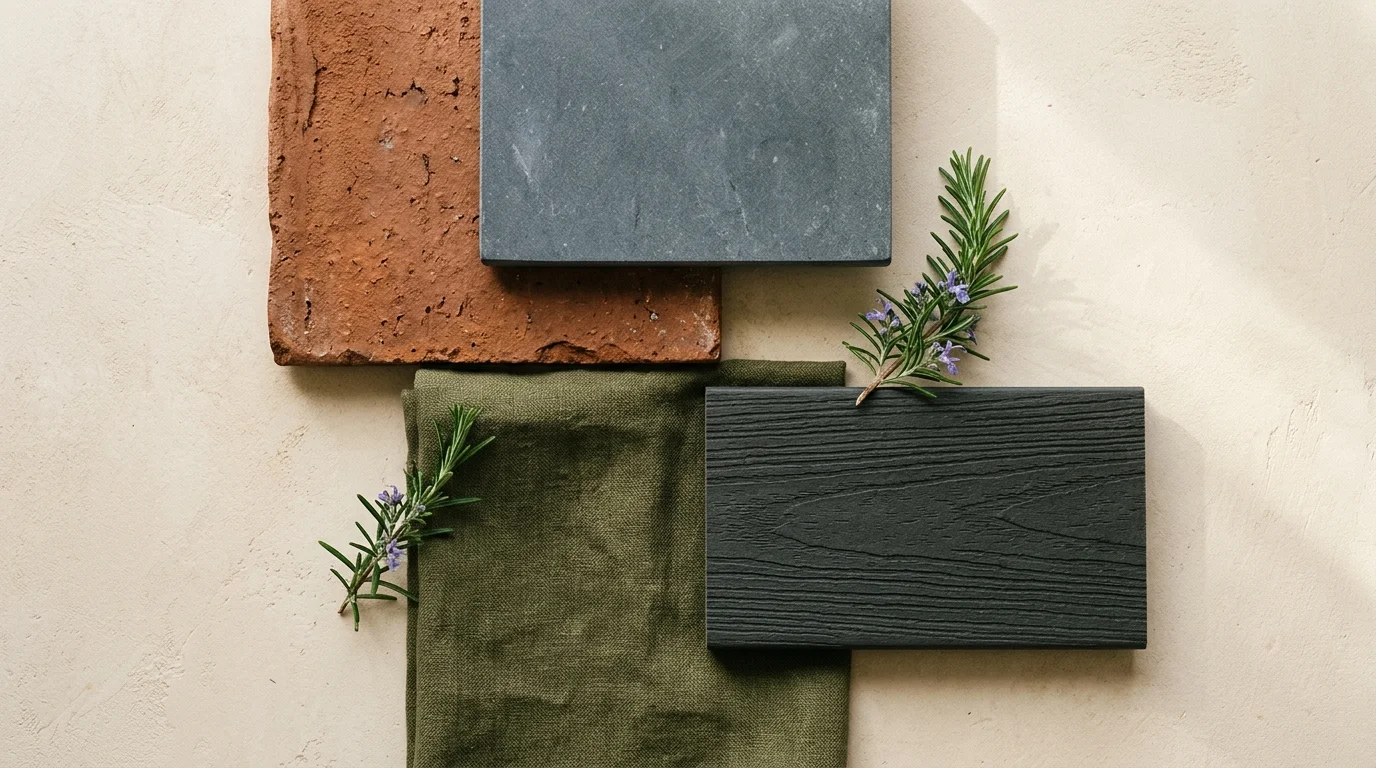
Trend #6: Monochromatic Mineral Palettes and Saturated Earth Tones
The era of stark, sterile grey outdoor schemes has drawn to a close. Today’s most sophisticated small patio palettes embrace rich, mineral-derived earth tones that impart warmth, depth, and timeless permanence. Drawing inspiration from desert modernism and ancient stucco villas, designers are wrapping small courtyards in monochromatic envelopes of terracotta, raw umber, sun-bleached ochre, muted sage, and warm limestone. A unified tonal palette simplifies visual stimuli, making compact boundaries recede and giving your patio a cohesive, expansive feel.
Apply a breathable lime-wash or Roman clay finish in a warm sand or muted chalk hue across your exterior boundary walls; the subtle tonal mottling catches morning and evening sunlight, lending old-world depth to new construction. Carry these earthy nuances through your textiles, ceramics, and accents. Layer cushions in rust-colored velvet-finish outdoor fabrics against natural linen-toned sofas, punctuated by hand-thrown terracotta planters and blackened iron side tables. By sticking to a refined tonal family with varying surface textures—matte stone, rough linen, glazed ceramic, and brushed metal—you achieve an ambiance of quiet luxury that feels grounded, authentic, and calm.
Trend #7: Bespoke Architectural Perimeter Joinery
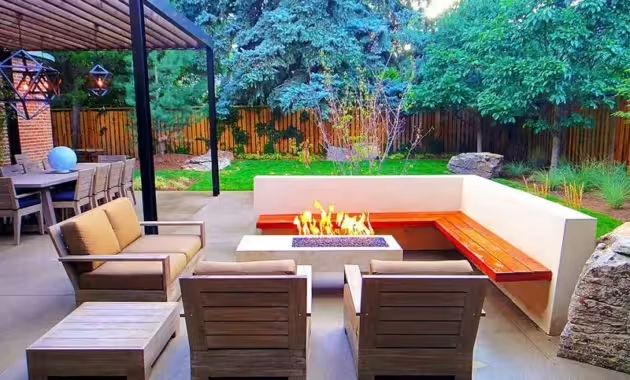
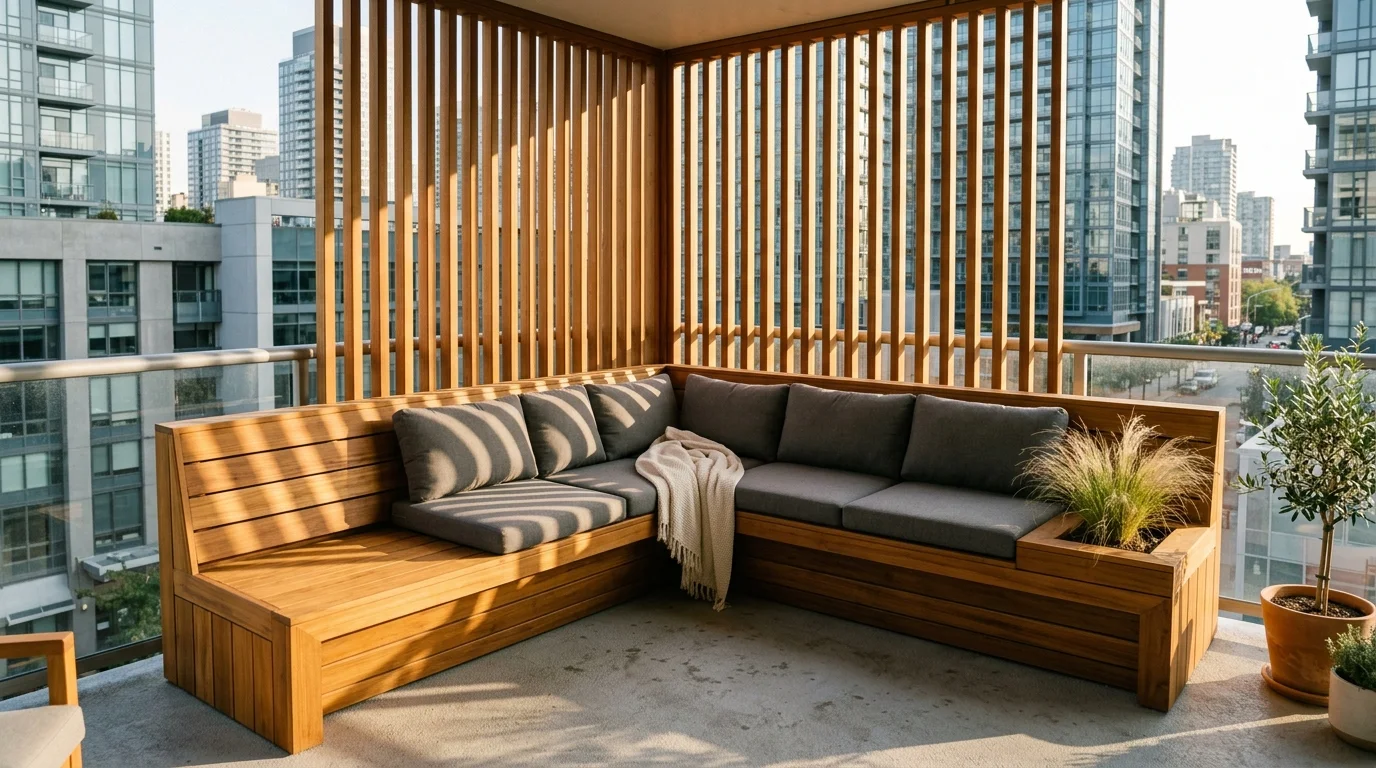
When working within a compact footprint of 80 to 100 square feet, every square inch of usable floor space must pull its weight. Freestanding chairs often clutter walkways and leave awkward, unusable gaps in patio corners. To solve this spatial puzzle, the most enduring small backyard patio inspiration leans into bespoke perimeter joinery. Custom built-in banquettes, floating benches, and integrated perimeter planters hug the perimeter walls, preserving the precious central footprint for flexible circulation and open-air enjoyment.
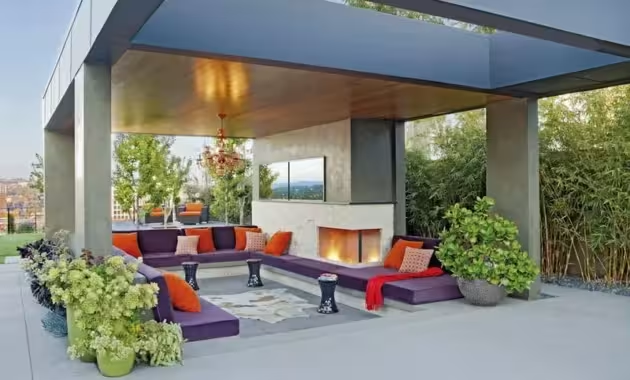
Commissioning a landscape contractor to construct a cantilevered bench along a masonry wall introduces sharp architectural structure while offering generous seating. Houzz reports that 71% of homeowners now hire professional trade specialists for outdoor renovations, with 26% engaging landscape contractors to build tailored features. Fabricate floating seating from sustainably harvested Ipe, thermally modified ash, or poured concrete with integrated storage beneath the lift-up seats. These concealed weatherproof compartments neatly house throw blankets, gardening accessories, and outdoor cushions during inclement weather. To maximize comfort, top the banquette with custom marine-grade foam cushions upholstered in stain-resistant fabrics, creating a sleek dining or lounging hub that seamlessly blends with your boundary architecture.
Trend #8: Streamlined Compact Culinary Consoles and Cocktail Bars
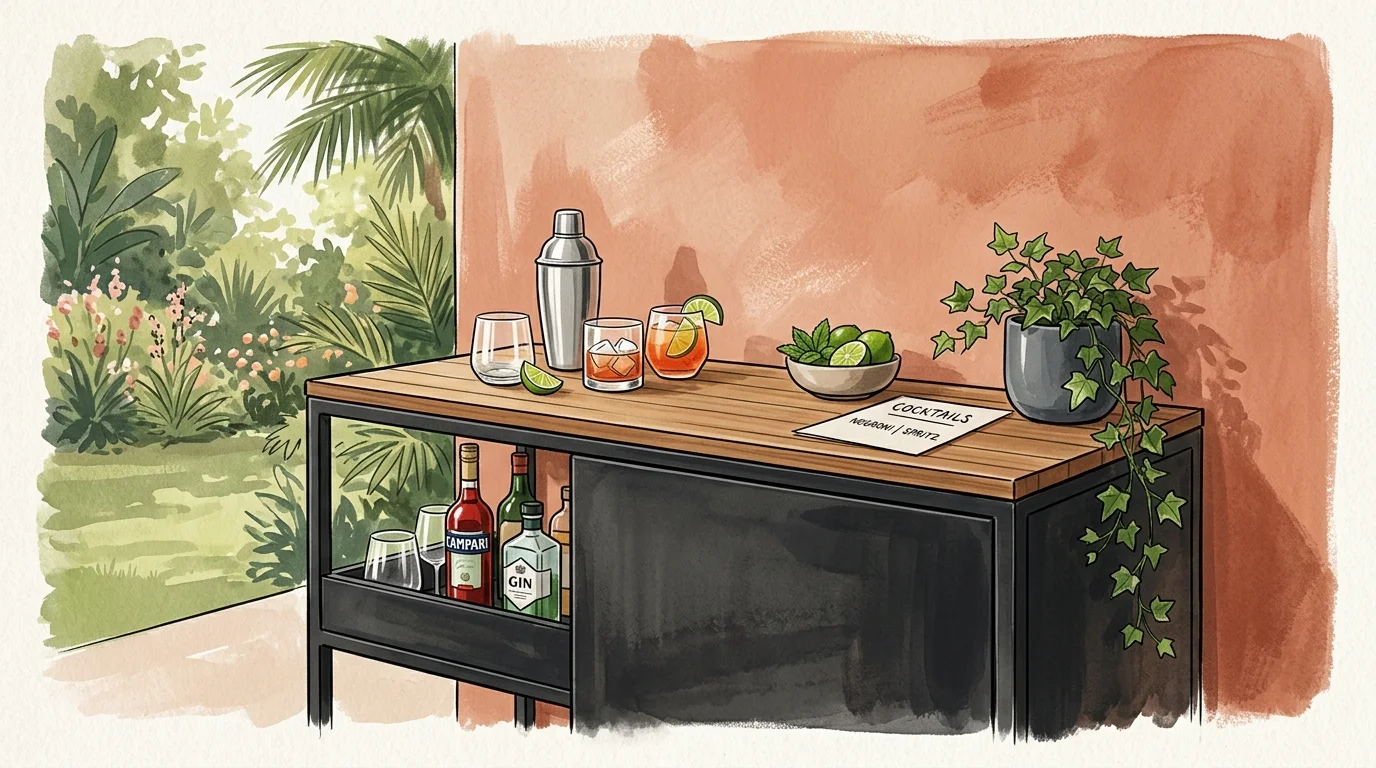
A modest footprint should never preclude you from enjoying the pleasures of open-air cooking and alfresco dining. While massive outdoor kitchens with expansive islands can quickly overwhelm a small backyard, streamlined culinary consoles and compact cocktail bars are reshaping outdoor entertaining. With 55% of homeowners prioritizing dining amenities in their outdoor renovations, manufacturers and custom designers now offer sleek, small-scale culinary equipment that delivers exceptional performance within minimal footprints.
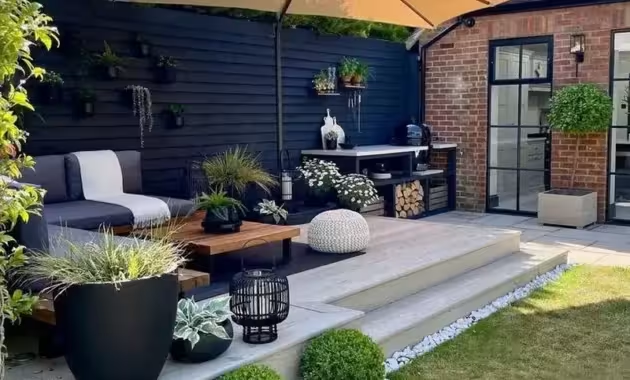
Replace sprawling built-in cabinetry with a slimline, wall-mounted console crafted from marine-grade stainless steel or matte black powder-coated aluminum. A linear depth of just twenty inches preserves your central walkway while providing adequate space for a drop-in induction burner, a flush-mounted prep sink, or an artisanal portable pizza oven fueled by wood pellets or gas. For balconies and narrow terraces, incorporate a drop-down teak bar ledge affixed directly to the perimeter railing. Paired with a set of slender, backless counter stools, this space-saving setup transforms an unused perimeter railing into an intimate dining counter where you can sip your morning espresso or host an evening cocktail tasting.
The Big Picture: Weaving These Trends into Your Home
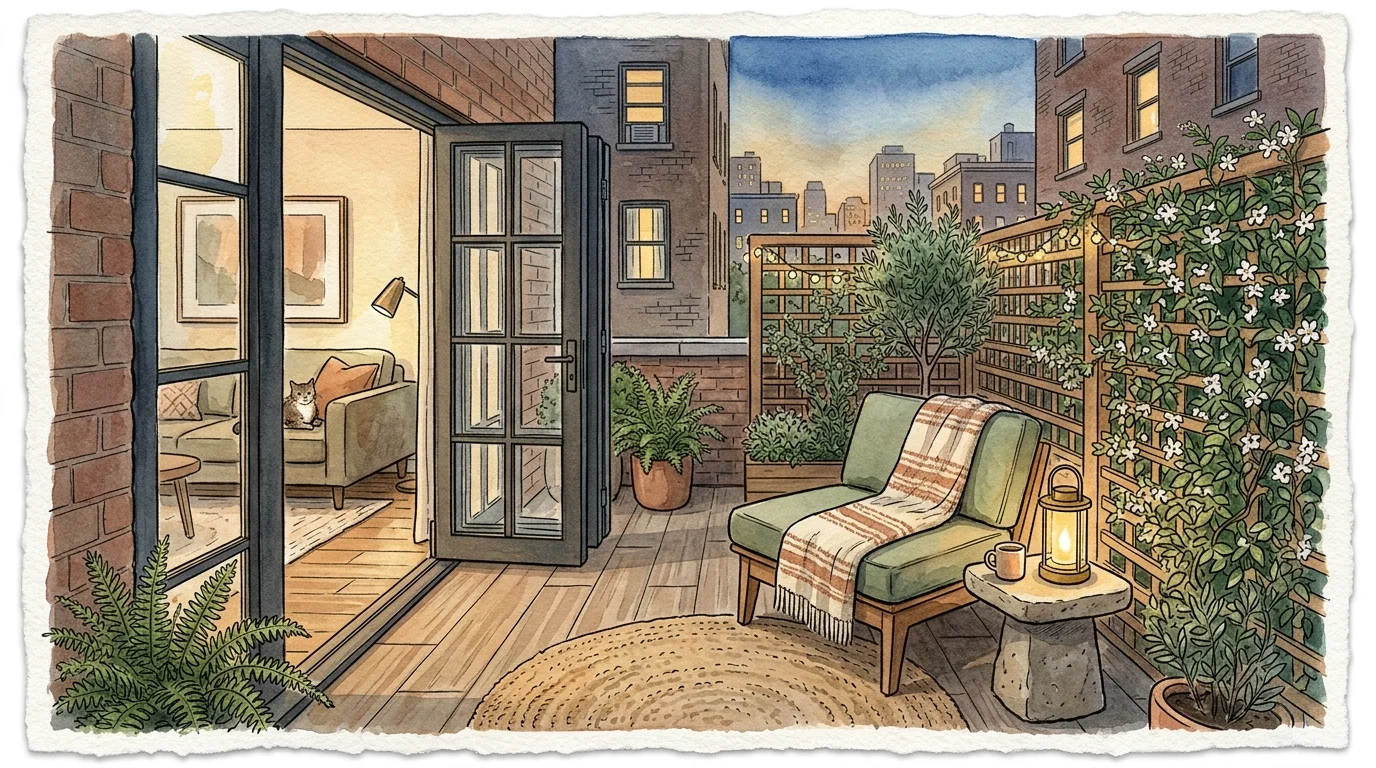
Curating an exceptional small patio requires editing down your desires rather than attempting to display every trend simultaneously. Approach your exterior square footage as an outdoor room that demands the same spatial planning, tactile nuance, and lighting precision as your primary interior living space. Begin by identifying the primary function of your patio: will it serve as a quiet morning reading sanctuary, an alfresco dining hub, or an ambient evening lounge? Once you establish this core purpose, anchor the footprint with one or two bespoke elements, such as a built-in perimeter banquette or a continuous porcelain floor transition.
Layer textures thoughtfully to build visual intrigue without physical clutter. Contrast the architectural crispness of large-format stone pavers with the soft, kinetic rustle of native grasses; balance the solid permanence of a plaster boundary wall with the delicate, airy profile of woven rope seating. Restrain your color scheme to a curated palette of mineral pigments that harmonizes with your interior flooring and paint hues. By embracing intentional micro-zoning, investing in durable materials, and prioritizing high-craft details, you elevate your compact patio into a timeless personal sanctuary that enriches your daily living experience.
For the latest color forecasts, consult industry leaders like Pantone and paint companies like Benjamin Moore. For professional design standards, refer to the American Society of Interior Designers (ASID).
Frequently Asked Questions
How can I make an extremely narrow patio feel more spacious without sacrificing seating?
To maximize a narrow terrace, eliminate freestanding chairs that consume floor space and interrupt walkways. Instead, install a custom cantilevered floating bench or built-in corner banquette along the longest boundary wall. Pair this architectural joinery with low-profile, curved accent tables and armless seating featuring slender legs and open-weave backs. Drawing the eye upward with vertical green trellises and painting boundary walls in light, light-reflective mineral tones will visually push the boundaries outward, making the entire space feel expansive and unconfined.
What is the most durable, low-maintenance flooring for a small outdoor living area?
Rectified, large-format porcelain pavers represent the gold standard in durability, structural performance, and low maintenance. Unlike porous natural stones that require seasonal sealing, or wood decking that demands frequent staining, exterior-grade porcelain resists frost, UV fading, scratches, and stubborn grease stains. Pairing porcelain pavers with permeable gravel borders ensures rapid drainage during heavy rainstorms, keeping your outdoor living space clean, dry, and effortlessly pristine throughout every season.
How do I balance outdoor cooking amenities with limited square footage?
Focus on vertical and linear efficiency rather than sprawling kitchen islands. Select a shallow, wall-mounted prep console (eighteen to twenty inches in depth) paired with modular, compact culinary tools like a high-output portable pizza oven, a drop-in induction plate, or a slimline gas grill. Utilizing wall-mounted rails for tool storage, incorporating fold-down prep ledges, and using mobile bar carts on casters allows you to prepare gourmet meals outdoors without sacrificing precious lounging real estate.
What budget should I anticipate for a high-end compact patio transformation?
A compact patio footprint of approximately 80 to 100 square feet typically ranges from $400 for entry-level DIY updates to upwards of $4,000 to $8,000 for a fully bespoke, professionally constructed outdoor room. Basic materials like gravel and standard concrete average $2.35 to $9 per square foot, while premium porcelain hardscaping, custom architectural carpentry, built-in low-voltage lighting, and designer furnishings fall within the $15 to $40+ per square foot bracket. Engaging landscape contractors—who manage 26% of high-end outdoor projects—ensures precise structural grading, long-lasting drainage, and impeccable finish execution.
Disclaimer: This article reflects design trend analysis and predictions. Personal taste and timeless design principles should always guide your decorating choices.