Identifying your personal decorating aesthetic transforms how you curate your living space, saving you time and preventing costly purchasing mistakes. While thousands of decorative objects flood your feed, translating your personal taste into defined common home decor style names often feels frustratingly out of reach. Think of this guide as your definitive interior design style quiz alternative, engineered to strip away confusing jargon and reveal your true visual identity. By understanding different decorating styles through their core architectures, lighting strategies, and textural foundation, you can curate a cohesive home that reflects who you are. Here are ten dominant aesthetic movements decoded so you can finally name your style with confidence.
Trend #1: Organic Modernism
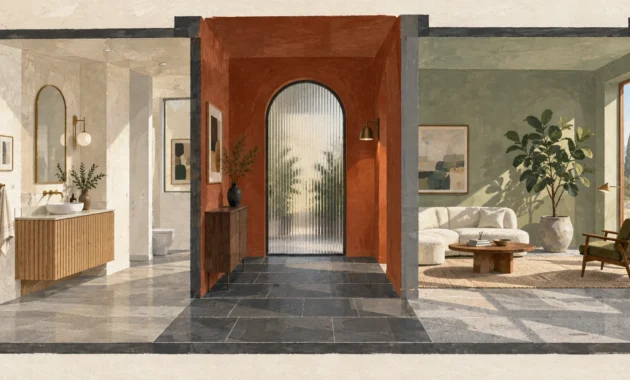
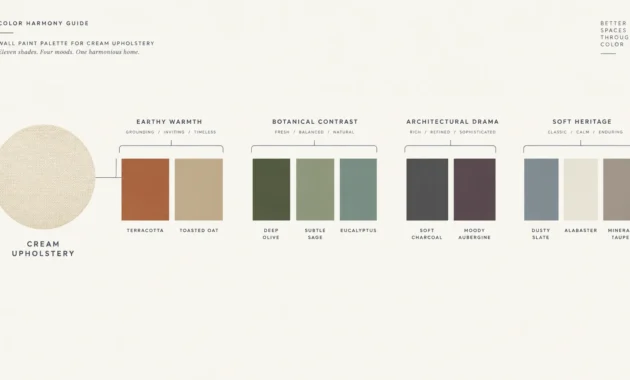
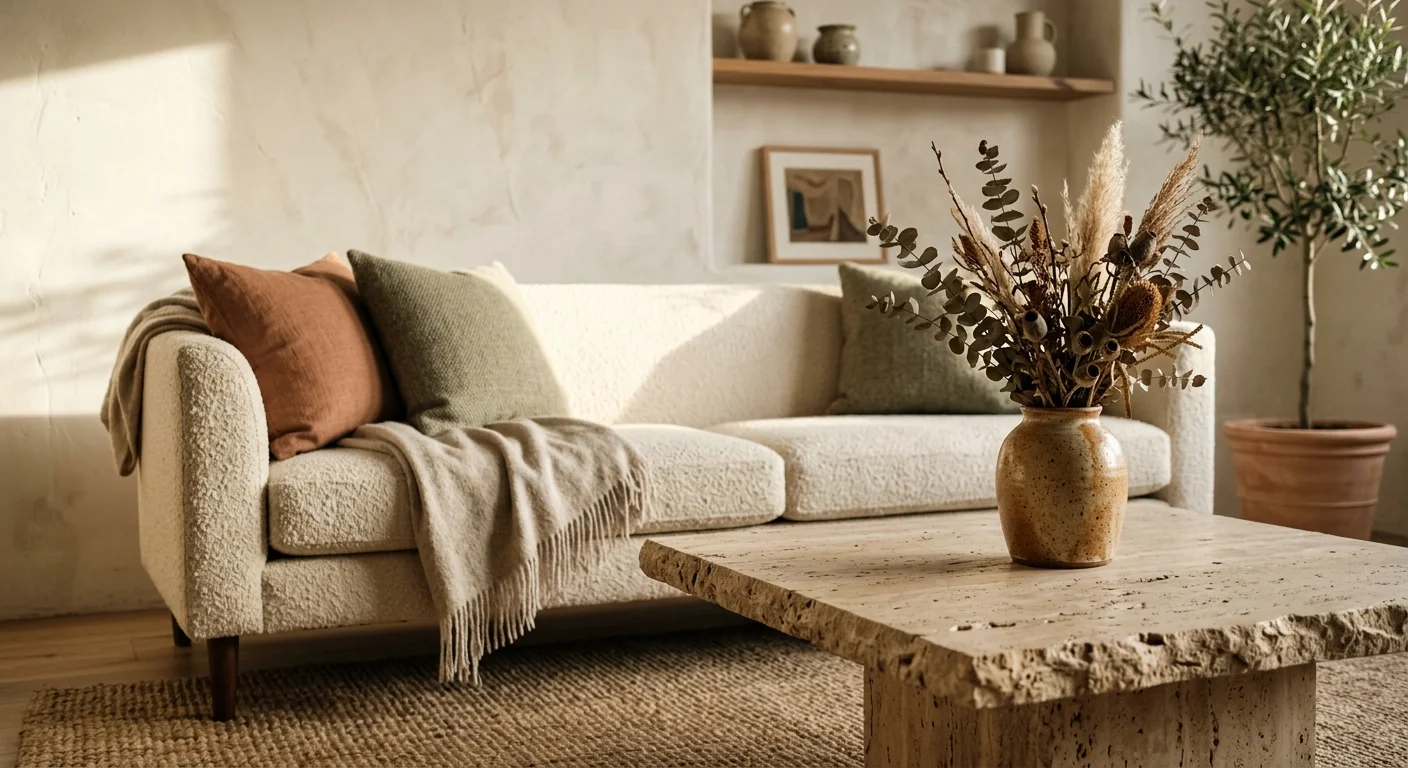
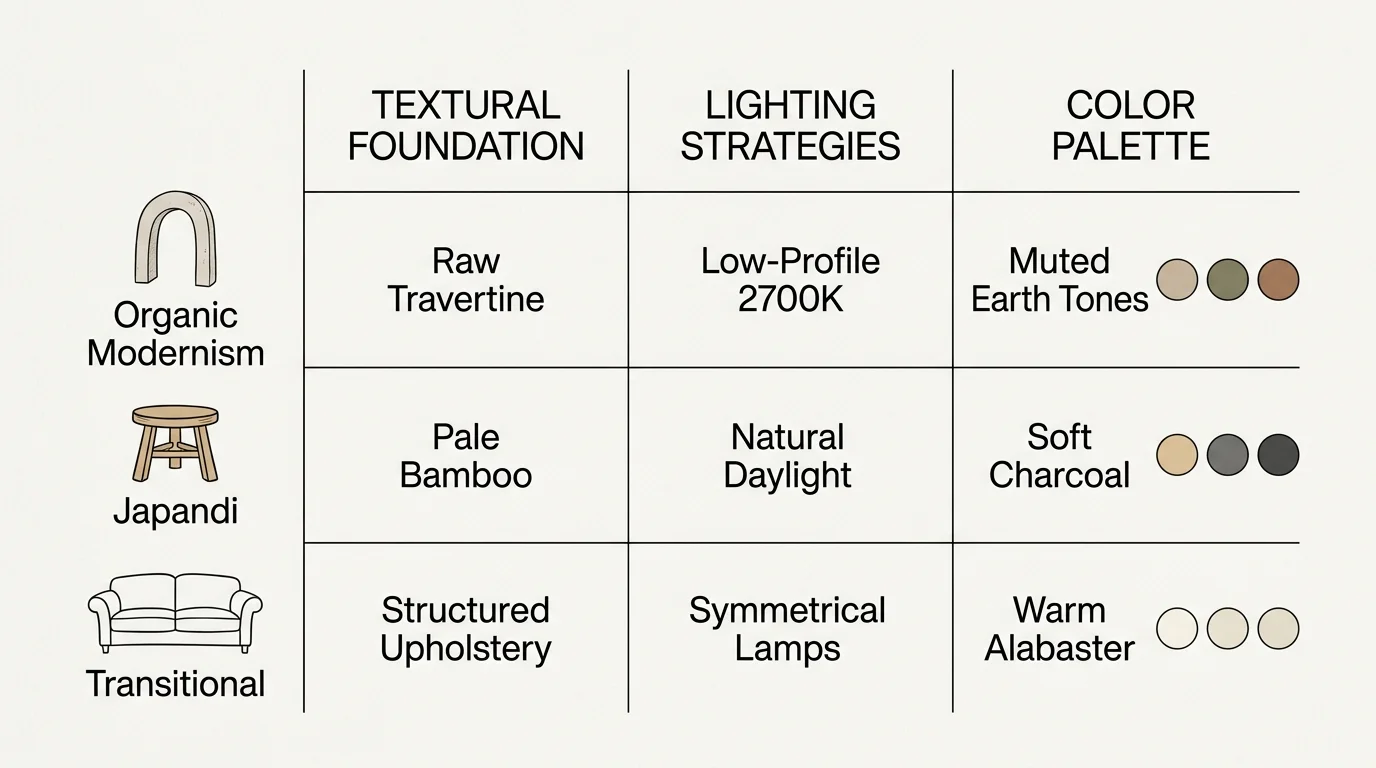
Organic Modernism bridges clean, architectural forms with unrefined, grounding elements from nature. You will recognize this aesthetic through its reliance on natural materials—think raw travertine coffee tables, unvarnished white oak cabinetry, hand-applied limewash wall finishes, and nubby bouclé or slubbed linen seating. Instead of cold glass and high-gloss chrome, Organic Modernism builds visual richness through varied physical textures. The color palette centers around muted earth tones: bone white, warm terracotta, sage green, oat, and deep taupe.
This style has skyrocketed in popularity because homeowners crave biophilic connection; we feel an increasing psychological need to bring natural outdoor environments into enclosed indoor spaces. To execute this look in your living room, pair a tailored cream-colored sofa with a live-edge wooden coffee table and a rustic ceramic vase filled with dried botanical branches. Contrast soft, curved furniture against crisp architectural lines, and install low-profile ambient warm lighting (around 2700K color temperature) to highlight natural surface variations without harsh overhead glare.
Trend #2: Japandi
Japandi represents the thoughtful fusion of Scandinavian functionality and Japanese minimalism. While Scandinavian design focuses on cozy comfort, traditional Japanese interior design emphasizes spatial restraint and reverence for natural imperfection. Together, they produce a tranquil, highly intentional aesthetic that eliminates visual clutter while elevating daily craftsmanship.
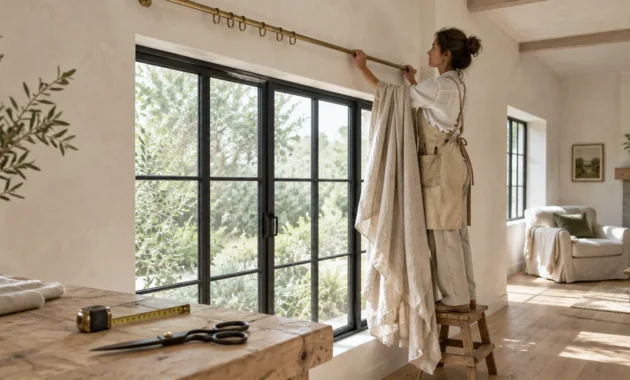
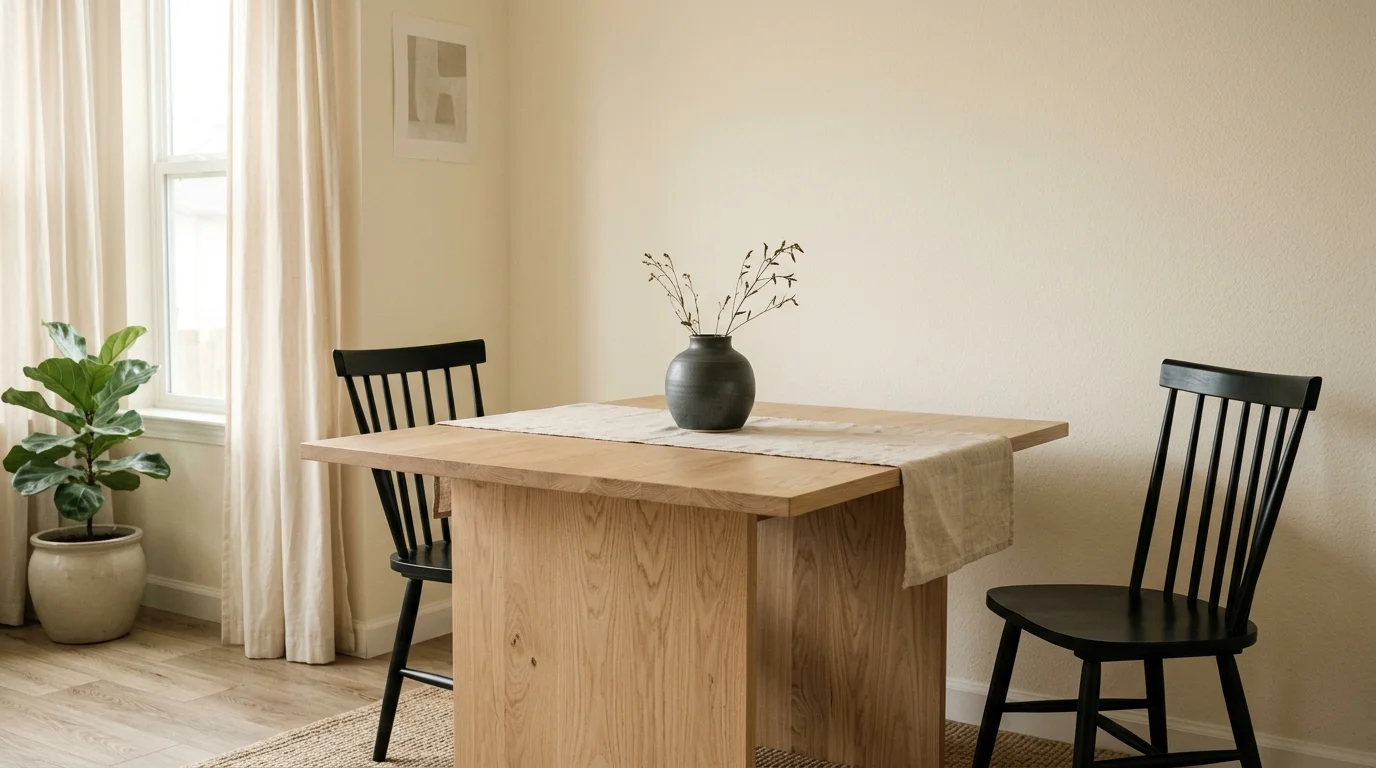
When curating a Japandi home, prioritize low-slung wooden furniture, clean horizontal lines, matte black metal accents, and unbleached cotton drapery. The color palette remains strictly muted, combining pale bamboo, warm charcoal, soft cream, and muted moss green. If you want to transform a dining room into a Japandi sanctuary, replace bulky upholstered chairs with a low-profile pale oak dining table flanked by matte black spindle chairs. Keep surface decor minimal; a single hand-thrown ceramic vessel placed on a textured linen runner creates an arresting focal point without overcrowding your living space.
Trend #3: Transitional
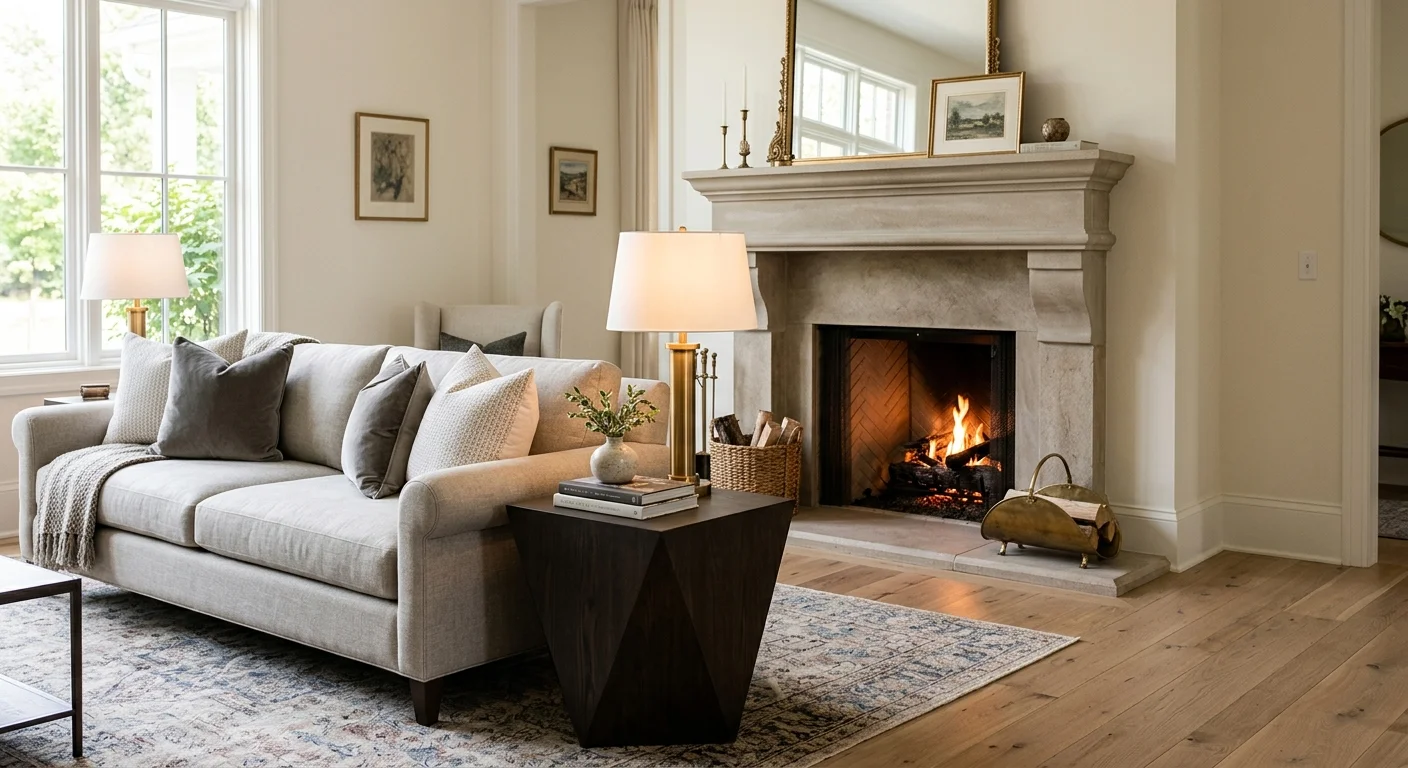
If you find traditional interiors overly formal and contemporary spaces sterile, Transitional style offers the ideal middle ground. This versatile aesthetic blends classic architectural elements with crisp modern furnishings to create an elevated yet approachable environment. It remains one of the most enduring interior design styles explained simply because it adapts seamlessly as your personal taste evolves.
Key characteristics include balanced symmetry, structured upholstery, and a foundation of soft neutral paint colors—such as greige, warm alabaster, and soft pewter—accented by dark espresso woods or brushed brass details. To master the Transitional look in your primary living space, maintain classical features like deep crown molding or a stone fireplace mantle, but eliminate heavy velvet drapery in favor of tailor-made linen panels. Pair a deep rolled-arm sofa with sleek geometric side tables and a contemporary abstract canvas; this subtle contrast keeps your home from feeling locked in a single historical era.
Trend #4: Warm Minimalism
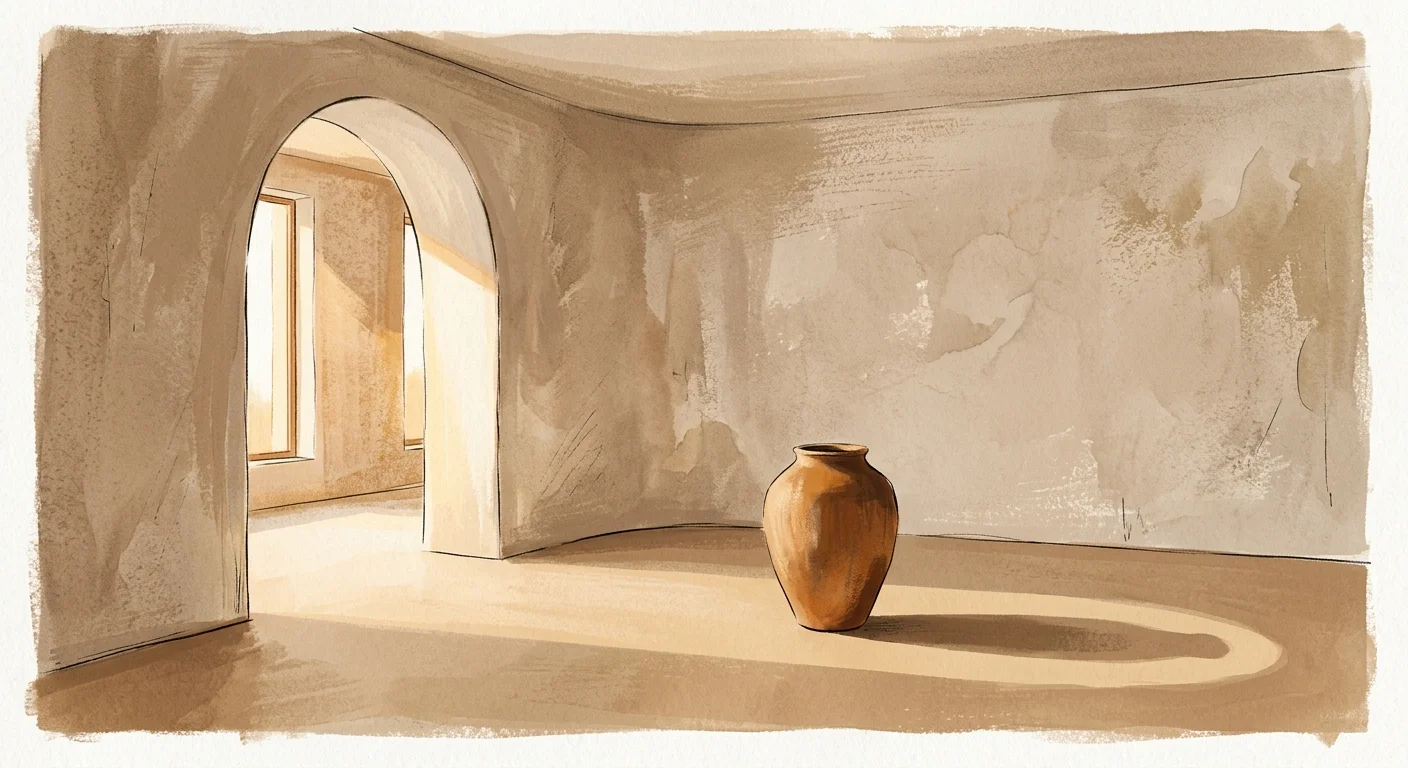
Warm Minimalism discards the stark white boxes of late-twentieth-century design in favor of serene spaces defined by touchable depth, soft light, and architectural restraint. Instead of stripping away personality, this aesthetic removes unnecessary decorative noise so high-quality materials and thoughtful floor plans can shine.
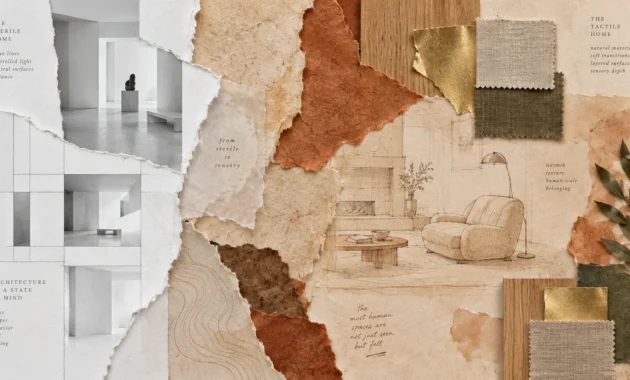
The core color palette relies on creamy off-whites, soft camel, warm sands, and gentle plaster grays. Furniture pieces feature unadorned silhouettes crafted from rich raw materials like honed Italian marble, brushed nickel, soft matte leather, and micro-cement surfaces. If you want to execute Warm Minimalism, clear away small decorative objects and invest in one or two large-scale sculptural statements. Position an oversized floor urn alongside a monolithic plaster coffee table. Focus heavily on indirect architectural lighting—using hidden LED coves, floor uplights, and plaster wall sconces to wash warm light across textured matte walls.
Trend #5: Mid-Century Modern
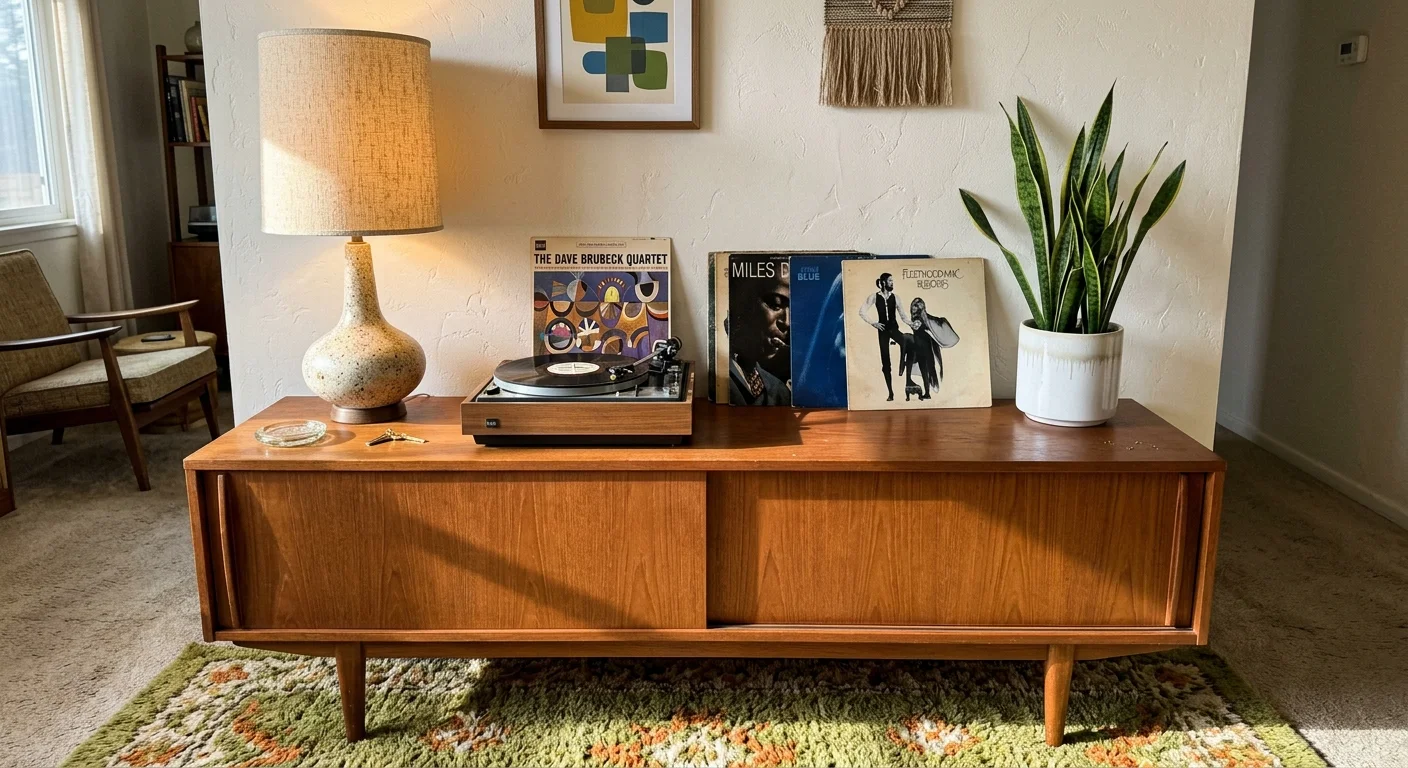
Developed between the late 1940s and late 1960s, Mid-Century Modern design prioritized functional simplicity, democratic manufacturing, and seamless integration with the outdoors. Decades later, it remains one of the most recognized common home decor style names across global interior design.
Visual markers include low-profile furniture, tapered wooden legs, organic rounded curves, and signature geometric lighting fixtures. Key materials center around warm hardwoods like teak and American walnut, paired with molded plywood, leather upholstery, and tubular metal frames. Color palettes combine rich wood tones with expressive mid-century accents such as mustard yellow, burnt orange, avocado green, and deep teal. You can integrate Mid-Century Modern into your home by sourcing an authentic wooden credenza, topping it with an iconic arc floor lamp, and anchoring your room layout with a tufted leather lounge chair.
Trend #6: Industrial Chic
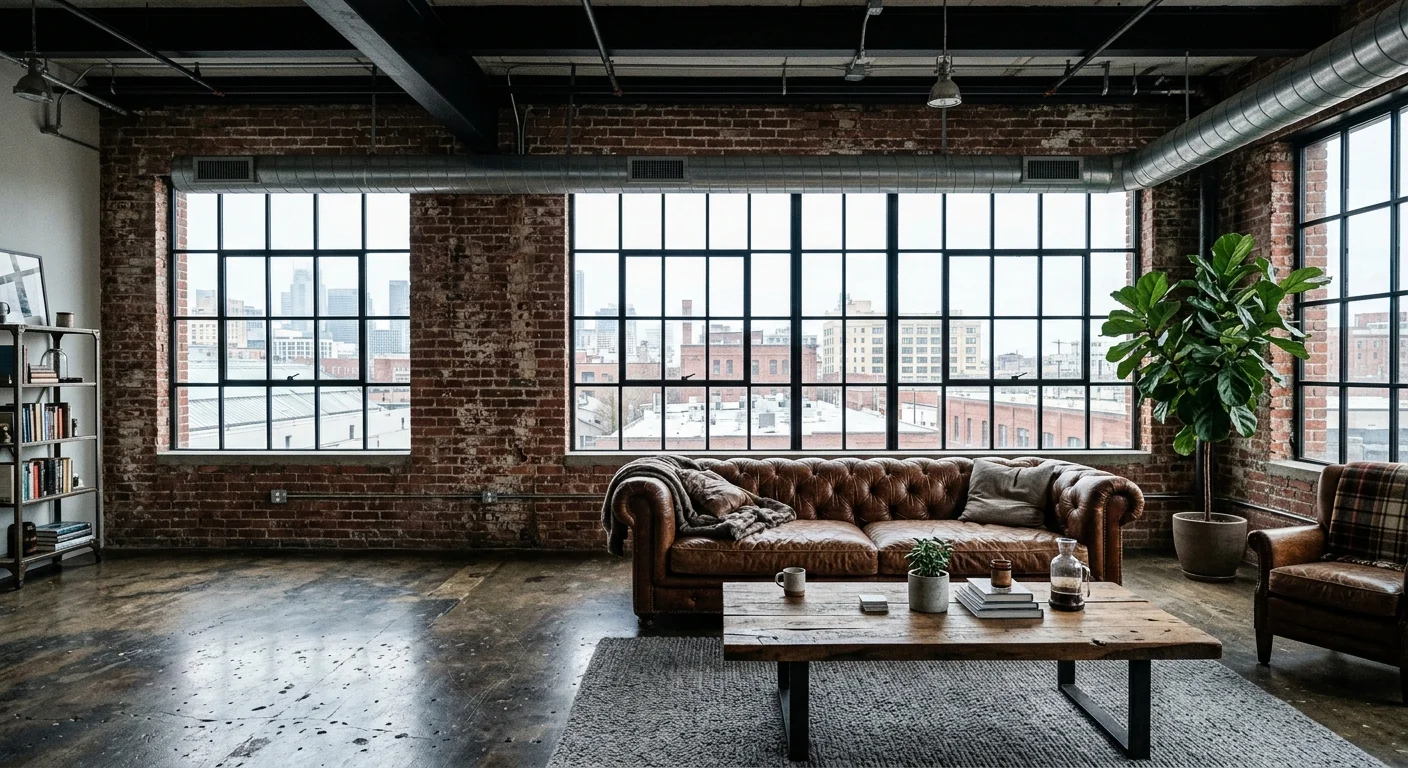
Industrial Chic draws design inspiration from converted urban warehouses, manufacturing plants, and artist lofts. It celebrates raw structural components that conventional decorating styles typically cover up behind drywall and plaster ceiling tiles.
Architectural hallmarks include exposed brick walls, raw steel support beams, sealed concrete floors, visible ductwork, and steel-framed grid windows. To prevent an industrial space from feeling cold or commercial, balance these raw materials with warm, tactile elements like aged cognac leather armchairs, distressed oak dining tables, heavy throw blankets, and warm incandescent bulbs. If you live in a modern suburban home, you can adapt this look by installing matte black iron hardware, floating reclaimed wood shelving against an accent wall, and anchoring your main seating area with a faded vintage Persian rug.
Trend #7: Modern Country
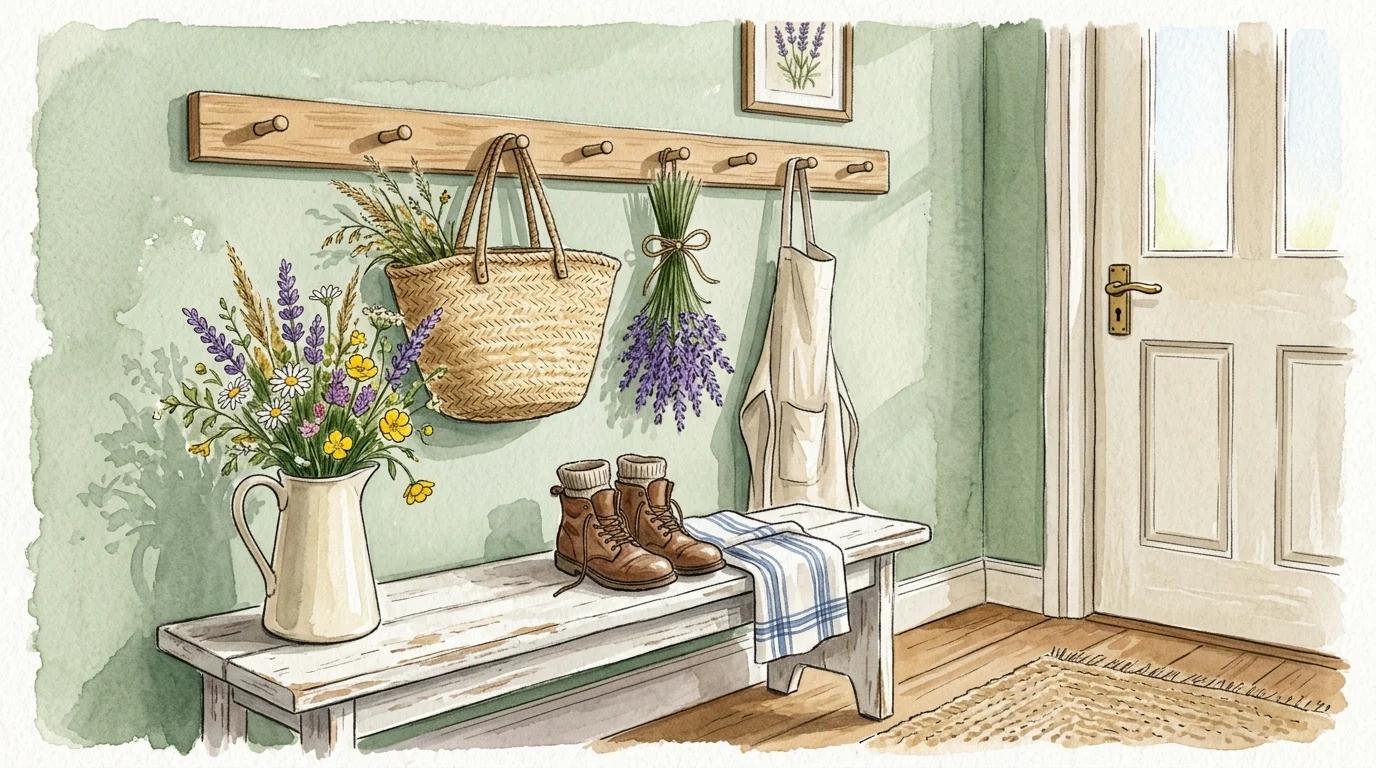
Modern Country brings rustic warmth, architectural history, and effortless lived-in comfort to modern floor plans. Rather than relying on outdated country motifs, current iterations focus on rustic elegance, heritage craftsmanship, and organic patinas that age beautifully over time.
Look for distressed whitewashed oak flooring, exposed timber ceiling beams, natural flagstone tile, and unlacquered antique brass fixtures. The color palette draws from soft botanical shades: sage green, dusty blue, warm buttermilk, and chalky white. In your kitchen, achieve this refined aesthetic by installing shaker cabinetry, a deep fireclay farmhouse sink, open wooden shelving displaying earthenware ceramics, and living-finish brass faucets that develop a natural patina through daily use.
Trend #8: Maximalist Eclectic
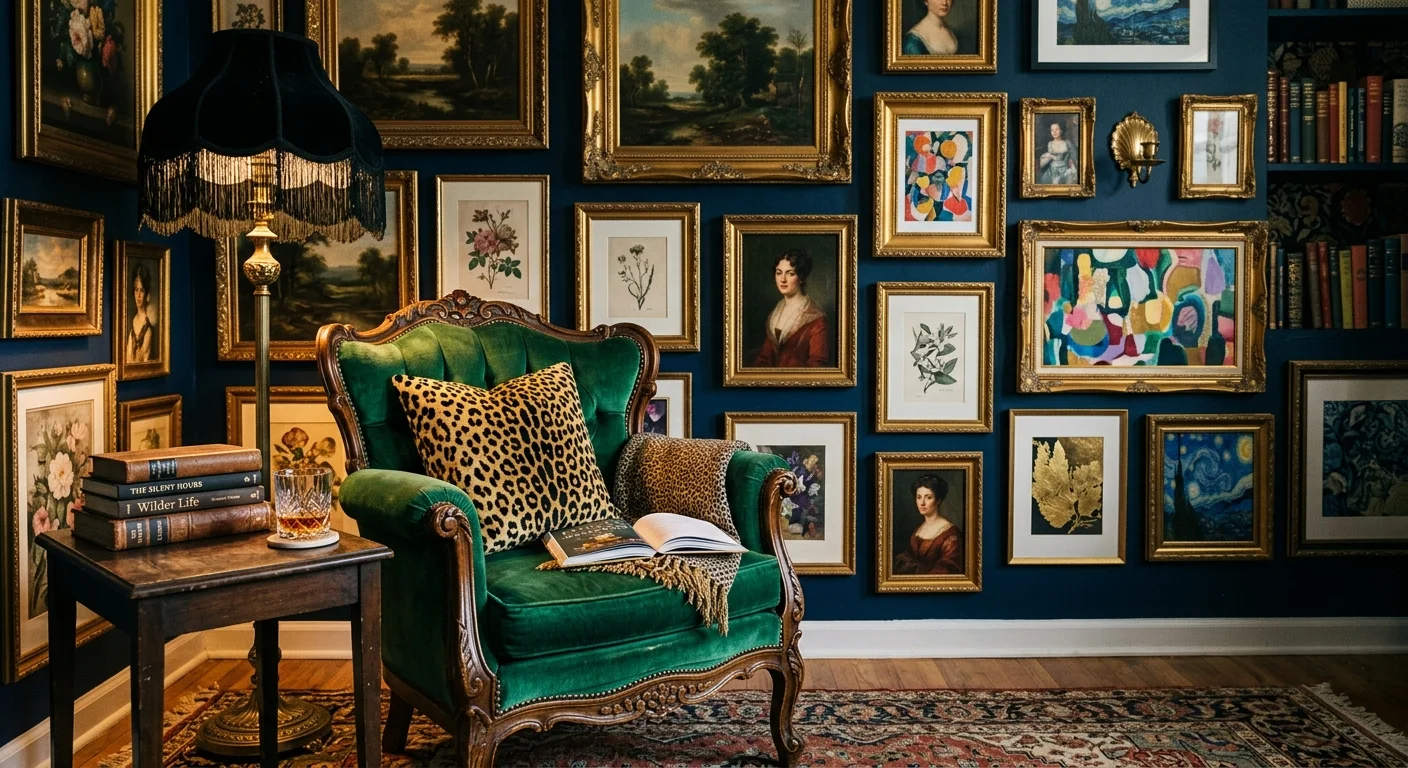
Maximalist Eclectic design rejects rigid decorating rules in favor of bold self-expression, rich color layering, and curated storytelling. Rather than feeling chaotic, a expertly designed maximalist home relies on foundational principles of visual balance, repeated color tones, and varied graphic scales.
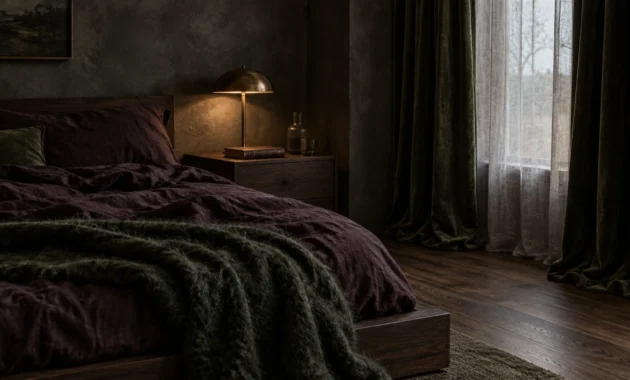
This style mixes distinct historical periods—pairing ornate Victorian gilded mirrors with 1970s chrome coffee tables and contemporary graphic wallpaper. Core materials include luxurious jewel-toned velvets, textured wall coverings, high-gloss lacquered finishes, and intricate hand-woven textiles. To build an intentional maximalist space, select a cohesive base palette of three grounding hues—such as emerald green, mustard, and plum—and repeat those shades across wallpaper patterns, upholstery fabrics, and artwork. Hang a floor-to-ceiling gallery wall mixing antique oil portraits with modern abstract prints to establish a rich, collected history.
Trend #9: Contemporary Coastal
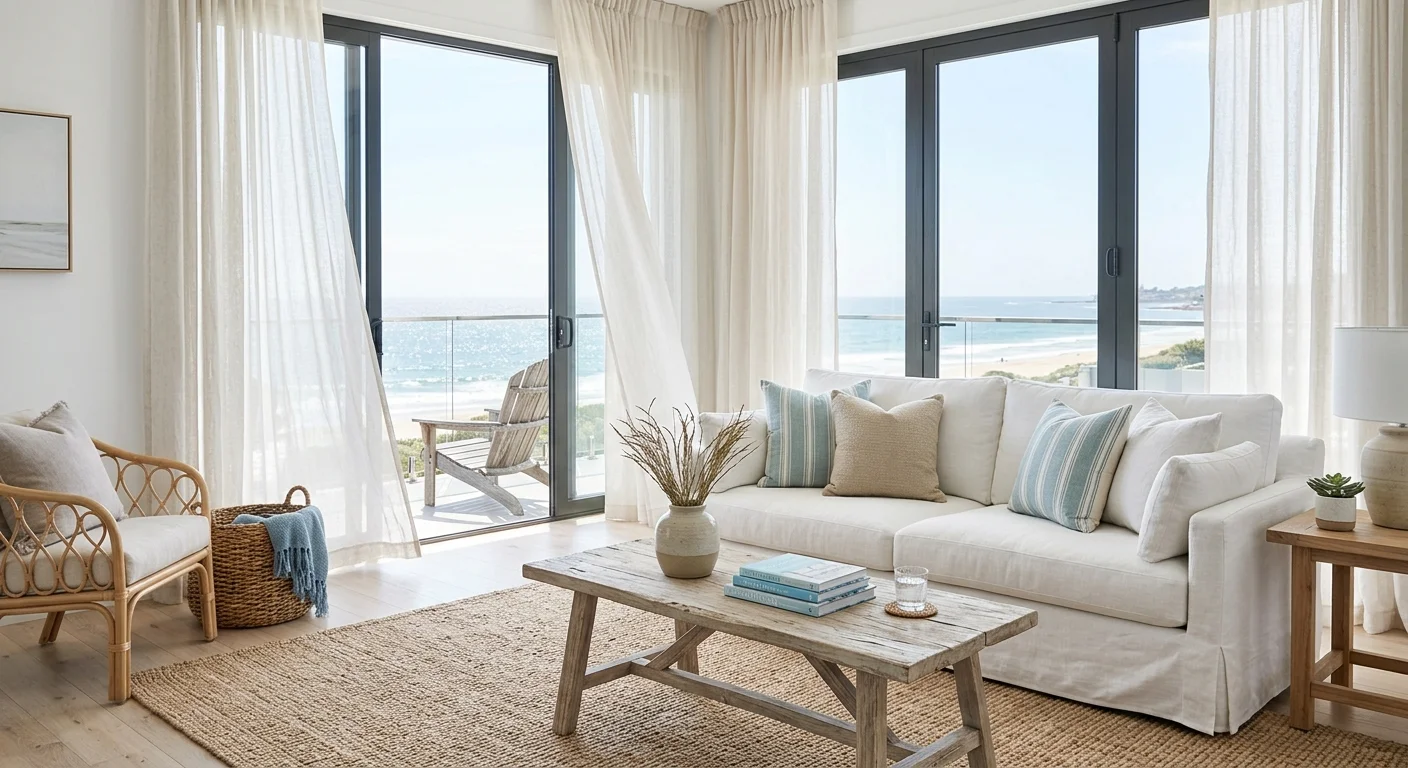
Contemporary Coastal replaces outdated nautical cliches—like anchor motifs, decorative rope, and stark navy stripes—with sophisticated, light-drenched tranquility inspired by coastal landscapes. This aesthetic focuses on maximizing natural sunlight, air circulation, and soft organic textures.
The palette combines soft cloud white, warm sand tones, sea-glass blue, and sun-bleached driftwood gray. Materials favor light-filtering elements: sheer linen window panels, light oak flooring, woven jute area rugs, woven rattan accent seating, and slipcovered sofas tailored in washable white linen. Bring Contemporary Coastal style into your home by keeping window treatments light, maximizing open floor space, and decorating coffee tables with matte ceramics, natural coral specimens, and low glass vessels holding wild beach grasses.
Trend #10: Neo-Classical Revival
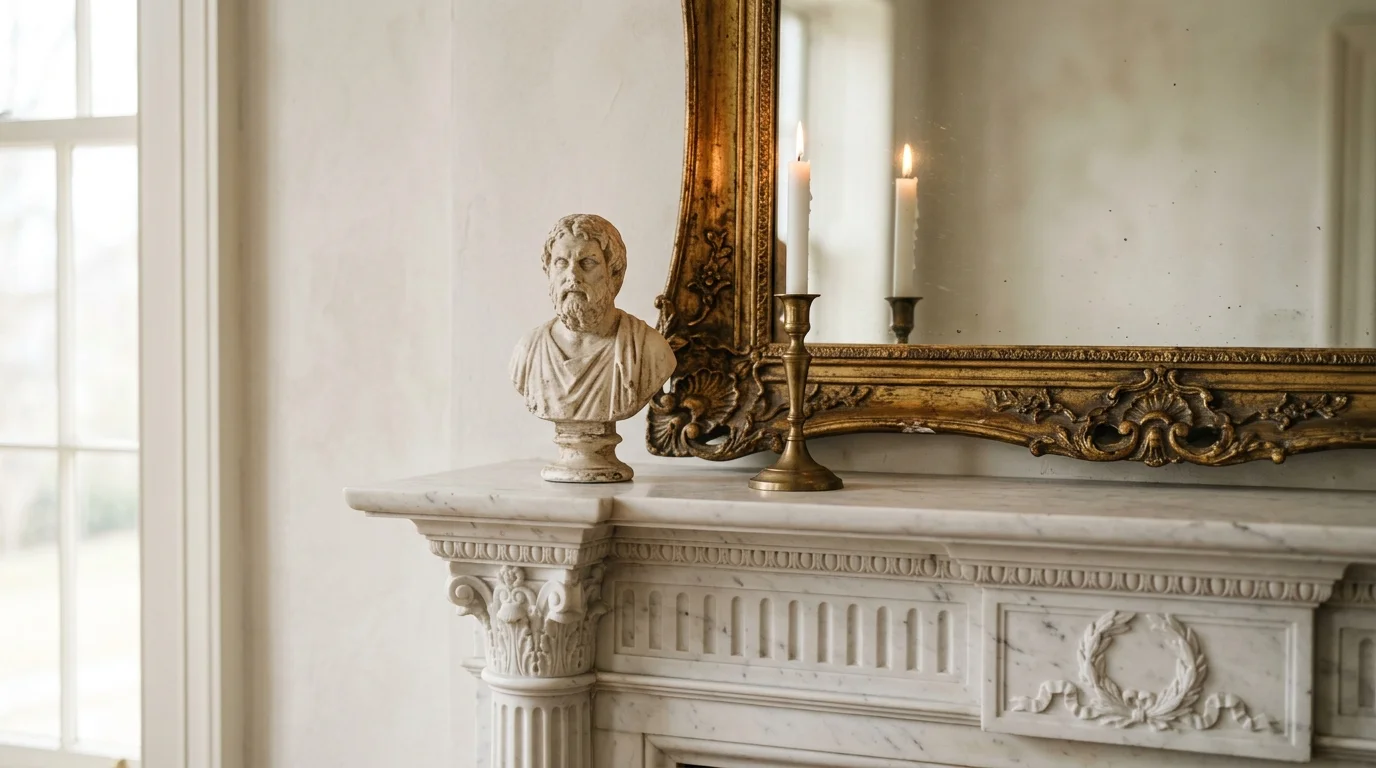
Neo-Classical Revival reintroduces architectural drama, structural balance, and classical proportions to contemporary residential interiors. Grounded in historic European design principles, this trend elevates standard residential spaces into majestic, gallery-like environments.
Defining elements include picture-frame wall moldings, tall wainscoting, dramatic marble fireplaces, fluted columns, oversized gilded mirrors, and symmetrical furniture arrangements. Modern designers balance this historical weight by integrating sleek contemporary lighting—such as minimalist LED halo chandeliers—and bold modern abstract canvases. To incorporate Neo-Classical Revival features into your living space, install custom wall molding across plain drywall, paint walls and trim in a unified matte color like deep charcoal or warm cream, and center an modern glass dining table beneath an ornate crystal chandelier.
The Big Picture: Weaving These Trends into Your Home
Understanding these core design movements provides your essential guide to identifying your design style and creating a space that feels intentional rather than visual noise. You do not need to restrict your house strictly to one design category. Design experts frequently blend two complementary styles to establish depth—such as pairing 80 percent Warm Minimalism with 20 percent Maximalist accents, or combining Organic Modernism with Industrial elements.
Start your decorating project by auditing your existing room layout. Identify fixed structural elements—like flooring tones, fireplace stone, and window trim—that you cannot easily change, and choose a primary interior style that enhances those foundational finishes. Invest in high-quality core furniture pieces in timeless neutral silhouettes, such as sofas and dining tables. From there, layer seasonal lighting, accent armchairs, rugs, and wall art from your secondary style preferences to craft a living space that feels curated, practical, and personal.
For the latest color forecasts, consult industry leaders like Pantone and paint companies like Benjamin Moore. For professional design standards, refer to the American Society of Interior Designers (ASID).
Frequently Asked Questions
Can you mix two different interior design styles without making your home look messy?
Yes, you can mix two styles successfully by using the 80/20 design rule. Select one primary style to cover roughly 80 percent of your room—including large furniture, wall colors, and flooring—and use a secondary style for the remaining 20 percent through accent lighting, decor objects, and art. Ensure both styles share a cohesive color palette or matching material finishes to maintain visual unity throughout the space.
How do you identify your interior design style when you like everything?
When multiple aesthetic styles appeal to you, analyze common threads across your saved imagery. Look closely at recurring materials (such as warm light wood versus cold polished metal), room layouts, and lighting preferences rather than individual decorative accessories. This guide serves as an interior design style quiz alternative; notice whether you prefer calm, uncluttered rooms or rich, colorful, layered environments to isolate your primary aesthetic foundation.
Which interior design style lasts the longest without looking outdated?
Transitional and Organic Modernism consistently offer the greatest longevity. Both styles rely heavily on neutral base palettes, natural wood and stone materials, and clean architectural silhouettes rather than short-lived pattern fads or extreme color trends. By keeping your foundational investment pieces neutral and structural, your space remains timeless for decades.
How do you update your living room to a new style on a tight budget?
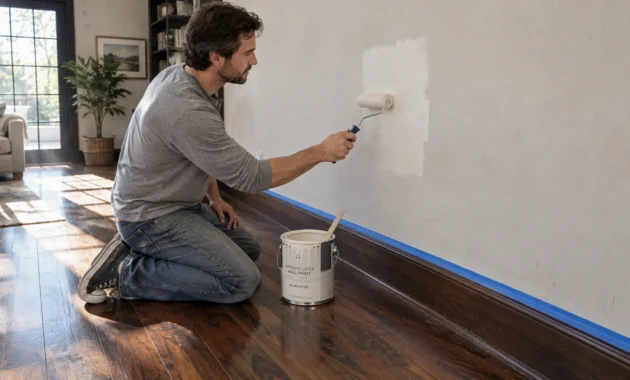
You can dramatically alter a room’s aesthetic without replacing major furniture pieces by focusing on high-impact surface changes. Repaint your walls using a palette aligned with your desired style, swap outdated light fixtures and cabinet hardware, change window treatments, and add a textured area rug. These strategic swaps instantly shift the visual atmosphere of your room while preserving your core budget.
Disclaimer: This article reflects design trend analysis and predictions. Personal taste and timeless design principles should always guide your decorating choices.