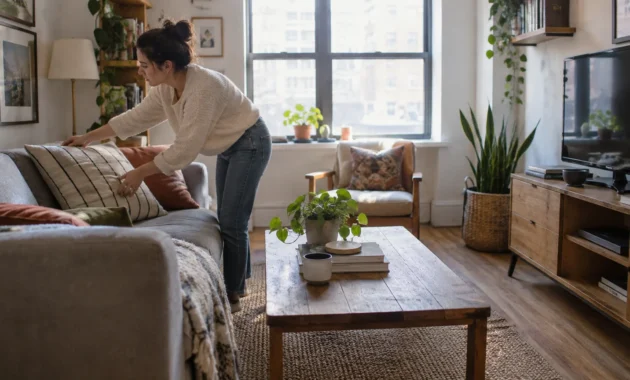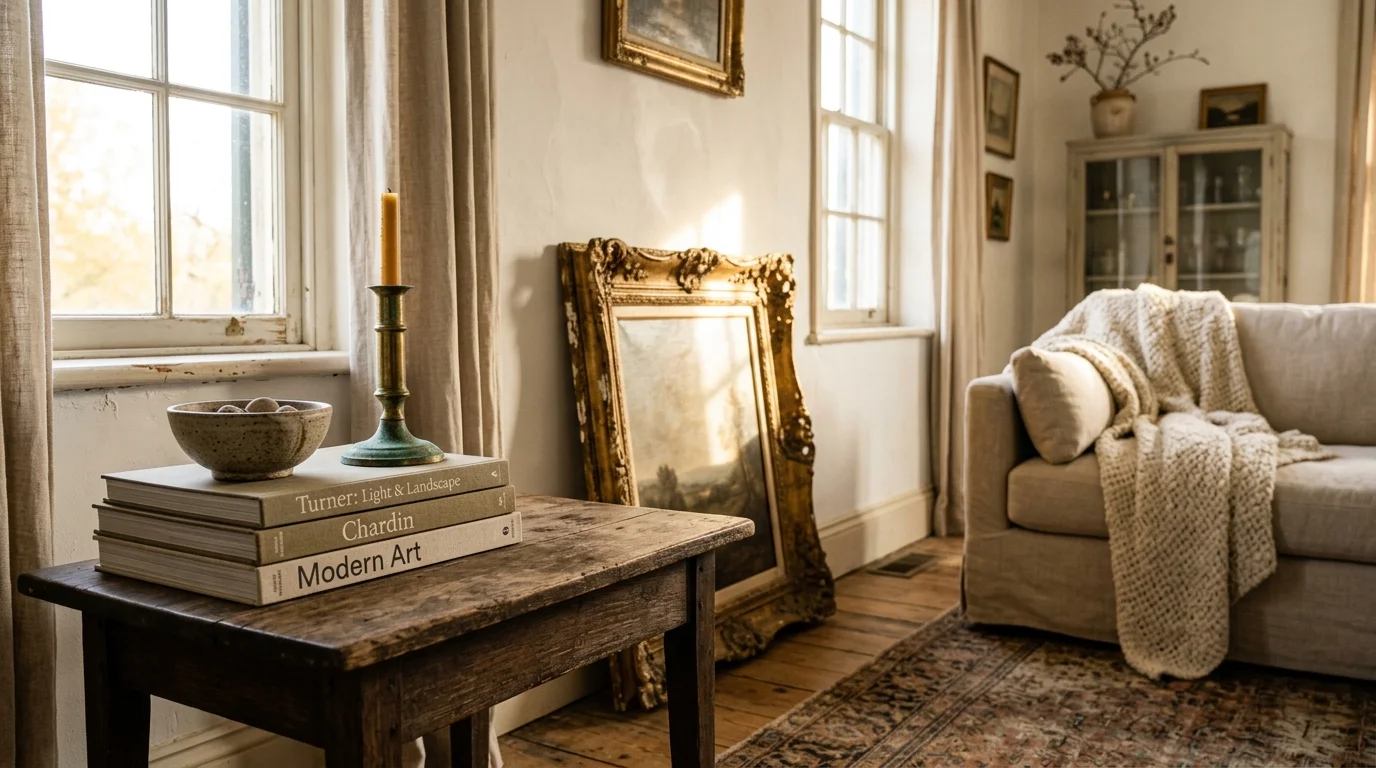
Sourcing secondhand home decor is no longer just a clever secret for budget home decorating. High-end interior designers routinely scour thrift stores to uncover pieces with authentic history and soul.
In a world saturated with mass-produced catalog furniture, vintage finds for home spaces introduce irreplaceable provenance and texture. These unique discoveries anchor modern living rooms with effortless quiet luxury.
Mastering these thrift store shopping tips allows you to curate an elevated, layered aesthetic without compromising on quality. Here are the top six interior designer favorites you should always source secondhand.
Trend #1: Solid Hardwood Accent Furniture and Pedestals
The Allure of Old-Growth Craftsmanship
Solid wood furniture from past decades features exceptional joinery and dense timber rarely seen in modern retail. These structural hallmarks provide durability that flat-pack alternatives cannot replicate.
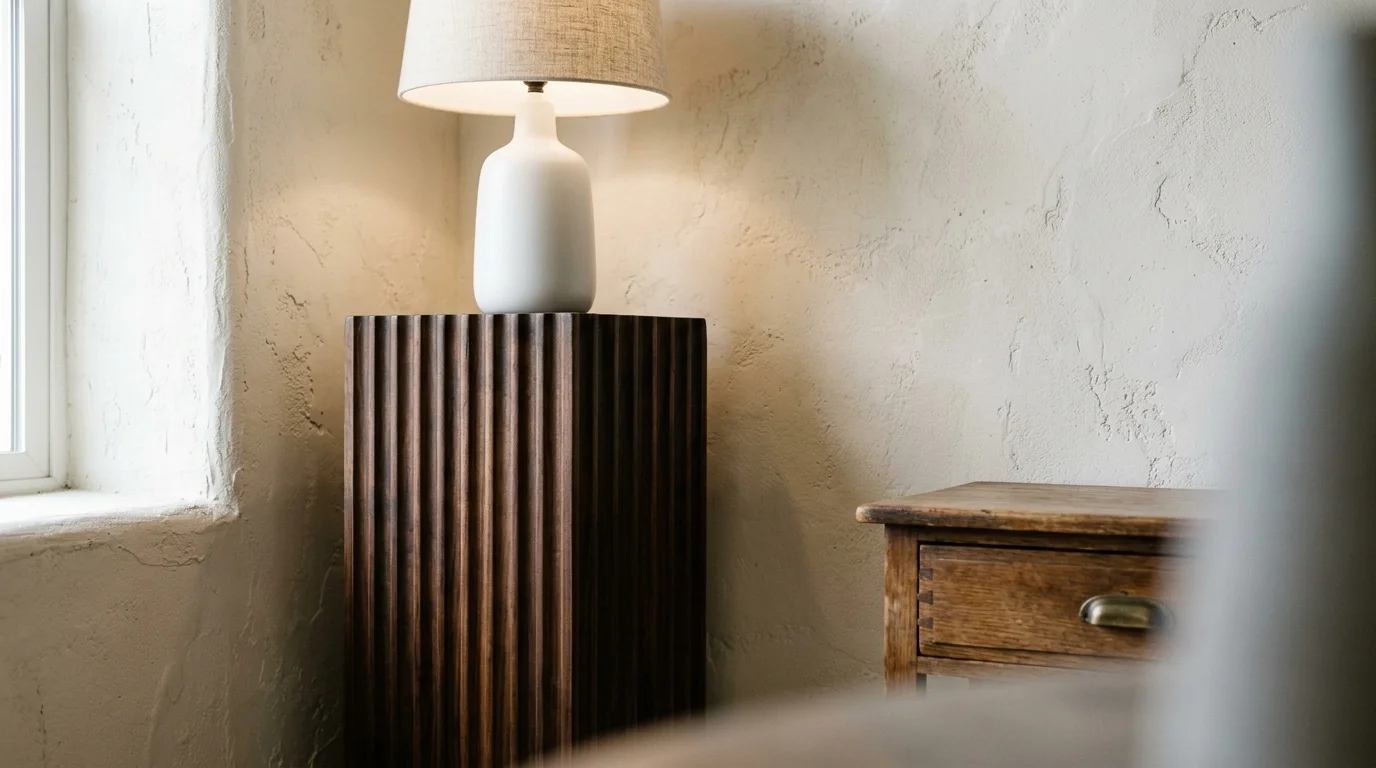
When you browse thrift shops, prioritize pedestals, plant stands, and petite accent tables crafted from walnut, cherry, or oak. Their compact footprints allow them to slip effortlessly into modern floor plans.
Key Materials and Architectural Silhouettes
Natural aging creates a rich, authentic patina that lends warmth to austere, minimalist rooms. This subtle surface wear honors the material narrative while grounding surrounding upholstery.
Modern designers seek sculptural tripod tables, fluted pedestals, and demilune consoles. These silhouettes introduce organic geometry and structural rhythm to open-concept living and dining zones.
How Designers Style Secondhand Wood
To modernize a vintage find, pair a weathered oak table with a sleek contemporary ceramic lamp. The juxtaposition of rough-hewn timber and crisp glaze delivers instant visual tension.
You can also apply a deep matte espresso wax to revive scuffed finishes without masking the wood grain. This simple treatment transforms a forgotten relic into an intentional statement piece.
Investing in solid wood pedestals allows you to display sculptures or greenery at varying eye levels. This vertical layering immediately enhances the architectural depth of your interior.
Check the underside and drawer joints for dovetail construction before purchasing. Well-made vintage timber pieces will endure for decades while retaining their resale value.
Trend #2: Heavy Ornate Gilt and Carved Wood Frames
Curating Instant Heritage and Scale
Intricate, hand-carved wood frames and vintage gilded moldings represent some of the most rewarding secondhand scores. Bespoke custom framing at this scale easily costs hundreds of dollars per piece.
Thrift stores frequently stock heavy, plaster-embellished vintage frames for a fraction of boutique prices. Even damaged or dated artwork inside provides valuable salvage opportunities.
Gilded Finishes and Earthy Textures
These ornate borders command attention through exquisite rococo swirls, baroque flourishes, and classical beadwork. They inject historical grandeur into both transitional and contemporary spaces.
Golden leafing and burnished metallic patinas reflect natural daylight, brightening dimly lit entryways and cozy reading nooks. Their lustrous warmth softens cool wall colors.
Modern Framing and Gallery Wall Curation
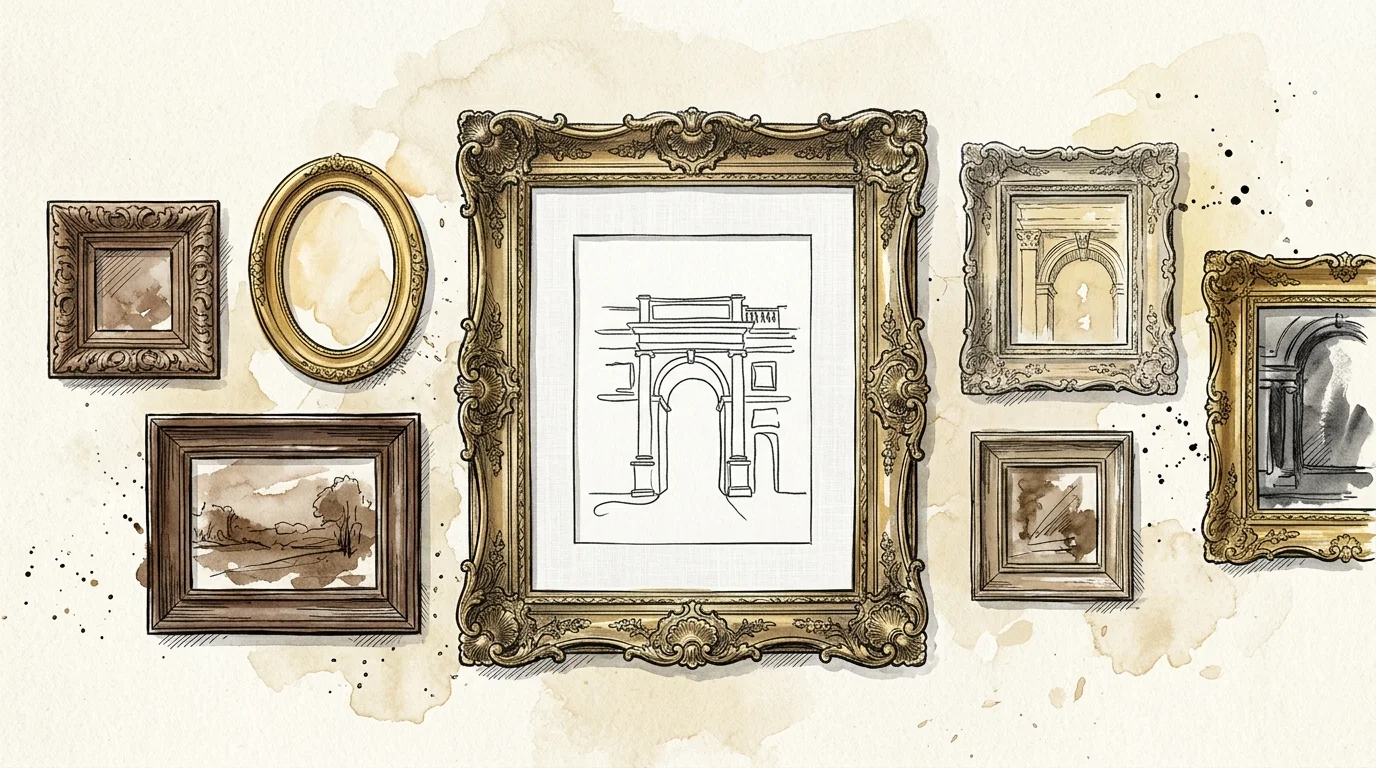
You can elevate an inexpensive frame by swapping obsolete art for oversized white linen matting and minimalist modern drawings. This high-contrast pairing immediately captures a gallery-grade aesthetic.
Alternatively, hang an empty, deeply carved vintage frame as standalone architectural wall art. Cluster several contrasting frame profiles together to build a dimensional, monochromatic focal point.
When inspecting frames, look for solid wood backing and authentic gesso plaster moldings. Minor chips in the plaster add antique charm without compromising the frame’s integrity.
Spraying a distressed frame with matte black or chalky white paint creates a striking neoclassical profile. This quick update blends historical form with modern minimalism.
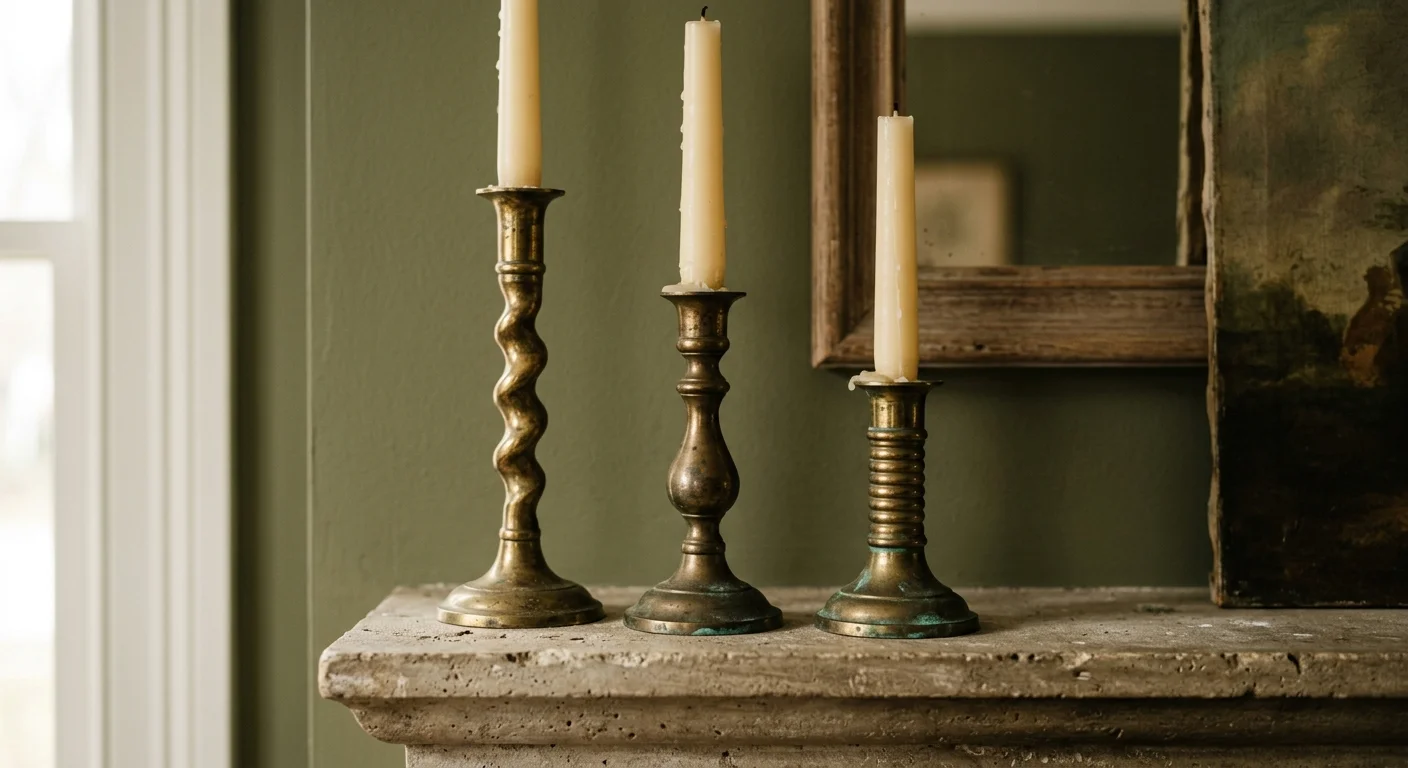
Trend #3: Unlacquered Brass Candlesticks and Vessels
The Resurgence of Living Metallic Finishes
Solid brass accents have reclaimed their rightful status at the pinnacle of luxury interior styling. Designers seek out vintage brass because aged pieces showcase an organic, unlacquered living finish.
Mass-market brass decor often features a shiny, synthetic lacquer that looks flat and artificial under ambient lighting. Authentic vintage brass develops a mellow, nuanced oxidation over decades.
Distinguishing Solid Brass from Hollow Plating
When browsing thrift shelves, test potential brass finds with a pocket magnet. A magnet will not stick to solid brass, whereas brass-plated steel creates an instant magnetic pull.
Look for heavy turned candlesticks, footed bowls, and petite catchalls featuring weighted bases. These tactile objects add grounding weight and reflective elegance to mantels, sideboards, and coffee tables.
Layering Warm Metals on Tabletops and Mantels
Group mismatched brass tapers in varying heights across a dining room table to produce dynamic candlelight choreography. The rhythmic play of flame across aged brass sets an inviting mood.
Resist the urge to polish every surface back to a mirror shine. Leaving natural oxidation in deep crevices preserves the item’s historical depth and sculptural character.
Vintage brass vessels make exceptional cachepots for vibrant indoor plants. The rich gold patina complements deep green foliage, creating a timeless botanical vignette.
Heavy brass bookends also provide practical utility while adding sculptural substance to minimalist shelving. Their warm luster breaks up monotonous rows of book spines effortlessly.
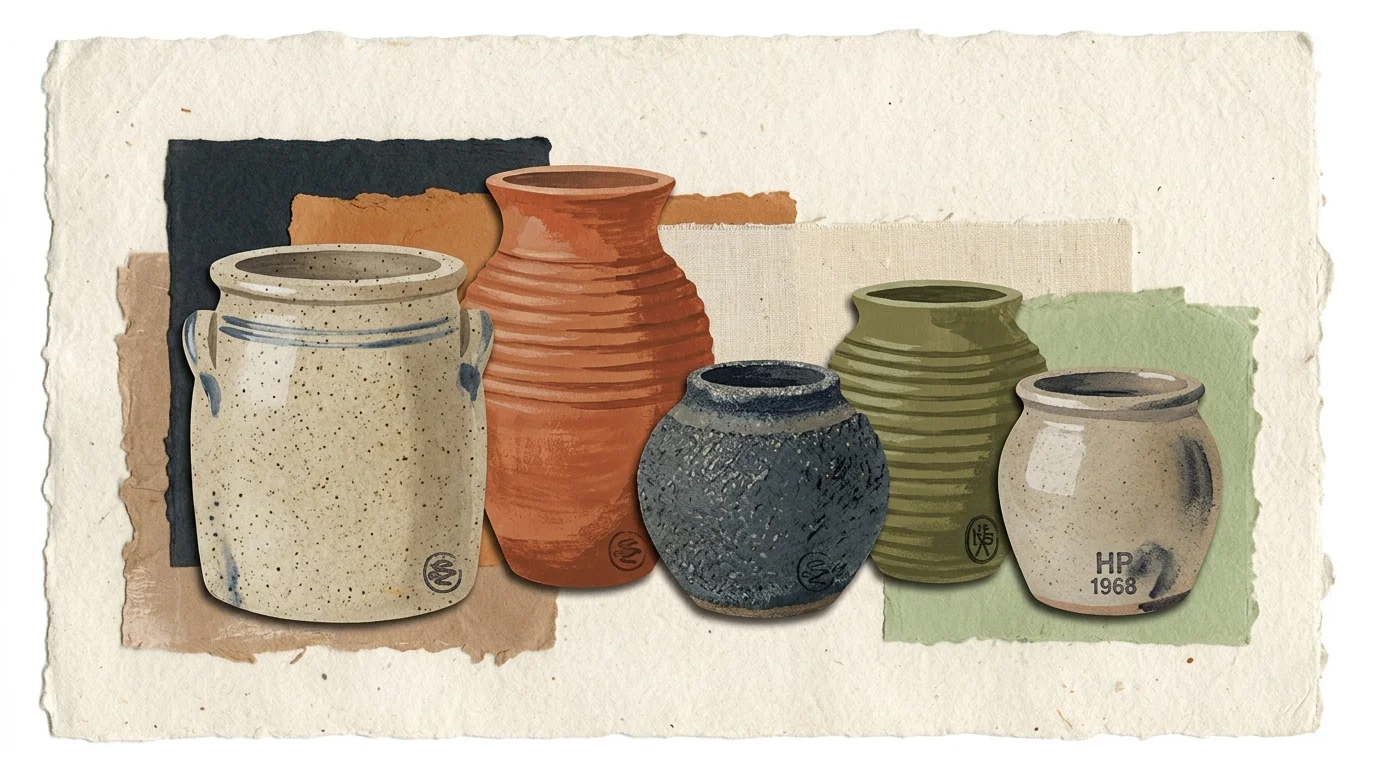
Trend #4: Studio Art Pottery and Stoneware Crocks
Embracing Biophilic and Artisanal Forms
Artisanal ceramics and utilitarian stoneware crocks bring tactile, biophilic qualities into structured interior environments. Designers rely on these rustic vessels to introduce handmade warmth and organic balance.
Earthy stoneware bridges the gap between raw natural materials and polished contemporary architecture. Their unvarnished charm resonates deeply with minimalist, wabi-sabi, and modern rustic aesthetics.
Identifying Maker Marks and Textural Glazes
Inspect the bases of ceramic vessels for etched artist signatures, stamped numbers, or studio pottery marks. These subtle indicators often reveal unique provenance from mid-century ceramic artists.
Focus on matte stoneware, reactive salt glazes, and unglazed terracotta with tactile surface textures. Rich terra-cotta tones, creamy speckled whites, and deep ochre glazes complement neutral palettes flawlessly.
Styling Earthy Vessels in Contemporary Spaces
Display oversized stoneware crocks on wide-plank hardwood floors to hold sculptural branches or woven throws. Their substantial visual weight grounds open corners and tall entry hallways.
For kitchen counters and open shelving, cluster smaller ceramic jugs and hand-thrown bowls together. These functional vessels elevate daily routines by infusing utilitarian spaces with artisanal beauty.
You can also use heavy stoneware crocks as durable utensil holders next to your cooktop. This styling choice brings rustic utility directly into high-traffic culinary spaces.
Look for pottery with subtle asymmetries and hand-thrown wheel ridges. These unique imperfections celebrate the artisan’s hand and bring authentic character to sterile rooms.
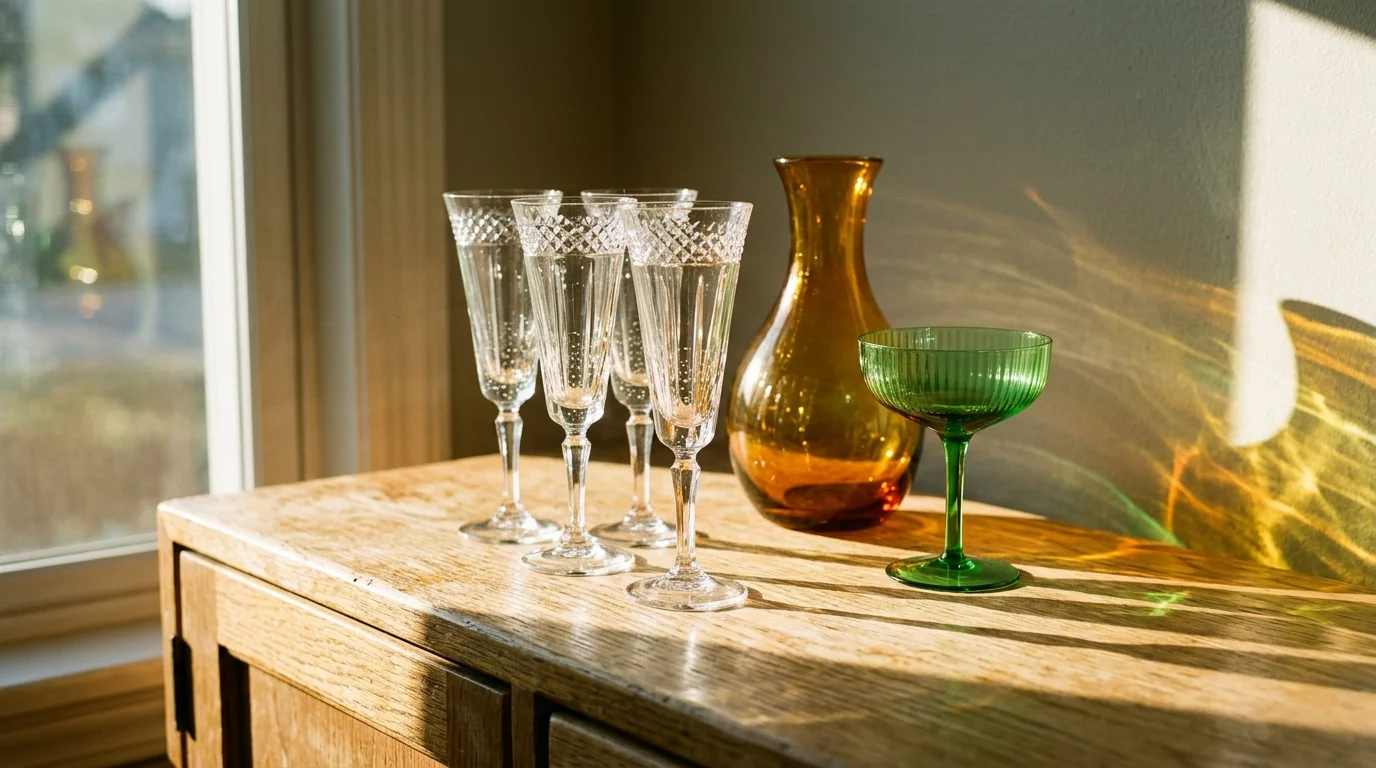
Trend #5: Fluted Crystal and Blown Art Glassware
Luminosity and Jewel-Toned Elegance
Vintage glassware and cut crystal vessels capture natural light unlike standard modern production glassware. Designers hunt for these luminous accents to add sparkle, texture, and refined glamour to entertaining spaces.
Thrift store shelves frequently overflow with cut crystal decanters, pressed glass compotes, and mid-century colored glass vases. These gems cost pennies compared to luxury boutique crystalware.
Identifying Cut Crystal and Hand-Blown Heirlooms
You can verify authentic lead crystal by tapping the rim gently; crystal produces a clear, ringing chime. Crystal also displays remarkable clarity, crisp faceted cuts, and heavy light dispersion.
Keep an eye out for rich jewel tones such as amber, emerald, cobalt, and smoky amethyst. These saturated hues inject vibrant pops of color into neutral, monochromatic rooms.
Styling Translucent Decor on Bar Carts and Tables
Style a cluster of vintage colored glass decanters on a brass bar cart or sunlit windowsill. As sunlight filters through the tinted glass, it casts enchanting chromatic reflections across your room.
Alternatively, repurpose fluted crystal bowls as sophisticated vanity catchalls for jewelry or artisanal soaps. This simple crossover elevates ordinary dressing spaces into serene boutique experiences.
Vintage champagne coupes and cut-glass tumblers also make unforgettable additions to your dinner parties. Sourcing mismatched glassware creates an effortlessly curated, celebratory tablescape.
Ensure you wash vintage crystal gently by hand using mild dish soap and warm water. Avoid modern dishwashers, which can cloud delicate antique glass over time.
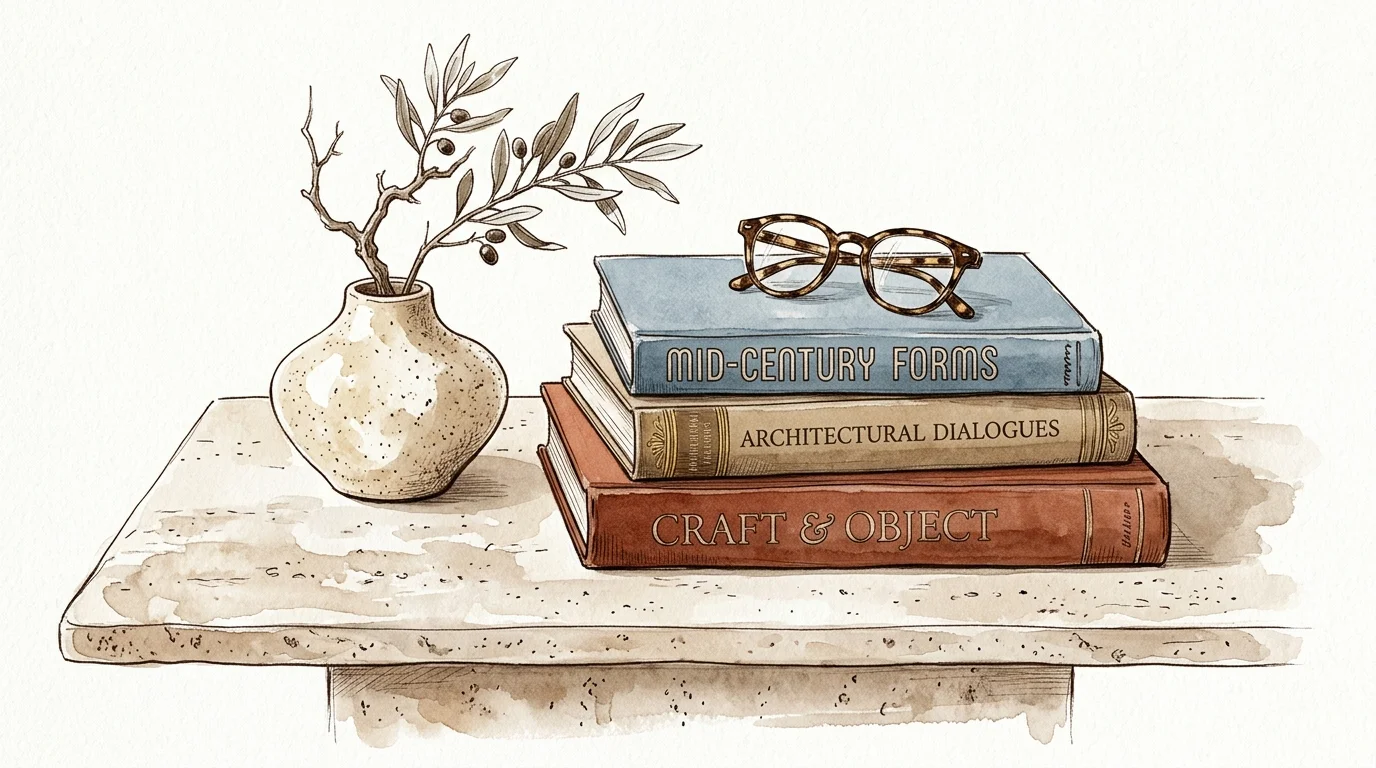
Trend #6: Oversized Hardcover Art and Design Monographs
Architectural Styling with Coffee Table Tomes
Large-scale coffee table books provide the foundational architecture for elevated shelf and tabletop styling. Designers constantly hunt for heavy art, architecture, and photography monographs in thrift shops.
Brand-new design monographs can easily cost eighty to one hundred dollars each at retail bookshops. Thrift stores routinely sell identical, high-caliber hardcover volumes for just a few dollars.
Subject Matter, Typography, and Curatorial Balance
Beyond their intellectual content, these substantial volumes add necessary height, structure, and graphic punch to flat surfaces. They transform sprawling surfaces into dynamic, curated vignettes.
Remove dated or torn paper dust jackets to reveal the timeless cloth bindings and embossed typography underneath. Neutral linen covers and gold-stamped spines provide understated quiet luxury.
Techniques for Layering Books Across Your Home
Build horizontal stacks of two or three oversized books on your coffee table, console, or media bench. Top each stack with a small brass object or ceramic vessel to anchor the display.
You can also use large volumes vertically to create intentional bookends on open shelving. This technique creates a curated library feel that reflects your personal design curiosity.
Prioritize books covering fine art, landscape architecture, interior history, and mid-century modern design. These subjects offer timeless visual inspiration and spark engaging conversations with visiting guests.
Select books with spine colors that harmonize with your room’s existing decorative accents. This thoughtful coordination ties disparate styling elements together into a polished whole.
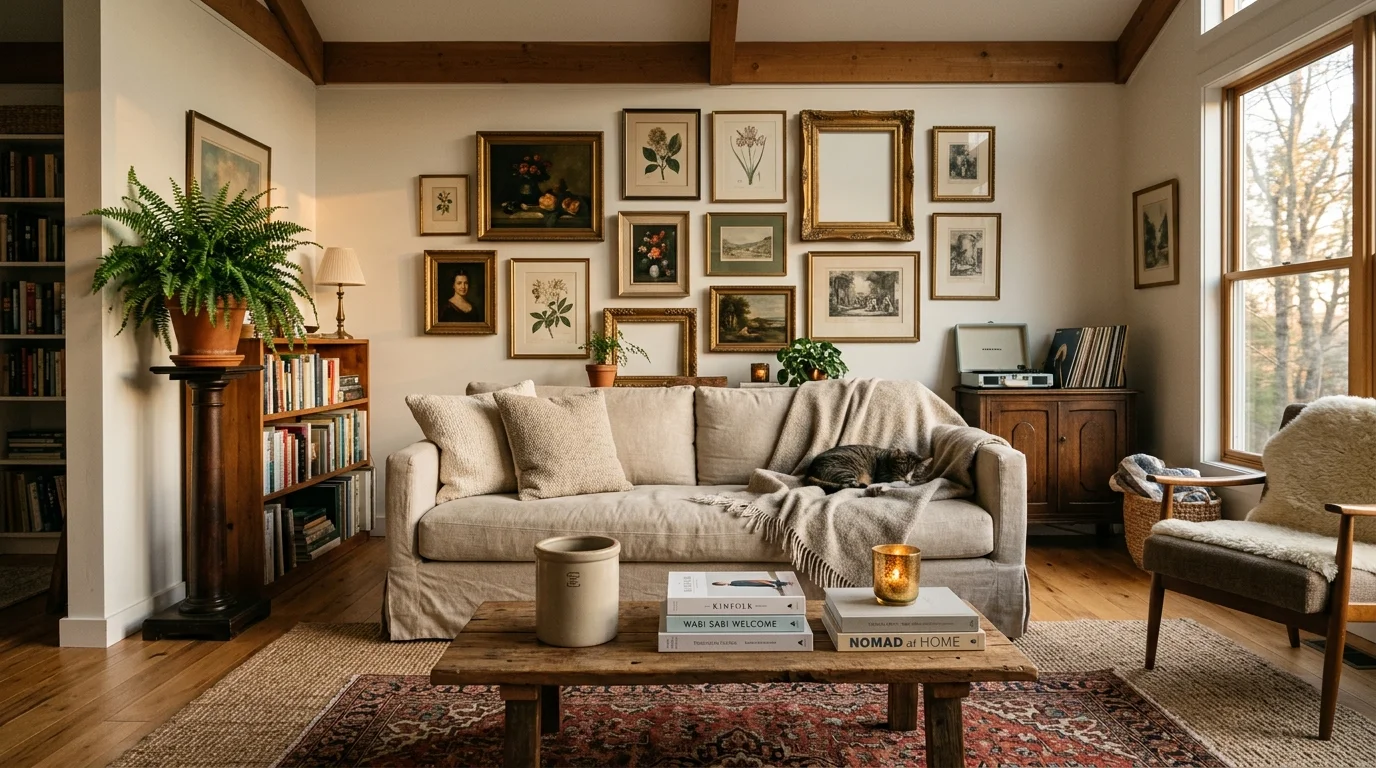
The Big Picture: Weaving These Trends into Your Home
Mastering the 80/20 Rule of Eclectic Design
Successfully integrating vintage finds requires balance so your home feels curated rather than cluttered. Professional designers often utilize the 80/20 rule to maintain visual harmony and stylistic cohesion.
Anchor eighty percent of your space with clean-lined modern foundations and contemporary seating. Reserve the remaining twenty percent for distinct thrifted treasures that supply soul and personality.
Developing a Cohesive Color and Material Strategy
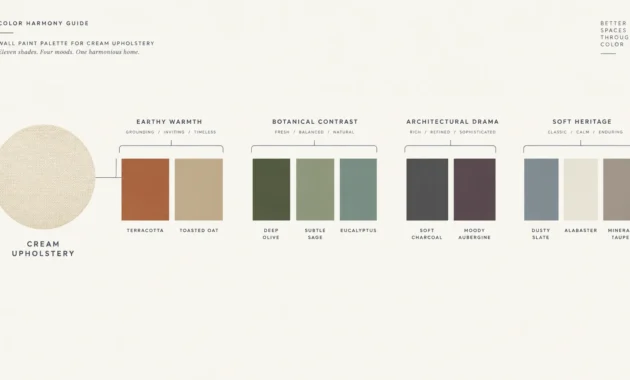
Establish a unifying color palette before you begin your thrifting expeditions. Sticking to three core tones ensures that eclectic items speak to one another across different rooms.
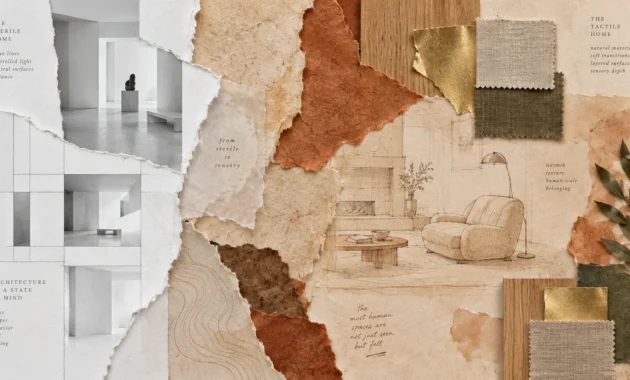
Contrast textures deliberately by pairing smooth finishes against aged timber, woven rattan, and textured ceramics. This layered dialogue creates depth and prevents rooms from feeling flat.
Scale is another critical factor when incorporating secondhand objects into modern rooms. Balance oversized statement pieces with delicate accents to create visual movement and intrigue.
Remember that curation is an ongoing, patient journey of intentional discovery. Edit your collections regularly to give each exceptional vintage piece room to breathe.
By embracing secondhand sourcing, you build a sustainable home that reflects genuine individuality and timeless style.
For the latest color forecasts, consult industry leaders like Pantone and paint companies like Benjamin Moore. For professional design standards, refer to the American Society of Interior Designers (ASID).
Frequently Asked Questions
How do I sanitize and clean vintage decor items without causing damage?
Clean solid wood with gentle oil soap and condition it with beeswax. For brass, use warm soapy water to preserve patina, or lemon juice for gentle brightening.
Wash vintage glassware and ceramics by hand using mild detergent. Avoid submerging antique porous pottery or gilded frames in water.
How can I tell if a thrift store wooden furniture piece is worth saving?
Check for solid wood construction, sturdy joinery, and heavy weight. Avoid pieces with swollen particle board, severe structural cracks, or pervasive water damage.
Surface scratches and worn finishes are easy to refinish or wax. Solid hardwood with classic lines is always worth rescuing.
Will mixing vintage items with modern furniture make my home look outdated?
Not when you apply intentional contrast and edit thoughtfully. Blending modern silhouettes with vintage accents creates the layered look favored in high-end design.
Keep your walls and major upholstery pieces contemporary and clean. Use your thrifted finds as character-rich focal points rather than decorating theme rooms.
What tools should I bring on a thrift store shopping trip?
Always carry a retractable tape measure and a small pocket magnet. The magnet tests for solid brass, while the tape verifies room dimensions.
Keep a list of your room measurements and color swatches on your smartphone. Having precise dimensions prevents impulse purchases that do not fit your space.
Disclaimer: This article reflects design trend analysis and predictions. Personal taste and timeless design principles should always guide your decorating choices.