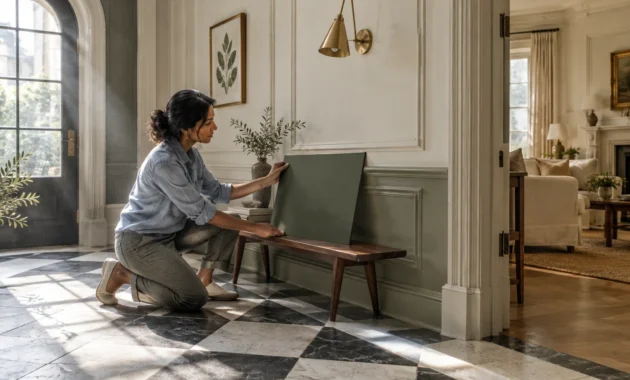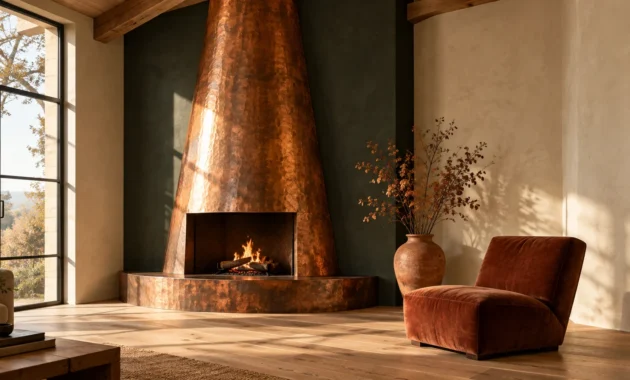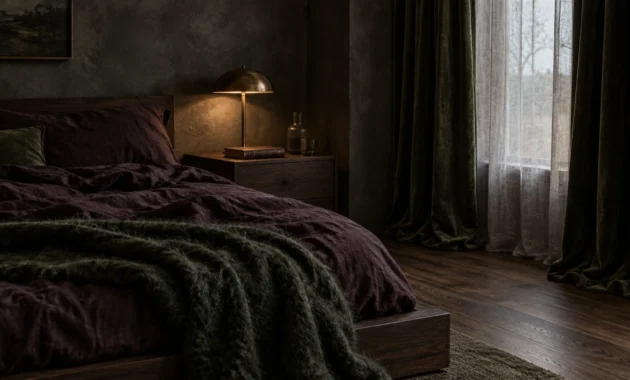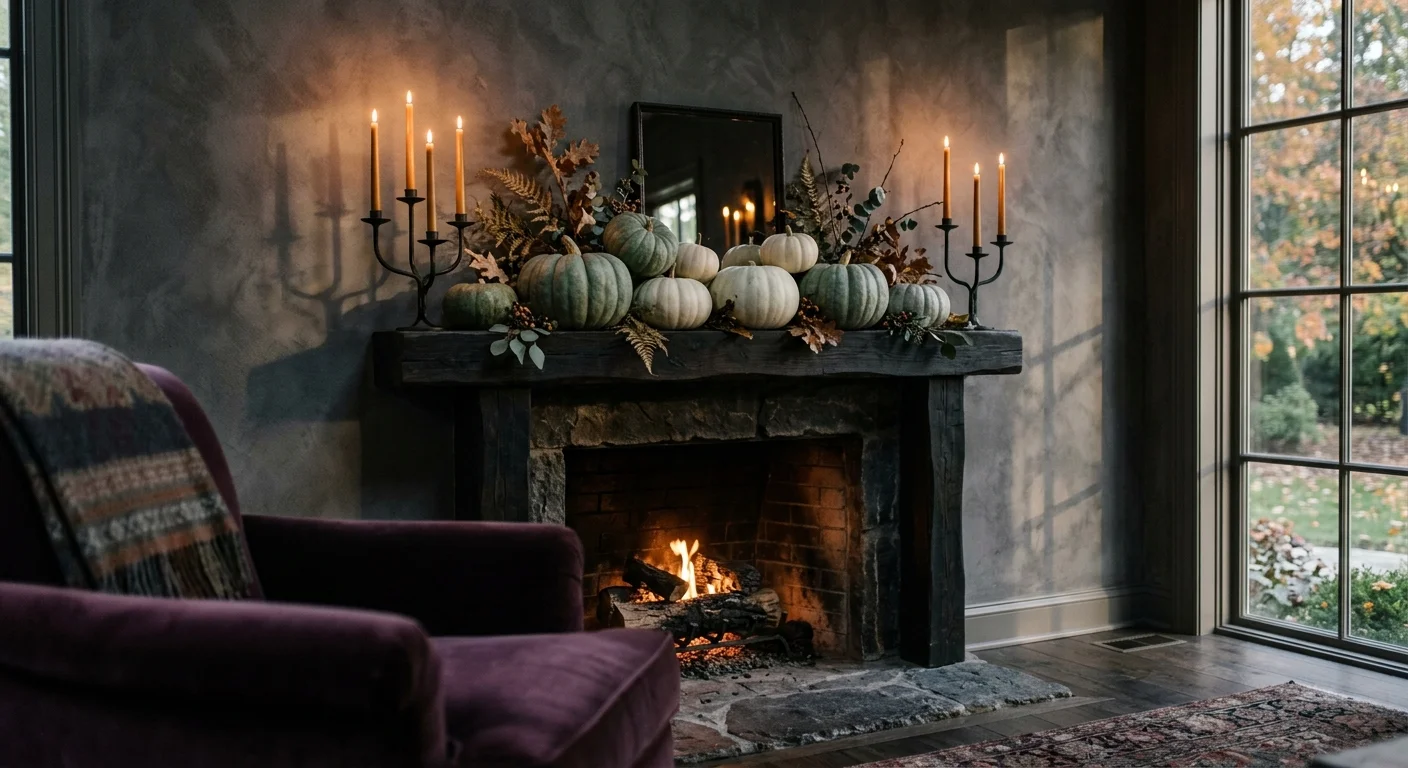
Elevating seasonal decor requires the same architectural rigor, color harmony, and spatial awareness as permanent interior design. While North American households spend $4.2 billion annually on seasonal accents, common Halloween decor mistakes often dilute a home’s aesthetic through visual clutter, improper scale, and harsh lighting. Transforming your space into a sophisticated autumn sanctuary demands moving past cheap plastic novelties toward high-concept, curated elements that accentuate your architecture. By mastering ambient lighting temperatures, tactile materiality, and subtle shadow play, you can execute moody holiday styling that seamlessly blends with your existing aesthetic without sacrificing elegance or safe structural practices.
Mistake #1: Disregarding Architectural Scale and Spatial Proportion
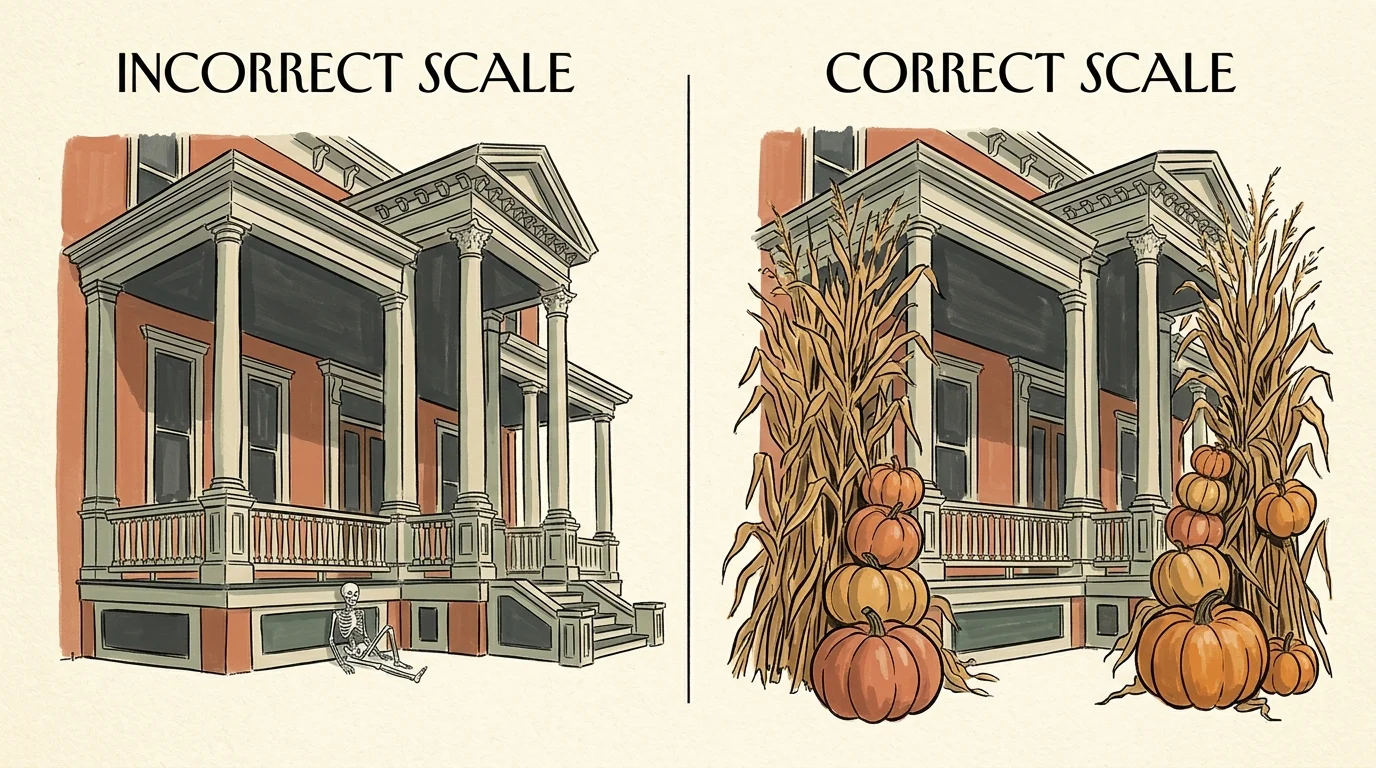
One of the most frequent visual missteps in seasonal design stems from a fundamental misunderstanding of spatial scale. When curating outdoor Halloween decorations, homeowners frequently buy individual items based on novelty rather than how those pieces interact with the grander structural lines of their property. Sighting a tiny, isolated skeletal prop on a massive three-story column porch collapses the visual weight of your entrance, making the display look accidental rather than intentional. Conversely, squeezing an oversized inflatable monster onto a delicate Victorian veranda overwhelms historical millwork and suffocates porch architecture. To achieve breathtaking Halloween curb appeal, you must evaluate your home through an architectural lens, selecting statement elements that mirror the height, depth, and proportion of your exterior facade.
In interior settings, scale plays an equally decisive role in established living spaces. Scattering dozens of uniform, small pumpkin figurines across an expansive dining room table creates visual noise that fragments the room rather than anchoring it. High-end design relies on dramatic focal contrast and varying heights to lead the eye naturally through a space. Instead of uniform trinkets, pair tall, wrought-iron candelabras with substantial, asymmetrical heirlooms or oversized earthenware vessel arrangements. When you group decorative elements in balanced, odd-numbered clusters with varying elevations, you establish a commanding visual hierarchy that honors your home’s natural proportions while cultivating an atmosphere of refined mystery.
Mistake #2: Relying on Unsafe Open Flames and Hazardous Heat Sources
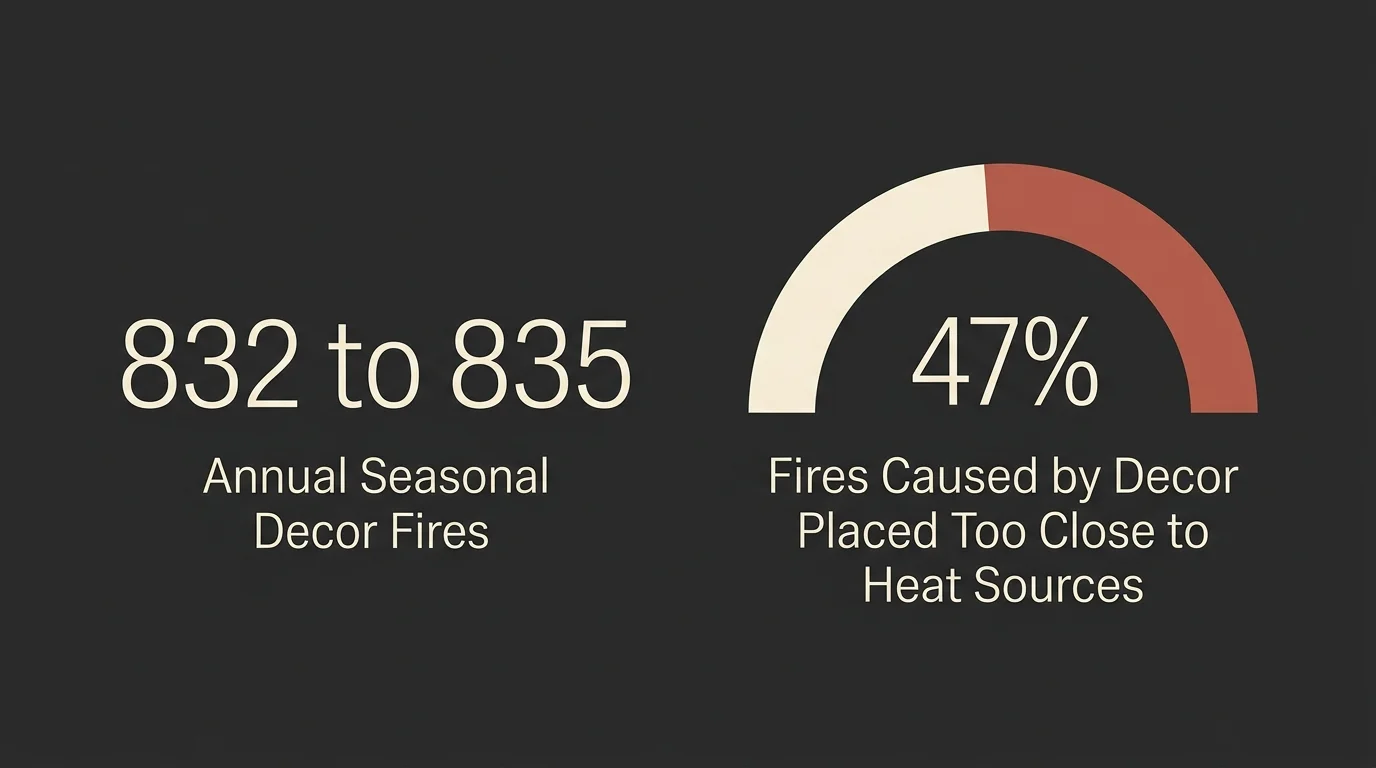
Creating a mysterious, moody ambiance often inspires homeowners to ignite dozens of wax candles across wooden mantels, dark entry tables, and carved front-porch displays. However, relying on open flames introduces severe structural and personal safety risks that negate even the most stunning aesthetic concept. Data from the National Fire Protection Association reveals that seasonal decorations cause an average of 832 to 835 home structure fires each year, resulting in millions of dollars in property damage and tragic personal injuries. Furthermore, 47 percent of these seasonal decoration fires occur because decor items sit far too close to heat sources, while open candle flames cause roughly one-third of all decor-related residential blazes. Incorporating real flames into flammable atmospheric materials like dry corn husks, gauze, or dried botanical arrangements poses a hazard that no stylish design can justify.
Fortunately, modern lighting technology allows you to achieve authentic, flickering candlelight without open flames or excess thermal output. You can replace real wax candles with premium, remote-controlled LED pillars crafted from genuine poured wax, complete with realistic moving wicks and warm color temperatures. Installing low-voltage accent lighting or battery-operated amber LED bulbs yields identical atmospheric depth while protecting your architecture. If you love the dramatic flicker of real flame inside hand-carved pumpkins, substitute battery LED pucks with variable flickering modes. This swap eliminates fire hazards, prevents scorch marks on your interior wood surfaces, and ensures your home remains safe throughout the entire entertaining season.
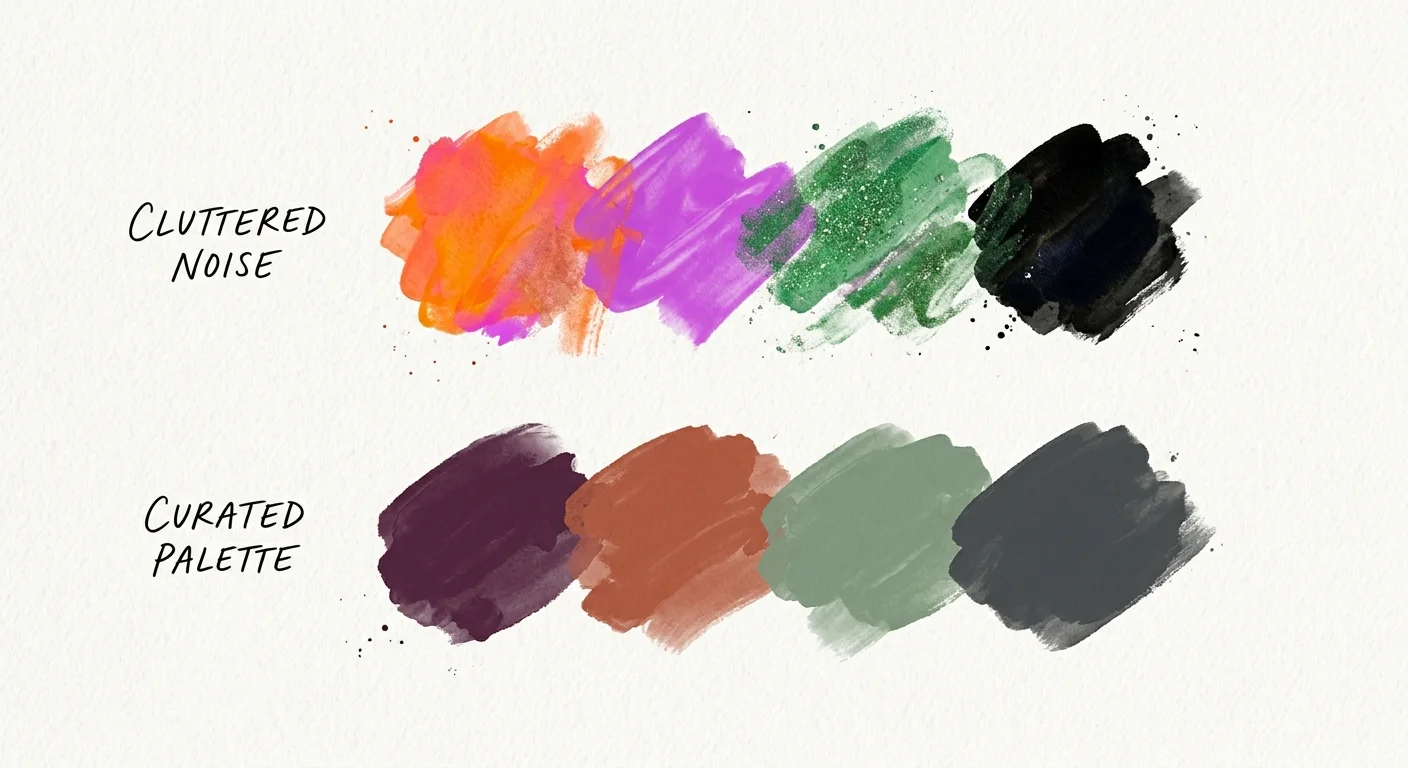
Mistake #3: Overloading Visual Noise Without a Unifying Color Palette
A chaotic mix of neon orange, neon green, bright purple, and stark white destroys the sophisticated ambiance of a carefully curated home. Many homeowners fall into the trap of purchasing disjointed items across multiple retail aisles, resulting in a jarring array of clashing colors and synthetic textures. This visual clutter overwhelms the eyes and destroys cohesive interior design. When exploring elevated Halloween decorating ideas, you should treat seasonal decor with the exact same color discipline you apply to permanent interior furnishings. A cohesive palette establishes emotional resonance, allowing your seasonal updates to feel like a natural, elevated extension of your everyday design ethos.
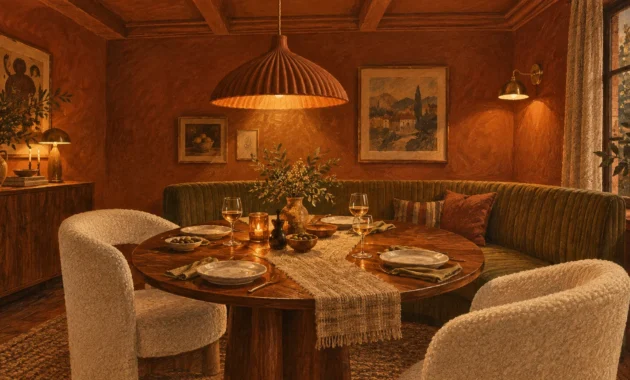
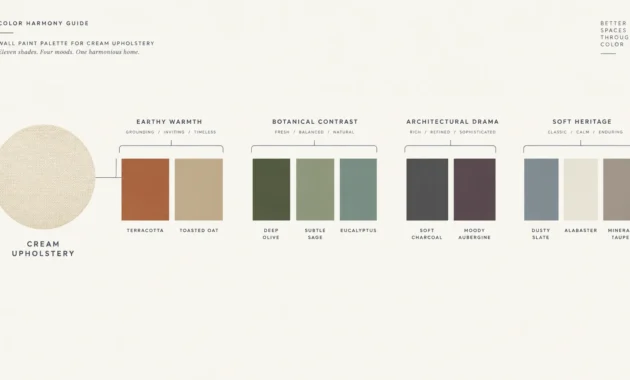
To cultivate quiet luxury within holiday styling, restrict your palette to three or four complementary, muted hues rooted in organic depth. Swap garish neon orange for warm terracotta, rich burnt ochre, or deep rust. Replace bright, unnatural purples with moody aubergine, plum, or deep midnight charcoal. Accent these tones with matte black iron, brushed antique brass, and soft alabaster neutrals. If your living room already features cool blue-gray tones, lean into a Gothic Scandinavian palette of bone white, silvered driftwood, matte slate, and deep charcoal. Maintaining strict palette discipline unifies disparate elements, transforming your seasonal decor from a chaotic retail collection into a polished gallery-level installation.
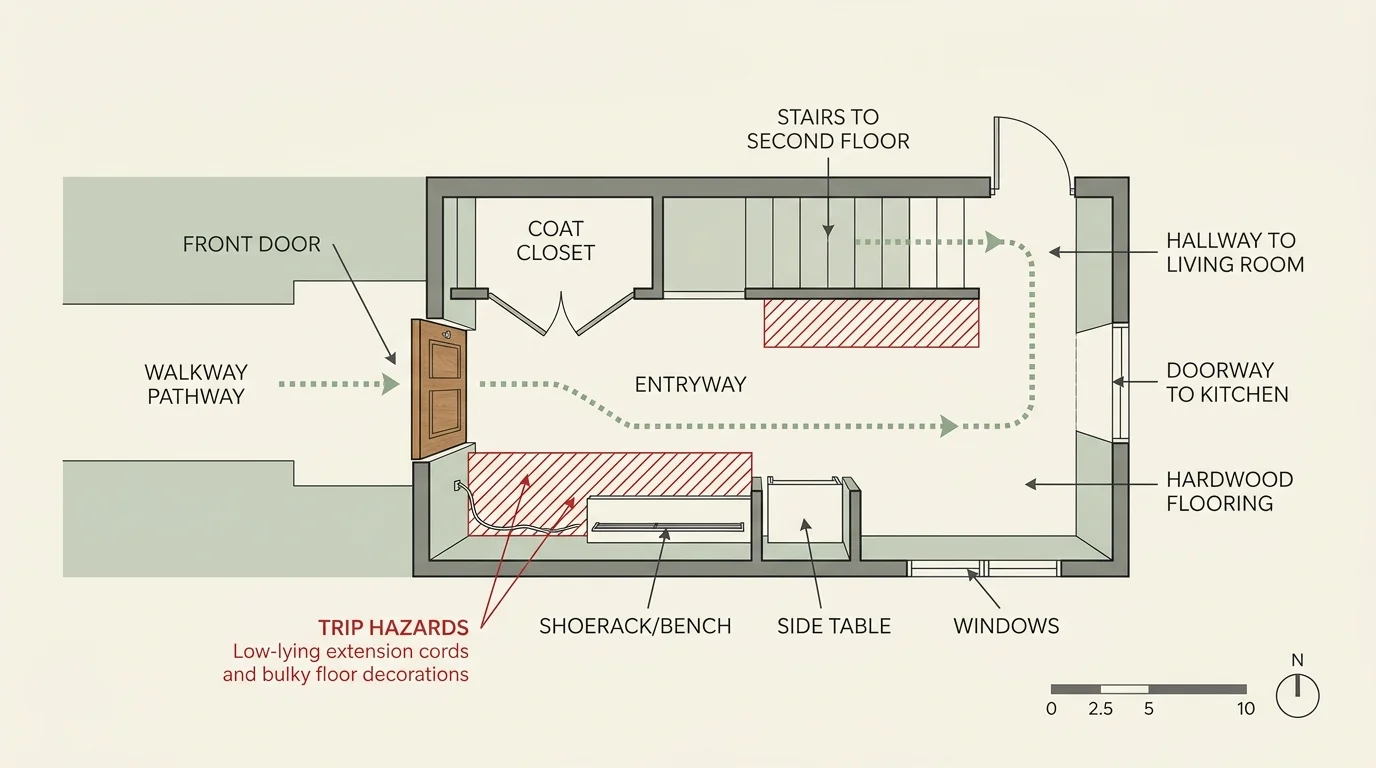
Mistake #4: Compromising Traffic Flow and Environmental Safety
An elegant home design prioritizing form over function quickly falters if guests or family members struggle to navigate living zones safely. Blocking entryways, cascading thick faux cobwebs across staircase handrails, or cluttering narrow hallway flooring with decorative pumpkins creates hazardous conditions. Data from the U.S. Consumer Product Safety Commission demonstrates that up to 32 percent of seasonal holiday emergency room visits result from trip and fall hazards associated with outdoor setups and loose ground decor. Furthermore, traditional pumpkin carving mishaps account for roughly half of all Halloween-related ER injuries. Failing to prioritize safe foot traffic pathways undermines your hospitality and endangers your visitors.
Ensure all high-traffic walkways, outdoor steps, and interior doorways remain entirely clear of obstruction. Maintain a minimum clear path of thirty-six inches along all primary interior hallways and porch stairs to accommodate movement seamlessly. If you wish to decorate entry steps, line pumpkins along the outer borders against the risers or railings rather than directly in the middle of step treads. Upgrade your lighting along ground pathways so visitors can easily spot elevation changes or stone edges at night. For pumpkin styling, favor uncarved heirloom gourds in unusual shades of pale blue, white, and warty green, or choose solid cast stoneware jack-o’-lanterns. This approach sidesteps unsafe knife work, avoids messy decay on your stone surfaces, and eliminates slipping hazards entirely.
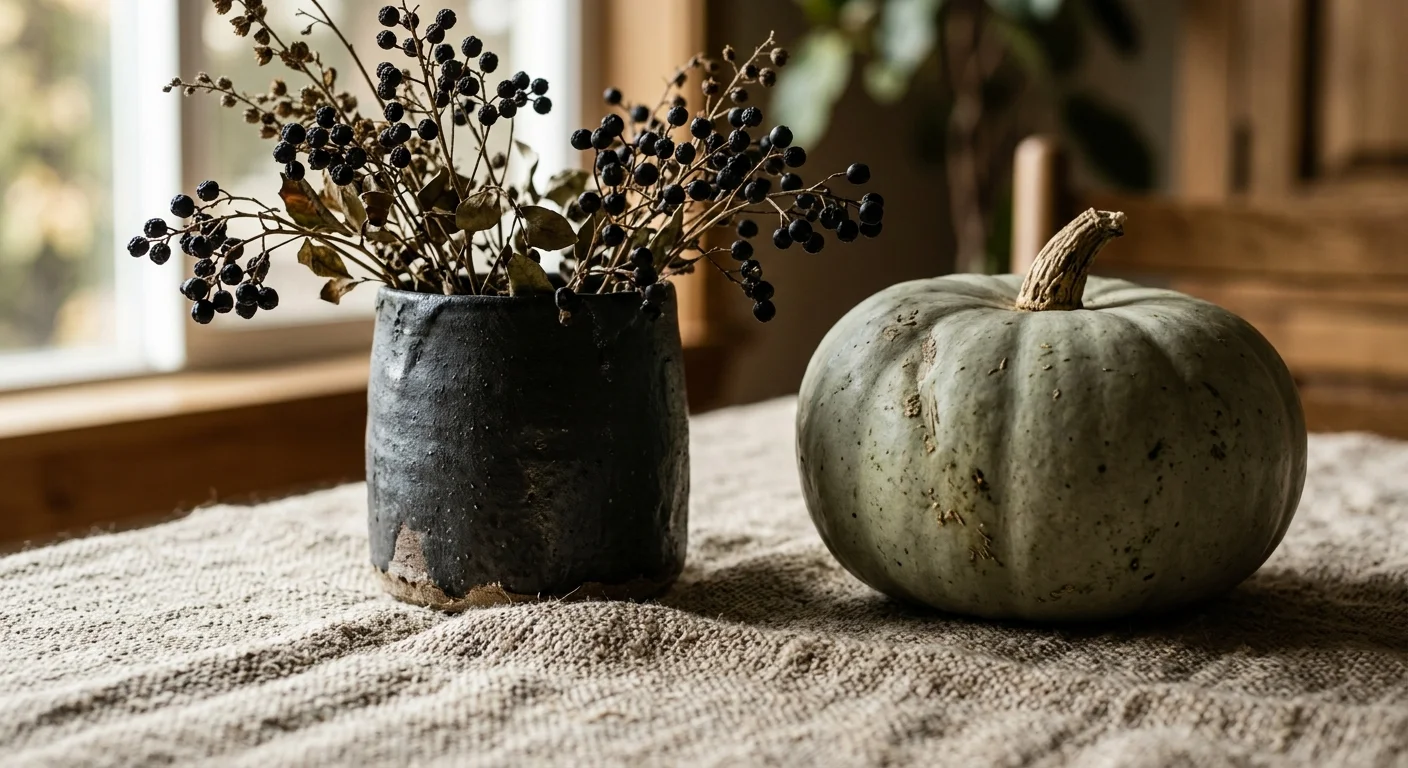
Mistake #5: Prioritizing Single-Use Synthetics Over Authentic Materiality
Nothing diminishes the sophistication of an interior space faster than cheap, single-use synthetic materials. Stretching bright white polyester spiderwebs across fine oil paintings, hanging flimsy plastic skeletons from delicate crystal chandeliers, or laying down glossy vinyl table runners creates a cheap, temporary aesthetic. These mass-produced items lack tactile depth, visually conflict with high-end architecture, and contribute significantly to environmental landfill waste. Moving away from these common Halloween decor mistakes requires shifting your focus toward authentic materiality, provenance, and rich tactile textures that invite touching and close appreciation.
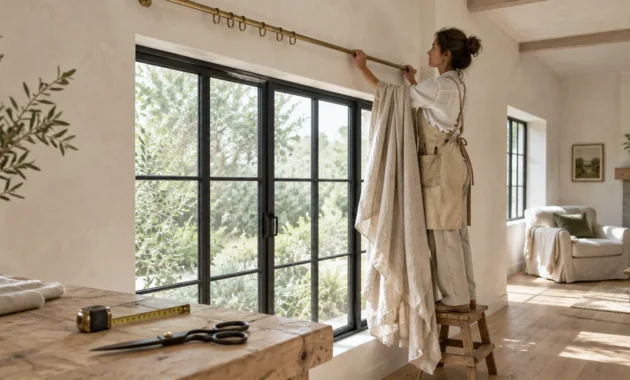
Replace cheap synthetic accents with organic, high-grade materials that possess real weight and artisanal integrity. Drape tables and mantels in heavy washed linen, crushed velvet, or open-weave cotton gauze dyed in deep charcoal or dark espresso. Swap plastic skeletal props for hand-cast bronze skull sculptures, mouth-blown smoky glass vases, or antique pewter candlesticks acquired from vintage purveyors. Introduce biophilic elements like dried weeping willow branches, preserved dark eucalyptus, dark plum floral stems, and real heirloom gourds. These natural textures reflect light beautifully, age gracefully throughout October, and project an atmosphere of authentic historical charm that synthetic alternatives can never duplicate.
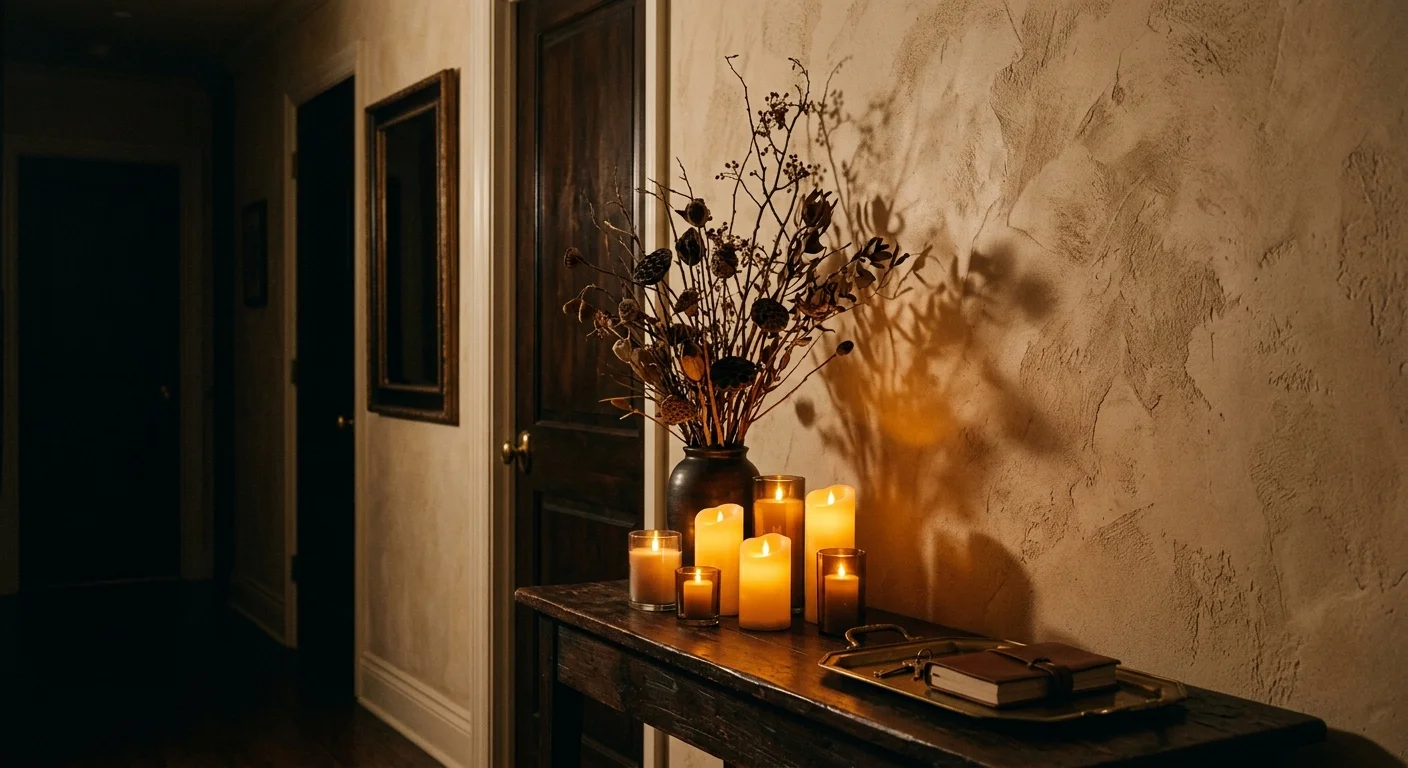
Mistake #6: Mismanaging Lighting Temperature and Shadow Layering
Lighting is the single most powerful tool for setting an evocative mood, yet it remains one of the most frequently mishandled design elements. Relying solely on your home’s existing overhead ceiling lights—or worse, flooding your porch and living spaces with harsh 5000K daylight-white LED bulbs—flattens room dimensions and highlights every imperfection. Cool, bright light destroys the subtle mystery required for compelling seasonal decor. Elevated holiday design relies on strategic shadow play, controlled focal points, and warm light temperatures to create architectural drama and intimate depth.
To achieve professional-grade ambient lighting, eliminate overhead fixtures in favor of low-level, layered light sources calibrated between 2200K and 2700K. This warm kelvin range produces a soft, golden light akin to natural firelight or sunset. Use hidden, low-wattage accent spotlights tucked behind floor planters or architectural columns to project dramatic silhouettes of twisted branches against empty walls. Incorporate dimmable table lamps, brass accent sconces, and flameless pillar candles at varying heights across the room. By intentionally crafting zones of soft illumination alongside deep, velvety shadows, you guide the eye toward key decorative details while wrapping your interior in a warm, sophisticated glow.
Mistake #7: Rushing Curation and Overlooking Early Seasonal Planning
Waiting until late October to scramble through picked-over retail shelves leads to panic buying, inflated costs, and an uncurated mix of low-quality leftovers. According to National Retail Federation survey data, nearly 49 percent of seasonal shoppers begin sourcing their decor before October even arrives. With total annual decor spending reaching unprecedented heights, high-end design houses, specialty floral studios, and artisanal decor makers sell out of their finest pieces early in the season. Delaying your planning leaves you with limited choices, forcing you to compromise your design standards with generic visual filler.
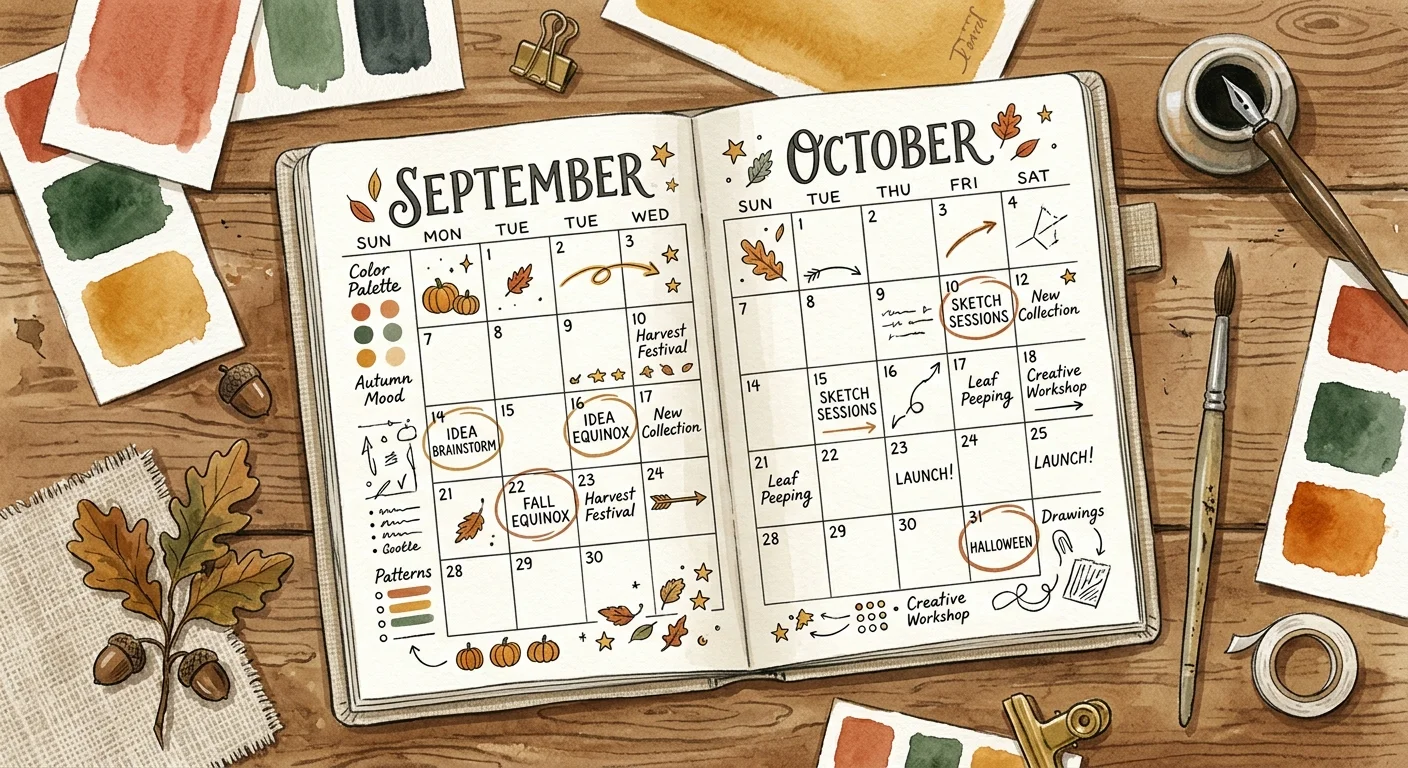
Avoid impulse purchases by applying structured design planning to your seasonal updates weeks in advance. Start by creating a focused visual mood board in late summer, selecting a defined color palette, material story, and focal placement strategy for your main living areas. Sourcing artisanal elements, custom preserved florals, and vintage brass pieces early gives you ample time to curate a cohesive aesthetic without stress. Utilizing actionable Halloween decorating tips early allows you to measure architectural spaces accurately, test lighting setups before host events, and thoughtfully layer pieces over time. This measured approach guarantees a polished, high-impact result that looks custom-designed for your home.
The Big Picture: Weaving These Trends into Your Home
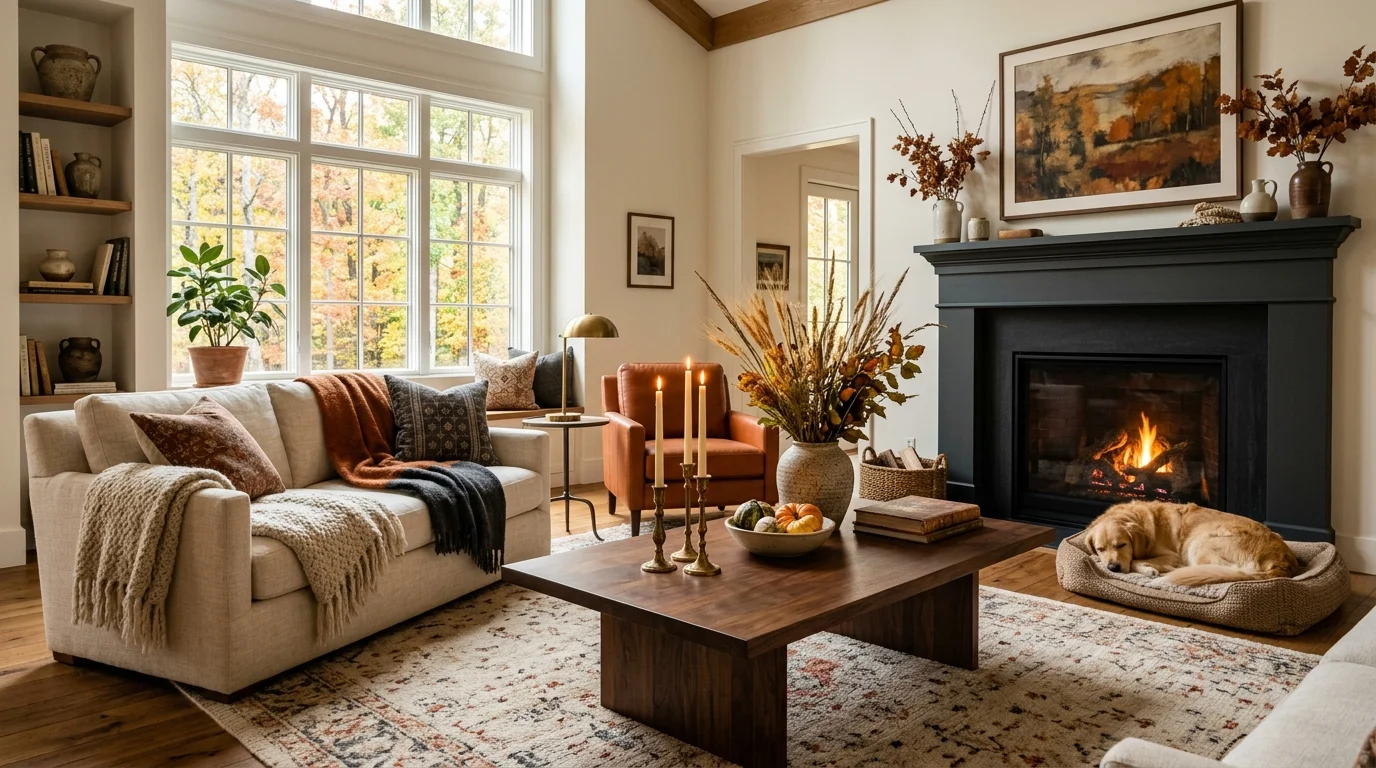
Integrating moody, elevated seasonal decor into your home shouldn’t mean turning your living spaces into a temporary movie set. The secret to refined holiday styling lies in seamless integration—enhancing your existing architectural features, fine furniture, and permanent artwork rather than obscuring them under seasonal noise. Focus on subtle, impactful transformations that honor your established design aesthetic. A quiet, monochromatic arrangement of dark velvet pillows, hand-thrown ceramic gourds, and smoked glass hurricanes resting on a marble hearth speaks with far greater elegance than wall-to-wall plastic banners.
By prioritizing authentic textures, precise lighting temperatures, and harmonious spatial proportions, you create a captivating seasonal transition that feels elevated and deeply personal. Embrace biophilic materials like dried branches, dark preserved botanicals, and raw minerals that bridge the gap between Halloween and late autumn styling. As November approaches, simply remove the explicitly gothic elements—such as vintage skulls or dramatic shadow silhouettes—while leaving rich textiles, warm candlelight, and organic gourds in place. This flexible approach maximizes your decor investment, maintaining a sophisticated, cozy home environment through Thanksgiving and beyond.
For the latest color forecasts, consult industry leaders like Pantone and paint companies like Benjamin Moore. For professional design standards, refer to the American Society of Interior Designers (ASID).
Disclaimer: This article reflects design trend analysis and predictions. Personal taste and timeless design principles should always guide your decorating choices.
Frequently Asked Questions
How can I create a spooky atmosphere without compromising a luxury interior aesthetic?
Achieving a sophisticated, moody atmosphere relies on subtlety, fine materials, and strategic lighting rather than overt horror props. Focus on rich, tactile elements like dark velvet drape accents, aged brass candelabras, mouth-blown smoky glassware, and sculpted ceramic gourds in muted tones. Maintain a disciplined color palette of charcoal, aubergine, and ochre, and rely on warm 2200K flameless candlelight to create atmospheric shadow play without cluttering your architectural space.
When should I start planning and installing high-end seasonal decor?
Design professionals recommend beginning your visual concept planning and artisanal sourcing in late August or early September. With nearly half of all consumers purchasing seasonal decor before October, securing high-quality preserved botanicals, custom stoneware, and vintage pieces early prevents last-minute compromises. Aim to complete your primary installation during the first week of October to maximize enjoyment throughout the month.
How do I transition Halloween decor into general fall interior design?
Focus your foundational design on timeless autumn elements such as uncarved heirloom gourds, rich woven textiles, warm brass accents, and preserved floral arrangements. When Halloween concludes, simply remove explicitly gothic elements like skull sculptures, black gauze, or shadow projection lighting. The remaining organic textures, warm ambient lighting, and rich harvest color palette will seamlessly anchor your home decor through Thanksgiving.
What are the best methods for storing high-value, artisanal Halloween pieces?
Protect your investment pieces by storing them in climate-controlled spaces using archival-grade wrapping materials. Wrap fragile mouth-blown glass, stoneware, and vintage brass individually in acid-free tissue paper and bubble wrap before packing them in sturdy, labeled plastic storage bins. Store preserved botanicals and delicate dried branches flat in moisture-sealed containers with silica gel packets to prevent humidity damage over the offseason.