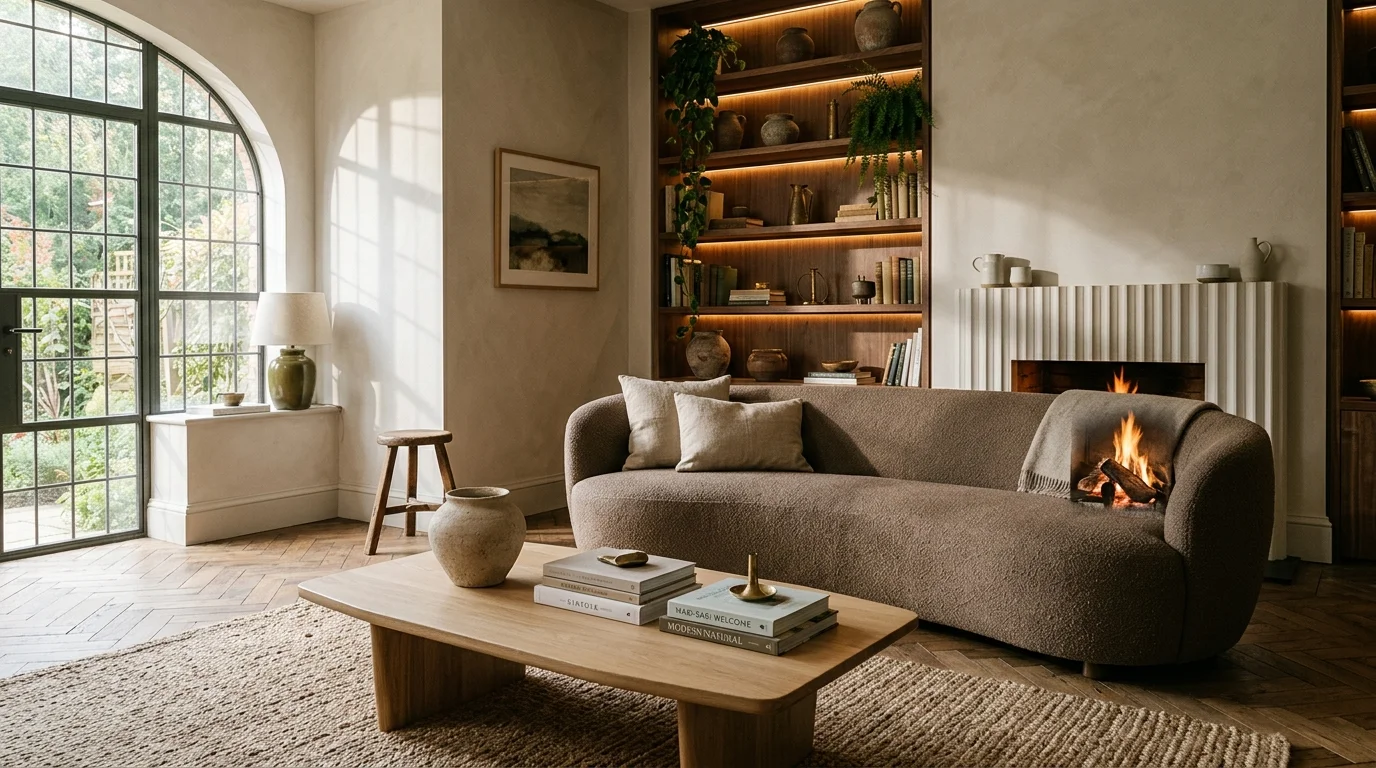
The design world is rapidly abandoning sterile minimalism in favor of rich, character-driven environments. Top interior designers are reimagining residential spaces with deep sensory warmth, tactile richness, and deliberate craftsmanship.
Discerning homeowners now demand authentic interiors that prioritize restorative comfort and architectural identity over fleeting fads. Today’s most compelling homes seamlessly balance historic architectural resonance with effortless modern luxury.
From restorative wellness retreats to evocative analog parlors, these five influential interior design trends 2026 define how forward-thinking designers shape luxury living today. Discover the designer favorite home features transforming modern interiors.
Trend #1: Earth-Rooted Pigments and Warm Neutrals
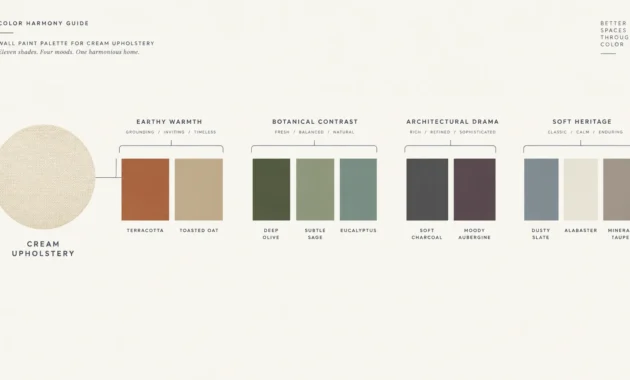
Sterile cool grays and stark clinical whites have officially lost their grip on high-end residential interiors. Today’s leading decorators are shifting toward grounded, nature-inspired palettes that infuse living spaces with understated quiet luxury.
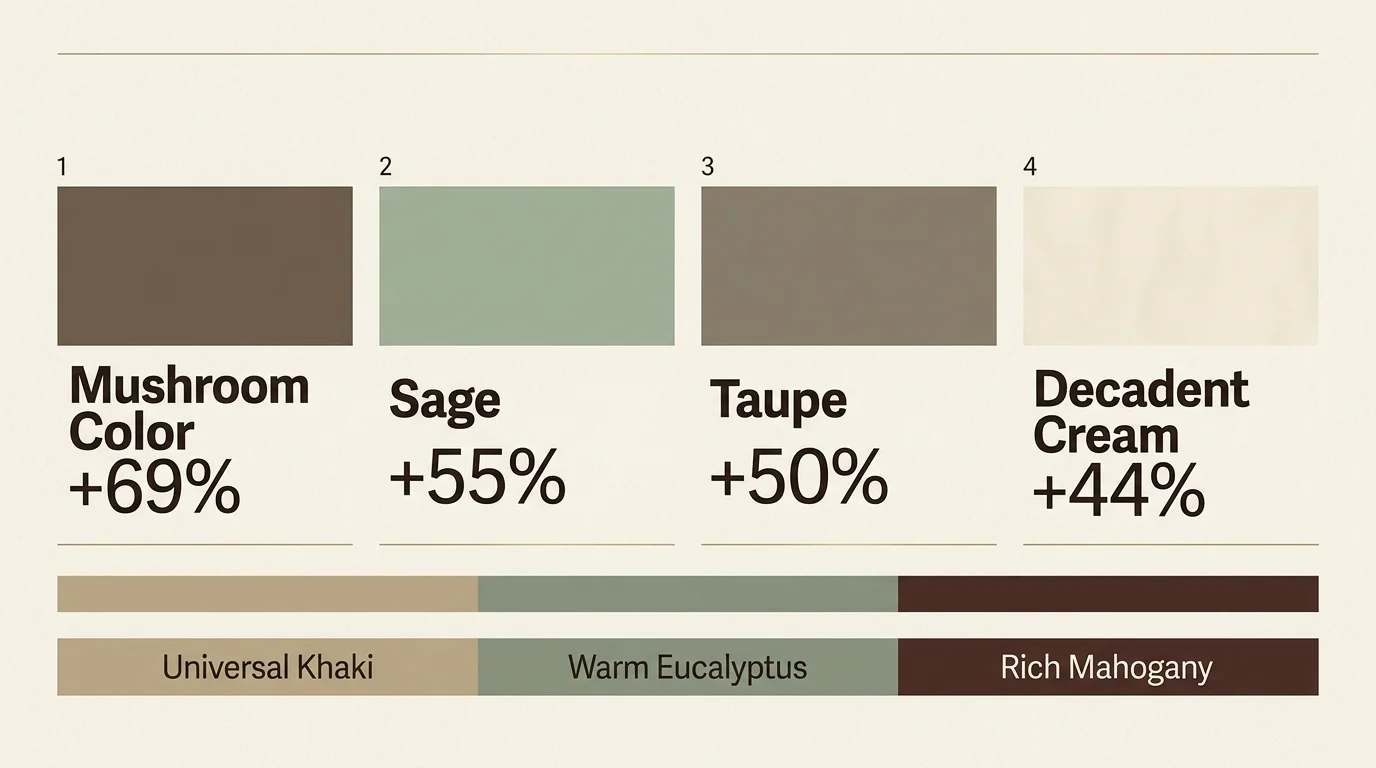
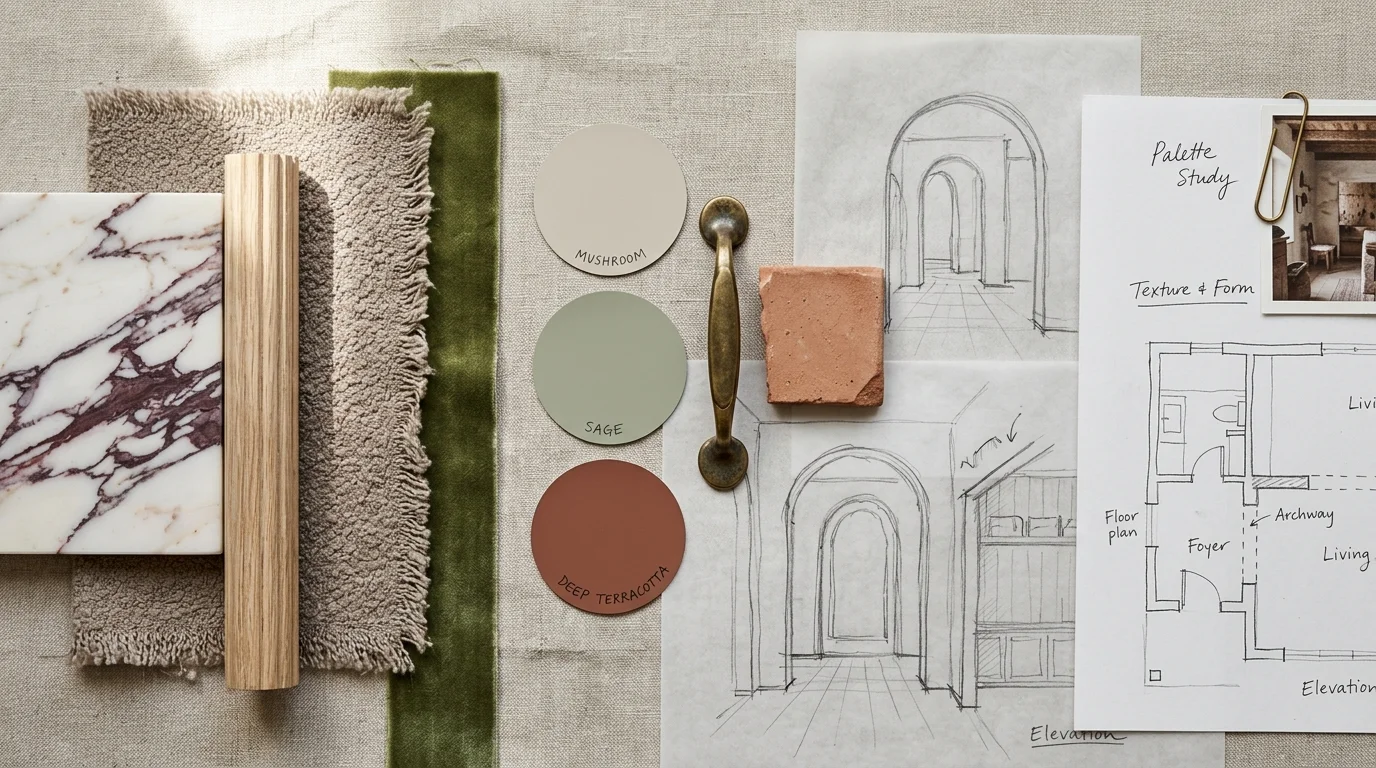
Recent search data from Houzz highlights this dramatic aesthetic evolution across modern homes. Consumer and professional interest has surged for mushroom color (+69%), sage (+55%), taupe (+50%), and decadent cream (+44%).
The Psychology of Earthen Hues
These nuanced colors evoke comfort and psychological grounding in an increasingly fast-paced digital world. Earth-rooted tones create an enveloping sanctuary effect that calms the senses the moment you step across the threshold.
Prominent paint manufacturers have anchored their latest design palettes around these rich, organic foundations. Celebrated selections include Universal Khaki by Sherwin-Williams, Warm Eucalyptus from Valspar, and Glidden’s Rich Mahogany.
These complex colors shift elegantly throughout the day, responding dynamically to changes in natural daylight. Morning sunlight reveals golden undertones, while evening lamplight draws out deep, cozy warmth.
Implementing Monochromatic Color Drenching
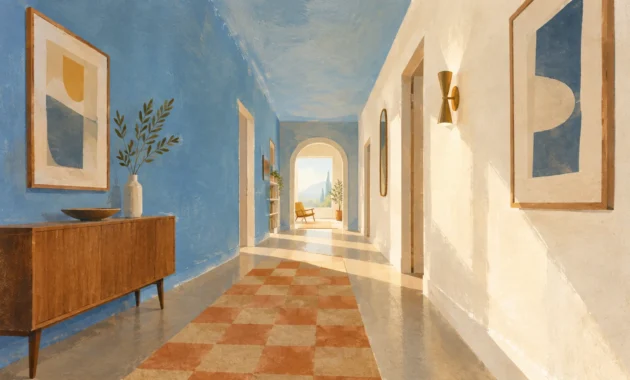
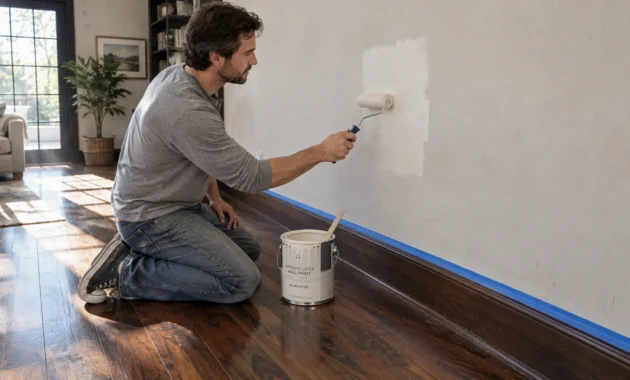
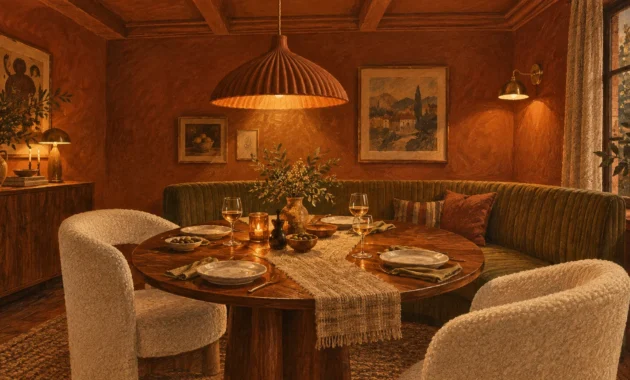
Interior designers maximize these earthy palettes through monochromatic color drenching. This sophisticated technique involves painting walls, crown molding, baseboards, and ceilings in the exact same hue or tonal variations.
Color drenching erases distracting visual breaks, which makes standard-height ceilings feel significantly loftier. It transforms a standard dining room or den into a seamless, cocoon-like immersive experience.
When curating your palette, pair warm taupes and mushroom tones with natural wood species like white oak and walnut. This organic combination creates a timeless foundation that resists transient seasonal fads.
Trend #2: Modern Heritage and Architectural Nostalgia
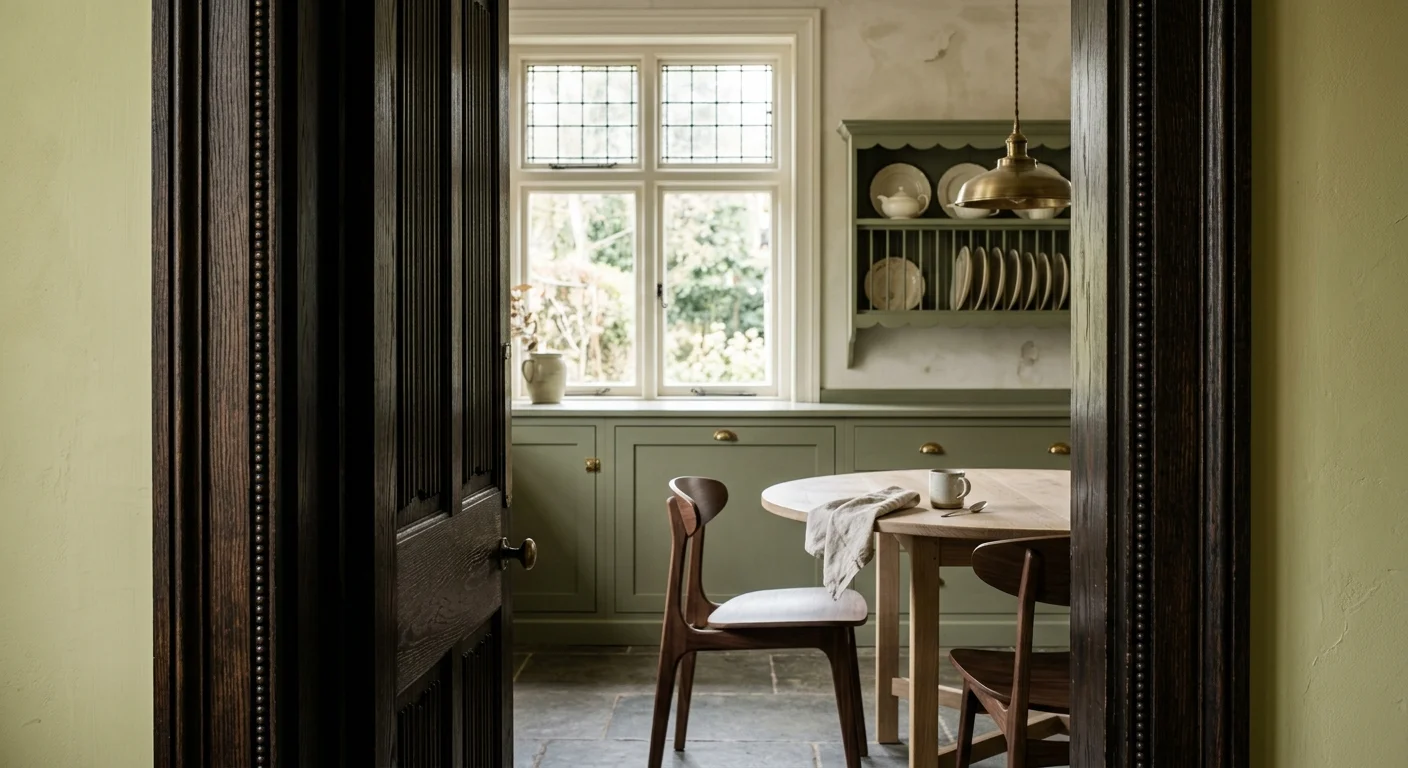
Historic architectural millwork and classical detailing are experiencing a remarkable renaissance across luxury interiors. Designers are eagerly reintroducing the romantic charm of English country manors and modern Tudor estates into contemporary homes.
According to the Houzz Kitchen Trends Study, renovating homeowners choosing traditional styling rose by five percentage points year-over-year. This decisive shift proves that homeowners crave enduring provenance and architectural depth over sterile modernity.
Hallmarks of the New Traditionalism
This design movement highlights bespoke craftsmanship through finely detailed millwork, decorative baseboards, and classic arched passageways. Designers frequently incorporate inset cabinetry, beaded face frames, and soft scalloped edging along open shelving.
Rather than duplicating antique spaces verbatim, modern heritage blends classical proportions with sleek, contemporary restraint. You might see ornate crown moldings juxtaposed against minimalist Scandinavian dining tables and architectural lighting.
Stained wood millwork is replacing painted white carpentry in living rooms, libraries, and culinary spaces. Rich timber finishes highlight the authentic grain of the wood, introducing instant soul and visual gravity.
Crafting Timeless Architectural Character
You do not need a centuries-old property to embrace these trending home design elements. Adding picture-frame molding or tongue-and-groove paneling instantly elevates builder-grade drywall with authentic structural depth.
Introduce vintage and antique furniture pieces to give your rooms a layered, collected-over-time aesthetic. A patinated French commode or an antique Swedish console grounds contemporary spaces with irreplaceable history.
Pay close attention to hardware selections when designing heritage-inspired spaces. Unlacquered brass, aged bronze, and hand-forged iron develop an exquisite natural patina that synthetic finishes cannot replicate.
Trend #3: Dedicated Analog Salons and Experiential Lounges
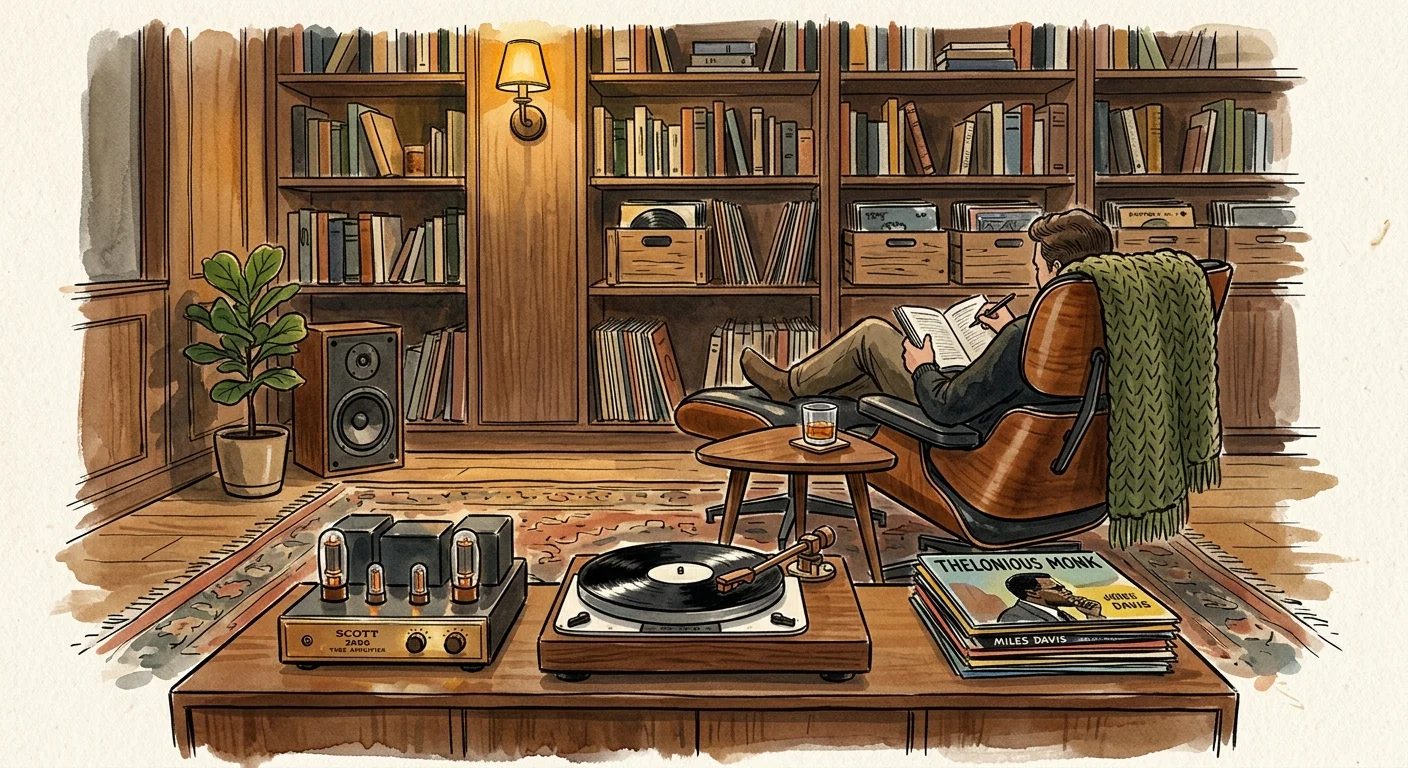
As modern life becomes increasingly saturated with glowing digital screens, homeowners are establishing physical boundaries against technology. Designers are responding by curating specialized, analog-first gathering rooms engineered purely for face-to-face connection and creative leisure.
Houzz trend tracking reveals an extraordinary rise in nostalgic, screen-free recreation spaces across residential floor plans. Searches for mahjong rooms surged nearly 20-fold, while queries for bibliothèques climbed 191%.
Homeowners are also reviving parlor card rooms (+129%) and intimate, sultry home speakeasies (+75%). These dedicated entertainment spaces prioritize tactile hospitality, quiet contemplation, and lingering evening conversations.
Designing for Intimate Social Connection
Analog salons require furniture configurations that encourage engaging, face-to-face interaction rather than orienting toward a central television screen. Designers arrange swivel armchairs, low-slung club chairs, and curved sofas around circular game tables.
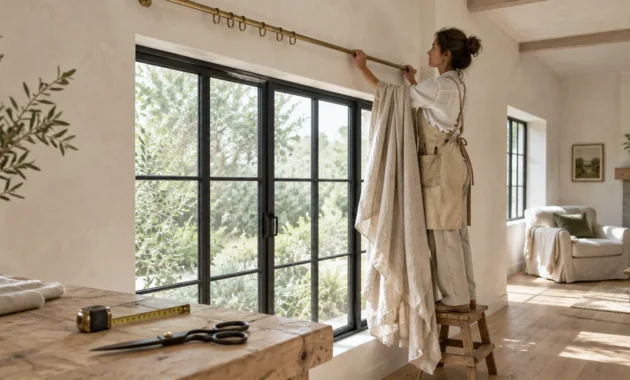
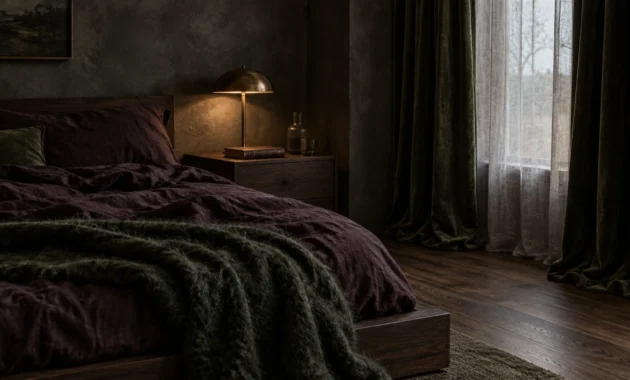
Acoustics play a paramount role in crafting a successful experiential lounge or private library. Heavy velvet drapery, plush wool rugs, and upholstered wall panels absorb ambient sound to cultivate an intimate atmosphere.
Integrate a bespoke wet bar or a dedicated cocktail credenza crafted from figured burl wood. Outfitting the station with cut crystal decanters and antique glassware makes hosting feel like a curated event.
Curating the Modern Bibliothèque
A contemporary home library should serve as a multisensory haven for quiet reading and focused reflection. Floor-to-ceiling bookshelves lined with integrated picture lights create a striking visual centerpiece in any home.
Incorporate deep, down-filled reading chaises upholstered in tactile mohair, rich corduroy, or supple aniline leather. Position adjustable floor lamps with warm brass shades directly behind seating to provide precise, glare-free task lighting.
Mix leather-bound literary classics with contemporary art monographs, sculptural ceramic vessels, and framed personal heirlooms. This thoughtful styling ensures your library reflects your intellectual passions and individual taste.
Trend #4: Biophilic Sanctuaries and Residential Wellness
Personal wellness has migrated from commercial day spas directly into the center of high-end home design. Homeowners are actively commissioning restorative environments that enhance their physical health, emotional balance, and daily circadian rhythms.
Industry metrics underscore this health-conscious design shift: Houzz search data confirms queries for dedicated wellness rooms increased by 164%. Meanwhile, searches for calming interior elements jumped 139%, and interest in biophilic design grew by 112%.
Integrating Biophilic Principles
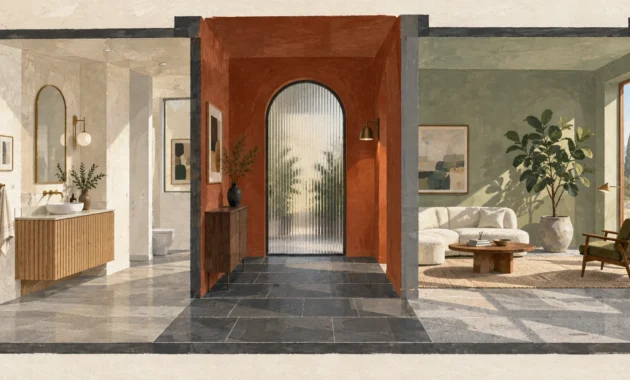
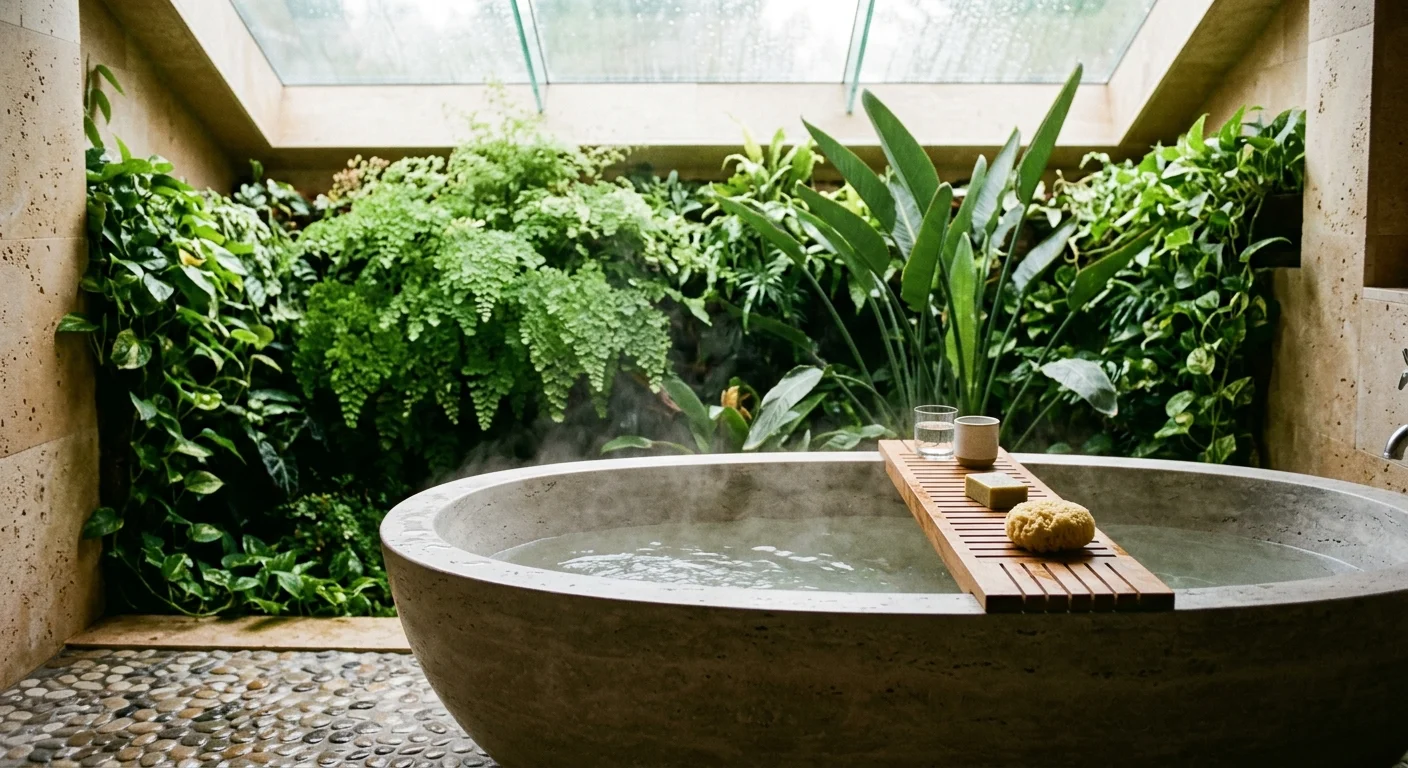
Biophilic design establishes meaningful physical and visual connections between indoor living environments and the natural outdoor landscape. Designers achieve this through floor-to-ceiling glass apertures, private garden courtyards, and expansive natural light wells.
Natural materials such as raw travertine, split-face limestone, and unsealed terracotta ground living spaces in nature. These organic surfaces release zero harmful volatile organic compounds, drastically improving indoor air quality for your family.
Living greenery walls and indoor specimen trees—such as mature olive trees or Japanese maples—act as sculptural focal points. They soften rigid architectural lines while actively filtering indoor air.
The Rise of the In-Home Spa Sanctuary
Primary bathrooms are evolving from purely utilitarian washrooms into fully realized personal wellness retreats. Designers are installing high-performance hydrotherapy soaking tubs, chromotherapy steam showers, and custom infrared sauna cabins.
Lighting design plays a transformative role in reinforcing your natural sleep-wake cycle throughout the home. Smart circadian lighting systems subtly shift color temperature from energizing blue-white daylight to calming, warm amber at sunset.
Incorporate radiant underfloor heating beneath natural slate or marble floor tiles. Stepping onto gently warmed stone turns everyday morning routines into an indulgent, multisensory ritual.
Trend #5: Tactile Dimension and Continuous Slabs
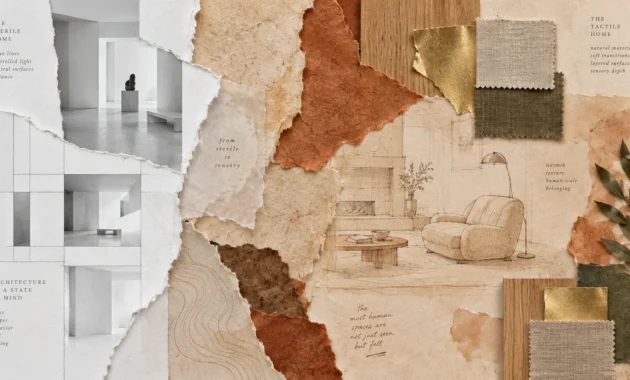
Flat, unadorned surfaces are rapidly giving way to deeply textured, sculptural architectural finishes that beg to be touched. Industry exhibitions like Maison & Objet and Archiproducts spotlight an overwhelming preference for rich dimensional surfaces across cabinetry, stone, and upholstery.
Designers are utilizing vertical fluting, micro-ribbed millwork, and dramatic continuous natural stone slabs to create arresting visual rhythm. These popular interior design ideas inject dynamic texture into both minimalist and maximalist settings.
The Power of Continuous Stone Slabs
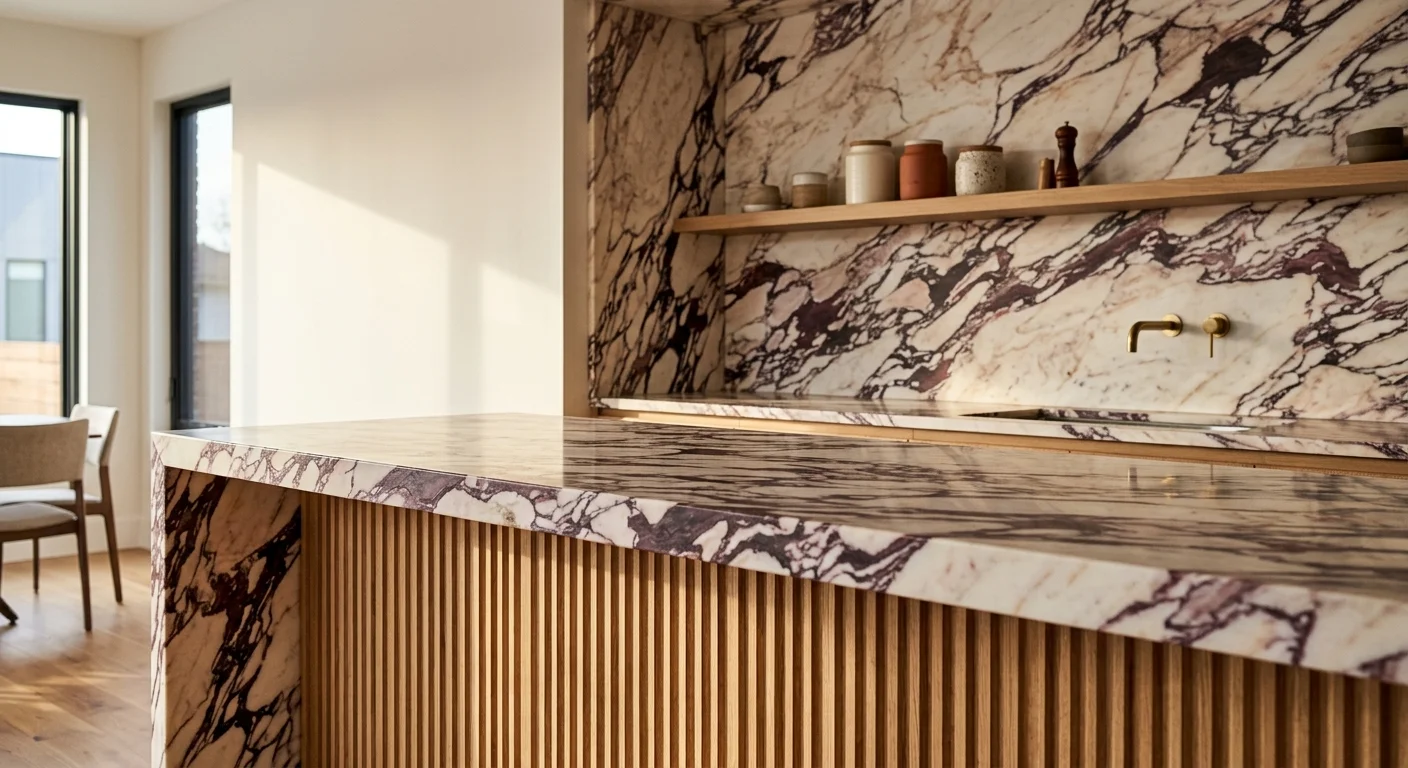
Tile backsplashes with busy grout lines are increasingly replaced by continuous, monolithic stone slabs that span seamlessly from counter to ceiling. Designers select stones with dramatic veining, such as Calacatta Viola marble, Arabescato, or emerald-toned quartzite.
Extending a single slab across countertops, backsplashes, and integrated stone sinks produces a monumental, cohesive aesthetic. The continuous stone surface serves as a breathtaking piece of functional earth art in modern culinary spaces.
Fabricators are carving integrated stone drainage boards and sculpted bullnose edges directly into these massive slabs. This bespoke detailing showcases the raw, unadorned beauty of authentic geological materials.
Sculptural Ribbing and Flat-Panel Cabinetry
According to Houzz kitchen data, flat-panel (slab-front) cabinetry has solidified its position as the number two most popular cabinet style. Homeowners love its clean, refined profile, which pairs effortlessly with textured architectural elements.
To prevent flat-panel doors from feeling stark, designers introduce vertical reeding, tambour details, and fluted glass inserts. This strategic balance provides clean contemporary geometry while ensuring your kitchen retains visual depth and tactile intrigue.
Carry this dimensional texture into your living room through tactile boucle, chunky bouclé wools, and heavily slubbed Belgian linens. Layering contrasting textures keeps neutral color schemes feeling visually captivating, warm, and endlessly luxurious.
The Big Picture: Weaving These Trends into Your Home
Successfully integrating these designer favorite home features requires a deliberate, curated approach rather than wholesale replication. The most captivating homes never feel like transient showroom catalogs; they feel authentic, layered, and deeply personal.
Begin by evaluating the existing architectural bones and natural light conditions of your specific living space. Choose one or two dominant trends that genuinely enhance your daily lifestyle, such as an analog reading salon or an earthy color palette.
Anchor large investments—such as hardwood flooring, continuous stone slabs, and structural millwork—in timeless, natural materials with verified provenance. Authentic stone and hardwood age gracefully over decades, developing a charming patina that synthetic imitations cannot match.
Layer seasonal decorative accents, art, and soft textiles to test bolder trend expressions without committing to extensive structural renovations. A fluted ceramic table lamp or a moss-green mohair throw introduces immediate trend resonance with minimal effort.
Always maintain a harmonious dialogue between adjacent rooms by repeating subtle undertones, hardware finishes, and complementary wood stains. This careful visual rhythm ensures your home flows smoothly from one sanctuary space to the next.
Frequently Asked Questions
How can I transition from cool gray walls to warm earthy neutrals without repainting my entire home?
Start by swapping out cool-toned decorative accessories for warm elements like terracotta pottery, brass hardware, and caramel leather accents. Replace harsh 4000K LED light bulbs with warm 2700K illumination to instantly soften existing wall colors.
You can then repaint high-impact transitional areas, such as the entryway or powder room, in warm mushroom or taupe tones. This gradual update establishes a seamless, warm visual bridge across your floor plan.
Are modern traditional details like scalloped trim and arched doorways a passing fad?
Classical architectural details have anchored fine residential architecture for centuries, making them remarkably resilient against short-lived trend cycles. When executed with high craftsmanship and proper proportions, arched openings and bespoke millwork represent enduring investments.
To ensure longevity, avoid exaggerated novelty motifs and focus on classic profiles that respect your home’s original architectural structure. Authenticity and restrained scale are the ultimate safeguards against aesthetic obsolescence.
How do I create a functional analog gathering space in a smaller, open-concept floor plan?
Define a distinct analog zone within your larger room using a large, high-pile wool rug and intentional furniture placement. Position two comfortable armchairs face-to-face over a small cocktail table, deliberately turning your back to televisions.
Add a dedicated table lamp with warm lighting and a low bookshelf to clearly delineate the reading and conversation boundary. This arrangement creates an intimate, screen-free retreat without requiring dedicated structural walls.
How do flat-panel slab cabinets maintain warmth in a modern kitchen?
Pair flat-panel slab cabinets with rich natural wood veneers, such as rift-sawn white oak or bookmatched American walnut. The prominent, organic wood grain introduces immediate visual movement and warmth to the minimalist cabinet silhouettes.
Complement the wood slab fronts with tactile brushed-bronze hardware and heavily veined natural marble countertops. This dynamic interplay of rich organic textures prevents flat-panel kitchens from ever appearing cold or clinical.
For the latest color forecasts, consult industry leaders like Pantone and paint companies like Benjamin Moore. For professional design standards, refer to the American Society of Interior Designers (ASID).
Disclaimer: This article reflects design trend analysis and predictions. Personal taste and timeless design principles should always guide your decorating choices.