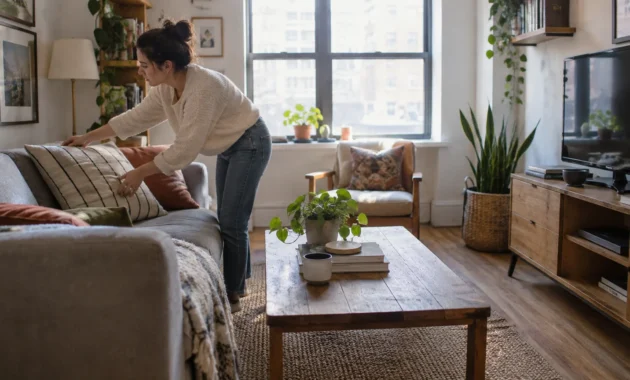
Refreshing your living space no longer requires guessing what feels relevant; the latest home style trends favor authentic expression and timeless craftsmanship over cookie-cutter aesthetics. You can effortlessly elevate your rooms by embracing designs that balance visual warmth with functional ease.
Designers are deliberately leaving behind stark minimalism and showroom conformity. Instead, the newest trending interior design styles prioritize lived-in luxury, rich chromatic storytelling, and tactile natural surfaces.
Whether you are planning a full-scale renovation or refreshing a single room, these seven breakthrough movements will define the next chapter of residential interiors. Explore the standout concepts shaping what’s in for home design right now.

Trend #1: The Curated Provenance and Collected Interior
Homeowners are officially abandoning flat-pack convenience and matching furniture sets. Discerning decorators now celebrate living spaces assembled thoughtfully over decades rather than purchased in a single afternoon.
Recent Houzz designer surveys confirm that residential pros are moving decisively away from catalog-style decorating. Today’s most compelling homes celebrate curated vintage finds, varied wood grains, and bespoke architectural elements.
This shift toward provenance stems from an innate human desire for authentic storytelling. When you display an antique credenza alongside modern art, your interior immediately acquires depth and historic gravity.
To master this approach, mix eras with deliberate restraint. You should pair mid-century silhouettes with 19th-century oil paintings or hand-carved consoles to establish an eclectic yet disciplined balance.
Contrast remains your greatest ally in creating a layered visual narrative. You can soften an austere modern dining table with mismatched antique chairs wrapped in slubby linen upholstery.
Do not shy away from incorporating patina and weathered finishes into your rooms. Dents in a reclaimed oak table or chipped gilding on a French mirror convey timeless character.
Surface texture plays an equally vital role in authentic provenance. Artisanal details—such as uneven lime wash, rough-hewn timber beams, and hand-cut zellige tile—bring irreplaceable soul to everyday living spaces.
Start small by sourcing one unique focal point from a local estate sale or salvage yard. Let that distinctive piece inform your surrounding lighting, rugs, and accent colors over time.
This aesthetic proves that a well-designed home should reflect who you are; it should never look like an uninspired department store showroom.

Trend #2: Saturated Earth and Confection Tones
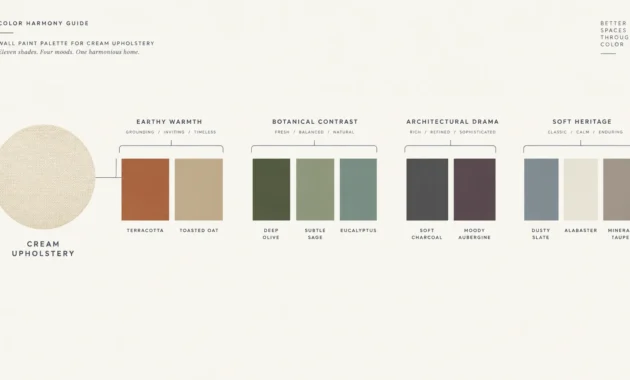
Cool slate grays and stark, clinical whites have finally run their course. Rich, grounding tones now anchor living rooms and intimate dining spaces across the design landscape.
Data from the Houzz Fall Design Trends Report highlights this dramatic pivot; search volume for rust tones surged by 178%, while searches for chocolate brown skyrocketed by 153%.
These enveloping hues evoke security, warmth, and organic luxury. Paint selections like Glidden’s Rich Mahogany exemplify this collective appetite for deep, comforting undertones that instantly make large spaces feel intimate.
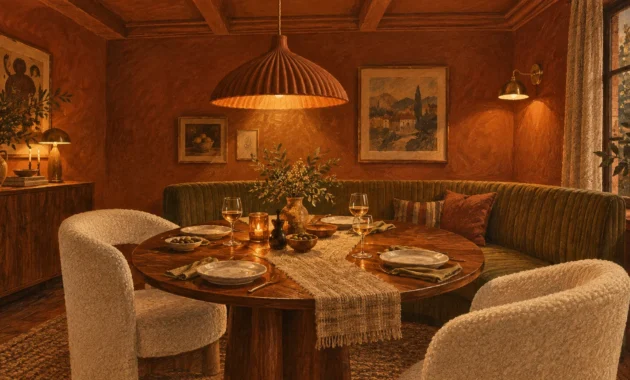
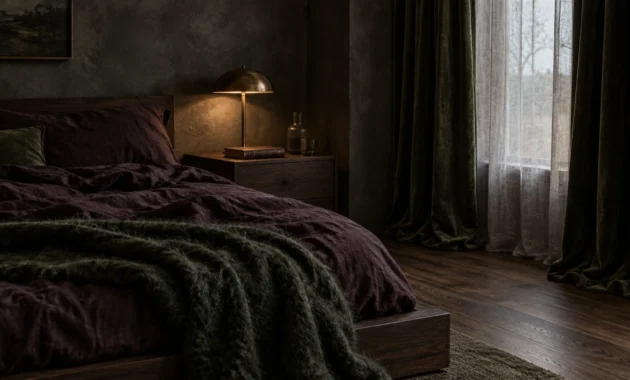
You can envelop an entire library or den in monochromatic mocha to create a cocooning, moody retreat. Applying high-gloss lacquer to deep chocolate walls amplifies ambient light while preserving an intimate atmosphere.
If you prefer subtle accents, introduce terracotta velvet drapery, burnt-umber ceramic vessels, or cognac leather club chairs into your living area. These earthy colors provide an elegant foundation that coordinates effortlessly with natural wood flooring.
Pair these rich confections with unlacquered brass hardware and polished stone accents. The metallic warmth elevates muddy undertones, transforming simple brown paints into opulent visual statements.
Complement your deep walls with textiles in warm camel, hazelnut, and toasted almond. Layering related neutral shades prevents the room from feeling heavy or visually compressed.
Balance these saturated earth tones with plenty of natural greenery and textured woven throws. The organic contrast keeps your palette grounded, vibrant, and thoroughly modern.
Embracing these grounding palettes allows you to cultivate an environment of quiet confidence and enduring comfort.

Trend #3: Restorative Bio-Hues and Transformative Teal
Biophilic design is evolving beyond potted fiddle-leaf figs and herbs on kitchen windowsills. Today’s popular decor ideas demand immersive color palettes drawn from coastal tides and deep forest canopies.
Trend forecasting authorities WGSN and Coloro named Transformative Teal the defining hue of the 2026 home decor trends cycle. This restorative blue-green shade bridges natural serenity with forward-looking technological optimism.
Valspar echoes this aquatic and botanic direction with its tranquil Warm Eucalyptus shade. These colors inject calm into busy households by reflecting the restorative cadence of the outdoors.
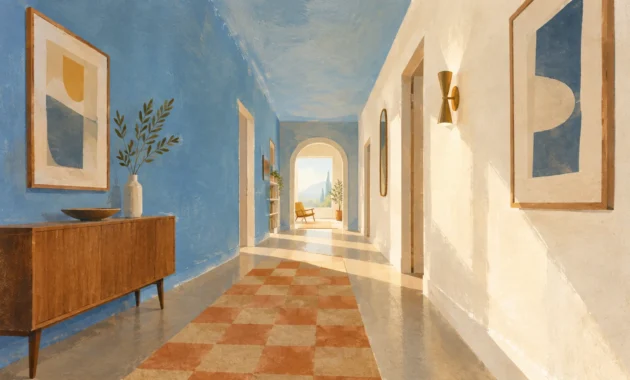
You can utilize transformative teal on cabinetry, entryway ceilings, or upholstered velvet accent seating. The balance of blue and green undertones lends vibrancy without overwhelming adjacent furnishings.
In private suites and primary baths, sea-glass greens and deep teals foster a restorative sanctuary. Pair them with bleached oak vanities and fluted glass partitions to create a spa-caliber aesthetic.
Natural sunlight changes teal dynamically throughout the day. Morning light highlights its crisp blue undertones, while warm evening lamps draw out moody emerald shadows.
Combine these aquatic pigments with matte black accents and warm alabaster light fixtures. The sharp contrast creates architectural definition and prevents deep greens from looking overly rustic.
Consider painting interior doors or trim in eucalyptus green while keeping your walls a gentle off-white. This tailored application delivers high-impact color while preserving an open, airy feeling.
Incorporating these rich aquatic hues into your residence introduces enduring freshness and revitalizing energy.

Trend #4: Quiet Heritage and Traditional Architectural Detail
Sleek, handleless European cabinetry is making way for the charm of classical craftsmanship. Homeowners are falling back in love with traditional detailing that honors architectural heritage.
According to the latest Houzz Kitchen Trends Report, requests for traditional style increased by 5 percentage points among renovating homeowners.
This movement champions authentic woodwork, including inset cabinetry doors, exposed plate racks, and elegantly arched range hoods. These structural choices infuse utilitarian culinary spaces with bespoke character and domestic warmth.
Designers also champion unlacquered brass hardware, which develops an organic patina over time. You will appreciate how living finishes record the passage of time rather than resisting it.
Beyond the kitchen, decorative millwork—including picture frame moldings, beaded wainscoting, and deep crown profiles—adds grandeur to plain drywall. These historic touches establish architectural rhythm in newly constructed homes.
You can modernize this aesthetic by pairing traditional joinery with clean, slab marble countertops. This intentional contrast prevents your kitchen from feeling like an outdated period reproduction.
Install vintage-inspired bridge faucets and pendant lighting with ruffled glass shades over your kitchen island. These tactile details reinforce the sense of enduring culinary heritage.
Display copper cookware on open hanging bars alongside ceramic stoneware platters. Functional kitchen tools double as art when displayed against classic tongue-and-groove paneling.
Reclaiming classical architectural details ensures that your home retains lasting value and enduring visual integrity.

Trend #5: Sensory Surfaces and Tactile Plasterwork
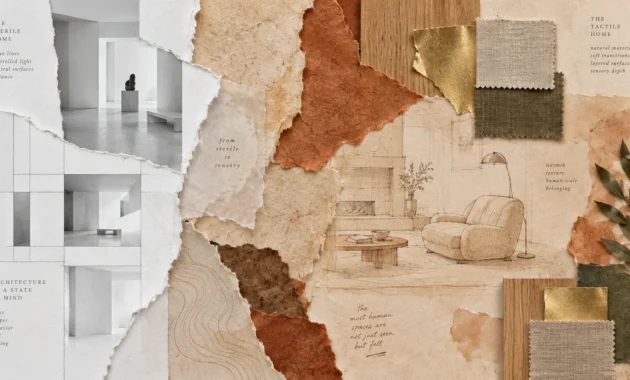
Flat, glossy surfaces are giving way to rich textural variety. Modern interiors increasingly cater to your sense of touch through artisan-applied wall treatments and sculptural masonry.
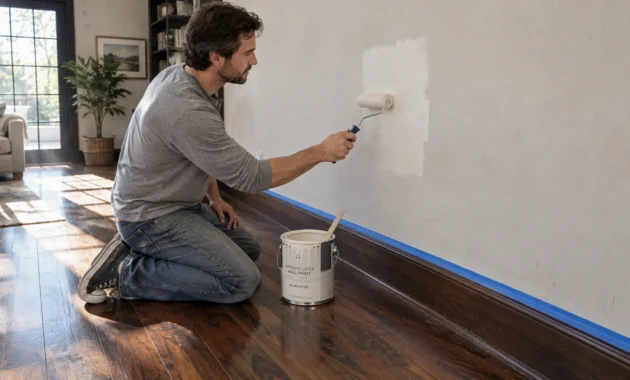
Lime wash, Venetian plaster, and Roman clay have become fundamental tools for forward-thinking interior architects. These mineral-based finishes diffuse light softly, adding velvety depth that flat latex paint simply cannot replicate.
The demand for tactile authenticity extends directly to structural surfaces throughout the home. Hand-pressed zellige tile, split-face limestone fireplaces, and micro-cement floors introduce raw organic warmth into modern layouts.
Upholstery fabrics follow a similarly tactile direction. While bouclé remains familiar, designers now gravitate toward heavy Belgian linens, ribbed corduroy velvets, and chunky wool bouclé blends.
You can introduce this trend into a bedroom by designing an earthy plaster accent wall behind the bed frame. The resulting subtle movement creates a soothing, sensory backdrop for rest.
In dining rooms, consider pairing a honed, unfilled travertine table with raw-silk drapery. Layering these contrasting organic textures produces sophisticated visual drama without demanding loud patterns.
Even minor touchpoints benefit from sensory consideration. Swap standard plastic switch plates for cast brass, and choose brushed-stone cabinet pulls over smooth chrome.
Natural fiber floor coverings—such as jute, sisal, and knotted wool—anchor tactile rooms beautifully underfoot. They add acoustic dampening and earthy texture to expansive hardwood or stone flooring.
Engaging your sense of touch transforms ordinary living areas into comforting, immersive sanctuaries.

Trend #6: The Calming Neutral Reset
As external daily life grows more chaotic, home interiors are turning toward tranquil, low-stimulation color stories. This trend replaces sterile hospital whites with nuanced, complex off-white tones.
Reflecting this cultural craving for peace, Pantone designated Cloud Dancer (PANTONE 11-4201) as its 2026 Color of the Year. This lofty, balanced off-white acts as a calming neutral reset for contemporary interiors.
Similarly, HGTV Home by Sherwin-Williams highlights Universal Khaki (HGSW6150), an adaptable warm beige that bridges sandy stone and creamy ivory.
These nuanced neutrals provide a serene backdrop that lets architectural forms and natural materials shine. You avoid the cold, uninviting vibe of blue-undertone whites while maintaining an airy, luminous ambiance.
When working with a soft neutral palette, emphasize textural variation to avoid visual flatness. Layer creamy cashmere throws, nubby wool rugs, and bleached white-oak furnishings within the same tonal range.
Accentuate these pale neutrals with matte black metal accents or deep walnut furniture frames. These dark grounding elements prevent monochrome spaces from appearing washed out or indistinct.
Incorporate directional warm lighting with color temperatures between 2700K and 3000K. Warm illumination enhances the creamy undertones of off-white walls while eliminating harsh glare.
Consider painting baseboards, moldings, and doors in the exact same neutral tone as your walls. This color-drenching technique simplifies visual clutter, making ceilings feel higher and rooms substantially larger.
A balanced, low-stimulation palette creates a restful sanctuary where your mind can unwind after demanding days.

Trend #7: Sculptural Fluidity and Organic Curvature
Rigid, sharp-edged geometry is softening across contemporary floor plans. Interior designers are embracing gentle arcs, undulating silhouettes, and flowing contours to foster effortless spatial transitions.
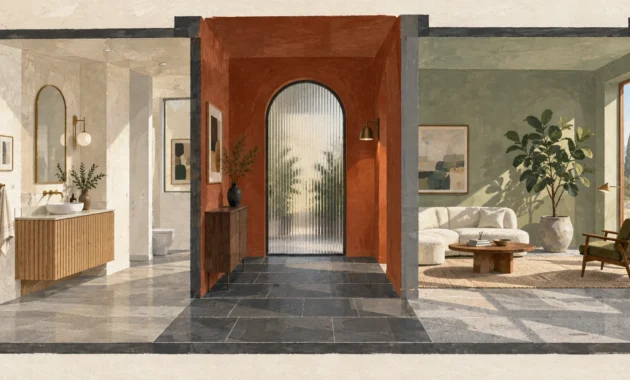
This shift appears in architectural elements like arched entryways, barrel-vaulted ceilings, and radiused island corners. These rounded lines visually soften your home while encouraging fluid movement between rooms.
Furniture silhouettes mirror this architectural evolution. Curved sofas, kidney-shaped marble cocktail tables, and pill-shaped mirrors have become signature staples of trending interior design styles.
Circular furnishings naturally invite conversation in living rooms. Placing a crescent sofa opposite two rounded swivel chairs fosters an intimate, welcoming gathering circle that square sectionals rarely achieve.
You can also embrace curvature through subtle decorative details. Look for fluted ceramic lamps, circular wool rugs, and undulating wood consoles that soften austere linear drywall.
Contrast remains essential when introducing curved elements; balance circular pieces against crisp rectangular windows and tailored drapery. This thoughtful juxtaposition creates an architectural harmony that feels deliberate and polished.
In bathrooms, specify oval soaking tubs and curved floating vanities. The gentle lines turn utilitarian routines into luxurious ritual experiences.
Even kitchen cabinetry benefits from rounded corner posts and softly bullnosed countertop edges. These curved details prevent painful hip bumps in tight galley spaces while looking undeniably bespoke.
Organic curves soften your environment, bringing fluid comfort and sculptured sophistication into every corner.

The Big Picture: Weaving These Trends into Your Home
Embracing current home style trends does not mean transforming your residence into a fleeting showroom catalogue. True sophistication lies in thoughtful curation rather than wholesale trend adoption.
Select one or two trends that genuinely resonate with your personal routine and existing architectural framework. If your house boasts historic bones, traditional millwork and vintage accents offer natural alignment.
For modern, open-concept residences, sculptural curves and tactile plaster finishes inject organic warmth without cluttering clean sightlines. Focus on quality materials that improve with age.
Always test bold color palettes in your own lighting before committing to full-scale applications. Paint large sample boards and observe how pigments like transformative teal or rich mahogany shift from dawn to dusk.
Incorporate seasonal flexibility into your design strategy. You can easily test rich earth tones or tactile corduroy through slipcovers, throw pillows, and accent lamps before repainting cabinetry.
Remember that the most timeless rooms develop gradually. Allow yourself the freedom to hunt for vintage treasures and bespoke artisan pieces over months rather than weeks.
When you prioritize craftsmanship, tactile integrity, and functional comfort, your home effortlessly transcends temporary fads to achieve enduring relevance.
Frequently Asked Questions
How do I mix vintage antiques with modern decor without creating visual clutter?
The secret lies in identifying a shared design thread, such as a cohesive color palette or matching wood undertones. Pair a streamlined modern sofa with a weathered 19th-century coffee table to create balanced tension.
Give each antique piece breathing room by avoiding decorative overcrowding. Generous negative space around vintage furniture highlights its handcrafted silhouette and unique historic patina.
Are warm chocolate brown and rust tones suitable for small rooms?
Yes, deep saturated earth tones can actually make compact rooms feel grander and more intentional. Instead of fighting low square footage, lean into the cozyness by painting both walls and trim in rich mocha.
Ensure adequate layered lighting with warm sconces and table lamps. Polished stone and unlacquered brass accents will bounce ambient light across darker painted surfaces beautifully.
Which 2026 home decor trends offer the highest longevity?
Traditional architectural details, authentic natural materials, and the calming neutral reset possess permanent staying power. Inset kitchen cabinetry, unlacquered brass, and tactile plasterwork will remain elegant for decades.
To safeguard your investment, invest in structural quality and timeless silhouettes. Reserve hyper-specific trending colors for easily replaceable elements like drapery, accent pillows, and decorative ceramics.
How can I integrate transformative teal into a neutral living room?
Begin with focused accent moments before tackling large-scale walls. Introduce transformative teal through textured velvet throw cushions, mouth-blown art glass, or a statement wool area rug.
These ocean-inspired pigments pair flawlessly with warm sandy neutrals like Universal Khaki and creamy Cloud Dancer off-whites. The combination feels balanced, refreshing, and organically sophisticated.
For the latest color forecasts, consult industry leaders like Pantone and paint companies like Benjamin Moore. For professional design standards, refer to the American Society of Interior Designers (ASID).
Disclaimer: This article reflects design trend analysis and predictions. Personal taste and timeless design principles should always guide your decorating choices.