Proper window treatments instantly elevate a home, creating soaring vertical grandeur while softening stark architectural lines. When drapery hangs improperly, it truncates your walls and disrupts the room’s cohesive visual balance.
Avoidable curtain hanging mistakes frequently cause custom textiles to appear visibly stunted and cheap. Correcting these dimensional missteps restores architectural scale, infusing your living spaces with intentional, quiet luxury.
Achieving the perfect curtain length requires thoughtful positioning, precise measuring, and tailored hardware. Discover the fundamental pitfalls that inadvertently make your curtains look short, along with sophisticated remedies to elongate your windows.
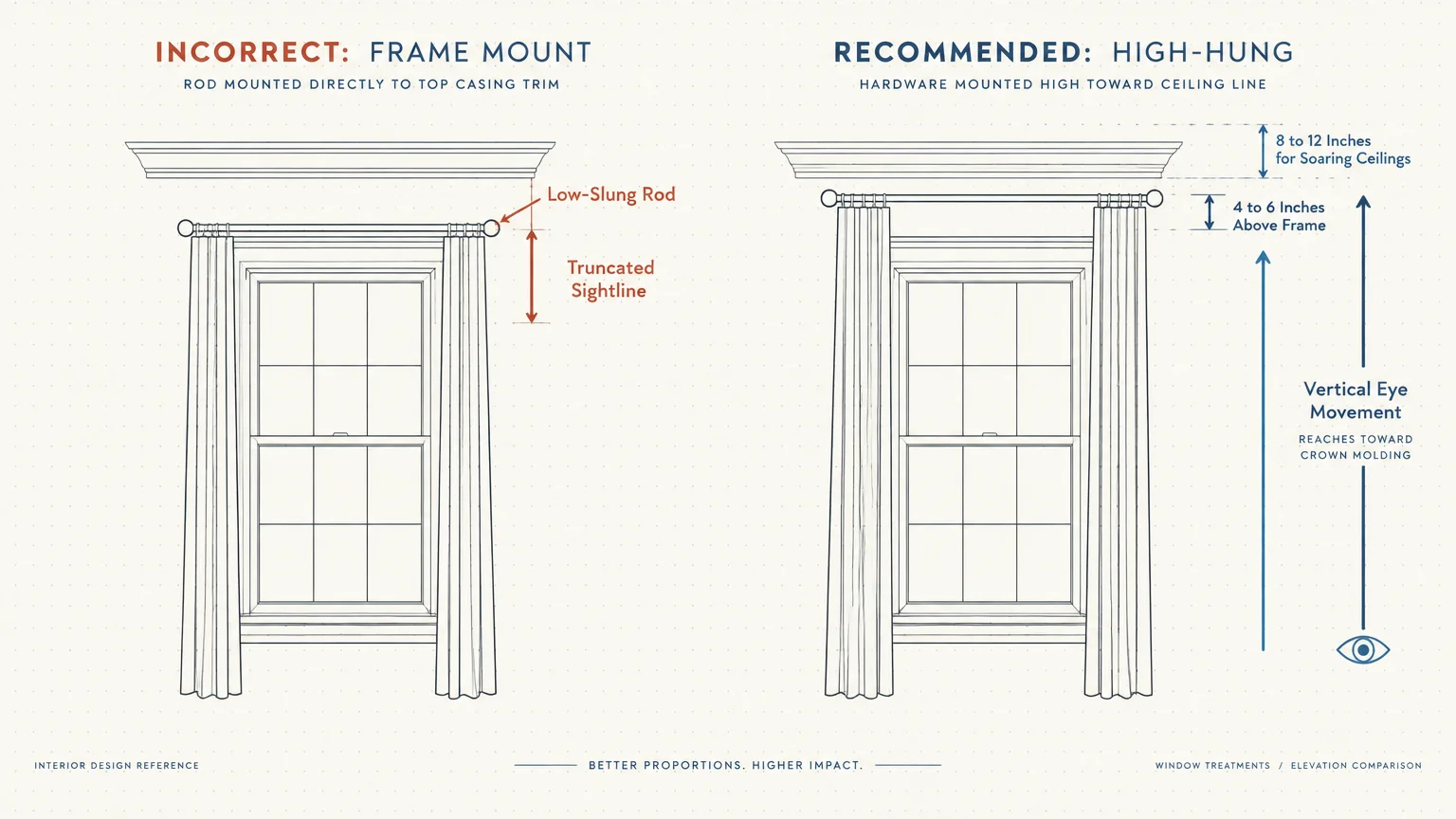
Trend #1: Low-Slung Rod Placement and the Frame Mount Fallacy
Mounting your curtain hardware directly against the top edge of the window trim is an immediate design misstep. This low-slung placement draws the eye downward, severing the natural vertical sightlines of your room.
When you align the rod with the casing, you visually anchor your ceiling height directly to the window frame. The room suddenly feels lower, making expansive rooms appear cramped and cavernous.
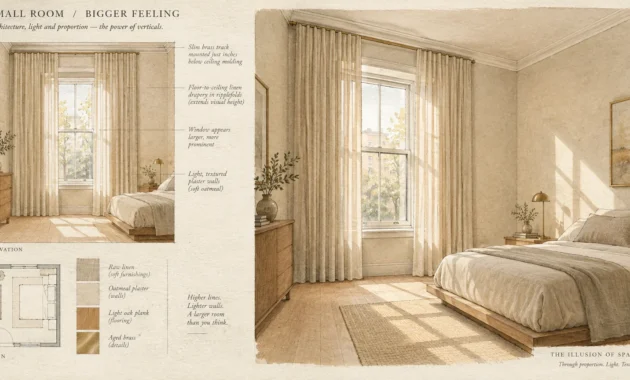
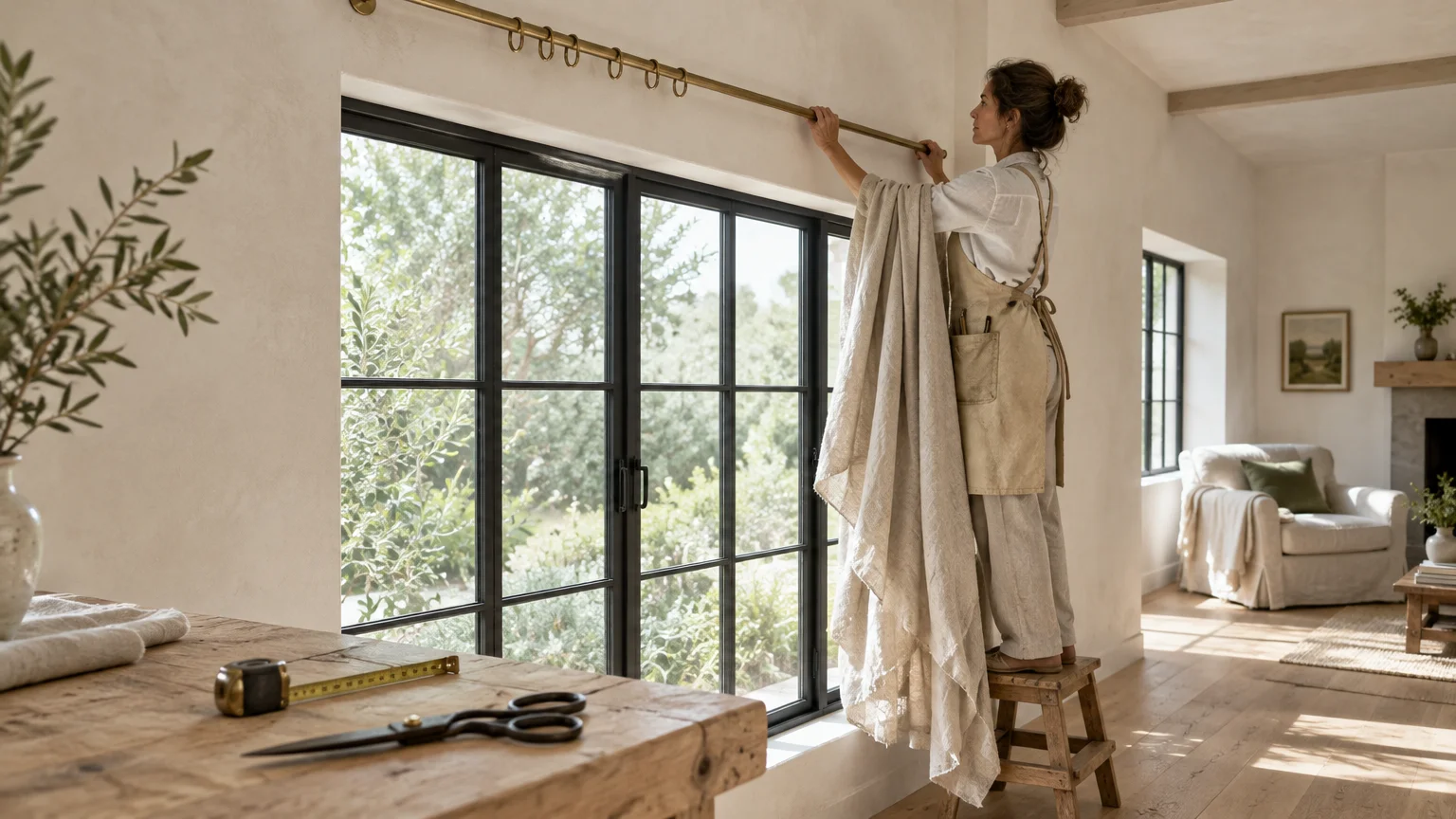
Sophisticated interiors leverage high-hung drapery to celebrate verticality and draw the eye toward architectural details. Install your rod midway between the top trim and the ceiling line, or just beneath the crown molding.
By positioning the hardware at least four to six inches above the frame, you trick the eye into perceiving extra height. The drapery fabric cascades effortlessly from elevated perches, extending the wall plane seamlessly.
In spaces with soaring ceilings, place the rod roughly eight to twelve inches above the casing. This placement establishes dramatic vertical presence without detaching the drapery from the window opening.
Ensure you maintain architectural continuity across adjoining windows by aligning all rods at an identical height. Consistent horizontal hardware alignment unifies varied window shapes into a singular, balanced composition.
Avoid the temptation to buy standard pre-packaged drapery panels before establishing this mounting elevation. Purchasing textiles prior to measuring the elevated rod location inevitably leads to floating panels.
Elevated hardware transforms an ordinary living room into an airy sanctuary defined by structural poise. Your drapery functions as an architectural extension rather than an afterthought.
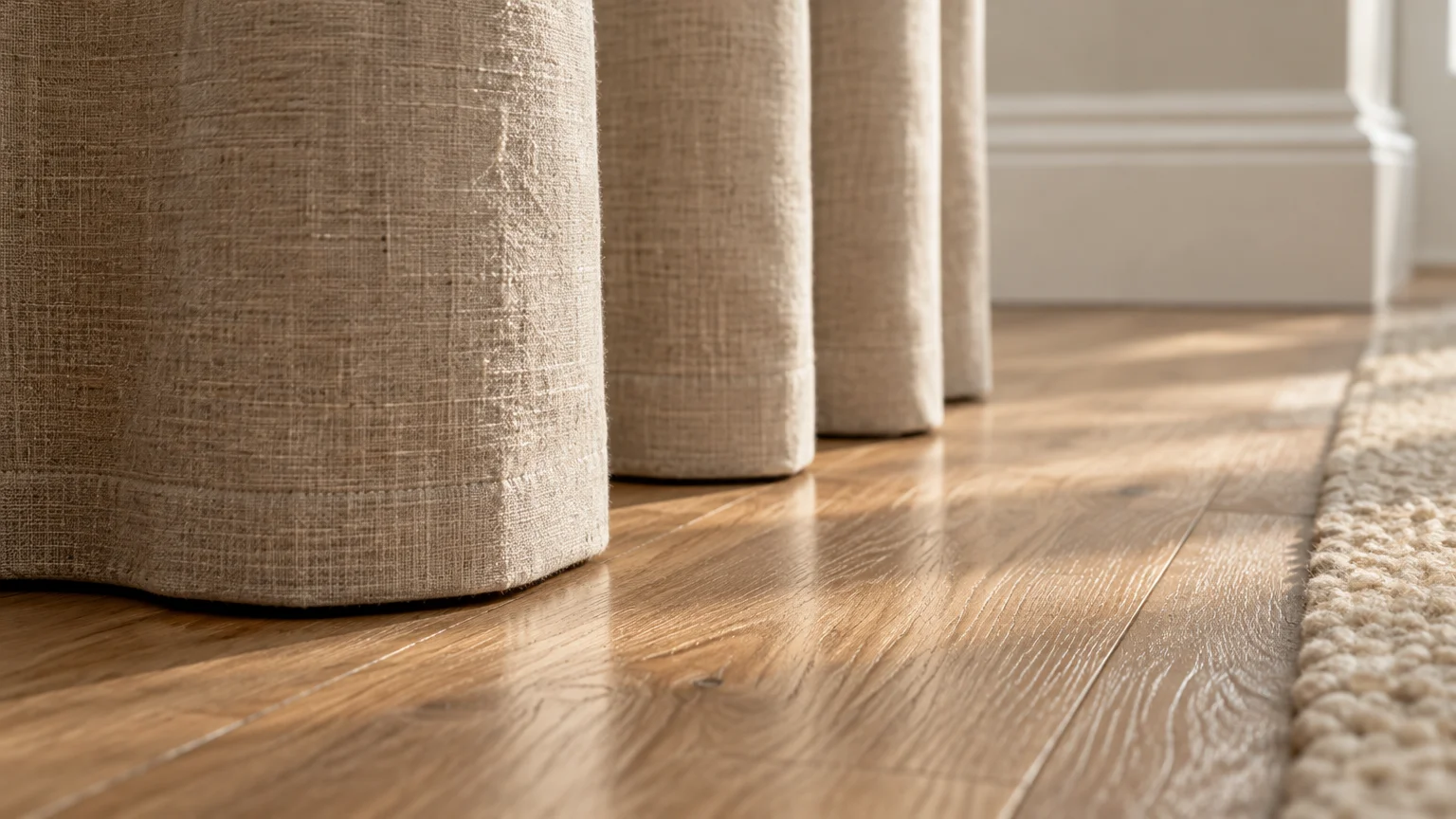
Trend #2: Floating Hemlines and the Awkward Ankle Break
A visible gap between your drapery hem and the flooring creates an awkward aesthetic break. When curtains hover three or four inches off the ground, they resemble ill-fitting trousers that instantly shorten the walls.
This floating hemline disrupts the fluid downward sweep of fabric, drawing unwanted focus to dead wall space. The eye registers the gap immediately, making your carefully selected panels look skimpy and unintentionally short.
High-end interior designers generally aim for a tailored kiss hemline or a delicate break. In a kiss hem, the fabric grazes the floor surface precisely without collapsing or bunching.
For spaces with uneven hardwood or rustic tile, a gentle half-inch break accommodates architectural imperfections gracefully. The fabric rests softly on the floor, masking variances in subfloor levels without compromising tailoring.
Never guess floor-to-rod measurements based on general room dimensions or standard wall heights. Always measure from the actual hanging ring or track clip down to the finished flooring surface.
Keep floor rugs and transitions in mind when measuring drapery drop lengths across living rooms. If the panel falls over a perimeter area rug, calculate your drop based on the rug’s textured pile height.
Tailoring your curtains to kiss the ground creates seamless visual gravity. The continuous fabric line visually anchors the window scheme while preserving expansive ceiling height.
Invest in custom hemming or iron-on hem tape if pre-made drapes fall slightly short after hanging. A quick tailoring adjustment prevents your window styling from looking haphazard or incomplete.
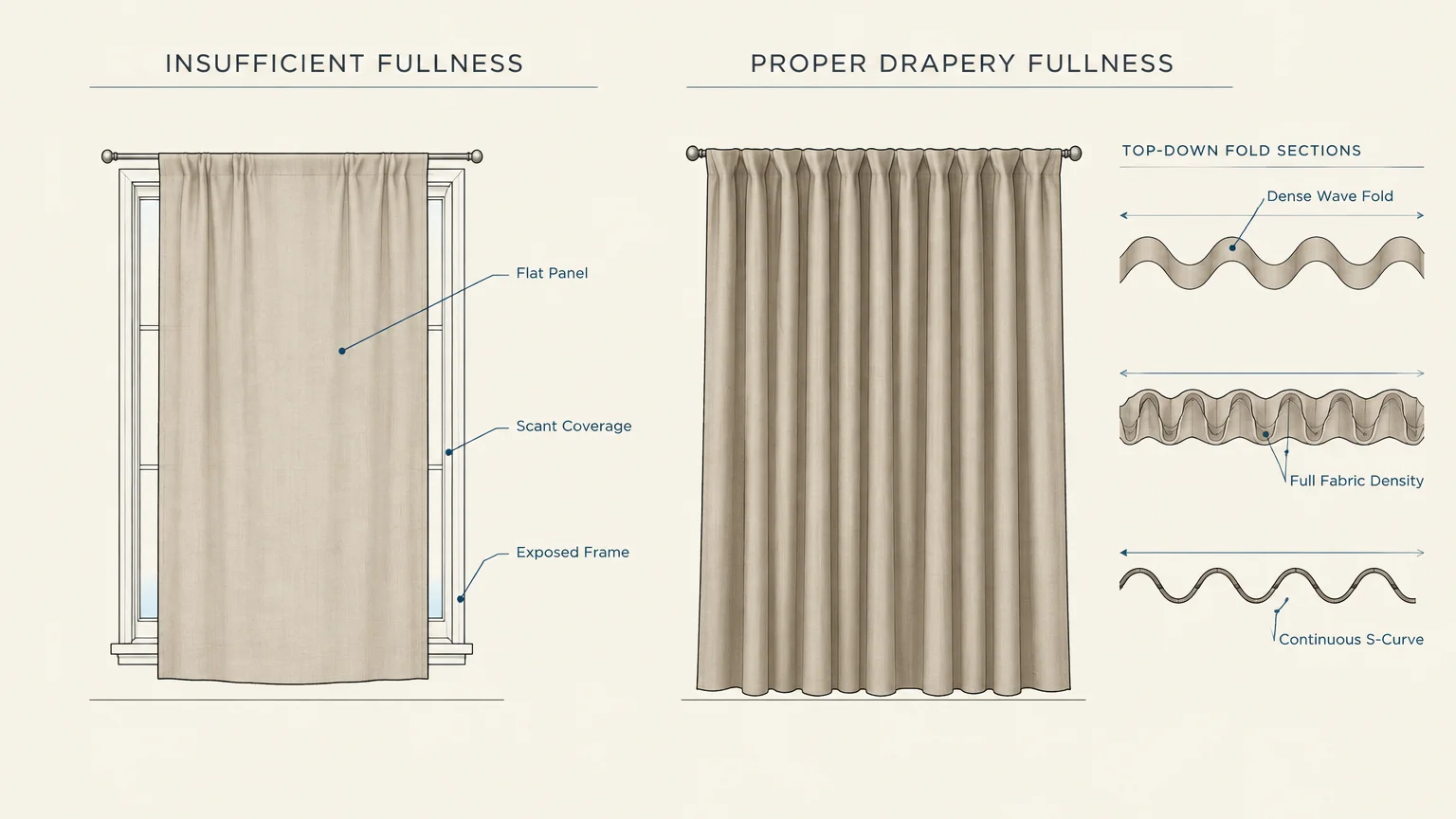
Trend #3: Insufficient Panel Fullness and Scant Drapery
Skimping on fabric fullness ruins the architectural cadence of custom drapery. When closed panels stretch taut like flat sheets, they lose their vertical folds and appear drastically shortened.
Fullness creates shadow lines and deep ripples that naturally draw the gaze upward toward the ceiling. Without adequate fabric volume, drapery panels look two-dimensional, exposing structural seams and visual tension.
To achieve classic quiet luxury, plan for a combined fabric width equal to two or two-and-a-half times the window width. Heavier fabrics, like textured bouclés or velvets, command substantial fullness to drape gracefully.
Sheer drapery demands even greater volume, often requiring up to three times fullness for ethereal presence. This dense wave formation prevents sheer textiles from looking insubstantial against bright outdoor daylight.
When panels lack fullness, light bleeds aggressively around the perimeter edges during daytime hours. This visual glare cuts the fabric silhouette short, diminishing the drapery’s perceived vertical height.
Consider pairing multiple pre-made panels per side if custom fabrication exceeds your project budget. Connecting two drapery panels with subtle blind stitching doubles your visual volume effortlessly.
Rich folds create texture that anchors the surrounding furniture pieces, from low-profile credenzas to sculptural accent chairs. Ample drapery fullness proves that generosity in fabric yields timeless visual elegance.
Prioritizing fabric fullness ensures your drapery stacks neatly during the day without appearing taut or undersized. Deep folds celebrate the tactile richness of your chosen weave.
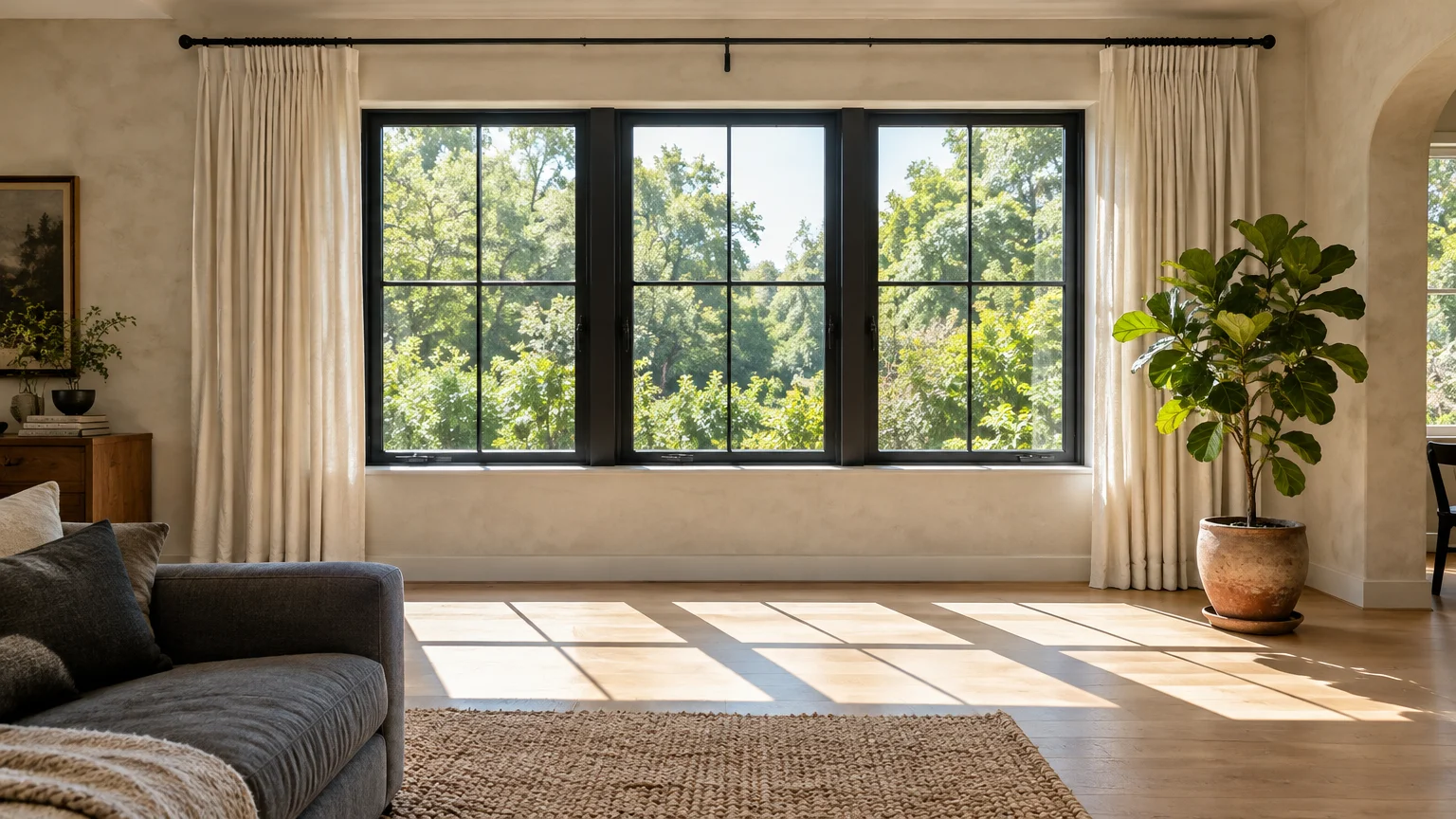
Trend #4: Narrow Rod Overhang and Lateral Window Compression
Confining your drapery rod to the exact width of your window frame compresses the window’s visual footprint. When the rod lacks outward extension, open panels remain parked directly over the glass pane.
Covering the glass obscures incoming daylight and blocks views, causing the entire room to feel gloomy. The trapped panels create wide, stubby borders that flatten the window opening into a squat rectangle.
Extend your drapery rod eight to twelve inches past the outer window molding on each side. This extended projection provides ample space, known as stack-back, for open panels to rest clear of the glass.
Clearing the glass reveals the full window aperture, maximizing natural ambient light throughout your living areas. The curtains frame the window majestically, creating the illusion of an expansive, grand architectural opening.
This wider mounting footprint also makes the window treatments appear taller through classical geometric proportion. A wider horizontal span balances elevated rod heights, generating balanced symmetry across your room.
In compact dining rooms or bedrooms, lateral rod extension makes modest windows read like dramatic picture windows. It creates breathing room around neighboring wall sconces and side consoles.
Be mindful of adjacent architectural corners or cabinetry when planning wide rod overhangs. Allow at least two inches of clearance between the decorative finial and any perpendicular corner wall.
Generous stack-back dimensions honor the true purpose of window dressing: celebrating light while adding tailored softness. Your curtains frame nature like a framed museum masterpiece.
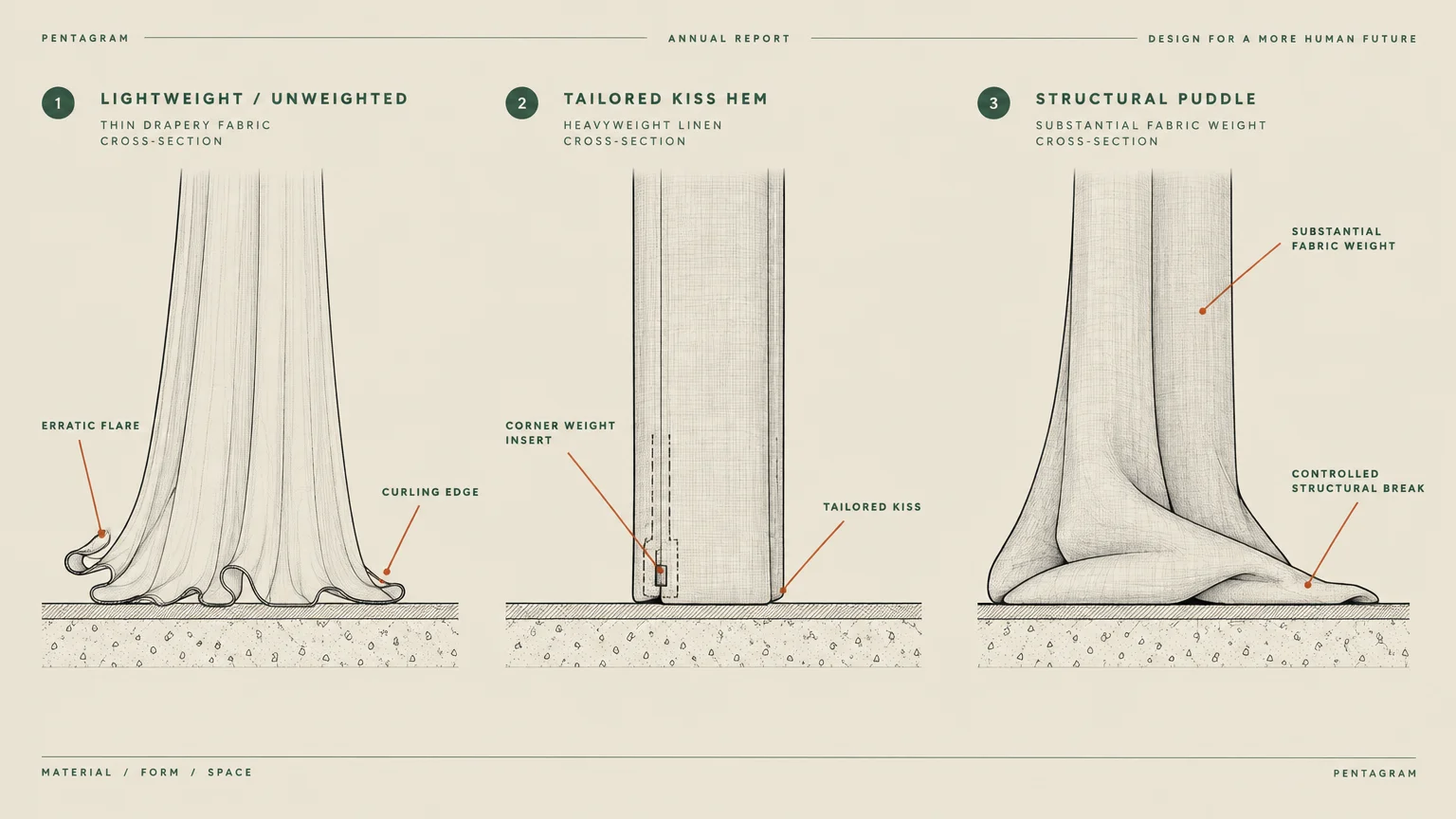
Trend #5: Disregarding Fabric Weight and Structural Puddle
Textile selection heavily influences how gravity interacts with your window treatments over time. Overly stiff synthetic fabrics resist gravity, flaring outward at the hem like an inverted bell.
This flaring phenomenon, known in design studios as kicking, destroys clean vertical lines and truncates panel length visually. The outward bell shape pulls the eye horizontally rather than letting the eye travel up and down.
Conversely, ultra-light unweighted fabrics often flutter erratically, making the bottom hemline look uneven and short. Inserting corner lead drapery weights into the lower hem encourages fabrics to drop straight to the floor.
If you desire an opulent European puddle, execute it with intentional tailoring rather than accidental fabric pooling. An exaggerated, chaotic puddle collapses on itself, making drapery look like it fell from its hooks.
A tailored one-to-two-inch stationary puddle creates casual elegance without collecting excessive dust or disrupting pleat symmetry. Natural linens and washed silks drape into soft, sculptural pools that highlight fiber provenance.
For contemporary environments, avoid puddling altogether and opt for a crisp floor grazing contact point instead. Precision floor clearance showcases bespoke baseboard craftsmanship and crisp modern flooring textures.
Select materials with supple natural drape, such as Belgian linen, wool blends, or soft brushed cotton. These sophisticated textiles respond naturally to ambient humidity while maintaining crisp vertical definition.
Pairing quality fabric weights with lined interiors ensures your drapery panels maintain substantial silhouette stability. Your drapery falls with deliberate grace, anchoring the room’s overarching palette.
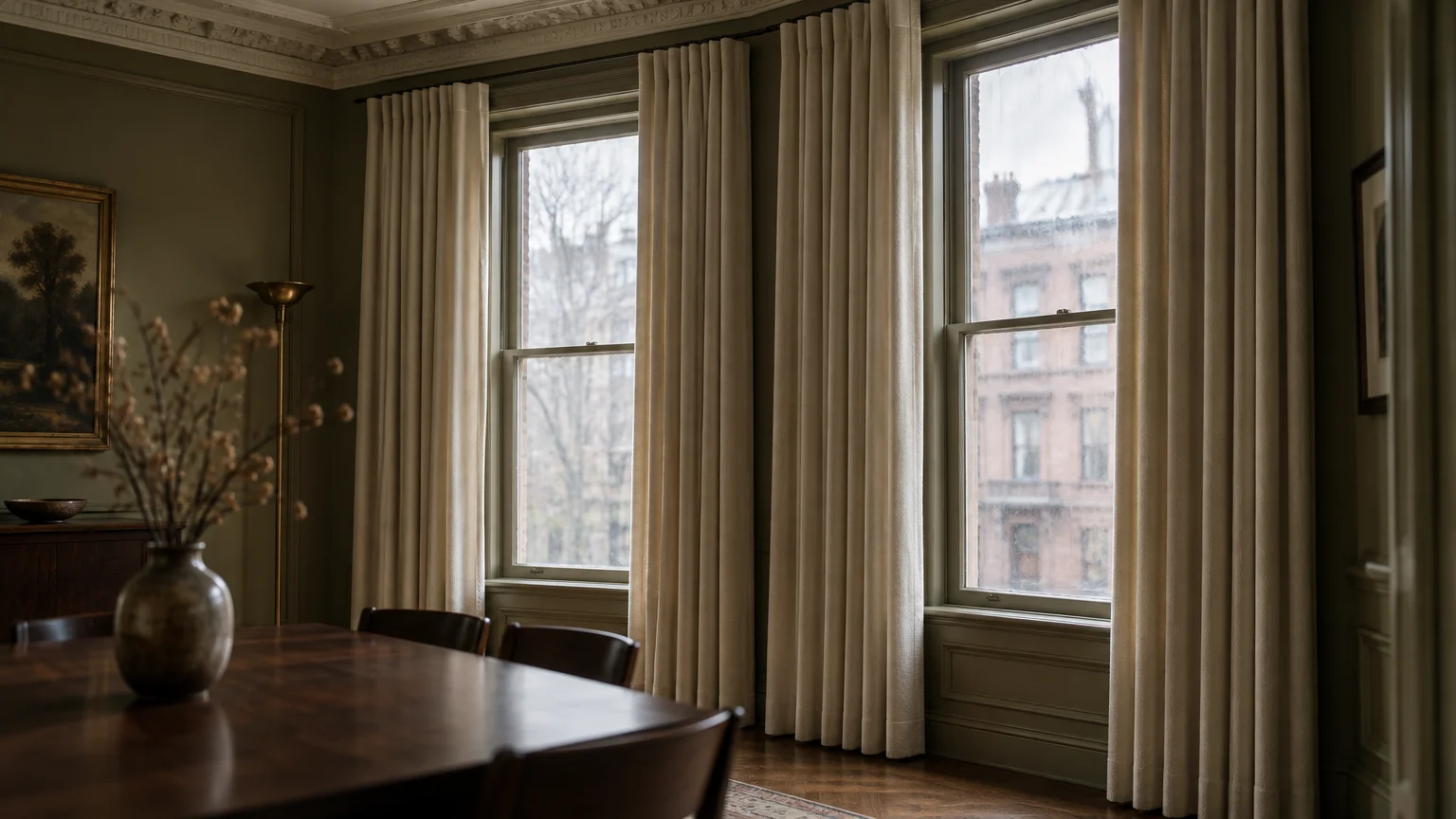
Trend #6: High-Contrast Tiebacks and Visual Bisection
Gathering your drapery tightly at the midway point with rigid tiebacks creates a severe hourglass silhouette. This horizontal cinch bisects your drapery panel, visually cutting its perceived vertical length in half.
Visual bisection interrupts the smooth drop of textile folds, freezing the fabric in an awkward, dated posture. Instead of flowing ceiling-to-floor, the panels read as two short, stacked fabric triangles.
Modern interior aesthetics favor straight, uninhibited panel drops that celebrate effortless verticality and clean lines. Allowing drapery to hang uncinched reinforces the quiet luxury ethos that defines modern design.
If functional requirements necessitate holding drapes open, install holdback hardware considerably lower on the wall. Mount holdbacks roughly one-third of the distance from the finished floor to elongate upper drape proportions.
Choose minimalist metal holdback hooks finished in muted bronze or brushed nickel rather than braided tasseled ropes. Streamlined hardware keeps the focus on fabric quality without introducing distracting visual clutter.
Alternatively, utilize soft magnetic fabric wraps matched tonally to the drapery textile itself. These subtle fasteners gently pull panels back without crushing delicate pleats or pinching the fabric silhouette.
Releasing your curtains from restrictive mid-wall cinches immediately restores full architectural volume. The extended vertical lines direct gaze lines straight toward ceiling trims and crown moldings.
Unbroken vertical pleats create a sense of serenity in contemporary living rooms and restful primary suites. Let the fabric speak for itself through continuous linear movement.
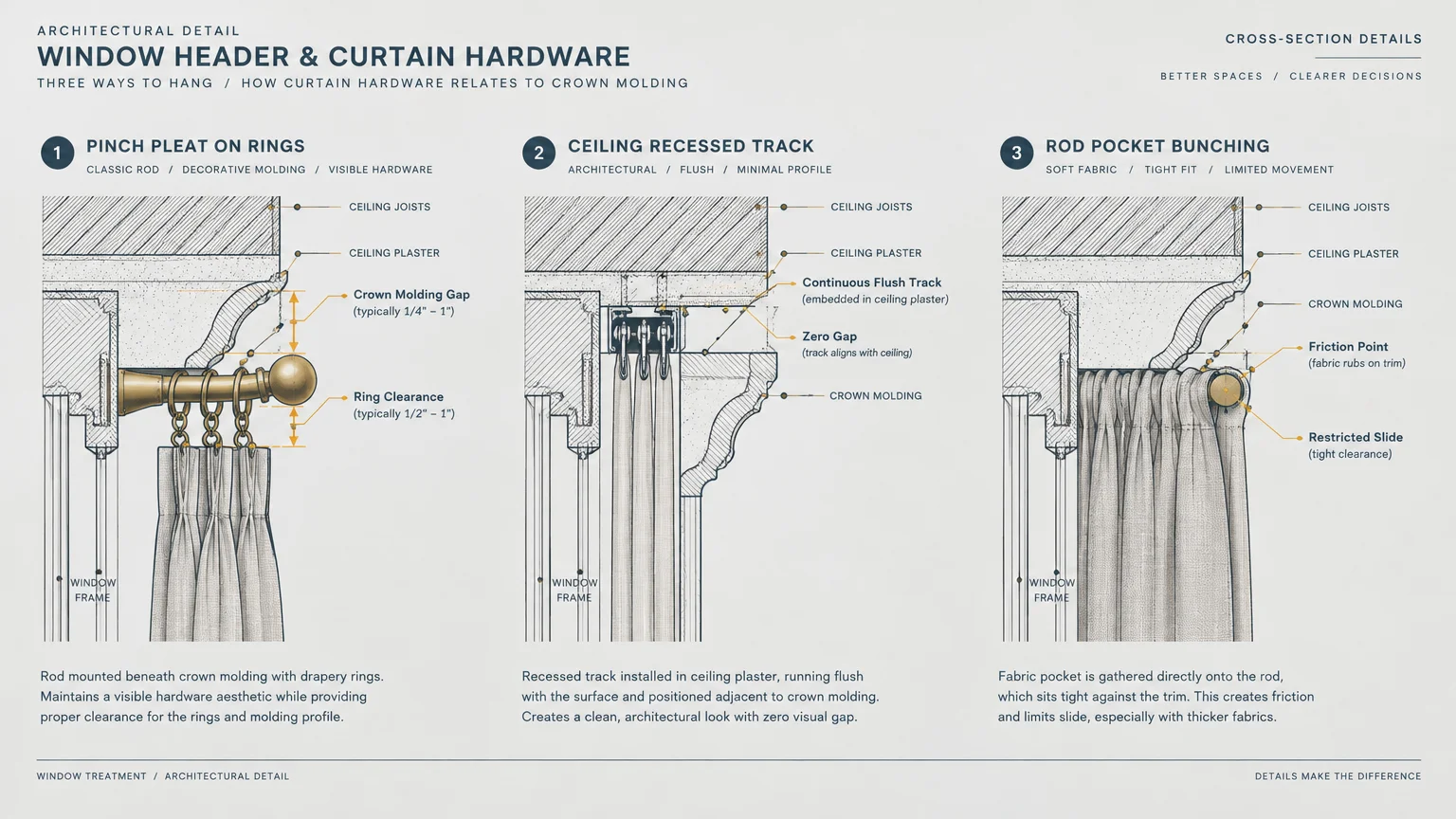
Trend #7: Neglecting Crown Molding and Hardware Heading Styles
The method you use to attach fabric to the hardware dictates how long your panels ultimately appear. Casual grommet tops punch metal rings into the fabric, forcing drapery beneath the rod and exposing hardware gaps.
Grommets waste precious inches above the rod, pushing the visible fabric downward and emphasizing lower ceiling heights. They also create harsh industrial accents that frequently clash with refined architectural moldings.
For sophisticated elegance, choose pinch pleats, French pleats, or sleek ripple-fold drapery headings. Pleat hooks allow you to adjust the pin placement, positioning the fabric top precisely above or behind the pole.
Hiding the rod behind an integrated return or recessed ceiling track eliminates hardware clutter entirely. Ceiling-recessed drapery tracks make your fabric appear to emerge magically from the architecture itself.
Pay close attention to the scale of your crown moldings and baseboard trims when establishing mounting heights. Leaving an awkward two-inch drywall gap between the rod and crown molding creates disjointed visual friction.
Either mount hardware flush beneath your crown molding or incorporate an architectural valance to conceal track mechanisms. This deliberate alignment establishes clean borders that integrate seamlessly into the surrounding architecture.
Select drapery rings with discreet eyelets to keep hanging hardware streamlined and visually quiet. Eliminating bulky hanging components extends the fabric’s reach, maximizing total visual drapery drop.
Harmonizing hardware headings with your room’s classical trim elevates ordinary window treatment tips into architectural mastery. Thoughtful detailing bridges the gap between surface decoration and structural permanence.
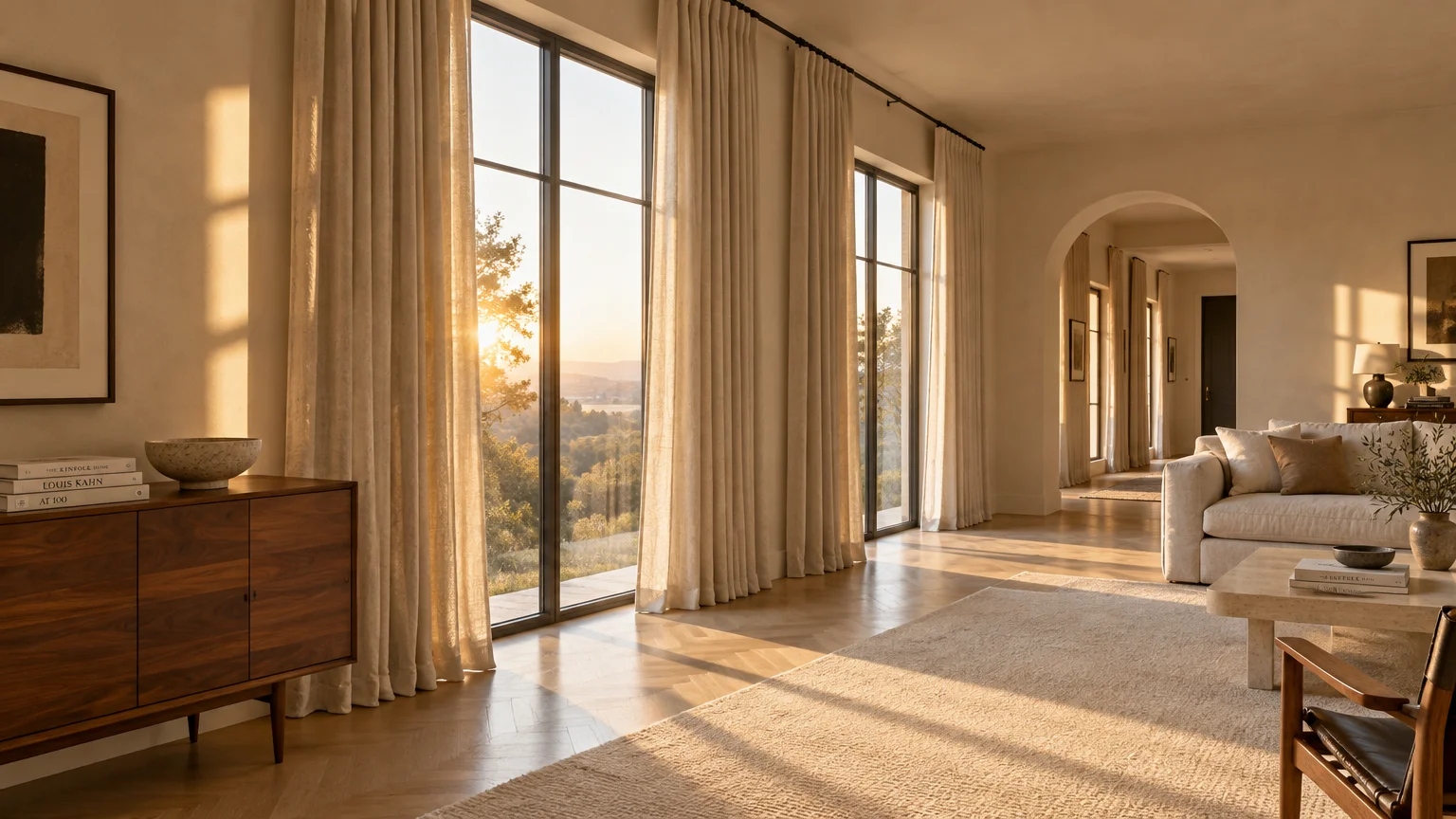
The Big Picture: Weaving These Trends into Your Home
Achieving balanced window styling requires evaluating the entire decorative ecosystem of your living spaces. Window treatments should never exist in isolation from your flooring textures, wall colors, or furniture profiles.
Ground your room with durable, tactile flooring—such as white oak herringbone or honed travertine tile—before setting drapery drops. The conversation between floor materials and textile hems anchors the entire aesthetic room envelope.
Maintain cohesive tonal continuity by harmonizing drapery fabrics with surrounding wall paint and woodwork finishes. Selecting panels just half a shade lighter or darker than walls builds gentle, cocooning monochromatic depth.
Incorporate biophilic influences through unbleached linen weaves, earthy textured wools, and organic slub cottons. These tactile fibers introduce comforting warmth while filtering daylight with soft, atmospheric resonance.
For the latest color forecasts, consult industry leaders like Pantone and paint companies like Benjamin Moore. For professional design standards, refer to the American Society of Interior Designers (ASID).
Avoid chasing fleeting fads in hardware finishes; choose classic blackened iron, unlacquered brass, or muted champagne silver. These enduring metals acquire rich provenance and character as they age within your home.
Treat window styling as an investment in spatial proportion and visual well-being. When you hang curtains with calculated intentionality, your ceilings soar and your living spaces exude calm sophistication.
Disclaimer: This article reflects design trend analysis and predictions. Personal taste and timeless design principles should always guide your decorating choices.
Frequently Asked Questions
How far above the window frame should curtain rods be hung?
Mount rods four to six inches above the window frame, or midway to the ceiling line. If you have tall ceilings, hanging rods eight to twelve inches above creates dramatic height.
Avoid mounting rods directly against the window casing, as this cuts off visual height and shrinks the room. Placing the hardware close to the ceiling draws the eye upward effortlessly.
Should curtains touch the floor or hover slightly above it?
Curtains should lightly touch the floor with a tailored kiss or rest with a soft half-inch break. Floating curtains that hover several inches off the ground disrupt sightlines and look unfinished.
If your floors are uneven, opt for a slight half-inch floor break to conceal floor level imperfections smoothly. This relaxed drape ensures the panels never look short or awkward.
How do I make ready-made curtains look custom and elongated?
Purchase the longest available standard length, such as ninety-six or one-hundred-eight inches, and hem them to size. Adding clip rings or pleater tape transforms flat panels into tailored pleats instantly.
Hang the drapery rod high and wide, past the window frame, to maximize visible glass and fabric volume. Steaming your curtains thoroughly removes creases, allowing folds to fall straight to the floor.
What is the ideal curtain width relative to the window?
Aim for a combined drapery panel width that measures two to two-and-a-half times your window’s width. This generous ratio guarantees luxurious pleating and prevents panels from looking taut when closed.
For sheer curtains, consider increasing fabric volume to three times the window width. Ample fabric fullness introduces rich visual texture while effectively softening incoming natural light.