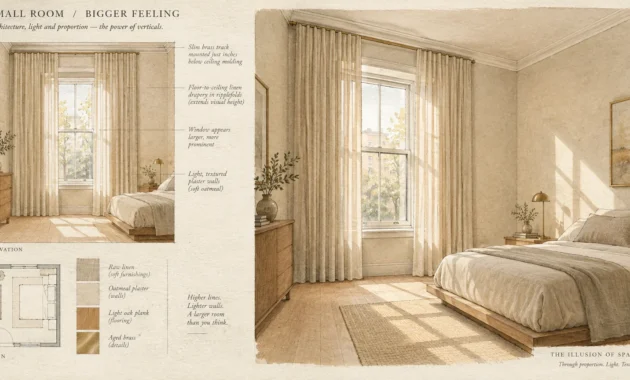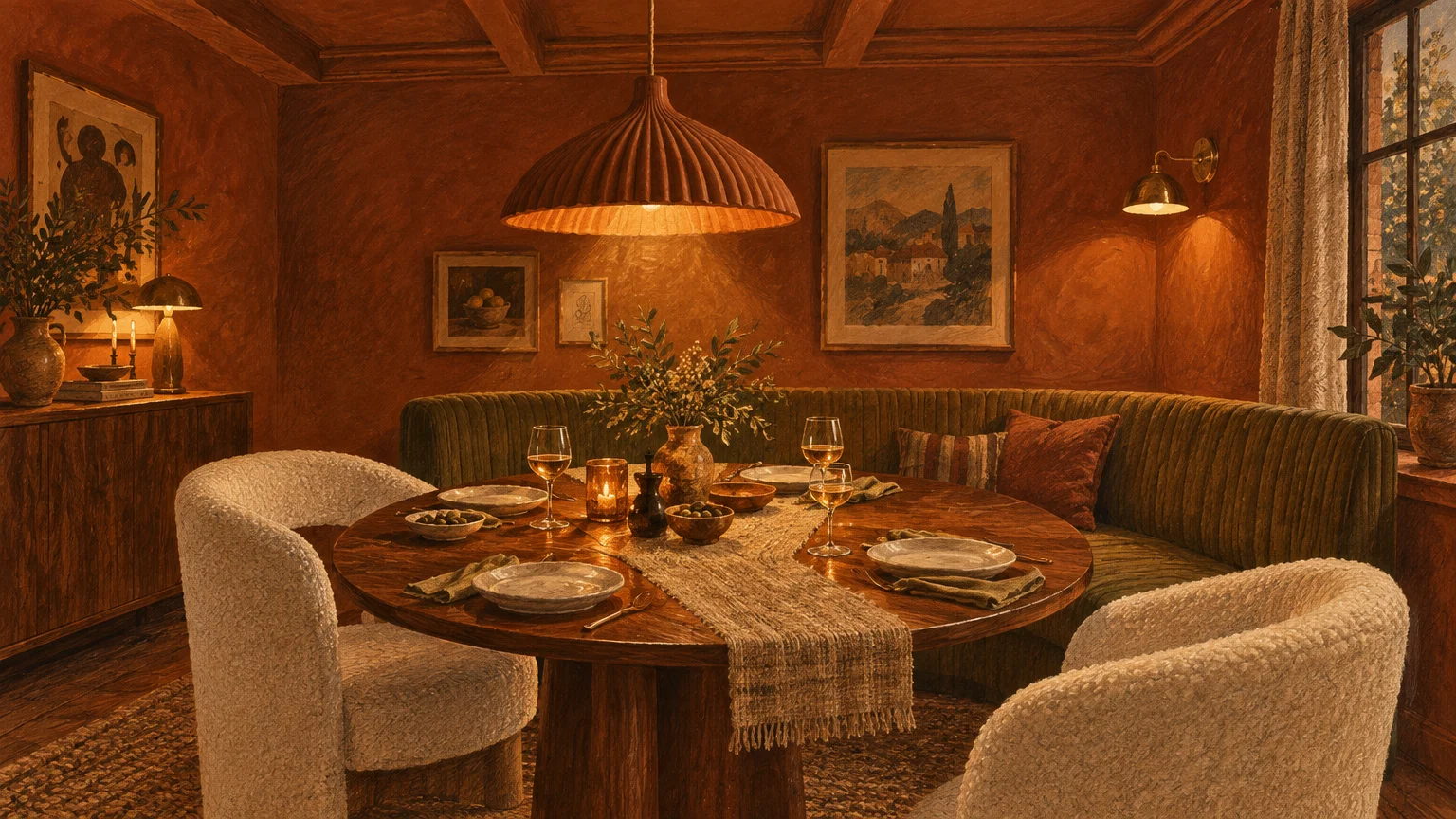
Transforming your dining room into an intimate sanctuary begins with deliberate tactile and atmospheric choices. Thoughtful textures, warm color palettes, and nuanced illumination immediately banish cold formality.
A cozy dining room decor encourages dinner guests to linger effortlessly long after dessert plates clear. You can readily balance refined sophistication with comforting warmth by rethinking your room’s foundational finishes.
Explore the essential design shifts that turn cavernous, sterile dining areas into welcoming gathering hubs. These seven curated strategies elevate comfort while showcasing timeless interior artistry.
Trend #1: Enveloping Color Drenching with Earthy Pigments
The Cocooning Power of Saturated Surfaces
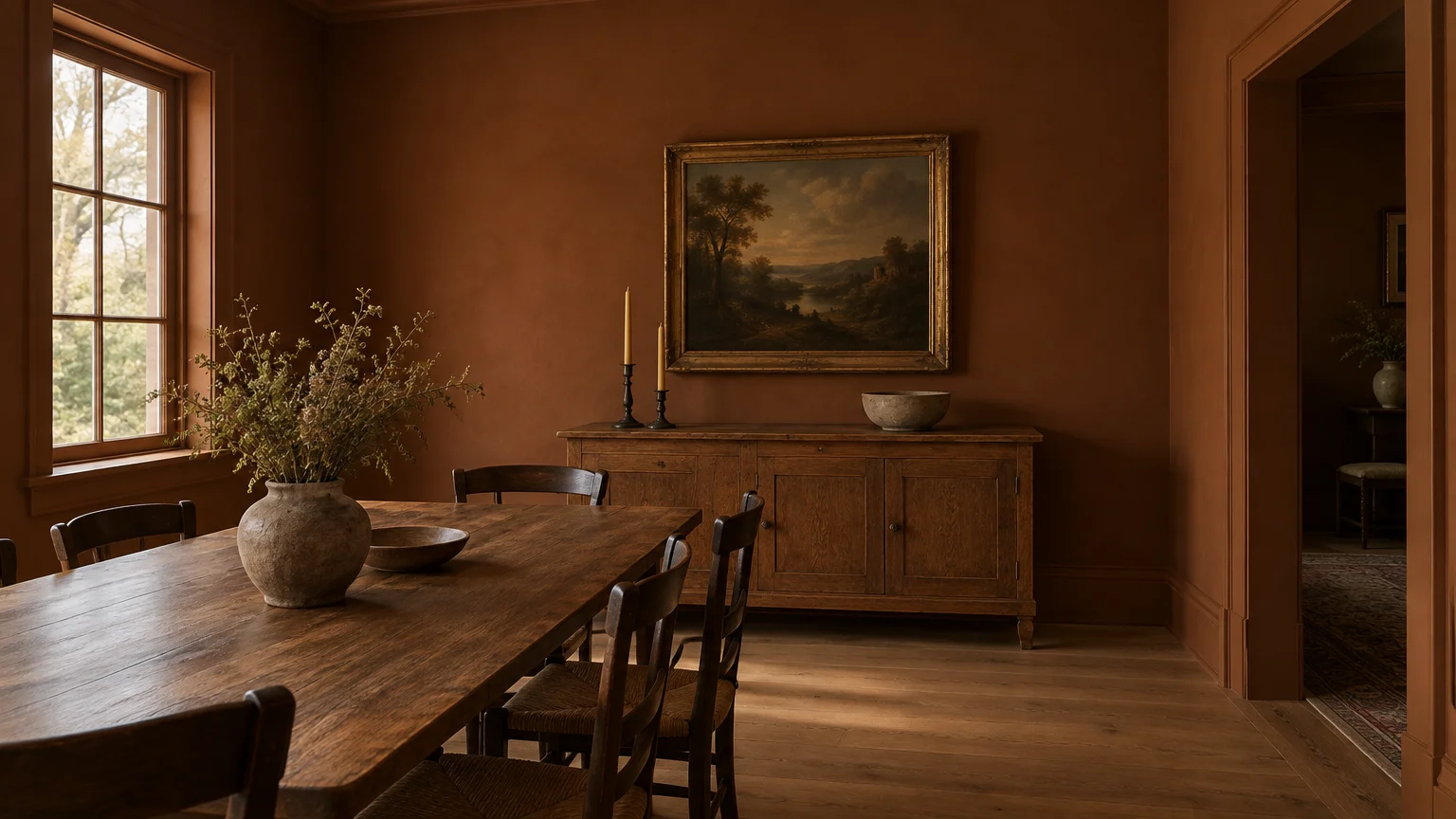
Color drenching saturates your walls, baseboards, and ceiling in a single, deeply rich hue. This bold application erases stark visual boundaries and immediately produces an enveloping, cocoon-like atmosphere.
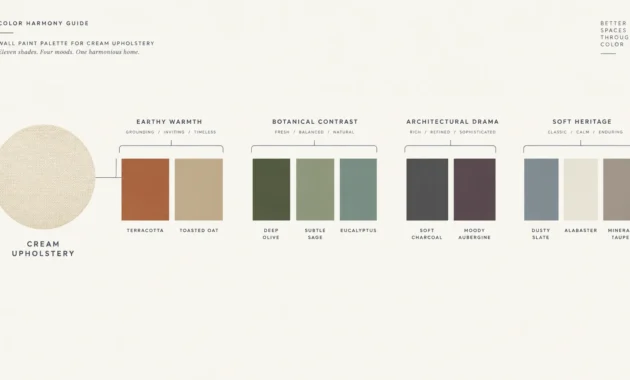
Modern homeowners are actively abandoning sterile, cool grays in favor of warm dining room design. Saturated tones like terracotta, warm umber, and muted fig provide an innate sense of historic grounding.
When you wrap the entire architectural envelope in unified color, harsh shadows soften across the perimeter. The room suddenly feels secure, curated, and inherently snug rather than intimidatingly formal.
Selecting Velvet Finishes and Harmonious Trim
Select velvet-matte or chalky finishes for your walls to absorb ambient light rather than reflect glare. Flat paint formulations lend a suede-like visual texture that dramatically enhances sensory warmth.
Balance these immersive pigments with warm off-white trim if total saturation feels overly dramatic. Even a ceiling painted two shades lighter than the walls preserves the illusion of an architectural embrace.
Richly saturated surfaces allow gilded frames, oil paintings, and patinated metals to emerge with cinematic contrast. This dramatic visual framing makes your wall decor feel intensely deliberate and curated.
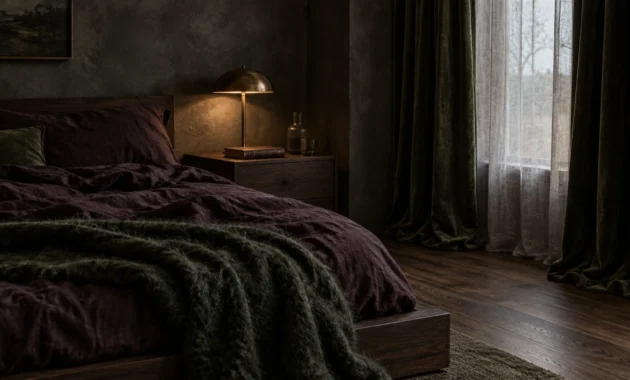
If your dining room receives limited natural daylight, do not fight the darkness with bright white paint. Leaning into deep ochre, rust, or chocolate tones works with natural shadow lines to amplify cozy drama.
Trend #2: Tactile Dining Chairs in Bouclé, Velvet, and Supple Leather
Prioritizing Multisensory Seating Comfort
Hard, unyielding dining chairs shorten dinner parties and create an unwelcome visual stiffness. Replacing rigid wood seats with sumptuously upholstered chairs immediately signals physical comfort and refined leisure.
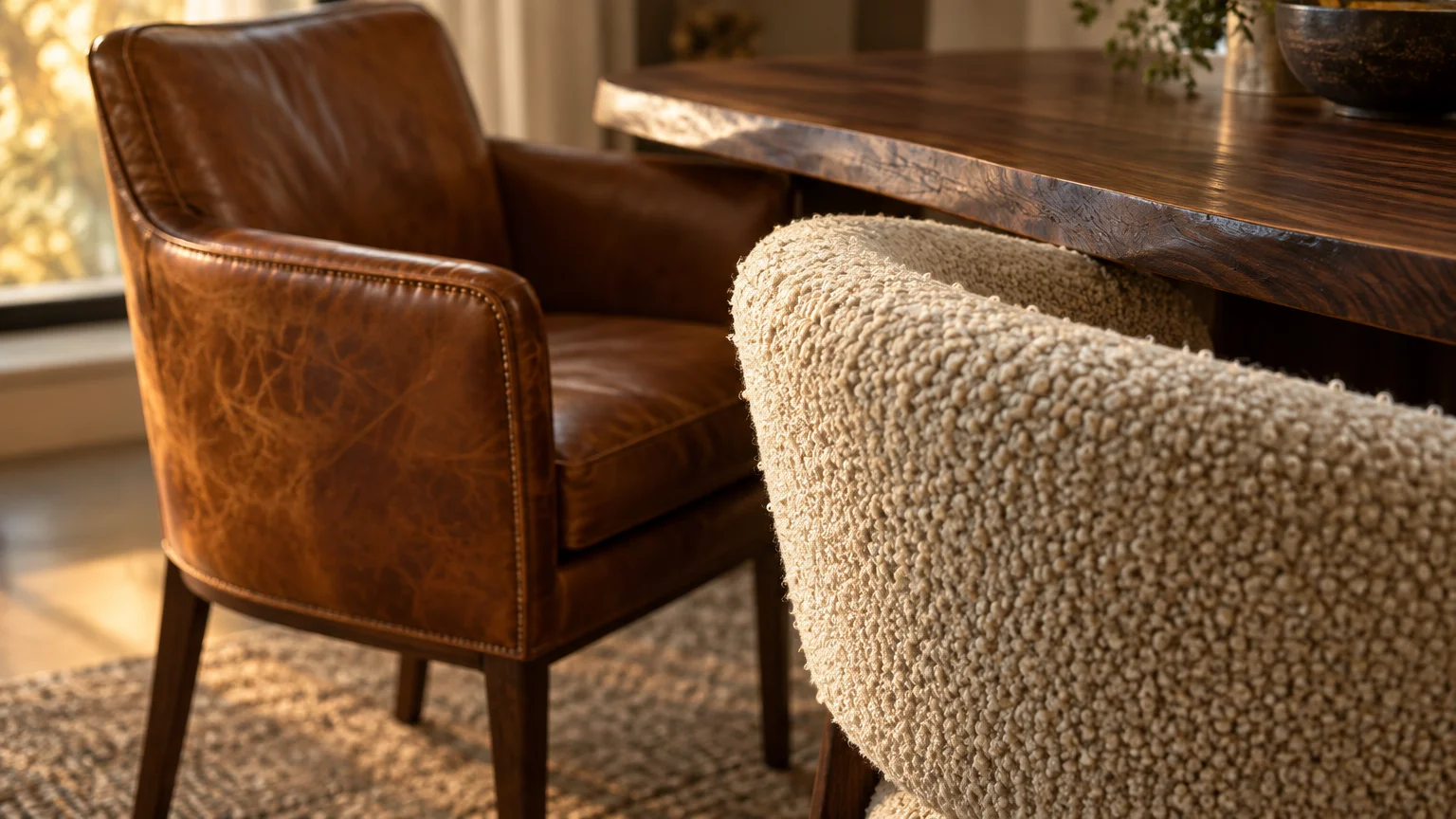
Modern dining room styling leans heavily into multisensory textiles like looped bouclé and plush mohair velvet. These dimensional fabrics invite touch while softening the geometric lines of traditional tables.
Distressed cognac leather offers another exquisite option that patinates beautifully with regular use. Leather brings an organic warmth that pairs effortlessly with mid-century or rustic architectural elements.
Sculptural Ergonomics and Practical Resilience
Consider chairs featuring supportive barrel backs or gentle winged silhouettes that physically cradle the body. Ergonomic comfort allows dinner conversation to flow naturally across multiple courses without physical fatigue.
You do not need matching silhouettes across all seating positions to achieve visual harmony. Placing fully upholstered captain chairs at table ends provides an anchoring focal point without cluttering the perimeter.
For busy households, performance velvet and stain-resistant bouclé provide durable resilience against mealtime spills. These high-tech textiles repel liquid while maintaining an irresistibly soft, cloud-like hand feel.
Textural contrast between smooth tabletop materials and tactile upholstery forms a compelling design dialogue. This calculated juxtaposition keeps your cozy dining room decor feeling intentional, layered, and deeply welcoming.
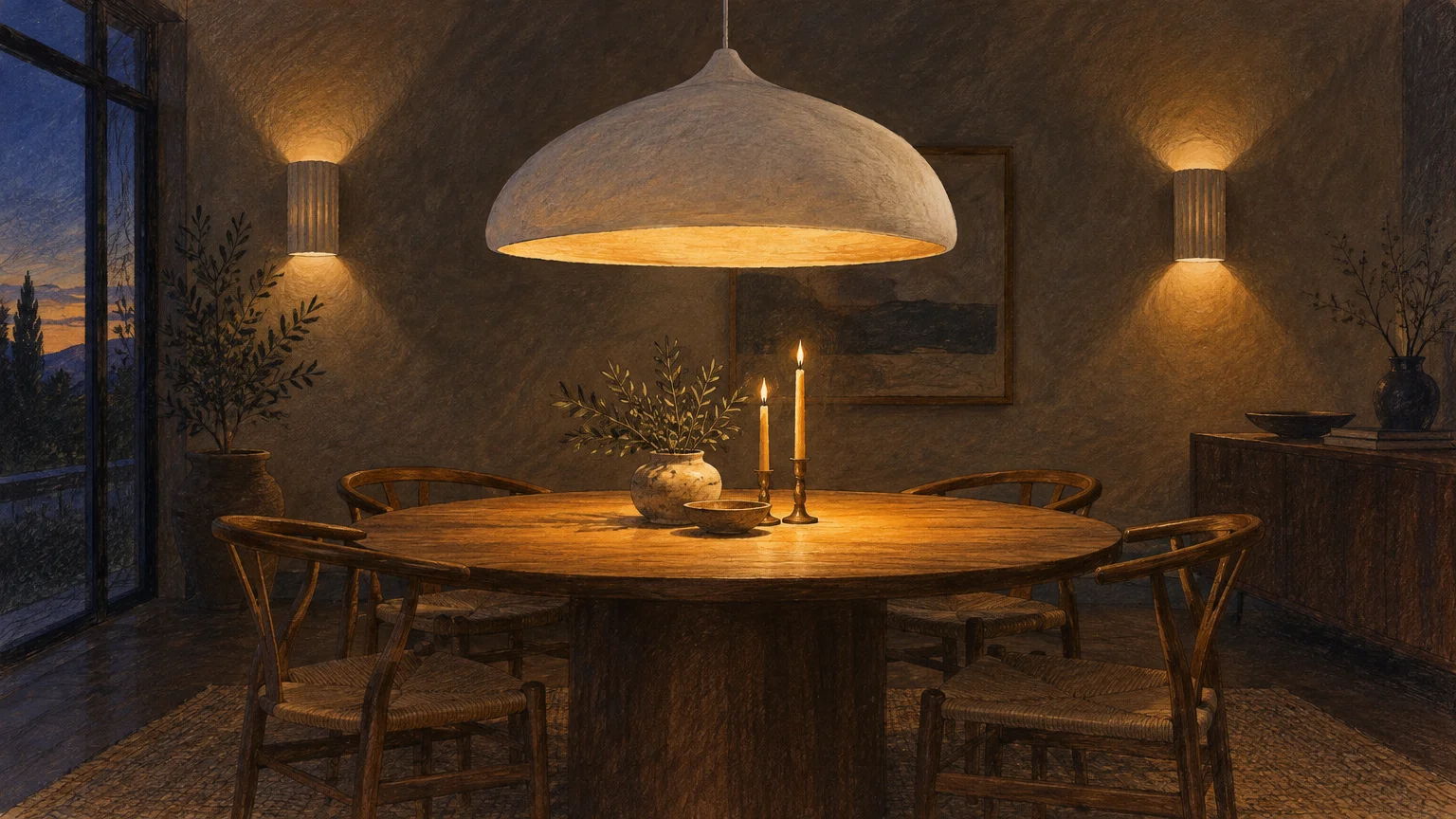
Trend #3: Low-Slung Sculptural Pendants and Layered Ambient Lighting
Creating an Intimate Overhead Focal Point
Harsh overhead recessed downlights instantly destroy intimacy and cast unflattering shadows across faces. Sophisticated dining room lighting relies instead on a deliberate balance of diffused, low-hung fixtures and accent lights.
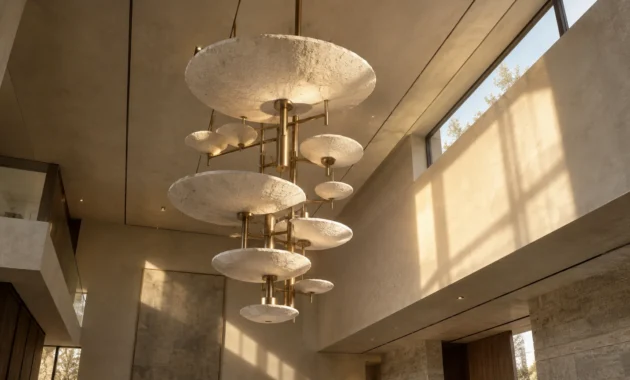
Suspend a wide, sculptural pendant roughly thirty to thirty-six inches above your tabletop surface. This placement creates an intimate pool of warm illumination that visually anchors the dining setting.
Select light fixtures crafted from translucent paper, alabaster, or frosted hand-blown glass. These organic materials filter harsh bulb glare, generating a soft, ethereal luminescence that flatters every dinner guest.
Layering Secondary Luminaires and Warm Dimmers
Layer your lighting scheme by introducing dimmable wall sconces flanking a sideboard or large mirror. Sconces bounce gentle ambient light off vertical planes, banishing dark, neglected corners of the room.
Always equip your dining room circuits with dedicated dimmer switches to calibrate the mood easily. Dropping your illumination to warm, amber levels immediately shifts the ambiance from daytime practicality to evening tranquility.
Integrate rechargeable cordless table lamps directly onto your dining table alongside floral arrangements. These miniature luminaires provide an enchanting, candle-like glow without the hazards of open flames.
Choose LED bulbs with a color temperature between 2200K and 2700K for authentic warmth. Cooler color temperatures feel clinical, undermining your efforts to construct a restful, cozy dining sanctuary.
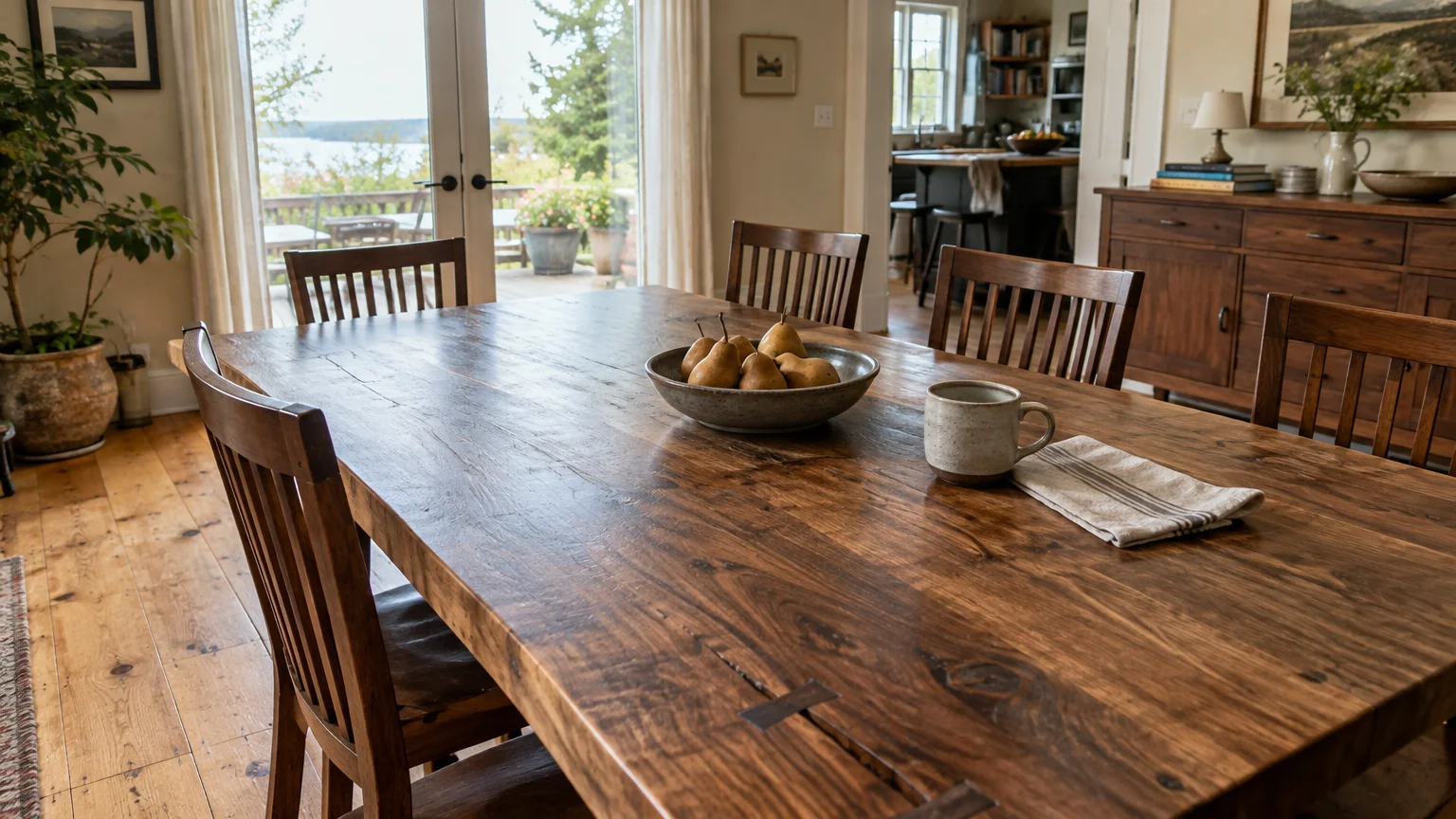
Trend #4: Rich Wooden Dining Tables with Hand-Finished Provenance
The Grounding Presence of Solid Timber
The dining table serves as the physical and emotional anchor of the entire dining space. Replacing glossy glass or cold synthetic tops with honest, solid wood brings immediate organic warmth.
Contemporary dining room ideas spotlight character-rich hardwoods like American walnut, white oak, and reclaimed elm. Distinctive grain patterns, subtle knots, and hand-scraped surfaces celebrate the natural imperfections of organic timber.
A live-edge table or an antique trestle table introduces irreplaceable authenticity and historical provenance. These substantial pieces soften modern architectural lines while whispering stories of artisanal craftsmanship.
Tactile Natural Finishes and Curved Profiles
Matte oil and wax finishes enhance the timber grain without coating it in synthetic plastic resins. This open-pore treatment allows you to feel the natural texture of the wood beneath your hands.
Circular and oval dining tables promote natural conversation flow and eliminate sharp, aggressive corners. Curved silhouettes soften spatial navigation, which makes smaller dining rooms feel inherently more intimate and inviting.
Over time, high-quality wood develops a rich patina that chronicles family milestones and shared meals. This evolving character makes your dining room feel lived-in and deeply cherished rather than staged.
Maintain your wood surfaces with natural beeswax conditioners to preserve their supple, lustrous depth. Proper care ensures your table remains a warm, welcoming focal point for decades to come.
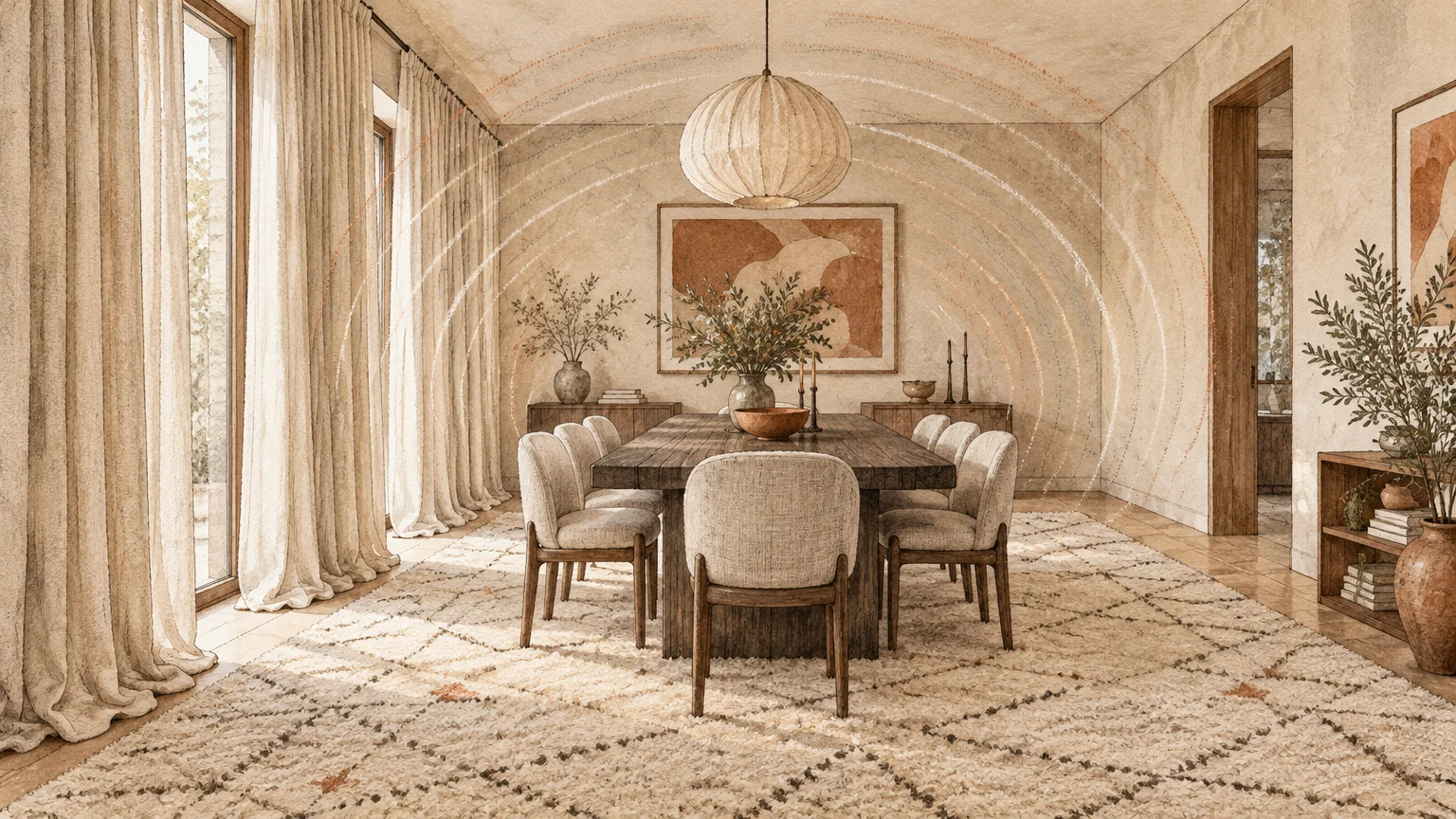
Trend #5: Acoustic Softening with High-Pile Rugs and Floor-to-Ceiling Drapery
Taming Harsh Architectural Reverberation
Hardwood floors, expansive windows, and unadorned drywall create an acoustic echo that feels uncomfortably clinical. True coziness requires thoughtful acoustic dampening that absorbs sound reverberations and hushes ambient room noise.
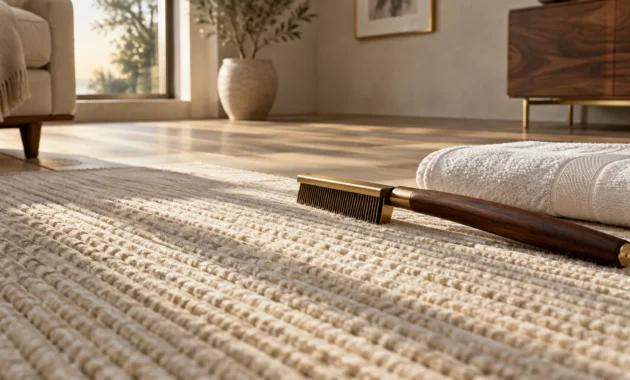
Anchor your dining suite upon an expansive, dense area rug woven from natural wool or jute. Ensure the rug extends at least twenty-four inches beyond the table edge so pulled-out chairs remain grounded.
High-pile Moroccan rugs or flat-woven kilims inject tactile warmth and geometric vitality beneath your feet. Wool naturally repels stains due to its inherent lanolin oils, combining luxury with dependable real-world performance.
Insulating Windows with Tailored Textiles
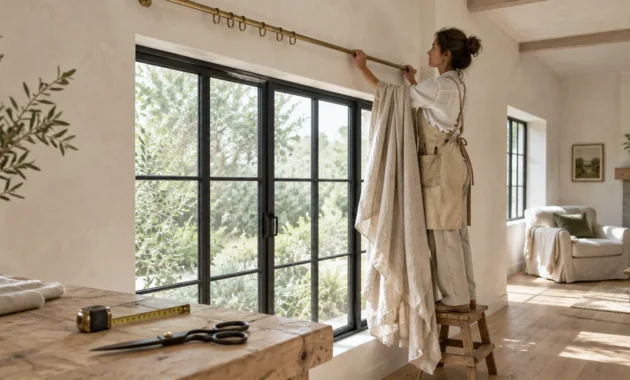
Frame your dining room windows with generous, floor-to-ceiling drapery panels tailored from Belgian linen or heavy velvet. Hanging curtain rods near the ceiling draws the eye upward while framing outdoor views dramatically.
Double-lined drapery acts as a thermal and acoustic barrier against outdoor drafts and intrusive street sounds. Closing curtains during evening dinner parties instantly seals the room into a tranquil, private haven.
Complement window textiles with fabric wall hangings, canvas art, or upholstered dining banquette panels. Softening vertical surfaces prevents voice echoes, allowing multiple lively conversations to occur simultaneously without vocal strain.
A well-cushioned room feels immediately serene the moment you cross its threshold. By managing acoustic reverberation, you cultivate an environment where guests feel relaxed and deeply at home.
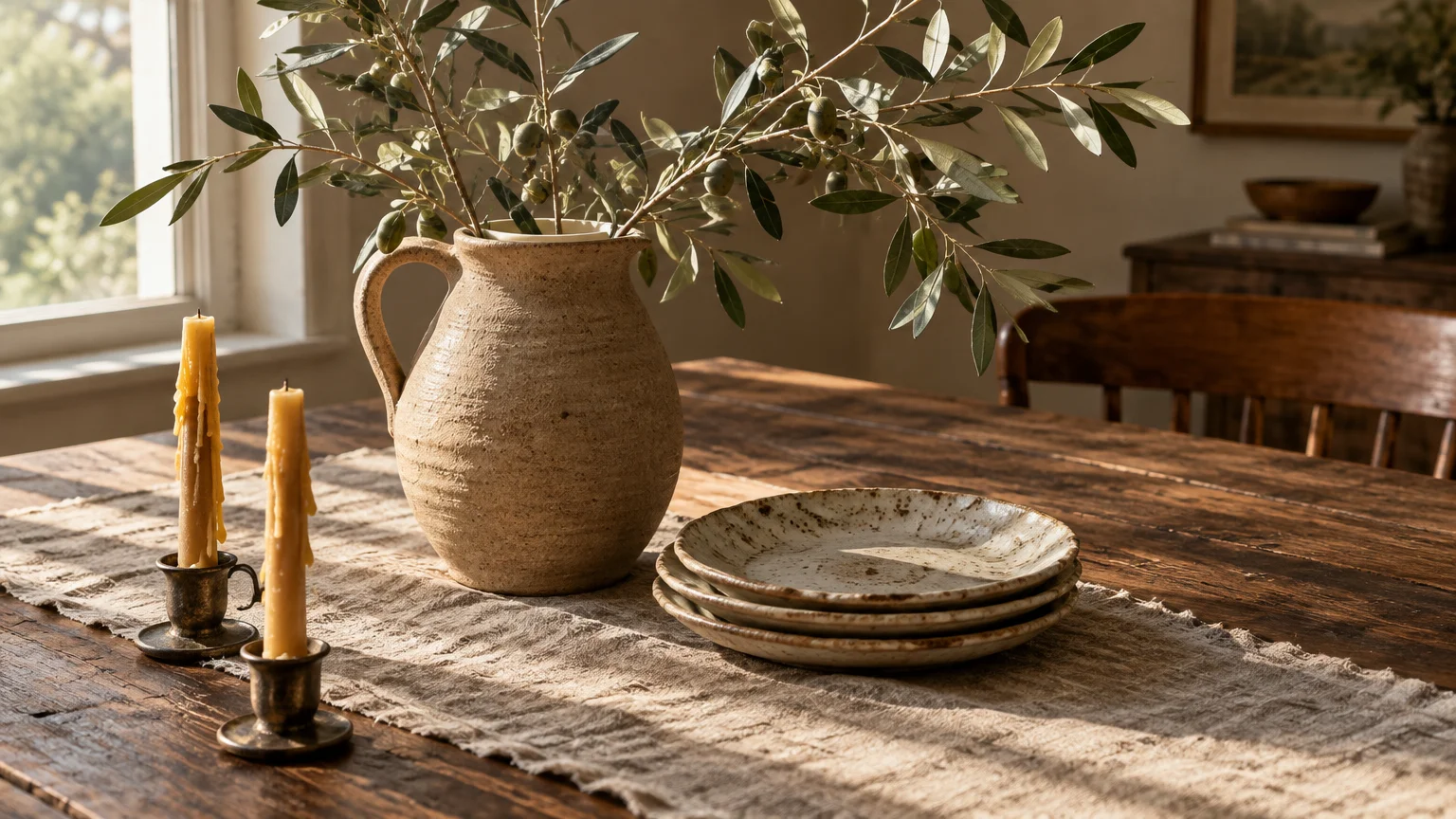
Trend #6: Biophilic Warmth and Organic Earthware Tabletop Vignettes
Connecting Dining Spaces to Nature
Biophilic design principles remind us that humans thrive in environments connected to the natural world. Infusing organic elements into your dining room styling softens hard angles and introduces vital living energy.
Rather than rigid, formal floral bouquets, modern stylists champion sculptural branches and dried botanical stems. A single olive branch or magnolia bough in a ceramic vessel delivers effortless architectural drama.
Handcrafted stoneware, terracotta pitchers, and fluted ceramic candleholders add an earthy, artisanal weight to your tabletop. Their matte textures and subtle glaze irregularities celebrate tactile imperfection and slow living.
Artisanal Layers and Dynamic Groupings
Introduce living potted plants like a fiddle-leaf fig or an olive tree in an empty dining corner. Foliage purifies the indoor air while introducing rich emerald tones that contrast beautifully against warm woods.
Incorporate natural woven accents such as rattan placemats, linen runners, and carved wooden serving boards. These organic layers break up expansive table surfaces, creating casual zones of visual interest.
Group your tabletop decor in asymmetrical clusters of varying heights rather than stiff, symmetrical lines. Dynamic arrangements feel spontaneous and relaxed, encouraging guests to feel immediately comfortable and at ease.
These earthy accents ground your dining room decor in timeless organic authenticity. By celebrating the beauty of raw nature, you foster a setting that feels grounding, restful, and restorative.
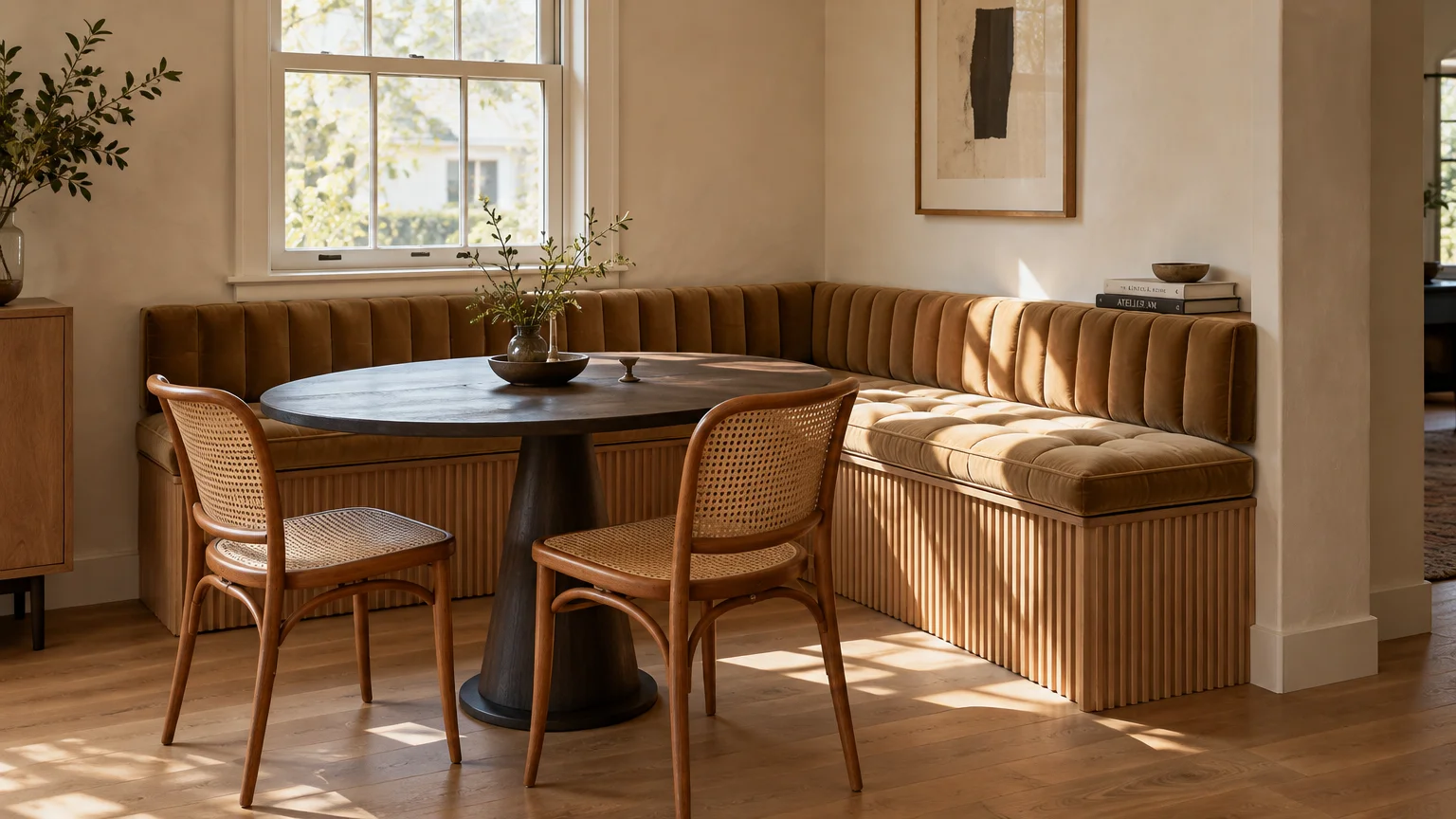
Trend #7: Curated Intimacy Through Banquettes and Built-in Nooks
The Convivial Allure of Built-in Seating
Built-in banquettes and tailored dining nooks transform underutilized corners into the most coveted seats in the house. A banquette naturally mimics the convivial comfort of a high-end bistro or intimate boutique hotel booth.
Banquettes maximize usable square footage while creating a snug perimeter that encourages relaxed, lingering gatherings. Tucking a table into a built-in corner frees up central floor space for improved foot traffic.
Dress your custom banquette in durable channel-tufted velvet, performance linen, or saddle leather for enduring luxury. Integrated drawers beneath the seating bench offer discreet storage for table linens, candles, and seasonal dinnerware.
Designing Nooks for Lingering Comfort
Pile the bench high with mixed-textile throw pillows in earthy colors and subtle geometric patterns. Pillows invite guests to adjust their personal comfort while adding layered softness to the wall junction.
Pair the banquette with a pedestal table rather than a design with four corner legs. A central pedestal eliminates awkward knee collisions, allowing guests to slide in and out of the nook effortlessly.
Install focused wall-mounted swing-arm sconces directly above the banquette for targeted reading or evening mood lighting. These adjustable fixtures provide ambient warmth while freeing precious tabletop surface for dining plates.
Embracing built-in architectural seating delivers unmatched coziness that freestanding furniture configurations simply cannot replicate. It creates a physical haven where conversation, dining, and relaxation intertwine seamlessly.
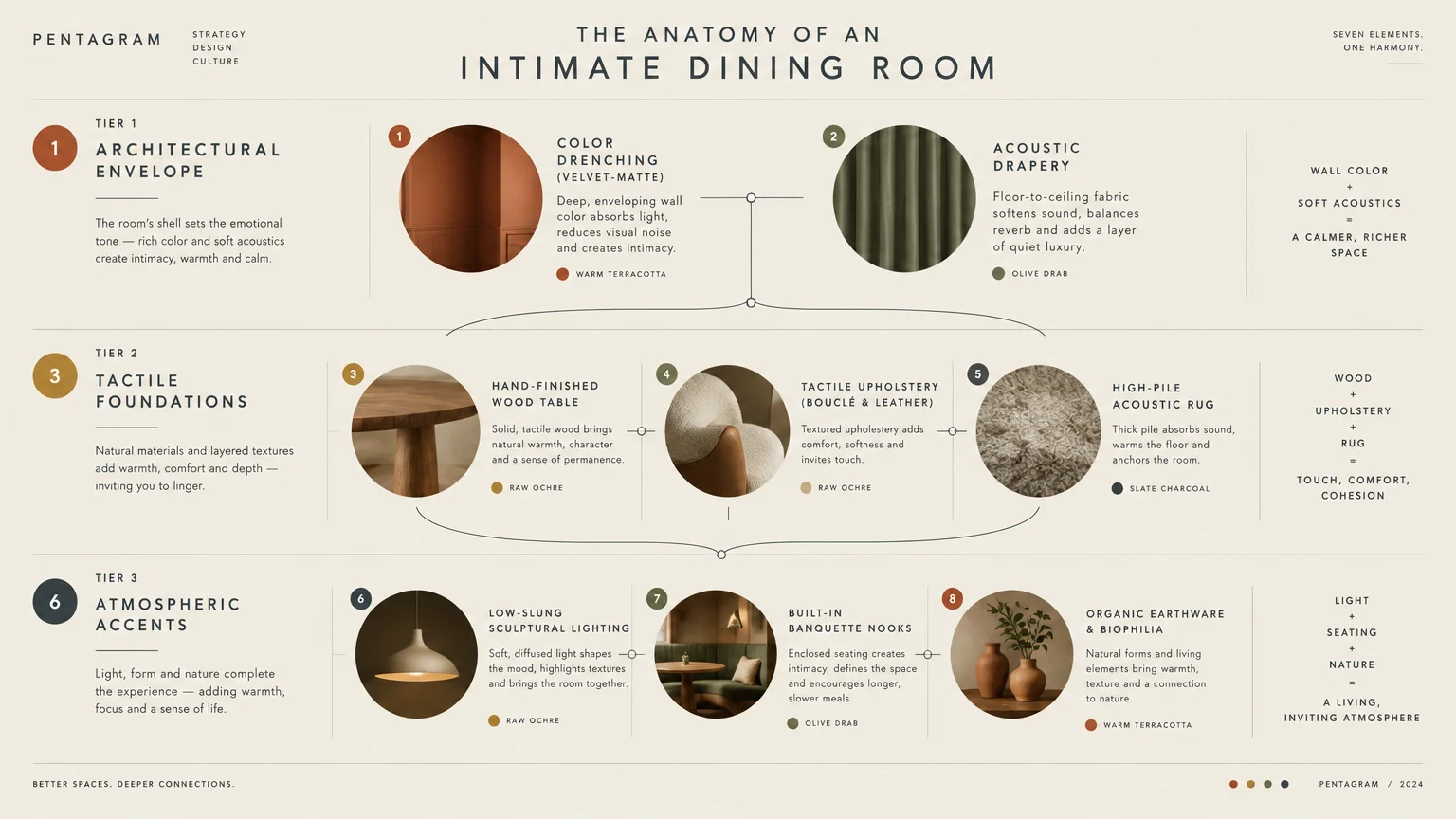
The Big Picture: Weaving These Trends into Your Home
Auditing Your Dining Room’s Sensory Deficits
Creating an exceptionally cozy dining room does not require adopting every design trend at once. Successful interiors emerge from thoughtful balance, intentional restraint, and authentic personal expression.
Begin your transformation by addressing the largest sensory pain points within your existing dining area. If your space feels chilly and echoes loudly, prioritize an expansive wool rug and lined drapery panels.
If the lighting feels stark or clinical, install dimmers and replace harsh downlights with a low-slung statement pendant. Lighting alone can fundamentally shift the emotional resonance of a room overnight.
Balancing Modern Aesthetics with Timeless Provenance
Layer organic materials gradually, allowing vintage wood pieces and artisanal stoneware to find their natural equilibrium. Staging an entire room in a single weekend often produces an artificial, sterile showroom aesthetic.
Blend modern sculptural silhouettes with traditional antique pieces to cultivate timeless, layered depth. This deliberate stylistic tension creates a home that looks curated over decades rather than assembled from a catalog.
Always prioritize physical comfort over rigid aesthetic rules when selecting your dining chairs and table height. A beautifully decorated dining room serves little purpose if dinner guests cannot sit comfortably for hours.
With deliberate tactile upgrades, thoughtful illumination, and honest materials, you can create a truly comforting gathering place. Your dining room will soon become the warm, magnetic heart of your everyday home life.
For the latest color forecasts, consult industry leaders like Pantone and paint companies like Benjamin Moore. For professional design standards, refer to the American Society of Interior Designers (ASID).
Frequently Asked Questions
How can I make a formal dining room feel less cold without buying new furniture?
You can dramatically warm up a formal dining space through low-cost lighting and textile adjustments. Swap bright white bulbs for warm 2700K alternatives, and install dimmers to soften the ambient evening glow.
Add thick linen drapery panels to bare windows and place a plush runner across your existing table. Introducing potted plants and clusters of unscented candles also introduces immediate organic warmth without replacing core pieces.
What is the most effective color palette for a cozy dining room?
Warm earth tones such as terracotta, rich caramel, olive green, and deep chocolate brown yield exceptional coziness. These organic pigments naturally absorb harsh light, enveloping the space in a tranquil, comforting warmth.
If you prefer lighter walls, opt for creamy plaster or warm alabaster rather than stark, blue-based whites. Pairing warm neutral walls with dark wood stains and antique brass hardware prevents the room from feeling clinical.
How do I select the right size rug for my dining room?
Measure your dining tabletop and add at least twenty-four to thirty inches of rug on all four sides. This clearance ensures chair legs do not catch on the rug edges when guests pull out their seats.
Choosing an undersized rug visually shrinks your dining room and creates frustrating functional snags during dinner parties. When in doubt, size up to anchor the dining suite with confident, grounding proportion.
Can an open-concept dining area feel as cozy as an enclosed dining room?
Yes, you can cultivate intimate dining zones within larger open-concept floor plans through deliberate spatial definition. Use an expansive area rug, low-hanging pendant light, and a built-in corner banquette to establish distinct boundaries.
Painting an accent ceiling or incorporating dark dining chairs visually grounds the dining zone against neighboring spaces. These focused cues signal intimacy without requiring physical dividing walls.
Disclaimer: This article reflects design trend analysis and predictions. Personal taste and timeless design principles should always guide your decorating choices.