You can transform a dim, cavernous room into a radiant sanctuary without knocking down drywall or installing expensive skylights. By manipulating architectural light, surface physics, and reflective finishes, you immediately elevate the visual atmosphere of your home.
Designers rely on deliberate optical curation rather than structural renovations to eliminate gloomy corners. A windowless space presents a creative canvas where strategic balance and bespoke illumination craft an inviting ambiance.
Discover how modern interior design principles revitalize shadows and imbue your home with effortless, enduring warmth.
Trend #1: Sculptural Circadian Lighting and Layered Luminaires
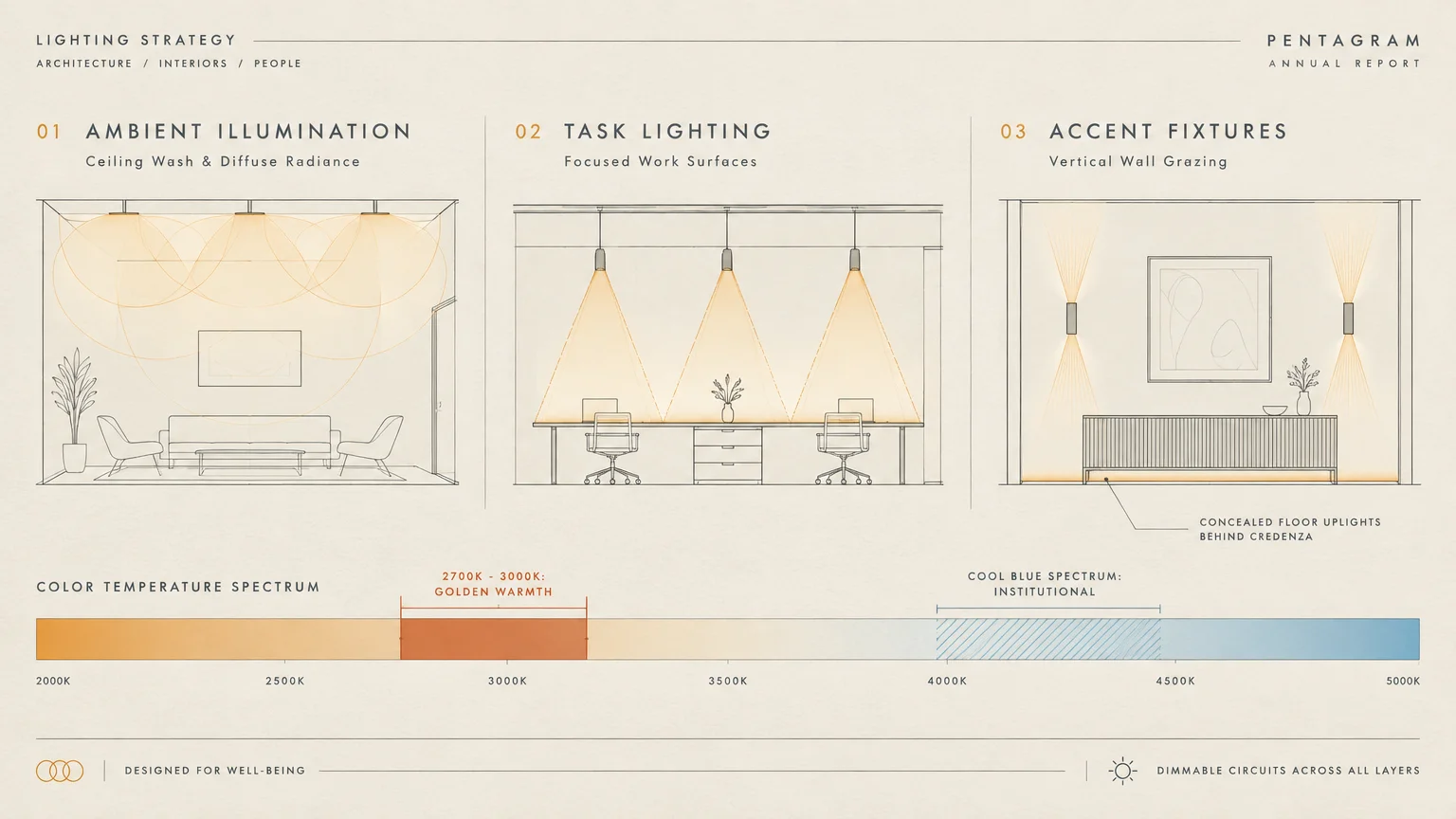
Solitary central ceiling pendants cast severe shadows that make enclosed rooms feel claustrophobic. Sophisticated interiors reject single-source illumination in favor of a thoughtful triad: ambient illumination, focused task lighting, and dramatic accent fixtures.
This layered technique banishes stagnant shadows by distributing luminance across distinct eye levels. When you illuminate vertical walls alongside horizontal work surfaces, your eye perceives the entire spatial volume as expansive.
Mastering Kelvin Temperatures
Light color temperature profoundly influences how you experience a windowless space. Bulbs calibrated between 2700K and 3000K evoke the flattering golden warmth of sunset; cooler blue-spectrum bulbs render dim rooms clinical and institutional.
Introduce smart circadian LED bulbs that subtly adjust their output throughout the morning and evening. By synchronizing with natural daylight patterns, these interior lighting solutions support your wellbeing while preventing shadowy gloom.
Architectural Uplighting Strategies
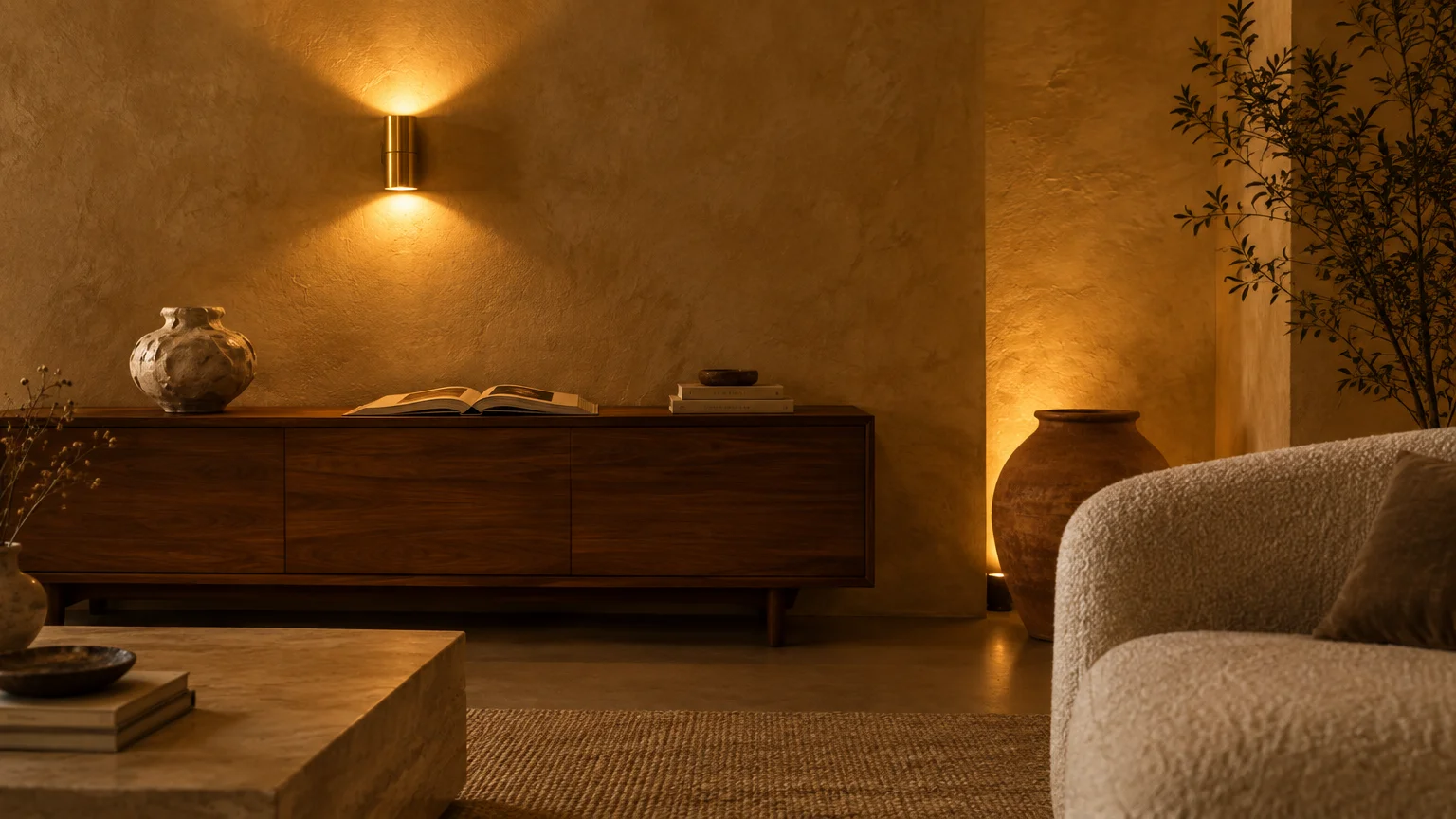
Consider modern lighting ideas dark room curators embrace, such as placing low-profile floor uplights behind sculptural planters or credenzas. Uplighting washes blank drywall with diffuse radiance, visually lifting low ceilings without direct ocular glare.
Wall sconces featuring double-directional diffusers introduce exquisite dimensionality along windowless hallways or alcoves. They transform mundane plaster into dynamic light sculptures that animate the room after dusk.
Incorporate dimmers across every electrical circuit in the room. Dimmable switches grant you complete tactical control to shift the mood seamlessly from vibrant daytime tasks to intimate evening entertaining.
Trend #2: High Light Reflectance Value (LRV) Mineral Paints
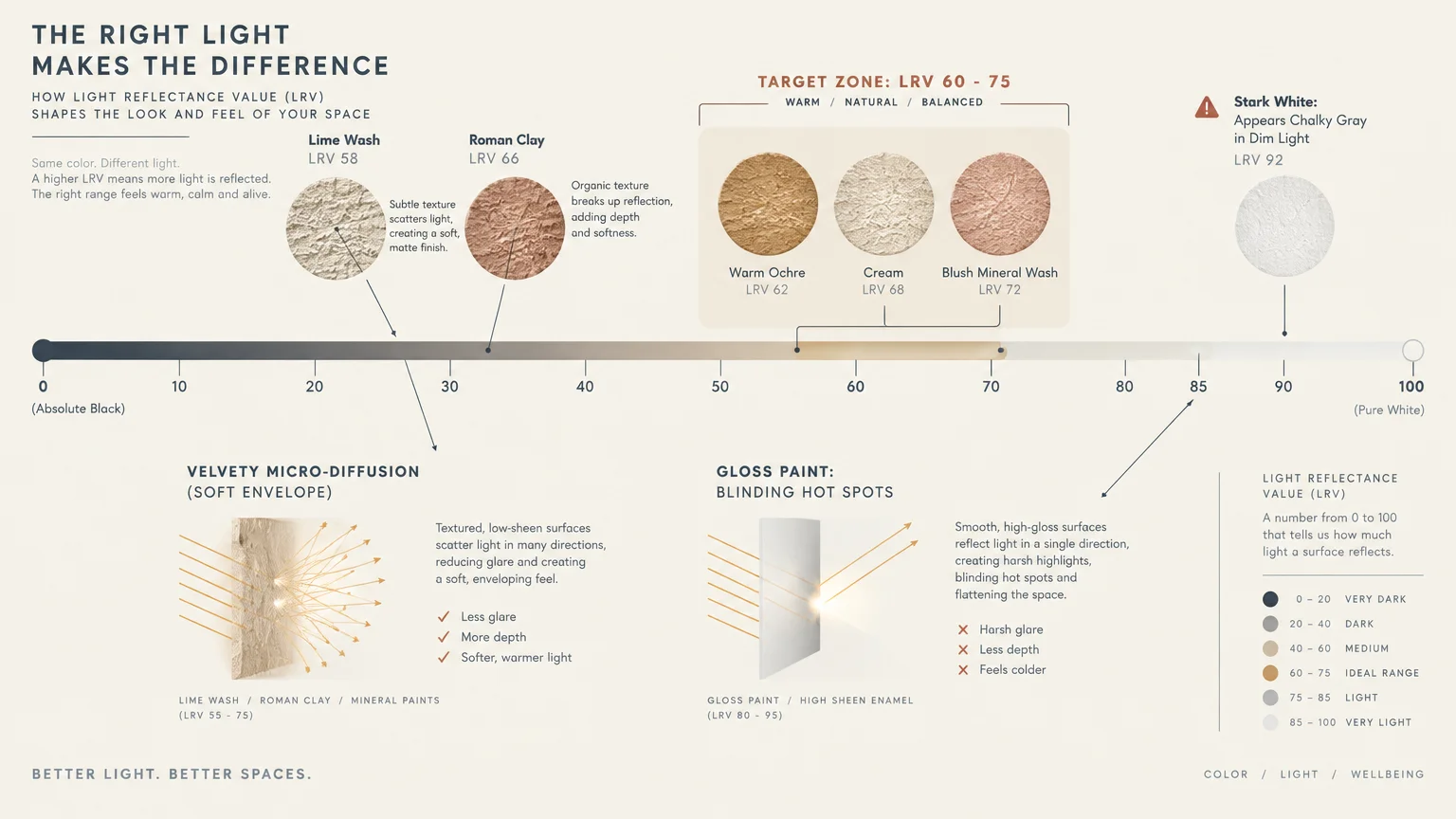
While many assume pure white paint offers the quickest way to brighten dark room spaces, it frequently falls flat. Without ample natural sunlight, stark white pigments turn lifeless and unpleasantly chalky gray.
Professional decorators assess a paint’s Light Reflectance Value (LRV), calibrated on a zero-to-one-hundred scale. Selecting pigments with an LRV between sixty and seventy-five ensures walls reflect ambient light while preserving richness.
Nuanced Warm Undertones
Mineral paint formulations infused with cream, blush, or warm ochre undertones introduce vitality where shadows linger. These nuanced pigments absorb stray lumens and bounce them gently across your entire floor plan.
Avoid cool gray or icy blue undertones in spaces that lack southern exposure. Cool bases absorb artificial warmth, leaving enclosed living areas feeling chilly and uninviting.
Tactile Lime Wash and Roman Clay
Lime wash and Roman clay finishes currently define the quiet luxury aesthetic. Their micro-textured patina creates subtle diffusion, bouncing photons unevenly to soften sharp corners and obscure drywall flaws.
The velvety, matte finish of mineral coatings diffuses illumination uniformly across wide surfaces. Unlike glossy wall paints that produce blinding hot spots, mineral washes generate a gentle, enveloping glow.
Test your paint samples under your layered artificial fixtures at varying hours before committing. This precaution guarantees that your chosen shade retains its luminous pedigree morning, noon, and night.
Trend #3: Strategic Specular Reflection and Antiqued Mirror Artistry
Mounting an ordinary mirror directly across from a dark wall achieves little if it merely duplicates darkness. If you want to know how to make a room brighter, position reflective glass where it catches illumination.
Position an oversized floor mirror adjacent to a doorway or perpendicular to a sunlit adjacent room. This angle pulls light out of bright corridors and projects it deep into your enclosed sanctuary.
The Romance of Antiqued Mirror Glass
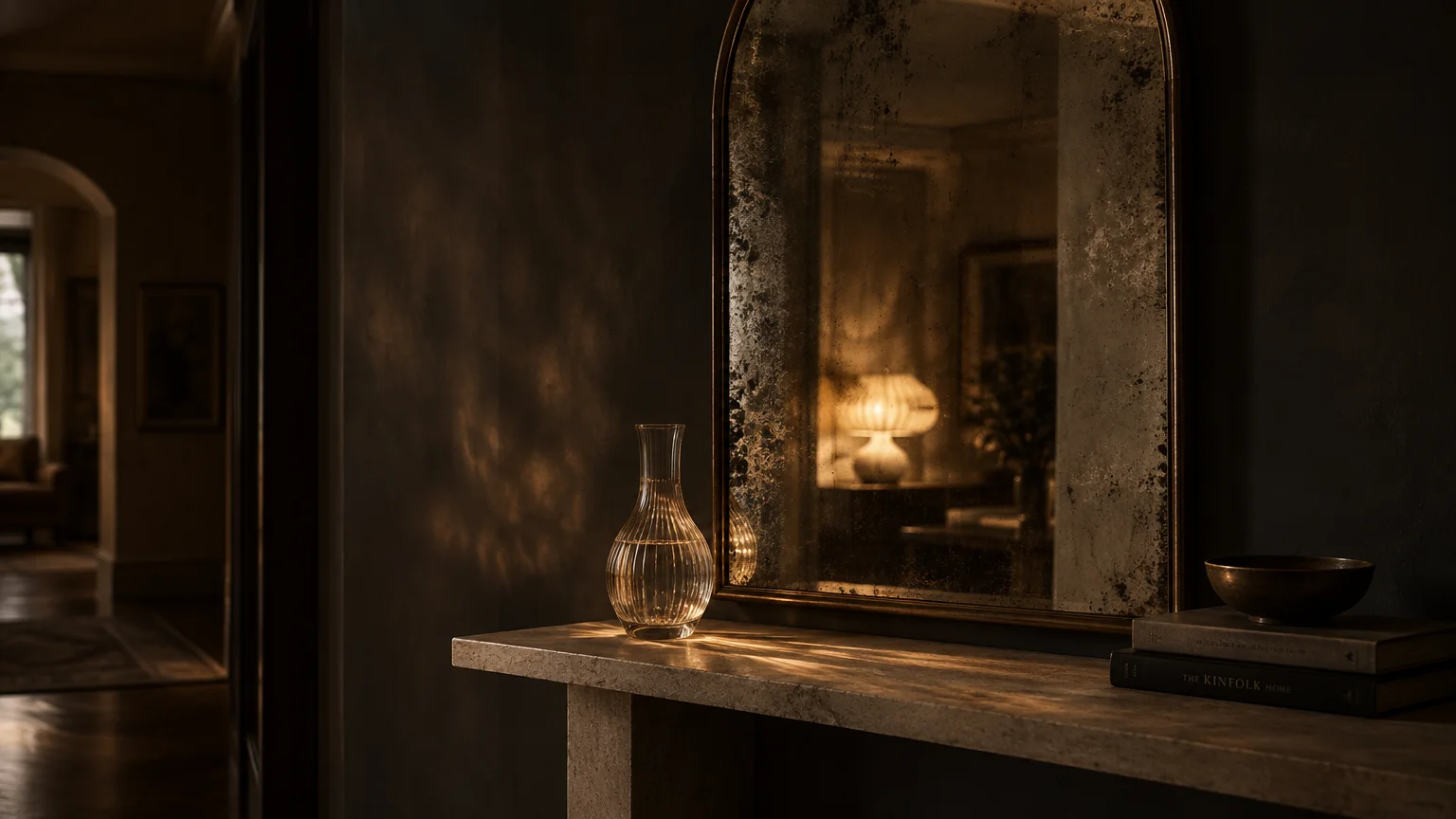
Antiqued mirror glass provides a sophisticated alternative to harsh, hyper-reflective modern sheets. Its patinated, foxed surface softens specular bounce, imparting timeless romance and historic provenance to your living spaces.
Integrate antiqued mirrors within custom millwork, bar cabinetry, or alcove recesses. This decorative technique creates deceptive visual depth, convincing the eye that the room extends far beyond its physical perimeter.
Reeded Glass and Luminous Metallics
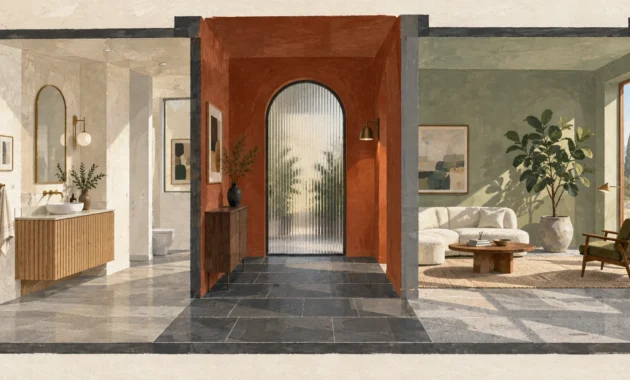
Fluted and reeded glass panels introduce exceptional light-refracting properties without sacrificing privacy. Installing reeded glass in pocket doors allows illumination to travel effortlessly between adjacent chambers.
Accent your tablescapes with unlacquered brass, polished nickel, and warm bronze hardware. These metallic surfaces capture ambient lamp glow, acting as tiny reflective jewels that sparkle as you navigate the interior.
Exercise restraint when distributing reflective surfaces throughout your space. A curated placement feels intentional and serene, whereas mirrored panels on every surface produce overwhelming visual noise.
Trend #4: Low-Profile Furniture and Floating Silhouettes
Bulky, skirted upholstery grounded flat against the floor obstructs sightlines and forms dark shadow pools. Smart dark room decorating tips prioritize furnishings with elevated profiles that cultivate negative space.
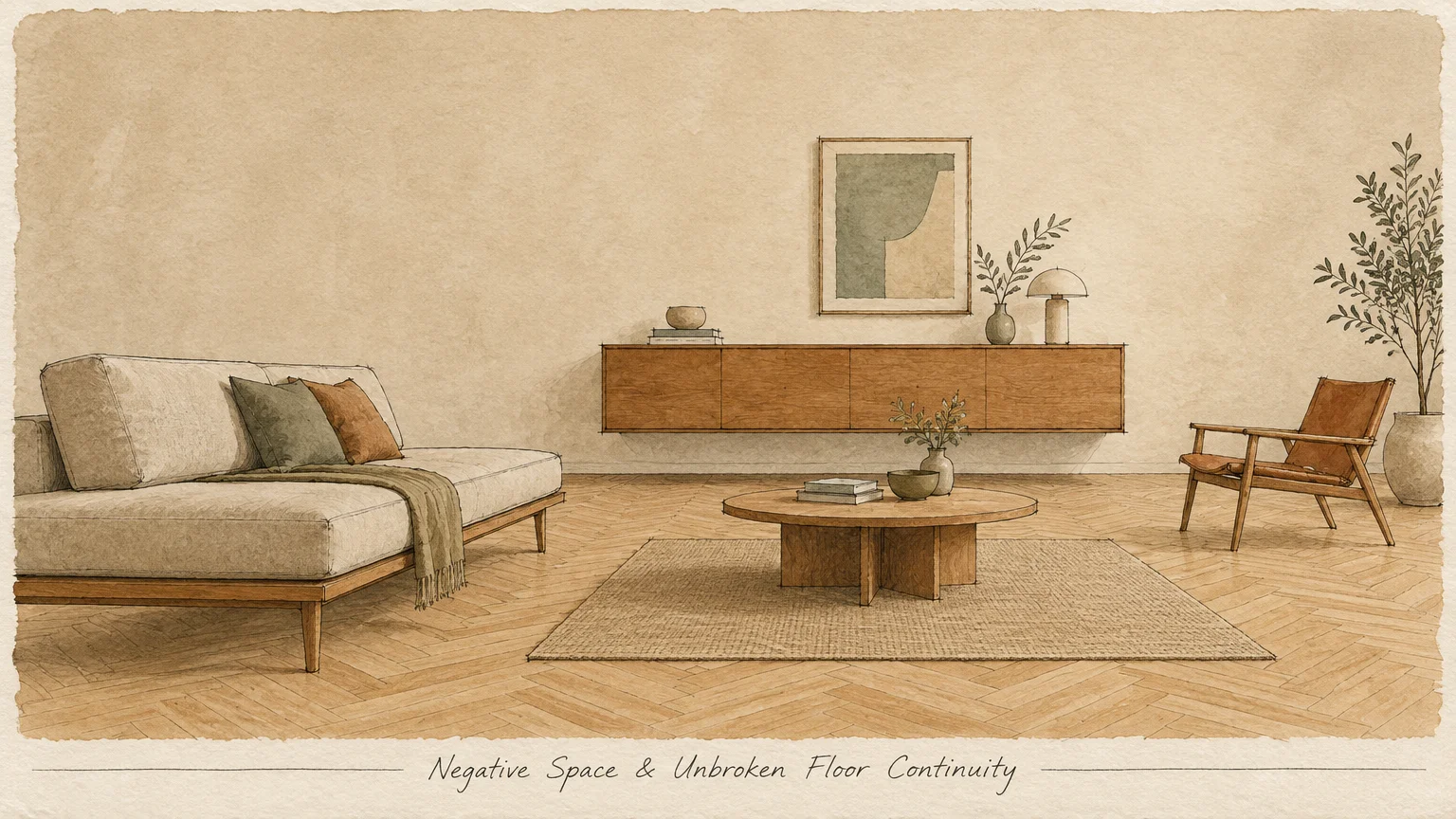
Select tailored sofas and accent chairs raised on slender, tapered wooden or metallic legs. Raising furniture off the floor plane allows light to circulate freely across the entire expanse of your rug.
The Power of Cantilevered Millwork
Wall-mounted floating credenzas, media consoles, and bedside tables visually stretch narrow room boundaries. When continuous flooring remains visible beneath cabinetry, your brain registers the room as substantially more spacious and bright.
Install discreet, warm-white LED ribbon lighting along the bottom edge of floating consoles. This under-cabinet wash eliminates floor-level shadows and produces an alluring, weightless floating aesthetic.
Transparent Accents and Visual Sightlines
Incorporate accent pieces crafted from cast acrylic, fluted resin, or clear tempered glass. A glass-topped cocktail table performs essential functional duties while letting lamplight reach the floor unobstructed.
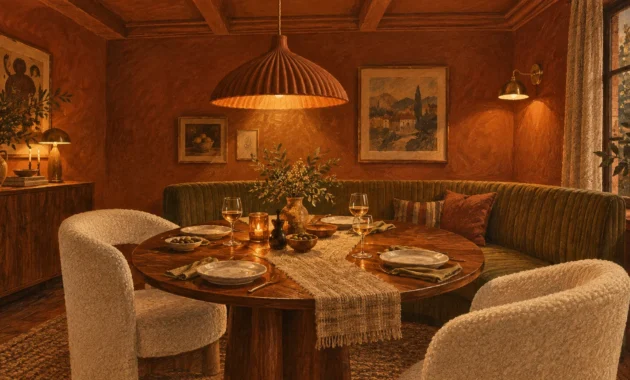
Choose open-back dining chairs and airy sculptural silhouettes rather than monolithic, high-backed seating. Unbroken sightlines invite light to weave uninterrupted through your furniture grouping.
Anchor these slender furnishings with tactile, light-reflective fabrics such as raw silk, bouclé, and combed cotton. Rich textures prevent minimalist silhouettes from appearing stark or austere.
Trend #5: High-Sheen Lacquer Ceilings and Reflective Verticality
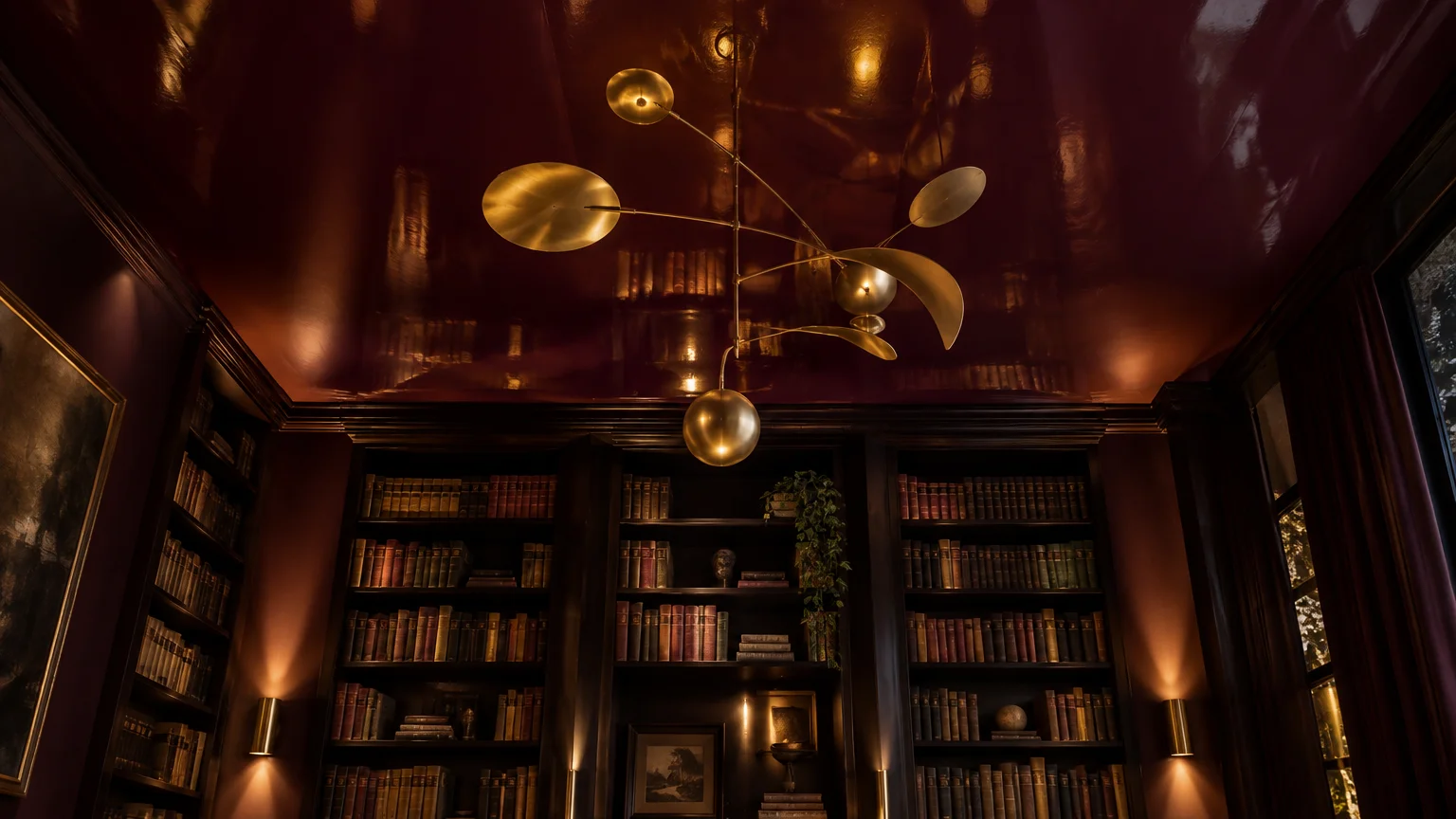
Designers frequently describe the ceiling as the forgotten fifth wall, especially in windowless environments. Treating your ceiling with high-gloss lacquer transforms a flat overhead plane into a luminous reflecting pool.
Drawing inspiration from classic Parisian apartments, high-sheen ceilings bounce light from floor lamps and sconces back downward. This amplified reflection visually doubles your ceiling height and energizes the room below.
Curating Overhead Palette Harmony
Select an overhead tint that complements your primary wall palette without introducing jarring contrast. Tones of pale ivory, subtle alabaster, or creamy champagne reflect generous light without creating an unnatural glare.
Avoid pairing high-gloss ceilings with intense, downward-directed recessed can lights. Recessed spots aimed straight down create blinding overhead specular reflections that undermine the room’s serene ambiance.
Execution and Alternative Textures
High-gloss ceilings require meticulous surface preparation because sheen exposes every plaster seam and drywall irregularity. Engage a skilled artisan to skim-coat and sand the ceiling glass-smooth before applying lacquer coats.
If full lacquer feels too dramatic, opt for semi-gloss painted beadboard or coffered woodwork. The subtle ridges capture ambient luminance, creating dimensional shadow play that enlivens an otherwise neglected plane.
The contrast between velvety mineral walls and a gleaming ceiling creates thrilling visual drama. This intentional juxtaposition breathes architectural sophistication into enclosed dining rooms, libraries, and entry foyers.
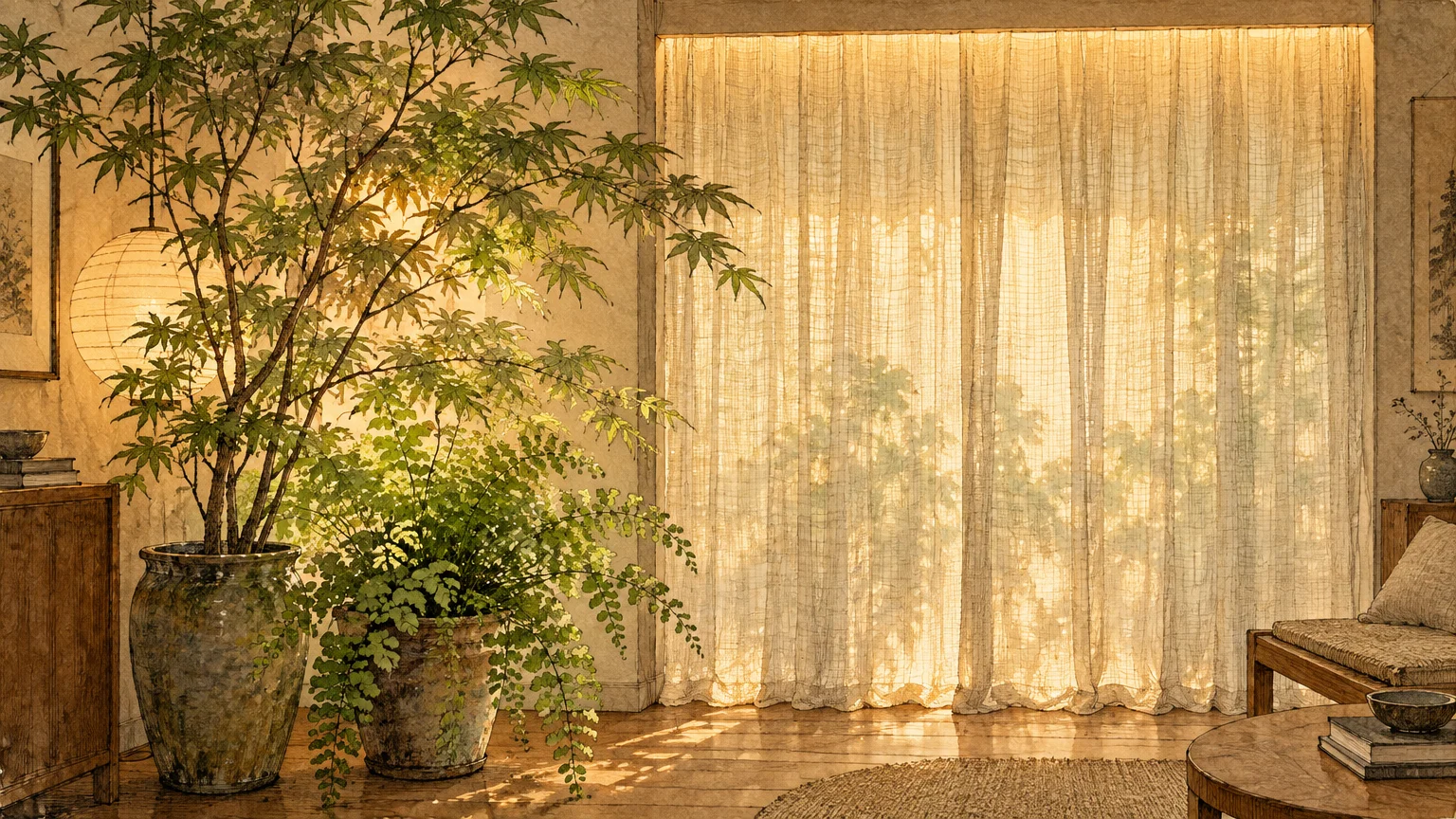
Trend #6: Botanical Translucency and Biophilic Textile Filtering
In a room deprived of natural sunlight, biophilic design reconnects your interior with the rhythms of the natural world. Heavy drapery suffocates airless spaces, trapping gloom and absorbing artificial luminance.
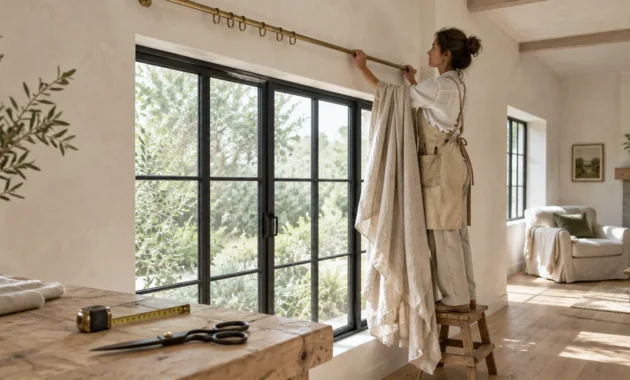
Replace heavy damask or velvet curtains with sheer Belgian linen or open-weave organic cotton panels. These airy window treatments catch internal lamplight and scatter it like soft morning haze across the room.
Selecting Resilient, Lustrous Foliage
Introduce resilient, low-light houseplant varieties known for their glossy foliage, such as the ZZ plant or snake plant. The natural waxy cuticles on their leaves act as organic mirrors, catching ambient illumination.
Pair plants with sculptural ceramic planters glazed in pearl, ecru, or soft sage finishes. The glazed pottery reflects perimeter light while introducing earthy, biophilic serenity to modern spaces.
Flooring and Natural Timber Foundations
Ground your living area with large, pale area rugs crafted from bleached jute, undyed wool, or cream sisal. These light-toned weaves reflect downward light, brightening dark room seating arrangements instantly.
Complement your woven floor coverings with blonde timber furniture in Scandinavian ash, white oak, or pale birch. Natural wood grains infuse organic warmth without the heavy visual density of espresso or mahogany finishes.
Ensure your botanical selections receive occasional wellness rotations into brighter rooms to sustain their vitality. Thriving indoor plants elevate home psychology while keeping your decorative scheme fresh and dynamic.
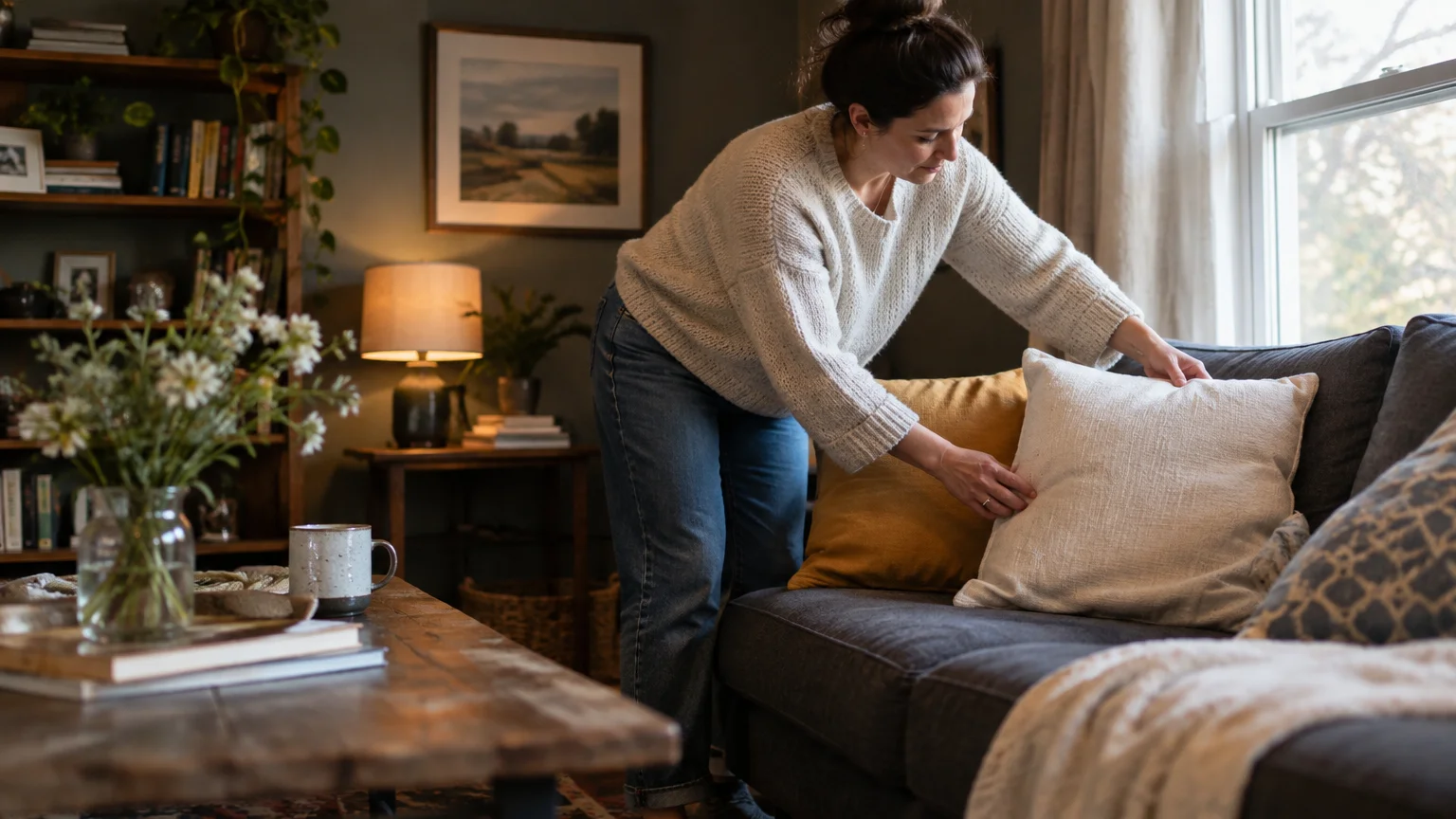
The Big Picture: Weaving These Trends into Your Home
Brightening a windowless room does not require implementing every reflective technique all at once. Overusing glossy finishes, mirrors, and brilliant fixtures can result in an agitated, cold atmosphere.
Treat your room as an orchestral composition, balancing high-reflectance surfaces with calming matte textures. Layer your interior lighting solutions so that each luminaire fulfills an unmistakable functional or mood-enhancing goal.
Prioritizing Architectural Foundations
Begin your design journey by perfecting your foundational wall finishes and establishing your core color palette. Once warm mineral paint establishes a velvety base, layer in reflective accents and elevated furniture silhouettes.
Step back and examine sightlines from primary seating areas and entryway thresholds. Confirm that every sightline encounters a gentle balance of ambient warmth, focused illumination, and breathable negative space.
Investing in Provenance and Authenticity
Seek out authentic materials, handcrafted ceramics, and bespoke lighting fixtures with enduring provenance. Investing in lasting quality ensures your space feels like a timeless retreat rather than a catalog showroom.
Respect the structural architectural identity of your residence when selecting finishes and textures. A moody historic brownstone calls for patinated brass and antiqued glass, whereas an urban apartment thrives on lacquer and fluted resin.
When you balance physics, material textures, and thoughtful illumination, shadows cease to feel like limitations. Instead, your once-dark room becomes an atmospheric haven of elegance and restorative quiet luxury.
Frequently Asked Questions
Can dark rooms handle moody, saturated paint colors instead of light shades?
Yes, embracing the inherent intimacy of a windowless room with deep colors like charcoal, navy, or espresso can feel exceptionally luxurious. However, you must incorporate layered interior lighting solutions to keep the space from feeling cramped.
Accentuate saturated walls with polished brass sconces and glossy millwork to introduce dynamic light reflection throughout the moody environment.
What is the most frequent mistake homeowners make when positioning mirrors?
The most prevalent misstep is mounting mirrors directly opposite empty walls or chaotic storage zones. A mirror should always reflect a light source, an architectural vista, or an adjoining illuminated doorway.
Pay close attention to mounting angles to prevent floor lamps from creating uncomfortable, blinding glare for seated guests.
Are high-gloss lacquer ceilings difficult to maintain?
Lacquer surfaces naturally repel dust, making ongoing maintenance as simple as light wiping with an electrostatic microfiber duster. The true challenge lies in flawless drywall installation prior to painting.
Enlist experienced painting professionals to skim-coat your ceiling smooth, ensuring the lacquer displays an immaculate, glass-like reflection.
How do I combine warm and cool metallic finishes cohesively?
Anchor your design scheme by allocating seventy percent of your metallic hardware to a warm tone like unlacquered brass. Dedicate the remaining thirty percent to polished chrome or nickel for modern, sparkling contrast.
Distribute these mixed metallics evenly throughout the room so the deliberate juxtaposition feels balanced rather than accidental.
For the latest color forecasts, consult industry leaders like Pantone and paint companies like Benjamin Moore. For professional design standards, refer to the American Society of Interior Designers (ASID).
Disclaimer: This article reflects design trend analysis and predictions. Personal taste and timeless design principles should always guide your decorating choices.