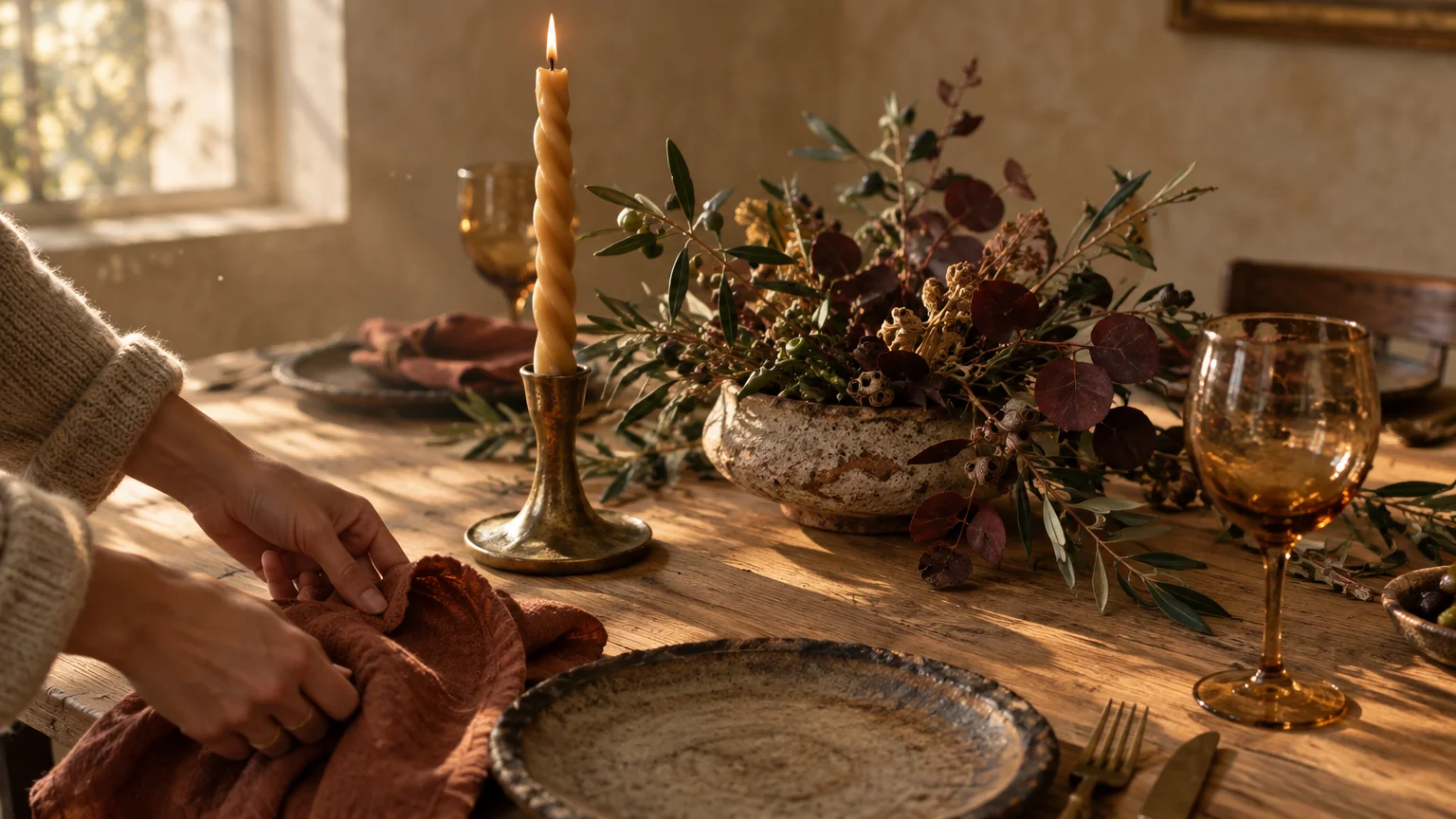
Transforming your dining room into an evocative gathering space requires intentional curation rather than seasonal clutter. By layering tactile textures and strategic lighting, you create an inviting atmosphere that immediately captivates your dinner guests.
A truly memorable festive table decor strikes a thoughtful balance between quiet luxury and celebratory warmth. It honors time-tested hosting rituals while reflecting your personal aesthetic point of view.
Elevating your everyday surface into an extraordinary stage relies on a few transformative anchor pieces. These carefully selected focal accents will effortlessly establish an enchanting mood for every seasonal gathering.
Trend #1: Textured Stoneware Charger Plates
The Foundation of Tactile Dining
Charger plates establish the architectural boundary for each place setting at your festive table. They frame dinnerware with intentionality, turning an ordinary meal into an elevated multisensory journey.
Contemporary design has shifted decisively away from mirrored acrylic and high-gloss metallic chargers. Today, tastemakers champion artisanal stoneware that exhibits raw, matte rims and authentic organic irregularities.
This movement draws heavily from the wabi-sabi philosophy, which celebrates natural imperfection and unpretentious simplicity. Incorporating artisanal ceramics anchors your dining table centerpiece with understated permanence.
Materiality and Earthy Pigments
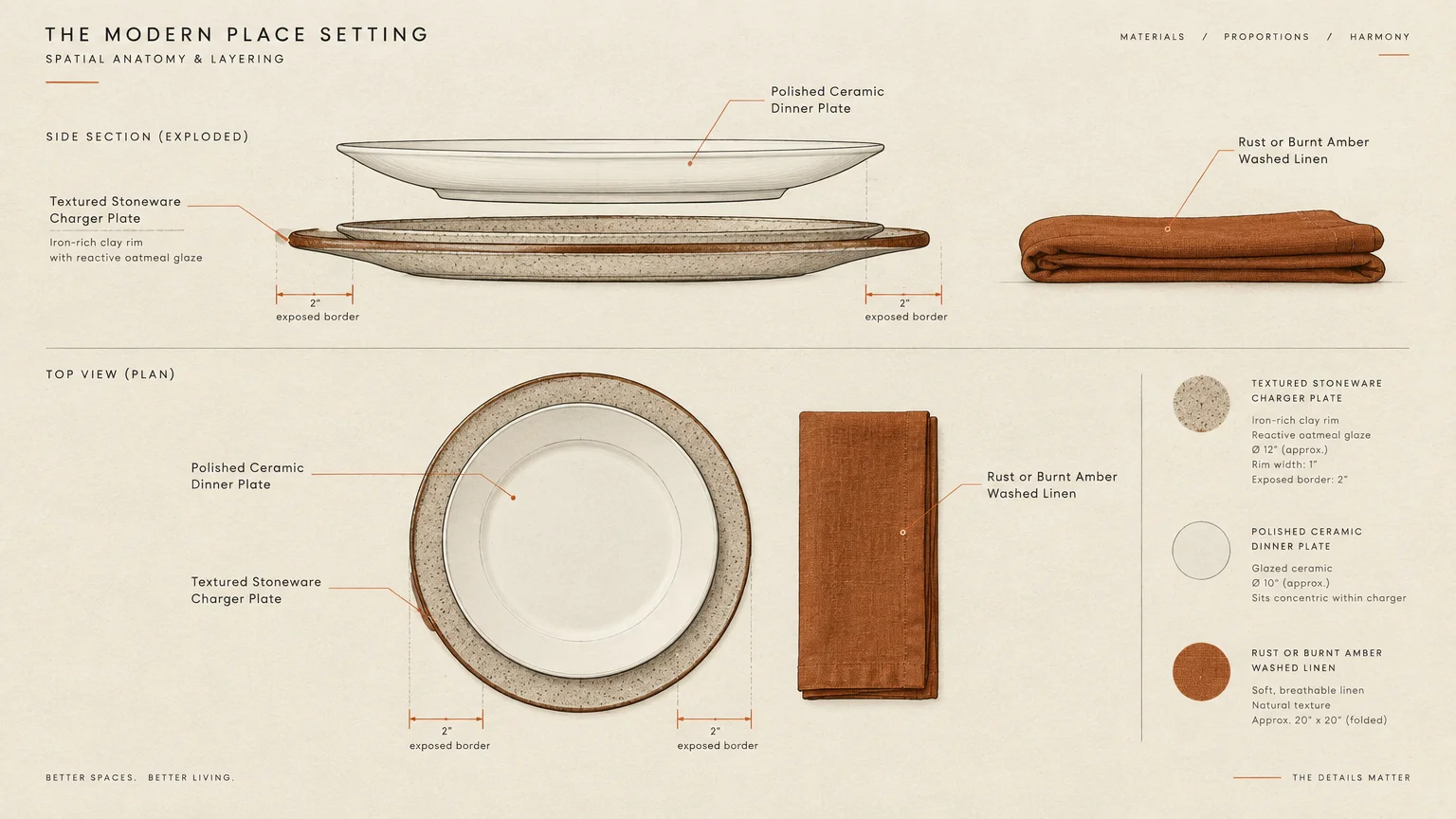
Seek out ceramic pieces crafted from iron-rich clay, finished with reactive glazes in oatmeal, charcoal, or terracotta. These subdued mineral pigments anchor the table and complement both fine bone china and handmade pottery.
The tactile juxtaposition of unglazed stoneware against polished ceramic creates a rich sensory contrast. This subtle layering reflects the quiet luxury ethos that defines modern luxury entertaining.
Matte glazes also prevent harsh glare under dining room chandeliers, fostering a calm, relaxing ambiance. Guests feel an immediate sense of tactile intimacy the moment their fingers brush the ceramic edge.
Styling Your Place Settings
When styling thanksgiving table decor, pair sandstone-toned chargers with deeply saturated rust or burnt amber napkins. This organic foundation celebrates seasonal abundance without relying on literal holiday motifs.
Allow two inches of the charger plate to remain exposed beyond the rim of your primary dinner plate. This visible perimeter creates a grounding shadowline that highlights the craftsmanship of each vessel.
For winter festivities, swap autumn tones for chalky alabaster or slate chargers beneath dark forest green plates. This tonal depth brings an immediate sense of occasion to your holiday entertaining.
Investing in handcrafted ceramic chargers guarantees long-term versatility across seasons. Their timeless silhouettes transition seamlessly from cozy family dinners to grand celebratory banquets.
Trend #2: Architectural Sculptural Taper Candles
The Renaissance of Atmospheric Illumination
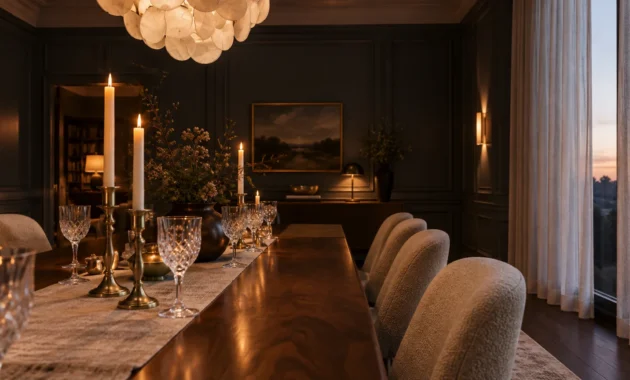
Atmospheric lighting serves as the emotional heartbeat of any festive gathering. While overhead chandeliers offer general illumination, the living flame of taper candles delivers an intimate, kinetic warmth.
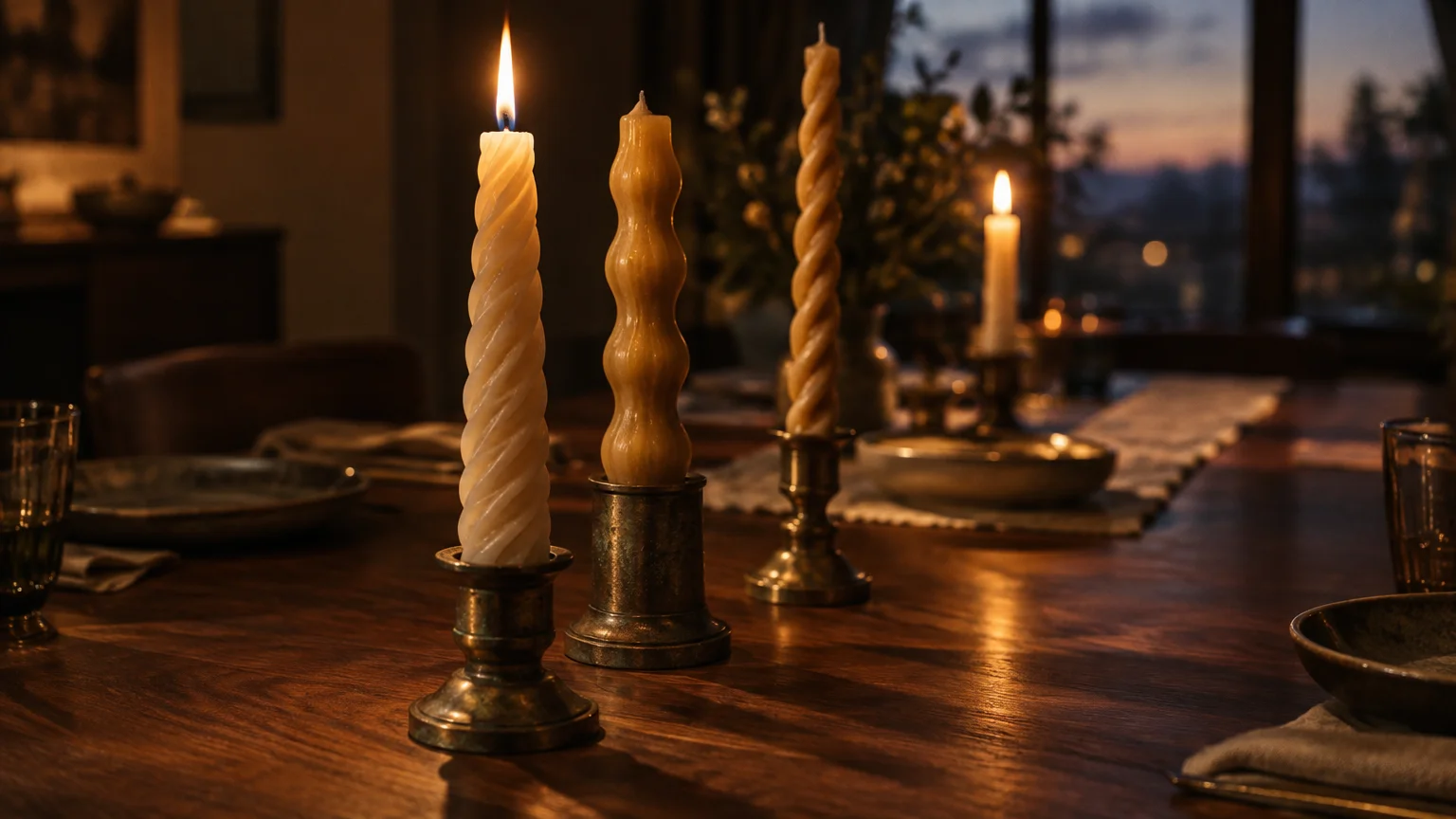
Designers are currently abandoning conventional straight tapers in favor of spiraled, ribbed, and undulating wax forms. These sculptural silhouettes double as modern art pieces before they are even lit.
The gentle flicker of open flame casts soft, dancing shadows across your table settings. This dynamic light softens facial features and invites guests to linger comfortably over wine and conversation.
Curating Height and Patina
House your tapers in solid brass holders that feature authentic, unlacquered aging. The warm reflection of candlelight against patinated metal introduces historical depth and effortless charm.
Stagger candle heights across your table run, ranging from six to sixteen inches tall. Varying your vertical elevations creates visual rhythm, drawing the eye dynamically along the entire length of the setting.
Mix slender stick holders with squat, heavy ceramic bases to build an eclectic yet curated landscape. This juxtaposition of substantial stone and delicate flame captures the essence of sophisticated living.
Cohesive Chromatic Accents
Select natural beeswax tapers in shades of beeswax honey, olive green, or deep bordeaux. These saturated hues echo the natural world while contributing an elevated note of refinement.
Always ensure that your tapers remain dripless and unscented throughout dinner service. Intrusive synthetic scents compete with your culinary aromas, which disrupts the sensory harmony of the meal.
Cluster three or five holders of disparate heights together at intentional intervals along your table runner. This deliberate asymmetry feels relaxed, sophisticated, and distinctly editorial.
During an evening event, light your candles ten minutes before guests take their seats. This simple gesture allows the room to soften into a warm, celebratory glow that welcomes everyone effortlessly.
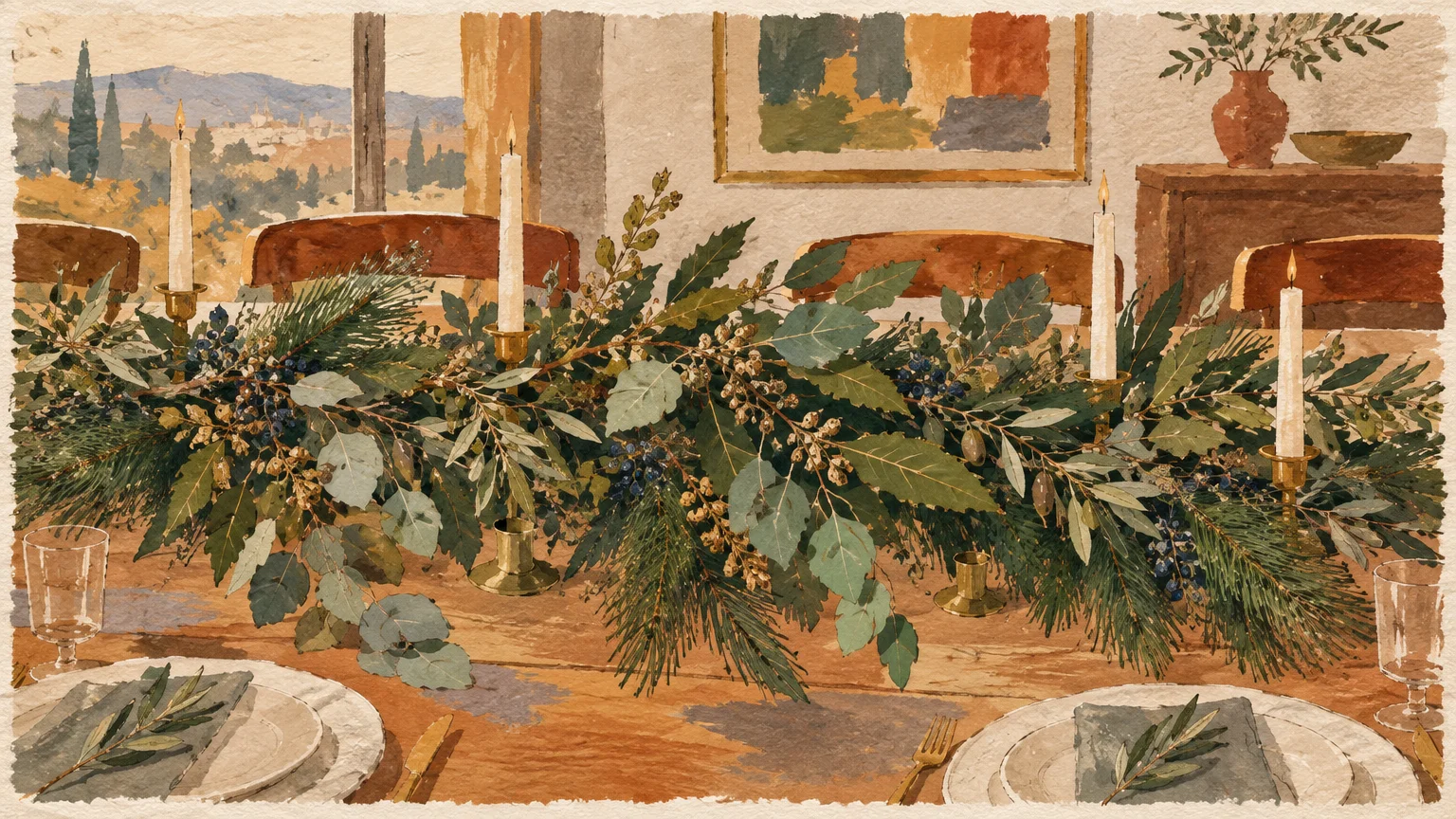
Trend #3: Foraged Botanical Garlands and Verdant Layers
Embracing Biophilic Tablescape Design
Modern entertaining celebrates a profound reconnection to nature through loose, biophilic greenery. Rather than rigid floral mounds, tastemakers now favor flowing botanical garlands that meander naturally across the table.
This organic approach brings texture, movement, and fresh woodland fragrances directly into your dining room. It transforms static holiday table setting ideas into living, breathing artistic installations.
Biophilic elements evoke a calming psychological response, lowering stress and fostering easy social interaction. Guests instinctively feel more grounded when surrounded by lush, organic greenery.
Selecting Dynamic Foliage
Layer delicate branches of seeded eucalyptus, bay laurel, and silver olive foliage for an airy base. Interweave sprigs of fragrant rosemary and blue spruce to produce tactile richness and a fresh, pine-laced scent.
Introduce dried architectural botanicals, such as bleached ferns or dried artichoke blossoms, for textural complexity. This interplay between supple fresh leaves and brittle preserved stems provides remarkable depth.
Opt for seasonal cuttings gathered directly from your garden or local landscape whenever possible. Foraged branches like wild rosehip or bare lichen-draped twigs celebrate the specific geographic character of your home.
Constructing the Verdant Center
Keep your botanical garland low to the table, never exceeding eight inches in total height. Low-profile greenery preserves clear sightlines, encouraging lively and uninterrupted conversation across the table.
Weave your garland delicately around your brass taper holders and ceramic serving boards. Letting the leaves brush naturally against tableware dissolves rigid boundaries, producing an effortlessly curated aesthetic.
For a dramatic christmas tablescape, incorporate seasonal botanical treasures like miniature snowberries or pomegranate clusters. These subtle accents provide organic jewel tones without relying on manufactured holiday paraphernalia.
Mist the foliage lightly with chilled water an hour before your guests arrive to maintain peak vitality. This maintains the supple moisture of the greenery throughout a long, indulgent evening.
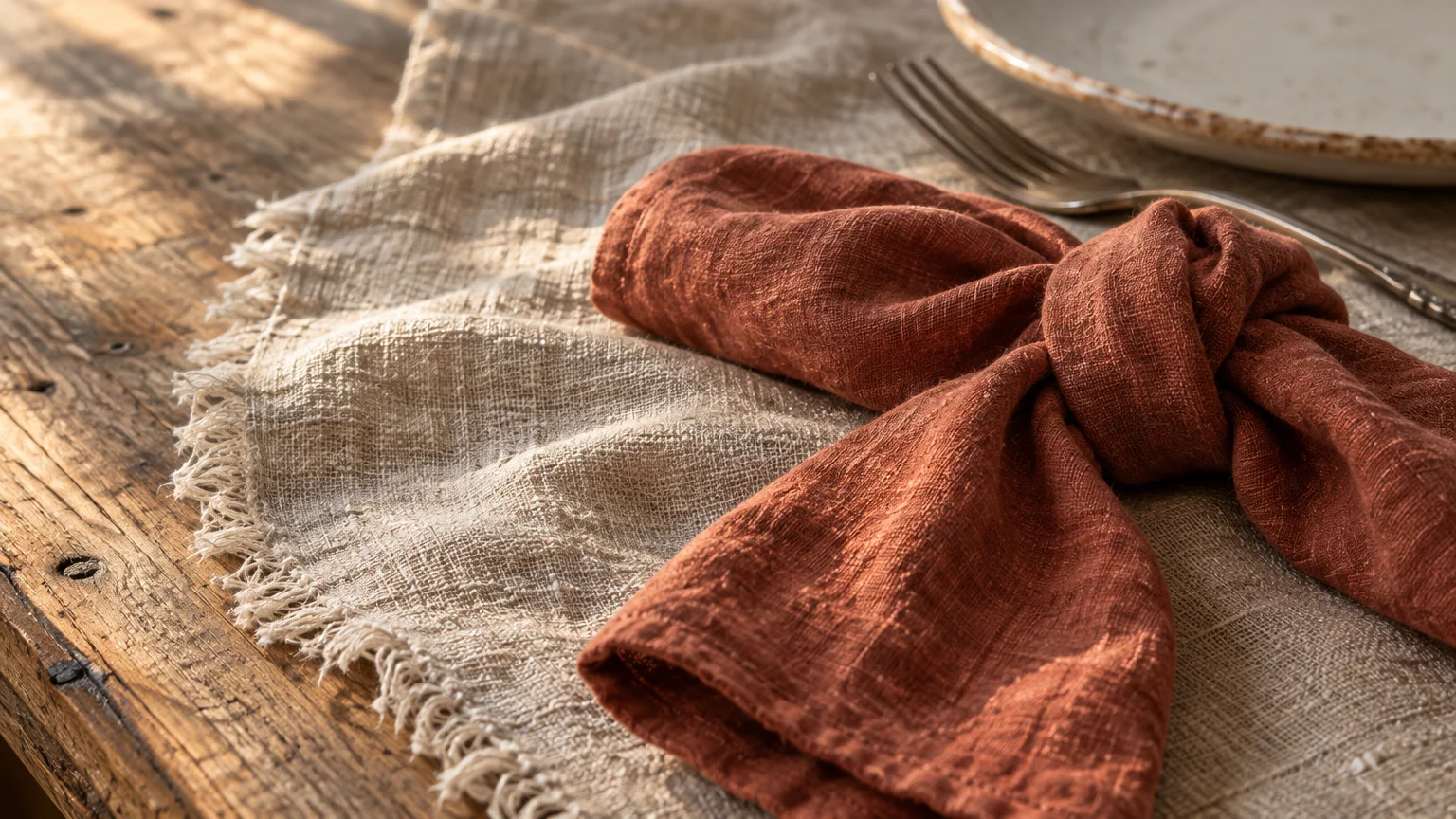
Trend #4: Raw Artisanal Linen Runners and Napkins
Textile Grounding and Artisanal Provenance
Textiles establish the sensory foundation of your dining experience, dictating both tactile comfort and visual serenity. Washed, unpressed European linen delivers a casually elegant drape that formal, starch-stiff damask cannot match.
Discerning hosts embrace natural imperfections like slubs, gentle wrinkles, and frayed hems as markers of genuine provenance. This celebration of wabi-sabi aesthetics brings an authentic human touch to festive entertaining.
Flax linen boasts exceptional breathability and moisture-wicking properties, offering an unparalleled hand feel. Touching premium linen instantly signals to guests that you prioritize thoughtful craftsmanship and tactile luxury.
Palette Harmony and Hemline Details
Choose foundational runners in unbleached flax, warm fawn, or dusty slate to anchor your dinnerware. Introduce contrast by pairing these neutral runners with napkins in deep tobacco, plum, or sage green.
Consider napkins finished with merrowed edges or delicate contrast stitching along the border. These minute dressmaker details showcase tailored precision and elevate the entire tablescape.
Textile layering allows you to soften cold hard-surface tables, such as marble or polished walnut. The fabric acts as an acoustic baffle, softening the clatter of cutlery and enhancing dining room intimacy.
Artful Napkin Presentation
Avoid tight napkin rings or rigid, origami-style paper folds that look overly commercial. Instead, fold each linen napkin loosely into an elongated rectangle, or drape it casually across each dinner plate.
Tuck a single sprig of dried lavender or fresh cedar into the folds alongside an artisanal place card. This delicate presentation offers an intimate greeting that delights your guests the moment they are seated.
A continuous table runner running the length of the table visibly unifies disparate place settings. It establishes a coherent decorative corridor that effortlessly guides the placement of centerpieces and serveware.
High-quality linen softens beautifully with every wash, aging with grace over years of holiday celebrations. Its enduring durability makes it a sustainable investment for your enduring dining repertoire.
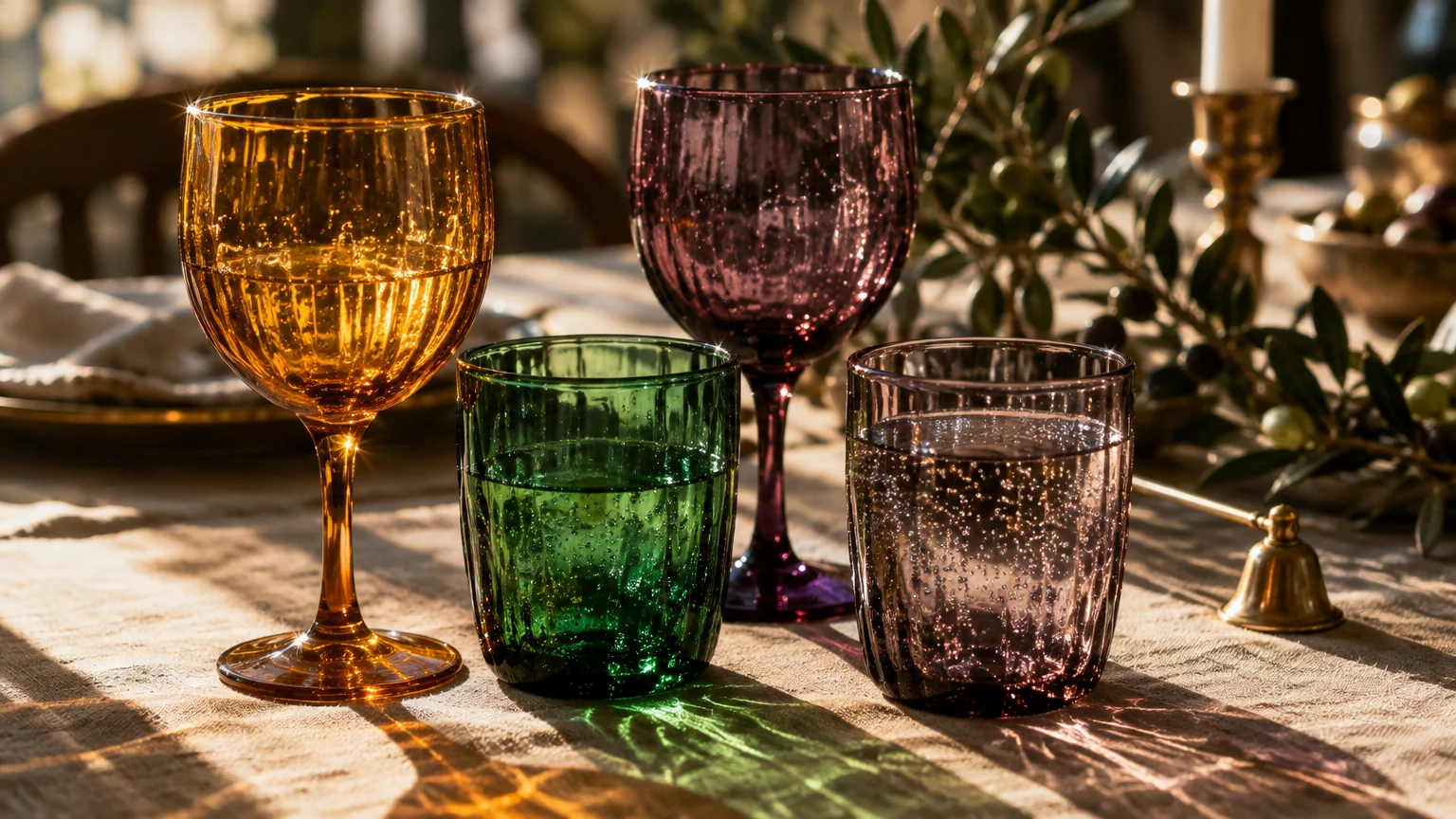
Trend #5: Jewel-Toned Hand-Blown Glassware
Chromatic Brilliance and Refracted Light
Glassware offers an immediate opportunity to introduce luminous color and joyful brilliance to your festive gathering. Hand-blown colored glass catches ambient candlelight, casting enchanting colored shadows across crisp table linens.
Designers are replacing traditional clear crystal stems with richly tinted goblets, flutes, and tumblers. This infusion of jewel-toned glass brings playful warmth and contemporary personality to your festive tablescape.
Colored glassware creates a sense of casual festivity that breaks away from stuffy entertaining conventions. It invites guests to relax and savor their drinks without fear of intimidating formality.
Curating Tonal Contrasts
Mix warm hues like amber, topaz, and smoked amethyst for autumn harvest dinners and intimate gatherings. For winter galas, choose emerald green, sapphire blue, or tourmaline rose to evoke classic festive grandeur.
Fluted textures, optic ribs, and delicate bubble patterns embedded within the glass add captivating tactile intrigue. These artisanal textures feel delightful in hand while reflecting flickering flames from adjacent tapers.
Ensure your colored glass aligns with your secondary accent colors to avoid visual fragmentation. A unified color story across textiles and glassware reinforces an intentional, high-end editorial mood.
Balancing Form and Function
Anchor each place setting with a vibrant colored water goblet paired with a clear, ultra-thin wine glass. This balanced pairing keeps your table from feeling visually congested while providing an intentional pop of pigment.
Varied stem heights create dynamic movement across your place settings, complementing the cadence of your candles. This layering of transparent hues brings a joyful, buoyant energy to your festive table decor.
Handcrafted glassware celebrates subtle artisanal quirks, from gentle rim variations to unique air inclusions. These distinct details remind your guests of the skilled artisan hands behind every vessel.
Colored glassware also helps guests identify their designated drinks throughout the night with ease. It combines practical entertaining sensibility with elevated artistic flair.
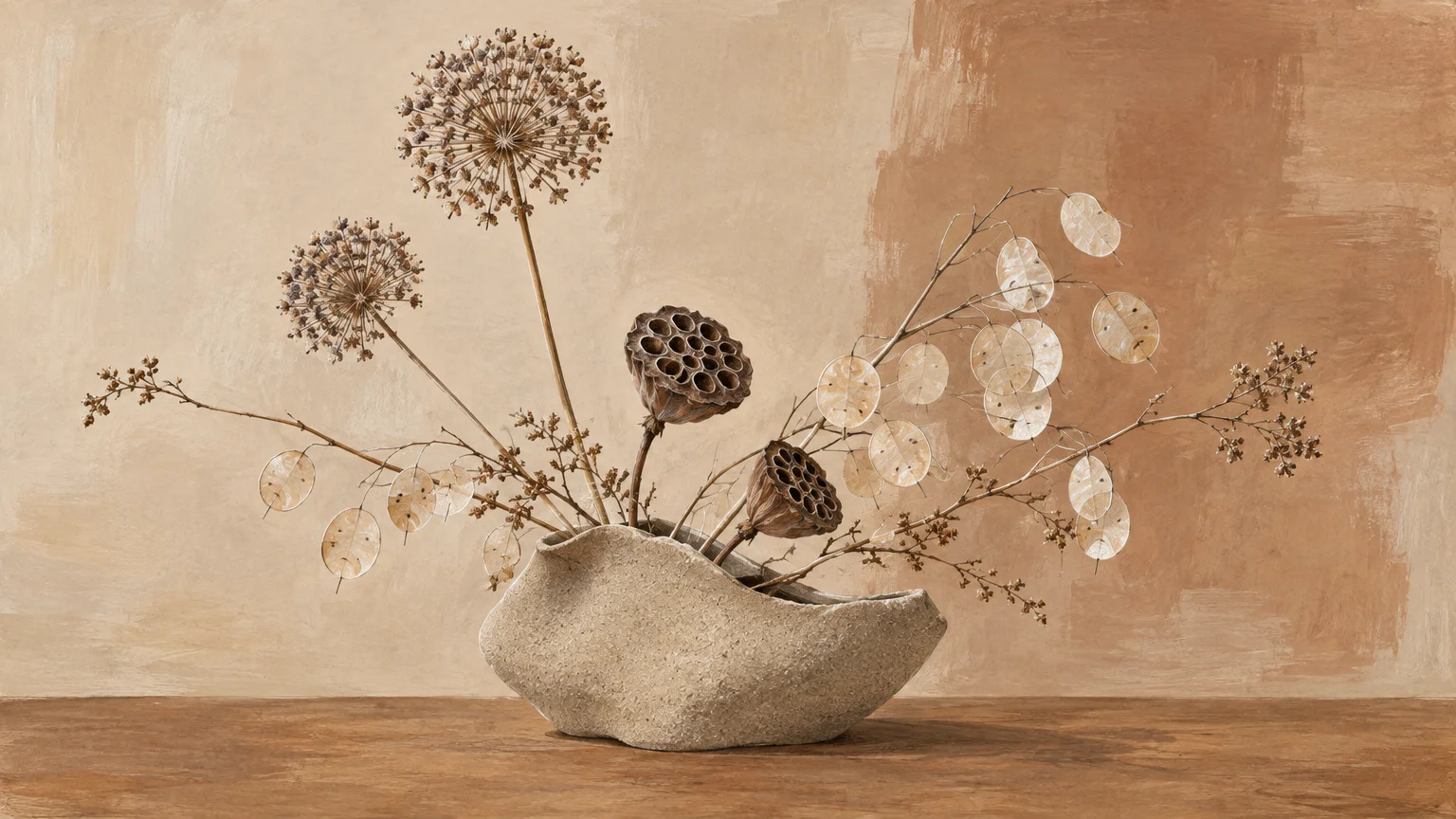
Trend #6: Organic Sculptural Vessels as Statement Centerpieces
The Shift Away from Stiff Arrangements
The traditional, symmetrical dining table centerpiece packed tightly with red roses has officially made its exit. In its place, designers favor asymmetrical, sculptural vessels crafted from poured concrete, terracotta, or carved travertine.
These vessels act as commanding architectural anchors, bringing grounding presence and structural form to your tablescape. They possess an artistic, gallery-worthy weight that anchors festive gatherings with understated confidence.
By treating the vessel as a primary sculpture, the floral element becomes an artful accent rather than an overwhelming mass. This refined discipline embodies the understated luxury prized by modern collectors.
Form, Finish, and Composition
Look for vessels that showcase raw, unglazed exteriors with tactile ridges or porous, pitted textures. Neutral stone finishes in limestone, sand, and basalt harmonize with organic florals without overpowering the table.
Adopt the principles of Japanese ikebana by arranging minimalist stems with intentional breathing room. A few dramatic magnolia branches or curving dogwood stems create far more drama than crowded bouquets.
Consider vessels featuring unusual geometry, such as pedestal bases, double-handled amphora silhouettes, or hollow torus rings. These graphic shapes add architectural interest that feels fresh and unexpected.
Achieving Visual Harmony
Position a single statement vessel off-center to create a provocative, artful tension across your tabletop. Balance this substantial piece on the opposite side with low-profile votives or a low bowl of seasonal fruit.
Maintain comfortable sightlines by keeping the densest floral volume below eye level when guests sit down. Arching, bare branches can soar upward gracefully without obstructing conversations across the dining table.
Between dinner courses, an architectural vessel remains a captivating sculptural art object in your dining space. It elevates the room continuously, providing lasting beauty long after holiday celebrations draw to a close.
Selecting vessels with timeless craftsmanship ensures they serve your home gracefully across every season. They represent the quintessential intersection of enduring utility and modern sculptural elegance.
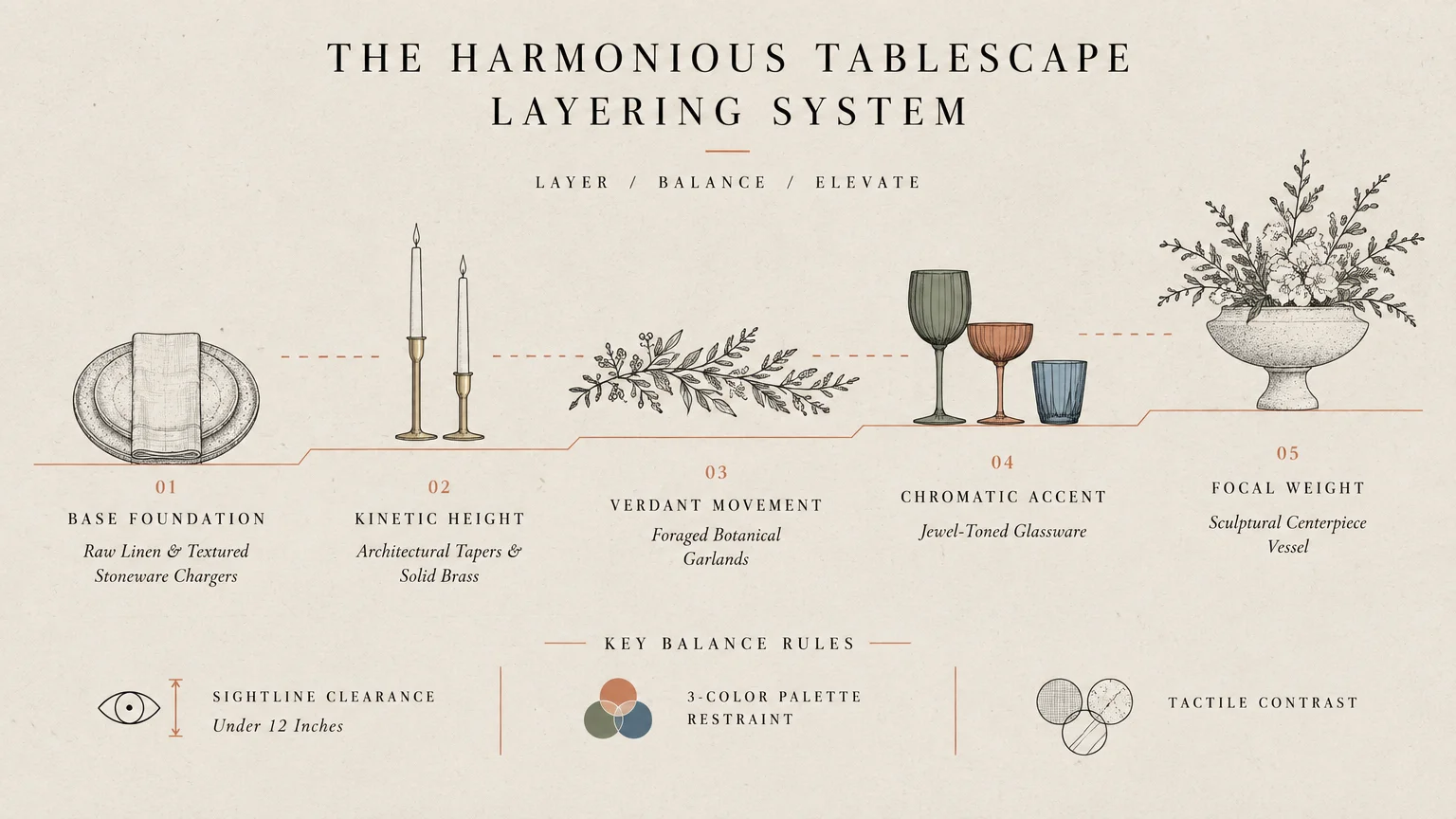
The Big Picture: Weaving These Trends into Your Home
Creating cohesive holiday table setting ideas requires harmonizing these individual decor items into a singular design narrative. You do not need to adopt every trend simultaneously to produce an unforgettable celebration.
Begin by assessing your dining room’s existing architecture, lighting fixtures, and primary furniture finishes. Your festive tablescape should amplify your room’s natural style rather than feeling like a disconnected theatrical costume.
If your dining table features rich, dark walnut or reclaimed oak, highlight the wood’s grain rather than covering it completely. A narrow runner allows the natural timber to serve as a warm, organic backdrop.
Establish a grounding foundational palette of three core colors, such as oatmeal, deep bronze, and pine green. Limit secondary accents to two contrasting tones to keep the visual composition serene and intentional.
Layer your textures thoughtfully by pairing coarse slubbed linens with smooth glazed ceramics and reflective glassware. This deliberate interplay of matte, glossy, rough, and sheer materials creates an immersive sensory experience.
Always prioritize the comfort and movement of your guests above purely ornamental considerations. Leave ample space for wine carafes, bread baskets, and shared serving platters between your decorative centerpieces.
Embrace personal heirloom items alongside contemporary design pieces to infuse authentic character into your table. A vintage silver salt cellar paired with modern stoneware evokes a curated, well-traveled aesthetic.
Edit your table ruthlessly before calling guests to dinner by removing any superfluous clutter. True sophistication lies in knowing when a table possesses just enough beauty to inspire wonder without impeding fellowship.
True hospitality stems from creating an atmosphere where your guests feel embraced, relaxed, and celebrated. When thoughtful design supports human connection, your dining table becomes an unforgettable stage for lasting memories.
Frequently Asked Questions
How do I mix metal finishes on a festive table without causing visual clutter?
You can mix metal finishes successfully by selecting one dominant metal and pairing it with a single accent metal. For instance, combine unlacquered brass candlesticks with matte black flatware for a balanced, modern composition.
Ensure your metals share a similar sheen, such as pairing brushed brass with antique pewter. Repeating each metal at least twice across your table creates intentional visual rhythm rather than accidental discord.
What is the ideal centerpiece height to keep dinner conversation flowing?
Centerpieces should remain either under twelve inches tall or rise well above fourteen inches on slender pedestals. This keeps the primary floral volume clear of your guests’ natural eye lines when seated.
Test your table sightlines before your dinner guests arrive by sitting in chairs opposite each other. If you cannot easily read your companion’s facial expressions, lower or rearrange your central decor pieces.
How can I transition my dining table decor from Thanksgiving to Christmas?
Maintain your foundational stoneware chargers, brass candleholders, and neutral linen runners across both celebrations. Swap warm autumn accents like dried wheat and amber tumblers for rich evergreen foliage and deep jewel-toned glass.
This modular approach saves valuable preparation time while cultivating a refined, evolving aesthetic throughout the holidays. It lets you celebrate each holiday uniquely without reinventing your core entertaining essentials.
Do colored wine glasses comply with formal dining etiquette standards?
Contemporary dining etiquette enthusiastically embraces colored glassware when thoughtfully paired with clear crystal stemware. Using a colored goblet for water alongside a clear glass for wine honors tradition while expressing joyful creativity.
Clear wine glasses allow your dinner guests to fully appreciate the hue and clarity of the vintage. Meanwhile, vibrant water tumblers inject energy and warmth into your overall tablescape design.
For the latest color forecasts, consult industry leaders like Pantone and paint companies like Benjamin Moore. For professional design standards, refer to the American Society of Interior Designers (ASID).
Disclaimer: This article reflects design trend analysis and predictions. Personal taste and timeless design principles should always guide your decorating choices.