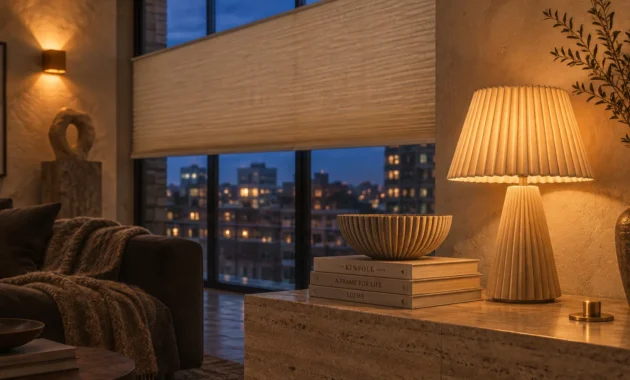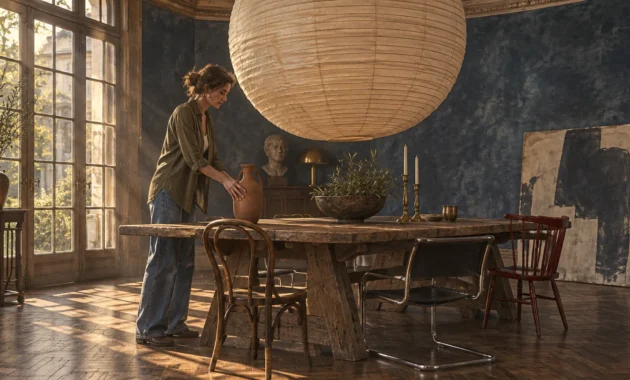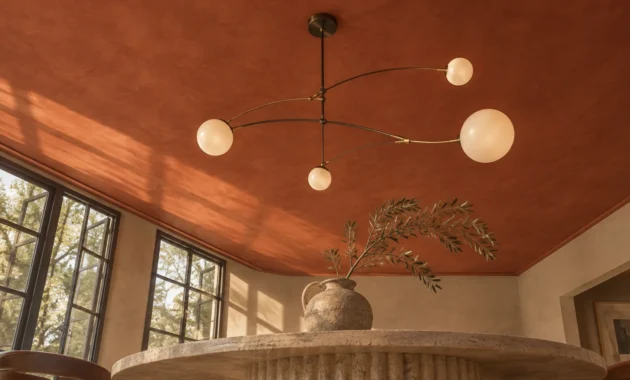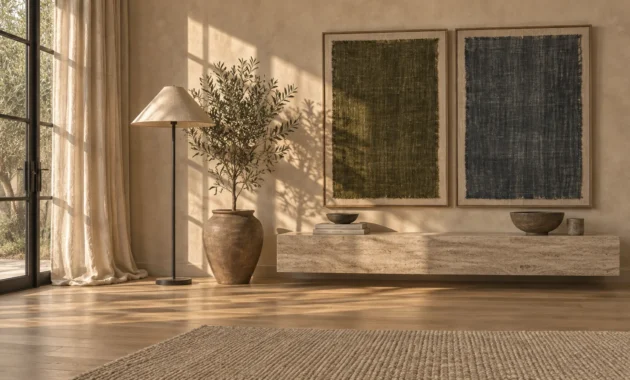
Step across any threshold, and a visitor forms a quiet verdict in roughly 38 seconds—often judging the living room most. Understanding what guests notice lets you shape that split-second impression with effortless grace.
Today’s most compelling living room design tips go far beyond swapping accent pillows or repainting a wall. They eliminate the subtle home decor mistakes that quietly undermine comfort, air quality, and architectural balance.
By pairing clean living room habits with intentional proportion and warm lighting, you turn silent scrutiny into immediate warmth. Here are the five high-impact details redefining how thoughtful hosts curate their main gathering spaces.
Trend #1: Sensory Air Purity and the Clean-Edge Standard
Before anyone admires your sofa silhouette or curated bookshelf, their senses assess the room’s atmosphere. Aesthetic charm loses its power the moment a space feels stale or visibly dusty.
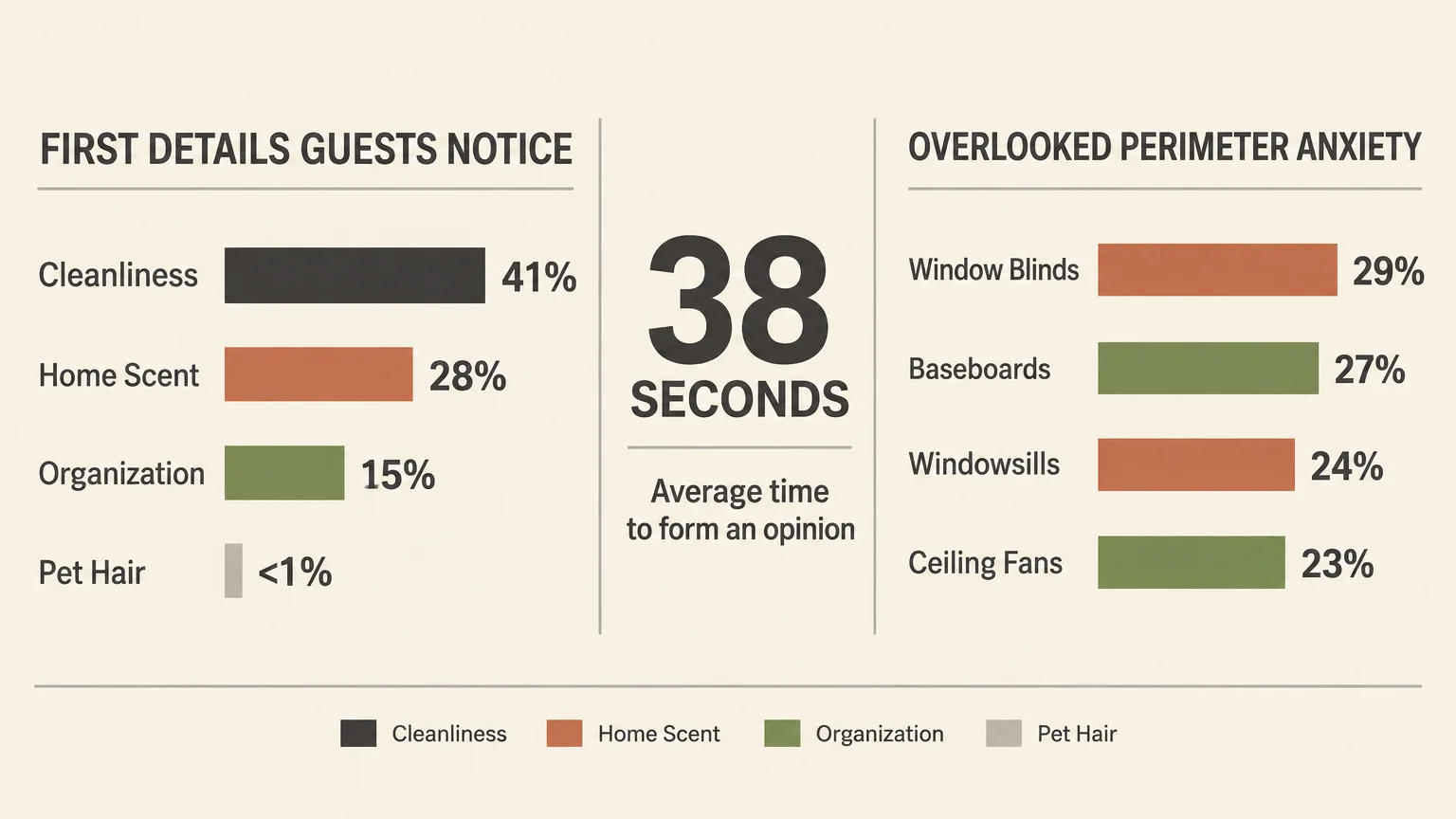
According to a Today’s Homeowner survey of more than 1,800 respondents updated in April 2025, 41% say cleanliness is the first detail they notice upon entering a home. Another 28% notice how a home smells first, while organization ranks third and pet hair ranks below 1%.
Speed also shapes that impression. A 2019 UK poll of 2,000 adults by Independent Network and VEKA found that guests form an opinion in an average of 38 seconds, with the living room drawing the most scrutiny at 33%.
Why Scent Outranks Visual Style
Designers increasingly treat scent as invisible architecture rather than an afterthought. A May 2024 OnePoll survey of 2,000 U.S. adults commissioned by Air Wick found that 55% believe how a home smells matters more than how it looks.
In that same study, 44% admitted judging others based on household odor, and 43% worried visitors would judge them for it. A November 2023 Feather & Black survey of 2,000 UK adults likewise ranked smell number one ahead of interior style, clutter, color scheme, and ambience.
Yet masking stale air with heavy artificial sprays often backfires. The U.S. Environmental Protection Agency (EPA) notes that household air fresheners and conventional cleaners release volatile organic compounds (VOCs) directly into your breathing space.
Americans spend roughly 90% of their time indoors, where indoor air can be 2 to 5 times—and occasionally up to 100 times—more polluted than outdoor air, according to the EPA and the American Lung Association (ALA). Both agencies also advise against ozone-generating air cleaners, which irritate lungs without safely clearing pollutants.
The Overlooked Perimeter Guests Spot Immediately
Even well-styled rooms suffer from perimeter neglect. A December 2024 Talker Research survey of 2,000 Americans commissioned by BISSELL revealed that 48% fail to notice household grime until company arrives, leaving 57% feeling embarrassed.
Roughly 41% worry visitors will spot neglected corners, especially window blinds at 29%, baseboards at 27%, windowsills at 24%, and fans at 23%. Those crisp architectural lines quietly broadcast whether a clean living room is truly maintained.
The ALA explains that dust settling on upholstery, curtains, and rugs contains pet dander, mold spores, and dead skin flakes—with the average person shedding 1.5 grams daily, enough to feed a million dust mites. Dry-dusting simply launches those particles right back into the air.
How to Elevate Your Room’s Atmosphere
Swap dry feather dusters for a damp microfiber cloth, damp mop, or dust-trapping duster along baseboards, blinds, molding, and shelves as the ALA recommends. Vacuum upholstered cushions and drapery hems weekly using a high-filtration attachment.
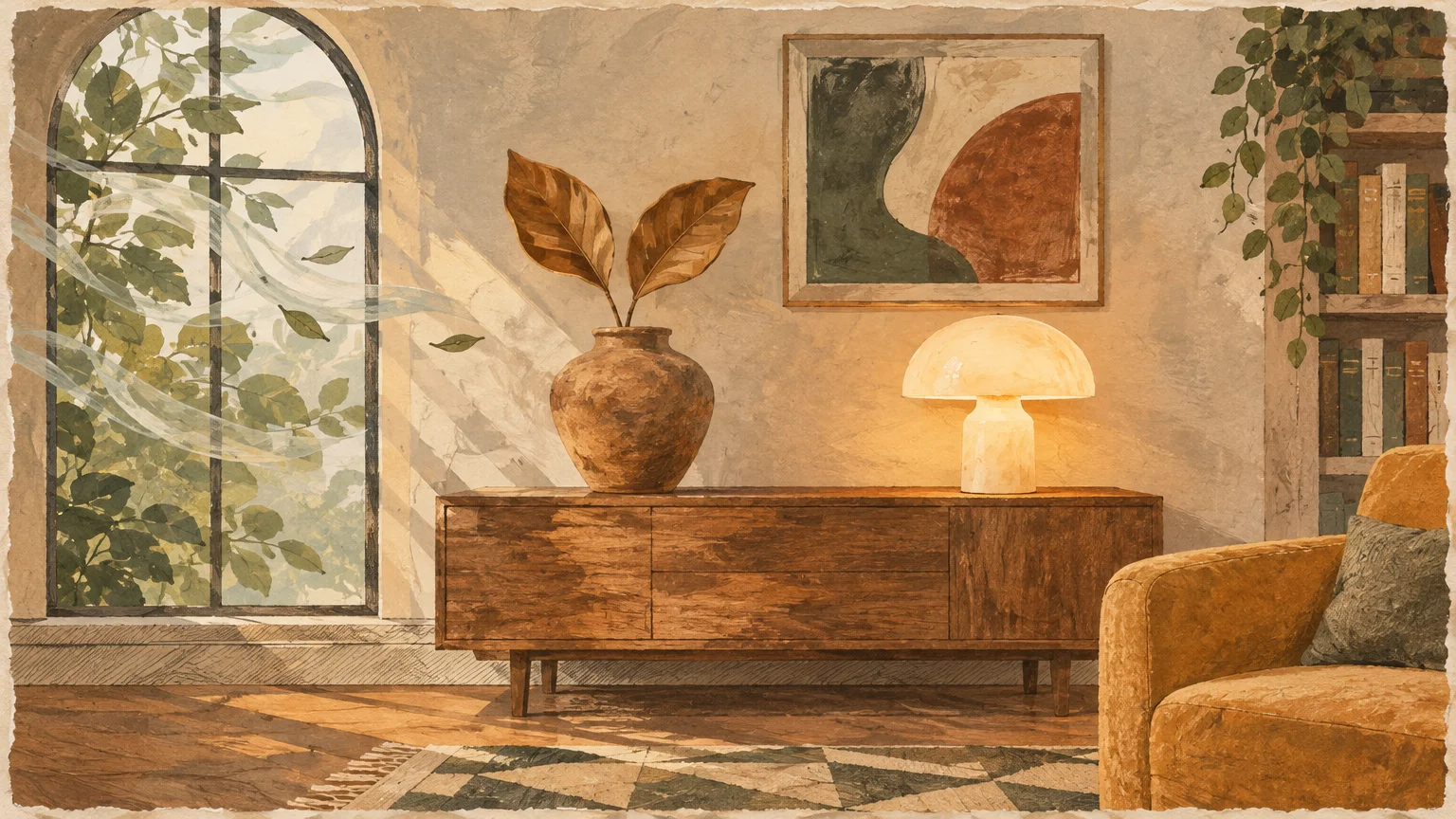
To freshen the air without synthetic VOC overload, open two opposite windows for ten minutes of cross-ventilation before guests arrive. Pair fresh air with gentle biophilic touches—design elements rooted in nature—such as simmering citrus peels or displaying lightly fragrant eucalyptus stems.
Trend #2: Warm-Dim Lighting Layers Over Harsh Overhead Glare
Few living room mistakes flatten an expensive room faster than sterile, unlayered illumination. Walk into a space lit by one cool overhead bulb, and every fabric, skin tone, and wall color suddenly appears harsh.
Ambience consistently ranks among the top five impressions visitors register alongside color scheme and design style. Modern lighting trends reject hospital-bright ceilings in favor of intimate, sculpted glow.
Mastering Color Temperature and CRI
To get evening atmosphere right, look closely at Kelvin ratings on your bulb packaging. The U.S. Department of Energy (DOE) and ENERGY STAR define 2700K to 3000K as warm white light ideal for relaxed residential living rooms.
Bulbs rated at 4000K and above shift toward cooler, bluer white light suited for task garages rather than conversation lounges. When your overhead downlights clash with warm table lamps, the room feels visually fractured.
Today’s finest residential spaces lean into warm-dim LEDs, which the DOE notes begin at 2700K to 3000K at full brightness and warm smoothly down to a candlelike 1800K on a dimmer. That gradual shift flatters guests instantly at dusk.
Color Rendering Index (CRI) matters just as much as warmth. ENERGY STAR mandates a minimum 80 CRI with positive red-tone rendering for certified fixtures, while the DOE highlights 90+ CRI for superior accuracy across wood grains, artwork, upholstery, and complexions.
Building a Three-Layer Lighting Plan
Relying on a single ceiling fixture is one of the easiest home decor mistakes to fix in an afternoon. Instead, distribute light at three distinct heights so shadows fall softly around the room.
Start with dimmable ambient illumination from recessed fixtures or a diffused chandelier fitted with 2700K, 90+ CRI bulbs. Next, add task lighting through a reading floor lamp beside your armchair or swing-arm sconces flanking a sofa.
Finish with accent lighting such as picture lights over framed canvases or slender cordless lamps tucked onto bookshelves. When eye-level pools of light replace overhead glare, your entire space exudes quiet sophistication.
Trend #3: Sculptural Containment and Lived-In Order
Clutter ranks among the very first signals visitors read when entering your home, yet sterile minimalism no longer feels welcoming. The defining movement today balances effortless daily living with disciplined visual calm.
In the May 2024 OnePoll survey, 44% of hosts named clearing visible clutter their top priority before friends arrive, outranking scent at 39% and surface wiping at 22%. Guests instinctively equate visual noise with stress.
Ending the Pre-Guest Panic Shuffle
Most households still rely on last-minute hiding tactics rather than smart storage design. The 2026 IKEA Store & Organise Report—a YouGov survey of 31,488 participants across 31 markets conducted in April 2026—found that 34% shuffle clutter from room to room before guests arrive, rising to 49% in the UK.
Even more telling, 10%—or 1 in 10 respondents—admitted cancelling plans with friends simply because their home felt too messy. Meanwhile, 68% keep a catch-all drawer of doom packed with unhomed items, mostly tangled cables.
Yet perfection is not the goal; warmth is. That same 2026 report revealed that 59% prefer a lived-in home over strict minimalism, proving guests want personality without chaos.
Designing Quiet Luxury Storage
The emerging aesthetic borrows from quiet luxury—understated refinement achieved through superb materials and discreet function rather than flashy logos. Every everyday necessity gets a sculptural home right where you actually use it.
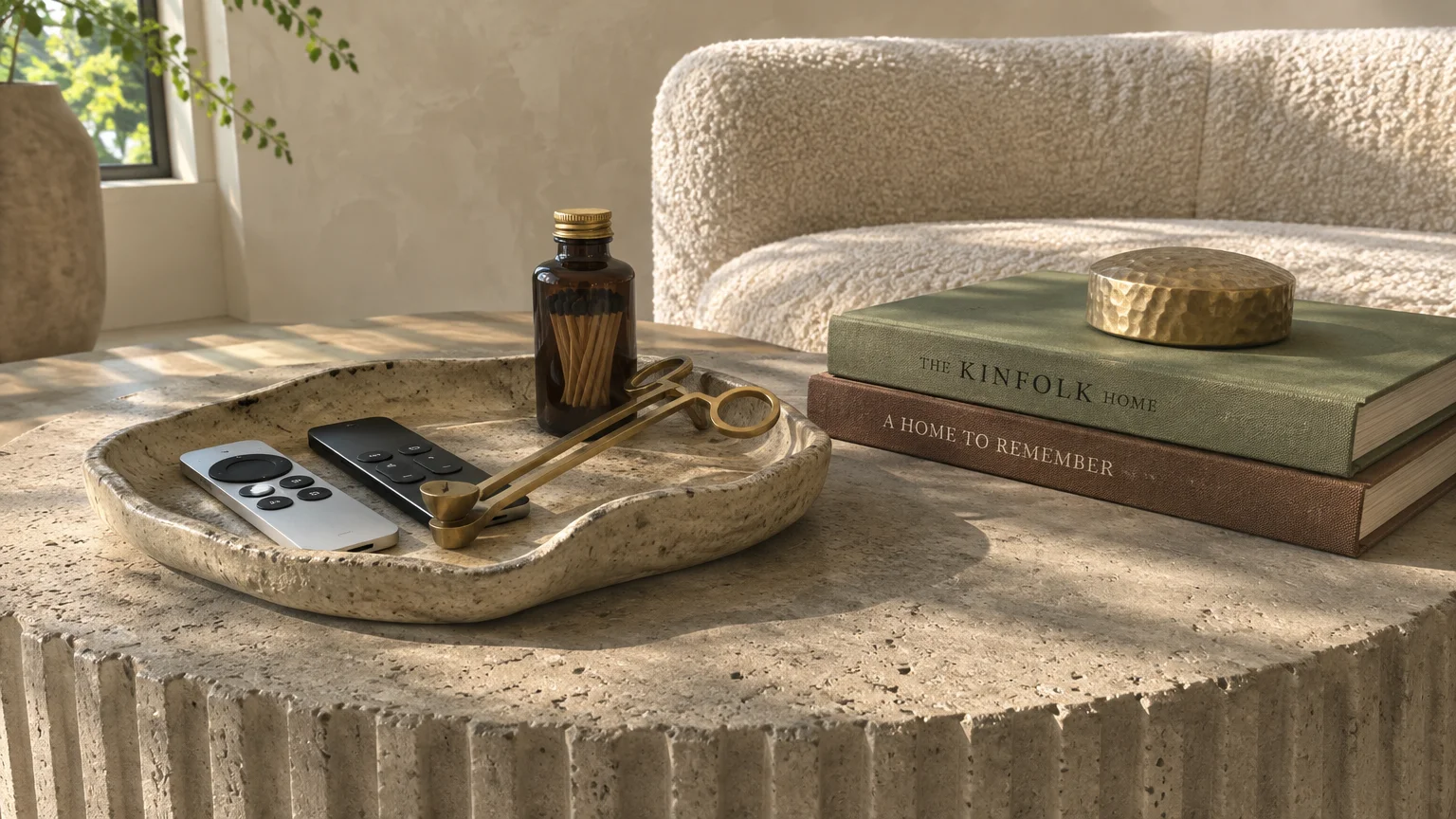
Replace open glass media consoles that expose black power strips with fluted wood credenzas featuring rear cord pass-throughs. Tuck spare chargers inside woven leather boxes or ceramic lidded vessels perched neatly on side tables.
Give throw blankets a tactile oversized basket beside the hearth, and choose coffee tables with lower shelves or concealed drawers for remotes. When horizontal surfaces retain generous negative space—the intentional breathing room around objects—your living room reads as calm and curated.
Trend #4: Grounded Scale, Proportion, and Ergonomic Flow
You can invest in heirloom upholstery and still leave guests feeling unsettled if your room’s proportions are off. Experienced eyes—and even casual visitors—sense visual tension the moment furniture floats awkwardly or pathways feel pinched.
In the 2019 Independent Network and VEKA poll, 20% of guests admitted checking for dust or adjusting crooked pictures and ornaments. Small alignment errors pull focus away from the warmth of your hospitality.
Even worse, poor sizing makes quality pieces look improvised. In Today’s Homeowner’s 2025 survey, 30% of respondents judged hosts for cheap-looking decor and 30% judged cheap-looking furniture—often a symptom of undersized rugs and flimsy proportions.
Anchoring Seating with Correctly Sized Rugs
An undersized area rug floating like a postage stamp beneath a coffee table is one of the most pervasive living room mistakes. It chops the floor plane visually and makes your entire seating zone look smaller.
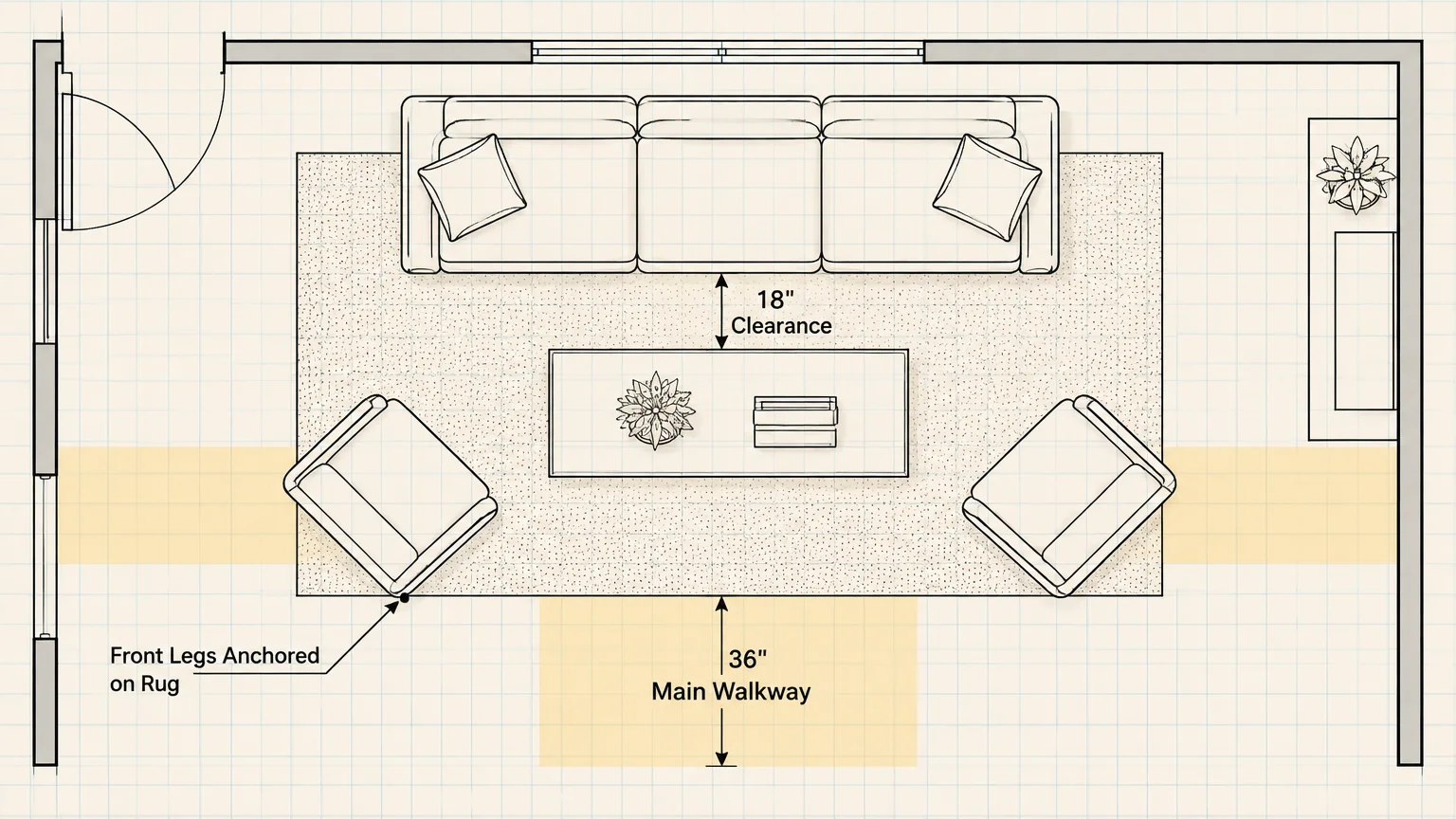
Standard interior design guidelines recommend placing at least the front legs of every primary seating piece on the rug, which usually requires an 8×10-foot rug or larger in an average living room. Leave 12 to 18 inches of bare flooring framing the perimeter walls.
Hanging Drapery and Art with Gallery Precision
Low-hung curtains compress ceiling height immediately. Mount curtain rods 4 to 6 inches—or higher toward the ceiling or cornice—above the window frame, and extend them 6 to 12 inches past each side so glass remains unobstructed.
Select drapery panels totaling 2 to 2.5 times the rod width for rich, tailored pleats rather than taut flat sheets. Tailor hems so panels hover about 1 centimeter above the floor, kiss the surface lightly, or puddle subtly.
Follow the same architectural discipline with wall art. Standard gallery practice centers standalone pieces 57 to 60 inches from the floor, preventing sky-high frames that force guests to crane their necks.
When hanging art above a sofa or console, leave 6 to 10 inches between the top edge of the furniture and the bottom of the frame. Keep the artwork or gallery grouping roughly two-thirds the width of the piece below it.
Ergonomic Screen Placement and Walkways
Oversized televisions mounted high above mantels routinely strain necks and dominate conversation spaces. Industry mounting standards cited by Sanus and professional installers place the screen center at seated eye level—typically 42 inches from the floor, within a 38-to-44-inch range.
THX guidelines advise keeping your vertical viewing angle within 15 degrees above or below eye level, while SMPTE standards warn against tilting your head upward more than 35 degrees to view the screen’s top edge.
Round out your layout by respecting clear human movement paths. Position your coffee table 14 to 18 inches from the sofa edge, keeping table height between 16 and 18 inches—roughly level with or slightly below the seat cushions.
Maintain 30 to 36 inches for primary walkways—or 36 to 42 inches along main thoroughfares aligned with ADA accessibility clearances—and 24 to 30 inches for secondary paths between accent pieces. Always keep upholstered seating at least 36 inches back from an open fireplace.
Trend #5: Tactile Provenance and Elevated Surface Craft
Guests rarely articulate why one room feels memorable while another feels disposable, yet material honesty drives that perception. High-shine synthetic veneers and worn floors erode confidence faster than bold color choices ever could.
Recall Today’s Homeowner’s 2025 findings: 30% judge cheap-looking furniture, 30% judge cheap-looking decor, and 15% judge dirty floors. Those three reactions are entirely preventable through smarter material choices and thoughtful upkeep.
Replacing Fast-Furniture Sets with Provenance
The era of buying a matching three-piece living room suite from a single showroom floor has quietly ended. Today’s collectors prioritize provenance—the authentic origin, craftsmanship, and material history behind an object.
Instead of glossy faux-marble tables or brittle particleboard shelving, mix solid oiled oak, brushed limestone, unlacquered brass, and tightly woven natural linen. Even one vintage ceramic vessel or hand-turned wooden bowl adds depth that mass-produced resin knickknacks never achieve.
Pay equal attention to visual weight—how heavy or light a piece appears based on mass, color, and texture. Balancing a plush upholstered sofa with an airy sculptural side chair creates natural tension and prevents heavy corners.
Floor Care and Intentional Surface Styling
Because 15% of visitors immediately register dirty floors, make floor maintenance effortless by placing sleek entryway runners that trap outdoor grit. Buff scuffs out of hardwood periodically and spot-treat natural rugs promptly before stains set.
Treat horizontal tabletops like miniature galleries rather than storage bins. Combine three elements of varied height—a stack of two linen-bound design books, a sculptural stone tray, and a low floral arrangement—leaving plenty of polished wood or stone visible.
Before guests arrive, take two minutes to fluff down-filled cushions, straighten throw pillows into relaxed corners, and wipe coffee table rings. Those crisp finishing touches signal care without looking rigid.
The Big Picture: Weaving These Trends into Your Home
Great design never feels like a checklist enforced at the front door. Rather, these five shifts work together like instruments in a chamber ensemble, letting your personality shine without distraction.
Clean air and damp-wiped architectural trim create an inviting sensory baseline before a single word is spoken. Warm, high-CRI lighting then wraps your thoughtfully scaled furniture and tactile materials in flattering evening glow.
Meanwhile, discreet storage keeps daily realities—cables, remotes, mail—quietly tucked away without erasing the lived-in warmth guests genuinely crave. You do not need a total renovation to transform what guests notice most.
Begin with one high-impact reset this weekend, such as swapping cool overhead bulbs for 2700K high-CRI lamps or pulling your front sofa legs onto a properly scaled rug. Small, deliberate corrections compound rapidly into an effortless sense of ease.
For the latest color forecasts, consult industry leaders like Pantone and paint companies like Benjamin Moore. For professional design standards, refer to the American Society of Interior Designers (ASID).
Frequently Asked Questions
What is the fastest 15-minute reset before unexpected guests arrive?
Open two windows briefly for fresh air, run a damp cloth across coffee tables and visible windowsills, and gather loose clutter into one lidded basket. Finally, switch off overhead ceiling lights and turn on warm table and floor lamps.
How can I make my living room smell inviting without harsh chemical sprays?
Focus on removing odor sources first by laundering throw blankets, vacuuming upholstery, and emptying hidden trash bins. Skip synthetic aerosol sprays and ozone generators in favor of fresh cross-breezes, beeswax candles, or lightly scented natural botanicals.
How do I fix an undersized living room rug without buying a brand-new one immediately?
Layer your smaller statement rug diagonally or squarely atop a large, budget-friendly natural jute or sisal rug that reaches under the front legs of your seating. This designer layering trick anchors the room instantly and adds rich texture.
What lightbulb specs should I buy for a cozy yet crisp living room?
Look for dimmable LEDs labeled 2700K to 3000K for warm white light, or warm-dim bulbs that shift toward 1800K when dimmed. Choose a Color Rendering Index of 90+ CRI so wall colors, wood finishes, and skin tones look rich and true.
How do I hide TV cables and remotes without remodeling my walls?
Paint flat cord-cover channels the exact same color and sheen as your wall so wires vanish cleanly into the background. Store remotes, chargers, and controllers inside a lidded wood box or woven tray on your coffee table.
Disclaimer: This article reflects design trend analysis and predictions. Personal taste and timeless design principles should always guide your decorating choices.