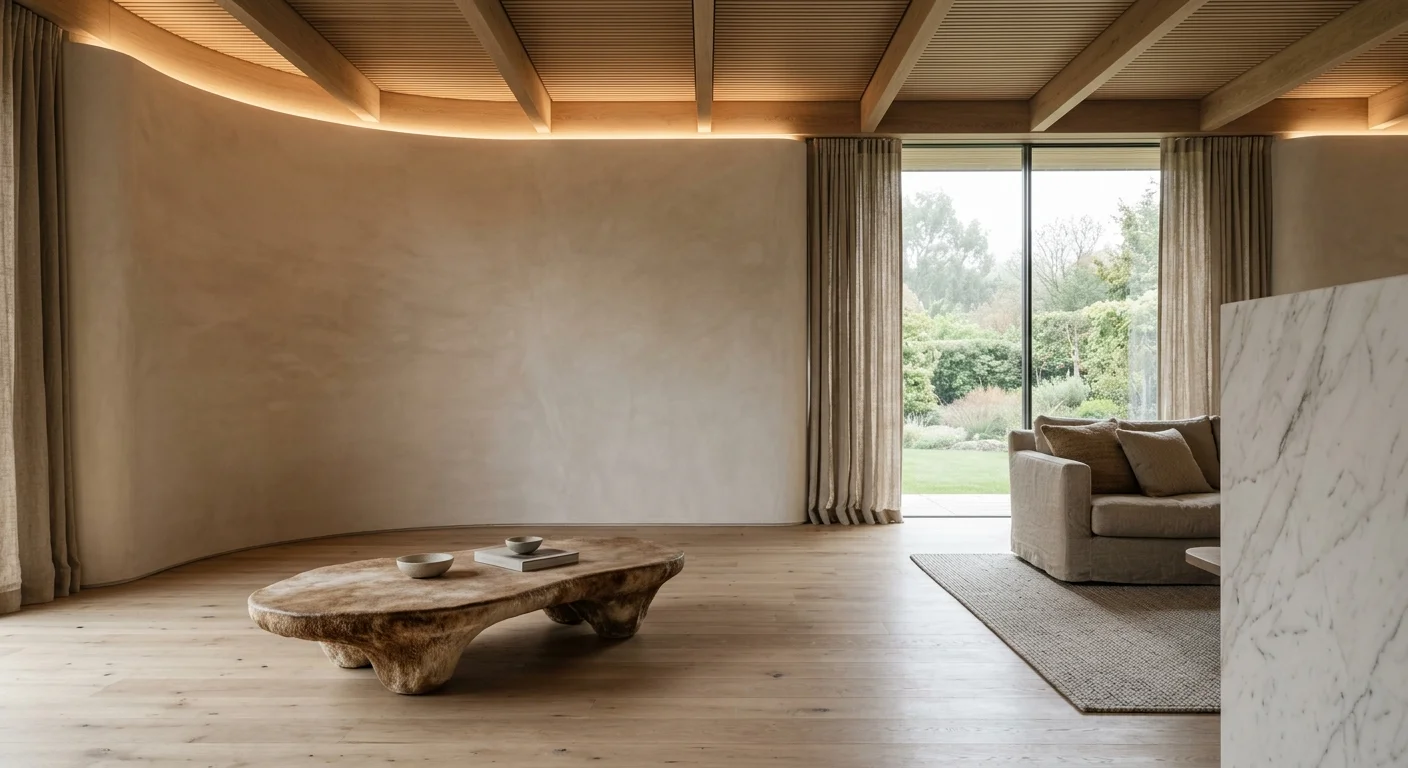
Interior design moves in deliberate macro-cycles, rewarding homeowners who anticipate aesthetic shifts before they saturate social feeds. You can elevate your living space by embracing the next evolutionary wave of interior architecture.
As the global home decor market expands toward $150.27 billion in 2027, forward-thinking designers are abandoning fleeting micro-fads. Instead, modern residences are adopting regenerative materials, responsive lighting technologies, and hyper-curated color palettes.
These emerging concepts will define luxury living in 2027 and beyond. Explore the five foundational trends set to transform your home into a sophisticated sanctuary of modern design.
Trend #1: Bio-Fabricated Mycelium and Grown Furnishings
Regenerative design is advancing far beyond recycled plastics and FSC-certified timber. Emerging home interiors now celebrate bio-fabricated furnishings grown directly from fungal mycelium and agricultural byproducts.
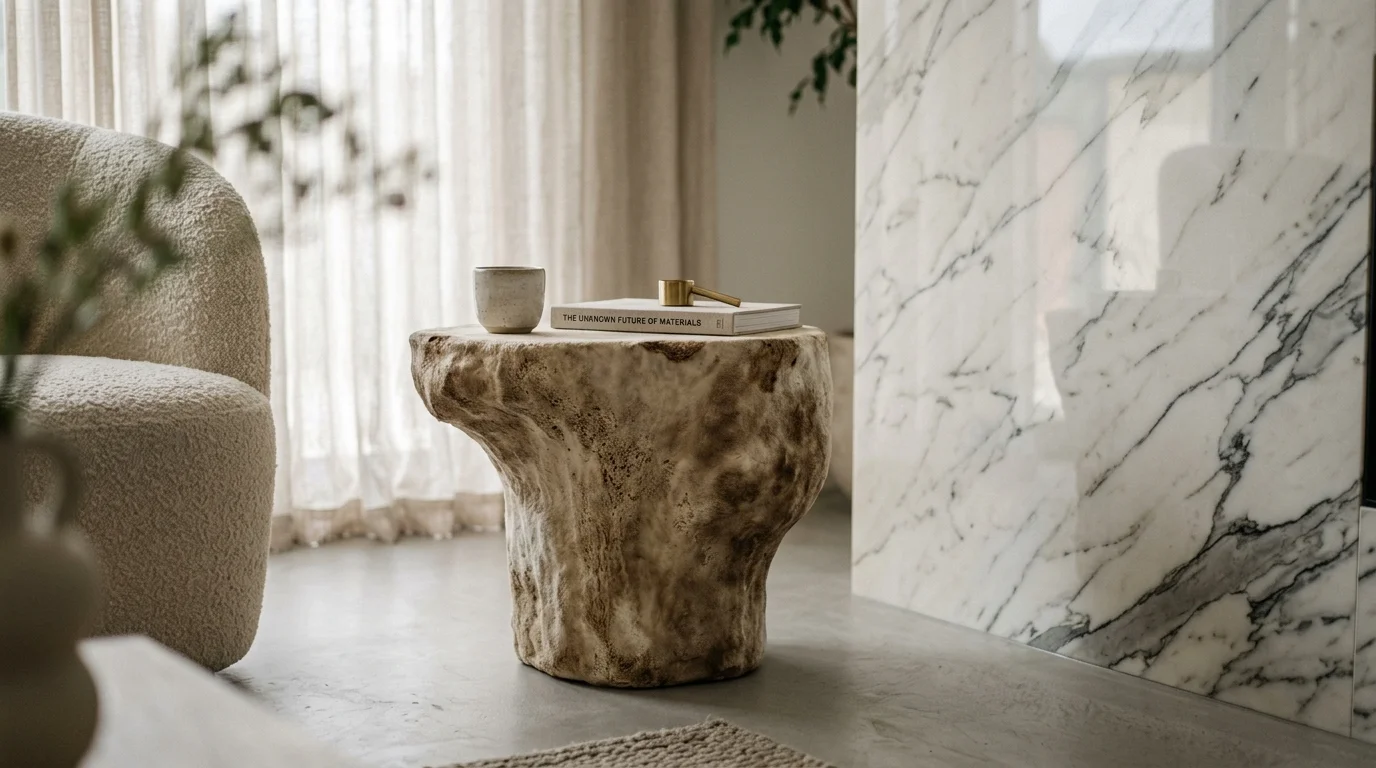
Once confined to avant-garde showcases like Design Miami, grown materials are entering high-end residential production. These bio-composites offer an ethereal, velvety texture reminiscent of untreated suede and soft travertine.
Early-adopter commercial furniture pieces crafted from mycelium command a 15% to 20% price premium over standard engineered wood. This premium reflects both their artisanal cultivation process and their completely circular lifecycle.
You will see this material dominate sculptural pendant lighting, acoustic wall paneling, and tactile accent side tables. Its natural cellular structure absorbs sound, significantly improving acoustic comfort in open-concept living rooms.
The aesthetic appeal lies in its organic irregularities and warm, chalky appearance. It pairs effortlessly with raw architectural materials, creating visual intrigue without visual noise.
To style grown furnishings, contrast their matte surface against high-sheen finishes like polished Arabescato marble or unlacquered brass. This juxtaposition emphasizes the organic nature of the bio-composite.
The defining color palette for this movement revolves around rich umber, bleached oyster, warm terracotta, and raw mushroom tones. These shades ground your living space while honoring ecological integrity.
Forward-thinking furniture studios are already testing structural armchairs that decompose naturally at the end of their operational lifespan. You invest not merely in a luxury silhouette, but in sustainable material permanence.
Incorporate mycelium acoustic wall tiles behind your living room media console or dining area. You immediately resolve modern sound echo while introducing an undeniable conversation piece into your home.
This transition marks the dawn of grown architecture within residential decor. It shifts our relationship with interior objects from passive consumption to conscious ecological stewardship.
As these organic composites enter mass fabrication, they offer homeowners a deeply tactile alternative to petrochemical plastics. Your living spaces gain a grounded, sculptural quality that honors environmental longevity.
Pair mycelium lighting fixtures with textured linen upholstery to establish a harmonious sensory palette. The subtle tonal variations create an atmosphere of serene modern luxury.

Trend #2: Integrated Circadian Photobiology and Concealed Luminaires
Lighting is undergoing the most radical technical transformation in modern residential history. Within the European home decor market, interior lighting represents the fastest-growing category, expanding at a 9.3% compound annual growth rate through 2034.
Standard recessed downlights and harsh overhead ceiling fixtures are steadily fading from sophisticated design projects. In their place, homeowners are demanding invisible, architectural lighting engineered to mirror human circadian biology.
These dynamic systems calibrate color temperature and luminous flux to match the natural arc of solar radiation. Your interior transitions seamlessly from crisp morning alertness to warm evening tranquility.
Instead of relying on decorative lamps as primary light sources, designers are embedding low-profile LED conduits into millwork, ceiling reveals, and stone plinths. The light source remains entirely unseen, revealing only an ambient, indirect glow.
This technique transforms vertical surfaces into architectural light diffusers. Textured lime wash, fluted limestone, and wire-brushed oak walls become luminous canvases that shift throughout the day.
You can introduce this upcoming interior design trend by installing continuous cove channels along dining room ceilings. Direct the illumination upward to lift room proportions and eliminate harsh glare during evening gatherings.
Circadian illumination fundamentally enhances sleep hygiene and daytime cognitive focus. By aligning interior environments with natural biological rhythms, your home actively fosters restorative physical wellness.
The aesthetic result is understated quiet luxury. Your rooms feel calm, uncluttered, and deeply connected to the natural day-and-night progression outside.
Pair biodynamic light installations with matte architectural surfaces to prevent distracting reflections. Warm mineral plasters and untreated timbers absorb and refract light with exceptional softness.
Future decor trends place human biology at the center of spatial composition. Lighting will no longer function as a mere decorative afterthought, but as an indispensable wellness fixture.
Program subtle lighting transitions in your master suite to mirror the dawn sequence. Waking to biologically attuned amber and warm white light elevates your daily morning routine.
Concealed light strips tucked beneath floating bathroom vanities provide safe midnight passage without shocking your nervous system. These thoughtful details exemplify the elegance of biologically responsive architecture.

Trend #3: Digital Product Provenance and Disassembly-Ready Joinery
The era of disposable, glued furniture is coming to a definitive end across the global design landscape. The European Commission launched the Digital Product Passport registry under ecodesign regulations, mandating transparent traceability for home furnishings.
By 2027, luxury furniture pieces will feature scannable micro-tags detailing their structural composition, repairability ratings, and material provenance. This transparency empowers you to verify ethical sourcing and authentic craft with a simple smartphone scan.
This legislative shift is catalyzing a brilliant renaissance in mechanical joinery and modular disassembly. High-end designers are abandoning permanent chemical adhesives in favor of exposed, interlocking mortise-and-tenon joints and precision brass hardware.
Furniture constructed for effortless disassembly celebrates visible structural honesty. You will notice interlocking timber frames and tension-rod fastenings featured prominently on dining tables, armchairs, and modular sofas.
This architectural joinery allows individual upholstery components, cushions, and frame rails to be independently swapped or repaired. Your furniture evolves alongside your aesthetic preferences, guaranteeing decades of functional life.
Look for trending home styles that showcase raw walnut dowels, exposed metal tenons, and removable textile slip-covers. These artisanal details celebrate craftsmanship while demonstrating environmental responsibility.
To incorporate this trend, seek modular seating systems designed with independent, bolt-together sections. Choose pieces crafted from solid regional woods rather than composite fiberboards coated in petrochemical veneers.
Pair these mechanically pure silhouettes with hand-woven wool upholstery and vegetable-tanned leathers. The resulting aesthetic feels grounded, noble, and deeply authentic.
Disassembly design bridges the divide between historical cabinetmaking and cutting-edge ecological accountability. It proves that authentic luxury lies in permanence, reparability, and material honesty.
As circular design mandates reshape the global decor industry, your home gains pieces of lasting historical and artistic value. You build a legacy collection that outlasts rapid trend obsolescence.
Inspect the underside of prospective dining chairs for mechanical fasteners rather than staple lines and synthetic adhesives. Quality hardware guarantees effortless refurbishment whenever you choose to update your upholstery.
Embracing transparent construction creates an interior layered with narrative authenticity. Every exposed peg and interlocking beam communicates a dedication to generational craft and resource mindfulness.
Trend #4: Hyper-Saturated Chromatic Tension and Luminous Blue Accents
Minimalist monochromatic palettes are yielding to bold chromatic tension that invigorates interior architecture. WGSN and Coloro officially named Luminous Blue, PANTONE 19-3952 TCX, as their defining Colour of the Year for 2027.
This high-vibrancy, electric hue represents the overarching theme of interconnectedness between digital innovation and the natural world. It succeeds the moody depths of 2026’s Transformative Teal, infusing interior environments with vibrant clarity.
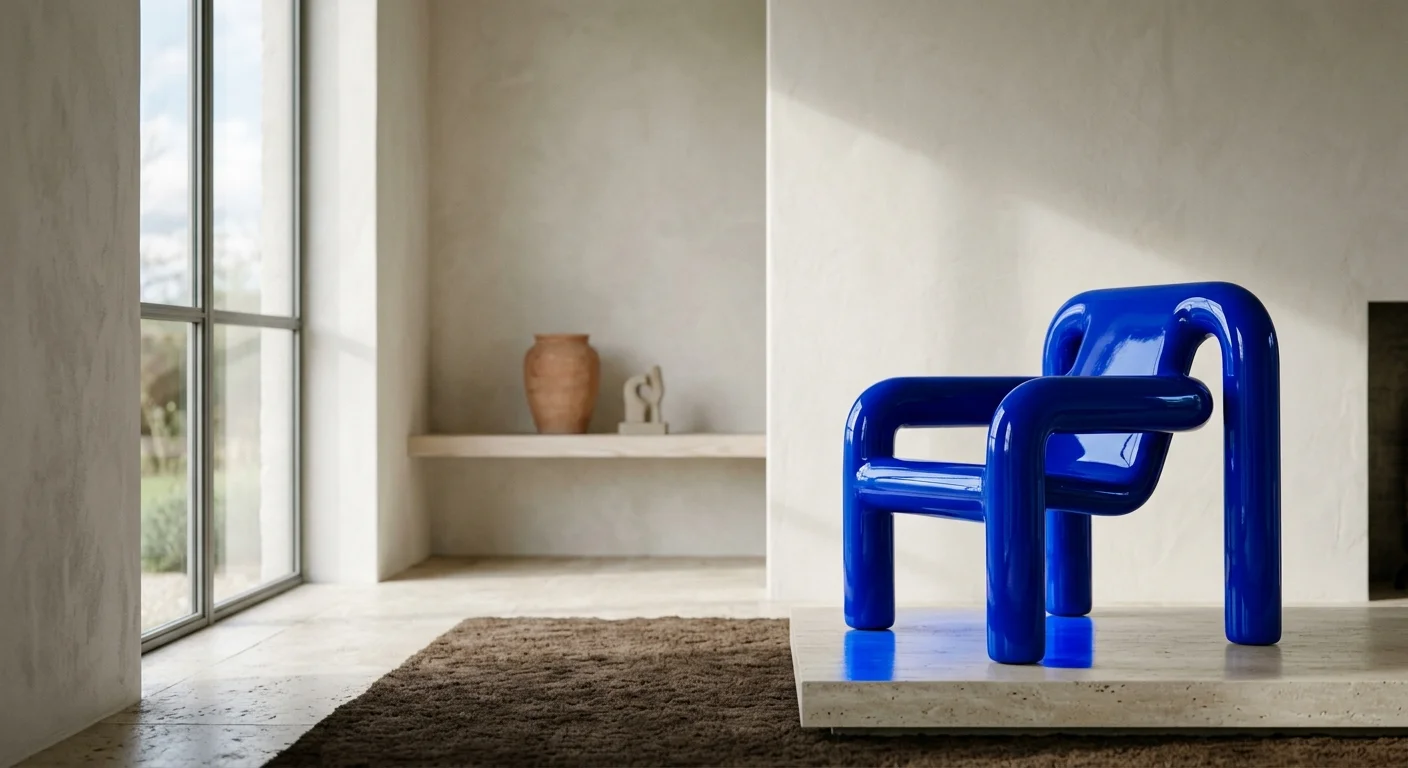
Rather than saturating an entire room in electric pigment, forward-looking decorators deploy Luminous Blue as a surgical accent. It introduces sharp visual tension when framed against earthy, tactile backdrops.
The companion palette for 2027 harmonizes this electric blue with grounding shades of Clay, Meadowland Green, Energy Orange, and Pop Pink. This pairing creates a sophisticated dialogue between synthetic dynamism and organic tranquility.
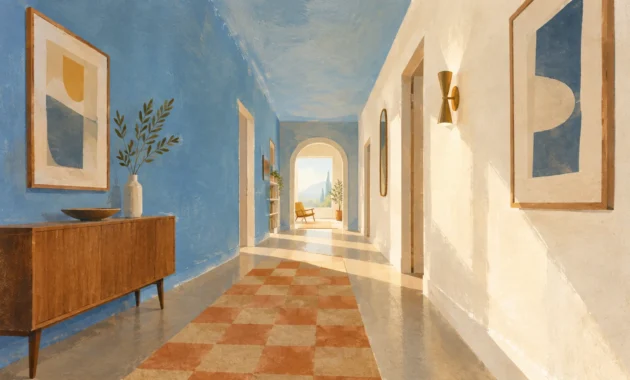
Consider painting a single architectural element, such as an arched dining doorway or living room coffered ceiling, in high-gloss Luminous Blue. The reflective lacquer finish bounces light while defining spatial boundaries with striking confidence.
If you prefer subtle interventions, introduce this vibrant blue through cobalt art-glass vessels, sculptural occasional chairs, or bespoke mohair throws. These concise color moments instantly modernize warm wood and travertine spaces.
The psychological impact of Luminous Blue is profound; it stimulates imaginative thinking while evoking open skies and deep oceanic trenches. It brings energetic vitality into formal seating rooms and creative home workspaces.
Balance this vibrant electric hue against muted lime plasters, oiled French oak flooring, and raw linen drapes. The contrast highlights the saturation of the blue without overwhelming your sensory equilibrium.
This emerging color movement invites you to express distinct individuality through calculated, high-impact contrasts. It redefines contemporary color blocking with artful maturity and emotional depth.
By weaving strategic electric tones into neutral environments, you create an interior that feels utterly modern yet timelessly poised. Color transforms into an intentional architectural tool rather than a passive decorative wash.
Experimenting with Energy Orange or Meadowland Green accents alongside Luminous Blue introduces bold, new home decor ideas into a breakfast nook or powder room. These dynamic chromatic pairings bring playful sophistication into intimate entertaining zones.
Select high-pigment mineral paints to achieve radiant saturation with velvety, light-diffusing undertones. The resulting color depth elevates ordinary drywall into an immersive, museum-grade feature.
Trend #5: Concept-Phase Architectural Biophilia and Micro-Ecosystems
Indoor biophilic design is transitioning from decorative potted plants into permanently integrated architectural systems. The global indoor biophilic market is projected to expand from $22.40 billion in 2025 to $56.80 billion by 2033.
Homeowners are no longer satisfied with tabletop greenery that demands irregular manual maintenance. Future decor trends prioritize fully automated micro-gardens, hydroponic culinary walls, and built-in living room dividers engineered directly into home floorplans.
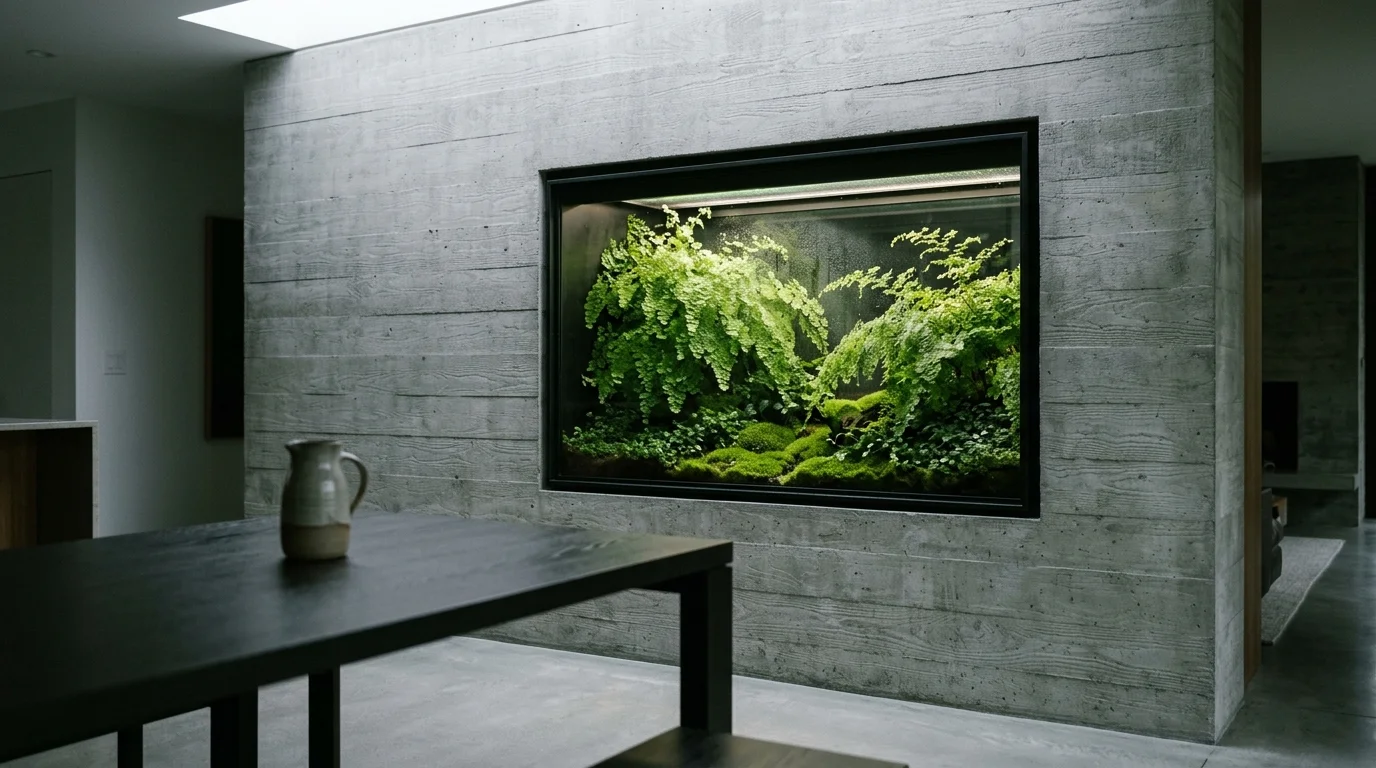
In contemporary dining rooms, designers are embedding recessed botanical beds into custom granite islands and sideboard consoles. These illuminated micro-ecosystems cultivate fresh culinary herbs and microgreens beneath dedicated full-spectrum photosynthetic lighting.
In formal living areas, floor-to-ceiling moss and fern installations act as natural acoustic dampeners and air-purification filters. These living screens partition expansive open layouts while generating palpable sensory tranquility.
Automated sub-irrigation channels and concealed plumbing eliminate the mess traditionally associated with indoor botany. Your botanical installations thrive autonomously, providing consistent air purification and therapeutic visual connections to nature.
You can introduce this concept during your next renovation by planning recessed plant niches along entryway corridors or staircase landings. Line the recesses with waterproof membranes, dedicated drainage outlets, and low-voltage grow fixtures.
Living greenery integrated into solid architecture softens hard industrial surfaces like poured concrete and blackened steel. The contrast between rigid structural lines and delicate trailing foliage creates breathtaking visual depth.
Research consistently links direct daily exposure to living flora with decreased cortisol levels and heightened creative productivity. Integrating vegetation into your walls transforms your living space into a restorative retreat.
Select shade-tolerant botanical varietals such as maidenhair ferns, philodendrons, and living sheet moss for low-stress indoor longevity. These species form lush, sculptural tapestries that purify indoor air while requiring minimal pruning.
Built-in biophilic architecture turns your home into a thriving biological refuge. It closes the modern rift between interior luxury and the revitalizing rhythms of the natural world.
Consult an experienced landscape architect during the schematic phase of your interior remodel. Co-coordinating plumbing, electrical conduits, and species selection ensures your living walls flourish effortlessly for years.
Complement structural botanical features with natural clay wall renders and rough-hewn stone flooring. This cohesive material strategy immerses you in an authentic sanctuary of organic modernism.
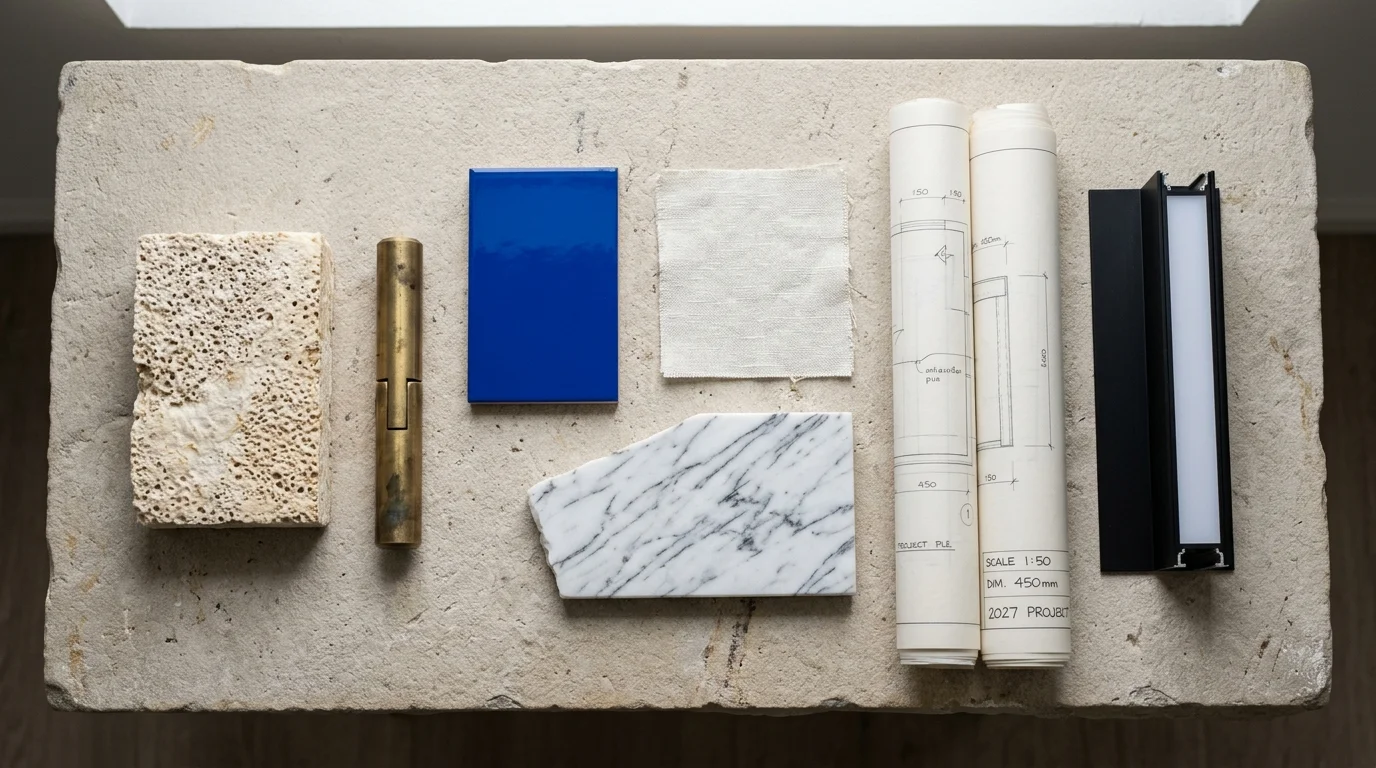
The Big Picture: Weaving These Trends into Your Home
Adopting 2027 home decor trends does not require gutting your existing living spaces or discarding cherished family heirlooms. Authentic design sophistication emerges from layering future-forward concepts over established, timeless foundations.
Begin with low-friction architectural enhancements, such as swapping standard switchgear for smart circadian dimmers or introducing scannable, disassembly-ready furniture. These subtle updates cultivate enduring refinement without disrupting your aesthetic harmony.
When experimenting with chromatic tension, balance electric accents like Luminous Blue with foundational earth tones and natural textures. A single statement chair or high-gloss architectural alcove delivers powerful visual resonance without overwhelming the senses.
Emphasize tactile authenticity by integrating grown mycelium accessories alongside durable organic materials like honed stone and solid timber. The juxtaposition between biological innovation and traditional craft generates a deeply rich, collected atmosphere.
Treat built-in biophilia as an essential architectural element rather than an ornamental layer. Recessed plant niches and living room dividers ground modern interiors in serene natural beauty.
Always prioritize quality and provenance over transient novelty when purchasing significant interior investments. Choose modular furnishings with verifiable material passports to safeguard long-term value and utility.
Your home should reflect your unique narrative while embracing the technological and ecological evolutions of our era. By curating thoughtfully today, you cultivate a living space that remains inspiring, functional, and undeniably sophisticated through 2027 and beyond.
For the latest color forecasts, consult industry leaders like Pantone and paint companies like Benjamin Moore. For professional design standards, refer to the American Society of Interior Designers (ASID).
Disclaimer: This article reflects design trend analysis and predictions. Personal taste and timeless design principles should always guide your decorating choices.
Frequently Asked Questions
How can you prepare your home for 2027 trends without a major renovation?
You can start by updating your ambient lighting with tuneable smart LED bulbs calibrated to circadian cycles. This subtle change dramatically transforms the mood of your living room without requiring structural drywall alterations.
Additionally, introduce high-impact accents like Luminous Blue textiles or bio-composite tabletop trays into your current palette. These concise interventions refresh your interior aesthetic while preserving your existing architectural investments.
Will vivid colors like Luminous Blue clash with warm minimalist interiors?
Luminous Blue actually accentuates warm minimalism by serving as an intentional chromatic anchor. When surrounded by creamy limewash plaster, raw oak, and beige linens, a deliberate cobalt accent creates striking modern elegance.
The key lies in restraint and precise placement. Limit electric hues to fifteen percent of your overall room composition to maintain a serene, grounding atmosphere.
Are grown bio-materials like mycelium durable enough for daily residential use?
Properly cured mycelium composites boast structural compressive strength comparable to medium-density fiberboard. Furniture designers seal these surfaces with plant-based natural waxes to provide moisture resistance and everyday scuff protection.
While you should avoid exposing grown furnishings to outdoor torrential moisture, they excel as residential side tables, lighting pendants, and acoustic wall panels. They deliver exceptional durability while remaining fully biodegradable at the end of their lifecycle.
How do EU Digital Product Passports affect American homeowners and international buyers?
Global furniture brands produce collections for worldwide distribution under unified manufacturing standards. Consequently, international design houses are standardizing disassembly-friendly joinery and QR-based digital passports across their entire global inventory.
American homeowners benefit directly from this heightened transparency and structural repairability. You receive modular furnishings engineered for easy maintenance, verified non-toxic composition, and superior resale provenance.