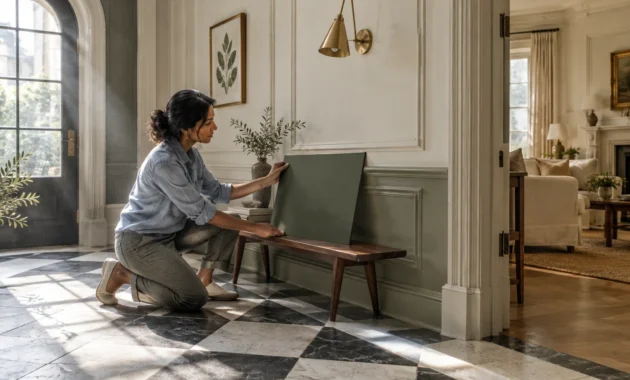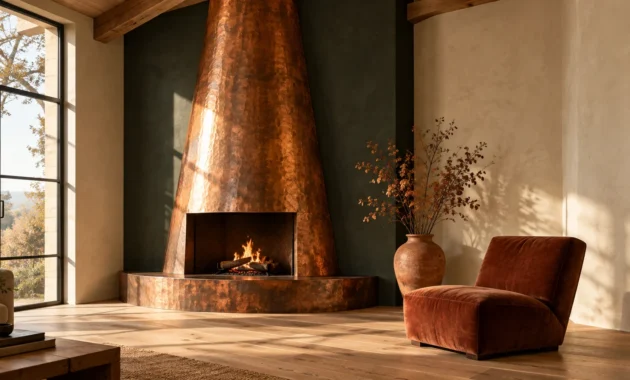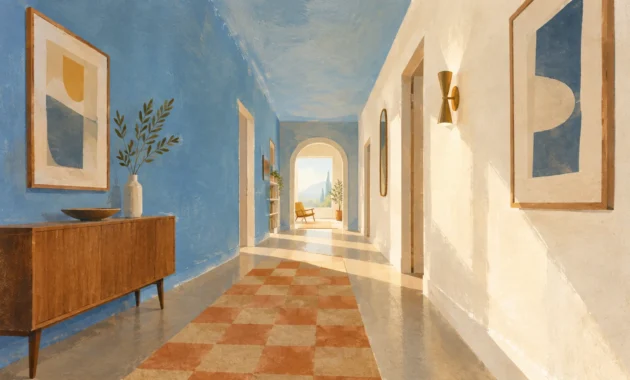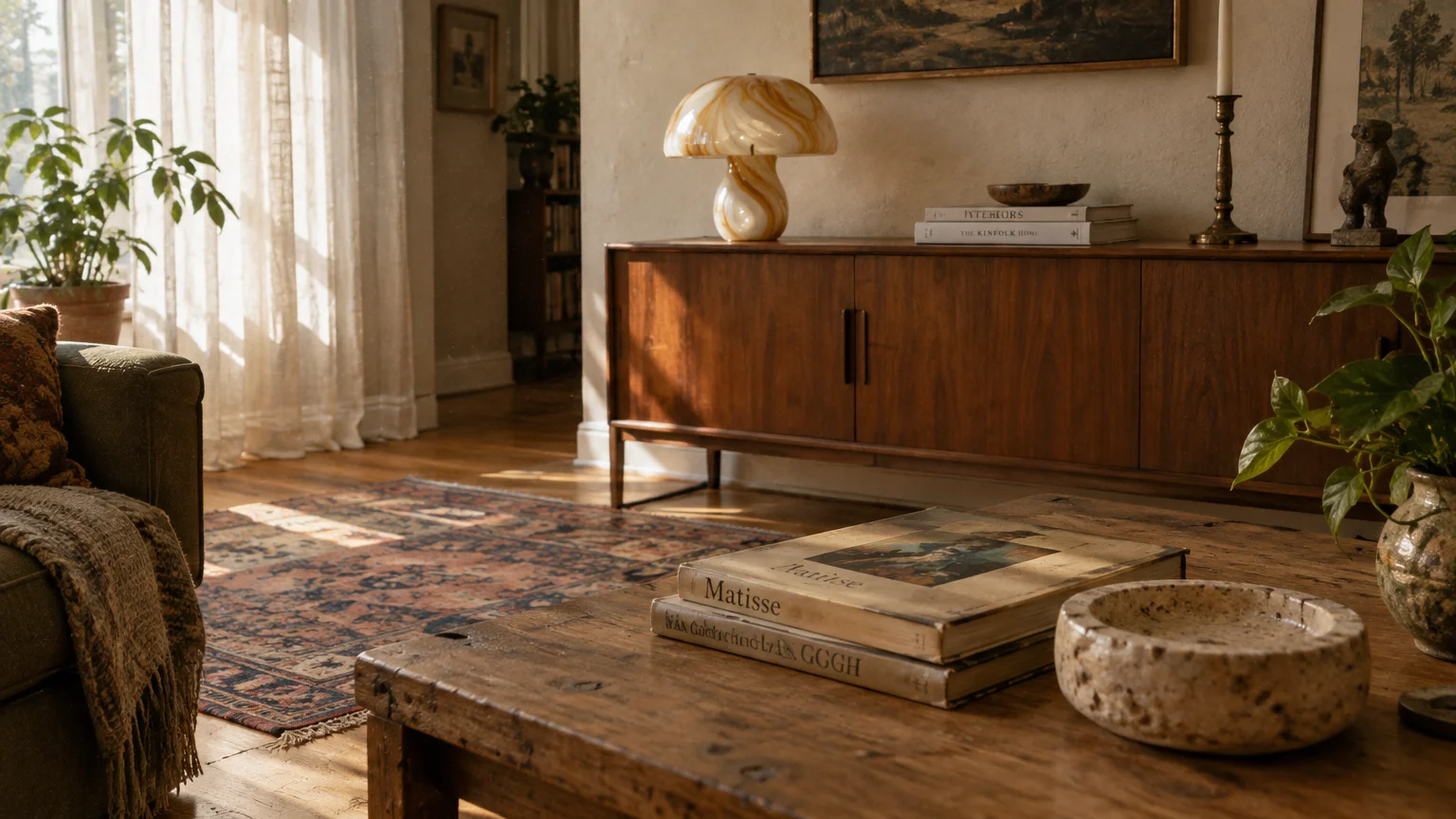
You can transform your living spaces instantly by investing in curated vintage decor that carries genuine character and proven durability. Modern mass-produced furniture often lacks soulful presence, driving design lovers straight toward the circular economy.
The global secondhand furniture market will reach $49.46 billion in 2026; savvy homeowners actively pursue items with verified provenance. Authentic retro home decor items create layered, collected spaces that flat-pack retail catalogs cannot replicate.
High resale demand means select vintage items sell within hours of listing. Discover the fifteen standout pieces capturing the design world right now.
Trend #1: Murano Glass Mushroom Lamps
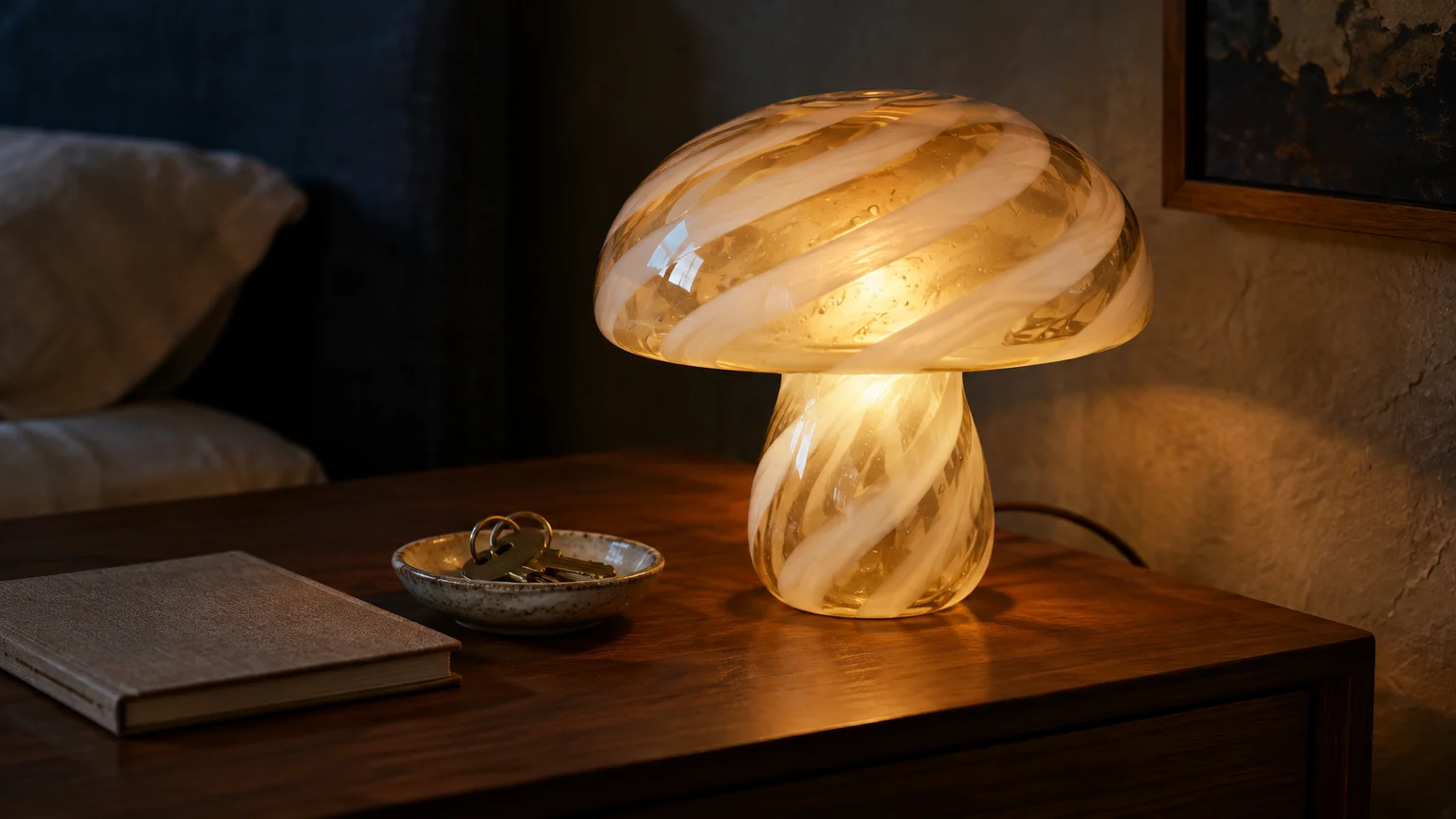
Authentic hand-blown Murano mushroom lamps represent the pinnacle of mid-century Italian craftsmanship. Their smooth, organic contours introduce biophilic geometry into living rooms and bedrooms alike.
On premier resale platforms like Chairish and 1stDibs, original Venetian lamps command between $250 and $700. Meanwhile, late 1970s glass swirl table lamps quickly sell for $80 to $200.
Before installing any vintage luminaire, inspect the plug and cord. The National Electrical Code and UL 1598 standards recommend replacing aged wiring with modern UL-listed socket kits for complete fire safety.
Style this glowing glass accent on a low walnut credenza or an unadorned bedside table. The diffused downward glow highlights rich wood grains while creating an intimate evening sanctuary.
Trend #2: Sears “Merry Mushroom” Ceramics
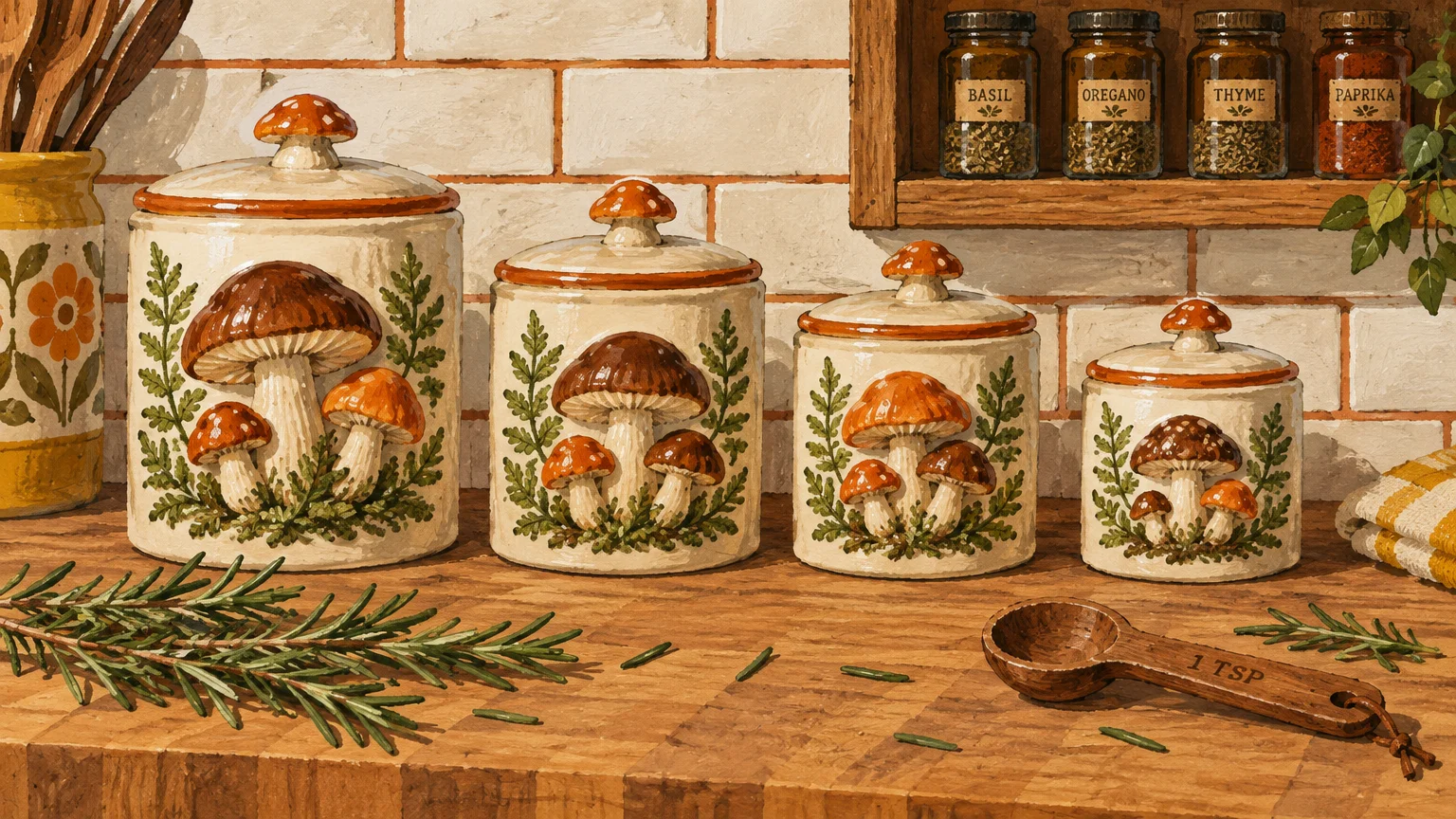
Produced throughout the 1970s, Sears “Merry Mushroom” dinnerware and storage canisters have sparked a massive cottagecore revival. Their playful glazed motifs deliver an irresistible hit of nostalgic charm.
While single spice shakers and butter dishes trade for $15 to $50, pristine four-piece canister sets regularly command $150 to $400. Collectors prize complete sets with unchipped ceramic lids.
Place these whimsical canisters on open butcher-block shelving to infuse earthy mustard and burnt orange tones into your kitchen. They provide an instant narrative lift against quiet modern backsplashes.
Incorporating trending vintage decor like these canisters bridges playful pop nostalgia with functional countertop organization. They effortlessly balance pristine white cabinetry with warm 1970s earthiness.
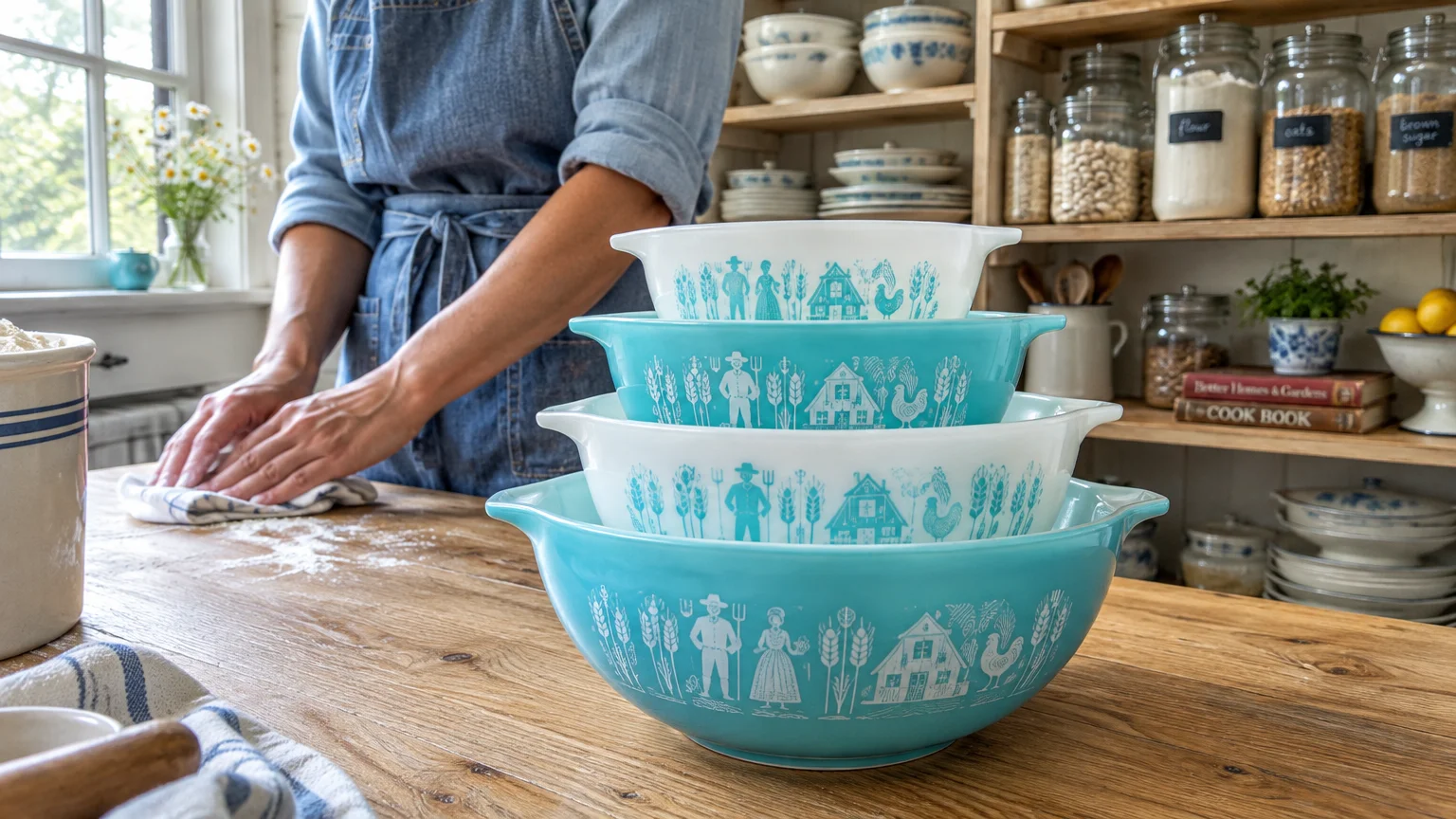
Trend #3: Vintage Opalware and Pyrex Mixing Bowls
Coveted mid-century Pyrex sets bring vibrant color palettes and unmistakable retro charm to culinary spaces. These durable glass-ceramic mixing bowls represent beloved design icons manufactured from the 1950s through the 1980s.
While common utility bowls cost around $20 to $45, rare four-piece nested Cinderella sets in patterns like Butterprint or Pink Gooseberry command $150 to $350. Rare promotional patterns easily surpass $1,000.
Because exterior paints produced before 1971 FDA regulations may contain surface lead, reserve these nostalgic bowls for dry display or room temperature serving. Never expose their delicate exterior enamels to modern dishwashers.
Stack them inside open-faced glass cabinetry to introduce playful graphic silhouettes into contemporary kitchen designs. Their historical graphics bring an authentic artisanal cheer to minimalist countertops.
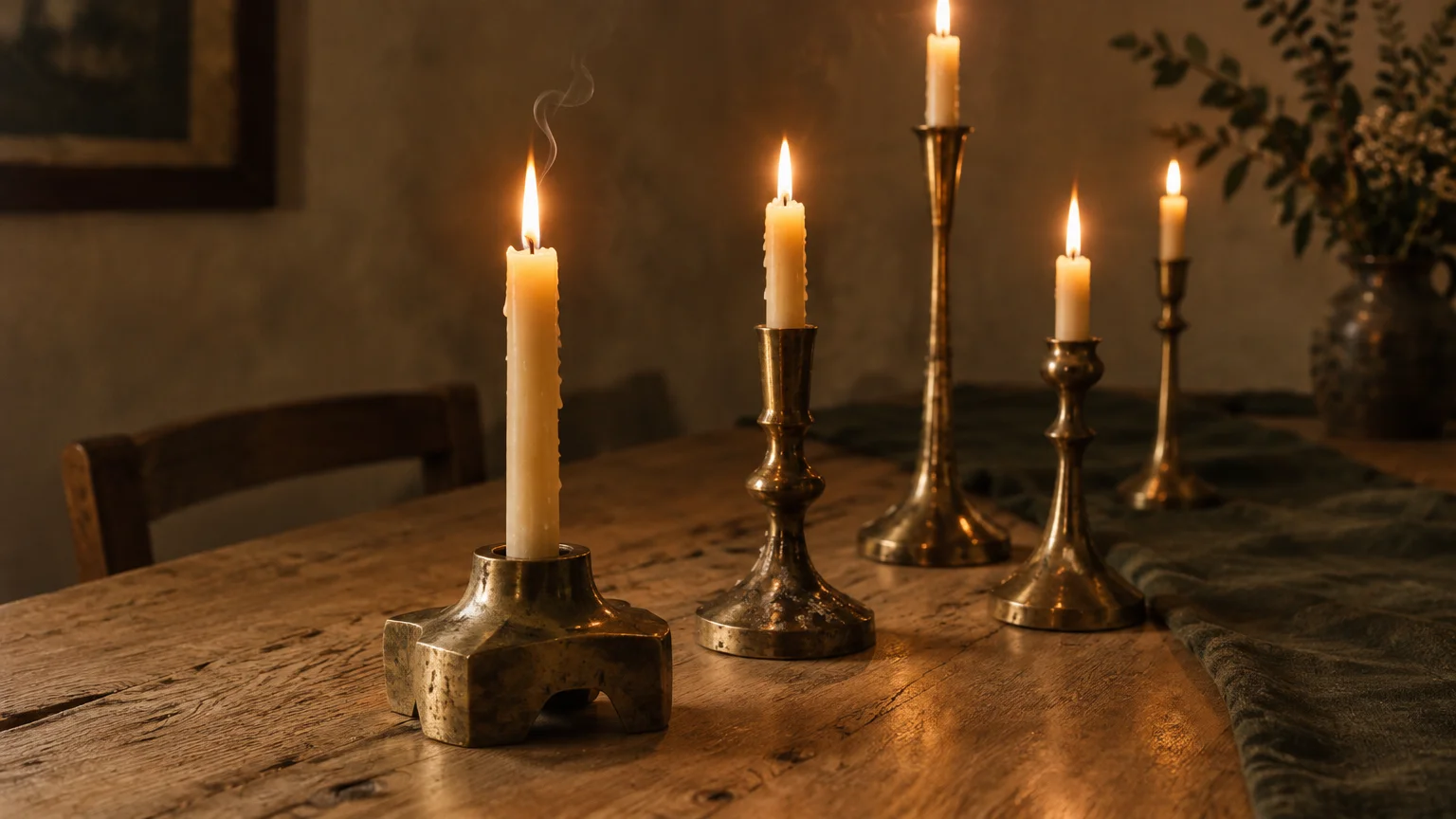
Trend #4: Unlacquered Solid Brass Candlesticks
Solid brass accessories provide instant warmth, reflecting soft candlelight across sophisticated dining tables. Sculptural Danish modern holders and heavy brutalist designs anchor modern vintage decor trends.
Resellers report brisk turnover when grouping varied candleholders in mismatched clusters of three to seven pieces, priced between $35 and $120. Buyers celebrate living patinas rather than high-gloss polished finishes.
Arrange varied heights down the center of an unadorned oak dining table. The unlacquered metal develops richer character over time, offering effortless quiet luxury.
Mix slender fluted tapers with broad geometric bases to cultivate an unstudied, gathered-over-time aesthetic. The golden reflections soften the rigid lines of contemporary dining tables.
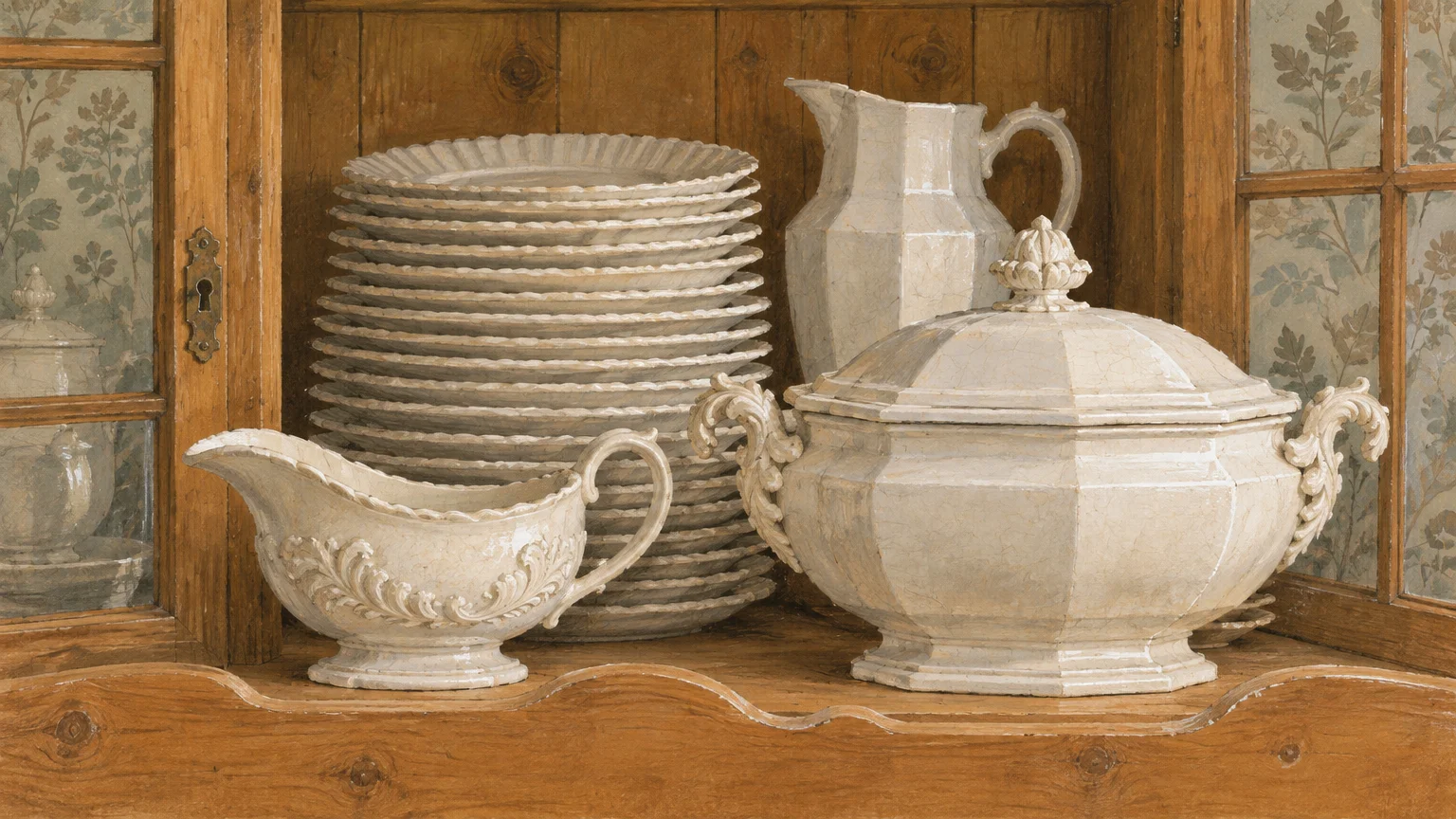
Trend #5: Antique White Ironstone Pottery
Originating in 19th-century Britain, antique ironstone appeals to homeowners seeking understated elegance. The durable ceramic features a milky white glaze that harmonizes with neutral, French country, and transitional palettes.
Small butter pats and creamers fetch $10 to $30, while large embossed soup tureens and ornate water pitchers command $65 to $200. Authentic maker stamps from Staffordshire potteries heighten collector interest.
Group several ironstone pitchers on a reclaimed pine console table to create an elegant architectural vignette. Fill them with dried botanicals or display them empty to honor their sculptural silhouettes.
Their heavy stoneware heft and gentle crazing inject tactile depth into tonal interiors. This timeless pottery anchors minimalist dining tables with quiet, unpretentious sophistication.
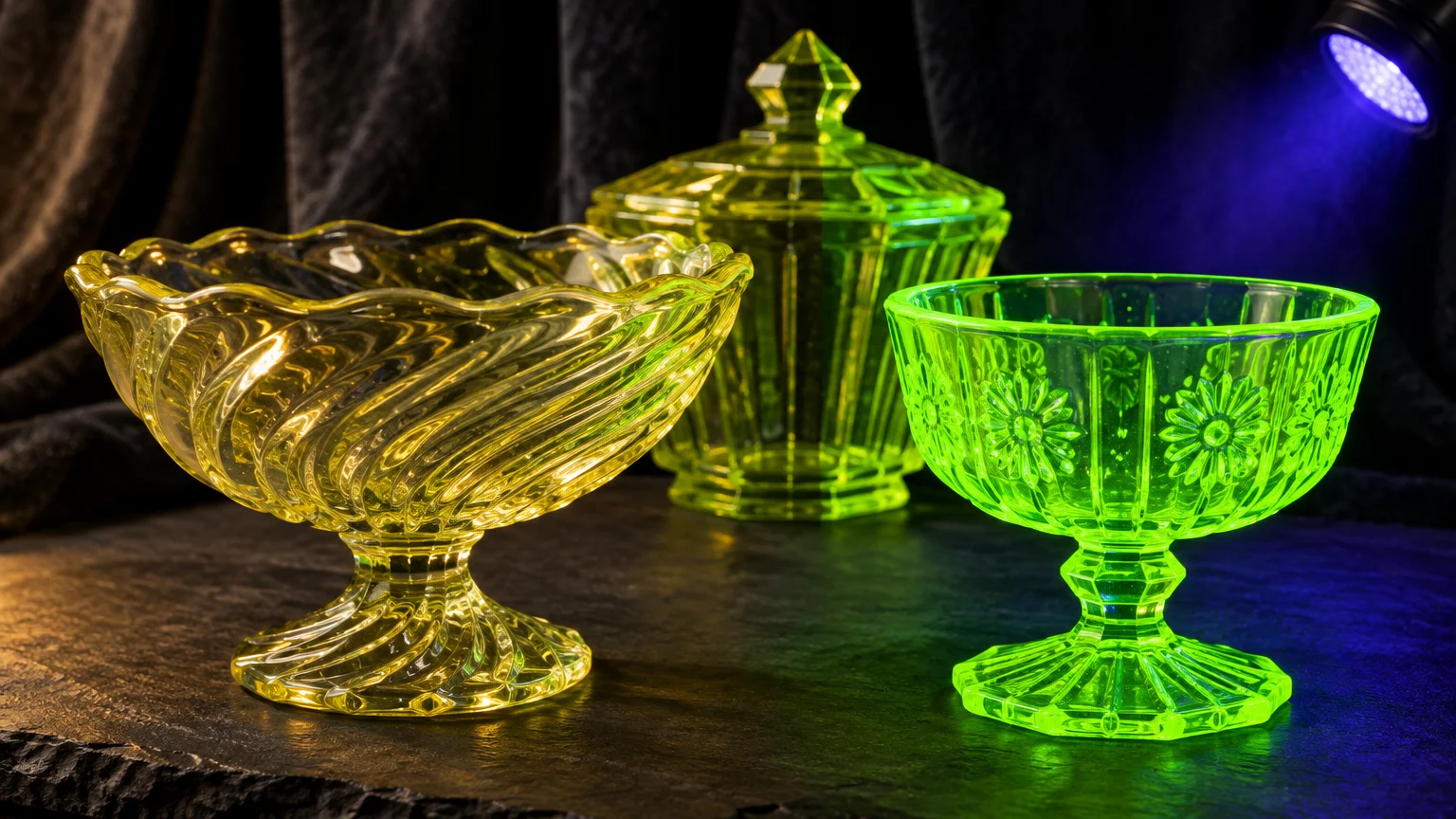
Trend #6: Uranium and Vaseline Art Glass
Dating from the 1930s Depression era through the 1950s, uranium glass captivates collectors with its luminous properties. When illuminated under 395nm ultraviolet light, trace minerals create a dramatic, glowing green spectacle.
Petite sherbet dishes and citrus juicers sell swiftly for $15 to $60, while intricate art deco decanters easily reach $100 to $250. This category stands out among vintage decor selling fast across online auctions.
The U.S. Nuclear Regulatory Commission classifies these historical pieces as exempt source material with negligible external radiation. However, curators advise showcasing them as decorative art rather than everyday beverage vessels.
Arrange a glowing collection inside a backlit glass curio cabinet to spark evening conversation. The fluorescent hue provides an arresting contrast against dark, moody interior paints.
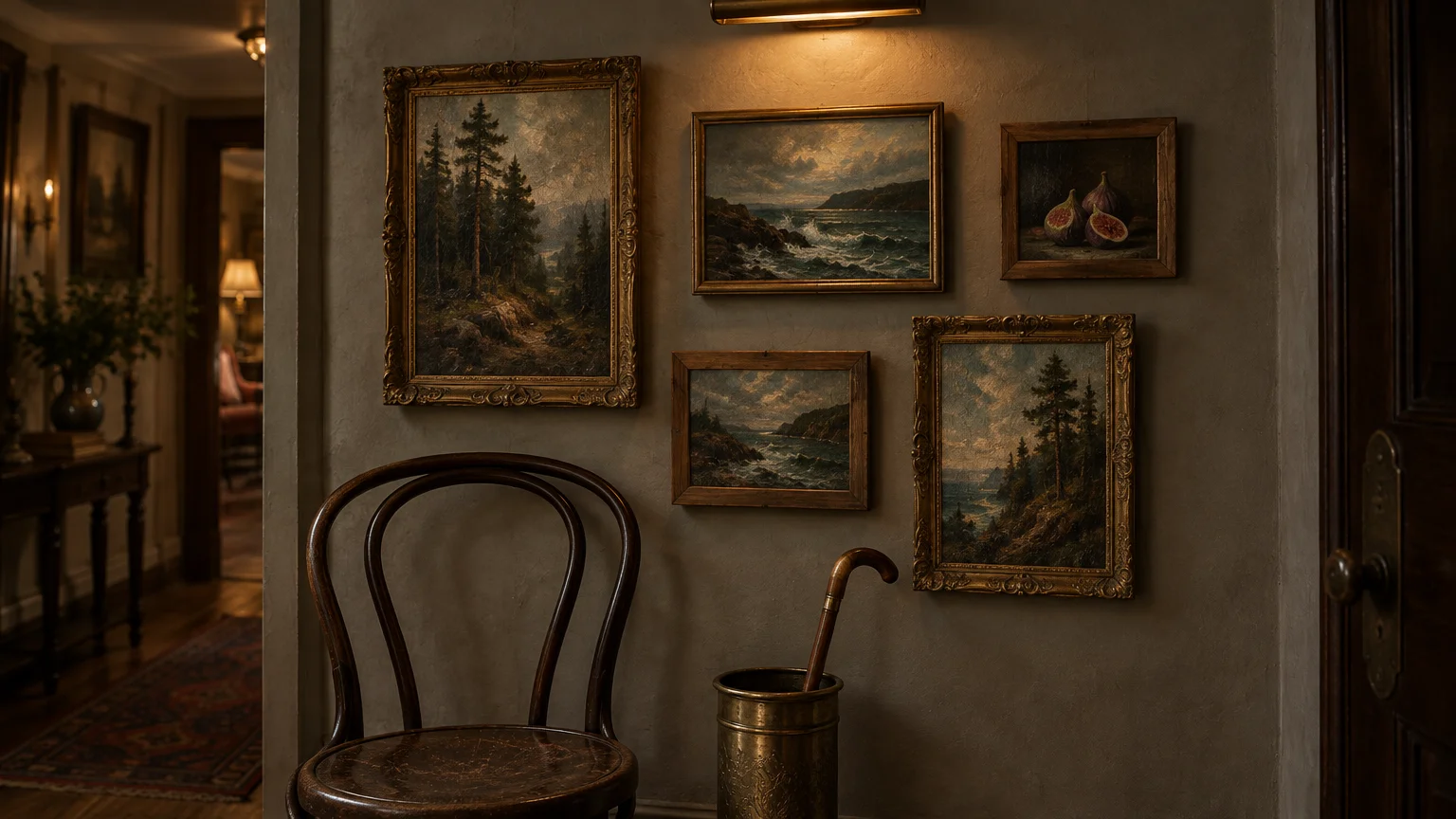
Trend #7: Framed Vintage Oil Paintings and Canvas Boards
Original fine art provides depth and emotional resonance that digital prints simply cannot match. Vintage oil landscapes, nautical scenes, and moody still lifes are driving modern thrifted art styling.
Resale prices for vintage original oils generally fluctuate between $40 and $180, depending on frame grandeur and subject matter. Unframed canvas boards and heavily tarnished gilt frames attract equal enthusiasm.
Hang an impressionistic landscape in an intimate powder room or balance it over a contemporary fireplace mantel. The aged brushwork delivers instant historical grounding to minimalist interiors.
These unique paintings remain popular thrifted decor because they infuse individual provenance into modern homes. Seek out pieces with visible impasto and organic canvas patina for maximum tactile richness.
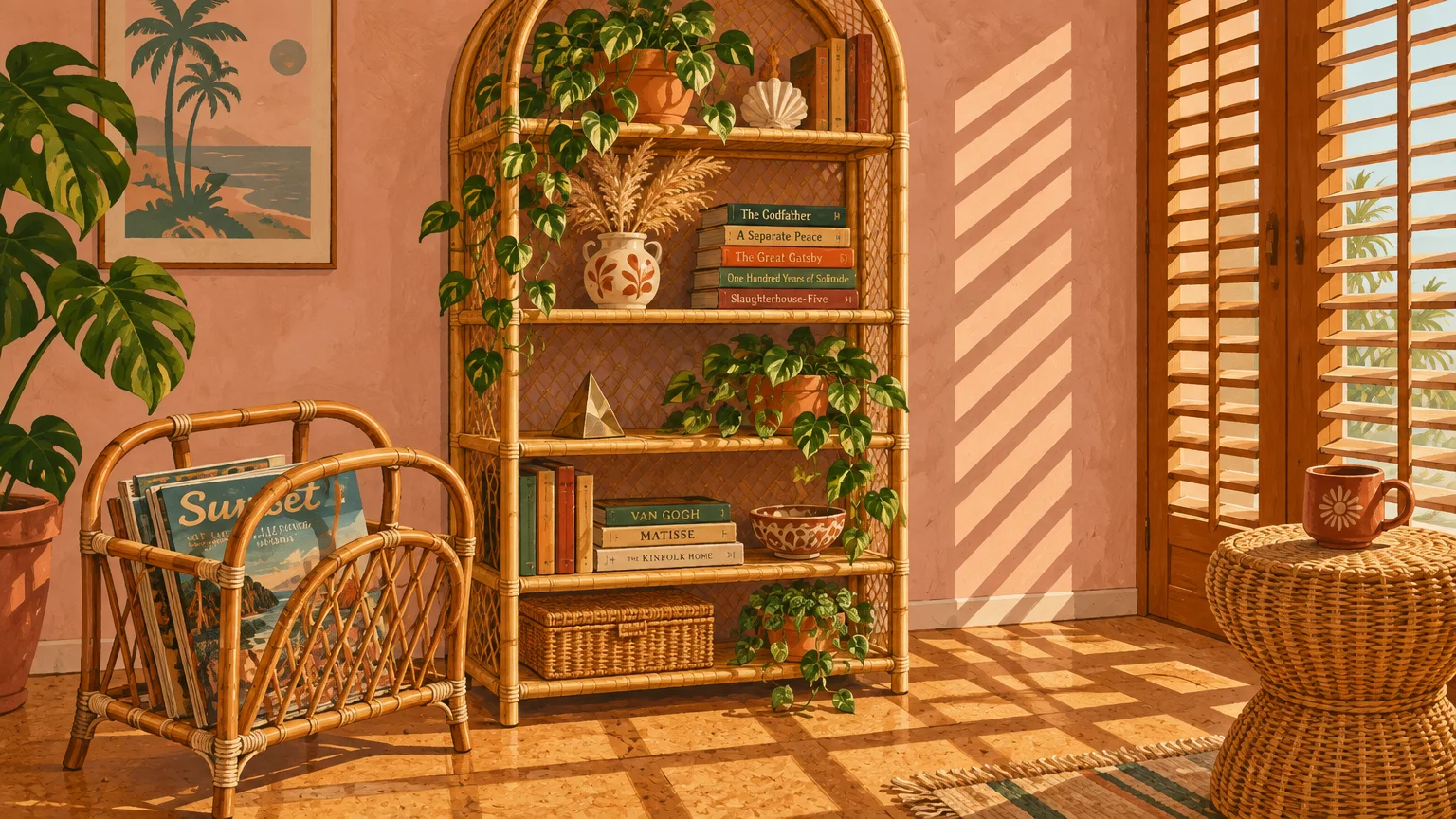
Trend #8: 1970s Rattan, Wicker, and Bamboo Accents
Natural fiber furnishings from the 1970s deliver textural contrast and casual elegance to contemporary living areas. Woven plant stands, arched shelving etageres, and sculptural peacock chairs remain high-velocity vintage sellers.
Small-scale accent pieces regularly fetch $40 to $150, offering fast turnaround times compared to cumbersome storage armoires. Their biophilic texture softens modern drywall and hard stone flooring.
Pair a vintage bent-bamboo plant stand with trailing indoor greenery beside your living room sofa. This dynamic pairing bridges organic modernism and vintage aesthetics without visual weight.
The lightweight construction allows you to reconfigure reading nooks and sunrooms effortlessly. These golden woven fibers add warmth to sterile spaces, creating relaxed, sun-drenched retreats.
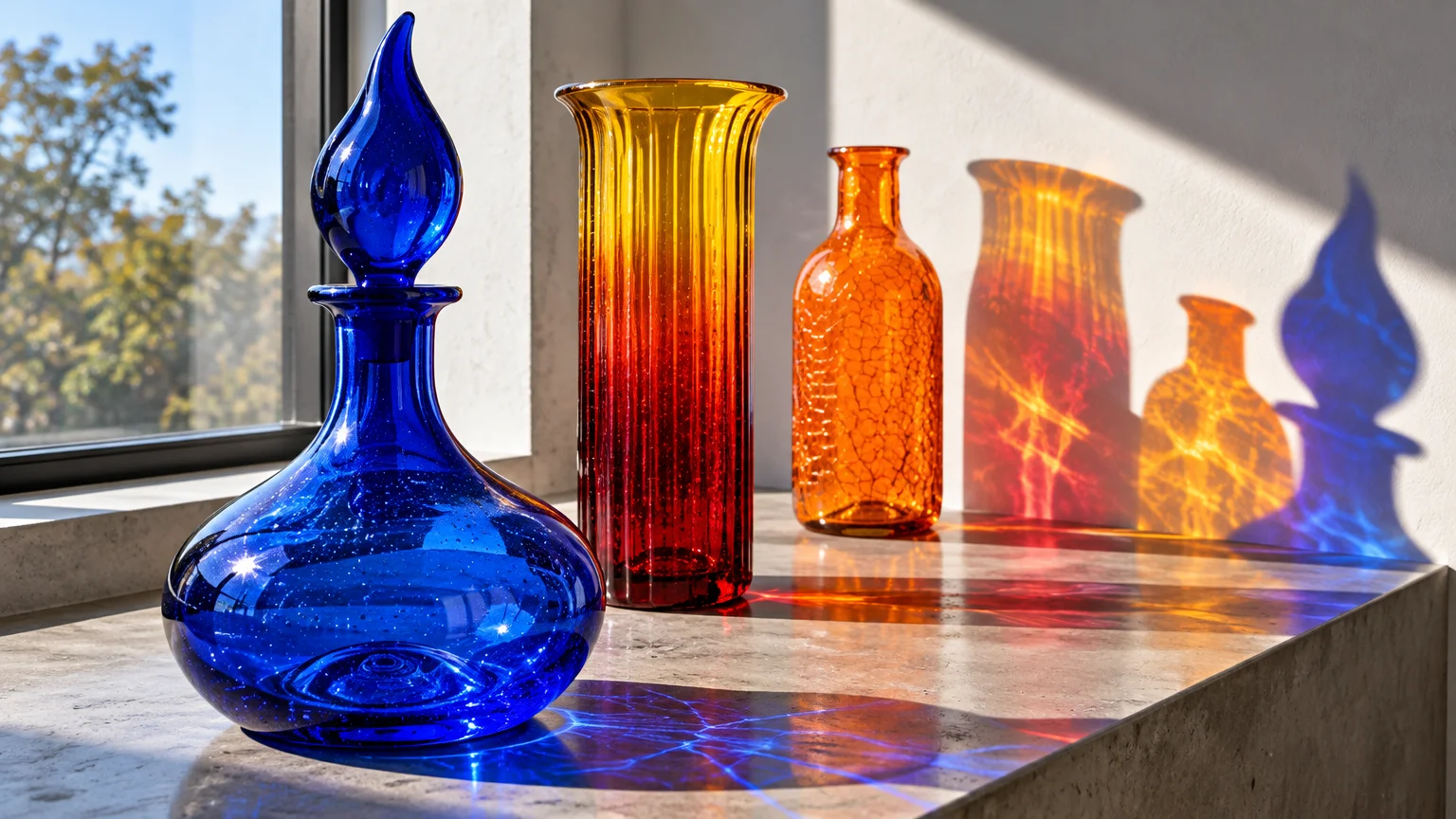
Trend #9: Mid-Century Blenko Architectural Art Glass
American hand-blown art glass from West Virginia manufacturer Blenko represents a vibrant triumph of twentieth-century industrial design. Bold silhouettes in amberina, cobalt blue, and tangerine inject vivid saturation into airy rooms.
Depending on catalog designations and original foil labels, these architectural decanters and textured floor carafes range from $40 to over $300. Enthusiasts value early designs by Wayne Husted and Joel Myers.
Position your colored art glass directly against bright south-facing windows. Sunlight projects saturated jewel-toned shadows across your floors, turning natural illumination into dynamic visual art.
Mixing disparate heights and neck silhouettes creates an effortless gallery feel on floating shelves. Their substantial hand-cast thickness gives each vessel an enduring, sculptural quality.
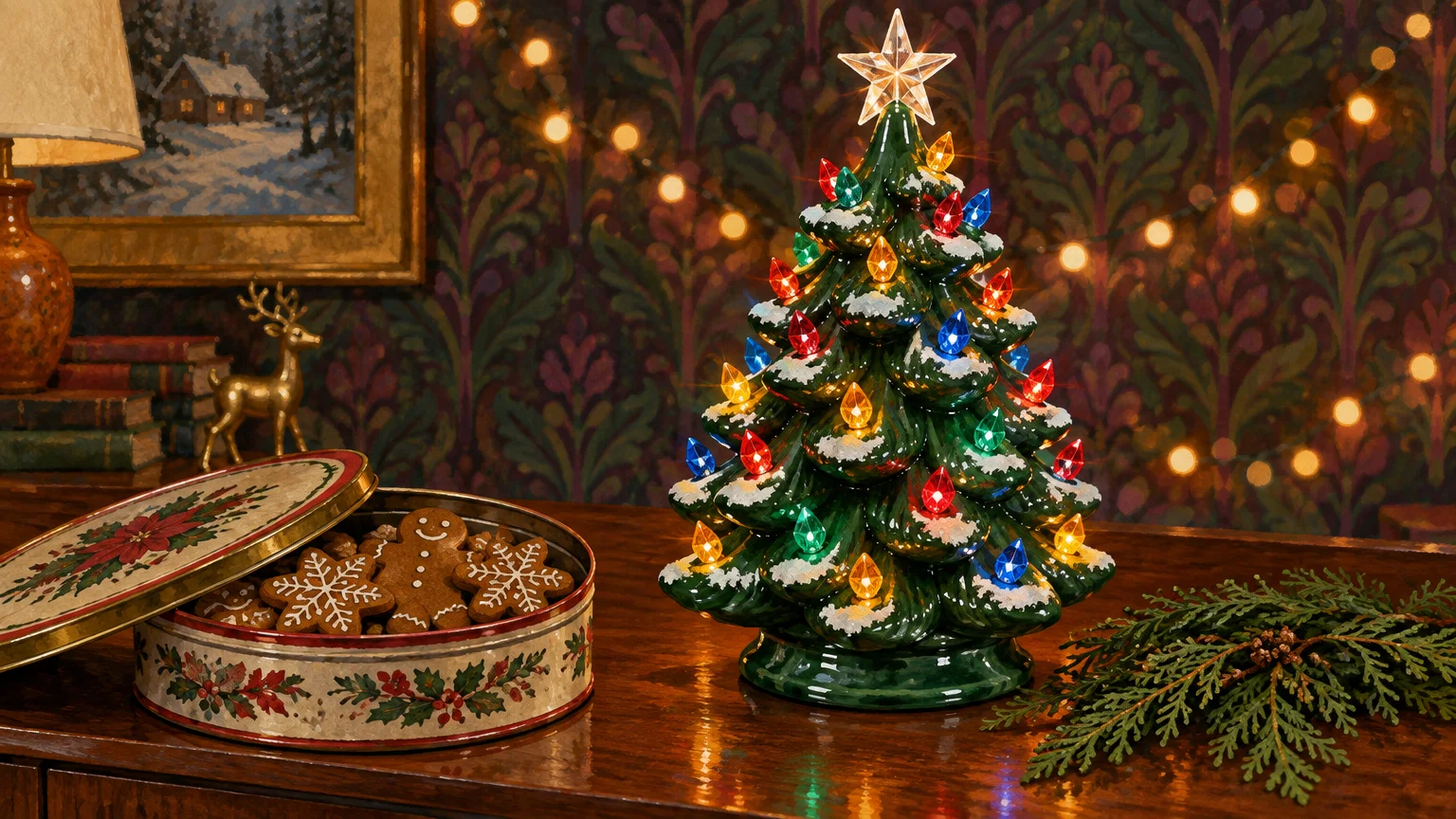
Trend #10: Vintage Ceramic Lighted Christmas Trees
Authentic ceramic holiday trees manufactured by Atlantic Mold and Nowell during the 1970s elicit powerful emotional nostalgia. Illuminated by an internal bulb, translucent plastic pins cast a warm, festive luminescence.
Original working trees in standard green glaze regularly sell for $60 to $200. Rare pastel finishes, white snow-dusted branches, or statuesque models exceeding 18 inches can command over $250.
Place one atop a foyer credenza during seasonal celebrations to greet holiday guests with timeless charm. Always examine the internal wiring to ensure safe electrical operation throughout the holidays.
Their resurgence reflects a wider cultural craving for comforting holiday rituals and tactile handmade ceramics. They inject joyful retro character into otherwise subdued, modern holiday decor schemes.
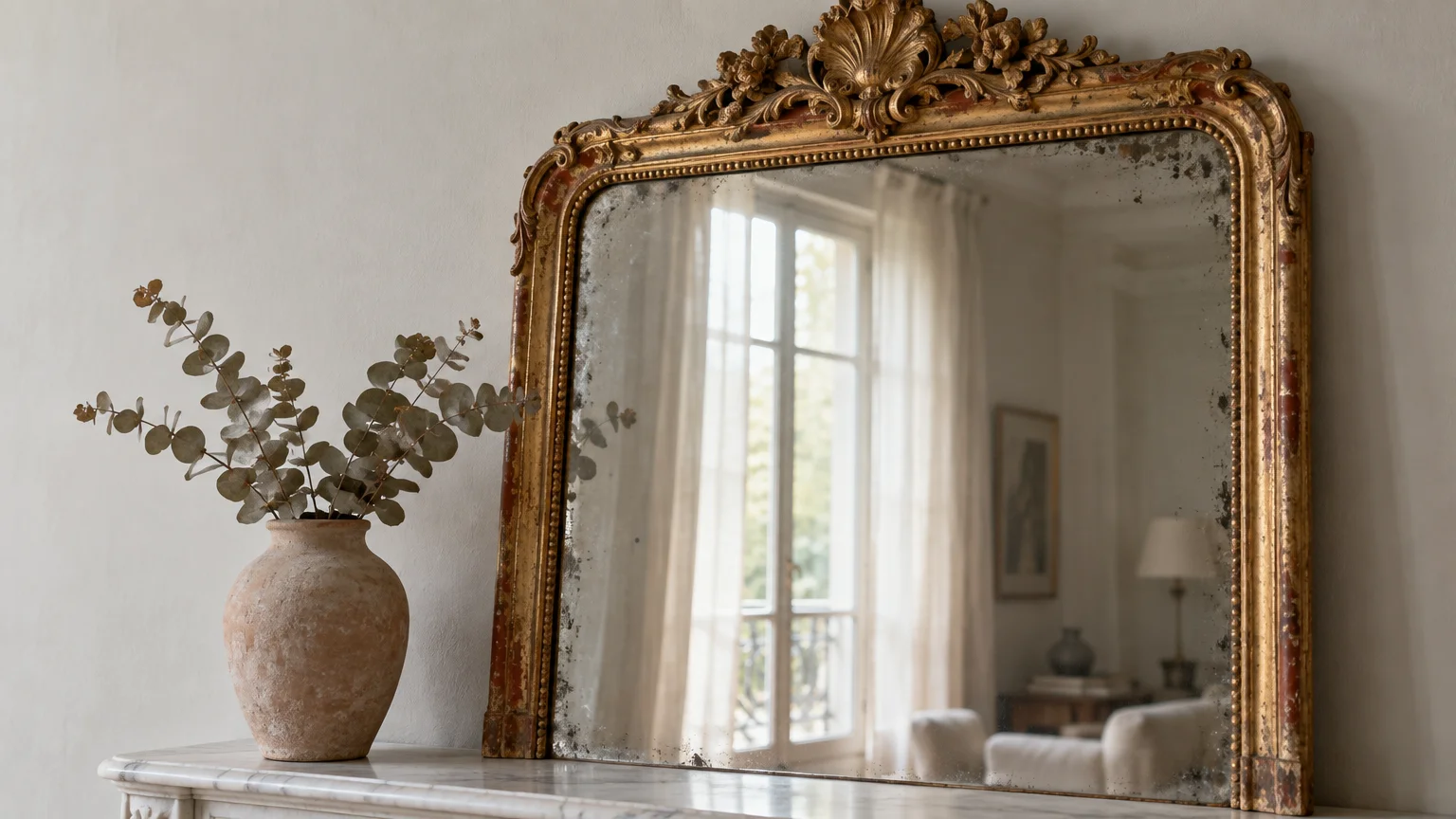
Trend #11: Ornate French Gilt and Baroque Mirrors
Carved wooden and cast plaster mirrors layered in authentic gold leaf add architectural grandeur to compact rooms. Their sculpted ribbon crests, acanthus motifs, and aged mercury glass reflect refined old-world heritage.
Well-preserved antique and vintage Louis-style wall mirrors typically retail between $75 and $350 on secondary markets. Light distress, delicate silvering flakes, and subtle gilding wear only enhance their market value.
Lean a tall gilt mirror against a matte wall to bounce light across a narrow hallway. The dramatic contrast between antique gold and modern paint creates an elevated design statement.
These reflective heirlooms break up monotonous wall space while amplifying natural illumination. Their ornate silhouettes inject Parisian romance into sleek, contemporary interiors.
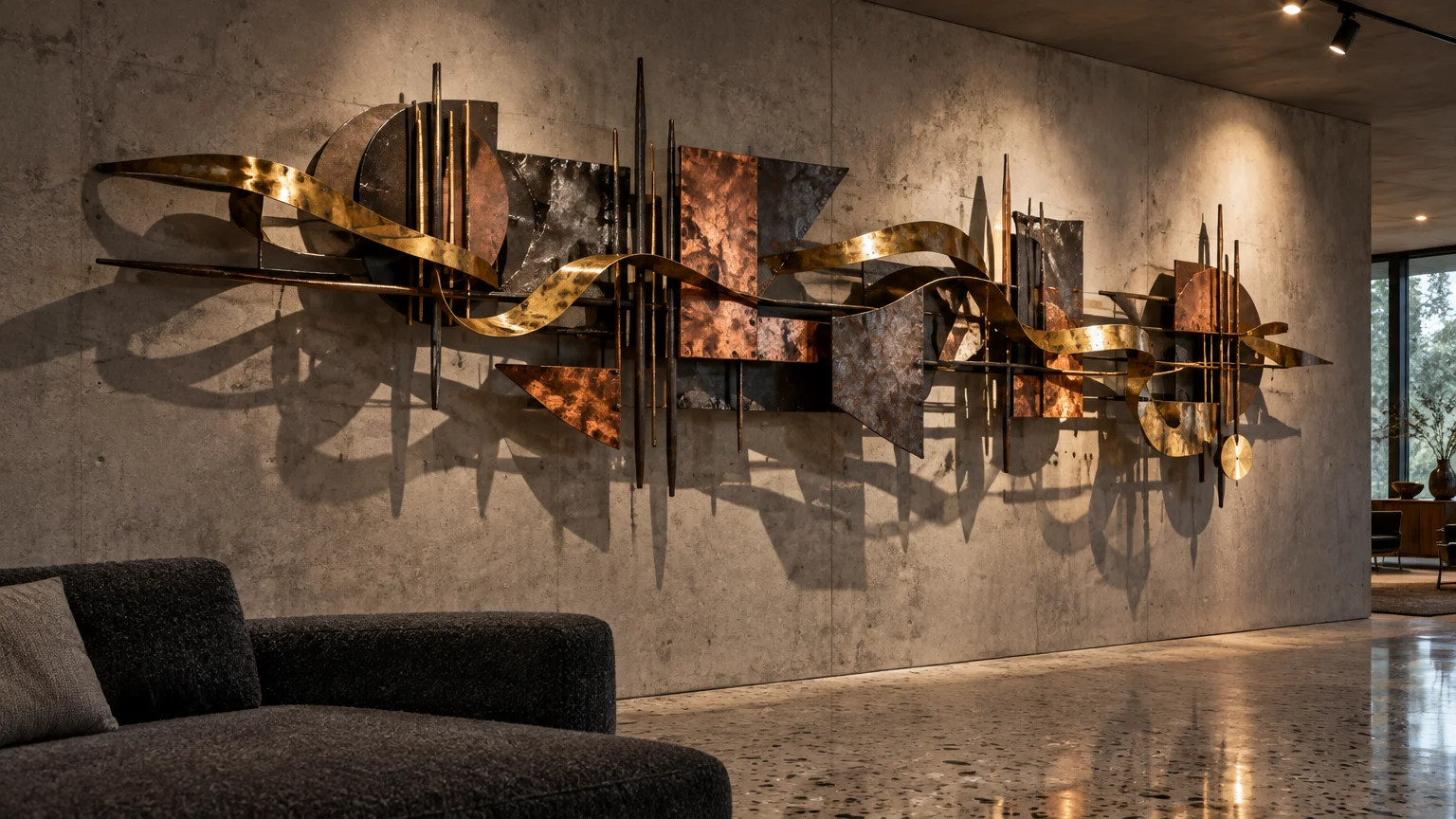
Trend #12: Brutalist Welded Metal Wall Sculptures
Originating in the 1960s and 1970s, Brutalist metal sculptures celebrate raw industrial materials and bold architectural abstractions. Torch-cut copper, patinated bronze plates, and welded brass rods establish commanding focal points on neutral walls.
Signed Curtis Jere artworks and anonymous mid-century artisan sculptures command between $150 and $600. Their tactile dimensionality provides a refreshing break from repetitive flat-framed canvas prints.
Mount a dimensional sunburst or cityscape sculpture above your living room sofa. Directional picture lights illuminate the varied metallic planes, casting dramatic architectural shadows across your wall.
These expressive metalworks embody the raw, sculptural qualities dominating vintage home trends 2026. They instantly anchor open-concept rooms with masculine texture and striking mid-century drama.
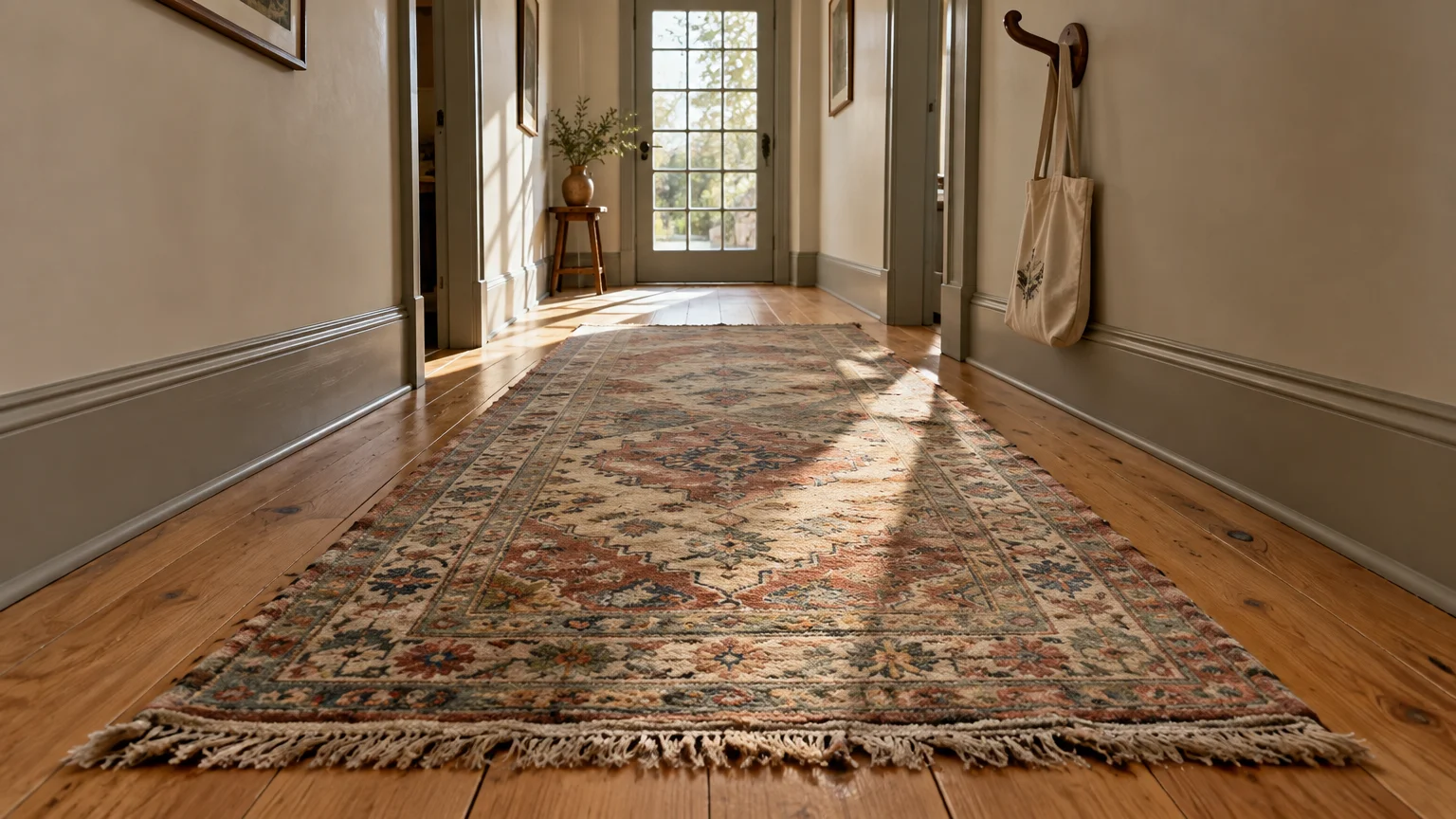
Trend #13: Vintage Hand-Knotted Persian and Oushak Runners
Secondhand hand-knotted wool rugs offer unparalleled durability and rich, vegetable-dyed warmth. Worn Oushak and Persian runners bring authentic character to utilitarian hallways, primary bathrooms, and chef kitchens.
Vintage runners in good condition sell between $120 and $450 depending on pile density and region of origin. Naturally softened palettes complement both contemporary neutral palettes and maximalist layouts.
Place a low-pile runner over hardwood floors to ground your kitchen work triangle. The tight lanolin-rich wool naturally repels spills, outlasting synthetic modern rugs by decades.
Their gentle color fading showcases decades of quiet domestic history. These authentic textiles bring artisanal soul to sleek kitchen cabinetry and cold stone flooring.
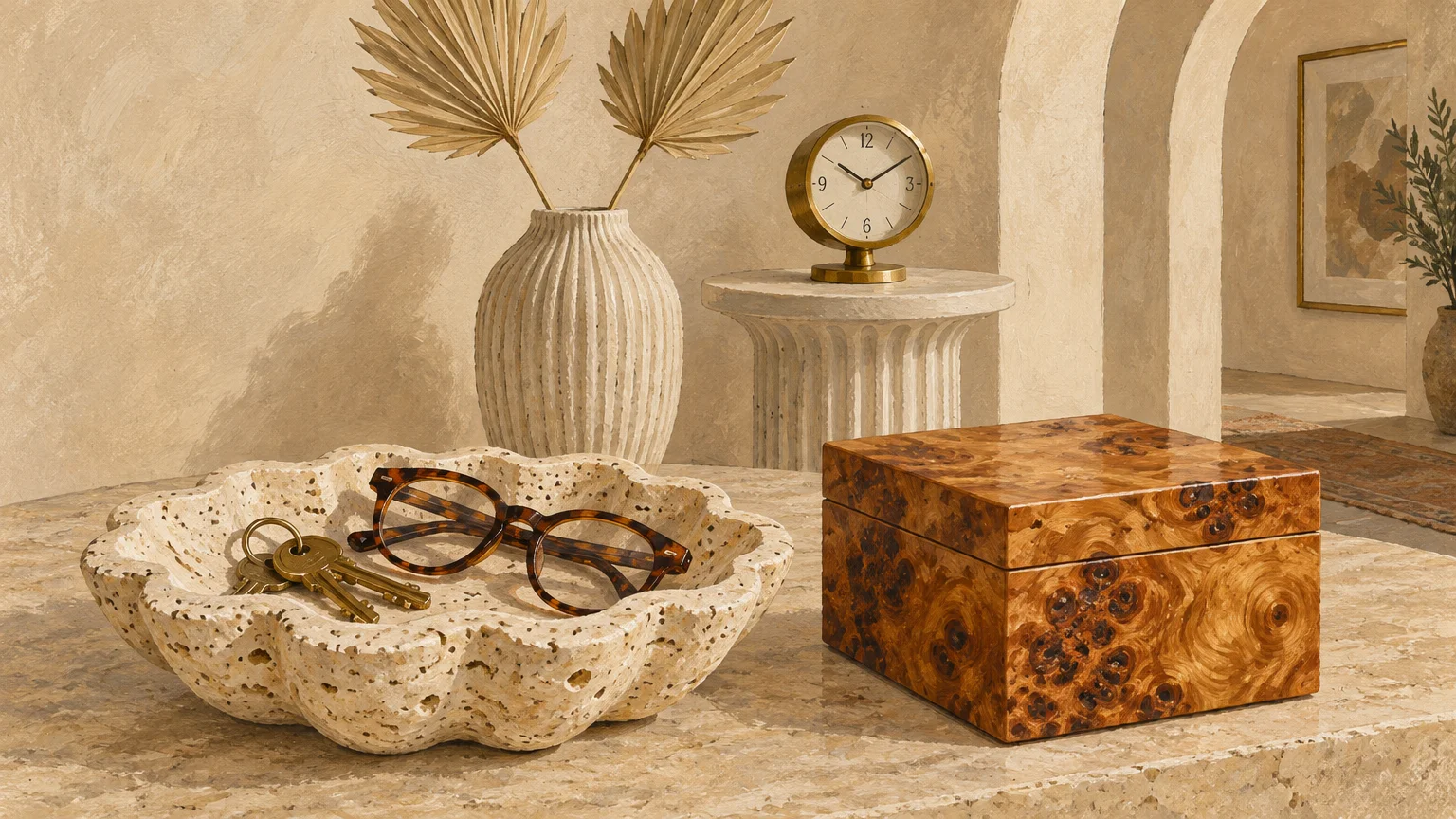
Trend #14: Travertine and Burl Wood Catchalls
The organic minimalism of the 1970s and 1980s has returned through tactile stone and burl wood accessories. Fluted travertine trays, spherical marble bookends, and elm burl jewelry boxes define this aesthetic.
These compact decor items retail between $50 and $180, satisfying the appetite for quiet luxury without overwhelming smaller spaces. Discerning buyers gravitate toward rich swirling grain and porous matte stone.
Anchor your coffee table books with a carved travertine dish or place a burl wood box on your nightstand. These small mineral and timber moments inject grounding natural textures into any room.
Incorporating these earthy elements balances hard architectural lines with tactile warmth. They represent accessible luxury accents that elevate daily personal routines.
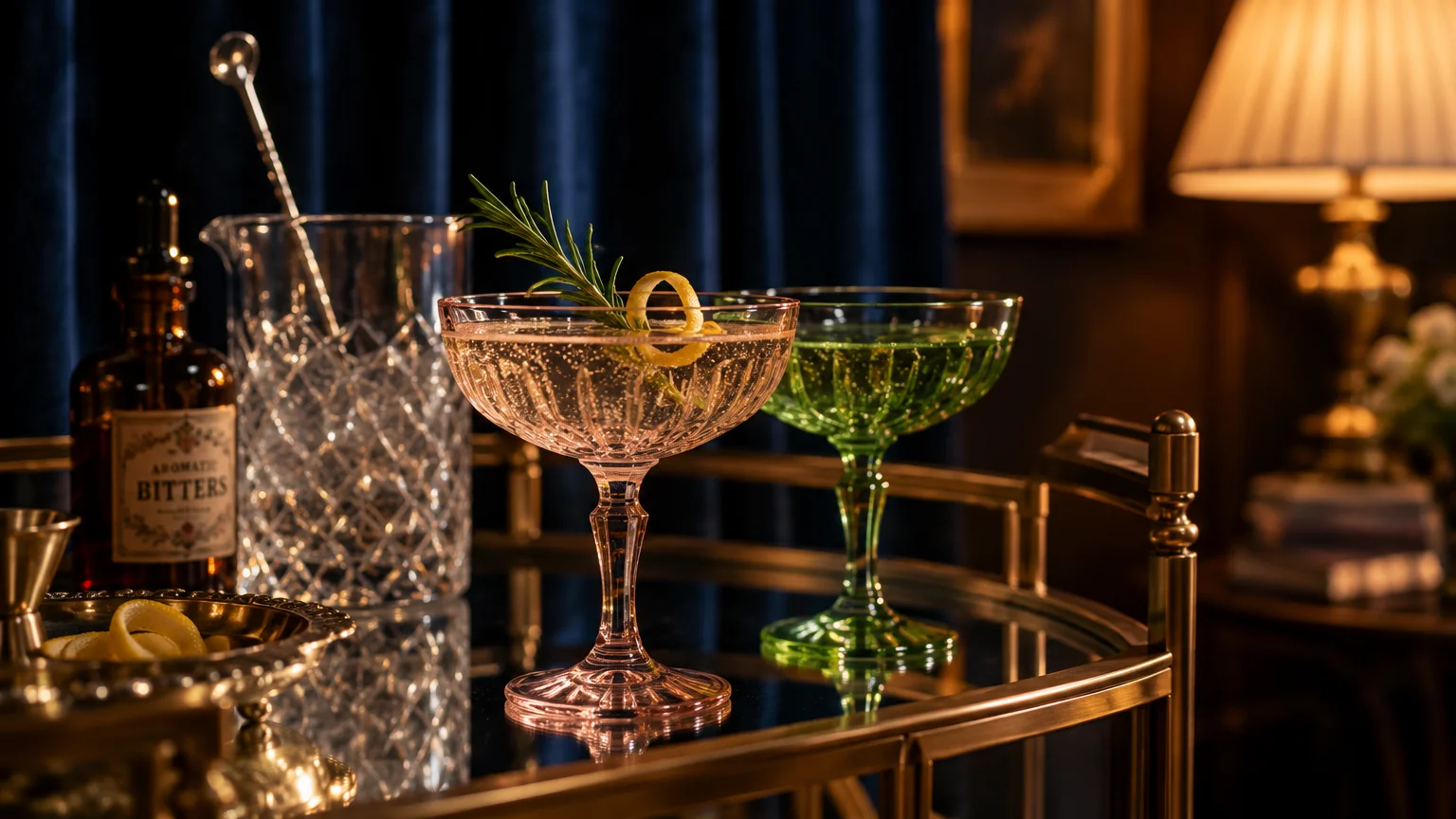
Trend #15: Colored Depression Glass Cocktail Coupes
The resurgence of intimate home entertaining has triggered explosive interest in vintage stemware and retro supper-club accessories. Etsy searches for retro glassware and entertaining essentials consistently surge by 70% to 1,000% during hosting seasons.
Complete sets of four to eight optic-ribbed coupes or pastel Depression glass stems sell for $70 to $250. Amber, blush pink, and jadeite tones command top dollar among enthusiastic vintage tastemakers.
Display these sculptural glasses on an open brass bar cart beside your favorite artisanal spirits. They elevate casual gatherings into sophisticated sensory rituals while serving as striking decorative accents.
Investing in historical cocktail glassware allows you to host memorable dinners steeped in golden-era glamour. Their delicate stems and etched patterns transform ordinary beverages into celebratory art.
The Big Picture: Weaving These Trends into Your Home
Creating a sophisticated home requires a balanced dialogue between historic provenance and contemporary comfort. You never want your home to look like a stage set or a dusty antique shop.
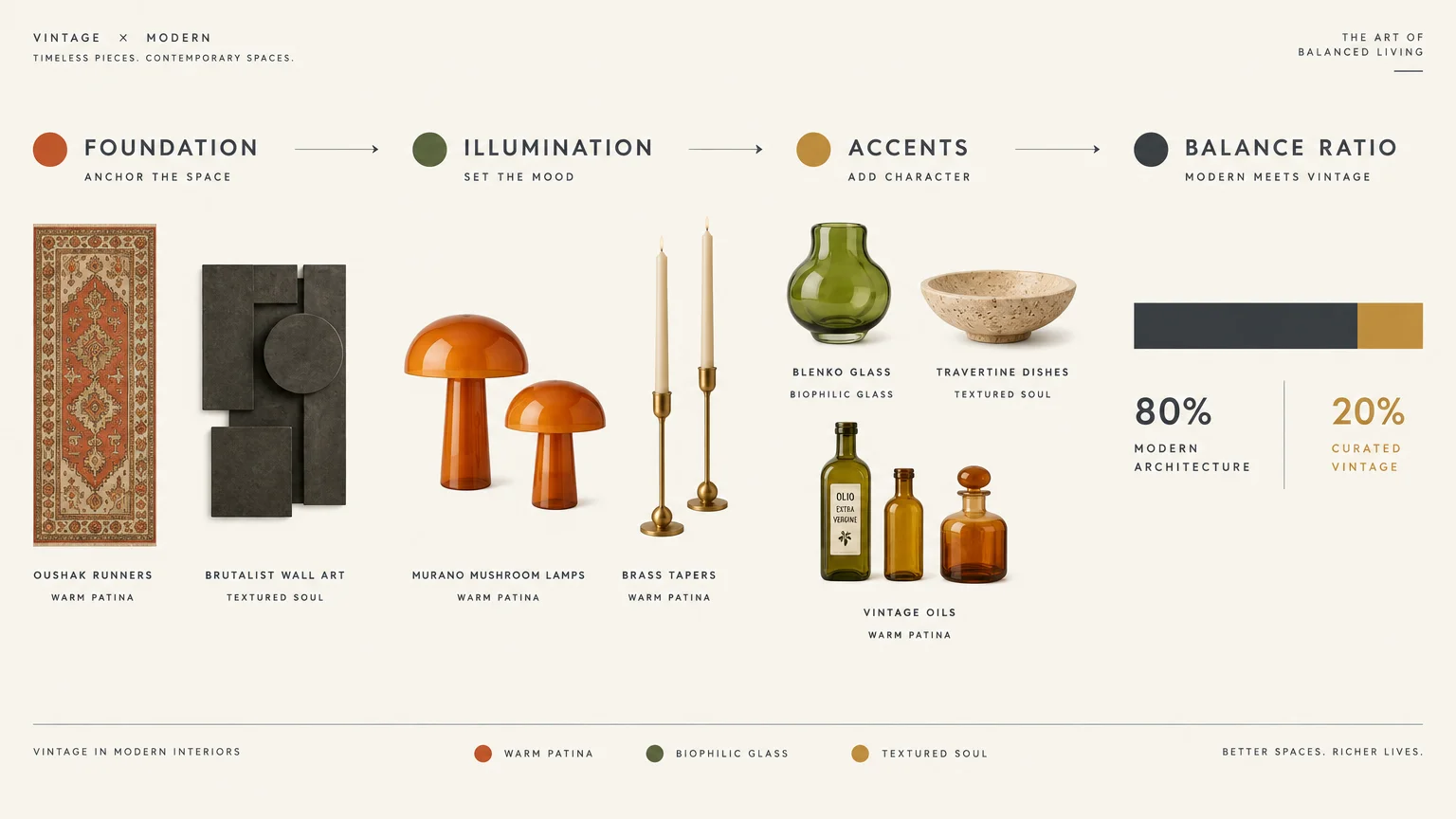
Focus on contrast when incorporating retro home decor items into modern spaces. Pair the crisp geometry of a contemporary sectional sofa with the organic, patinated curves of an unlacquered brass candlestick.
Honor the 80/20 rule of interior styling: keep eighty percent of your room clean and functional, then dedicate twenty percent to curated vintage focal points. This proportion allows each vintage piece to breathe.
Select vintage home trends 2026 that speak to your tactile sensibilities and practical lifestyle needs. Intentional collecting ensures your interior looks effortlessly layered, timeless, and uniquely personal.
For the latest color forecasts, consult industry leaders like Pantone and paint companies like Benjamin Moore. For professional design standards, refer to the American Society of Interior Designers (ASID).
Frequently Asked Questions
How do I verify if a vintage piece is authentic before buying?
Check for maker marks, catalog stamps, pontil scars on hand-blown glass, and construction details like dovetail joints. Cross-reference maker signatures with archival catalog entries and reputable dealer registries.
Natural patina, consistent age-related wear, and correct hardware materials reveal whether an item is genuine or a reproduction. Authentic materials like solid cast brass carry distinct weight and thermal properties.
Is it safe to use vintage lighting in modern homes?
Older wiring, brittle rubber insulation, and ungrounded plugs present real fire hazards in residential spaces. Always inspect lamp cords for dry rot, fraying, or loose sockets before plugging them into modern wall receptacles.
Have a certified technician or local lamp repair shop install modern UL-listed cords and polarized sockets. Rewiring costs between $30 and $75, safeguarding your residence while preserving historical beauty.
How can I clean and maintain vintage brass and ironstone without damaging them?
Avoid harsh chemical polishes on vintage brass if you wish to preserve the authentic, lived-in dark patina. Instead, gently buff surfaces with a microfiber cloth and warm water containing mild, additive-free dish soap.
Wash antique ironstone by hand using gentle detergents, avoiding modern dishwashers that cause crazing or hairline cracks. Soak stubborn tea or mineral stains in diluted hydrogen peroxide rather than aggressive chlorine bleach.
Why are vintage decor items commanding higher prices today?
Broader second-hand home furnishing accessories will expand from $52.4 billion in 2025 to $98.7 billion by 2034. Discerning buyers favor sustainable craftsmanship, superior timber quality, and timeless artistic value over disposable fast furniture.
In addition to environmental benefits, original vintage accents impart individual personality that mass production cannot reproduce. High demand combined with limited historical supply steadily drives appreciation across key design categories.
Disclaimer: This article reflects design trend analysis and predictions. Personal taste and timeless design principles should always guide your decorating choices.