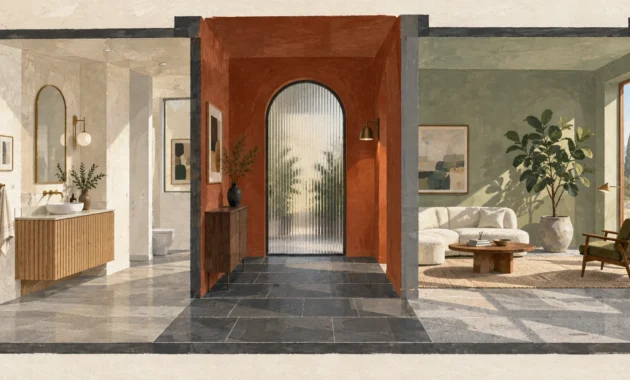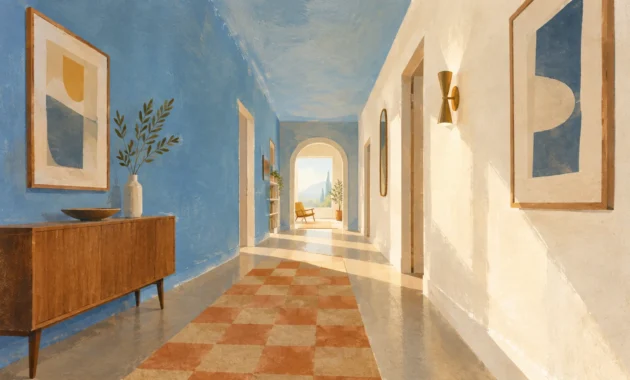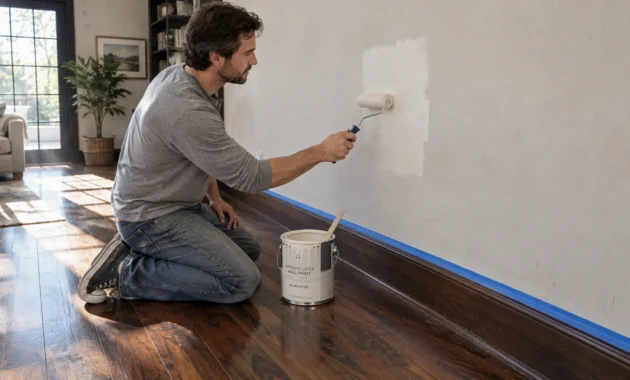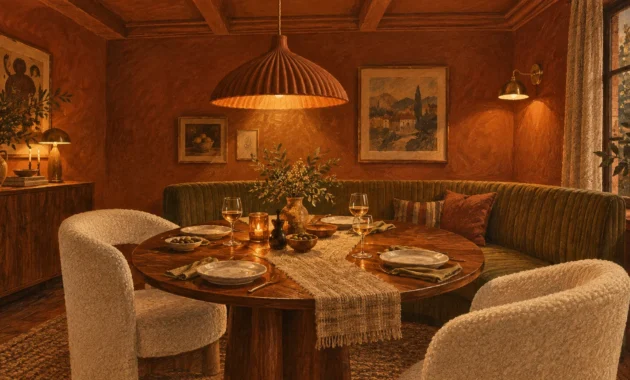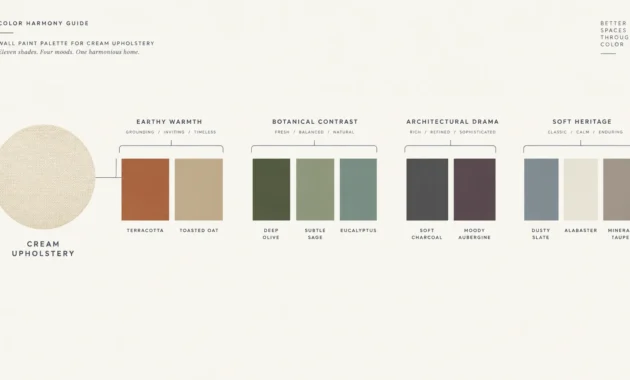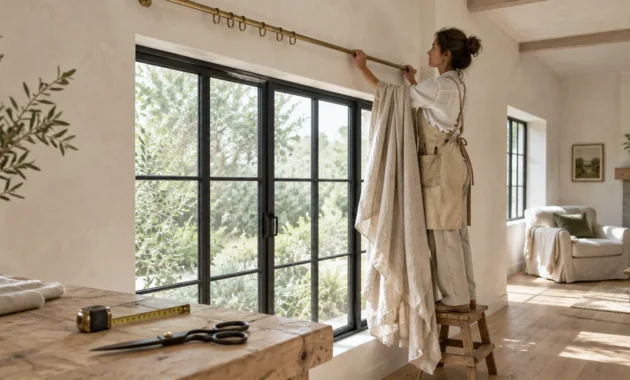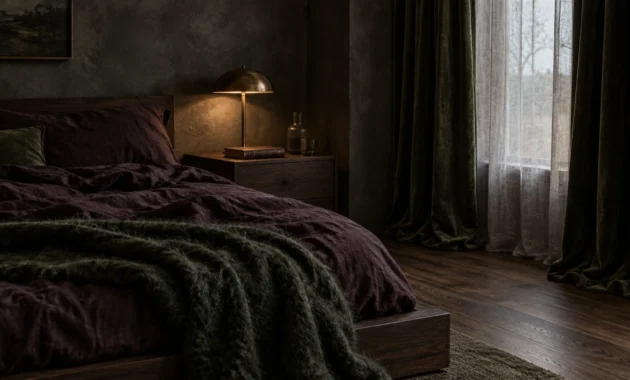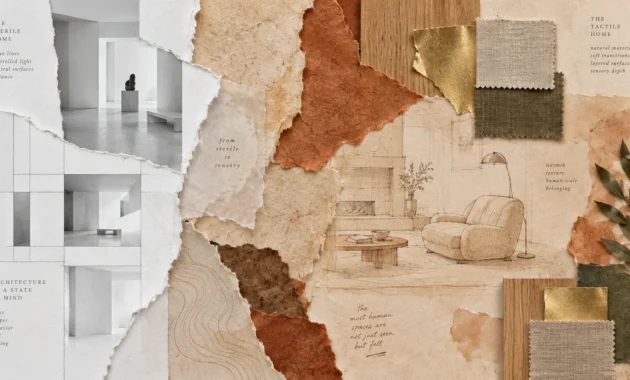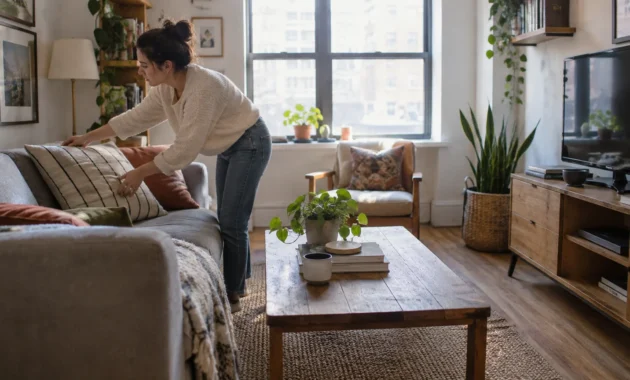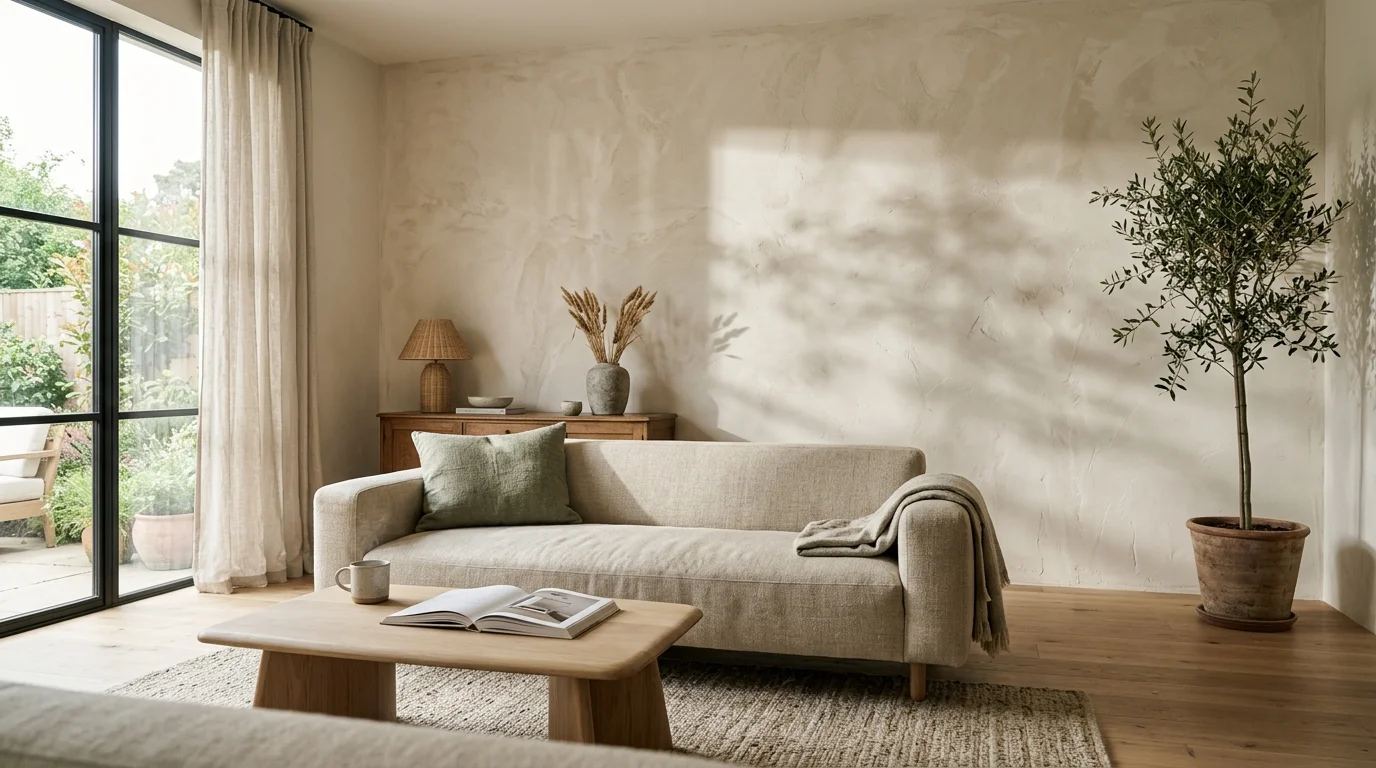
Flat paint is officially relinquishing its hold on interior design as homeowners and designers embrace depth, tactile warmth, and organic luxury. By 2027, sterile, low-sheen surfaces are giving way to dynamic textured wall finishes trend solutions that absorb and reflect light in captivating ways. The global texture paints market is expanding rapidly from $15.5 billion toward an estimated $21.3 billion by the early 2030s, driven by a growing appetite for authentic craftsmanship and sensory richness. Replacing flat paint with dimensional surfaces elevates simple living spaces into immersive architectural environments. Whether you want subtle chalky warmth or dramatic Venetian luster, these ten transformative alternatives to flat paint will define modern interiors.
Trend #1: Venetian Plaster Modernized
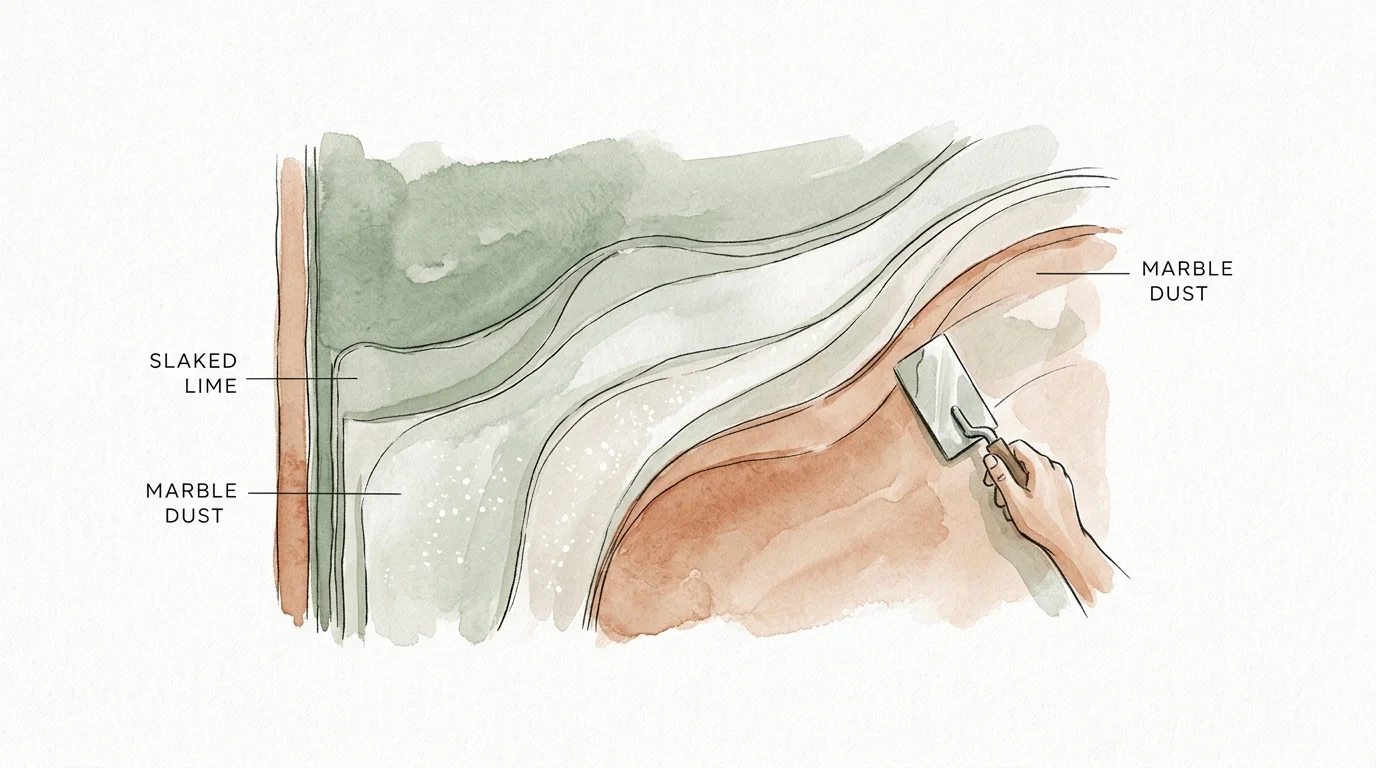
Venetian plaster has evolved from a historic Mediterranean luxury into one of the most compelling wall finish design trends for contemporary homes. Artisans craft this sophisticated finish by layering slaked lime and marble dust, burnishing the surface to produce a luminous, stone-like patina. Modern iterations move away from high-gloss Tuscan finishes, opting instead for velvety, semi-matte sheens that gently catch ambient light without overwhelming the space. The venetian plaster trend thrives in master bedrooms, formal dining rooms, and dramatic powder baths, where depth and touchable luxury take center stage.
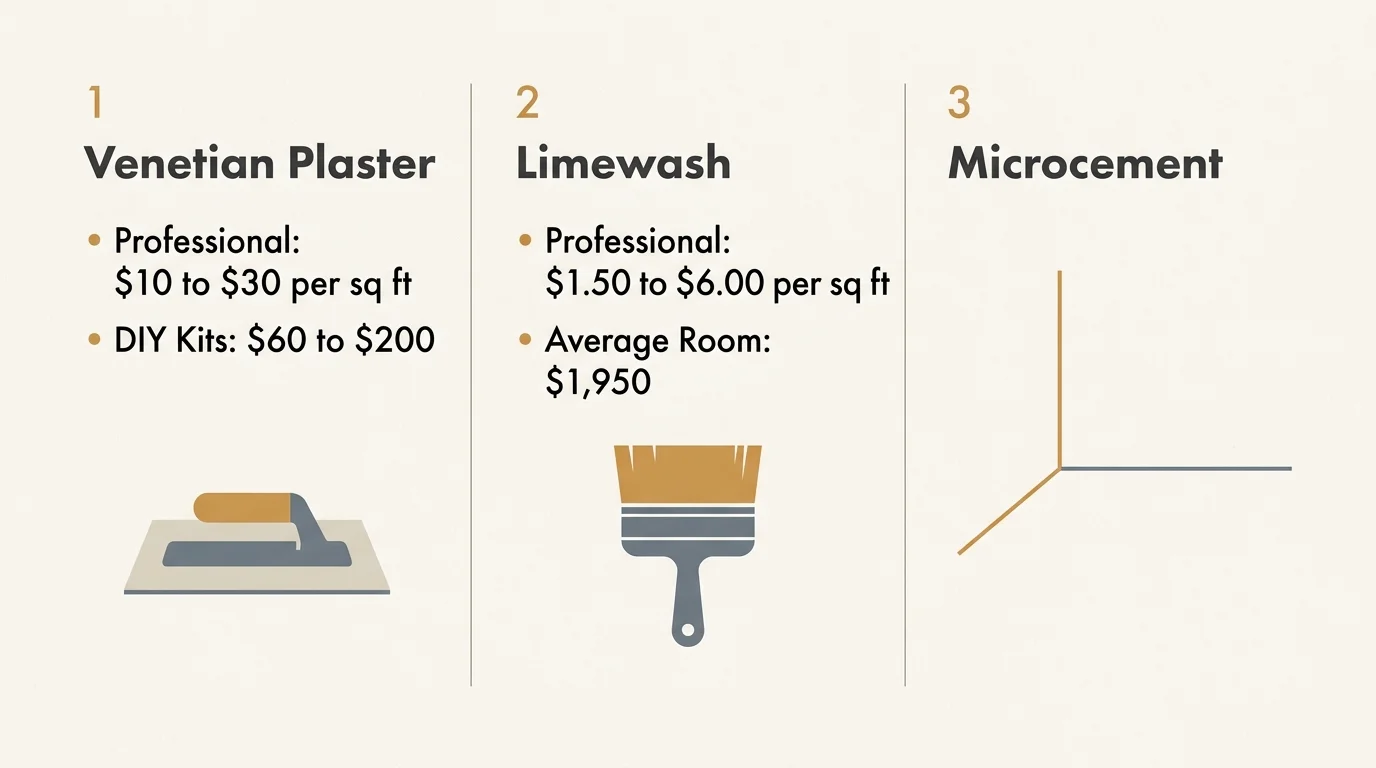
Beyond its striking visual aesthetic, Venetian plaster offers exceptional durability and naturally resists mold and mildew through its breathable alkaline composition. Professional installation averages $10 to $30 per square foot, making a standard feature wall project cost between $700 and $1,000. If you prefer a hands-on approach, DIY material and tool kits average $60 to $200, covering up to 400 square feet. Pair warm Venetian plaster in muted sage, alabaster, or warm terracotta with minimalistic furniture to highlight the wall’s organic movement; the resulting contrast yields an effortless atmosphere of quiet luxury.
Trend #2: Chalky Limewash and Mineral Washes
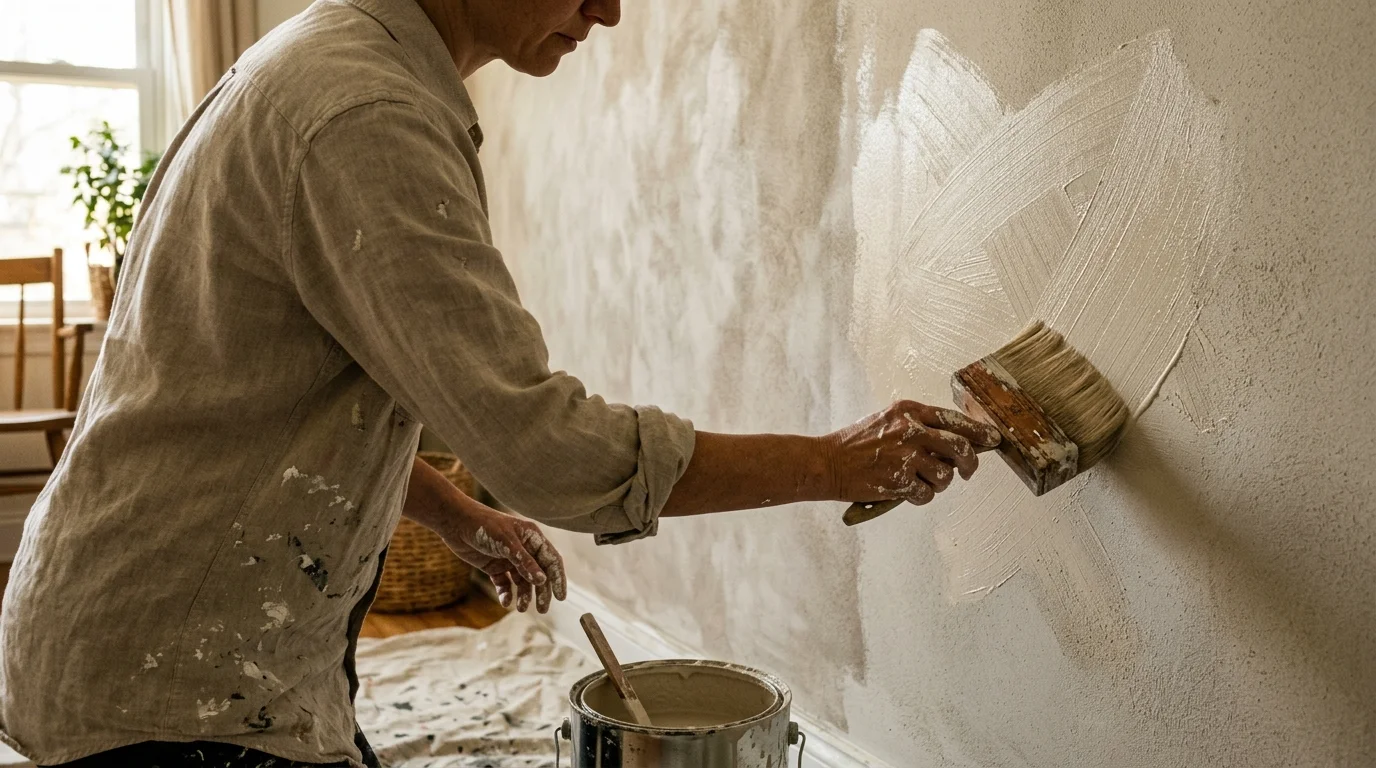
Limewash represents a masterclass in soft, cloudy texture that breathes life into flat, lifeless drywall. Created from crushed, fired limestone combined with water and natural mineral pigments, limewash cures through carbonation, bonding directly with porous surfaces to create a matte, weathered finish. Its subtle tonal shifts produce a dreamy, motion-filled backdrop that softens sharp architectural angles. Because limewash is entirely natural and zero-VOC, it supports healthy indoor air quality while providing an effortlessly relaxed, Mediterranean-inspired aesthetic.
You can easily customize limewash using varied brush strokes—such as sweeping cross-hatch patterns—to achieve subtle nuance or dramatic depth. Professional interior limewashing costs range from $1.50 to $6.00 per square foot, with a full interior room averaging approximately $1,950. DIY enthusiasts can accomplish similar visual interest at a fraction of the cost, as mineral primers, specialized block brushes, and limewash paint average $0.50 to $1.00 per square foot in material costs. Use soft earthy tones like oatmeal, warm greige, and dusty olive to craft a serene living room sanctuary.
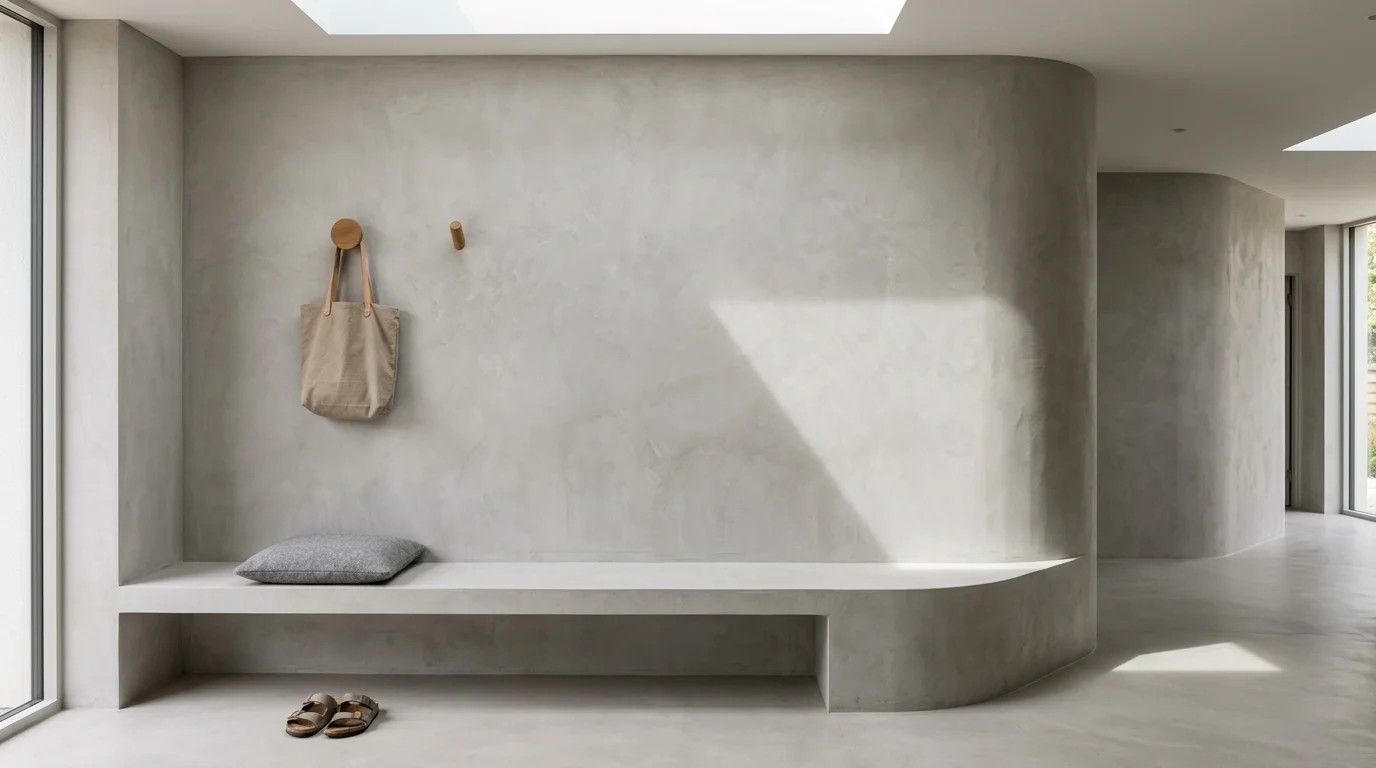
Trend #3: Seamless Architectural Microcement
For those who love industrial chic mixed with modern minimalism, microcement offers a sleek, monolithic alternative to traditional drywall finishes. Composed of high-performance cement blended with water-based polymers and color pigments, microcement creates a thin, continuous coating across walls, floors, and built-in furniture without requiring grout lines or expansion joints. Its subtle, troweled texture bestows a tactile, concrete-like appearance while remaining remarkably lightweight and resilient.
Designers increasingly specify microcement for open-concept living rooms, minimalist kitchens, and spa-like bathrooms because it creates visually uninterrupted transitions. Professionally installed microcement on standard interior dry walls costs between $10 and $20 per square foot. However, expect investment levels to reach $30 to $75+ per square foot for complex, highly detailed wet areas like curbless shower enclosures or custom fireplace surrounds. Incorporating microcement instantly modernizes your space, offering a cool, tactile backdrop that pairs brilliantly with rich wooden accents and soft textile furnishings.
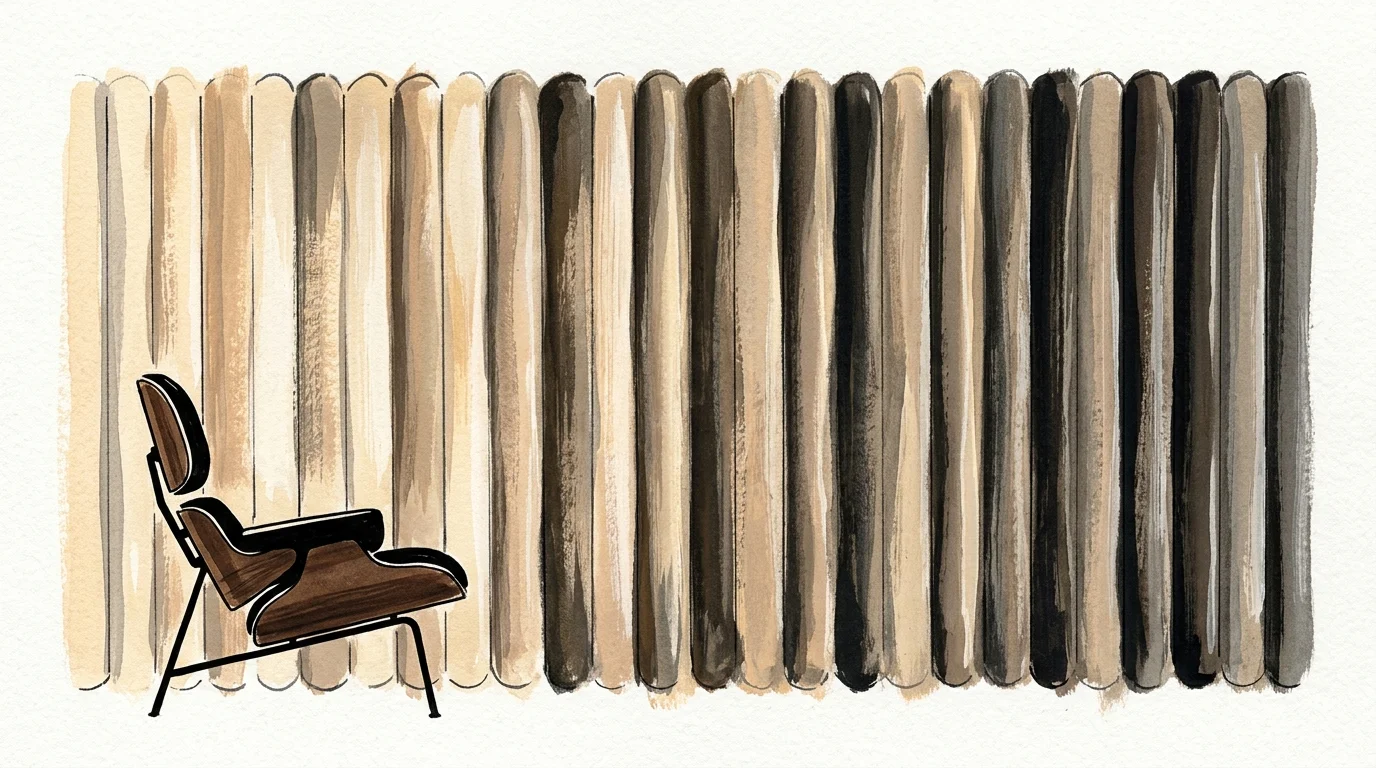
Trend #4: Fluted and Reeded Plaster Surfaces
Fluted and reeded textures bring structured linear rhythm and dramatic shadow play to flat wall surfaces. By applying cast plaster panels or hand-troweling architectural grooves directly onto the wall, designers create repeating vertical ridges that visually stretch ceiling heights. This technique draws heavily on Art Deco and mid-century modern architectural heritage, updated for 2027 with softer, wider grooves and warm neutral paint treatments.
You can use reeded plaster as an impressive feature wall behind a bed headboard, along an entry foyer, or wrapped around kitchen islands to add refined architectural interest. The directional grooves interplay with natural sunlight throughout the day, creating evolving highlight and shadow patterns across your living space. To keep the look modern rather than retro, paint fluted surfaces in rich, monochromatic shades like warm cashmere, deep bronze, or charcoal slate, ensuring the tactile form remains the primary focus.
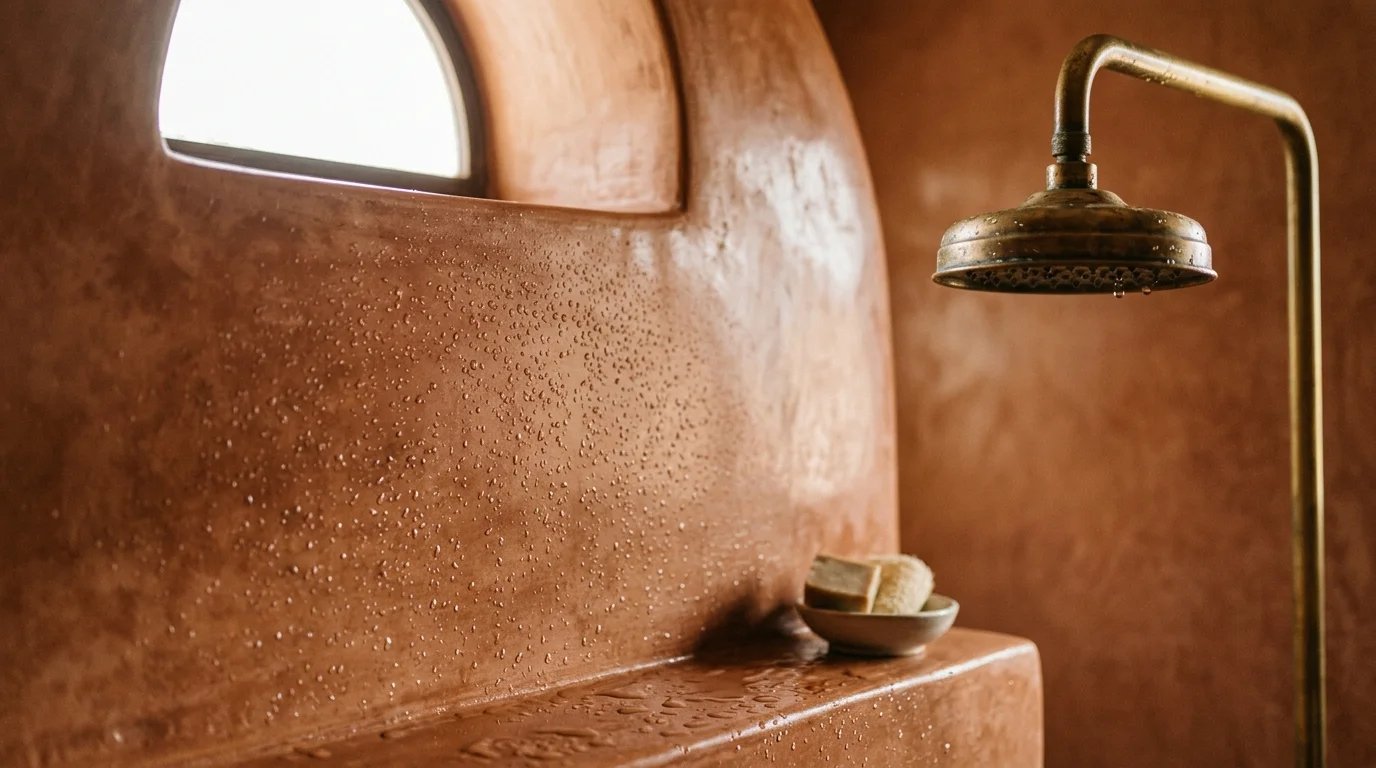
Trend #5: Moroccan Tadelakt Waterproof Plaster
Originating in the Marrakech region of Morocco, Tadelakt is an ancient lime plastering technique famed for its smooth, water-repellent surface and organic elegance. Artisans hand-trowel the lime plaster, polish it with smooth river stones, and seal it using olive oil soap. The chemical reaction between the soap and lime creates an impervious, hydrophobic coating with a soft, satin-like sheen that feels remarkably smooth to the touch.
As homeowners seek alternatives to flat paint and tile in wet environments, Tadelakt emerges as a premier luxury finish for bathrooms, walk-in showers, and kitchen backsplashes. Its seamless nature eliminates mold-prone grout lines while introducing soft, undulating contours that hard tile cannot replicate. While professional Tadelakt application requires specialized master craftsmanship, its timeless durability and sculptural warmth elevate ordinary residential wet rooms into world-class luxury spas.
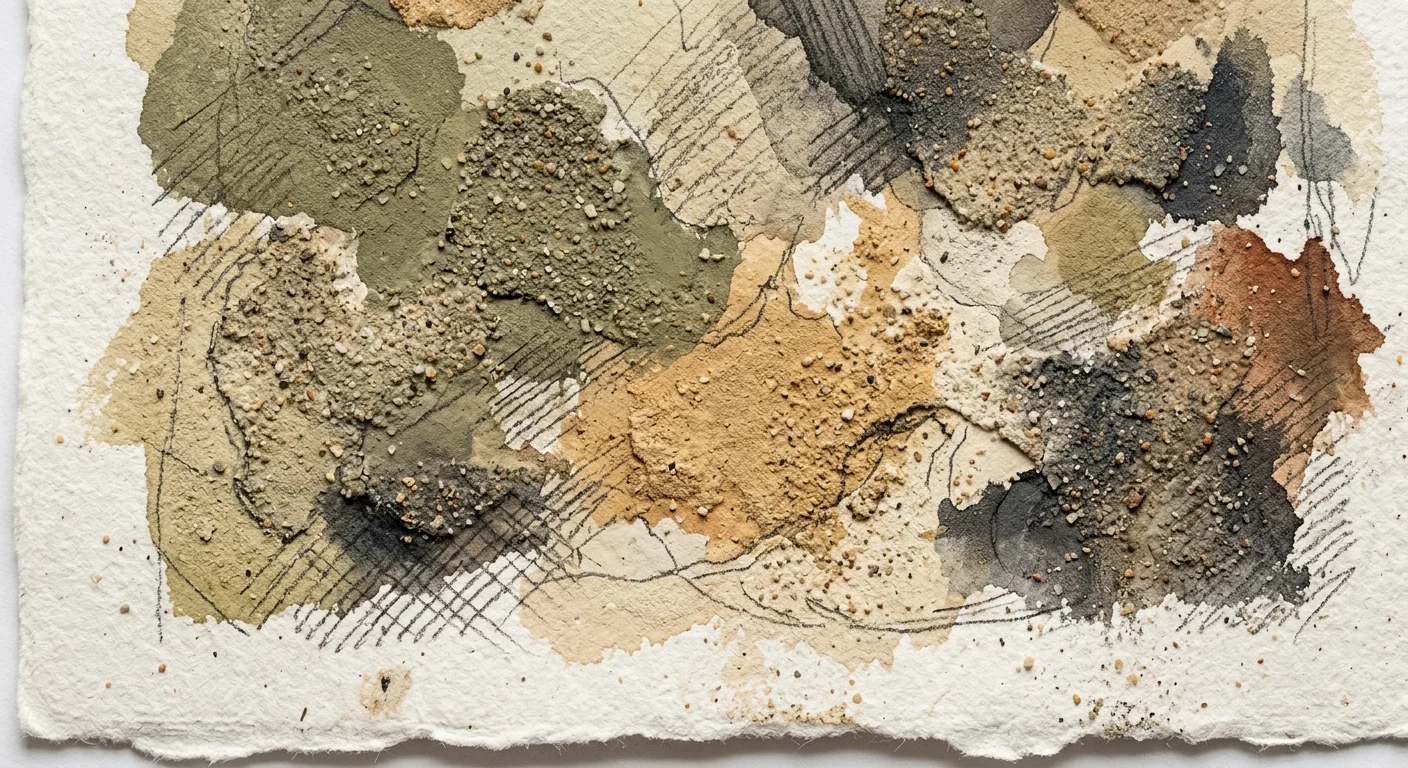
Trend #6: Sand-Infused Granular Paints
Sand-infused and granular paints represent one of the most accessible alternatives to flat paint, allowing you to add tactile grit and subtle rustic texture without complex plastering skills. These specialized coatings incorporate fine silica, quartz particles, or recycled ceramic microspheres into high-quality acrylic paint bases. When applied with a roller or wide masonry brush, sand-infused paints create a uniform, stone-like texture that diffuses harsh light reflections.
Granular paints excel at concealing surface imperfections, making them an ideal choice for renovating older homes with uneven drywall or plaster. Furthermore, these textured paint techniques offer slight acoustic dampening properties, softening echo in high-ceilinged spaces. Apply granular paint in cozy, intimate settings like home libraries, bedrooms, or dining nooks, pairing sandy textures with rich leather, warm wood tones, and woven linen upholstery for a deeply grounded interior atmosphere.
Trend #7: Soft-Tone Concrete Render
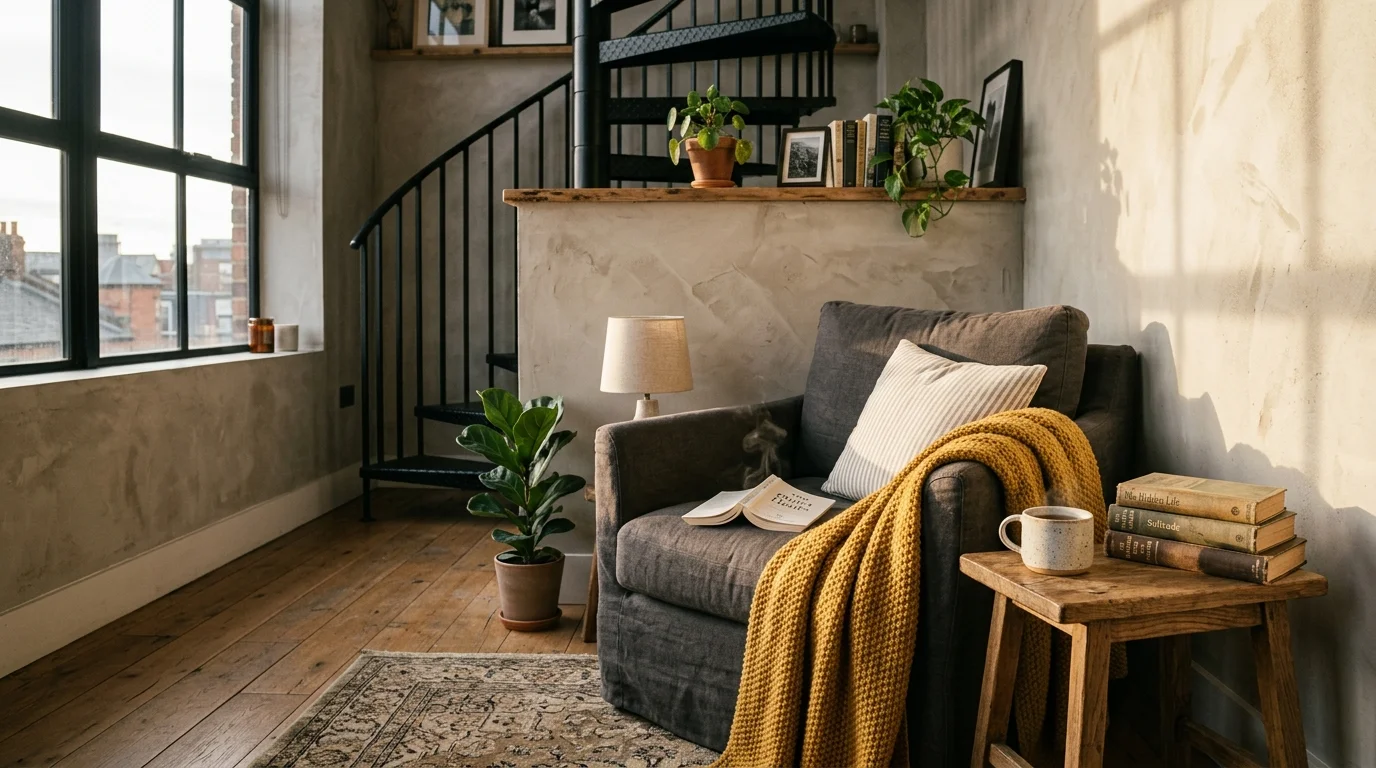
The soft-tone concrete render trend strips away the cold, stark reputation of raw industrial concrete, replacing it with warm, approachable warmth. By blending traditional hydraulic lime or white Portland cement with warm-toned aggregates, artisans produce a velvety, light-diffusing render that feels inviting rather than harsh. This finish celebrates subtle surface flaws, subtle trowel marks, and raw mineral variations as marks of authenticity.
In contemporary interior design, concrete render creates an elevated, architectural foundation in expansive living rooms and double-height foyers. Its earthy undertones—ranging from warm putty and soft greige to sandy beige—interact beautifully with natural light. Complement this rough wall texture with organic elements like live-edge timber tables, plush bouclé seating, and low-slung, minimalist furniture to create a balanced, luxurious aesthetic known as warm brutalism.
Trend #8: Bio-Based Clay Plaster
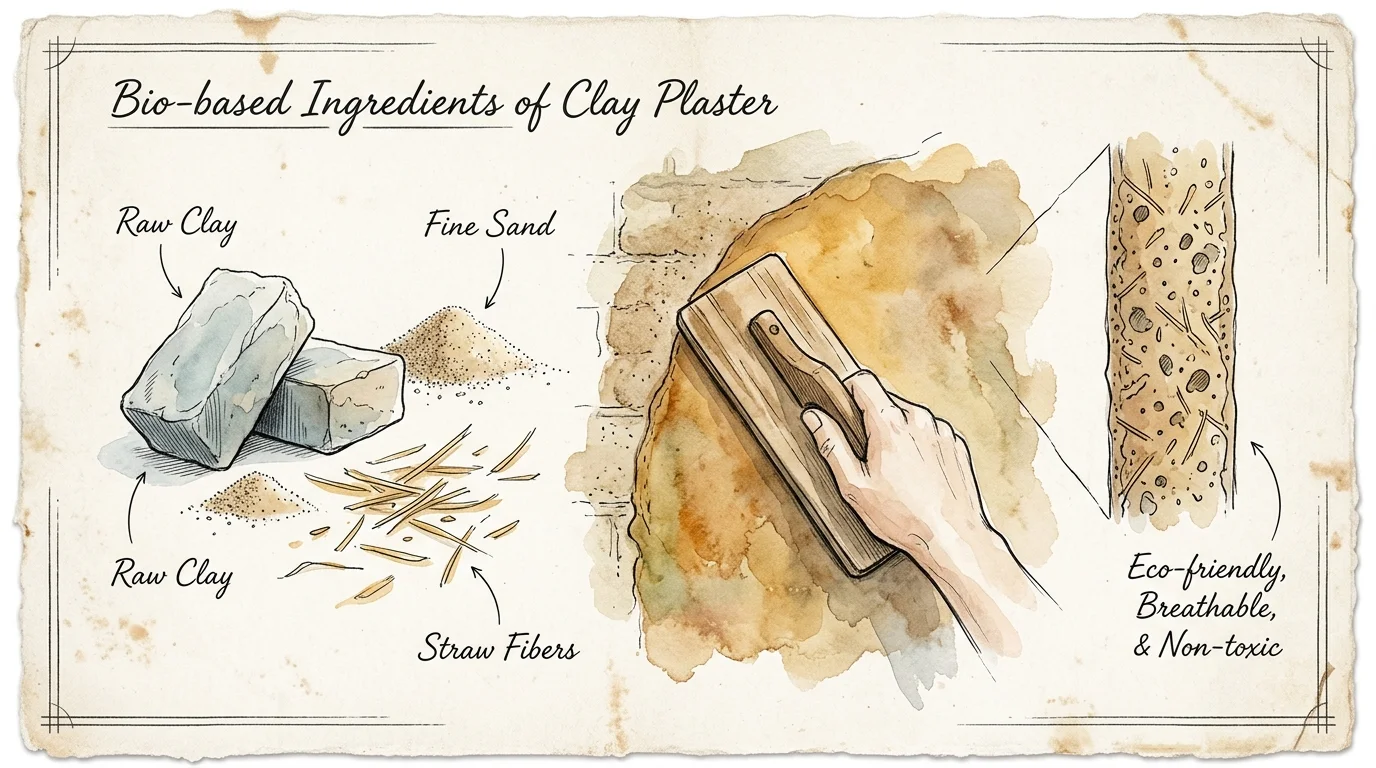
As sustainable design transitions from a niche preference to a non-negotiable standard, bio-based clay plaster takes center stage among wall finish design trends. Formulated from raw, un-dyed clay, sand, and natural pigments, clay plaster contains zero toxic chemicals, synthetic resins, or volatile organic compounds. Beyond its environmental credentials, clay plaster acts as a natural humidity regulator, absorbing excess moisture from the air and releasing it when humidity drops.
Clay plaster boasts a rich, ultra-matte texture that radiates soft, biophilic warmth. Its naturally porous composition absorbs sound, significantly improving acoustic comfort in open-plan spaces. Available in an array of naturally occurring earth tones—such as ochre, terracotta, umber, and muted sage—clay plaster establishes a serene, grounding backdrop for modern bedrooms and wellness-focused home spaces. Caring for clay walls requires minimal effort, reinforcing its status as a timeless interior finish.
Trend #9: Metallic and Mica Mineral Slurries
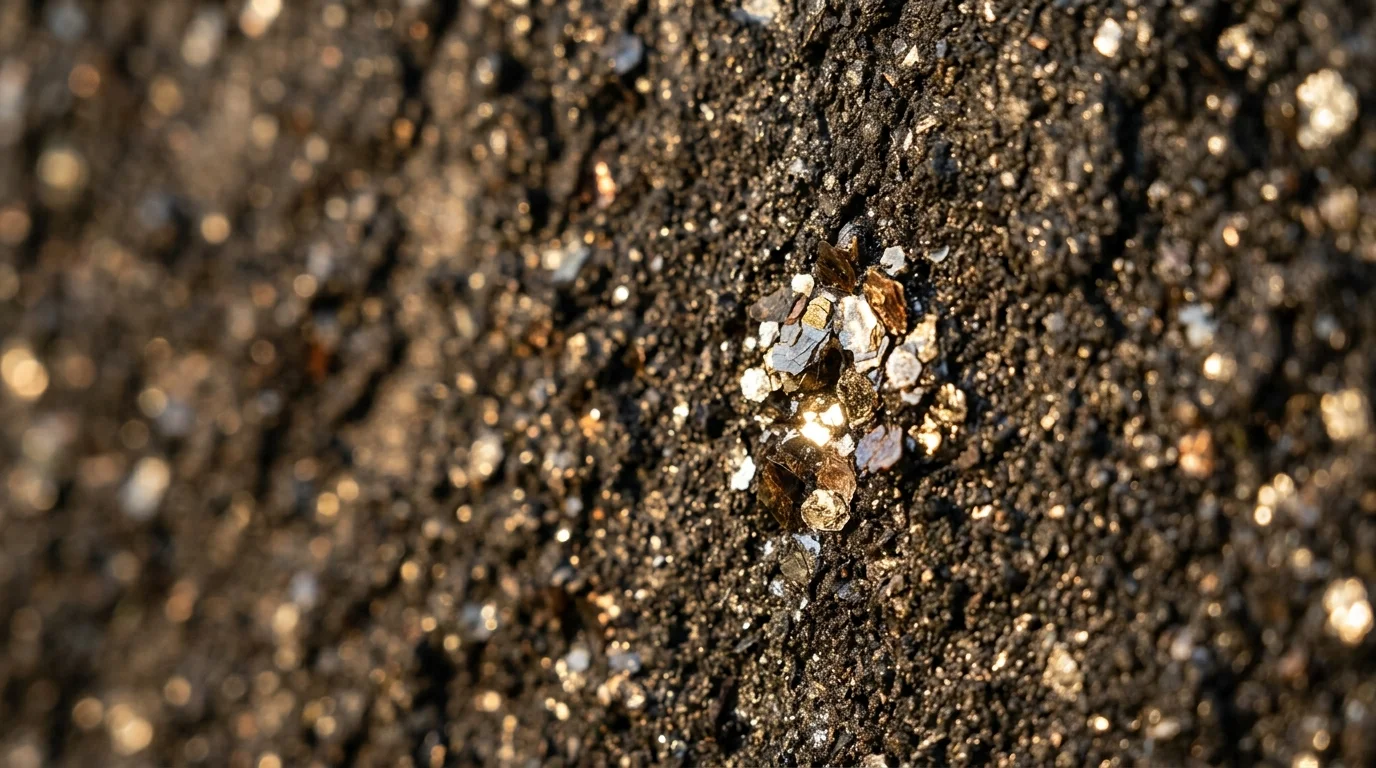
Metallic and mica mineral slurries introduce subtle opulence to interior walls by blending fine metallic dust, ground mica flakes, or translucent quartz into wet plaster or glazing medium. Unlike the flashy, reflective glitter finishes of previous decades, 2027 mineral slurries deliver an ethereal, candlelight-like shimmer that changes as you move through the room. The finish captures natural day-lighting softly, radiating a gentle mineral warmth.
Designers utilize metallic mineral slurries to inject dramatic sophistication into smaller, intimate rooms like powder rooms, home bars, and formal dining areas. By combining dark, mood-evoking hues—such as deep indigo, oxidized bronze, or forest green—with micro-fine mica flakes, you build a multi-layered surface that appears to glow from within. Pair this glamorous texture with brushed brass fixtures, smoked glass, and velvet drapery to maximize its dramatic visual impact.
Trend #10: Sculptural Bas-Relief Wall Artistry
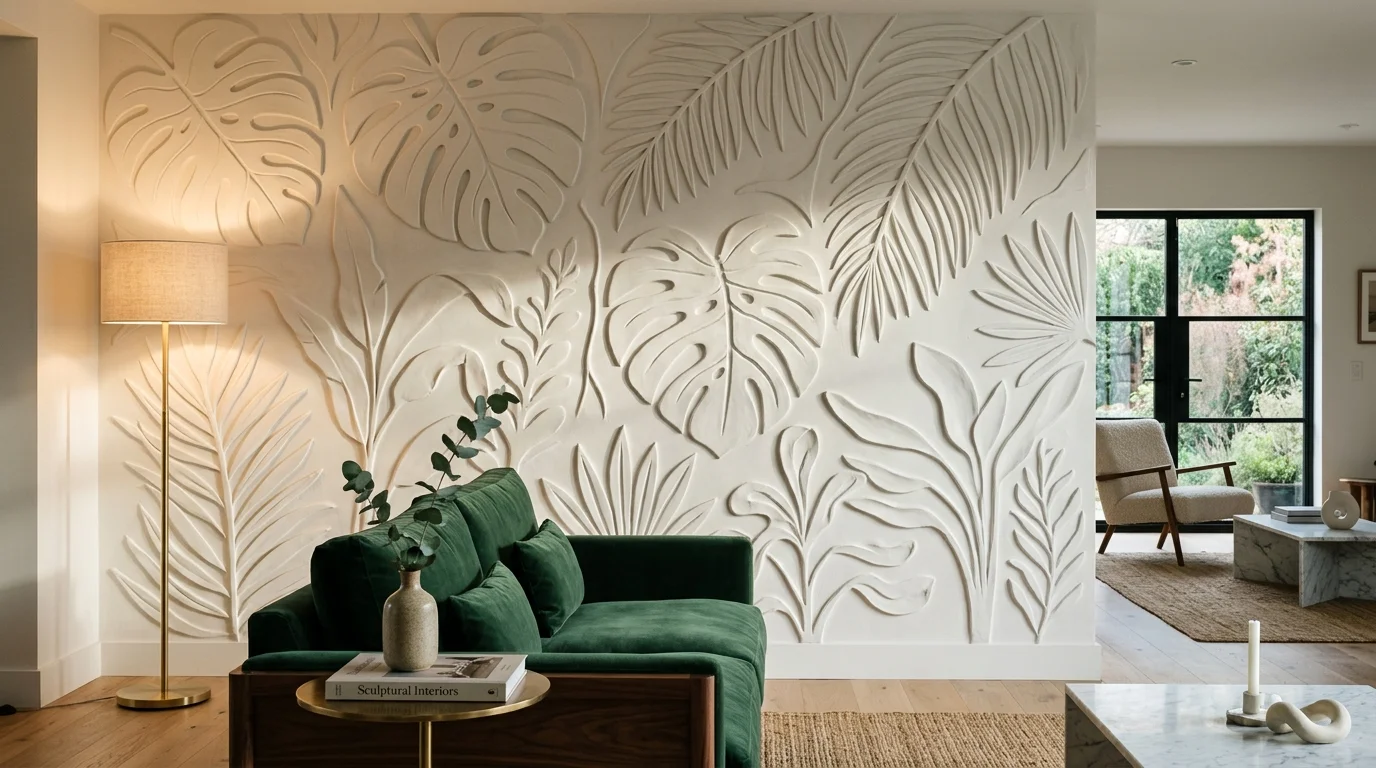
Sculptural bas-relief transforms ordinary drywalls into three-dimensional artistic installations. Skilled plaster artisans sculpt low-relief motifs directly onto the wall surface using gypsum plaster, building up layered organic forms, abstract geometric shapes, or delicate botanical branches. The result is a seamless fusion of fine art and interior architecture, where the wall itself becomes a permanent canvas.
Bas-relief installations eliminate the need for framed artwork on key accent walls, serving as compelling focal points in entry foyers, main living areas, and master suites. Because the relief sculpture uses the same plaster tone as the surrounding wall, it relies entirely on natural lighting to reveal its depth through soft shadows. Integrating sculptural bas-relief into your home guarantees a bespoke design statement that showcases unrivaled artisan craftsmanship.
The Big Picture: Weaving These Trends into Your Home
Transitioning away from flat paint does not require a complete overhaul of your entire home at once. Successful interior design relies on balance, layer, and tactile harmony. When integrating these textured wall finishes trend options into your living space, start by selecting one or two high-impact areas—such as a fireplace accent wall, a powder room, or a master bedroom suite—to test how texture interacts with your home’s natural light and architectural style.
To maintain balance, pair rich, highly textured wall finishes with clean-lined flooring like wide-plank hardwood or natural stone tile. Contrast rough plaster or limewash surfaces with soft, luxurious textiles such as velvet, bouclé, and natural linen. Furthermore, pay close attention to lighting placement; installing warm, grazing LED downlights highlights the subtle ridges, trowel marks, and depth of textured finishes far better than flat, overhead lighting ever could.
For the latest color forecasts, consult industry leaders like Pantone and paint companies like Benjamin Moore. For professional design standards, refer to the American Society of Interior Designers (ASID).
Disclaimer: This article reflects design trend analysis and predictions. Personal taste and timeless design principles should always guide your decorating choices.
Frequently Asked Questions
Are textured wall finishes more difficult to maintain and clean than standard flat paint?
While textured wall finishes feature dimensional surfaces, modern sealing techniques make them surprisingly easy to maintain. Smooth lime plasters like Venetian plaster or Tadelakt seal with natural waxes or soaps, allowing you to wipe them down with a damp microfiber cloth. Granular paints and limewash can be spot-cleaned or touched up easily because their varied patterns naturally disguise touch-up marks better than flat paint.
Can I apply these textured finishes directly over my existing drywall or flat paint?
Yes, you can apply most textured finishes over painted drywall, provided you perform adequate surface preparation. You must thoroughly clean the wall, repair any structural cracks, and apply a specialized bonding or mineral primer. Mineral finishes like limewash and clay plaster require a textured or mineral primer to ensure proper adhesion to smooth acrylic paint surfaces.
Will installing textured wall finishes harm my home’s resale value in the future?
High-quality, natural textured wall finishes generally enhance a home’s perceived value by imparting a custom, high-end architectural feel. Unlike outdated popcorn ceilings or heavy drywall textures from the 1990s, modern plaster, microcement, and limewash finishes signal luxury and bespoke craftsmanship to buyers. Sticking to neutral earth tones ensures broad appeal while showcasing premium surface quality.
Should I attempt a DIY application or hire a professional artisan for textured walls?
Your choice depends on the specific finish you select. User-friendly options like limewash and sand-infused granular paints offer manageable DIY projects with material costs as low as $0.50 to $1.00 per square foot. However, complex finishes like Venetian plaster, microcement, and Tadelakt require specialized troweling techniques and precise layering. Hiring a professional installer—averaging $10 to $30 per square foot for plaster—ensures flawless structural performance and water resistance.