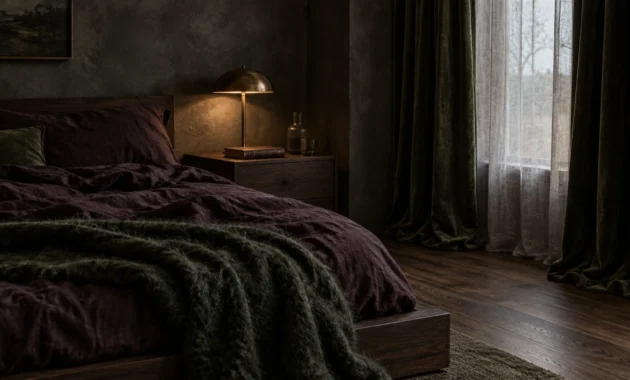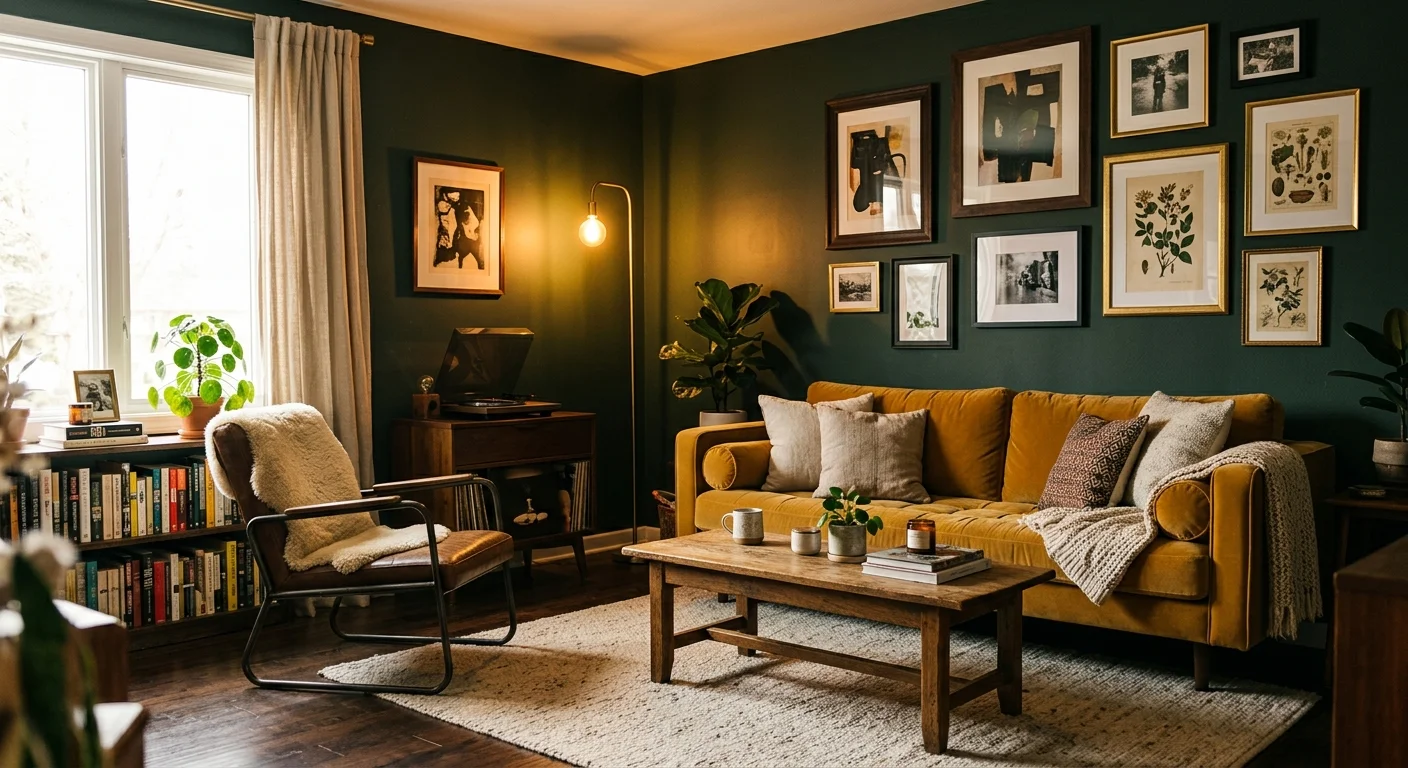
Rigid decorating formulas often create uninspiring, sanitized spaces that lack character, warmth, and individuality. By dismantling outdated design rules, you can transform your home into an authentic reflection of your personal narrative, blending provenance, texture, and rich architectural details with confidence. Modern interior design has shifted away from dogmatic symmetry and matching furniture sets, embracing a curated ethos that prioritizes emotional resonance and quiet luxury. When you intentionally challenge traditional home styling rules—such as mixing wood finishes, painting small rooms dark hues, or combining disparate metals—you create dynamic visual interest and spatial depth. Here are ten classic decorating myths top interior designers recommend breaking today to elevate your living spaces.
Trend #1: Small Spaces Must Always Be Painted Light Colors
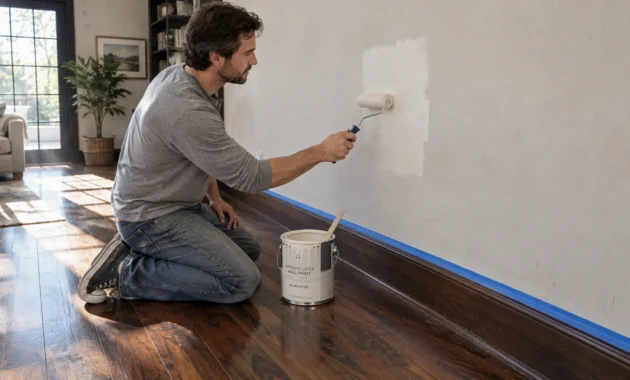
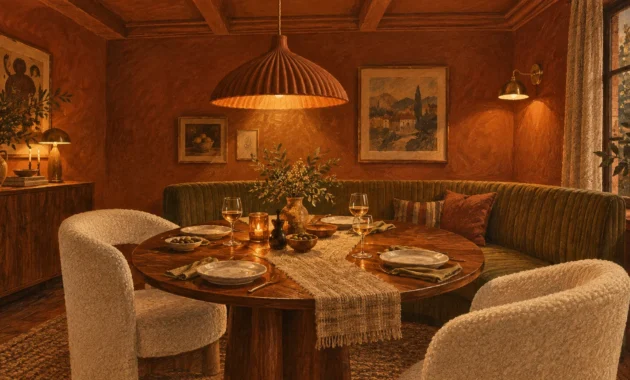
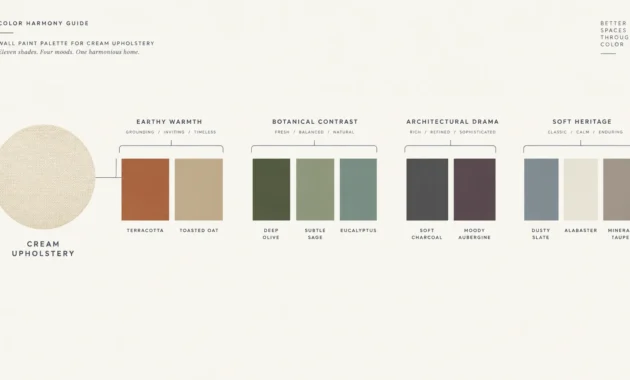
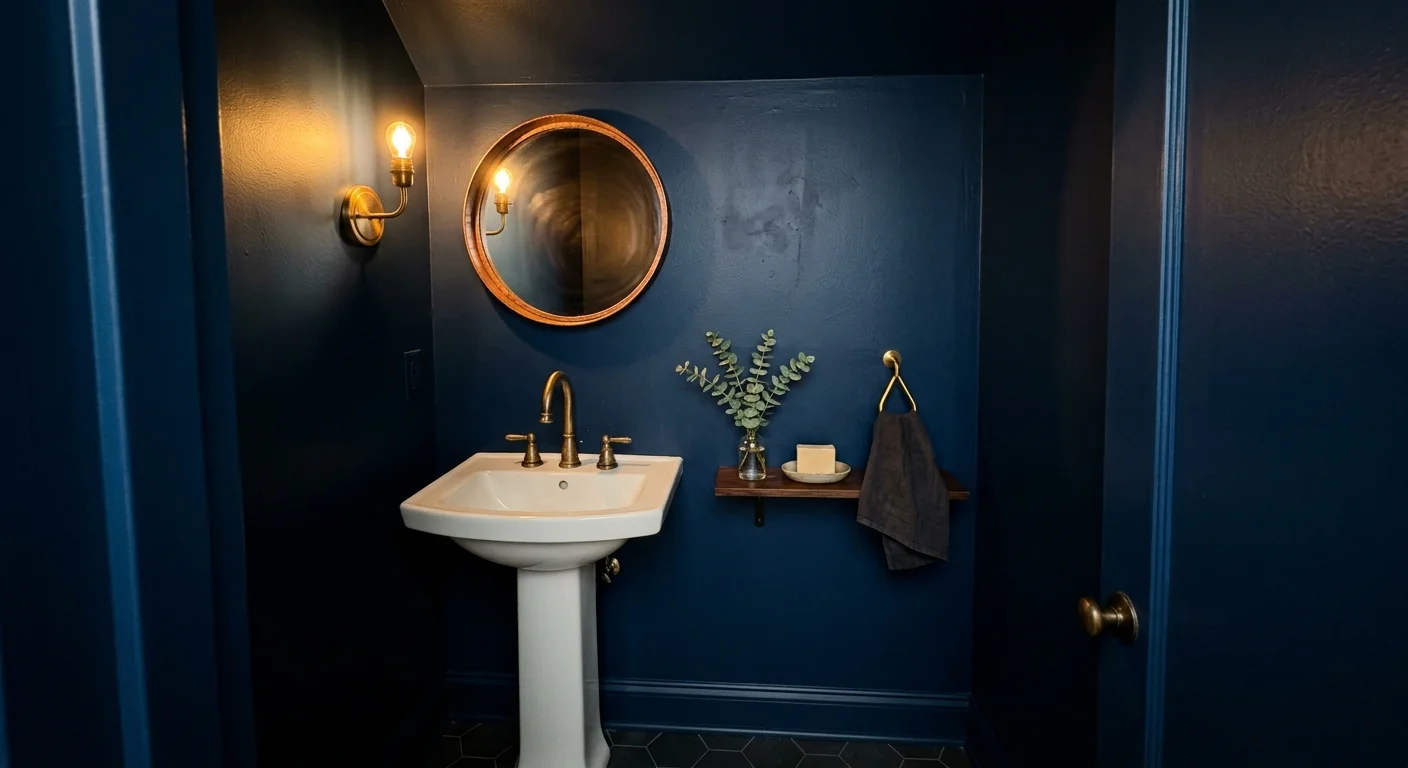
For decades, traditional interior design myths dictated that compact rooms required stark white or soft pastel paint to make them feel larger. Today, leading interior architects reject this defensive styling approach, choosing instead to embrace deep, saturated shades like midnight navy, forest green, charcoal, and rich espresso. Painting a small room—such as a cozy powder room, home library, or intimate guest bedroom—in a dark, moody hue blurs the visual boundaries of the space. Because shadows conceal corners, the perimeter of the room visually recedes, creating a sense of infinite, atmospheric depth rather than claustrophobia.
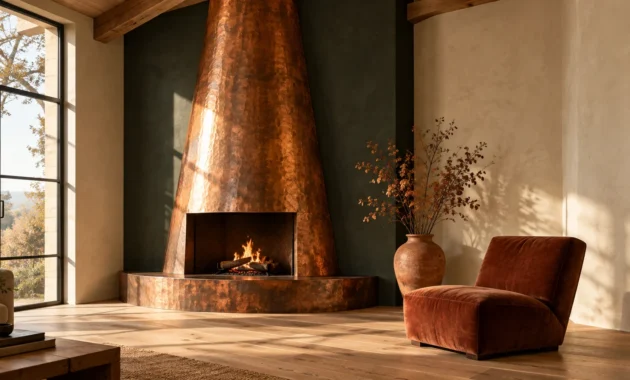
This bold technique exemplifies the rising movement toward quiet luxury, where spaces prioritize warmth, mood, and tactile intimacy over sterile expansiveness. To maximize the impact of dark color palettes in small spaces, balance deep wall tones with high-contrast architectural elements. Incorporate warm ambient lighting, such as aged brass wall sconces or low-wattage dimmers, paired with natural oak or unlacquered copper accents. The interplay between rich shadows and reflective surfaces elevates the room into a dramatic sanctuary. Far from feeling cramped, a moody small space becomes an unforgettable visual statement within your home.
Trend #2: All Metal Finishes in a Room Must Match
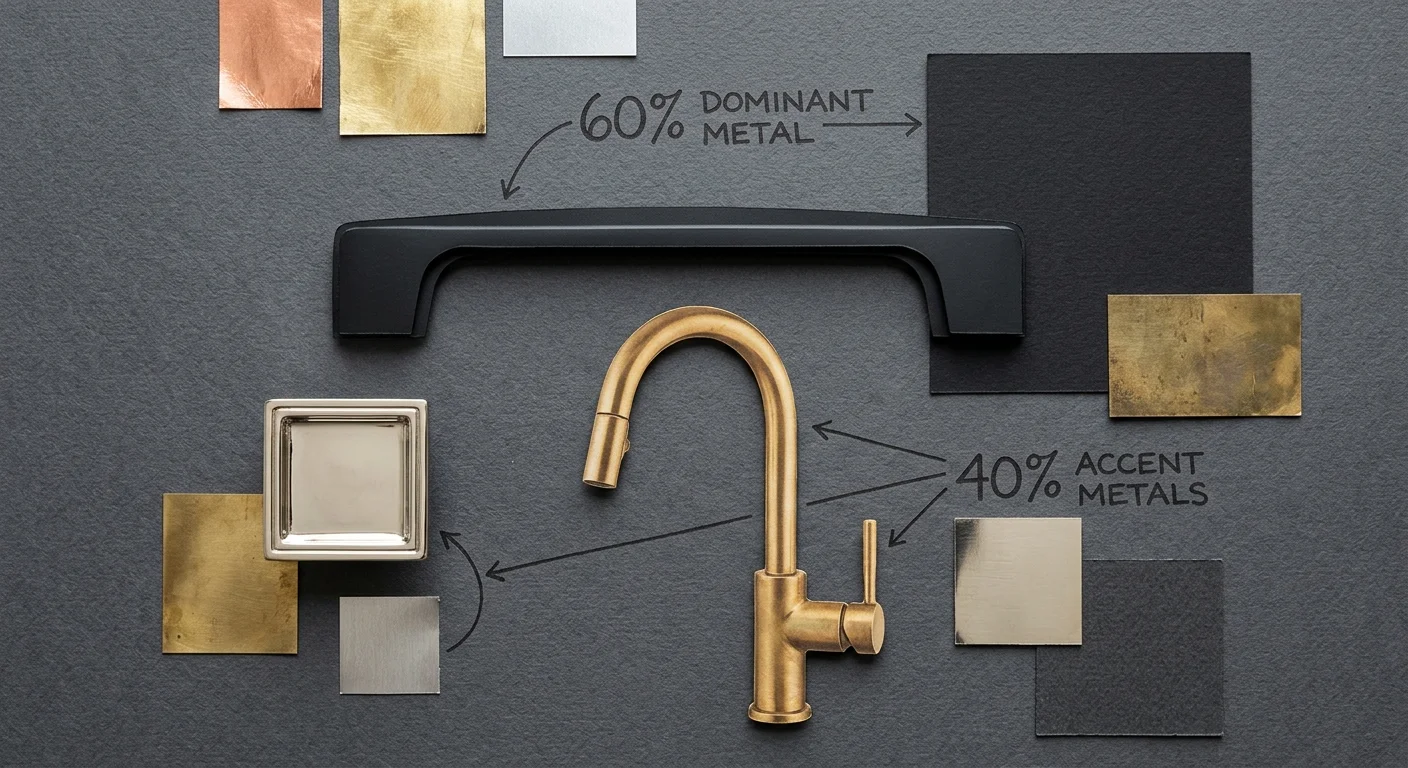
Monochromatic hardware finishes once represented the gold standard of high-end home construction. Kitchens and bathrooms were meticulously outfitted with matching chrome, brushed nickel, or oil-rubbed bronze from the plumbing fixtures down to the cabinet knobs. Modern design perspectives view this rigid approach as sterile and overly commercial. Intentional metal mixing has emerged as one of the most effective designer tips home decor enthusiasts can implement to infuse a room with warmth, historical patina, and artisanal charm.
To execute mixed metals flawlessly, establish a dominant metal finish that anchors approximately sixty to seventy percent of the space, such as matte black for light fixtures and architectural hardware. Introduce a secondary accent metal—like unlacquered brass, polished nickel, or warm copper—on cabinet pulls, faucets, or decorative accents. Warm metals naturally balance cool tones, creating dynamic visual friction that feels organic and handcrafted. This curated contrast breaks outdated design rules and gives your kitchen or bathroom a bespoke, evolved aesthetic that looks artfully collected over time.
Trend #3: Furniture Sets Must Match Seamlessly
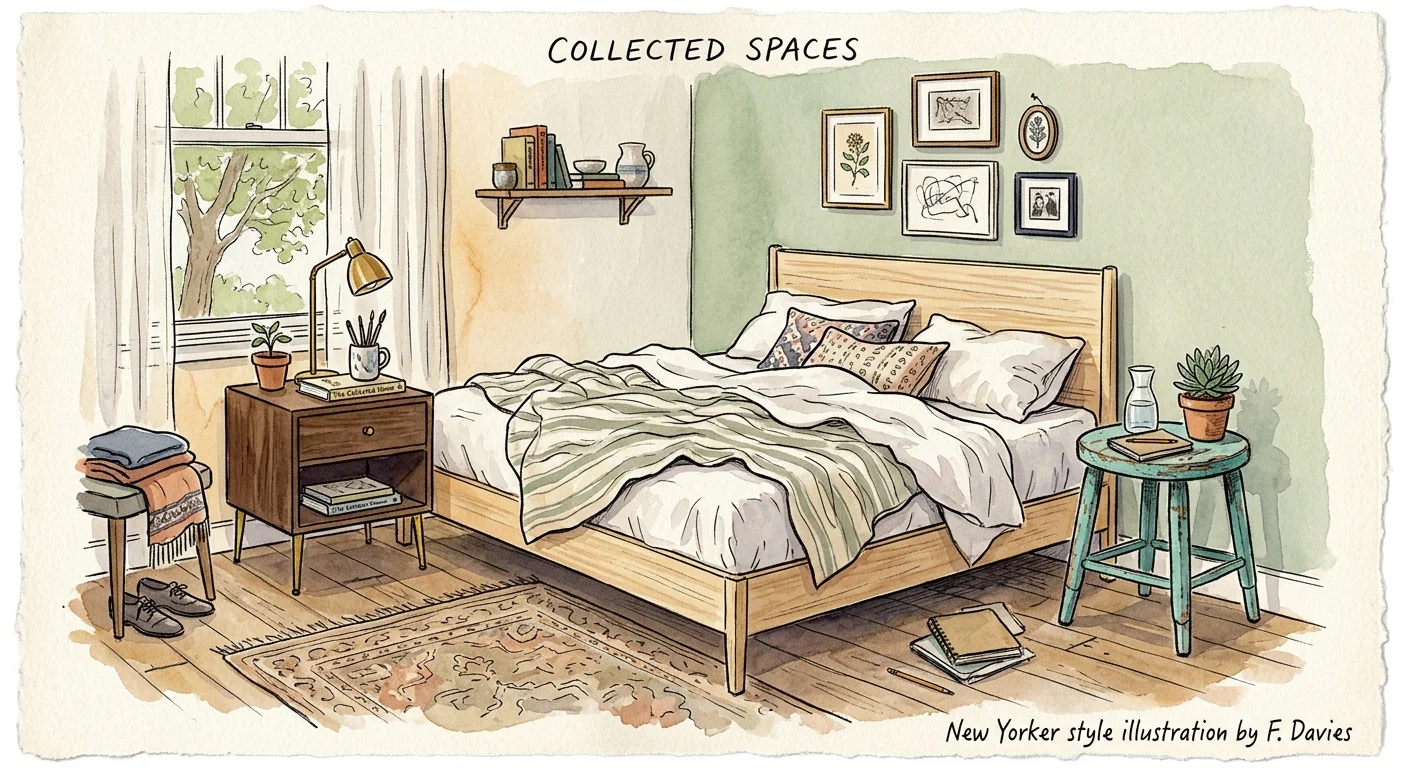
Purchasing complete catalog suites—where the bed, nightstands, and dresser share identical wood stains and hardware—is one of the most pervasive outdated design rules still encountered today. While matching sets offer a quick decorating shortcut, they often result in flat, uninspired showrooms rather than inviting, personal living environments. Top designers advocate for eclecticism and provenance, urging homeowners to treat furniture selection as an ongoing curation rather than a single transaction.
Combining disparate periods, materials, and silhouettes creates a rich spatial narrative. Pair a sculptural mid-century walnut dining table with hand-woven rattan chairs, or position a contemporary bouclé sofa opposite a vintage gilded antique mirror. The secret to visual cohesion lies in balancing scale, form, and texture rather than matching finishes. Ground diverse furniture pieces through a consistent color story or shared material accents, such as matte black iron or natural linen. This multi-layered composition instills character and quiet luxury, ensuring your home feels deeply personal and architecturally grounded.
Trend #4: Low Ceilings Require Low-Profile, Minimalist Furniture
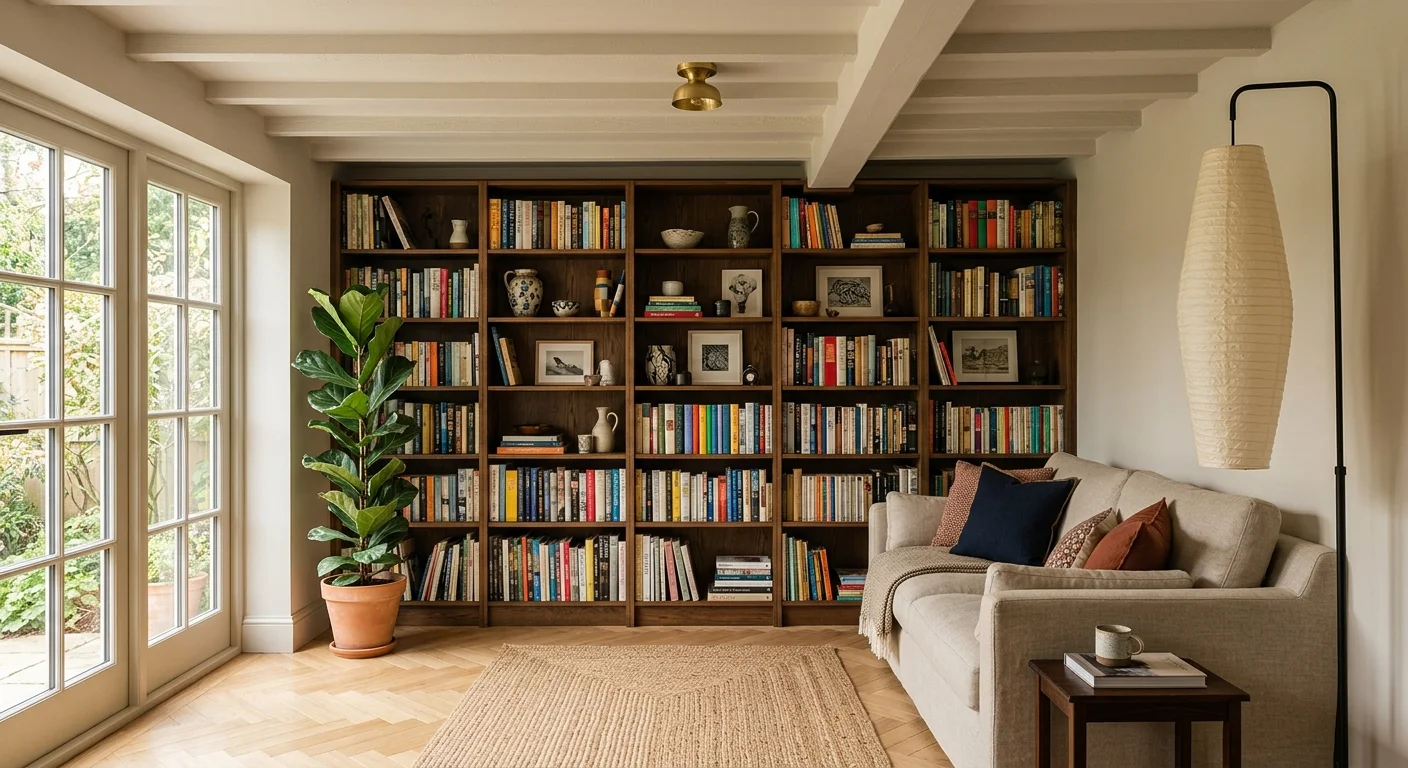
When dealing with standard eight-foot ceilings or tight vertical clearances, homeowners are frequently advised to choose ultra-low furniture and minimal wall decor to prevent vertical crowding. In reality, undersized furniture can emphasize low ceiling heights by leaving vast, awkward gaps of empty wall space. Pushing vertical boundaries through strategic height choices tricks the human eye into perceiving taller, grander rooms.
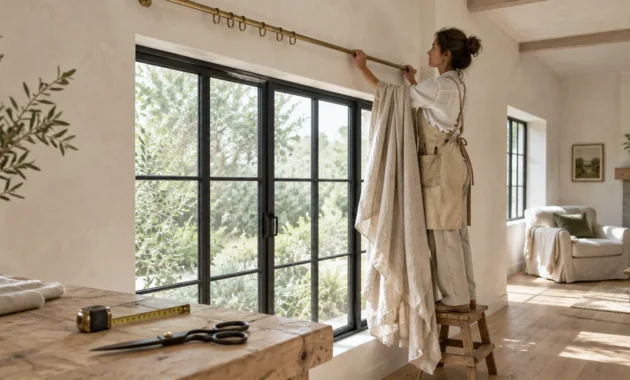
Break this home styling rule by introducing dramatic, full-height architectural features that draw the eye upward. Hang custom drapery rods directly beneath the crown molding or ceiling line, allowing floor-to-ceiling curtain panels to sweep down gracefully. Install tall, vertical bookcases, floor-standing arched mirrors, or large-scale artwork that spans the vertical plane. By emphasizing height rather than avoiding it, you create rhythmic grandeur and vertical momentum, lifting the perceived proportions of compact rooms without sacrificing luxurious comfort.
Trend #5: You Should Never Mix Distinct Pattern Families
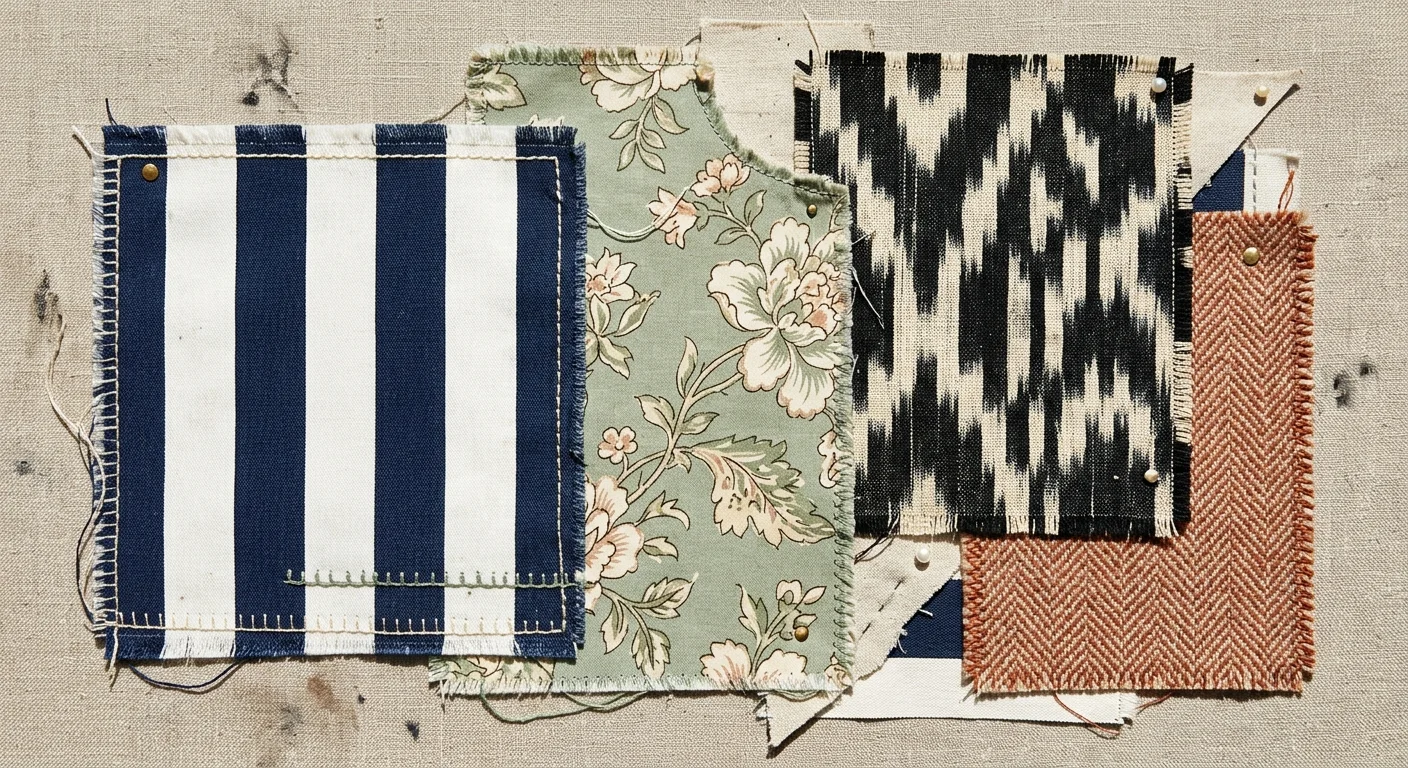
The fear of visual clutter leads many homeowners to play it safe with solid fabrics and subtle textures. However, avoiding pattern mixing limits a room’s potential for energy, warmth, and depth. Pattern layering is a celebrated hallmark of high-end residential interiors, injecting personality and artistic flair into living rooms, bedrooms, and dining spaces.
To layer patterns like a professional designer, focus on scale, structure, and color cohesion. Pair a large-scale organic motif, such as a sweeping floral or botanical curtain, with a medium-scale geometric rug and a micro-scale striped throw pillow. Keep the ensemble balanced by anchoring all patterns within a tightly controlled, shared color palette. Mixing geometric precision with fluid organic shapes breaks traditional interior design rules while keeping the eye moving naturally across the space. The result is a tailored, vibrant interior that feels expressive and impeccably curated.
Trend #6: Artwork Must Be Hung Strictly at Standard Eye Level
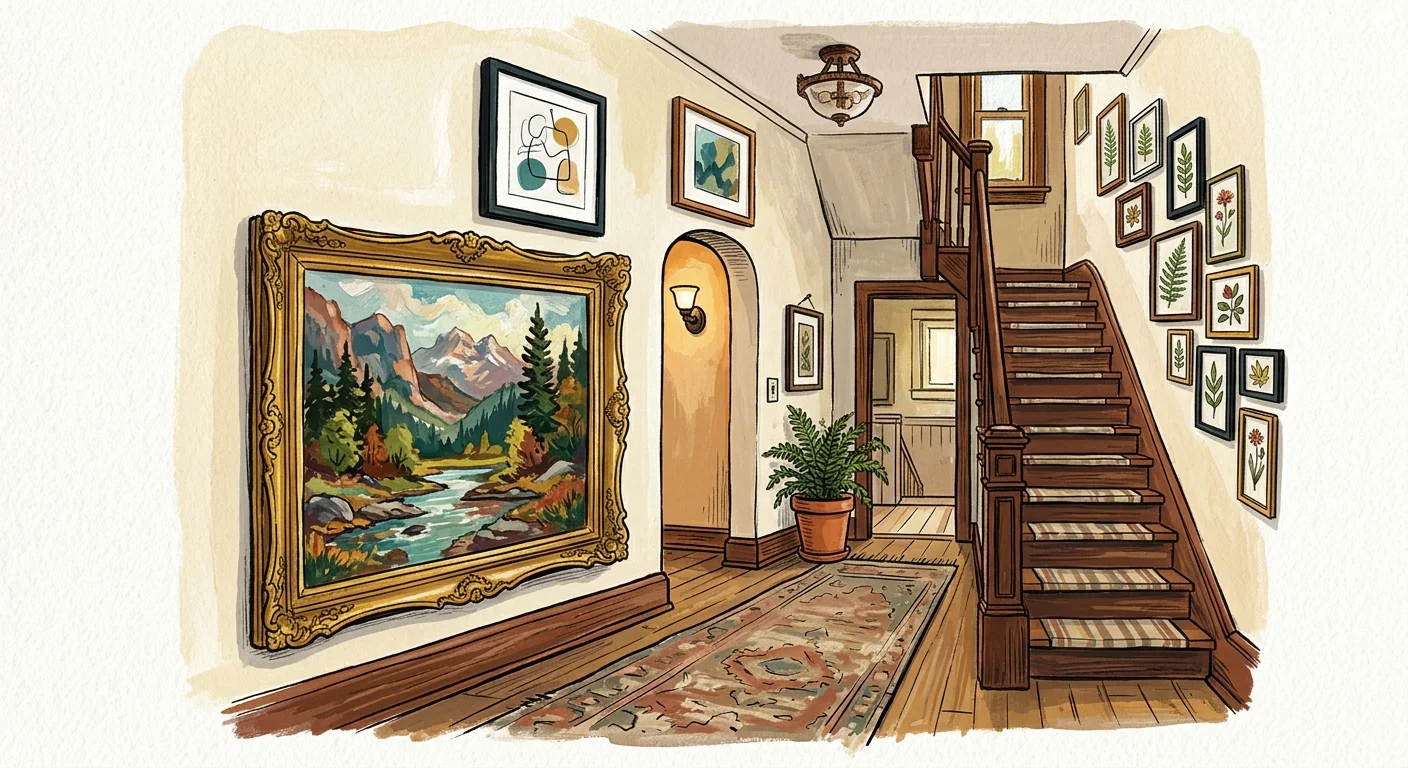
The museum standard of hanging artwork fifty-seven inches from the floor to center provides a helpful baseline for institutional galleries. However, applying this formula rigidly across residential spaces often disconnects artwork from the furniture and human activity around it. Art in a home should foster intimate connection and emotional resonance rather than cold, gallery-style detachment.
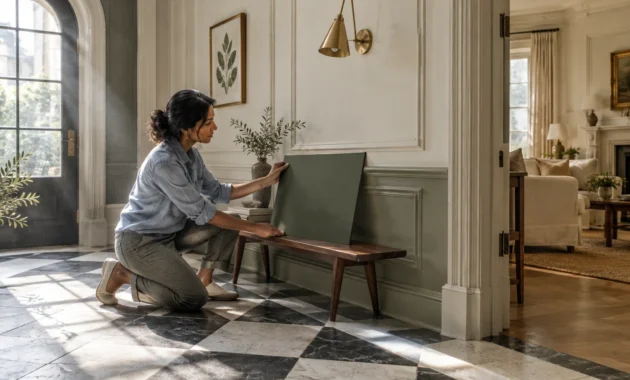
Top interior designers encourage experimentation with height, balance, and unexpected placement. Lean oversized framed canvases directly against a textured plaster wall or rest small oil paintings along low floating shelves and fireplace mantels. Position smaller artworks lower near a reading chair or bed frame to create intimate visual touchpoints. Alternatively, build a floor-to-ceiling gallery wall that wraps organically around doorway frames or architectural nooks. Breaking eye-level conventions brings playfulness and fluidity to your decor, transforming artwork into an organic component of your daily environment.
Trend #7: Area Rugs Must Fit Rigid Room Boundaries
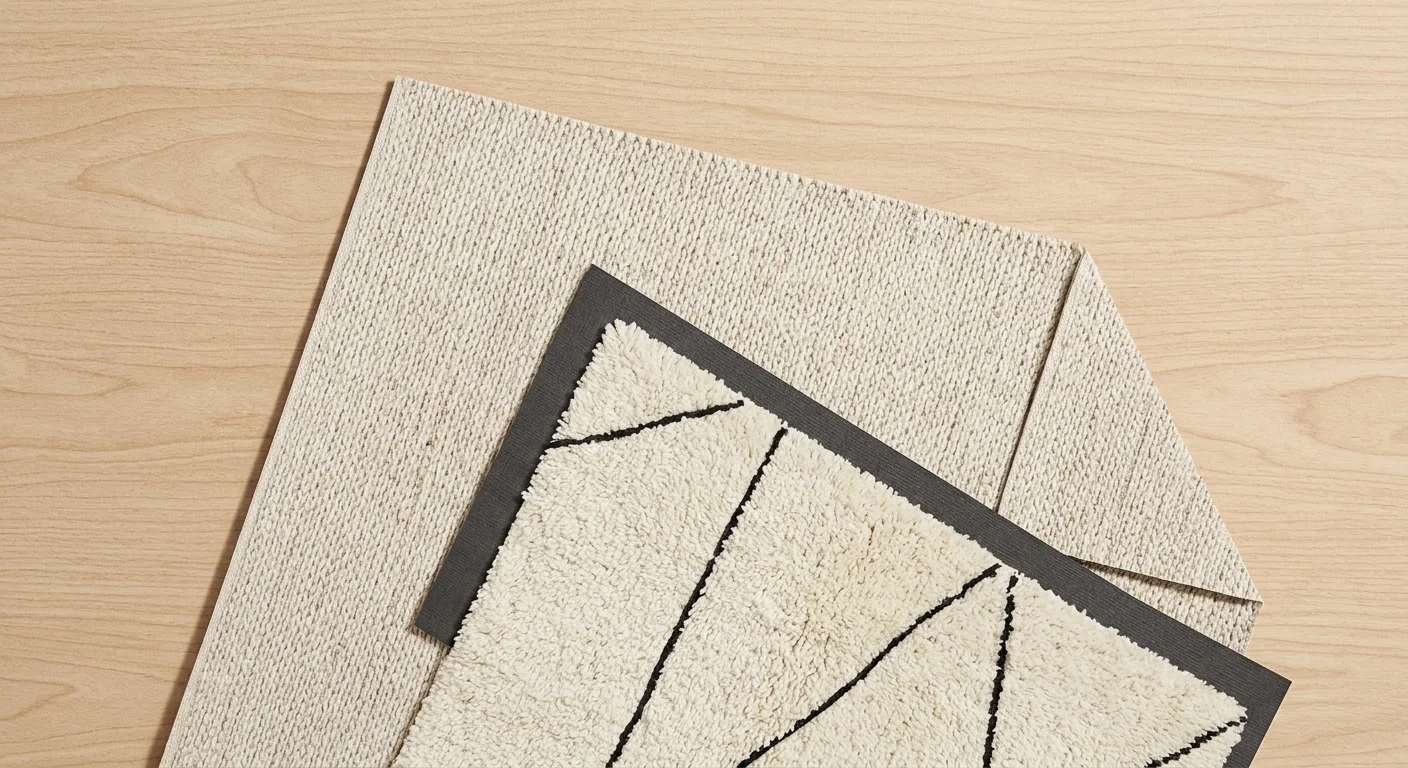
Conventional home styling rules state that an area rug must perfectly fit the perimeter of a room, keeping all furniture legs anchored firmly on top of its borders. While proper scale remains important, adhering strictly to standard rug shapes and single-rug layouts can make open-plan spaces feel static and rigid. Layering rugs and utilizing asymmetrical layouts has become a go-to design strategy for adding tactile warmth and functional definition.
Layering a vintage Persian or vintage Turkish runner diagonally across a larger natural jute or sisal rug creates instant textural richness and ground warmth. In open-concept living rooms, using distinct, overlapping rugs helps delineate functional zones—such as a cozy reading corner within a larger seating area—without requiring architectural dividers. Combining varying rug shapes, such as placing a sculptural round rug beneath an angular armchair, softens hard room lines and breaks interior design myths surrounding rigid spatial geometry.
Trend #8: Dining Chairs Must Match the Dining Table
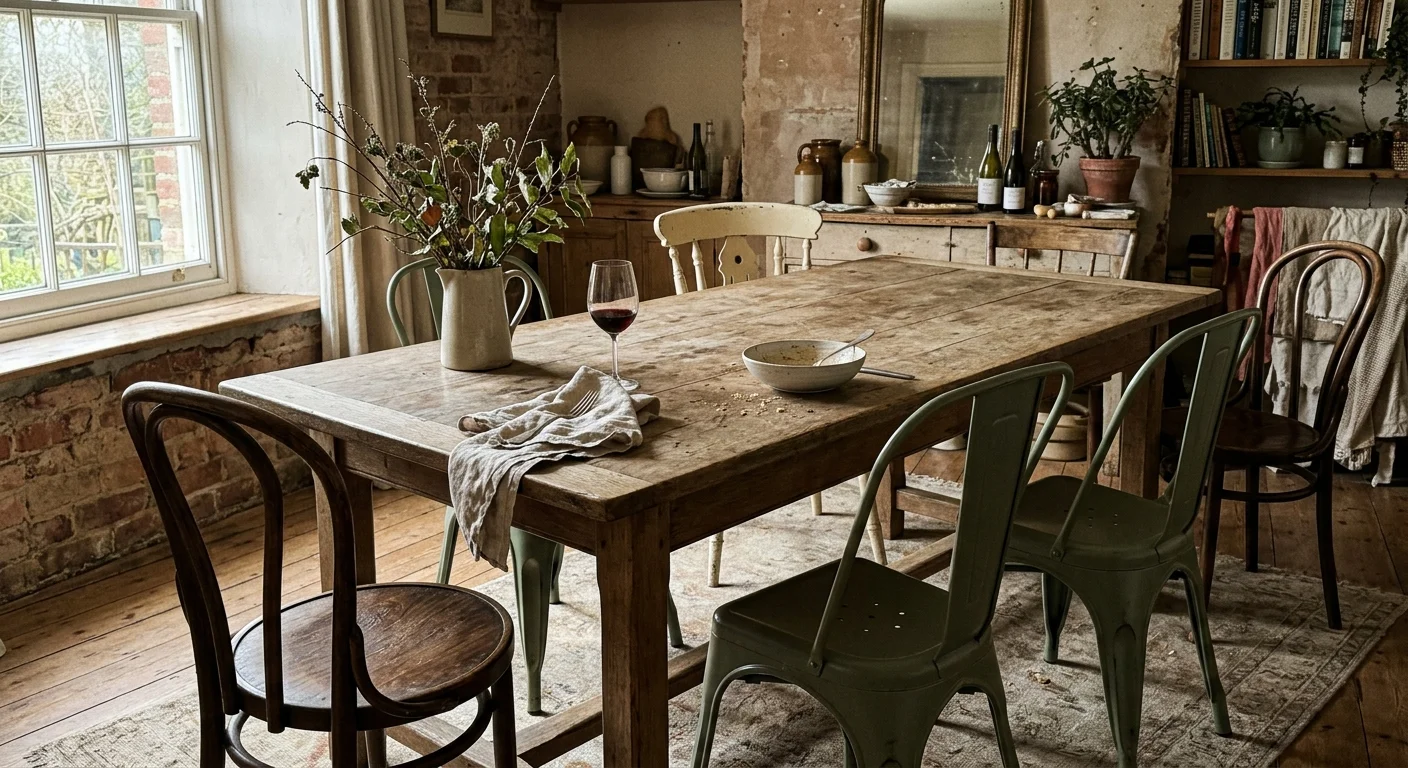
Traditional dining room sets with matching wooden tables and chairs often feel stiff and formal, resembling commercial banquet rooms rather than warm, welcoming family spaces. Modern residential design emphasizes comfort, conversation, and visual rhythm, encouraging homeowners to move away from uniform dining sets.
Pairing an antique or reclaimed timber dining table with modern, sculptural seating creates an inviting, salon-style atmosphere. Combine a heavy oak table with sleek, mid-century leather armchairs or contemporary bouclé dining chairs. You can also introduce an upholstered bench along one side of the table while placing mismatched vintage chairs along the other. This textural diversity breaks outdated design rules and relaxes the tone of the room, turning your dining space into a dynamic setting for memorable gatherings.
Trend #9: Ceilings Should Always Be Painted Flat Ceiling White
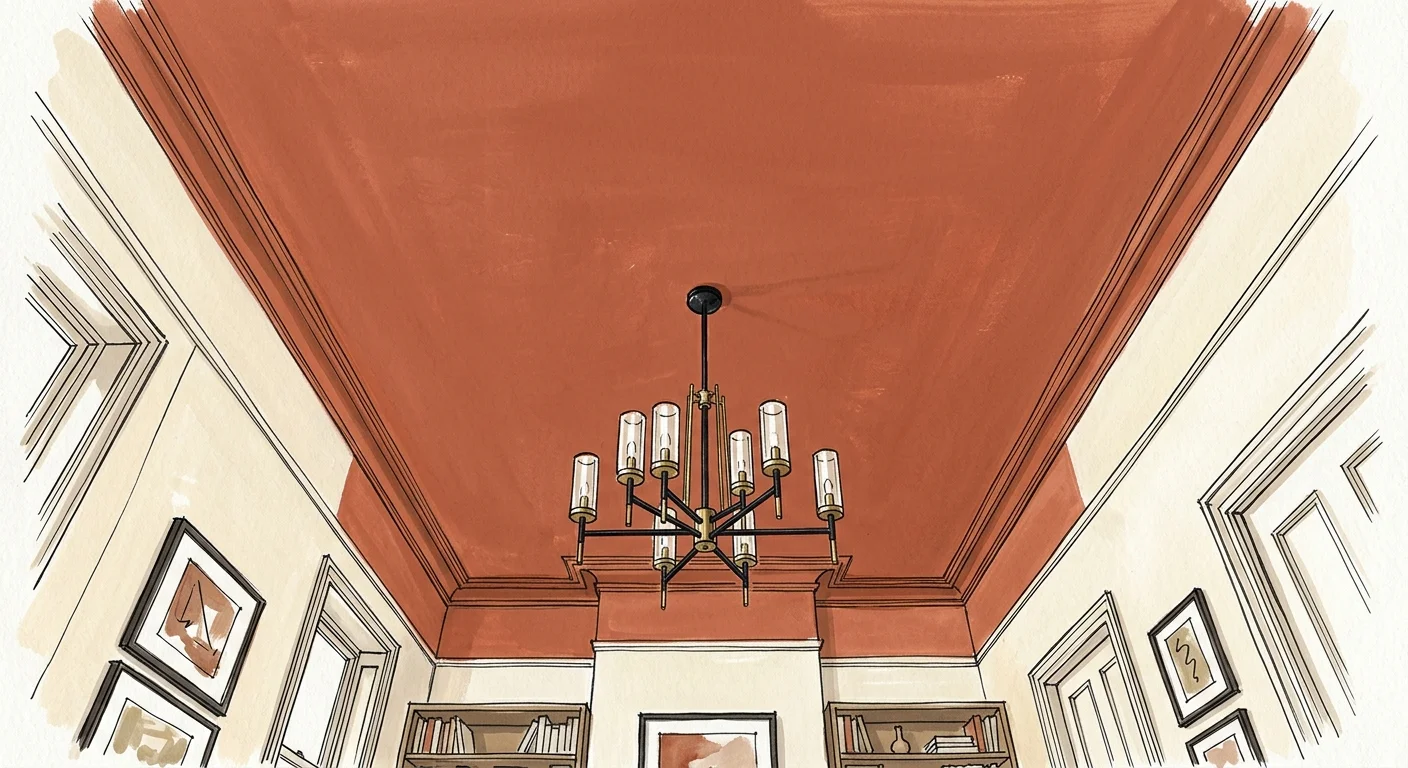
Treating the ceiling as an afterthought by defaulting to bright white paint leaves one of the room’s largest surfaces untapped. Known in the industry as “the fifth wall,” the ceiling plays a crucial role in establishing spatial mood, reflecting light, and defining architectural proportions. Leaving it stark white often creates an abrupt contrast against rich wall colors and warm timber furnishings.
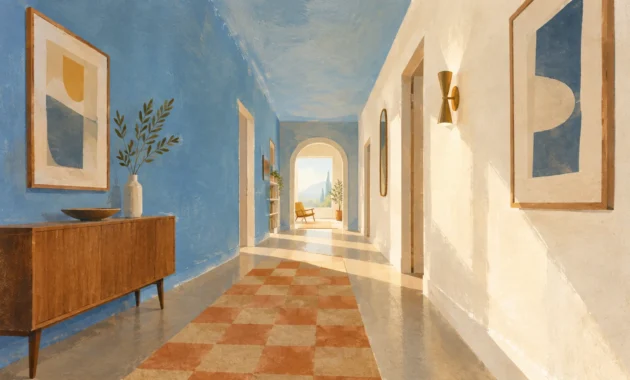
Unify and elevate your room by embracing the technique of color drenching—painting the ceiling, walls, trim, and doors in the exact same shade or subtle variations of a tonal palette. In small or moody rooms, wrapping the ceiling in the wall color eliminates harsh visual breaks, making the space feel seamless and expansive. Alternatively, apply a high-gloss lacquer finish or subtle metallic wallpaper to the ceiling to bounce light softly throughout the room. Treating the fifth wall with intention transforms flat interiors into three-dimensional architectural experiences.
Trend #10: Every Room Needs a Single Central Focal Point
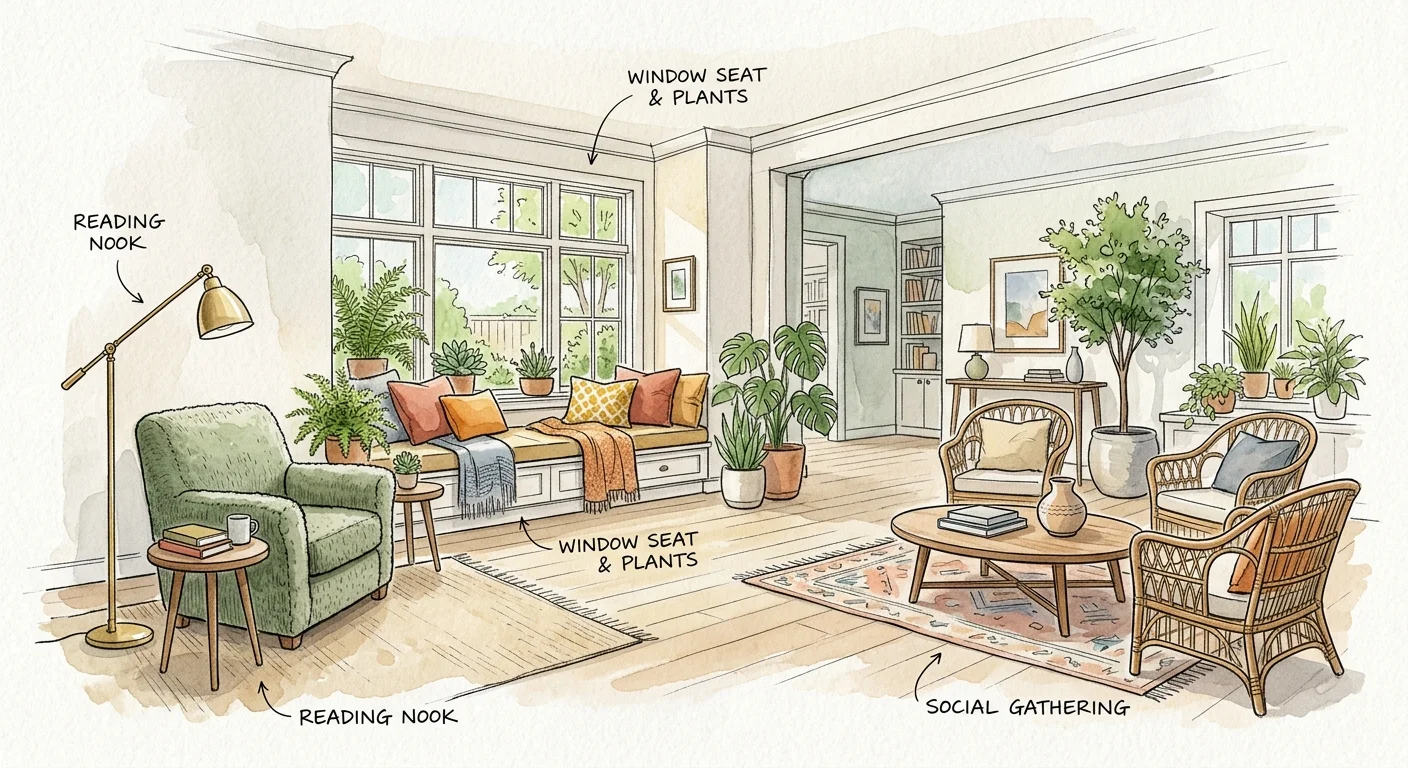
For generations, furniture layouts centered strictly around a single architectural feature, such as a wood-burning fireplace or a television display. However, contemporary living demands flexibility, multi-functionality, and fluid movement. Forcing an entire room to face a single point often hampers conversation and limits the functional versatility of larger living spaces.
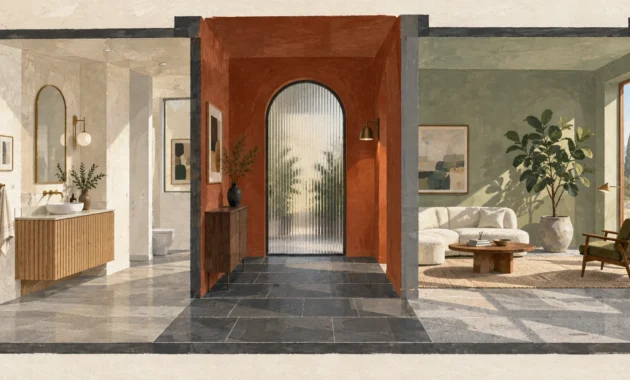
Modern interior planning focuses on creating multiple, decentralized micro-zones within a single room. Organize a primary seating group around conversation and natural light, while establishing a secondary reading nook with a plush armchair, side table, and dedicated floor lamp nearby. Incorporate biophilic elements, such as large indoor plants or floor-to-ceiling windows, as secondary visual anchors. Distributing visual interest across multiple functional nooks improves spatial flow, accommodates diverse daily activities, and enhances overall living comfort.
The Big Picture: Weaving These Trends into Your Home
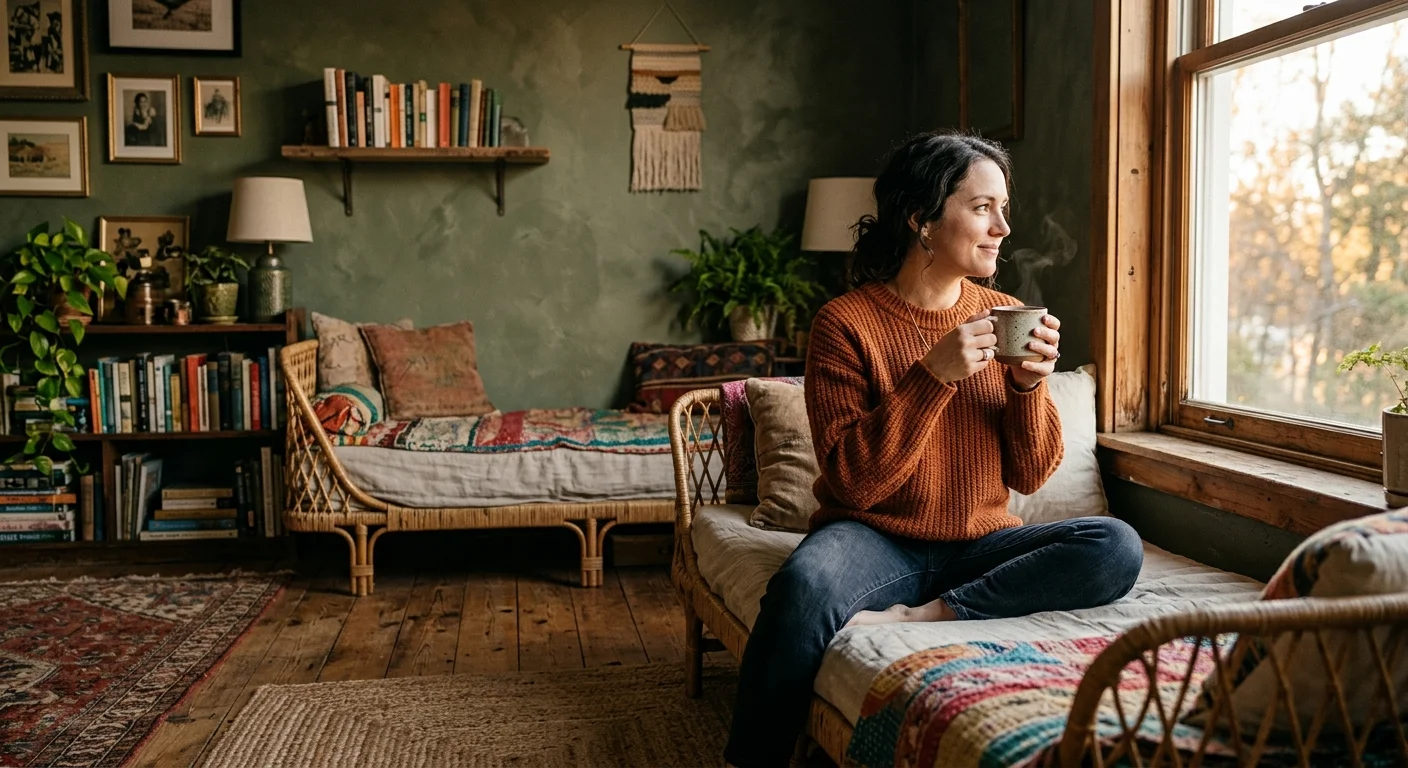
Breaking classic interior design rules requires a thoughtful balance between playful experimentation and intentional composition. The goal is not to cultivate visual chaos, but to liberate your living space from rigid, cookie-cutter formulas that stifle individuality. When introducing these trend-defying strategies into your home, start small by selecting one or two rooms to test new ideas—such as painting a compact powder room a rich charcoal shade or introducing mixed metal hardware in the kitchen.
To maintain harmony, ground your design choices with timeless foundational elements. Utilize consistent undertones, repeat natural materials like raw wood and stone, and rely on subtle texture to bridge disparate styles. By trusting your personal intuition and focusing on provenance and comfort, you will create an authentic home that feels sophisticated, warm, and uniquely yours.
Frequently Asked Questions
How do I know which interior design rules to break without making my home look cluttered?
Focus on intentional contrast rather than random assortment. Select one primary rule to challenge per room—such as mixing metal finishes or layering distinct patterns—while keeping structural elements like scale and color undertones balanced and grounded.
Is mixing wood tones in a room acceptable, and how do I balance different finishes?
Mixing wood tones adds depth and historical character to a space. To balance different finishes, identify the dominant wood tone in the room and complement it with undertones that match, such as pairing warm oak with rich walnut. Ensure you repeat each wood finish at least twice across the room to create visual balance.
How can I paint a small room dark without making it feel depressing or small?
Embrace warm ambient lighting, highly reflective surfaces like polished metals or mirrors, and rich textural fabrics like velvet or linen. Dark paint blurs room corners, creating atmospheric depth and quiet luxury rather than a cramped feel.
Will breaking traditional design rules affect my home’s resale value?
Intentional, high-quality styling choices enhance a home’s aesthetic appeal and distinct personality. For permanent fixtures, focus on timeless architectural quality, while using paint, textiles, lighting, and decor to express flexible trend-forward design.
For the latest color forecasts, consult industry leaders like Pantone and paint companies like Benjamin Moore. For professional design standards, refer to the American Society of Interior Designers (ASID).
Disclaimer: This article reflects design trend analysis and predictions. Personal taste and timeless design principles should always guide your decorating choices.