Elevating your living space requires knowing what to subtract just as much as knowing what to add. Eliminating outdated home decor items instantly refines your rooms and restores architectural clarity to your home.
When you hold onto clutter or impulse purchases, your space feels crowded and visually chaotic. Intentional curation creates an environment steeped in quiet luxury and timeless sophistication.
Identifying the decor trends to avoid buying safeguards your investment and elevates your daily living experience. Here are the ten things to remove from your home right now to create an enduring aesthetic.
Trend #1: Disposable Fast Furniture and Weak Laminates
Flat-pack composite tables and vinyl veneer bookcases might solve an immediate functional need; however, they degrade quickly under daily wear. These mass-produced pieces represent significant home decor mistakes that cheapen your space.
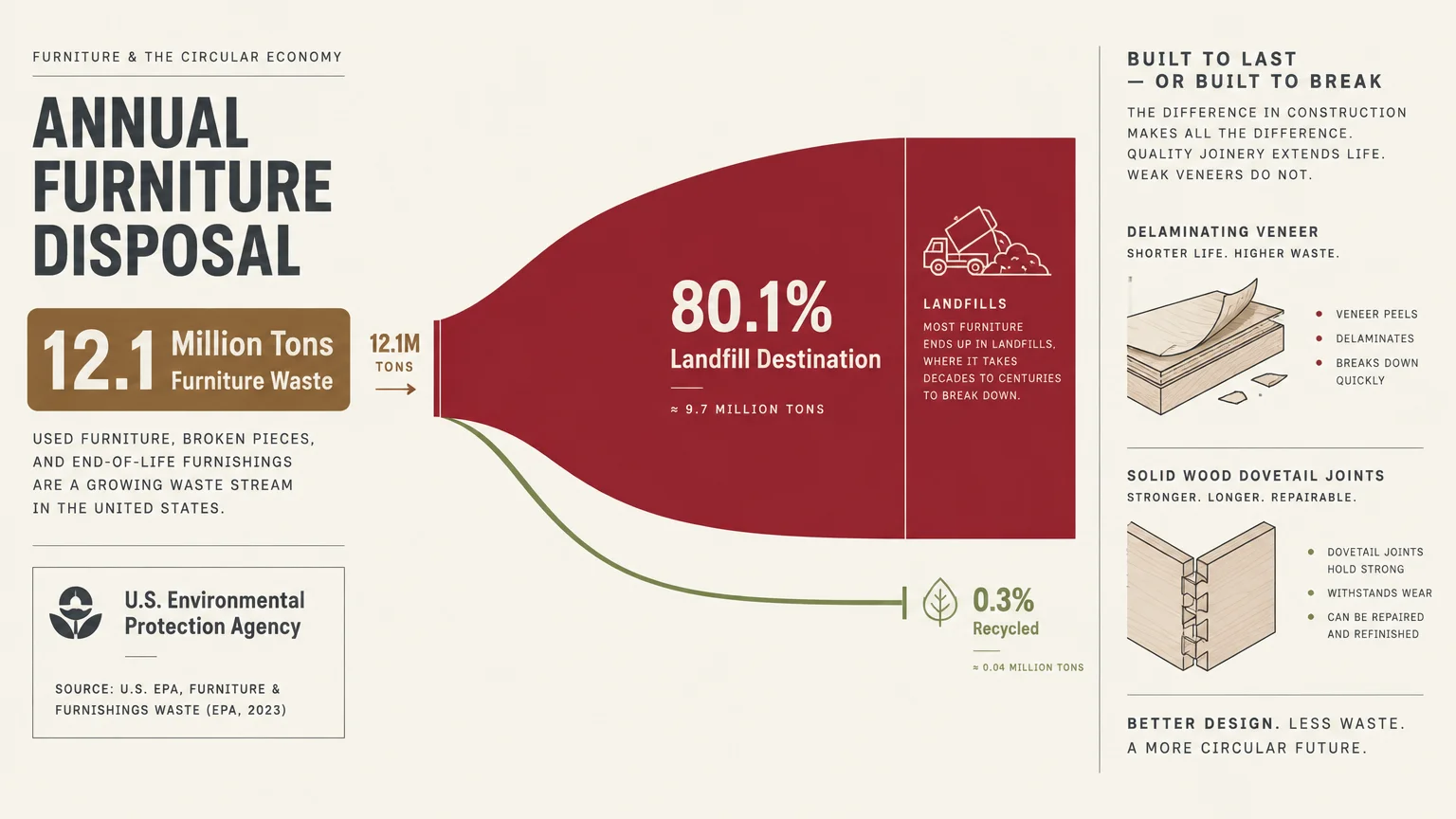
According to the U.S. Environmental Protection Agency, Americans generate over 12.1 million tons of furniture and furnishings waste annually. Astonishingly, roughly 80.1 percent of that discarded furniture heads straight into landfills, while a mere 0.3 percent is recycled.
Beyond the acute environmental footprint, lightweight particle board buckles easily and peels along the edges. Such items convey impermanence rather than refined domestic comfort.
Design professionals classify flimsy laminates among the primary decor items that look cheap in modern interiors. They lack tactile substance and fail to hold up during household moves.
You should replace these disposable silhouettes with solid timber, natural stone, or authenticated vintage pieces. Investing in heirloom joinery brings authentic weight and tactile luxury into your everyday environment.
Curating pre-owned hardwood credenzas or locally crafted tables reduces landfill contributions significantly. This mindful transition embraces circular design principles while enriching your rooms with authentic historic provenance.
Trend #2: Energy-Draining Incandescent and Halogen Bulbs
Lighting dictates how you experience spatial volume and texture throughout your home. Relying on inefficient, hot-burning bulbs is an antiquated habit that compromises both energy efficiency and modern ambiance.
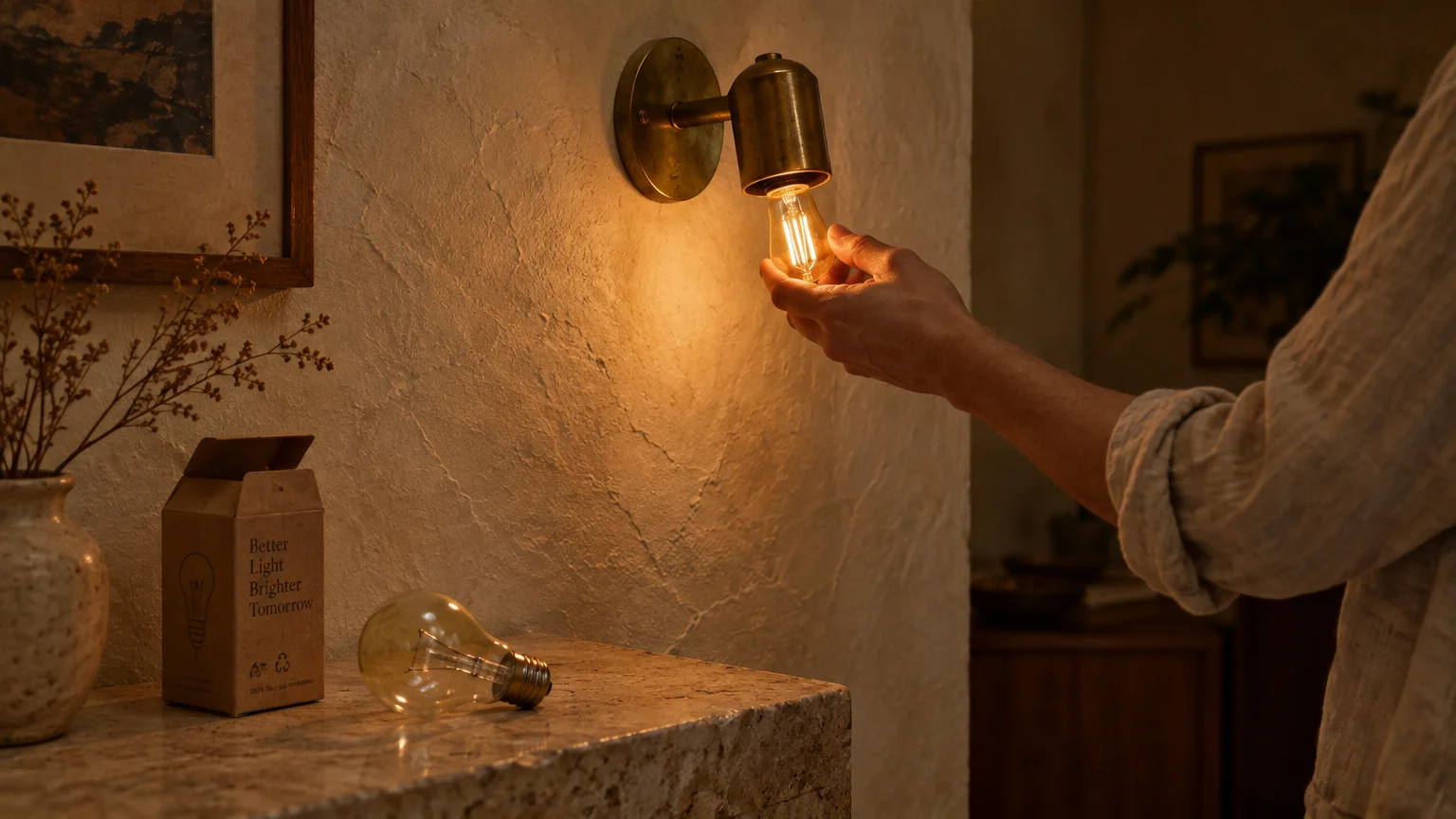
On August 1, 2023, the U.S. Department of Energy implemented a strict efficiency standard of 45 lumens per watt. This federal rule effectively banned the commercial manufacture and sale of most traditional incandescent and halogen bulbs.
These legacy bulbs run dangerously hot and consume excessive electricity compared to contemporary alternatives. They belong among the primary outdated home decor items you must eliminate from your light fixtures.
Modern warm-dim LEDs replicate traditional filament warmth beautifully while consuming a fraction of the wattage. Look for luminaires offering a 90-plus Color Rendering Index to reveal your architectural finishes authentically.
Swapping out halogen spotlights also prevents ambient heat buildup in compact living rooms and reading nooks. It safeguards delicate ceiling drywall from thermal discoloration over time.
Audit every floor lamp, chandelier, and ceiling fixture across your home today. Upgrading to high-efficiency LEDs lowers utility expenditures while bathing your curated rooms in flattering, warm illumination.
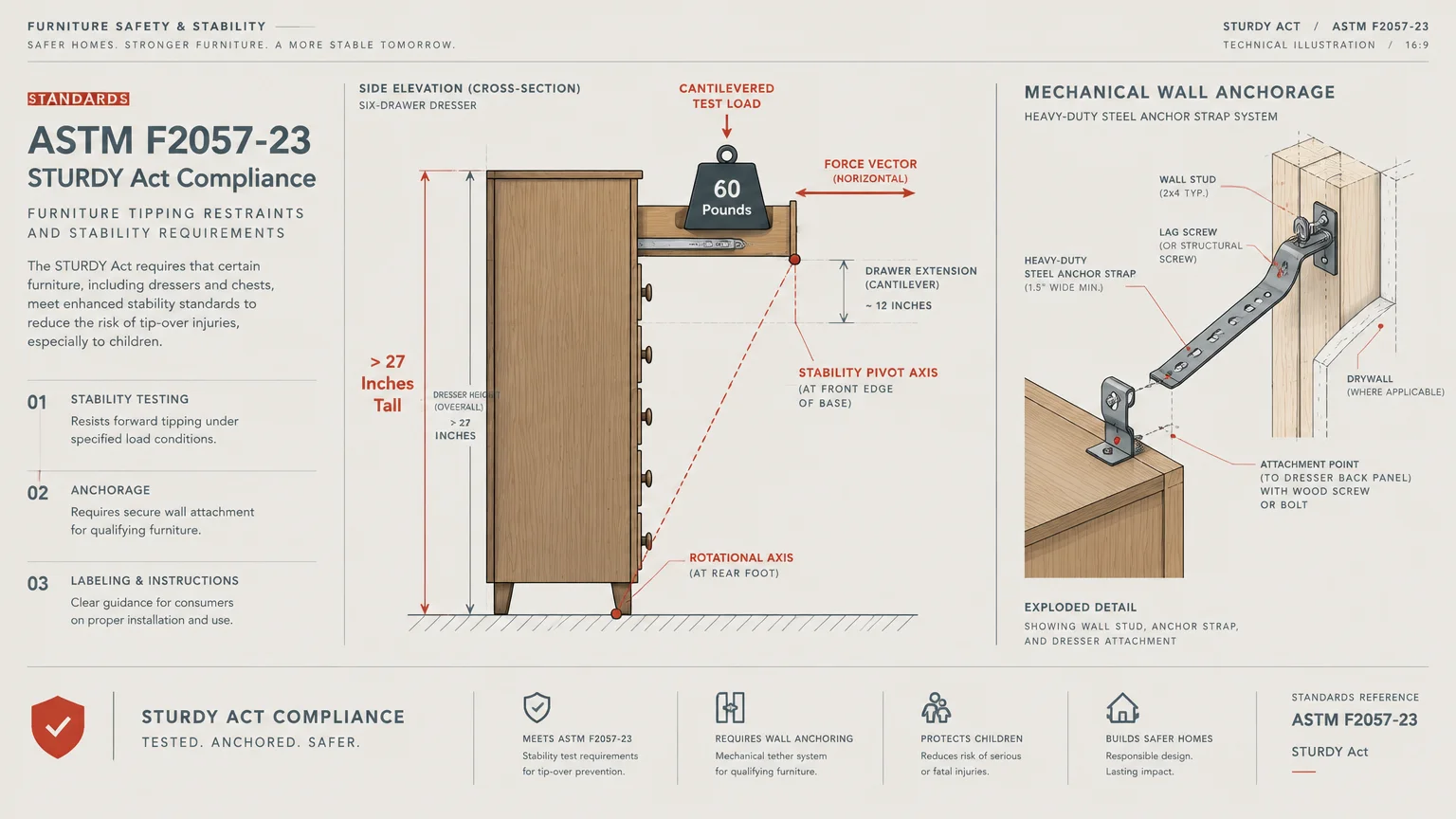
Trend #3: Non-Compliant Dressers and Top-Heavy Consoles
Elegant interior design balances visual poise with rigorous household safety. Vintage case goods and budget dressers often conceal structural vulnerabilities that endanger children and pets.
Enforced by the Consumer Product Safety Commission, the federal STURDY Act established safety standard ASTM F2057-23 on September 1, 2023. It mandates that freestanding clothing storage units over 27 inches tall undergo rigorous stability testing up to 60 pounds.
The law also applies to dressers weighing over 30 pounds with storage volumes exceeding 3.2 cubic feet. Older, secondhand chests produced before this date frequently fail these stringent stability thresholds.
Unanchored chests and top-heavy dressers represent dangerous things to remove from your home unless anchored into structural studs. Aesthetically pleasing furniture should never compromise your family’s daily well-being.
Select low-profile credenzas engineered with interlocking drawer systems that prevent multiple drawers from opening simultaneously. These balanced proportions offer sleek, horizontal architectural lines that visually expand compact bedrooms.
Always install heavy-duty anti-tip brackets behind any vertical storage piece. Prioritizing certified compliance ensures that quiet luxury coexists harmoniously with absolute domestic peace of mind.
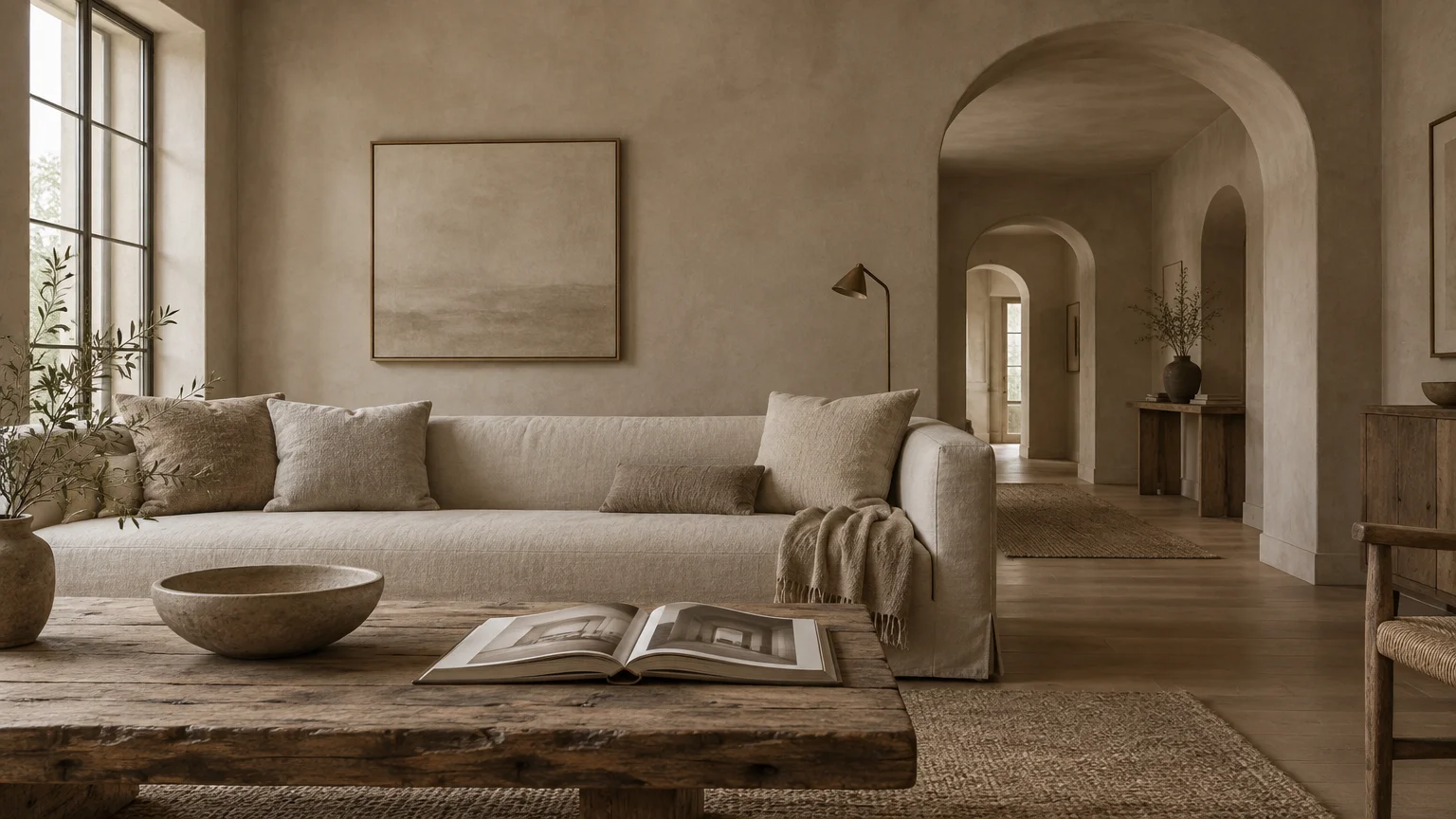
Trend #4: Oversaturated Trend Paint and Jarring Accent Walls
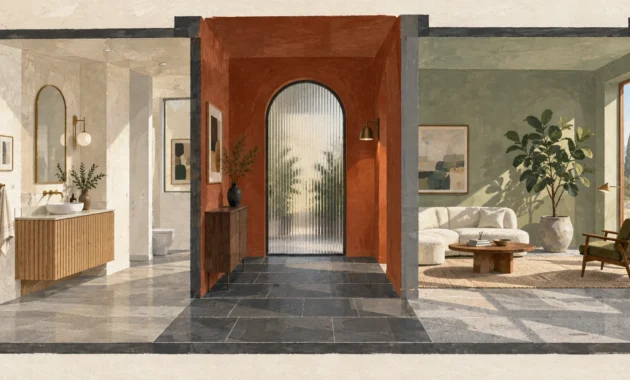
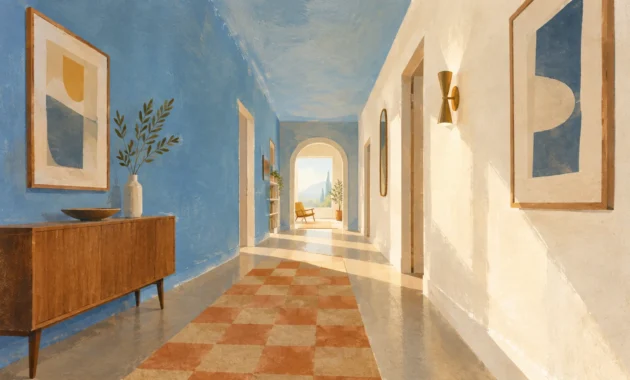
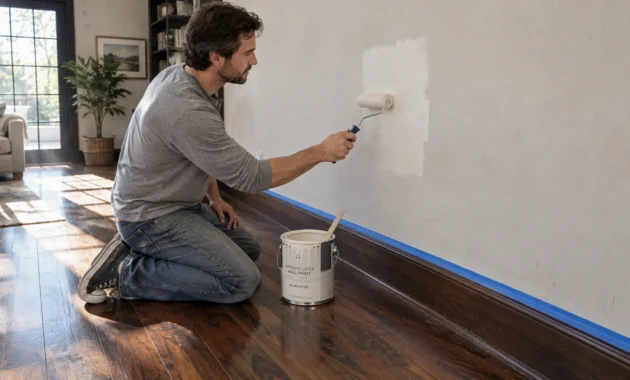
Painting an isolated feature wall in an aggressive, high-saturation hue fractures your room’s natural sightlines. These abrupt color breaks feel dated and disrupt spatial harmony between adjoining rooms.
Real estate analytics from Zillow reveal that prospective buyers offered $18,164 less for homes swathed throughout in deep ochre yellow. Similarly, aggressive red or bright yellow kitchens depressed purchase offers by roughly $3,900 to $8,000.
These chaotic, hyper-saturated palettes are classic decor trends to avoid buying into during fast-moving trend cycles. They exhaust your vision and complicate lighting design across interior spaces.
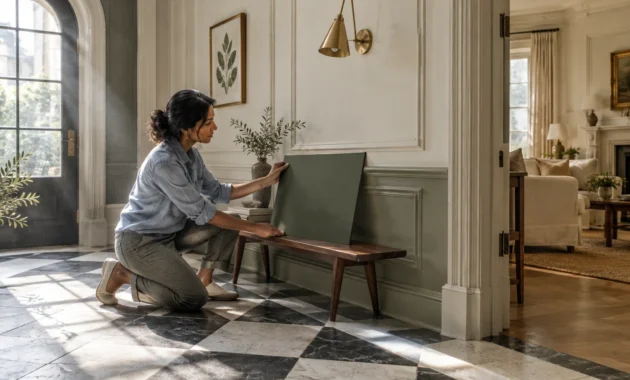
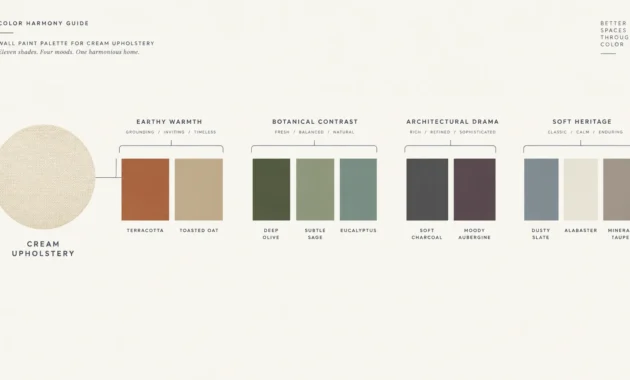
In contrast, industry data demonstrates that versatile earth tones like sage green consistently enhance resale offers. Subdued mineral tones reflect daylight softly while providing a sophisticated, grounded baseline.
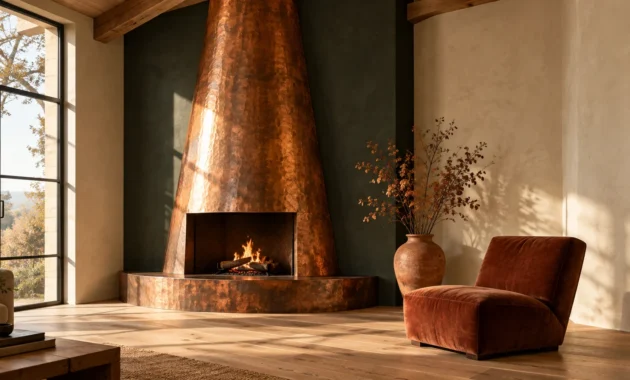
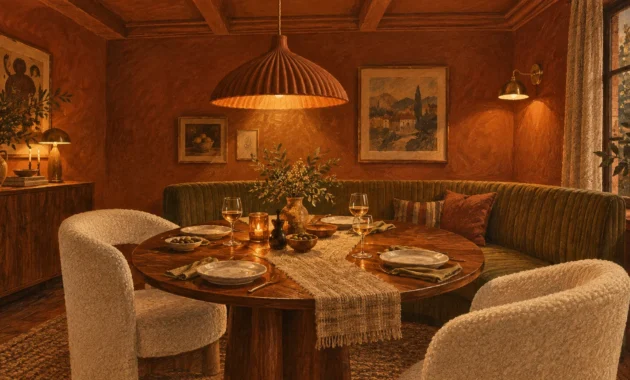
If you crave rich color, abandon the single accent wall and embrace full-room color drenching. Coating walls, baseboards, and ceiling trims in a single tonal family creates an enveloping, tailored jewel box.
Nuanced neutrals and earthy pigments allow your furnishings and architectural woodwork to shine without visual competition. Thoughtful restraint creates enduring elegance that outlasts fleeting viral color trends.
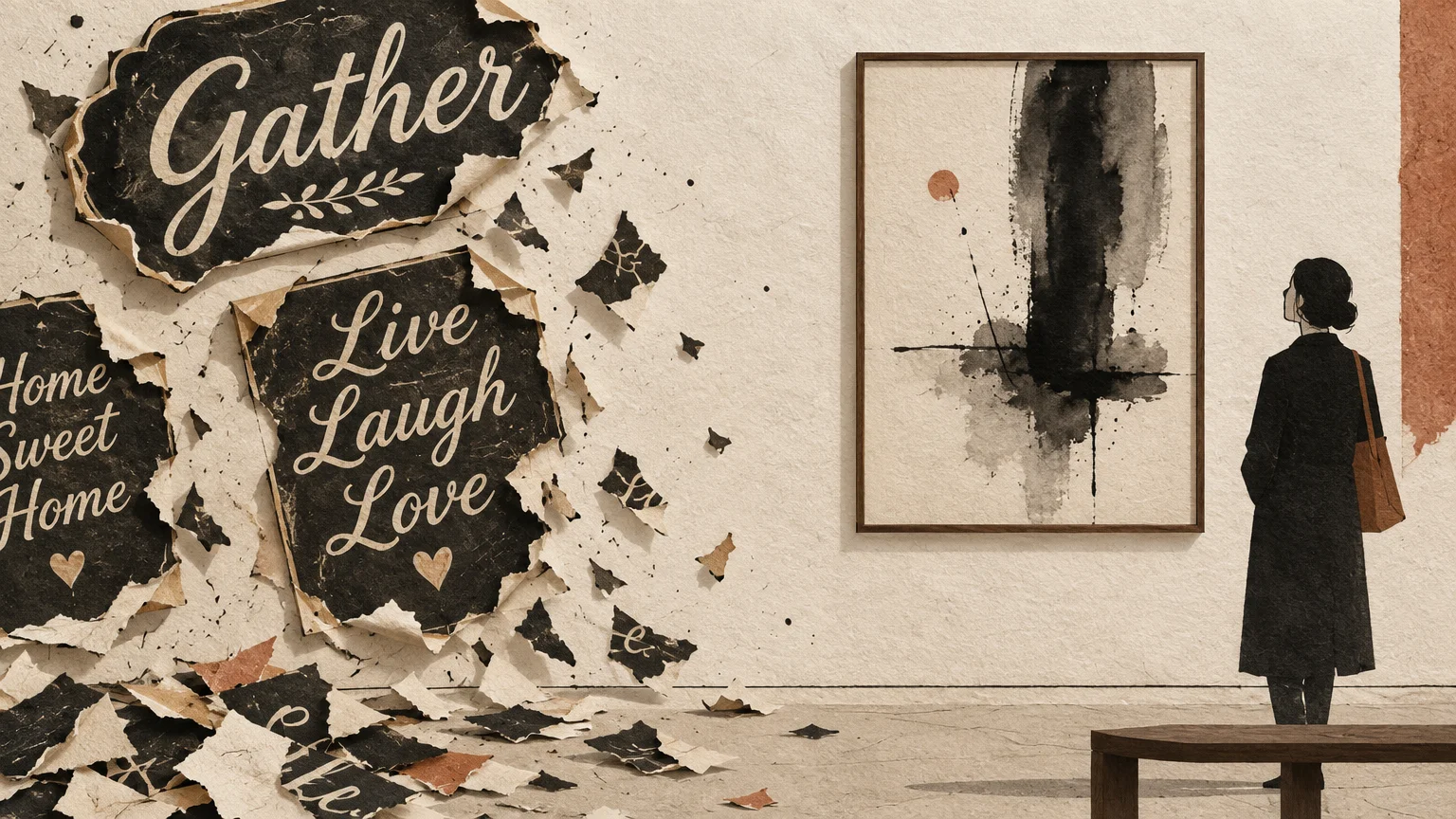
Trend #5: Mass-Produced Word Art and Generic Typography
Stenciled canvas aphorisms and machine-cut metal lettering strip personality away from residential walls. Commercial plaques commanding guests to “Gather,” “Eat,” or “Unwind” read as impersonal department store filler.
Top interior designers classify mass-produced typography among the most obvious decor items that look cheap. They signal an absence of personal taste and clutter valuable vertical surfaces.
True hospitality and comfort do not require instructional signage. Your home’s thoughtful layout, plush seating, and warm ambiance should welcome guests effortlessly without literal captions.
Your walls deserve artworks that reflect your travels, cultural curiosities, and personal milestones. Investing in original prints, architectural photography, or vintage oil paintings establishes an authentic sense of place.
Consider hanging framed textile fragments, sculptural wall ceramics, or antique maps instead of factory-printed phrases. These three-dimensional media introduce rich tactile interest and dynamic shadows across your rooms.
Art should provoke contemplative thought and inspire authentic conversation. Purging generic word art allows your home to tell a genuine, individualized story through fine craftsmanship.
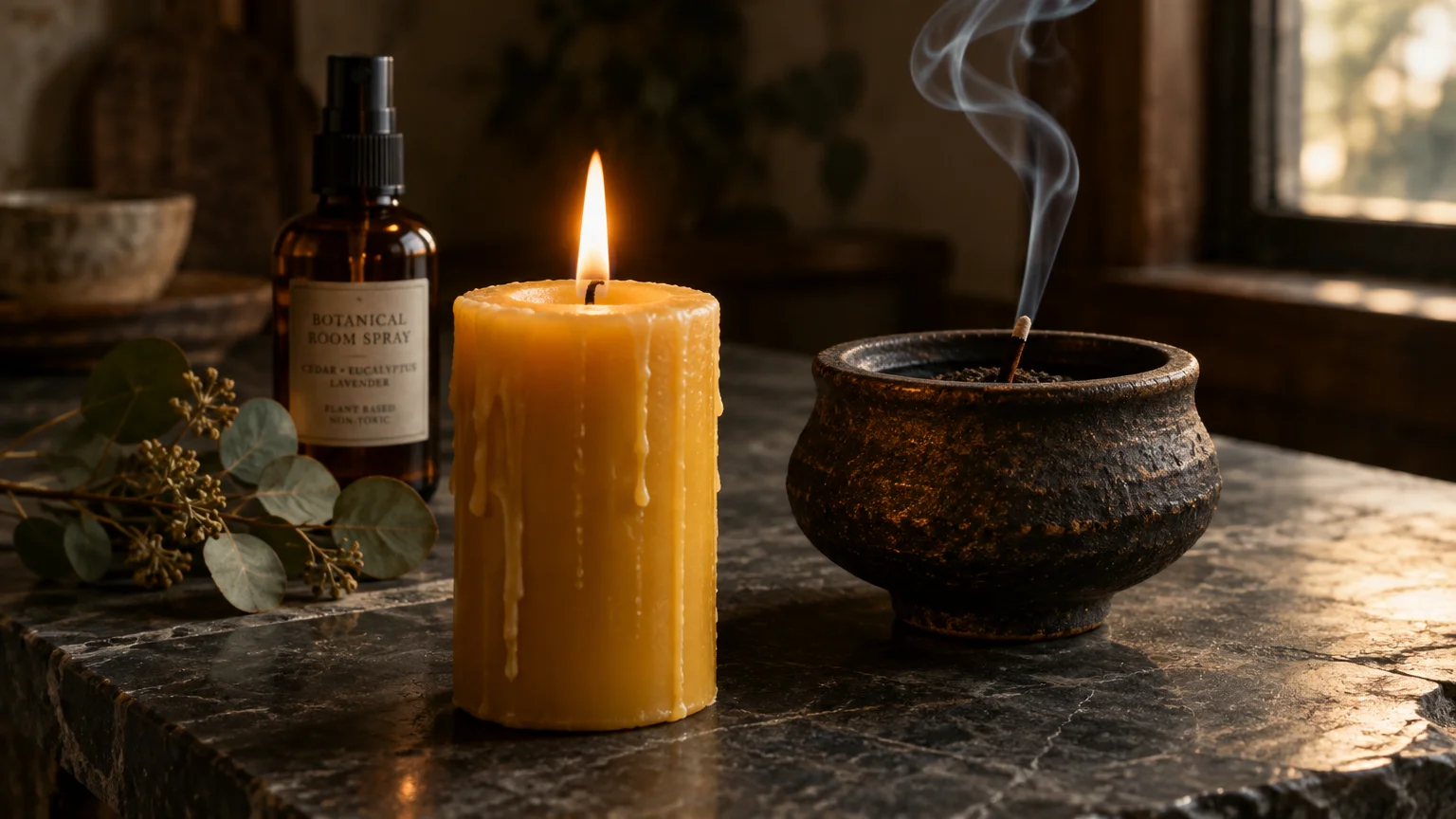
Trend #6: Metal-Core Candles and Synthetic Air Fresheners
Olfactory design shapes your domestic experience just as powerfully as lighting, acoustics, or upholstery. However, discount candles and artificial plug-in diffusers degrade indoor air quality while projecting an unrefined vibe.
The Consumer Product Safety Commission officially banned the manufacture and sale of lead-cored wicks in October 2003. This federal intervention eliminated dangerous airborne heavy-metal emissions released during candle combustion.
Despite strict regulations, bargain imported candles and uncertified waxes still periodically fail consumer safety audits. Inexpensive paraffin wax derived from petroleum releases synthetic soot that coats walls and soft furnishings.
Aerosol sprays and electric scent plug-ins introduce harsh synthetic compounds into your living areas. Removing these artificial fragrances protects your indoor air quality and relieves sensitive respiratory systems.
Shift toward clean-burning beeswax tapers or coconut-wax vessels formulated with natural botanical extracts. Unrefined wax purifies the air naturally while burning with a steady, tranquil flame.
Layer your interior with organic aromas like dried lavender, vetiver, and crushed cedarwood shavings. Subtle botanical scents evoke true quiet luxury and foster genuine relaxation after long workdays.
Trend #7: Faux-Distressed Farmhouse Decor and Plastic Greenery
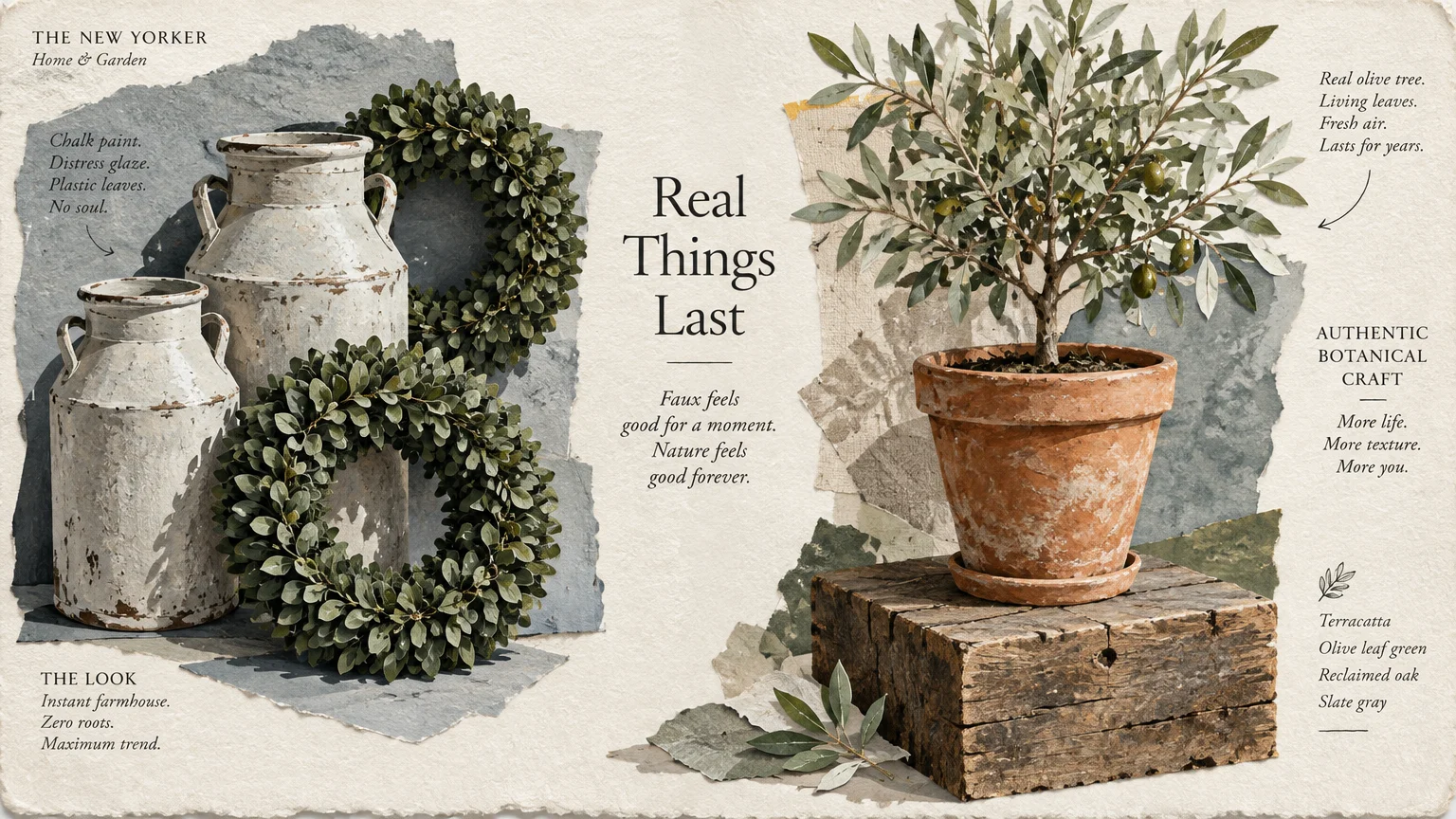
Artificial weathering and chalk-painted distressing attempt to simulate historic age without honoring genuine craftsmanship. Factory-antiqued wall clocks, faux-rustic ladders, and reproduction barn pulleys have become unmistakably outdated home decor items.
Combining manufactured distressing with fake plastic eucalyptus wreaths creates a sterile, synthetic vignette. Artificial foliage collects dust, fades under direct sunlight, and signals an unconvincing imitation of nature.
Instead of synthetic faux-farmhouse trinkets, embrace genuine biophilic design by incorporating living houseplants. Thriving fiddle-leaf figs, potted olive trees, or sculptural snake plants purify the atmosphere and introduce vital energy.
If you admire historic character, source authentic vintage artifacts that display honest, hard-earned patina. True antique oak workbenches, hand-thrown stoneware crocks, and reclaimed marble slabs carry irreplaceable soul.
Real aging showcases natural character marks, softened edges, and organic wood grain that machines cannot duplicate. This authentic provenance grounds modern rooms with timeless cultural authority.
Clear out the mass-produced distressing and artificial greenery from your open shelving today. Letting authentic, living materials breathe creates a refreshing, sophisticated sanctuary rooted in the present day.
Trend #8: Matching Catalog Showroom Furniture Sets
Purchasing a complete living room or bedroom suite straight from a single catalog showroom creates a flat environment. When every nightstand, headboard, and dresser shares identical wood stains, rooms feel like commercial retail displays.
Relying on bundled matching suites is one of the most pervasive home decor mistakes that homeowners commit. It smothers personal creativity and locks your interior into a rigid, uninspired time capsule.
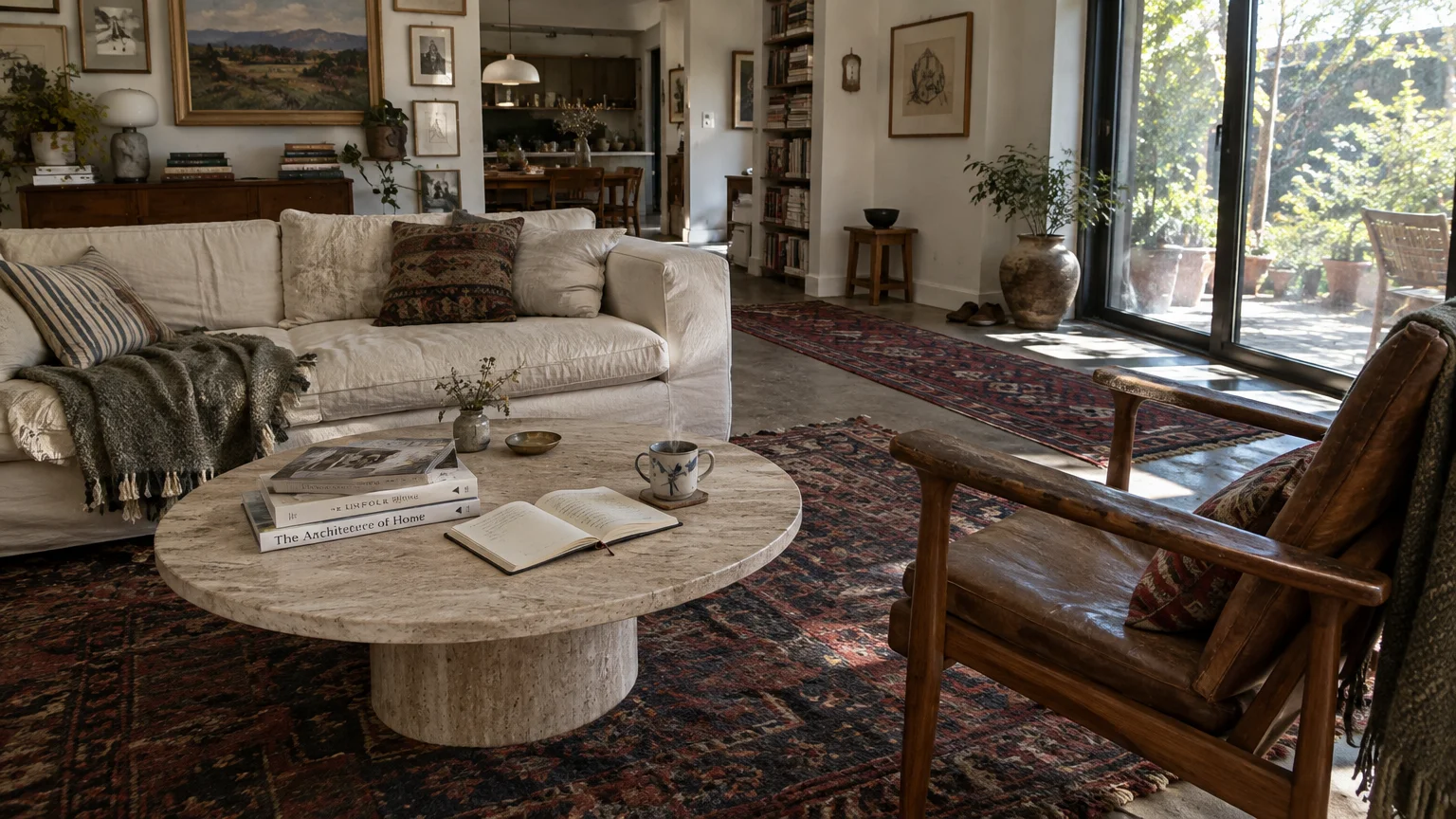
Sophisticated design celebrates the deliberate tension between contrasting materials, distinct silhouettes, and complementary design eras. A streamlined mid-century sideboard pairs splendidly with an antique gilded mirror or an organic travertine coffee table.
Blending varied finishes prevents your spaces from feeling staged or monotone. The juxtaposition of matte blackened iron, soft bouclé fabric, and warm walnut generates rich spatial dimension.
Break up existing matching suites by moving companion nightstands or accent chairs into guest rooms or entryways. Reinvest in singular statement pieces that spark curiosity and reflect your evolving aesthetic journey.
Designing a home takes patience, thoughtful curation, and an appreciation for individual craftsmanship. A layered interior feels genuinely collected over a lifetime rather than purchased during a single afternoon.
Trend #9: Harsh Cool-White Recessed Downlights
Flooding residential living areas with 5000K daylight LED downlights transforms welcoming rooms into clinical laboratories. Harsh, blue-tinted overhead lighting washes out warm wood tones, flattens textured textiles, and accentuates tiny plaster imperfections.
Blaring cool-spectrum downlights rank among the most uninviting decor trends to avoid buying for restful spaces. They suppress natural melatonin production in the evening and disrupt restful sleep cycles.
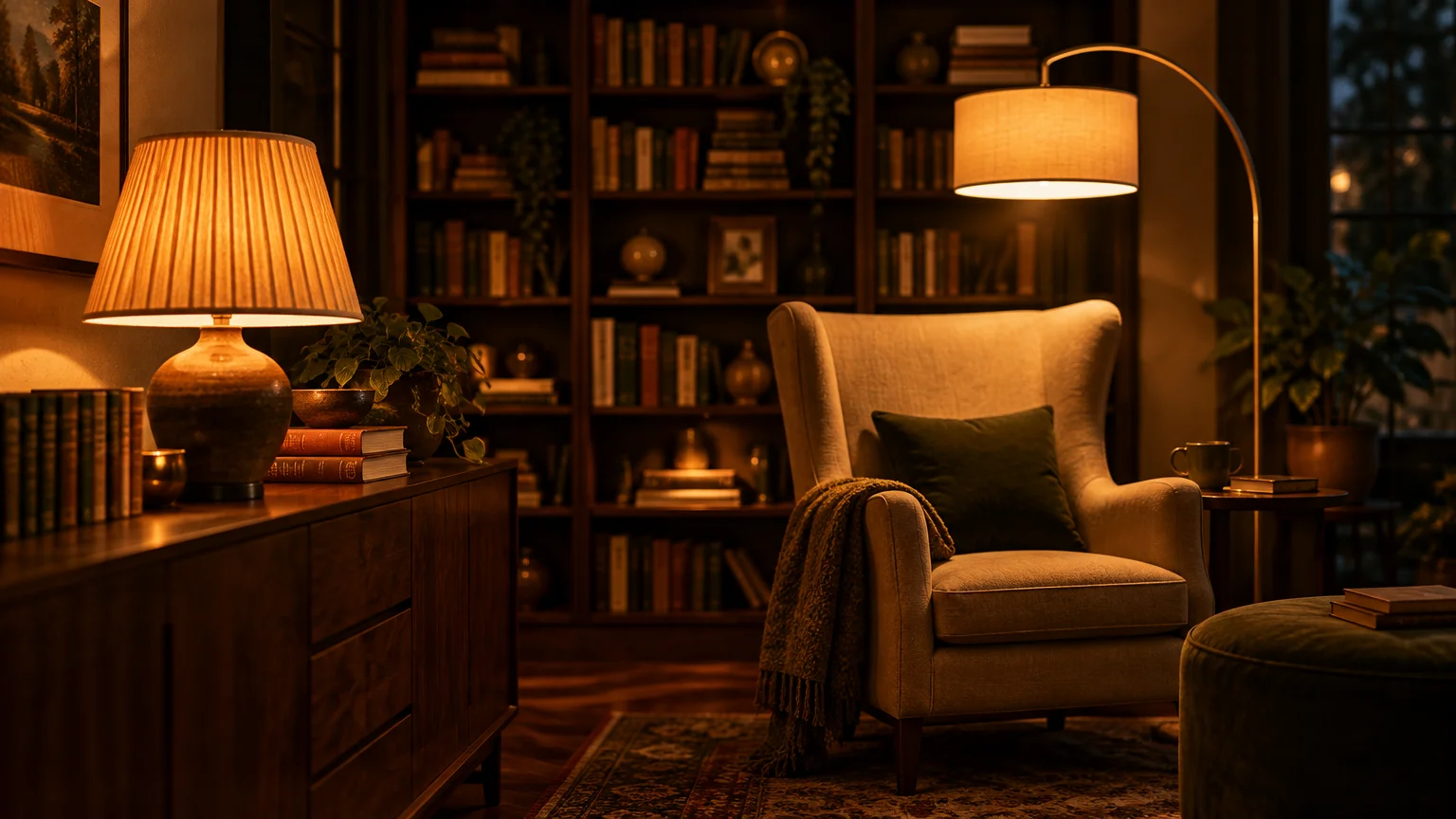
Replace these sterile bulbs with 2700K warm-white alternatives equipped with precision dimming capabilities. Warm color temperatures highlight rich architectural detailing and create a deeply soothing domestic atmosphere.
Avoid relying exclusively on grid-patterned ceiling cans to illuminate your entertaining rooms. Downlights cast unflattering facial shadows when used without complementary eye-level light sources.
Layer your illumination scheme with ceramic table lamps, plaster wall sconces, and directional floor reading lights. Distributing light at varying heights creates intimate zones of warmth and visual intrigue.
Installing architectural dimmers allows you to orchestrate illumination seamlessly from bright mornings to cozy twilight hours. Thoughtful lighting design elevates ordinary rooms into luxurious, restorative sanctuaries.
Trend #10: Unsealed Popcorn Ceilings and High-VOC Shag Rugs
Heavy acoustic popcorn ceiling textures capture ambient shadows and collect layers of dust across decades of use. They lower perceived ceiling heights and visually dates an otherwise immaculate, high-end interior renovation.
The EPA banned spray-applied asbestos ceiling treatments in 1978 under the Clean Air Act; however, pre-existing stocks were legally installed into the early 1980s. Never scrape vintage textured ceilings without professional safety testing.
Along with acoustic ceiling textures, high-pile synthetic shag carpets harbor deep allergens, pet dander, and shed microplastics. These synthetic floor coverings rank high among the unhealthy things to remove from your home.
Cheap synthetic pile mats break down quickly and off-gas volatile organic compounds into your indoor air. Over time, heavy foot traffic crushes synthetic fibers, leaving matted, unappealing traffic paths across your floors.
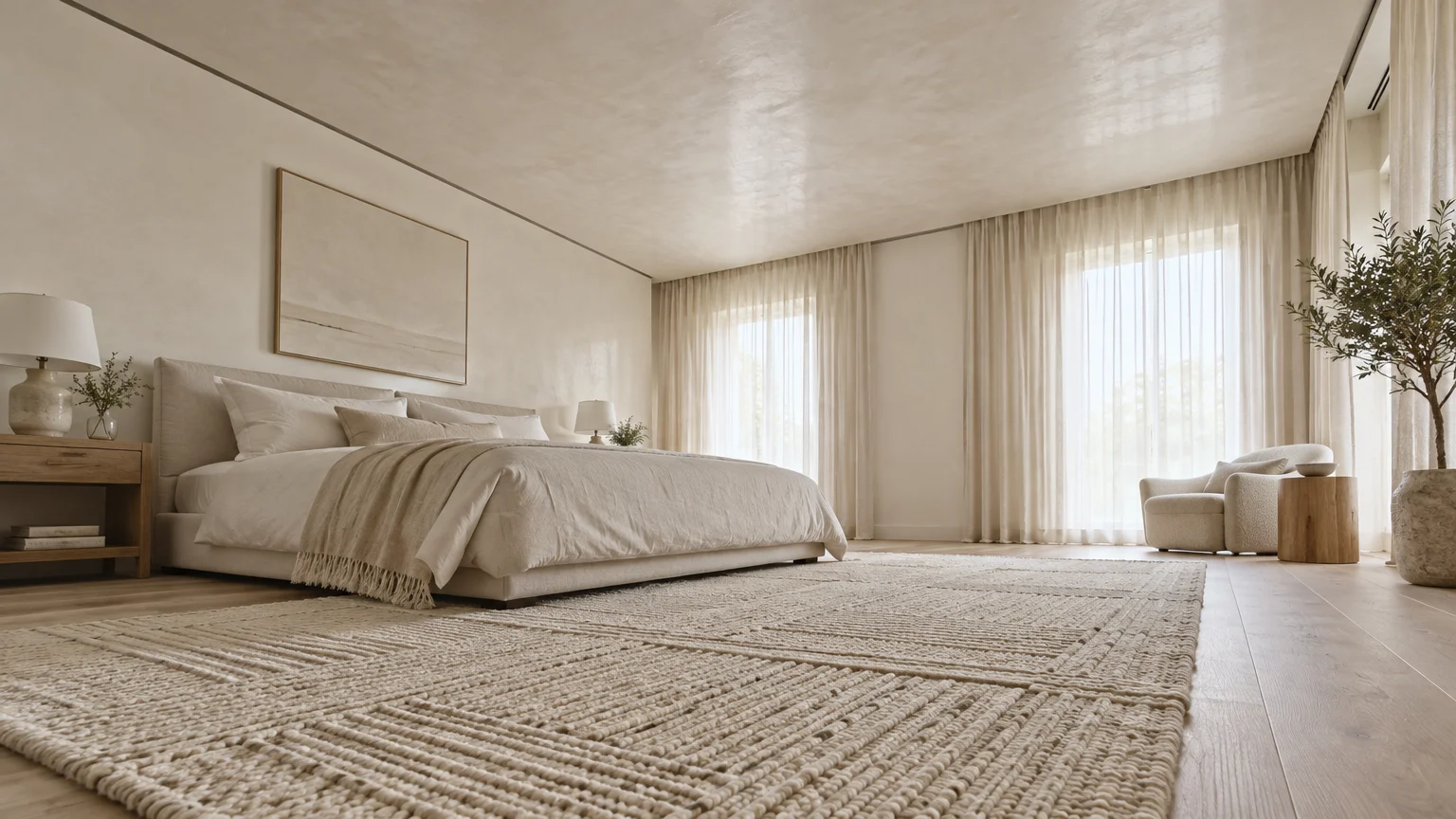
Replace deteriorated carpets with low-pile hand-knotted wool rugs, flatweave dhurries, or natural sisal floor coverings. Wool naturally repels stains, regulates indoor humidity, and delivers superior acoustic comfort underfoot.
Skim-coating ceilings smooth and applying low-sheen mineral paint allows natural daylight to bounce deep into your floor plan. This transformation creates clean sightlines and enhances architectural scale throughout your residence.
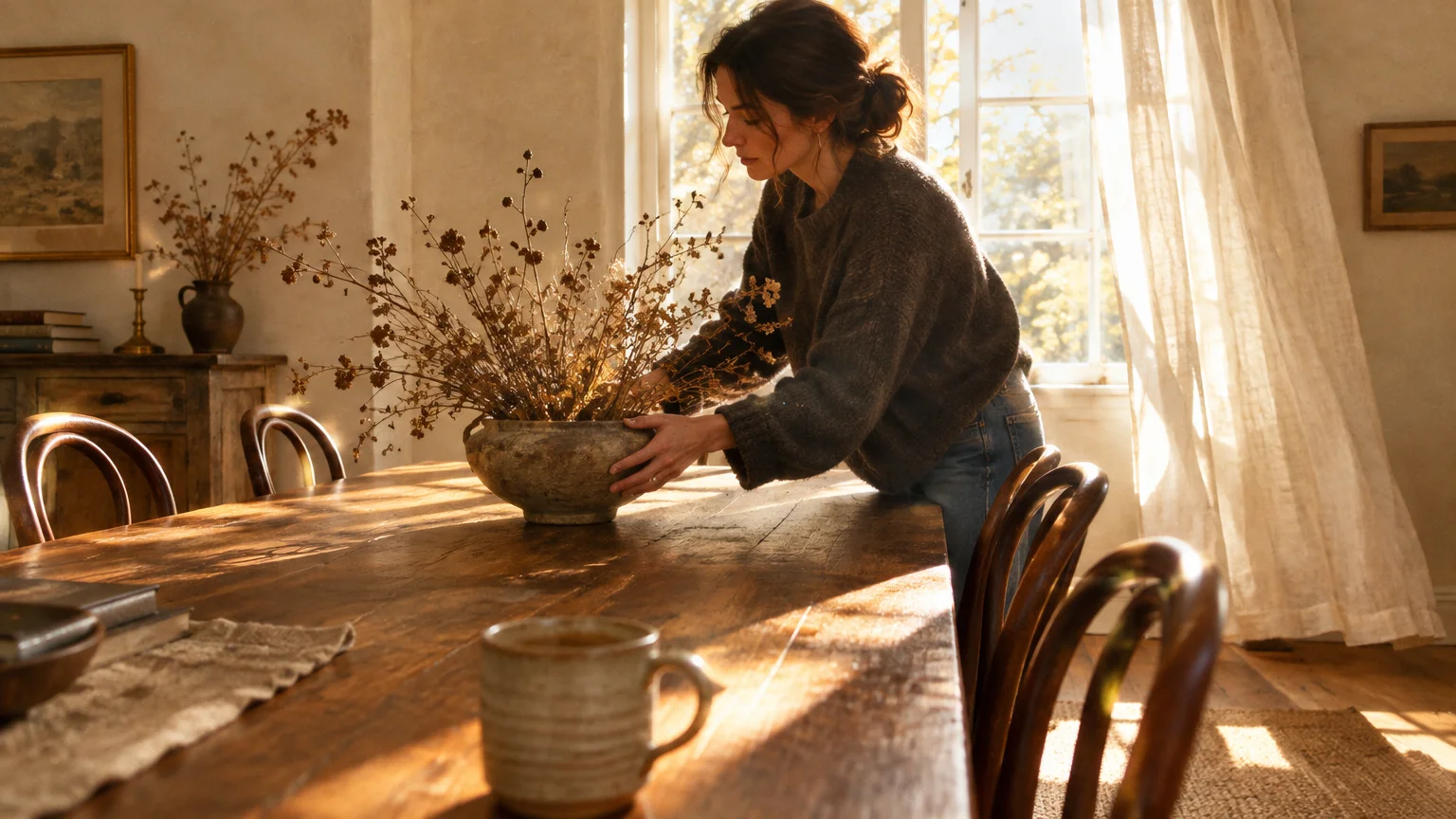
The Big Picture: Weaving These Trends into Your Home
Editing your home is a continuous, disciplined exercise in restraint, mindfulness, and personal authenticity. Refining your living spaces does not mean gutting every room or abandoning cherished memories.
Begin your transformation by auditing rooms for disposable items that neither support your daily comfort nor offer artistic value. Eliminating visual noise creates breathing room for exceptional materials and balanced proportions.
Center your long-term decorating decisions around fundamental architectural principles such as symmetrical balance, tactile layering, and harmonious color transitions. A sophisticated home evolves slowly through deliberate acquisitions celebrating provenance.
Blend vintage silhouettes with refined modern forms to build an interior that effortlessly resists transient viral fads. When you invest in timeless craftsmanship, your home remains functional and stunning for decades to come.
True quiet luxury emerges when you prioritize spatial health, natural materials, and sustainable design standards. Your living environment should nourish your mind and serve as an inspiring sanctuary every day.
For the latest color forecasts, consult industry leaders like Pantone and paint companies like Benjamin Moore. For professional design standards, refer to the American Society of Interior Designers (ASID).
Disclaimer: This article reflects design trend analysis and predictions. Personal taste and timeless design principles should always guide your decorating choices.
Frequently Asked Questions
How can I distinguish between a timeless design piece and a passing micro-trend?
Timeless furnishings showcase solid natural materials, exceptional joinery, and balanced architectural proportions that look natural across multiple eras. In contrast, fast micro-trends rely on synthetic novelty finishes, extreme silhouettes, and fragile construction.
If an object possesses genuine functional integrity and textural substance, it will effortlessly harmonize with modern and antique furnishings alike.
What is the safest approach to updating or removing vintage acoustic ceilings?
Hire an EPA-certified environmental specialist to collect core samples before touching or scraping vintage popcorn textures. Professional laboratory analysis confirms whether hazardous asbestos fibers are present in pre-1980s installations.
If tests confirm the substrate is safe, a professional plasterer can skim-coat the ceiling smooth. Skim-coating minimizes airborne disruption while creating a refined, contemporary surface that maximizes ceiling height.
Why do interior designers recommend avoiding matching furniture sets?
Matched showroom suites flatten your home’s character and make living spaces look like commercial retail catalogs. They suppress your individuality by repeating identical wood stains, hardware, and silhouettes across the entire room.
Modern high-end aesthetics rely on curated tension between varied textures, distinct silhouettes, and complementary historical eras. Layering diverse pieces creates an inviting space that feels thoughtfully collected over time.
How do I select paint colors that protect and enhance my home’s resale value?
Select versatile, grounding earth tones like soft sage greens, warm greiges, or creamy mineral whites with subtle undertones. These gentle hues bounce daylight effectively and allow prospective buyers to envision their own furniture in the space.
Avoid high-saturation shock hues like intense ochre yellows or vibrant reds that polarize buyers and depress offers. Nuanced neutrals provide an elegant, enduring baseline for elevated residential living.