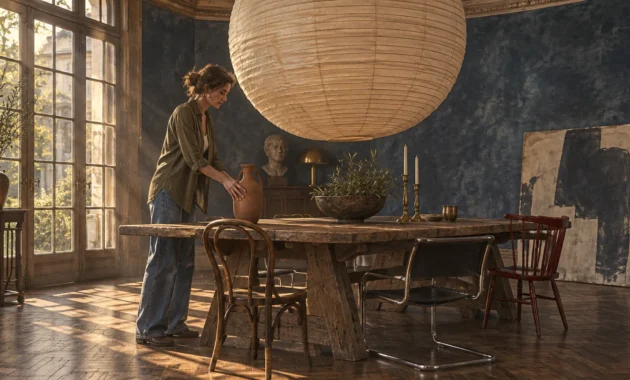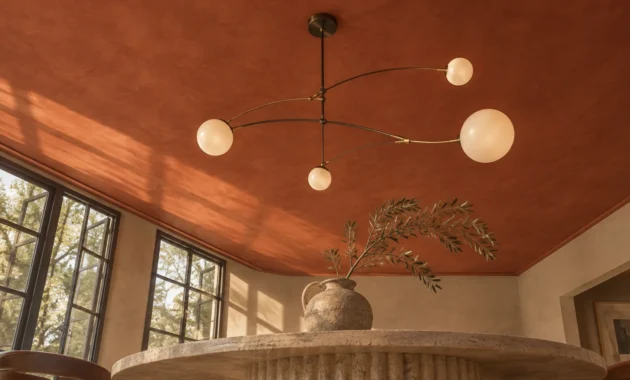
Dark rooms can feel cramped and draining, especially when windows face narrow alleys or thick trees. You can brighten a dark room without knocking down walls or breaking your budget.
Americans spend about 90% of their time indoors, according to the U.S. Environmental Protection Agency. That makes smart interior lighting tips vital for your daily comfort and mood.
Today’s best low light room ideas trade sterile white boxes for warm textures and layered light. Here are seven practical trends that make any dim space feel open and inviting.

Trend #1: Warm High-LRV Paints and Soft Sheens
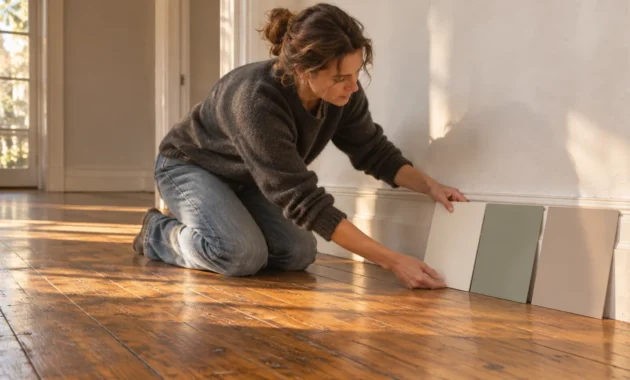
Paint does the heaviest lifting when you want to make a room brighter. Designers rely on Light Reflectance Value, or LRV, which scores how much light a color bounces on a 0 to 100 scale.
Shades below 50 soak up light, while shades above 50 push it back into your room. Cool, stark whites sitting near LRV 90 to 93 often turn dingy and gray in shadowed corners.
Instead, choose warm off-whites at LRV 80 or higher to reflect light with gentle warmth. Warm undertones pair well with wood and fabric, a look central to the quiet luxury design shift.
Keep your walls two steps lighter than your floor for better depth. A gap of 30 LRV points or more between walls and floors helps your eyes read the room clearly.
Paint finish matters just as much as color. Sheen does not change a paint’s LRV, even though glossy walls seem brighter under direct lamps.
High-gloss paints highlight every drywall bump when side light hits the wall. Master Painters Institute ratings place matte and eggshell finishes low on the gloss scale, making them ideal for walls.
Save semi-gloss paint for window trim, baseboards, and interior doors. Those smaller frames catch stray rays and bounce subtle highlights across your room without exposing wall flaws.
Trend #2: Layered Lighting Over Single Ceiling Fixtures
Relying on one ceiling fixture leaves corners dark and casts harsh shadows across your seating. The American Lighting Association recommends combining ambient, task, and accent light in every room.
Ambient light gives your room its steady base glow. Task lamps focus light where you read, cook, or work, while accent lights highlight art and bookshelves.
Aim your accent beams so they shine at least three times brighter than the surrounding room. That contrast pulls your eyes toward the walls and erases heavy shadows in the corners.
Size your total brightness to fit how you use the space. Illuminating Engineering Society targets suggest 10 to 20 lumens per square foot for living rooms and dining areas.
Kitchens and bathrooms work best with 20 to 50 lumens per square foot, and home offices with 30 to 50. Add extra task lamps at kitchen counters or desks to hit 50 to 100 lumens per square foot.
Multiply your room’s square footage by those targets before buying fixtures. That simple math stops you from under-lighting a basement den or over-lighting a small bedroom.
Trend #3: High-CRI Warm LEDs and Smart Controls
Your bulb choice shapes how rich or flat your colors look at night. Today, 90% of U.S. households use LED bulbs for at least some indoor lighting, according to federal energy data.
LEDs use at least 75% less power and last up to 25 times longer than old incandescent bulbs. Federal rules phased out low-efficiency bulbs in 2023 and will phase out compact fluorescent lamps by 2028.
Check the Kelvin number on the box to control your room’s mood. The U.S. Department of Energy recommends 2,700K to 3,000K warm white bulbs for living rooms and bedrooms.
Use slightly crisper 3,000K to 4,000K bulbs in kitchens, baths, and offices. Skip icy daylight bulbs above 4,100K, which can make low-light homes feel cold and clinical.
Next, check the Color Rendering Index, or CRI, which rates color accuracy from 0 to 100. Look for bulbs rated CRI 90 or higher in closets, vanities, and kitchens so colors stay true.
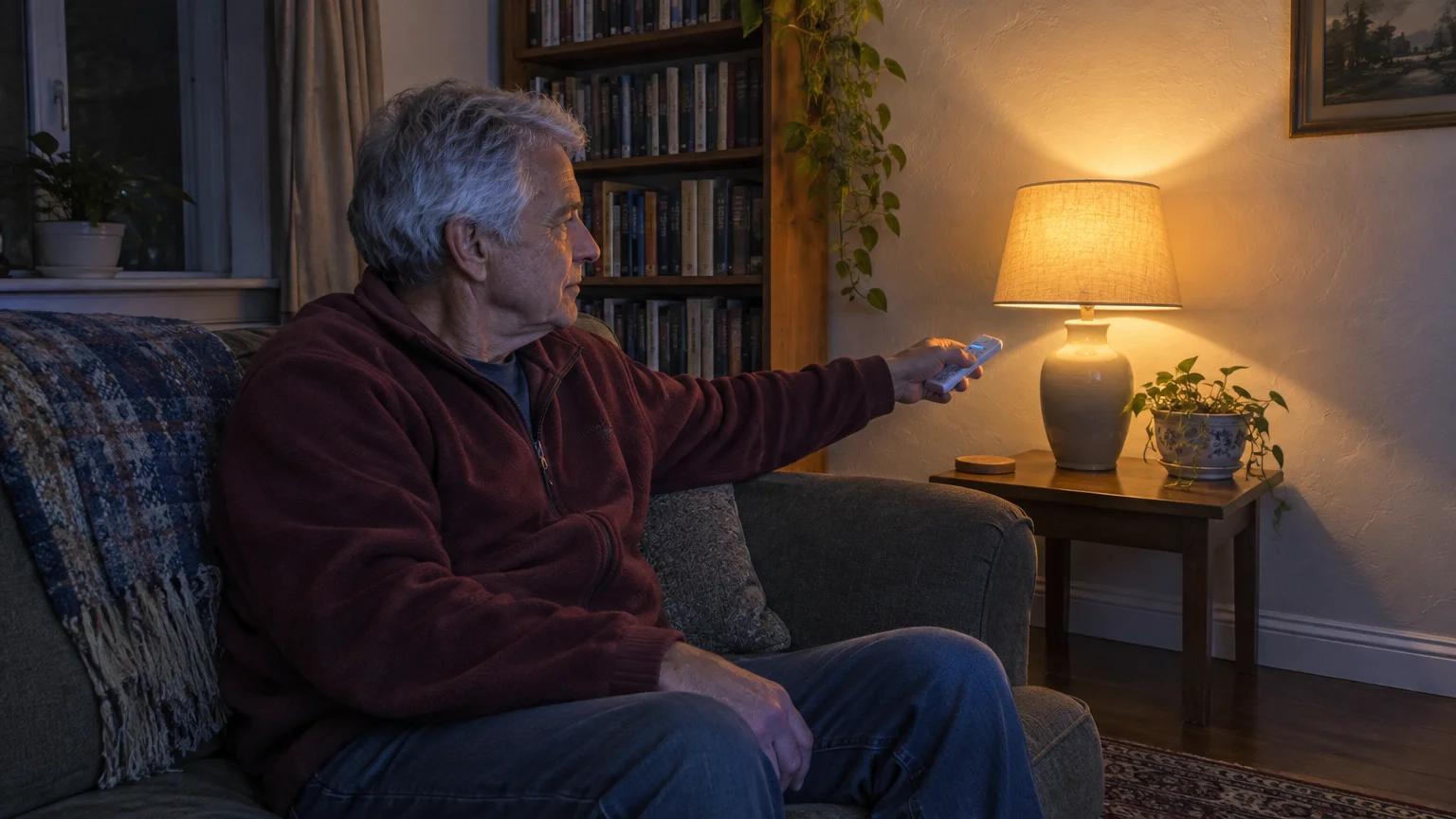
Plug-in dimmers and smart speakers make adjusting light effortless. Nearly 14 million U.S. households now adjust their lights by voice, shifting easily from daytime focus to evening calm.
Trend #4: Perimeter Wall Washing and Vertical Glow
Bright ceilings rarely make a dim room feel bigger on their own. When light hits your walls instead, your brain reads the space as wider and taller.
If you install recessed ceiling lights, place them about 30 inches from walls, per American Lighting Association guidance. That spacing washes vertical surfaces in an even sheet of light without harsh scallops.
Renters can achieve the same wall-washing effect without cutting into drywall. Place slim floor uplights behind sofas or tall plants to push warm light straight up the wall.
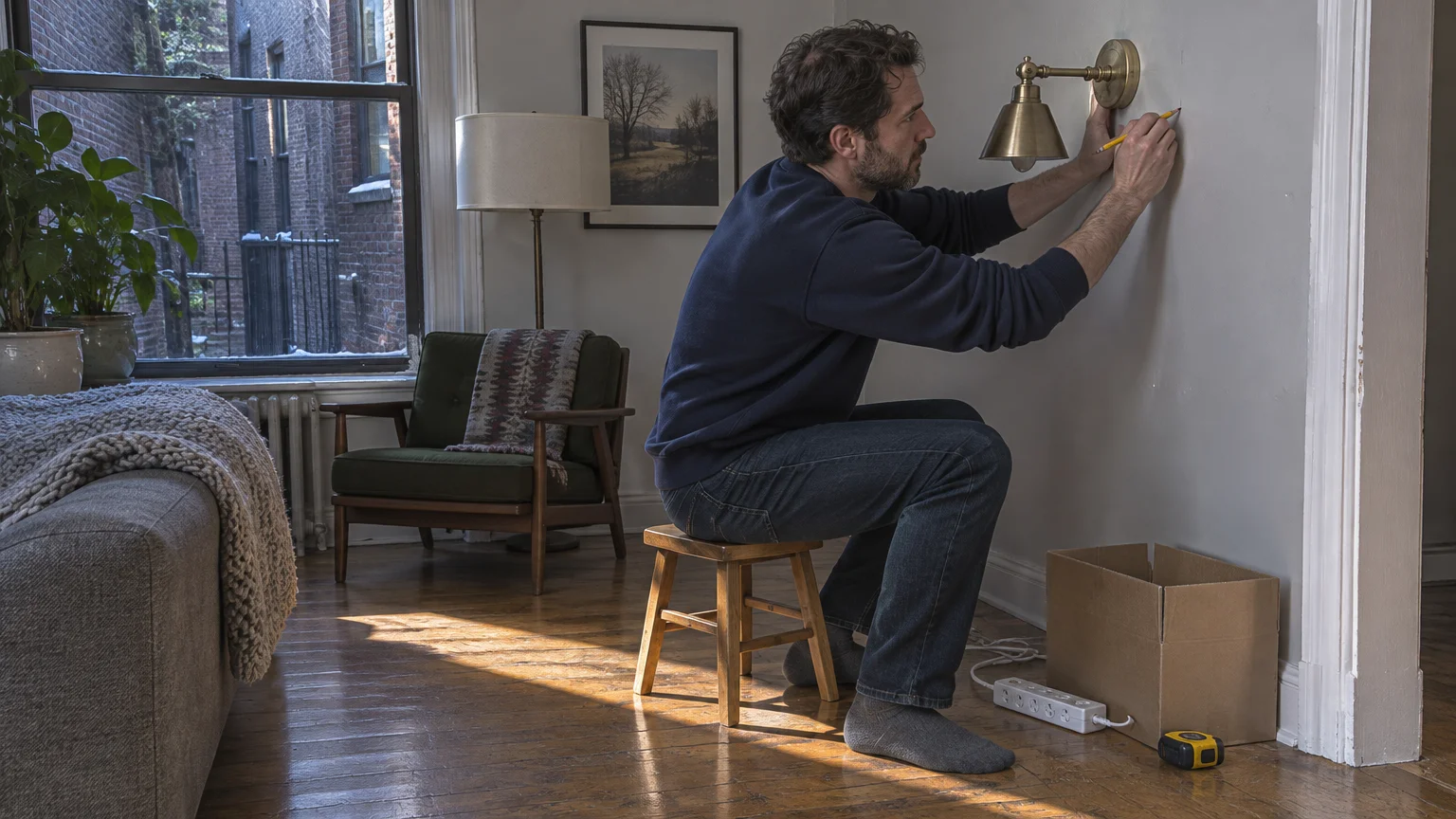
Swivel-head track lights and wall sconces also push light outward toward corners. Mounting sconces at eye level softens facial shadows and frees up valuable floor space.
Pair wall lighting with sheer window panels that let every ounce of daylight enter. Even modest daylighting cuts daytime lighting electricity use by up to 50%, according to federal energy data.

Trend #5: Oversized Mirrors and Reflective Small Room Decor
Mirrors act like extra windows when natural light falls short. Placing a tall mirror directly across from your brightest window bounces more daylight around the room.
Choose thin brass or wood frames over heavy dark borders. Minimal frames keep the glass feeling airy, which works especially well for small room decor.
Do not point mirrors at cluttered shelves or blank shaded walls. Instead, angle them to catch a bright lamp shade, a warm painting, or an outdoor tree line.
Weave smaller reflective touches through your furniture and accents. Glass coffee tables, acrylic side chairs, and brushed nickel hardware let light pass through instead of blocking it.
Polished ceramic vases and woven metallic trays add gentle sparkle without looking flashy. Choose satin or brushed metals over mirror-chrome so reflections stay soft and livable.
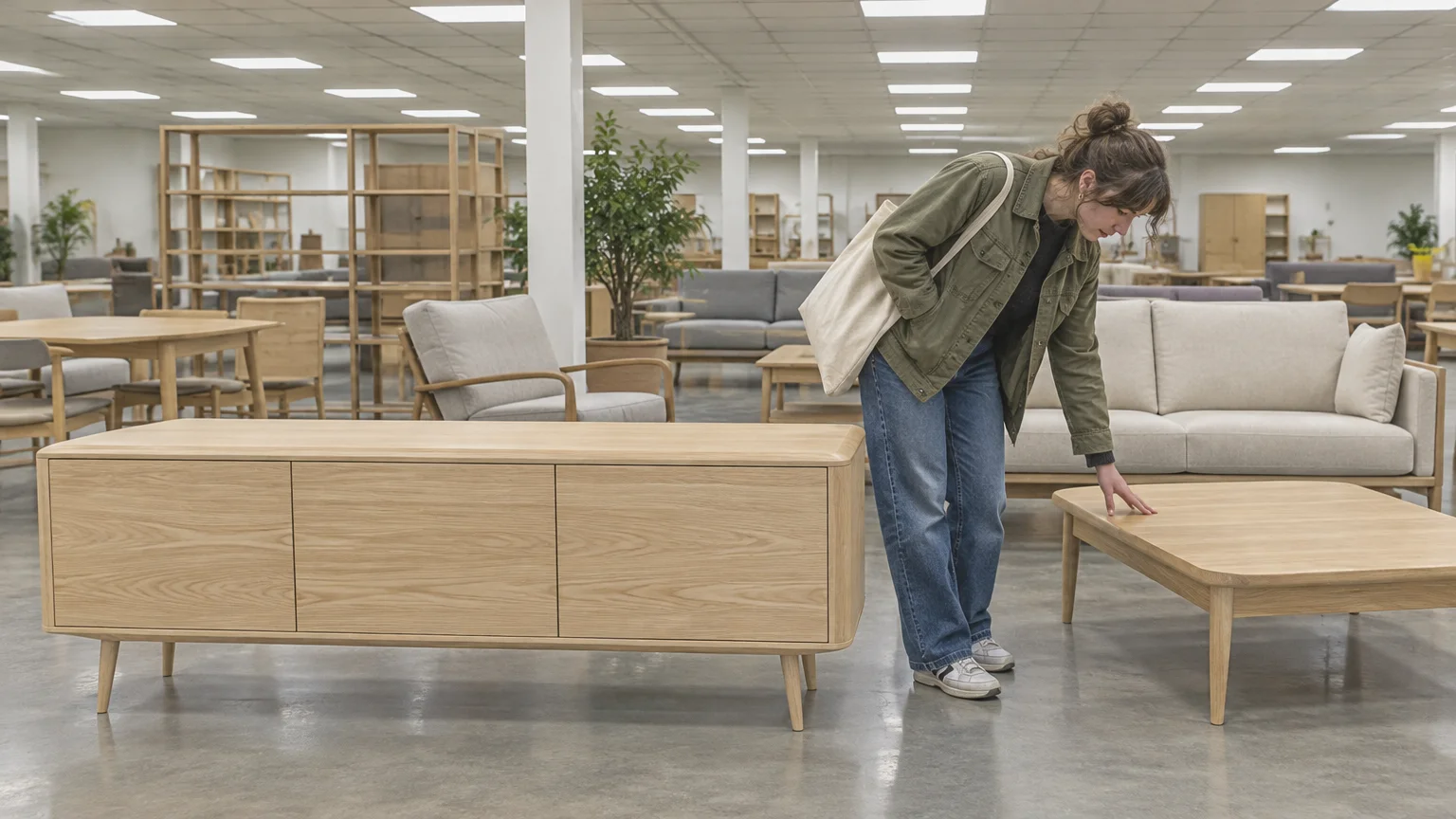
Trend #6: Low-Profile Furniture and Light Wood Tones
Bulky sofas and tall bookcases swallow precious light before it reaches the center of your room. Switching to low-profile seating keeps sightlines open from wall to wall.
Look for armchairs and media consoles raised on slender wooden or metal legs. Seeing more of your floor makes any low-light room feel airier right away.
Swap heavy espresso or black wood pieces for bleached oak, ash, or maple. Pale woods bounce light gently and add organic warmth with clear material provenance, meaning traceable natural origins.
Keep your window walls clear of tall cabinets and thick drapes. Hang curtain rods several inches wider than the window frame so fabric stacks neatly off the glass.
Choose pale linen, cotton, or bouclé fabrics for your largest upholstered pieces. Light textiles absorb far less glow than dark velvet or heavy leather.
Trend #7: Pet-Safe Low-Light Biophilic Accents
Bringing living greenery indoors refreshes a dim corner and softens hard edges. Designers call this biophilic design, which connects indoor spaces with natural elements.
Direct sun outdoors hits 10,000 to 12,000 foot-candles of brightness. By contrast, university plant guides measure low-light indoor corners at roughly 25 to 250 foot-candles.
Choose resilient plants that thrive a few feet from north or east windows. Cast iron plants, parlor palms, spider plants, and Boston ferns handle dim corners well.
Those four varieties are also listed as non-toxic to cats and dogs by the ASPCA. Skip the popular ZZ plant if you share your home with pets, since it carries medium toxicity.
Tuck a slim LED grow bulb into a brass reading lamp above your plant shelf. That single move keeps leaves healthy while adding another warm pool of evening light.
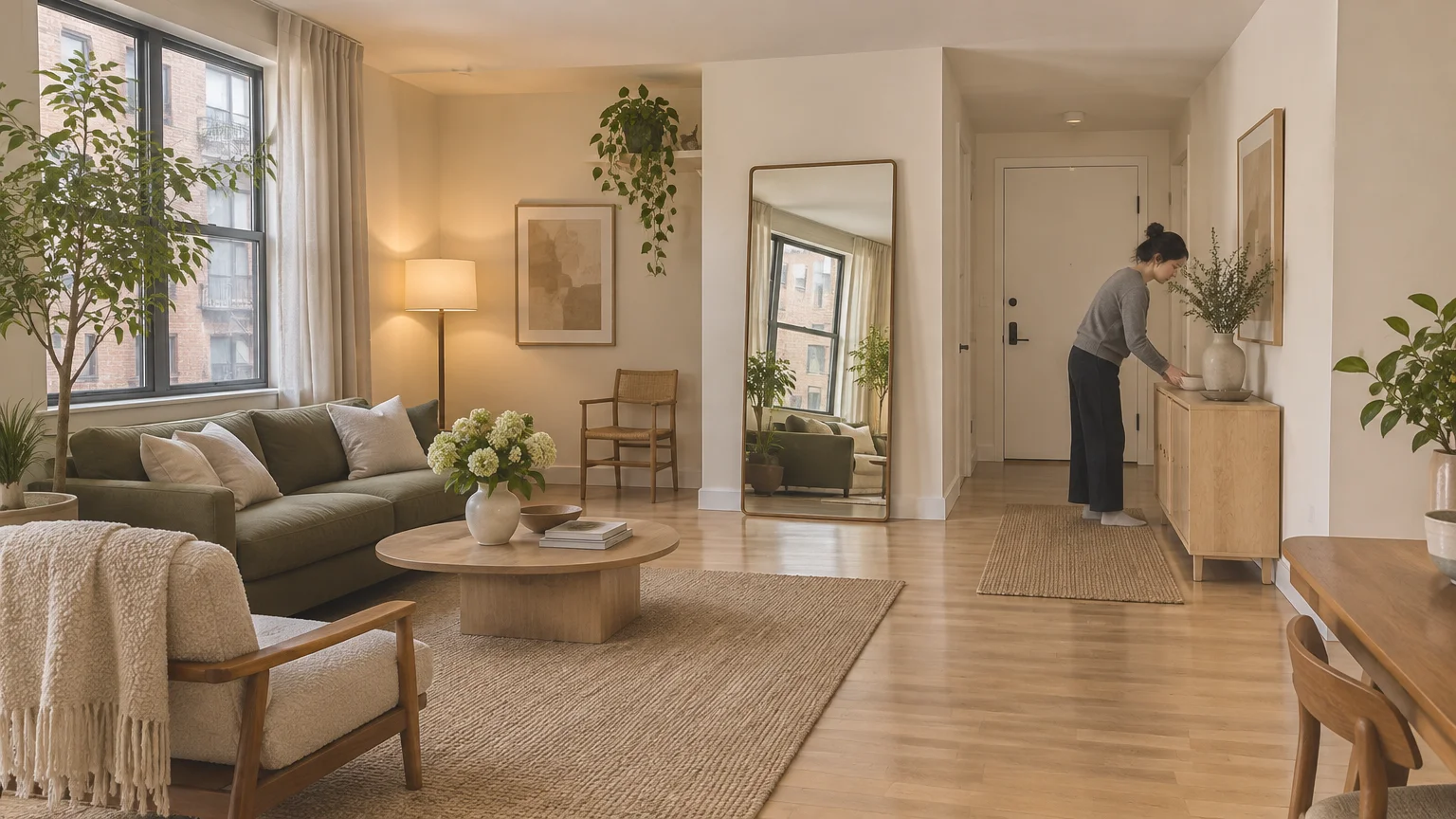
The Big Picture: Weaving These Trends into Your Home
You do not need a full remodel to brighten dark room corners that feel stuck in shadow. Start by swapping harsh bulbs for warm, high-CRI LEDs and clearing heavy curtains away from windows.
Next, layer in a tall mirror, pale linen textiles, and a wall-washing floor lamp. Each layer builds on the last to turn a dim room into a calm retreat.
For the latest color forecasts, consult industry leaders like Pantone and paint companies like Benjamin Moore. For professional design standards, refer to the American Society of Interior Designers (ASID).
Frequently Asked Questions
What is the best paint color to brighten a dark room?
Warm off-whites with an LRV of 80 or higher work best in dim rooms. Cool stark whites often look gray in shadows, while creamy whites reflect light with a soft glow.
How many lamps does a low-light living room need?
Most living rooms need three to four light sources spread across different heights. Combine overhead ambient light with two table or floor lamps and one accent light aimed at art.
Which LED color temperature makes a dim room feel natural?
Choose 2,700K to 3,000K warm white LEDs for bedrooms and living rooms. Save 3,000K to 4,000K bulbs for kitchens, bathrooms, and desks where you need sharper focus.
Do glossy walls make a small room brighter?
No, paint sheen does not raise a color’s light reflectance value. Glossy paint also highlights every wall bump, so keep walls matte or eggshell and save semi-gloss for trim.
Disclaimer: This article reflects design trend analysis and predictions. Personal taste and timeless design principles should always guide your decorating choices.