Frequently Asked Questions
How do I know if my existing paint colors are outdated?
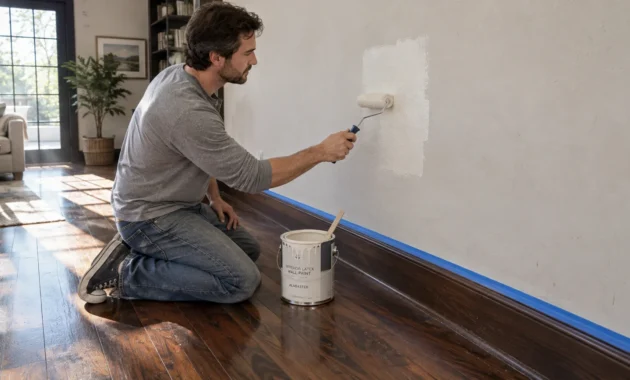
Examine how your wall paint reacts to natural daylight and evening artificial lighting. If your walls appear flat, excessively cold, or muddy under warm bulb temperatures, or if they clash with natural wood floors and warm stone features, your color scheme likely needs an update. Modern trends favor complex, warm-undertoned pigments over flat primary or stark cool colors.
What is color drenching, and why is it replacing accent walls in 2027?
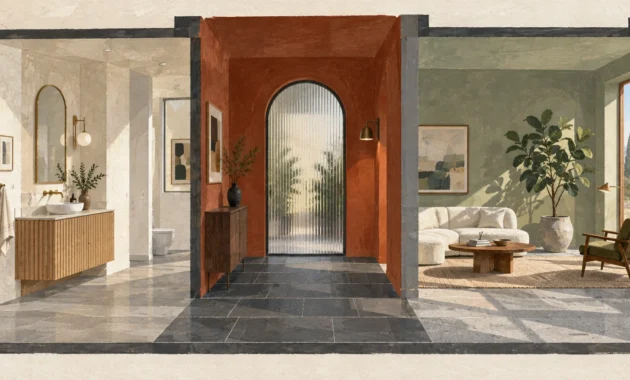
Color drenching involves painting walls, trim, doors, baseboards, and ceilings in a single paint color or closely related tonal values. This technique eliminates jarring visual breaks, expands perceived space, and creates a seamless, immersive atmosphere that feels modern and luxurious compared to isolated accent walls.
How does Light Reflectance Value (LRV) affect paint selection?
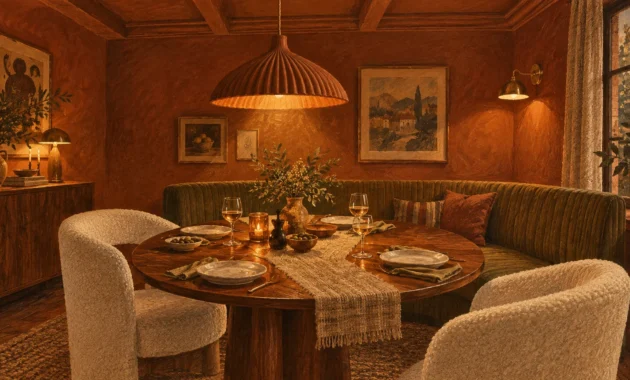
Light Reflectance Value (LRV) measures the percentage of light a paint color reflects on a scale from 0 (absolute black) to 100 (pure white). High LRV colors make rooms feel brighter but can appear clinical if they lack warm undertones, while lower LRV colors absorb light to create intimate, cozy spaces when paired with proper layered lighting.
Can I keep gray walls without making my home look cold?
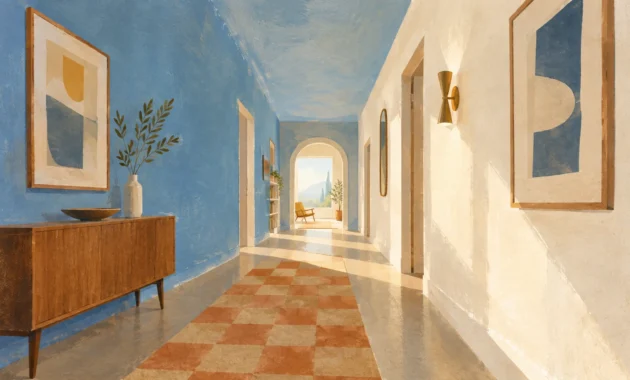
Yes, you can retain gray walls by transitioning to greige or warm mineral grays infused with warm beige, violet, or yellow undertones. Avoid blue- or green-based cool grays, and pair your warm gray walls with warm lighting (2700K bulbs), natural timber furniture, and soft woven textiles to maintain warmth throughout your room.