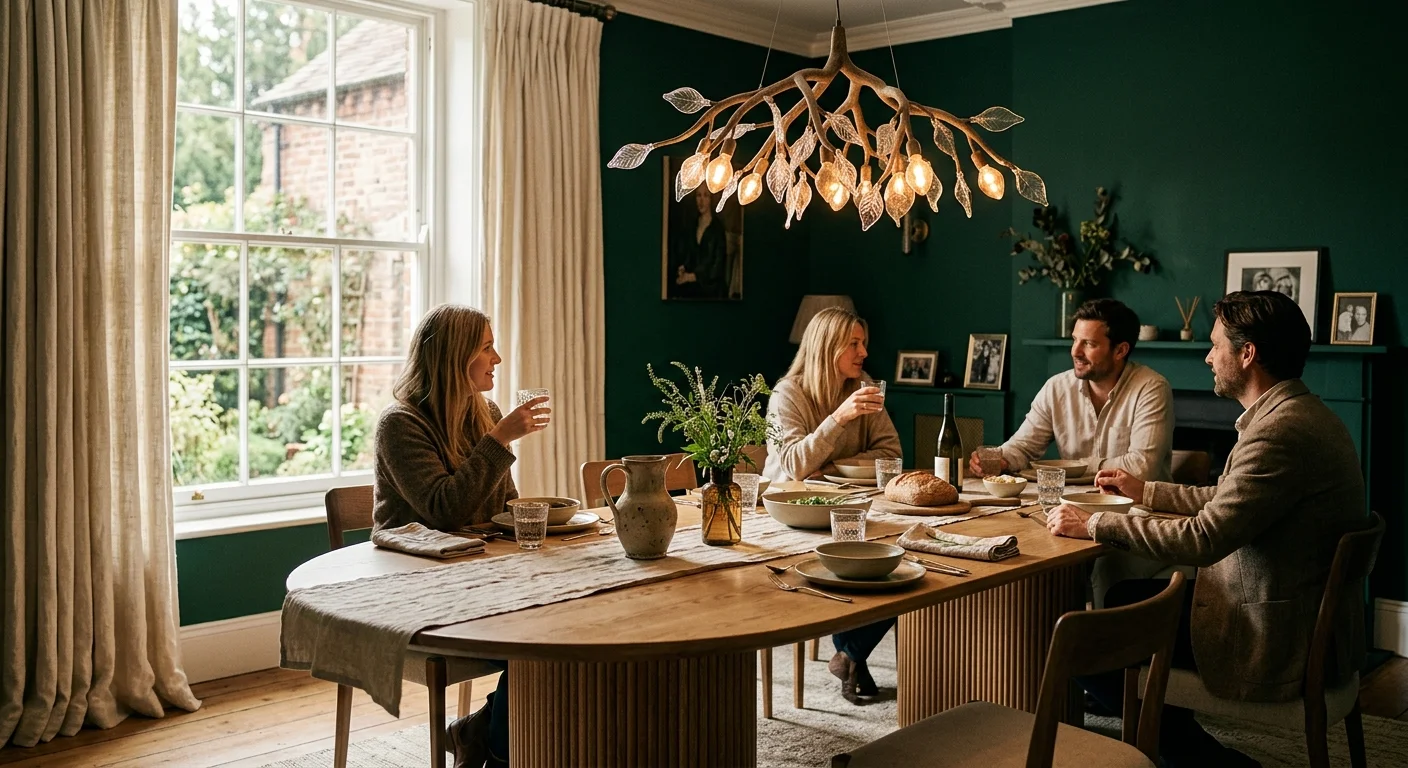
Transforming your dining room into a captivating gathering space requires a deliberate shift from standard utility to immersive ambiance. By focusing on rich tactile materials, strategic sculptural lighting, and nuanced color palettes, you elevate routine weeknight dinners into memorable culinary experiences. Today’s architectural trends champion spaces that balance quiet luxury with personal storytelling; homeowners no longer reserve formal dining areas solely for holiday hosting. Whether you embark on a full renovation or execute a subtle dining room makeover on a budget, these seven expert updates will revitalize your floor plan, improve acoustic comfort, and create an inviting backdrop for every meal you share.
Trend #1: Sculptural Biophilic Lighting
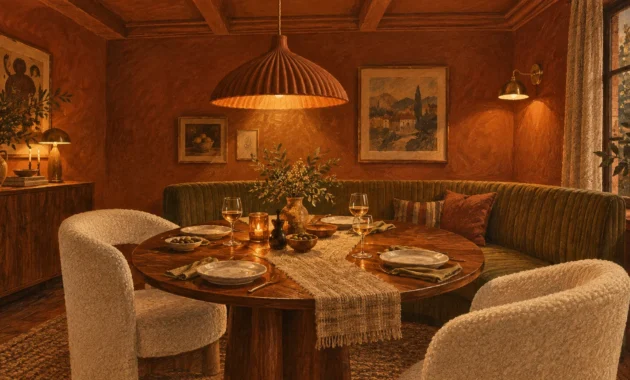
Lighting dictates the emotional resonance of your dining space more than any other design element. Modern interior styling has moved far beyond utilitarian overhead fixtures, embracing sculptural pendants and chandeliers that act as captivating art installations during the day and ambient mood setters at night. Biophilic lighting—designs inspired by natural structures such as cascading branches, river stones, or blooming flora—introduces an organic rhythm into structured rooms. When you position a hand-blown glass or molded brass pendant directly over your dining table, you instantly establish a clear visual anchor that draws guests toward the central gathering point.
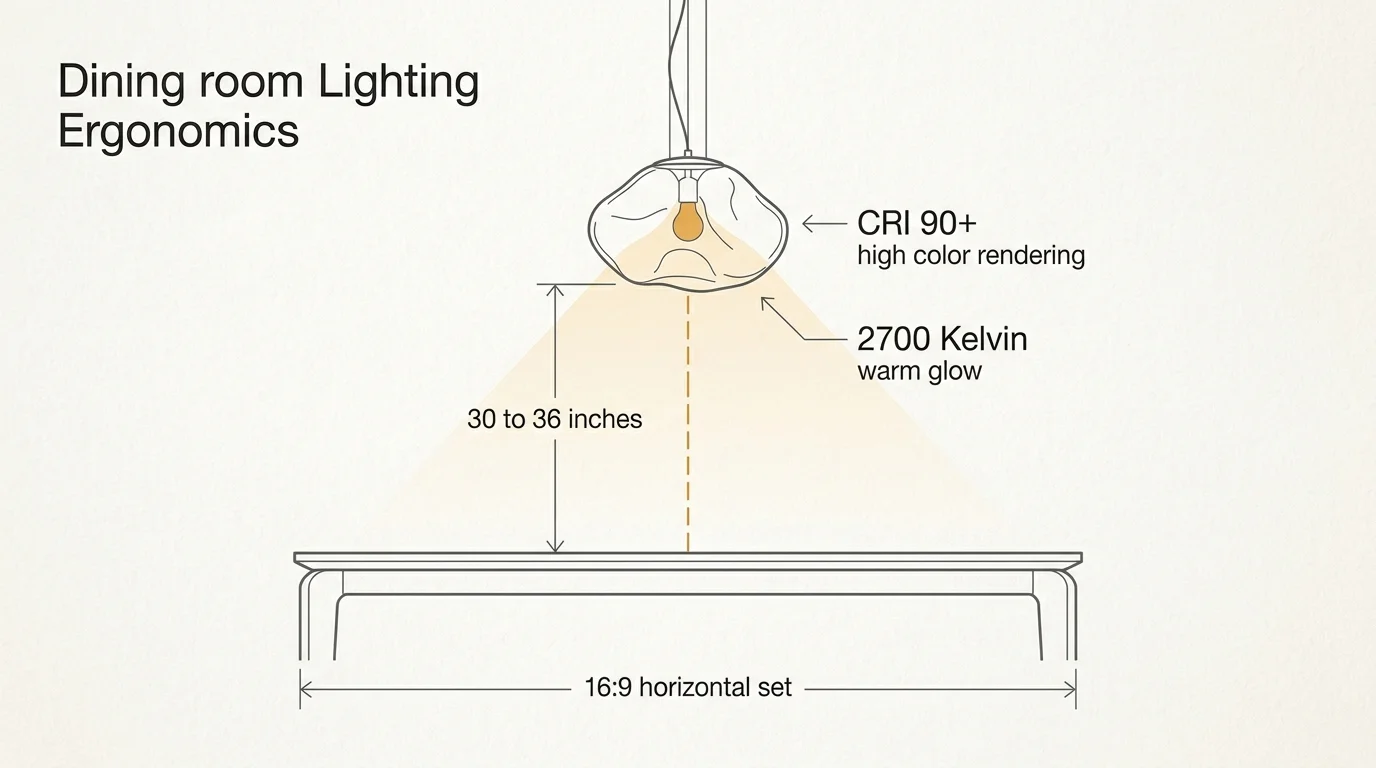
To optimize this atmospheric update, follow proven dining room lighting tips that balance form with lighting ergonomics. Choose warm LED bulbs with a high color rendering index (CRI 90+), keeping the color temperature near 2700 Kelvin to create an inviting, flattering glow that highlights culinary presentation and softens facial features. Install dual dimmer controls so you can effortlessly transition from bright illumination during family meal prep to low, romantic lighting for late-night entertaining. Hang your primary fixture so its base sits 30 to 36 inches above the tabletop; this precise measurement preserves sightlines across the table while casting an even cone of illumination.
Trend #2: Tactile Materiality and Fluted Wood Details
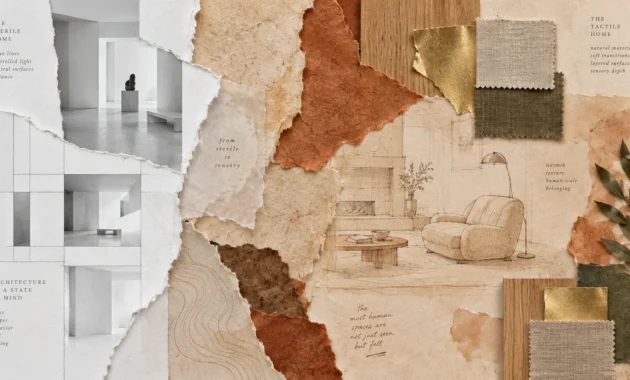
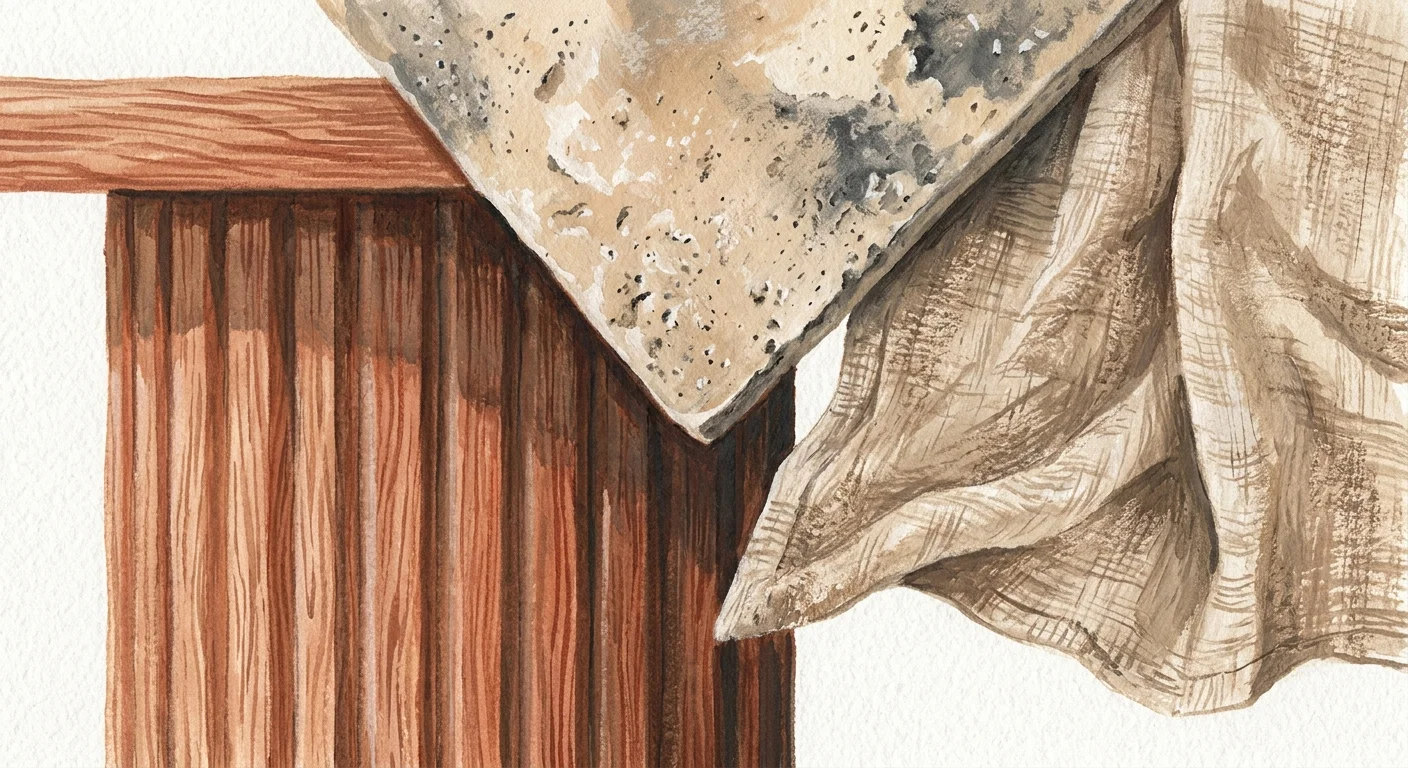
The visual minimalism of smooth, flat surfaces is rapidly giving way to rich tactile materiality. Today’s most compelling dining spaces celebrate physical textures that invite touch—such as fluted wood paneling, hand-honed oak tables, brushed limestone, and unpolished travertine surfaces. Incorporating fluted or ribbed detailing along the pedestal base of your dining table or across an architectural feature wall introduces vertical lines that visually elevate ceiling height while adding dynamic shadow play throughout the day.
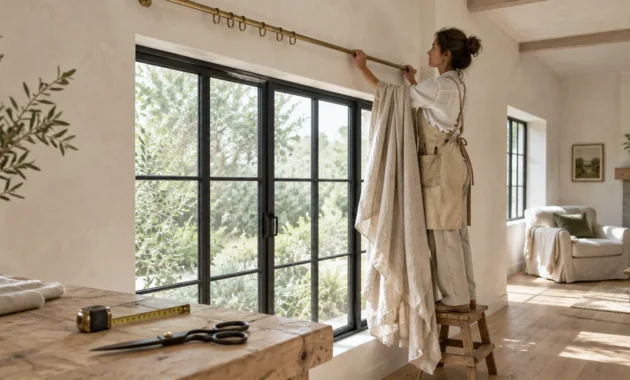
Beyond aesthetic charm, tactile materials provide essential acoustic benefits that elevate your dining comfort. Hard, smooth surfaces like polished porcelain tile and untextured drywall reflect sound waves, creating harsh echoes that exhaust dinner guests during lively conversations. In contrast, textured wood tambour panels, acoustic wall treatments, and matte stone surfaces break up sound reflections, reducing ambient room noise by up to 20 percent. Pair a fluted wooden dining table with raw linen window drapery or an oversized wool area rug to craft an acoustically comfortable sanctuary where conversation flows naturally.
Trend #3: Saturated Color Drenching and Jewel Tones
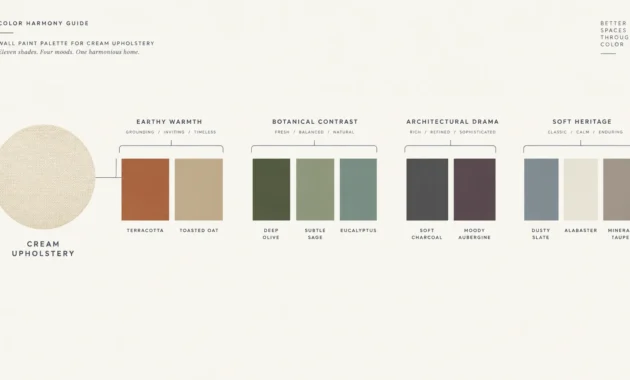
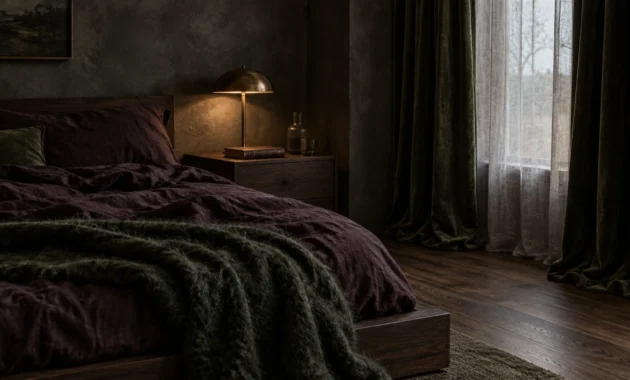
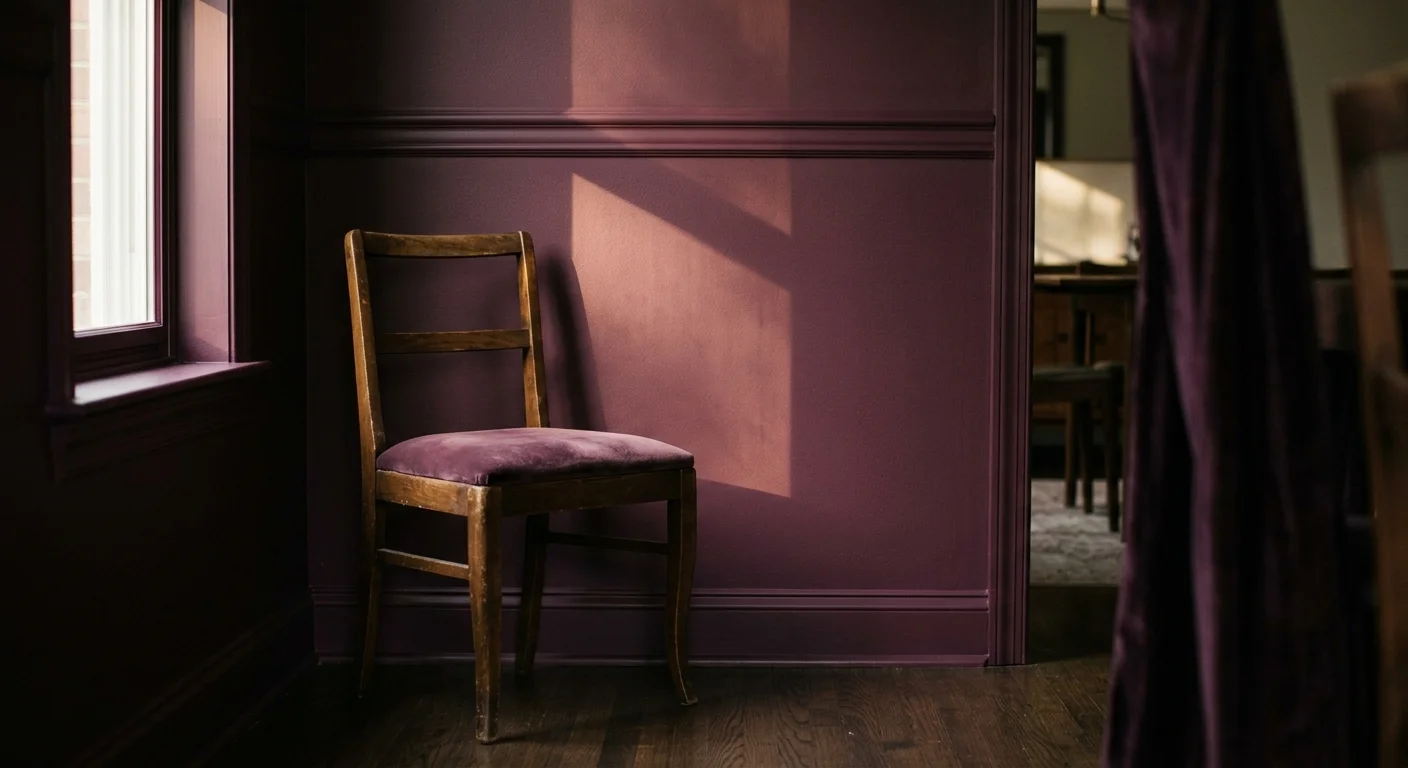
If you want to make a dramatic visual statement, color drenching offers a transformative approach when updating a dining room. This contemporary design technique involves applying a single, deeply saturated hue across every major surface—including walls, baseboards, window trim, crown molding, and even the ceiling plane. Rather than shrinking a room, dark jewel tones like deep emerald green, moody midnight navy, and rich aubergine erase visual boundaries, creating an intimate, cocoon-like atmosphere that feels luxurious and deeply comforting.
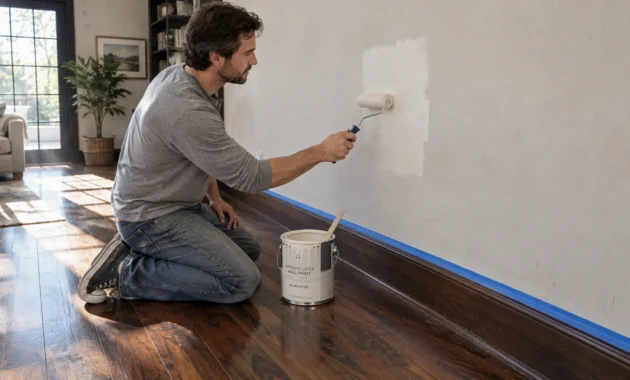
Design psychology demonstrates that deep, enveloping colors foster feelings of intimacy and relaxation during evening meals. Selecting interior paints with a low Light Reflectance Value (LRV)—typically under 15—ensures that the room absorbs light softly rather than reflecting harsh glare. If you hesitate to drench an entire room, apply dark paint above a chair rail or choose a moody shade for a dedicated accent wall behind your credenza. Contrast these moody tones with warm metallic accents, such as brushed brass wall sconces or warm copper candleholders, to ignite luminous highlights against the velvety backdrop.
Trend #4: Layered Textiles and Artful Table Styling
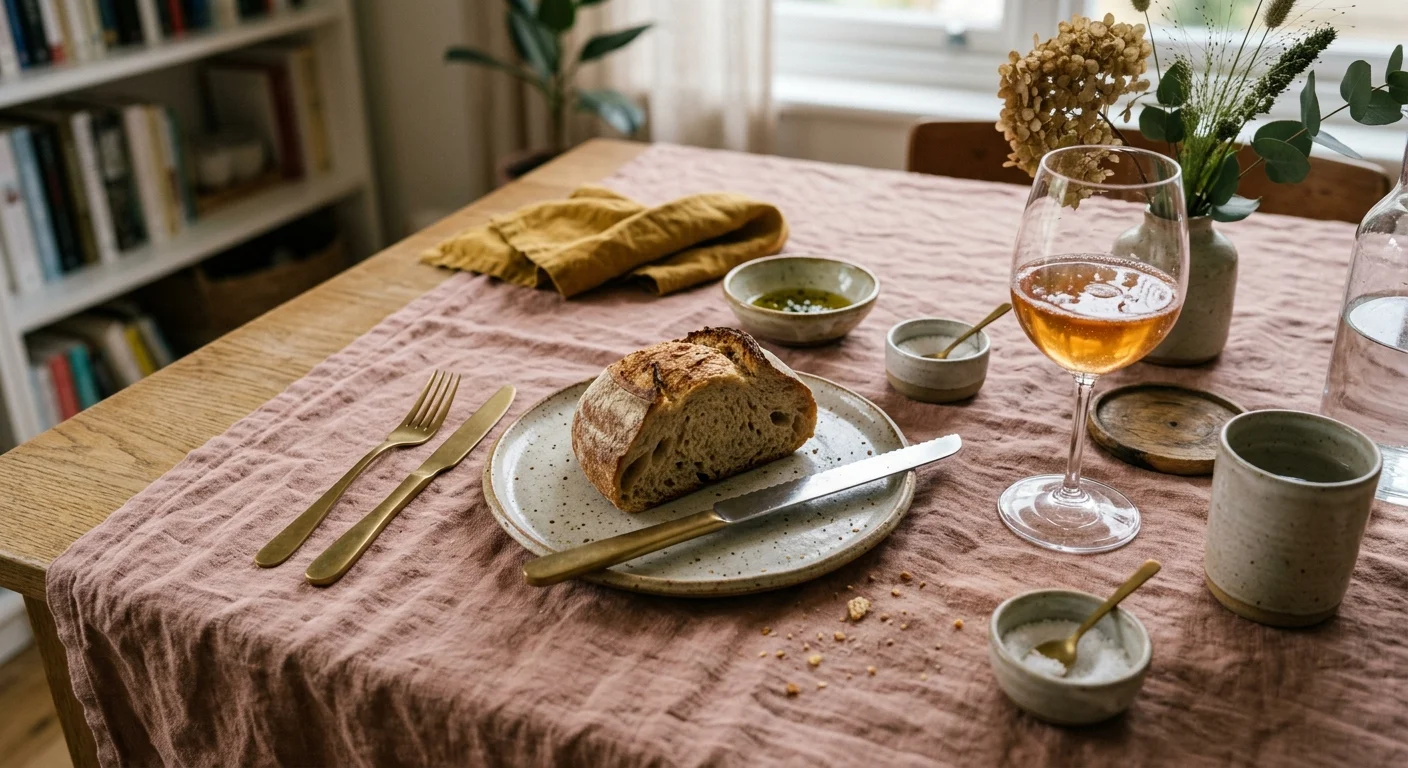
A beautifully curated table setting should never feel rigid or overly formal. Modern dining table styling ideas focus on artful layering that balances casual elegance with thoughtful craftsmanship. Swap out stark, starched white tablecloths for washed Belgian linen runners that allow the natural wood grain or stone texture of your tabletop to shine through. Layer handcrafted stoneware plates over organic woven placemats, introducing varied heights, tactile surfaces, and subtle tone-on-tone color variations across each place setting.
Complete your table arrangements with dynamic centerpieces that spark conversation without obstructing sightlines across the table. Instead of a single massive floral arrangement, curate a cluster of low-profile ceramic vases filled with seasonal botanicals, dried grasses, or single-stem blossoms. Intersperse tapered beeswax candles in varying heights across the center of the table; the gentle flicker of natural flame instantly softens the ambiance and encourages guests to linger long after dessert. By treating your dining table as an evolving canvas for personal expression, you make every everyday meal feel like a curated celebration.
Trend #5: High-Contrast Architectural Moldings
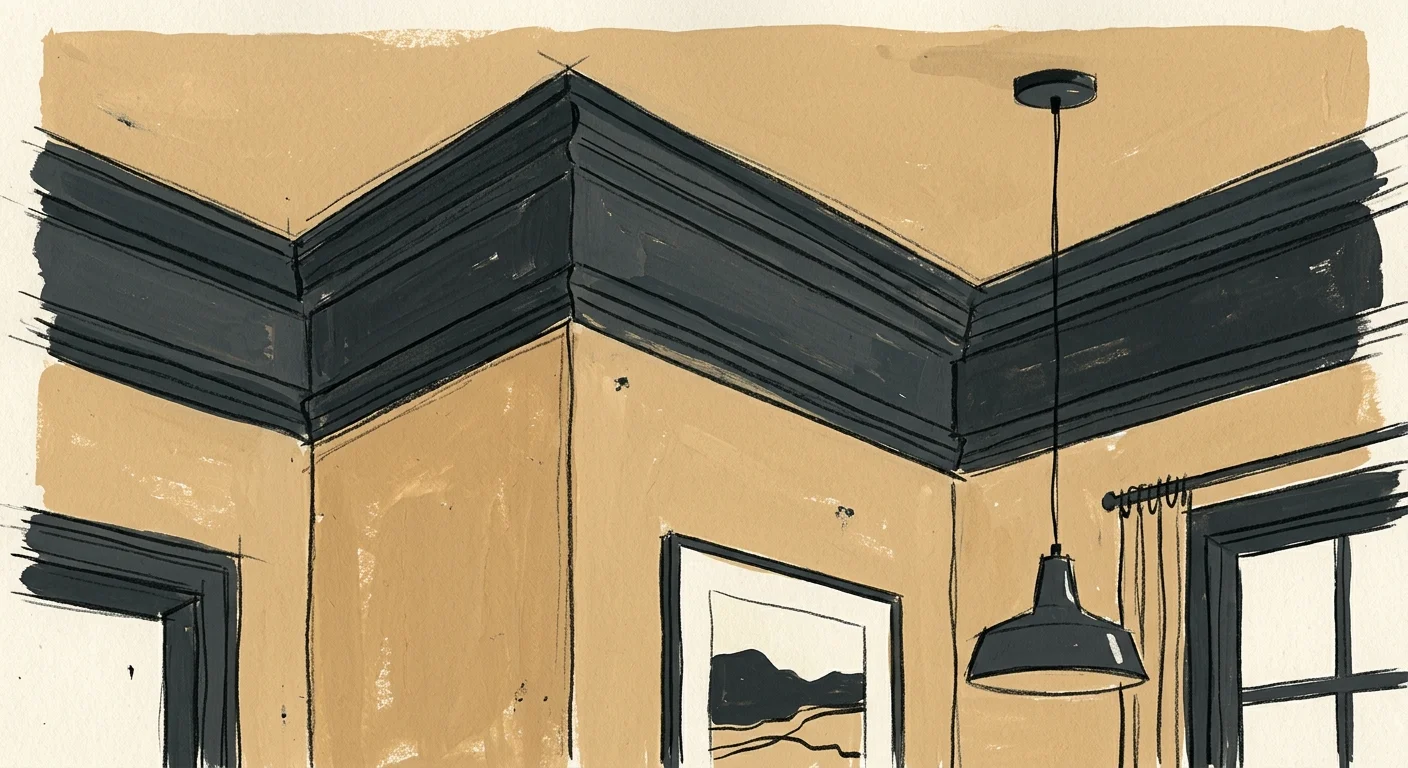
Architectural detail adds instant structural character and permanent luxury to dining spaces. Classic wall paneling, picture frame molding, and traditional board-and-batten configurations are experiencing a major revival, updated with high-contrast color pairings and modern proportions. Installing decorative molding frames plain wall surfaces, giving standard drywall the tailored look of a custom historic estate without requiring full-scale structural renovations.
For maximum visual impact, paint your architectural trim in a contrasting shade relative to your wall color. Pair crisp charcoal trim with soft alabaster walls, or frame warm greige plaster with rich espresso casing. This high-contrast treatment draws the eye across the room, highlighting architectural geometry and framing artwork with dramatic flair. If you are exploring dining room makeover on a budget options, lightweight polyurethane molding kits allow you to recreate custom millwork using basic hand tools, providing high-end architectural depth at a fraction of custom carpentry costs.
Trend #6: Curved Silhouettes and Ergonomic Seating
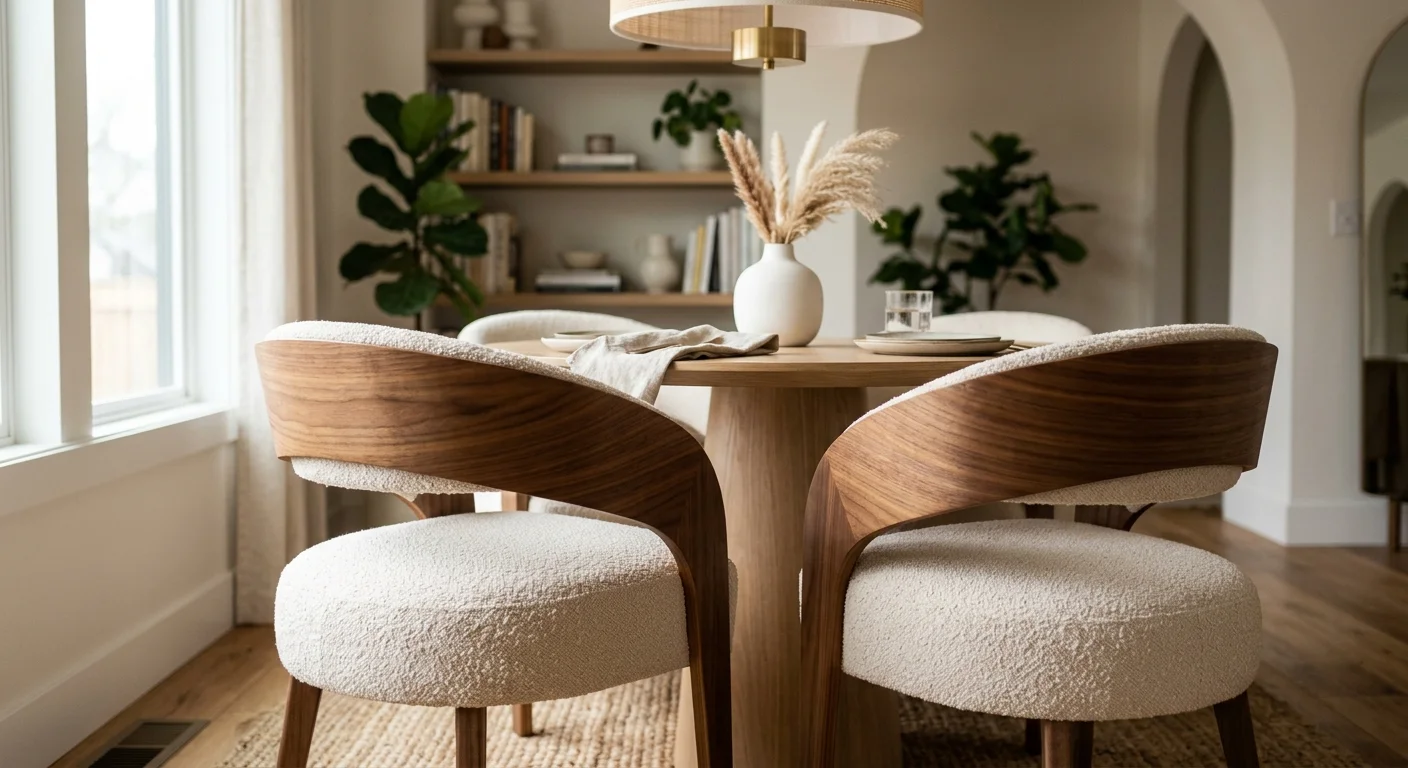
Rigid, angular dining furniture can make a room feel formal and unwelcoming. Interior design trends now favor curved silhouettes that promote fluid spatial movement and effortless social interaction. Oval and round dining tables eliminate sharp corners, fostering an inclusive atmosphere where every guest shares equal presence in the conversation. In compact layouts, round tables also optimize floor space, increasing comfortable seating capacity by 15 to 20 percent compared to rectangular tables occupying similar square footage.
Pair your curved table with ergonomic, upholstered seating that prioritizes long-term comfort. Low-profile barrel chairs, curved corner banquettes, and fully upholstered dining armchairs encourage guests to sit comfortably long after the meal ends. Choose durable, stain-resistant performance fabrics—such as high-double-rub bouclé, performance velvet, or treated linen blends—to ensure your stylish seating withstands daily spills and heavy family use without compromising on tactile softness or visual sophistication.
Trend #7: High-Impact Vintage Accents and Curated Decor
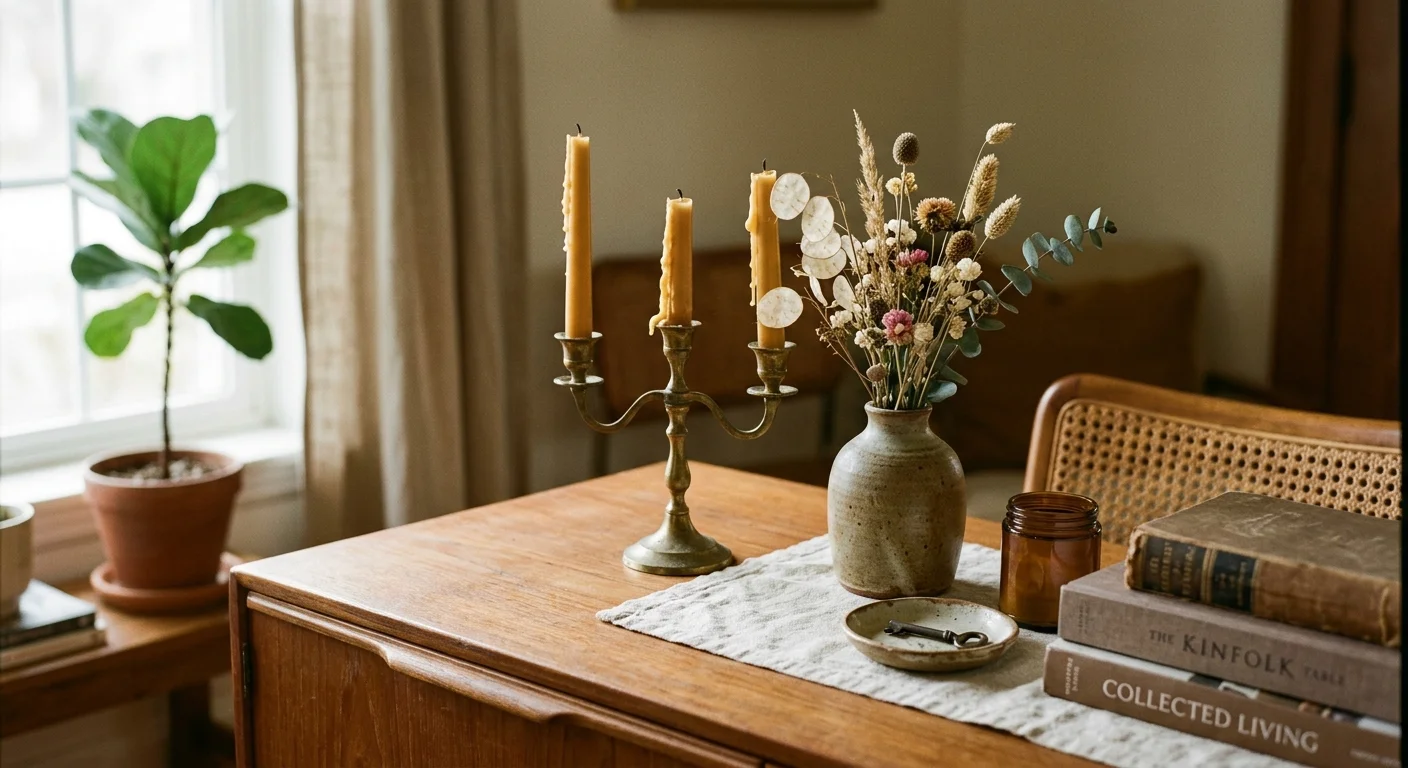
A truly memorable dining room never looks like a sterile retail showroom; it tells a compelling story through layered history and unique provenance. Integrating vintage and antique accent pieces alongside contemporary furniture creates a rich, lived-in aesthetic that feels curated over time. Incorporating a restored mid-century credenza, an antique French wall mirror with rich patina, or vintage brass wall sconces introduces soul and warmth that mass-produced items simply cannot replicate.
Exploring vintage markets and estate sales provides endless dining room decor ideas that align with sustainable design practices. A gilded antique mirror hung opposite a window reflects natural light across the room during the day while magnifying candlelight glow at night. Positioning a vintage bar cart or credenza near the dining area serves a practical entertaining purpose while offering a dedicated surface to display sculptural glassware, artisanal decanters, and prized art books, giving your dining room a distinctly custom personality.
The Big Picture: Weaving These Trends into Your Home
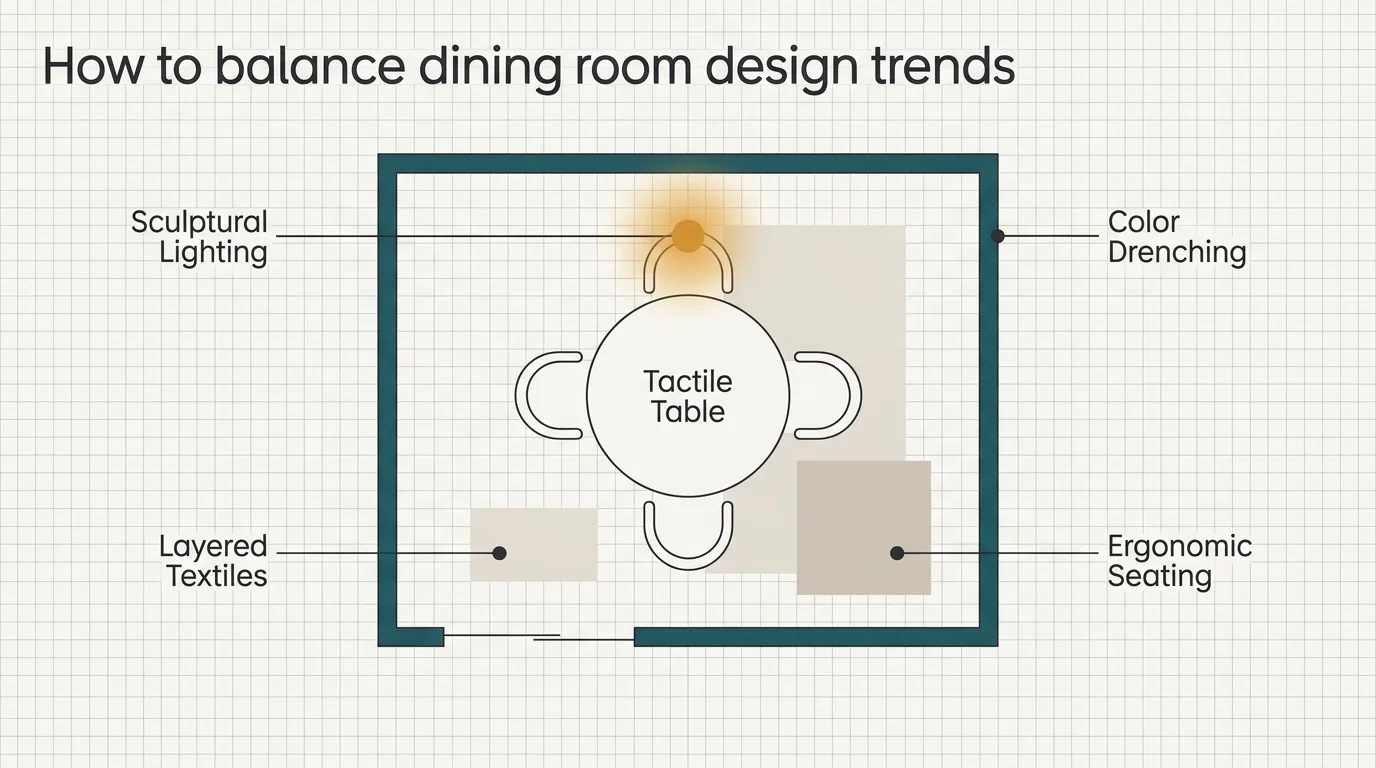
Updating your dining space does not require adopting every single trend simultaneously. The most successful interior designs strike a thoughtful balance between current innovations and timeless personal style. Start by identifying your primary goal for the room: do you need better lighting for evening gatherings, superior acoustics for lively dinner parties, or a complete cosmetic refresh to express your personality? Selecting two or three complementary updates allows you to transform the room while maintaining architectural cohesion throughout your home.
Begin with foundational elements before adding decorative layers. If your budget allows for a major update, invest in a high-quality sculptural lighting fixture and a durable, curved dining table as your anchor pieces. Next, apply your chosen color palette—whether through saturated paint drenching or high-contrast wall molding—to establish the atmospheric backdrop. Finally, personalize the space using layered textiles, vintage accents, and artful table styling. By layering these elements thoughtfully over time, you build a versatile dining environment that honors everyday routines while elevating special celebrations.
For the latest color forecasts, consult industry leaders like Pantone and paint companies like Benjamin Moore. For professional design standards, refer to the American Society of Interior Designers (ASID).
Disclaimer: This article reflects design trend analysis and predictions. Personal taste and timeless design principles should always guide your decorating choices.
Frequently Asked Questions
How do I make a small dining room feel larger without sacrificing warmth?
To make a small dining room feel spacious yet cozy, focus on fluid furniture shapes, strategic mirror placement, and vertical design accents. Choose a round or oval dining table with a central pedestal base to clear floor space and eliminate sharp visual obstructions. Hang an oversized mirror on a focal wall to bounce ambient light and create an illusion of added depth. Additionally, painting your ceiling and trim in the same color tone as your walls eliminates hard visual breaking points, expanding perceived spatial boundaries while maintaining a warm, cohesive feel.
What is the ideal hanging height and proportion for a dining room chandelier?
A dining room chandelier or pendant light should measure approximately one-half to two-thirds the width of your dining table to maintain visual balance. Hang the fixture so that the bottom sits 30 to 36 inches above the tabletop surface for standard 8-foot ceilings. If your dining space features higher ceilings, add 3 inches of hanging height for every additional foot of ceiling height. Always install a dimmer switch to easily adjust light intensity according to the time of day and event mood.
How can I complete a stunning dining room makeover on a budget?
Executing an impactful dining room makeover on a budget relies on high-impact DIY cosmetic updates. Paint is the most cost-effective tool; painting an accent wall or applying color-drenching techniques instantly changes the room’s energy. Installing DIY picture frame molding adds custom architectural character for minimal material costs. Additionally, updating drawer pulls on an existing sideboard, styling your table with washed linen runners, and thrifting vintage brass candleholders will elevate the aesthetic without requiring expensive structural changes.
Which dining table shape works best for frequent hosting?
An extendable oval or rectangular dining table provides the ultimate versatility for frequent hosts. Oval tables offer the fluid visual appeal of round tables while accommodating extra guests with removable leaves when needed. Paired with mix-and-match upholstered chairs or a tailored wall-mounted banquette on one side, an extendable table allows you to seamlessly adjust seating capacity for intimate family dinners or large holiday gatherings.