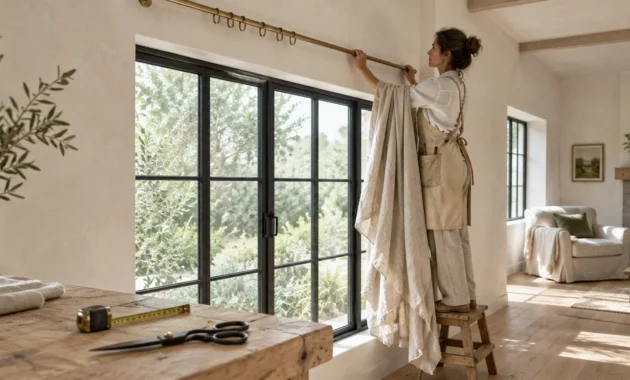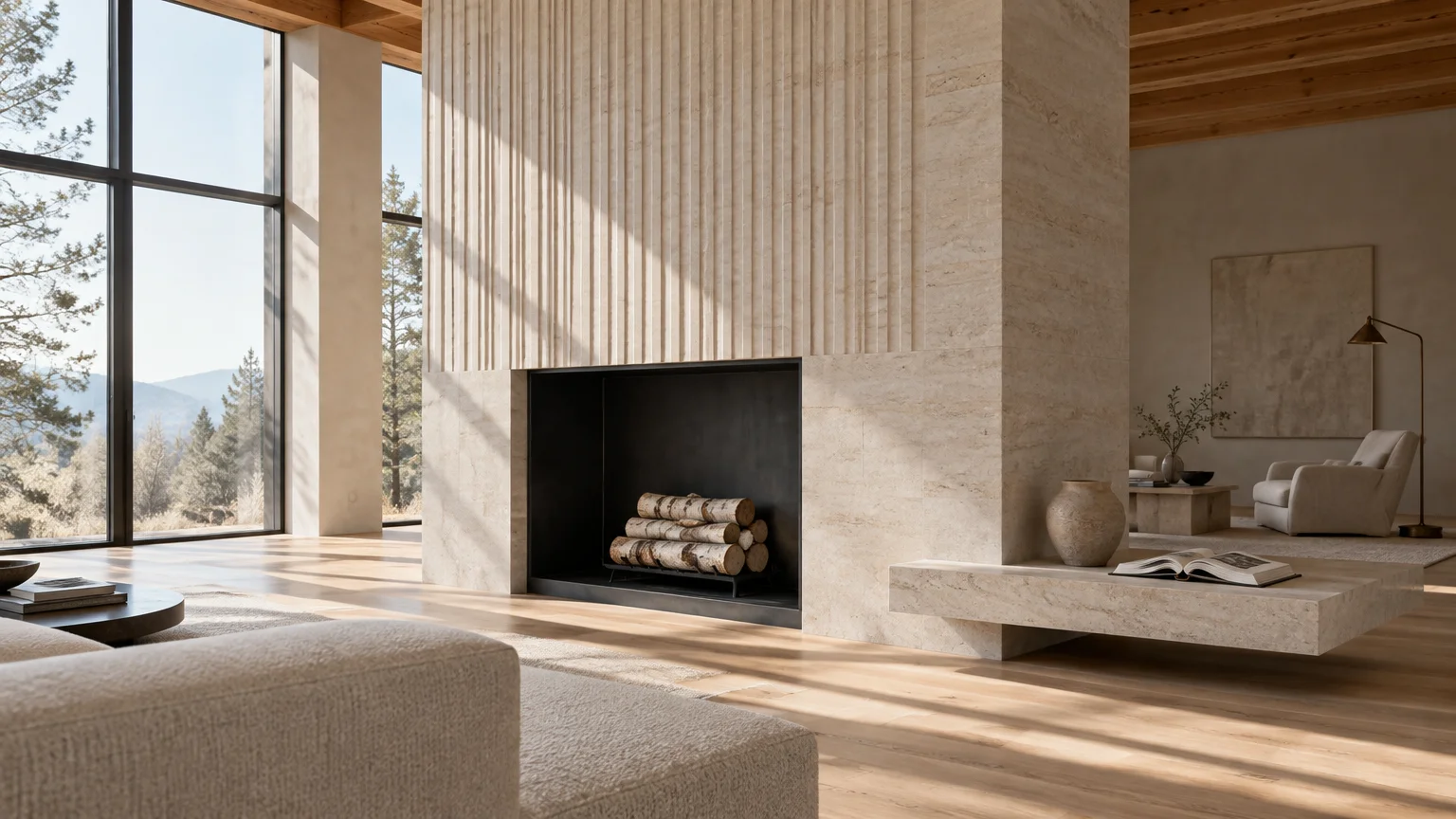
A thoughtfully designed fireplace anchors your living space while establishing the architectural identity of your home. By updating your hearth with artisanal materials and sculptural forms, you introduce enduring warmth and timeless character.
Modern fireplace design has evolved far beyond standard builder-grade brick surrounds and uninspired drywall bump-outs. Discerning homeowners now embrace bespoke stone textures, dramatic slab installations, and intentional mantel curation that elevate the entire room.
Whether you plan a structural renovation or a refined cosmetic refresh, these curated fireplace ideas deliver sophisticated inspiration. Explore the key aesthetic shifts that will transform your hearth into an enduring architectural statement.
Trend #1: Sculptural Fluted Stone and Tactile Bas-Relief
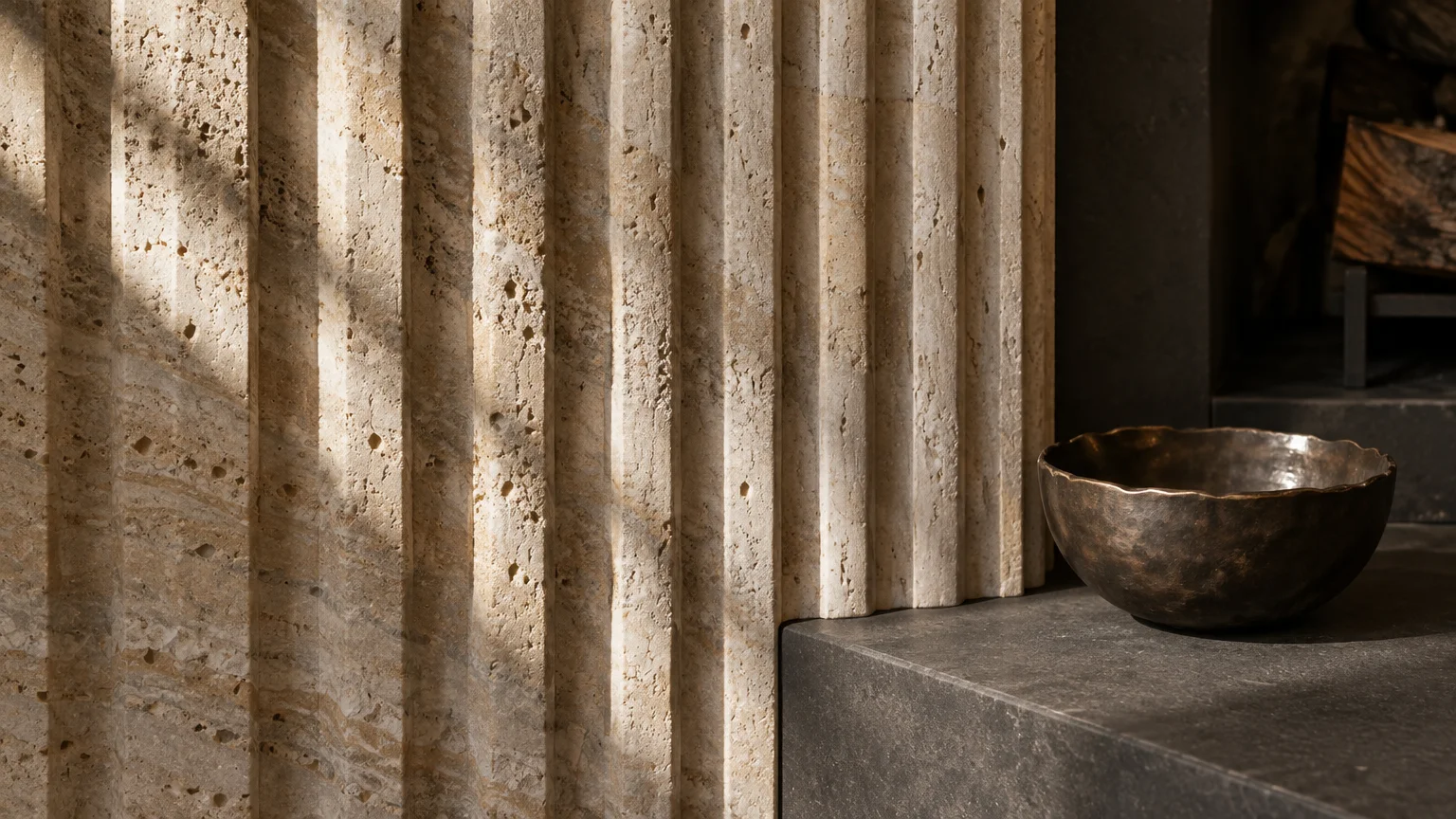
Fluted surfaces bring three-dimensional movement to architectural stone surrounds. This tactile carving technique transforms flat masonry into an engaging play of light and shadow.
Designers carve rhythmic vertical grooves into limestone, travertine, or cast stone surfaces. These gentle ridges create subtle linear texture that softens expansive chimney breasts.
The aesthetic pairs exceptionally well with quiet luxury palettes. Specify warm oatmeal, pale sandstone, and cream hues that emphasize the natural variations of the quarried rock.
This trend gains momentum as homeowners reject slick, cold minimalism in favor of sensory craftsmanship. Tactile surfaces create an intimate atmosphere, especially when illuminated by gentle flame light.
For a successful fireplace makeover, install fluted stone panels from the hearth up to the ceiling line. This unbroken verticality draws the eye upward and exaggerates your room’s vertical volume.
Pair fluted stone with minimal hearth extensions made from smooth, honed pavers. The crisp contrast between ribbed masonry and matte slabs establishes compelling visual balance.
Keep surrounding decor quiet when working with high-texture stonework. A single cast bronze bowl or an unvarnished earthenware vessel allows the carved stone to command attention.
Coordinate your fluted stone with adjacent flooring by matching undertones. Pairing pale limestone with white oak floor planks creates a serene, cohesive foundation across your living room.
Trend #2: Monolithic Floor-to-Ceiling Plaster Surrounds
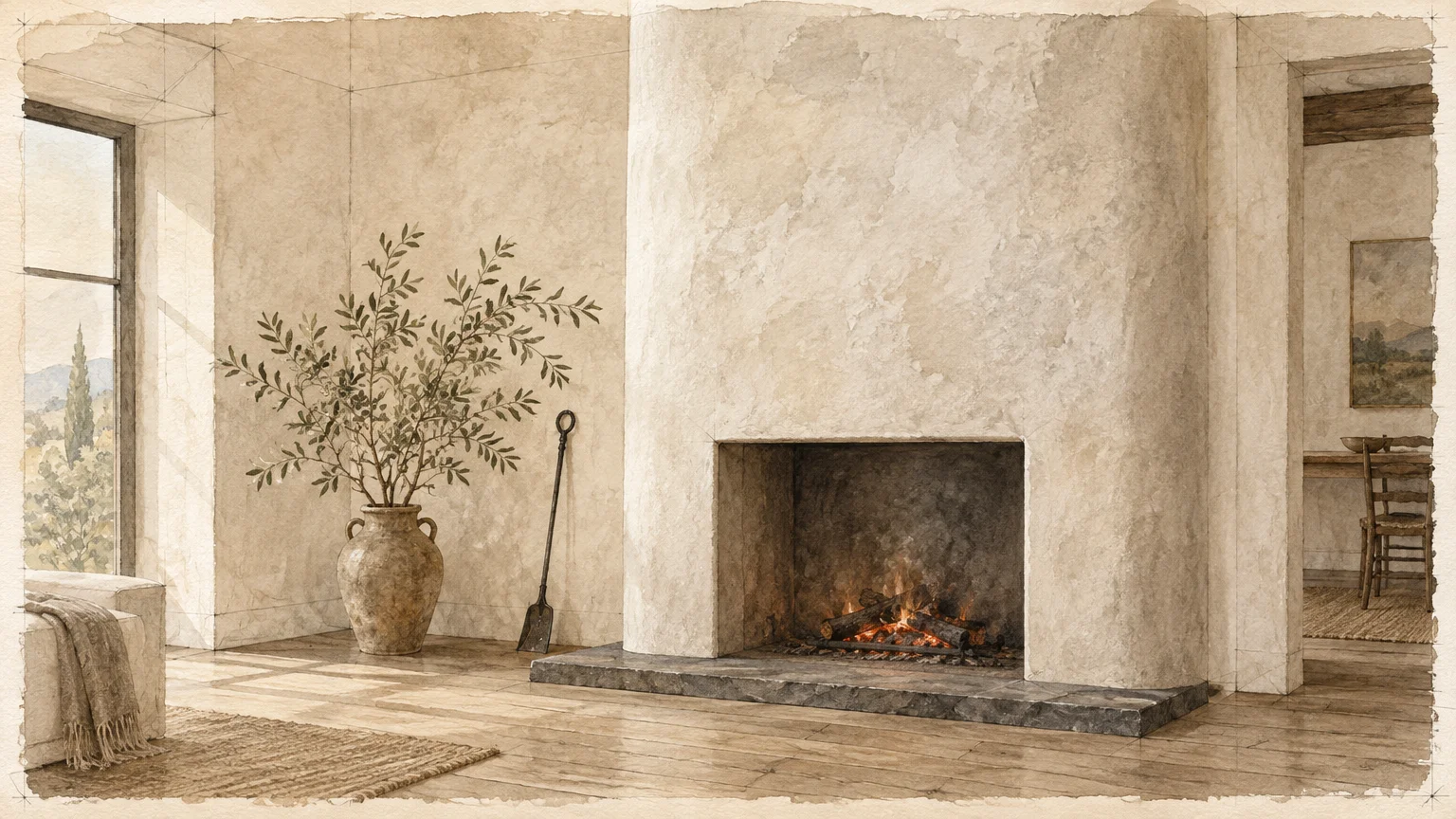
Seamless plaster finishes offer an understated, organic alternative to traditional heavy mantels. When applied from floor to ceiling, mineral plaster turns your chimney breast into a sculptural monolith.
Artisans use lime plaster, Roman clay, or Moroccan Tadelakt to build subtle, cloud-like depth across the surface. Hand-troweled application ensures that no two square inches reflect light in the exact same manner.
The color palette centers on earthy neutrals like chalk white, pale greige, and soft linen. These muted pigments allow the firebox opening to stand out as a clean, intentional void.
Plaster resonates deeply with biophilic design philosophies because it relies on raw mineral components. Its breathable, non-toxic composition supports healthy indoor air while delivering an earthy, artisanal patina.
To ground this minimalist fireplace design, opt for soft, radiused corners rather than sharp right angles. Curved plaster edges catch natural daylight gracefully throughout the afternoon.
Protect your investment by sealing the firebox perimeter with heat-resistant matte siloxane. This protective barrier repels soot and charcoal residue without creating an artificial, glossy sheen.
Style this hearth with organic accessories such as forged iron fire irons or twisted olive branches. Restraint remains essential when showcasing monolithic plaster architecture.
Integrate a flush hearthstone beneath the plaster wall to define the floor boundary. A low slab of cleft slate provides durable spark protection while accentuating the plaster’s velvety texture.
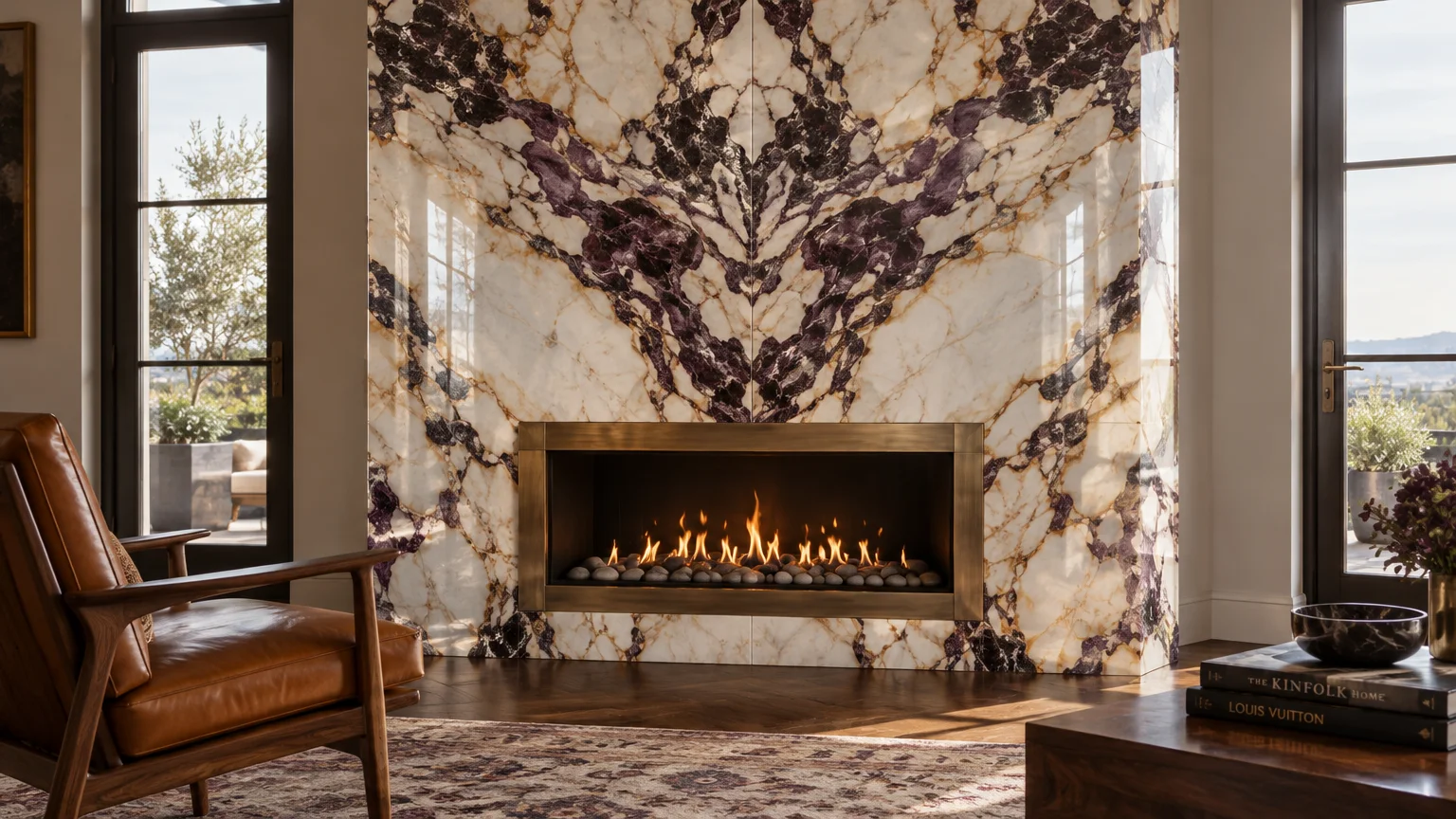
Trend #3: Dramatic Bookmatched Marble and Veined Slabs
Highly figured natural stone creates an unmistakable focal point in luxury interiors. Bookmatching two mirror-image slabs across your fireplace surround turns natural geology into bespoke living room artwork.
Bold marbles like Calacatta Viola, Arabescato Corchia, and Nero Marquina lead this expressive design movement. Their deep, swirling veins inject visual rhythm and dynamic movement into tailored formal spaces.
Select a honed or leathered finish rather than high-gloss polishing for modern elegance. Matte textures diffuse ambient light softly and highlight the stone’s authentic mineral crystalline structure.
This trend marks a decisive shift away from timid, all-white stone surrounds. Design enthusiasts increasingly seek authentic provenance and expressive natural patterns that anchor a room with distinct character.
When planning this fireplace makeover, work closely with your stone fabricator on seam placement. Align the central vein intersection directly along the vertical centerline of your firebox.
Forgo traditional projecting mantels to let the continuous slab pattern speak without interruption. A frameless mitered profile delivers crisp edges that honor the stone’s natural visual weight.
Complement deep marble veining by painting adjacent walls in a harmonizing tonal shade drawn from the stone. This deliberate color continuity prevents the surround from feeling visually isolated.
Balance intense marble patterning by incorporating quiet upholstery and plush wool area rugs. Restrained furnishings allow the dramatic stone surround to serve as the undisputed hero element.
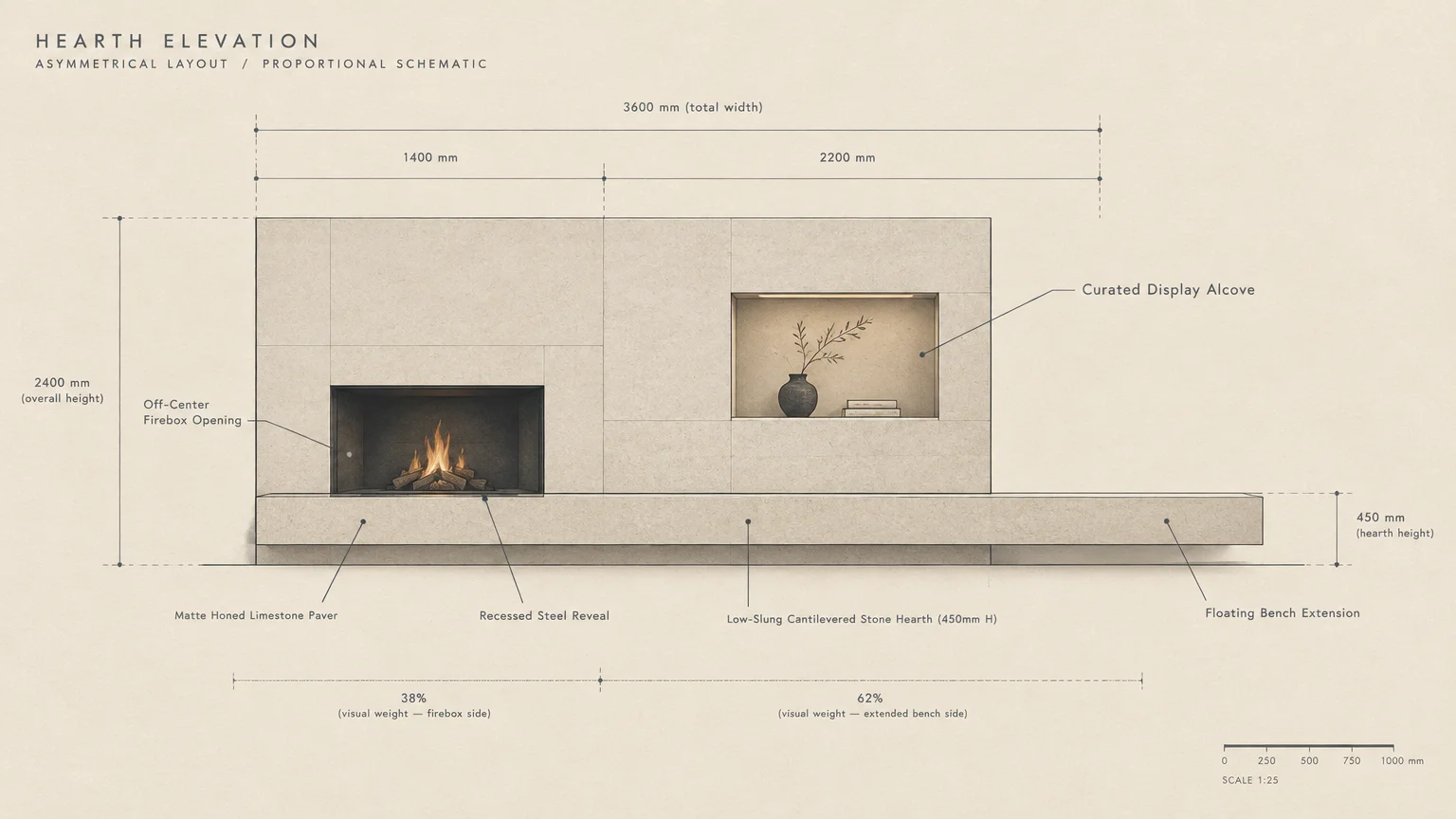
Trend #4: The Asymmetrical Hearth and Low-Slung Cantilevers
Asymmetry brings architectural curiosity and relaxed sophistication to contemporary fireplace design. Offsetting your firebox creates space for functional stone benches, low shelves, or integrated firewood storage.
This configuration draws heavy inspiration from mid-century modern design and Scandinavian architecture. It breaks free from rigid formal symmetry, establishing a balanced yet dynamic living room landscape.
Anchor the composition with a low-profile cantilevered hearth crafted from dense basalt or dark granite. Extending the bench past the surround creates informal fireside seating and grounds the entire wall.
The palette thrives on subtle contrast between dark horizontal ledges and light vertical surfaces. Matte charcoal stone pairs effortlessly with pale limewashed masonry or blonde white oak wall cladding.
An offset hearth offers a practical solution for mounting a television without placing it directly above the flames. You can balance an art screen on one side while keeping the firebox unobstructed.
Incorporate recessed warm LED strip lighting beneath the cantilevered bench to wash the floor in soft light. This hidden illumination makes heavy masonry slabs appear to float weightlessly above your flooring.
Style the extended stone ledge with a small stack of textured art books or a singular ceramic vessel. Negative space remains your most powerful decorative tool when executing asymmetrical layouts.
Ensure the cantilevered bench features concealed steel bracket supports anchored into structural wall studs. Robust internal engineering guarantees safe seating capacity without visible structural posts.
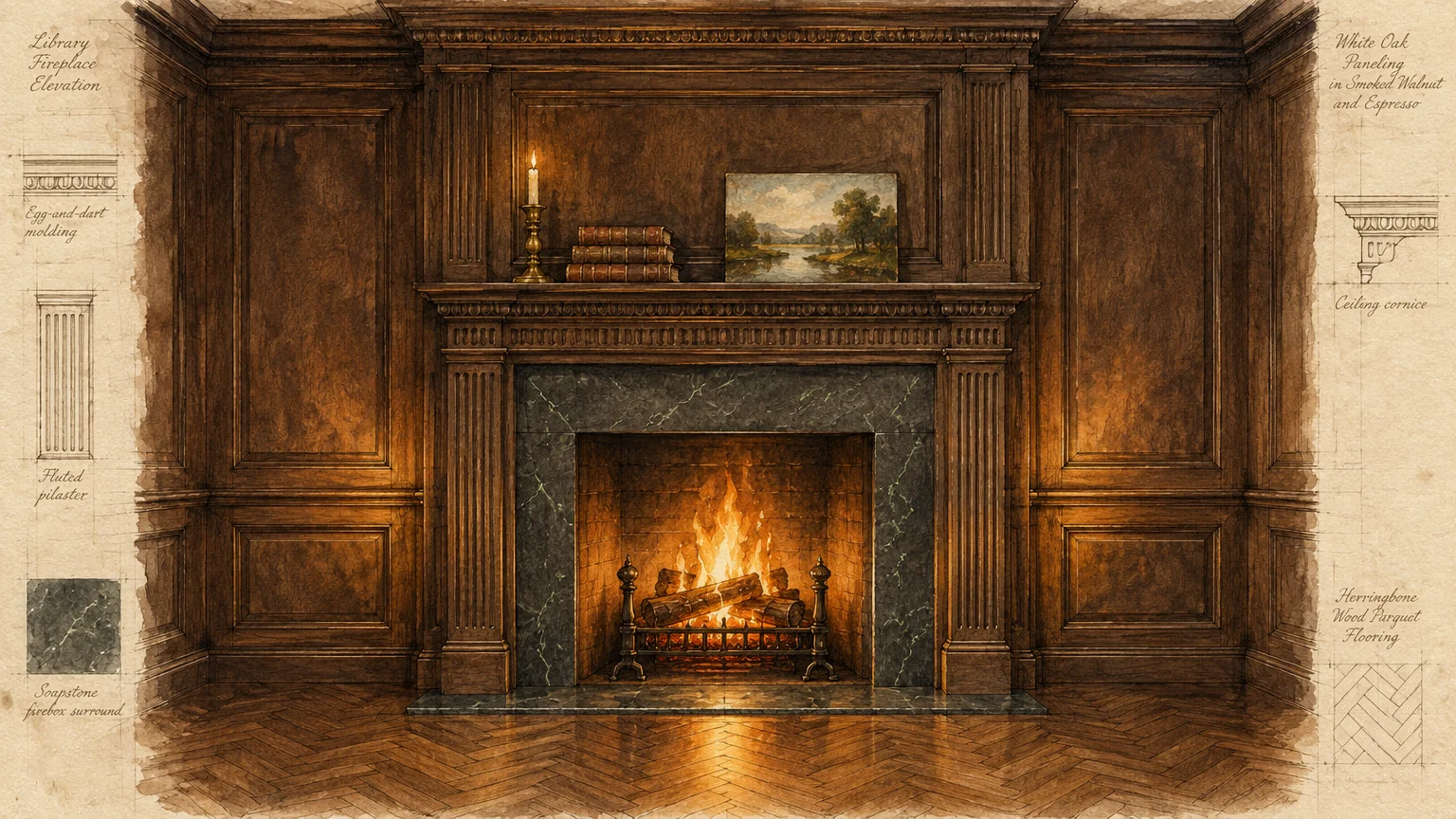
Trend #5: Heritage Dark Wood and Reclaimed Millwork
Traditional woodwork is experiencing a major renaissance through rich stains and historic mouldings. Reclaimed antique timbers and dark-stained hardwoods bring soul, architectural weight, and historic provenance to living spaces.
Designers are embracing deeply saturated tones such as espresso, smoked oak, and walnut. These moody finishes provide striking warmth against pale limewash or creamy heritage wall paint.
Intricate architectural details distinguish these stately surrounds from builder-grade millwork packages. Look for reeded pilasters, dentil crown moulding, and layered boiserie panels that celebrate classic craftsmanship.
The cultural pull toward heritage woodwork stems from a longing for permanence in an era of fast furniture. Homeowners want interiors that feel collected over generations rather than installed overnight.
When developing fireplace mantel ideas, ensure the timber surround maintains proper safe clearances from combustible surfaces. Line the opening with non-combustible soapstone, slate, or firebrick slips to guarantee code compliance.
Contrast dark wood surrounds with antiqued unlacquered brass fireplace accessories and mesh fire screens. Over time, living metal finishes develop a rich patina that enhances the vintage character of the millwork.
Top your traditional mantel shelf with an oil painting in an ornate gilded frame or a vintage beveled mirror. Layering framed artwork adds dimension and reinforces the room’s historic narrative.
Pair deep timber mantels with rich velvet armchairs and warm herringbone parquet flooring. This tactile combination creates an inviting, scholarly library ambiance perfect for quiet contemplation.
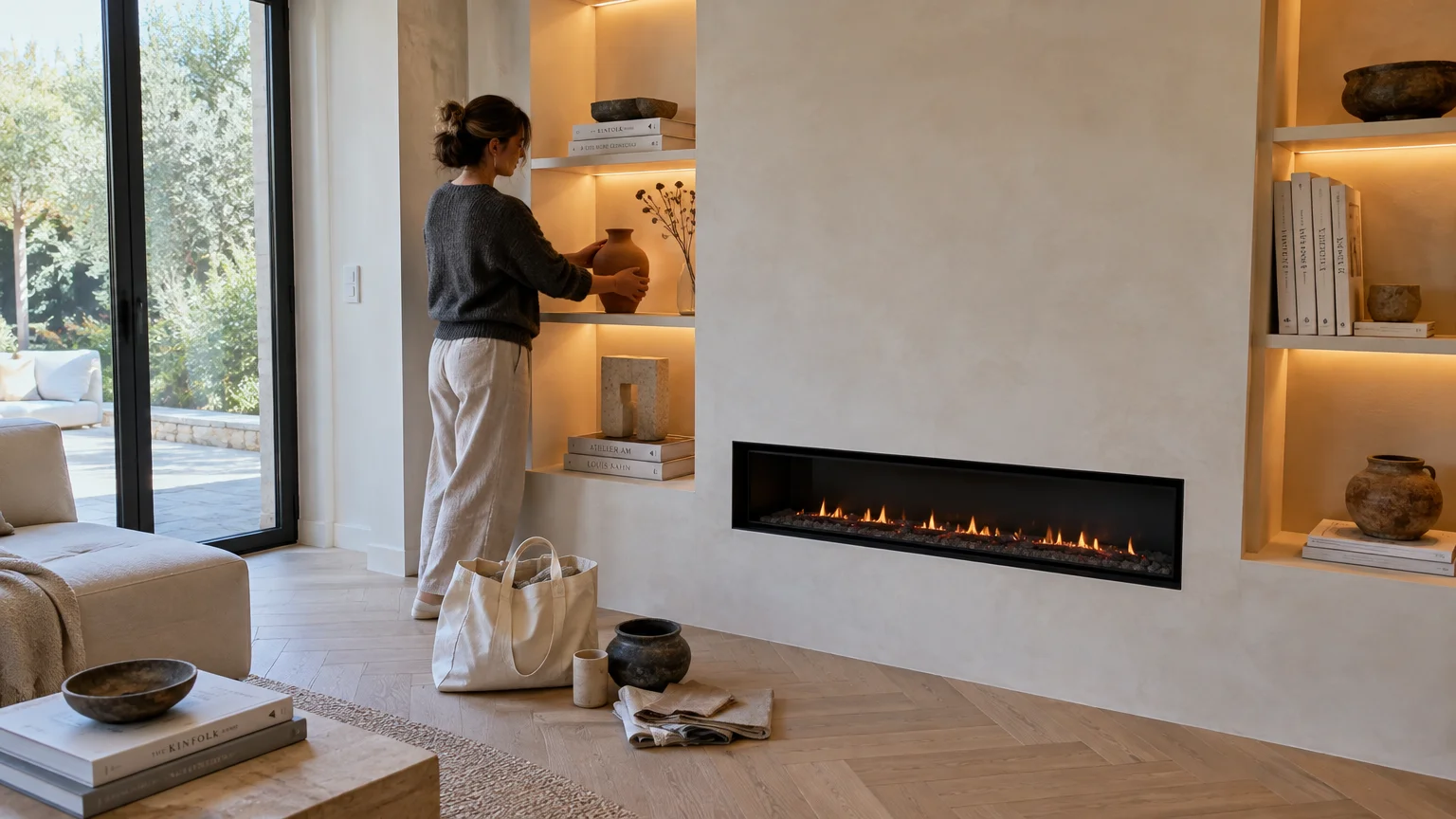
Trend #6: Inset Fireboxes with Curated Niche Styling
Streamlined flush-inset fireboxes create a sleek, uncluttered architectural profile in modern rooms. By eliminating traditional projecting mantels, you turn the surrounding wall into an elegant canvas for built-in niches.
Carving open alcoves beside or above the firebox introduces practical storage and sculptural interest. Deep wall recesses accommodate stacked kiln-dried logs, curated pottery, or framed sketches without cluttering floor space.
Pair smooth, painted drywall or micro-cement walls with contrasting niche interiors. Dark charcoal or blackened steel niche linings create dramatic shadow boxes that frame your decorative objects.
This trend reflects a broader interior design movement toward integrated architectural joinery. Designing storage directly into the home’s envelope keeps living spaces serene, spacious, and effortlessly organized.
When styling recessed display niches, embrace the principle of intentional curation. Group objects in odd numbers and leave ample negative space around each piece to highlight individual silhouettes.
Ensure built-in log storage niches feature durable, scrubbable interior surfaces like slate or powder-coated metal. These robust materials withstand bark abrasions while keeping firewood neatly contained.
Install directional recessed pin spotlights in the ceiling to illuminate your display niches from above. Focused accent lighting adds theatrical warmth and highlights textured ceramics during quiet evening hours.
Select ceramic vessels with matte, unglazed finishes to add organic warmth to the recessed display. Earthy terracotta and buff stoneware harmonize beautifully with flickering flames.
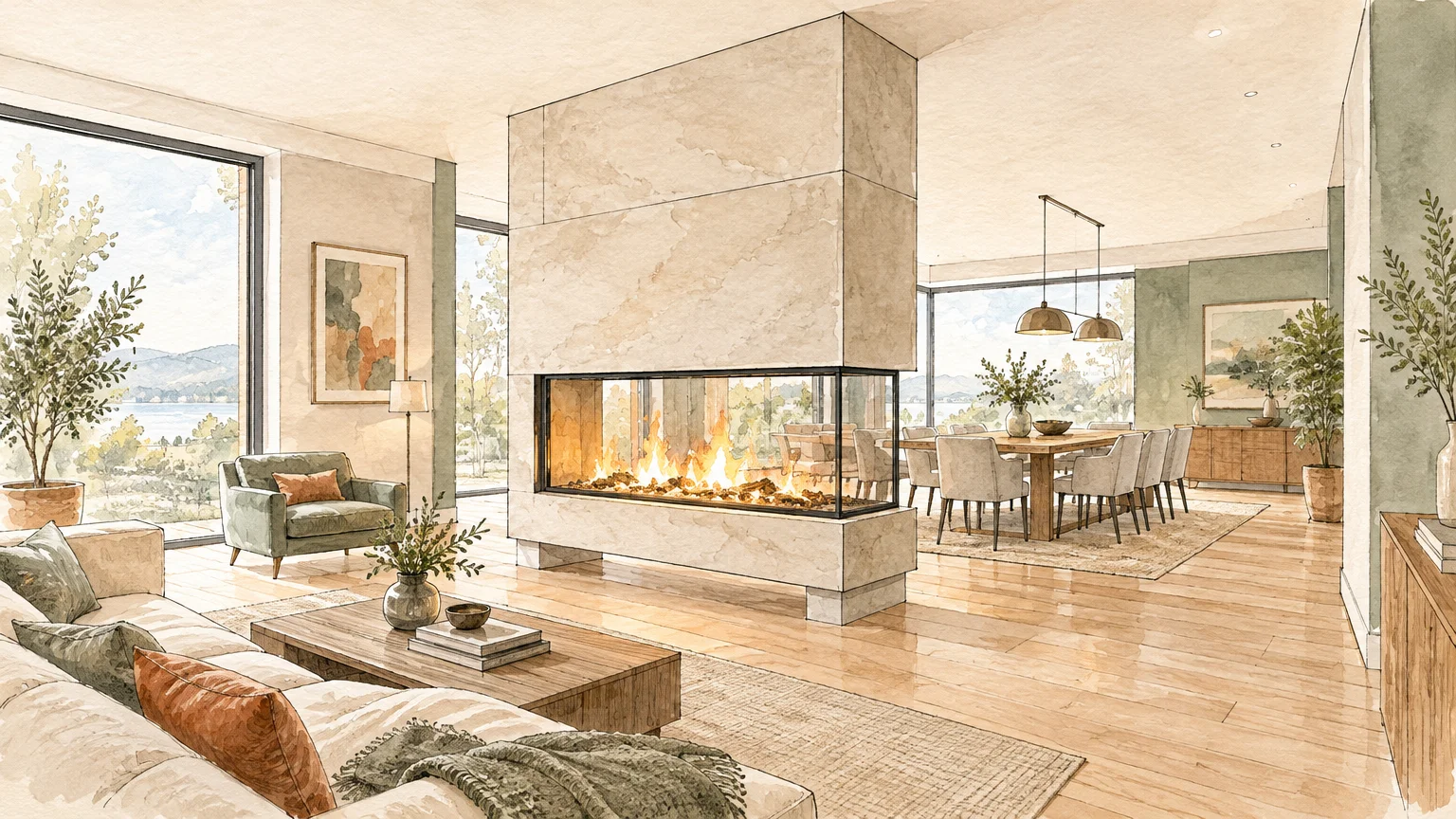
Trend #7: The Double-Sided Architectural Room Divider
See-through, double-sided fireplaces provide dynamic spatial separation while maintaining light flow across open layouts. These freestanding architectural elements delineate distinct zones without constructing opaque, isolating partition walls.
A central see-through hearth connects living and dining spaces, spreading ambient firelight into both rooms simultaneously. Guests can enjoy the hearth’s glow whether gathered for dinner or relaxing on the sofa.
Finish the dividing pylon in continuous floor-to-ceiling materials such as split-face limestone, stacked slate, or blackened steel. Using uniform cladding across all four sides gives the volume architectural permanence.
The enduring popularity of open-plan living requires clever zoning techniques that prevent large spaces from feeling cavernous. Double-sided fireplaces solve this challenge by introducing warmth and structural rhythm right at the center.
Select a linear glass firebox with clean, frameless borders to keep sightlines clear between rooms. Transparent ceramic glass ensures high heat transfer while framing panoramic views of dancing flames.
Coordinate flooring transitions carefully around the hearth perimeter to avoid awkward material joints. Running matching hardwood or continuing stone tiles across both zones reinforces harmonious visual flow.
Restrain decorative accessories on double-sided structures to preserve bidirectional sightlines. The glowing fire itself acts as the central focal point from every vantage point in the adjoining rooms.
Incorporate hidden storage compartments into the short sides of the dividing pillar for media components. Concealing cords and hardware preserves the pristine architectural integrity of the freestanding fireplace design.
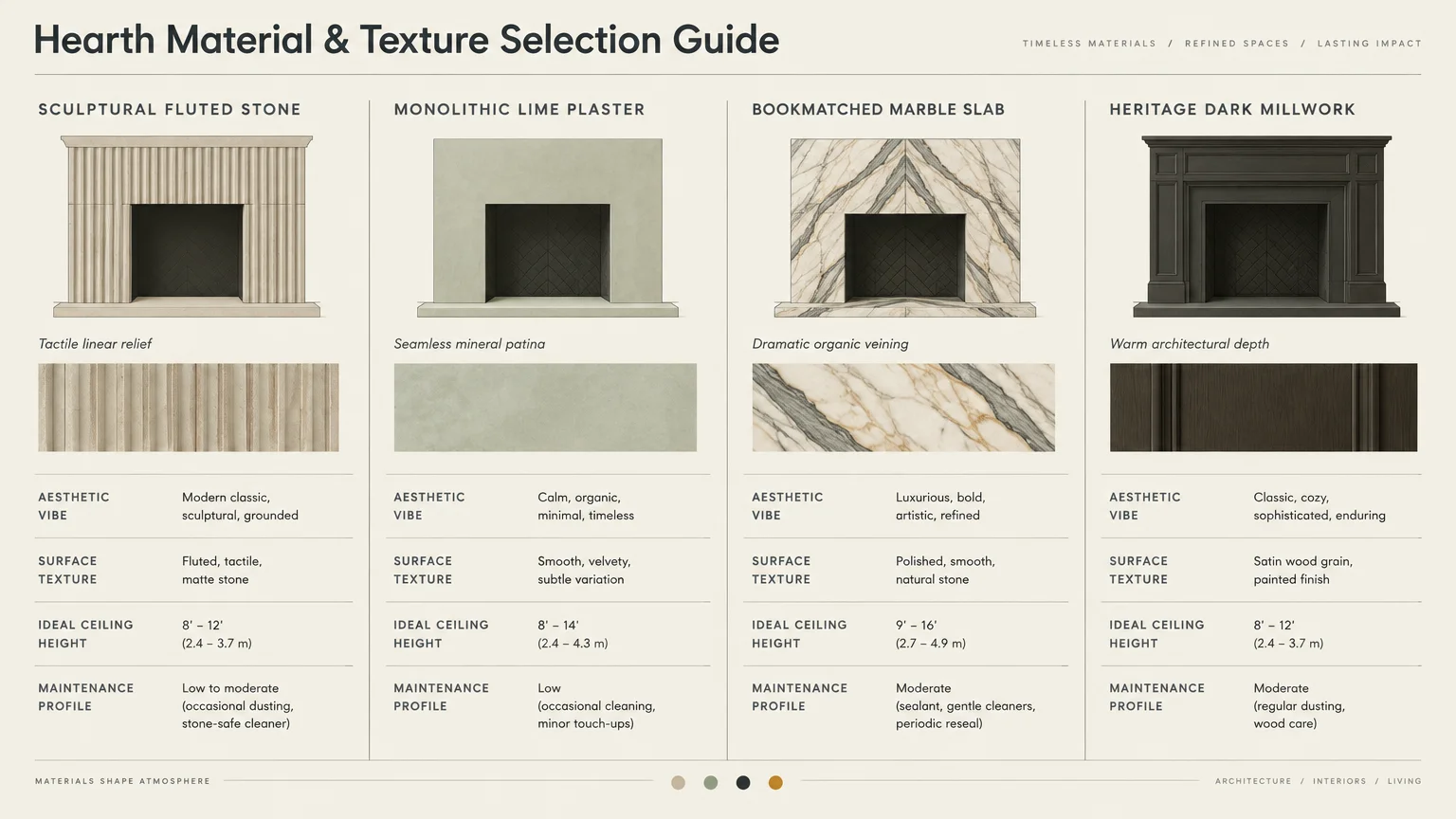
The Big Picture: Weaving These Trends into Your Home
Transforming your fireplace into an enduring architectural feature requires balancing bold ideas with your home’s existing proportions. A dramatic hearth should complement your room’s structural framework rather than overpower it.
Begin your design journey by evaluating ceiling heights and natural light patterns. Monolithic floor-to-ceiling surrounds expand vertical volume, while low cantilevered hearths effectively ground rooms with standard eight-foot ceilings.
Prioritize natural materials that age gracefully over time instead of synthetic composite alternatives. Real stone, authentic mineral plaster, and solid hardwoods develop an organic patina that synthetic materials cannot replicate.
Harmonize your fireplace color palette with adjacent flooring and wall finishes. Pull secondary undertones from your stone veining or woodwork to establish cohesive color transitions throughout the entire room.
When curating elegant fireplace decor, exercise deliberate restraint. A fireplace with strong architectural bones needs only a few purposeful accessories to feel complete, refined, and personal.
Mix vintage decorative accents with contemporary fireplace design to create authentic visual tension. An antique gilt mirror looks striking against minimalist plaster, just as modern ceramics balance traditional carved millwork.
Review heating efficiency and practical clearances before finalizing custom masonry or carpentry specifications. Consulting licensed HVAC technicians and masonry specialists ensures your hearth operates safely and efficiently for decades.
Always test material swatches directly inside your space before committing to full slab installations. Viewing stone and plaster samples under changing daylight and artificial lighting guarantees confident decisions.
For the latest color forecasts, consult industry leaders like Pantone and paint companies like Benjamin Moore. For professional design standards, refer to the American Society of Interior Designers (ASID).
Disclaimer: This article reflects design trend analysis and predictions. Personal taste and timeless design principles should always guide your decorating choices.
Frequently Asked Questions
What fireplace design style offers the greatest longevity for resale?
Classic stone surrounds crafted from honed limestone, marble, or soapstone offer unmatched longevity and broad market appeal. These natural geological materials transcend passing micro-trends and integrate seamlessly into both modern and traditional architectural styles.
Keep the mantel silhouette tailored and avoid overly elaborate moldings if resale value is your primary goal. Clean, proportional geometry paired with authentic materials consistently attracts prospective buyers.
Can you complete an elegant fireplace makeover without replacing the firebox?
Yes, you can dramatically upgrade your hearth by refacing the surrounding wall while keeping your existing firebox intact. Installing floor-to-ceiling plaster, stone cladding, or custom wood millwork over existing brick transforms the visual aesthetic cost-effectively.
Refresh the interior firebox walls with heat-resistant black paint to conceal soot stains. Replacing outdated brass louvers with a clean-lined modern mesh screen completes the transformation without invasive structural demolition.
What are the best fireplace mantel ideas for rooms with low ceilings?
Opt for low-profile beam mantels or eliminate projecting shelves entirely in favor of a clean, flat fascia. Bulky, traditional mantels can visually divide the wall horizontally, making ceilings appear significantly lower than they are.
Running vertical materials such as fluted stone tiles or subtle plaster lines from floor to ceiling draws the eye upward. This deliberate vertical movement creates the visual optical illusion of heightened ceilings.
How do you balance a television above an elegant fireplace?
Select a shallow, art-style television that displays curated gallery artwork when not in use. Enclose the display in a custom frame that harmonizes with your mantel materials to disguise electronic hardware.
Alternatively, pursue an asymmetrical layout where the firebox remains low and the television mounts slightly off-center. This layout reduces neck strain and preserves the fireplace as an authentic architectural focal point.