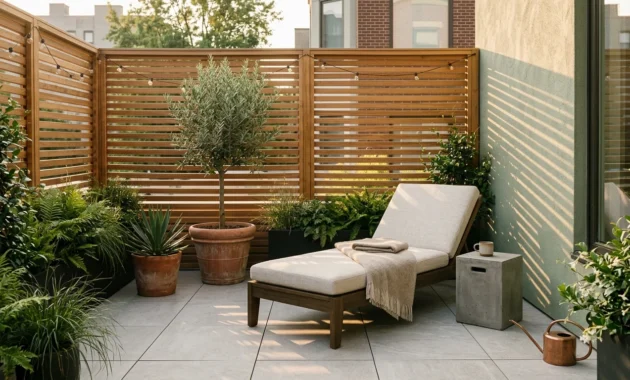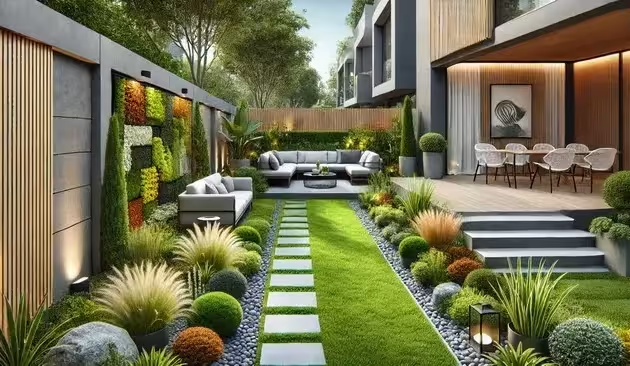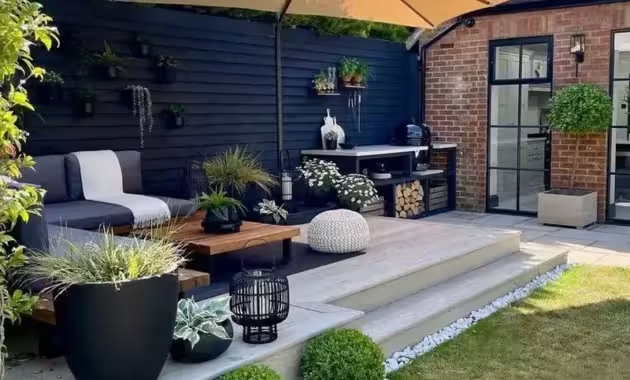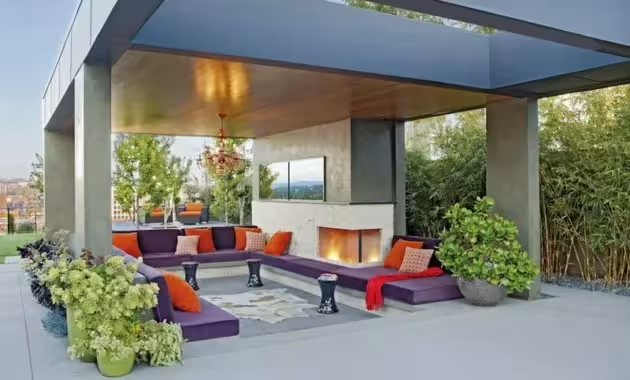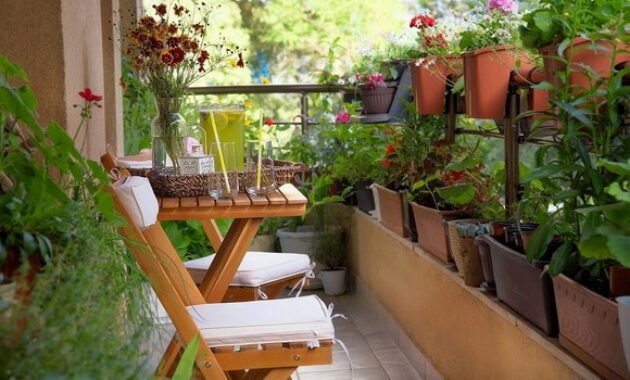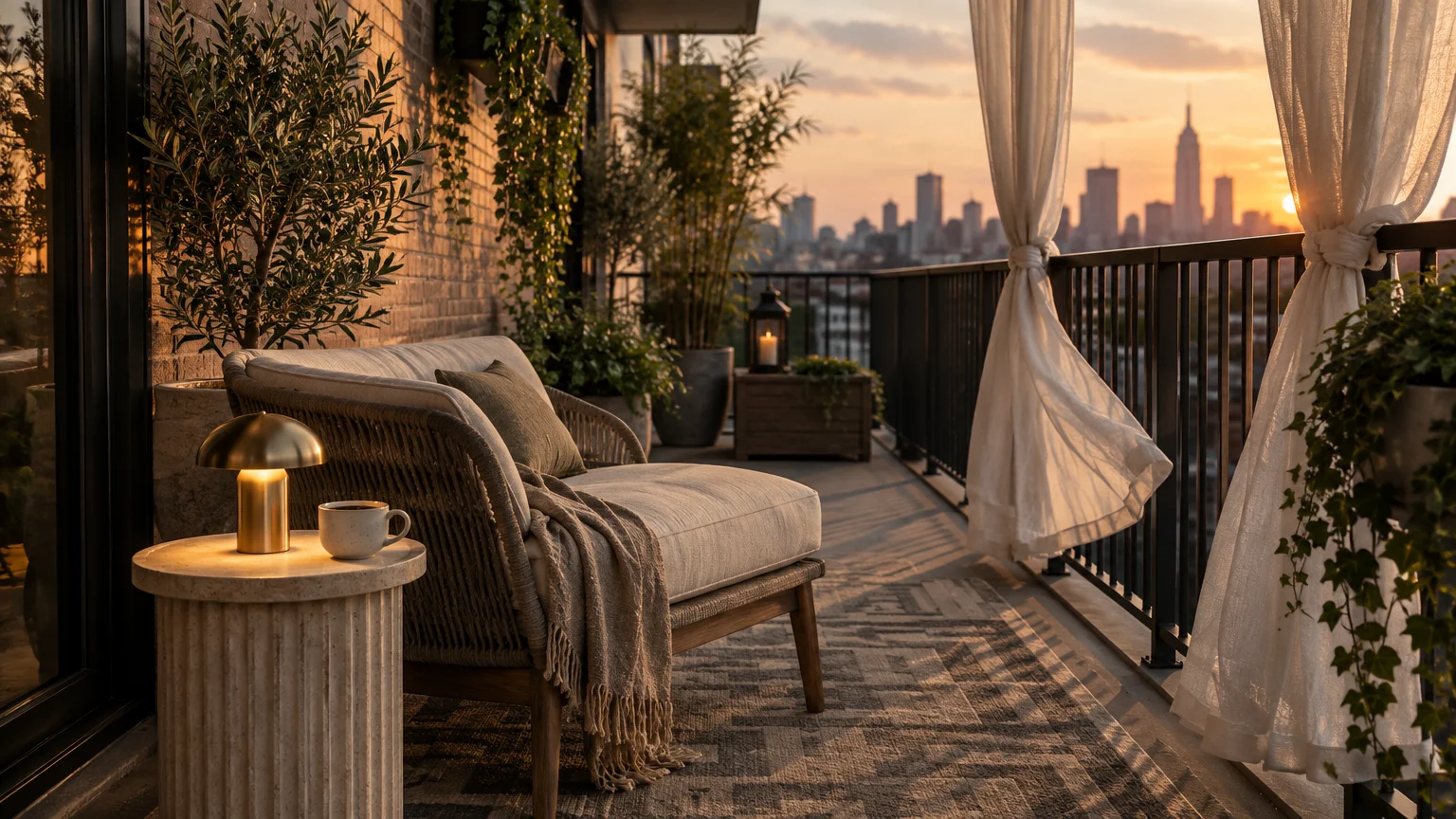
You can transform your utilitarian balcony into an authentic outdoor room with the right sensory layers. Extending your interior aesthetic past the threshold instantly expands your usable square footage and elevates everyday urban living.
Contemporary design treats the balcony as an intentional salon rather than an architectural afterthought. By curating tactile textures, sculptural silhouettes, and ambient lighting, you dissolve the boundary between indoors and outdoors.
Whether you possess a compact perch or a spacious terrace, cohesive styling establishes functional serenity. These curated essentials will help you orchestrate a sophisticated small balcony makeover that mirrors your living room.
Trend #1: Architectural All-Weather Area Rugs
Grounding your outdoor space with a substantial textile immediately mirrors the spatial logic of an interior living room. An all-weather rug conceals harsh industrial concrete while defining an inviting conversation zone.
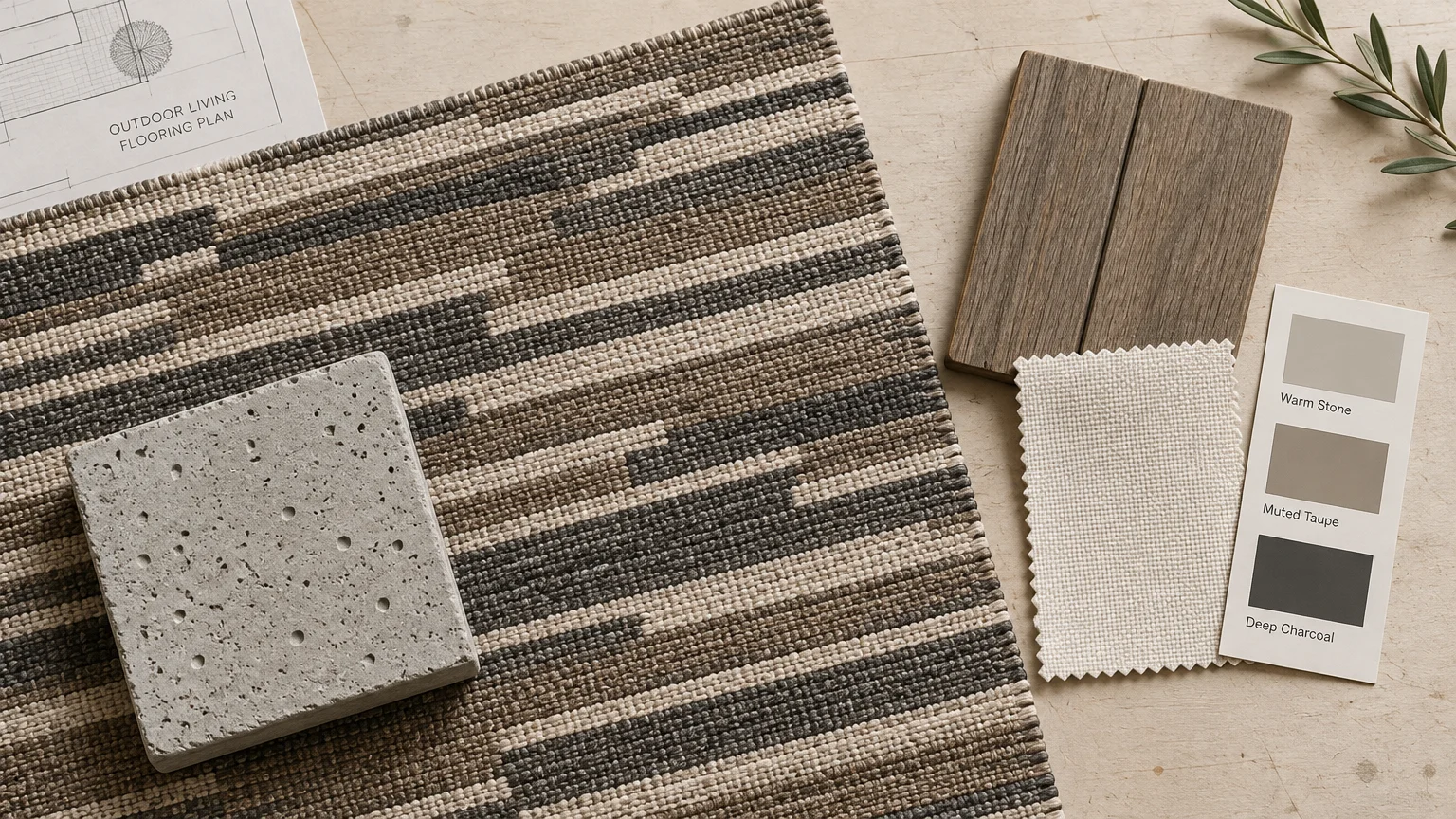
Designers currently favor bold geometric motifs, oversized broken stripes, and nuanced checkerboards woven from resilient polypropylene fibers. These specialized weaves resist mold, UV bleaching, and heavy foot traffic without sacrificing tactile comfort.
The cultural shift toward quiet luxury drives this trend, emphasizing soft mineral palettes over jarring synthetic brights. Look for warm stone, muted taupe, and deep charcoal tones that harmonize with your interior flooring.
Proportion remains vital when selecting an outdoor floor covering for compact footprints. Ensure the front legs of every seating piece rest comfortably on the weave to lock your furniture arrangement into a unified whole.
Flat-weave construction dries rapidly after rainstorms, preventing standing moisture from lingering underfoot. This practical resilience allows you to enjoy outdoor barefoot living without tedious maintenance hassles.
This deliberate foundation sets a tailored stage for your broader apartment balcony decor ideas. By anchoring the floor plane, you convert a windy ledge into an intimate, polished lounge.
Trend #2: Low-Slung Sculptural Lounge Chairs
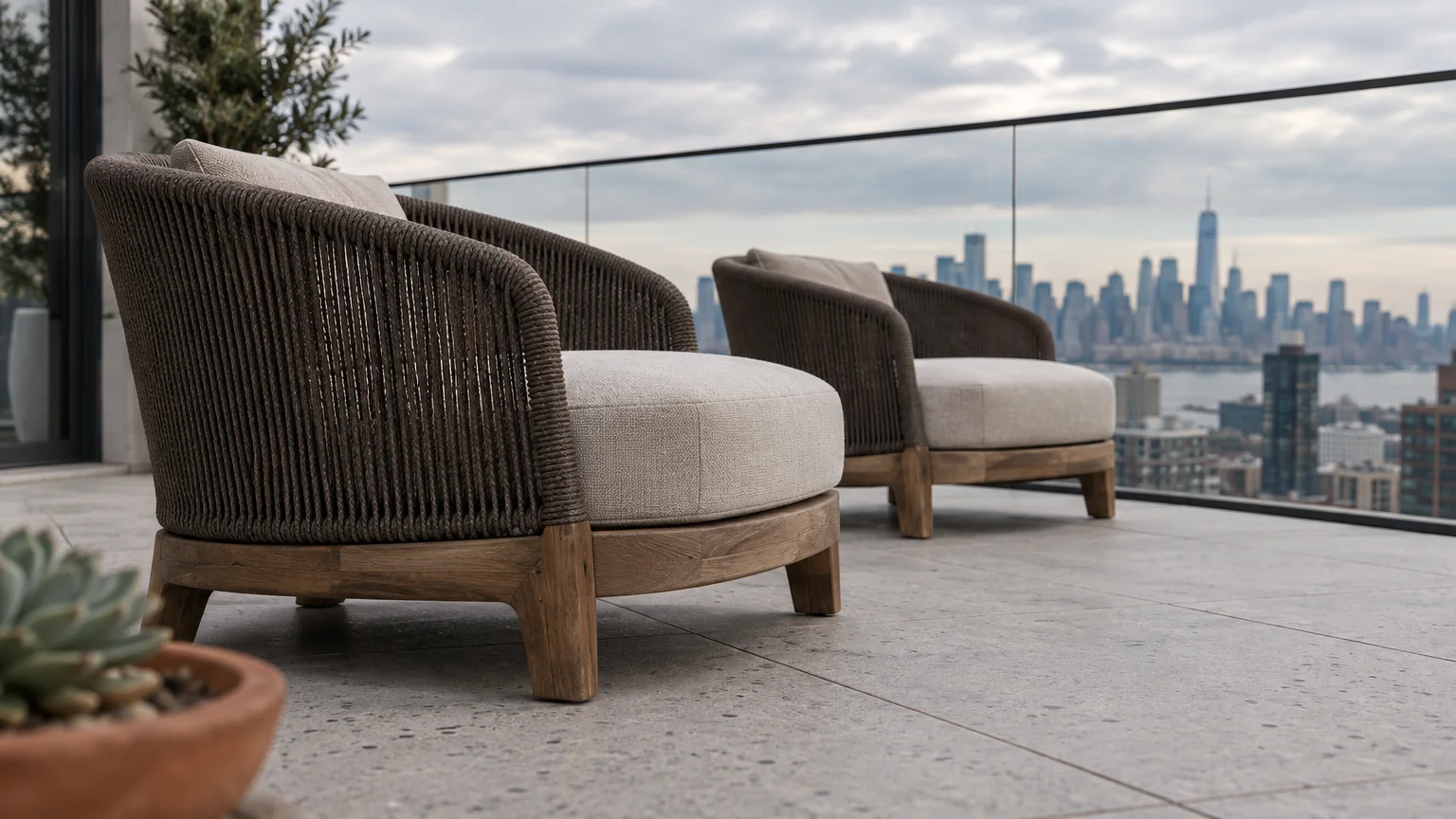
Bulky wrought iron and flimsy café sets no longer dominate chic balcony outdoor room ideas. Today’s elevated balconies feature low-profile lounge chairs that prioritize sculptural volume and deep, ergonomic relaxation.
Curvilinear silhouettes crafted from cast concrete, sustainable teak, and weather-resistant rope soften the sharp vertical architecture of urban apartment buildings. Their organic contours invite sustained lounging rather than temporary perching.
Designers deliberately lower the center of gravity to optimize visual sightlines across the railing. This intentional scale maintains an unobstructed skyline view while preserving an airy, residential ambiance.
Pair continuous woven cordage with high-density quick-dry foam cushions wrapped in solution-dyed acrylics. These advanced textiles deliver the decadent touch of residential upholstery alongside commercial durability.
Incorporating chairs with rounded barrel backs also improves traffic flow in tight perimeters. Smooth curves eliminate sharp corners, allowing you to navigate modest square footage with fluid grace.
Choosing conversational pairs rather than scattered seating establishes an intimate salon mood. This architectural furniture approach proves that compact outdoor rooms deserve the same gravitas as grand interior salons.
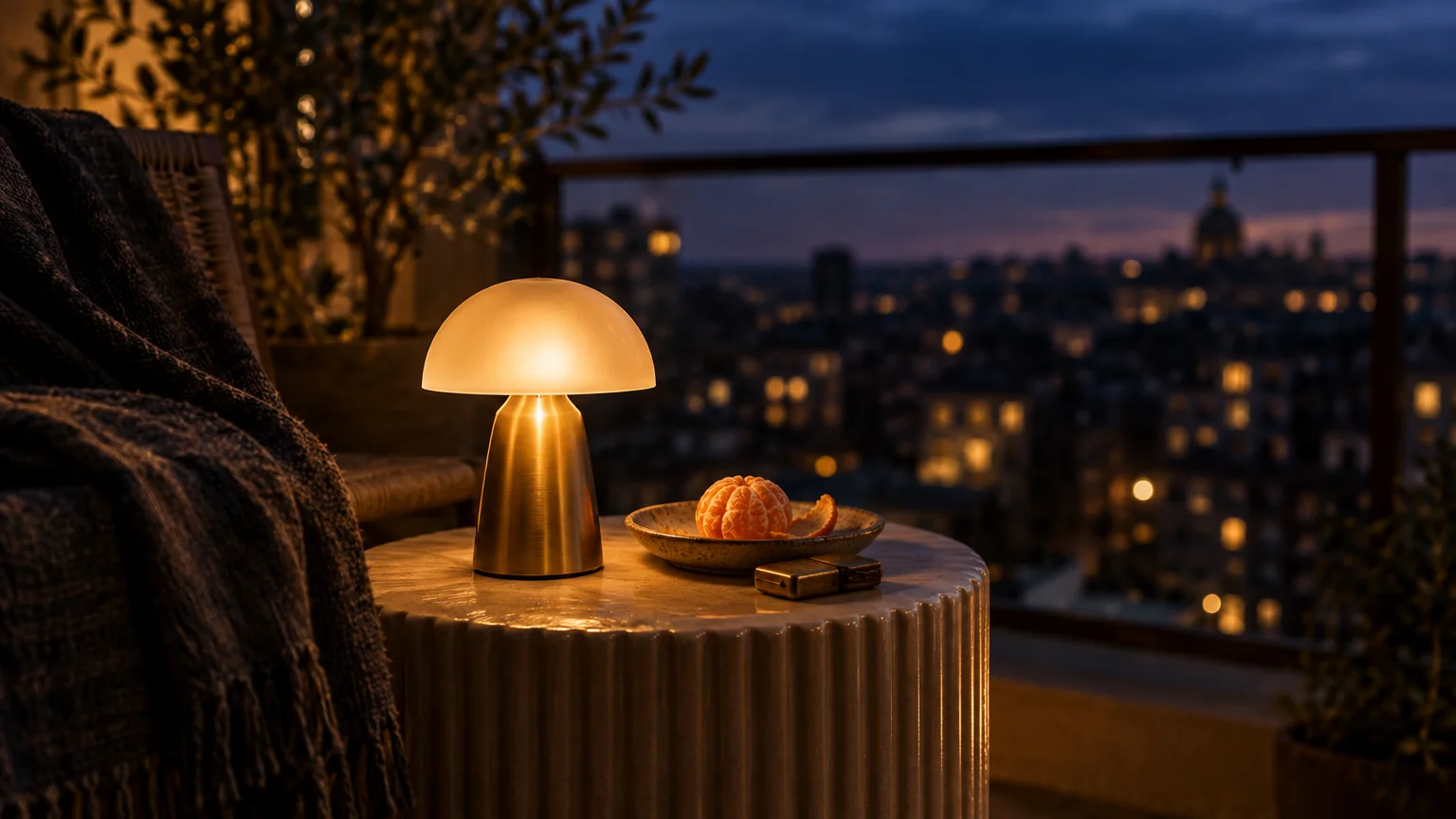
Trend #3: Portable Cordless Lamps and Sculptural Lighting
Harsh overhead exterior floodlights instantly destroy evening intimacy and ruin the domestic illusion. Modern balcony furniture and lighting concepts prioritize layered, human-scale illumination through cordless, rechargeable LED table lamps.
Portable luminaires featuring blown glass, brushed brass, and powder-coated aluminum now offer dimmable warm-spectrum illumination. You can fluidly transport these battery-powered lamps from your dining credenza directly to your outdoor cocktail table.
Illuminating at eye level replicates the flattering, golden-hour glow of a thoughtfully curated parlor. Aim for a color temperature between 2200K and 2700K to cultivate immediate tranquility.
Complement tabletop lanterns with magnetic, weather-resistant wall sconces mounted along masonry partitions. Wall grazing highlights textural exterior plaster, creating architectural depth that visually expands tight parameters.
Many contemporary fixtures now incorporate touch-sensitive dimming and integrated timers. This functionality lets you shift the mood effortlessly from twilight cocktails to quiet late-night stargazing.
Dynamic illumination transforms your terrace into a romantic nighttime retreat. This tactile lighting strategy ensures your cozy balcony decorating remains captivating long after dusk descends.
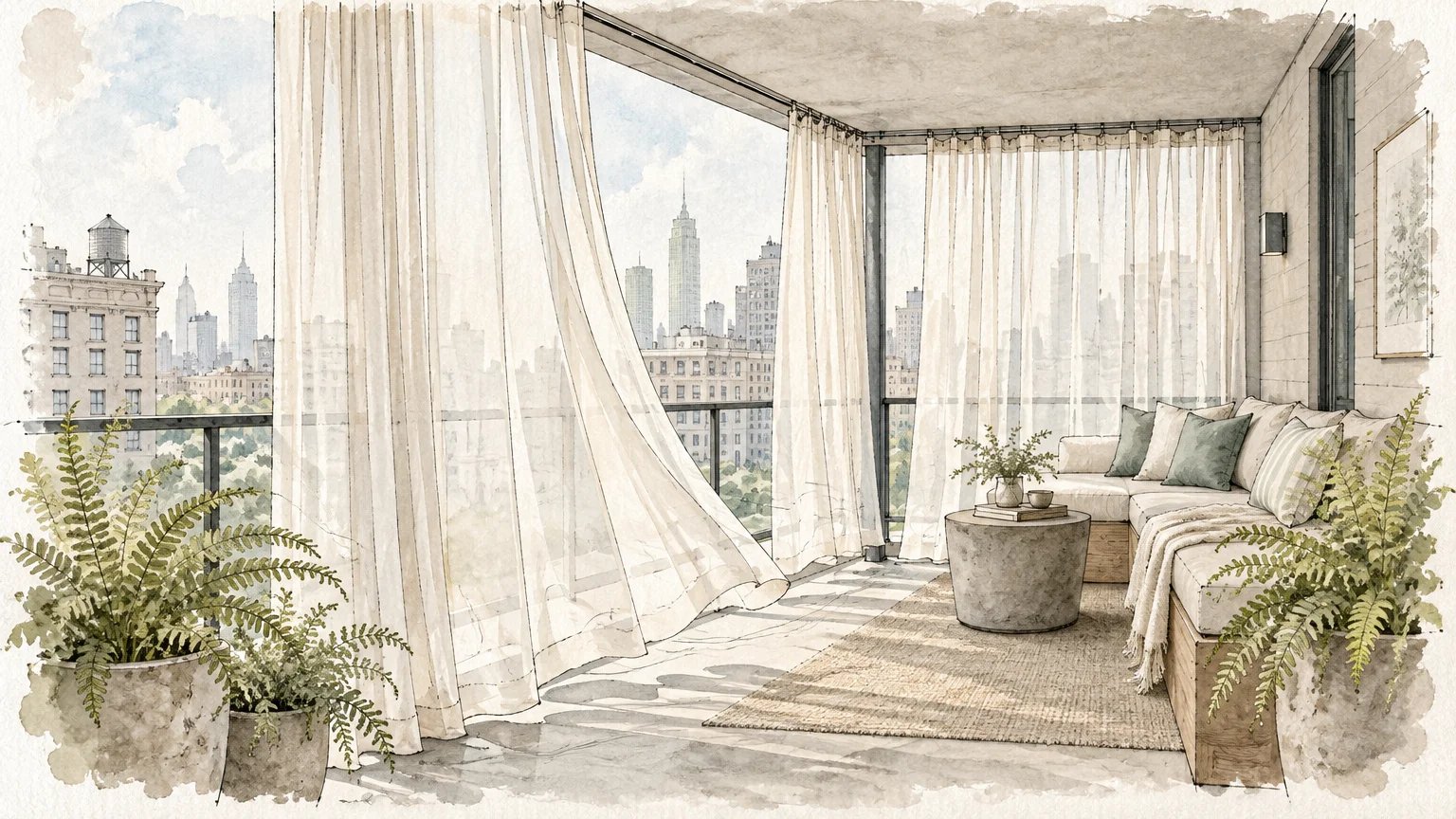
Trend #4: Architectural Weatherproof Drapery
Nothing softens the brutalist brick and glass of urban facades quite like tailored outdoor drapery panels. Hanging fluid textiles establishes a sensory ceiling-to-floor boundary that frames the open air like an elegant window wall.
Marine-grade fabrics woven from UV-stabilized threads billow gracefully without fading, mildewing, or absorbing moisture. They diffuse harsh midday solar glare while providing invaluable acoustic insulation against street-level traffic clamor.
Mount rustproof stainless steel tension rods directly beneath upper balcony overhangs or structural lintels. Choose weighted hems to prevent erratic flapping during sudden high-altitude crossbreezes.
Natural linen textures and airy bone hues evoke the serene elegance of Mediterranean coastal retreats. Drawing the curtains partially closed fosters an evocative sense of seclusion, shielding your sanctuary from prying neighboring towers.
When tied back with wide fabric sashes, these curtains frame your city view like a grand proscenium arch. They inject theatrical softness into an otherwise rigid structural environment.
This vertical architectural treatment dramatically enhances threshold design. It delivers a gentle tactile enclosure that turns an exposed exterior shelf into a private, cocooning chamber.
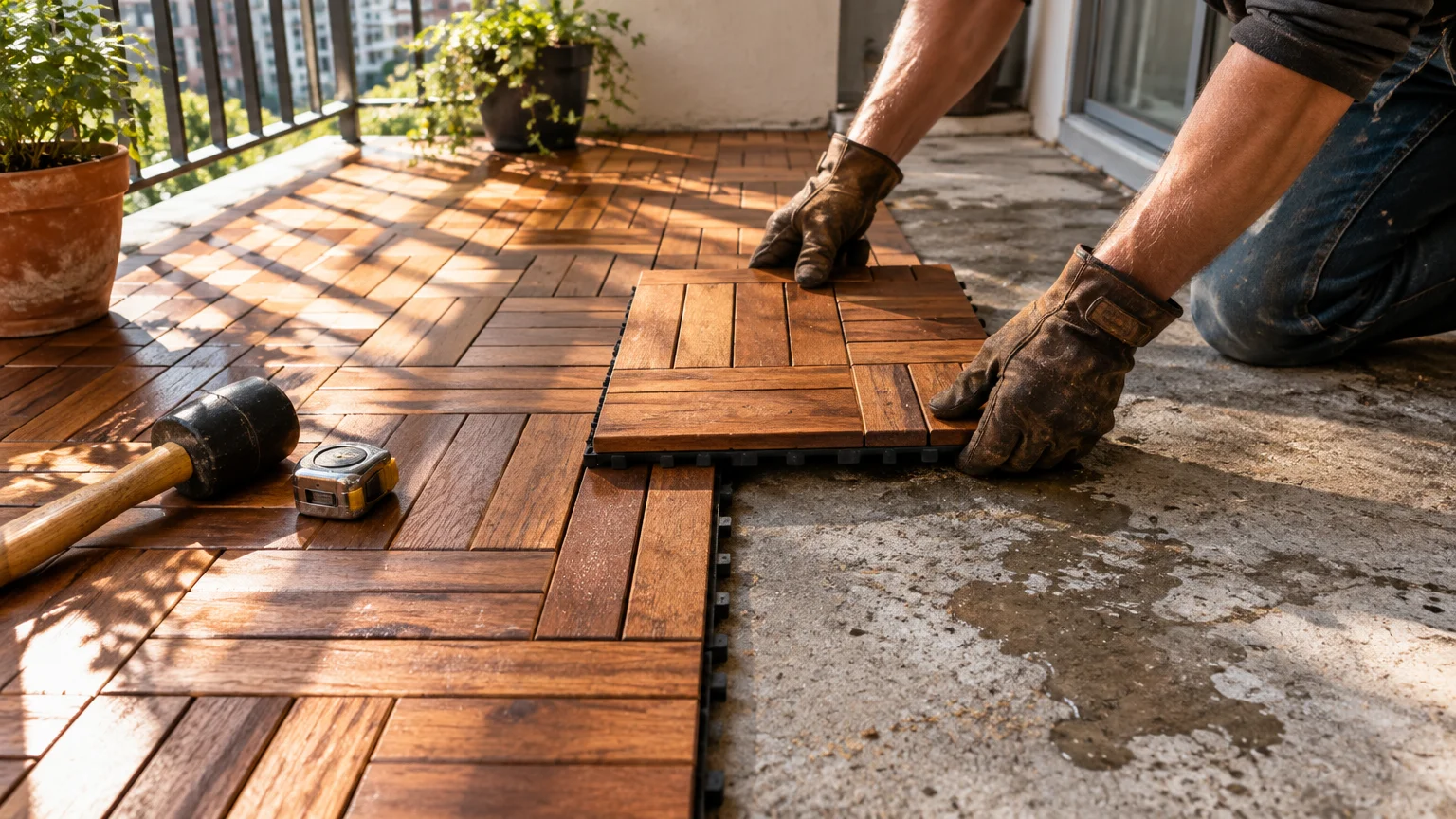
Trend #5: Interlocking Hardwood Deck Tiles
Standard apartment concrete floors often read as chilly, utilitarian, and visually disconnected from refined interiors. Snapping down modular, interlocking wood deck tiles creates an opulent hardwood floor aesthetic in an afternoon.
Responsibly harvested teak, ipe, and thermally modified ash provide authentic grain richness and natural slip resistance. Their inherent oils naturally deter wood rot, wood-boring insects, and seasonal moisture fluctuations.
Aligning the deck tile grain perpendicular or parallel to your indoor flooring blurs physical boundaries. When your terrace shares the visual grain of your interior parquet, your living room appears to glide seamlessly outside.
Integrated elevated grid bases allow rainwater and debris to drain freely away from the walking surface. This hidden drainage system prevents standing water puddles while protecting the building’s underlying waterproofing membrane.
You can easily unclip and remove these tiles whenever you decide to relocate to a new apartment. This portability makes them a premier, renter-friendly upgrade for discerning urban dwellers.
This tactile upgrade establishes barefoot luxury across the threshold. It serves as the ultimate high-impact intervention for any discerning small balcony makeover.
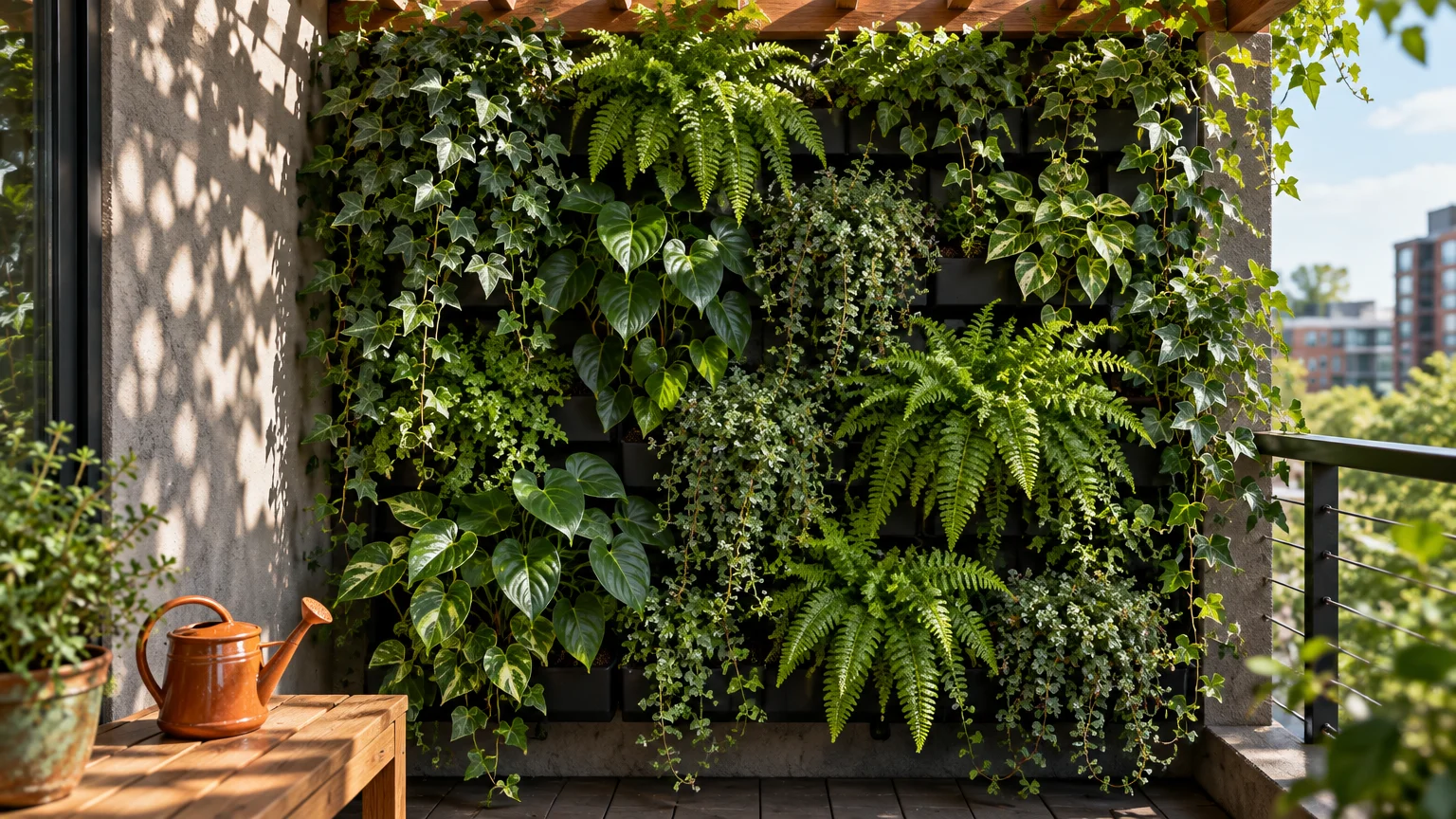
Trend #6: Biophilic Living Walls and Vertical Planters
Incorporating lush greenery is essential for human wellbeing, yet bulky floor pots quickly consume valuable balcony real estate. Vertical planter systems exploit underutilized wall space to envelope your seating area in verdant foliage.
Modular felt pocket systems, slatted cedar trellises, and powder-coated steel grids support a rich tapestry of botanical specimens. Intertwine cascading English ivy, structural ferns, and fragrant herbs to stimulate both sight and scent.
This biophilic wall installation functions as acoustic dampening while purifying urban air currents. Furthermore, dense foliage buffers direct wind shear, fostering a sheltered microclimate ideal for reading or morning espresso.
Select varied foliage textures—from velvety broad-leafed hostas to feathery Japanese forest grass—to simulate layered natural landscapes. Integrate automatic drip-irrigation bladders or self-watering reservoirs to simplify plant maintenance routines.
Vertical gardens also draw the eye upward, accentuating vertical volume and making compact spaces feel substantially taller. This verticality transforms flat concrete dividers into vibrant tapestry-like statements.
Greenery brings provenance and vitality to sterile urban masonry. By wrapping the perimeter in living textures, you cultivate a restorative alfresco conservatory.
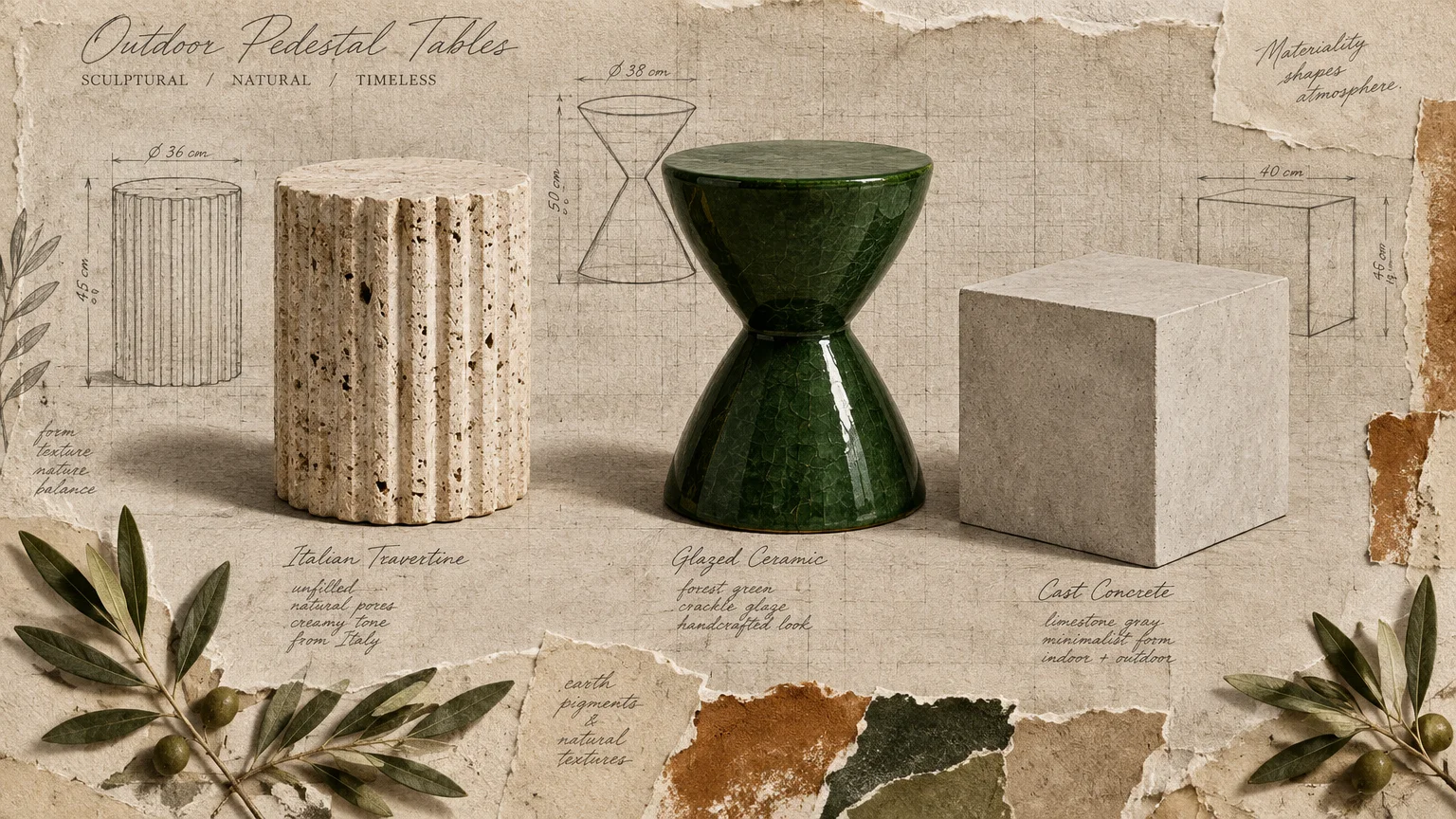
Trend #7: Travertine and Glazed Ceramic Pedestal Tables
Lightweight plastic or hollow metal tables frequently feel temporary and tip over in gusty winds. Discerning tastemakers now anchor their outdoor spaces with substantial pedestal side tables carved from travertine, fluted concrete, or glazed ceramic.
These solid decorative objects introduce sculptural mass, mimicking the refined material curation of a designer living room. Travertine offers porous earthy character, while jewel-toned reactive glazes reflect changing celestial light.
Pedestal silhouettes conserve precious floor space by resting on compact, weighted footprints. Their monolithic profiles contrast beautifully against delicate woven chairs and fluttering textiles.
Heavy masonry pedestals withstand intense wind gusts without flinching, providing unyielding stability for your stemware and coffee cups. This reassuring permanence eliminates the anxiety of outdoor entertaining on breezy afternoons.
Treat your outdoor occasional table as a curated still life just as you would inside. Adorn the surface with a heavy stone catchall tray, sculptural matches, and a small potted succulent.
The presence of genuine mineral materials signals permanent sophistication. These enduring items anchor your outdoor sanctuary in authentic, timeless craftsmanship.
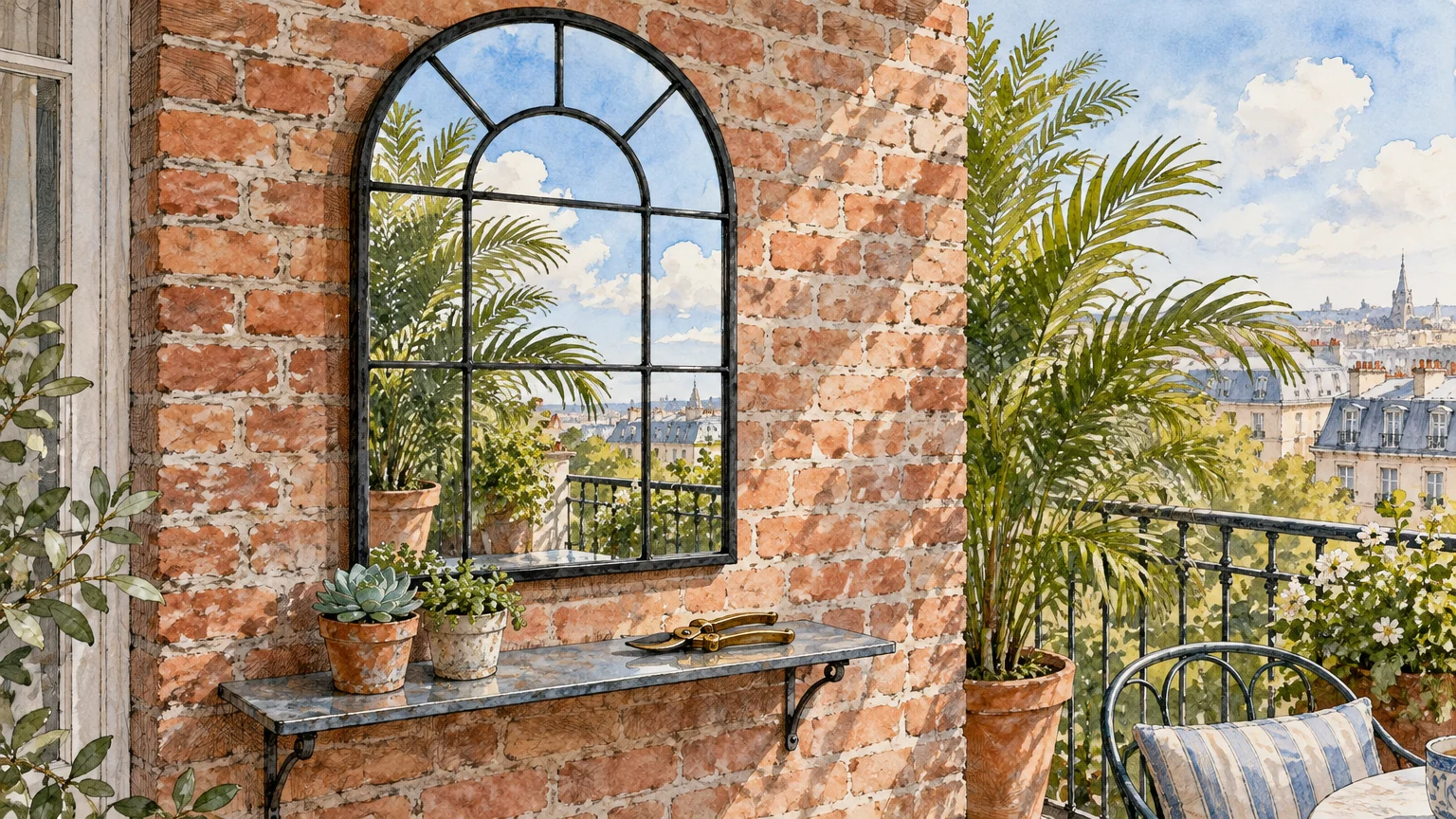
Trend #8: Weather-Resistant Architectural Mirrors
Mirrors have long served as interior designers’ primary secret weapon for visually expanding cramped rooms. Installing a specialized, exterior-rated architectural mirror accomplishes the exact same spatial trick on a petite balcony.
Opt for robust iron or marine-sealed aluminum frames that feature faux-fenestration or elegant arched grid motifs. These architectural shapes simulate an extra window opening, suggesting secret gardens or additional courtyards beyond.
Position the mirror opposite an open sky vista or a vertical garden to double your ambient light intake. The glass bounces natural daylight into shadowy corners and reflects back your living room interior.
Ensure the backing features silicone waterproofing and exterior sealant to protect the silvering from oxidation. Avoid angling the reflection directly into intense midday solar paths to eliminate glare hazards.
Soft evening candlelight flickering against a reflective surface doubles ambient warmth and creates atmospheric shimmer. This luminous effect imbues your balcony with the sultry romance of a Parisian rooftop salon.
This trompe-l’œil technique breaks down solid masonry partitions. It instantly dissolves spatial confines, imparting the grandeur of a French orangery to a modest urban footprint.
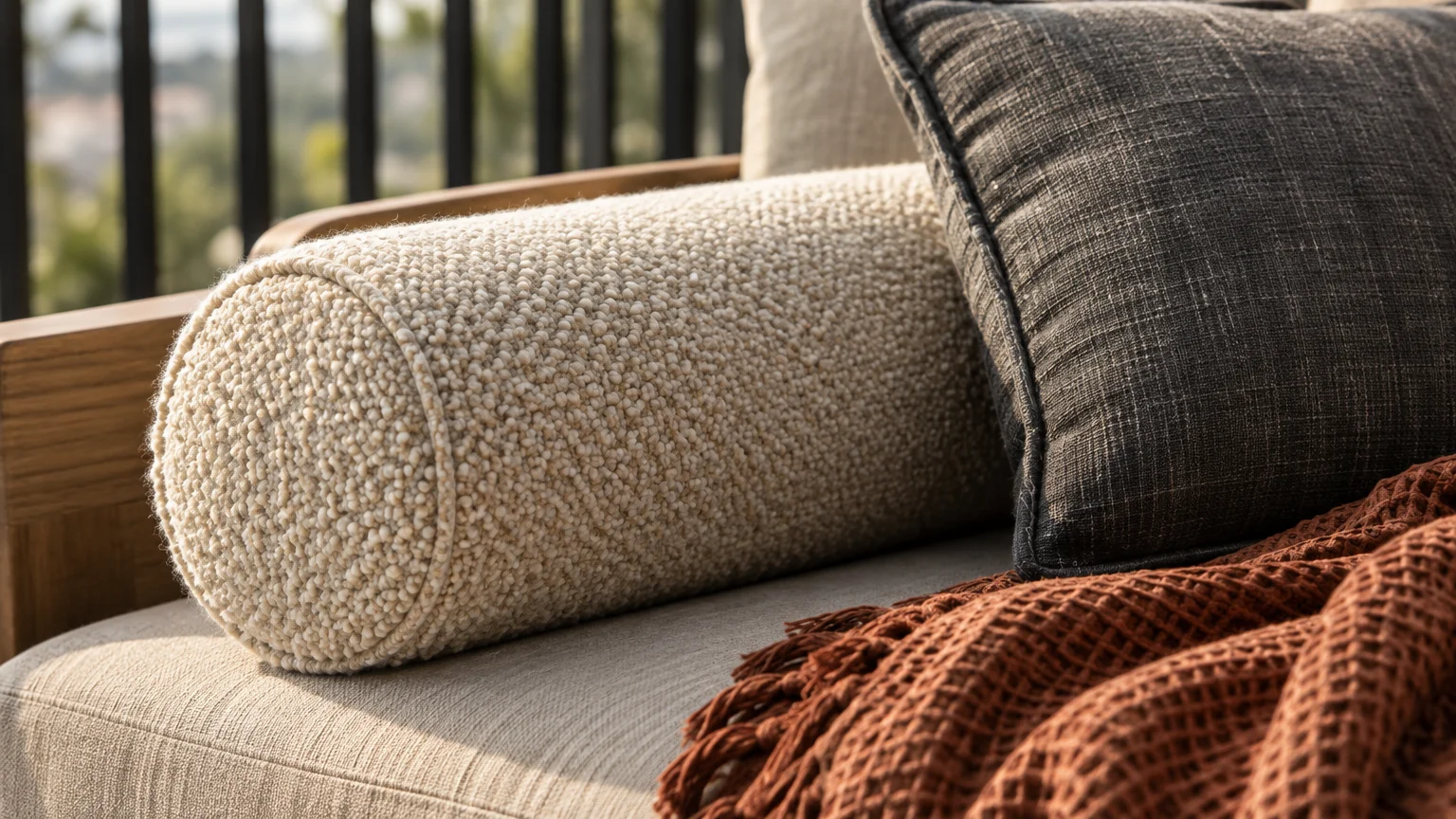
Trend #9: Tactile Performance Textiles and Bouclé Bolsters
True domestic comfort hinges on rich tactile materiality. Transitioning away from stiff canvas fabrics, current exterior collections embrace plush bouclés, slubbed linens, and tactile chenilles engineered for outdoor durability.
These high-tech yarns resist fading, soil, and moisture absorption while retaining an irresistibly soft hand. You no longer have to endure scratchy patio cushions that telegraph utilitarian compromise.
Layer contrasting forms, combining cylindrical bolster pillows with oversized square shams and fringed throws. A restrained, tonal palette of ivory, warm camel, and sage green imparts restful luxury.
Generous cushioning tempts you to curl up outside with a book for undisturbed hours. It bridges the sensory threshold, replicating the decadent relaxation of your master sofa.
Hidden zippers and removable slipcovers allow you to machine-wash covers effortlessly after seasonal pollen settles. This ease of care guarantees your outdoor haven remains as immaculate as your indoor parlor.
Investing in premier outdoor textiles represents the cornerstone of cozy balcony decorating. Soft surfaces absorb echo, cushion tired bodies, and radiate welcoming domestic warmth.
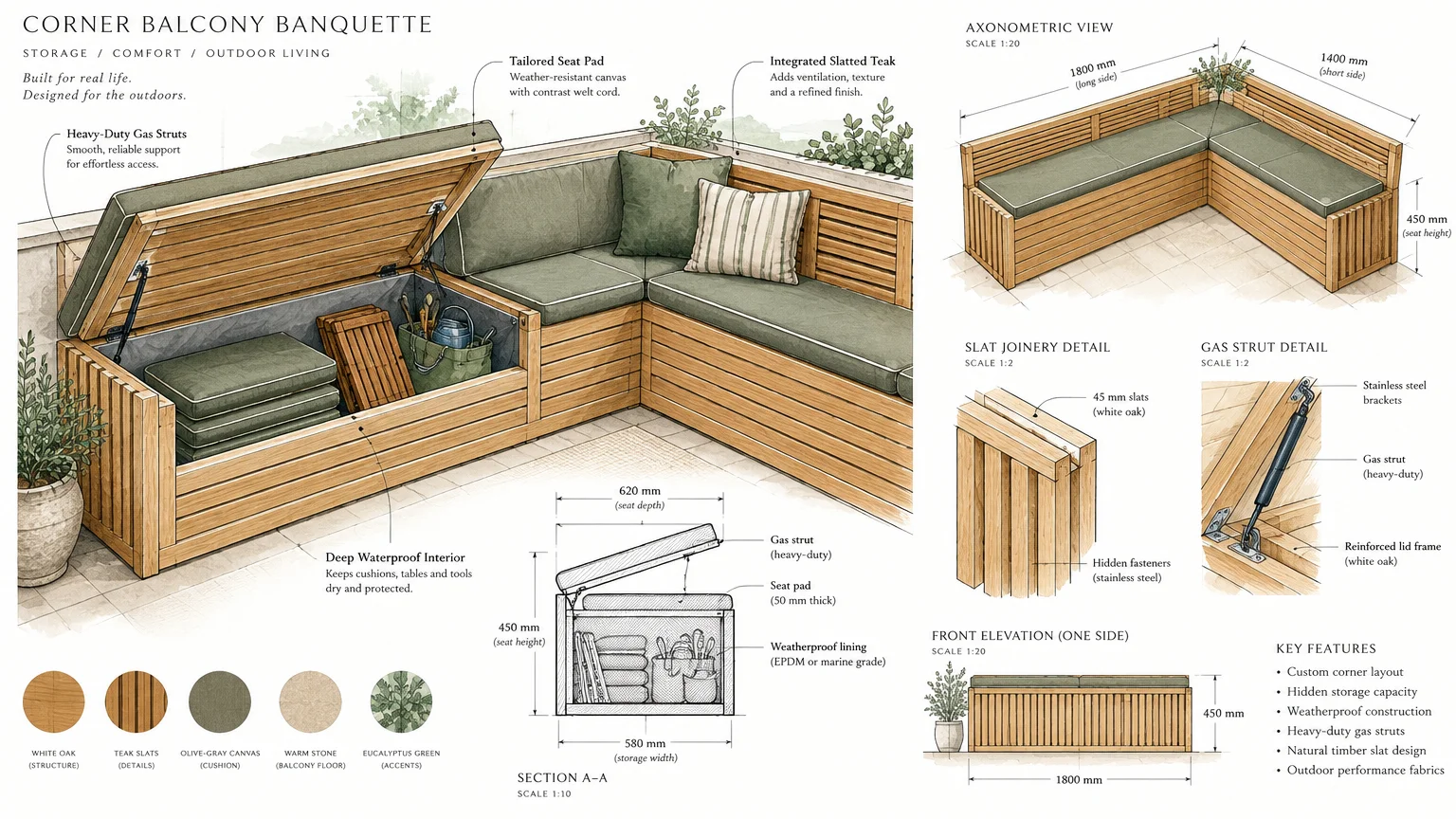
Trend #10: Multi-Functional Architectural Storage Banquettes
Visual clutter destroys the peaceful illusion of an outdoor room faster than anything else. Built-in or modular banquette benches offer sprawling lounge seating while concealing outdoor cushions, gardening tools, and throws beneath hinged tops.
Custom-look joinery constructed from oiled teak, slatted aluminum, or painted marine plywood hugs the balcony perimeter. This custom orientation frees central floor space, establishing clear circulation pathways across the threshold.
Banquettes transform dead balcony corners into bespoke breakfast nooks reminiscent of chic boutique hotels. Top the bench with a tailored base mattress and tufted back bolsters to encourage long afternoons of reading.
The permanence of bench joinery communicates architectural purpose rather than provisional decoration. It roots the design firmly into the building’s footprint, making the balcony feel like an organic structural extension.
Hydraulic soft-close hinges prevent slamming during wind gusts while safeguarding fingers during daily use. Selecting water-resistant internal lining keeps stored blankets dry and ready for cool starlit evenings.
By pairing discrete utility with indulgent comfort, banquette seating proves essential for balcony outdoor room ideas. It elevates modest square footage into an organized, luxurious haven.
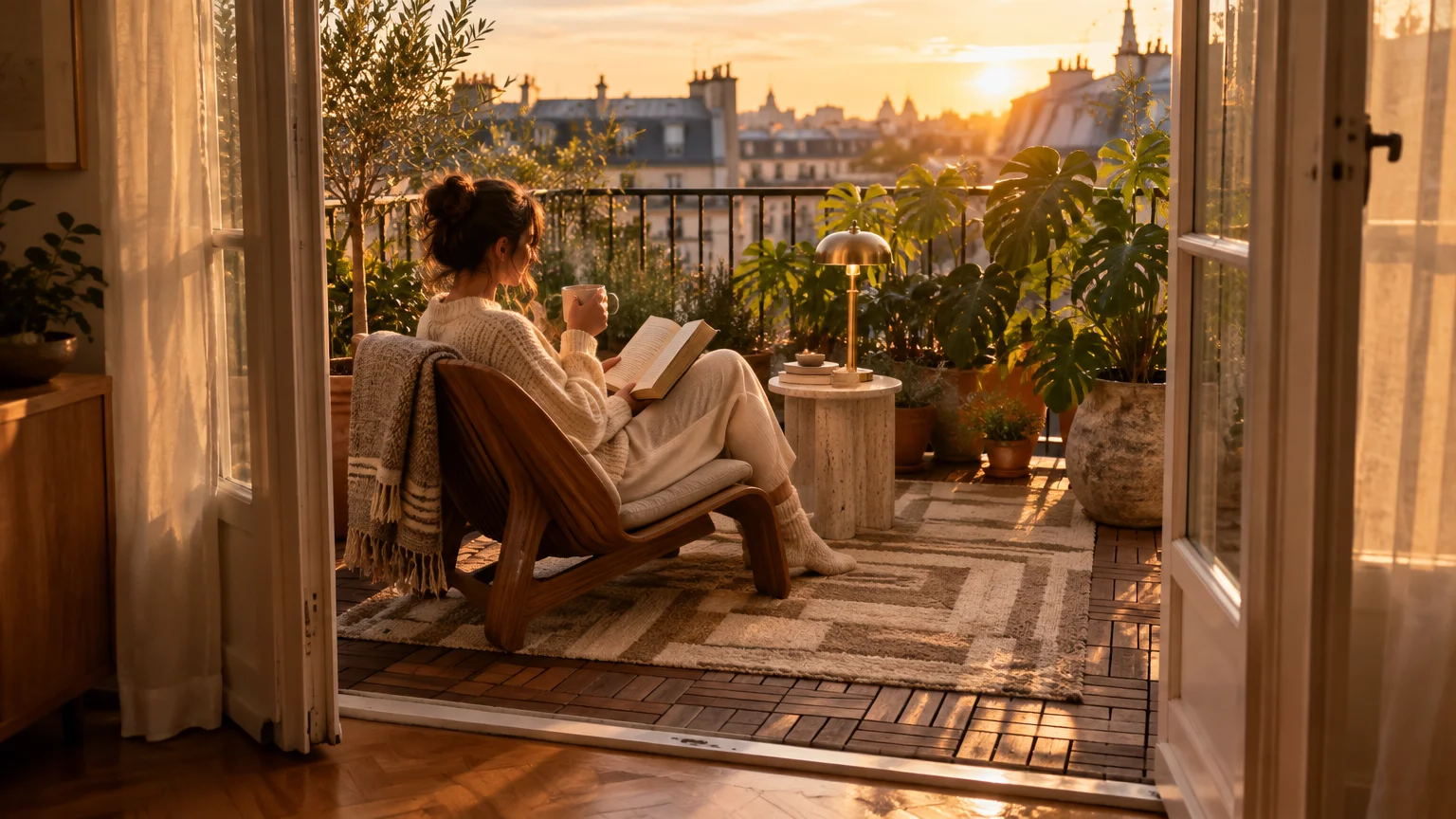
The Big Picture: Weaving These Trends into Your Home
Curating an outdoor room requires the same stylistic discipline you apply to an open-concept living area. Rather than adopting an entirely disconnected theme, extend your interior color palette and material language outward.
Begin by establishing your threshold sightline. Stand inside your living room and observe what your eyes encounter first when glancing through the balcony glass doors.
Frame that vista intentionally with balanced vertical heights, anchoring an architectural planter or sculptural chair within direct view. This deliberate composition lures you outside and invites continuous spatial interaction.
Balance tactile textures to avoid visual chaos. Pair the rugged minerality of concrete or travertine with the whispering fluidity of drapery and soft woven rugs.
Respect the structural constraints and exposure levels of your specific building envelope. High-wind exposures require weighted pottery and tied cushions, whereas sheltered loggias accommodate lighter, delicate styling.
Edit your choices ruthlessly. A successful small balcony makeover champions intentionality and generous negative space over cluttered novelty.
For the latest color forecasts, consult industry leaders like Pantone and paint companies like Benjamin Moore. For professional design standards, refer to the American Society of Interior Designers (ASID).
Disclaimer: This article reflects design trend analysis and predictions. Personal taste and timeless design principles should always guide your decorating choices.
Frequently Asked Questions
How do you weatherproof an apartment balcony to protect interior-grade styling?
Select furnishings constructed exclusively with marine-grade stainless hardware, powder-coated aluminum, and UV-stabilized solution-dyed acrylics. These materials replicate interior textures while deflecting moisture and solar degradation.
Invest in tailored, breathable furniture covers for severe winter storms or extended monsoon seasons. Furthermore, install elevated deck tiles to ensure pooling rainwater drains safely beneath your living surfaces.
What is the most effective way to make a very narrow balcony feel wider?
Direct the eye horizontally by laying striped performance rugs or timber decking tiles across the narrowest dimension. This optical horizontal axis tricks the brain into perceiving broader spatial boundaries.
Mount low-profile furniture flush against the short end walls, leaving the central balcony glass balustrade unobstructed. Hanging architectural mirrors on side walls similarly multiplies perceived square footage.
Can you mix different design styles between your interior living room and balcony?
You should maintain cohesive thematic undertones to avoid jarring visual disconnects across the threshold. However, you can amplify relaxed resort aesthetics outdoors by introducing warm wicker, raw travertine, and breezy linen drapery.
Unify the transition by mirroring secondary accent colors from your indoor cushions or artwork in your outdoor pottery. This subtle cross-pollination creates harmonious continuity without rigid uniformity.
What lighting techniques work best if your balcony lacks exterior electrical outlets?
Modern battery-operated LED technology offers remarkable power and sophistication without messy extension cords. Select rechargeable USB table lamps and magnetic, dimmable sconces that provide 2400K warm-spectrum light.
Supplement portable luminaires with solar-powered pebble pathway lights tucked inside vertical planter foliage. This combination crafts atmospheric, multi-layered depth without requiring permanent electrical wiring.